Tag: asia

  • Sa Sa holiday sales numbers look positive

    Sa Sa holiday sales numbers look positive

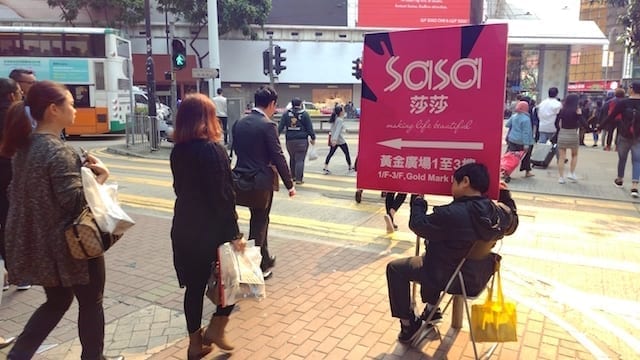
    Sa Sa holiday sales were strong enough to fuel optimism for the beauty products retailer’s full-year performance. Its unaudited sales for the Labour Day holiday show retail sales in Hong Kong and Macau increasing by 34.4 per cent year on year. Sales attributable to mainland customers grew by 41.5 per cent, driven mainly by 23.4 per cent growth in transaction volume and a 14.6 per cent increase in average sales per transaction.

    On a same-store basis, sales rose 31.7 per cent, with sales to local and mainland customers up 12.5 and 38.9 per cent respectively. The overall sales performance was in line with expectations.

    Apart from external factors, Sa Sa says it is starting to bear fruit from the relocation and consolidation of its warehouses.  Continuing efforts to improve product offerings and the balancing of sales growth against gross profit margin have led to increased sales while containing gross profit margin within an acceptable level.

    Benefitting from the retail market recovery, the group says it will continue to optimise product offerings and enhance the customer experience.

  • Amazon looks to UK grocery acquisition

    Amazon looks to UK grocery acquisition

    Amazon’s aim to conquer retail’s largest category, grocery, through the acquisition of bricks-and-mortar supermarkets has been further illuminated by its reported attempt to initiate takeover talks with the upmarket chain, Waitrose, in the UK.

    A recent report in The Sunday Times has suggested that one of Amazon’s most senior executives in Britain, vice president of special projects Ajay Kavan, had several “enormously informal” conversations with a director of the John Lewis Partnership, Waitrose’s parent company, about a possible deal last November. However, a request for a formal meeting was apparently shut down by the board.

    Citing an unnamed source, The Sunday Times reported that Amazon’s interest in the 350-store supermarket chain was known to the partnership’s executive team, including Waitrose’s boss Rob Collins, group finance director Patrick Lewis and head of John Lewis department stores Paula Nickolds, but chairman of the board Sir Charlie Mayfield denied the report.

    “These times are ripe for speculation, but there has been no approach to the partnership by Amazon regarding Waitrose, and nor would I expect there to be,” Mayfield told.

    Analysts have speculated that Amazon could buy a British grocery chain since it launched its online grocery delivery service, Amazon Fresh, in the market two years ago. Morrisons, Sainsbury’s and Waitrose reportedly were all considered potential targets.

    The recent £14 billion merger between Sainsbury’s and Asda has been cast as a move in part to ward off Amazon’s broader move into grocery, which many see as ramping up since the company’s US$13.7 billion acquisition of Whole Foods last summer.

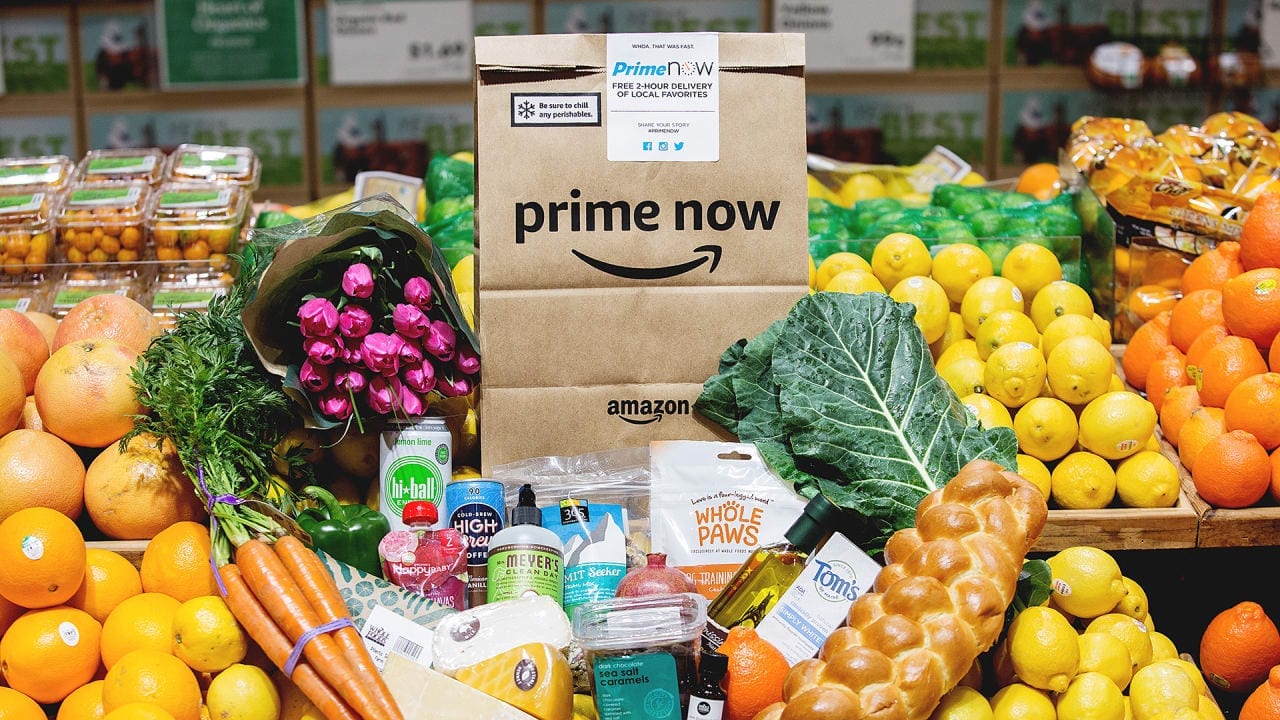
    Since taking over Whole Foods’ 470 stores in the US, Canada and UK, Amazon has cut prices on staples and rolled out free two-hour delivery for online grocery orders in several cities across the US.

  • Xiaomi files documents for IPO in Hong Kong

    Xiaomi files documents for IPO in Hong Kong

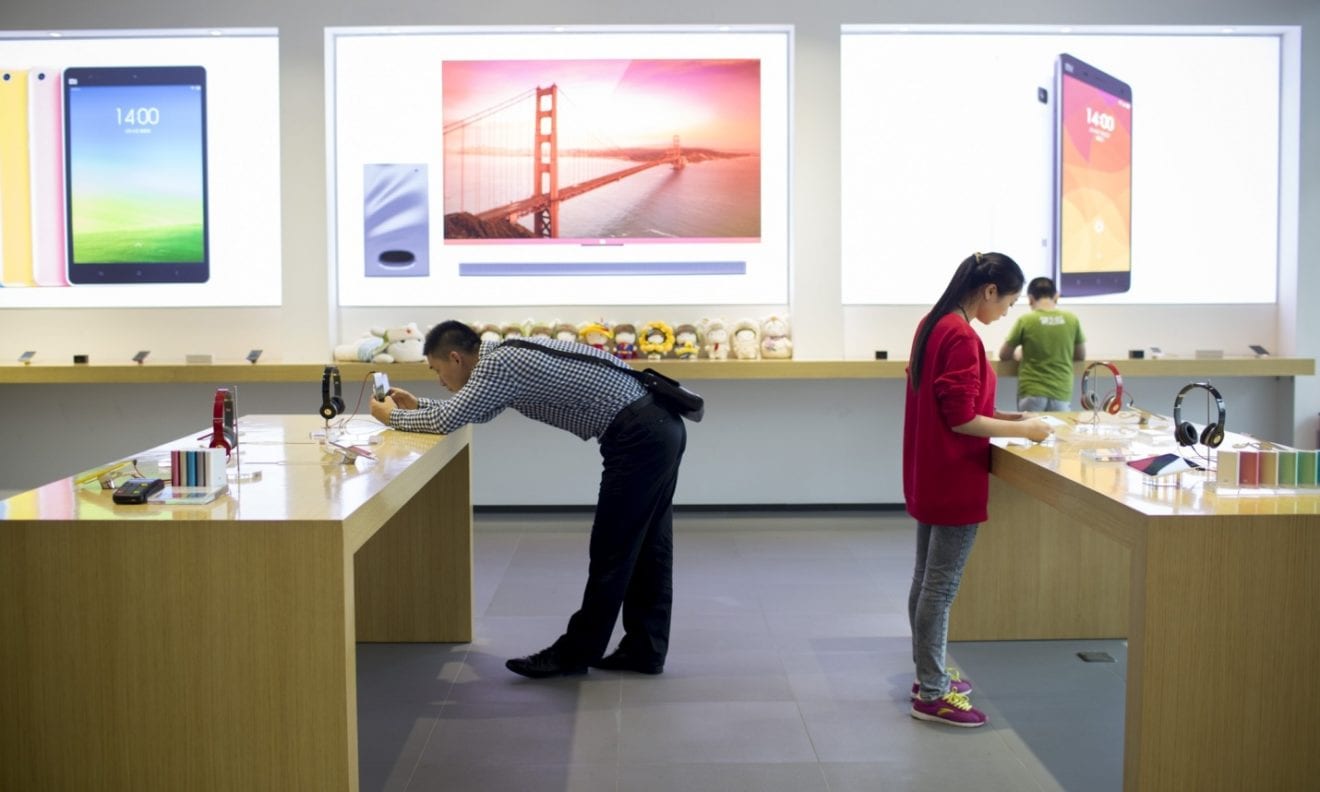
    Chinese smartphone giant Xiaomi has filed documents for an IPO on the Hong Kong stock exchange that could see the company raise at least $10 billion in the biggest public offer since 2014.

    The IPO is expected to value the company at between $80 billion and $100 billion, according to data and analysis company GlobalData. This would make it the largest IPO since Alibaba’s $25 billion public listing in 2014.

    GlobalData consumer technology analyst Avi Greengart said the listing would give Xiaomi the infusion of capital it will need to pursue an expansion to the West.

    “Xiaomi has long planned to enter the US. For now it is targeting Europe, starting with Spain, and we will be closely monitoring how the brand and its business model translates well outside of China,” Greengart said.

    “Xiaomi has said it plans to enter the US market ‘next year’ for the past three years. The US is famously unfriendly to Chinese brands right now. The bigger challenge is that carriers are the gatekeepers, the market is skewed heavily towards premium smartphones, and US consumers have expectations around brand and software that Xiaomi may have difficulty meeting.”

    The vendor’s “fascinating” business model involves selling phones in high volumes at low margins, and started with online-only operations, Greengart said.

    “However competitors such as Huawei eventually countered with online-only brands of their own, and Xiaomi was unprepared. The company was able to successfully regroup and move into retail outlets as well as online. Xiaomi’s also thinks of itself as an incubator and IoT ecosystem vendor, investing in dozens of start-ups selling everything from air cleaners to fitness bands to Segways.”

    Xiaomi’s IPO documents [PDF] show that the company recorded a 67.5% increase in revenue in 2017 to 114.62 billion yuan (HK$141.36 billion). But the company swung to a net loss of 43.89 billion yuan from a profit of 491.6 billion yuan in 2016.

    The company already has a presence outside of China, having rapidly grown to the top smartphone brand in India, IDC estimates. The research firm also puts Xiaomi at the number four spot globally in terms of smartphone market share, behind Samsung, Apple and Huawei.

  • Ooredoo Myanmar enters eSports tie-up with HOG

    Ooredoo Myanmar enters eSports tie-up with HOG

    Ooredoo Myanmar has entered a partnership with Myanmar’s first eSports center Halls of Gamers (HOG) to provide high-speed connectivity for competitors.

    Under the agreement, Ooredoo will provide high-bandwidth fiber broadband services to HOG at a special rate to support HOG’s eSports tournaments.

    The operator will also set up a booth at the HOG eSports Center to provide product sales and technical support.

    HOG opened in 2017 in Yangon as the first LAN gaming center in Myanmar to promote the local eSports industry with activities including tournaments, festivals and contests. The center has the space and facilities available to host international eSports tournaments.

    “We are very glad to our partnership with HOG eSports Center to support together with HOG for the development of eSports among the youths in Myanmar to reach to international level,” Ooredoo Myanmar CEO Vikram Sinha said.

    “We believe that with our reliable speed though Ooredoo B2B dedicated fiber internet access, all eSport gamers can enjoy the internet to gain their achievement.”

  • Domino’s Franchising model’s uncertain

    Domino’s Franchising model’s uncertain

    The franchising model has been around a long time in Australia, but a raft of inquiries and negativity surrounding the sector is fuelling uncertainty over its viability moving into the future. The franchising sector has been on the receiving end of a lot of negative political and media attention over the past two years.

    The industry response has largely been to pop in earplugs and cover its eyes with blindfolds and just wait till all the problems go away.

    The Franchising Council of Australia continues to roll out media releases of self-congratulations for the industry, announcing award winners for franchising excellence and forums to showcase investment opportunities.

    The Council has protested the timing, intent and conclusions of inquiries into the sector claiming it is in robust health, despite the falls from grace of some of the most celebrated franchise systems.

    A little bit like the alcoholic who can’t rehabilitate without first acknowledging they have a problem, the franchise sector is certain to be plagued with serious problems well into the future, unless it recognises the limitations of the franchising business model.

    Franchising has been around for a long time and does undoubtedly have its success stories but it is uncertain that retail franchising systems can survive in their current form.

    At the very least, retail franchising systems are likely to become much less lucrative for franchisors who are unlikely in future to be able to obtain the level of franchise levies, marketing fees and even product supply charges that they have received in the past.

    Franchisors are also facing the prospect of higher operating costs associated with a tightening of regulations and legislative provisions to ensure the appropriate governance and accountability of their systems and enhance operational support for their franchisees.

    The franchise business model arguably works for service businesses, which in many cases have low ingoing costs and often provide a customer referral facility, which provides a clear and direct value for the fees.

    Retail franchises are an entirely different matter as they involve high entry costs for the franchise rights, store fit out costs, rent and occupancy charges for tenancies, inventory carrying costs and hefty wages bills resulting from extended hours trading in most locations.

    Franchisees have much longer hours to spend managing a retail business than investors in other types of franchises and, at the end of the day, many are effectively working for nothing after coughing up their various dues to franchisors.

    Pressure across all sectors

    The scandals and increased level of disputation involving retail franchise systems should not be surprising, given that the entire retail industry is under pressure with major local chains closing stores and others failing financially and international retailers such as The Gap and Esprit abandoning the Australian market.

    The seasonality and vagaries of fashion has meant there have been few apparel franchise systems.

    General merchandise chains like Beacon Lighting and The Good Guys bought back their franchises while the struggling Godfreys cleaning appliance chain has waxed and waned on its franchising program.

    Yum Restaurants Australia, which built its business around a pure franchise model has also been buying back KFC franchises, a move that led to a dispute with another franchise company, Jack Cowin’s Competitive foods, which triggered a parliamentary inquiry that led to the adoption of ‘good faith’ clauses in franchising legislation.

    Faced with a debilitating level of disputes with franchisees and the reputational brand damage of breaches of employment laws and underpayment of wages, Caltex, the fuel giant has also decided to exit franchising and to buyout its current franchisees.

    Among other casualties, the Angus & Robertson chain was one of many retail franchise chains to collapse, along with other systems such as the Allied Brands portfolio, Eagle Boys Pizza, Pie Face, Kleins and Kleenmaid.

    Most of the successful retail franchises in Australia have been food chains but food franchise systems are starting to struggle as evidenced by the problems at Domino’s Pizza, Pizza Hut, Retail Food Group and Craveable Brands.

    The wages scandals at 7-Eleven and Domino’s Pizza have forced both companies to change their profit sharing ratios to ensure their franchises are viable, after franchisees pleaded that their shortcuts on employee wages and entitlements had been their only hope of economic survival.

    Most food franchise systems in Australia are declining in numbers of outlets and have been for several years.

    The brands that are still growing are generally those that are expanding into overseas markets, usually under master license agreements, and advantaged by lower operating costs, especially in labour costs.

    While both the Queensland-based franchise systems, Domino’s Pizza and Retail Food Group, are facing challenges in the domestic market, including franchisee disputes, both are continuing to enjoy relative success with their overseas businesses.

    Interestingly, Domino’s Pizza and Retail Food Group are both listed on the Australian Stock Exchange with the pizza chain regarded as one of the best performers in terms of growth and shareholder investment returns.

    Craveable Brands, the owner of the Red Rooster, Oporto and Chicken Treat brands attempted to float on the Australian Stock Exchange last year in a transaction that would have valued the business at up to $400 million.

    Institutional investors had little appetite for the deal pitched by Archer Capital for the Sydney-based fast food company that was formerly known as Quick Service Restaurants.

    The float idea was abandoned in July 2017 and there has been no trade buyer interest in an acquisition of Craveable Brands because of doubts about the franchise systems and scepticism about bullish prospectus forecasts.

    Archer Capital had planned to expand overseas in New Zealand, China, the United States and the United Kingdom but the global push has not reached expectations and the store numbers for both the Red Rooster and Chicken Treat chains have fallen in the past six years.

    Those doubts that have been given further credence by a submission from a group of Craveable Brands franchisees to the current Senate Inquiry into the Franchising Code of Conduct.

    ‘Crisis point’

    Michael Sherlock, the former Brumby’s Bakeries CEO, argues the franchising sector is at a crisis point because of a lack of leadership by the Franchising Council of Australia which he claims has been “taken over” by lawyers and consultants.

    Sherlock believes the Franchise Council of Australia has failed to properly address issues in the industry and that its board should be overhauled with only current franchisors and franchisees as directors.

    The board currently does not include any franchisees.

    Sherlock argues directors on the board should have a minimum of five years trading experience with a proven ethical performance and a minimum of 30 franchise outlets.

    Under Sherlock’s proposal, current chairman and former Federal Minister for Small Business, Bruce Billson would be forced to step down along with former chairman and legal advisor, Stephen Giles.

    Sherlock sold Brumby’s to Retail Food Group in 2007 when the chain had 321 outlets.

    The chain currently has around 240 stores and its decline and the relationship between the franchisor and franchisees was one of the reasons the Australian Senate established an inquiry into the effectiveness of the Franchising Code of Conduct.

    Sherlock has been surprised at the Franchising Council of Australia’s denial of any problems in the franchising sector despite the scandals and disputes of the past two years.

    He argues franchisors should be more transparent with fees and charges, including supplier rebates and the application of marketing levies.

    Sherlock also believes franchise deeds should be registered in a similar manner to commercial leases.

    Submissions to the Joint Committee on Corporations and Financial Services inquiry into the Franchising Code of Conduct closed last week and a report to the Federal Parliament is expected in June.
  • Nokia buys SpaceTime to bloster IoT offerings

    Nokia buys SpaceTime to bloster IoT offerings

    Nokia has acquired US-based software supplier SpaceTime Insight in its latest push to expand its Internet of Things (IoT) portfolio and IoT analytics capabilities beyond the telecoms sector.

    The company did not reveal the financial terms of the deal.

    Based in San Mateo, California, SpaceTime Insight provides machine learning-powered analytics and IoT applications for asset-intensive industries like transportation, energy and utilities. Its clients include Entergy, FedEx, NextEra Energy, Singapore Power and Union Pacific Railroad.

    Nokia said SpaceTime Insight’s machine learning models and other advanced analytics predict asset health with a high degree of accuracy and optimize related operations, helping customers reduce cost and risk, increase operational efficiencies, reduce service outages and more.

    SpaceTime Insight and its CEO Rob Schilling will join the IoT product unit within the Nokia Software business group. The company has offices in US, Canada, UK, India and Japan.

    The acquisition will strengthen Nokia’s IoT software portfolio and IoT analytics capabilities as well as speed up the development of Nokia’s IoT offerings to deliver IoT solutions and services to new and existing customers.

    It will also broaden the company’s ability to deliver new, advanced applications for key vertical markets, including energy, logistics, transportation and utilities, Nokia added.

    Commenting on the acquisition, Bhaskar Gorti, president of Nokia Software, said “the addition of SpaceTime to Nokia Software is a strong step forward in our strategy, and will help us deliver a new class of intelligent solutions to meet the demands of an increasingly interconnected world.”

  • Nestle to pay billions to obtain Starbucks rights

    Nestle to pay billions to obtain Starbucks rights

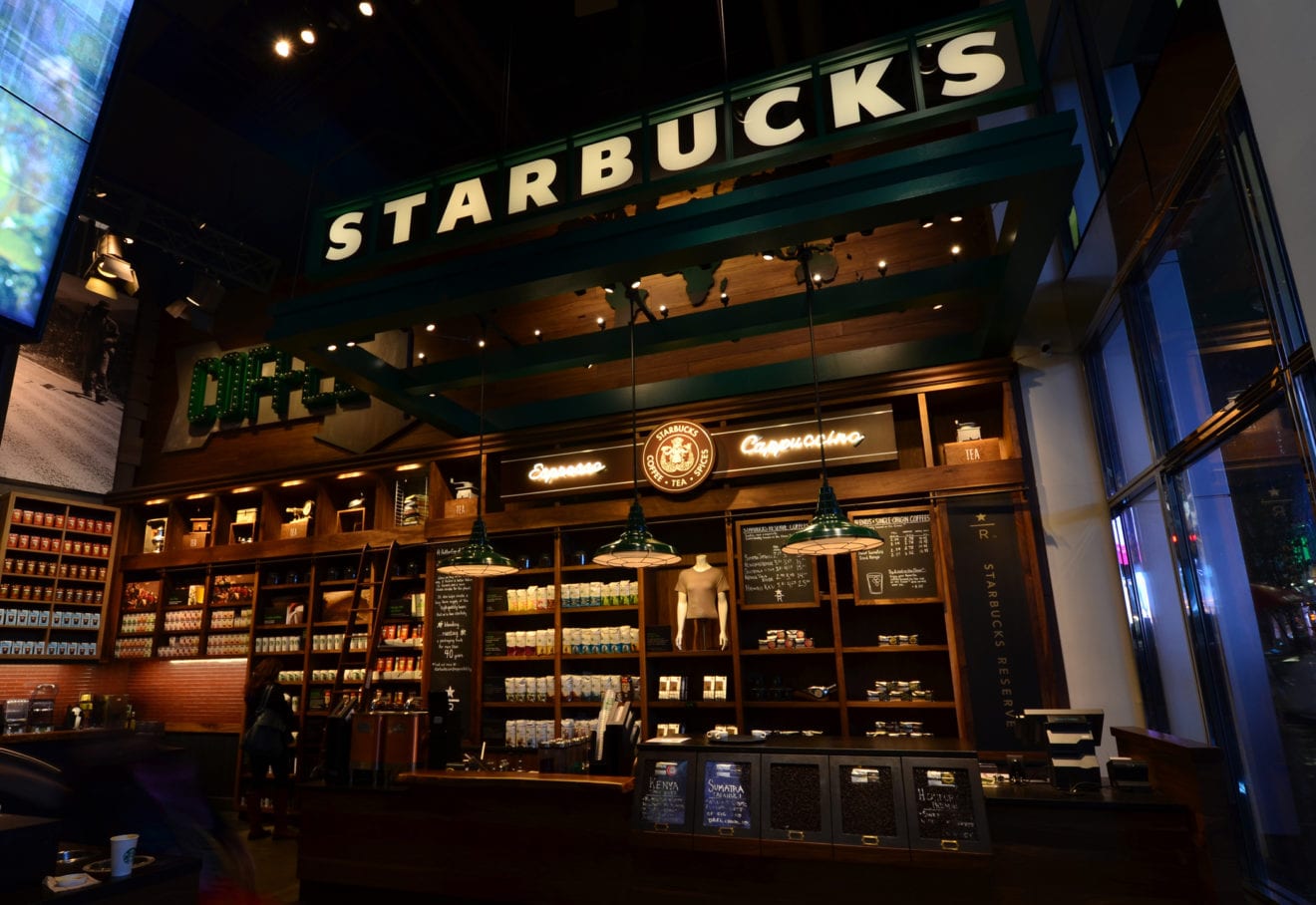
    Nestle is to pay Starbucks US$7.1 billion for the global rights to sell and distribute Starbucks products outside cafes. The Starbucks rights deal includes Seattle’s Best Coffee, Starbucks Reserve, Teavana, Starbucks VIA and Torrefazione Italia packaged coffee and tea in all global at-home and away-from-home channels. And the Starbucks brand portfolio will be represented on Nestlé’s single-serve capsule systems, such as the Nespresso machines.

    The Seattle-headquartered cafe giant says the alliance with Nestle will allow it to accelerate and grow the global reach of Starbucks brands in the consumer packaged goods market and in foodservice channels.

    Starbucks will lead in sourcing, roasting and global brand management for the alliance, while the two companies will work closely together on innovation and go-to-market strategies.

    “With a shared commitment to ethical and sustainable sourcing of coffee, this alliance will transform, expand and elevate both the at-home and away-from-home coffee and related categories around the world,” Starbucks said in a statement.

    Neil Saunders, MD of GlobalData Retail, said the scale of the deal underlines the brand strength of Starbucks and of Nestle’s desire to use it to power its own growth.

    “For Starbucks the deal will help to drive brand recognition outside of its core North American and European markets as Nestle ramps up expansion using its distribution capacity. Arguably, it also allows Starbucks to concentrate more fully on developing its retail business, including the higher end concepts like Reserve Roastery that it is currently rolling out.

    “For Nestle, Starbucks gives it a powerful brand it can add to a coffee armoury that is looking a little tarnished. The group has always struggled with market share in North America and this deal essentially buys immediate scale. It also provides numerous opportunities for expansion elsewhere in the world by leveraging the Starbucks brand.”

    Kevin Johnson, president and CEO of Starbucks, said the alliance will take the Starbucks experience into the homes of millions more consumers around the world through the reach and reputation of Nestle.

    “This historic deal is part of our ongoing efforts to focus and evolve our business to meet changing consumer needs, and we are proud to work alongside a company that is committed to our shared values.”

    Nestle CEO Mark Schneider said the deal marked a “significant step” for the Swiss headquartered company’s coffee business.

    “With Starbucks, Nescafe and Nespresso we bring together three iconic brands in the world of coffee. We are delighted to have Starbucks as our partner. Both companies have true passion for outstanding coffee and are proud to be recognised as global leaders for their responsible and sustainable coffee sourcing. This is a great day for coffee lovers around the world.”

    Saunders observed the deal is yet another example of how large consumer goods companies are struggling to develop and grow their traditional brands.

    “Arguably, Nestle’s preferred vehicles for driving growth in coffee would be its own Nescafe and Nespresso brands. However, these have failed to gain traction in North America and have reached maturity elsewhere. There is a case to be made that Nestle has failed to innovate and develop either brand to the extent it should.”

    Saunders cautioned there may be a downside for Nestle in the deal:

    “There is a risk for Nestle is that while Starbucks is one of the best known and most powerful brands in coffee, others like McDonald’s are looking to cash in on the category by selling their own brand products through supermarkets. A host of innovative small companies, like Bulletproof Coffee and Four Sigmatic, are also making advances into the sector by emphasising the health and wellness benefits of the beverage.

    “Arguably, Nestle has gone with the obvious and easy choice – and paid a lot of money for it. It could, and probably should, also examine at how it could also acquire and develop some more innovative startups,” Saunders concluded.

  • Telstra expands availability on key APAC routes

    Telstra expands availability on key APAC routes

    Australia’s Telstra has expanded its Always On guaranteed connectivity service for enterprises to provide more bandwidth options on the Hong Kong to Singapore and Hong Kong to Japan subsea cable routes.

    The service uses Telstra’s extensive cable network in the Asia-Pacific region to reroute traffic to another path in the event of a cable cut or damage due to a natural disaster.

    The enhancement of the service will reduce latency and add more resiliency to two of Asia’s busiest subsea cable routes.

    According to Telstra director for international Paul Abfalter, Telstra’s subsea cable network is the largest and most diverse in APAC, accounting for up to 30% of active intra-regional capacity.

    “We now have average speeds of 28.8m/s between the Singapore (SGX) and Hong Kong (HKEX) Exchanges, 177.8m/s between the Australian (ASX) and Chicago (CME) Exchanges, 178.2m/s between Equinix/CERMAK (EQCH) in Chicago and the ASX, and 41.9m/s and 13.9m/s respectively between Singapore to Taiwan and Hong Kong to Taiwan,” he said.

    “We were first in the region to develop ‘resilience as a service’ across the busy Hong Kong, Singapore and Japan triangle so customer services are restored within hours for their subscribed bandwidth, using one primary path and two protection paths over different cable systems along the same route.”

    The Always On service guarantee was initially targeted at customers with capacity requirements of between 10GB and 1TB, but with the expansion the company has introduced lower bandwidth options starting at 1GB, Abfalter added.

  • Philippines AirAsia to develop more regional Filipino hubs

    Philippines AirAsia to develop more regional Filipino hubs

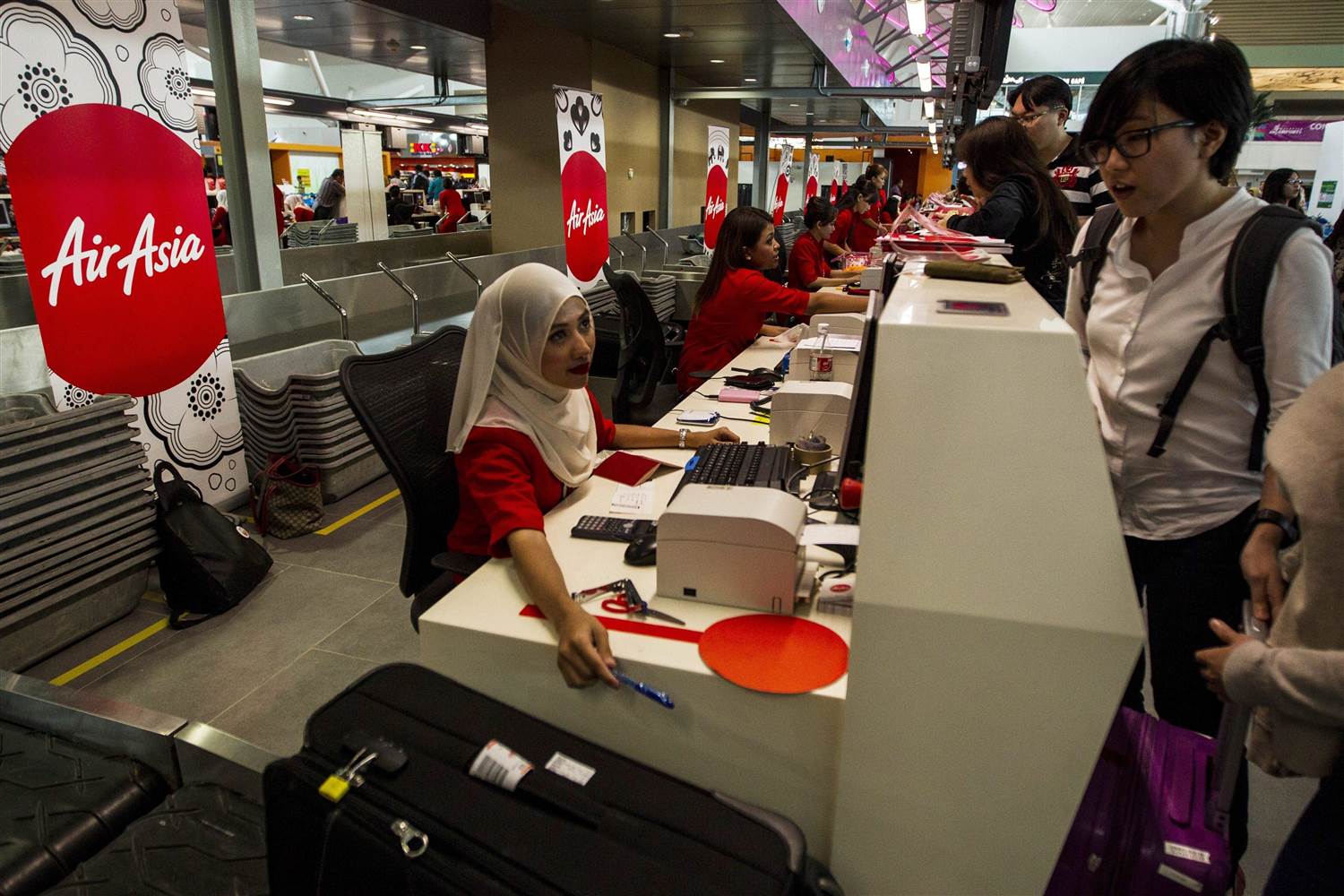
    Philippines AirAsia will skirt future growth at Manila Ninoy Aquino Int’ldue to serious capacity constraints and instead will focus its development at regional hubs in Clark, Cebu, Kalibo, Puerto Princesa, and Panglao, an airport set to replace Tagbilaran by the end of 2018, CEO Dexter M. Comendador has told the Business Mirror.

    “These will be opened up as hubs because we are lacking space in Manila, and in the next 10 years, we should have 70 planes. So we need to distribute the planes to the countryside. It will spread; then development will follow,” Comendador has said.

    The Filipino unit of AirAsia Group currently operates 399 weekly departures, 38% of all its flights, out of the capital airport in the country. Cebu, its second-largest base, is served with 160 weekly departures. However, these proportions may soon change.

    According to the ch-aviation fleets module, Philippines AirAsia currently operates twenty-one A320 aircraft. It is set to receive around fifty more A320 Family jets, possibly including A320neo, in the next 10 years.

    In line with a government directive, Philippine Airlines (PR, Manila Ninoy Aquino Int’l) has also announced that it, too, will focus on regional airports as the capital gateway lacks space for growth.

    Comendador has also reaffirmed Philippines AirAsia’s plan to launch an Initial Public Offering (IPO) in the fourth quarter of 2018. Philippines AirAsia intends to raise around USD200 million and float up to 30% of its shares.

  • Rising costs in China make entrepreneurs look to Vietnam

    Rising costs in China make entrepreneurs look to Vietnam

    ‘People are starting to wonder if doing business in China is worth it.’ African nations have been turning to Vietnam as the business environment in China becomes increasingly more difficult. African businesses started flooding to Guangzhou City after China joined the World Trade Organization in 2001.

    Migration from Africa has risen as China “has stepped up its diplomatic links and investments with the continent,” the newspaper explained.

    In 2009, local media put the African population in Guangzhou at 100,000, including those who had overstayed their visas, it said.

    Guangzhou draws merchants who come to buy goods such as jewelry and electronics in bulk, which they ship back to their homelands.

    A part of the city has even been given the name “Little Africa.”

    But things have changed.

    The city’s African population had dropped to 10,344 in February last year, citing the municipal bureau of public security as saying, though Liang Yucheng, a professor of social sciences and humanities at Sun Yat-sen University, told the newspaper that there were still nearly 20,000 African traders in Guangzhou.

    Felly Mwamba, a leader of the Congolese community in Guangzhou, said one of the main reasons for this was rising costs, listing visa fees air tickets and other living expenses.

    “Most African trade with China is basic goods, like clothes, shoes, electrical appliances and low-end smartphones. Prices, logistics and living costs are all soaring in China,” a Kenyan trader identified as Don said.

    “Every day among the African community in Guangzhou, more and more have people started talking about going home or exploring new markets like India, Vietnam and Cambodia,” he said.

    The other reason for the falling African population in Guangzhou, as pointed out by Xinhua news agency in January, is that “police have tightened enforcement on illegal immigration.”

    Long-time African residents told that they have seen their compatriots lapse into “illegal” status after struggling with visa renewal requirements.

    Nigerians must submit criminal record checks for all work and student visas, and no African countries are eligible for 72-hour or 144-hour transit visa exemptions, unlike visitors from many other nations.

    “My friend had to go home to give fingerprints for a criminal record check. A return flight costs $2,000. By the time he got all his documents in order, his visa had expired,” said Akubakarr Sajor Barrie, director of an import-export company.

    “For a small business owner, this is really hard. People are starting to wonder if doing business in China is worth it and they’re going to countries like Turkey and Vietnam instead,” he was quoted as saying.

    Official data from the labor ministry showed the number of foreign workers in Vietnam grew by more than 12,600 in 2004 to 83,500 in 2015, and 93 percent of them are legal.

    Those foreigners come from 110 different markets, and most of them are from China, South Korea, and Taiwan.

    Vietnam was named among the top 10 destinations for expats in a ranking released in March to aim at guiding the world’s rising number of modern nomads.

    The country was placed ninth on the InterNations’ 2018 Expat Insider survey, climbing three spots from last year.

    More than four in five expats, or 81 percent, described the Vietnamese people as welcoming, and 73 percent said it was easy to settle down in the country, the survey found.

    Of the expats questioned, 56 percent said they had found it easy to make friends with locals, and 16 percent said they planned to stay forever.

  • Touristly rebrands to Vidi one year after selling 50% stake to AirAsia

    Touristly rebrands to Vidi one year after selling 50% stake to AirAsia

    Malaysian online travel start-up, Touristly has rebranded to Vidi. The move follows the evolution of the company from a traditional trip planner to a visual discovery platform as it looks to captures the tours and activities in Asia Pacific and beyond.

    Taken from the Latin word “to see”, Vidi also reflects the travel agent’s mission to help  travellers see the world by discovering and booking the best things to do while on holiday.

    “Our mission from day one was to give travellers the missing link in how they plan their holidays. This rebranding marks a new chapter in our journey as we move towards making travel discovery more engaging, fun and visual,” Aaron Sarma, founder and CEO of the company said. In addition, the company also unveiled a new mobile app coming in line with the rebranding in the coming weeks.

    Last year, AirAsia ​acquired a 50% stake in Touristly through an asset injection and loan deal valued at RM11.5 million. AirAsia Group CEO, Tony Fernandes will serve as chairman of the board for Touristly upon completion of the acquisition. The transaction ​will see AirAsia inject the digital platform of its Travel 3Sixty inflight magazine, valued at RM6.5 million, into Touristly via AirAsia Investments.

    The digital platform comprises the online brand for the Travel 3Sixty inflight magazine, touchpoints on the website and online advertising assets, which will allow the startup to reach AirAsia’s 60 million guests annually. Touristly, which will operate under the Travel 3Sixty brand following this deal, will also gain access to offline advertising assets, including the physical version of the inflight magazine, overhead cabins and seat trays on AirAsia aircraft.

  • Arvato takes over warehousing and distribution for ECOVACS Robotics

    Arvato takes over warehousing and distribution for ECOVACS Robotics

    Arvato SCM Solutions is the new fulfillment partner for the in Duesseldorf, Germany based European Headquarter of ECOVACS Robotics, a global leading manufacturer of home robotic appliances. As part of the collaboration, the service provider is responsible for the entire warehousing and distribution processes of robots and accessories for the EMEA region since the beginning of March. Operating out of Arvato’s 75.000 square meter logistics site in Dueren (North Rhine-Westphalia), an essential part of the solution developed for ECOVACS is Arvato’s new transport management system, which allows all inbound and outbound shipments to be managed and billed carrier-neutrally.

    For our growth in Europe, we needed a partner with experience in retailing,

    covering specific retail requirements, while at the same time providing a high level of system automation as well as efficiency through scalable structures,” explains Andreas Wahlich, General Manager of ECOVACS Europe. In the highly competitive European market for home robotic appliances, the robotics company currently ranks second in terms of market share. In its home market China and the Asia-Pacific region in general, ECOVACS is the market leader.

    The new business was implemented at the state-of-the-art multi-user site in Dueren. From there, Arvato SCM Solutions manages and distributes ECOVACS robots to business customers, distributors and consumers in the EMEA region. “We started with several central European countries as well as some third party countries like Switzerland and Ukraine,” states Dennis Schmitz, Director Account Management Hightech & Entertainment at Arvato SCM Solutions. Overall, he expects a shipment volume of around 300,000 floor and window cleaning robots in the first year – with a strong growth tendency for the following years.

    “ECOVACS is a client with high growth potential and active in the fast-evolving robotics market – a target industry that is also a part of our growth strategy,” says Thomas Becker, Executive Vice President Hightech & Entertainment at Arvato SCM Solutions. “Here we can leverage one of our strengths, focusing on standardized and efficient processes in highly complex retail environments.”

  • Vietnamese concerned as biofuel proposed to replace regular fuel

    Vietnamese concerned as biofuel proposed to replace regular fuel

    People fear that they are being forced to buy a product they are not interested in. A new proposal to replace the most popular gasoline in Vietnam with biofuel is raising concerns among experts and consumers who said it will force them to buy a lesser product.

    The idea of replacing the current 95-octane gasoline A95 with E5 biofuel was proposed by Tran Minh Ha, deputy director of Saigon Petro at a meeting between fuel companies and the Ministry of Industry and Trade on Wednesday.

    E5 is a locally-produced biofuel that the government has been trying to promote for years. Starting from January 1, the government has officially replaced the 92-octane A92 with the ethanol-blended E5, which is a mixture of 95 percent of A92 and 5 percent of ethanol.

    With prospects of A95 being wiped off the market, drivers feel they are being forced to switch to the E5 biofuel, which they don’t want.

    Although studies conducted by Hanoi University of Technology have found that the E5 mixture is good for engines while producing fewer emissions, Vietnamese drivers are still hesitant because they fear that it can cause fire or damage their vehicles’ engine and parts.

    “No policy should compel people to purchase a product. Authorities need to make careful calculations with the public’s preference taken into consideration,” said Ngo Tri Long, former director of Market Research Institute under the Ministry of Finance.

    Although E5 is reportedly used by 42 percent of drivers, the quality of this mixture has not convinced the public, Long said.

    As there is currently only one company producing E100 alcohol in Vietnam, an ingredient of the E5 mixture, there won’t be enough supply to produce biofuel should A95 be taken off the market, he added.

    Local fuel businesses have been trying to promote ethanol fuel by lowering its price. However, the price difference between E5 biofuel and the popular A95 is not substantial enough to attract drivers, according to Tran Ngoc Nam, deputy general director of Vietnam Petroleum Group (Petrolimex).

    In a VnExpress survey of over 13,000 readers, 88 percent said they do not want the familiar A95 to be withdrawn from the market.

    The Ministry of Industry and Trade said on Thursday that they will take the matter into consideration and ask for directions from the government.

    Most countries in the world still offer consumers a choice between ethanol and gasoline. The United States, Brazil and European Union are leading the change in biofuel usage, producing and consuming about 80 percent of the world’s total, according to Bioenergy Australia. Thailand plans to increase its biofuel consumption from 7 percent of total fuel energy use to 25 percent by 2036.

  • Ermanno Scervino explores Hong Kong with Shops

    Ermanno Scervino explores Hong Kong with Shops

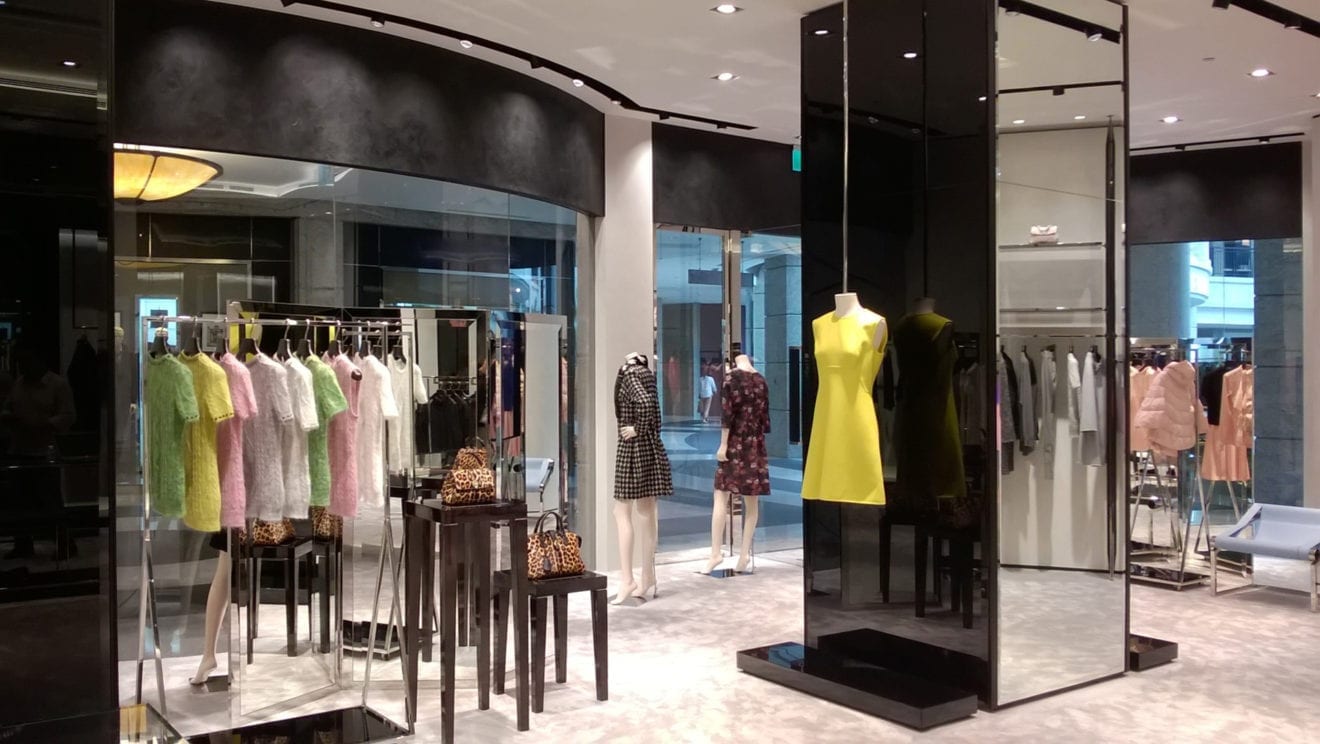
    Italian fashion label Ermanno Scervino has opened its first boutique in Hong Kong, in Ocean Center Harbour City.

    With four large windows and an external light box, it covers more than 130sqm and houses ready-to-wear collections and accessories for women and men.

    The flooring is in black marble and carpet, while the walls are embellished with canneté glass and polished steel while the external cladding is Belgian black marble.

    “Hong Kong is a dynamic metropolis with a deeply international soul, an authentic place to be for those who, like me, conceive of fashion as transcendent of geographical boundaries,” says Ermanno Scervino.

    Describing the Far East as an important market, group CEO Toni Scervino says that with partner Requing the brand will continue to expand its retail network in the territory.

  • Vietnam to cut black pepper farm area

    Vietnam to cut black pepper farm area

    The surge in world pepper prices in the 2013-2015 period led local growers to expand their farms uncontrollably. Vietnam plans to slash its black pepper growing area by 26.7 percent in response to falling global prices, the chairman of the country’s pepper association said Tuesday.

    Vietnam is the world’s largest black pepper exporter, accounting for 60-65 percent of global trade, and nearly half of global output.

    “We will cut the area to 110,000 hectares from 150,000 hectares over the coming years by encouraging local farmers to grow other crops and remove pepper farms with poor quality,” said Vietnam Pepper Association Chairman Nguyen Nam Hai.

    Hai said the surge in world pepper prices in the 2013-2015 period led local growers to expand their farms uncontrollably, from 50,000 hectares in 2013 to the current of 150,000 hectares.

    “Now with the increased output, prices have fallen and we need to cut the area,” Hai said.

    Vietnam’s black pepper exports in the first quarter rose 17.5 percent from a year earlier to 60,033 tons, but export revenue in the period fell 31.4 percent to $221 million, according to official customs data.

    Hai said exports for the entire 2018 are forecast to stay flat from last year at around 215,000 tonnes.

    Vietnam’s key markets for the spices include the United States, India, China and Europe.