Tag: asia

  • Huawei Marine, EGS launch PEACE project marine survey

    Huawei Marine, EGS launch PEACE project marine survey

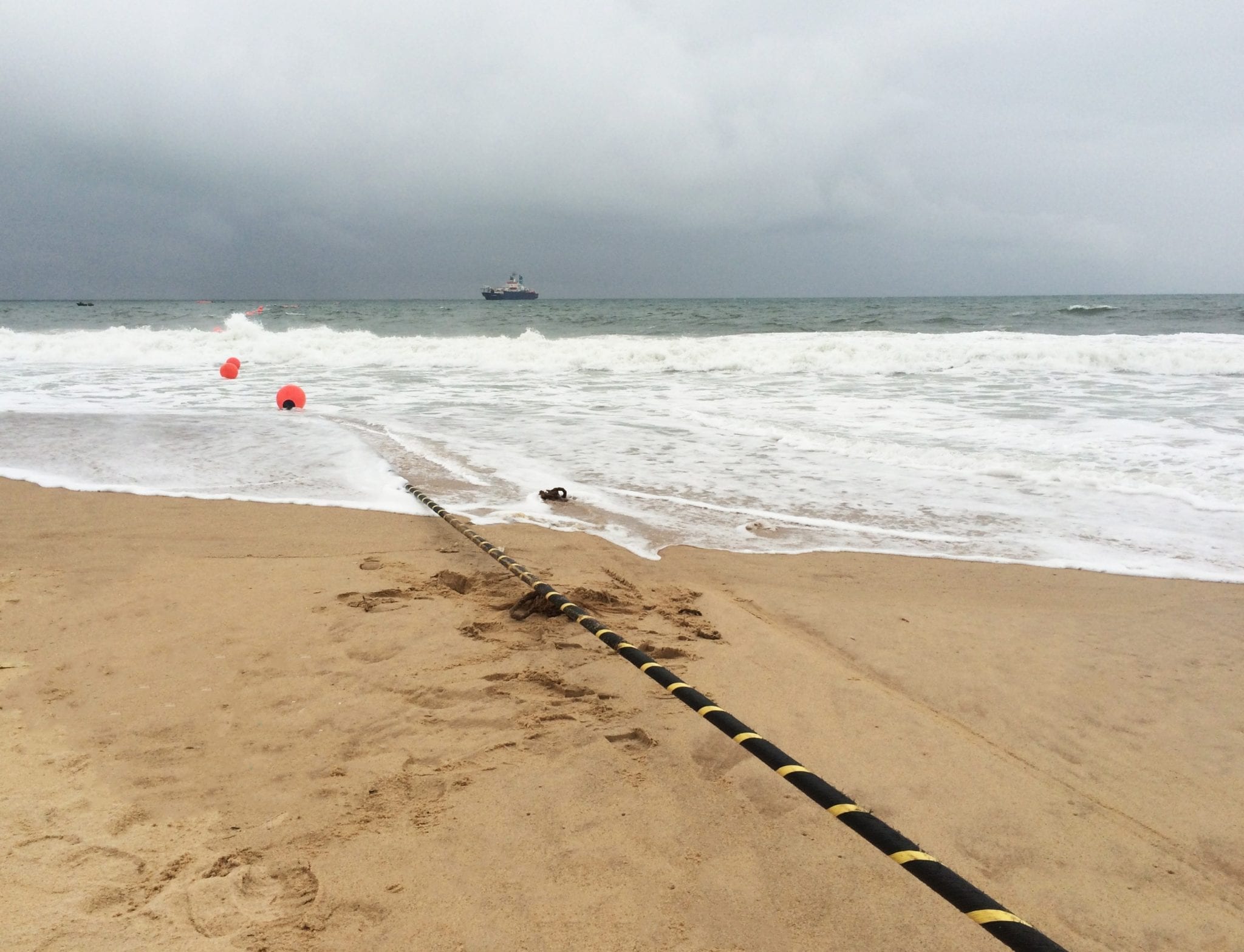
    Huawei Marine announced Wednesday that the marine survey for the Pakistan East Africa Cable Express (PEACE) submarine cable, which connects South Asia with East Africa, is now underway.

    The PEACE submarine cable system will connect Pakistan, Djibouti, Kenya, Egypt, and other countries along the Red Sea with a total system length of 8,800km.

    Huawei Marine said it is working with its long-term partner EGS Ltd. to conduct a hydrographic and geophysical survey of the seabed along the planned cable route.

    According to Huawei Marine, EGS’ specialized survey vessel the RV Ridley Thomas, has arrived in the region to commence offshore survey operations.

    The PEACE project, signed in November 2017 between Huawei Marine and Tropical Science, is expected to be delivered in the fourth quarter of 2019.

    Zhang Hongxiang, project director for Huawei Marine, said the cable system, which is  based on 200G WDM technology, will support the rapid development of the East African regional economy and facilitate connectivity between Asia, Africa and Europe.

  • CJ Logistics to launch Asia-Europe overland parcel delivery service

    CJ Logistics to launch Asia-Europe overland parcel delivery service

    South Korea’s top courier CJ Logistics Corp. will start a door-to-door overland parcel delivery service from China to Europe via railways and trucks.

    The company said it will start the Eurasia Bridge Service that uses both Trans China Railway trains and trucks to deliver containers directly from China to clients’ manufacturing plants and logistics centers in Europe.

    The service will use the train route connecting Chengdu, China to Lodz, Poland and Nuremberg, Germany then to Tilburg, the Netherlands. After containers arrive at each station, trucks will deliver cargos to final destinations located within 400 kilometers from the train stations.

    It is the first time for a courier company to offer a door-to-door parcel delivery service via trains and trucks in a route connecting Asia and Europe, according to CJ Logistics.

    For its new courier service, the Korean firm will be working with Rail Transportation Service Broker GmbH (RTSB), which operates railway services across Europe and the Commonwealth of Independent States (CIS) region.

    By using the Trans China Railway, the freight charge between Europe and Asia would drop to one-fifth of air shipping. It also would take only a third of the time needed for ship freight, said CJ Logistics. The company plans to increase its courier service routes from Asia to Europe to 52 and the reverse routes to 74. It also aims to expand its courier service to connect 30 major European cities and 24 Asian countries in the future.

  • High air freight costs for Vietnamese fruit exporters

    High air freight costs for Vietnamese fruit exporters

    The shipping fee per kilogram of fruit can be three times higher than the price at farmer’s garden. Vietnamese fruit exporters are struggling to stay competitive due to high air freight costs compared to other countries.

    Fruit exports from Vietnam to European countries are subject to a $3.2 per kilogram shipping fee, 44 percent higher than Thailand’s at $1.8, Dam Quang Thang, CEO of Agrice VN, told. Thang’s company is exporting mango, longan, dragon fruit and lychee at a cost up to three times higher than their price at farmer’s garden.

    Exports to Shanghai, China are also facing high air freight fee of $1.8 per kilogram, while the cost is $2.6 from Vietnam to Australia, Thang said.

    As fruits are preferred to be consumed fresh, shipping by sea is not appropriate as the long duration can rotten the produce. However, high air freight costs are pushing up prices of Vietnamese agricultural products overseas, said Ta Duc Minh, Vietnam’s commercial counsellor in Japan at an agriculture conference in February.

    In Japan, Vietnamese mango is priced higher than that of Ecuador and Thailand, even though the distance from Vietnam to Japan is shorter compared to those countries, Minh said.

    Additionally, promotion of agricultural trade is also facing many difficulties due to the increase of protectionism in countries such as the U.S., China, Japan and the European Union, said Tran Van Cong, deputy director of the Department of Agricultural Product Processing and Marketing under the Ministry of Agriculture and Rural Development.

    Negotiations to open foreign markets to Vietnamese agricultural products are difficult and usually take five to seven years to complete. Competition is increasingly fierce in terms of price, quality, design and food safety, Cong said.

    Vietnam’s agriculture products export turnover reached $36.3 billion last year. This year, the country plans to reach $40.5 billion.

  • Gap looks to Old Navy to gear up sales numbers

    Gap looks to Old Navy to gear up sales numbers

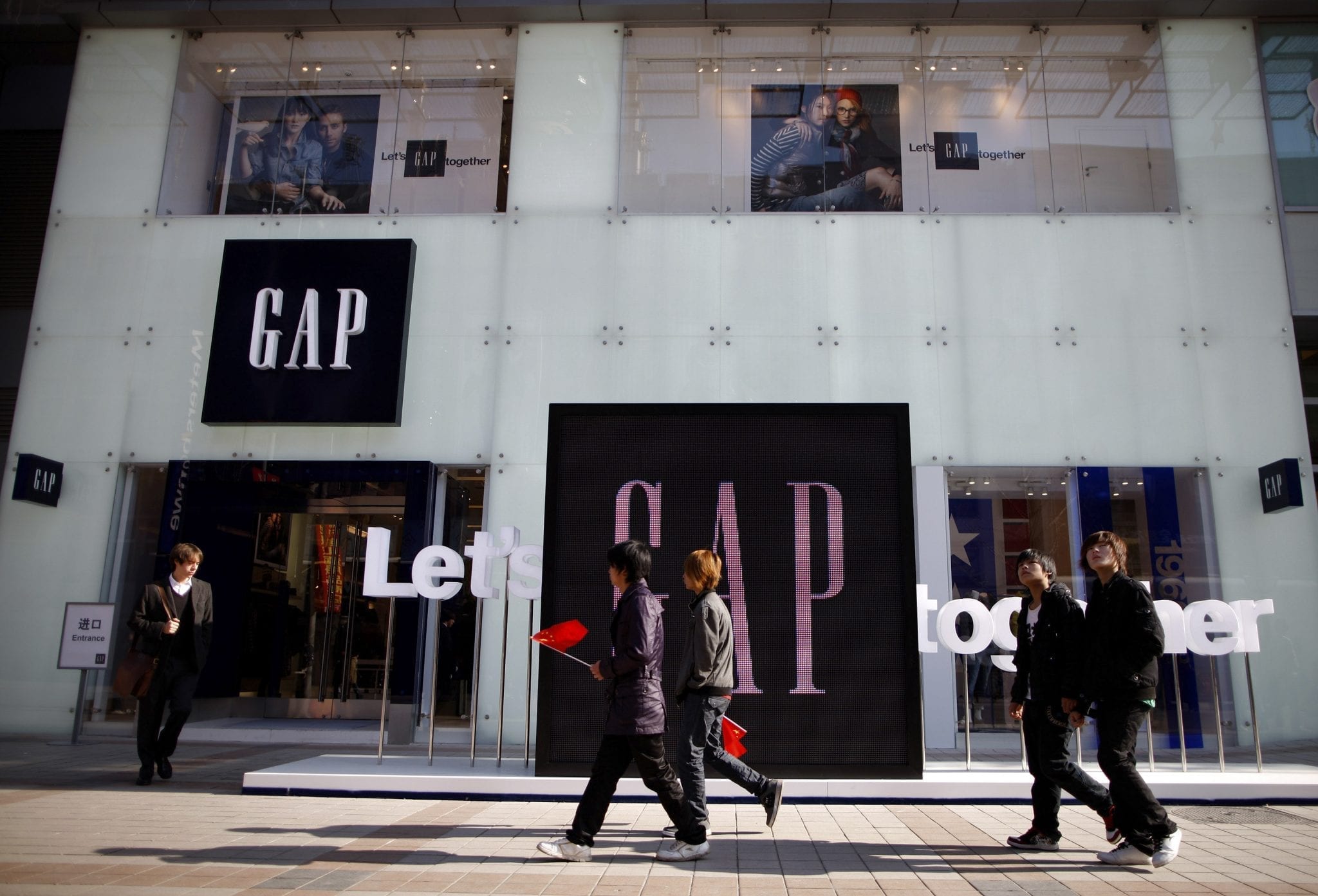
    Gap is ramping up its roll-out of Old Navy stores as the budget brand drives growth for the embattled US apparel giant.

    Gap Inc says it will open 60 new stores this year in the US, Canada and Mexico – twice the number of new stores it opened last year. It will refurbish a further 150 stores, upgrading fitting rooms, bathrooms and checkout facilities.

    The new focus on Old Navy, revealed last September, comes at the same time about 200 underperforming Banana Republic and Gap-bannered shops will be closed. Over a three-year timeframe, Gap Inc plans to open about 270 new Old Navy and Athleta stores, leaving a net network growth of 70 shops.

    Old Navy sales rose 9 per cent in the last quarter, on top of a 5 per cent rise a year earlier. Gap expects Old navy to reach US$10 billion in annual sales within the next few years, and its athleisure brand Athleta, to reach the $1 billion threshold.

    Analyst Retail Dive observes that while Gap store sales are showing signs of stabilising, lower-priced Old Navy has been hitting a stride that the flagship banner has failed to do for years now”.

    “Old Navy is the jewel in the portfolio,” added Ray Hartjen, director of marketing at RetailNext.

    “Shoppers have shown their preference for value across the board, and off-price retail has been one of the few consistent bright spots for the industry the last several years,” he said. “Moreover, Old Navy repeatedly resonates with its loyal core shopper, season after season, with its merchandise assortment.”

  • Stars launched a third Milky & Sunny Restaurant

    Stars launched a third Milky & Sunny Restaurant

    Celebrity siblings Maxene and Elmo Magalona have opened a Milky & Sunny restaurant near their home network ABS-CBN in Quezon City.

    “This is actually our third branch,” says Elmo. “The first one was in Kapitolyo and the other in Pangalawa near Greenbelt.”

    Maxene says it was their mother’s idea that they invest in something worthwhile they love. “We love going out to eat as a family.”

    A breakfast and brunch restaurant, Milky & Sunny is on the ground floor of The Ignacia Place in Mother Ignacia. It also serves lunches, dinners and coffee.

  • Online retail sales growth stagnates in Philippines

    Online retail sales growth stagnates in Philippines

    The Philippines is lagging behind its neighbours in online retail sales growth, says a new report.

    Despite having the second-largest population of Southeast Asia, the Philippines has turned in the lowest B2C e-commerce sales growth figures, according to Research & Markets’ Philippines B2C E-Commerce Market 2018 report.

    Among hurdles to overcome to foster growth in the online retail sector are comparatively low internet use, few credit card holders and restricted consumer confidence in online shopping.

    Online retail sales in the Philippines are expected to rise at a double-digit rate for the next few years even in the face of challenges, says the report. An increasing share of the large population is connecting to the internet, many though mobile devices.

    M-commerce is contributing to the rise in online retail, with mobile making up about three-quarters of connections to e-commerce websites. The Philippine government has done its part to help expand online retail sales by aiming to create a favourable administrative environment.

    Leading online merchants in the Philippines include Lazada and Shopee, both with headquarters in Singapore. Local companies Ayala Group and JG Summit are expanding their online presence.

  • Tumi Opens a New Travel and Lifestyle Shop

    Tumi Opens a New Travel and Lifestyle Shop

    TUMI, purveyors of premium luggage and travel, business and lifestyle essentials, has opened its third London boutique

    Calling all fans of luxury travel, TUMI has opened a new boutique in London’s Covent Garden. Visit the store to browse the range of high-end bags, luggage, travel, business and lifestyle essentials.

    The stylish, 103sqm store showcases the latest TUMI products, including the new Latitude range of premium luggage.

    The design of the premier retail space is line with the chic aesthetic that TUMI is famous for.

    Sophie Ellis Bexter performed in-store at an event to celebrate TUMI’s third London opening – and fourth standalone store in the UK.

    Damien Mignot, TUMI’s General Manager Europe, hosted the party, during which guests enjoyed a menu inspired by first-class travel.

    Guests on the night included Lorraine Pascale, Pietro Boselli, Oliver Proudlock, AJ Pritchard, Neil Jones and Annaliese Dayes.

  • Auntie Anne’s is celebrating 30th birthday with Free Pretzel Party

    Auntie Anne’s is celebrating 30th birthday with Free Pretzel Party

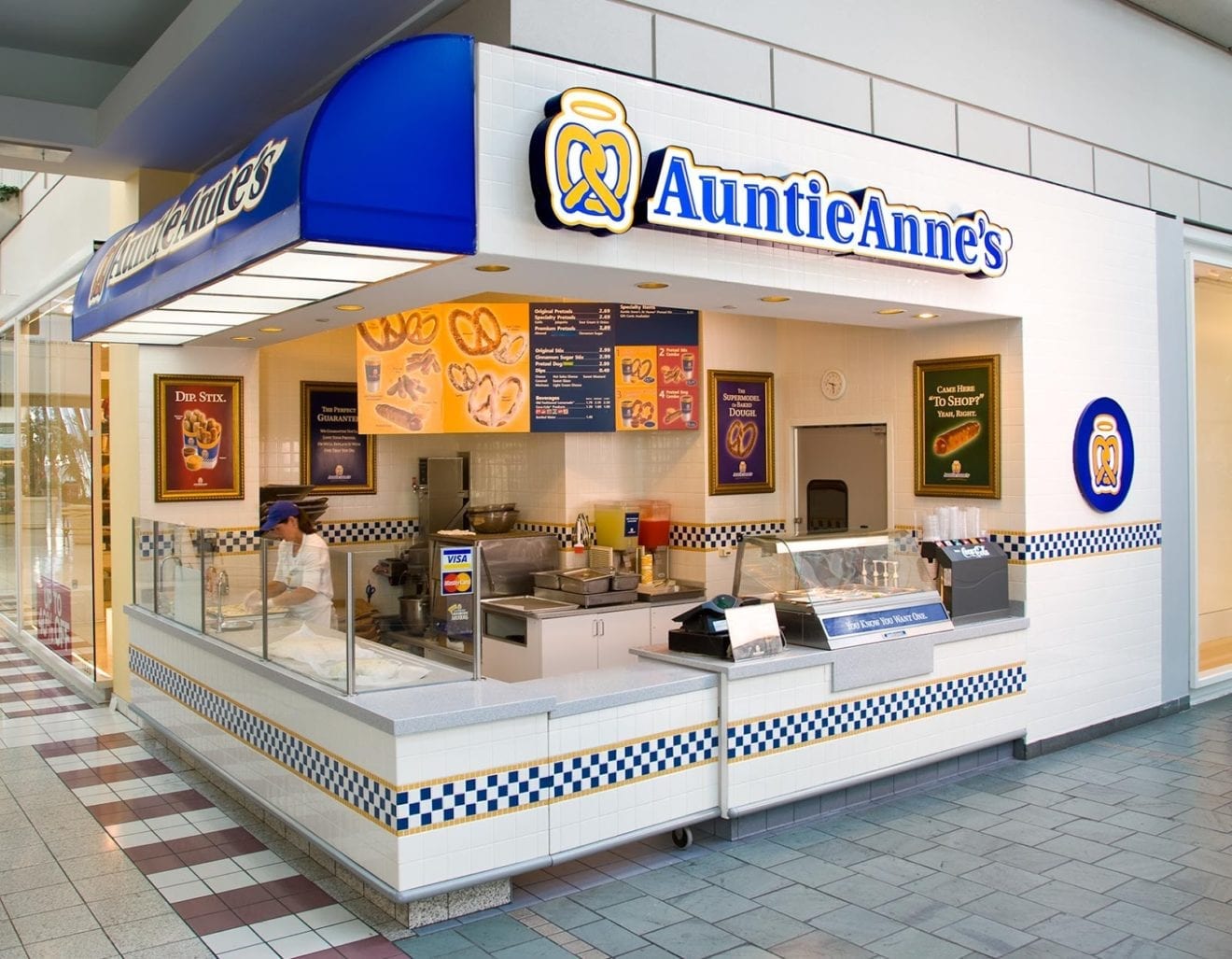
    Auntie Anne’s is celebrating its 30th birthday with a twisted freebie. The world’s largest hand-rolled soft pretzel franchise is hosting a Free Pretzel Party from 10 a.m. to 2 p.m. Saturday at participating stores nationwide.

    “We couldn’t be more thrilled to celebrate 30 years than by giving pretzel fans a Free Pretzel Party,” Heather Neary, the president of Auntie Anne’s, said in a statement. “We’re thankful to have received more than a million RSVPs and hope to see each and every one of our fans enjoying a free Original or Cinnamon Sugar Pretzel.”

    No coupon or purchase is needed to get the freebie.

    But be prepared for big crowds during the four-hour event.

    Nearly 4 million dough devotees RSVPed to attend the party on the company’s special birthday site, far more than the 1 million needed to “unlock” the party.

    As an added bonus, party participants will get a buy-one-get-one free coupon to use through March 31, while supplies last.

    Want more free pretzels?

    With the My Pretzel Perks smartphone app, you can get a free birthday during your birthday month. Plus, get specials throughout the year with the free loyalty program.

  • Costa Coffee takes the cream as Britons wake up to coffee

    Costa Coffee takes the cream as Britons wake up to coffee

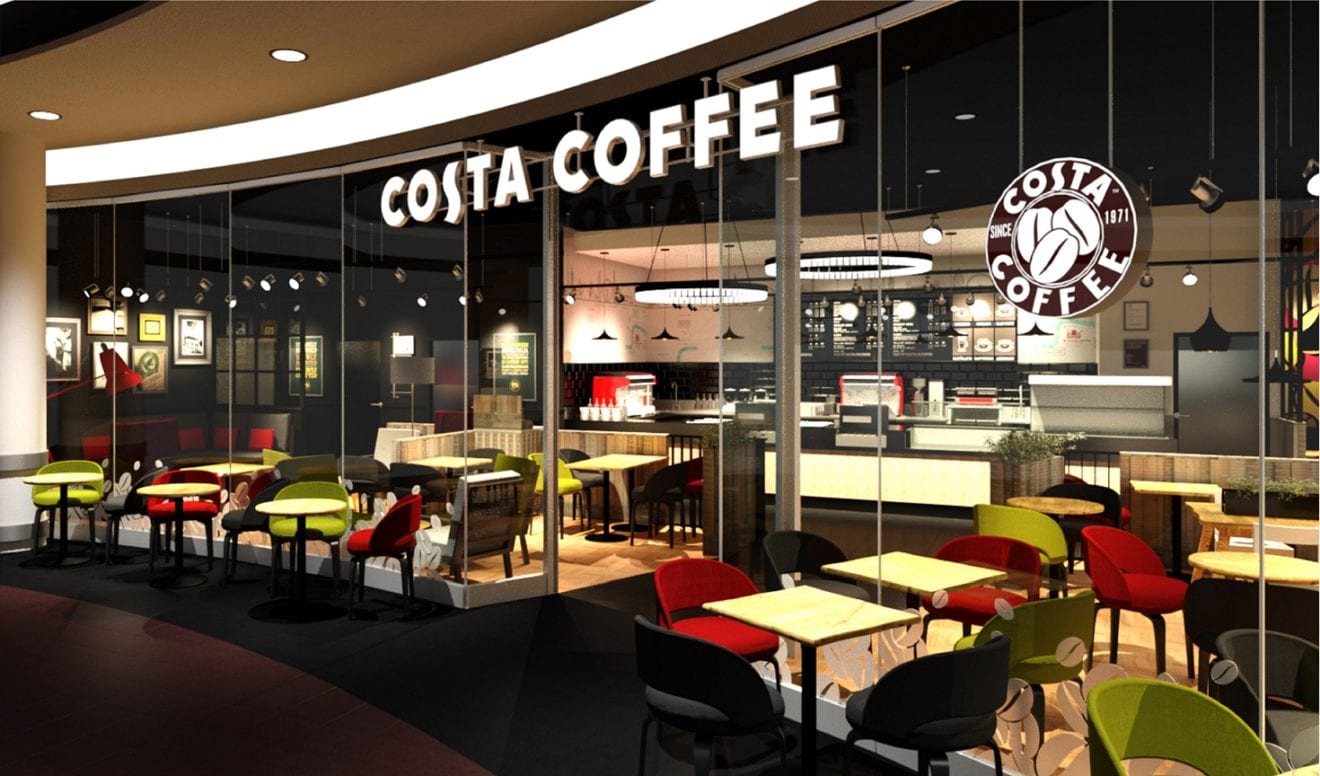
    Converting a nation of tea drinkers to coffee will be a tough job. But it has been done before. In 1995, when UK conglomerate Whitbread bought CB Costa Brothers Coffee from Sergio and Bruno Costa, tea was the UK’s favourite hot drink. “At home, people drank instant. If you were lucky, you’d get a filter coffee or a shot from a Rombouts machine in a pub or restaurant,” said Bob Tyrrell, who did extensive market research at the time. Costa had just 41 shops then, turning over £55m. Whitbread thought the market might be worth £600m a year, and paid about £20m for Costa. Two decades later it has more than 2,000 outlets, making it the UK market leader by some distance.

    Total revenue from the country’s 24,000 coffee shops and cafés is estimated by Allegra World Coffee Portal at more than £9bn. This week, Whitbread bowed to pressure from two activist investors and confirmed it would demerge Costa from its other activities — but not before it has set the company up for a big push into China, another country with a long tradition of tea-drinking. Costa aims to have total annual sales of £2.5bn by 2020, with a third of them coming from overseas. Drinking good coffee became a preoccupation of the connoisseur British consumer of the late 1990s. “It wasn’t so much keeping up with the Joneses as keeping away from them.

    People wanted to consume things they could talk about,” said Mr Tyrrell. Other factors were at work, too: disposable incomes were growing, low-cost airlines meant more people were experiencing “proper” coffee in mainland Europe and workers were starting to abandon breakfast in favour of food on the go.

  • BreadTalk Q1 net profit plummets

    BreadTalk Q1 net profit plummets

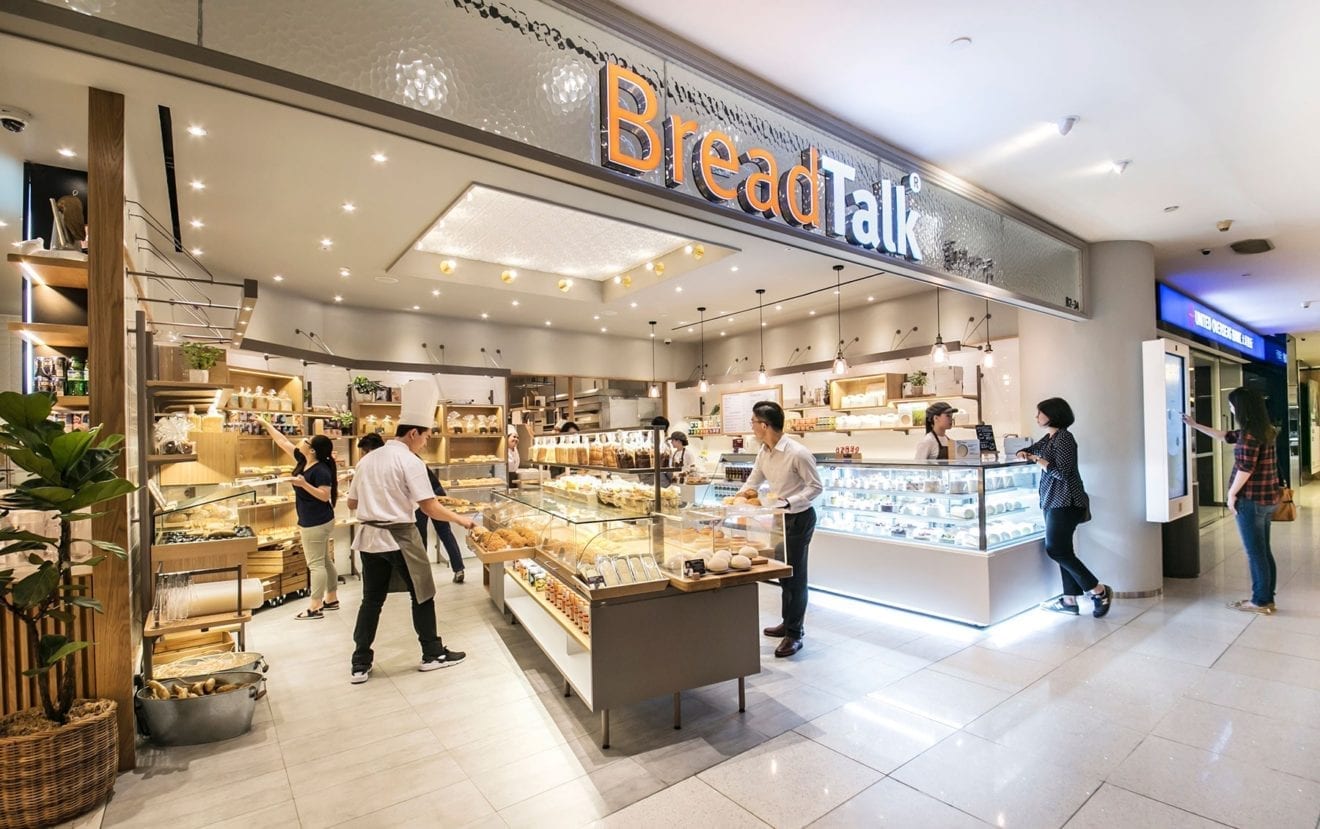
    The absence of a one-time divestment gain dented results for BreadTalk Group in its first quarter.

    Net profit plunged 89.1 per cent to S$10.8 million from the previous year, the group said in a Singapore Exchange filing on Thursday evening.

    BreadTalk had in the first quarter of 2017 recognised S$9.3 million in capital gain from the sale of its investment in TripleOne Somerset.

    In the first quarter of this year, it also brought forward the early closure of eight bakery outlets in China and one food atrium outlet in Hangzhou.

  • Changi International Airport expands retail offer

    Changi International Airport expands retail offer

    Changi International Airport has broadened its range of retailers and restaurants, including new brands.

    In the transit areas, I Love Taimei has opened its first shop in Terminal 1, offering Taiwanese snacks and drinks, while luxury retailer Ted Baker has opened its first Changi outlet in Terminal 2 (T2) offering apparel, footwear and accessories.

    At the transit areas in terminal 3, Harry’s Bar & Dining has opened its second Changi outlet with Western and Asian food options, while Tip Top, which offers traditional curry puffs, and doughnut brand Krispy Kreme have both opened second outlets.

    Also in T3, Maison Christian Dior has launched its first Asia-Pacific boutique, offering fragrances and soaps, while British retailer WH Smith has added two outlets, taking its presence to 10 stores.

    In the public areas, self-service mini-karaoke/kiosk concept M-Bar has launched four booths in T3’s basement 2. Next to it, Boarding Gate has opened its first Changi Airport store, carrying travel goods.

    In T2, American Tourister has opened at the departure check-in hall with its luggage options.

  • Esprit to close down Australia and New Zealand stores

    Esprit to close down Australia and New Zealand stores

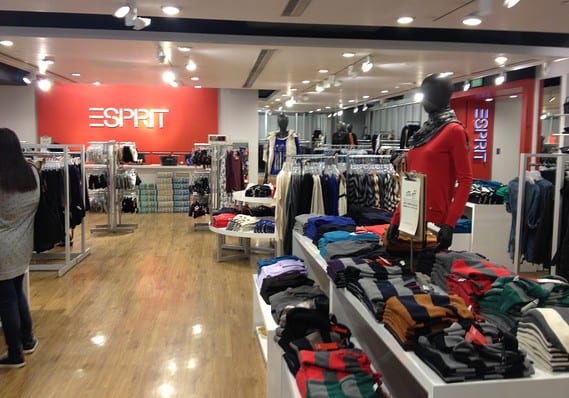
    Esprit is to close its Australian and New Zealand stores after years of mounting losses. The Esprit Australia and New Zealand network comprises 67 directly managed retail stores, including 38 concessions in department stores and 13 discount outlets.

    The announcement came just a few hours after the embattled fast-fashion retailer warned shareholders its third-quarter performance was “well below expectation” and several days after it announced it would not renew the lease on its Causeway Bay flagship store.

    In a statement to the Hong Kong Stock Exchange, Florence Ng Wai Yin, Esprit’s company secretary, said divesting the ANZ operations will allow management to concentrate efforts and resources in developing other markets in Asia, singling out China, Hong Kong, Taiwan, Singapore and Malaysia, “with profitable growth opportunities for the future” and avoid incurring further losses in Australasia.

    In the year to June 30 last year, Esprit Australia and New Zealand reported sales of HK$297 million, (US$37.8 million) which works out at a weekly per-store average of just US$10,850.

    It accounted for less than 2 per cent of the group’s total global revenue.

    Esprit says closing the stores down will cost between HK$150 million and HK$200 million.

    Executive director and group CFO of Esprit Holdings in Hong Kong, Thomas Tang, said the company had undertaken “intensive efforts” in past years to turn the Esprit Australasia business around, to no avail.

    Stephen Newnham, director of Esprit Australia and New Zealand described the group’s decision as “unfortunate but unavoidable”.

    The company expects to close all of its stores by the end of the year and will continue to honour gift cards until then.

    Strategy to be sped up

    The closure marks just one step in a promised acceleration of a strategic plan to improve top-line sales and reduce running expenses.

    “Given the challenging sales performance in the first nine months of the fiscal year, the group remains cautious about its expectations for the rest of the year,” said company secretary Florence Ng Wai Yin in a stock exchange filing.

    Group-wide sales in the nine months to March 31 were down 10.9 per cent year on year, to HK$11.8 billion (US$1.5 billion). The retail selling space was rationalised by 9.2 per cent over the same period.

    More worryingly, Esprit’s sales fell 13.8 per cent in the three months to March 31.

    Offline retail sales totalled HK$1.404 billion during the quarter, down 17.1 per cent, while online sales fell 11.4 per cent to $1.09 billion.

    Yin said the offline sales drop was the result of fewer sales points and unseasonably cold weather in Europe which aggravated the decline in customer traffic to stores.

    Online revenue in Asia Pacific declined due to management’s decision to reduce discounting in order to enhance profitability.
  • Indonesia’s Matahari buoyed by closing down of losses

    Indonesia’s Matahari buoyed by closing down of losses

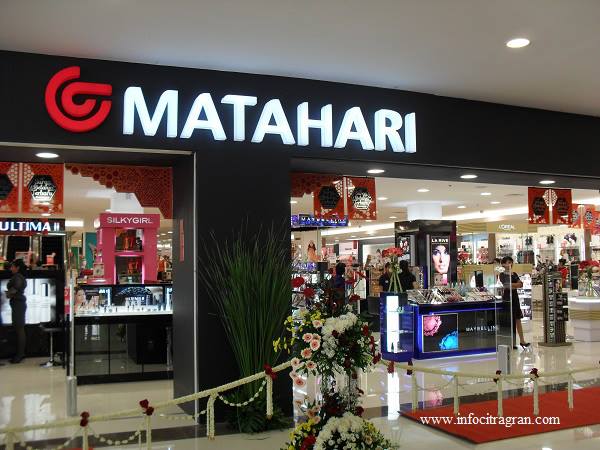
    New leadership taking over the helm of troubled Indonesian hypermarket retailer Matahari Putra Prima (MPPA) have been presented with an improved set of trading figures.

    While sales were down in the first quarter of the new fiscal year, so were expenses, leading to a slight narrowing of the company’s losses.

    Net sales of Rp2.9 trillion (US$208 million) were lower than at the same time last year, despite a 3.9 per cent increase in the number of customer transactions.

    The company said that reflected a lower-price strategy and signals “positive traction and improved engagement with our customers”.

    “The company will continue to put forward customer-centricity as its focus in driving its business,” it said in a statement.

    Efficiency measures put in-place last year saw general and administrative expenses fall 28.4 per cent, resulting in a net loss of Rp159.8 billion ($11.47 million) for the quarter, a marginal improvement on the Rp176.7 billion ($12.68) loss of the first quarter last year.

    Early last month, MPPA reported a loss of US$86.8 million, and just days later named new people in the roles of CEO and president, along with announcing plans to raise IDR800 billion (US$58 million) in fresh capital.

    This week, the company says it remains “optimistic” for this trading year.

    “The upcoming Lebaran season as well as the major events happening in the second half of the year, including the nationwide regional election, Asian Games and the World Cup will be one of the catalysts that drives demand growth for the retail business in Indonesia,” MPPA said in a statement.

  • Don Chicken Vietnam adding more restaurants

    Don Chicken Vietnam adding more restaurants

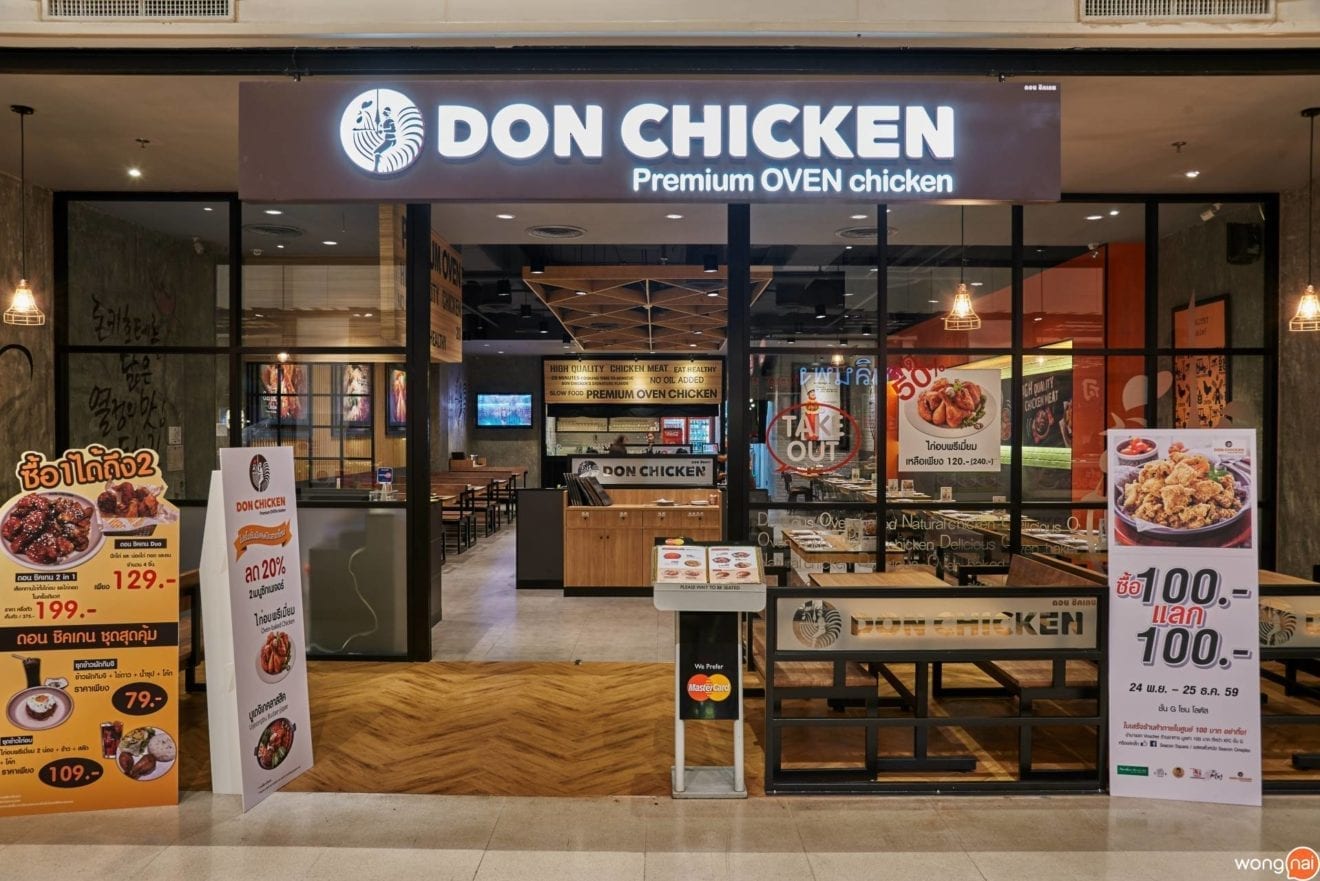
    Don Chicken Vietnam is planning to expand its Hanoi portfolio through franchising.

    There are two branches of the Korean fast-food chain in the capital, one in Vincom Royal City.

    As a first move for its expansion in Hanoi and the north, Don Chicken has launched an event to find partners experienced in the dining sector, and will offer franchisees training and marketing support.

    Founded by Apgujeong Group in 2007, Don Chicken has 400 stores across Korea and has also expanded into China and Thailand.

    Don Chicken opened its first store in Vietnam in 2015, in Ho Chi Minh City. It started franchising from 2016 and now has 13 stores nationwide.

  • DHL adds second around-the-world flight connecting Asia

    DHL adds second around-the-world flight connecting Asia

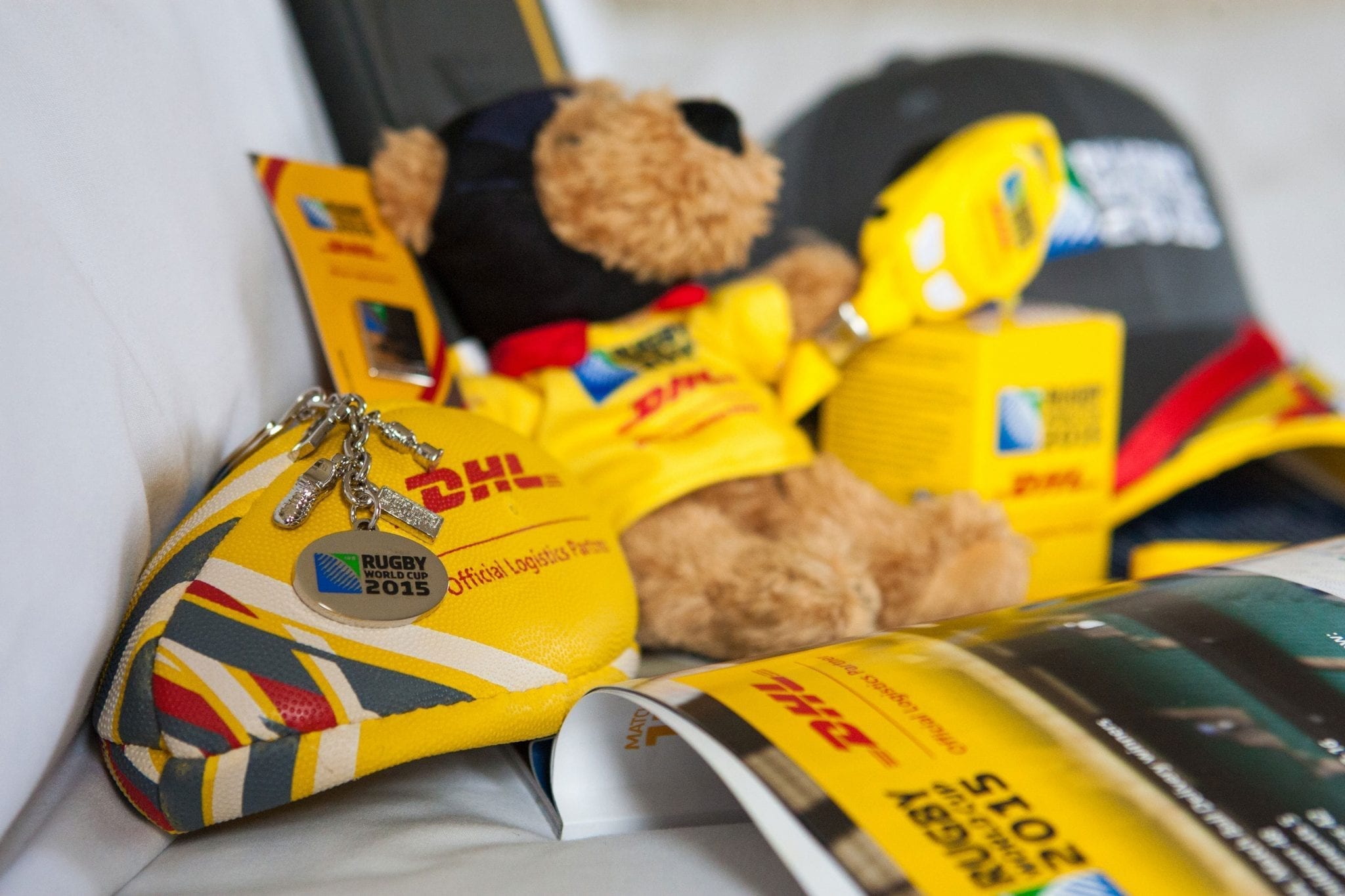
    DHL Global Forwarding, the leading international provider of air, sea and road freight services, today announced the launch of its second around-the-world scheduled flight, to connect Asia, Europe and the US. This is in response to the strong growth in demand for air freight capacity, chiefly for outbound services from Asia and on the popular transpacific route. The Boeing 747-400F freighter will operate a South Korea-China-Europe-China service, in addition to transpacific east- and westbound flights that includes Shanghai, China, and Cincinnati, USA.

    With a capacity of more than 100 tons per flight, the bi-weekly scheduled flights provide significant and reliable capacity on the transpacific route from Shanghai, China to Cincinnati, USA from where it continues to Incheon, South Korea. Following which, it will connect Incheon, South Korea with Wuxi, China and continue on to Frankfurt-Hahn in West Germany, before returning to Shanghai, China. The service will depart twice per week at each airport.

    “We have been seeing an increasing demand for air freight capacities on Asian routes. China remains the largest global trading partner of South Korea , Germany and the USA, with China becoming the second nation to top US$600 billion in trade with the USA in 2017. China is Germany’s largest source of import at US$120 billion and its third largest export market at US$105 billion. For South Korea, China is its top import and export country, accounting for close to 25% of its global trade in 2017 , said Kelvin Leung, CEO of DHL Global Forwarding Asia Pacific.

    ” To facilitate timely and safe movement of goods between the countries, efficient and reliable logistics infrastructure and services are key . The new scheduled flights will streamline the transportation process, thereby optimizing our customers’ supply chains and improving their products’ time to market in today’s highly competitive business environment”, Leung added.

    Results from the latest DHL Global Trade Barometer indicate that overall trade index for China recently increased by 2 points from January 2018, and the overall trade index in South Korea remaining well over 50 points at 69, signaling a positive growth for both markets in Q2 2018 which will continue to fuel demand for air freight services.