Tag: asia

  • Valentino goes red in Indonesia

    Valentino goes red in Indonesia

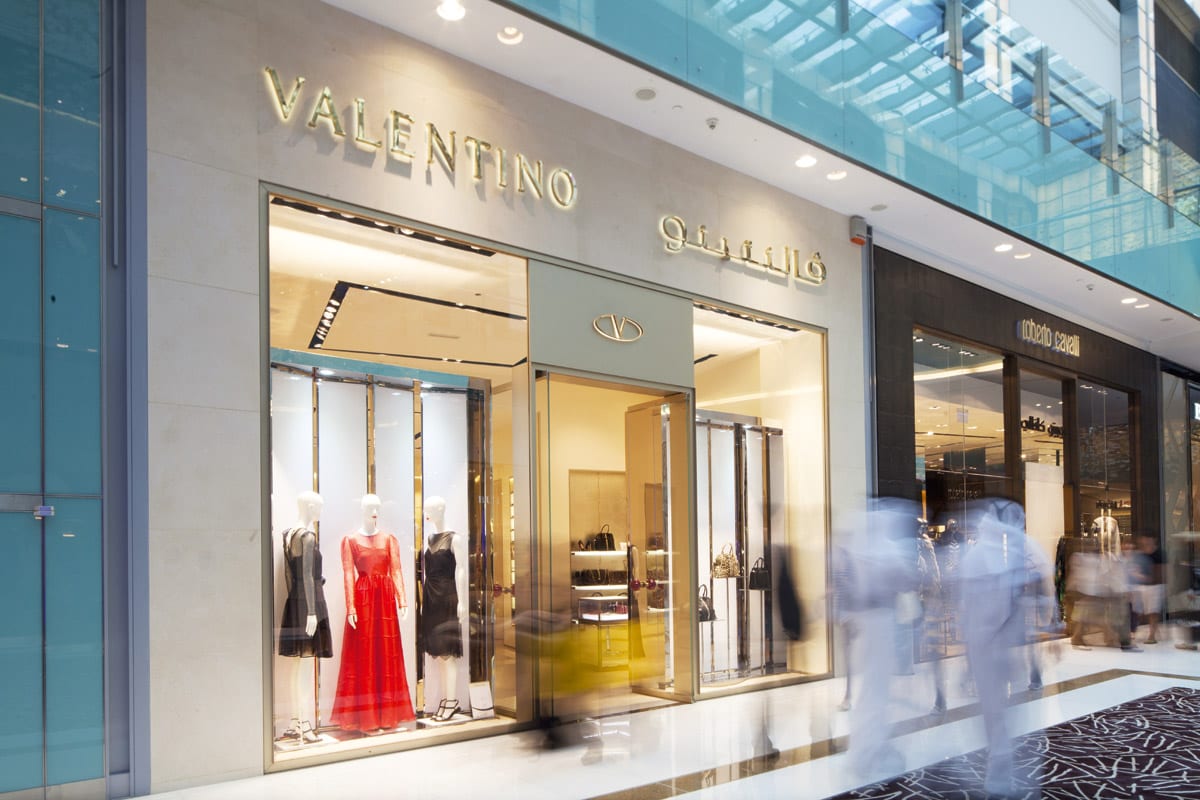
    Fashion brand Valentino Indonesia has opened a RedValentino boutique at Plaza Indonesia in central Jakarta.

    Valentino creative director Pierpaolo Piccioli has developed the store concept together with British architect David Chipperfield.

    Evoking the atmosphere of a traditional Italian palazzo (square), the store has been designed to complement the product displays through the discreet use of opulent materials

  • China Present at the 2018 Automotive Logistics China Conference

    China Present at the 2018 Automotive Logistics China Conference

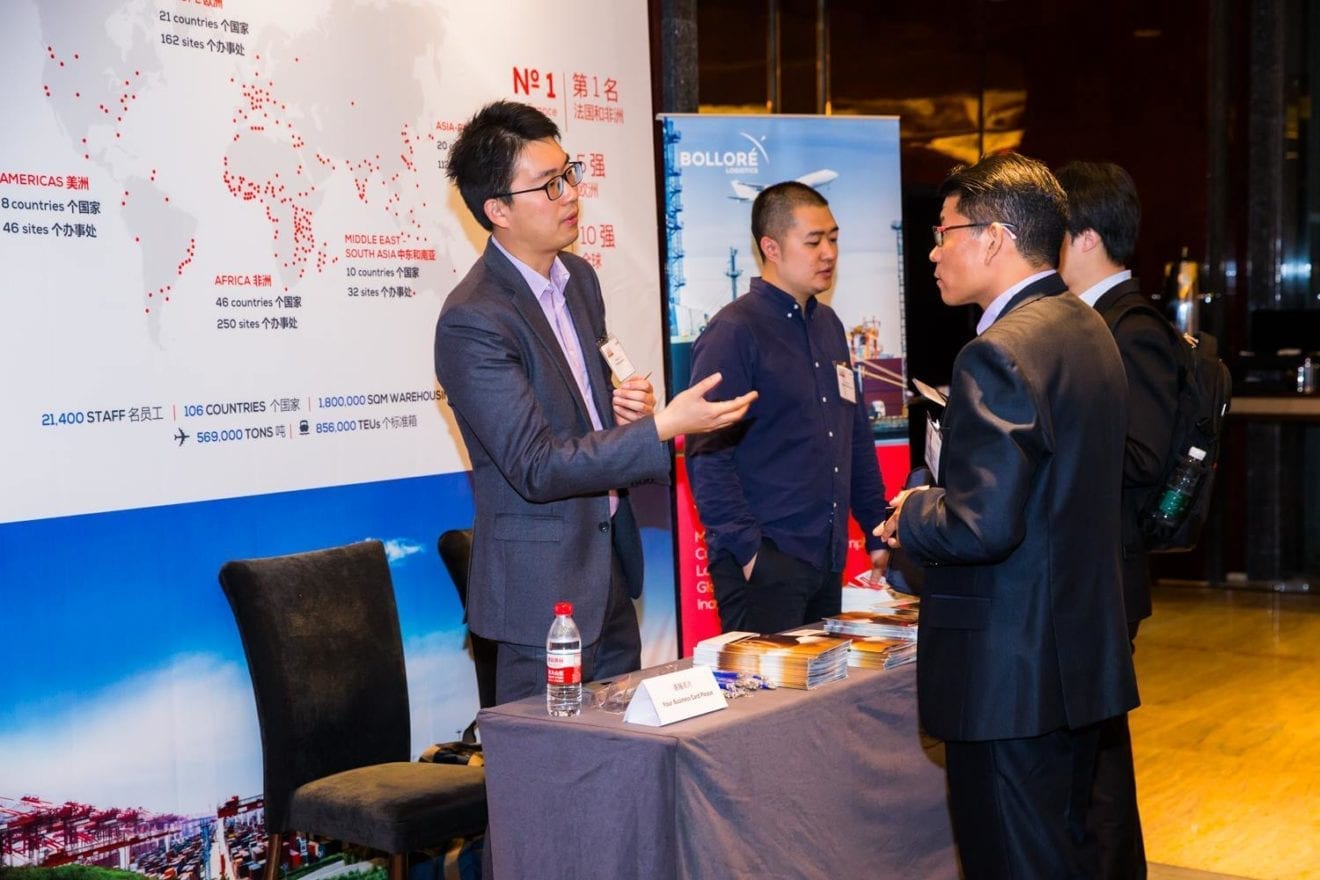
    Bolloré Logistics China successfully presented its automotive competency at the Automotive Logistics China Conference in Chengdu as a Silver Sponsor during April 17-19, 2018.

    More than 500 participants from automotive industry joined the conference including experts from automotive manufacturers, parts suppliers, and representatives from logistics companies as well as government officials. Jointly held by China Federation of Logistics & Purchasing (CFLP) and British magazine Automotive Logistics, the conference shared the latest logistics solutions for production parts, finished vehicles and aftermarket spare parts, covering the upstream and downstream of automotive industry.

    Bolloré Logistics’ automotive logistics solution experts from North China, South China, Central China and Japan gathered at our silver sponsor booth. Our presence reinforced our brand recognition in the automotive industry and our agile and professional solutions were communicated to a wide audience where many commercial opportunities were identified.

    “At the booth, we were happy to see lots of industry players showing their interest towards our solutions and recognizing the Bolloré Logistics brand,” said Steven Sun, Automotive Product Manager at Bolloré Logistics Greater China. “What’s more important is that by organizing this event, our teams are joining forces to strengthen our competitiveness,” Steven added.

    Following the event, a cross-regional automotive team meeting was held at Bolloré Logistics Chengdu office to discuss the optimization strategy for automotive business development in the company. By sharing the local market information and intelligence, our automotive network was further enhanced and leveraged.

    “One of our greatest strengths is having a world-spanning network and industry know-how staff specialized in automotive that are directly plugged into local teams and sector partners”, says Warren Wang, Bolloré Logistics Greater China Vertical Market Director.

    Bolloré Logistics China had a very productive time in Chengdu and would like to thank the team for having worked towards a successful event, as well as our customers and prospects who took the time to visit us at our booth. By mobilizing the automotive team in Greater China and Asia-Pacific region, Bolloré Logistics demonstrated the active determination to play a bigger role in the automotive industry sector.

  • Vietjet further expands with new routes to Taiwan and South Korea

    Vietjet further expands with new routes to Taiwan and South Korea

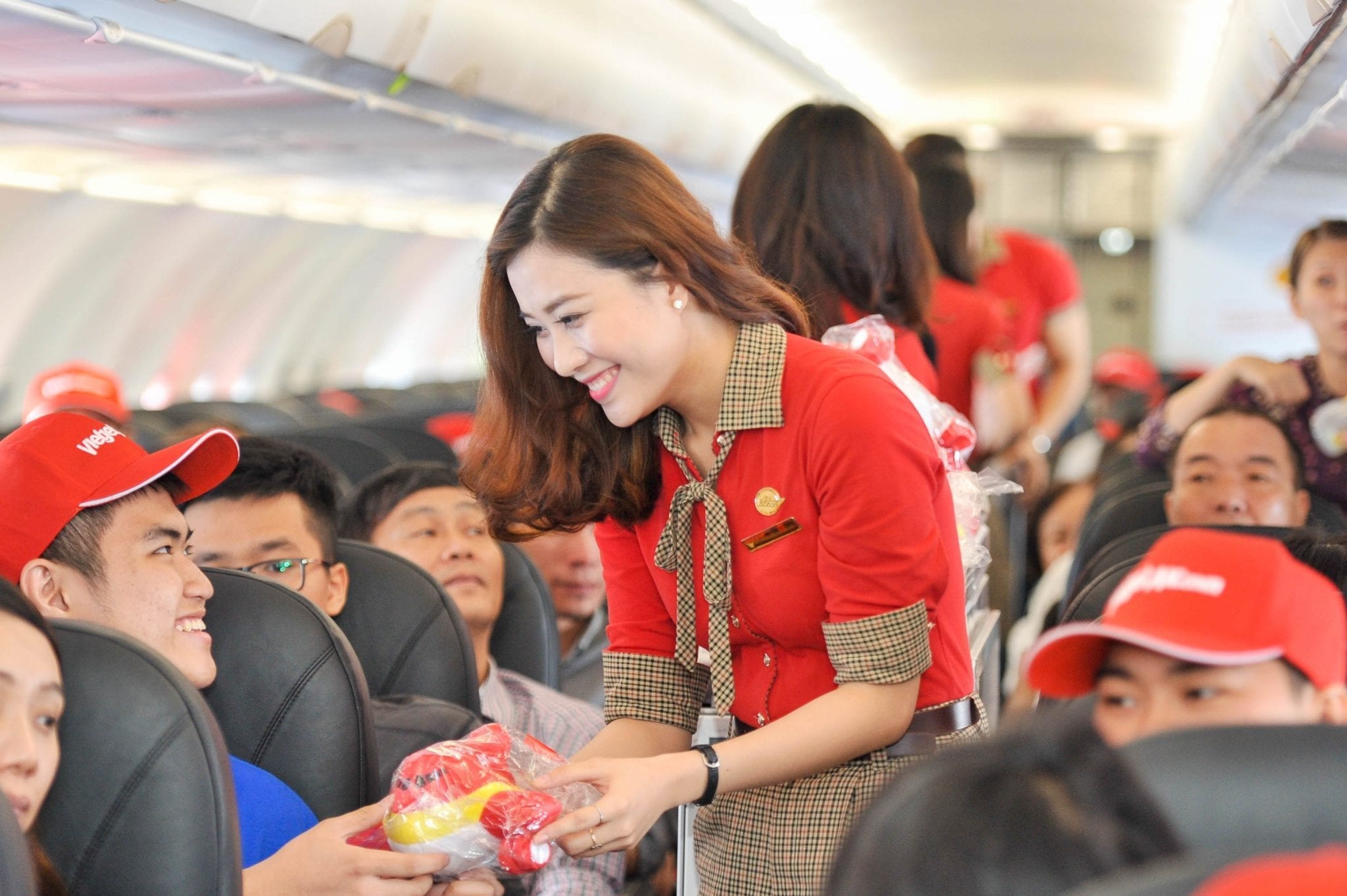
    Vietjet continues its Asian expansion program with the launch of two new international routes: Hanoi – Taichung (Taiwan) and Danang – Daegu (South Korea). Tickets have started selling for the two routes which will meet the traveling demand of both locals and tourists and contribute to regional trade and integration promotion.

    The Hanoi – Taichung route will be operated with 5 return flights per week on every Monday, Wednesday, Friday, Saturday and Sundayfrom June 22, 2018 with around two and a half hours flight time per leg. The flight departs from Hanoi at 13:00 and arrive in Taichung at 16:30 (local time). The return flight takes off at 17:30 (local time) in Taichung and lands in Hanoi at 19:20.

    The Danang – Daegu route will be operated on a daily basis from July 19, 2018 with around four and a quarter hour flight time per leg. The flight will depart from Danang at 00:15 and arrive in Daegu at 06:30 (local time). The return flight will take off at Daegu at 07:30 (local time) and lands in Danang at 10:00 every day.

    With 6 routes serving Taiwan including HCMC – Taipei; Hanoi – Taipei; HCMC – Kaohsiung; Hanoi – Kaohsiung; HCMC – Tainan; HCMC – Taichung, Vietjet is the airline flying the most Taiwanese destinations from Vietnam.

    Daegu is the fourth largest city of South Korea, after Seoul, Busan and Incheon. With a convenient and diversified transportation system, Daegu is connected with many major cities of South Korea. Palgongsan Mountain, Cosmos Land or many famous parks including Apsan Park, Woobang Tower, Daegu Arboretum, Mangwoo Park, Gyeongsan-gamyeong and Gukchaebosang Memorial Park are the most favourite tourist attractions in Daegu.

    Aiming to be a “Consumer Airline”, Vietjet is continually opening new routes, adding more aircraft, investing in modern technology and offering more added-on products and services to serve all demands of customers. Vietjet is a pioneering airline that is loved by many for its exciting promotional and entertainment programs, especially during the festive season. With high-quality services, diverse ticket classes and special low-fare tickets, Vietjet offers its passengers flying experiences on new aircraft with comfy seats, delicious hot meals, beautiful and friendly cabin crews, and other interesting added-on services.

  • Coach boosts Tapestry’s sales results

    Coach boosts Tapestry’s sales results

    Luxury fashion giant, Tapestry, has posted solid third quarter growth, boosted by strong sales from its Coach brand.

    Tapestry posted a 33 per cent increase in net sales for the quarter ending March 31 to $1.32 billion compared to the previous corresponding period, and relatively strong results from Coach where overall sales rose six per cent.

    Same-store sales for its Kate Spade brand, however, plunged nine per cent in the quarter because of a decline in online revenue. The company also posted its Stuart Weitzman’s profit margin was hurt by production delays and weaker sales of older shoes.

    The company’s operating income for the quarter was $159 million on a reported basis, while operating margin plunged 12.0 per cent compared to the 15.2 per cent in the prior year. On a non-GAAP basis, operating income was $184 million, an increase of 14 per cent from the previous year, while operating margin was 13.9 per cent from the 16.3 per cent in last year’s third quarter.

    Victor Luis, Tapestry chief executive, said their solid third quarter performance was consistent with their expectations, as they achieved double-digit increases in sales and earnings per share.

    “Results were driven by continued growth at Coach, where comparable store sales rose, led by outperformance in North America, and reflected our strong offering, including the successful global relaunch of Signature in retail,” Luis said. “We leveraged these sales gains, tightly controlling costs, and delivered operating income growth ahead of the top line increase.”

    During the quarter, the company has completed the buybacks of the Coach business in Australia and New Zealand as well as the Stuart Weitzman business in Northern China, while also taking operational control of the Kate Spade joint ventures for Mainland China, Hong Kong, Macau and Taiwan.

    Tapestry also gave an updated guidance that offered reason for optimism about Kate Spade. It now expects that acquisition to create $45 million in synergies, up from the $30 to $35 million it outlined in previous guidance. The company has also stated it now also expects Kate Spade to contribute $145 million in operating income for the year, higher than the $130 to $140 million in earlier guidance.

    According to Neil Saunders, managing director of GlobalData Retail, the bounce in Tapestry’s results that comes from Coach where sales growth accelerated to 5.9 per cent on a total basis and three per cent on a global comparable basis is encouraging,

    “In our view, this indicates that the Coach brand continues to gain ground across the demographic spectrum,” Saunders said. “From our own brand tracking, we are particularly encouraged to see growing interest among younger consumers – something that is helping to fuel strong numbers in the e-commerce division.”

    Saunders said on the product front, they believe that the current range is compelling.

    “The recent relaunch of the Signature collection – which features an interlocking ‘C’ motif – has been particularly successful, with popular products like the Charlie Carryall tote doing well. In our opinion, the popularity of the iconic ‘C’ signature design shows how much the brand image of Coach has strengthened over the past year or so,” he said.

    He added that looking ahead, they think that the economic environment will continue to be supportive into the next quarter, as residual tax refunds and bonuses come through.

    “However, thereafter these benefits will wane, putting some downward pressure on growth,” he said. “However, as the underlying fundamentals of Coach remain strong, growth will remain good – with a possible boost in fall thanks to an expanded collaboration with Selena Gomez.”

    Overall, he said, Tapestry is currently a mixed bag of businesses.

    “However, all are headed in the right direction and this gives us confidence the group will fulfil its ambition of becoming a strong luxury lifestyle company.”
  • Asia Pacific helps Under Armour to get up

    Asia Pacific helps Under Armour to get up

    US-based sportswear brand Under Armour has unveiled better than expected first quarter revenue growth of 6 per cent to US$1.2 billion, as weakness in its home market was offset by growing momentum overseas.

    Asia Pacific was the strongest individual operating region for the business, with sales increasing by 28 per cent, currency corrected.

    However, Under Armour booked a net loss of $30 million in the first quarter, although excluding $37 million in costs associated with its restructuring plan net income was $1 million.

    North American revenue declined by 1 per cent in currency corrected terms while its international business saw sales increase by 27 per cent, up 19 per cent in currency corrected terms.

    Under Armour chairman and CEO Kevin Plank affirmed the company’s $20-30 million operating income guidance for 2018 on Tuesday in the US.

    “Our first quarter results demonstrate measured progress against our focus on operational excellence and becoming a better company,” Plank said.

    “As we continue to build our global brand by delivering innovative performance products to our athletes, amplifying our story, further strengthening our go-to-market process, and leveraging our systems to create even deeper consumer connections – we remain confident in our ability to deliver on our full year targets.”

    GlobalData Retail MD Neil Saunders said that while there are some positives in the latest result the figures still give the impression that the business has “run out of steam”.

    “Overall revenue looks good enough with a 5.8 per cent increase in sales,” he said.

    “However, all of this comes from newer markets where Under Armour is buying growth through expansion. There is nothing wrong with this strategy, but it comes with costs attached – which means the contribution to the bottom line is less than impressive.”

    Saunders says Under Armour’s poor performance is solely of the brand’s own making.

    “Within North America, we believe that Under Armour’s image is still off-pitch and that its brand strategy remains extremely muddled. Strategically and in terms of its store and distribution footprint, it is clear that Under Armour wants to be a strong lifestyle brand with a wide reach.

    Indeed, recent partnerships, such as the collaboration with rapper A$AP Rocky, suggest a push to appeal to younger demographics more interested in fashion than sports.”

    Saunders says most consumers do not see Under Armour as a lifestyle brand; they see it as a specialist sports performance brand.

    “This limits Under Armour’s ambitions and means that many of the lifestyle initiatives it pursues fall on stony ground. The brand needs to have a much clearer identity, possibility by using sub-brands, before it can gain wider acceptance. Throwing out new products and lines before this clarity is developed is folly.”

    He also believes “the masculine nature of the brand” has made it hard to expand its reach to women.

    “While store design, marketing, and products remain male-focused, Under Armour will continue to struggle with women. This is a lost opportunity as female sports and fitness remain a fast-growth part of the market.”

    He says Under Armour is paying the price for growing too fast and has too broad a set of ambitions.

    “The result is a company that lacks a clear vision or point of view. In today’s crowded marketplace this has made it indistinct and easy to overlook. Until this is remedied, growth will remain problematic.”

  • Apple acknowledge iPhone challenges

    Apple acknowledge iPhone challenges

    Analysis of the latest Apple sales figures shows that tech giant remains a phenomenal company, but it needs to regain the magic spark that used to be its hallmark.

    As usual, Apple’s performance is good on both the top and bottom lines. Revenue for the quarter jumped by almost 16 per cent, an impressive increase given last year’s strong results. Even more impressive was the 25.3 per cent leap in net income, an uplift that came despite a higher level of spending on research and development.

    But as good as the headline numbers are, there are some less satisfactory nuances in the underlying dynamics driving them. Foremost among these are sales of the iPhone. On the surface, revenue from iPhone sales, which rose by 14 per cent, looks strong. However, this is mostly pushed up by higher average prices rather than volume. Indeed, in unit sales terms, the number of iPhones sold rose by just 3 per cent over the same period last year.

    Given the high raw numbers that sit behind a 3 per cent unit uplift, such a criticism may seem petty. However, the second quarter last year was a weak one for the iPhone with sales down in both volume and value terms. As such, we would expect a much bigger uplift this time around. That this didn’t materialise, and that unit growth is well below the run rate for new phone launches, signals that the replacement cycle is slowing down. In essence, we maintain our view that Apple is struggling to persuade many consumers to update their phones.

    Failure to wow

    As I’ve have said before, this relative slowdown in iPhone sales is largely a function of Apple’s inability to come up with meaningful and valuable innovations that wow consumers. No matter how Apple tries to spin it, the iPhone X is essentially an incremental product that lacks the excitement and newness earlier models brought to the market.

    The same logic applies to many other product lines, including iPads and Apple Watch. These are good, quality items, however they are simply not impressing the market and Apple is losing its lustre in terms of producing compelling products. Apple has moved from a position of ‘must have this and must have it now’ to ‘might buy this at some point in the future’.

    Price increases may mitigate this but, ultimately, such a shift can only ever result in a softer sales performance.

    Adding new products, such as HomePod, into the mix provides potential new sources of revenue.

    However, with launches to date, Apple is not disrupting the market like it used to. HomePod is a case in point. Here, despite good technical specifications and design credentials, Apple was a latecomer to the smart speaker market. This crimped sales and puts Apple in direct competition with both Google and Amazon – against both of which it does not have a clear and compelling unique selling point. While we believe Apple can take a share of this market, we do not think it can win a decisive victory in the battle with other tech firms.

    One area of relative success, at least in revenue terms, is services. However, this is an area where we think Apple needs to push harder. Amazon is successfully creating an ecosystem of services through Prime. Apple needs to do something similar by building on its Apple Music subscription and its App Store offering. Content is a big growth area and is becoming increasingly linked to devices. Apple needs to play more heavily in this space both to generate new opportunities but also to defend its own device business.

  • AirAsia X starts new route to Amritsar

    AirAsia X starts new route to Amritsar

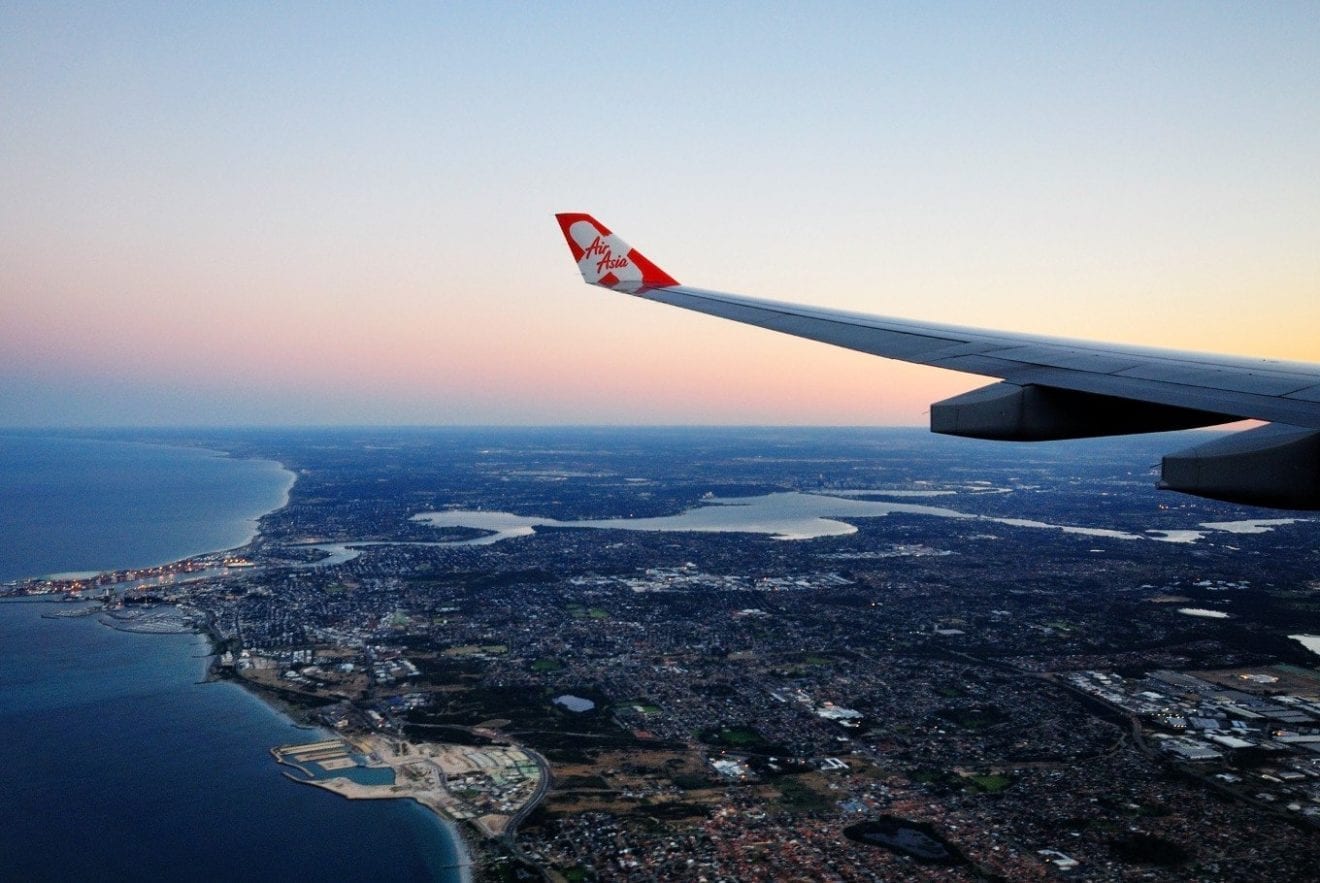
    AirAsia X has announced the opening of a new direct route from Kuala Lumpur to Amritsar as part of its expansion plan in India this year.

    Starting from Aug 16, 2018, the low-cost carrier will operate four weekly return services between Kuala Lumpur and Amritsar in northern India on Tuesday, Thursday, Saturday and Sunday.

    This route has the potential of an annual capacity of 156,832 seats between Kuala Lumpur and Amritsar.

    Amritsar is the third destination in India for AirAsia X and the 21st destination in India for AirAsia Group.

    “Many Sikhs and Punjabis have been asking us to fly direct to Amritsar, home to the world famous Golden Temple, and we are pleased to be able to offer this direct service to this holy city,” said AirAsia X chief executive officer Benyamin Ismail in a statement on Tuesday (May 1).

    He added that this new route offers them the possibility of expanding into Europe and North America.

    Punjab Minister of Tourism and Cultural Affairs Navjot Singh Sidhu said having AirAsia X flying directly to Amritsar is important to Punjabis all over the world, adding that it is a preferred destination not only for the Punjabi diaspora but also for many foreign tourists.

    “We welcome AirAsia X to Amritsar, and we are happy that Punjabi diaspora and foreign tourists from destinations within the wide network of AirAsia including Australia and New Zealand will be able to travel to Amritsar and Punjab,” he added.

    To mark the opening of the new route, AirAsia X is offering promotional all-in fares from as low as RM199 one-way for the economy seat, and RM699 one-way for Premium Flatbed seats from May 2 until May 13 for the travel period between Aug 16 and Oct 27.

  • Telenor Pakistan Collaborates with LMKT to Provide IBM’s Accurate Weather Forecast to Local Farmers

    Telenor Pakistan Collaborates with LMKT to Provide IBM’s Accurate Weather Forecast to Local Farmers

    Telenor Pakistan, continuing its efforts to transform the Pakistani agriculture sector which is the primary source of livelihood for millions of Pakistani households, has partnered with LMKT, an IBM partner, to provide farmers across the country with localized and accurate weather forecasting data. The move aims to advance agricultural practices in Pakistan and educate farmers to help them improve their yields by making informed decisions based on latest weather conditions.

    Under the agreement, LMKT will be supporting Telenor Pakistan’s goals by implementing an accurate weather forecasting solution that will provide daily and hourly weather forecast at a resolution of 1 sq km from globally recognized platforms. It’s important to note that LMKT uses IBM’s state-of-the-art technology for its weather forecast services. The partnership will enable Telenor Pakistan to drive various agronomic advisory services to stakeholders in the agriculture sector through multiple channels including mobile devices. This will empower more than 5 million Khushaal Zamindaar users across Pakistan and farmers being supported by the CAPP (Connected Agriculture Platform Punjab) program in collaboration with Government of Punjab.

    “Being Pakistan’s primary digital lifestyle partners with a strong rural presence, and movers of many industry-first initiatives aimed at transformation of Pakistani agricultural sector, we at Telenor Pakistan know what the sector’s challenges are and how to resolve them effectively,” said Durdana Achakzai, Chief Digital Officer at Telenor Pakistan. “We are pleased to have partnered with LMKT, a leading technology company specializing in geographic information systems, to deliver hyper localized weather advisory to millions of farmers across Pakistan. These advisories are critical for the success of farmers and support our ongoing efforts to empower the Pakistani kissan and modernize our agricultural practices.”

    “This agreement with Pakistan’s top telecom and digital services provider, Telenor Pakistan, underpins LMKT’s continuous efforts towards establishing a highly accurate and standardized weather forecasting system in Pakistan,” said Muhammad Haroon Sharif, Vice President GIS, Research & Development LMKT. “We are working closely with different stakeholders including Pakistan Meteorological Department and independent research groups to help various industries that rely on accurate weather forecasting data such as agriculture, renewable energy production and utilities.”

    Telenor Pakistan has been working closely with the local governments in Pakistan to empower the country’s farmers through a number of digital advisory services. In December 2015, Telenor launched Khushal Zamindar, a user-friendly Robocall, IVR and SMS content based mobile agriculture service for small-scale farmers. Following its success and the ratio of female farmers using it, Telenor Pakistan launched its women-specific version called Khushaal Aangan in December 2017. In March 2018, Telenor collaborated with the Punjab Agriculture Department to launch Connected Agriculture Platform Punjab (CAPP) to improve farmers’ access to information, financial resources, and market.

    LMKT has recently launched real-time, location-based weather information for farmers as part of a digital farming initiative with Government of Punjab’s Department of Agriculture. The initiative aims to improve farming practices in the province by communicating relevant agronomic advisories to farmers.


  • Asian buyers unimpressed by gold price dip

    Asian buyers unimpressed by gold price dip

    Physical gold demand lacked vigour in most Asian hubs this week amid a slight dip in prices, while the yellow metal switched to a premium in India for the first time in over 1-1/2 months due to a correction in local rates.

    In India, dealers were charging a premium of up to $1 an ounce over official domestic prices. This compared to a discount of $1 last week as the country celebrated the annual Akshaya Tritiya festival, when buying gold is considered auspicious.

    However, retail demand in India, the second-biggest gold consumer after China, remained subdued.

    “Many retail consumers made purchases last week during the Akshaya Tritiya festival. Now retail buying is weak,” said Daman Prakash Rathod, a director at MNC Bullion, a wholesaler in Chennai.

    In the local market, gold futures were trading at around 31,186 rupees per 10 grams, after rising to 31,620 last week, their highest since August 2016.

    “Jewellers were waiting for a price correction. As prices are falling, they could start replenishing inventory in coming weeks,” said a Mumbai-based dealer with a private bullion-importing bank.

    Meanwhile, physical gold markets remained quiet in most other Asian regions, except for Singapore, which saw a slight pick-up in buying.

    Benchmark spot gold prices were on course for an over 1 percent decline this week, pressured by a thaw in tensions on the Korean peninsula and a stronger dollar as investors looked to riskier assets such as equities.

    In China, premiums ranged between $8 and $9 an ounce over the benchmark, versus $5 to $7 previously.

    “Demand in China is slow, not too much activity,” said Ronald Leung, chief dealer at Lee Cheong Gold Dealers in Hong Kong.

  • Shiseido opens first IPSA TR counter outside Japan

    Shiseido opens first IPSA TR counter outside Japan

    Shiseido Travel Retail has opened a new travel retail counter for its IPSA skincare range at King Power International Group’s Rangnam Complex in downtown Bangkok.

    This is Shiseido’s first such installation for IPSA outside of Japan, and comes just four months after its inaugural store opening at Narita International airport.

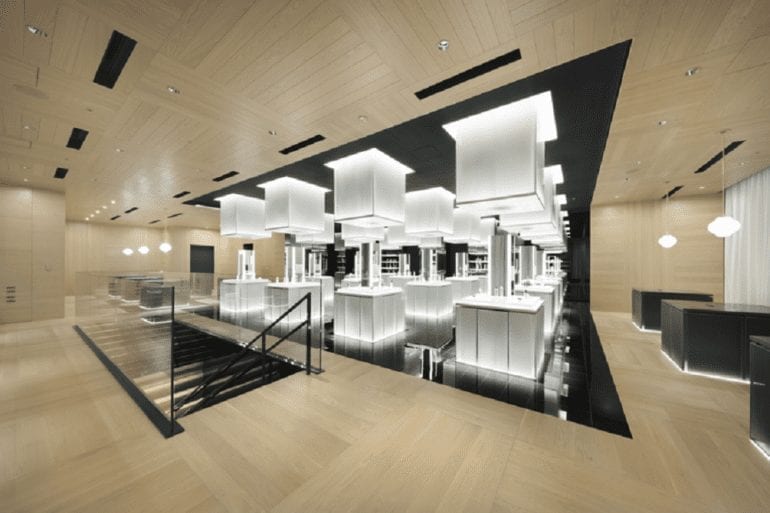
    Shiseido said that the counter has been designed with the concept of “Comfortable Living Space”, using the brand’s signature colours (beige, white and black) and materials such as decorative plastering finishes and sliced natural wood veneer.

    The installation also features a seven-metre curved back wall and a spacious consultation area.

    Whelan looking to “work closely” with Shiseido

    Of the new IPSA counter, Shiseido Travel Retail Asia Pacific general manager Kenji Calméjanesaid: “The brand, with its 30-year history, is already well established in Japan and China – but there is ample opportunity for growth and to open the brand’s first travel-retail counter outside of Japan is a fantastic achievement for the team.

    “IPSA has global appeal, particularly with millennials, thanks to its personalisation, minimalist packaging and simple, natural ethos on skincare and we have no doubt the brand’s momentum in the travel-retail market will continue.”

    King Power International Group senior executive vice president Susan Whelan added: “It is with much pleasure that we welcome IPSA onboard. As a brand that is fast gaining popularity with the Chinese, who form one of our biggest customer bases, we look forward to working closely with Shiseido Travel Retail to bring more quality experiences and products from IPSA to our travellers.”

  • Circle International Inks Cross-Border Payment Deal With Lakala

    Circle International Inks Cross-Border Payment Deal With Lakala

    Circle International Holdings, the Australian payments company, announced news on Monday (April 30) of a new strategic partnership with payment gateway company Lakala.

    In a press release, Circle International said the partnership will enable it to facilitate cross-border payments between Malaysia and China. The company noted that cross-border transactions involving China within the eCommerce market were valued at $1 trillion. Lakala is China’s only non-bank institution, which Circle International said offers online, offline, personal and corporate services and had a trading volume of 1 trillion renminbi. Additionally, Circle International said Lakala is one of China’s top three companies in the offline settlement market.

    “This will contribute positively to our Group revenue in 2019, and the tie-up will allow for increased monetization opportunities from China and the creation of a complete marketplace within its proprietary Business Circle mobile application,” said CEO Dato’ Brian Tan in the press release. “Circle International’s self-developed Business Circle mobile application has a tremendous following in China and other Chinese-speaking markets. The English version of Business Circle was launched recently as part of its regional plans to penetrate into new markets, including Australia.”

    The executive said that through the partnership, Circle International can leverage Lakala’s strength in eCommerce and integrated payment solutions to enable eCommerce services for its Business Circle users, particularly those from China.

    “Via Lakala, both consumers and merchants can buy and sell products and services through Business Circle,” the executive noted.

    The company said the partnership is part of several strategic initiatives it has been undergoing to power its penetration into the mobile wallet and payment gateway industry. Most recently, it launched its Circle VISA Premium Card, which is exclusive for Business Circle users — rewarding them with incentives, discounts and promotions.

    “It’s about creating a complete payment ecosystem for consumers and merchants to leverage on. While the Circle VISA Premium Card was our first step into FinTech, we continue to expand our product lines for our members. E-commerce complements our existing revenue streams as a regional content owner and digital advertising player,” the CEO said in the press release.

  • Hotels share golden sparkle with Airbnb

    Hotels share golden sparkle with Airbnb

    Room rates in hotels and guest houses during the Labour Day “mini Golden Week” are not as expensive in comparison to past figures due to competition from Airbnb listings.

    Hong Kong had a busy weekend ahead of tomorrow’s Labour Day and saw a 9 percent rise in the number of mainland visitors on Saturday compared to last year.

    Tourist Guest Houses Federation of Hong Kong chairman Sam Lau Kung-shing said rooms in guest houses were fully booked at the weekend. But they did not increase rates due to keen competition from Airbnb listings.

    “Rooms were fully booked for April 28 to May 1, but booking rates will drop to 60 to 70 percent on May 2 as people leave and go back to work on May 3,” Lau said

    Although occupancy rates remain high, Lau said Airbnb listings have taken business away from the guest-house industry, especially when it comes to foreign visitors.

    He said room rates in guest houses were priced between HK$300 and HK$700, similar to last year.

    “If there is no Airbnb, rooms can be charged at a higher price as the supply falls short of demand,” he said.

    “But now people can book their rooms at any time, which means prices cannot be set too high. It is more competitive and since people now have more choices, they don’t have to rush to book a room.”

    A search on the Airbnb website showed that most rooms in urban areas from yesterday to Labour Day were booked.

    Only a few rooms with higher rates – above HK$1,400 – remained available. Among the listings was a seaview room near Causeway Bay at HK$1,997 a night.

    Michael Li Hon-shing, executive director of the Federation of Hong Kong Hotel Owners, said rates in a low-end hotel can be as cheap as HK$400 on May 1, while a room in a four-star hotel can be priced at HK$600.

    He said mainlanders visited Hong Kong from Friday and many left yesterday. He expects the occupancy rate on Labour Day to be about 80 percent.

    But hotels still had a busy weekend with room occupancy rates hitting 90 percent, similar to last year. Room rates were about HK$1,300 to HK$1,400 a night in a three-star or four-star hotel.

    Li said Airbnb has had an impact as its website says it has 5,000 listings.

    He said Airbnb has been operating illegally and urged the government to take action.

    The holiday started yesterday and runs until tomorrow, but travelers came across the border a day earlier on Saturday.

    Travel Industry Council executive director Alice Chan Cheung Lok-yee said an average of 180 to 200 mainland tours a day are expected to come to Hong Kong during the three-day Labour Day holiday period, slightly up from nearly 180 tours a day last year. Tourism sector lawmaker Yiu Si-wing also believes that the number of individual travelers from the mainland will increase by some eight to 10 percent in comparison to last year’s Labour Day holiday.

    He said a three-day holiday is not long enough for visitors, so many of them will opt to travel to other cities in the mainland, or to Hong Kong or Macau.

    Yiu also said a strong yuan has encouraged mainland tourists to shop in Hong Kong and retail sales have improved over the past 10 months.

    He believes businesses specializing in luxury goods, medicine, cosmetic products and other necessities will see a rise in sales.

    “Mainland tourists have faith in these goods and some of them are imported goods, so they will buy in bulk,” Yiu said.

  • Kipling announces global organisational changes

    Kipling announces global organisational changes

    VF Corporation-owned Kipling has announced several key global organisational changes.

    Vera Breuer has been appointed as Global President. She succeeds Richard Macey who retired earlier this year after 18 years at the company.

    Breuer reports to VF Group President EMEA Martino Scabbia Guerrini and is based at the VF office in Bornem, Belgium.

    Breuer is accountable for delivering brand strategies and helping to define Kipling’s long-term vision. She also will manage the brand’s asset creation through product, design and marketing, and help to pursue Kipling’s five-year plans and global P&L targets.

    Breuer has a successful track record of managing luxury brands for L’Oréal and has spent the majority of her career in Asia. Most recently, she was General Manager South Asia for The Body Shop. Breuer previously worked in Hong Kong and Germany where she gained relevant international experience managing major businesses.

    Olivier Gay, who joined Kipling in 2016 as Vice President Sales and Retail for Europe, Middle East and Africa, has been promoted to VP & General Manager Kipling EMEA. In his role, Gay is responsible for delivering Kipling’s strategy and P&L for EMEA and setting up the brand’s short-term and long-term strategy for the region.

    Gay has over 17 years’ experience in the luxury business and held several positions at Cartier.

    International Sales Manager Distributors & Travel Retail Thomas Falcy has been promoted to Sales Director Global Travel Retail & Distributors EMEA, effective 1 May. He will report to Vera Breuer for global travel retail and Olivier Gay for the EMEA distributor business.

    “The main focus for managing our travel retail business globally will be presenting the brand consistently across the globe. Defining and implementing a go-to market strategy with a global product assortment and marketing support in all travel retail touch points will allow us to further build strong relationships with global key accounts,” said Kipling.

    Wolfe has worked for high-profile brands such as Tumi, Kate Spade and Coach

    Wolfe will lead Kipling’s Global Product and Design teams, supporting the Kipling brand in identifying ongoing and seasonal product directions, innovation opportunities and new capabilities for markets. She will play a key bridging role across merchandising, sourcing, design and development.

    Prior to joining Kipling, Wolfe worked for her own accessories brand, which she started two years ago. Before that she had a 15-year career at Tumi New York, most recently as Vice President, Product Development and Design. Wolfe has also held positions at Kate Spade and Coach, and has extensive experience in design and development across the globe.

  • Go Travel to showcase new Memory Dreamer pillow

    Go Travel to showcase new Memory Dreamer pillow

    Go Travel is to showcase its new Memory Dreamer travel pillow at the upcoming TFWA Singapore show. The new pillow combines deluxe memory foam with an elasticated front closure for an individual fit.

    Its design is gradually tapered at the rear allowing the head to slope gently backwards.

    In addition to the three standard colours (blue, navy and grey) in the international range, the new design will be launched in eight additional colours in Singapore. These range from neon coral to citrus hues of orange, lemon and lime, jewel tones of ruby red, turquoise and purple.

    DELUXE MEMORY FOAM

    Designed with a deluxe memory foam which has increased sensitivity to respond instantly to the head’s weight and warmth, the Memory Dreamer moulds to the contours of the neck and chin for fully-structured, 360-degree support.

    According to Go Travel, which exhibited in Singapore for the first time last year, the pillow is perfect for long-haul travel and always returns to its original shape after use.

    The company said: “Following feedback from Go Travel’s debut at the show, the team identified the desire for more vibrant colour-ways and has responded with the introduction of eight additional colour options on this model.”

  • Security Bank focuses on digitalization

    Security Bank focuses on digitalization

    During the annual stockholders’ meeting of Security Bank Corporation (PSE: SECB) on Tuesday, 24 April 2018, the following were elected to the Security Bank Board: incumbent directors Diana P. Aguilar, Philip T. Ang (independent), Anastasia Y. Dy, Frederick Y. Dy, Takayoshi Futae, Joseph R. Higdon (independent), James JK Hung (independent), Ramon R. Jimenez, Jr. (independent), Jikyeong Kang (independent), Napoleon L. Nazareno (independent), Takahiro Onishi, Alfonso L. Salcedo, Jr., Rafael F. Simpao, Jr. and Alberto S. Villarosa, and new director Cirilo P. Noel. During the organizational Board meeting, key appointments were for Frederick Y. Dy as Chairman Emeritus, Alberto S. Villarosa as Chairman, Anastasia Y. Dy as Vice Chairman, and Alfonso L. Salcedo, Jr. as President and Chief Executive Officer.

    In his report on 2017 operations, President and CEO Mr. Alfonso L. Salcedo, Jr. highlighted Security Bank’s 20% earnings growth that resulted in a record-high net income of Php 10.26 billion, versus industry’s 7% earnings growth. In the last five years, Security Bank’s net income grew by a compounded annual growth rate of 20% versus industry’s 3%. The Bank’s revenue growth in 2017 was 20% versus industry’s 11%. Net interest income growth was 22% versus industry’s 17%, while non-interest income growth was 15% versus industry’s 5% decrease. The Bank’s return on shareholders’ equity was 10.2% versus industry’s 9.96%. The Bank’s Core Equity Tier 1 and Total Capital Adequacy ratios of 15.5% and 17.7%, respectively, are among the highest in the industry and well above the minimum regulatory requirements. Total assets grew 9% to Php 757 billion. In the past five years, Security Bank’s total assets grew by a compounded annual growth rate of 21%, versus industry’s 11%.

    Also highlighted was Security Bank’s healthy loan portfolio growth of 28% versus industry’s 19%. The Bank’s loan growth was driven by corporate loans which increased 25%, middle market loans which grew 24%, and consumer loans which expanded 49%. In the past five years, Security Bank’s loan portfolio grew by a compounded annual growth rate of 22% versus industry’s 18%. The Bank’s three customer segments grew by compounded annual growth rates of 18% for corporate loans, 20% for middle market loans, and 63% for retail loans. Retail loans as a percent of total loans increased to 16% at year-end 2017 from 13% in 2016. Security Bank now has a full slate of consumer loan products consisting of home, auto, credit card, personal and small business loans. Asset quality remained healthy with net non-performing loan ratio at 0.02%, a decrease from 0.17% in 2016, and lower than industry’s 0.47%. NPL cover increased to 239%, versus industry’s 150%. Deposit growth was 19%, faster than industry’s 12%. In the last five years, Security Bank’s deposits grew by a compounded annual growth rate of 19% versus industry’s 12%. The Bank added 12 new branches in 2017, bringing its network to 302 branches. Its ATM network has grown from 622 to 713.

    Security Bank maintained its cost-to-income ratio at an efficient 49.8% compared to industry’s 63.3%, even as the Bank continued to invest heavily in information technology, digitalization, people and branches. Mr. Salcedo stated that these investments are designed to transform the Bank’s infrastructure and way of doing business, and ensure that the Bank stays relevant to shifting customer needs in a fast-changing banking and technology landscape. Security Bank continues to be focused on its medium-term strategic goals which are to regain industry-leading ROE, continue growth momentum to build its retail banking business as the third business pillar, and transform the Bank’s infrastructure to support its growth aspirations and deliver its BetterBanking promise. Key to this transformation is the digitalization of its customer acquisition and servicing channels and operational processes. In 2017, Security Bank increased cash dividends to Php 3.00 per share from Php 2.00 in prior years.

    Highlighted in the President’s report were the major awards that Security Bank received, most recently as The Best Retail Bank in the Philippines for 2018 by The Asian Banker and Best Bank in the Philippines by Global Finance. Mr. Salcedo stated that the execution and results of Security Bank’s retail banking strategy led to the major breakthrough award as The Best Retail Bank in the Philippines for 2018. In 2017, Security Bank was named Best Bank in the Philippines by Alpha Southeast Asia; Best Bank for SMEs in the Philippines by Asiamoney; and Best Digital Bank in the Philippines by Capital Finance International of London. The Bank also received awards for management excellence, industrial peace and harmony, corporate banking and treasury, brand marketing, product innovation, investor relations, and corporate social responsibility.