Tag: asia

  • CEVA Logistics opens a new hub in Malaysia

    CEVA Logistics opens a new hub in Malaysia

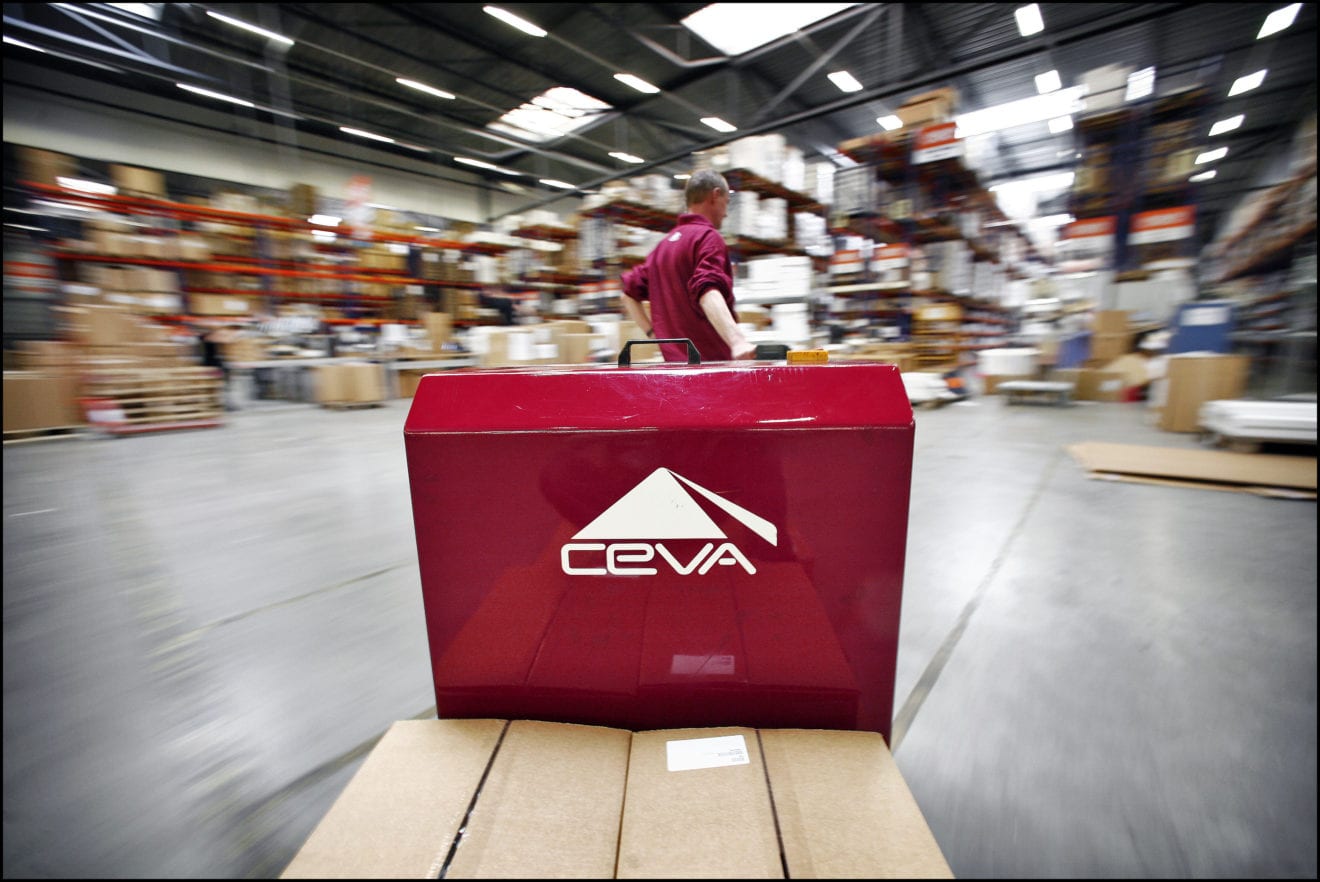
    CEVA Logistics, one of the world’s largest supply chain management companies, has officially opened a new multi-user facility in Penang, Malaysia. Situated within the Bayan Lepas Free Industrial Zone Phase IV, the 70,000 sq ft facility is only 10 minutes away from the Penang International Airport and 10 minutes from the Penang Bridge, connecting the island to mainland Malaysia.

    This new multi-user warehouse delivers cost efficiency and flexibility through an optimized layout design and improved infrastructure to serve our customers. It includes a combination of temperature-controlled and ambient storage space, conducive and modern office space for in-plant customers, advanced materials handling equipment, advanced RF warehouse management system and Customs stationed on-site to facilitate on-time clearance.  This is also an integrated hub that will house under one roof CEVA’s contract logistics and freight management teams for Malaysia as well as its global supply chain solutions control tower teams who support its 24×7 largest customers globally.

    “CEVA continues to invest in its customer needs in Malaysia, this new facility which has doubled our footprint in Penang will continue to support our growth needs and positions us for future expansion in the market. With its strategic location in the northern part of Malaysia, coupled with the air cargo hub at Bayan Lepas airport, it aims to cater to a wide range of logistics and warehousing services and  offer even greater value and benefits to our customers, ” says CEVA’s Elaine Low, Executive Vice President, South East Asia.

  • HKBN to strengthen data protection measures

    HKBN to strengthen data protection measures

    Hong Kong Broadband Network (HKBN) has promised to implement new data protection measures for its customer data in the next three months in response to a targeted cyberattack discovered last week.

    Under the new measures, all personal information of customers whose accounts have been closed will be kept for six months, instead of seven years, and will subsequently be deleted from the company’s database.

    Furthermore, HKBN would modify the way its stores the data of existing customers. Hong Kong ID card numbers would be randomly removed, as well as the digit in brackets. For credit card numbers, the company would delete the seventh to 12th digits.

    “Keeping only partial but not all of the most sensitive data like credit card number and Hong Kong ID card number gives peace of mind to our customers,” said William Yeung, co-owner and CEO, HKBN.

    For new customers, their full identity card number and credit card number would be collected only to support service activation, number porting and bank payment application. Once these procedures have been completed, part of the said two numbers would also be deleted from the HKBN system.

    Yeung said the new policy would make the information less attractive to hackers, adding that the company is taking decisive actions beyond the industry’s common practices.

    The new data protection measures would be implemented after they cleared with the relevant government departments.

    The targeted cyberattack, discovered on April 16, involved the hacking of an inactive customer database containing the information of some 380,000 customer and service applicant records of HKBN fixed and IDD services as of 2012, which represents about 11% of the company’s 3.6 million customer records.

    The information in the database includes names, home addresses, email addresses, telephone numbers and HKID card numbers. It also contains information of some 43,000 credit card information as of 2012.

    HKBN had reported the incident to the Hong Kong Police and the Office of the Privacy Commissioner for Personal Data. Investigation into the incident is on-going.

    “No conclusion of the incident investigation is available yet, but we’ve already identified the areas that we will definitely address to enhance data security protection such as introducing multi-factor authentication, stepping up encryption, putting up additional layers of cyber defenses on top of our existing protections, and burgeoning resources to expand the information security team,” Yeung said.

  • Macau to include 5G in technology-neutral licenses

    Macau to include 5G in technology-neutral licenses

    The Macau SAR government does not plan to have a separate license for 5G services, and will instead include 5G in its planned new technology neutral licenses for mobile service providers.

    The director of Macau’s Post and Telecommunication Bureau Derby Lau Wai Meng told that its proposed new communications convergence legislation will include 5G.

    The new legislation would replace Macau’s current basic telecommunication law as well as by-laws governing the various telecoms licenses that have been allocated in the city.

    In addition, the regulator has prepared changes aimed to provide infrastructure support for operators pursuing 5G deployments and redefined some service standards, with the goal of providing more favorable conditions for 5G operators.

    According to the report, the new changes will give more powers for operators to deploy 5G as well as more powers to the government to supervise these deployments.

  • Philippines AirAsia adds capital connection

    Philippines AirAsia adds capital connection

    Philippines AirAsia launched a new link between Manila (MNL) and Bangkok Don Mueang (DMK) on 22 April. The 2,200-kilometre connection will link the capital cities of the Philippines and Thailand with daily flights operated by A320s. There is no direct competition, but schedules show that multiple carriers (including Philippine Airlines and Thai Airways) will operate a combined 46 weekly flights from Manila to Bangkok Suvarnabhumi during the week commencing 24 April. “AirAsia is a product of Asean (Association of Southeast Asian Nations) and we are so proud to be part of this region we call home,” said Dexter Comendador, CEO Philippines AirAsia.

    “We are the only airline that carries “I love Asean” painted on our aircraft including the ASEAN logo. AirAsia loves Asean is a commitment to help bridge communities and economies as we move toward even greater integration and mutual understanding.” Kajorndet Apichartrakul, Director, Tourism Authority of Thailand, said: “We want to bring people across the Asean region closer together and further expand our Asean footprint to serve more and more communities. We have 100% load for this inaugural flight and we hope to do more inter-Asean routes to serve every Filipino traveller’s needs and enable them to connect, do business and build socio-economic ties with neighbouring economies.”

  • International Digital Music Distribution Company – ABC DIGITAL – to start operations in India

    International Digital Music Distribution Company – ABC DIGITAL – to start operations in India

    ABC Digital, an international music distributor with HQ in London, UK is now entering the Indian market, to promote & distribute music.

    Established in 1965 in the UK, ‘ABC’ is a pioneering brand associated to the South Asian Music Industry. ‘ABC Music Shop’ was well known as the UK’s first Indian Record store based in Southall, London, and was appointed as official distributor for Indian record labels such as Saregama, T-Series & Venus. In 2006, the store was selected as an expert curator for Nokia’s Music Recommender Service, which sparked ABC’s interest in the digital space & in 2008, ABC Digital was formed. The new branch licensed content from over 60 British-Asian Record Labels within 6 months directly to Apple iTunes.

    ABC Digital aggregates & distributes content from areas of India, UK, Pakistan, USA & Canada and is currently distributing music on all major web & mobile stores like Apple Music, Google, Amazon, YouTube, Spotify, Saavn & Gaana to name a few.

    The beginning of their operations in India will see big partnerships happening with mobile operators for distribution of full length tracks, CRBTs and other mobile entertainment related products.

    “ABC Digital’s content library boasts having over 50k songs, which over the past 10 years have consistently featured in the top 10 World Genre charts on platforms like iTunes, Spotify & Saavn. We are also consistently increasing our content portfolio and expanding our services to include publishing & marketing initiatives as well as expanding distribution reach to all leading digital services” says Gautam Puri, CEO & Founder of ABC Digital.

    Artists in their portfolio include the likes of Diljit Dosanjh, Panjabi MC, Imr

  • World Franchise Associates Signs Exclusive Agreement with T BUN Bun & Bubble Tea for International Expansion

    World Franchise Associates Signs Exclusive Agreement with T BUN Bun & Bubble Tea for International Expansion

    World Franchise Associates has announced the signing of an agreement to exclusively represent T BUN Bun & Bubble Tea for international development opportunities with a focus on Asia and the Middle East.

    T Bun is one of the fastest growing franchises in South Korea. The brand started in 2017, opening 8 shops in South Korea and 1 shop in Perth, Australia. T BUN is planning an aggressive rollout of 20-30 new stores in South Korea over the next 12 months along with 3 new stores in Australia. T BUN is also planning to expand its business to Southeast Asia, the Middle East North Africa (MENA) region, Canada, The United Kingdom and other international markets over the next 2 years.

    Jonathan Kwon, Managing Director of T BUN said, “With support from World Franchise Associates we are currently speaking to candidates about opportunities to become our exclusive master franchisees and area developers in many international markets. An exclusive T BUN master franchisee or area developer would be granted the rights for a specific country or territory and would be expected to develop a reasonable and competitive number of T BUN outlets in that country/territory over an initial 10-year development term, starting initially with company owned T BUN outlets and thereafter via sub-franchising.”

    T BUN offers both doughnuts and baked goods, and beverages. It’s signature beverage, authentic Taiwanese Milk Tea, also called bubble tea or boba tea, is a cold drink which originated from Taiwan in the early 80s. There are more than 300 kinds of milk tea sold in Taiwan.  The tea is noted as being good for health, and customers range from kids to old generations.

    Troy Franklin, Chief Operating Officer, World Franchise Associates – Southeast Asia, said, “We are excited about partnering with T BUN, a world-class concept and product.  As one of the fastest growing franchises in South Korea, T BUN represents an appealing investment for both kiosks and small cafes providing investors with attractive profit margins and dedicated support for international franchisees.”

    T BUN provides franchisees with wide-ranging training and support including:

    • Comprehensive training program, operations manual, performance monitoring tools and reporting templates.
    • Access to continuous innovation, research and development.
    • Access to high quality raw materials and ingredients.
    • Consultation and advice leading up to the market launch, during the initial opening and ongoing including in-market support.
  • CRCT’s 1Q 2018 distributable income up 9.6% year-on-year

    CRCT’s 1Q 2018 distributable income up 9.6% year-on-year

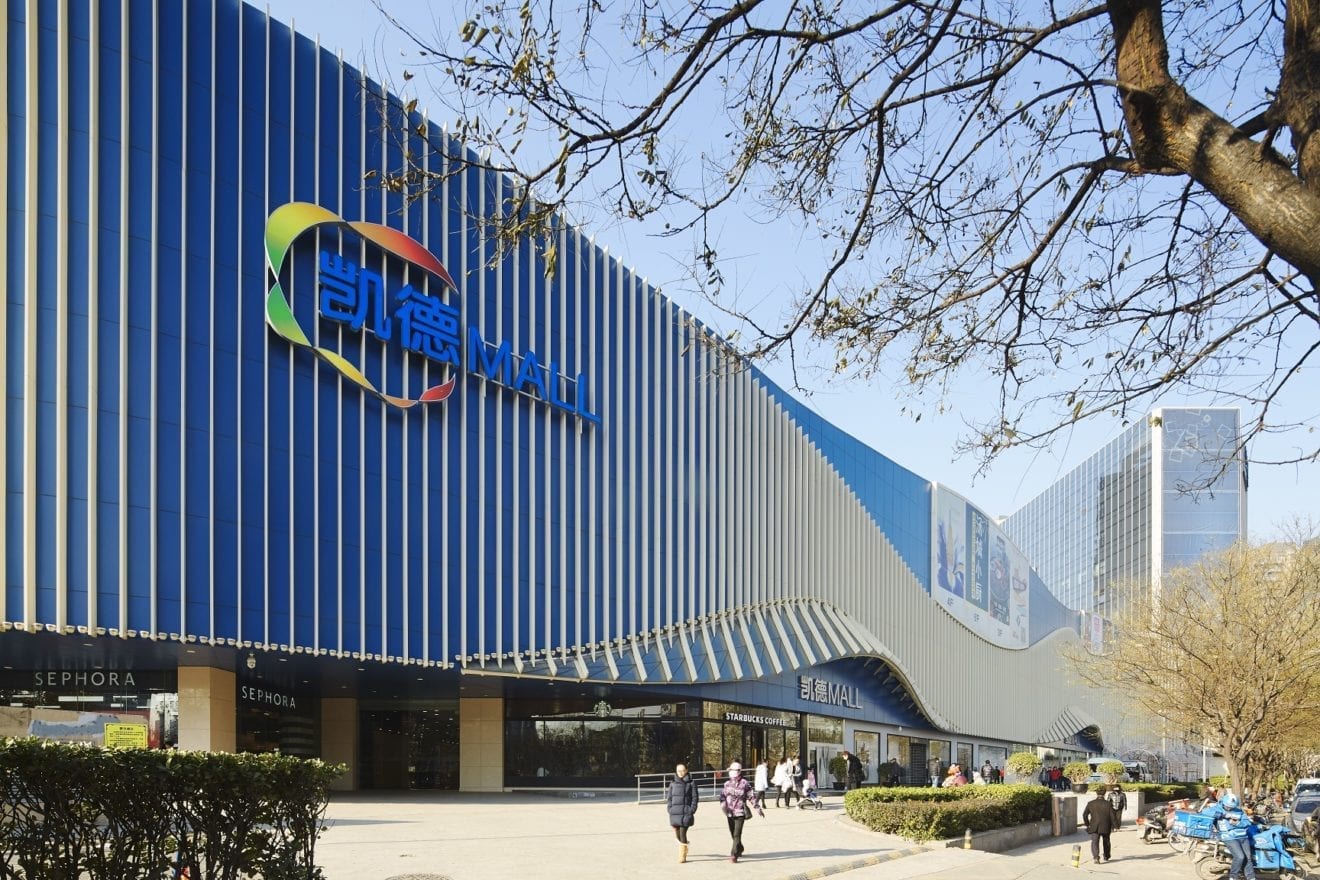
    CapitaLand Retail China Trust Management Limited (CRCTML), the manager of CapitaLand Retail China Trust (CRCT), today announced that it posted higher distributable income of S$26.7 million for 1Q 2018, an increase of 9.6% from S$24.4 million a year ago. Distribution per unit was 2.75 cents, 0.4% higher than 1Q 2017. Based on CRCT’s closing price of S$1.55 on 26 April 2018, the annualised distribution yield for the quarter was 7.2%.

    In 1Q 2018, CRCT’s multi-tenanted malls registered a robust rental reversion of 12.8%. Portfolio occupancy as at 31 March 2018 remained strong at 95%. Tenants’ sales and shopper traffic for the quarter increased year-on year by 2.1% and 7.7% respectively.

    Mr Tan Tze Wooi, CEO of CRCTML, said: “Since completing the acquisition of Rock Square on 31 January 2018, we have been strengthening the mall’s appeal through active tenant mix adjustments. By the end of 1Q 2018, Rock Square’s occupancy improved to 97.1% from 96.4% as at 30 June 2017, with an encouraging rental reversion of more than 20%. We made progress in enhancing the mall’s operational efficiency by replacing its manned carpark payment booth with an electronic system, and achieved significant cost savings by working with CapitaLand to manage the mall. We will be further finetuning Rock Square’s tenant mix and retail layout to maximise the potential of this well-located mall.”

    “The reconfiguration of the recovered space at CapitaMall Wangjing is on track and the space is almost fully leased. Opening progressively from 2Q 2018, shoppers can look forward to more than 20 retail, lifestyle and dining concepts including Sisyphe Book Cafe, YID cooking studio and Lao Wang Hotpot – several of which are new-to-market in the Wangjing subdistrict. These new stores will almost double the recovered space’s rental income and diversify the mall’s offerings to draw in more shoppers.”

    “We have been proactively curating new concepts in our malls that are refreshing and relevant to shoppers. An example is CapitaMall Grand Canyon’s unmanned convenience store – a retail trend that is catching on in Beijing – that is operated by Bianlifeng. We have also introduced trendy gourmet concepts P.Plus Bakery Club and Greybox Coffee to CapitaMall Xinnan and CapitaMall Wangjing respectively. Other new concepts in our portfolio include China’s first standalone C&A Kids apparel store in CapitaMall Xinnan and Wuhan’s first indoor simulated counter strike gaming centre in CapitaMall Minzhongleyuan. To enhance shopper engagement, we continue to embrace digital initiatives such as robotic concierge and augmented reality gaming. Looking ahead, we will further build on our strong foundation and proactively look at further optimising our portfolio to create more value for Unitholders.”

  • uCloudlink launches innovative mobile data service GlocalMe Inside

    uCloudlink launches innovative mobile data service GlocalMe Inside

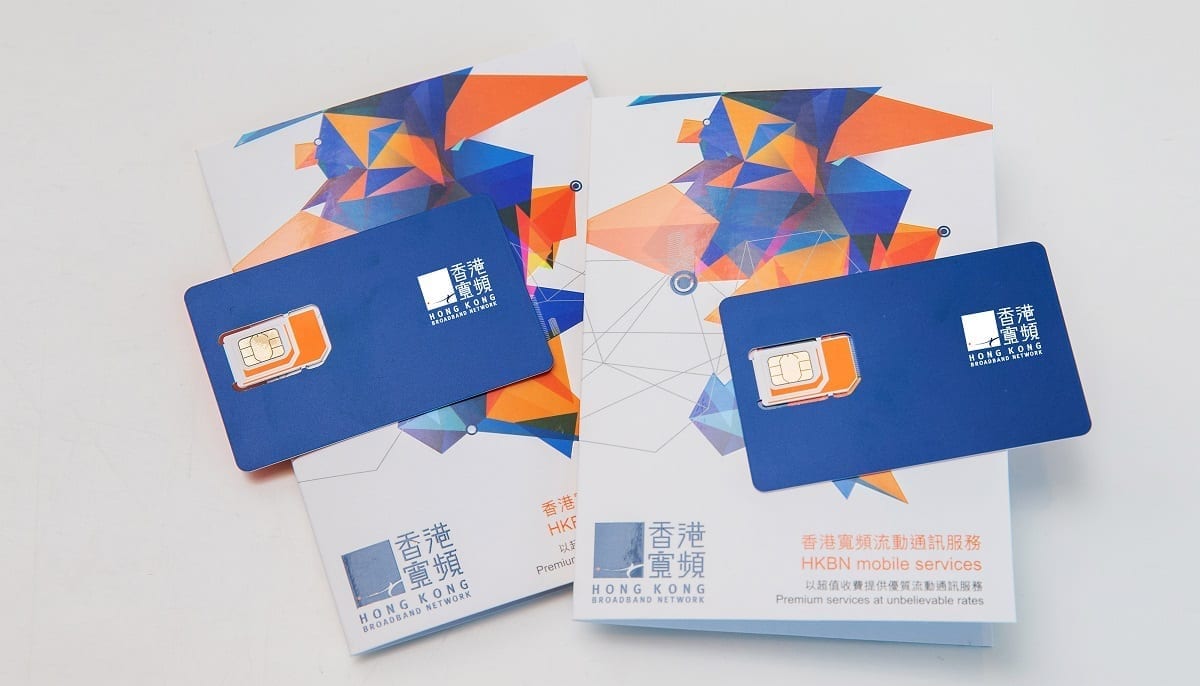
    uCloudlink, the global innovative mobile data solution provider, has today launched GlocalMe® Inside, a powerful data service designed for frequent and business travelers. GlocalMe® Inside service provides network coverage in 100+ countries and regions, enabled by CloudSIM technology and delivered through extensive carrier partnerships that ensure fair local data charges for its customers. This move marks the introduction of a new era of positive disruption for cross-border business, bringing expense management, convenience, flexibility and robust global network coverage for reliability of service.

    Alongside this new service innovation, uCloudlink also introduces two models of the brand new GlocalMe® Inside World Phone, in which the service has been pre-installed.

    As of April 2018, the new GlocalMe® Inside service has been rolled out in Hong Kong in collaboration with Hong Kong Broadband. The company is also in active conversations with potential customers and partners across key markets in Asia and North America, discussing the launch of GlocalMe® Inside service’s forthcoming global footprint in the near future.

    Mr. Simon Tan, Co-Founder and Chief Marketing Officer, uCloudlink says, “uCloudlink is dedicated to continuous mobile data solution innovation. Our vision is to offer the utmost accessibility of mobile data for everyone in the world. The new service and our new phone products are a reflection of our commitment to improve global mobility by enhancing and sharing CloudSIM technologies with the world. This will achieve true global connectivity and sharing without limitations. We hope this service innovation can turn many silent roamers into active ones, addressing one of the most pressing challenges facing the entire industry.”

    Elitek is the first phone brand to be launched with the service embedded. uCloudlink is expecting to see increasingly rapid collaboration with more third-party phone brands in the future for which the GlocalMe Inside mobile data service will be available, making them the first true World Phone.

    Mr. Bill Zhang, General Manager of the Smart Devices Business, uCloudlink, explains, “We are very excited about this service innovation which represents a significant breakthrough for business users and other mobile data service users who travel extensively. GlocalMe® Inside overhauls the current mobile data package fee and contracting model, and therefore is a massively positive disruption to the telecommunications industry in this regard. For too long, service users have been subject to high rates, non-transparent pricing models and data roaming which often costs well beyond what was expected; the GlocalMe® Inside revolution changes all that. We have for a long time now been inspired by the truly disruptive players who have changed the way the world works, from social media and accommodation booking services to app-based technology and changes to the media industry by disruptive communication. This is what uCloudlink GlocalMe® Inside is all about”.

    Global roaming revenue was not significantly increased with the growth of international travelers and smartphone users as was expected by the carriers. The main reason is the user’s fear of high data roaming charges. “Our disruptive technology and innovations built on customer convenience and genuine cost management changes all of this”, he concludes.

  • Deliveroo Singapore now offers self-collection

    Deliveroo Singapore now offers self-collection

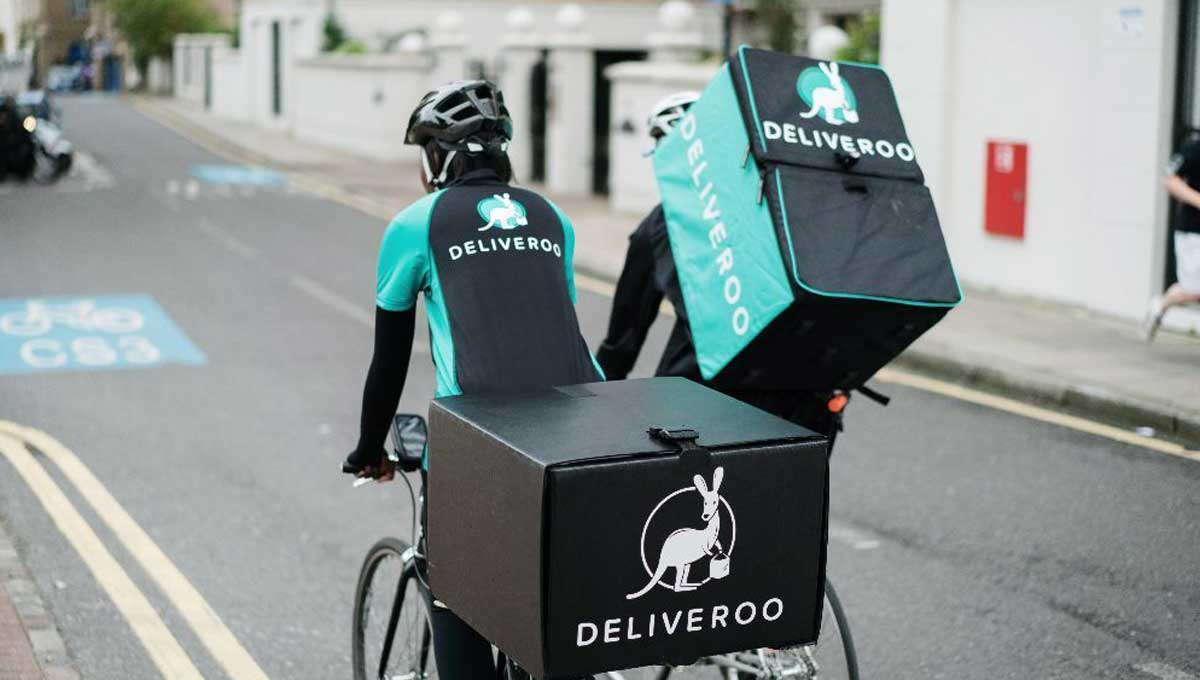
    Self-collection is now possible at Deliveroo Singapore’s new central kitchen, a first by a food-delivery service provider in the territory.

    Deliveroo Editions 2, which has just opened in Lavender, embraces seven restaurants that prepare food for Deliveroo’s online customers. It also lets customers pick up their meal via a new “click and collect” option. They can also opt to eat in a 20-seat dining space.

    At the office and retail building CT Hub 2, Editions 2 is Deliveroo’s second multi-restaurant kitchen and is 1.5 times larger than the 2110sqft Deliveroo Editions in Katong, which opened last year. It features Da Paolo Pizza Bar, Dosirak, Streets of Saigon and Wolf Burgers plus three restaurants also featured at Katong: Aloha Poke, Blu Kouzina and Kurry Kornerplus.

    Deliveroo chief executive/co-founder Will Shu says Deliveroo plans to open more central kitchens soon.

  • DHL Global Forwarding launches Helpdesk in Berlin

    DHL Global Forwarding launches Helpdesk in Berlin

    DHL Global Forwarding, the air and ocean freight specialist of Deutsche Post DHL Group, has launched a helpdesk in Berlin that is custom-tailored to the needs of start-ups. The logistics professionals working at the DHL Start-Up Helpdesk assist dynamic start-up entrepreneurs and expanding start-up companies in the areas of logistics and supply chain development to enable them to achieve success both in and beyond Germany.

    “Our customer base of start-ups with global operations is growing rapidly at our branch in Berlin. Understandably, they have a greater need for advice and services, particularly in the initial stages,” explains Joachim Hermansky, Vice President Customer Service Germany at DHL Global Forwarding. “That is precisely why we trained up a young team that acts as a link between companies going global and traditional handling departments. They understand both worlds and that allows them to provide swift and flexible support.”

    The Start-Up Helpdesk at DHL Global Forwarding helps young companies enter the international business market. The digital world and e-commerce accelerate and simplify cross-border expansion for entrepreneurs. However, what requirements need to be met if products and goods are to be offered in other countries, and perhaps even outside the European Union, with immediate effect? The same applies to the procurement of products or materials and components for their own business when it is essential to deliver or receive the goods on time, and with the correct shipping and customs documents. That is where the Start-Up Helpdesk’s work begins. Have the goods been properly packaged? What transport mode is the best to be used? What customs requirements need to be met for imports and exports? What shipping documents need to be furnished? Have the goods been properly insured? These and many other questions suddenly become relevant in order to successfully develop and manage a business’s supply chains. The start-up team at DHL Global Forwarding is the right port of call for all these issues. DHL’s global network makes it possible to find the right transport services and solutions in no time and, if necessary, to contact experts able to deal with issues relating to all aspects of customs, regulations and transport routes.

  • Online Giants Carve Out Twin Empires in China’s Age of New Retail

    Online Giants Carve Out Twin Empires in China’s Age of New Retail

    The largest e-commerce players in China have rapidly expanded their scope and reach in recent years through a wave of investments and acquisitions. Alibaba owns two of China’s largest e-commerce platforms, Taobao and TMall, as well as an electronic payments system, AliPay. JD has allied with Tencent, which owns WeChat. Now, a report released by Oliver Wyman, a global consulting firm, analyses how the two players’ ubiquity in mobile payments, deep consumer data and sophisticated logistics capabilities has resulted in a new ‘age of empires’ in China’s retail sector where incumbents must quickly adapt to survive.

    The report, Chinese Grocery’s Age of Empires, reveals the e-commerce giants’ efforts to drive further growth by introducing new shopping formats – dubbed O2O, or online-to-offline. These blend online shopping’s convenience and wealth of information with the social experience and physical contact with products that people enjoy in traditional, brick-and-mortar stores. This is most immediately visible in the online grocery sector, where Alibaba and Tencent/JD are actively pursuing three strategic plays that could together increase their share of grocery shopping from around 10 percent today to around 30 percent over the next five years, by when it could be worth approximately 400 billion renminbi in gross merchandise value.

    “With the grocery sector seeing mobile payment penetration of 35%, the two giants are seeking to maximize their critical advantage of dominance in covering 97% of the overall mobile payment market,” says Richard McKenzie, Partner, Greater China at Oliver Wyman. “Now their investments are rapidly building a wider ecosystem of alliances that will make them ubiquitous through online-to-offline tools and features.”

    Over 460 million people in China regularly shop online, where densely populated cities facilitate home delivery. As a result, China has leapfrogged other markets to take the lead with nearly 10 percent of the population shopping for groceries online, compared to just 3 percent in the United States and 6 percent in the United Kingdom, Europe’s highest rate.

    This rapid change favors the two giant empires, which could make it hard for independent retailers to survive outside of them, evidenced by declining like-for-like sales and margins among China’s traditional supermarkets and convenience stores over the past few years. However, they may yet survive in some form with help from the online giants themselves, leveraging the empires’ logistics networks, rapid delivery services and new software solutions.

    Both empires are building their O2O power through three plays, each of which blends their online capabilities with offline stores in new ways:

    1. Experimentation with own retail formats

    Unlike supermarkets elsewhere that offer online shopping in parallel with a traditional in-store experience, China’s players integrate elements of the two. For example, Alibaba’s Hema stores offer smartphone payment and home delivery within 30 minutes. . Though expensive to set up and with high initial running costs, these stores are only marginally loss making. With further maturity and ramp up, breaking even is within reach. Oliver Wyman believes there is potential for at least 1,000 stores in major cities with total revenues of RMB 200 billion.

    1. Strategic Partnership with Big Box Retailers

    Big-box retailers have tried and failed to launch their own O2O and online shopping services in the past. Amid pressure from the online giants, a flurry of partnerships has seen large retailers aligning themselves with the two tech empires. These show early signs of success as parties combine their different strengths. Examples include Alibaba installing Tmall Supermarket shelves in RT-mart branches, with one-hour home delivery for products on these shelves, while Walmart, which has a strategic partnership with JD, is using its O2O unit JD Daojia as the service platform for over 150 stores to attract online traffic.

    1. Reinvention of the traditional world of “mom and pop” shops

    Traditional stores still account for half the sales of fast-moving consumer goods in China, much of them through the more than 7 million family-run stores that dominate retail outside big cities. Since early 2017, JD and Alibaba have been converting these into franchises, helping them optimize their stock through data-based curation tailored to their neighborhoods. Smartphone-based ordering systems and rapid delivery have also revolutionized procurement. Tmall planned to open 10,000 such franchises in 2017, while JD is aiming for one million by 2021. Alibaba and JD are further likely to dominate the growing market for their ordering systems, a market that could be worth up to RMB 400 billion over the next five years.

    Wai-Chan Chan, Partner, Greater China at Oliver Wyman notes, “China has not only surpassed the US in terms of online grocery penetration but also in terms of the pace of innovation and introduction of value-added services. Customers at a Hema store can pay seamlessly via their mobile phone, have fresh crayfish cooked in-store and delivered to their home within 30 minutes. Players in other markets are still some way behind in matching that offering.”

    As O2O becomes the new normal in retail, the two alliances will act as both players and facilitators of these models. While retailers and brands need to plan the best way to function in a retail world dominated by the two tech empires, identifying opportunities for synergy, it will pose a more serious challenge for some incumbents.

    The new environment will pose serious challenges to independent supermarkets and hypermarkets. Survival will require drastic changes, but this is unlikely under their current set-up. Some leading convenience stores should be able to survive outside these empires in the short term, but they too will come under threat in time from the revival of family-run stores under the franchise networks run by the two giants.

    The tech empires will inevitably influence the shape and future of the supermarket and hypermarket industry. It is crucial for incumbents to find ways to partner or co-exist with them if they are to survive and thrive.
  • Shimamura going on line in Taiwan with an e-commerce platform

    Shimamura going on line in Taiwan with an e-commerce platform

    Japanese clothing retailer Shimamura will soon expand into online sales in Taiwan.

    Its local unit plans to open an e-commerce channel on Taiwan’s two major online shopping sites, Momo and Yahoo Jima, by June, following two decades of brick-and-mortar retail stores.

    Shimamura says its local arm will sell its Closshi brand online and also promote some products not available at existing shops.

    Based in the Saitama Prefecture, the chain opened its first outlet in Taiwan in 1998 and now has 45 branches. It also has 11 shops in China, entering the market in 2012, and started online sales there last year through Tmall.

    With a network of about 2000 stores in Japan, it will begin online sales in its home territory next month through e-commerce sites run by Rakuten and Amazon Japan KK.

  • Food2U scores a long term investment

    Food2U scores a long term investment

    Myanmar food-delivery platform Food2U has raised a six-digit investment from Premium Distribution, which handles retail, food services and non-food products.

    It imports and distributes products from such food brands as Cadbury, Ferrero, Fontana and Nestle, as well as items from Lock & Lock and Luminarc.

    The valuation of the startup, founded in early 2015, is said to be more than US$2 million. The company is led by founder/MD Kyaw Myo Thet, whose background is software engineering. In May last year, Food2U raised a six-digit amount from three individual investors including iMyanmarHouse.com founder Nay Min Thu.

    Food2U, which handled about 5000 deliveries a month last year, has expanded its services beyond Yangon to Mandalay and Taunggyi. It has also forged a partnership with Pizza Hut in Myanmar, a JV involving Pizza Hut Myanmar, City Mart Holding and Jardine Restaurant Group.

  • Bolloré Logistics Singapore Launches Pilot Project on Robotic Process Automation

    Bolloré Logistics Singapore Launches Pilot Project on Robotic Process Automation

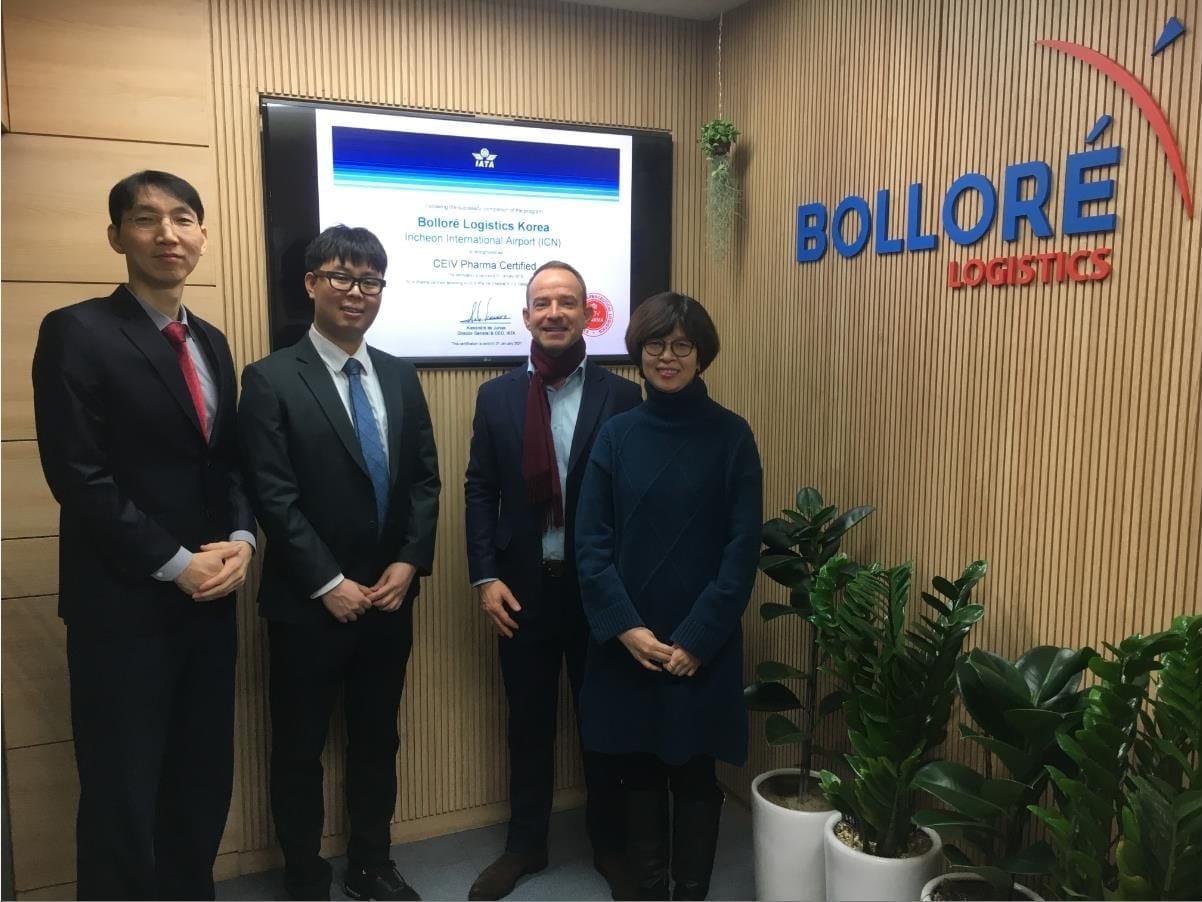
    Bolloré Logistics has launched a pilot RPA project in Singapore to drive productivity and enhance customer service through the automation of key business processes.

    RPA is an application of advanced software and algorithms to complete routine tasks and repetitive operation processes.

    Implemented with the support of Accenture, this pilot project covers multiple aspects of freight forwarding operations, such as the accurate and timely update of transportation timestamps, creation of transportation files within the Transport Management System (TMS), and invoice dispatching to customers.

    The business processes selected for enhancement under this pilot project were previously manually intensive, repetitive, and prone to human error.

    With the implementation of RPA, the original processes are mimicked by software robots that are programmed by one of the market leaders in RPA tools. “With the removal of repetitive and time-consuming tasks, the business process owners can be upskilled to perform higher value added tasks, focusing on client communication, proactive shipment monitoring, and complex coordination,” says Cyril Dumon, CEO Asia-Pacific for Bolloré Logistics.

    Following the successful pilot rollout in Singapore, Bolloré Logistics is looking to expand rapidly the implementation of RPA in the Asia-Pacific region and to extend it to other processes within the organization.

  • Vietjet plans to pay a dividend of 60% for its US$231 million profits

    Vietjet plans to pay a dividend of 60% for its US$231 million profits

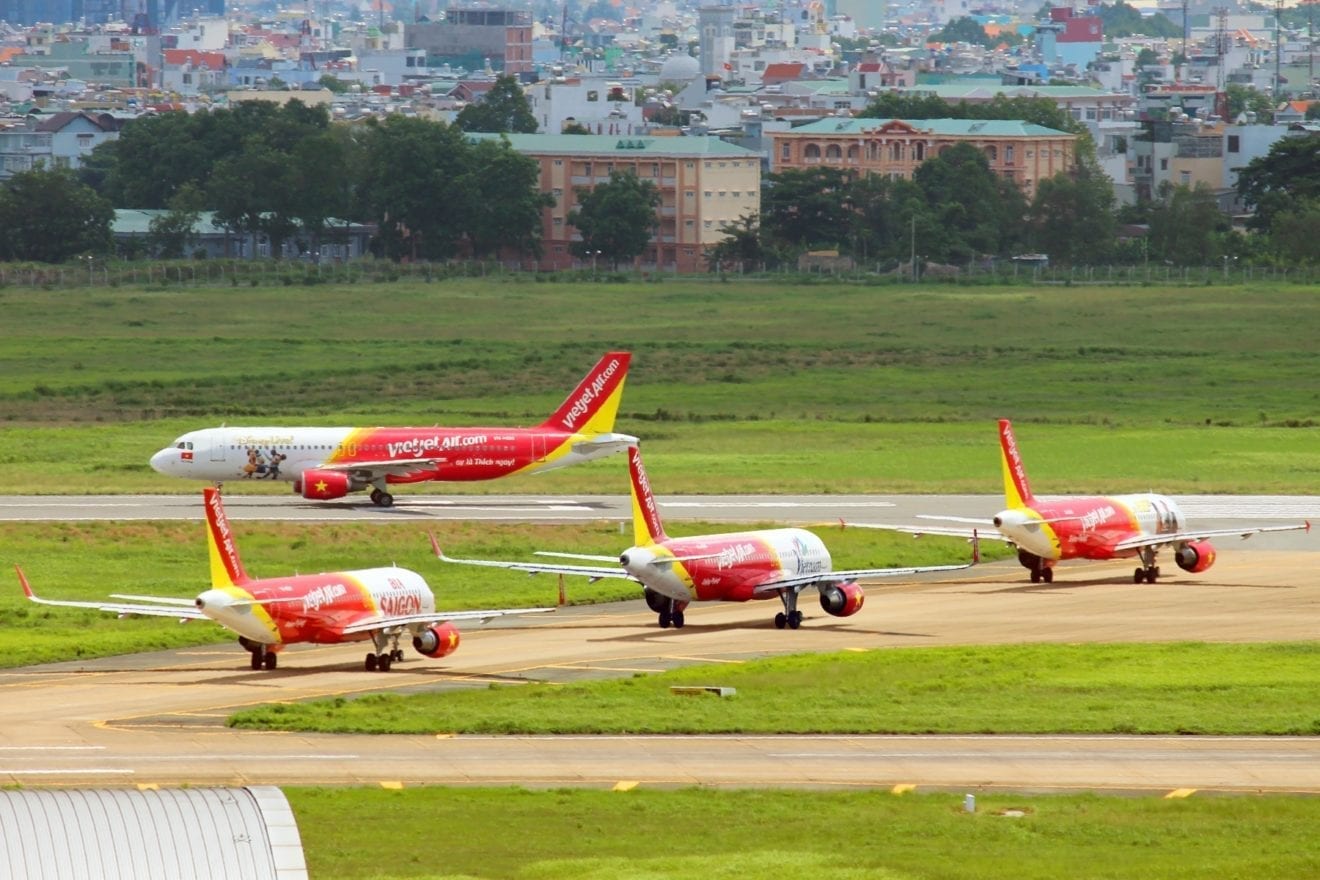
    Vietjet today announced its plan to pay a dividend of 60% of its 2017 profits after posting positive business results for the year. According to the audited and consolidated financial statements released by Vietjet Aviation Joint Stock Company (HOSE: VJC), the airline’s after-tax profit stood at VND5,074 billion (US$230.63 million).

    The airline’s net revenue stood at nearly VND42,303 billion (US$1.92 billion). After-tax profit of Vietjet in 2017 stood at VND5,074 billion (US$230.63 million). These figures have exceeded the airline’s targets for 2017 respectively by 150% and 103% year-on-year.

    Profit attributable to shareholders of the parent company increased to VND5,073 billion (US$230.59 million), exceeding the company’s targets for 2017 by 150% and 103.3% year-on-year. Earnings per share (EPS) stood at VND11,356 (US$0.52), an increase of 73% year-on-year.

    Vietjet’s unallocated profit up to December 31, 2017 was VND5,809 billion (US$264 million). Before that, the company raised its 2017 dividend payout from 50% to 60% due to its positive business results. Vietjet advanced the 2017 cash dividend payment at the rate of 30% and plans to pay the remaining 30% dividend in shares. With the higher profits and cash reserves, the Board of Directors expects to submit the proposal for the payment of 10% cash dividend and 20% share dividend in the coming Shareholder Annual Meeting. Vietjet has built a reputation for consistently making high dividend payments to its shareholders.