Tag: asia

  • 5G devices to save smartphone makers

    5G devices to save smartphone makers

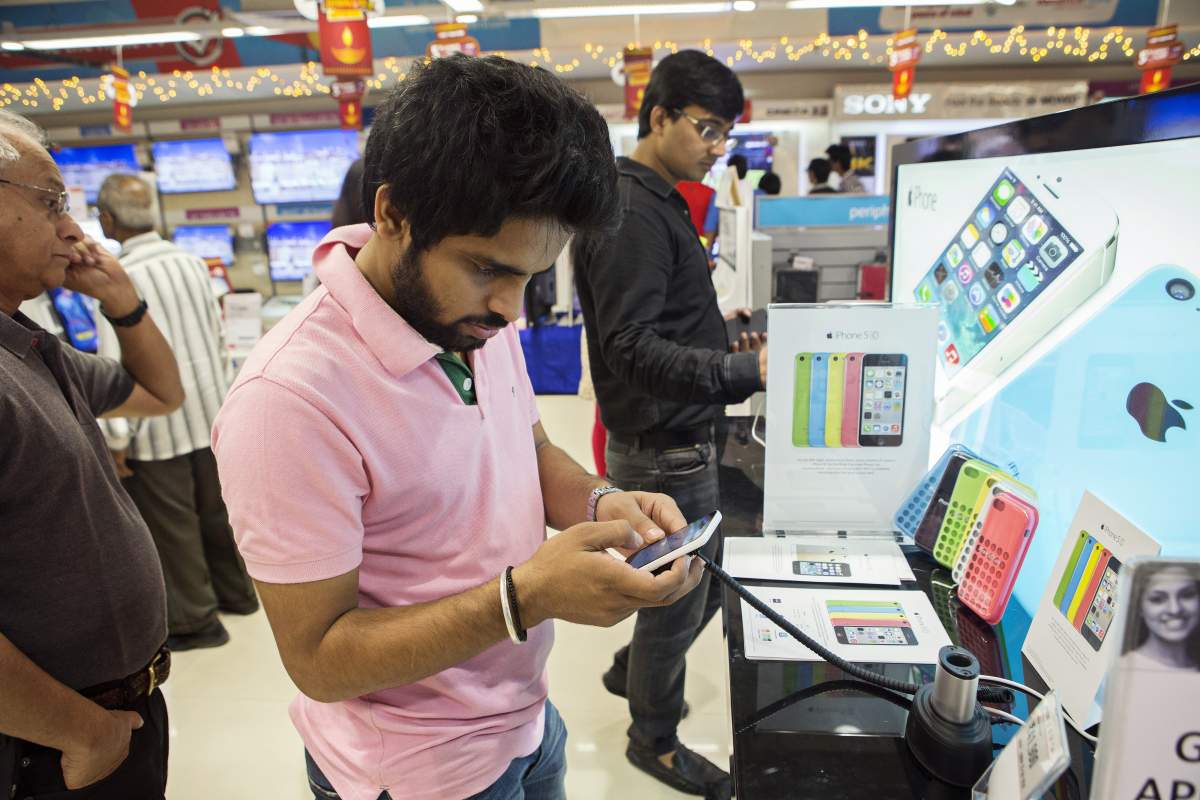
    Global demand for smartphones will continue to be slow until 2022 when 2.02 billion phones are forecasts to be sold. The telecom industry is banking on 5G devices to reignite sales, but momentum will only begin from 2021. CCS Insight expects over 600 million 5G-enabled mobile phones will be sold in 2022.

    With new smartphones offering little more than an incremental update on previous models, the research firm fears that demand is unlikely to grow significantly for the next few years. Marina Koytcheva, CSS Insight VP adds, “Consumers in mature markets have been underwhelmed by the latest crop of flagship smartphones. Price hikes for top-end devices, with some of the latest and greatest devices hitting $1,000, have certainly not helped, and it’s little surprise more customers have decided they might as well stick with the device they already own.”

    Koytcheva notes that it’s not all doom and gloom [US and European markets]: “Although mature markets are suffering, there’s still growth potential in Africa, the emerging markets of Asia-Pacific, and India.

    CCS Insight believes the balance between developed and emerging markets will remain relatively stable, resulting in the global market for mobile phones edging up very slightly over the next five years, eventually delivering sales of more than 2 billion units in 2022.

    CCS Insight also believes that manufacturers are increasingly looking to 5G technology to reignite growth in mature markets. “The arrival of 5G handsets offers a glimmer of hope for embattled smartphone makers. They’re betting that this new, faster technology will give consumers a reason to upgrade their phones,” Koytcheva comments.

    She cautions, however, that phone-makers will have to be patient as they wait for this next wave of upgrade activity. “Although we expect the first 5G smartphones will hit the market in 2019, really significant demand won’t start until 2021, eventually having a positive impact in 2022, when we expect over 600 million 5G phones will be sold, accounting for 31% of the global market.”

    CCS Insight also notes that while advanced markets are focused on the transition to 5G, consumers in emerging markets are taking up smartphones more slowly than previously expected. Koytcheva comments, “The rising cost of components for entry-level smartphones and the arrival of affordable feature phones that support 4G networks mean that many people who otherwise might have bought their first smartphone are sticking with a feature phone for now”.

    CCS Insight’s research indicates that the trend is most prominent in India, but is also evident in other emerging markets. As a result, the research company believes smartphones will account for less than half of all mobile phones sold in India, emerging markets in Asia-Pacific and Africa in 2018.

    Koytcheva is optimistic: “Although the next couple of years are going to be tough, we’re certain that the shift to smartphones in emerging markets hasn’t evaporated — it’s merely been delayed. This year worldwide sales of smartphones will top 1.8 billion units by 2022.”
  • StarHub ends HFC rollout

    StarHub ends HFC rollout

    Singapore’s StarHub has announced that it will cease further rollout of its hybrid fiber coaxial (HFC) network to new residential and commercial buildings in the city state starting from next month.

    In a statement, StarHub said it will deliver its broadband, pay TV and fixed voice services over the Nationwide Broadband Network (NBN) or via its own fiber infrastructure for customers moving into new buildings that obtain “Temporary Occupation Permit” status after April 30.

    StarHub had 458,000 pay TV and 467,000 broadband customers by the end of 2017.

    Chong Siew Loong, chief technology officer at StarHub, said the telco has been steadily expanding its own fiber infrastructure in the past few years and “a significant number” of its customers already moved to fiber networks.

    “StarHub’s own fiber optic network today connects key commercial developments directly, providing companies with diversity in broadband internet access,” Chong said. “Where it is economically viable, we will expand our fiber optic network to connect more commercial buildings to serve customers.”

    Chong said StarHub will continue to help the rest [of its customers] to get their homes and offices onto fiber, adding that the company is currently reviewing its options for the existing HFC infrastructure and will inform them in due course.

    Offering Google Home with bundled plans

    Separately, StarHub has introduced new plans bundling its fixed voice, pay TV and broadband services with Google Home and Home Mini. The launch comes as StarHub said it has become Google’s exclusive telco retail partner for Google Home in Singapore.

    Starting from April 20, StarHub said, the Home Mini will be available free for customers who sign up for its new hubbing plan, dubbed HomeHub Plus, for S$68.8 ($52.20) each month. The  plan bundles four services including 1Gbps fiber home broadband, up to 77 channels on fiber TV, home phone line and mobile broadband.

    HomeHub Plus customers can choose to upgrade to the larger Google Home for S$120, StarHub said, adding that they can buy Wemo Switch smart plug at S$59 each to “augment the smart home experience”. With hands-free help from the Google Assistant, these plugs can be used to control lights and home appliances using simple voice commands.

    StarHub is also selling the Google voice-enabled speakers at a discount for existing or new customers who sign up for StarHub’s mobile, pay TV or broadband service.

    The operator will also give out a free Google Home for enterprise customers who subscribe to StarHub’s 1Gbps or 500Mbps business broadband plans starting May 1.

    The announcements came on the same day that StarHub appointed Peter Kaliaropoulos as its next chief executive officer.

  • AirAsia rides on big data analytics

    AirAsia rides on big data analytics

    The airline that made flying more affordable for Malaysians since 2001 is now looking to up its game by using big data analytics to mine data on 80 million unique passengers at its disposal, to personalise and anticipate travelling patterns for marketing purposes.

    “We have a database of about 80 million unique individuals. We know where they like to fly to, or when they like to fly during the year, or how many holidays they take maybe during the year.

    “Now, the marketing side has already started employing data analytics there, to actually start targeting certain portions of passengers on specific dates or specific periods of the year that they go on holiday,” AirAsia Bhd CEO Riad Asmat told last week.

    “We can be more specific and will go further, not now but at one point, where maybe we can offer you as an individual, your preferred destination on the right date … and say we will give you a nice package at a discounted rate and all that,” he added.

    On data protection, Riad gave an assurance that the data trove is one of its most important assets which, as a “very responsible organisation”, the company is very protective of at all times and use responsibly.

    “We don’t share our information with any other parties but ourselves. If you notice what we are doing is we bring expertise inhouse. We employ people and bring in expertise,” he explained.

    Riad said while the airline is utilising its current resources, it is also on a continuous lookout for expertise and new technology.

    Besides marketing and ticket purchases, digitalisation has enabled AirAsia to improve operational efficiency, through the use of data in features such as live reporting and operations review from the previous day, made available to the team on a daily basis.

    This, according to Riad, enables the team to identify and tackle challenges and come up with preventive measures.

    “The airline bit is the traditional bit but it will be 100 times enhanced with digitalisation,” he quipped.

  • AirAsia Planning Cryptocurrency-Based Rewards Program

    AirAsia Planning Cryptocurrency-Based Rewards Program

    Malaysian low-cost airline AirAsia is launching a cryptocurrency-based rewards program.

    AirAsia chief executive Tony Fernandes told that its frequent-flyer rewards program is being converted into a cryptocurrency platform called BigCoin. The move is part of a broader effort to improve the airline’s digital services and move the company toward a cashless system.

    In the Nikkei article published Thursday, Fernandes described a system in which customers could buy seats, in-flight meals, seat upgrades and other services using BigCoin, in addition to existing fiat currency options.

    Most notably, he told Nikkei Asian Review that he sees AirAsia launching an initial coin offering (ICO) at some point. While Fernandes did not provide a firm timeline, the article says the token could be offered within the next three to six months.

    No details have been released yet on whether AirAsia is developing its own blockchain or utilizing an existing platform.

    Other airlines have looking at blockchain as a possible rewards program model in recent months.

    Singapore Airlines announced last month that it was planning to launch a private blockchain for its own frequent-flyer program, thought it did not specifically state it would be developing its own cryptocurrency.

    However, Singapore Airlines did note it had successfully concluded a proof-of-concept trial with KPMG and Microsoft, and a fuller implementation of the system could see the airline working with merchants to enable customers to spend their miles at various stores or restaurants.

  • Massive Power switch in Celcom Planet deal

    Massive Power switch in Celcom Planet deal

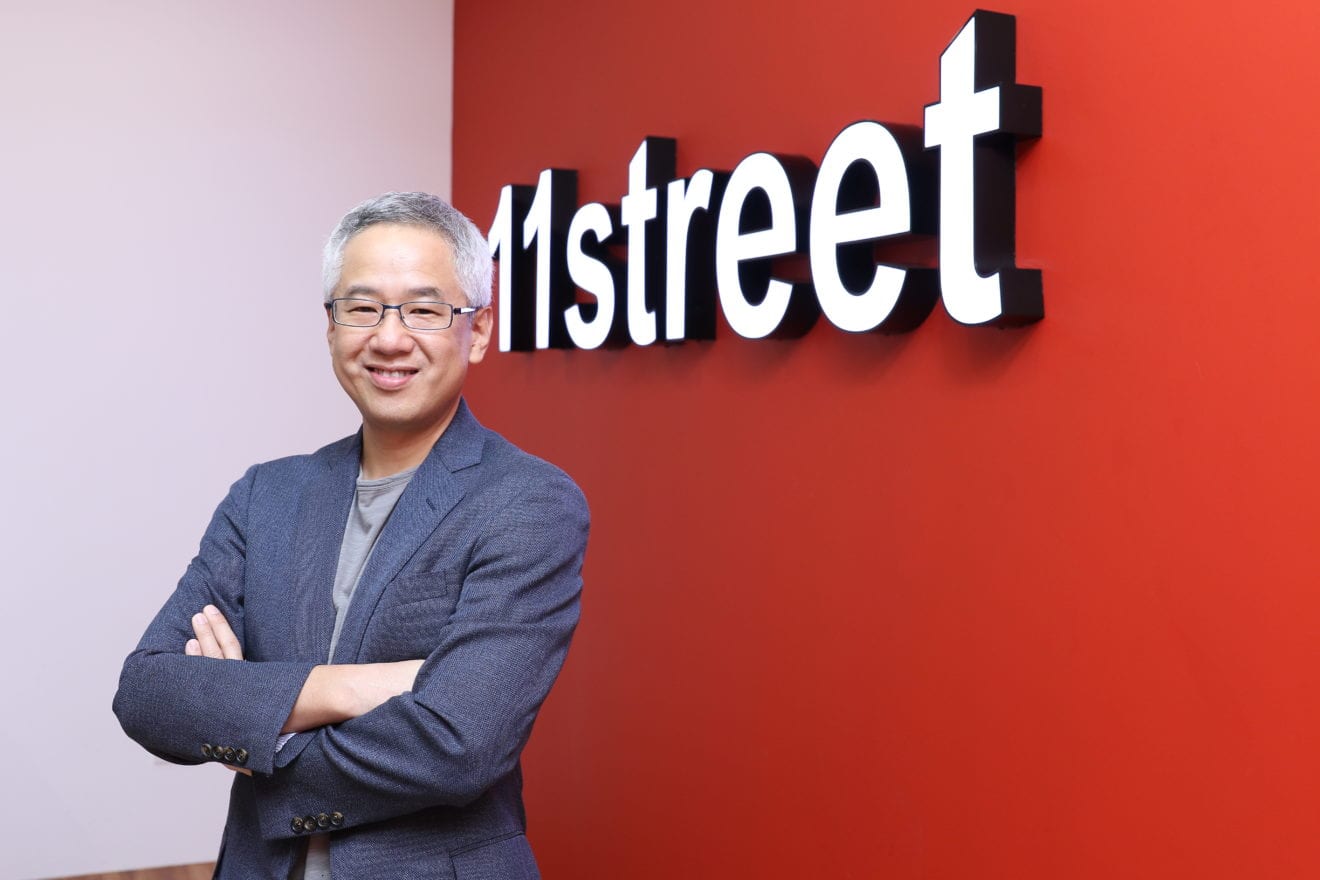
    Malaysian investment holding company PUC will invest RM90 million (US$23 million) in Celcom Planet (CPSB), which owns and runs e-commerce platform 11Street Malaysia.

    PUC, which provides integrated media, e-commerce and technology services, says the deal will give it management control of 11Street Malaysia.

    Meanwhile, CPSB claims to be one of the largest e-commerce companies in Malaysia.

    It is a JV between Axiata Digital Services and Korean-owned SK Planet Global Holdings

    “The investment paves the way for the company to increase potential revenue streams in advertising and media, and financial services from the synergistic collaboration for the company and its subsidiaries,” PUC says in a Bursa Malaysia filing.

    As part of the terms of the deal, PUC will have the right to nominate and appoint the CEO and chief marketing officer of 11Street Malaysia.

    For last year, 11Street Malaysia recorded a GMV of about RM427 million, selling more than 13 million products from 40,000-plus sellers.

  • 3 new restaurants for Impossible Foods

    3 new restaurants for Impossible Foods

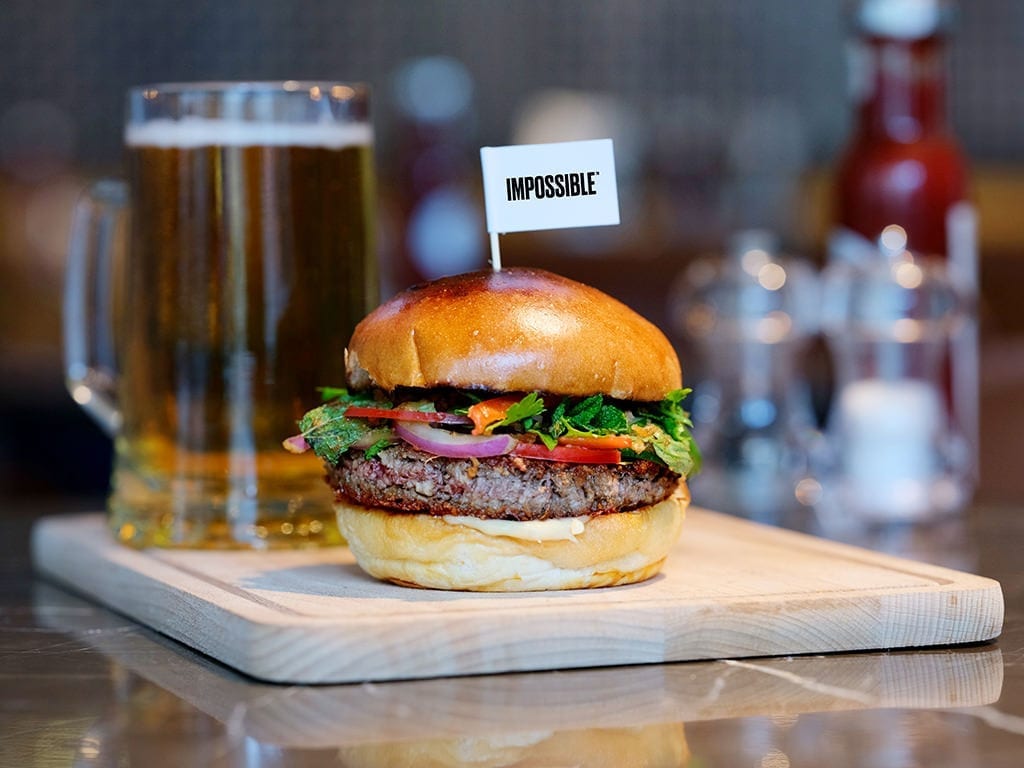
    Impossible Foods launches its plant-based meat at three Hong Kong restaurants today: Beef & Liberty, Happy Paradise and Little Bao. They’re the first eateries outside the US to feature the artificial meet on their menus.

    Introduced in 2011 by Stanford biochemistry professor and former pediatrician Dr Patrick Brown, Impossible Foods makes meat, fish and dairy products directly from plants. It uses science and technology to create wholesome food with the aim of restoring natural ecosystems while sustainably feeding a growing global population.

    Hong Kong is the first place outside the US to have the Impossible Burger, which cooks, smells and tastes like ground beef but is made entirely from plants. It is served in more than 1400 outlets in the US from award-winning restaurants to diners to the nation’s original fast-food chain White Castle. In Hong Kong, diners can try the product as a traditional burger or as the central filling of savoury streetfood.

    “We’re confident that Hong Kong – Asia’s crossroads of ideas and influences both modern and traditional – will be home to the most innovative Impossible recipes yet,” says Impossible Foods CEO/founder Brown.

    Twist on tradition

    Named Asia’s top female chef last year, chef May Chow heads Happy Paradise and Little Bao, which both present a 21st-century approach to traditional Cantonese dining. A Toronto native who trained and worked in Bangkok, Los Angeles and Boston, Chow gained fame in Hong Kong’s streetfood markets.

    From today at Little Bao, Chow and her team are serving the Impossible Bao, a traditional sandwich made with Impossible meat, black-pepper teriyaki sauce, salted-lemon kombu salad, and fermented tofu sauce, between two house-made steamed buns. The Impossible XinJiang Hot Pocket, another Chinese street snack debuts at Happy Paradise, served with pickled daikon and XinJiang spices.

    Another award-winning chef in Hong Kong, Uwe Opocensky, who worked in Spain’s El Bulli when it was voted best restaurant in the world, spent a decade as executive chef at Hong Kong’s Mandarin Oriental before joining Beef & Liberty as group executive chef in 2016. Beef & Liberty is serving the Impossible Thai Burger with chili, coriander, mint, basil, spring onion, soya mayonnaise, crispy shallots and garlic. The restaurant group is also featuring Impossible Chili Cheese Fries.

    “We are obsessed, in a good way, with burgers and doing what we can for the environment,” says Opocensky. “We love the way the Impossible Burger has created new excitement in the global burger scene and opportunities to be more sustainable.”

    Impossible products have been made available in Hong Kong on a limited and exclusive basis through importer/distributor Classic Fine Foods.

    Ingredients of the Impossible Burger include water, wheat protein, potato protein and coconut oil, with special ingredient heme contributing the characteristic taste of meat. Heme is a molecule that is especially abundant in animal tissue. The burger is produced without abattoirs, hormones, antibiotics, cholesterol or artificial flavours. Its production uses about 75 per cent less water, generates about 87 per cent fewer greenhouse gases, and needs about 95 per cent less land than conventional ground beef.

    Investors in Impossible Foods include Bill Gates, Google Ventures, Temasek, UBS and Open Philanthropy Project.

  • Phuc Long makes it debut in Danang

    Phuc Long makes it debut in Danang

    Vietnamese coffee and tea chain Phuc Long has opened its first Danang outlet.

    Located on the second floor of Lotte Mart, the new Phuc Long Danang store drew long queues on opening day, as it offered three days of launch promotional activity. From today until Sunday, customers who come early and check-in on Facebook will get free vouchers and coffee mugs.

    Phuc Long has partnered with Grab to offer discount for rides to its store – for both GrabBike and GrabCar.

    The second Phuc Long Danang outlet will open soon on Nguyen Van Linh.

  • Innisfree Vietnam pop-up boosts brand

    Innisfree Vietnam pop-up boosts brand

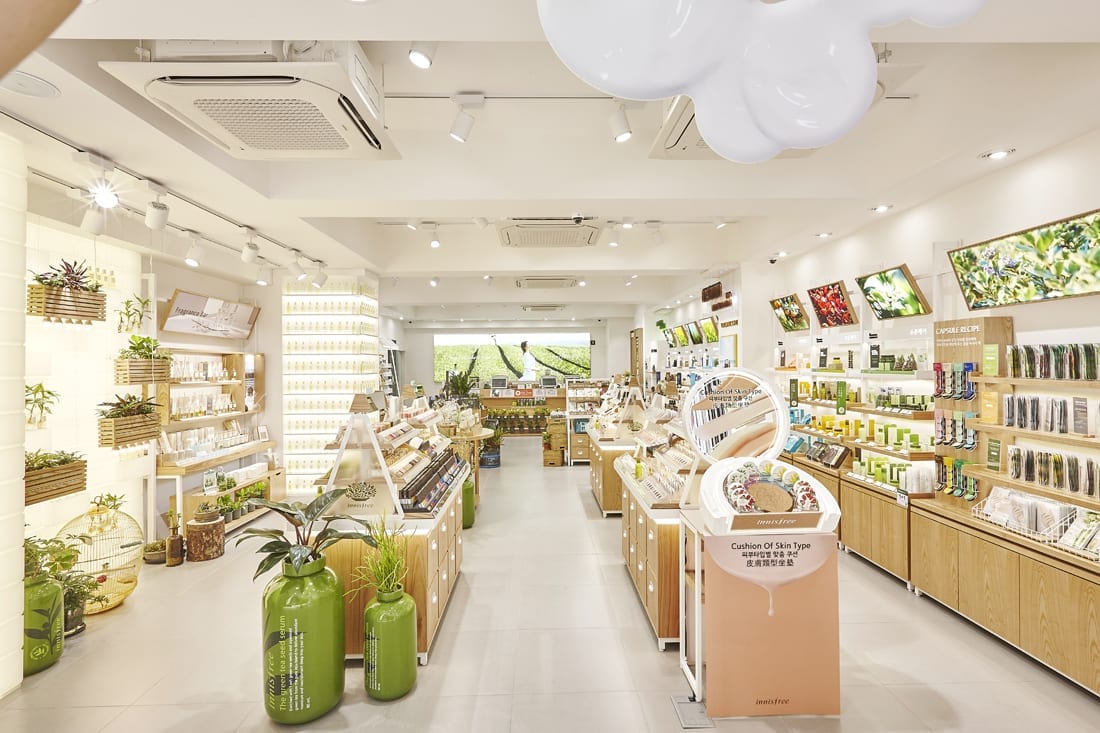
    Korean cosmetics brand Innisfree has opened its first pop-up store, inside Saigon Center in Ho Chi Minh City, from now until Sunday.

    Called New Hydration Station, the Innisfree Vietnam pop-up introduces the brand’s new green tea range through different sections such as Hydration Station, Hydration Wash Zone, Beauty Wash, Green Tea Store, Green Tea Zone.


    After the pop-up, the brand will open new store at Crescent Mall in District 7, in the hub of the city’s Korean community.

    During the first two days, customers will get the chance to receive Innisfree tumblers, eco bags, and masks with bills over VND300,000.

    After arriving in Vietnam in 2016, Innisfree has opened four stores, all in Ho Chi Minh City.

  • Iceland Foods partners up with JD.com

    Iceland Foods partners up with JD.com

    Welsh supermarket giant Iceland Foods will partner with e-commerce platform JD.com to sell its products to China.

    These will include its own-brand products such as biscuits, cereals and sauces, as well as cosmetics brands Pulsin, Re-gen, and Soft and Gentle.

    “With the rapid growth and significant opportunities the market in China offers we decided it was time to act,” says Iceland founder Sir Malcolm Walker.

    “Iceland adds to the growing number of British brands on our platforms as we continue our push to bring the best of Britain to Chinese consumers,” says JD Worldwide GM Yang Ye. The number of UK brands on JD.com has doubled in the past few years, and this week it held a 24-hour “Celebrate Britain” promotion.

  • Offline sales activities for Fashionally.com

    Offline sales activities for Fashionally.com

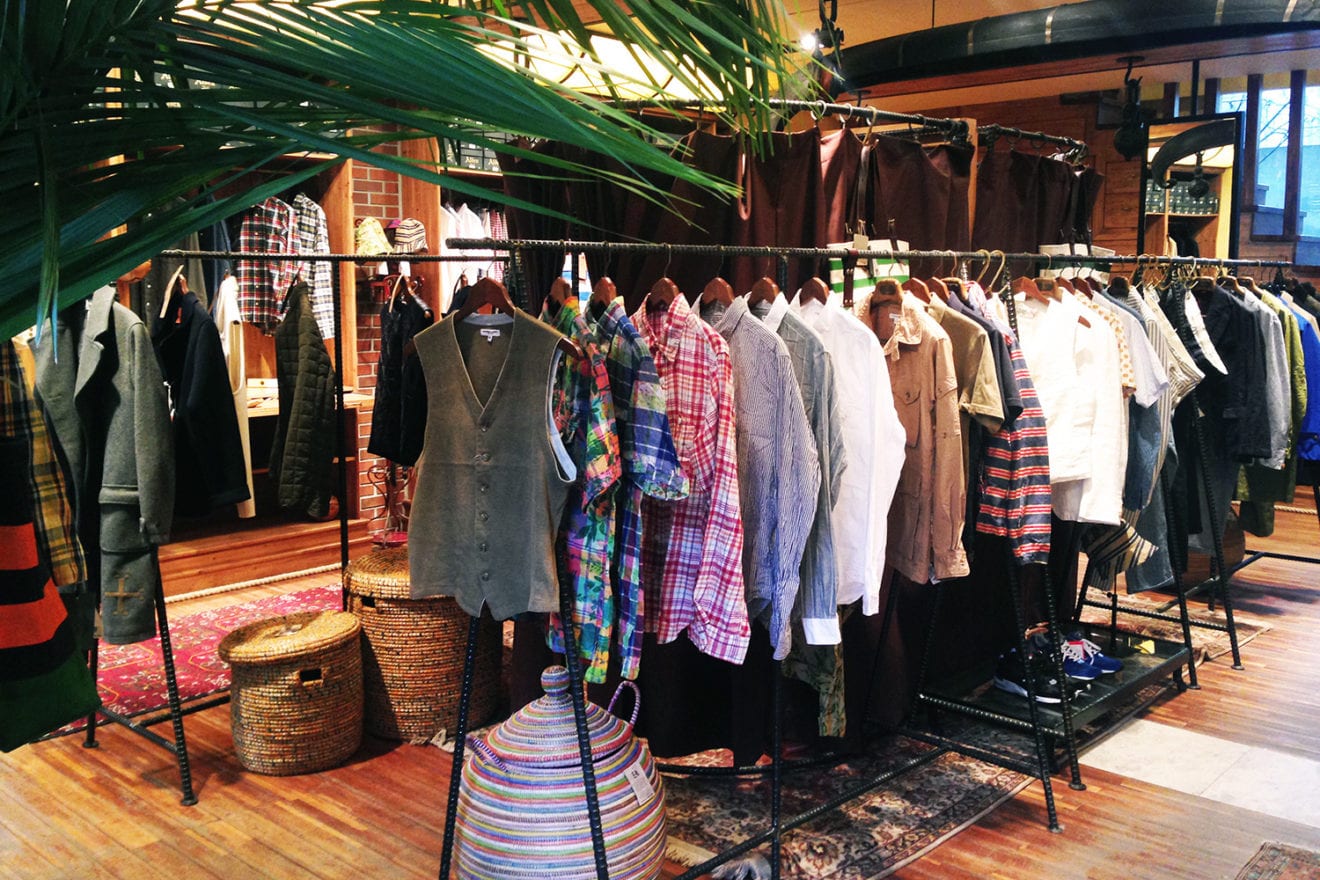
    Fashionally.com, an HKTDC-endorsed website that promotes Hong Kong fashion, is organising a retail event at PMQ in Central from next Friday.

    The 23 Senses event will be held over three weeks to introduce Hong Kong designers and new labels including SFZ Sons, a collaboration between Sonic Lam and street artist Start From Zero, and YMDH by Jason Lee, last year’s Best Footwear Design Award winner at YDC (Young Designers Contest). YLY Studio, newly launched by design duo Matt Hui and Lilian Tsang, will be offering its first collection inspired by the art of embroidery and knitwear.

    Labels such as Kenson, Kurt Ho, Necro Poon and NelsonBlackle, which are mostly sold overseas, will be available locally.

    Promotional offers for 23 Senses shoppers include a chance to win a hand-drawn t-shirt by illustrator Calvin Kwok.

  • Meghan Markle gives Oroton Label a boost

    Meghan Markle gives Oroton Label a boost

    Embattled Australian accessories label Oroton has hit headlines for good reasons when Prince Harry’s fiancee, Meghan Markle, was spotted with one of its handbags.

    The former Suits actress was sporting Oroton’s Avalon Stripe Crosboody bag, which retails for $295, during a Commonwealth Heads of Government Meeting event in London this week.

    Oroton, which fell into voluntary administration six months ago, has jumped on the opportunity, splashing photos and video of Markle’s entrance to the event across its website.

    “As seen on future Royal, Meghan Markle, at the Commonwealth Youth Forum in London,” the company says on its site.

    The bag has sold out and shoppers will have to wait until August before more stock arrives.

    This type of support from a celebrity, particularly a future royal, is priceless, says retail academic Gary Mortimer of the Queensland University of Technology’s business school.

    “Images of Meghan Markle will permeate social media, including Instagram and Facebook, in coming days,” Professor Mortimer said.

    “The story is being covered by mainstream media and very quickly that particular handbag will be sold out if it hasn’t already.”

    But Prof Mortimer said such strong sales were usually short-lived because consumers were “fickle and are always looking for the next big thing”.

    Debt-laden Oroton called in administrators in late November after making a $14.3 million annual loss because of consistently weak sales.

    It’s among a string of luxury retailers to hit financial strife in the past year, including Topshop, Marcs, David Lawrence, Herringbone and Rhodes & Beckett.

    The company’s stores have continued to operate under administrators and its creditors have backed a $25 million plan to hand control of the company to major shareholder and funds manager Will Vicars.

  • Lazada launches regional trade with Digital Free Trade Zone Ahead of 6th Birthday

    Lazada launches regional trade with Digital Free Trade Zone Ahead of 6th Birthday

    Starting today, over 100 Lazada sellers in Malaysia will begin marketing their products to buyers in Singapore, with seamless support from Lazada and the Digital Free Trade Zone (DFTZ).

    This is a significant boost for online trade, allowing Malaysian small and medium enterprise owners to expand overseas, reaching out to new customers among Singapore’s population of 6 million. Through Lazada and the DFTZ, sellers enjoy a one-stop solution with more efficient cargo clearance and GST exemptions, and overall, export processes that are quick and hassle-free.

    In this pilot phase, over 50,000 products from various categories – Fashion, Health & Beauty, Home & Lifestyle, Sports & Travel and more – will be made available to Lazada Singapore shoppers. They include items from iconic Malaysian brands like Carlo Rino, Pensonic and Swan. This provides Malaysian brands increased visibility and representation in today’s global marketplace.

    The kick-off today is strategically timed to precede Lazada’s annual birthday campaign, taking place from 24 to 26 April in Singapore. As for Malaysia, the 6th birthday campaign will take place from 25 to 27 April. During this period, a spike in consumer interest and transactions are expected, owing to a continuous stream of promotions and giveaways.

    Empowering Malaysian Sellers

    The DFTZ is the first e-hub outside of China under the Electronic World Trade Platform. With Lazada and DFTZ, there is none of the administrative and legal hassles associated with entering new markets. A single contract grants access to Singapore in this rollout; and other Southeast Asia countries will be added subsequently. Business owners also need only upload their product information once and Lazada will replicate the content on local portals.

    The DFTZ provides a centralized bonded warehouse at KL International Airport (KLIA) Aeropolis, allowing efficient sharing of inventory among markets. The warehousing hub features advanced technology for sorting, shelving, packing and logistics.

    Fulfilment of orders is also easier on the pocket, with Lazada’s e-Logistics solutions which offer lower-cost and faster delivery.

    Paving the Way for Borderless e-commerce

    “This is a significant milestone in Southeast Asian e-commerce, one we are proud to lead. We see huge potential for expanding trade across Southeast Asia and are working hard to make it happen,” says Hans-Peter Ressel, Lazada Group Chief International Officer.

    “Now, I can bring my sales to the next level and easily reach a new group of customers in Singapore. I don’t have a wide logistics network so Lazada’s ecosystem gives me an amazing chance to participate in overseas trade for the first time,” says Aymen Ben, from ACHLIM HEALTH & BEAUTY, Malaysia.

  • YNAP Clicks with Customers By Launching First Dedicated Platform For Fine Jewellery

    YNAP Clicks with Customers By Launching First Dedicated Platform For Fine Jewellery

    YNAP, the world’s leading online luxury fashion retailer, has today launched its first dedicated online destination for fine jewellery and luxury watches to serve a fast-growing customer base seeking to purchase high-value items in a single click.

    The destination – part of NET-A-PORTER’s website – features an extensive fine jewellery collection from more than 40 brands, including Piaget, Cartier, Pomellato, Tiffany & Co. and Buccellati, and select items priced at over €100,000. New and extensive content will be available for customers including “how to” on topics such as fine jewellery storage and care, diamond education, as well as style inspiration. Customers will also be able to speak to personal shoppers who have been trained by the Gemological Institute of America.

    Fine jewellery and watches is a key part of YNAP’s five-year strategy to grow its high-end luxury category in response to strong customer demand. The Group has pioneered the category online, leveraging its first mover advantage to establish itself as the leader in online sales of hard luxury products.  The success to date on both NET-A-PORTER and its stablemate, MR PORTER shows that many customers now have no hesitation in making these exclusive luxury purchases online.

    Speaking at a luxury industry conference in Portuga, Federico Marchetti, CEO of YNAP, said: “This explosion in fine jewellery and watches shows there’s no limit to what customers will buy online with us. And we are now getting a fascinating insight into who these hard luxury customers are and what they are prepared to buy online.”

    Mr Marchetti said: “Fine jewellery and watches are the perfect complement to high fashion and the category is expected to create an opportunity for sales of 100m euros by 2020 for YNAP. We surprised the sector by introducing this successful category, and the potential of our online platforms for branded jewellery and luxury watches is huge.”

    Key customer insight on fine jewellery and watches from NET-A-PORTER and MR PORTER includes:

    • Two thirds of fine jewellery and watch sales on NET-A-PORTER now come from the Group’s most loyal customers, known as Extremely Important People (EIPs)
    • A quarter of NET-A-PORTER’s sales come via personal shoppers, demonstrating the importance of service, while the majority of customers are buying either as a gift for themselves or to wear for a special event
    • The majority of fine jewellery and watch customers for both NET-A-PORTER and MR PORTER are from the US, with the UK and Hong Kong the next biggest markets
    • Cartier launched on MR PORTER earlier this month, complementing its array of existing fine watch brands. MR PORTER also recently unveiled an exclusive Bell & Ross sapphire watch retailing at €400,000, the most expensive item the Group has ever carried across its sites
    • NET-A-PORTER EIPs typically own around 35 pieces of fine jewellery and watches in their collection and they enjoy benefits such as EIP previews (providing early access to pieces) and one-to-one appointments with Personal Shoppers. Customers also buy after seeing something they love, even when it comes to fine jewellery
    • When NET-A-PORTER introduced Cartier in 2017, it sold a £113,000 pavé limited-edition Panthère de Cartier watch on the day of launch – the most expensive item sold on the e-commerce fashion site so far
    • On MR PORTER, which first started selling luxury watches in 2013, the fine watches offering is generating new customers. They are initially attracted by the watches– especially aviation and sports based watches – but they then go on to shop other categories, such as from leading designers including Tom Ford, Brunello Cucinelli and Gucci


  • Global Savings Group is launching discount code portal CupoNation in Indonesia

    Global Savings Group is launching discount code portal CupoNation in Indonesia

    The Global Savings Group (GSG), a Rocket Internet backed leading global provider of Commerce Content Solutions, launches its premium discount code portal CupoNation in Indonesia. The new portal will enable Indonesian users to save more on online shopping from leading retail stores and brands. It is now accessible for avid shoppers in Indonesia through its local website www.cuponation.co.id.

    The GSG is globally operating over 100 digital portals and tools that offer the right mix of product discovery, recommendations, deals and discounts to help consumers take smarter shopping decisions while enabling advertisers to reach high-intent users at scale. Following the successful establishment of CupoNation in Singapore (2013), Australia (2014), and Malaysia (2016), the brand has been quickly gaining popularity in Southeast Asia Pacific markets.

    Igor Shapiro, Managing Director Asia Pacific and Eastern Europe, says “We are convinced that Indonesia is the best next market to launch this platform. The launch of CupoNation in Indonesia will not only benefit online shoppers but also help e-commerce players and advertisers in generating significant value by attracting ‘discount savvy users’ to their portals, thereby increasing revenues.”

    Indonesia has a population of over 264 million and growing. The global professional services company Accenture expects the national internet penetration to grow to 50% by 2022.

    This forecasted significant increase in digitization and therefore digital commerce will be driven by Indonesia’s general positive development. The World Bank expects the GDP to continue to grow at an annual average of over 5 percent. Digital purchase is expected to grow by US$46.40 to US$78.10 per capita in the next four years. Furthermore, 74.1% of Indonesia’s online shoppers love discounts and will use them as a reason to purchase, the Accenture report reveals.

    “Indonesia has a fast growing economy with a fast-growing e-commerce market. Through launching CupoNation in Indonesia we are adding a globally proven commerce content solution to the local ecosystem, linking consumers and retailers, and fueling this growth. With our strong team, global insights, and local synergies we see across the South East Asian markets, we are confident about becoming the leading discount code portal in Indonesia in the next months”, adds Igor.

    Google and Temasek report that people in Southeast Asia spend more time on the mobile internet than anyone else on the planet. Indonesians spend 3.9 hours on the mobile internet, while U.S. users just spend 2 hours per day. According to GSMA Intelligence, there are 439 million registered mobile connections in Indonesia – a SIM penetration of 166%.

    That’s why CupoNation has come to Indonesia with a fully mobile responsive service, providing a comprehensive range of online coupons and deals across 13 categories. These categories supported by Indonesians’ most-loved online shops and brands such as Lazada, Zalora, Tokopedia, Bhinneka, Matahari Mall, Blibli, Bukalapak, and many more.

    Andreas Fruth, Managing Director and Co-Founder of the Global Savings Group, adds “We want to transform the way consumers buy and the way brands sell around the world. The launch of CupoNation in Indonesia is proof of our regional commitment, strengthening our position in the South East Asia Pacific markets and enhancing our global service offering, helping us to further improve our position as a global leading provider of commerce content solutions.”

  • Alibaba in a smart deal with the Thai government

    Alibaba in a smart deal with the Thai government

    China’s Alibaba Group will partner with the Thai government to build a smart digital trading hub in Thailand while also working to develop its capabilities in e-commerce, digital logistics, tourism and training.

    Alibaba says it will work with Thailand on everything from boosting efficiencies in trade to educating Thai entrepreneurs and SMEs in digital commerce. The partnership will give Thailand access to technologies and processes that can help advance its economy, while Alibaba gains a stronger foothold in an important market in Southeast Asia.

    Local news media has valued Alibaba’s Thai investment commitments at THB11 billion (US$352 million).

    The smart digital hub, in Thailand’s Eastern Economic Corridor, will use technologies from Alibaba and its logistics platform Cainiao Network to streamline trade between Thailand and China and other markets, including digitising the customs process.

    At the same time, Alibaba and the Thai government say they will develop educational initiatives for SMEs and entrepreneurs to learn best practices for e-commerce. Included are courses co-developed by Alibaba Business School and Thailand’s Ministries of Industry and Commerce, as well as training centered on the digital economy at Alibaba Business School in Hangzhou.

    Under the deal, Thailand also gains greater access to China’s consumer market. Thai products such as fragrant rice, durian and other tropical fruits are in demand in China.

    In a related move, a flagship store has been launched on Alibaba’s Tmall platform to sell Thai rice, the country’s main export.

    Alibaba’s online travel platform Fliggy is part of the arrangement because of Thailand’s popularity as a destination for Chinese tourists. Fliggy and the Tourism Authority of Thailand will work to develop smart and digital services for those visitors, including online tour guides and electronic ticketing systems.