Tag: asia

  • Alcheme Skincare ready continue with increased funding

    Alcheme Skincare ready continue with increased funding

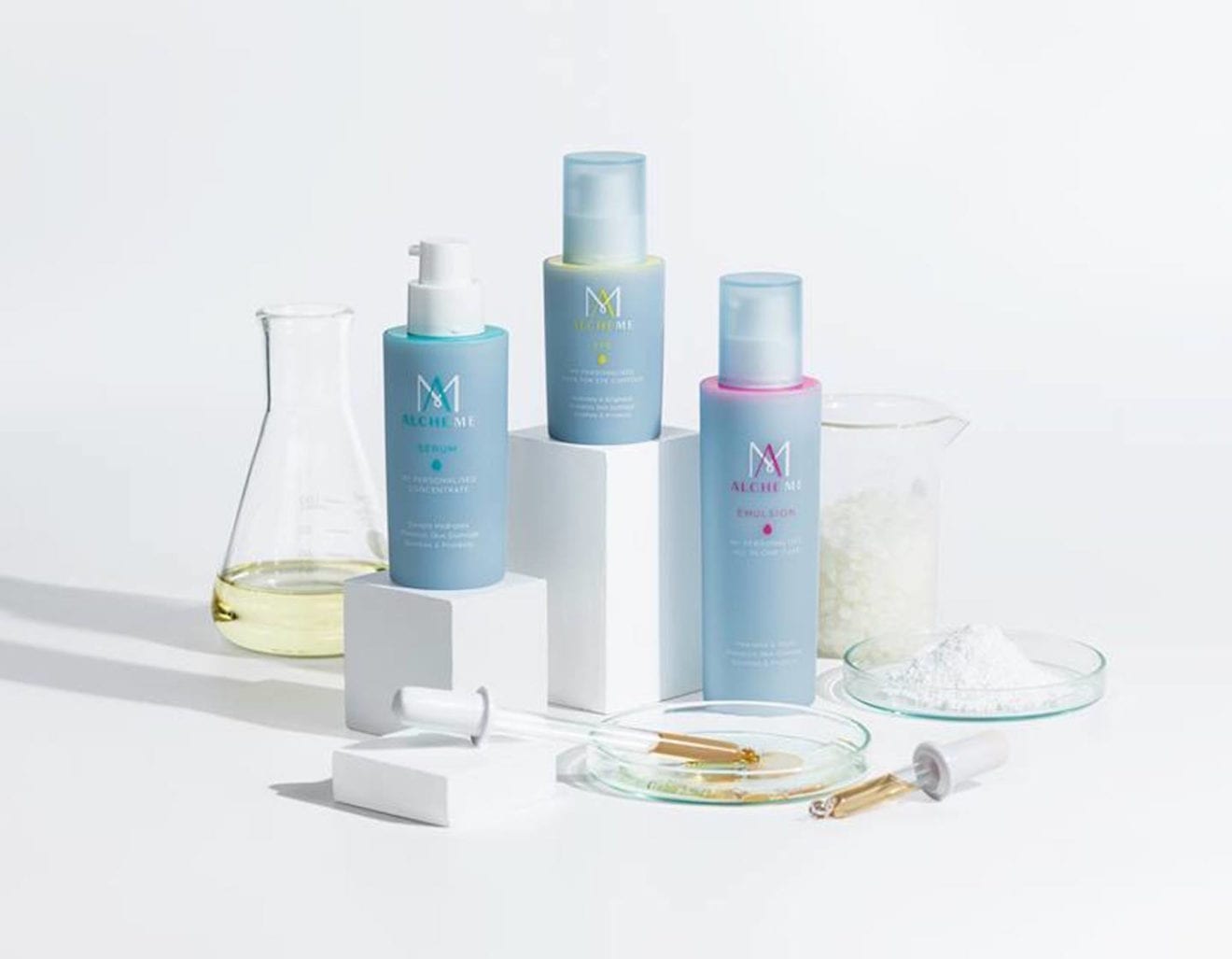
    Start-up Alcheme Skincare has closed its seed-funding round and says it is set to launch its disruptive model next month.

    It will use facial-recognition technology to provide “personalised” skincare products, say co-founders Tuyen Lamy and Constance Mandefield.

    Without disclosing the amount raised, CEO Lamy says said the funds will be used for product development, marketing, market expansion in Southeast Asia, and the establishment of an R&D and production laboratory.

    Both Lamy and Mandefield have a decade’s worth of experience in the skincare industry. They were inspired to develop their own line of products during their tenure at a global beauty brand.

    Using facial-recognition technology will provide an objective and scientific assessment of skin, say the co-founders. Data will be interpreted by proprietary algorithms in tandem with cloud-based technologies and open-sourced platforms.

    “The results are then interpreted and paired with active ingredients that not only address a customer’s specific requirements but also help provide an improved and enhanced complexion,” says Alcheme.

    Its point of difference stems from its direct-to-consumer business model, with its skincare products being customised, made-to-order and delivered to each customer.

    “Achieving perfect skin is not about making the most expensive or the most complicated choice, but about making the right choice,” says Lamy.

    Mandefield, Alcheme’s COO, says that insights from investment firm DSG Consumer Partners, which led the seed-funding round, “will help us strengthen our offerings and drive our expansion plans.”

    Based in Singapore, DSG Consumer Partners has a focus on consumer businesses in Southeast Asia and India.

  • Amazon Australia unveils new Echo product

    Amazon Australia unveils new Echo product

    A week after showcasing Alexa to over 10 thousand local industry members, Amazon has moved to further expand its voice capabilities in Australia, making its latest Echo product available for pre-order.

    Echo Spot differs to Amazon’s other Echo products in that it has a small screen, enabling the voice assistant to display corresponding graphics to its various functions.

    It comes as Amazon embarks on a national marketing push for Alexa in Australia, including outdoor and digital assets.

    Pre-orders begin on 26 April and will set customers back $199, more expensive than the $149 base echo product, but less expensive than the $229 Echo Plus.

    The Spot features many of the same features that Amazon’s other Echo products do, including access to the 15,000 local ‘skills’ (applications) available through Amazon and other third parties.

    “Echo Spot combines the popular small design of Echo Dot with the added benefit of a display, and the features you love about Alexa into a stylish and compact device,” said Sylvia Ding, Alexa Australia and New Zealand Country Manager. “See the weather, watch video news briefings, glance at your alarm clock, make video calls, and more—we think customers in Australia will find lots of places for Echo Spot in their homes.”

    Amazon is hoping that Alexa will be a cornerstone of its Australian ambitions, helping to complete the closed loop model that’s made it so successful in its other markets such as the United States.

    Yesterday in the states Amazon chief Jeff Bezos took the company’s next step towards increasing Amazon’s presence in American living rooms, inking a deal with Best Buy to retail Amazon’s range of smart TVs in stores.

  • Priceline books slow down beauty sales

    Priceline books slow down beauty sales

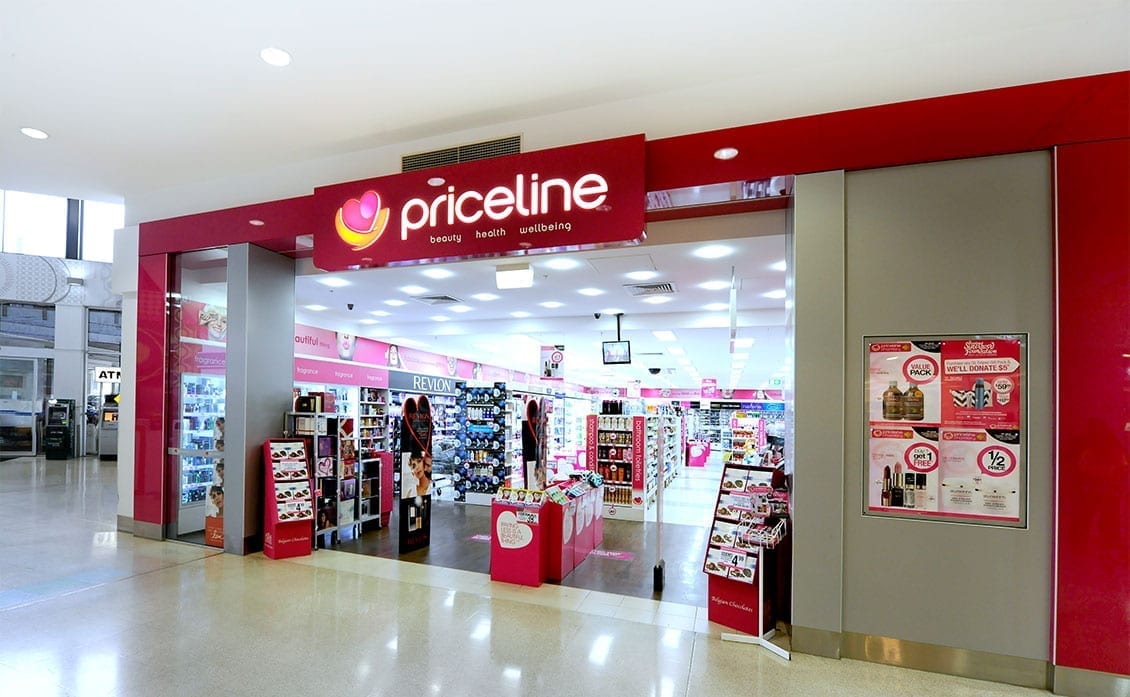
    Priceline owner Australian Pharmaceutical Industries’ half-year net profit has fallen by 14.4 per cent to $24.9 million on lacklustre retail sales from its retail pharmacy network.

    Underlying net profit after tax, excluding $1.8 million of restructuring and strategic growth costs, was down 8 per cent on the prior corresponding period to $26.8 million, slightly ahead of API’s January guidance.

    Underlying earnings before interest and tax (EBIT) declined by 8 per cent to $44.6 million in the six months to February 28, constrained by a .3 per cent decline in top line revenue to $2.009 billion.

    The company said that a continuation of difficult trading conditions in the health and beauty market hampered its Priceline network, which booked a 1.7 per cent decline in comparable store sales and a .3 per cent decline in retail register sales.

    Sales growth in dispensary and OTC health products offset declines in discretionary beauty products, with total network sales, which include dispensary, up 2.1 per cent.

    “We have refined our tactical sales activity, which is now more targeted and responsive to changes in the increasingly competitive market,” API chief executive and managing director Richard Vincent said.

    “Despite the combination of consumer sentiment being challenging for the foreseeable future and increased competition, the strength of our combined marketing assets, particularly our Sister Club loyalty program, continues to be the primary source of sales growth.”

    Vincent said he anticipates a continuation in difficult trading conditions in the second half, but that Priceline will focus on cost out opportunities to improve earnings for the full-year.

    API expects its underlying FY18 result to be marginally higher than FY17, providing trading conditions do not deteriorate further.

    There were 466 stores trading in the Priceline network at the end of the half-year, an increase of 16 during the half.

    Vincent said Priceline’s pipeline of potential pharmacy partners remains “robust” but maintained his view that “unrealistic rental demands” were putting a damper on store expansion.

    API’s pharmacy distribution network experienced stronger growth than Priceline, increasing underlying sales by 9.8 per cent on the prior corresponding period.

  • Lazada Singapore celebrating 6th birthday

    Lazada Singapore celebrating 6th birthday

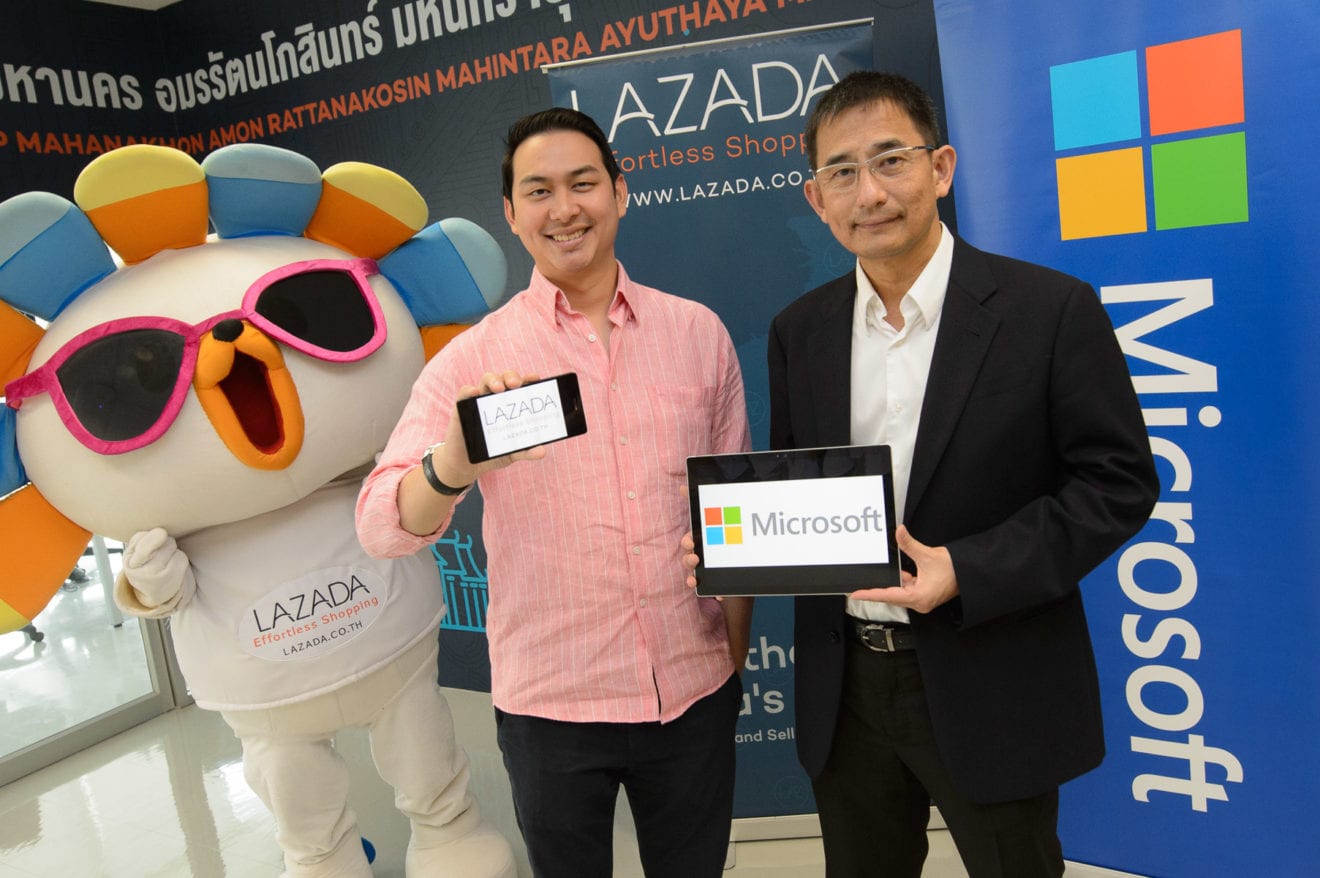
    Online market Lazada Singapore has marked its sixth anniversary with a festival at Plaza Singapura in a lead-up to its online birthday sale, starting next Tuesday.

    Crowds attended the weekend festival which offered surprise boxes and activities at Lazada brand and seller booths. Queues formed four hours before the event opened, with more than 550 people lined up on Sunday morning.

    Lazada sold more than 2000 surprise boxes across the two and a half days in less than two hours each day. Shoppers were also able to score discounts of up to 80 per cent on flash deals available only at the event.

    A 5m-high Super Surprise Box held up to 6000 freebies worth $120,000, available for shoppers spending at least $25 at either Plaza Singapura or on the Lazada app. Shoppers had only six seconds to grab a freebie from the box, echoing the “fastest fingers first” at last year’s Lazada Online Revolution Sale, where several brands sold out all 200 units of their surprise boxes in less than seven seconds.

    Partnering with CapitaLand, Lazada aimed to recreate the online shopping experience and ensure a clear link promoting an omnichannel shopping experience. This included QR codes at brand booths linking directly to their official stores on Lazada, as well as encouraging shoppers to buy at Plaza Singapura to qualify for a gift from the Super Surprise Box.

    All the freebies were claimed. These included Philips irons, Laneige serums, whey supplements, milk formulas and Jamie Oliver kitchenware.

    During the festival, Plaza Singapura had a fivefold increase in foot traffic.

    An innovation for the celebration is Shakin’ Deals, which encourages Lazada app users to shake their phones at midday and 9pm to win vouchers worth up to $120 to be used at the upcoming birthday sale.

    “Our daily app usage spiked by 37 per cent from the same time last month, and on Sunday we generated the highest app interaction we’ve seen all month,” says Lazada Singapore CEO/head of new retail Alexis Lanternier.

  • CapitaLand Mall Trust divests Sembawang Shopping Centre for S$248.0 million

    CapitaLand Mall Trust divests Sembawang Shopping Centre for S$248.0 million

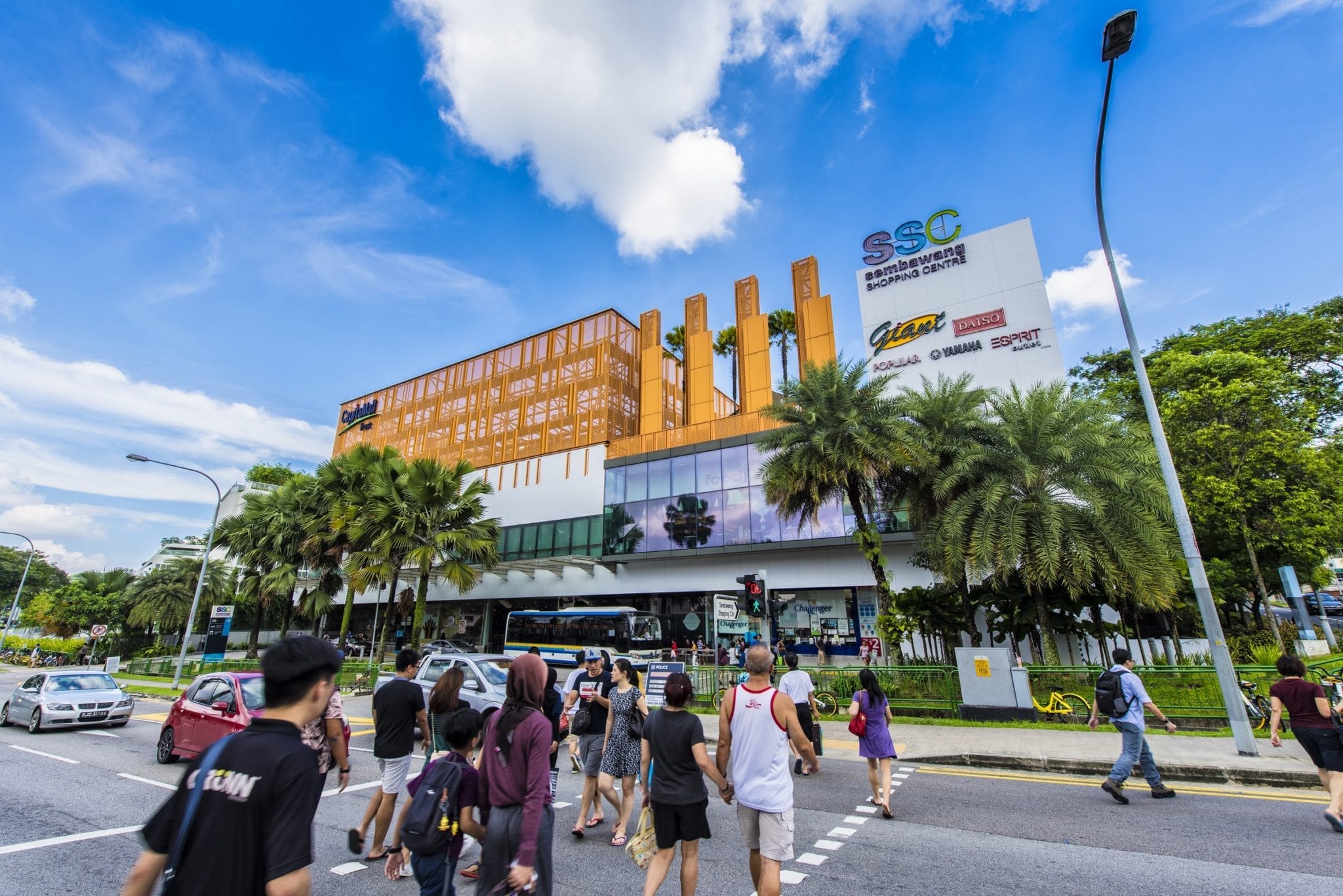
    CapitaLand Mall Trust Management Limited (CMTML), the manager of CapitaLand Mall Trust (CMT), announced today that CMT, through its trustee HSBC Institutional Trust Services (Singapore) Limited, has entered into an agreement to sell Sembawang Shopping Centre to a joint venture between Lian Beng Group Ltd and Apricot Capital Pte. Ltd. for S$248.0 million.

    Based on the latest independent valuation, Sembawang Shopping Centre was valued at S$126.0 million as at 31 December 2017. The divestment is expected to generate net proceeds of about S$245.6 million and a net gain of about S$119.6 million when the transaction is completed by June 2018.

    Mr Tony Tan, CEO of CMTML, said: “The divestment of Sembawang Shopping Centre is in line with our portfolio management strategy of maximising returns for our unitholders. By unlocking the value of Sembawang Shopping Centre at this stage, it will realise the optimal value for CMT’s unitholders. As the mall accounts for only about 1% of CMT’s total asset value, its sale will have minimal impact on CMT’s financial performance and distribution per unit. The net proceeds from the divestment will further enhance and strengthen CMT’s financial flexibility.”

    Upon completion of this transaction, CMT’s portfolio will comprise 15 properties located in suburban areas and downtown core of Singapore. They are Tampines Mall, Junction 8, Funan, IMM Building, Plaza Singapura, Bugis Junction, JCube, Raffles City Singapore, Lot One Shoppers’ Mall, Bukit Panjang Plaza, The Atrium@Orchard, Clarke Quay, Bugis+, Westgate and Bedok Mall.

    Located along Sembawang Road, Sembawang Shopping Centre reopened to shoppers in 2008 following CMT’s acquisition in 2005. It comprises four levels of retail space – three levels above ground and one basement level – with a net lettable area of 143,631 square feet. The mall registered a committed occupancy of 99.4% as at 31 December 2017. Its major tenants include Giant, Yamaha Music School, Food Junction and Daiso Japan.

  • Olivia Burton launched a concept store in Ion Orchard

    Olivia Burton launched a concept store in Ion Orchard

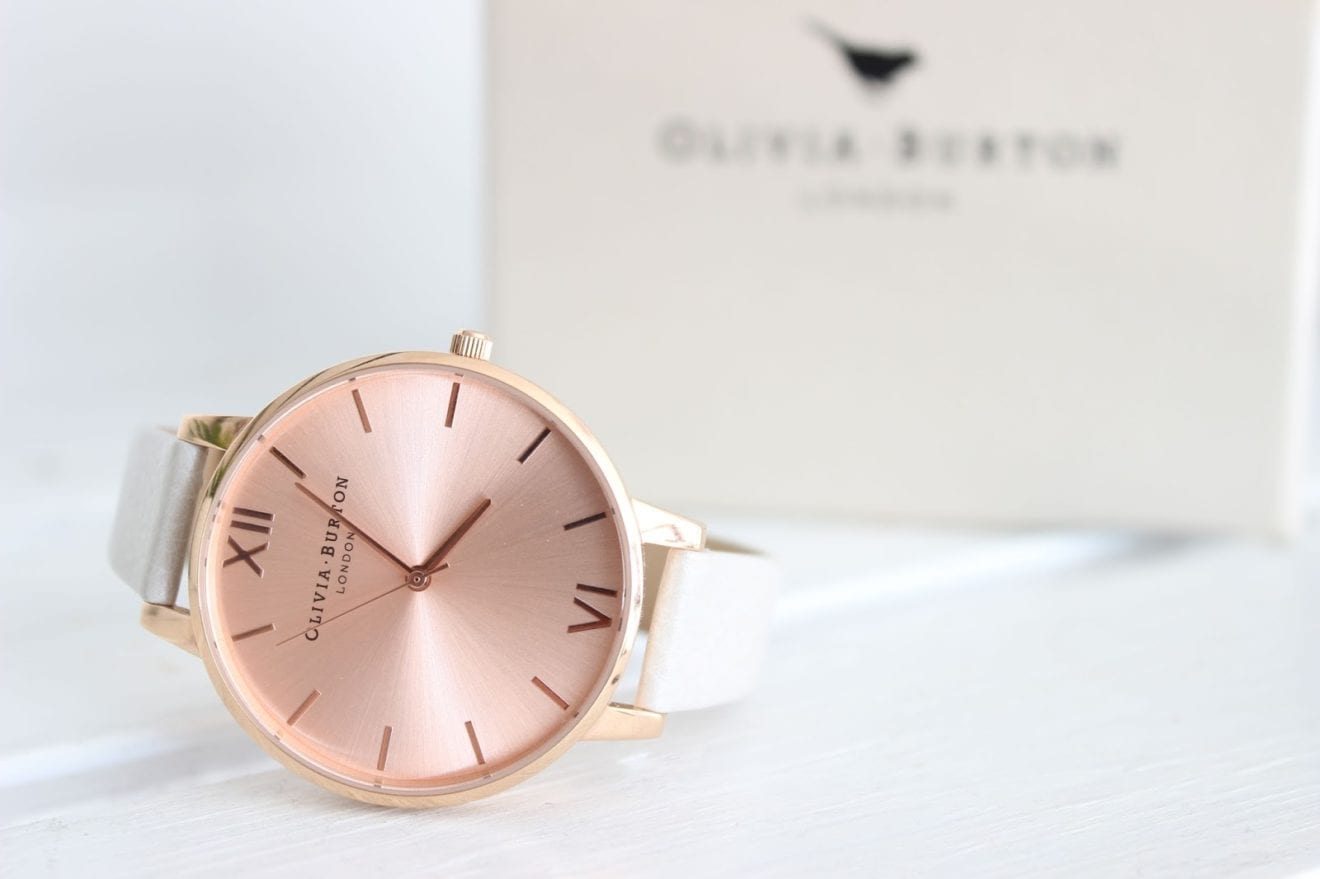
    British accessories brand Olivia Burton, together with Asian retail specialist Norbreeze Group, has launched a concept store in Ion Orchard.

    For the first time in Singapore, the brand’s fashion jewellery collection and personalisation services are being offered at the flagship store. Its signature vintage-inspired watches have been available in Singapore since October.

    Olivia Burton was founded by best friends Lesa Bennett and Jemma Fennings in 2012 and named after Bennett’s great aunt. Its London studio creates detailed watches and jewellery inspired by nature.

    Norbreeze Group co-founder Anne Trads Juel Sauerberg describes Olivia Burton’s accessories as “fashionable and affordable luxury”.

    To celebrate its opening, the store will host experiential activities on Saturday. Guests and customers will be able to create floral crowns and be offered floral cupcakes. The first 20 shoppers will each receive limited-edition exclusive merchandise.

  • Kathmandu raises $50 million

    Kathmandu raises $50 million

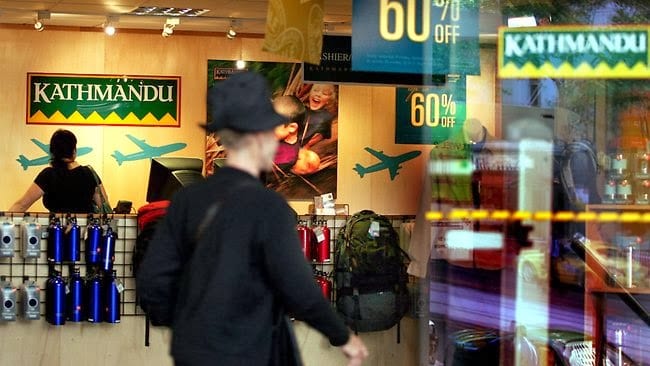
    Kathmandu Holdings will take up the full oversubscription in a share purchase plan, raising $50 million to help fund its purchase of US footwear supplier Oboz Footwear.

    The Christchurch-based company on Wednesday said it accepted $2 million in oversubscriptions for its share purchase plan, taking total subscriptions to $10m.

    That’s on top of $40m raised from institutional investors in a placement.

    Shares were sold in both offers at $2.16 apiece, a 10 per cent discount to where the shares traded before the announcement.

    The shares fell 0.4 per cent to $2.55 today.

    “We are delighted with the extent of support, both for our institutional placement last month and for the share purchase plan, and the affirmation by our shareholders of our growth plans for the business,” chair David Kirk said in a statement.

    “The board would like to thank all those shareholders who participated in the SPP for their continuing support of Kathmandu.”

    The capital injection will be used to help pay for the US$60m upfront purchase of Oboz, which Kathmandu pursued to expand its presence in the North American outdoor market.

    If the acquisition meets certain earnings targets in calendar 2018, Kathmandu will pay up to US$15m more.

    Some 1516 Kathmandu shareholders of its 3514 investors sought to participate in the share purchase plan, offering $14.5m, meaning their offers will be scaled.

    Briscoe Group, which made a failed takeover bid in 2015 when it built up a 19.8 per cent stake, participated in both the institutional placement and share purchase plan.

  • Digi adds Sage solutions to Digi Business Hub

    Digi adds Sage solutions to Digi Business Hub

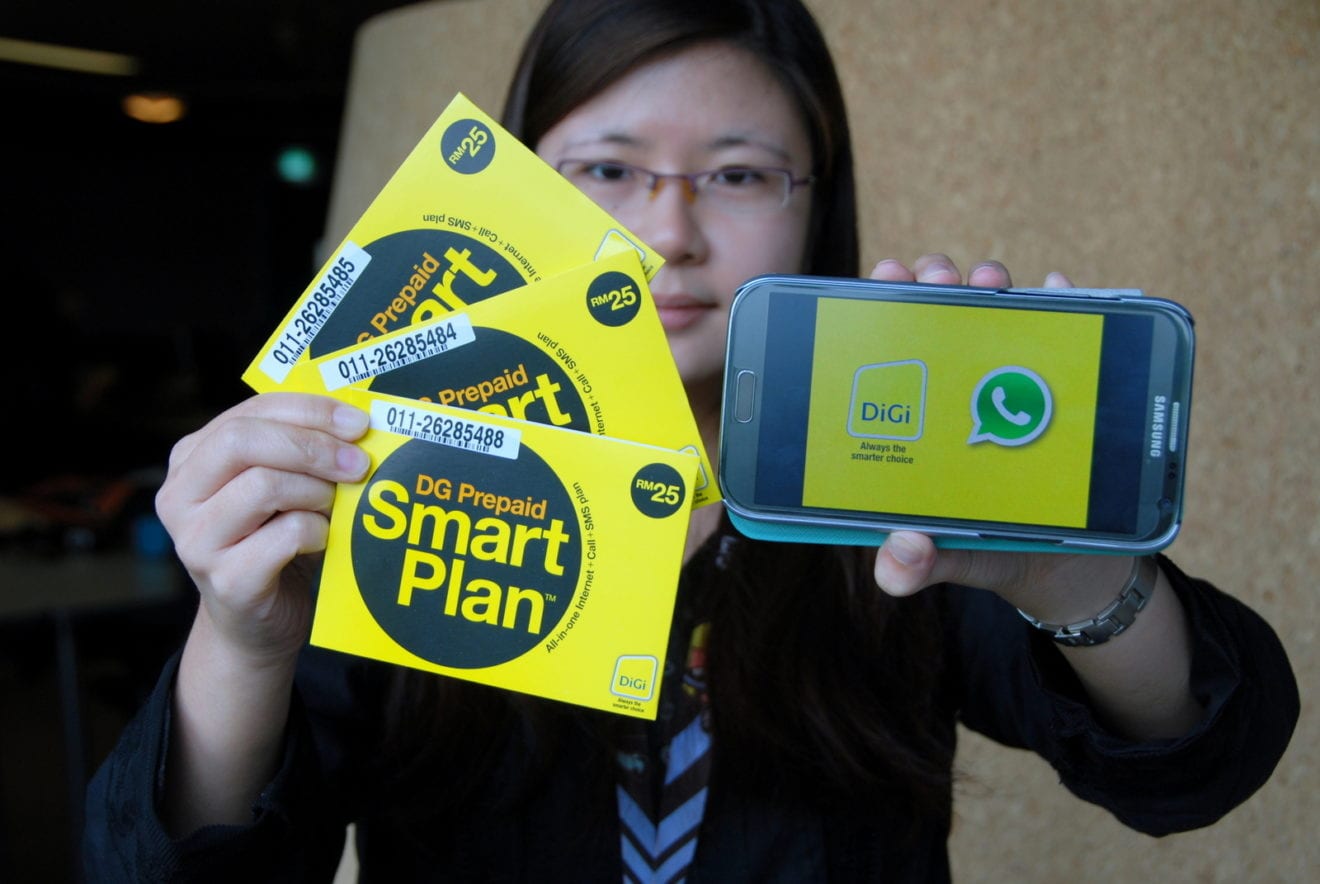
    Malaysia’s Digi Telecommunications has teamed up with cloud management business solutions provider Sage to add a number of new services to the operator’s newly-launched Digi Business Hub.

    Under the agreement, Sage will offer solutions including its Sage Accounting, Sage UBS accounting and billing software and Sage Easy Pay payment software at a 20% discount to Digi customers.

    The Digi Business Hub B2B platform, which soft-launched earlier this month, provides one-stop access to exclusive offers covering a range of point of sale, human resources, marketing, accounting, payroll and office supply services from Digi’s own digital solutions and those of partner companies.

    Solutions include internet leased lines, fixed telephone and mobile roaming services, a guest Wi-Fi system, e-commerce store building solutions and procurement and web hosting solutions.

    The hub also offers access to a range of IoT based services, including a device accepting credit and deibt card payments, a fleet management solution and M2M services.

    The Digi Business Hub is exclusively available for Digi business customers. Digi has revealed plans to add new solutions partners every quarter.

  • DHL aims to link Indian businesses with ASEAN economic community

    DHL aims to link Indian businesses with ASEAN economic community

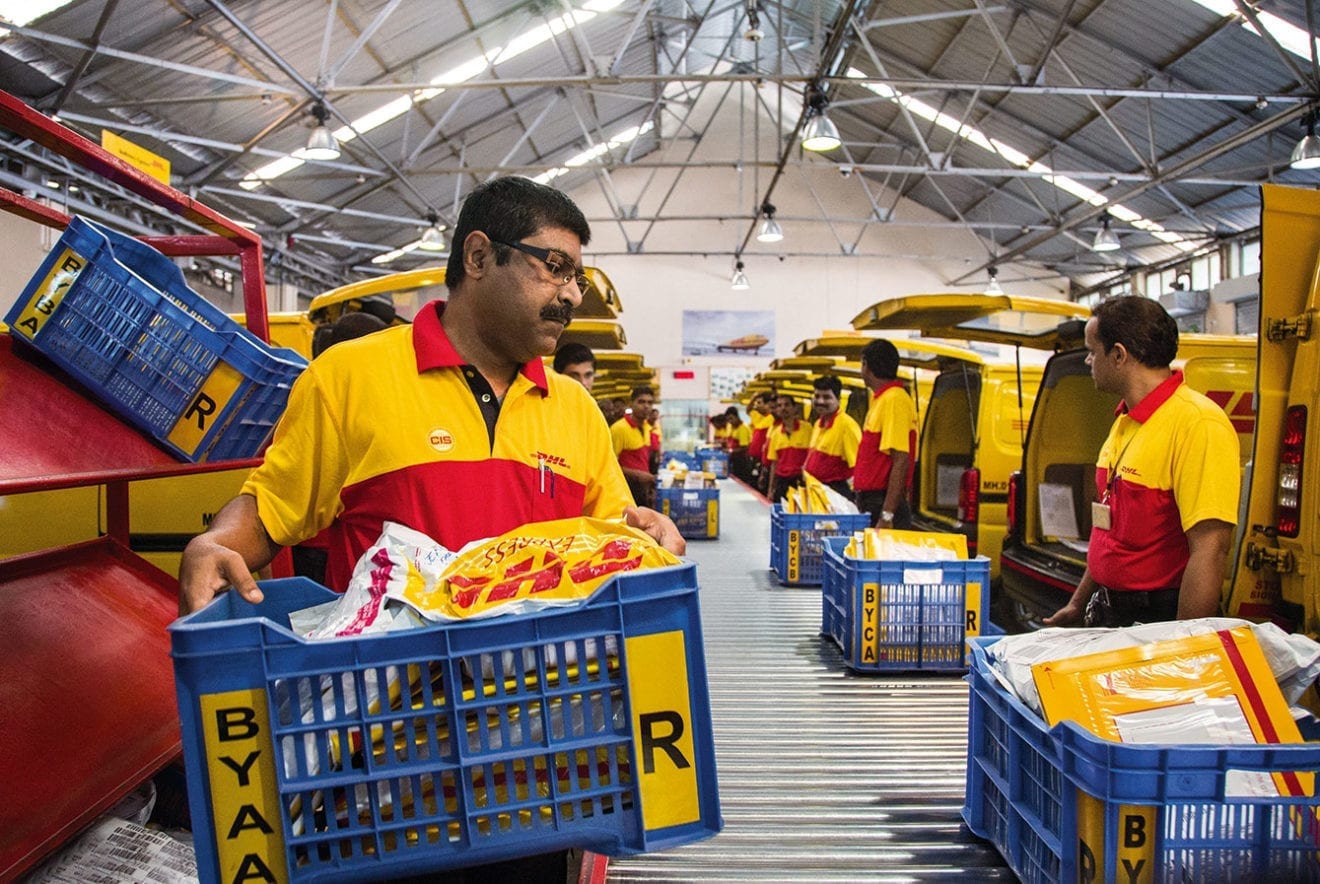
    Global logistics group Deutsche Post DHL Group is working to link Indian companies with businesses in the ASEAN Economic Community (AEC) to strengthen India’s economic relations with Southeast Asian markets.

    “India is a key market for us. We will help our clients there to work their way into the AEC, which will in turn be a springboard to the Far East markets in line with New Delhi’s ‘Act East’ policy,” said Alfred Goh, President, Global Fast Growing Enterprise and Regional Head, Customer Solutions and Innovation Asia Pacific, DHL.

    In 2000-2017, there was over USD 514.7 billion of ASEAN investment flow into India. In 2015-16, India’s exports to ASEAN were valued at USD 25 billion, with imports at USD 40.6 billion.

    “We want to capitalise on our presence in these high-growth markets with a combined population of 1.8 billion people, and partner businesses on growing cross-border commerce and trade,” he said.

    DHL is already investing millions of dollars in India,  increasing logistics hubs and warehouses, keeping up with projected demand for its services following the successful implementation of the goods and services tax (GST).
    “Having been part of the GST process development from an early stage, we now have a very good understanding of the new single tax regime, which India-bound foreign investors are trying to learn,” he said.

    “DHL is well versed in the business cultures of both India and Southeast Asia. We know the tax incentives, options and business locations in ASEAN,” pointed out Goh. India is industrialising, with an emphasis on export-oriented manufacturing, observed Goh, adding that ASEAN is also seeing development zones for global trade and commerce that would fit with Indian businesses’ regional operations.

    He highlighted India’s continued port and airport development that will support exports, and that future shipment volumes will be transshipped into the regional markets through breakbulk. India’s population of 1.3 billion and ASEAN’s 638 million make the two territories the largest trading zones with bilateral and multi-lateral commitments under various India-ASEAN economic pacts such as the ASEAN-India Free Trade Area (AIFTA), which came into effect in 2010.
    It drove further growth in two-way trade between India and ASEAN – as of 2012, this figure stood at USD 79.86 billion, surpassing its initial USD 70 billion target.
    With India’s “Act East” policy and the Indian and ASEAN governments goals of connecting the South and Southeast Asian markets, the existence of a platform will allow India companies to have easier access to the Southeast Asian zones.

    The newly set-up Global Center of Excellence (GCOE) in Iskandar Malaysia by DHL and Iskandar Investment Berhad will provide supply chain consultancy services, and support businesses to design logistics solutions specific to key industries including automotive, energy, engineering & manufacturing, life sciences & healthcare and technology. This GCOE can connect companies in India with the government and key stakeholders to strengthen the value proposition in operating in countries like Iskandar Malaysia which will drive bilateral trade further, he said, citing examples of India-ASEAN connectivity. (

  • Jollibee offers the best summer fun for kids

    Jollibee offers the best summer fun for kids

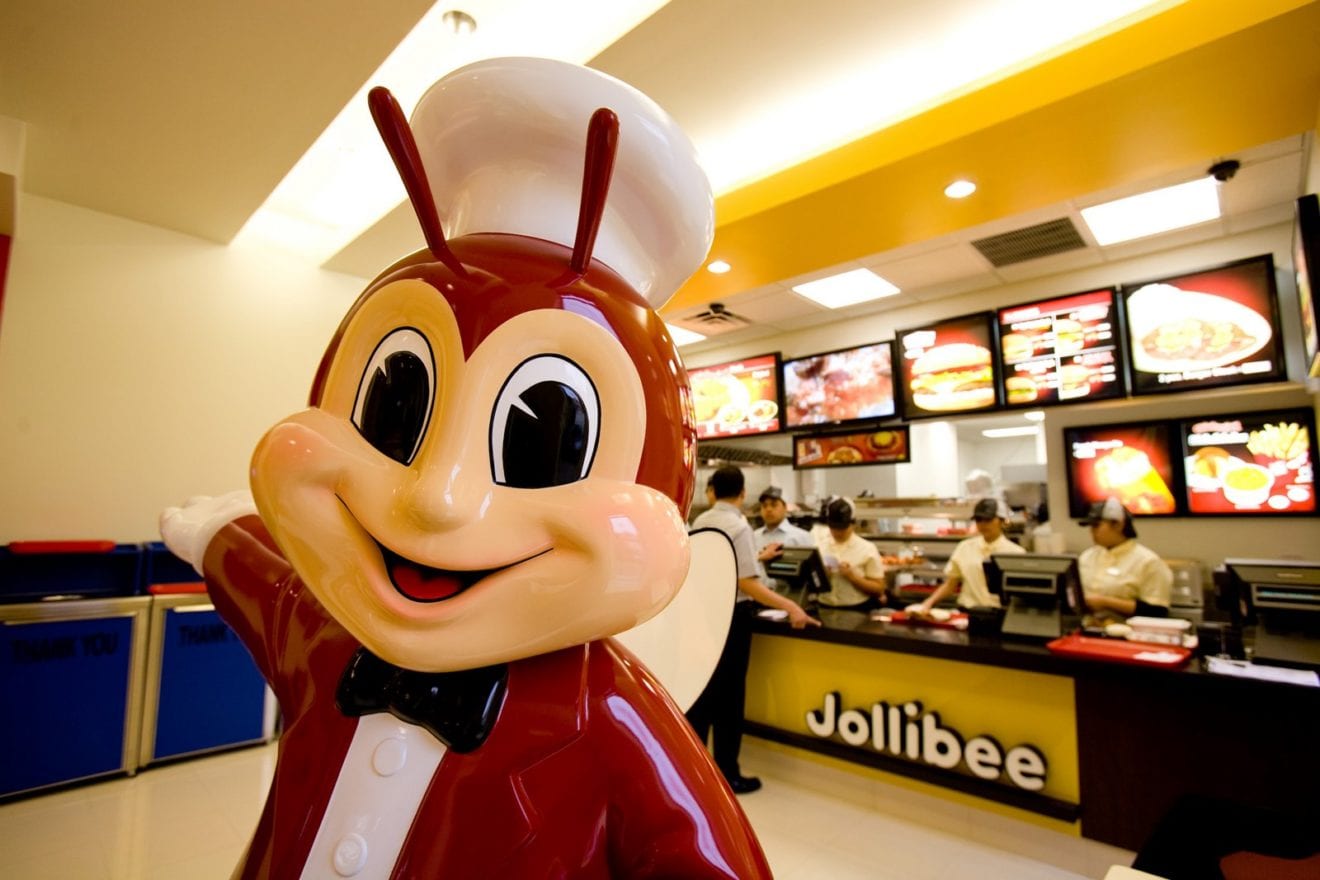
    Kids are in for one of the best fun and learning experiences this summer as Jollibee welcomes them to the best summer activity – the Jollibee Kids Club Mini Managers Camp, happening until May 31, 2018.

    Through the six-day camp, kids aged 4-12 years old can learn the important values and key roles of a Jollibee Manager such as hard work, leadership, and responsibility through various fun and engaging learning activities.

    Wearing their Jollibee Mini Managers uniform, complete with nameplates, the kid managers will greet customers as they enter the store, work behind the counter to take orders, and hand out take-out bags via the Drive-Thru window to discover and experience first-hand Jollibee’s values, the Alagang Jollibee service heritage, and learn the store’s best practices. They will also engage in arts and crafts, Yumburger making, ice-cream making, fun games, and dancing, all while interacting with other kids and meeting new friends.

    “We at Jollibee believe that even at a young age, kids need to develop a sense of discipline, hard work, and responsibility in a fun learning environment, to become future leaders and managers. These are the values and lessons we want our Mini Managers to learn and experience as these will be pivotal in their growth, said Charisse Sumulong, Jollibee senior brand manager and head for Channels and Kids Marketing, “That is why the Jollibee Kids Club Mini Managers Camp is the best summer activity for Jolly Kids as it provides a fun and engaging atmosphere for kids to enjoy their vacation.”

    For only P650, parents and guardians can enroll the kids to the Mini Managers Camp at any participating Jollibee store nationwide. Non-JKC members are also welcome to enroll. Participants will get a Mini Managers Camp workshop kit that includes a set of Mini Managers uniform and name plate, activity materials and a camp bag, snacks for the six days of the program.

    The Jollibee Kids Club Mini Managers Camp is already accepting participants to the best summer workshop so, hurry, and sign up your aspiring Mini Managers today! Visit your nearest Jollibee store or follow /Jollibee Philippines on Facebook for more details.

  • AirAsia Offers Big Discounts On Flight Tickets

    AirAsia Offers Big Discounts On Flight Tickets

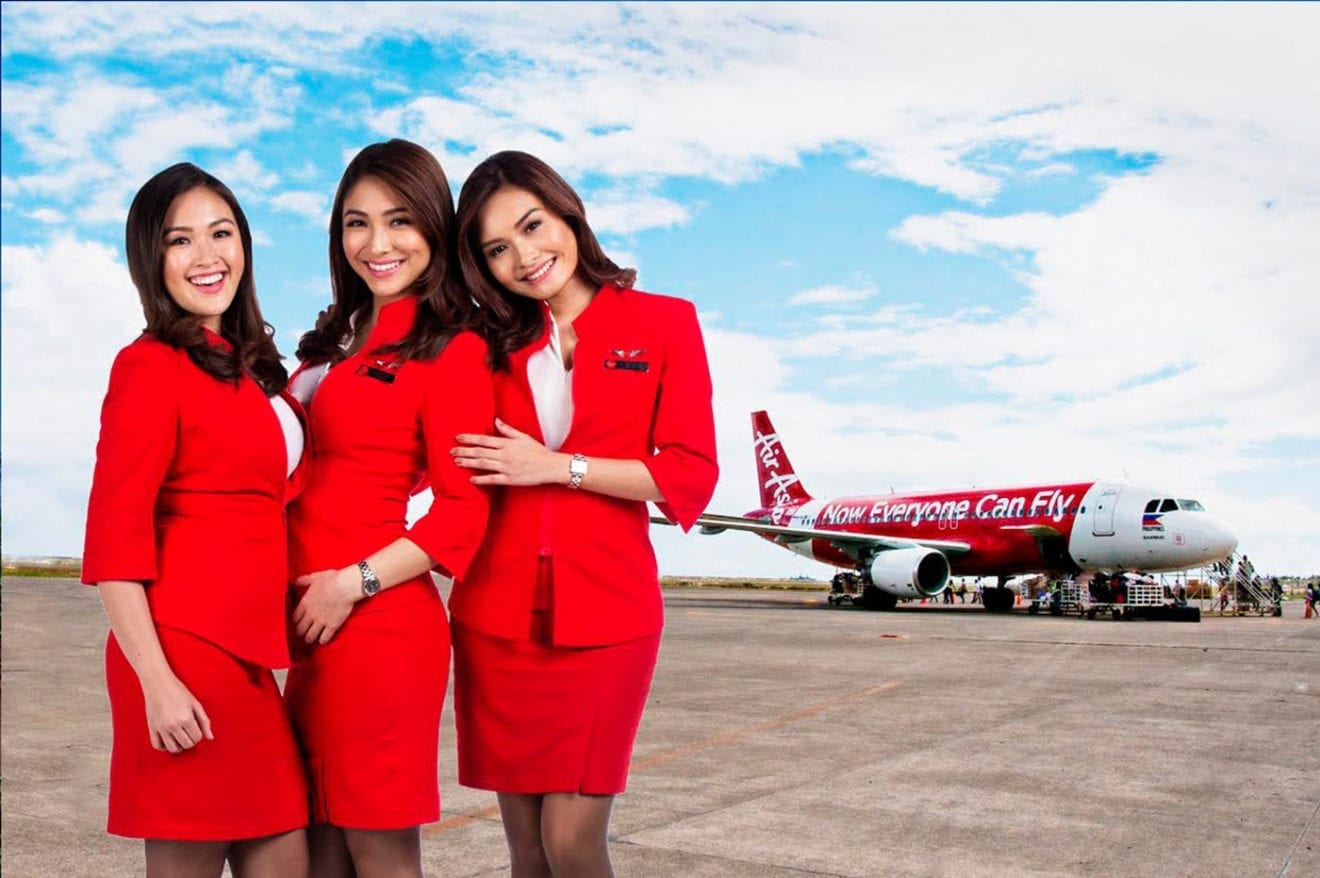
    AirAsia is offering up to 60 per cent discount on base fares of all international flight tickets under a promotional sale offer. An additional discount of up to 20 per cent is available on picking a seat during the flight booking. Bookings for the AirAsia’s discount offer are open till April 22, 2018, according to the AirAsia India’s website-airasia.com. The travel period of AirAsia India’s offer ends on October 31. However, for premium flatbed flights, the carrier is offering only 20 per cent discount on fares.

    Steps to avail AirAsia’s discount offer, according to its website:

    1. In order to avail the offer, pick preferred flight departure and arrival

    2. Select the dates stated in the promo travel period

    3. Choose the preferred flight

    4. Enjoy flat 60 per cent off base fare or 20 per cent on premium flatbed

    5. Pick a seat and enjoy additional 20 per cent discount (This is not applicable for premium flatbed flights)

    Terms and conditions of AirAsia’s discount offer, according to its website1. Advance booking is required in order to avail this discount offer.

    2. Fares are not available during peak period, mentioned the airline on the official website.

    3. The discounted tickets are available only on selected fare classes.

    4. The promotion is applicable for base fares only and shall not include ‘value pack and ‘premium flex’ bundled category and DJ carrier code flights.

    In another offer, AirAsia India is offering up to 20 per cent discount on base fares of all domestic flight tickets.

  • Huawei appears to give up on the US market

    Huawei appears to give up on the US market

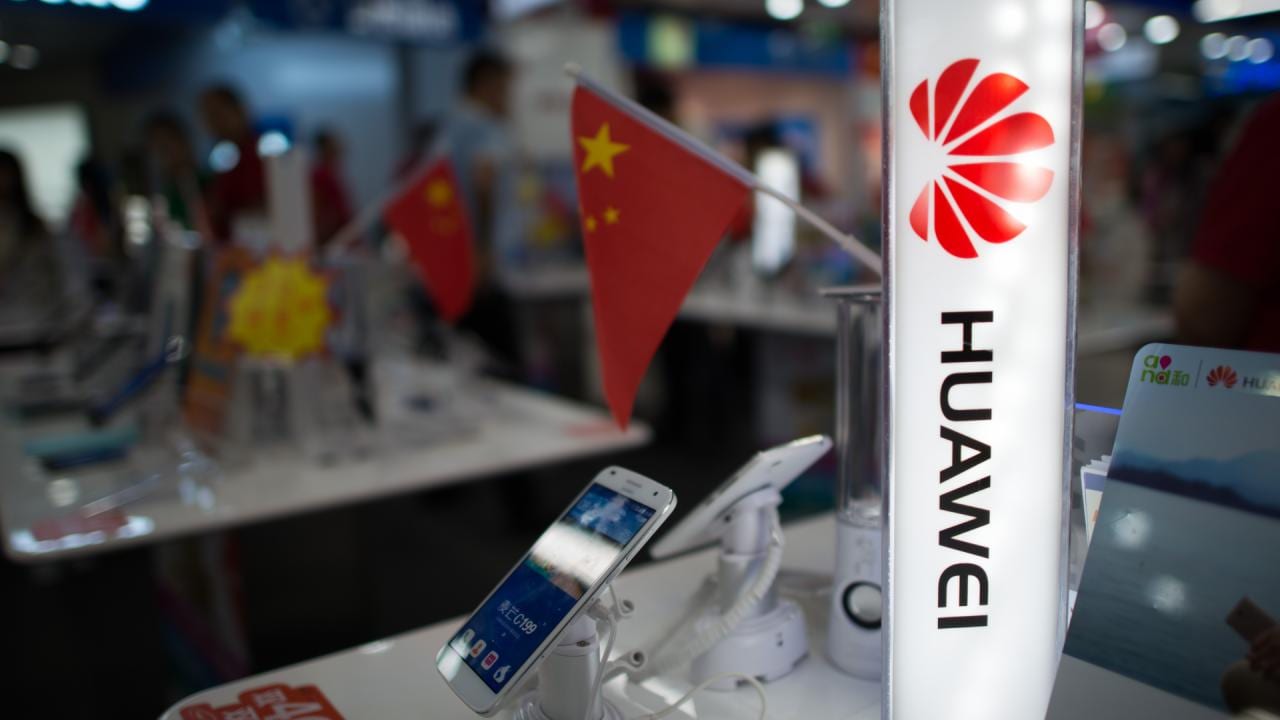
    Huawei appears to have largely given up on the US market. The company has reportedly laid off a chunk of its top US officials including William Plummer—actions that preceded a vote by the FCC yesterday to withhold federal money from equipment suppliers “that raise national security concerns,” according to the agency.

    Huawei last week laid off five American employees including Plummer, who had served for years as Huawei’s top representative in the US market in Washington and at various industry and media events.

    Further, this this week at a Huawei analyst event in China, the company’s deputy chairman Eric Xu essentially acknowledged that Huawei has been largely blocked from the US market, noting that “with some things, when you let them go, you actually feel more at ease.”

    It’s worth noting, though, that Huawei continues to move forward as the world’s largest supplier of network equipment. During its event this week, the company announced its 5G-oriented SingleRAN Pro solution that supports 2G, 3G, 4G and 5G, and the company also said its first 5G smartphone will be released in the third quarter of next year. Interestingly, though, the company’s management also sought to lighten the focus on 5G: “If you look across our entire portfolio, 5G is just one product,” Huawei’s Eric Xu said. “It’s just a natural evolution of the technology from 2G to 3G to 4G, and now we’re going to have 5G, but you don’t have a fundamental difference between 5G and 4G.”

    Huawei’s apparent final withdrawal from the US market is noteworthy considering the rising momentum against the company. Huawei and ZTE were singled out in a 2012 government report warning that equipment from the two Chinese companies could be used by the Chinese government for espionage. More recently, both AT&T and Verizon reportedly dropped plans to sell smartphones from Huawei, and the FCC embarked on a proposal to tacitly block any network operator—big and small—from using Universal Service Funds to purchase equipment from companies that pose a security threat.

    Indeed, that last issue was brought to a vote today during the FCC’s monthly open meeting, and the five-member commission voted unanimously to move forward with the action. The agency said it will also consider how best to implement the proposal, what types of equipment and services should be covered by the proposed rule, and “how the FCC should identify, and how USF recipients can learn, which suppliers are covered by the proposed rule.”

    Indeed, the FCC’s notice goes slightly beyond its initial scope to include potential additional threats: “The Notice now explores a broader set of options for remedying any threats that we identify,” explained Commissioner Brandan Carr in a statement. “For instance, we now ask about more than just USF-funded equipment. And the Notice now tees up additional remedies from testing regimes (which have been employed by some of our closest allies) to actions related to the removal or prospective deployment of equipment.”

    For example, Commissioner Jessica Rosenworcel pointed to recent reports that foreign powers are using “Stingrays” to eavesdrop on cell phone communications in Washington, DC. “These surveillance tools can transform cell phones into real-time tracking devices by mimicking legitimate cell towers and some may even have the technical capability to record the content of calls,” Rosenworcel said in her own statement. “If these reports are true, someone needs to explain how foreign actors are transmitting over our airwaves without approval from this agency. Someone also needs to explain whether the devices being used have been certified by the FCC. The security of our communications is at stake right here, right now in Washington and this agency owes the public more than silence.”

    The FCC’s vote on the issue generated both cheers and criticism.

    “Many small carriers serve the most costly, remote and hard-to-reach areas, and provide low-income Americans with affordable device options,” said CCA President and CEO Steven Berry in a statement. “Any proposed solution should be cognizant of significant economic hardships on many operators, but also, and perhaps most concerningly, must consider rural and low-income consumers’ choice of viable, affordable devices, in an already very limited market. The government’s actions have injected uncertainty at a time when carriers need stability, and CCA fears this will impact the United States’ efforts to bring wireless broadband services to rural areas and win the global race to 5G.”

    “NTCA continues to evaluate the extent to which proposals and questions in the notice might affect member operations,” noted NTCA CEO Shirley Bloomfield in a statement. “NTCA is hopeful that this process will identify with precision any concerns about security of the nation’s networks and seek to address them thoughtfully and appropriately.”

    “Any effective solution will require close partnership with all parts of the broader technology sector, as well as government agencies that have the necessary deep expertise and experience to evaluate national security risks associated with particular vendors, equipment and services,” said USTelecom President and CEO Jonathan Spalter in a statement. “If the Commission prevents the use of universal service support for purchases of communications equipment from vendors deemed to pose a national security threat, rural carriers will continue to benefit from a competitive marketplace for equipment that includes a number of trusted suppliers.

    And Cinnamon Rogers, TIA’s Senior Vice President of Government Affairs, said in a statement: “TIA takes supply chain security very seriously and supports the Commission’s efforts to address concerns regarding specific vendors. However, we also appreciate the Commission’s recognition that addressing security concerns requires cooperation across the federal government in partnership with industry. We look forward to working with the Commission on these issues.”

  • Amazon shopping app launches with a brand new ‘International Experience’

    Amazon shopping app launches with a brand new ‘International Experience’

    Amazon has launched what it calls “the International Shopping Experience” within its Shopping App, allowing customers to browse and shop more than 45 million eligible items that can be shipped to their country from the US.

    The new service works only on mobile browsers and within the Amazon shopping app for iOS and Android devices.

    It comes in five languages, including Simplified Chinese and English and the ability to shop in 25 currencies.

    Amazon says the International Shopping Experience displays clear pricing, shipping costs, and import duty estimates, with Amazon coordinating with courier services for customs clearance on behalf of the customer so there are no surprises at the time of purchase or delivery.

    Customers will be able to browse and shop for products across categories including electronics, books, clothing, shoes and toys. They can choose from different shipping options and delivery speeds, depending on how quickly they want their package to arrive.

    “We are always innovating on behalf of our customers, and with today’s launch, we are making the shopping experience on mobile devices even better and more convenient for our customers who live outside the US,” said Samir Kumar, VP of Amazon exports and expansion. “Customers have been asking for a way to easily find and shop only for products available to be shipped to them. The International Shopping Experience solves this customer need and makes it simple to browse, shop and ship more than 45 million products to over a hundred countries around the world.”

    Customers who download the Amazon Shopping App from the Apple App Store or Google Play Store will automatically be placed into the International Shopping Experience. Customers who already have the Amazon Shopping App need to go into their settings within the app, choose the ‘Country & Language’ option and select ‘International Shopping’ in the country picker.

    Customers can then set their language and currency of preference to enjoy a customised shopping experience, and can change their location at any time to automatically see products that are eligible to be shipped to their selected delivery location.

  • Meilishuo on the search for IPO in New York

    Meilishuo on the search for IPO in New York

    Online fashion retailer Meilishuo, backed by Tencent Holdings, is seeking an IPO in the US that could value the start-up at about US$4 billion.

    Many tech corporations in China opt for New York for their debut listings as it offers a wide investor base and higher international profile.

    Meilishuo is reported to be talking with investment banks about the move.

    Founded in 2009, the company sells clothes, shoes and handbags. In 2016 it had about 15,000 merchants on its website and a mobile app that had been downloaded 100 million times. That year it merged with rival Mogujie, which was founded in 2011 and had about 130 million registered users. The re-formed company was valued at $3 billion.

  • Huawei store for Hong Kong

    Huawei store for Hong Kong

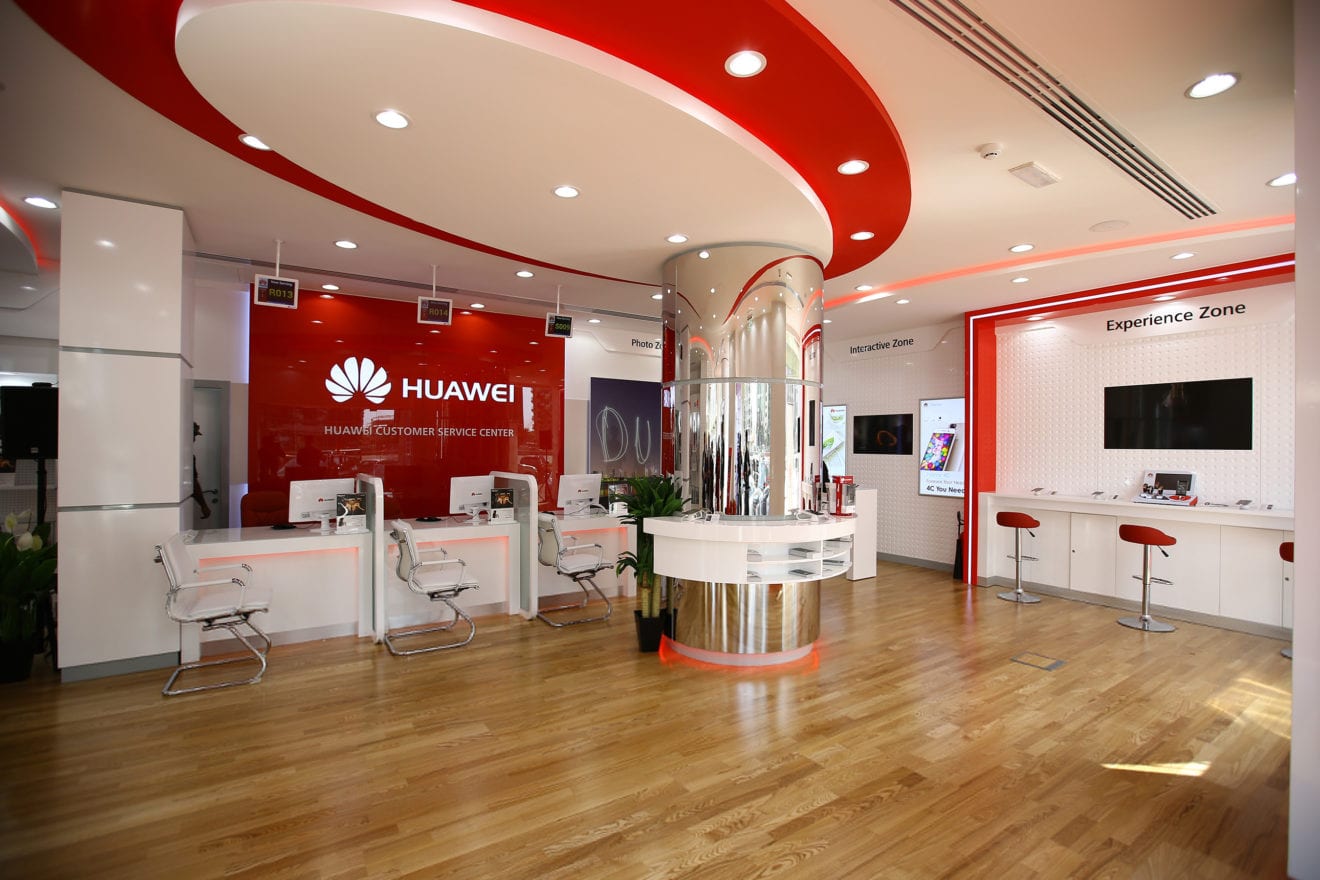
    Chinese smartphone maker Huawei Technologies will open its first retail store in Hong Kong by the end of July.

    Just a week after unveiling its flagship P20 Series smartphones in Hong Kong, the Shenzhen-based company has revealed its plans for a 2000sqft store in Tsim Sha Tsui.

    Huawei has a market share of around 10 per cent in Hong Kong, behind Apple and Samsung, but says it is working hard to achieve 15 per cent by the end of the year.

    Its latest products at the new store will have prices starting from HK$4980 (US$635), and include the P20 Pro, which has a three-camera system that takes photos with a far higher resolution than the iPhone, reports EJInsight. Huawei senior executive Richard Yu has described it as “the iPhone killer”.

    Huawei aims to boost its public exposure in Hong Kong with its own retail store, rather than relying on third-party channels. Already Apple has five stores in the territory since arriving in 2011, while Samsung has its Galaxy Studio. Beijing-based Xiaomi is set to open its third store in Mong Kok next year.

    With its store, Huawei will be able to showcase its technological advancements, such as its 5G development and its Kirin mobile processor. Its P20 Pro and Mate 10 have hardware specifications that surpass those of Apple.

    Worldwide, Huawei is growing faster than most of its rivals and is in a neck-and-neck race with Apple, says EJInsight. In fact, at one point last year it surpassed Apple in shipping volumes, but then the iPhone X and iPhone 8 series were released.