Tag: asia

  • Sportswear sales growth goes up

    Sportswear sales growth goes up

    Sportswear sales grew faster than those of luxury goods in China between 2012 and last year, says research group Euromonitor International.

    Market leaders Adidas and Nike have both had double-digit sales growth, while Lululemon and Under Armour are also dominant.

    Meanwhile, local brand Particle Fever is attracting attention with its designer sportswear.

    “People in China, especially Beijing, want to be seen differently,” says co-founder Zoe Liu, who says it is the only local activewear brand that takes a creative approach to marketing and branding. It makes sports bras, leggings and running shorts designed to be trendy and fashionable as well as comfortable for activities.

    Liu’s line, which is sold on Tmall as well as by Lane Crawford, sits alongside the sportswear collections of New Balance and Reebok in retail outlets like Runner Camp, a concept fitness store that opened in Shanghai six months ago and includes an experience centre and running track as well as a gym.

    Less than 10 years ago, most young Chinese female tourists in the country’s mountains wore a dress and heels. Booming interest in health and fitness has generated demand for more practical and fashionable fitness gear.

    Liu is now making final preparations for opening her second showroom in China, in WF Central, a new high-end shopping mall on Beijing’s oldest shopping street, Wangfujing. It will look more like an art gallery or a designer concept store as Liu and her team collaborate with artists to create visual displays.

    They also plan to invite emerging sports groups, such as modern dance troupes, for in-store performances.

    WF Central, developed by Hongkong Land, prioritises wellness, with its tenants including Under Armour with its largest showroom internationally, Superdry with a flagship store and Hong Kong’s Pure Yoga with its first studio for China.

  • China performs best for L’Occitane International

    China performs best for L’Occitane International

    China continued to outperform for fragrance group L’Occitane International during the year ended 31 March, its unaudited trading figures show.

    Along with Brazil, Hong Kong and the US it showed the highest sales growth in local currencies.

    China’s sales growth was 20.5 per cent in local currency with same-store sales growth of 15.1 per cent as it maintained strong momentum online and offline.

    The group’s net sales reached €1.3 billion (US$1.5 billion), growing 4.6 per cent at constant rates. Unfavourable foreign-exchange rates saw net sales at reported rates ease by 0.3 per cent over last year.

    During the 12 months, the company disposed of Le Couvent des Minimes while LimeLife became a subsidiary in January. Excluding Le Couvent des Minimes, LimeLife and a one-off deal for L’Occitane au Bresil in September 2016, the group’s sales growth at reported rates and constant rates were -1 and 3.7 per cent respectively.

    Emerging brands Melvita, Erborian and L’Occitane au Bresil (excluding the one-off deal) continued double-digit growth.

    The group opened 41 stores and renovated 153 during the year, compared with 51 openings and 104 renovations the previous year.

  • Open source movement to disrupt NFV and SDN marketplace

    Open source movement to disrupt NFV and SDN marketplace

    Software-defined networking (SDN) and network functions virtualization (NFV) are predicted to enable businesses that use these technologies to gain greater flexibility in backhaul infrastructure.

    Cost savings is the primary driver for accelerated NFV and SDN adoption, but these benefits will be realized gradually.

    According to Technology Business Research’s 1Q18 NFV/SDN Telecom Market Landscape report, open-source groups will spur NFV and SDN adoption by establishing industry standards that foster interoperability among a broader range of solution providers.

    “The ability to reduce capex will initially be the largest cost benefit realized by adopters of NFV and SDN as software-mediated technologies enable operators to significantly reduce spend on proprietary hardware,” said TBR telecom senior analyst Michael Soper. “Reducing opex will be a longer process as most operators will maintain both legacy and virtualized environments until they are ready to migrate fully to virtualized infrastructure.”

    As operators pursue cost reduction through NFV and SDN, incumbent vendors face numerous threats to their business models and disruption on multiple technology fronts. Industry trends are moving against the vendor community, with incumbent vendors, particularly hardware-centric vendors, poised to struggle the most.

    Operators globally are focused on significantly reducing the cost of network operations and capex, underscored by a desire to disaggregate the black box and commoditize the hardware layer. White-box-based universal customer premises equipment is the leading application of industry-standard hardware thus far, but operators are targeting additional domains, including the core and edge network.

    Operators are also facilitating NFV and SDN adoption by targeting new hires with relevant skill sets, retraining existing employees and launching internal startups to quickly improve their resource pools.

  • AirAsia ties up with Sarawak Tourism Board to boost visitors

    AirAsia ties up with Sarawak Tourism Board to boost visitors

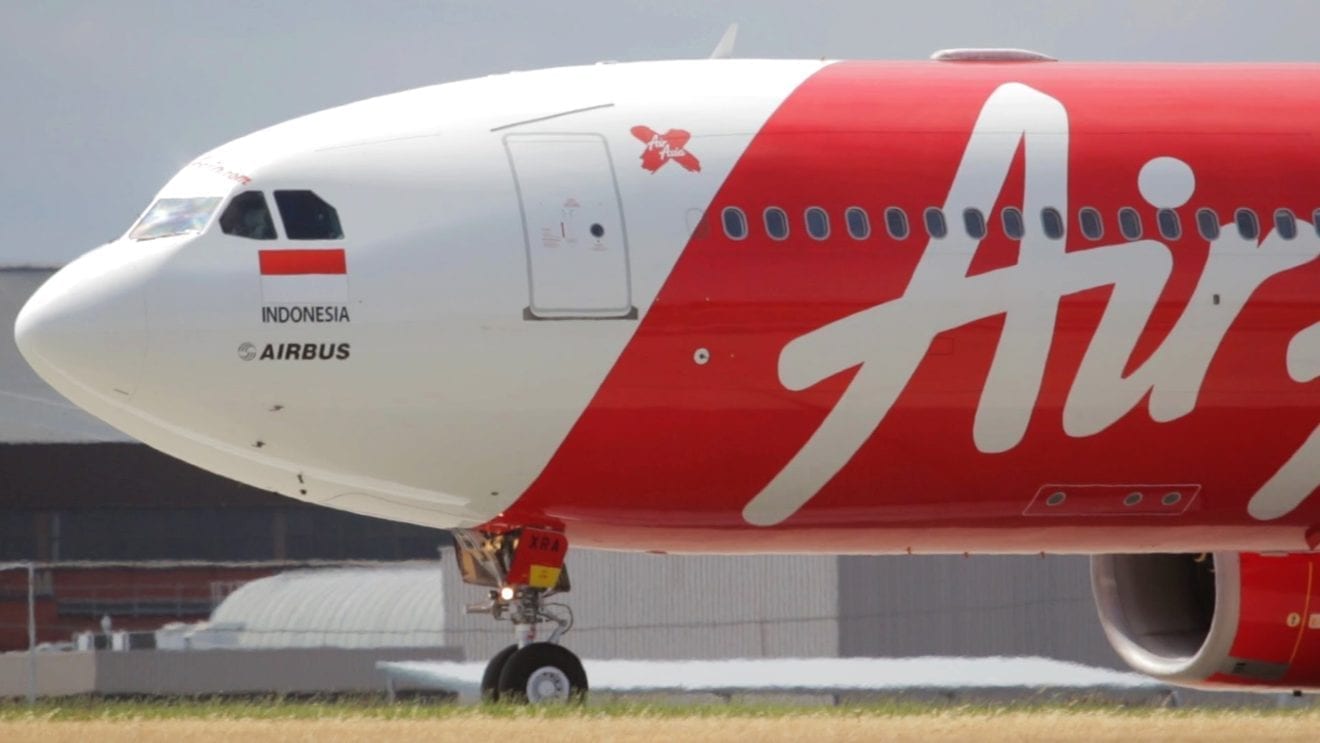
    AirAsia has partnered with Sarawak Tourism Board (STB) as one of the airline partners for the upcoming Borneo Jazz Festival (BJF) and Rainforest World Music Festival (RWMF). These festivals would be held in Miri from 11 to 13 May 2018 and Kuching from 13 to 15 July 2018 respectively.

    In a statement to A+M, AirAsia’s spokesperson said that the partnership is in line with the airline’s continuous effort to boost visitors to Sarawak. In addition, a regional contest over ten countries will be held via its social media platform to further drive awareness for the BJF and promote Miri as a tourist destination.

    The airline will also be reaching out to all 23 countries it is operating in, to promote not just the festivals, but also the diverse cultural identities, traditions and eco-tourism attributes in Sarawak.

    “We are pleased to partner with Sarawak Tourism Board as one of the airline partners for the both internationally-acclaimed festivals while further strengthening our commitment in East Malaysia. We hope this partnership will encourage more visitors to the beautiful state,” Spencer Lee, head of commercial, AirAsia Malaysia added.

    “The Sarawak Tourism Board is excited to partner with AirAsia, whose many flights to and throughout Sarawak have bolstered our tourism industry greatly, making it easier for tourists to be able to traverse the length of Sarawak at ease, moving from one grand attraction to another. This is evident during festival seasons as well,” Mary Wan Mering, acting chief executive officer of Sarawak Tourism Board said.

    The airline also plans to promote Sarawak as a whole to the world through its robust connectivity in and out of Sarawak. Currently, AirAsia operates more than five direct routes and over 26 fly-through connections to Miri. Meanwhile, the airline also operates more than 12 direct route and over 41 fly-though connections to Kuching. These connections include countries such as Australia, Japan, New Zealand and China among others.

  • Taiwan price war could impede 5G development

    Taiwan price war could impede 5G development

    An ongoing price war in the Taiwanese mobile industry could hamper the development of 5G in the market, regulator NCC has warned.

    The regulator has asserted that operators merely competing to lure each other’s subscribers rather than developing innovative business models would not be positive for the development of 5G in Taiwan.

    The NCC’s comments come in the wake of Chunghwa Telecom’s introduction of a TW$499 ($16.85) per month unlimited 4G mobile data and phone call plan, and the subsequent introduction of plans at the same price by rivals Taiwan Mobile, Far EasTone and APT.

    While the NCC insisted that it respects the free market, a race to the bottom n price does not make the admissible market bigger and will not sustain operators through to the commercial launch of 5G services.

    Offering unlimited data and call services at unreasonably low prices will hurt operators’ development in the long term, the regulator added. Operators are already grappling with declining revenue as a result of the price war, coupled with the continued decline in voice revenues.

    The report adds that the NCC does not believe that Taiwan’s operators will be able to follow the models their overseas counterparts have been pursuing to sustain growth – such as expanding overseas or diversifying into original media content – due to Taiwanese operators’ relatively small size and regulatory restrictions.

  • Innovation for a smarter world: ITU Telecom World 2018

    Innovation for a smarter world: ITU Telecom World 2018

    Creativity and innovation have driven human development throughout the course of history.  From agriculture to industry to the information age, revolutionary innovations in technology have marked major leaps forward in the development of our societies. As the pace of technological innovation increases, the gaps between those revolutions reduce, so that today, just ten years after the arrival of the smart phone, we are already on the cusp of the next major leap: the smart revolution.

    Two aspects of the smart revolution stand out as significantly different. It provides the possibility for less developed markets and nations to leapfrog in developmental terms, not just to leap forward. And the creativity and innovation driving it will not only be human.

    Artificial intelligence (AI) is one of the great enablers of smart society. AI is a blend of advanced analytical and machine learning applications which can perform processes or actions that would traditionally require human intelligence – and at an often greatly accelerated pace.

    The use cases and benefits of AI are multiple, varied – and developing rapidly, with tremendous potential to serve purposes and provide solutions to problems we are not yet aware of, in ways we cannot yet imagine.

    One key aspect is AI’s ability to swiftly and effectively analyse the ever-increasing wealth of sensor data available as the growing power and falling costs of computing provides for much faster and richer data analysis. Practical outcomes include identifying and treating disease, accelerating financial and machine to machine transactions, enhancing public safety, and improving city services, from provision of utilities to driverless public transport and city management. The aim is to save energy, time and lives through AI-enabled smart solutions.

    AI will not be working alone, however. The data it feeds from is set to grow exponentially in volume as the Internet of Things continues to connect billions of sensors and devices to each other, to the internet and to humans. As the IoT develops and refines, it opens the door to innovation across all vertical sectors, including health, media, transport and energy – and manufacturing, as the paradox of personalized mass production increasingly becomes a reality.

    Innovation needs new tools to thrive, and 5G software-defined networks promise a rich playing field for creative minds. The exponential increases in bandwidth, speed, reliability and flexibility offered by 5G will create a powerful critical infrastructure capable of providing solutions to the economic, social and environmental needs of an expanding and increasingly urbanised global population.

    Our smarter world will be enabled by these three key technological developments, in parallel and in overlap: AI, IoT and 5G. Three acronyms driving innovation, with the potential to drive human development at a greater speed and with greater impact than ever before. In developing markets and nations in particular, smart can power the leapfrog effect, bypassing earlier stages of development, taking villages in Asia or Africa straight from no connectivity to 3G or 4G networks, from no access to education or health to world-class professionals available online, providing entry to the knowledge economy for the millions of digitally disenfranchised.

    But for innovation to flourish, it needs to work in a supportive and positive environment. And for innovation to be fair, it – and the services, applications and products it ultimately produces – must be open to all.

    Providing modern and fit-for-purpose regulatory frameworks as far as possible throughout the world of tech is critical to the success of smart innovation. Taking ideas to scale and maximising impact can only happen with international standardization. Privacy, security, trust and reliability are all huge issues when discussing or dealing with data as the life blood of innovative products and services. And the debate on ethical and regulatory frameworks for AI has only just begun.

    Making a smarter world for all, not just for the elite minority, is an even greater, multi-faceted challenge. It starts, of course, with connectivity for all as a basic human right. Just providing access to the internet and the benefits of the services, applications and knowledge it offers, is not enough, however – even if this can be done at affordable prices, with available devices. There is an urgent need to create awareness of, and demand for, the internet; to provide apps and services in local languages, with local contexts and the needs of local communities at the forefront; and to train, educate and develop the skills to use the internet and bring whole new populations and generations online, releasing untapped human potential for innovation across the world.

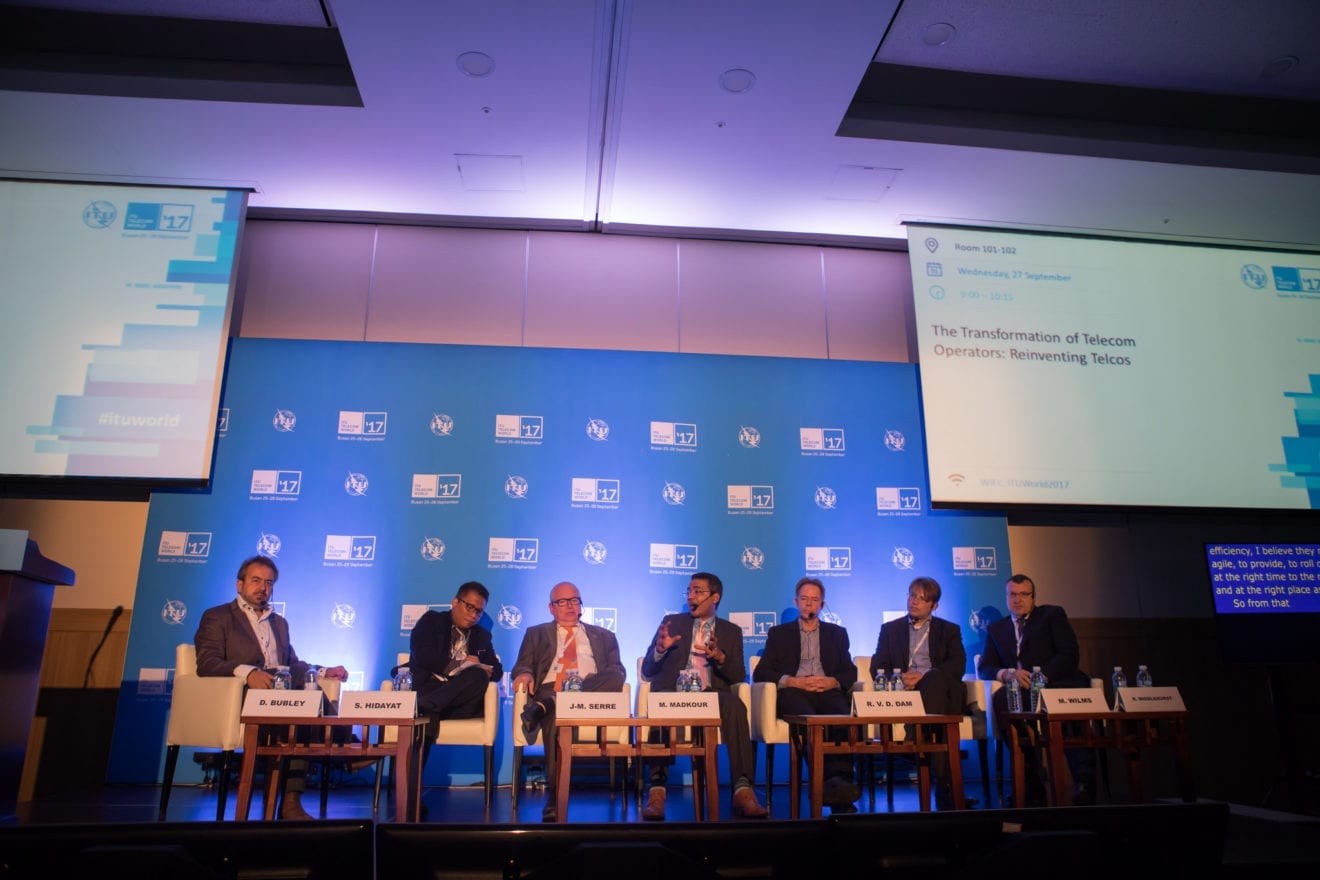
    Exploring the innovations in technology, policy, and strategy that are driving a smarter world – and the challenges we face in getting there – is at the heart of ITU Telecom World 2018. The leading tech event for governments, large businesses and SMEs, it is organized each year by ITU, the UN’s key agency for ICT matters. This year’s event will be held at the Durban International Conference Centre, Durban, South Africa, from 10 – 13 September, 2018.

    The event features an international exhibition of tech solutions and projects, a world-class forum of interactive, expert-led debates, a networking programme connecting organizations, individuals and ideas, and an acclaimed Awards programme recognising innovative ICT-based solutions with real social impact.

    As an important regional commercial hub with a diverse, multicultural outlook and a dynamic, growing economy, Durban offers an invaluable perspective as a venue for experts and leaders from public and private sectors around the world.  And given ITU’s key role in allocating spectrum and establishing international consensus on industry standards, as well as supporting the critical role of ICTs and smart technologies in meeting the UN’s Sustainable Development Goals, the event is certain to provide informed, interesting and valuable input on the power of innovation to drive a smarter world.

    ITU’s authority and expertise enable it to convene a unique and influential global audience. Heads of state and government will come together with ministers, regulators, leading industry CEOs from major players and SMEs, organizations, associations and consultants. As a UN event, it delivers a truly international perspective on innovation in technology, policy and regulation from emerging and developed markets from all around the world.

    Visit telecomworld.itu.int to find out more ITU Telecom World 2018 and how to take part in Durban this September.


  • Switch Made  expands operations with global hub office in Dubai

    Switch Made expands operations with global hub office in Dubai

    In a significant move that underlines the strong UAE-French business ties, SWITCH MADE, a French company and world leader in providing efficient, innovative and stylish lighting solutions, is further expanding its operations in the UAE with the opening of a brand-new global hub office in Dubai.

    This coincides with the 10th anniversary of SWITCH MADE’s operations in the UAE, with the new global office being beefed up with a dedicated team of experts from SWITCH MADE’s France office taking up positions in Dubai.

    The unveiling of the global base of SWITCH MADE in the UAE complements the call by French President Emmanuel Macron to enhance the role of French companies in international entrepreneurship.

    The French Ambassador to the UAE, HE Ludovic Pouille, marked the new expansion and opening of the global office and congratulated the company for its strategic focus on expanding its presence in the country. He was accompanied by H.E. Emmanuel Mayer, Vice Consul General of the France in Dubai and other dignitaries and business leaders.

    “This is a commendable example of French companies strengthening their international footprint and sharing invaluable French expertise for supporting the development of the UAE,” HE Ludovic Pouille said. “Over the past years, French-UAE ties have grown manifold, with French business expertise, especially in areas such as sustainable development and renewable energy, complementing the development vision of the UAE. SWITCH MADE has an accomplished track-record in delivering energy-efficient lighting solutions and the new office will enable it to further contribute to the UAE’s Vision 2021.”

    Jeremy Loisel, CEO of SWITCH MADE, said: “With our expanded presence, we are building on 10 strong years of operations in the UAE, marking a new milestone in our growth journey. We are bringing top-notch French experts to support our business growth in the UAE, complementing the development goals of the nation. French companies already play a significant role here by providing cutting edge technology and expertise, and through our enhanced local presence, we can be more agile and closer to our customers in meeting their requirements.”

    “Our French headquarter is currently being restructured, and reflecting the consequent change of business model, focusing on manufacturing LED luminaires for projects. We are also in the final stages of partnering with a reputable industrial group, which will take our growth to the next level. 2018 is a decisive year for our French market.” He added.

    SWITCH MADE has already been associated with several landmark projects in the UAE including the provision of energy-efficient sustainable lighting solutions for the façade of The Dubai Mall, supplying more than 52,000 LED luminaires.  SWITCH MADE also delivered over 8,800 LED light fittings and over 2 Km of linear soluitons for the Swiss International Scientific School in Dubai, which is the Middle East region’s first low-energy building that complies with the MINERGIE Ecolabel, a Swiss sustainable building standard.

    Several flagship projects in the UAE have been developed through close co-operation with France, such as Louvre Abu Dhabi and the Paris-Sorbonne University Abu Dhabi, the only French-language university in the Gulf. Total trade between the two countries was estimated at US$5.6 billion in 2016. The UAE is France’s second-largest trading partner in the Gulf, and is also the second largest Gulf investor in France. There are over 600 French subsidiaries in the UAE.

    “The UAE has outlined a clear vision to be among the best nations in the world, and has set tangible targets in reducing energy consumption and promoting sustainable solutions. As a French company with proven expertise in supporting the needs of nations and companies with sustainable lighting solutions, we are committed to be a partner in the progress of the UAE by bringing French expertise to the nation’s development projects,” concluded Jeremy Loisel

  • Coach Singapore unveils graffiti wall at the Botanic Gardens

    Coach Singapore unveils graffiti wall at the Botanic Gardens

    Coach Singapore has unveiled a 70m print of New York street graffiti along a wall at the Botanic Gardens MRT station.

    The project was conceptualised in New York City by the US luxury brand to celebrate the symbiotic relationship between fashion and street art.

    It made its debut early this year with a series of murals across the US city put together by 13 influential street artists.

    Singapore’s version, by artists Dain and Such, plays on Coach’s monogram with an urban feel. This collaboration will lead to a special collection of ready-to-wear pieces, tote bags and small leather goods to be launched in July.

  • SWIFT explores Asia Pacific cross-border real-time payments

    SWIFT explores Asia Pacific cross-border real-time payments

    SWIFT has joined forces with a group of SWIFT gpi banks from Australia, China, Singapore and Thailand to develop a unique cross-border real-time payments service in the Asia Pacific region.

    SWIFT has held exploratory talks with banks from the Asia Pacific region, including ANZ, Bangkok Bank, Bank of China, China Construction Bank, China Guangfa Bank, Commonwealth Bank, DBS, ICBC, Kasikornbank, NAB, Siam Commercial Bank, UOB and Westpac about the development of an Asia Pacific cross-border real-time payments system based on gpi. At the workshops SWIFT and the participating banks determined that such a service would have significant benefits that would extend beyond gpi banks and their customers, deep into the domestic markets, eventually affording a complete real-time cross border payments experience for all bank customers in the region.

    The group agreed the service should be rolled out in three distinct phases:

    • Phase 1 will see the introduction of a new real-time gpi sub-scheme, to facilitate real-time cross-border payments between gpi banks in the region. Building on the significant success of SWIFT gpi payments, which already significantly reduce cross-border payment times to minutes, will ensure real-time settlement of cross-border payments between signatory gpi banks in the region.
    • Phase 2 will effectively extend the SWIFT gpi rails into existing real-time payment systems within each recipient country, thus ensuring that “inwards and onwards” payments can be settled in real-time in each of the four markets, irrespective of whether the final beneficiaries hold accounts at banks that are connected to SWIFT or that are using gpi.
    • A third phase would look to link domestic real-time payment systems via SWIFT gpi to facilitate full cross-border real-time payments between their respective customers. This aims to enable both sending and receiving account holders to benefit from a full real-time payments experience – again independently of whether they hold accounts at banks that are connected to SWIFT or using gpi.

    Eddie Haddad, Managing Director of SWIFT Asia Pacific said: “With the widespread adoption of domestic real-time payments systems in the region, a cross-border real-time service is both a natural extension for SWIFT gpi in Asia Pacific and a real game-changer for bank customers. SWIFT is uniquely positioned to help our customers leverage their existing investments in infrastructure, to standardise connectivity across multiple markets and to drive efficiencies in support of cross-border trade, facilitating further integration in the ASEAN region.”

    Following the initial workshops, SWIFT and participating gpi member banks have begun work on defining a common cross-border real-time scheme that banks can review and test. The design of the new service will build on existing SWIFT gpi service rules to help resolve additional business process frictions in the payments chain. SWIFT has also commenced discussions with the New Payments Platform (NPP) in Australia to enable SWIFT gpi payments to be processed onwards through their newly launched domestic real-time payments system. SWIFT has helped to design, build and deliver the NPP, and is playing a key role in operating the infrastructure for the NPP.

    Launched in 2017, gpi already accounts for nearly 10% of SWIFT cross-border payment traffic, and is enabling more than a hundred billion dollars to be transferred across the world rapidly and securely every day. More than 160 banks, including 48 out of the 50 top banks on SWIFT, have signed up to the service, sending hundreds of thousands of payments daily across 350 country corridors – including major corridors such as USA-China, where gpi already accounts for more than 30% of payment traffic.

    “SWIFT gpi already reduces cross-border payment times to minutes, even seconds and indeed nearly 50% of gpi payments are already being completed in less than 30 minutes”, said Haddad. “This new scheme will both further speed up those payments, and extend the reach of the gpi capability far deeper into domestic markets, driving radical change in the cross-border payments market across the region. We look forward to seeing this work in practice and to more countries, and banks joining the new service.”

  • TWG Tea celebrates with new e-commerce platform

    TWG Tea celebrates with new e-commerce platform

    To mark its 10th anniversary, TWG Tea has launched a global e-commerce website, with Singapore being the first nation to experience it (the company is based in Singapore).

    With a refurbished interface, the site now offers a suite of tools, such as a customised gifting guide and an interactive tea connoisseur service, which recommends a customer’s perfect tea based on a fun quiz.

    There is also richer content so consumers can learn about the brand’s harvests, handcrafted blends, tea merchandise and edible treats.

    With the consumer in mind, the reboot aims to complement and mirror the in-store experience.

    The brand also introduces a premium by-invitation-only membership, “MyTWG”, which offers tea-related rewards and benefits.

  • Subway Singapore applying for halal certificate

    Subway Singapore applying for halal certificate

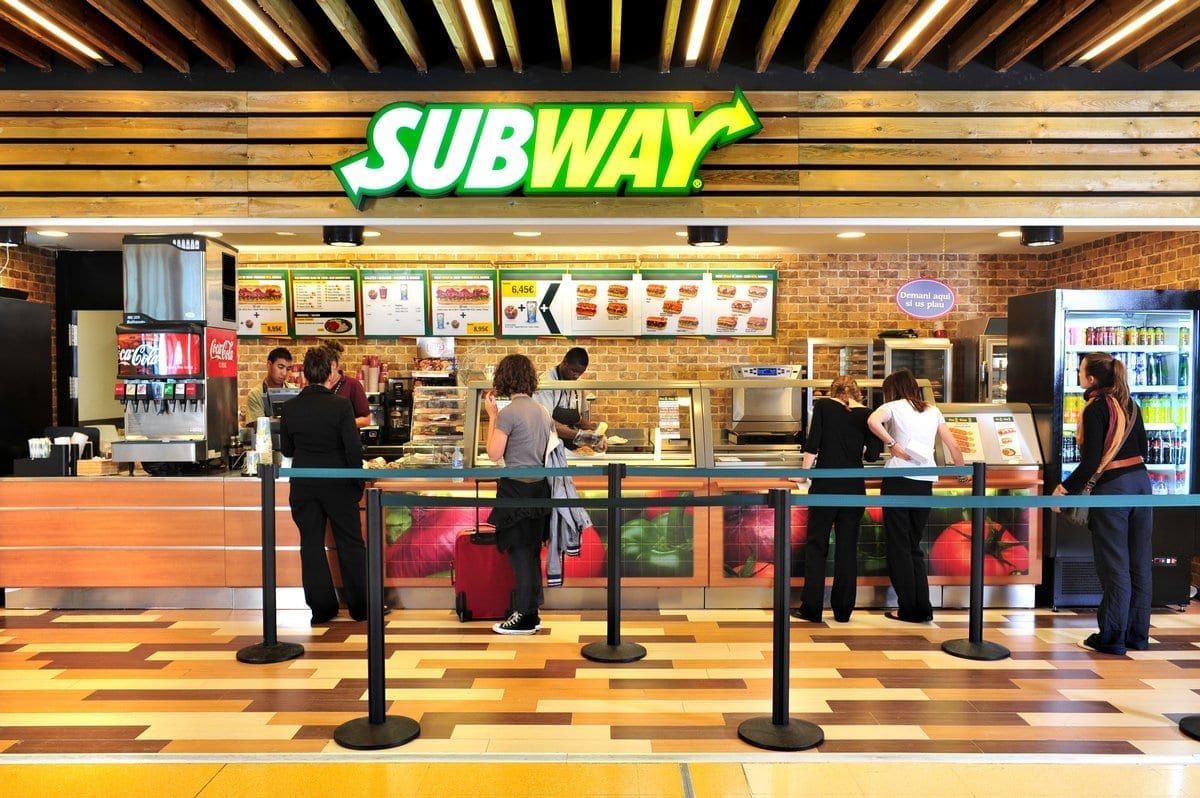
    Popular fastfood chain Subway is in the midst of applying for a halal certificate for its outlets across Singapore, the restaurant said on Wednesday (March 21).

    Subway Singapore said in a Facebook post that it has “initiated a halal certification process” and that all its restaurants will service only non-pork protein from Wednesday onwards.

    Earlier this year, on Jan 31, the Islamic Religious Council of Singapore confirmed in a tweet that the fastfood chain had “shown interest” in applying for halal certification.

    “We’ve had a few rounds of discussion with them to help them prepare themselves,” one tweet said.

    However, it added that it had yet to receive formal applications for the certification.

    In response, Subway Singapore released a statement listing 60 outlets that have stopped selling pork.

     Among the ingredients replaced were regular bacon, with chicken bacon.
  • Philippines franchise business matching event planned next month

    Philippines franchise business matching event planned next month

    The latest Philippines franchise business matching event is scheduled for Manila in May.

    Organised by VF Franchise Consulting on May 14 at the Philippines Chamber of Commerce and Industry, the event will showcase leading international franchise brands from the US, Hong Kong, Singapore, Taiwan and Japan.

    Executives from Little Caesars, Presotea, First Code Academy, The Edge Learning Centre Sureclean, Mennya Kokoro, and Pronto, will attend to meet with potential franchisees and investors.

    “These franchise brands represent a broad spectrum of segments, including food and beverage, education, and services,” said VF Franchise Consulting CEO Sean T Ngo.

    “The Philippines has nearly 95 million people and one of the fastest growing GDP per capita in Asia. US News recently ranked the Philippines as the number one country for investment based on a survey of more than 6000 business decision makers. The franchising sector in Philippines is also the largest in ASEAN, with more than 2000 franchise systems, and is expected to grow by 10-15 per cent each year for the next five years,” said Ngo.

    Franchise sales in the Philippines contribute about 25 per cent of all retail sales and added more than 1.5 million jobs to the Philippines economy.

    “We have had fantastic meetings last year in Manila, and look forward to even better meetings this year given the broader spectrum of franchises in food and beverage, education and services.”

    F&B franchises

    Bill Schreiber, VP of international development with Little Caesars says pizza is widely accepted in the Philippines.

    “When you look at the number of restaurants that exist in the market, it shows how much the people of the Philippines love pizza. After doing research on the market, Little Caesar’s strongly believes that our pizza has a place in the market and we know from other countries that we do business in, that our hot and ready product offers all of our customers great convenience, quality and value.

    “When customers realise that they can get a high quality pizza in their hands in one minute or less, they realise how convenient that is. We are proud to be able to bring our great tasting pizza to the Philippines.”

    According to Jackson Kah, Presotea’s international franchise manager, Filipinos have the same sweet-tooth habits like other Asian country and bubble milk tea is definitely a preference.

    “With Presotea entering the Filipino market, we will be able to fulfill the craving for bubble milk tea with healthier, brew-to-order, teas for the more sophisticated tea drinkers.”

    This year’s business matching will also include franchises from Japan: Mennya Kokoro and Pronto. Mennya Kokoro is known for its no-soup, dry-ramen noodle dishes that are hugely popular in Japan and has recently been franchised in Indonesia and Thailand. Pronto, also hailing from Japan, is an Italian-themed cafe and bar concept with a diverse menu of fusion Italian and Japanese dishes. There are currently more than 300 Pronto units in Japan and it has recently been franchised to Shanghai, China.

    Education opportunities

    The Philippine franchise business matching event will also include brands outside food.  Asian consumers are continuing to invest in education for children between the ages of four and 18.

    Michelle Sun, CEO and founder of First Code Academy, says that since her company launched in 2013, it has grown to be the leading K-12 coding education brand in Asia with a presence in six different cities in the region.

    “We continue to see great potential for coding education regionally. The Philippines has a rapidly growing technology sector, driven by government initiatives, and has one of the highest penetration rates of social media regionally. There is a lot of opportunity to fill the gap in Stem education for its future generation.”

    Duc Luu, CEO of The Edge, adds: “The Edge sees the rising trend in education industry in the Philippines, especially in the market of test preparation. Over the last 10 years, we have proven to students and parents that we provide the best experience in Asia to help students enroll in the best universities in the US and the UK.”

    Another company to participate is Sureclean. Its CEO and founder Alvin Tan says the World Bank projects the Philippines to remain the fastest-growing economy in Asean – which means the need for good quality hygiene in various premises such as schools, hospitals, offices and residences will also grow.

    “With a tried-and-proven business system with evergreen demand, training and marketing support, Sureclean’s franchise program is an ideal opportunity to tap into this fast growing economy.”

  • Boardriders appoints new Billabong management

    Boardriders appoints new Billabong management

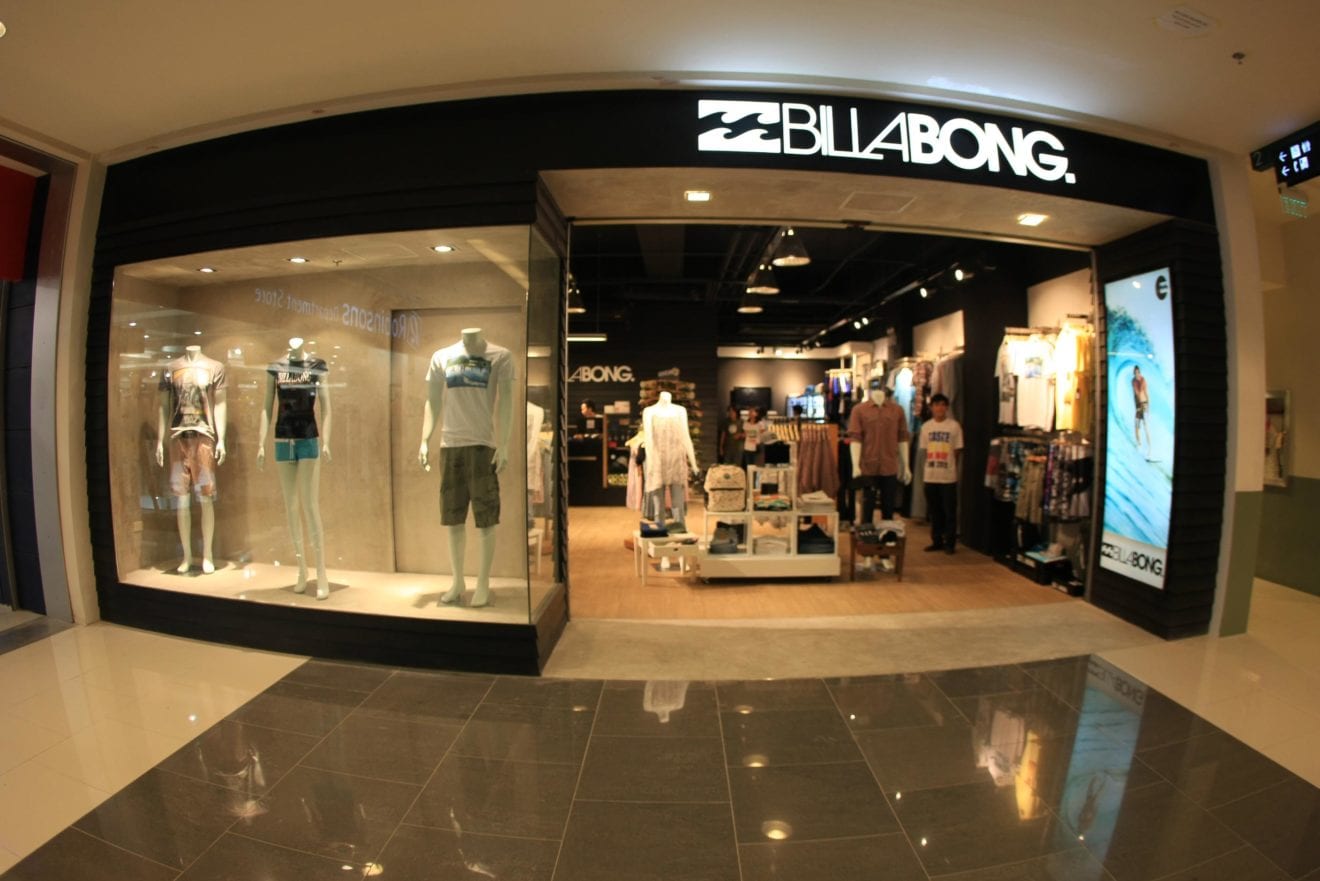
    BillabongBillabong International’s new owner Boardriders Inc is clearing the decks, appointing 17 new senior leaders that will oversee a turnaround of the company’s ailing global operations.

    Under the changes Billabong’s chief executive Neil Fiske will depart, alongside CFO Jim Howell, general counsel Tracey Wood, HR chief Mara Pagotto and GSM Operations GM Paul Burdekin.

    Boardriders chief executive Dave Tanner announced the management shake up over the weekend, appointing the parent company’s president, Greg Healy to lead the Asia Pacific arm of the business, which includes Australian operations for the Billabong, Element, RVCA, Von Zipper and Xcel brands.

    Healy will also serve on Billabong’s new board alongside Shannan North, who will also step in as Billabong’s global president of retail strategy.

    Former Bebe stores finance principal financial officer Joseph Scirocco has come on as chief financial officer, while Boardriders COO Julie Ott will also serve as operations chief for Billabong International.

    The appointments are effective 24 April, the day that the transaction of Billabong finalises.

    Tanner said the leadership team combines seasoned boardriders talent and expertise from outside of the organisation.

    This team will lead the integration of two great companies, creating the world’s leading action sports company. I am particularly excited to announce the elevations of Greg Healy and Shannan North, who bring significant industry experience and will be instrumental in leading our global growth with their new Board responsibilities,” he said.

    “We want to thank Neil Fiske, Peter Myers, Tracey Wood, Jim Howell, Mara Pagotto, Paul Burdekin and the Billabong Board of Directors for their dedication to the success of Billabong, its people and heritage,” Tanner added.

    Full list of Billabong appointments

      • Greg Healy, Global President, President APAC, Board of Directors responsibilities.
      • Shannan North, Global President, Billabong and Retail Strategy, Board of Directors responsibilities.
      • Joe Scirocco, Chief Financial Officer.
      • Thomas Chambolle, President EMEA.
      • Jean Louis Rodrigues, General Manager Wholesale EMEA.Nate Smith, President Americas.
      • Dan Levine, Chief Brand Officer.
      • Garry Wall, Global General Manager Quiksilver.
      • Emilie Souvras, Global General Manager Roxy.
      • Mike Jensen, Global General Manager DC Shoes.
      • Kevin Meehan, Global General Manager RVCA.
      • David Brooks, Global General Manager Element.
      • Ilene Eskenazi, Chief Human Resources Officer and Global General Counsel.
      • Julie Ott, Chief Operating Officer.
      • Mike Yerkes, Chief Logistics Officer.
      • Nico Foulet, Chief Information Officer.
      • Sonia Lapinsky, Chief Integration Officer.
  • Adidas draws local expansion with new partner signup

    Adidas draws local expansion with new partner signup

    Global sportswear brand Adidas has signed on a second franchise partner in Australia as it looks to expand its mono-branded retail footprint locally.

    Atomic Group, which is owned by Sportsco managing director Tom Kiing, will be entrusted with the brand and will look to “quickly build up” adidas’ local store network, which is currently made up of around 28 locations nationwide.

    Adidas has a withstanding partnership with Sports Power owner Zorich Group, who will continue to distribute the brand exclusively in South Australia.

    Adidas Pacific’s general manager Steve Castledine said Atomic were the “ideal partner”, and that he was confident Atomic would provide a strong understanding of the local market.

    “After a comprehensive search, we believe we have found an excellent partner in Atomic Group to further extend the reach of our brand to more consumers in Australia,” he said.

    Australian consumers love the adidas brand and we’re excited to partner with Tom and Atomic Group to deliver our unique brand experience to more centres around Australia.”

    Kiing, who has stocked adidas products in Sportsco stores for 30 years, said there’s an “immense” opportunity to expand the sportswear brand’s presence in Australia.

    “Leveraging our current infrastructure and knowledge in retail, our people, systems and leasing knowledge, we see an immense opportunity to work with adidas in partnership to quickly build up the adidas store network within Australia,” he said.

    “We believe that ultimately the Australian consumer will benefit from having more points of presence of this iconic brand and its products within the Australian marketplace.”

  • SoftBank to phase out PHS services

    SoftBank to phase out PHS services

    Japan’s SoftBank has revealed plans to stop providing personal handphone services (PHS) for general users from mid-2020.

    SoftBank stopped accepting new contracts for individual PHS services in March and will phase out existing services for general users from July 2020.

    SoftBank is the only operator in Japan to still be providing services based on the Japanese-developed PHS standard.

    The company has been selling PHS handsets using its Ymobile budget brand.

    SoftBank will also stop providing new PHS contracts for inter-device communications, such as for vending machines and marking units, from March next year, but will continue services for existing users.

    The PHS standard was originally developed by NTT Laboratory in 1989, and services first launched in Japan in 1995.