Tag: asia

  • MobiFone refunded after failed pay TV investment deal

    MobiFone refunded after failed pay TV investment deal

    The telecommunications giant has not repaid AVG investors. MobiFone has confirmed to authorities that it has been refunded in full from a private pay TV firm after the deal between these companies fell through.

    The state-run telecommunications giant said that a total of VND8.9 trillion ($390 million), equivalent to a 95 percent stake in Audio Visual Global JSC. (AVG), had been returned to the company on April 26.

    MobiFone has yet to return shares to AVG shareholders, and is now waiting for government inspectors to confirm the transfer before proceeding, the statement said.

    In early 2016, MobiFone announced that it was breaking into the pay TV market through the acquisition of a 95 percent stake in AVG, without revealing any information about the deal.

    After investigating the deal, the Government Inspectorate concluded that MobiFone’s deal to acquire AVG had violated investment laws and caused a loss of about VND7 trillion ($307 million) to the state.

    Multiple ministries, including the information ministry, were also found responsible for a number of wrongdoings relating to the deal.

    The canceled acquisition was brought up last week when Communist Party General Secretary Nguyen Phu Trong said at a committee meeting that the government was determined to fight corruption without exception.

  • Walmart closes in on $15bn Flipkart e-commerce deal

    Walmart closes in on $15bn Flipkart e-commerce deal

    Walmart may have secured a key victory over Amazon in India, with reports surfacing that the board of Flipkart Online services, one of the fast-growing nation’s largest retail platforms, has approved a deal to sell 75 per cent of the company to the grocery giant for around US$15 billion.

    Citing sources familiar with the deal Bloomberg has reported that the world’s largest retailer is closing in on an official offer for the Indian retailer after Amazon, which was also reportedly looking at the business, took itself out of the race.

    The deal is expected to close in the next 10 days, although final terms remain uncertain. A Walmart deal is thought to be more appealing to regulators given Amazon’s position as the number two competitor in the market.

    Should a transaction progress it would represent a significant international capital reallocation for US-based Walmart, which only last week agreed to offload most of its stake in UK supermarket chain Asda in a £10 billion merger with Sainsbury’s.

    For Amazon, which has been investing heavily in its own Indian platform in recent years in a bid to cash in on growing consumption in the world’s second fastest growing economy, the deal represents a renewed competitive threat.

    Flipkart is an online marketplace founded in 2007 by former Amazon employees Sachin Bansal and Binny Bansal, valued at around $20 billion after garnering investment from the likes of Ebay, Microsoft and Tencent.

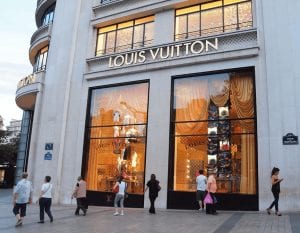
  • Louis Vuitton debuts with Les Petits Nomades Project

    Louis Vuitton debuts with Les Petits Nomades Project

    Contributing to the Les Petits Nomades collection are Atelier Oi, Humberto & Fernando Campana, Marcel Wanders and Patricia Urquiola.

    The collection was launched alongside four additions to the French fashion house’s travel-inspired furniture and lighting collection, Objets Nomades. The pieces were all presented at an exhibition within the Baroque interiors of Milan’s 19th-century Palazzo Bocconi.

    Displays included a room with pink balloons covering the ceiling, a dark corridor of mirrors lined with glowing lamps, and a grand hallway strung with hundreds of leather flowers.

    Objects include a vase crafted from 176 two-tone, leather-covered metal petals, created by Humberto & Fernando Campana, while Swiss design studio Atelier Oi contributed 15 leather origami flowers.

    Making his debut with Louis Vuitton, Andre Fu has introduced a two-person “conversation” chair with swooping leather-wrapped wooden arms. The chair’s curved shape is inspired by the movements of traditional Asian ribbon dances.

    Louis Vuitton also showcases artworks inspired by vintage travel posters, each featuring a designer’s objects and home city.

    First created in 2012, the Objets Nomades collection is a series featuring travel-inspired furniture and lighting. Objects range from hammocks to deckchairs and portable lamps.

  • Ebay brings Flybuys to platform into the Wesfarmers deal

    Ebay brings Flybuys to platform into the Wesfarmers deal

    Wesfarmers has inked a deal with Ebay Australia that will see its Flybuys loyalty program extended to purchases made on the marketplace.

    As of today, Ebay shoppers can collect and redeem Flybuys points with 40,000 Australian retailers on the marketplace, earning one point for every $2 spent on eligible items.

    The partnership is the biggest expansion in the Flybuys program since the addition of Velocity frequent flyer points in 2016, signalling the growing importance of the program to Wesfarmers in the context of the planned Coles demerger.

    For Ebay the deal is its first move into loyalty, representing a significant opportunity to strengthen its customer retention in the lead up to the launch of Amazon Prime in Australia later this year.

    The online marketplace estimates that over 60 per cent of Australian households who actively use Flybuys will now also be able to redeem points for Ebay vouchers at a rate of 2,000 points for $10, which they can use to purchase items from the e-commerce company’s 1.1 billion global listings.

    Julie Nestor, Ebay Australia’s chief marketing officer, said Ebay had originally approached Flybuys with the idea for the partnership and described the deal as a no-brainer.

    “We’re thrilled to partner with Australia’s most popular loyalty rewards program as part of our mission to continue innovating and transforming the retail industry,” Nestor told.

    The details of the partnership remain confidential and Ebay would not be drawn on the specifics, but it comes as Wesfarmers pushes to better leverage its digital and data capabilities.

    In February, Wesfarmers group managing director Rob Scott announced the creation of a new data unit within the retail conglomerate, to pursue a variety of projects across its business units, as its rival Woolworths steps up its own efforts.

    Wesfarmers will retain ownership of Flybuys in the Coles demerger, a move that was flagged by Scott in March as a strategic boon.

    Ebay said the partnership will help smaller retailers on the platform gain access to a widely recognised loyalty program, which they likely would not be able to do on an individual basis.

    Citing a survey conducted with 1,570 sellers in April, Ebay said 62 per cent of small retailers believe a rewards program would help their business compete with larger players, while 71 per cent believe a loyalty program would be too expensive to set up and run.

  • Candystud pop-up store for Beijing

    Candystud pop-up store for Beijing

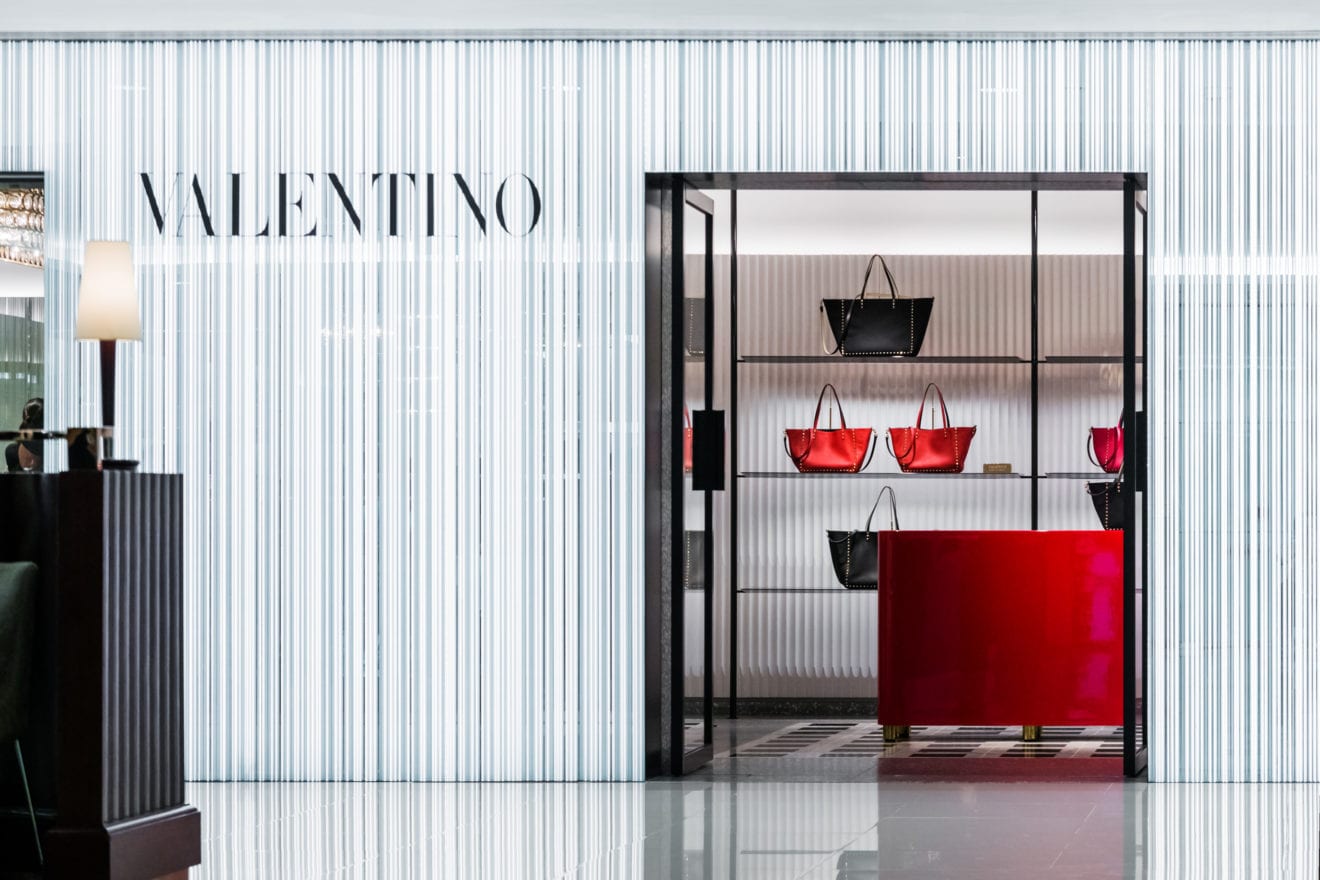
    Fashion brand Valentino aims to create a stylised handbag factory with its Candystud pop-up store in Beijing’s Sanlitun neighbourhood

    Running until May 17, it features two limited-edition Candystud bags as well as four exclusive sneakers and small leather goods such as as smartphone covers, mirror bags and charms.

    The pop-up, decorated in bright pink livery, is designed to look like a candy store – yet will sell customised products. The brand says it is trying to create a “cinematographic atmosphere”.

    Sanlitun attracts consumers from a younger demographic and Valentino sees the pop-up as an opportunity to broaden awareness among millennials and Generation Z customers.

  • Fashion reigns as Vietnam’s online shopping queen

    Fashion reigns as Vietnam’s online shopping queen

    With busy schedules occupying people’s lives, e-commerce sites are catching up with the rising demand. With e-commerce booming in Vietnam, shopaholics have been switching from walking from store to store to just sitting back and relaxing with their computers and phones to choose their favorite fashion items.

    Despite spending almost ten hours per day at work, Ha, an office worker in Binh Thanh District, HCMC, can still find the time to buy herself new clothes every month.

    Her computer is bombarded by advertisements for new fashion items that stream from the social media channel she uses to the news sites she usually follows since she searched online for a new dress.

    “I don’t have much free time to stop by every store to find the clothes I want, but I can easily do it online. Of course there are risks buying clothes online, but if I order products from shop and receive exactly what I expected, then I go back to that shop,” she said.

    The trend has become so popular that many Vietnamese women say they spend time almost every night watching online retailers livestreaming their products on Facebook.

    A survey released in October last year by Vietnamese market research firm Q&Me showed fashion standing on top of all products purchased online in Vietnam, followed by IT products, cosmetics, food and beverages, and books and stationary.

    Out of a pool of 966 respondents aged between 18 and 39, 73 percent said they went online to buy fashion products, the survey found.

    Tapping into this trend in Vietnam, online shopping platform Lazada has launched a partnership with Au Chau Fashion and Cosmetic Co. Ltd (ACFC), a distributor of world-leading brands such as Calvin Klein Jeans, Levi’s, Dune and Diesel.

    Lazada said the move expresses its ambition to boost the development of its clothing and cosmetics sector, and its target to become the leader in Vietnam’s e-commerce market by 2020.

    “Last year, Lazada’s revenue from fashion products doubled, and the number of fashion providers registering on its platform rose 4.5 times,” said Nguyen Thanh Thuy, director of brand marketing solutions at Lazada Vietnam.

    Vietnam’s e-commerce market grew by 25 percent last year and is expected to maintain its growth in the next three years, according to the Vietnam E-Commerce Association.

    Revenue from online retail is forecast to hit $10 billion by 2020, accounting for 5 percent of the country’s retail market, it said.

    The thriving market has attracted global giants.

    American e-commerce giant Amazon month entered the Vietnamese market last month, just four months after Chinese e-commerce conglomerate Alibaba officially entered Vietnam by investing in Lazada.

    Earlier this year, China’s second biggest online e-commerce firm JD.com Inc announced plans to invest in Tiki, a Vietnam-based online retailer that it intends to help with fulfillment, logistics and more. JD.com co-led the financing with Vietnamese entertainment and social media firm VNG Corp.

  • Vietnam’s biggest carriers see higher profits

    Vietnam’s biggest carriers see higher profits

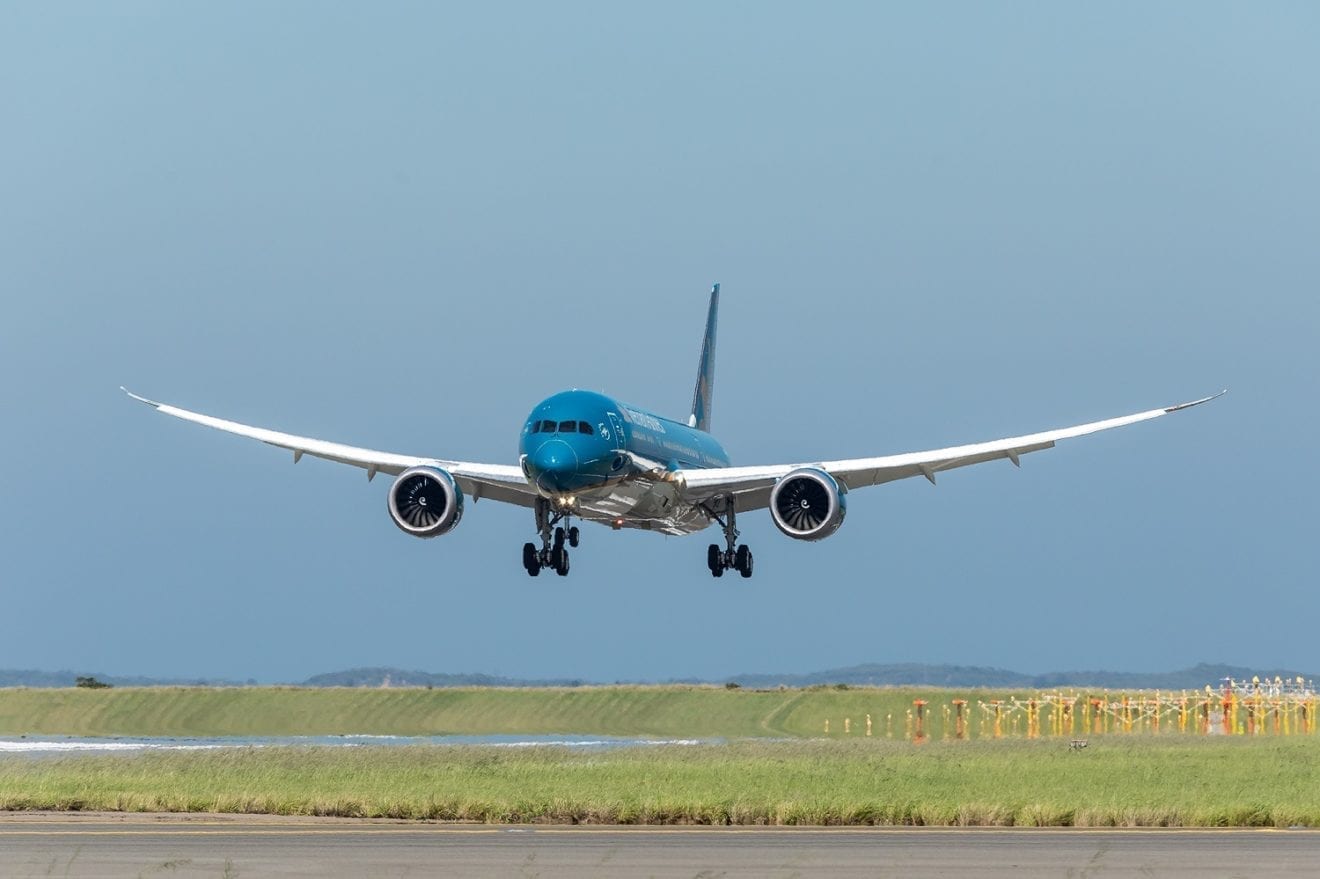
    VietJet plans to add routes to more countries while Vietnam Airlines reports high number of passengers. Vietnam’s two biggest airlines reported strong growth in domestic and international markets on Thursday, fuelling profits and talk of expansion plans.

    VietJet, the biggest private airline in the Southeast Asian nation, said it was adding routes to Japan, India and Australia as part of its strategy to become a global airline.

    Hanoi-based VietJet currently operates 38 domestic and 44 international routes. VietJet added 17 new aircraft last year to boost its fleet to 51 planes.

    VietJet said on Thursday it expected pre-tax profit to rise to VND5.8 trillion this year, up 9.4 percent from 2017. It also targeted a 20.5 percent rise in revenue to VND50.97 trillion from a year earlier.

    Its state-owned rival, Vietnam Airlines, said on Thursday its pre-tax profit jumped 71 percent in the first quarter as growth on domestic and international routes exceeded its forecasts.

    Pre-tax profit during the January-March quarter rose to VND1.46 trillion ($64.13 million), the airline said in a statement, up from 854 billion dong in the same period a year earlier.

    Vietnam Airlines said it carried five million passengers in the quarter, up five percent from the same period last year.

    “Demand remains high in Northeast Asian markets (Japan, South Korea), together with the implementation of market-driven solutions in the condition of high fuel prices,” the airline said, adding it will take delivery of its 12th Airbus A350 in the second quarter.

    Vietnam Airlines could launch non-stop flights to the United States in 2019, Chief Executive Officer Duong Tri Thanh said in February, but it would struggle to be profitable on U.S. routes due to the lack of business travellers.

  • Sales remains steady for Hermes

    Sales remains steady for Hermes

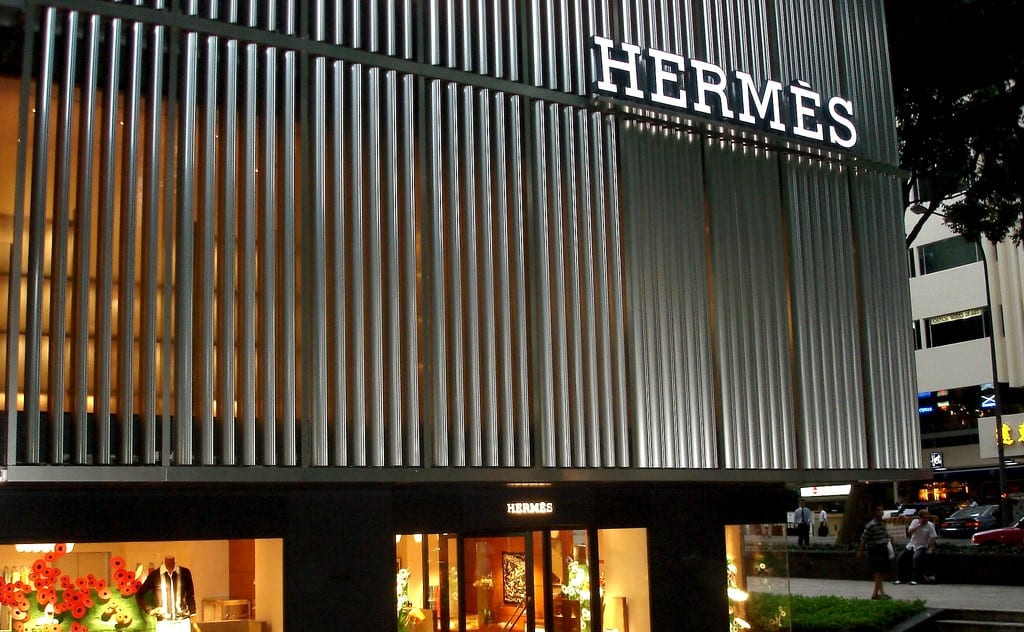
    Despite currency fluctuations knocking out €104 million (US$124.5 million) of revenue, Hermes International reports solid first-quarter sales with China again a hero.

    Excluding Japan, Asia achieved 16 per cent growth. Japan continued with outstanding growth of 8 per cent. In January, the group opened a Landmark Prince’s flagship store in Hong Kong.

    The French luxury fashion group’s consolidated revenue for the period amounted to € 1.3 billion, up 11 per cent at constant exchange rates and 3 per cent at current exchange rates with the strengthening of the euro.

    “This solid performance is the result of the well-balanced sales growth,” says executive chairman Axel Dumas. “It is particularly healthy as it is mainly based on an increase in volumes in the group’s stores.”

    Performance was driven by sound growth across all business lines, led by a 17 per cent jump in the ready-to-wear and accessories division. Perfumes also performed with 16 per cent growth.

    Meanwhile, Hermes Group finalised the sale of its former Galleria store on April 12, expected to generate a net capital gain of about €50 million.

  • New Zealand Consumer spending finished stronger in 2017

    New Zealand Consumer spending finished stronger in 2017

    Consumer spending growth accelerated to five per cent year-on-year in the three months to the end of December last year, with retail trade picking up momentum over the holidays, new National Australia Bank data has revealed.

    Up from three per cent growth y/y in the third quarter, NAB’s latest quarterly customer spending report, which measures around 2.7 million daily transactions through the bank’s facilities, has tracked spending increases across the entirety of metro and regional Australia.

    Retail trade increased 3.4 per cent y/y in Q417, up from 2.4 per cent in the third quarter, while accommodation and food services spending was 10.4 per cent, up 3 per cent.

    The Northern Territory was the strongest growth state for retail trade, up six per cent, offsetting a 0.6 per cent decline in Western Australia.

    Retail trade spending growth was 4.7 per cent in Victoria and 3.3 per cent in NSW. Across the entire economy Victoria was the strongest performer, while NSW and NT lagged.

    Average monthly customer spending during the quarter was up $166 to $2306 in metro areas and up by $104 to $2089 in regional areas.

  • HSBC’s big push into Asia

    HSBC’s big push into Asia

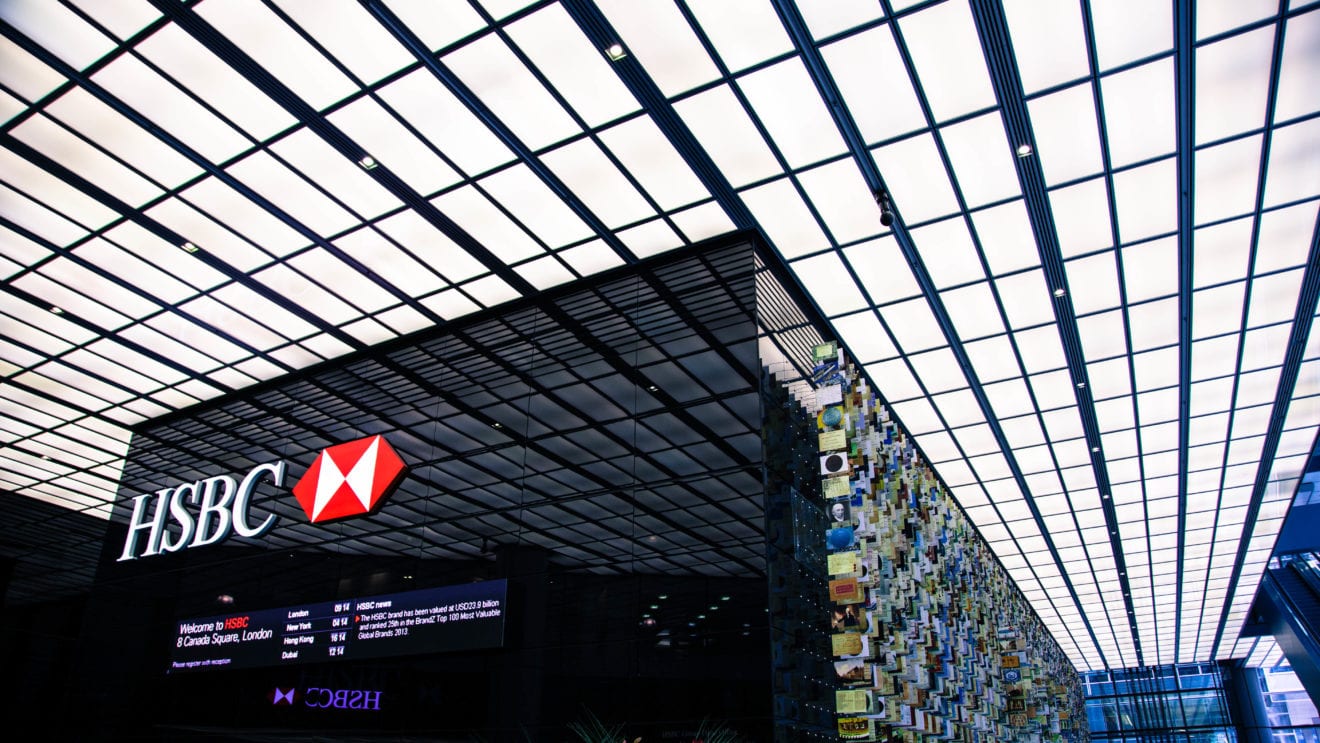
    HSBC’s adjusted pre-tax profit of $6,033m for the first quarter is in many senses disappointing. It was down 3% from a year earlier and fell short of analysts’ estimates. From an Asian perspective, however, HSBC’s Q1 financial results highlight the scope of its expansion in the region – growth which has also contributed to its rising cost base. If you’re thinking about applying to HSBC in Asia, here’s what its latest numbers tell us about jobs at the bank.

    Asia generated $4,756m in adjusted profit before tax in Q1, up 8% from a year earlier. By contrast, Europe’s contribution to profit fell 72% to $222m over the same period, while North America’s declined 16% to $438m. Asia now accounts for 79% of HSBC’s profit. This suggests that the firm is doubling down on its pivot to Asia (and to China in particular), a strategy that seeks to redeploy $100bn or more of assets into the region. HSBC announced the plans in 2015, adding that it would hire 4,000 staff in the Pearl River Delta region in southern China, although it still faces strong competition from local banks there.

    HSBC is hiring investment bankers in China…

    HSBC Qianhai Securities, the first joint-venture securities company in mainland China to be majority owned by a foreign bank, has been hiring in the first quarter. HSBC made “made strategic hires in our securities joint venture in mainland China”, group chief executive John Flint, said in a statement within the bank’s financial report, without elaborating. Qianhai, which was launched in December, already has licences to offer equity and debt sponsoring and underwriting, equity research and brokerage of locally-listed securities, and domestic and cross-border M&A advisory. First quarter investment in Qianhai contributed to rising costs at HSBC, Flint said.

    HSBC is hiring more technologists, product managers, developers and content producers as it expands its digital-banking team in Hong Kong, its main digital development centre alongside London. This expansion appears to have continued into Q1. Flint said in his statement that the bank has “invested to enhance our digital capabilities in all our global businesses”.

    HSBC’s Asian private bankers are getting more productive

    HSBC’s Global Private Banking division makes up just 2% of its profits globally, but it is expanding in Asia, particularly in Hong Kong. Revenue in the division increased by $45m or 10%, “mainly in Hong Kong, as higher investment revenue reflected increased client activity, and deposit revenue increased as we benefited from wider spreads”. Although HSBC’s report doesn’t reveal regional revenue or profit figures for GPB (or other divisions), it does disclose client assets. First-quarter AUM in Asia rose 18% year-on-year to $131bn. But while rivals – from UBS to UBP – have been aggressively hiring in the sector, HSBC’s headcount of relationship managers in Asia stayed static at 470 last year, according to Asian Private Banker. The AUM increase suggest that HSBC’s existing RMs are becoming more productive.

    The first quarter was also a fruitful one for RMs working in wealth management in Asia. Their unit (which serves clients who aren’t rich enough to use the private bank and is part of HSBC’s wider Retail Banking and Wealth Management division) saw its global income rise 27% year on year to $1,829m. The increase “was primarily in investment distribution, reflecting higher sales of retail securities and mutual funds in Asia, following increased investor confidence”.

    Like their counterparts at rival Asia-focused banks Standard Chartered and DBS, Asian transaction bankers performed well at HSBC in Q1. Revenue within the Commercial Banking division increased by $0.3bn or 10%, notably in global liquidity and cash management, as HSBC “benefited from wider deposit spreads in Hong Kong and mainland China”. Credit and lending revenue also increased in Hong Kong.

  • Rituals brand expands in Middle East and Asia with DFS

    Rituals brand expands in Middle East and Asia with DFS

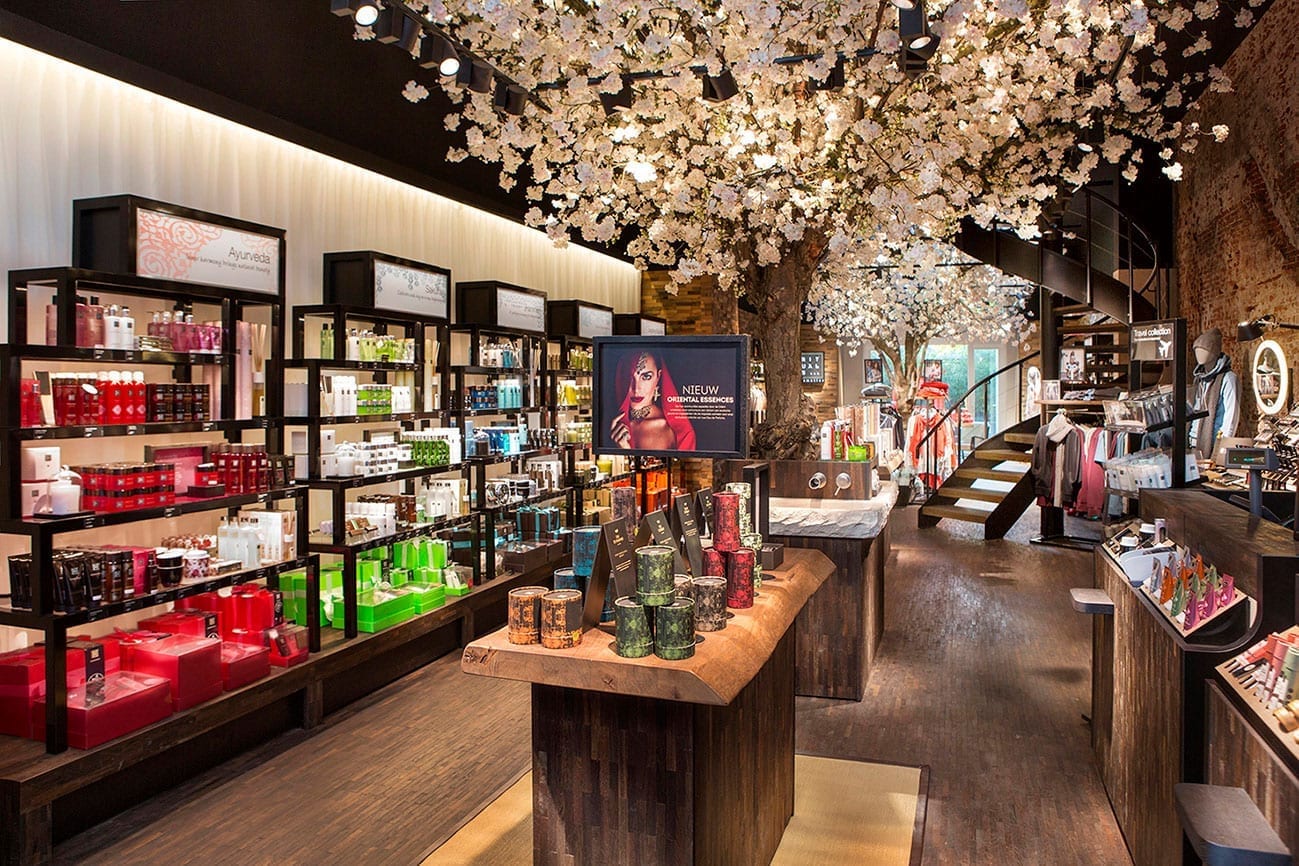
    Rituals, the British body and home products brand, has expanded its travel retail presence in the Middle East and entered the Asian market for the first time.

    The brand has opened a shop-in-shop at the DFS store in Abu Dhabi International Airport and commenced trading from a pop-up store at T Galleria by DFS, in Hong Kong’s Causeway Bay.

    The Abu Dhabi International Airport is Rituals’ seventh in the region

    The activation at Abu Dhabi is Rituals’ seventh in the Middle East territory, with stores in other countries including Oman, Dubai and Qatar.

    Rituals also revealed that the new Causeway Bay store in Hong Kong will be added to this year with the scheduled June opening of another pop-up in the country, also with DFS, at Sun Plaza in Canton Road.

    The new store in DFS’ Hong Kong, Canton Road T Galleria represents a major breakthrough in Asia Pacific for the brand

    The Rituals product line-up includes body and home products from its collections The Ritual of Sakura, The Ritual of Dao, The Ritual of Ayurveda and The Ritual of Happy Buddha. The brand also offers a range of travel exclusives and gift sets.

    Rituals Cosmetics Global Travel Retail Director Neil Ebbutt said: “Our presence in Dubai International airport with Dubai Duty Free and our shop-in-shop at DFS, Abu Dhabi International Airport are significant moves into the Middle East’s airport travel retail channel. And now our pop-up store at T Galleria by DFS in Hong Kong represents a major breakthrough for us in travel retail in Asia.”

    Rituals’ products are now available in travel-retail in almost 400 locations across 39 countries, including 10 standalone stores at airports around Europe.

  • MyRepublic gets $52m funding injection

    MyRepublic gets $52m funding injection

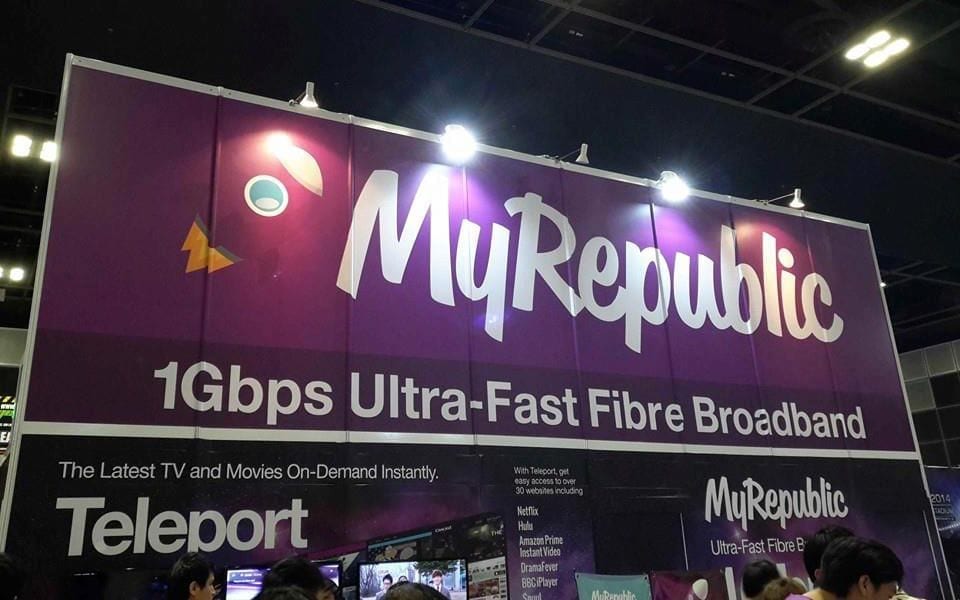
    Singapore-based ISP MyRepublic has secured a S$70 million ($51.9 million) investment to pursue further regional expansion and establish MVNO operations.

    The investment from the Makara Innovation Fund will be used to expand the company’s geographical footprint and further develop its platform, MyRepublic CEO Malcolm Rodrigues said.

    “We have been developing our proprietary cloud platform for the past five years, which has enabled us to deploy a single operational platform across countries and break industry records by turning EBITDA-positive within two years of entering each new market,” he said.

    “The investment will supercharge the platform’s development, support our aggressive growth path to expand our regional footprint within a record-breaking timeframe and deliver an even wider range of services.”

    Possible new markets include Malaysia, Philippines, Vietnam, Myanmar, Thailand, Cambodia and Sri Lanka, he said.

    As part of this expansion drive, the company is pursuing launching MVNO operations in each of its four current operating markets – Singapore, Australia, Indonesia and New Zealand.

    MyRepublic had initially been planning to commence MVNO services in Singapore only by the end of this year, but due to its expanded ambitions launch plans will be held over to the first quarter of 2018.

    MyRepublic is meanwhile targeting MVNO launches in Australia and Indonesia by the middle of next year.

  • Continental extends inbound deal with Kerry Logistics

    Continental extends inbound deal with Kerry Logistics

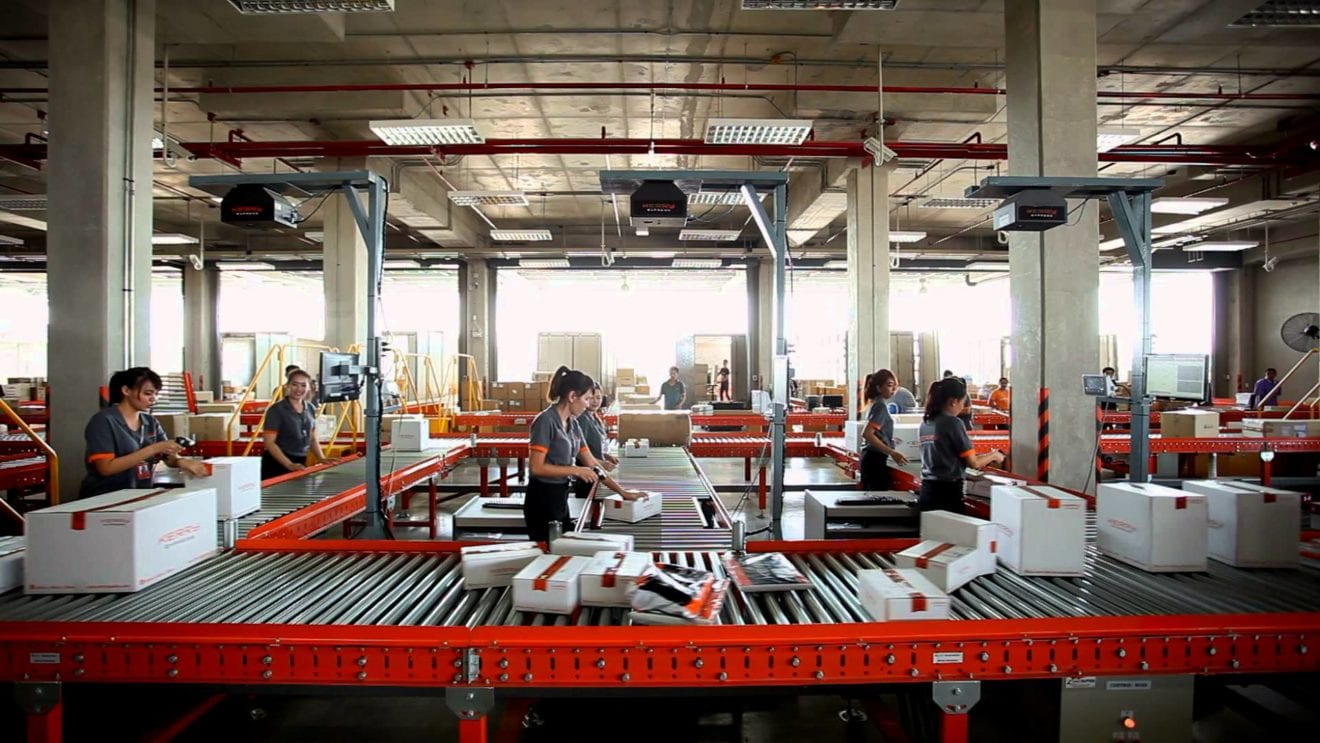
    Kerry Logistics has secured a four-year extension to its contract with the tyre-making division of tier supplier Continental.

    The third-party logistics provider’s division in Germany will handle international ocean freight export of tyres and provide logistics services for Continental’s procurement of raw materials to production sites worldwide, mainly from Asia.

    Kerry Logistics’ German division has been working with Continental for more than 25 years in providing procurement operations for raw materials including rubber, carbon black and steel cord from Asian source countries including China, Thailand, Japan, Malaysia, Indonesia and India.

    Kerry has 40 logistics professionals managing the transport of materials from Asia to western Europe. Continental’s tyre division has seen an increase of more than 10% in materials moved in recent years. The 3PL said it was now organising logistics solutions for Continental sites in 13 countries and managing transport services, as well as partly acting as customs broker. In addition, Kerry Logistics is now providing warehousing and distribution solutions in China and the United Arab Emirates.

    “We are delighted to continue our cooperation with Kerry Logistics,” said Jorge Almeida, senior vice-president, rubber division purchasing and corporate indirect materials at Continental. “Kerry Logistics’ global network supports us in our growth strategy and expansion of our international business. The team in Bremen provides tailored solutions that meet our supply chain demands, leveraging our sourcing and export activities in multiple countries.”

  • McDonald’s to screen World Cup 2018 matches

    McDonald’s to screen World Cup 2018 matches

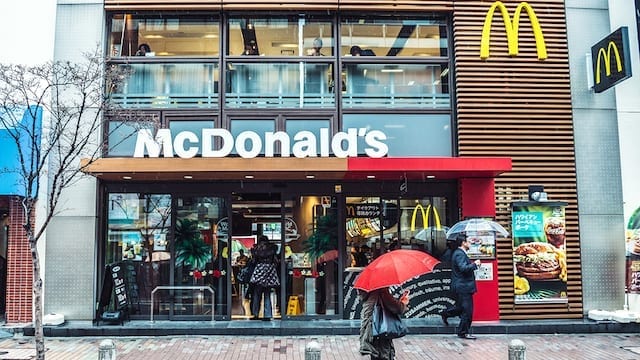
    After news of three local broadcasters bringing World Cup 2018 to Singapore, local organisations have also started revealing their plans to screen the matches with SAFRA and McDonald’s among those committing to do so.

    SAFRA, for instance, told Channel NewsAsia on Thursday (Apr 26) that it will be screening the football matches at all its clubs. Its members can also receive a “fun pack and enjoy exclusive premier members seating” during the live screening of the matches, SAFRA said.

    It will not screen all matches though, it later clarified.

    SAFRA had screened matches at four of its clubs the last time the international football competition was held in 2014.

    SAFRA also said food and beverage (F&B) vendors will offer “special treats and promotions” during these screenings. It will be organising football clinics at selected clubs during the same period for parents and children to pick up some skills, it added.

    Meanwhile, the People’s Association (PA), when asked of its plans, said in an email: “We are exploring with the telcos and will keep you updated.”

    It had screened the football matches live and for free at 30 Community Clubs in the previous edition.

    As for F&B establishments that regularly broadcast sports, they are also firming up their plans for the upcoming World Cup, which is being held in Russia from Jun 14 to Jul 15.

    McDonald’s told Channel NewsAsia: “In the spirit of our global FIFA World Cup sponsorship, we will be screening selected World Cup matches in 22 of our restaurants across Singapore.”

    Harry’s is another that intends to screen the football matches this year.

    Ms Hannah Teo, senior manager for sales and marketing at Harry’s International, said it will screen all 64 matches, but some of its outlets may not show the 2am games.

    “It also depends on the broadcasting commercial fees which have yet to be announced,” she added.

    Brewerkz, too, shared that it intends to show the matches at selected outlets, but most likely not all the matches. “We have not made a final decision at the moment,” a spokesperson said in an email.

    She added that they are still waiting for the pricing to be revealed.

    Mediacorp, which is broadcasting the matches on its Toggle platform, said the package price for corporates start from S$2,876.16 but this depends on screen size and when they sign up. It is the standard pricing for all broadcasters.

    For those signing up for the Toggle 2018 FIFA World Cup Russia Pass for Standard Screen (up to 50 inches), the early bird pricing is S$2,876.16 for the first screen and S$2,020.16 for each subsequent screen, the local broadcaster said. The early bird promotion will be until May 22, similar to the deadline for consumers.

    Those looking to sign up for the pass for larger screens of 51 inches to 99 inches, the early bird price is S$5,016.16 for the first screen and S$3,090.16 for each subsequent one, it added.

    Once the early sign-up period ends, prices for the Standard Screen is S$3,090.16 for the first screen and S$2,020.16 for each subsequent screen. Similarly, it is S$5,230.16 for the first screen and S$3,090.16 for each one after for those with 51 inches to 99 inches television sets.

    As for the package for Indoor Public Screens, for screen size of 100 inches and above, the fee is S$5,230.16 per screen with no early-bird promotion pricing.

  • Korean telcos object to universal fare plan

    Korean telcos object to universal fare plan

    South Korean operators are protesting the government’s proposed introduction of a “universal fare plan” that would require the market’s top operator to provide a low-cost plan to help households reduce mobile costs.

    The government is planning to revise the Telecommunications Business Act to require the top ranked operator to offer a plan including 200 minutes of voice calls and 1GB of data for around 20,000 won ($19).

    While the regulation would technically only impact incumbent SK Telecom, rivals KT and LG U+ have complained they would have no choice but to release similar plans to remain competitive.

    The three operators are protesting the government’s plans on the basis that it could be devastating to their profitability – SK Telecom estimates that operating profits for the three companies could be reduced by up to 60% as a result of the move – and that it imposes too much state intervention into their businesses.

    This would be coming at a time when operators will need to make huge investments in 5G infrastructure to support their goals of launching 5G services in early 2019.

    Government and SK Telecom officials failed to reach a consensus during a meeting to discuss the proposed change by the Regulatory Reform Committee late last month, the report states. The committee plans to hold a new meeting next week to continue the discussion.

    Under the proposal, the universal fare plan would be revised every two years. But SK Telecom has argued that the plan would effectively force operators not to conduct marketing activities and eliminate the incentive to compete with each other.