Tag: asia

  • Singapore first overseas restaurant for Unagiya Ichinoji

    Singapore first overseas restaurant for Unagiya Ichinoji

    Japanese restaurant chain Miyagawa Honten has opened its first overseas outlet with Unagiya Ichinoji at Singapore’s Robertson Quay.

    Its Japanese head chef trained for three months in a Miyagawa Honten outlet to master the skills needed for creating unagi. The chain first steams the unagi before grilling it. All cuts are marinated with sansho (the Japanese equivalent of Sichuan peppercorn) and kuro shichimi (a traditional blend of seven black spices) before being basted with tare sauce while being charcoal grilled.

    The signature Hitsumabushi is offered in three sizes, and options are unagi over rice with nori, wasabi, green onion or dashi. Side dishes include unagi chawanmushi, unagi bone cracker, unagi sushi roll, unagi omelette, unagi salad and unagi simmered boiled liver.

    The 34-seater restaurant does not accept reservations.

    Miyagawa Honten launched 125 years ago in the Tsukiji district of Tokyo.

  • Zoomlion using Cloudera to boost big data platform

    Zoomlion using Cloudera to boost big data platform

    Chinese construction machinery and sanitation equipment manufacturer Zoomlion has adopted machine learning and analytics company Cloudera’s platform to serve its growing big data demands.

    Zoomlion will use Cloudera Enterprise to offer data management and analytics services to customers in over 100 countries across six continents.

    Zoomlion’s big data platform collects and processes a wide variety of data from three main sources, including internet of things data including real-time working conditions and location information of more than 120,000 high-tech, industrial and agricultural machines.

    The platform also collects internal core business system data from enterprise resource planning, customer relationship management and financial systems, as well as data collected from external sources including official websites, social media channels and data purchased and exchanged with third parties.

    The platform is able to continuously analyze equipment operations, detect potential failures, provide fault warnings, and generate operational statistics whilst creating new revenue streams and enhancement capabilities.

    In addition, Zoomlion uses the platform to help customers to optimize their own operational management capabilities, reducing operating cost and improving efficiency of equipment management.

    “We chose Cloudera to upgrade our data and analytics infrastructure and enhance our competitiveness. Cloudera’s modern platform helps us manage and analyze data more effectively, enabling us to drive down costs and improve asset performance,” Zoomlion Heavy Industry Science and Technology big data department director Zhou Zhi Zhong said.

    “We are empowered to create more value for our customers, innovate with new products and services and create new revenue streams for our business.”

  • Starbucks Uruguay opens first cafe in the country

    Starbucks Uruguay opens first cafe in the country

    Starbucks Uruguay has opened its first cafe, located in the capital city Montevideo.

    The Seattle-headquartered coffee giant appointed Alsea International as its local partner, a leading restaurant operator in Latin America and Spain, whose brand portfolio already includes Domino’s Pizza, Burger King, Chili’s, California Pizza Kitchen, PF Chang’s, Italianni’s, The Cheesecake Factory, Archie’s and Foster’s Hollywood. It has 3300 stores in total in Mexico, Argentina, Chile, Colombia, Brazil and Spain, including 900 Starbucks outlets in include Mexico, Colombia, Argentina and Chile.

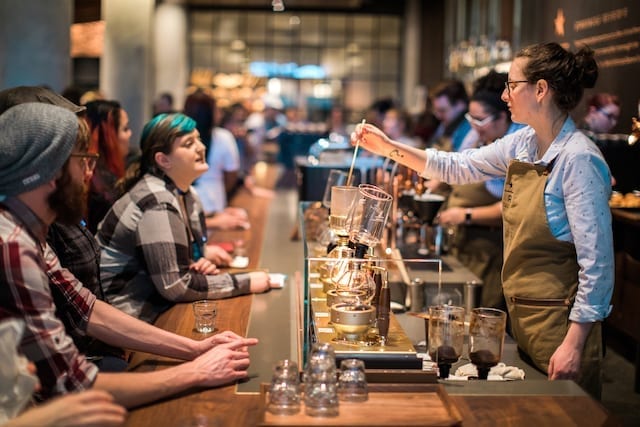
    The debut Starbucks Uruguay store is located in the Montevideo Shopping mall. Starbucks says the store’s design honors Montevideo city and its culture. Exposed concrete columns and ceilings bring character and texture to the store. Custom leather details  – a material with great local relevance – are designed to evoke a warm ambience. The cafe has a green living wall with local plants to connect the store to the origins and environment of a coffee farm.

    One of the most striking features of the store is a mural painted by Nicolas Alfalfa, a local artist. Alfalfa was able to illustrate the Siren, the iconic symbol of the Starbucks brand, over a concrete finish, extending across the back wall of the store and which can be observed from any point within the space.

    “Our first store in the beautiful country of Uruguay marks a key milestone for our expansion in Latin America,” said Ricardo Rico, Starbucks GM and VP for Latin America.

    Federico Tejado, director of Alsea International, said at least five Starbucks Uruguay stores would be opened this year and 10 by 2020.

    “We are proud to present a one-of-a-kind store that will make all our partners and customers in Uruguay feel proud,” said Pablo Jaratz, GM of Starbucks Uruguay. “Our passionate and knowledgeable baristas have spent many months training with some of our best Starbucks baristas, coffee masters and experienced partners only for this day.”

  • Carrefour Taiwan performs well in sagging Asia market

    Carrefour Taiwan performs well in sagging Asia market

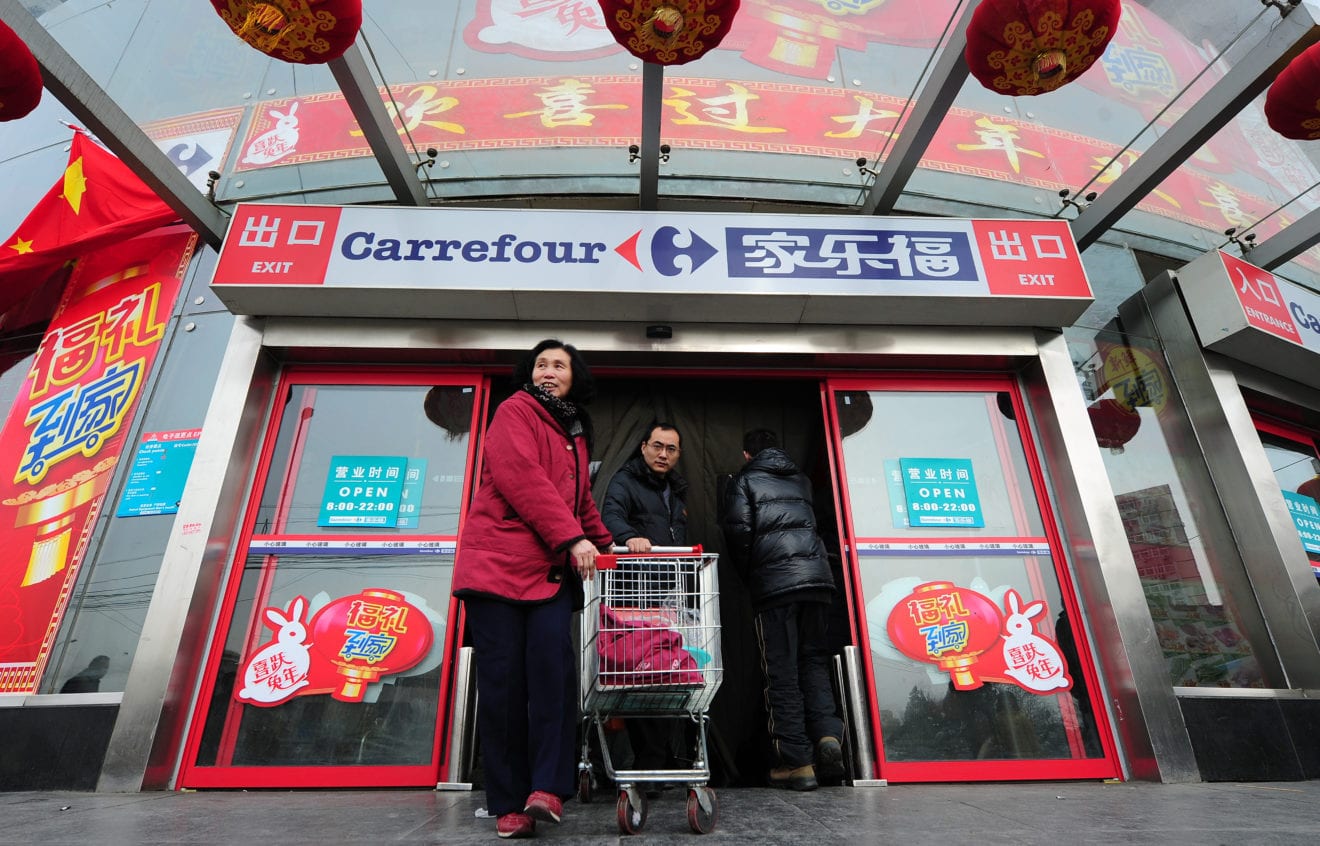
    Carrefour Taiwan showed growth for the 13th consecutive quarter while in the rest of Asia first-quarter sales sagged for the French hypermarket operator.

    Taiwan’s like-for-like sales rose by 3.3 per cent.

    A strategic partnership formed with Tencent in China rapidly materialised, says the group, including the launch of a WeChat app.

    However, like-for-like sales in China fell by 6.6 per cent in a competitive environment especially in e-commerce, notably during the Chinese New Year celebrations.

    Sales for Asia overall were down by 4.5 per cent at constant exchange rates and 3.9 per cent like-for-like, in line with trends in previous quarters.

    Overall, Carrefour’s first-quarter sales reached €20.7 billion (US$25.5 billion), up 2.6 per cent at constant exchange rates. On a like-for-like basis, the rise was only 0.4 per cent, impacted by less dynamic markets in Europe, continued deflation in Brazil, strong competitive pressure in the group’s main markets, and business disruptions in Belgium and France.

  • Singapore retail sales buoyed by Lunar New Year

    Singapore retail sales buoyed by Lunar New Year

    Singapore retail sales – excluding motor vehicles – rose 14 per cent in February, reflecting the changed timing of Lunar New Year observation.

    Compared with January, they rose 1 per cent.SG Feb retail sales

    Statistics Singapore estimated the total value of retail sales in February – including motor vehicles – at S$3.7 billion. Online sales accounted for 3.9 per cent of total retail sales.

    Food retailers (excluding supermarkets) recorded the biggest increase by category – up 61.2 per cent as people prepared for celebrating the New Year. Apparel sales rose 42.4 per cent. Sales at supermarkets and department stores rose by an average of 25 per cent.

    Meanwhile, sales of food and beverages at cafes and restaurants rose 4.9 per cent year-on-year.

    SG Feb retail sales FB

  • Fast Retailing Group’s profit soars despite efforts

    Fast Retailing Group’s profit soars despite efforts

    Fast Retailing Group’s profit soared 30.5 per cent in the six months to the end of February – on sales up a healthy 16.6 per cent.

    The Japanese fast-fashion company, which owns Uniqlo and GU, among other brands, said consolidated revenue totalled ¥1.1867 trillion (US$11.05 billion) while operating profit reached ¥170.4 billion (US$1.587 billion).

    Uniqlo’s international business drove the growth, with both Uniqlo Japan and the fast-growing GU brand performing strongly as well.

    As it pursues its medium-term vision to become the world’s largest apparel retailer, the company is focusing on Uniqlo and GU. It sees opening global flagships and large-format stores in major cities around the world as a key strategy “to help consolidate Uniqlo’s position as a key global brand”.

    “Within the Uniqlo International segment, Greater China (Mainland China, Hong Kong and Taiwan), Southeast Asia and South Korea are entering a new stage of growth as the key drivers of operational growth for the Fast Retailing Group,” the company said in an earnings statement.

    Operating losses at Uniqlo USA contracted, putting that business on track to turn a profit going forward.

    “In terms of the GU operation, we plan to open more GU stores in Japan, while expanding the brand’s international presence, especially in Greater China.”

    Uniqlo’s domestic Japanese operation also achieved an increase in sales and profit in the first half year. Revenue totalled ¥493.6 billion (up 8.5 per cent) and operating profit ¥88.7 billion (up 29 per cent). In the six months to February 28, same-store sales, including online sales, expanded by 8.4 per cent year-on-year. Online sales increased 31.6 per cent to constitute 7.5 per cent of total revenue.

    Uniqlo International’s profitability improved in Greater China and South Korea on higher sales, driven by strong sales of winter ranges such as HeatTech and down. Uniqlo Southeast Asia and Oceania continued to generate a strong performance, with solid demand for summer clothing and firm demand from travellers for winter clothing resulting in significantly higher first-half revenue and profit.

  • Second flagship store for Lego Group China

    Second flagship store for Lego Group China

    Lego Group China has started building a flagship store at People’s Square, Shanghai.

    “Opening our second flagship store in China reconfirms our long-term commitment to the country,” says Lego China GM Jacob Kragh.

    Covering 585sqm over two floors inside Shanghai ShiMao Festival City, the store will feature the first Lego personalisation experience of its type in China, allowing guests of all ages to be creative and innovative with Lego bricks.

    Lego brand retail senior VP Claus Flyger Pejstrup says the aim is to give families an opportunity for quality time together above and beyond shopping.

    The new store, which follows the introduction of flagships at Shanghai Disneyland and Leicester Square in London is expected to create about 45 jobs. Recruitment start this month.

  • AirAsia opens Cebu-Shenzhen route on May 9

    AirAsia opens Cebu-Shenzhen route on May 9

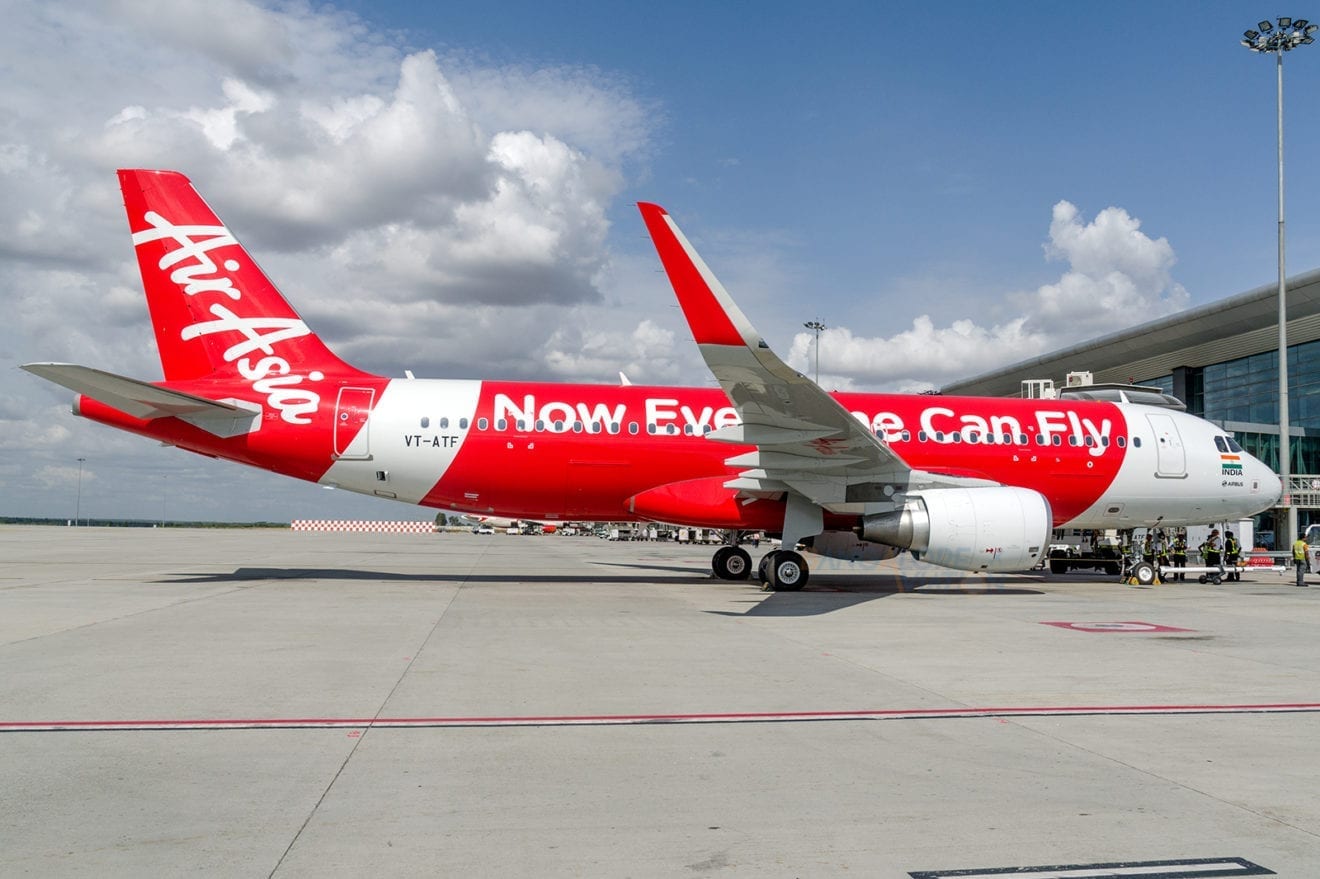
    Budget carrier Philippines AirAsia is enhancing its route with the introduction of a new one from Cebu to Shenzhen, China.

    Starting on May 9, AirAsia will fly daily directly between Cebu and Shenzhen, making that city its first Chinese destination out of the Queen City of the South.

    “The addition of our first China route from the Cebu hub enables us to further strengthen our network outside Metro Manila and open up new and exciting places to visit this summer,” Philippines AirAsia CEO Dexter Comendador said last Sunday.

    Shenzhen is located in the Pearl River Delta metropolitan area and is one of the major economic hubs of China.

    Known as “China’s Silicon Valley,” Shenzhen is home to some of the top start-up and tech businesses in the world, including the headquarters of popular global companies such as Huawei, BYD and ZTE.

    “Cebuano travelers would be delighted to experience Shenzhen’s modern metropolis and marvel at how the southern city that links Hong Kong to mainland China built the world’s largest electric bus fleet, massive malls, contemporary buildings and amusement parks,” Comendador said.

    AirAsia is strengthening its operations outside Metro Manila due to capacity constraints in the Ninoy Aquino International Airport.

    It has a fleet of 17 planes as of end-December. For 2018 it is expected to take delivery of five more jets, bringing its fleet to 22 planes by end-2018.

  • DHL expands e-commerce fulfilment internationally

    DHL expands e-commerce fulfilment internationally

    DHL Parcel and DHL eCommerce are now offering online retailers a global solution for their e-commerce fulfilment needs with a global fulfilment platform and new fulfilment centers in the UK, Americas and South-east Asia.

    Today’s e-commerce market is placing aggressive demands on the retailer to provide fast fulfilment and delivery, and doing so without increasing costs. This is simply not possible for most merchants because they lack capital or the ability to manage the complexity.

    DHL has built a new IT platform that provides access to a network of fulfilment centres and is closely integrated with DHL’s shipping capabilities to allow our customers to meet their fulfilment and shipping requirements in a much more efficient fashion.

    DHL is investing in this platform as well as in expanding its fulfilment centres in key international markets, enabling retailers to reach their consumers worldwide.

    “Without seamless and reliable logistics processes, the current e-commerce boom would be inconceivable. The physical storage of ordered goods, their picking and packaging, the global shipping and delivery to the end-user’s front door or desired address – we now offer all of this in even more markets and from one single source,” says Jürgen Gerdes, CEO of the Post – eCommerce – Parcel division at Deutsche Post DHL Group.

    “By further internationalizing our fulfilment portfolio we will be able to do even more to help online retailers tap into new regions and benefit from the global e-commerce boom.”

    With existing fulfilment centres in the U.S., Mexico, Colombia, Hong Kong, India, Australia, Germany, and now in the United Kingdom and South-east Asia, DHL already covers major e-commerce markets with its own presence and will expand these further in the future.

    Situated near London on an area of about 6,500 square meters, the latest addition to the fulfilment network in the UK town of Radlett, offers great potential for same-day processing for the Greater London area due to the centre’s good transport links.

    Apart from the centre in Radlett, DHL is already working on the expansion of its fulfilment centres across other European markets, like the Netherlands, Poland or Switzerland.

    The new IT platform allows DHL to provide online retailers with access to all of these e-commerce regions from a single source. This ensures simple and secure data synchronization as well as an easy connection to new business locations or regions since a reintegration is no longer required.

    “Online retailers don’t have to look for new logistics partners any more if they want to expand their international reach,” Gerdes says.

    By directly integrating the new DHL solution into the webshop of the relevant retailer, the business can access different reporting options in real time and view current order data, for example, or the stock of individual products.

    More and more retailers and companies recognize the increasing importance of smooth fulfilment processes because traditional approaches that are aligned with individual sales channels have long since failed to satisfy the purchasing habits and expectations of modern consumers.

  • Nok Air touches down at Mae Hong Son

    Nok Air touches down at Mae Hong Son

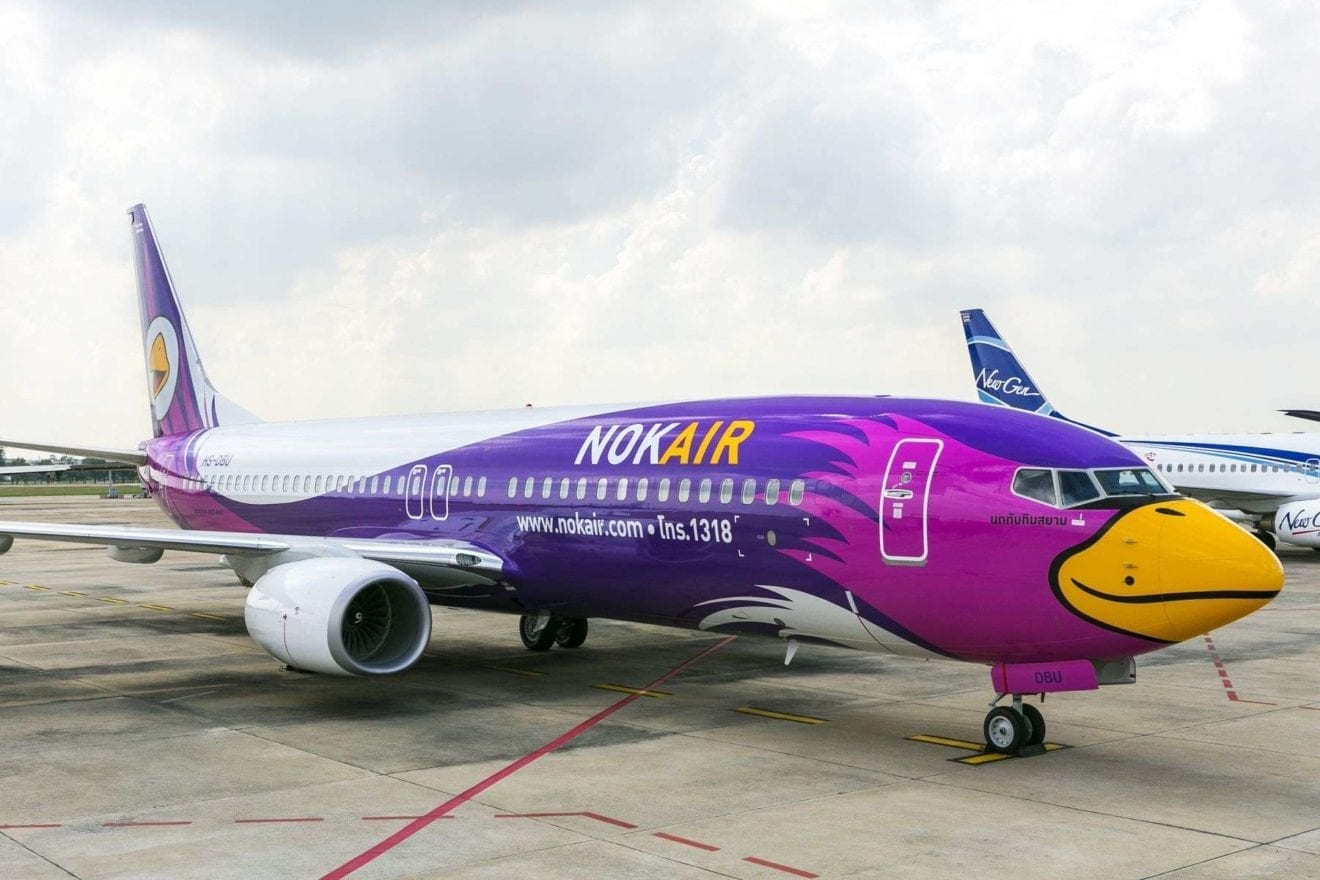
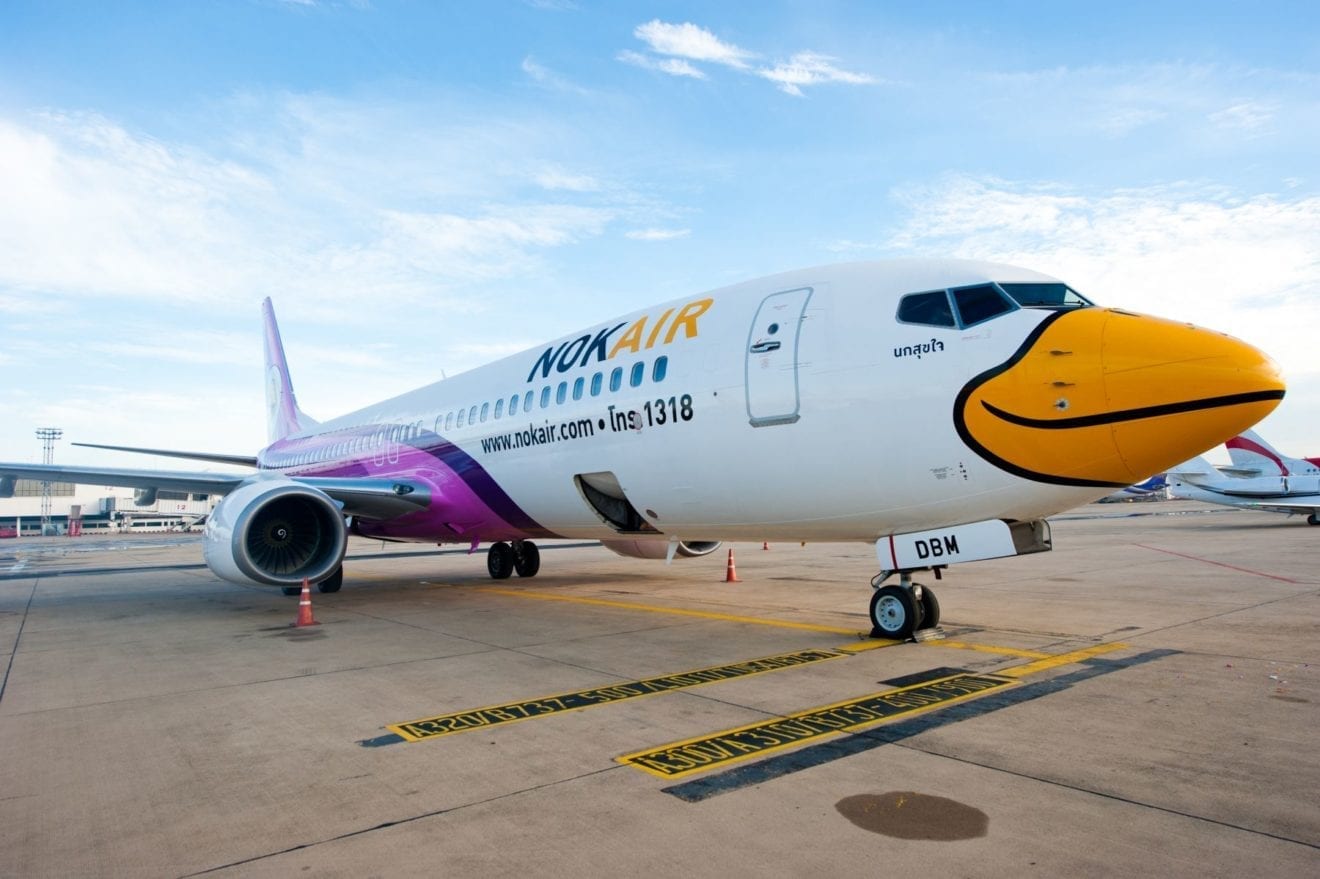
    Nok Air landed smoothly at Mae Hong Son Airport in a maiden flight that re-established the long-awaited direct air link between Bangkok and the northwestern city.

    The arrival of flight DD8214, operated by a 72-seat ATR72-500 turboprop, marks a new era for easy connection between the Thai capital and “the city of three mists.”

    Officiating the launch was Transport Minister Arkom Termpitthayapaisith, Mae Hong Son Governor Suebsak Aiamwijan, Nok Air CEO Mr. Piya Yodmani, Thai Airways International (THAI) Acting President Usanee Sangsingkeo and THAI Smile Acting Managing Director Chatchai Panyoo.

    The city was without direct service from Bangkok for decades mainly because of limited demand for both leisure and business travel.

    But with Nok Air’s newly-introduced services, at three flights a week, Mae Hong Son’s economy, particularly its high-potential tourism industry, will be given an impetus.

    The launch quickly responds to the Government’s recent directive to enhance access to the province whose economic and social development has been in greater focus, said Mr. Piya.

    The introduction was also made possible by cooperation extended by THAI and subsidiary THAI Smile which became code-share partners for the flight under the umbrella of THAI Group which the three carriers belong, he added.

    Subject to robust demand, Nok Air may step up the Bangkok-Mae Hong Son frequencies, now on Wednesday, Friday, and Sunday, on a daily basis, according to Mr. Piya.

    The ATR72-500 turboprop was chosen for the flights because it can operate on the shorter runway at Mae Hong Son airport.

    Mae Hong Son Governor Suebsak welcomed Nok Air’s decision to offer regular Bangkok-Mae Hong Son service for it would spur the province’s development, especially the tourism sector.

    “It would help spreading out tourism to the wider area of Mae Hong Son, rather just the current hotspot at Pai,” he noted.

    Last year, Mae Hong Son attracted 862,219 tourists with total spending of THB 4.17 billion.

    Nok Air CEO, Mr. Piya estimated Nok Air could bring in at least 20,000 tourists directly by air to the province this year.

    Access to Mae Hong Son by ground transport is a challenge, a mountain road that boasts 1,864 hairpin bends end-to-end.

    Nok Air will cover the distance from the Thai capital and Mae Hong Son in one hour and 50 minutes.

  • Nanda sells shares to L’Oreal

    Nanda sells shares to L’Oreal

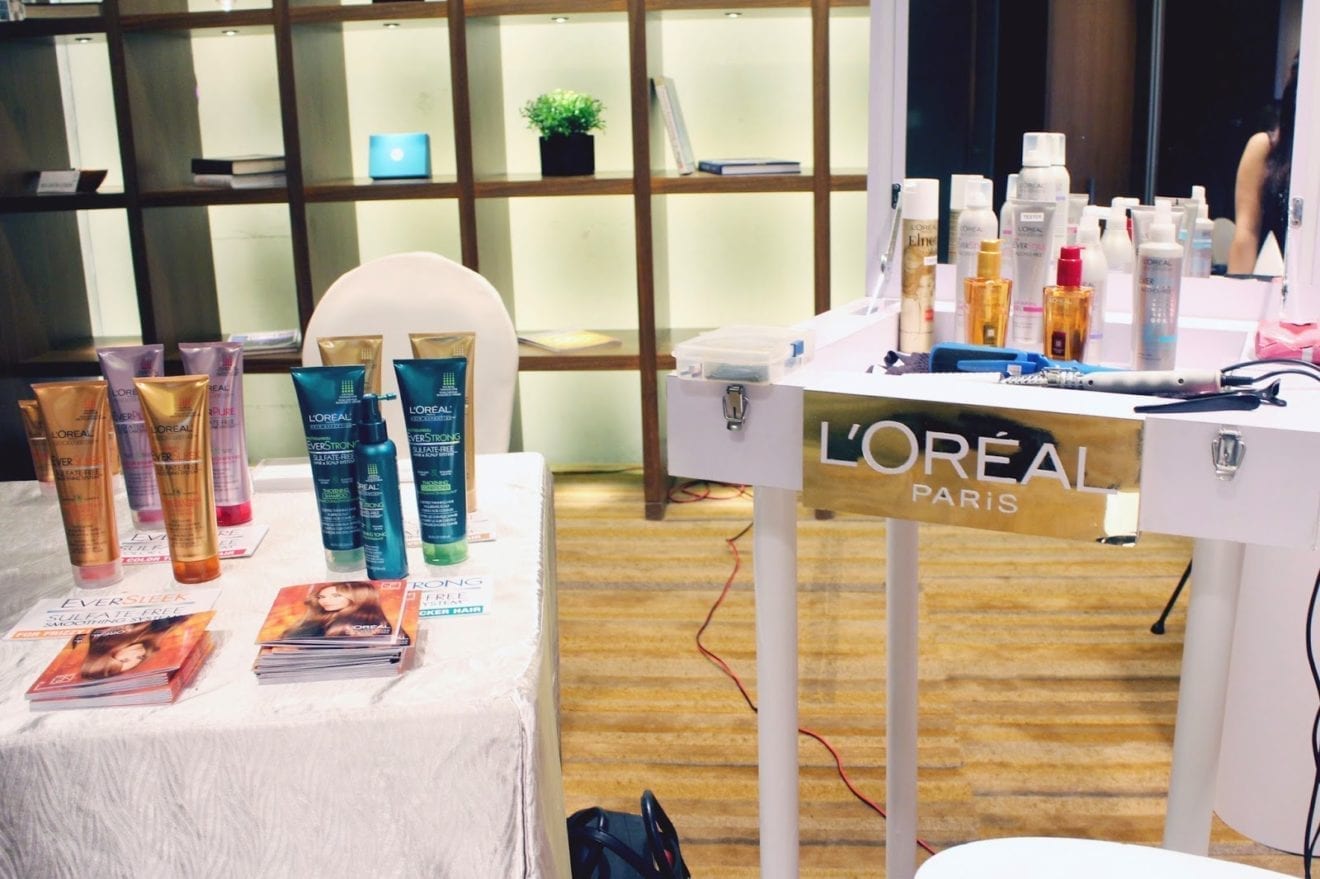
    Korean fashion and cosmetics company Nanda has chosen L’Oreal as the preferred bidder for a 70 per cent stake, with the balance of shares staying in the hands of Nanda founder Kim So-hee.

    The French cosmetics giant is reportedly paying KRW400 billion (US$375 million) for the deal with the hopes of strengthening its presence in the Asian cosmetics market, especially China.

    Nanda late last year decided to sell the stake so it could expand further internationally.

    Founded in 2005 as an online retailer, Nanda now has physical stores in Korea, Hong Kong, Indonesia, Thailand and Tokyo with its clothing line StyleNanda and cosmetics line 3CE.

  • Priceza Indonesia data shows Ramadan boom

    Priceza Indonesia data shows Ramadan boom

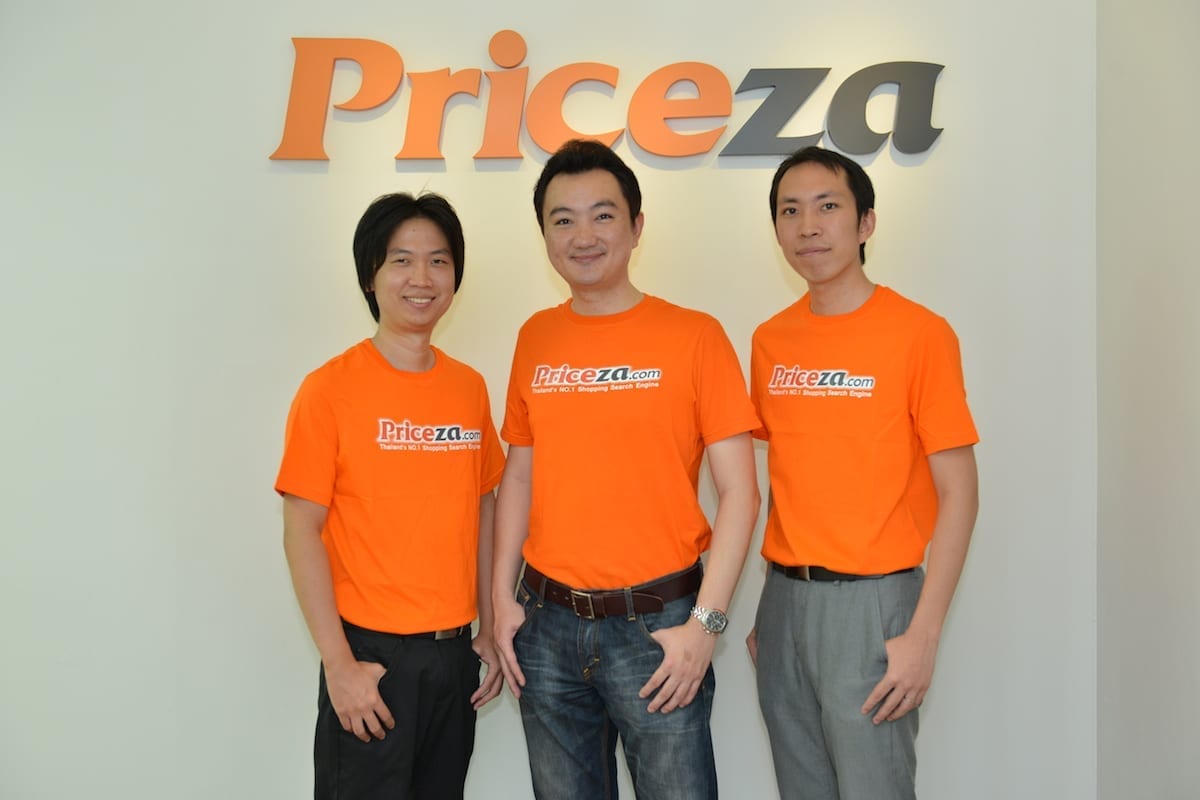
    Ramadan month is the most popular time for online shopping in Indonesia, data from shopping search engine and price comparison platform Priceza Indonesia shows.

    Click rates increased by 26 per cent compared to the previous month, its figures show, while transaction values rose by as much as 16 per cent.

    Priceza Indonesia says this is in line with conventional shopping, where the turnover of traditional traders can double and even triple in some cases as Lebaran (Eid Al Fitr) approaches.

    During the Ramadan period to its peak on Lebaran day there was a “significant transaction boom”, says Priceza Indonesia co-founder/country head Bayu Irawan.

    “This means the traditional month of Ramadan is still going to be effective for e-commerce promotional programs.”

    Indonesian consumers tend to spend their time shopping online during the holiday, says Priceza Indonesia. Its data shows the top three categories during the month are fashion, electronics and smartphones.

    Priceza was established in Thailand in 2010, with the Indonesian offshoot starting in 2013 with nearly 4.5 million users a month. The platform is also active in Malaysia, Singapore, Philippines and Vietnam.

  • Nok Air to cut and reschedule flights to solve flight delay

    Nok Air to cut and reschedule flights to solve flight delay

    Nok Air airliner has decided to reduce the number of its flights to avoid the problem of flight delay and, at the same time, has put on standby two planes to be brought in from U-tapao airport in case there is a problem of plane malfunctioning, said Nok Air CEO Piya Yodmanee.

    Noting that turbulent weather is another reason for several flight delays, he made clear that Nok Air would not allow its planes to leave the airport in case of turbulent weather for safety sake.

    Due to smoke problem from forest fires which usually takes place in the morning for flights in northern provinces, he said the airline would reschedule the morning flights for the routes to Tak, Lampang, Mae Hong Son and Loei to the afternoon.

    However, during the Songkran festival, two more flights for the four routes will be added each day to cater to the increasing demand of travelers, said Mr Piya.

    Starting May until September, Nok Air will reschedule the timetable of some flights during the dry season and to cut down five flights a day during the period.

    Nok Air management on Friday (March 30) met with senior officials of the Civil Aviation Authority of Thailand led by Mr Chula Sukmanop at the CAAT head office to discuss Nok Air’s frequent flight delays which have attracted a lot of criticisms from domestic travelers.

    Mr Chula said flight delays were caused by a number of factors, including turbulent weather and congested air traffic.  He said Nok Air agreed to train a group of its staff who will deal with passengers in case of flight delays and to put on standby two planes which will be put into service in case of emergency.

  • Mulberry looks into Australia

    Mulberry looks into Australia

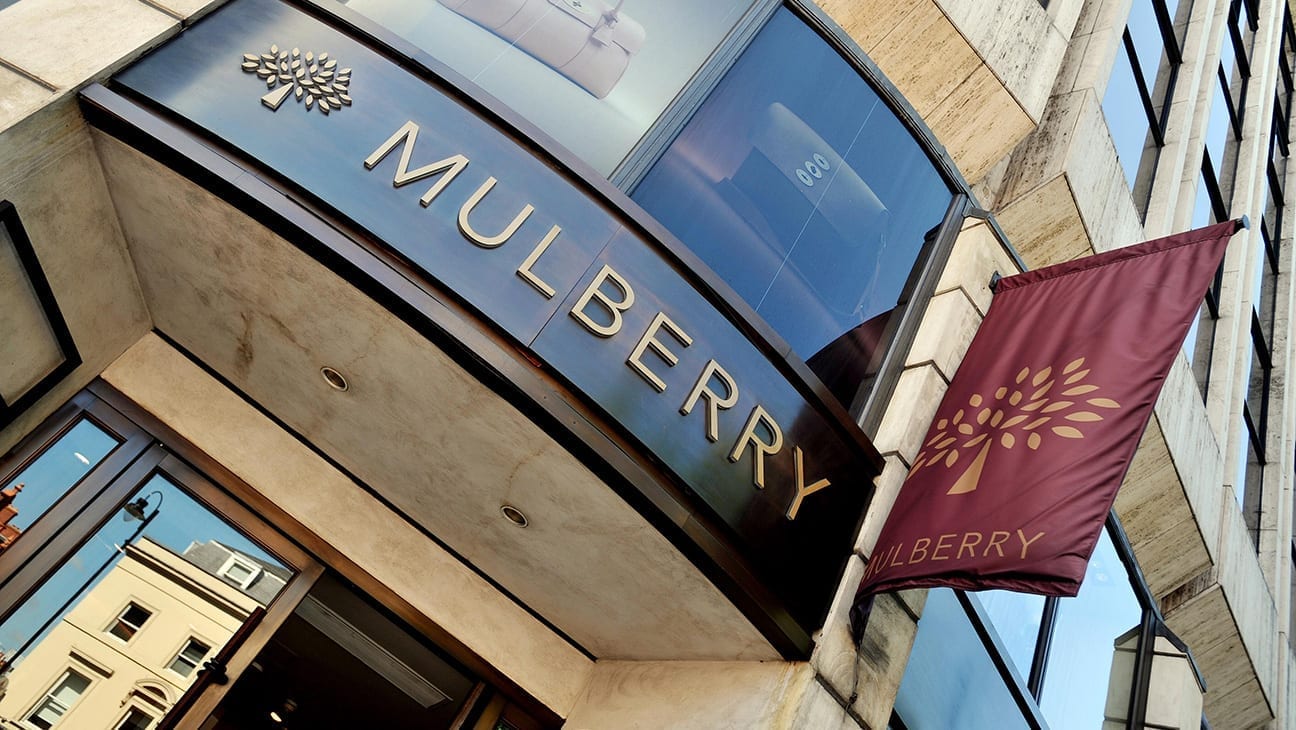
    Luxury leather goods retailer Mulberry has flagged Australia as one of its next international targets and has inked a deal with Luxury Retail Group to help it oversee its local expansion.

    Three stores have already been leased, including a 244-metre squared corner site in Melbourne’s renowned Emporium centre, which will open in July and serve as a design concept.

    It will be the second run at the Australian market for the British business, which bought back its distribution rights from a previous partner last year and has been trading out of a single store on Sydney’s Pitt Street since 2010.

    Under its exclusive distribution deal with LRG that store will be closed, and new stores will be opened in Melbourne’s Chadstone shopping centre and Sydney’s Queen Victoria Building.

    “We are incredibly excited by this new partnership,” said LRG managing director, Nelson Mair. “And

    look forward to achieving strong growth results and new customer reach within the market.”

    Mair had previously signaled that LRG was looking for a new luxe brand to work with Down Under after selling back local distribution rights to Furla and Follie Follie Group in Australia last year, the business is also distributing Kering Group’s Balenciaga brand in Australia and owns online footwear retailer Sneakerboy.

    Mulberry, headquartered and publicly listed in the UK, already sells its range of menswear, womenswear, accessories and footwear in 24 other markets around the world, including China, South Korea, The United States and Japan.

    “I am pleased to announce our partnership with LRG in Australia. We look forward to seeing significant growth and opportunity for Mulberry in this market,” Mulberry chief executive Thierry Andretta said of the expansion in a statement.

    Mulberry’s long-term strategy is to define itself as a global luxe brand, but the company has fallen under a cloud in recent years, suffering an 80 per cent decline in profits since 2012 amid disruption within the global retail market.

    Andretta, who was appointed in 2015, has been working to improve the fortunes of the business by moving to a direct to customer model and last year oversaw the company’s first revenue increase in several years, increasing sales by 7.7 per cent to £168.1 million (AUD$308m).

    LRG said that additional store leases are already being considered for the brand in Australia, with the initial slate of stores to serve as an indication of how local customers respond to the business.

  • TrueMoney Vietnam wins payment services license

    TrueMoney Vietnam wins payment services license

    TrueMoney Vietnam has obtained an Intermediary Payment Services License from the State Bank of Vietnam to operate digital financial services in the market.

    The company, part of Thailand-based True Corporation’s payment services subsidiary Ascend Money, has secured approval to operate e-money, e-payment, wireless transfers, and payment gateway services.

    With the approval, Vietnam will be the second country in the region to launch TrueMoney Wallet after Thailand.

    Consumers in Vietnam are expected to be able to use TrueMoney Wallet to make online purchases, pay bills and top up their pre-paid mobile and gaming cards, as well as to transfer money from their bank accounts to the digital wallet and from their wallet to other wallets.

    Offline and online merchants will be able to use TrueMoney’s system as a payment gateway and companies will soon be able to disburse payroll to their employees via TrueMoney Wallet.

    TrueMoney has a network of over 5,000 agents across 40 provinces in Vietnam. Agents are small business owners who conduct financial services for customers, enabling the Vietnamese population to access services such as top-up and bill payment near their location.

    TrueMoney Vietnam aims to soon offer additional financial services such as loans and insurance in the second quarter of 2018.

    “Winning the license to operate digital financial services cements our presence in Vietnam, an important market for Ascend in our expansion throughout Southeast Asia,” Ascend Money president Tanyapong Thamavaranukupt said.

    “This means TrueMoney is now able to deploy a broad range of safe, affordable and convenient digital money solutions to Vietnam’s population of 90 million. In particular we hope to provide equal access to financial services for the unbanked.”

    Vietnam has one of the lowest banking penetration rates in the region, with only one third of the population having an account with a formal financial provider, compared to the regional average of 69%.

    “While Vietnam has the potential to surpass China in GDP growth by 2020, the country urgently needs to connect its people and businesses to financial services, to reap the benefits of inclusive growth. As Southeast Asia’s fastest growing mobile commerce market, as well as one of its largest unbanked populations, Vietnam poses a key opportunity for TrueMoney to innovate and scale,” Tanyapong continued.

    TrueMoney has e-money licenses to operate financial services in Thailand, Myanmar, Indonesia, Cambodia, Philippines, and Vietnam.

    Vietnam, along with the Philippines, Indonesia, and Myanmar, has been identified by the World Bank as among the top 25 countries to focus strategic efforts on financial inclusion. According to the World Bank, in 2014 Vietnam had the lowest credit card usage in Southeast Asiaand only 50% of the debit cards in circulation were in use.

    The Asian Development Bank estimates that bringing digital financial services to Southeast Asia’s unbanked population can boost the GDP of economies by as much as 6%.