Tag: asia

  • Philippines smartphone shipments fall for first time

    Philippines smartphone shipments fall for first time

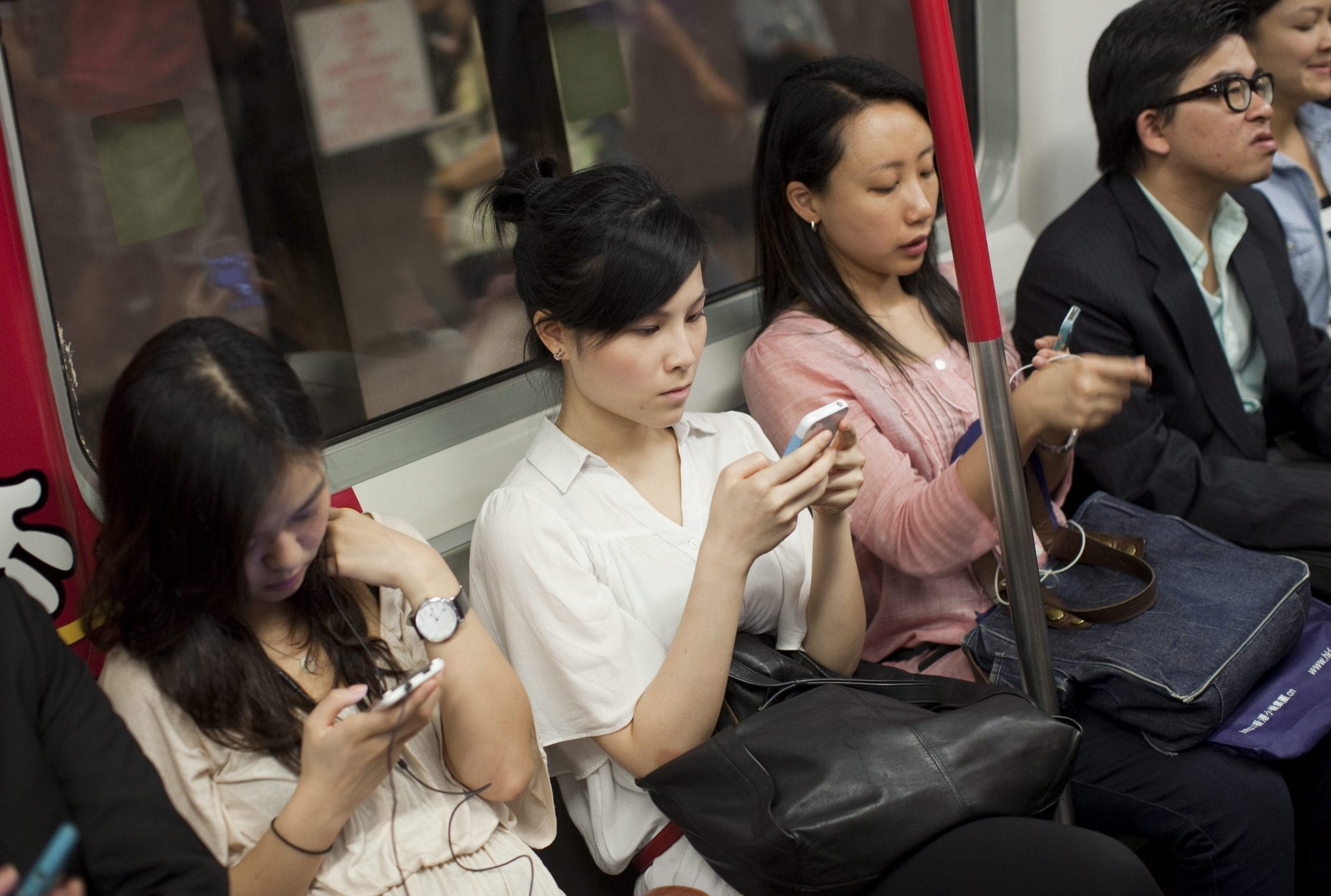
    Smartphone shipments in the Philippines have declined 7% to approximately 15 million units in 2017, according to IDC.

    The research firm’s latest Asia/Pacific Quarterly Mobile Phone Tracker and Asia/Pacific Quarterly Personal Computing Device Tracker also revealed that tablet shipments fell 30% year-over-year (YoY) to just 1 million units.

    Smartphone shipments recorded the first decline since its introduction into the local market as intense competition from top brands – such as Samsung, OPPO, and vivo – resulted in some vendors being ousted from the market.

    Tablets continued to decline as their significance in the market waned due to the lack of practical use cases and cannibalization by smartphones with larger screen sizes.

    According to IDC, Philippine users are shifting to handsets with higher specs and better features, going against the traditional observation of device users in the Philippines being among the more price-sensitive in Asia-Pacific.

    Jensen Ooi, Senior Market Analyst, Client Devices, IDC ASEAN noted that while end users will continue to consider specs as one of the important factors when purchasing their next smartphone, the next “wow” factor they will be looking out for are the features that enhance their experience.

    “In the short term, they would also consider the latest appealing features with the most relevant use cases, namely multiple cameras that enhance the photography and 18:9 screens that give a better viewing experience. These features were only limited to high-end flagship phones in the past but have become more commonly available in reasonably priced midrange (US$200<US$400) handsets as well now,” he added.

    On-device AI remains at this point.

    Despite this, the average selling price of smartphones in 2017 grew to $134, a 13% YoY increase with ultra low-end smartphones (<$100) holding the lion’s share of the market, accounting for 59% of all smartphones in 2017 compared with 67% in 2016. Meanwhile the combined share of low-end ($100-$199) and midrange ($200-$399) smartphones grew to 35% from 28% in 2016.

    Samsung and Chinese brands such as OPPO and vivo were the key driving brands that led to the growth of the low-end and midrange segments in 2017. “Heavy marketing campaigns and lucrative sales promoter incentives enabled these brands to strengthen their mindshare in the local market, increase their shipments, and grow their respective market shares,” Ooi said.

    “The assault of these brands affected the sales of some of the players, resulting in them reducing their supplies, which ultimately impacted overall smartphone shipments.”

    From a screen size perspective, phablets (5.5”-6.9”) recorded significant growth in recent years, accounting for about a quarter of smartphone shipments in 2017. “As mobile content continues to grow, smartphones have become the primary device for basic productivity and everyday media consumption, and this fuels the need for larger screens and higher specs,” Ooi added.

    The loser in this trend are slate tablets (7”-10.9”) which are seeing declining says because they cannot offer the same level of practicality that phablets provide.

    Trending in 2018

    The smartphone market in the Philippines is expected to rebound in 2018 as competition between popular brands, which will continue to strengthen their positions, and local and minor brands, which will continue to struggle to stay relevant, intensifies. “We expect smartphone vendors to continue shipping in more phablets and equipping their new models with enticing features, such as dual cameras, thin bezels, and on-device artificial intelligence,” Ooi concluded.

  • Duterte sets up third telco oversight committee

    Duterte sets up third telco oversight committee

    Philippines president Rodrigo Duterte has established an oversight committee to support his ongoing goal of attracting a third telco player into the market.

    The president has signed an administrative order establishing the committee, which will work to ensure that the entry of a new major player into the telecom market is undertaken in “an integrated and transparent manner.”

    The committee will consist of a representative from the department of ICT as a chairperson, from the department of finance as a vice-chair, from the Office of the Executive Secretary and from the National Security Adviser.

    It will be tasked with assisting regulator NTC with the formulation of terms of reference for the selection and assignment of radio frequencies to the proposed new player and oversee timely implementation of the third telco policy.

    The committee will also have the power to call on government agencies for assistance if needed.

    Duterte has been pushing for some time to introduce a third player to break the PLDT-Globe duopoly. The ICT department has previously indicated plans to hold a “beauty contest” selection process some time this year, and Duterte has been courting Chinese operators to take a minority interest in the proposed new player.

    But the government has missed its deadline of ensuring a third player was up and running by March, and has now moved this deadline until the end of June or July.

  • Spar Continues Global Expansion with Entry in Sri Lanka

    Spar Continues Global Expansion with Entry in Sri Lanka

    SPAR International, the world’s largest food retail voluntary chain, is delighted to announce the brand’s entry into the Sri Lankan retail market. SPAR Sri Lanka (Pvt) Ltd, a partnership between SPAR South Africa and Ceylon Biscuits Limited has announced ambitious plans to open 50 new SPAR stores in Sri Lanka by 2023 primarily by developing independent SPAR retailers.

    With the opening of SPAR in Sri Lanka, SPAR International celebrates the launch of the brand in 6 countries across Asia and the 48th country worldwide. The newly established SPAR Sri Lanka benefits from the globally renowned SPAR Brand, providing shoppers with an international shopping experience adapted to local needs.

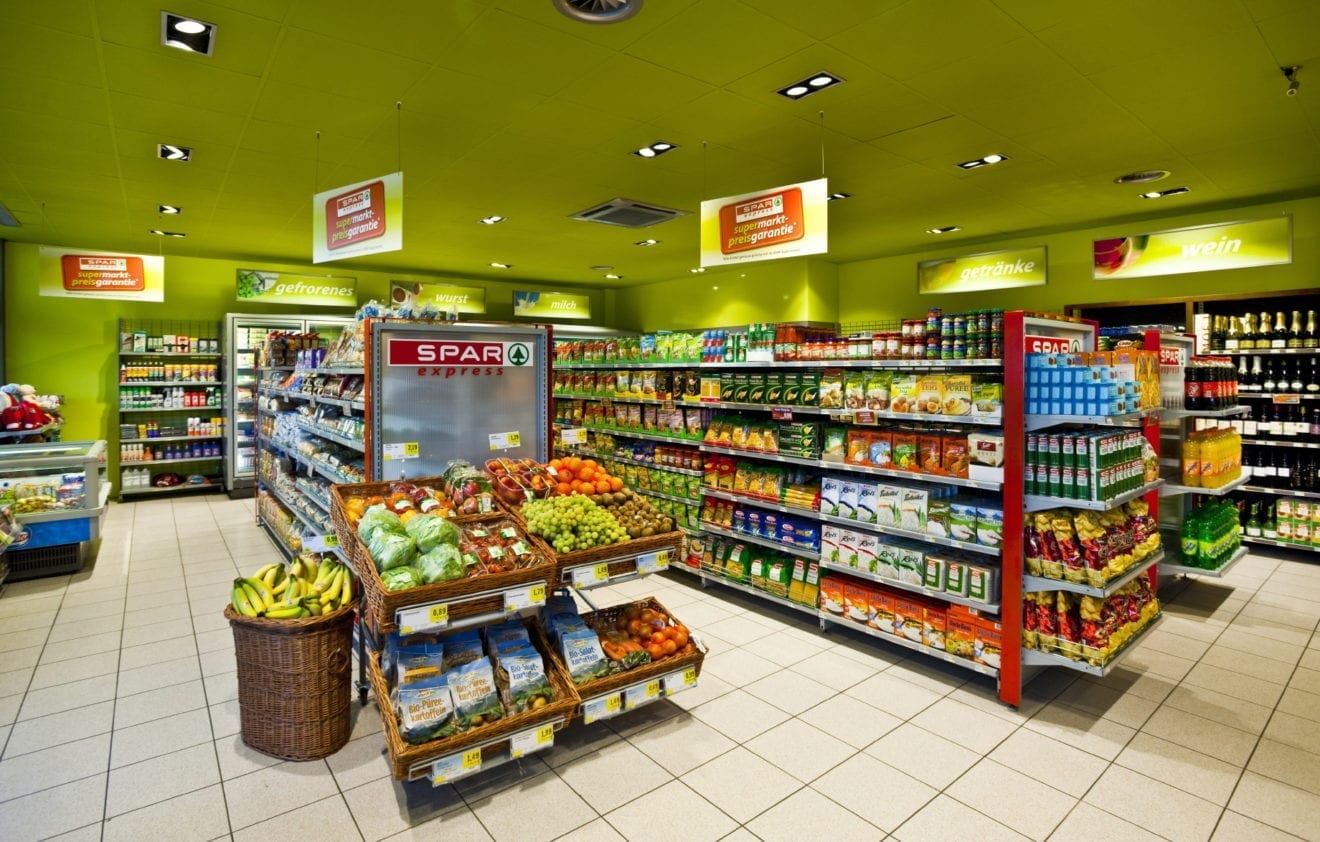
    The partnership was launched at an official opening of the first SPAR Supermarket in Colombo on the last week. The 1,000m2 SPAR Supermarket offers customers a great shopping experience with its emphasis on fresh foods, including a wide range of fruits and vegetables, fresh meat and an instore bakery. The development of the first SPAR neighborhood supermarket has been built on tried and tested international SPAR best practice setting the benchmark for future growth of the SPAR Brand in Sri Lanka. 

    The high-quality SPAR stores currently being developed will offer great value and a wide range of choice, with an emphasis on freshness and service. SPAR Sri Lanka will also be offering shoppers an extensive range of exclusive SPAR Own Brand products sourced both internationally and locally. 

    SPAR Sri Lanka has been able to utilize the global expertise of SPAR International and SPAR South Africa to support the extensive training of the new store colleagues over the past two months. 

    Tobias Wasmuht, Managing Director of SPAR International, said: “We are delighted to partner with Ceylon Biscuits Ltd. and to bring the SPAR Brand to this dynamic market. The distinct global but local SPAR approach will create excellent growth opportunities for Sri Lankan SPAR independent retailers. The opening of the first SPAR supermarket marks the beginning of a new, world class retail experience for consumers in Sri Lanka.” 

    Wayne Hodson, CEO of SPAR Sri Lanka, said “This is a very exciting period in the ever-changing food retail environment. Our mission is to develop and grow local, independent retailers, supporting them through the implementation of efficient supply chain management, stock procurement, promotional and marketing support, IT and retail leadership”.


  • UNIQLO Presents Doraemon UT Featuring  Works by Master Contemporary Artist Takashi Murakami

    UNIQLO Presents Doraemon UT Featuring Works by Master Contemporary Artist Takashi Murakami

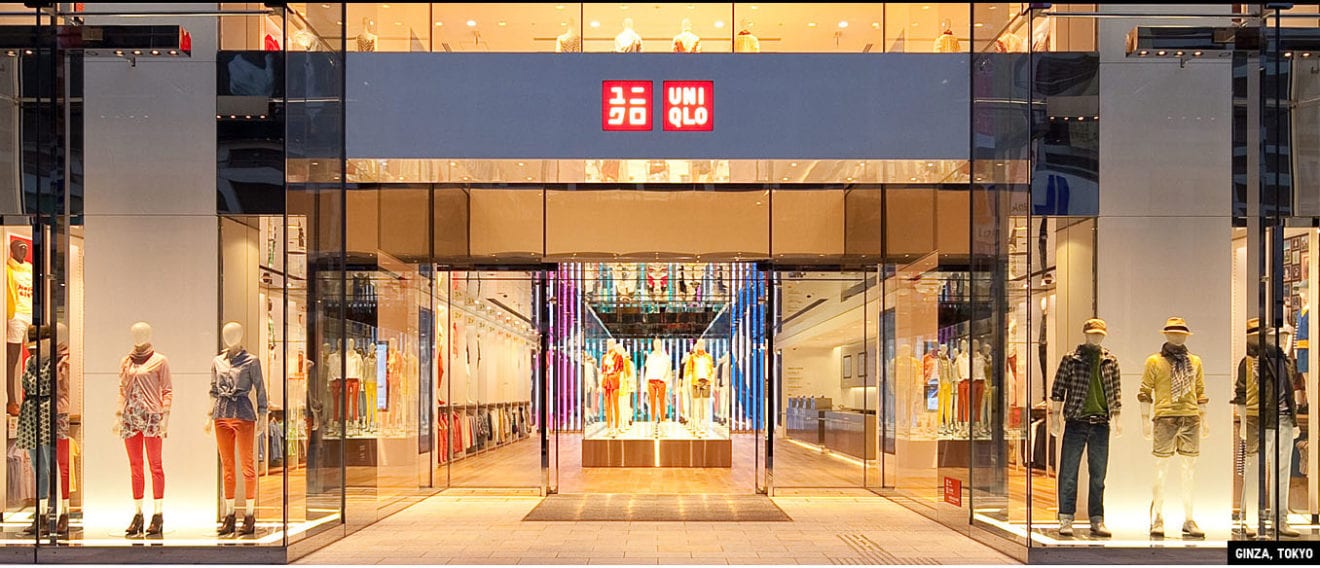
    UNIQLO T-shirt brand UT is launching “Doraemon UT” with designs featuring Doraemon, the animated character beloved throughout the world. This season’s Doraemon UT comprises two main designs, one incorporating artwork exhibited by artist Takashi Murakami at THE DORAEMON EXHIBITION TOKYO 2017, along with designs from the Doraemon comic. A total of 13 items will be available, including men’s and kids’ T-shirts, as well as a Doraemon plush toy with artwork by Mr. Murakami. The full collection will be available at UNIQLO Orchard Central (Global Flagship Store) and online from May 28 (Monday). Prices range from $14.90 for Kid’s Graphic Short Sleeve T-shirt to $49.90 for a Plush Toy.

    UT carefully selects cultural properties from around the world and creates new content from them. Depicting views of the world as art on the canvas of a T-shirt, UT allows wearers to express their individuality and values. This series features for the first time Doraemon artworks from renowned contemporary artist Takashi Murakami. UT continues to evolve as LifeWear that generates excitement and ensures everyone can find something to wear to express who they are.

    Doraemon as you’ve never seen him before

    The main visual for this special project is Murakami’s artwork, “Anna koto iina dekitara iina”, created for the Doraemon exhibition, incorporated into T-shirts and a plush toy. This colourful work featuring the main characters Doraemon and Nobita, Doraemon’s secret gadgets, and Murakami’s characteristic flowers, is now being expressed on the UT canvas. The special new line enables UT fans to enjoy Doraemon as they’ve never seen him before.

    The Doraemon UT lineup also includes T-shirts with designs from the Doraemon comic. The designs depict the world of Doraemon, including a humourous scene of Nobita begging for Doraemon’s help, and shirts printed with familiar secret gadgets such as the “Take-copter” and “Small Light”.


  • GreyOrange appoints Dieter Berz-Voege as CEO of EMEA

    GreyOrange appoints Dieter Berz-Voege as CEO of EMEA

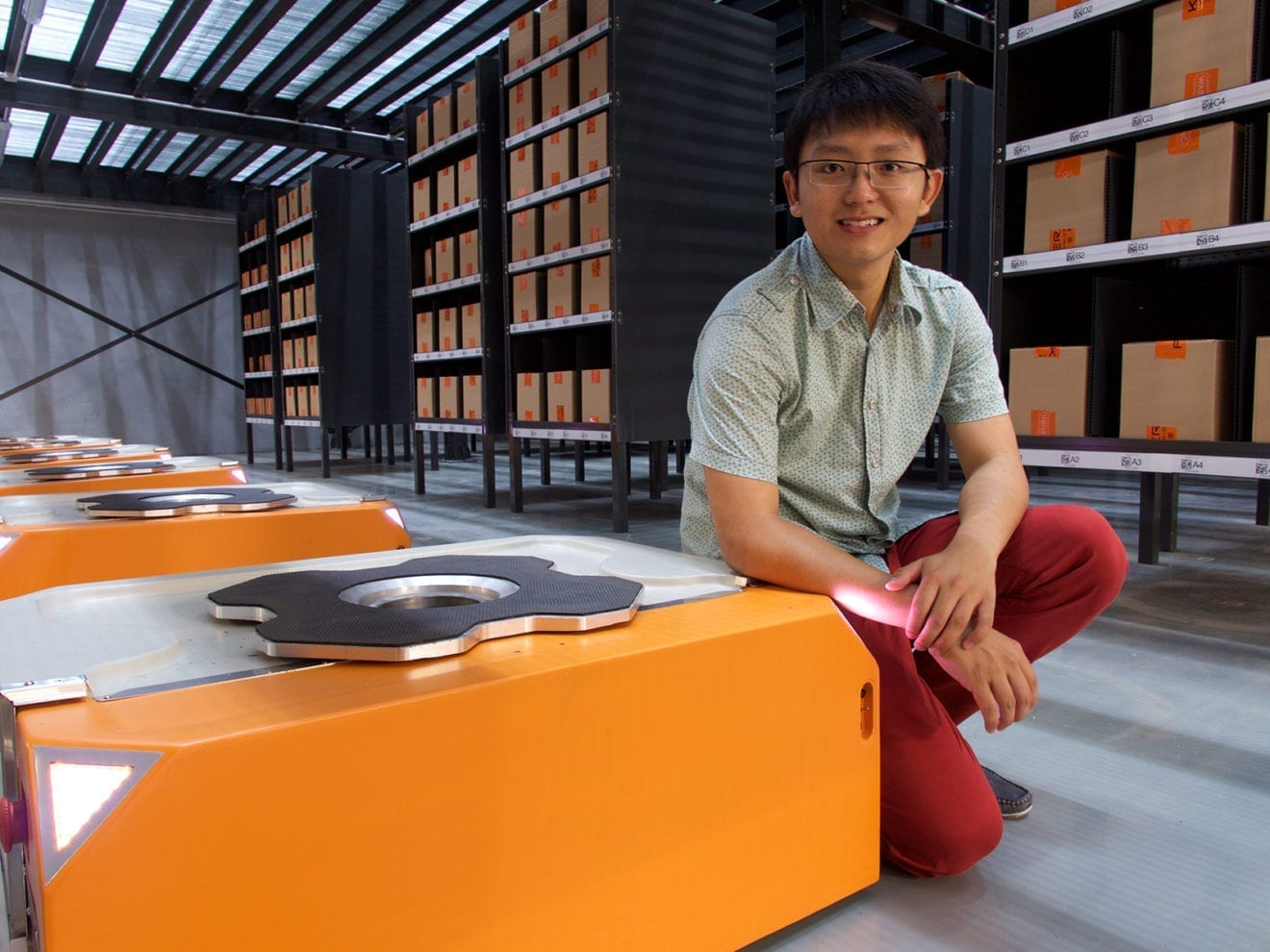
    Robotics and supply chain automation company, GreyOrange announced the appointment of Dieter Berz-Voege as Chief Executive Officer, EMEA (Europe, Middle East and Africa).

    “Dieter is a key addition to our leadership team as Europe is a major growth region for us,” said Samay Kohli, Co-Founder and Group CEO of GreyOrange. “His experience in successfully designing and implementing complex technology solutions across multiple geographies will contribute significantly as a member of the core team defining the global strategy for the expansion of GreyOrange. Having focused in the last three years on driving automation and machine learning to improve business productivity, he will help clients become more successful by applying the portfolio from GreyOrange.”

    Most recently Berz-Voege was founder and CEO of a premier cloud consulting partner Storm Reply after serving as Country Managing Director and Head of Strategy EMEA for Cognizant, one of the world’s leading professional services companies. In these roles he oversaw and grew complex solutions and technology businesses building international teams, acquiring and integrating companies, and forging strong partnerships.

    Berz-Voege and his team from GreyOrange in Hannover will be at Hall 16, Stand H03 on 23-27 April at CeMAT, the leading event for intralogistics and supply chain management where ‘Logistics 4.0 meets Industry 4.0’.

    At CeMAT, GreyOrange will highlight the expanded Butler range which was launched in March. Able to manage payloads from 100 to 1600 kgs (220 to 3500 lbs), the goods-to-person Butler robotics system automates inventory storage (putaway) and order fulfilment which lets warehouses run higher speed operations and boost efficiency. The Butler range is among the latest products for robotic logistics and has been deployed in distribution centers in Europe, Asia and the Americas for industries such as 3PL, FMCG, Retail and e-commerce.

    Berz-Voege added, “I was impressed with the advanced R&D at GreyOrange; and its unique strengths in combining hardware and Artificial Intelligence. GreyOrange has focused its innovations to address tough supply chain complexities, and have launched exciting new products such as the Butler XL and Butler PickPal recently. These solutions offer our customers a strong competitive advantage.”

  • AirAsia X Malaysia gets third IATA op safety audit

    AirAsia X Malaysia gets third IATA op safety audit

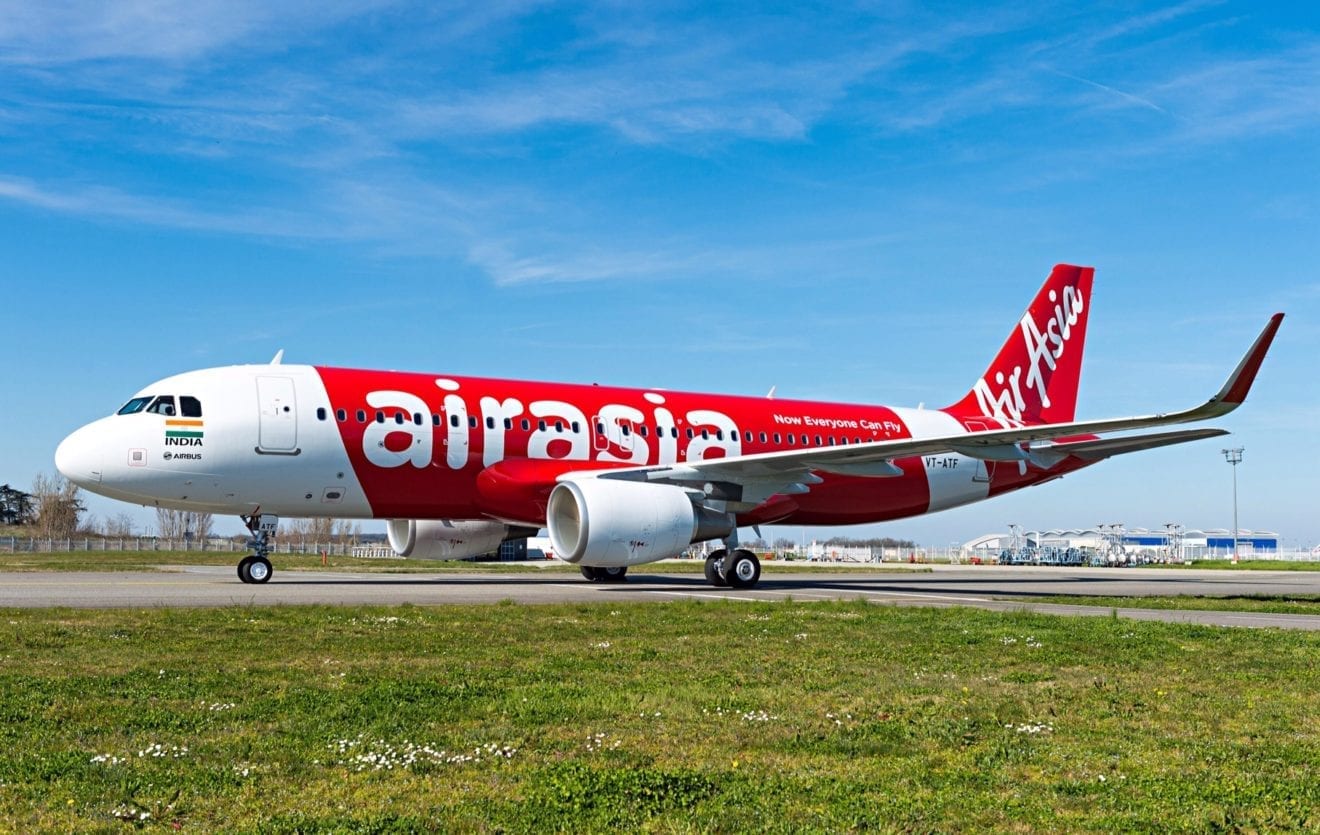
    AirAsia X Malaysia has received its third biennial IATA Operational Safety Audit (IOSA) registration. AirAsia X, which is the long-haul, low-cost affiliate carrier of the AirAsia.IOSA is an internationally recognised and accepted evaluation system designed to assess an airline’s operational management and control systems, and is regarded by the industry as the global benchmark for safety management.

    To qualify for the registration, AirAsia X Malaysia had to successfully complete an operational safety audit covering eight areas of operations: organisation and management system, flight operations, operational control and flight dispatch, aircraft engineering and maintenance, cabin operations, ground handling operations, cargo operations and security management.

    AirAsia X Malaysia CEO Benyamin Ismail said this third IOSA registration testified of its continuous commitment to maintaining the highest safety standards across its operations.

    “It was made possible by our dedicated Allstars who work tirelessly to ensure we comply with the most stringent safety standards in the industry. Safety is at the heart of everything we do and we will strive to not only meet regulatory requirements at all times but to surpass them,” he said.

    AirAsia X Malaysia joined the IOSA Registry on April 16, 2015, becoming the second airline in Malaysia to successfully pass the internationally recognised operational safety audit.

  • Prada to offer exclusive collection

    Prada to offer exclusive collection

    Luxury fashion brand, Prada, is launching an exclusive capsule collection on Mr Porter this month.

    Debuting on 25 April, the collection is Prada’s first menswear exclusive with an online retail partner.

    Prada Group strategic marketing director Stefano Cantino said the move is a sign of the brand’s digital evolution.

    “We strongly believe this partnership with one of the major menswear luxury e-tailers is strategically relevant to our digital transformation in today’s changing scenario, where we are making significant steps forward,” he said.

    The 32-piece collection draws from eras of bowling popularity – the 1950s and 1980s – and features camp-collar shirts in Hawaiian and pop-cartoon prints, madras, gingham checks and other nostalgia-inspired designs, with prices ranging from £260 ($475) to £2,450 ($4,479).

    Mr Porter’s managing director, Toby Bateman, said the aesthetic reflects the online retailer’s and Prada’s shared vision to bring a modern approach to classic menswear.

    “We are incredibly proud to be working with Prada on this special project and to be the first men’s online retailer to partner on an exclusive collection.

    “The retro themes of 1950s and 1980s menswear were an effortless inspiration for the campaign and content, and allowed us to easily meld the worlds of Mr Porter and Prada,” he said.

    The online retailer is launching an integrated global marketing campaign to promote the campaign across its social media, email, website and app platforms, culminating on 26 April with the publication of a short film in Mr Porter’s weekly style guide, and a bowling event in New York City.

    “We are extremely pleased to be part of this exclusive project in collaboration with Mr Porter that we consider being the perfect partner to communicate the values of the brand,” Cantino added.

    “Prada’s DNA is in fact about creating products which are really breakthrough that may at times surprise customers, while bringing ideas and ideals to life.”

  • Tesco profits ups as turnaround kicks in

    Tesco profits ups as turnaround kicks in

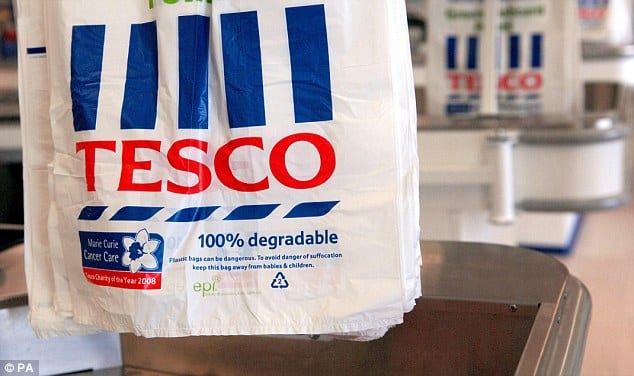
    UK supermarket Tesco has managed to turnaround several years of lacklustre results, booking a pre-tax profit of £1.3 billion (AUD$2.38bn) for the year ended 24 February, up 795 per cent.

    The grocery giant’s shares jumped almost 6 per cent in the UK overnight on the figures, which included a 2.2 per cent increase in like-for-like sales in its home market and a 29.6 per cent reduction in net debt.

    “This has been another year of strong progress, with the ninth consecutive quarter of growth. More people are choosing to shop at Tesco and our brand is stronger, as customers recognise improvements in both quality and value,” Tesco chief executive Dave Lewis, who was appointed in 2014 to turnaround the business, said.

    “We have further improved profitability, with Group operating margin reaching 3.0% in the second half.  We are generating significant levels of cash and net debt is down by almost £6bn over the last three years.  All of this puts us firmly on track to deliver our medium-term ambitions and create long-term value for every stakeholder in Tesco.”

    There are now 260,000 more people shopping at Tesco, driving group revenue up by 2.3 per cent to £51 billion (AUD$93.18bn).

    Sales increases were booked in all Tesco’s operating region’s bar Asia, where LFL sales worsened over the year, decreasing by 14 per cent in the fourth quarter.

    The business has now completed its £3.7 billion (AUD$6.76bn) acquisition of wholesaler Booker and has begun improving its top line growth, leaving it on track to deliver at least £200 million (AUD$365m) in pre-tax synergies.

    “I am delighted to have completed our merger with Booker, and we are moving quickly to deliver synergies and access new growth, making the most of the complementary skills in our combined business,” Lewis said.

    Tesco reiterated its commitments set out in October 2016 to reduce costs by £1.5 billion (AUD$2.74bn) and generate an additional £6.3 billion (AUD$11.51bn) in retail cash from operations while also improving margins between 3.5 per cent and 4 per cent by 2019/20.

    Tesco’s operating margins increased by 57 basis points year-on-year to the year ended February 24 to 2.9 per cent.

  • Reel Cinemas launches dine-in movie theatres

    Reel Cinemas launches dine-in movie theatres

    Dubai-headquartered Reel Cinemas has launched dine-in movie theatres in the UAE, with one planned for The Dubai Mall.

    The theatres – designed with comfortable seats and tables to eat while watching a movie – will feature meals created by chef Guy Fieri. The first has opened at the Jebel Ali Recreation Club, with the third location to be The Pointe in The Palm Jumeirah.

    Combined, the theaters will have 14 dine-in screens, with session tickets covering not just the film but also a meal comprising an appetiser and main course from Fieri’s American Kitchen concept. And none of the Dine-In Cinemas will serve popcorn!

    “Reel Cinemas is setting new benchmarks in providing moviegoers with unprecedented entertainment experiences,” explains Damien Latham, CEO of Emaar Entertainment, the operator of Reel Cinemas.

    “Guy Fieri represents the latest in strategic partnerships that underlines our commitment to pioneering innovative trends for the cinema industry in the Arab world.”

    Restaurant-prepared meals from Guy Fieri’s American Kitchen are delivered to the table of movie-goers, as they enjoy blockbusters with Dolby Atmos and Barco Flagship Laser projection.

    The menu takes inspiration from Fieri’s best-known dishes, such as his signature Mac & Cheese Burger, Trash Can Nachos and New York marbled Cheesecake.

    Fieri, an Emmy Award-winning chef, restaurateur, TV personality and author, has 45 restaurants located across the US and Mexico and will soon be launching in South Africa. This is his first venture into the Middle East.

    “The concepts we are building are truly a first of their kind venture for both of us,” says Fieri. “I know how to give guests a real-deal food experience and I know that Reel Cinemas has the expertise to apply it to the theatre space – so it’s a great partnership.”

  • Triwa Hong Kong opens it’s first flagship store

    Triwa Hong Kong opens it’s first flagship store

    Swedish watch brand Triwa Hong Kong has opened a flagship store at Plaza Hollywood, Diamond Hill.

    Its third international flagship after Stockholm, where it is based, and Tokyo, the store showcases the new SS18 collection.

    Founded in 2007 by four friends, Triwa stands for “Transforming the Industry of Watches”. The company now has a creative studio of 30 friends who develop all designs following the original motto: to produce only what they want to wear themselves.

    Triwa’s collection comprises eight watch “families”, Aska, Elva, Falken, Klinga, Lansen Chrono, Niben, Spira, Svalan and the original Nevil.

    New this spring 2018, Slate Nevil updates the original chronograph with a quartz Miyota OS21 movement and an exterior of steel, black and white, and black Swedish tanned leather.

    Also new, Smoky Falken pays homage to classic 1950s watches, mixing stainless-steel dark
    grey and polished gold detailing with a black organically tanned leather strap and with vintage styling. It has a Citizen Miyota 1L45 movement. Other new styles include the Ebony Svalan, Rose Svalan and Slate Aska.

    Also in the Triwa collection are sunglasses and fashion jewellery pieces including new brass and steel cuffs.

    Triwa has about 3000 outlets in 30 countries. In Hong Kong, it launched a pop-up store two years ago and has been available online.

  • Bauhaus sales goes up

    Bauhaus sales goes up

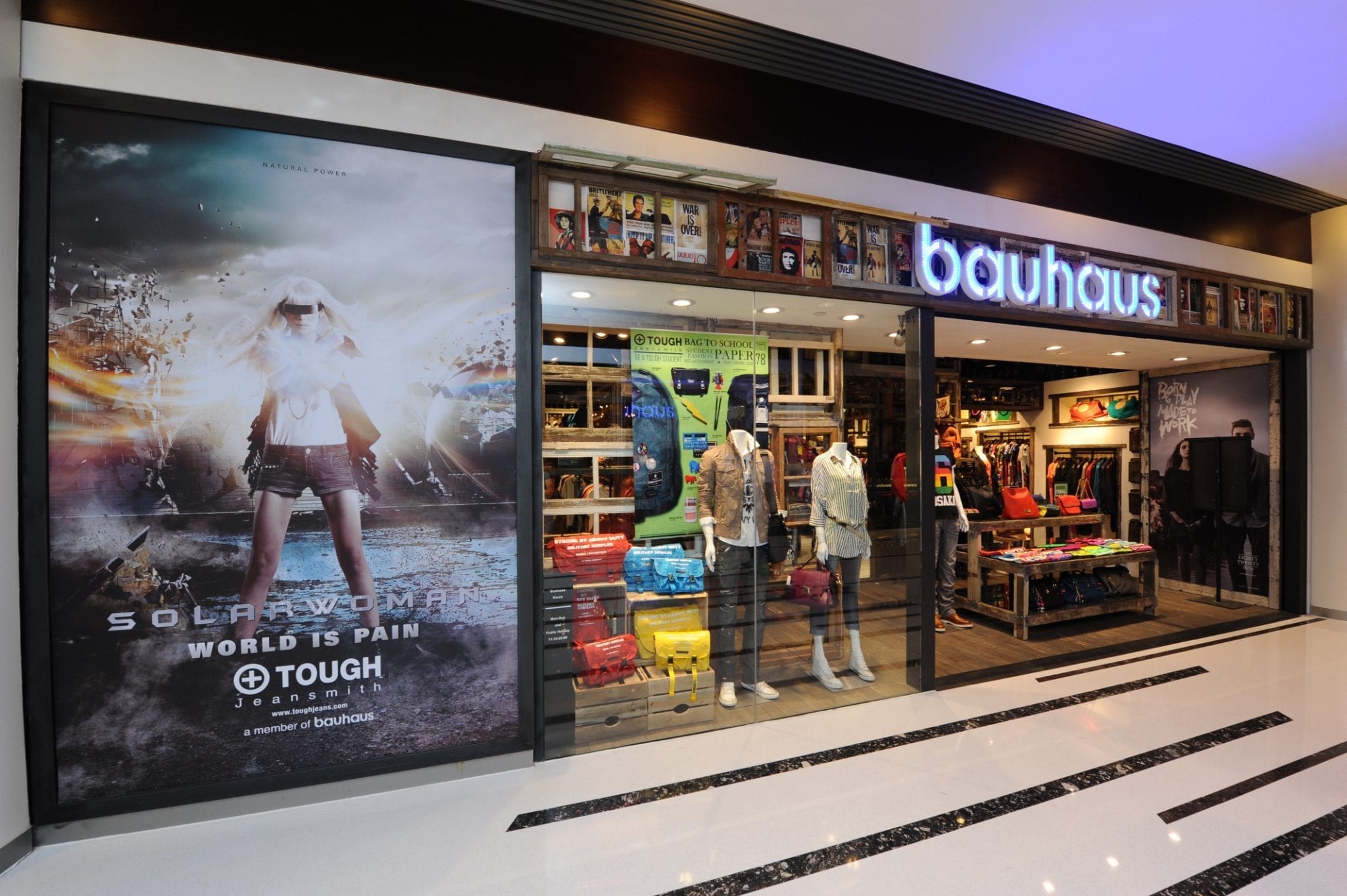
    Despite fewer shops, apparel company Bauhaus International saw same-store sales edge up for its year to 31 March.

    While the rise was 3 per cent for its self-managed offline shops for the 12 months, the last quarter saw sales jump 12 per cent.

    Bauhaus designs and makes apparel and accessories which it wholesales and retails under its brand names including Bauhaus, Salad and Tough, and retails third-party labels including Superdry.

    At the end of the year, the group had 182 self-managed stores, 14 fewer than 12 months earlier.

    An extra outlet in Mainland China took its total there to 26 shops, while Taiwan’s total dropped by nine to 82, and six store closings in Hong Kong and Macau saw the year end with 74 shops.

  • Telenor Pakistan taps Nokia to manage network

    Telenor Pakistan taps Nokia to manage network

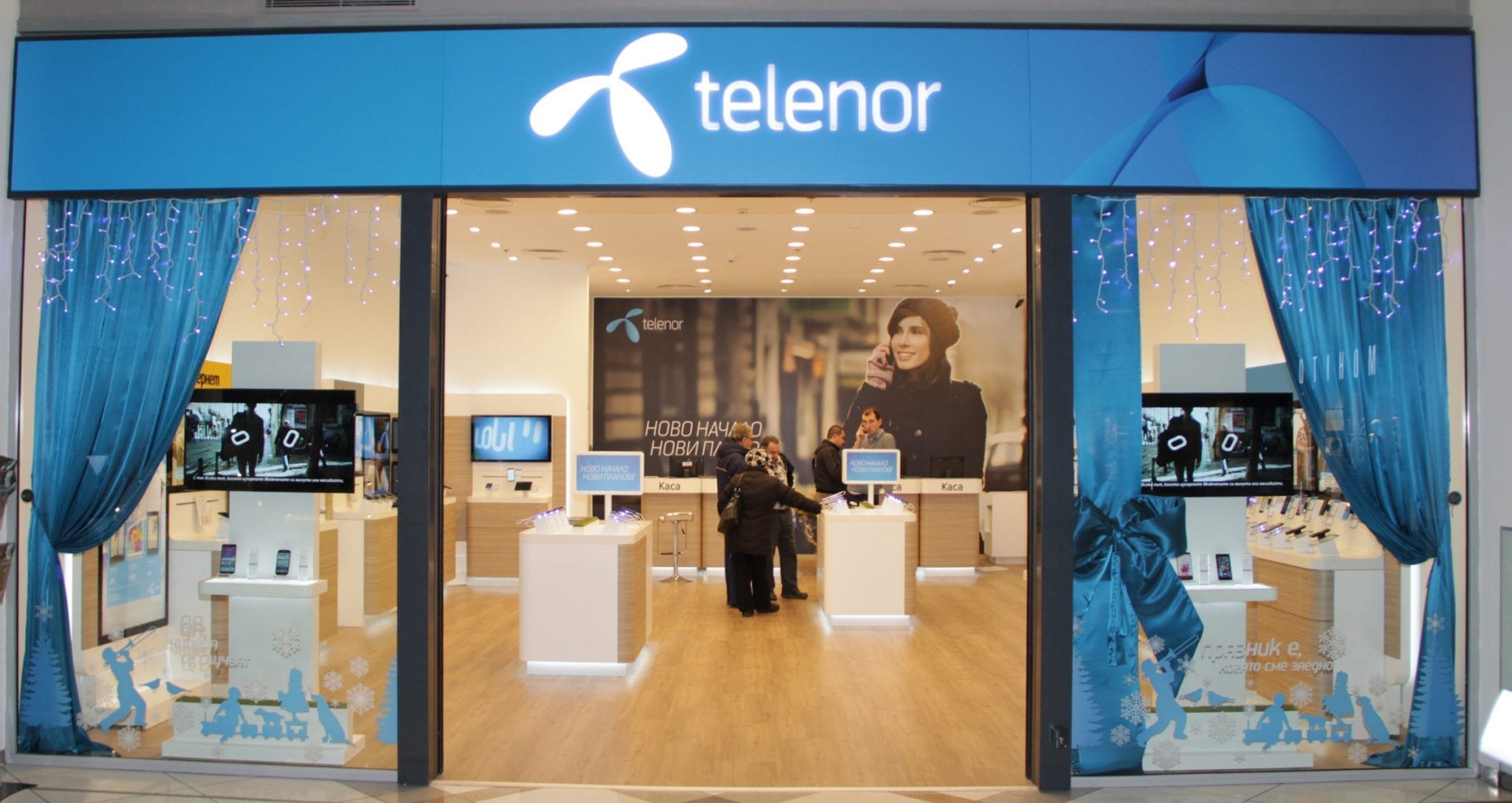
    Telenor Pakistan has contracted Nokia to expand and modernize its network based on a new customer centric network operating model.

    Under the terms of the deal, Nokia will manage the complete multi-vendor network operations for Telenor Pakistan using the Nokia Global Service Delivery Tools.

    Nokia will also deploy its AVA cognitive services platform to enable predictive and customer-centric approaches to network planning, optimization, operations and maintenance.

    Nokia’s cognitive analytics for customer insight software will also help Telenor Pakistan prioritize network investments based on insights collected from customers, using a combination of cloud service delivery, intelligent analytics and automation.

    Under the new operating model, 233 engineers and technology experts from Telenor Pakistan will work with Nokia to develop new ways of delivering services. Telenor Pakistan will increase its focus on network governance strategy while Nokia will exclusively manage field operations.

    “The decision to onboard Nokia is in line with Telenor Pakistan’s ongoing strategy for network expansion, transformation and virtualization,” Telenor Pakistan CTO Khurrum Ashfaque said.

    “Our ambition is to set up data ready operations by bringing capabilities of automation, intelligent field operation, smart planning and customer insights with new and advanced tools which we shall leverage through our new global partner.”

  • Is there any Alexa advantage?

    Is there any Alexa advantage?

    The Australian market is approaching 5 months since Amazon launched its highly anticipated marketplace service, and by many accounts its entry hasn’t been all it was cracked up to be.

    While Amazon has said that Australia brought in its higher launch day volumes in the company’s history, the overwhelming market response to its immediate impact has been a shrug and a sigh of relief.

    In his second public appearance since taking the reigns of Amazon in Australia yesterday company veteran Rocco Brauniger conceded that he and his team still have a lot of work to do as the business moves towards a launch of the Prime loyalty program locally.

    “There’s still a long way to go,” he said. “We’re really working hard to bring a lot of innovation here.”

    Brauniger faces an interesting challenge. Amazon is estimated to account for more than 50 per cent of total e-commerce sales in the US, but the business is far from an early mover in the online or marketplace space in Australia – local retailers have had years to learn from the mistakes of their international peers.

    But those trying to go toe-to-toe with Amazon’s e-commerce platform could be in for a surprise.

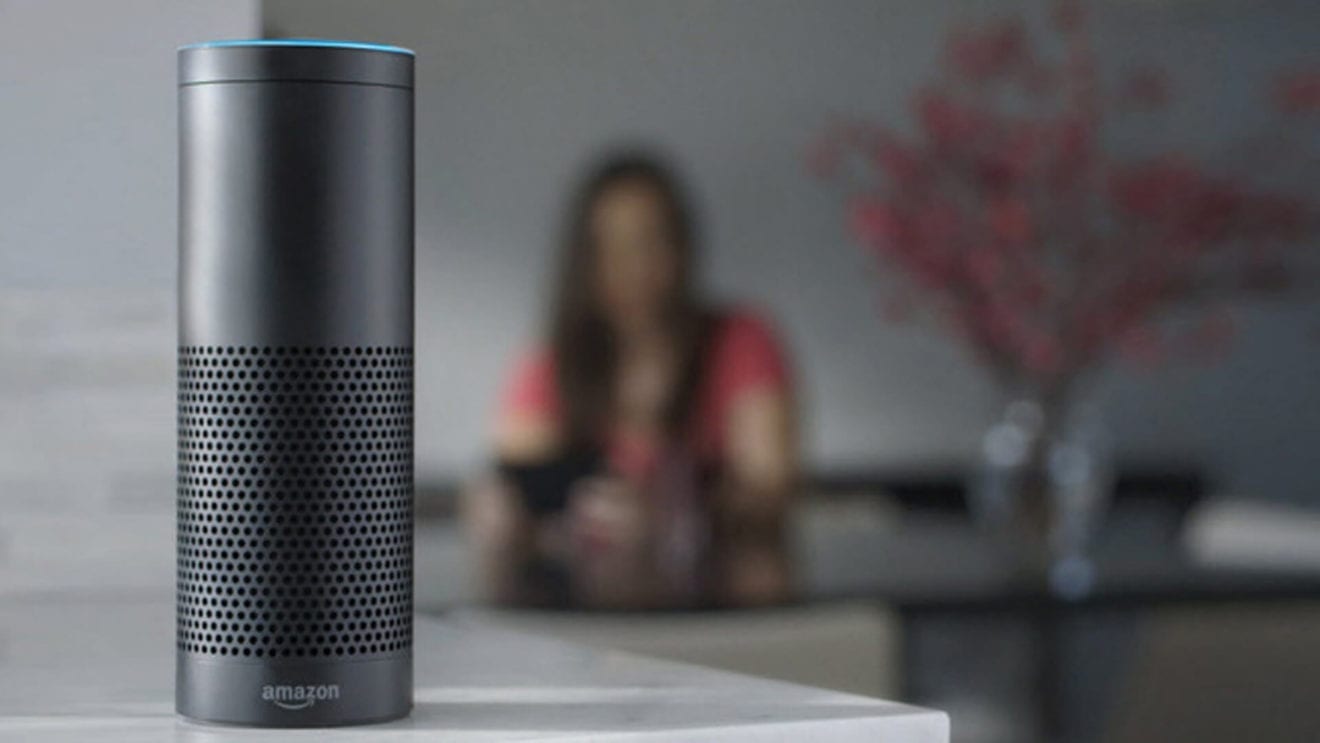
    Earlier this year Amazon’s voice assistant Alexa launched locally with its suite of accompanying echo products to little fanfare, which is interesting given founder Jezz Bezos’ clear focus on the service.

    “Our 2017 projections for Alexa were very optimistic, and we far exceeded them. We don’t see positive surprises of this magnitude very often — expect us to double down,” he said when Amazon reported fourth quarter earnings in February.

    The Alexa advantage

    Bezos isn’t the only one excited about Alexa either, Brauniger has two echo devices in his home and uses Alexa every day to do everything from getting the headlines to checking the surf at his local beach.

    Despite only being a few months into its Australian life, Alexa has more than 15,000 ‘skills’ (applications) available on its platform, providing customers with voice access to movie tickets, pizza, news, public transport and banking.

    A myriad of local brands is already on board, from Qantas to National Australia Bank, Domino’s and Hoyts.

    In a presentation yesterday, Alexa’s recently hired managing director of Alexa skills in ANZ, former Intel Australia MD Kate Burleigh, said that voice interaction was a game changer that will take the Australian market by storm.

    “It is the biggest leap forward we’ve seen in a number of years and we can do it now because its technically possible,” she told a crowd of thousands gathered in Sydney.

    “Voice is how we like to interact, it’s the most natural way for all of us to communicate with each other … and bring our ideas to life.”

    Alexa is an important part of Amazon’s end-to-end customer strategy in the US, embedding Amazon into the living rooms of consumers that have been turning to voice shopping in droves.

    In Australia voice shopping is still relatively under-developed but is expected to take off in the next few years, with a recent survey conducted by Salmat finding that as many as 46 per cent of Aussies are excited to take voice shopping for a spin.

    For Amazon it represents an opportunity to ground floor and catch many otherwise prepared Australian competitors off guard – Alexa could be the key to cementing its presence in the local market.

    Competitors responding

    Amazon’s closest local competitors are already responding though, with Ebay one upping its rival late last year by launching voice shopping in partnership with Google’s voice assistant. Amazon shopping is still not available to Australian Alexa users.

    Meanwhile, Ruslan Kogan is looking to launch his range of own-branded smart speakers with Google Assistant built in and Catch Group is actively looking into the channel.

    “Voice will be the future of search, there’s no doubt about that,” Catch’s head of marketing Ryan Gracie has said.

    But for traders outside of the marketplace space voice is a tricky proposition. Voice lends itself to convenient product searches that are light on detail about things like brand or preferred seller, raising the possibility that Amazon, which also sells its own products, could gate-keep shopper queries.

    Alexa in the home – completing the closed loop

    Burleigh, who will be working on implementing Alexa’s voice shopping capabilities locally, didn’t delve into the details of Amazon’s plans on Tuesday, but outlined Amazon’s ambition to put the voice assistant at the heart of the Australian household.

    “We’ve already had such excitement in the marketplace around the potential that Alexa can bring into our homes,” she said.

    In the US, where Alexa now has more than 30,000 skills, large appliance businesses such as LG are embedding Alexa into their products.

    “You can build your own devices and solutions and embed Alexa’s voice service,” Burleigh explained.

    Aside from its hope that Alexa can become part of millions of Australian homes, it will also form a cornerstone of the infamous closed-loop model it has implemented in the US, synergising with its forthcoming Prime loyalty program by enabling exclusive deals for subscribers.

    The highly anticipated loyalty program is expected to launch later this year and is expected to deliver a step-change for Amazon’s Australian plans as it expands its fulfilment capabilities here.

  • Ex 7-Eleven manager fined for underpaying staff

    Ex 7-Eleven manager fined for underpaying staff

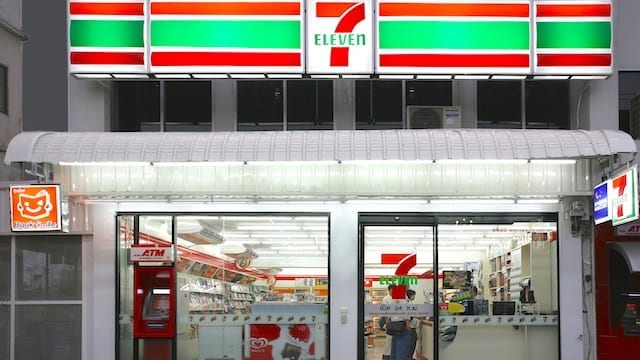
    The Federal Circuit Court has fined a former Brisbane 7-Eleven operator for about $193,000 for short-changing workers and failing to keep proper pay records.

    Jason Yuan, who operated two 7-Eleven stores in the Brisbane CBD in 2013 and 2014, was said to have underpaid 21 staff a total of $31,507, and he also failed to keep records of cash payments made to staff on public holidays.

    The court penalised Yuan $36,559 and for two companies in which he was a director, Viplus Pty Ltd, $88,140 and Vipper Pty Ltd, $68,262. Viplus Pty Ltd operated the store in Adelaide Street until July 2017, while Vipper Pty Ltd operated the store in George Street until May 2017.

    The Federal Circuit Court imposed the fine following a lengthy investigation by the Fair Work Ombudsman, which has taken legal action against 11 7-Eleven operators since 2009.

    During the investigation, inspectors found the workers at both stores were paid flat rates for all hours worked, save for public holidays where they received an additional $20 per hour in cash.

    According to a statement from the Ombudsman, given the 24-hour, seven-day nature of the businesses, this resulted in significant underpayments of Saturday and public holiday penalty rates, overtime rates and shift work rates stipulated by the General Retail Industry Award 2010.

    Two workers at the Adelaide Street store were also found to have been paid at the incorrect classification.

    Individual underpayments ranged from $98.36 to $5080.16, which have all now been rectified.

    The respondents were also penalised for failing to meet record-keeping and payslip requirements, including by failing to include information in respect of cash payments made to some of the employees.

    In her judgment, Judge Mercuri noted that the underpayments were “substantial”, particularly given the low-skilled nature of the work and the vulnerability of the workers due to their age and, in some cases, their visa status.

    “Given that many of the employees of both Viplus and Vipper were in Australia on various visas, with many being young workers, the impact of the underpayments was significant for each of the affected employees,” Mercuri said.

    In determining the penalties, Mercuri also pointed out that Yuan had been running the stores for over twelve years, had a background in finance, banking and project management and had access to significant training and support from the 7‑Eleven head office.

    Acting Fair Work Ombudsman Kristen Hannah businesses should be aware that serious breaches of workplace laws have increased ten-fold and can now attract penalties of up to $630,000 per contravention for companies and $126,000 for an individual.

  • Daigou retailer to expand into over 150 pharmacies

    Daigou retailer to expand into over 150 pharmacies

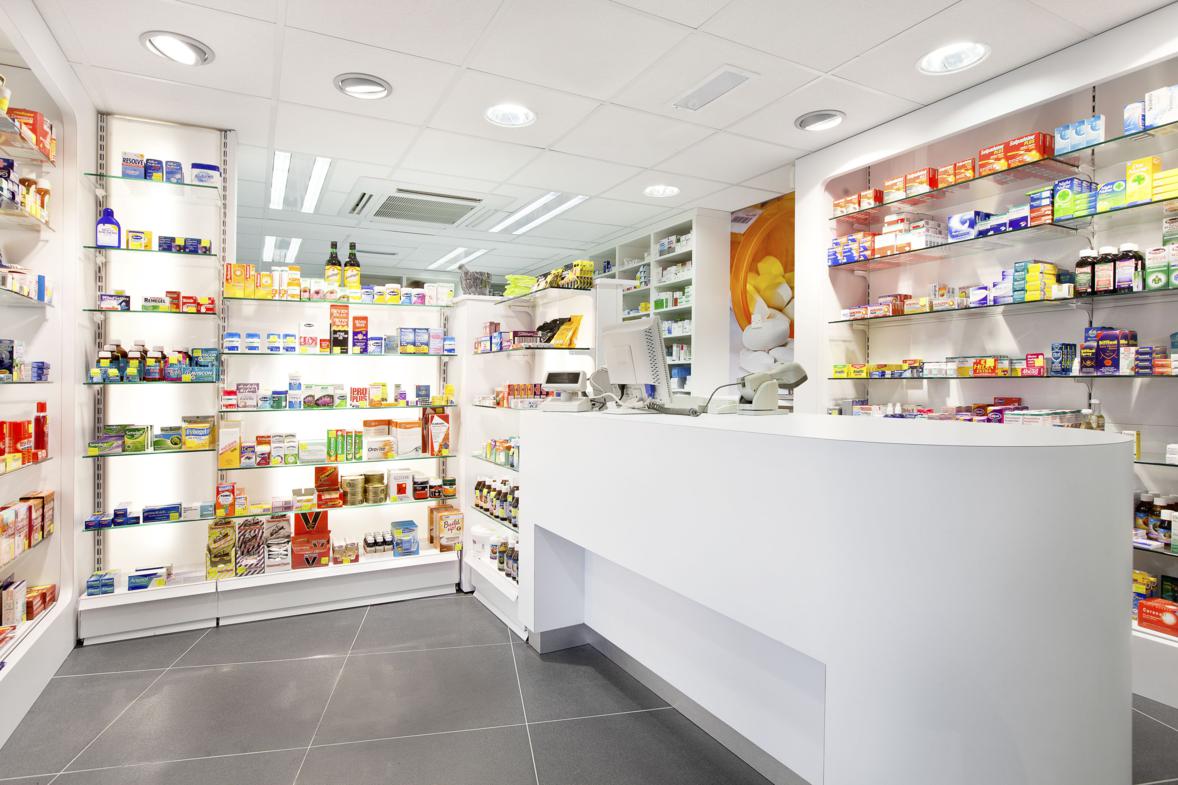
    Daigou retailer AuMake has inked a deal with pharmacy network Chemsave which will see its own branded products distributed through a network of 150 pharmacies across the country.

    The announcement, which follows the listed retailer declaring a trading halt earlier this week, will see Aumake’s own-branded health supplement and honey products distributed initially, prior to further expansion.

    Cross promotional marketing will accompany the products, with AuMake’s recently launched live streaming functionality to move into some Chemsave pharmacies.

    The listed retailer hopes that the partnership will bolster its credibility of its private label range, while Chemsave is looking to increase its exposure to the Chinese market.

    “Aumake is thrilled to have formed this strategic partnership with Chemsave, which is a significant milestone,” Aumake executive chairman Keong Chan said of the deal.

    “This partnership with Chemsave allows us to significantly expand the reach of our products across Australia … this is not simply a distribution agreement but a long-term mutually beneficial strategic alliance.”

    Chemsave CEO Michael Dixon concurred, saying that the Chinese market represents a lucrative opportunity for its network.

    “Over the last year we have had the opportunity otm eet with a number of groups with a view to forming a partnership that will allow us to grow our members’ businesses and increase our presence with the important and influential Chinese consumer,” he said.

    The initial terms of the contract are set out across two years, with an option for a further two-year extension if mutually agreed.

    Aumake shares rose 10 per cent to 27 cents in early Wednesday trading.