Tag: asia

  • Trump says he’ll check out Amazon

    Trump says he’ll check out Amazon

    US President Donald Trump has escalated his criticism of Amazon and CEO Jeff Bezos, saying the White House will take a “serious look” at addressing what he sees as an uneven playing field between the e-commerce giant and its competitors.

    “Amazon is just not on an even playing field,” President Trump told a press pack assembled on Air Force One in the US yesterday.

    “I’m going to study it and we’re going to take a look. We’re going to take a very serious look at [levelling the playing field].

    “It’s very important for me, it’s got to be an even playing field for everybody.”

    The comments are just the latest in a myriad of criticisms levied at Amazon and Bezos in recent weeks by the President, who has also criticised the business for its impact on the US postal service and not paying adequate sales tax.

    “What they have is a very uneven playing field, you look at the sales tax situation — which is going to be taken up, I guess, very soon — it’s going to be a decision by the Supreme Court, so we’ll see what happens,” the President said yesterday.
    Amazon charges sales tax in a variety of US states with applicable regulation, but this does not apply to third party sellers on its platform.

    Amazon’s share price sank more than 5 per cent last week on reports that Trump was looking to target the company with tax reforms, but aides have reportedly since clarified that no such plans are in motion.  Trump has also argued that Amazon receives favourable rates with the US Postal Service and is weighing it down with the volume of its deliveries, although the e-commerce giant accounted for more than a third of the postal service’s US$19.5 billion in revenue last year.

  • AirAsia extends it’s network from Penang

    AirAsia extends it’s network from Penang

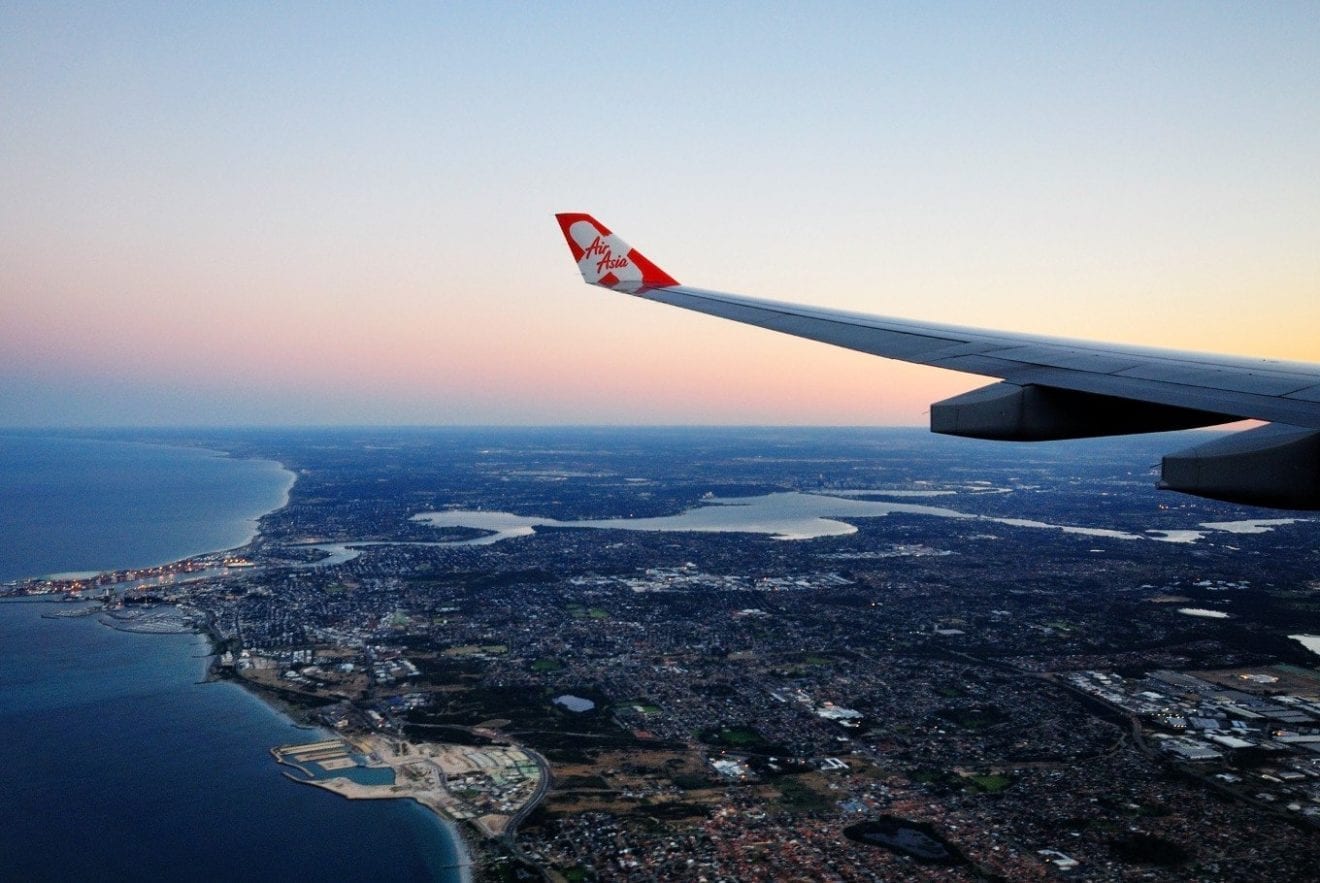
    AirAsia confirmed Wednesday it will fly a direct service from Penang to Hanoi, Vietnam and Phuket, Thailand, effective 1 July.

    Operated exclusively by AirAsia Berhad (AK), the direct flights to Hanoi and Phuket mark the airline’s ninth and 10 route from Penang Island in northern Malaysia.

    Flights from Penang to Hanoi will operate four times weekly, while flights to Phuket will operate daily.

    At present only Flirefly, Malaysia Airlines’ subsidiary, flies the Penang-Phuket route offering four weekly services using a 70-seat ATR-72 aircraft.

    AirAsia Malaysia head of commercial, Spencer Lee said: “Penang is undoubtedly one of Malaysia’s pride with its World Heritage status, internationally acclaimed cuisines, vibrant cultures and beautiful architecture. More importantly, its strategic location at the crossroads in the region has helped boost the growing inbound and outbound travel demand that saw 7 million tourist arrivals via air travel last year.

    To celebrate the two new direct routes, all-in-fares from RM99* from Penang to Hanoi and RM79* one-way from Penang to Phuket are available for booking effective yesterday to 15 April for the travel between 1 July and 28 October.

    Passengers can also save more when they book with BigPay, Asia’s money app. It offers money savings of up to RM32** on airasia.com. Moreover, guests get to pay the real exchange rate with no fees when they spend abroad, and earn BIG points along the way.

    Aside from the latest Asean routes, AirAsia also flies directl from Penang to Kuala Lumpur (102 times weekly each way), Johor Bahru (31 times weekly), Kota Kinabalu (11 times weekly), Kuching, (10 times weekly one way), Langkawi (21 times weekly), Ho Chi Minh City (daily), Singapore (28 times weekly), Medan (28 times weekly), Surabaya (five times weekly) and Jakarta (14 times weekly) via AirAsia Indonesia (flight code QZ) and Bangkok (14 times weekly) via AirAsia Thailand (flight code FD).

  • Cosco’s inland push expands Asia, Europe logistics footprint

    Cosco’s inland push expands Asia, Europe logistics footprint

    Maersk Line may have captured the headlines with its new focus on becoming a global provider of integrated container logistics, but it is a strategy that China’s Cosco has been pushing for the last couple of years with increasing assertiveness.

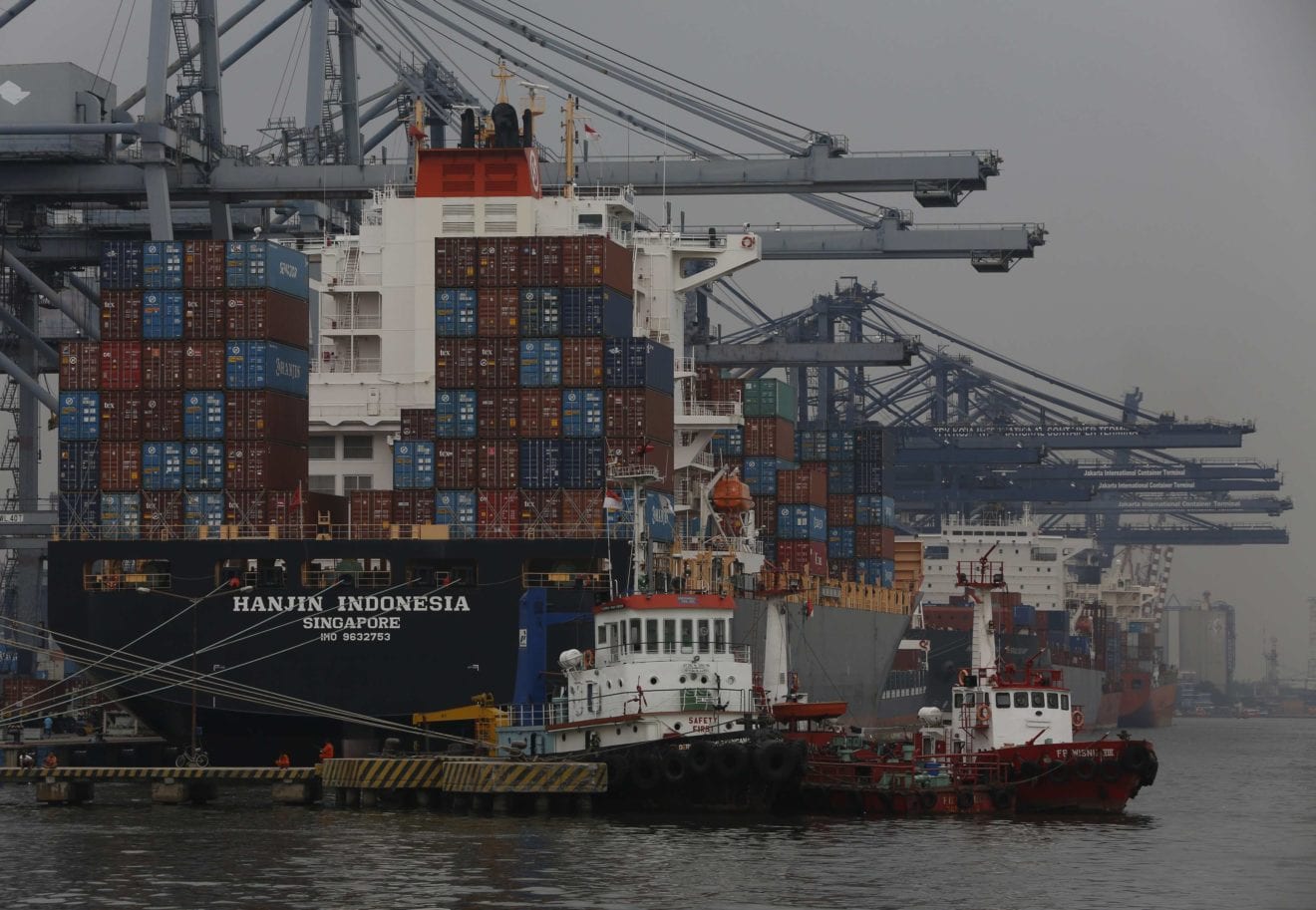
    Cosco Shipping Holdings, China’s largest shipping company, has continued to aggressively expand into landside logistics, building on Beijing’s Belt and Road strategy to grow its terminal and inland footprint in Asia and Europe.

    The group — which consists of carrier unit Cosco Shipping and terminal operator Cosco Shipping Ports  — steamed back to profitability in 2017, with a recovering market and freight rates driving up revenue 22 percent compared with 2016 to $14.3 billion, with generous government subsidies leading the company to a $423 million net profit.

    Cosco has returned to profitability at the right time. Not only is the container shipping market recovering — the carrier’s volume in 2017 increased by 23.7 percent to 20.9 million TEU while Cosco Shipping Ports handled more than 100 million TEU during the year — Beijing’s is also placing increasing importance on investment along the land and ocean Belt and Road routes.

    Belt and Road logistics channels progress

    Cosco Shipping Holdings said it had made progress regarding the construction of logistics channels along the Belt and Road route. By consolidating its global shipping networks, the company said it has increased service frequency and efficiency along the ocean route, and also connected the shipping routes with other important, emerging, regional markets, such as the United States, West Africa, the Caribbean, and North Europe.

    It is difficult to separate Cosco’s global shipping network from its Belt and Road routes, with the carrier including most of its services under the trade strategy umbrella. For instance, Cosco said 62 percent of its entire container shipping capacity was deployed on the Belt and Road routes, comprising 180 container vessels with a total capacity of 1.15 million TEU.

    But it is in the terminal and inland services where the carrier’s move into controlling the landside supply chain can be seen more clearly. This is especially true within China, where Cosco operates more than 150 sea-rail container transportation routes, covering more than 100 major ports and hinterland stations across 27 provinces, autonomous regions, and centrally administered municipalities.

    Cosco stated early last year, “The company will also increase its efforts in construction of ancillary facilities in important logistic nodes in the supply chain, and gradually achieve the transition from a shipping carrier to a provider of comprehensive container logistics solutions.”

    Logistics solutions push started in 2017

    Those efforts in 2017 began in January when Cosco Shipping Ports entered into a strategic cooperation agreement with Qingdao Port International, taking an 18.41 percent equity interest.

    Outside China, Cosco continues to strengthen the position of Piraeus Port in Greece as a transportation hub and accelerate the development of what it called the China-European sea-rail express business. In 2017, the freight volume carried on the service, which includes China-Europe rail, increased by 134 percent compared with the previous year, Cosco said in its earnings statement. Cosco Shipping in May 2017 acquired 24.5 percent equity interest in the KTZE-Khorgos Gateway, the rail hub on the Kazakhstan-China border that is a key point in the landbridge.

    Then in October 2017, Cosco Shipping Ports completed its acquisition of a 51 percent equity interest in Noatum Port Holdings, a port company in Spain. The controlling stake gives China’s second-largest port operator access to several terminals on the Iberian Peninsula.

    In November 2017, Cosco Shipping Ports began the construction of a terminal in Abu Dhabi, and in the same month completed the acquisition of additional equity interests in APM Terminals Zeebrugge in Belgium, taking full control of operations.

  • HKTV Mall enables reward payments to consumers

    HKTV Mall enables reward payments to consumers

    Citibank has launched Citi Pay with Points on HKTV Mall, the online shopping portal of Hong Kong Television Network.

    Holders of Citi points-bearing credit cards shopping on the mall or using its mobile app can now seamlessly use their reward points for payment. This is possible with the Citi Pay Points Application Program Interface (API) being fully integrated on the HKTV Mall platform.

    It is the bank’s first API partnership in Hong Kong, says Citibank Hong Kong head of cards and unsecured lending Lum Choong Yu.

    “Citi’s approach to open API architecture underscores our commitment to fostering closer collaboration with digital ecosystems to accelerate the offering of our banking services in all areas of our customers’ digital lives.”

    Nearly half of reward points redemptions are done via the Pay with Points platform, says Choong Yu.

  • SurfStitch creditors approve the EziBuy deal

    SurfStitch creditors approve the EziBuy deal

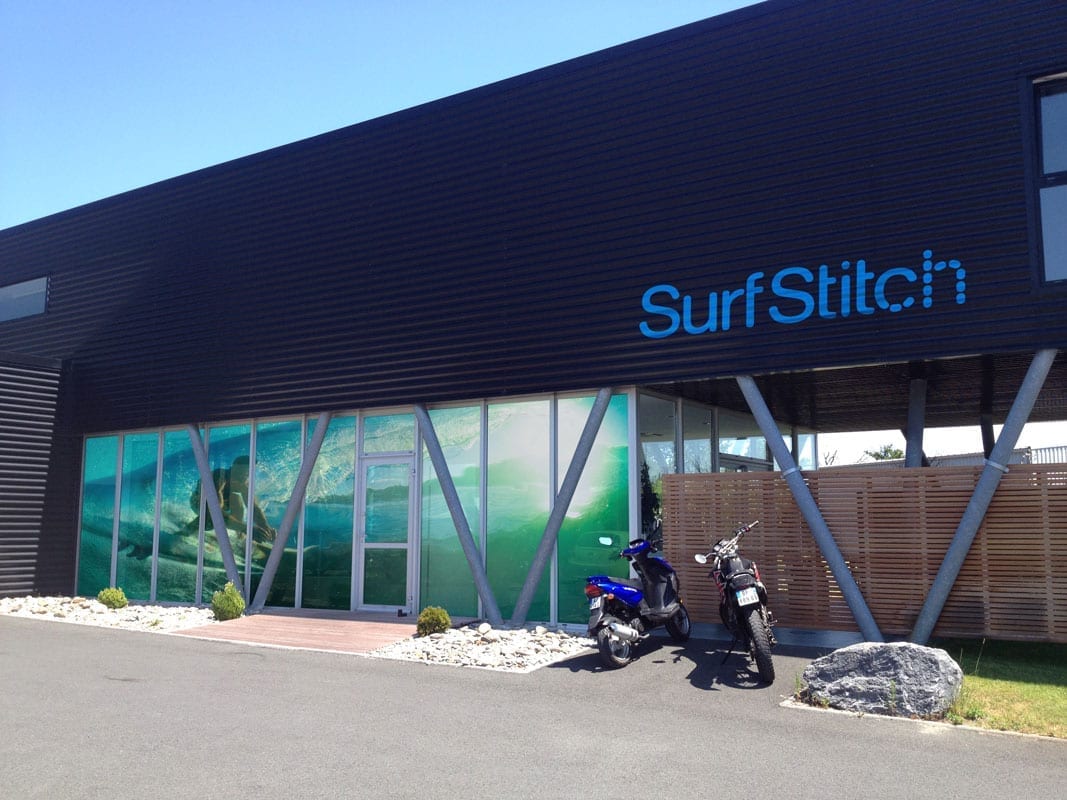
    SurfStitch creditors have approved a proposal from EziBuy to take over the embattled surfwear company and either relist or sell it in the next three years, bringing the online retailer’s drawn-out administration to a close on Wednesday.

    Nearly two-thirds of creditors voted in favour of the deed of company arrangement (DOCA) proposed by EziBuy’s parent company, Alceon Group, over a competing offer from SurfStitch non-executive director Abigail Cheadle, which had the support of SurfStitch co-founder Lex Pedersen and general manager Justin Hillberg, as well as several “major shareholders”, according to Cheadle, but not the administrators or other board members.

    Pedersen said the outcome reflected the emotions of the participants, rather than what was in the best interest of stakeholders.

    “Unfortunately I think the process and outcome was a little more emotional than financial. Personalities, long-standing conflicts and conveniences may have tangled the outcome that should have exclusively been what’s best for the true stakeholders, that is the shareholders and staff,” he told.

    The administrators in March recommended creditors approve the EziBuy DOCA, saying it offered a better return to all stakeholders. Cheadle last week sent a revised proposal to shareholders, matching many of the terms of the EziBuy offer and addressing some of the administrators’ concerns about the process of issuing shares.

    However, the administrators on Tuesday reiterated their support for the EziBuy deal and said creditors would need to issue a new appointment of proxy to vote for the second Cheadle DOCA.

    Cheadle lodged another enhanced proposal an hour before the meeting on Wednesday and moved to postpone the vote to allow creditors whose votes were deemed invalid to participate in the decision and enable an independent expert to assess the EziBuy offer.

    Under the EziBuy DOCA, ordinary creditors and employees will be paid in full within six to eight weeks and class action creditors will receive an initial cash dividend between $3.4 million to $4.3 million. Class action creditors and current shareholders will also be issued convertible notes, converting to shares in the newly merged company, which has an obligation to seek an IPO or other liquidity event within the next three years.

    Cheadle has questioned the valuation of the convertible note, since it implies a valuation well over ten times what Alceon paid for EziBuy ($10 million) last year. But creditors proved reluctant to adjourn the meeting after learning that EziBuy would rescind its offer if the vote was postponed.

    Voters were also keen to end the company’s voluntary administration, which has hampered SurfStitch since it has been on cash terms with suppliers since August.

    Cheadle expressed disappointment after the meeting and maintained that her proposal would have delivered a better outcome for everyone involved.

    “I am extremely disappointed the proposal for SurfStitch was not successful. Since August last year, the proposal has been basically the same. During that time I have worked on the offer on a full-time basis, as well as personally funding it, because I believed strongly in the company’s future,” she said.

    “I hope SurfStitch does well under its new ownership.”

    Pedersen said EziBuy will need to step up to revitalise the business, which he believes still has the potential to succeed.

    “I remain of the view that this business should never have been placed into voluntary administration. Alas, it is where it is today despite the process, so what happens from here is now of utmost importance.

    “EziBuy now need to step up with the support that Justin Hillberg and the team need and deserve as they push to restore it to pre-administration performance. The headwinds created by this protracted process are brisk, but the people [who] have built this business and the customers that support it are resilient.”

  • Nike has “failed” in promoting diversity accross Asia

    Nike has “failed” in promoting diversity accross Asia

    Nike’s HR chief has conceded that it has “failed” in promoting and hiring women and other minorities to senior-level positions within the business.

    In a memo send to staff on Wednesday in the US Nike’s human resources chief Monique Matheson signalled broad based changes in the sneaker giant’s policies, American outlet CNBC reports.

    The memo comes just a few weeks after the resignation of general manager of global categories Jayme Martin amid reports of inappropriate behaviour.

    “While we’ve spoken about this many times, and tried different ways to achieve change, we have failed to gain traction – and our hiring and promotion decisions are not changing senior-level representation as quickly as we have wanted,” Matheson’s memo reads.

    Currently only 29 per cent of Nike’s vice presidents are women while in the US only 16 per cent are people of colour.

    Nike will now renew its efforts to address this disparity with immediate effect, Matheson said.

    Nike has more than 70,000 employees worldwide and several hundred vice presidents.

  • E-commerce finally cracks $25 billion mark in Australia

    E-commerce finally cracks $25 billion mark in Australia

    Australian consumers spent around $25 billion online in the 12 months to February 2018, a more than 15 per cent boost over the same period last year, according to the monthly Online Retail Sales Index compiled by NAB.

    This equates to eight per cent of spending at traditional bricks-and-mortar retailers, as measured by the ABS in the 12 months to January 2018.

    Trend online retail growth is now well above the lows of this period in 2017, and sales volatility dampened in February, the index shows.

    The sector saw a 0.8 per cent increase in month-on-month seasonally-adjusted sales, compared to the 0.1 per cent growth seen by bricks-and-mortar retailers.

    Growth was mixed across categories, with toys and games and media seeing the biggest increase in online sales, followed by department stores, while grocery and liquor, food catering and fashion sales slowed slightly in the 12 months February, compared to the 12 months to January.

    Small and medium businesses represent just over a third of all online sales and saw slightly faster sales growth in February than larger online retailers.

  • Japan’s Rakuten teams with electric utilities for MNO business

    Japan’s Rakuten teams with electric utilities for MNO business

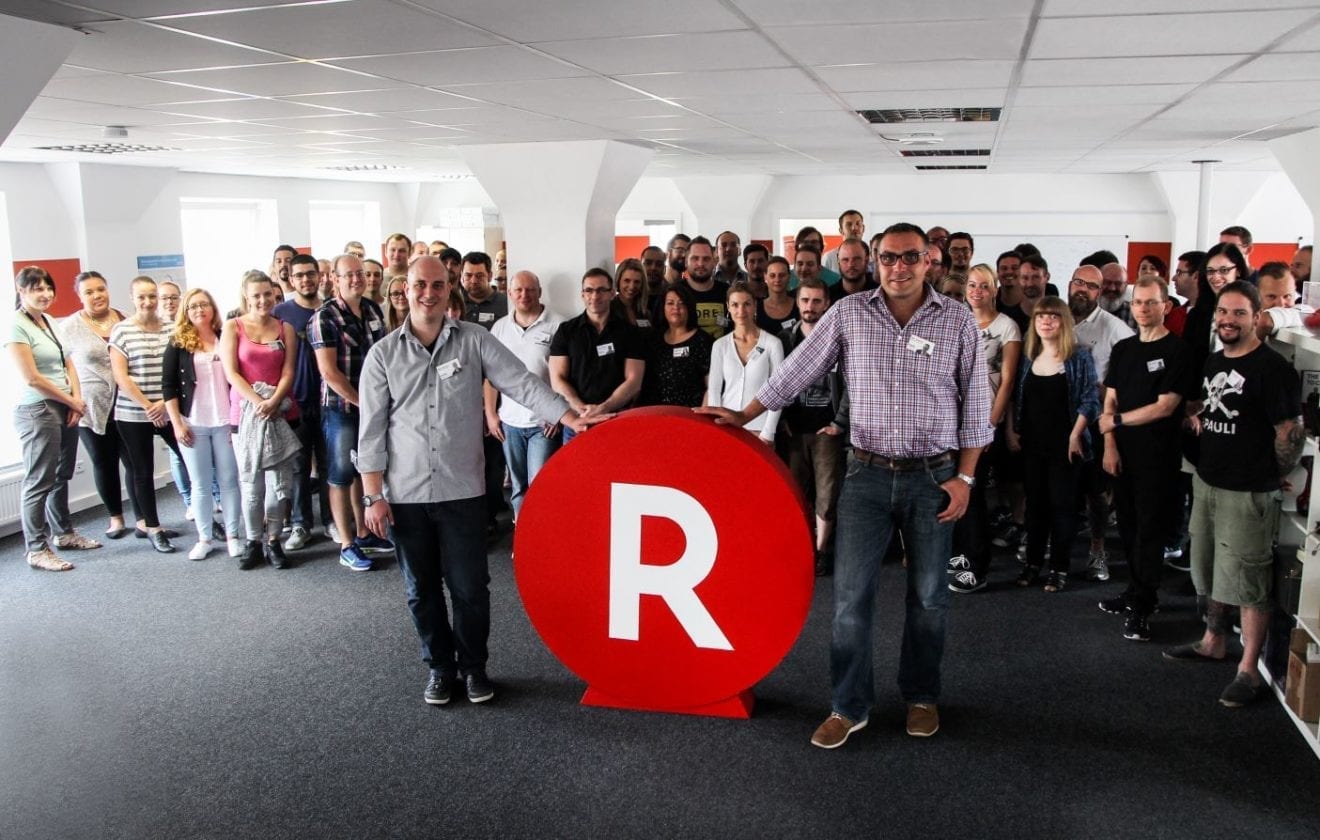
    As part of its plan to become the country’s fourth mobile carrier, Japanese e-commerce giant Rakuten is teaming up with a handful of local electric utilities to leverage the latter’s infrastructure and facilities to build its own 4G mobile network in Japan.

    The e-commerce firm signed an agreement last week with Kansai Electric Power Co that enable Rakuten to utilize the utility firm’s transmission towers, utility poles, telecoms towers and other facilities and equipment for its planned 4G network.

    At present, Rakuten operates as a mobile virtual network operator (MVNO) leasing network capacity from market leader NTT Docomo. The company announced last December its intention to enter the mobile network operator (MNO) business and has applied to Japan’s Ministry of Internal Affairs and Communications for a mobile license to build its own 4G network operating on the 1.7-GHz and 3.4-GHz bands.

    If the frequency band allocation is granted, Rakuten said, it plans to make use of Kansai Electric Power’s transmission towers, utility poles, telecoms towers and other infrastructure in and around Japan’s Kansai region for its base station locations.

    As well as Kansai Electric Power, Rakuten also signed similar agreements with Chubu Electric Power Co and TEPCO Group in March, in a bid to build its mobile network in the most efficient way.

    Rakuten, which plan to invest up to ¥600 billion ($5.6 billion) to build the mobile network, said it will also consider similar tie-ups with other electricity utilities to achieve nationwide service coverage, as it prepares for entry into the MNO business.

    Rakuten launched its MVNO business under the Rakuten Mobile brand in October 2014.  As of January 2018, Rakuten Mobile has over 1.5 million MVNO subscribers.

  • Teletalk to launch 4G in August

    Teletalk to launch 4G in August

    Bangladeshi state-owned operator Teletalk has announced plans to launch 4G services in August, six months after its private rivals.

    The company will initially limit its rollout to major cities.

    Teletalk has faced parliamentary criticism for its plans to invest just 2 billion taka ($23.8 million) of its own funds to deploy 4G services.

    According to the report, since inception  incumbent Grameenphone has invested 390 billion taka, Robi has invested 290 billion taka and Banglalink 192 billion taka, while Teletalk has only invested 38.4 billion taka.

    The operator has a minimal presence outside of capital city Dhaka, and parliamentarians have expressed concerns that it won’t be able to increase its presence and compete effectively without substantial investment.

    Teletalk has so far only revealed plans to upgrade around a quarter of its network sites to 4G. But the company insists it aims to ensure 4G coverage to 98% of the country’s geographical area by 2020, including every upazila (sub-district) by 2019.

    The operator also expects to be able to improve its active customer base from the current 4 million to 10 million by 2020.

    Teletalk secured a 4G license in February along with its larger rivals, but faced delays rolling out services due to a lack of funds.

  • South Korean department stores chase men from now onwards

    South Korean department stores chase men from now onwards

    South Korean department stores are ramping up efforts to attract male customers, whose growing numbers are changing the retail landscape.

    According to data from Shinsegae Department Store, male customers, which accounted for 28.1 per cent of customers in 2010, now represent just over 34 per cent of the major department store’s customer base.

    Sales at male-oriented shops at the main branch of Shinsegae Department Stores in Myeongdong and the Gangnam branch also jumped from 8.2 per cent to 10 per cent over the same period.

    Against this backdrop, South Korean department stores are continuing efforts to revamp their men’s departments, as well as introducing various products catering to family in an attempt to attract male customers of all age groups.

    Shinsegae Centum City opened a renovated men’s department on the fifth floor last month, featuring experience stores that appeal to not only men, but also women and family members.

    Street 5 is a select shop modeled after a European-style city-center plaza, packed with local brands from Busan and Daegu, differentiating itself from other stores.

    Apart from a wide selection of men’s clothing stores, a photography studio specializing in black and white photography and a premium select pet shop will also welcome visitors with various interests.

  • L’Occitane launches a mobile cosmetics truck

    L’Occitane launches a mobile cosmetics truck

    Beauty brand L’Occitane en Provence is set to launch a mobile shopping experience in North America.

    The business will be bringing its skincare, body care, and fragrance products on a road trip with the new direct-to-consumer shopping model.

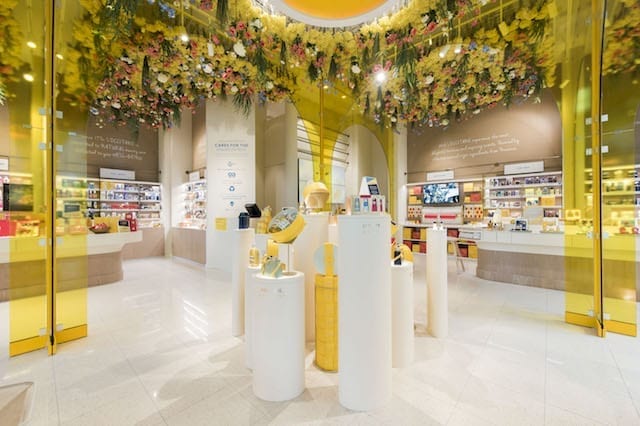
    The 16-foot-long, 7-foot-high truck is wrapped in L’Occitane’s signature yellow and features two window-like openings, featured at the truck’s side spanning across the entire length and rear that allows customers to view an internal shelving display filled with a curated-assortment of product, and test products facilitated by beauty experts.

    “We are constantly challenging ourselves to surprise and delight our customers and, as a result of this, our in-store shopping experience has evolved dramatically in recent years,” said Paul Blackburn vice president, Concept Design, Construction & Merchandising North America. “From our Flatiron Experiential Community Flagship boutique in New York, to the new Sunshine Retail Concept that was launched in 2017, and most recently the digitally enhanced and Multisensory flagship boutique at Yorkdale, we are addressing customers’ varying shopping needs in a variety of unique and unexpected ways.”

    The truck, whose design was inspired by the vintage French Citroën H Van, often used by small-town French farmers, also has an external video screen that will share campaign and brand imagery.

    “Entering a boutique can often be intimidating to a consumer; this dynamic concept is truly more approachable while still an extension of the multi-sensory and hospitable customer experience from our boutiques,” said Caroline Le Roch, commercial chief officer – North America. “We are excited to bring Provence to our customers, including areas we may not have a brick-and-mortar presence.”

    Le Roch said the L’Occi Truck is a great discovery tool for those who have yet to be introduced to L’Occitane.

    Kicking off in Washington, DC during the Cherry Blossom Festival on April 7th, the truck will stop throughout key cities and regions with and without a brick-and-mortar presence. The L’Occi Truck will also serve as a supporting asset for future store closings due to renovations to ensure the brand is always present for the consumer’s needs.

  • VF Corporation finalized Icebreaker takeover

    VF Corporation finalized Icebreaker takeover

    Outdoor apparel brand Icebreaker is now under US ownership after New Zealand’s Overseas Investment Office approved the NZ$100 million+ deal.

    The purchaser is VF Corporation, which owns a diverse portfolio of lifestyle brands, including Vans, The North Face, Timberland, Wrangler and Lee.

    In a media release, North Carolina-based VF Corp said the acquisition “is an ideal complement to VF’s Smartwool brand, which also features merino wool in its clothing and accessories”.

    “Together, the Smartwool and Icebreaker brands will position VF as a global leader in the merino wool and natural fibre categories.”

    The deal was originally sealed, subject to regulatory approval, last November. At the time, founder Jeremy Moon said it was always his plan to build a global brand from New Zealand.

    “Our partnership with VF provides us with the largest platform in the world to tell our story, access new markets and reach new consumers at an accelerated pace. This is a once-in-a-lifetime opportunity for our global Icebreaker brand team and for our wool suppliers to introduce a whole new universe of consumers to the benefits of sustainably farmed, ethically sourced, New Zealand Merino wool,” he said.

    The brand is sold in 47 countries through wholesale, branded retail stores and online. Sales were estimated at in excess of US$150 million last year.

  • Baan Ying heads Thai dining double

    Baan Ying heads Thai dining double

    Thai casual-dining restaurant Baan Ying and Dink Dink Thai Street Cafe, with the same owners, have opened at Royal Square Novena.

    Baan Ying has made a name for itself in Bangkok, where a family started the diner at Siam Square, encouraged by friends, 20 years ago. The original shop burned down after protests in the Thai capital in 2010.

    Now the group has a dozen restaurants, with Baan Ying outlets at Central World, Mega Bangna, Siam Centre, Siam Kitti, Silom Complex, Terminal 21 and The Promenade.

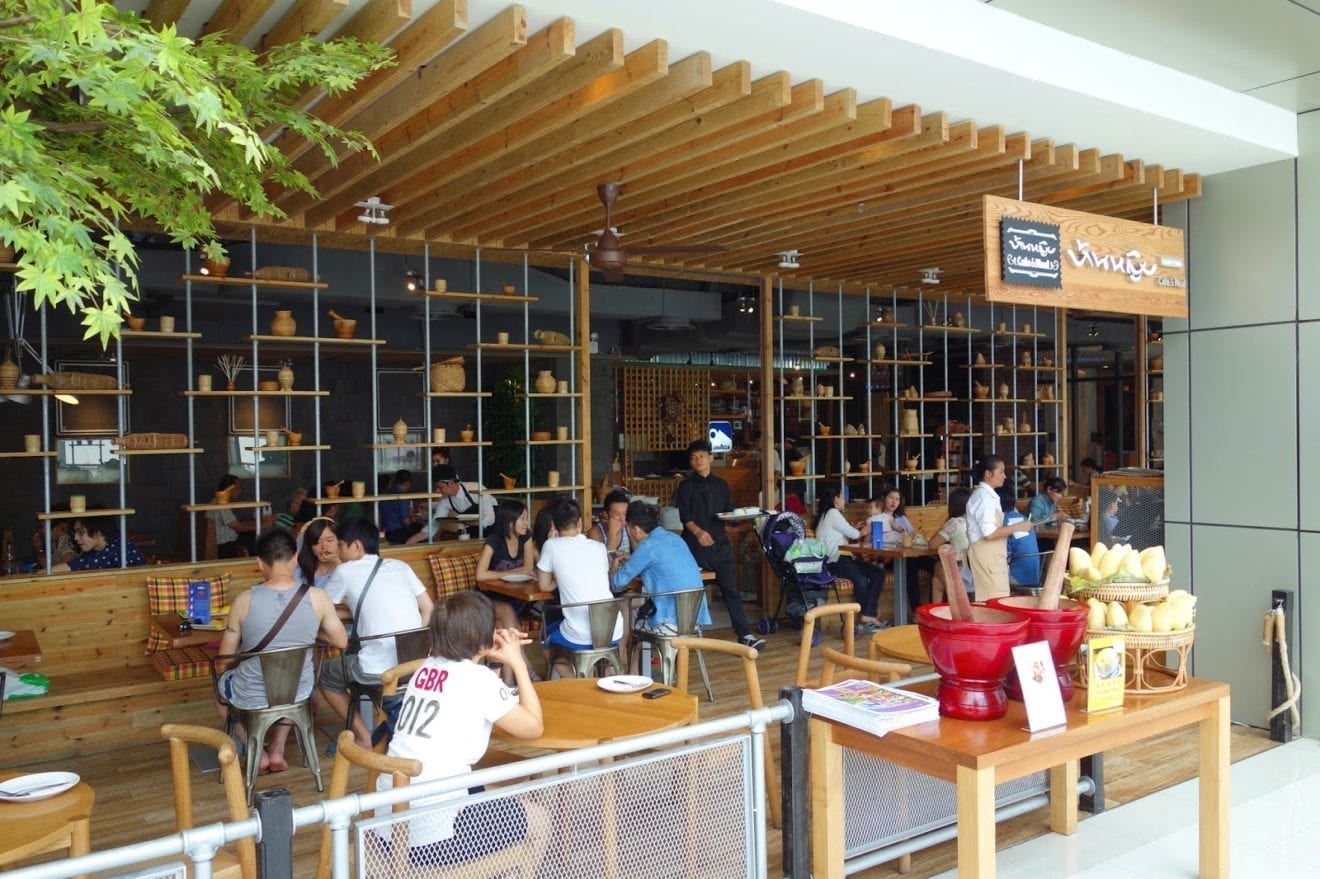
    For Singapore, the 126-seat Baan Ying has been opened in a bright space with tall ceilings, windows offering soft natural sunlight, light wooden furniture and greenery.

    Recommended items include the signature Baan Ying Omelette, Deep-Fried Sea Bass with Crispy Herbs, and Squid Stir Fry with Salted Egg.

    Downstairs on the first level of Royal Square Novena, Dink Dink Thai Street Cafe has a decor that echoes the streets of Thailand, with metallic tables and stools for the dine-in area. The menu offers noodles and toast dishes as well as drinks.

  • Zalora starts partnership with Jason Wu Grey

    Zalora starts partnership with Jason Wu Grey

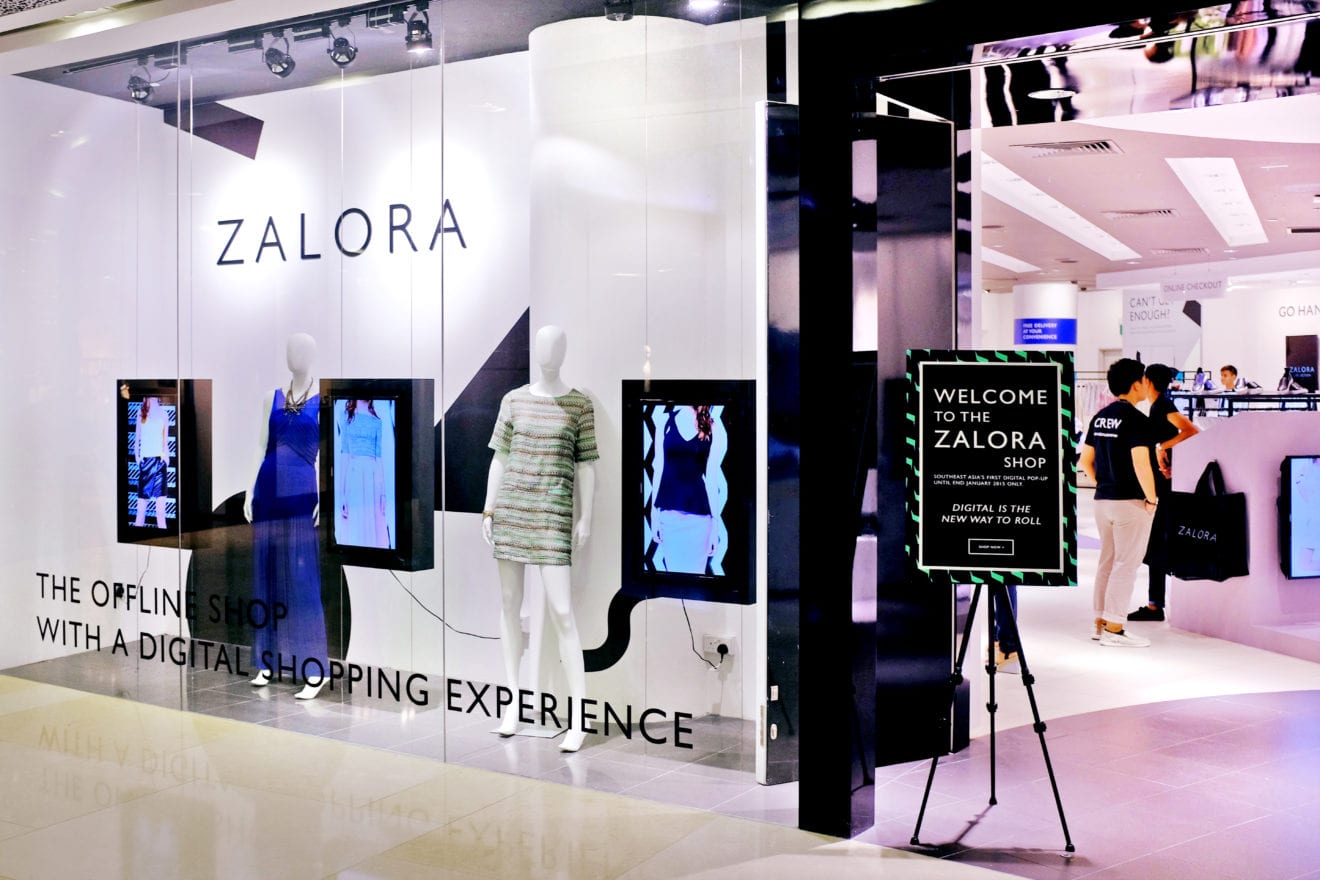
    Online fashion retailer Zalora has partnered with designer Jason Wu Grey and Malaysian bag specialist Sometime by Asian Designers to release a limited-edition offer.

    The upcoming collaboration will feature a classic tote bag and a crossbody mini tote in vegan leather. They will be exclusively available on the Zalora website and mobile app across Hong Kong, Macau, Singapore, Malaysia, Brunei, Taiwan, Indonesia and the Philippines.

    The handbags were inspired by the “subdued modernity” of the Jason Wu Grey collection combined with bold colour-block details influenced by Josef Albers’ square paintings.

    “This partnership marks Sometime’s expansion to new markets around the region and Jason Wu’s debut collaboration with a Southeast Asian retailer and Malaysian brand,” said Zalora in a statement.

    The exclusive bag collection will be available in June, with further details to be released closer to the launch.

  • Flight Centre recently slapped with $12.5 million fine

    Flight Centre recently slapped with $12.5 million fine

    Flight Centre has been slapped with a $12.5 million dollar fine for attempting to fix pricing with international airlines between 2005 and 2009.

    The Full Federal Court of Australia handed down the penalty on Wednesday morning, following a successful high court appeal by the ACCC against an earlier court decision in 2016.

    The decision is the latest turning point in a six-year between the competition watchdog and Flight Centre, which has the travel agent lose an initial court case before winning an appeal and then subsequently losing another ACCC appeal to the High Court.

    The ACCC alleged that Flight Centre sought to enter into price fixing arrangements with three airlines where they would agree not to offer airfares on their own website that were cheaper than those offered by Flight Centre.

    Flight Centre is now considering whether there are legal grounds to seek leave for another appeal against today’s judgement.

    “This was a complex test case as evidenced by the contrasting judgements during the past six years,” Flight Centre managing director Graham Turner said in an ASX release on Wednesday.

    “Flight Centre at all relevant times believed that it was acting lawfully and that its conduct did not contravene the Trade Practices Act, given that its interactions took place within the context of commercial negotiations as to agency arrangements with its principals.”

    Flight Centre said the fine would not impact its FY18 market guidance of an underlying profit before tax of between $360 million and $385 million.

    Flight Centre was initially fined $11 million but after it won its initial appeal a refund was issued.

    Today’s $12.5 million fine was higher than the original penalty, which ACCC chairman Rod Sims said reflected the size of Flight Centre.

    “The ACCC appealed from the initial $11m penalty orders because it considered that this level of penalty was inadequate to achieve a strong deterrence message for Flight Centre and other businesses,” Rod Sims said in a statement on Wednesday.

    “We will continue to argue for stronger penalties which we consider better reflect the size of the company, as well as the economic impact and seriousness of the conduct. Significant, large penalties act also as a general deterrent to other businesses that may be considering such conduct themselves.”