Tag: asia

  • Burberry has new chief creative officer, soon

    Burberry has new chief creative officer, soon

    Fashion company Burberry has appointed Riccardo Tisci chief creative officer, effective from March 12.

    With expertise across womenswear, menswear, leather goods and accessories, Tisci joins Burberry from Givenchy, where he was creative director from 2005 to last year.

    A graduate of Central Saint Martins in London,Tisci will direct all Burberry collections and present his first for the brand in September. He will be based at the brand’s headquarters in London.

    “Riccardo’s skill in blending streetwear with high fashion is highly relevant to today’s luxury consumer,” says Burberry CEO Marco Gobbetti.

    Tisci says he has enormous respect for Burberry’s British heritage and global appeal. Born in Lombardy, Italy, in 1974, he worked with Gobbetti when he was president/CEO of Givenchy from 2004 to 2008.

    Since 2013, Tisci has been collaborating with Nike and previously held design roles at Antonio Berardi, Puma and Ruffo Research.

    GlobalData retail analyst Charlotte Pearce says the market reacted positively to Tisci’s appointment.

    “He will be able to breathe new life into the company and bring a fresh perspective to the luxury British brand. With six months to go before Tisci presents his first show for Burberry in September, he will have time to firmly establish himself in the business and lay out his creative vision for the renowned brand.”

    Peace says it is imperative that Tisci and Burberry CEO Marco Gobbetti work closely together over the coming months – as they would have at Givenchy – to reinvigorate the Burberry brand.

  • Alibaba said to buy out Baidu

    Alibaba said to buy out Baidu

    Alibaba Group Holding Ltd. plans to buy out Baidu Inc. and other investors in Chinese startup Ele.me to shore up its delivery network, a person familiar with the matter said, placing its biggest bet yet in online food and local services.

    An acquisition would hand Alibaba the biggest chunk of Chinese online food delivery and pit it directly against Meituan Dianping, backed by Tencent Holdings Ltd. Ele.me – which means “hungry yet?”. Meituan runs an army of delivery people on motorbikes across the country that could enhance Alibaba’s last-mile ability to get parcels to customers’ doorsteps and complement its Koubei neighbourhood services business.

    Alibaba, which owned 23 per cent of Ele.me as of May, plans to buy the stock from existing investors including Baidu, the person said, requesting not to be named because the matter is private.

    It is unclear how much Alibaba agreed to pay, but Ele.me was said to have been valued at between US$5.5 billion (S$7.23 billion) to US$6 billion in a May fundraising last year.

    The startup then bought Baidu’s delivery business at a US$500 million valuation in August 2017, a person familiar said at the time. The current talks are ongoing and it’s possible terms may change or the deal may not be completed.

    Alibaba, Ele.me and Baidu declined to comment.

    Alibaba shares rose 0.47 per cent to US$194.19 Monday in New York, the highest in four weeks. Baidu rose 2.2 per cent to US$256.25, the highest in more than a month.

    If the deal goes through, Alibaba and Meituan will dominate a Chinese food delivery market that Analysys estimates reached 67.7 billion yuan (S$14.1 billion) in 2017’s final quarter, up 16.2 per cent from the previous three months.

    For Baidu, it is another exit from a business considered peripheral to its core operations in search and artificial intelligence.

    “With its online traffic and Koubei business, Alibaba could create a lot of synergy with this acquisition,” said Steven Zhu, a Shanghai-based analyst with Pacific Epoch.

    “This would be a drag on the margin, because Alibaba now owns more delivery men and inventory, but it has no choice because long-term wise most consumption still takes place offline.”

    Alibaba has taken steps to shore up its logistics in recent months, taking over longtime delivery affiliate Cainiao and drawing up plans to invest in warehouses.

    Unlike e-commerce rival JD.com Inc. however, which builds and runs its own fleet of delivery people, Alibaba’s last-mile capabilities have been confined mainly to third-party partners. Its investments in so-called “new retail,” such as brick-and-mortar stores and grocery chain Hema, also help shore up the network, by providing delivery points and warehousing for parcels.

  • 3.1 Phillip Lim opens new stores in Seoul

    3.1 Phillip Lim opens new stores in Seoul

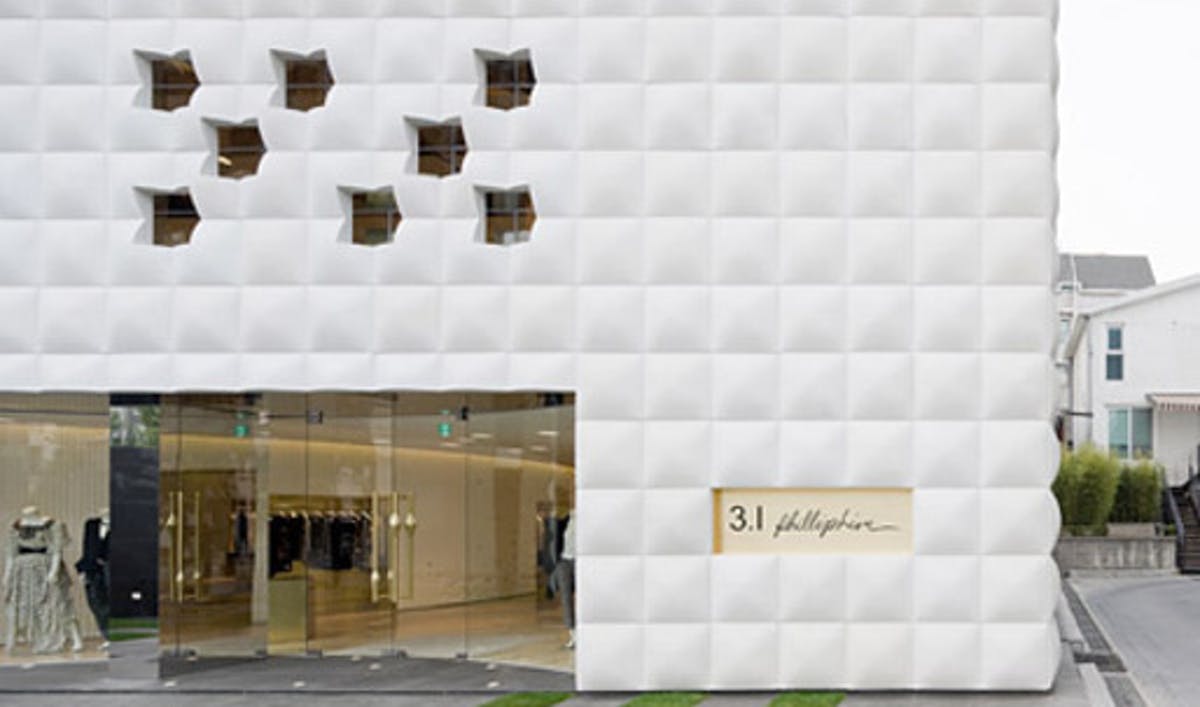
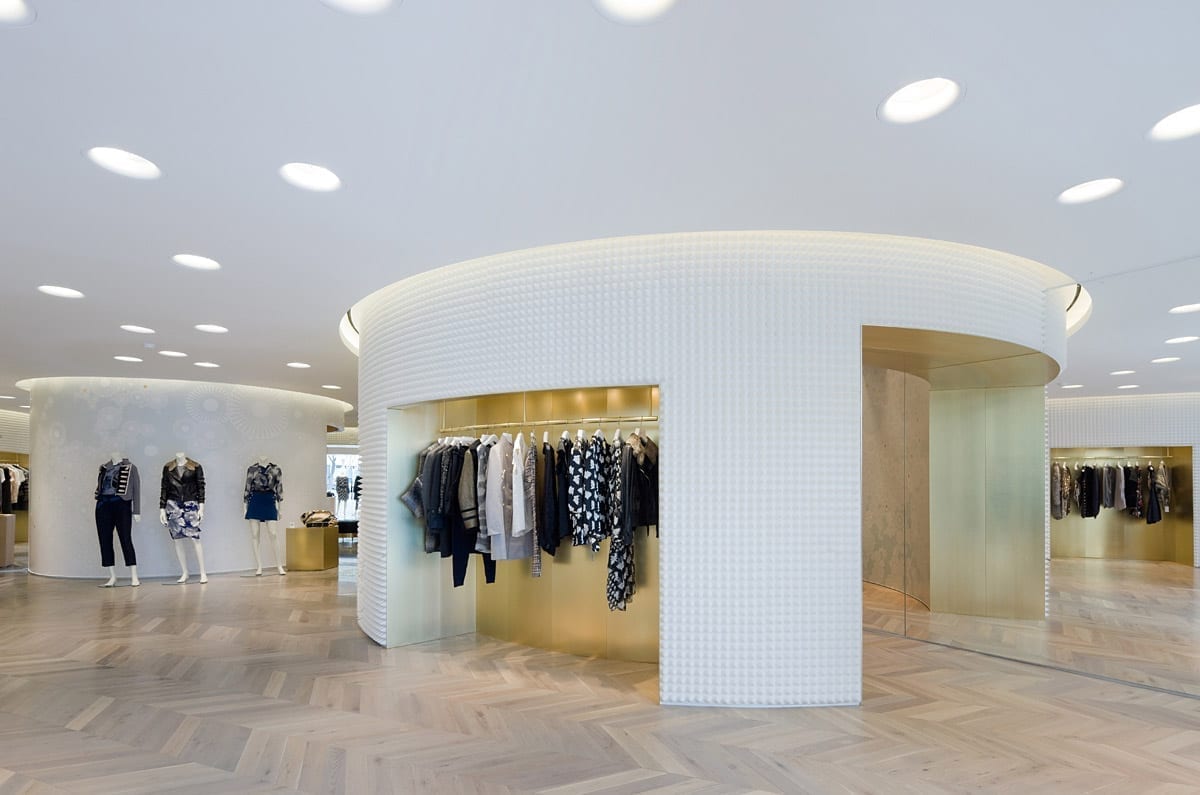
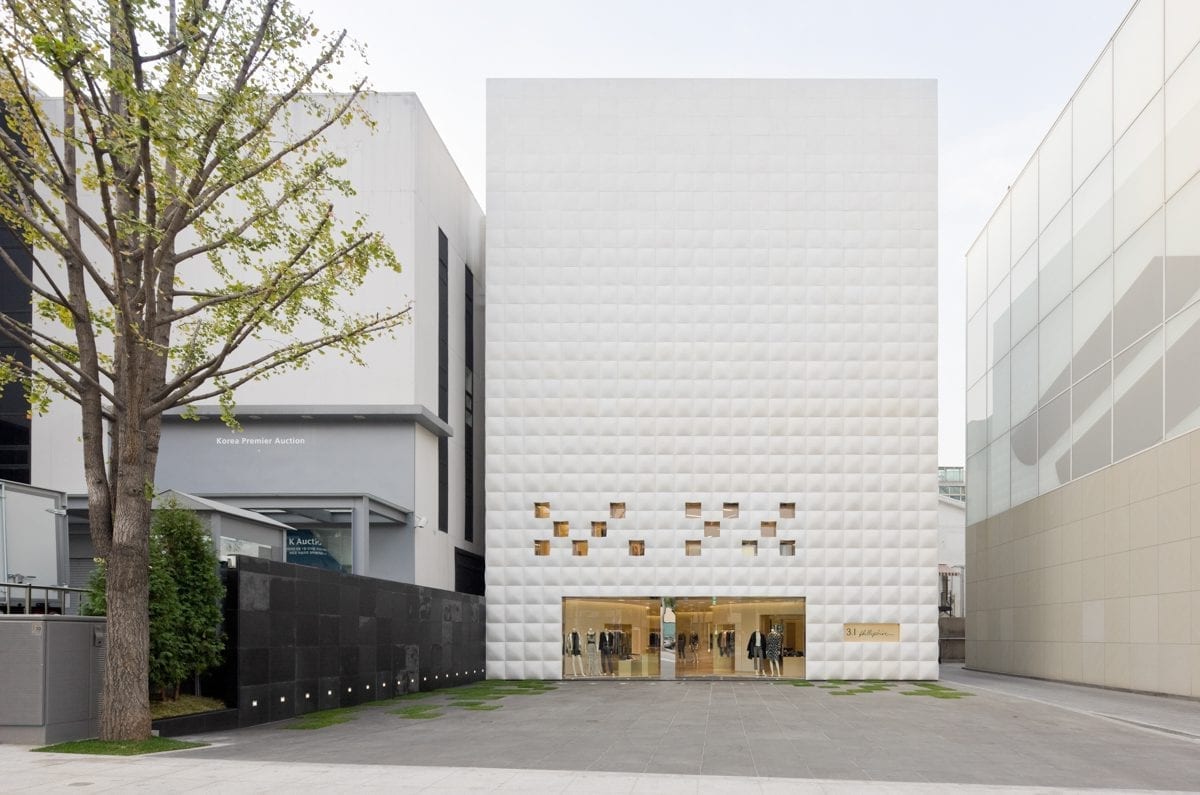
    US fashion brand 3.1 Phillip Lim is opening stores in Seoul via Handsome, the apparel unit of Hyundai Department Store.

    Handsome says 3.1 Phillip Lim men’s and women’s apparel, bags and accessories have just gone on sale at outlets in the luxury hall of Galleria Department Store in Apgujeong.

    Handsome, which has 27 global fashion brands in its portfolio, will expand 3.1 Phillip Lim distribution channels through Hyundai Department Store.

    Launched by Chinese-American designer Phillip Lim in 2005, the label opened its first brick-and-mortar branded store for Korea in Cheongdam-dong in 2009.

  • Aeon, SoftBank, Yahoo Japan team up

    Aeon, SoftBank, Yahoo Japan team up

    Aeon and Yahoo Japan have not had tremendous success with their own e-commerce ventures, according to the report.

    Softbank’s IT prowess is seen as key to enabling Aeon to make the most of its brick-and-mortar assets in a retail sector quickly evolving as customer data and technologies such as artificial intelligence are leveraged to create better, more personalized shopping experiences.

    A teaming of these companies could also help Aeon keep up with the trend toward rolling out cashierless or unmanned stores, while helping Yahoo Japan become a more formidable, competitive e-commerce player.

    As with many strategic alignments between brick-and-mortar and e-commerce retailers, this potential partnership is being seen as an attempt to build an alliance worthy of challenging the international Goliath Amazon, which has set its sights on expanding in Japan.

    Physical retailers and e-commerce companies in other countries are becoming especially sensitive to Amazon’s threat as it continues to expand e-commerce interests internationally while also building up a brick-and-mortar presence through efforts like physical bookstores, Amazon Go and Whole Foods.

    As the largest retailers in many countries prepare for inevitable war with Amazon, as well as one another in some cases, there are two priorities. One is to become even larger and broader through partnership, acquisition or strategic investment. The other is to have solid footholds in both e-commerce and brick-and-mortar.

    Aeon, Softbank and Yahoo Japan are not the only ones evolving with these priorities in mind. We already have seen significant efforts from some of the world’s largest retailers and e-commerce players to do the same. For example, Walmart recently aligned with Japan’s Rakuten. China’s JD.com has been looking to expand into the U.S. and Europe, and fellow Chinese e-commerce giant Alibaba is aggressively investing in brick-and-mortar retail firms.

    By getting together in one way or another, Aeon and Yahoo Japan in particular may be looking to strengthen what have been weaknesses in their respective retail and e-commerce strategies, but they also would be positioned to play the game at a whole new level — that of a retail superpower fit to tackle new opportunities at home and abroad.

  • Reiss North Korea makes debut

    Reiss North Korea makes debut

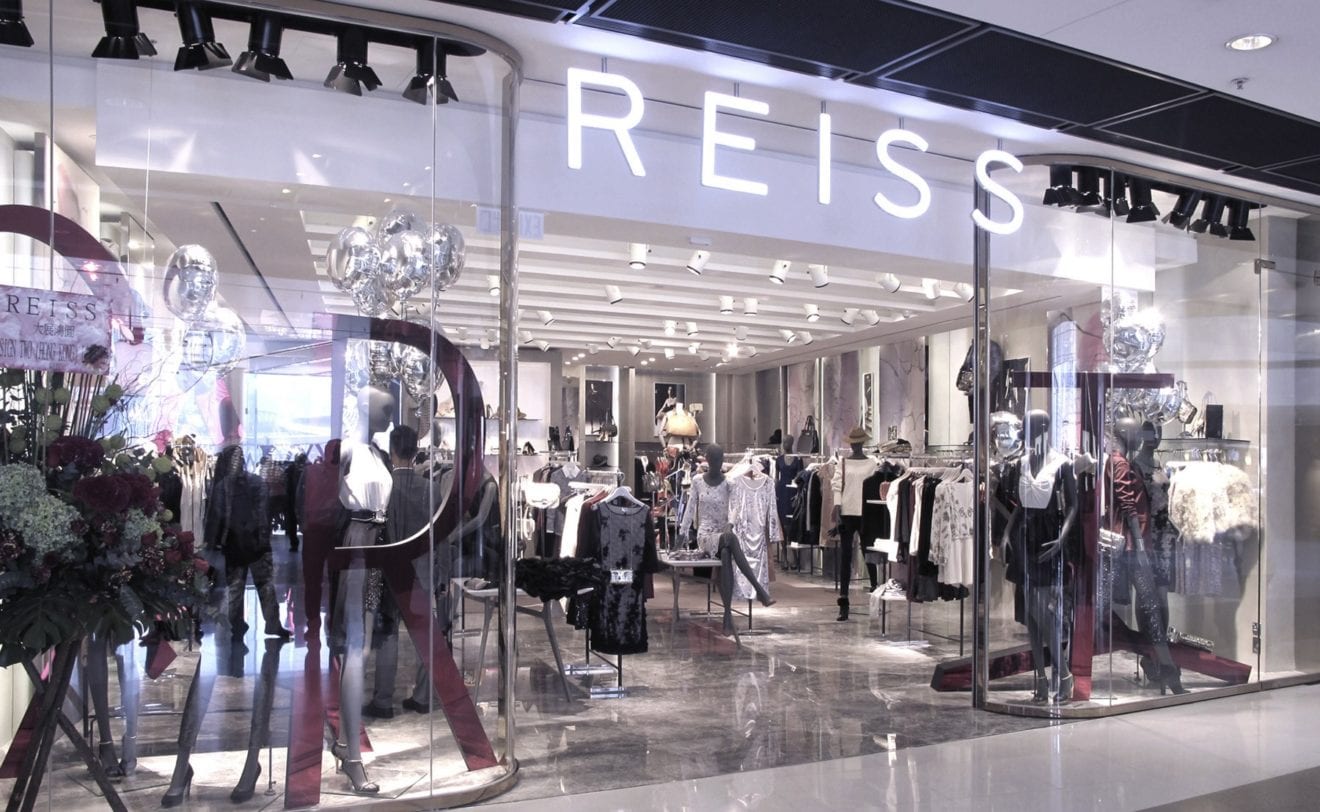
    British fashion brand Reiss has launched in South Korea, at Shinsegae Department Store in Kangnam.

    Introduced by Shinsegae International, the brand plans to open 12 stores in both Shinsegae and Lotte department stores across the country by the end of this year.

    Reiss says it expects high sales with its offering of trending items priced to compete with local and international brands.

    Founded in 1971, Reiss offers designs inspired by classic movies and artworks. Its international expansion has also taken it to the US, Canada and Australia.

  • Fewer sales, but more profit for Bonia

    Fewer sales, but more profit for Bonia

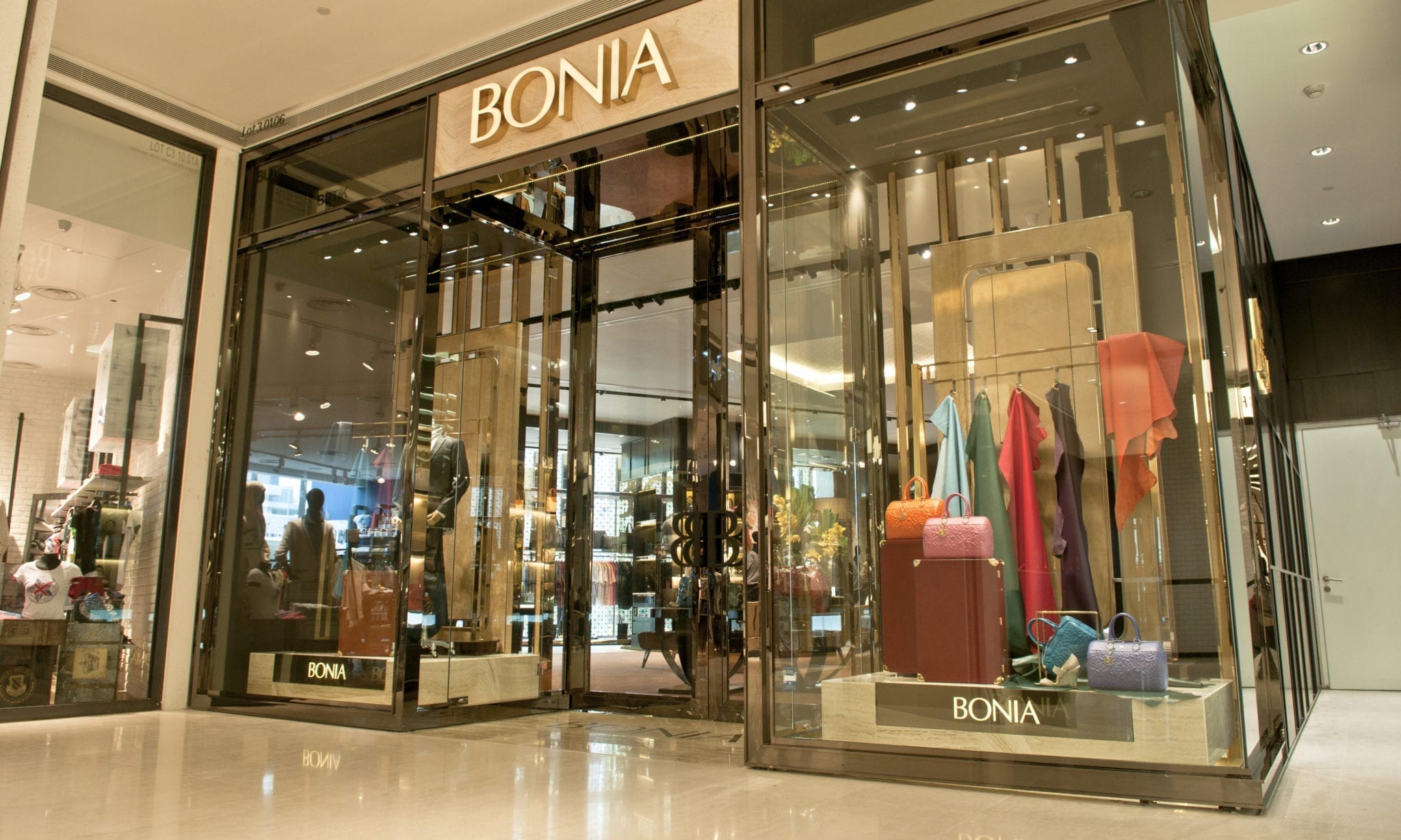
    While Malaysian fashion retailer Bonia sold fewer handbags in its second quarter, it did manage to grow its net profit.

    It achieved a net profit of RM11.99 million (US$3 million) for the period, to the end of December, up 8 per cent. It attributes the upswing to lower running costs and improved gross profit margins.

    Quarterly revenue dropped 7 per cent to RM160.34 million, Bonia saying this had been anticipated because of the closure of counters as part of a rationalisation process.

    However, the lower revenue was offset by improved gross profit margins, up 5 per cent.

    Year-end sales and the festive season boosted revenue and operating profit to RM15.35 million.
    Business in Indonesia, Singapore and Vietnam was hit by weak consumer sentiment.

    Still, the quarterly growth was not enough to stem the fall on its half-year earnings, which saw net profit slide 31 per cent to RM13.3 million. Revenue contracted by 10 per cent to RM279.23 million.

  • Devialet opens its new store at Hong Kong

    Devialet opens its new store at Hong Kong

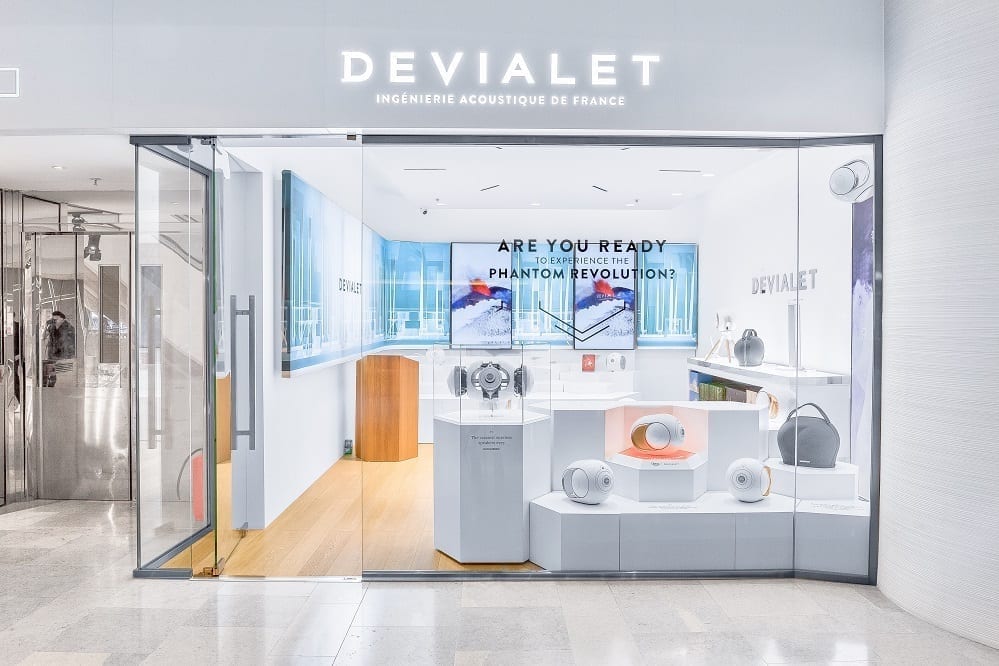
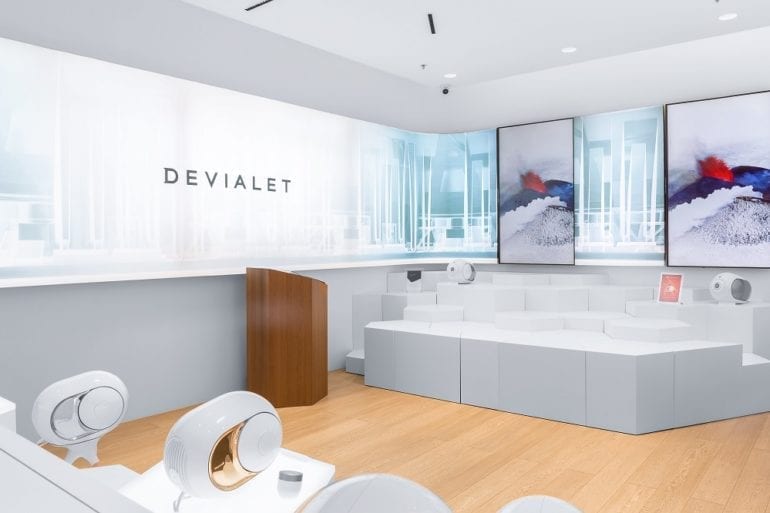
    Devialet, the French innovator in breakthrough sound technology, launches its new store at the iconic Hong Kong retail destination, Pacific Place.

    Fully operational during this soft launch period, Devialet Pacific Place will be continuously upgraded over the coming months to deliver the unmistakable Devialet experience with a grand opening in April this year.

    During this soft launch period, a section of the store’s complete retail area will be open while the full sales floor undergoes an extensive two-phase remodel and renovation. The upgrades will be completed in April this year, setting the stage for a grand opening where Devialet fully unveils this new space to experience the best sound in the world.

    Founded in 2007, Devialet is a leading tech start-up and the most award-winning company in the history of audio.

    Widely acclaimed by industry experts and international press, Devialet’s products now retail at the world’s most exclusive outlets, including Colette, Harrods, Kadewe and Apple Stores. Bernard Arnault, Jacques-Antoine Granjon, Xavier Niel and Marc Simoncini are among early investors.

    In December 2016, Devialet accelerated its development with a record €100m in fundraising from leading international investors to help deploy its technologies in new sectors and accelerate commercial development in Asia and the United States.

  • CapitaLand accelerates growth momentum in Vietnam with massive investments

    CapitaLand accelerates growth momentum in Vietnam with massive investments

    CapitaLand Vietnam plans its first mixed-use project for Hanoi.

    In Tay Ho district with West Lake views, the US$217 million project will comprise 19,000sqm of retail space, about 213,000sqm of office space and 380 residences including SoHo apartments.

    Its 0.9ha site connects to both the new and old business districts and is close to the diplomatic district and new government offices as well as the expatriate enclave of Xuan Dieu. It is less than 20 minutes’ drive from Noi Bai International Airport.

    “This mixed-use development allows us to strategically diversify and optimise our Vietnam portfolio with both good trading returns and a strong recurring income stream,” says CapitaLand president/group CEO Lim Ming Yan.

    The Singapore-based group has also set up its second commercial fund in Vietnam, CapitaLand Vietnam Commercial Value-Added Fund (CVCVF), which has closed at $130 million and will have a life span of eight years. CapitaLand and EA Commercial Holdings each hold a half interest in CVCVF, which will focus on grade-A commercial properties.

    After Singapore and Malaysia, Vietnam is the third-largest Southeast Asian market for CapitaLand. At the end of December it had $717 million worth of gross assets under management in Vietnam.

  • Bubba Gump closed doors in Malaysia

    Bubba Gump closed doors in Malaysia

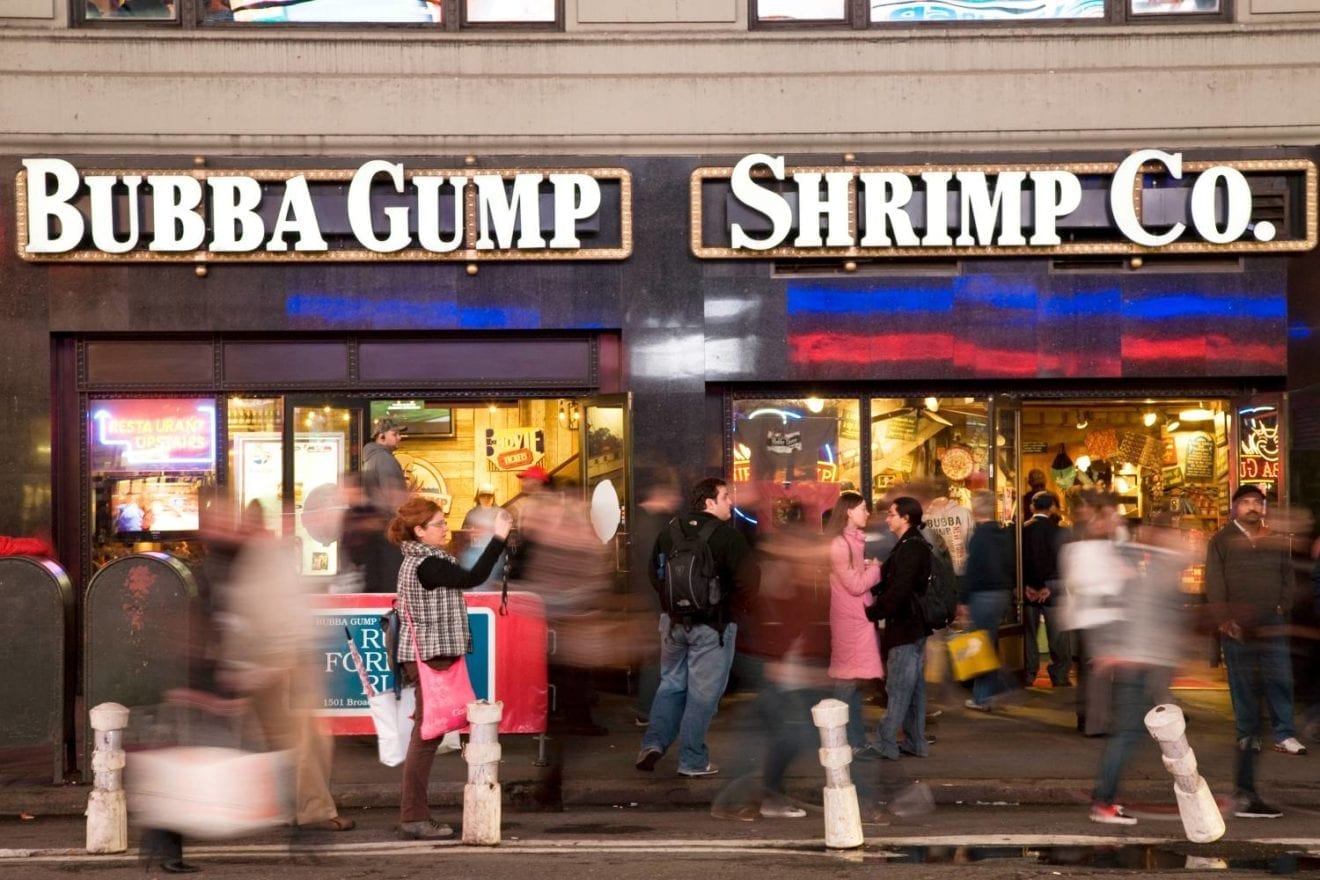
    Restaurant chain Bubba Gump Shrimp Company Malaysia has closed two of its three outlets.

    In a surprise announcement, the US chain says its Citta Mall and The Curve outlets have been closed permanently, while it is business as usual for its first Malaysian outlet in Sunway Pyramid in Selangor.

    Inspired by the 1994 movie Forrest Gump starring Tom Hanks, Bubba Gump Shrimp Company opened its first outlet in Monterey, California, in 1996. It entered the Malaysian market in 2008. The restaurant is named after characters in the film – Benjamin Buford “Bubba” Blue (played by Mykelti Williamson) and Forrest Gump (Hanks). Even the dishes are named after characters in the movie.

    The chain has expanded to more than 40 outlets worldwide, including outposts in Hong Kong, Indonesia, Japan, the Marianas, the Philippines and Malaysia.

  • Shopee to offer Singaporean the China Marketplace

    Shopee to offer Singaporean the China Marketplace

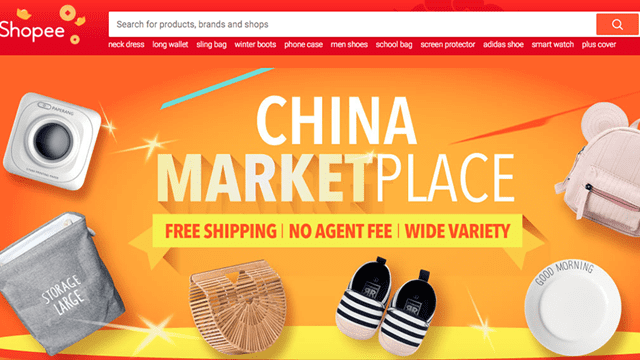
    E-commerce platform Shopee Singapore has launched a China Marketplace.

    Users can access it via a dedicated entry point on Shopee’s home page.

    As well as offering a variety of products from China, the new marketplace offers inroads for sellers to tap into Shopee’s retail ecosystem in Singapore.

    In a survey of local online shoppers, Shopee found that more than 60 per cent of respondents shop for products from China at least once a month. Almost 90 per cent indicated they shop from China more today as compared to five years earlier, citing product variety, convenience and cost savings as key reasons. Also, a Paypal report says an estimated half a million Singaporeans spent about S$1.2 billion on cross-border shopping.

    For Shopee’s survey, 57 per cent of respondents said a pain point of cross-border shopping is high shipping fees, 39 per cent indicated language barrier, and 37 per cent listed poor user interface.

    “We believe Shopee’s China Marketplace is the perfect answer,” says Shopee Singapore chief commercial officer/country head Zhou Junjie. “Shoppers will also enjoy free shipping and no agent fees for purchases, as well as easy access to millions of translated listings.”

    China Marketplace features more than 1 million listings across such categories as women’s and children’s fashion, home and living, and kids’ apparel. Shoppers will also have direct access to China’s top sellers and leading lifestyle brands such as Xiaozhainv, Banfang Home, and Xi Home, which have gained significant popularity in Singapore over the past few years.

    “Shopee’s China Marketplace has provided us with a platform to expand our reach to Singapore, and a way to directly engage with an overseas customer base,” said a spokesman for Chinese fashion retail Xiao Zhai Nv. “With strong logistics and integrated payments support from Shopee, we can focus our attention on other aspects of the business, including curating the best product assortment suited for the Singaporean consumer, and enhancing overall customer experience through provision of strong customer support.”

  • Bolloré Logistics launches its weekly river shuttle in France

    Bolloré Logistics launches its weekly river shuttle in France

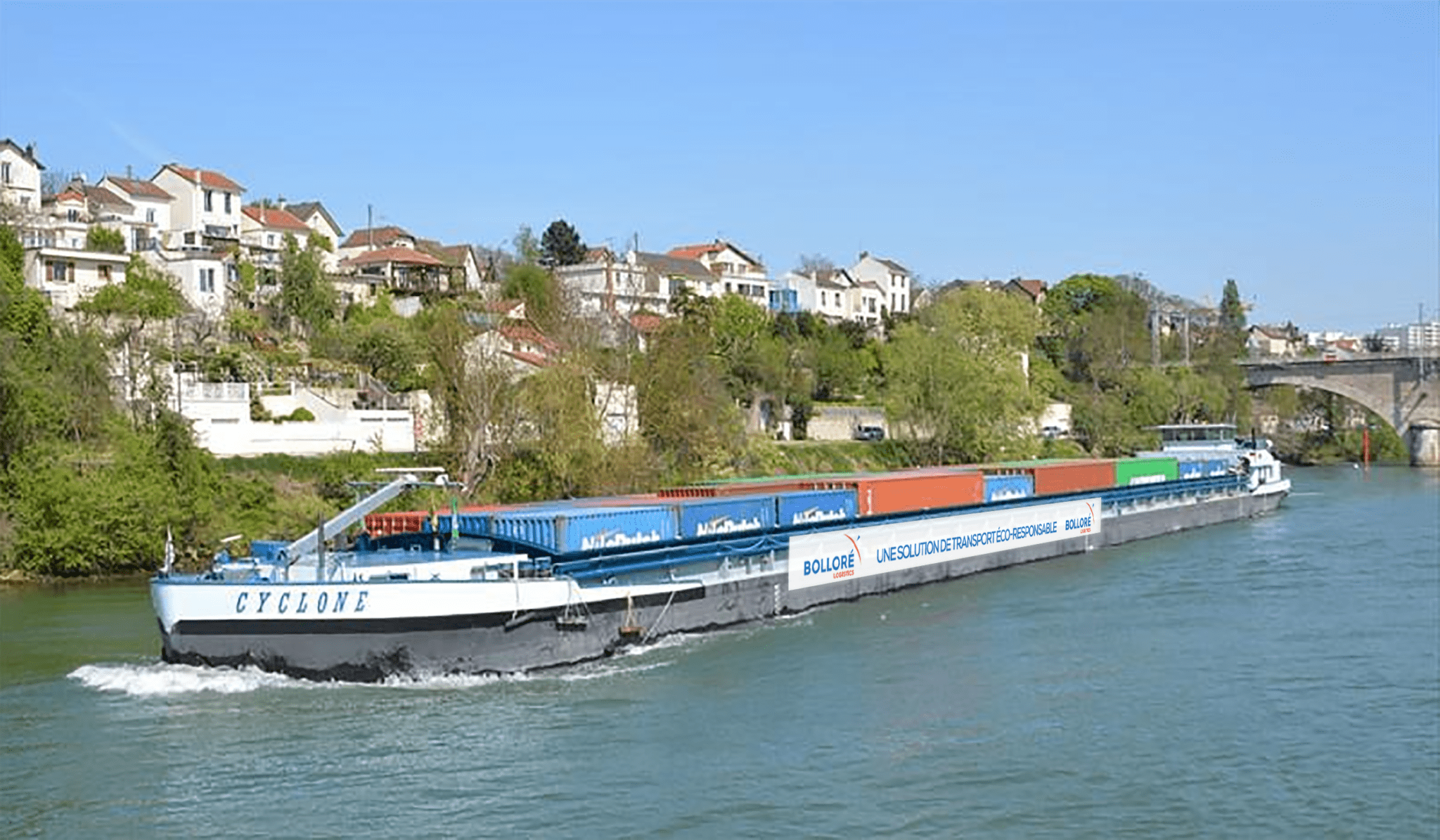
    Bolloré Logistics is launching its brand new river transport solution today, with the first commissioning of a river unit service running between Le Havre and Bonneuilsur- Marne via Gennevilliers, near Paris (France).
    This new service is fully consistent with the development strategy undertaken by Bolloré Logistics for the Seine Valley and its drive to develop innovative and eco-friendly solutions to meet customers’ needs.

    Designed as a flexible solution, the service offers several advantages. First of all, the environmental benefits of waterway transport, which is low in pollution and reduces greenhouse gas emissions. Bolloré Logistics will thus be reducing the share of road transport in favour of a barge service, allowing it to ship deliveries to its customers located in the Paris consumer basin. A “last mile” service, primarily operated by trucks running on natural gas, will
    round out this new logistics solution.

    Bolloré Logistics also wants to offer its customers the benefits of optimized cost management by taking advantage of the best port franchises offered by the Seine corridor. “The river corridor solution can help optimise the costs of parking import containers in Le Havre. Our goal is to offer our customers a flexible solution that reduces these costs.” says Laurent Foloppe, Director of the Normandy Region at Bolloré Logistics.

    The Bolloré Logistics motor barge will provide a shuttle service every Wednesday, running between the multimodal terminal of Le Havre and Bonneuil-sur-Marne to the south west of Paris, offering additional stops at the ports of Gennevilliers and Rouen. This solution allows Bolloré Logistics to offer a capacity of more than 5,000 TEUs to Paris’ Ports (Paris port and waterways authority). The motor barge will depart loaded from the two Parisian ports to Rouen
    and Le Havre.


  • 7-Eleven Malaysia numbers look good last year

    7-Eleven Malaysia numbers look good last year

    For the 4th Quarter ended 31 December 2017

    The Group’s revenue for the current quarter of RM546.2 million grew by RM22.6 million or 4.3% against the
    corresponding quarter’s revenue in the previous year of RM523.6 million. The growth in revenue continued to be
    driven by the growth in new stores, higher average spend per customer and better consumer promotion activity.

    Gross profit of RM173.8 million improved by RM13.1 million or 8.2% compared to the corresponding quarter in the previous year. This was mainly attributed to the increase in revenue and improvement in gross margin by 1.1% points. The improvement in gross margin was due to higher sales contribution from those categories with higher gross profit margins.

    Other operating income of RM42.7 million increased by RM10.5 million or 32.4% compared to the corresponding
    quarter in the previous year. This is mainly attributed by compensation income from vendors of RM9.3 million in the current quarter.

    Selling and distribution expenses for the quarter increased by RM6.5 million or 4.1% against the corresponding quarter of the previous year. This was mainly due to new store expansion resulting in higher rental cost, store depreciation
    expense and utility cost. Administrative and other operating expenses for the quarter increased by RM1.0 million or 4.4% due to increase in staff cost.

    The increase in revenue, gross margin improvement and other operating income resulted in the Group’s profit after tax of RM15.9 million, an increase of RM6.3 million or 66.5% as compared to the corresponding period in previous year.

    For the 12 months ended 31 December 2017

    For the 12 months ended 31 December 2017, the Group’s revenue of RM2.19 billion grew RM83.7 million or 4.0%
    against the corresponding period in the previous year of RM2.10 billion. The growth in revenue was driven by the
    growth in new stores, higher average spend per customer, improved merchandise mix and consumer promotion activity.

    Gross profit improved by RM44.8 mil or 6.9% compared to the corresponding 12 months in the previous year. This was mainly attributed to the revenue growth and gross profit margin expansion of 0.9% points.

    Other operating income increased by RM21.7 million or 18.8% compared to the corresponding 12 months in the
    previous year. This was mainly due to increase in marketing income by RM11.5 million and compensation income
    from vendors of RM9.3 million.

    Selling and distribution expenses for the 12 months period in 2017 increased by RM55.1 million or 9.2% against the corresponding period of previous year. This is mainly due to impact of minimum wages which came into effect from 1st July 2016, new store expansion and depreciation.

    Administrative and other operating expenses increased by RM5.0 million or 5.4% against the corresponding 12 months in the previous year. This is also mainly due to the increase in staff cost and staff training.

    This resulted in the Group’s profit after tax of RM50.1 million a decrease of RM2.1 million or 4.0% compared to the corresponding 12 months in the previous year.

  • WhereIsWhere Launches to Help Singapore Brick-and-Mortar Businesses Attract Customers

    WhereIsWhere Launches to Help Singapore Brick-and-Mortar Businesses Attract Customers

    Singapore’s first free marketing platform helping offline retailers bring nearby customers to their stores, has launched. With just three clicks, users will be able to discover what to eat, shop and do based on two factors: where they are and when they search on WhereIsWhere’s mobile app. In its initial roll-out, WhereIsWhere targets retailers and mall operators: it is already working with Wisteria Mall, a community mall slated to open by the third quarter of this year, to help drive store traffic to its mall and over 100 of its tenant brands.

    Retail is a key industry for Singapore – approximately 22,000 establishments account for almost 1.4 percent of Singapore’s GDP and 3 percent of its total employment. Brick-and-mortar businesses, however, are losing their market share as consumers shift to e-commerce platforms. To help these retailers become more discoverable, WhereIsWhere has developed an effective and affordable marketing solution for targeting and converting nearby consumers.

    “Retailers today face real challenges and frustrations, from high rental prices to the constant fear of losing market share to e-commerce,” said Terence Mak, CEO and Founder at WhereIsWhere. “Brick-and-mortar businesses never really had a platform for differentiating offerings and driving in-store traffic. WhereIsWhere aims to level the retail industry playing field through effective and affordable targeting that enables consumers to better learn about great deals and happenings around them.”

    Driving mobile-first shoppers to offline stores

    With over 80 percent of Singaporeans using smartphones, WhereIsWhere allows offline businesses to cater to mobile-first consumers by enabling brands to push live updates and flash campaigns towards consumers nearby. For users, they can instantly find what to eat, shop and do based on search parameters.

    Businesses can register their listings and activities on WhereIsWhere for free. With WhereIsWhere’s interactive map, businesses can mark their exact location and easily drive nearby traffic to their storefronts. Businesses can also push unlimited marketing messages on WhereIsWhere’s self-servicing dashboard, which allows them to design and run campaigns across multiple outlet locations in real-time, for a fixed monthly fee of S$100 per outlet. In WhereIsWhere’s pre-launch phase, malls and merchants may even avail of a referral programme, which entitles them to free marketing campaign credits after successfully inviting partners such as merchants or mall developers on board.

    Wisteria Mall and Old Chang Kee tap WhereIsWhere to drive traffic

    Prior to its official launch, WhereIsWhere has expanded its merchant and mall network with the on-boarding of Wisteria Mall and Old Chang Kee, one of Singapore’s most recognised household brands.

    “We see lots of potential in this mobile application and intend to work closely with WhereIsWhere to drive higher shoppers’ traffic and sales conversion for all our 80 outlets across the island,” said William Lim, Managing Director at Old Chang Kee.

    Andrew Tan, Director of Wisteria Mall Management, also said: “As a community mall with limited advertising budget, Wisteria Mall, along with its tenants, will be happy to adopt this innovative, cost-effective medium to reach out to our target audience within the primary catchment area.”

    Built by retailers for retailers

    WhereIsWhere is founded by tech entrepreneur Terence Mak. Joining Terence at the helm are retail industry veterans Michael Leong and Patrick Lum, who bring with them over 70 years of combined retail experience across Singapore, Malaysia and Indonesia.

    “As consumers shift to online and mobile, brick-and-mortar players should leverage new solutions to deliver exceptional experiences for discerning consumers,” said Michael Leong, Industry Advisor at WhereIsWhere. “Think of a mobile map app, but for shopping deals, businesses and activities nearby consumers want – that’s how WhereIsWhere aims to revolutionise the Singapore retail scene and consumer shopping behaviour.”

    Interested retailers and mall operators who wish to drive store traffic through WhereIsWhere may register their stores, activities and listings on whereiswhere.com.

  • POLESTAR Appoints August Wu As President Of Polestar China

    POLESTAR Appoints August Wu As President Of Polestar China

    Polestar, the new electric performance brand, has appointed August Wu as its new President of Polestar China, reporting to Polestar CEO, Thomas Ingenlath.

    August joins Polestar on 1 March 2018 from Volvo Cars in Shanghai where he held the position of Head of Product and Offer for the APAC region. In this role, he was responsible for local product, specification, pricing and vehicle line management of all Volvo products in the APAC region. Prior to this, he worked for Volvo in Sweden as Business Program Leader for the Volvo 60 cluster of cars and before that, held a number of automotive industry-focussed roles within McKinsey and Company.

    As President of Polestar China, August Wu’s responsibilities will include Polestar’s commercial offer in China, the development of the network of Spaces – the Polestar retail environment, as well as increasing Polestar’s brand awareness and consideration in the important Chinese market.

    “The appointment of August Wu as the new President of Polestar China is an important step in the development of our team in China. With China being one of the world’s fastest developing markets for electrified cars, it’s clear that having somebody with a very deep understanding of the market was vitally important. In August Wu, we have found that person,” said Thomas Ingenlath, Chief Executive Officer of Polestar.

  • Toys ‘R’ Us is said in talks to sell Asia unit to Fung Group

    Toys ‘R’ Us is said in talks to sell Asia unit to Fung Group

    Toys ‘R’ Us Asia may be taken over by to its local partner, the Fung Group.

    A deal could give Toys ‘R’ Us Asia a valuation of at least US$1 billion. The private holding company of Hong Kong’s billionaire Fung brothers is considering finding partners to join it in the purchase, and if a deal is reached the group may seek an IPO after one to two years, according to the source.

    The US company and some of its North American subsidiaries filed for bankruptcy in September, the Asian unit being excluded. Growth in Asia Pacific helped offset weak sales in the US and Europe in the quarter ended October 28. The company combined its Japanese business with the broader Asia venture last year, which now has more than 400 outlets throughout the region.

    Representatives for Toys ‘R’ Us and Fung Group have declined to comment on the possibility of the Asia business being offloaded.

    Separately, the UK arm of Toys ‘R’ Us is likely to start a court-led administration process this week after failing to secure new financing to meet a tax liability due this month. The business faces a £15 million ($21 million) value-added tax bill, and talks with potential buyers have fallen through in the past few weeks.

    Toys ‘R’Us Asia was set up in 1986. Fung Group is also the biggest shareholder in Li & Fung, a supplier to Wal-Mart Stores and other US retailers. KKR, Bain Capital and Vornado acquired New Jersey-based Toys ‘R’ Us in a $7.5 billion leveraged buyout in 2005. The company has more than 1600 stores and nearly 65,000 employees worldwide.