Tag: asia

  • Indonesia AirAsia adds two Singapore services on same day

    Indonesia AirAsia adds two Singapore services on same day

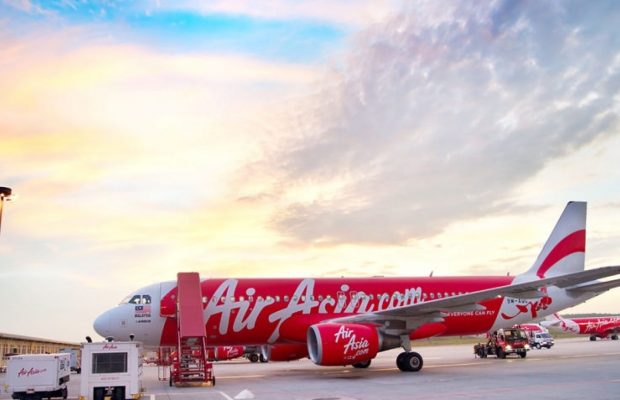
    Indonesia AirAsia added two new Singapore (SIN) services from Medan (KNO) and Padang (PDG) on 9 February. The 621-kilometre Medan link and the 472-kilometre Padang connection will both be served with daily flights operated by A320s.

    The LCC faces incumbent competition on the Medan-Singapore airport pair which is already served by SilkAir with double-daily flights, Jetstar Asia, which has 12 weekly frequencies, and Garuda Indonesia which operates daily flights. However there is no direct competition on the Padang route.

    AirAsia Singapore CEO Logan Velaitham said: “The inaugural flights to Padang and Medan emphasise our commitment to expand Singapore’s network as one of AirAsia’s hubs by linking up to new cities in Indonesia. In 2017, AirAsia Group carried a total of 4.3 million passengers to and from Singapore, an increase of 1.8% from the previous year.”

  • Newcomer Logistics Firm Iruna eLogistics Seeks to Empower E-Commerce

    Newcomer Logistics Firm Iruna eLogistics Seeks to Empower E-Commerce

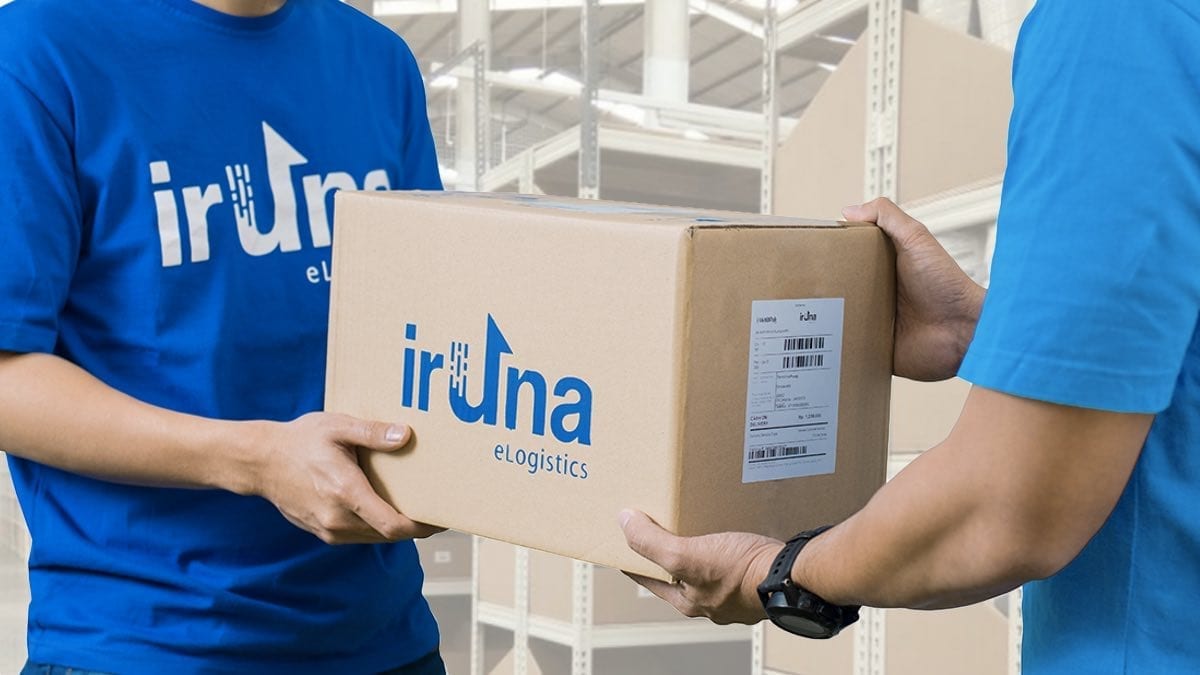
    Iruna eLogistics, a logistics startup company, plans to open two new fulfillment centers in Surabaya and Medan by the end of this year as part of its rapid expansion to provide back-end logistics services to Indonesia’s small and medium-sized enterprises.

    Indonesia’s small and medium-sized businesses have embraced e-commerce and digital marketing platforms to boost sales in the last two years. However, they often find high warehousing and transportation costs expensive and experience complications in tracking inventory, which in turn hinder growth.

    Iruna, which was founded by logistic veteran Yan Hendry Jauwena last December, tries to address the problem by offering integrated logistics solutions which manage the storage, packaging, handling and delivery of items for small business.

    “We wanted to improve the ecosystem by taking care of the back-end issues involved in online commerce. That way the small and medium-sized businesses can focus only on the production and marketing of their products,” Maria Bebasari, Iruna’s vice president for marketing and communication, said on Tuesday.

    Currently, Iruna handles delivery of more than 1,000 types of items a day, ranging from tiny soaps to bulky furniture from its 5,000-square-meter space in Sunter, North Jakarta. The facility is equipped with freezers and coolers to handle food and beverage delivery as well as secured storage for items worth more than Rp 5 million ($374), Maria said.

    Still, the company is not yet able to transport gold — which requires a separate license — or living plants or animals, she said.

    Iruna plans to open similar facilities in Surabaya next month and in Medan by the end of the year, occupying an area of 2,000 to 3,000 square meters each, Maria said.

    Maria said e-commerce consumers are concentrated in big cities despite vendors being spread out across the archipelago, making it costly for individual item delivery.

    “It’s more economical for both the producers and consumers if the delivery is done from our warehouse,” Maria said, adding that their storage and handling facilities differentiate the company from existing logistics firms like state-owned Pos Indonesia, Tiki or JNE.

    Maria said that Iruna targets to deliver 1 million different types of items and add six more fulfillment centers across the archipelago over the next three years, fully confident in the country’s e-commerce prospects.

    Indonesia e-commerce market is projected to reach $130 billion in sales by 2020, according to an estimate from the Ministry of Communication and Information Technology.

  • DHL orders Boeing converted freighter at the Singapore airshow

    DHL orders Boeing converted freighter at the Singapore airshow

    Express firm DHL has ordered a converted freighter from Boeing as the aircraft manufacturer secures service deals valued at more than $900m during the Singapore airshow.

    The DHL order is for a B767-300ER Boeing converted freighter, which the manufacturer said could carry “high-density cargo on long-range routes, as well as e-commerce cargo on domestic and regional routes”.

    A list of other service deals signed at the show can be found here.

  • Xiaomi to open the first ever authorized Mi Store in the Philippines

    Xiaomi to open the first ever authorized Mi Store in the Philippines

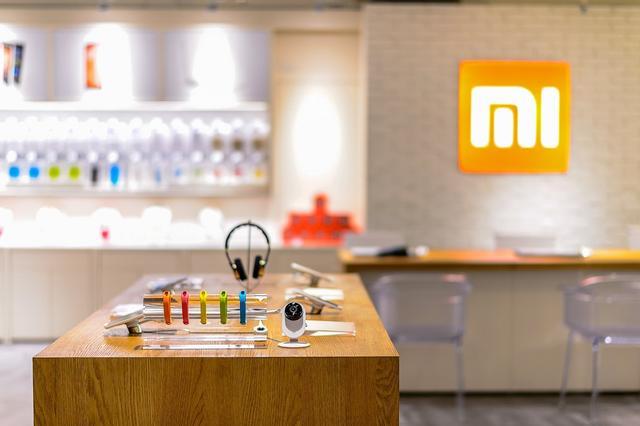
    The first authorised Philippine Mi Store is set to open on February 17 at Ayala’s TriNoma Mall in Quezon City.

    Chinese electronics and appliances maker Xiaomi will showcase its three new Redmi 5 smartphone models in the first quarter this year: the Redmi 5A, Redmi 5 and the Redmi 5 Plus.

    After the success of Mi Stores in Hong Kong and greater China, Xiaomi plans to open more flagship outlets in Asian cities as it tries to lift its market share, especially in the smartphone sector. The stores also sell small home appliances, like vacuum cleaners, flat screen TVs and computer accessories.

    The company is also planning to expand its network in Thailand by opening a representative office in Bangkok and partnering with local telecom operators and retailers to set up over 190 stores and concessions.

    India and Indonesia are its next two target markets.

  • Under Armour Asia saves the brand globally

    Under Armour Asia saves the brand globally

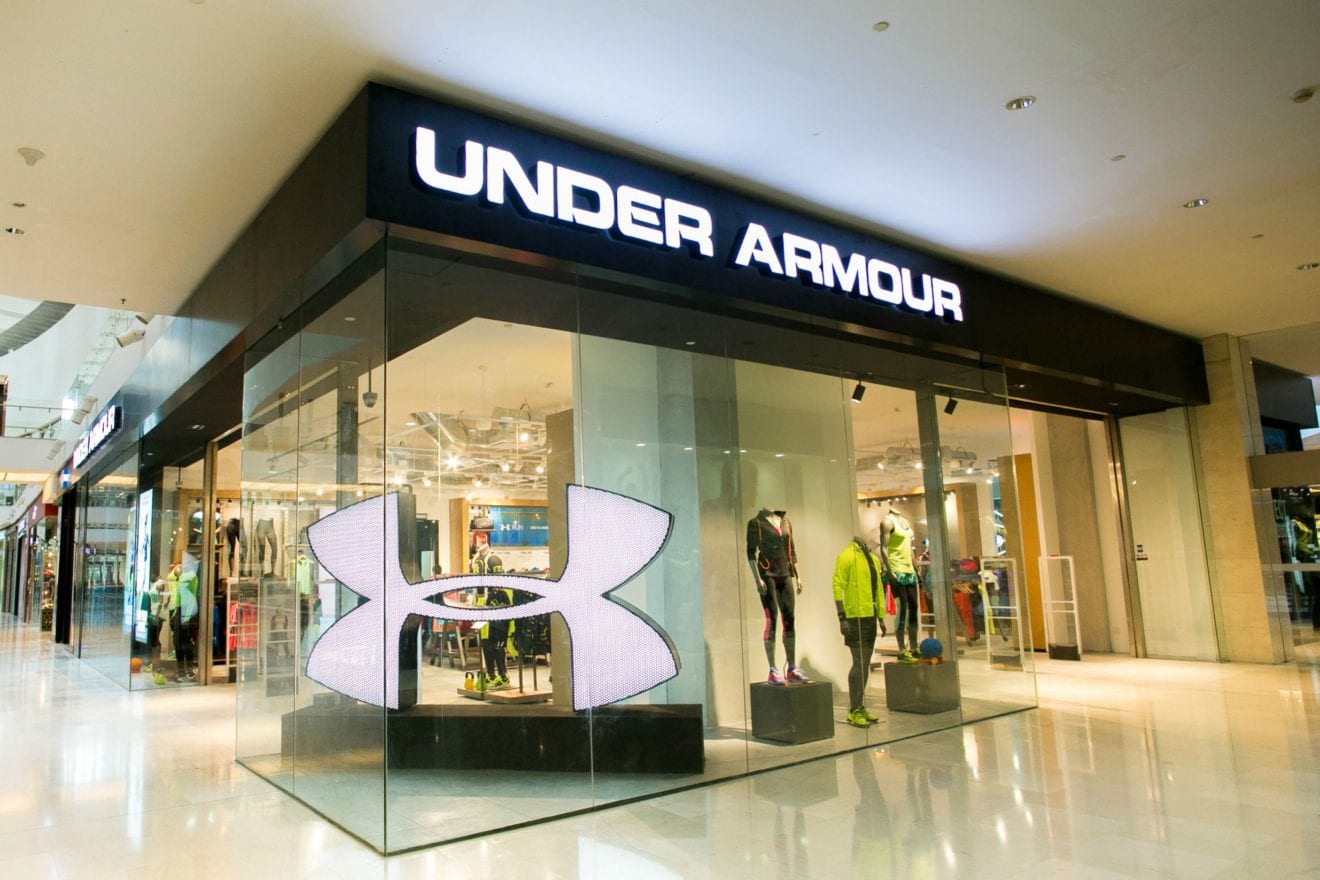
    Under Armour Asia sales soared 61 per cent in the 12 months to December – a highlight in the US-headquartered sportswear retailer’s year in which it lost US$48 million.

    Global revenue was up a mere 3 per cent to $5 billion with the company losing ground in the wholesale sector, but raising its direct sales – which now account for 35 per cent of turnover – by 14 per cent.

    Asia was by far Under Armour’s top-performing market, with sales in Latin America up 28 per cent and in Europe, Middle East and Africa, by 42 per cent. It is in the company’s core North American market where the damage is being done – sales fell 5 per cent

    The loss was caused by restructuring costs and impairments of $124 million. Those excluded, Under Armour achieved an operating surplus of $87 million.

    While noting a small improvement in the company’s fourth quarter, retail analyst Neil Saunders, MD of GlobalData Retail, said the results “show signs of a company in difficulty”.

    Fourth-quarter sales rose 4.6 per cent, a sharp turnaround from the 4.5 per cent decline of the preceding quarter, but that growth came entirely from overseas markets, led by Under Armour Asia, up 66 per cent.

    “While overseas growth is to be applauded, it carries investment costs and also accounts for just 25 per cent of group revenue,” noted Saunders. “As such, Under Armour is reliant on its North American operation to drive performance on both the top and bottom lines. Unfortunately, the North American division had a lamentable quarter and is the main source of Under Armour’s woes.”

    Saunders said the brand has “lost power” in North America.

    “Compared to last year, Under Armour was firmly off the radar for holiday gifting. Far fewer people thought of or requested the brand for gifts, and consequently fewer people bought into it. Under Armour has spent too much time trying to expand its footprint and product coverage, and too little time building connections with customers.”

    He said Under Armour was failing in terms of customer experience.

    “Customer service at some of its own stores leaves a lot to be desired. Meanwhile, expansion into retailers like Kohl’s has weakened exclusivity and made the brand feel commoditised and ubiquitous.”

    GlobalData Retail’s consumer data reveals Under Armour has lost its way, with consumers unsure what the brand stands for, what it specialises in, and why they should use it.

    “For many, it has become something of an also-ran,” said Saunders. “These shallow roots are dangerous: they leave Under Armour vulnerable to competition and the vagaries of changing market conditions.”

    In contrast, rival Lululemon has a very clear sense of identity, and its approach is more disciplined and focused, which has helped it maintain price integrity and remain a destination of choice for many consumers.

    “While we do not believe that Under Armour should simply emulate Lululemon, we do think it can learn some lessons from its playbook.”

    Saunders said Under Armour has already warned of further full-year revenue decline in North America this year and operating profit will also be weak thanks to restructuring and impairment costs.

    “For all of this, Under Armour still has potential; but it needs to use the year ahead to regroup and rethink its strategy. The company that once believed it could challenge Nike has come down to earth with a bump. Humble reflection is now the order of the day.”

  • Suntec City Inks Partnership with Alipay To Attract Chinese Tourists

    Suntec City Inks Partnership with Alipay To Attract Chinese Tourists

    Suntec City and Alipay are pleased to announce today that they have inked a two-year partnership to launch Alipay touchpoints in Suntec City.

    The two-year partnership between Suntec City, one of Singapore’s largest shopping malls and Alipay, the world’s largest mobile payment and lifestyle platform operated by Ant Financial Services Group, is set to attract more Chinese tourists and enhance their shopping experience at Suntec City.

    Under the partnership, approximately 350 retail establishments in Suntec City will progressively roll out Alipay as a payment option for Chinese tourists. By July 2018, the partners plan to cover 60% of the stores with Alipay touchpoints.

    To enable merchants to leverage on the Alipay platform to engage Chinese tourists, Alipay and its acquirer partners will jointly organize a series of workshops to sign up with Alipay and to promote merchants’ businesses on the Alipay platform. Acquirers also provide hands-on training to merchants to operate the Alipay payment terminal and manage strategic content feature of merchants’ offers. Alipay has also launched a dedicated Suntec City microsite within its app to provide ongoing publicity to Suntec City and its merchants. The current joint marketing campaign with Suntec City on Alipay’s app, from now till Mar 2018, offers a ¥25 F&B voucher and a ¥50 retail voucher which can be used at participating merchants in Suntec City.

    Mr. Chan Kong Leong, Chief Executive Officer of Suntec Real Estate Investment Trust, which owns Suntec City said, “With an extensive range of shopping, dining and entertainment offerings coupled with the iconic Fountain of Wealth as well as being the embarkation point for the Duck & Hippo Tours, Suntec City is a popular destination amongst tourists. We are delighted to partner Alipay to offer our Chinese shoppers a seamless payment system that they are familiar with. This partnership with the market leader in mobile and online payment platforms is a great opportunity for us to elevate engagement with our shoppers in the digital space.”

    “Suntec City is a must-visit shopping destination among Chinese tourists and business delegates who convene at Suntec Singapore for exhibitions, seminars and conferences. We are happy to partner with Suntec City to deploy Alipay touchpoints in the mall for Chinese visitors who are looking for the best of retail and lifestyle offerings and the same seamless shopping experiences that they enjoy at home. At the same time, we are very excited to help merchants in Suntec City connect with Chinese visitors.” said Cherry Huang, General Manager, Cross-border Business for South and Southeast Asia, Alipay.

    According to the Singapore Tourism Board, Singapore received 15.9 million international visitors in the first 11 months of 2017, during which, the number of visitors from China reached close to 3 million, a stellar 13.1% increase from a year ago. This also makes China the single largest contributing country to Singapore’s tourism industry.

  • Centara signs agreement with TreePay for mobile payment solution

    Centara signs agreement with TreePay for mobile payment solution

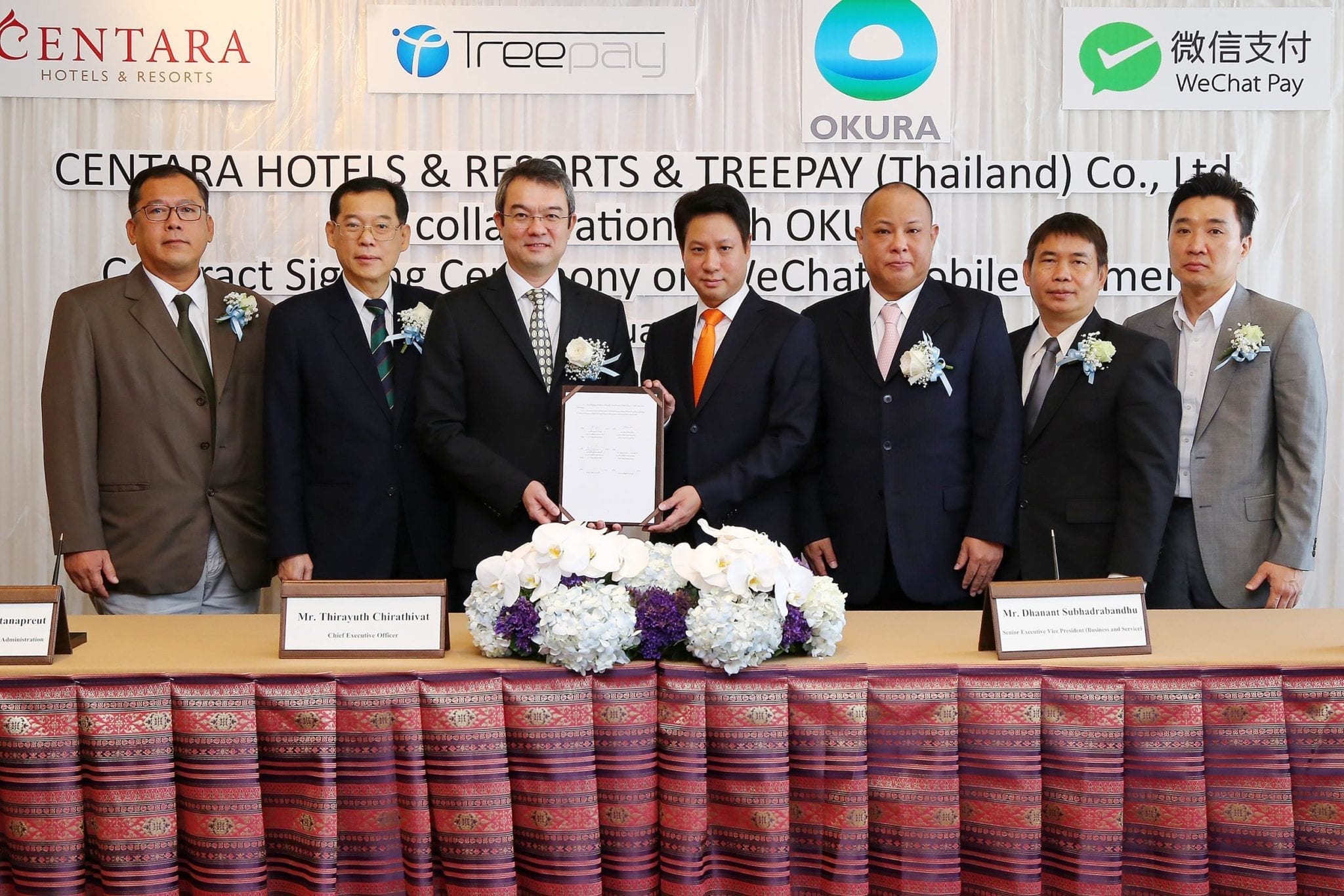
    Centara Hotels & Resorts, Thailand’s leading hotel operator, yesterday signed an agreement with TreePay Co., Ltd., a specialised payment facilitator, to develop a system to allow Chinese customers to use their mobile phones to pay for accommodations and services at Centara properties. This will begin with Wechat Pay. Chinese tourists are an important market for Centara and mobile payments using apps like WeChat are extremely popular with Chinese consumers. Centara chose TreePay, a collaboration between CAT Telecom, SKT, and NHN KCP, to help it serve its Chinese guests more conveniently. Okura Co., Ltd. will be the project consultant.

    “Our goal to double in size over the next five years will be achieved by serving growing markets better,” said Centara’s CEO Thirayuth Chirathivat. “Our strategies include opening new properties in China as well as attracting more Chinese to our hotels in Thailand and elsewhere. One way we do this is by improving our service infrastructure. Being able to accept mobile payments is an important component.”

    Centara aims to double its number of properties and become a familiar name for travellers throughout Asia, the Indian Ocean and Middle East. The company bases its confidence on a successful formula of Thai hospitality, excellent food, a variety of formats, and family-friendly hotels, in great destinations. It is also investing in technology to serve customers more efficiently through multilingual websites, on their devices, and with high-tech services at Centara hotels.

    The TreePay solution will first be introduced at Centara’s hotels and resorts in Thailand within 2018, then rolled out to the company’s other properties.

    “We look forward to making our destinations more welcoming and convenient for our Chinese guests, and supporting the expansion of Chinese tourism in this region and the world,” added Chirativat.

    Suvicha Nalita, Chief Executive Officer of TreePay (Thailand) Ltd., said “TreePay will be providing China Payment services to Centara Hotels and Resorts, starting with Wechat Pay mobile payments. We aim to become an Omni channel payment facilitator providing a single connection for all payment channels and types. Besides our expertise in payment platforms, we also strive to differentiate ourselves in this competitive market.”

  • SmartOSC Joins Hands with UrbanFox to Promote End-to-End Ecommerce

    SmartOSC Joins Hands with UrbanFox to Promote End-to-End Ecommerce

    SmartOSC, a leading ecommerce agency, has joined hands with UrbanFox, an omnichannel logistics and channel management solutions brand, and a subsidiary of Singapore mainboard-listed Keppel Telecommunications & Transportation, to jointly promote their end-to-end ecommerce services to retailers across Southeast Asia.

    In recent years, several brands, including Club21 and Times Publishing Group, have chosen SmartOSC and UrbanFox as strategic partners for their ecommerce needs. The partnership promises to bring retailers seamless omnichannel solutions, backed by SmartOSC’s consulting, user experience and platform implementation practices, together with UrbanFox’s logistics services and omnichannel management.

    Retailers in the region have been looking to create a more seamless shopping experience for their customers in tandem with their changing shopping habits. According to recent research published in the Harvard Business Review, the omnichannel shopping generation spent an average of 4% more on every shopping occasion in-store and 10% more online than single-channel customers. Even more compelling is that, with every additional channel they used, the shoppers spent more money in the store.

    SmartOSC has leveraged its strong ecommerce expertise, technical capability and scalable resources to meet the rapidly evolving needs of global brands and retailers. Today, major consumer brands such as COURTS Singapore, Lotte, Nestlé and Friso have partnered with SmartOSC to implement effective ecommerce solutions, which has enabled the brands to get to market faster, as well as optimise sales.

    Thai Son, CEO of SmartOSC shared, “We’ve seen raving demand from clients in Europe and North America for implementing omnichannel solutions to catch up with the new shopper generation. The same trend is happening across Southeast Asia, and our partnership will help retailers in the region to implement the best practice for their new retail strategy.”

    Answering the needs at the other end of the ecommerce supply chain is UrbanFox, which is part of Keppel Logistics. By incorporating omnichannel strategies as part of their services provided for B2C and B2B brands, UrbanFox is able to enhance the efficiency of the brands’ supply chains.

    Channel management is another key service in which UrbanFox is seeing strong pick-up. In this area, UrbanFox helps retailers manage multiple sales channels and distribution from the initial order through to the last mile delivery, by using a centralised inventory management model. UrbanFox counts many major companies among their clients, such as Kao Singapore and Mondelez.

    Joe Choa, Managing Director of UrbanFox shared, “UrbanFox has helped retailers respond to the ecommerce trend by integrating their online and offline channels onto one unified platform where inventory, sales and promotional campaigns can be managed across various marketplaces with ease. Following our initial success with clients in Singapore, we hope to offer our effective logistic solutions throughout Southeast Asia together with e-commerce veterans SmartOSC.”

    Both SmartOSC and UrbanFox will be present at the Last Mile Fulfilment Asia 2018 event in Singapore from March 15-16, to share successful case studies and showcase how retailers can benefit from their joint offering.

    The abovementioned transaction is not expected to have any material impact on the net tangible assets or earnings per share of Keppel Telecommunications & Transportation for the current financial year.

  • Vietnam to revise automobile industry laws

    Vietnam to revise automobile industry laws

    The Ministry of Industry and Trade (MoIT) has asked the Ministry of Finance to remove the special consumption tax for locally-manufactured auto parts.

    This is part of a recommendation document that MoIT sent to the finance ministry in order to revitalise domestic automobile industry in the future and reduce the import of autos.

    The MoIT said that it is needed to have more measures to help local automakers cut production cost and accelerate the product’s competition capacity as well as revising policies on tax and fees.

    The ministry wanted the finance ministry to exempt the import tax on materials for part and components manufacturers who invest in Việt Nam, which should be in association with their commitment on long-term investment, volume of products, technology transfer and use of local labour force.

    The MoIT also recommends the application of a tax payment guarantee for a period of eight months instead of the current 30 days.

    The MoIT expected the finance ministry to study to amend and supplement a number of the above contents, which were proposed by Thành Công Group, with regard to laws on value-added tax, special consumption tax, and corporate income tax, in addition to personal income tax and natural resources protection tax.

    Earlier, at the review conference of the industry and trade sector held in Hà Nội on January 15, General Director of Hyundai Thành Công Lê Ngọc Đức proposed that the MoIT, in co-ordination with the finance ministry, consider several recommendations as those mentioned above.

    According to Đức, in order to achieve the goal of developing the automobile industry in Việt Nam, the Government has issued decrees such as Decree 116 on conditions for production, assembly, import and business of warranty service, car maintenance, and Decree 125 that regulates the roadmap for import duty exemptions of parts and components for manufacturers who meet conditions such as emission standards, engine displacement capacity for the car with nine seats and less, passenger car and truck.

    However, he said such privileges were not strong enough to be of significant priority for locally-assembled autos to help them compete with complete built-up units imported from ASEAN.

    Under the ASEAN Free Trade Agreement (AFTA) commitments, a zero per cent tax has been applied on cars imported from the bloc with a localisation rate of 40 per cent or more in the country of origin from January 1.

    A MoIT report showed that the price of an automobile in Việt Nam is currently high in the region but its quality is lower than an imported one.

    “Locally-assembled autos in Việt Nam have a similar price doubling as those seen in regional countries and much higher than other countries which have a stable automobile industry such as Japan and the United States,” said the report.

    “The domestic automobile industry has not yet reached the standards of the real automobile industry because most are at the level of simple assembly; the production line mainly consists of four key stages including welding, painting, assembly and inspection. There is no co-operation, linkage and specialisation between automakers and assemblers and part suppliers. There is no such system used by material suppliers and large-scale parts and components makers.

    “The localisation rate of new autos is only between 7 per cent and 10 per cent on average (compared to the target of 40 per cent in 2005 and 60 per cent in 2010). Currently, locally-produced products with very low technological content are tubes, tires, chairs, mirrors, cables, plastic products and batteries,” the report pointed out.

    MoIT has on numerous occasions warned that if such privileges and incentives were not approved, the domestic automobile industry would find it difficult to compete with imported cars.
     

  • Malaysia’s Central i-City shopping centre to open in 2018

    Malaysia’s Central i-City shopping centre to open in 2018

    Selangor’s Central i-City Shopping Centre is scheduled to open in the fourth quarter of the year.

    A collaboration with i-City Properties, it is the first international regional shopping centre for Thai developer/investor CPN and Malaysia’s i-City Properties.

    Among anchor tenants just announced are Sogo Department Store and Village Grocer. TGV Cinemas will offer the first Imax screen in the region, along with eight digital cinemas seating up to 1800 patrons.

    The project has a gross development value of RM850 million (US$216.6 million).

    CPN Thailand COO Pakorn Partanapat says the goal for the shopping centre is to boost the mall/tenant relationship to ensure a win-win for everyone.

    CPN Malaysia COO Anthony Dylan says the 940,000sqft (87,000sqm) shopping centre will have 350 retail shops over six levels.

  • Indonesia Central Bank to Prepare Fintech Regulatory Roadmap

    Indonesia Central Bank to Prepare Fintech Regulatory Roadmap

    Bank Indonesia is currently preparing a roadmap of regulations for financial technology, or fintech, products in an effort to support the rapid change of the global financial system in the digital era, the central bank’s official said on Thursday (08/02).

    “This is a response to the shift from physical to virtual as it presents risks and challenges […] There will be a roadmap to regulate fintech to follow its dynamic development,” Sukarelawati Permana, director of the policy and payment department at the central bank, said at an economic forum.

    The central bank is collaborating with Financial Services Authority, or OJK, to create the regulatory roadmap.

    Sukarelawati, however, did not reveal the details of the framework or when it will be released.

    The regulations, according to her, will mitigate risks presented by the sector’s development, while still supporting the shift of traditional payment systems into the digital realm.

    “As we surely cannot block innovation, we as the authorities will try to balance the digital economy,” Sukarelawati said.

    The central bank previously issued a provision to support innovation in the fintech sector that benefits the economy while maintaining the principles of consumer protection, risk management and prudence, Sukarelawati said.

    A 2017 Bank Indonesia regulation regarding financial technology implementation dictates that fintech providers register with the central bank.

    The regulation excludes payment system service providers (PJSP) who have obtained a license from Bank Indonesia and providers who are under other authorities. But the providers must still inform the central bank regarding new products, services, technologies and business models.

    Bank Indonesia is currently also conducting a study on the feasibility of issuing digital currency.

  • Samsung to target young market via Samsung Digital Plaza

    Samsung to target young market via Samsung Digital Plaza

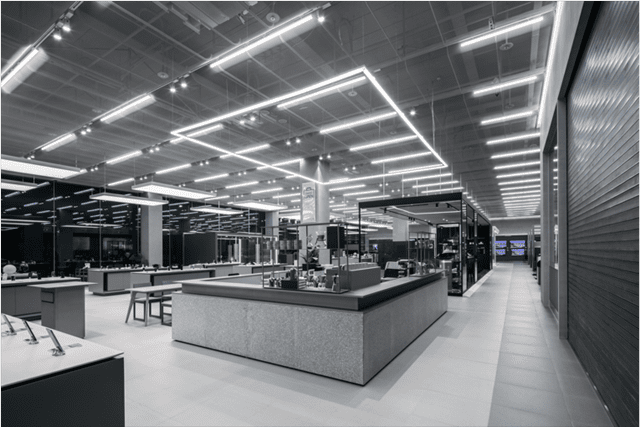
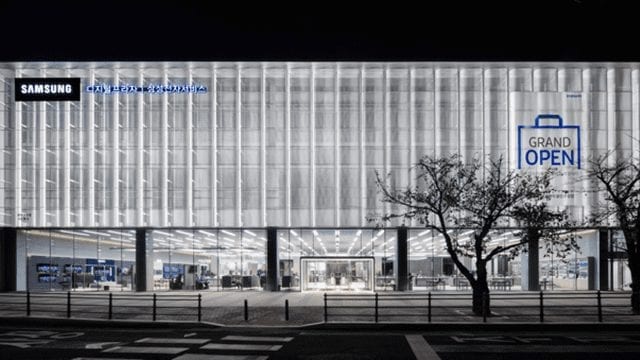
    Aiming at a young demographic, the Samsung Digital Plaza has been reimagined for its launch in Yongin City, Korea.

    On the ground floor of a metal-covered three-storey building, the 1255sqm store offers its goods in a context that echoes the home. The electronics giant engaged Seoul architecture practice Betwin Space Design to create the venue’s façade and interior.

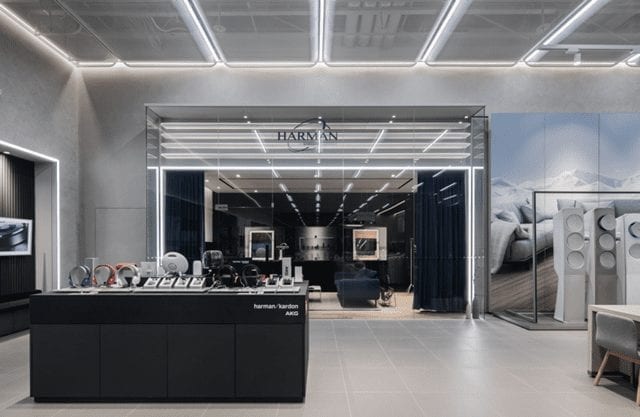
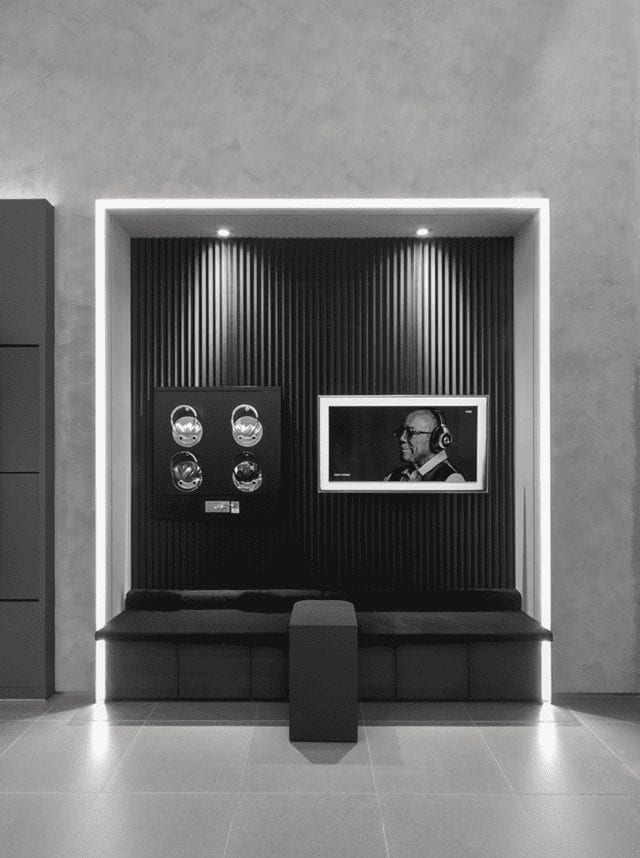
    One of the display zones features audio devices by Harman, a company that became a Samsung division early last year. Samsung displays its TVs in a zone designed like a living room complete with sofas.


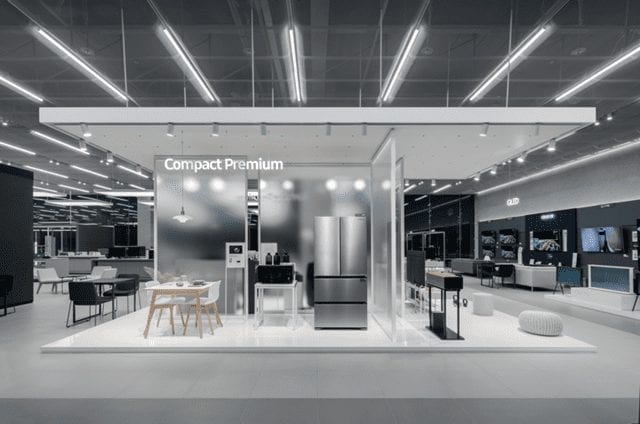
    Aiming at occupiers of single-person flats, the compact premium zone presents special products in a setting that reflects modern living styles in Korea, says Samsung.

    There is also a cafe in the middle of the store.


    Photo courtesy: Samsung

  • China to have 100 Commune store

    China to have 100 Commune store

    Singapore furniture designer/manufacturer/retailer Koda’s in-house brand Commune plans to open more than 100 outlets in China by 2020.

    Commune’s sales from the market hit nearly S$7 million (US$5.3 million) last year, accounting for 64 per cent of its total revenue. This helped push half-year profit for Koda.

    For its next stage of growth, Commune will partner with International Enterprise (IE) Singapore to adopt an omnichannel strategy for China.

    Within its three years in the market, Commune has opened more than 42 stores across tier-one and -two cities using a dealership model.

    “With the support of IE Singapore, we intend to increase sales and knowledge of our customers through digital marketing and analytics, while ensuring a seamless shopping experience online,” says Commune sales and marketing director Gan Shee Wen.

    Already the company is equipping its stores in China with VR capabilities so in-house designers can turn customers’ floor plans into a VR environment and so provide recommendations on design concepts.

    Its co-operation with IE Singapore involves building a long-term e-commerce strategy and a seamless online and offline brand.

    Commune plans to subsequently implement its omnichannel strategy in Singapore and other markets. IE Singapore is also working with Commune to expand to Indonesia, Taiwan and Thailand by connecting it to mall owners and dealers.

    Spring Singapore has also been supporting Commune in the development of its VR software, customer-service training and mobile training platforms.

    Meanwhile, Koda’s net profit was up 26.2 per cent to US$2.4 million for its half-year to the end of December.

    Commune’s higher profit margins lifted the group’s gross profit margin to 34.7 per cent for the half from 29.1 per cent.

    Overall revenue for the period declined by 4.2 per cent to $24.2 million because of delays in shipments to key export markets in the second quarter. Revenue contributions from Commune in the second quarter partly offset the decline to take total revenue for the quarter to $11.9 million, a difference of 11.8 per cent compared to the same period a year
    earlier. Most of the delayed shipments were cleared in January.

    Koda turned in a net profit of $1 million in the second quarter, down from $1.05 million for the same quarter in 2017.

  • Vietnam plastics export turnover to increase by 15%

    Vietnam plastics export turnover to increase by 15%

    Exports of plastics are expected to grow by 12–15 per cent this year, according to the Việt Nam Plastics Association (VPA).

    Hồ Đức Lam, chairman of the association, said the country’s key export markets this year would be Japan and the US, which has high demand.

    Other markets such as China, Laos, Cambodia and Myanmar are expected to become new export markets for plastics in the future.

    Plastic bags made in Việt Nam are still subject to anti-dumping taxes in the US market, but the US imposition of anti-dumping duties has had almost no impact on exports of the sector, according to Lam.

    Every year, the average US import turnover is more than US$50 billion for plastics and plastic products, accounting for 9.1 per cent of the world’s total import of plastics, according to VPA.

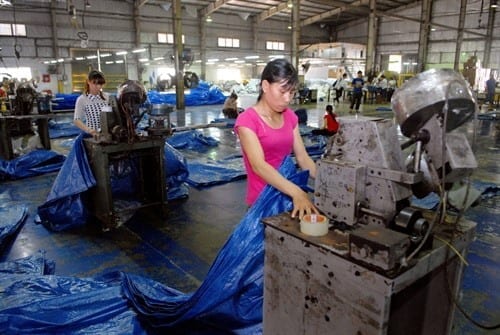
    The largest plastic export market is Japan, with an average growth rate of 20–25 per cent per year. Việt Nam now ranks sixth in the top 10 countries exporting plastics to Japan, which is one of the most difficult markets with many strict regulations on the quality of goods. Vietnamese plastic exporters have been urged to improve quality, design and trade promotions to enter this market.

    Lam recommended that Vietnamese plastic producers prepare long-term strategies and invest in market research to increase their penetration into the Japanese market.

    In addition, the EU’s demand for plastic products imported from Việt Nam is high, especially plastic pipes.

    Việt Nam’s plastic products are not subject to anti-dumping duties in the EU markets like other Asian countries (the average tax rate is from 8-30 per cent). Thus, Vietnamese producers are also urged to seek new export markets.

    Despite the high export prospects and strong development in recent years, the plastics industry is still known only as part of the plastic processing industry.

    More than 80 per cent of raw materials are still imported from other countries.

    Each year, the plastic industry needs an average of four million tonnes of raw materials, but only manages to produce about 900,000 tonnes, with the rest imported.

    Experts have said that a shortage of raw materials will reduce the competitiveness of exporters.

    Because of regulations on the origin of goods, it is difficult to take advantage of tax incentives in free trade agreements.

    Exporters also need to focus on environmentally-friendly and safe products for sustainable growth.

    Việt Nam’s plastics industry earned $3 billion last year, posting a 17.3 per cent increase over 2016, according to VPA.


  • Jollibee craves for more stake in Smashburger

    Jollibee craves for more stake in Smashburger

    Jollibee Foods Corporation has agreed to acquire an extra 45 per cent of the US Smashburger brand for US$100 million, giving it a controlling stake of 85 per cent.

    “Jollibee has been an invaluable strategic partner,” says Smashburger co-founder/CEO Tom Ryan.

    His company last year launched and sold nearly 2 million Triple Double Burgers, setting record levels of mix, sales and traffic. The company also launched the Smash Pass, a subscription-based loyalty program.

    Smashburger CFO Bradford Reynolds says Jollibee’s majority stake in Smashburger positions the brand for continued growth, particularly in Southeast Asia.

    As well as beef and turkey burgers, Smashburger offers grilled or crispy chicken sandwiches, black-bean burgers, salads, side items and hand-spun Haagen-Dazs shakes. For each market, the menu includes locally inspired items as well as local craft beer. Launched in 2007, the chain now has more than 360 corporate and franchise restaurants in 38 states and nine countries.