Tag: asia

  • Hong Kong International Airport Chinese New Year to start Reward Event

    Hong Kong International Airport Chinese New Year to start Reward Event

    To welcome the Year of the Dog, Hong Kong International Airport (HKIA) is launching a series of shopping promotions, including great rewards of HKIA cash coupons worth up to HK$15,000. Instant Rewards Promotion From 9 to 25 February 2018, travellers can redeem and enjoy rewards of cash coupons worth up to HK$15,000 when making purchases by electronic payment at HKIA. Passengers making purchases with their UnionPay cards can enjoy additional rewards.

    To liven up the festive spirit, HKIA’s mascot will tour around in full Chinese New Year costume to meet, greet and take snapshots with travellers. In addition, a lion dance extravaganza will be held on 20 February at retail and catering outlets at HKIA, featuring lion dances and lucky lettuce rituals to celebrate the festivity with travellers.

    Shopping and Dining Offers

    During the promotional period, HKIA will also collaborate with retailers to provide a whole host of fantastic shopping and dining offers.

    Free Delivery Service

    Travellers spending HK$1,000 or more in a single transaction at HKIA can enjoy complimentary local delivery service. Free delivery service to China (for clothing, bags and accessories only), Indonesia, Japan, Macao, Malaysia, the Philippines, Singapore, South Korea, Taiwan, Thailand and Vietnam is also offered to travellers who spend HK$2,500 or more in a single transaction. For details, please check with the staff at the retail outlets.

  • Kering to celebrate new sales record

    Kering to celebrate new sales record

    In a “phenomenal” result, global luxury group Kering had record operating revenue last year, driven in large part by the popularity of Gucci.

    Kering’s income totalled €15.4 billion (US$19 billion), up 25 per cent as reported or 27.2 per cent on a comparable basis. Revenue from luxury activities was up 27.5 per cent as reported, or 29.9 per cent on a comparable basis, while for sport and lifestyle activities, revenue was up 12.8 per cent as reported or 14.7 per cent on a comparable basis.

    Describing it as a phenomenal year, chairman/CEO François-Henri Pinault says the group created more than €3 billion in extra revenues in a single year, and generated more than €1 billion in additional EBIT.

    In a performance “nothing short of spectacular”, Gucci was amplifying its desirability across all markets.

    “Saint Laurent is on a rapid growth track, while Bottega Veneta pursues its redeployment. Balenciaga is charting an impressive development trajectory, and our other luxury brands are experiencing positive momentum,” says Pinault.

    Revenue for luxury activities topped €10 billion last year, up 29.9 per cent year on year based on comparable data. Comparable growth was up 44.6 per cent for Gucci and 25.3 per cent for Yves Saint Laurent.

    Other luxury brands saw accelerated revenue growth (up 14.1 per cent on a comparable basis), especially Balenciaga, which delivered the fastest growth rate of all group brands in the second half.
    Puma’s revenue topped €4 billion for the first time, a rise of 15.8 per cent on a comparable basis, while recurring operating income for the brand jumped 92.7 per cent.

  • Supermarkets in HCM City gear up for Lunar New Year

    Supermarkets in HCM City gear up for Lunar New Year

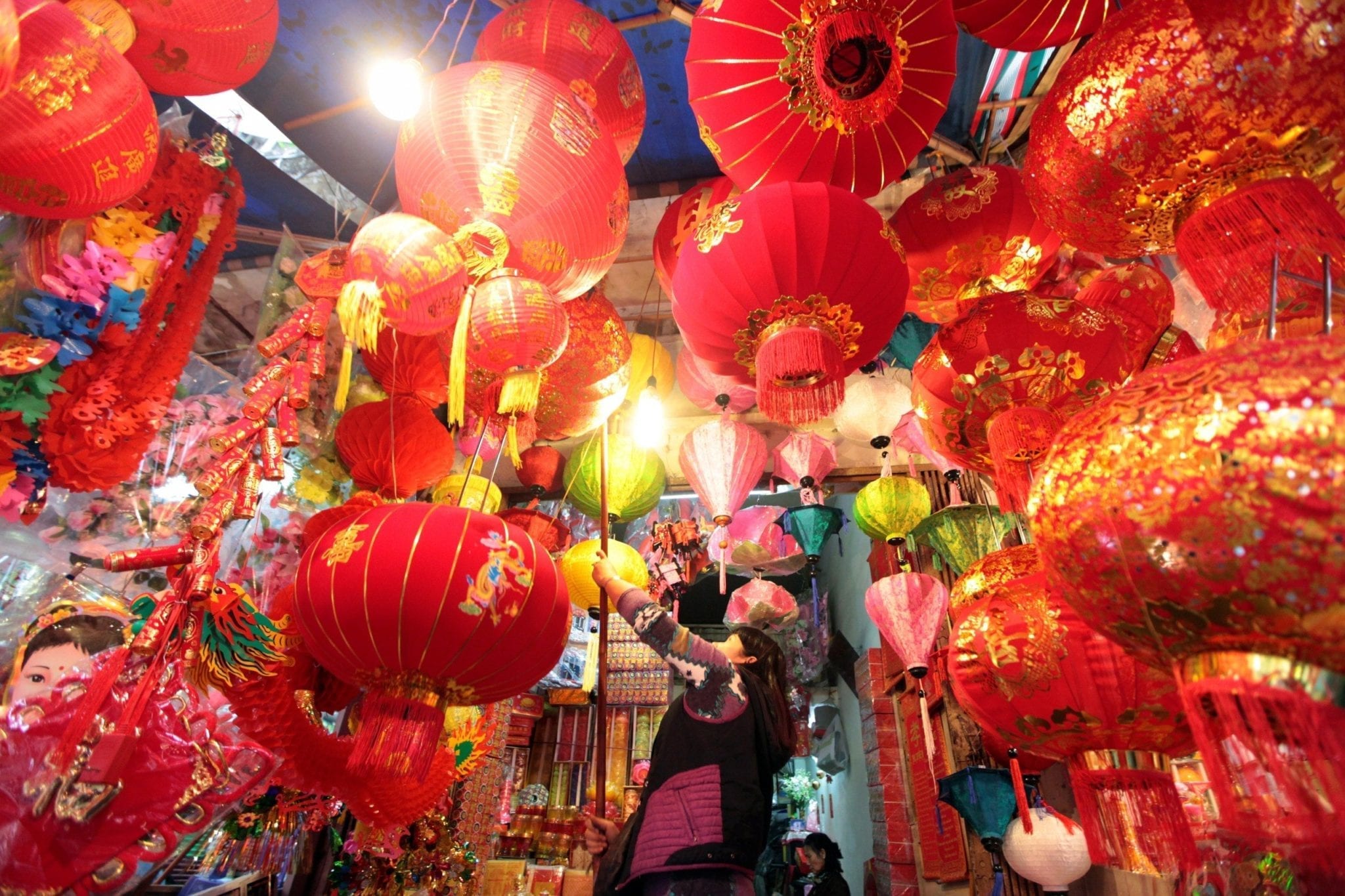
    Many supermarkets are launching attractive promotion programmes in the days ahead of Tết (Lunar New Year) to attract customers. Tết falls on February 16 this year.

    In addition to cutting prices on more than 5,000 essential items from January 11 to February 14, Co.opmart and Co.opXtra have teamed up with suppliers for another programme under which they will cut prices of many kinds of fresh food by the maximum possible rates for seven days starting just before Tết.

    They have also applied “Super discounts” and “Buy more, get more discounts” on the weekend and incentive programmes for their loyal customers such as offering high reward points.

    Similarly, Korean retailer Lotte Mart also launched three consecutive promotion programmes: The “Tết comes to Lotte Mart” programme takes place from January 24 to February 15, with discounts between 5-49 per cent on more than 1,200 products; “For a full Tết” from February 7 to 15 with discounts on over 80 Tết-featured products; and “Starting a desired spring” programme from February 13 to 21 with hundreds of products discounted between 5-49 per cent.

    Supermarket chain Big C is offering a discount of up to 40 per cent on 13 types of fruit. Imported fruits like Egyptian oranges, Korean pears, French kiwis and South African grapes are priced at VNĐ30,000-83,000 (US$1.32-3.64) for a kilo until February 15.

    Moreover, for the first time, French and US green and red apples will be sold at the same price of VNĐ29,900 a kilo.

    In addition to this, Big C will launch two “unprecedented price shock” programmes applicable to its food and fresh goods until New Year’s Eve on February 15.

    According to insiders, the closer to Tết, retailers increasing apply promotion programmes to enhance competitiveness in attracting customers.

    Market movements in the peak shopping days for Tết usually change quickly. Therefore, retailers need to keep a close eye on up-to-date figures to identify changes for timely responses.

    Wholesale markets

    Goods transported to the city’s two wholesales markets have increased strongly to meet peak shopping demand for the New Year from February 11 to 15.

    Nguyễn Văn Huây, director of Thủ Đức Wholesale Market Management and Trade Company, said goods volume entering the market can reach up to 7,500 tonnes a day, an increase of 10 per cent over last year’s Tết.

    Vegetable volume at the market fluctuates between 2,700 tonnes to 3,000 tonnes a day, while fruits are between 4,300-4,500 tonnes a day.

    At Hóc Môn wholesale market, the amount of goods entering the market from February 12 (four days ahead of Tết) may go up to 5,500 tonnes per day, up 100 per cent compared to normal days.

    According to traders at the two wholesales markets, the supply of popular fruits for Tet such as grapefruits, mangos, tangerines and dragon fruits may be not much higher due to unfavourable weather last year.
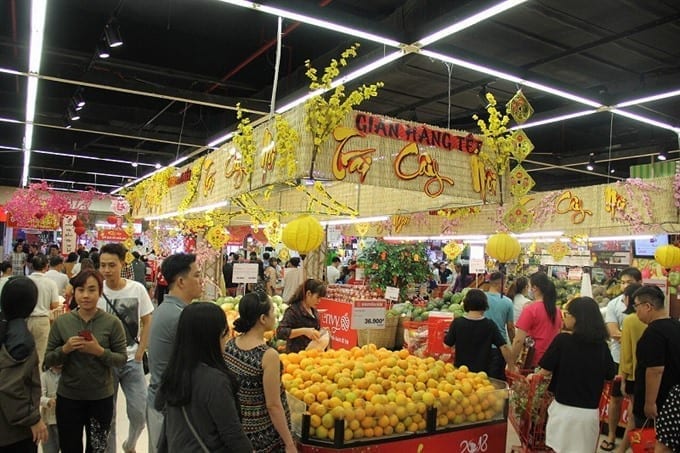
    About 150-170 tonnes of grapefruits and 100-120 tonnes of mango are expected to enter Thủ Đức Market a day on days near Tết, but their prices will rise sharply if there is a surge in demand.

    Thủ Đức Wholesale Market’s management board forecasted that grapefruits can be priced at VNĐ60,000-65,000 per kilo for green skin grapefruit and VNĐ28,000-30,000 a kilo for Năm Roi grapefruit, while it is VNĐ130,000-150,000 for a kilo of Hòa Lộc mango, VNĐ45,000-50,000 per kilo of sweet tangerine and VNĐ80,000-100,000 per kilo of custard-apple.

    Nguyễn Huỳnh Trang, deputy director of the HCM City Department of Industry and Trade, has asked the management boards of the two wholesale markets to keep track of markets and update supply-demand and pricing situations, in order to quickly report to the department and relevant agencies if there is a sudden fluctuation.
     

  • Japan’s fast food rivalry heating up

    Japan’s fast food rivalry heating up

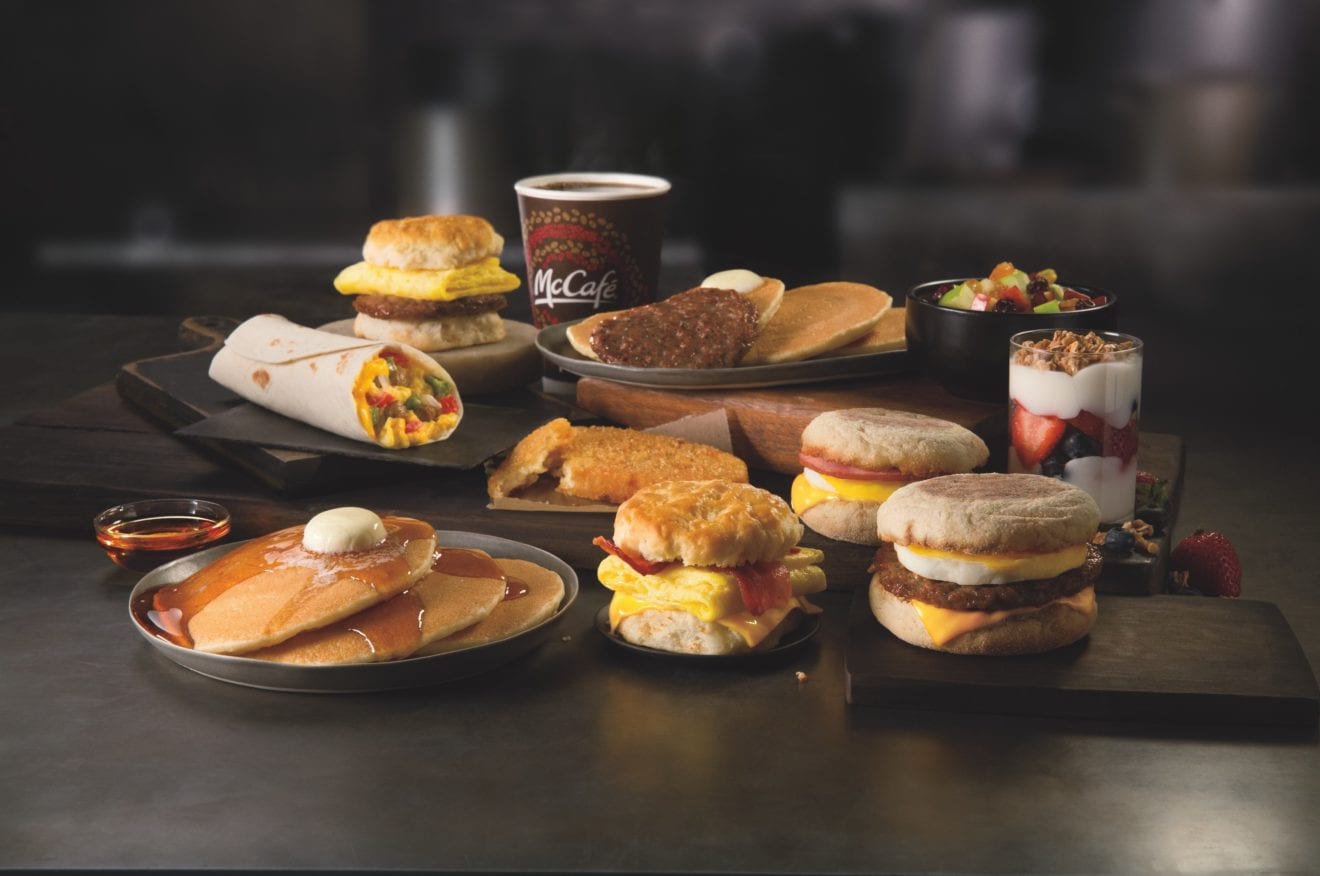
    McDonald’s Japan plans to open more stores this year, its first expansion in a decade.

    At the same time, rival Burger King is working on tripling its Japanese locations to 300 by 2022 at a cost of ¥5 billion (US$45.5 million).

    With a 4.5-fold increase in group net profit last year, McDonald’s Holdings logged a record ¥24 billion. It aims to open 150 to 200 locations in the next three years. With closures taken into account, it expects a net increase of about 100.

    “Over the past several years we were focusing on optimising our store portfolio,” says president Sarah Casanova. “Now it is time to look to opportunities to grow with new restaurants.”

    Following a peak in 2002, the number of McDonald’s locations in Japan has been declining. The chain now has 2900 outlets, a drop of about 1000.

    The turnaround for the burger market is mainly because of record numbers of tourists in Japan, 28.6 million last year.

    Burger King Japan plans to open most of its 200 new restaurants in cities like Tokyo, Osaka and Nagoya. Target locations include shopping-centre food courts and suburban sites with room for a drive-through. A home-delivery service will be offered to counter the move last year by McDonald’s Japan to partner with Uber Eats.

    After a slump, Burger King left Japan in 2001, returning in 2007. Its current expansion drive follows a Hong Kong investment fund acquiring the Japan rights from Burger King. It is also revamping its product lineup.

  • Indonesia to announce the ‘Metro Kapsul’

    Indonesia to announce the ‘Metro Kapsul’

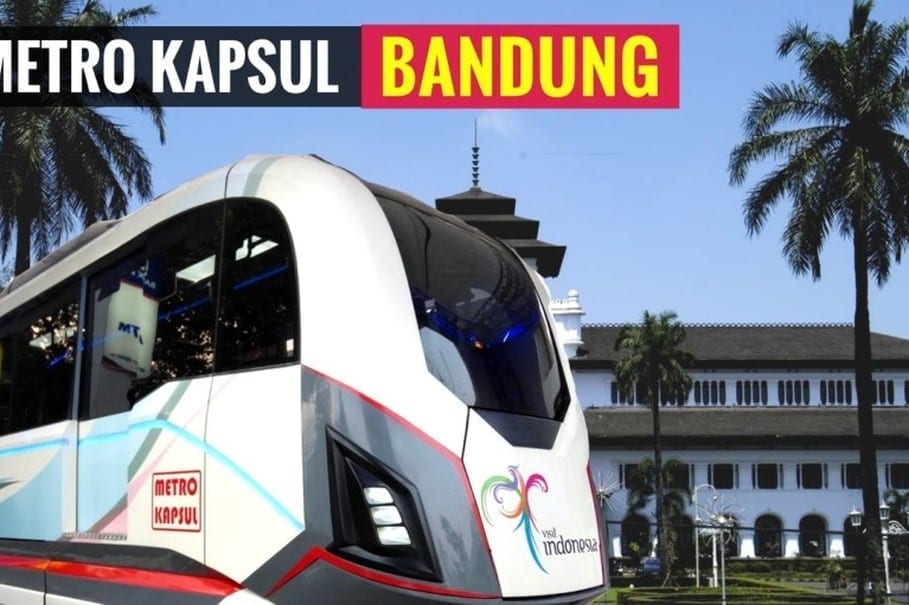
    Bandung’s city Indonesia administration has said work will start soon on the city’s first light rail transit (LRT) network, which will be called the “Metro Kapsul.” The administration claimed the network will be considerably cheaper to build than similar ones in Jakarta and Palembang.

    To cut costs, the contractor will use locally made materials and employ local talents to do most of the work, everything from research to test and eventually running the system.

    Bandung Mayor Ridwan Kamil said the project will not use any money from the state budget, but will be 100 percent privately funded.

    “It will be 100-percent funded by PP [state-owned construction company Pembangunan Perumahan]. It will not use moeny from the APBD [regional budget] or APBN [state budget],” Ridwan said at the project’s launch in Bandung on Monday (12/02).

    The mayor did not say when actual construction on the project will start as the city administration is still waiting for the building license (IMB) for the track to be approved.

    “[Theoretically] we can start doing the foundation [without the IMB],” Ridwan said.

    Ridwan claimed 98 percent of the Metro Kapsul network will be made of locally made materials. The rest, including its digital technology, will come from Slovenia.

    Construction will start from the network’s Corridor 3, an 8.3-kilometer track which will loop from the city center through the city’s busiest and most densely populated areas.

    “Metro Kapsul will be three times cheaper than the Jakarta LRT or Palembang LRT. Corridor 3 will only cost Rp 1.4 trillion [$98 million] to build, or Rp 150 billion per kilometer,” Ridwan said as reported by local newspaper Pikiran Rakyat.

    According to information uploaded on the website of the Committee for Acceleration of Priority Infrastructure (KPPIP), the 23 km-long Palembang LRT will cost a total of Rp 12.5 trillion, or Rp 520 billion per kilometer.

    PP has signed a build, operate, transfer (BOT) contract with the Bandung administration. The company will retain the rights to operate the network for 30 years.

    According to Ridwan, it may take up to one and a half years to complete construction on Corridor 3.

    “So, maybe, the next mayor of Bandung will have to open it,” he said.

    Ridwan’s tenure as Bandung mayor will officially end in September. The 46-year-old has declared he will run for the governorship of West Java in June’s simultaneous regional elections.

    He said the Metro Kapsul project is proof that Indonesia is not short of great engineering talents.

    “The network’s technology is designed by local engineers in Gedebage and Setrasari in Bandung, then tested in Subang and will be run for the first time in this city,” Ridwan said.

  • GreyOrange to showcase expanded AI-powered Butler range at LogiMat 2018 for autonomous order fulfilment

    GreyOrange to showcase expanded AI-powered Butler range at LogiMat 2018 for autonomous order fulfilment

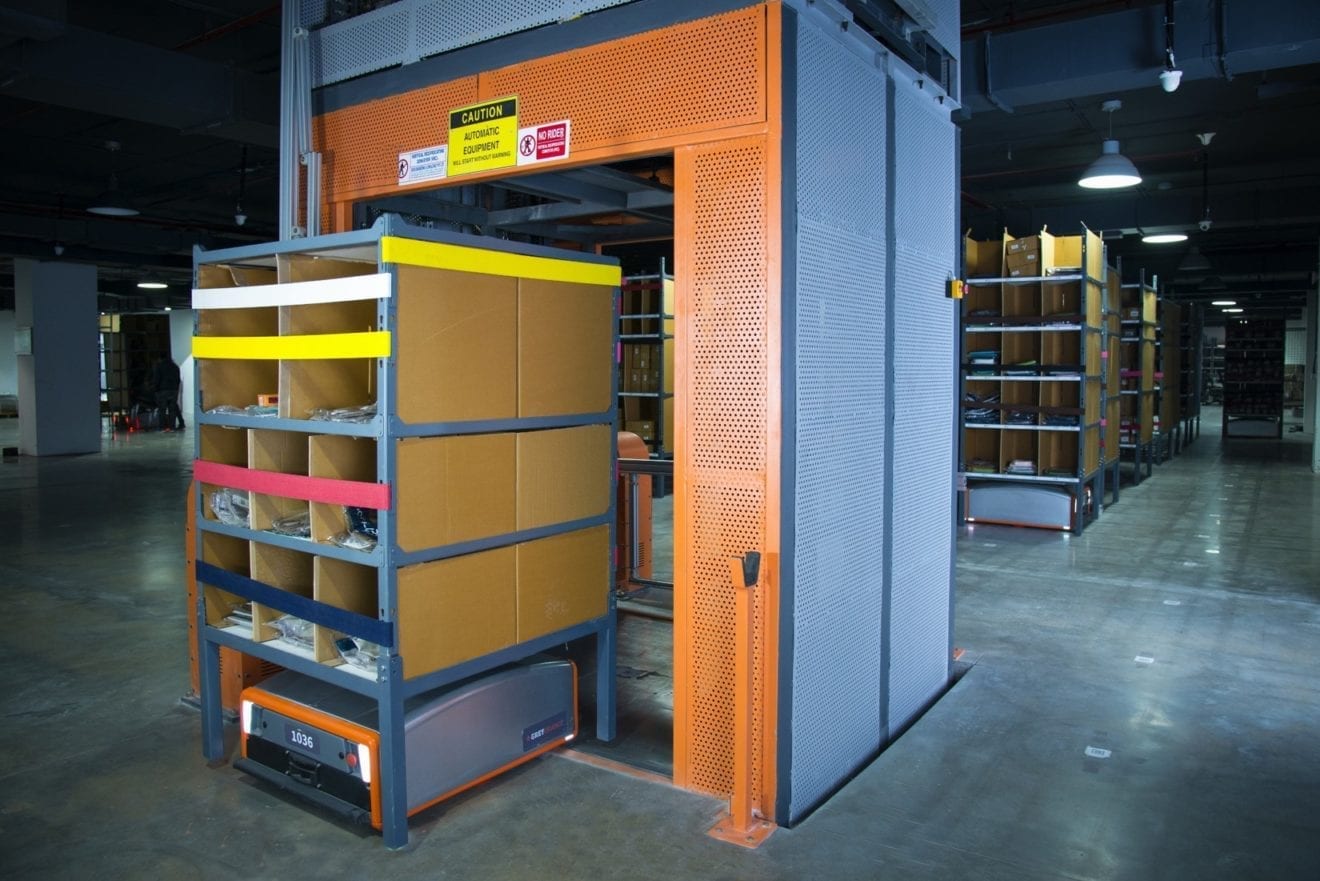
    Robotics and supply chain automation company, GreyOrange, will launch its new goods-to-person Butler XL at LogiMat 2018, the 16th International Trade Fair for Intralogistics Solutions and Process Management in Stuttgart, Germany on 13-15 March.

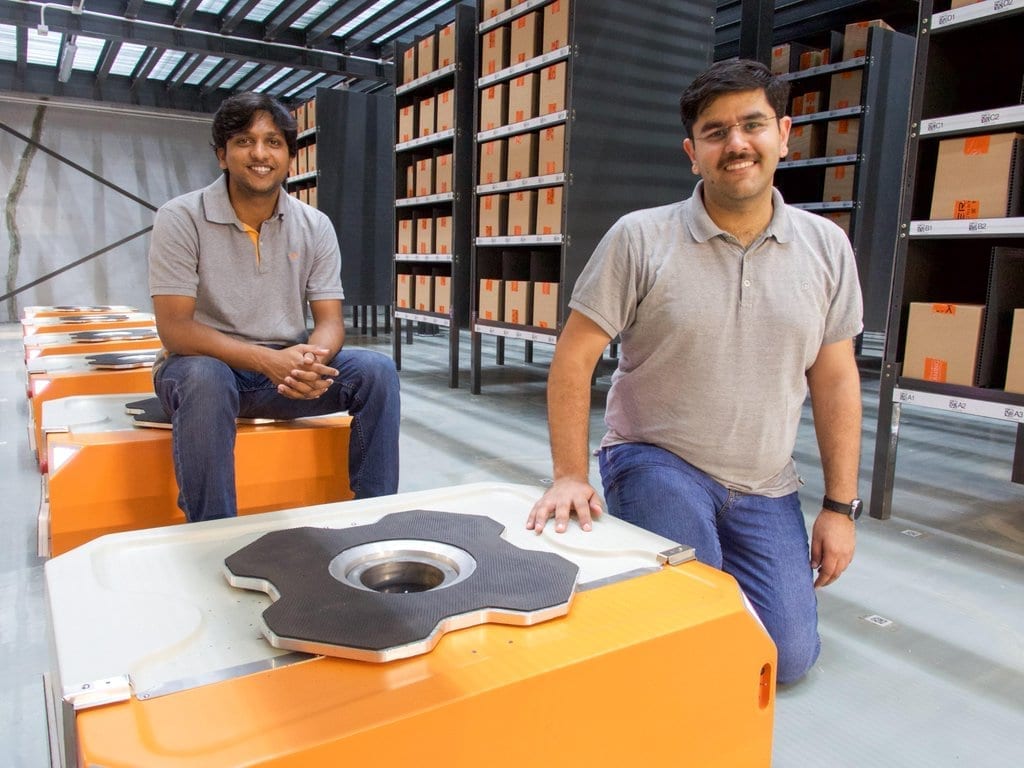
    With the new ButlerTM XL, GreyOrange expands the range of goods-to-person solutions that can be used in manufacturing facilities and omnichannel warehouses, to move different kinds of loads from raw materials to finished goods. The Butler XL can handle a payload of 1600 kgs (3500 lbs) including pallets, drums and sacks. Designed to work in tandem with the current Butler system, this makes it easy to add its new capabilities to existing operations.

    The new Butler robotics system will support multi-floor operations with the integration of an elevator. This provides greater flexibility to optimise handling of inventory across a facility.

    GreyOrange is a fast-growing company in supply chain automation, deploying its AI-enabled ButlerTM robotics system in warehouses and fulfilment centers for e-commerce, retail and consumer packaged goods. In the last year. GreyOrange has rapidly expanded its presence with its Butler goods-to-person system deployed in Japan, Hong Kong, India and the Americas, plus a new site currently being installed in Europe.

    Samay Kohli, Group Chief Executive Officer, GreyOrange, said, “The Butler goods-to-person robotics solution has been very well received since its launch. The Logistics industry has made huge strides in terms of adopting new technologies, and worldwide we are seeing increasing interest in our automation solutions driven by Artificial Intelligence. At LogiMat we will demonstrate how our expanded range of Butler products addresses supply chain complexities to deliver end-to-end efficiencies from inbound, inventory management to outbound. We invite everyone to our Stand to get a demo of our new products and see its advantages.”

    GreyMatter is the software platform developed by GreyOrange to revolutionise warehouse operations by connecting people, process and technology more efficiently using Artificial Intelligence. In real-time, it integrates and delivers all of the functionality, intelligence and services required for optimum warehouse operations. At every step of the process, from receiving to storage to picking to fulfillment, orders are consolidated through automation.

  • G&M Cosmetics expansion plans into Vietnam

    G&M Cosmetics expansion plans into Vietnam

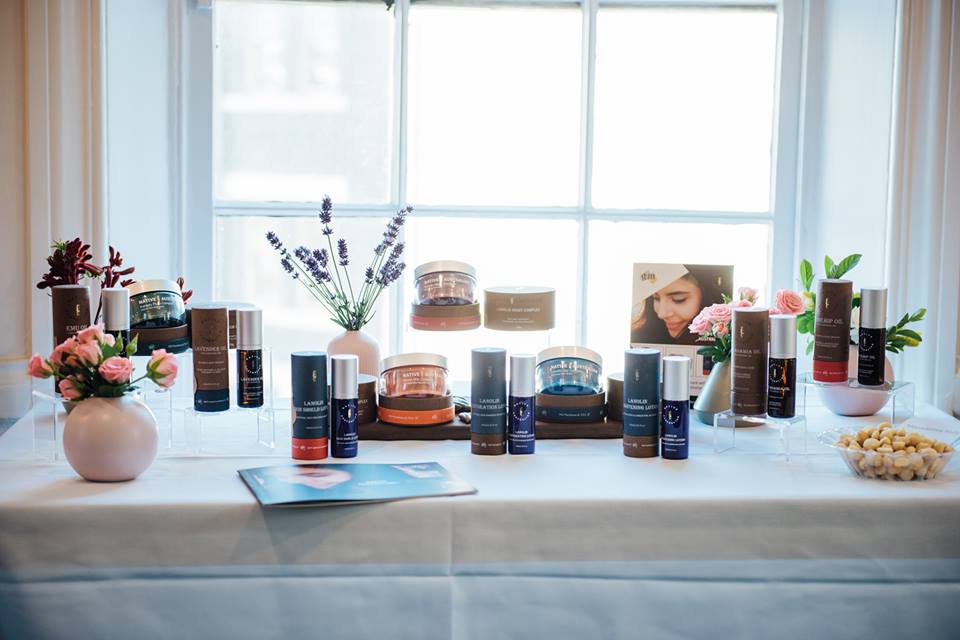
    Australian skincare brand G&M Cosmetics has expanded into Vietnam, with a presence in Aeon supermarkets and at Ho Chi Minh City’s airport.

    This follows the company exporting to Asian markets such as China, Hong Kong, Taiwan, Thailand and Singapore in the past few years.

    The company has also opened a showroom and sales office in Ho Chi Minh City, and plans to open up to five of its own branded retail outlets in Vietnam.

    “We have always had a high demand and interest in Southeast Asia and believe the time is right to enter the Vietnam market, with a population of more than 90 million and a growing middle and upper class, making it an ideal export market,” says G&M Cosmetics global marketing and sales manager Peter Bosevski.

    “Vietnam also give us access to the wider growing Southeast Asian markets of Cambodia, Laos and Myanmar.”

    To promote its launch in Vietnam, G&M has secured Miss Globe as brand ambassador.

  • Tesco trolleys accused of sexism and gender apartheid

    Tesco trolleys accused of sexism and gender apartheid

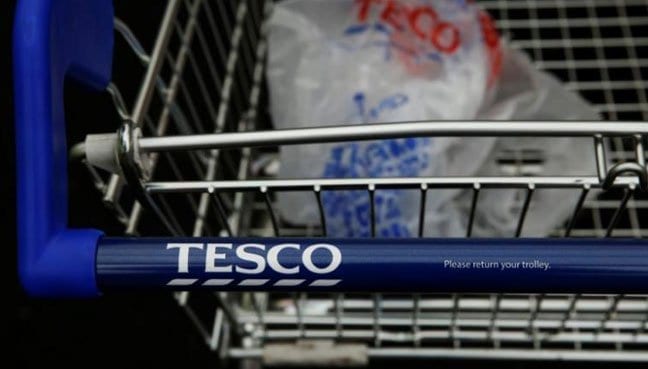
    Tesco is to introduce new safety warning stickers on its trolleys after a social media storm saw it accused of “gender apartheid”.

    The warnings feature drawings of a woman and a child demonstrating how to allow children to ride in trolleys safely. A Manchester woman took to social media complaining the warnings were sexist because they featured a woman and child, enhancing social stereotypes that it was a woman’s role to do the shopping.

    Matt O’Connor, from an organisation called Fathers4Justice, went even further, saying: “Tesco needs to stop this gender apartheid”.

    Using a hashtag ‘everyday sexism’, the original complainant Tweeted “Tesco, is it only women who do the food shopping and look after the kids?”

    Samantha Rennie, executive director at equality group the Rosa UK Fund for Women and Girls, told the Manchester Evening News: “It… plays a role in reinforcing stereotypical ideas of the woman being responsible for the weekly food shop.”

    However, newspaper readers took a saner perspective on the issue. An online survey of readers showed 90 per cent did not believe the trolley warnings were sexist, (although it did not disclose the number of votes).

    One local Manchester man Tweeted that the complaint showed “The world’s gone mad”.

    “The [Manchester] woman who complained needs to get a life. It may be a man dressed as a woman.”

    Tesco says it has ordered new warning signs featuring gender neutral characters which will be placed on the next 20,000 new trolleys to be put into service across the UK.

    Discount brand mooted

    Meanwhile, Tesco has not commented on reports it is planning a bare-essentials style grocery chain to tackle German rivals Aldi and Lidl head on.

    The Sunday Times newspaper has reported that Tesco will launch a separate brand where goods are price matched to Aldi and Lidl’s offer, to try to win back customers lost to the German brands over the last decade.

    The stores would likely stock around 3000 SKUs and the brand and store format would be designed to stand apart from Tesco so as not to cannibalise its main brand’s sales. A typical Tesco supermarket stocks up to 30,000 items.

    The discounters are continuing to eat into the market share of Britain’s so-called ‘big four’ chains. In the latest quarterly data published by Retail Gazette, Tesco’s sales rose 2.6 per cent while Aldi and Lidl reported 16.2 and 16.3 per cent increase respectively.

  • Lululemon pushes out CEO

    Lululemon pushes out CEO

    Canada’s Lululemon Atletica has ousted its current chief executive office, Laurent Potdevin, citing code of conduct reasons for his swift departure.

    The yoga gear brand said that Potdevin resigned, with a $5 million exit package, after the CEO “fell short” of its standards requiring employees to “exemplify the highest levels of integrity and respect for one another.”

    The firm didn’t provide any other details, such as where or how its former CEO fell short of the company’s standards of conduct. However, considering the mass pay out it was deemed as a range of ‘minor’ things that went against the firm’s ‘culture’.

    Potdevin’s departure means Glenn Murphy, former Gap Inc. Ceo who joined the board in April, is now executive chairman, and will act as an interim CEO until a new hiring is announced.

    “Culture is at the core of Lululemon, and it is the responsibility of leaders to set the right tone in our organization. Protecting the organization’s culture is one of the board’s most important duties,” said Murphy.

    Meanwhile, three senior level executives were promoted as a result. Each will report to Murphy.

    Celeste Burgoyne, executive vice president, Americas, will oversee all retail channels of the global business, including stores and e-commerce, as well as brand marketing.

    Stuart Haselden, chief operating officer, will oversee operations related to finance, supply chain, people and technology. This will be absorbed into his current role as chief financial officer, which he started in 2015. Finally, Sun Choe, senior vice president of merchandising, will lead Lululemon’s product development, design, innovation and merchandising. She joined the company as chief global product merchant.

    As for the new CEO spot, not one specific person has been hinted at to replace Potedevin.  However, analysts on Tuesday began speculating that Lululemon could be eyeing Stefan Larsson, whose non-compete agreement with Ralph Lauren Corp. just expired.

    Both parties have not commented.

  • Fosun International reportedly acquires Lanvin

    Fosun International reportedly acquires Lanvin

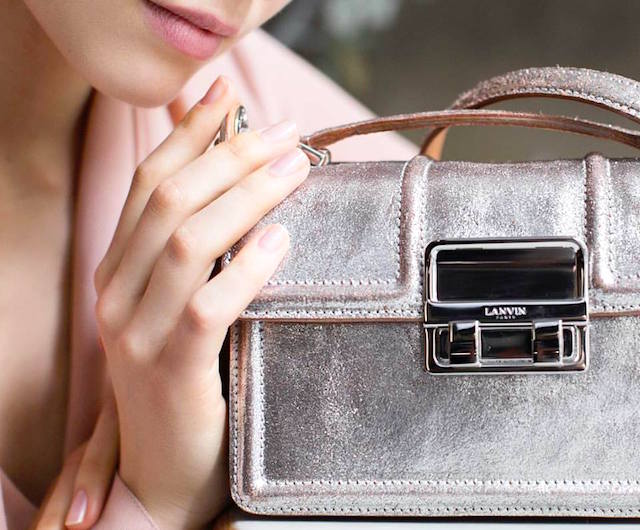
    Fosun International has purchased Paris fashion brand Lanvin for more than 100 million euros, two sources close to the matter have revealed to the French fashion press.

    Sources revealed to FashionNetwork.com late Friday that the Chinese group would acquire France’s oldest fashion maison, beating out Qatar’s Mayhoola, winning the auction-style fight for Lanvin that has been ongoing for some weeks.

    “Fosun has won Lanvin and an announcement should be made this week,” one of the sources said.

    The deal will see Fosun International invest more than 100 million euros in Lanvin with the company issuing new shares to its new controlling shareholder.

    Current majority shareholder Shaw-Lan Wang, the Chinese, Taiwan-based entrepreneur, who goes by Madame Shaw, will remain a minority shareholder alongside Swiss German entrepreneur Ralph Bartel, who had to increase his stake in Lanvin to do so. It remains unclear how much of the cash will go to Madame Shaw.

    “It is a surprising decision,” one of the sources said. “This is a complex affair, many will be watching how Fosun handles it.”

    It’s a blow to Mayhoola’s portfolio also. The owner of Valentino and Balmain has been eyeing Lanvin for a decade now.

    Sales at Lanvin have more than halved in the past three years to less than 100 million euros as the French fashion house struggled to reinvent itself under two successive designers in a desperate attempt to find the right strategy after sacking its star designer Alber Elbaz in 2015.

    Owned by Shanghai billionaire Guo Guangchang, Fosun International already has investments in luxury companies, namely French holiday operator Club Med and knitwear band St. John in the United States. It also has stakes in insurance and trading companies.

    It was reported in September last year that the Chinese investor was also in the running to purchase Swiss luxury brand Bally. However, it was announced this week that fellow Asian investor Shangdong Ruyi, the Chinese group that also controls SMCP and Aquascutum, has acquired Bally.

    Lanvin, Fosun International and Mayhoola were unavailable to make a comment on the news.

  • Dairy Farm to have more shares in pharmacy

    Dairy Farm to have more shares in pharmacy

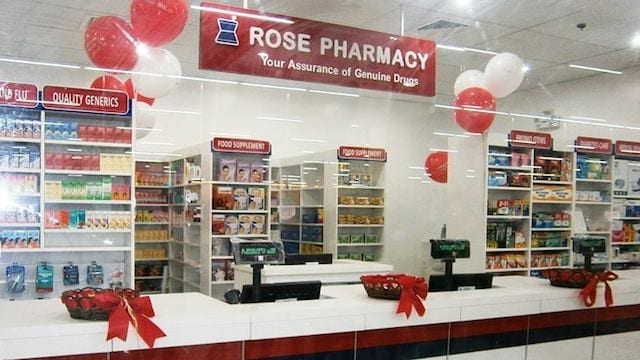
    Hong Kong retail giant Dairy Farm has received official approval to increase its stake in Philippine drugstore chain Rose Pharmacy.

    It is doing this through its European investment vehicle Mulgrave Corporation, which has received the nod from the Philippine Board of Investments (BOI). It seeks to raise its shareholding in Cebu-based Rose Pharmacy from 49 to 51 per cent. Financial details of the deal have not been disclosed.

    Rose Pharmacy has 252 pharmacies nationwide.

    Trade undersecretary and BOI managing head Ceferino Rodolfo says that aside from increasing its stake in Rose Pharmacy, Mulgrave also plans acquisitions and to expand retail outlets.

    Based in Amsterdam, Mulgrave Corporation runs supermarkets through a subsidiary. In turn, Mulgrave is a subsidiary of Dairy Farm International Holdings.

  • New mattress and bedding start up from San Francisco launches in Hong Kong

    New mattress and bedding start up from San Francisco launches in Hong Kong

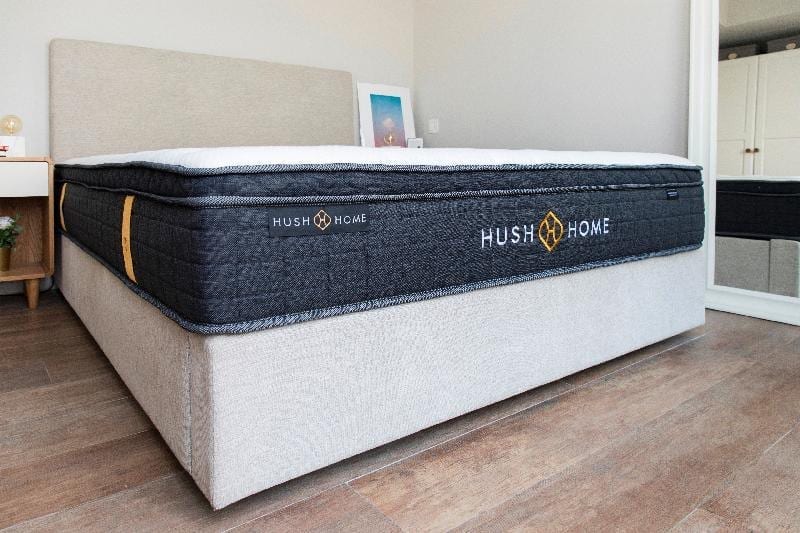
    US start-up Hush Home has opened an office in Hong Kong as a regional base to market its mattresses, pillows and other bedding products.

    Hush Home designs and tests its products in San Francisco, and the company’s mission is to offer bedding at affordable prices to hotels and individual customers through its online platform.

    The company also promotes its products through partners such as a new hotel in Osaka which has more than 700 guests daily, many from Hong Kong. This helped Hush Home discover that Hong Kong travellers generally prefer firmer mattresses and supportive memory-foam pillows, and the company has tailored its products accordingly.

    Hush Home founder/head of operations Rick Chen says the company is attracted by Hong Kong’s prime location, as well as its duty- and VAT-free advantage.

    “We plan to develop the Hong Kong market this year, then extend our product offering to other Asian markets using Hong Kong as a base.”

    The company has been helped with its set-up by Invest Hong Kong.

  • Shiseido’s results for 2017

    Shiseido’s results for 2017

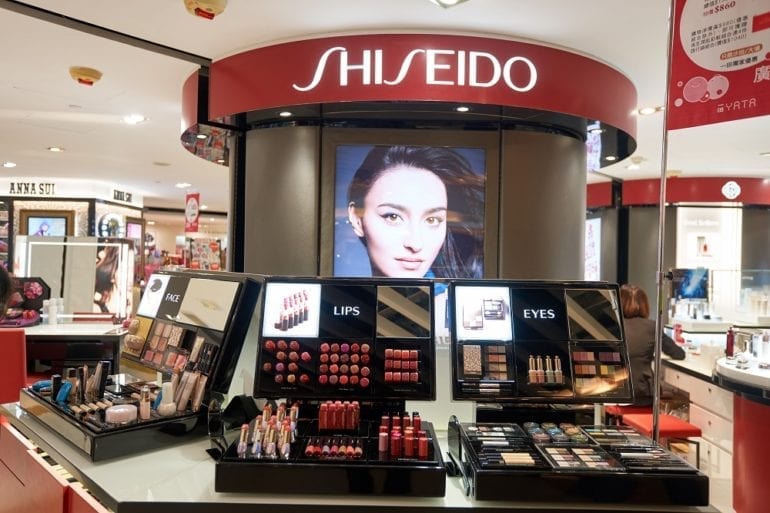
    Shiseido just released its results for the Fiscal Year Ended 31 December 2017.

    Shiseido achieved Global Net Sales of ¥1,005,062 (compared to ¥850,306 in 2016) and a Global Operating Income of ¥80,437 (compared to ¥36,780 in 2016).

    In the Asia Pacific Business, the brands driving sales are Clé de Peau Beauté, NARS, and other brands in the prestige category, mainly in South Korea, Thailand, and Taiwan.

    Sales of Clé de Peau Beauté were particularly strong in the flagship store opened in Singapore.

    In the cosmetics and personal care categories, sales growth was seen for SENKA, which benefited from enhanced marketing tailored to the differing consumer preferences and lifestyles in each country, and for the sunscreen ANESSA, owing to an expansion of sales channels.

    The growth is the result of the improvement in the product mix and higher margins.

    The Shiseido Group formulated VISION 2020, a medium- to long-term strategy in 2014 while positioning the three years from fiscal years 2018 to 2020, as the period to accelerate growth in order to tackle a new strategy.

    It seems this long-term strategy is working and the company plans to announce the new three-year medium-term management plan on 5 March 2018, and disclose the consolidated results forecasts and the dividend forecast for the fiscal year ending December 2018, the initial year of the plan.

  • Pandora posts good numbers in challenging market

    Pandora posts good numbers in challenging market

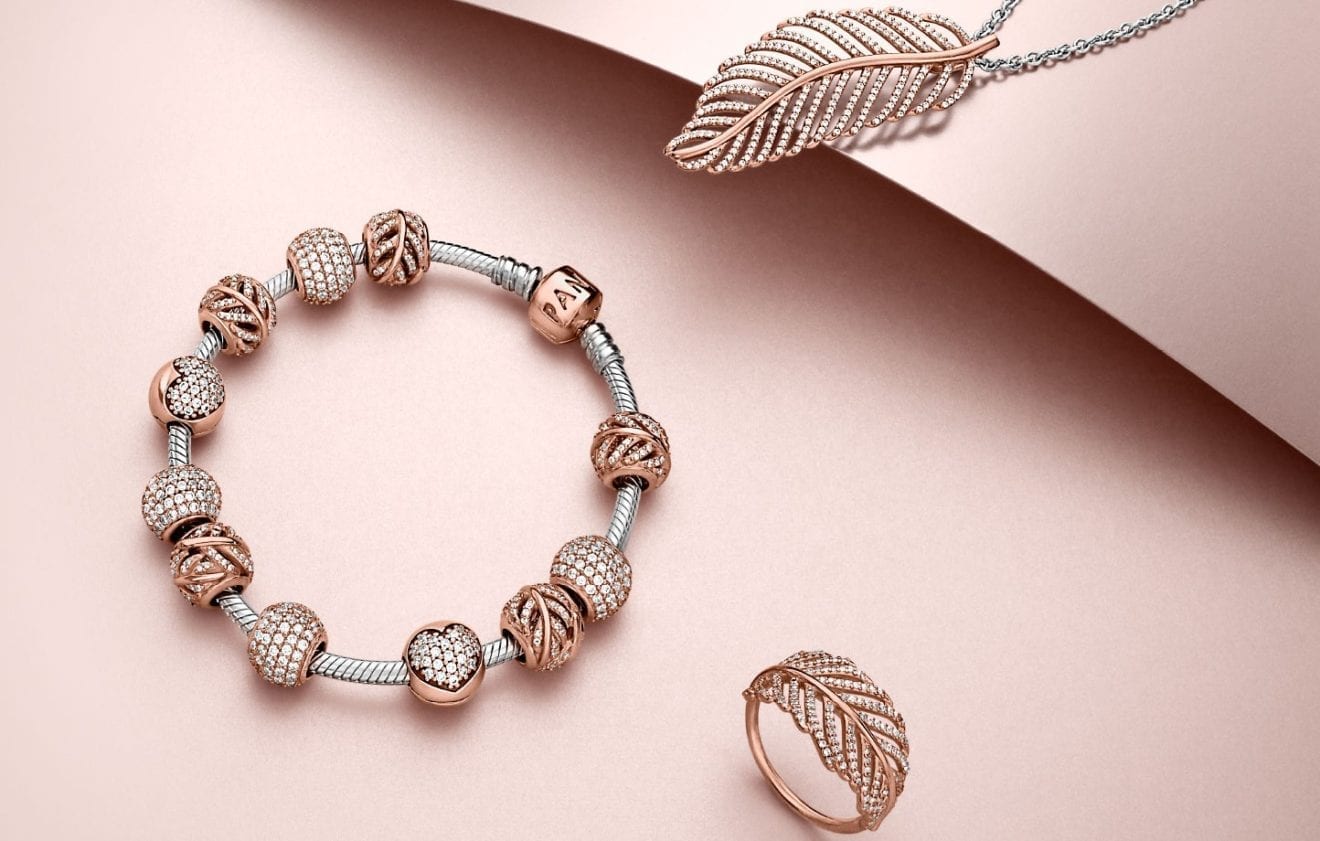
    Danish jewellery manufacturer and retailer Pandora reports a strong year despite market challenges.

    Group Pandora sales increased by 12 per cent (15 per cent in local currency) last year to DKK22.7 billion (US$3.7 billion). Revenue from Pandora-owned retail grew 42 per cent (46 per cent in local currency). ​

    Like-for-like sales-out growth for the brand’s concept stores was 11 per cent.

    Pandora sales in Asia Pacific were up 25 per cent (28 per cent in local currency).

    Revenue from charms was up 8 per cent and revenue from bracelets increased 8 per cent. Full jewellery brand development remains on track with combined revenue from rings, earrings and necklaces, and pendants up 28 per cent. The three categories represented 26 per cent of group revenue compared with 23 per cent in 2016.

    Gross margin was 74.5 per cent last year, down from 75.1 per cent).

    Describing the year as “challenging and eventful”, CEO Anders Colding Friis says revenue was driven by a strong performance from Pandora-owned retail, and double-digit growth in local currency across all product categories.

  • Gap Malaysia is Closing All Stores Nationwide

    Gap Malaysia is Closing All Stores Nationwide

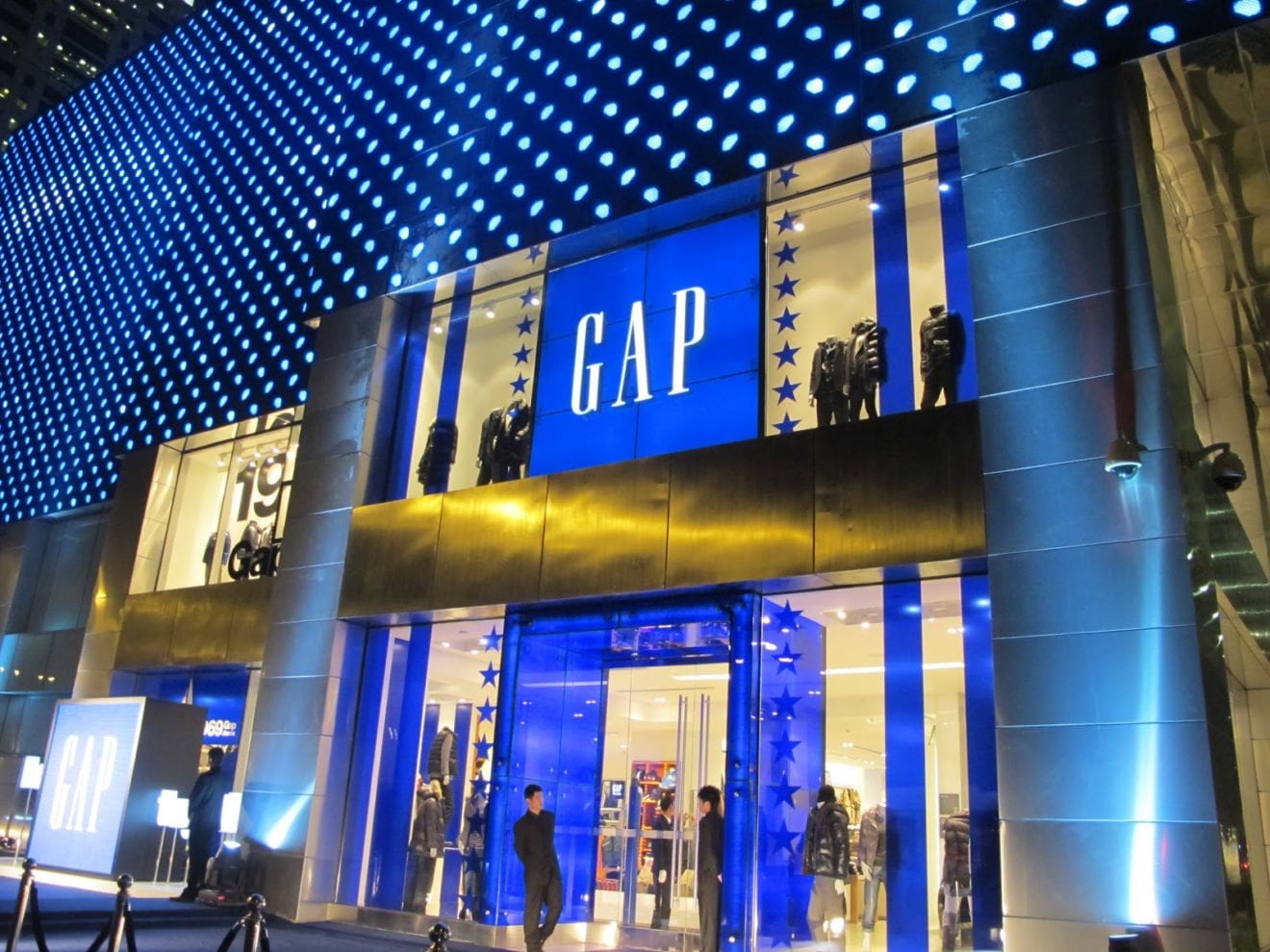
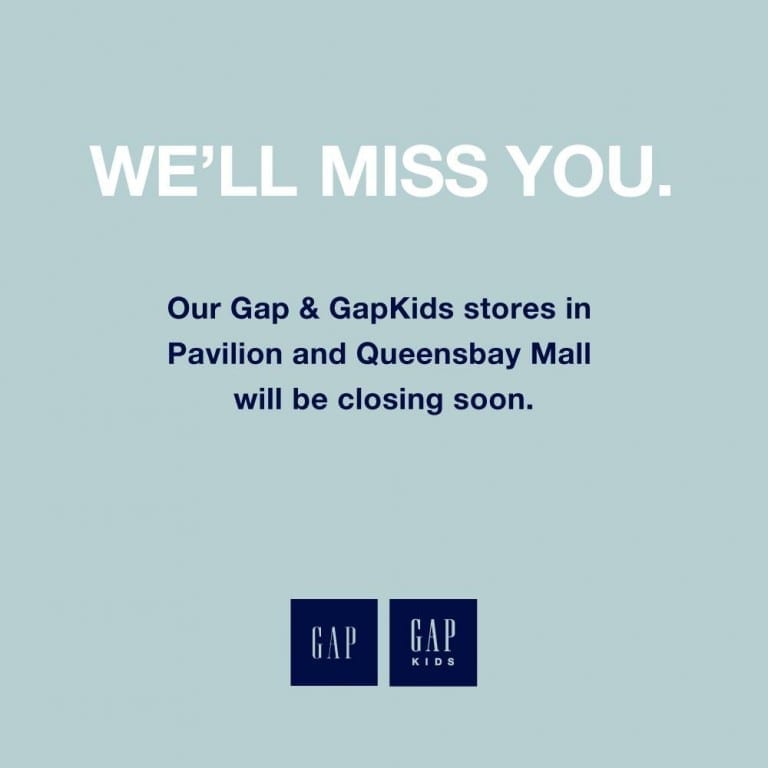
    Gap Malaysia has announced on its Facebook page that it is about to close its store and GapKids in the Gardens Mall, Kuala Lumpur.

    The American clothing retailer first announced it would be shutting down its Queensbay Mall, Penang and Pavilion KL stores in January, and now adds Gardens Mall and 1 Utama as well.

    Its remaining stores are running sales to get rid of stock.