Tag: asia

  • Cold Stone Creamery Malaysia Opened In Kuala Lumpur

    Cold Stone Creamery Malaysia Opened In Kuala Lumpur

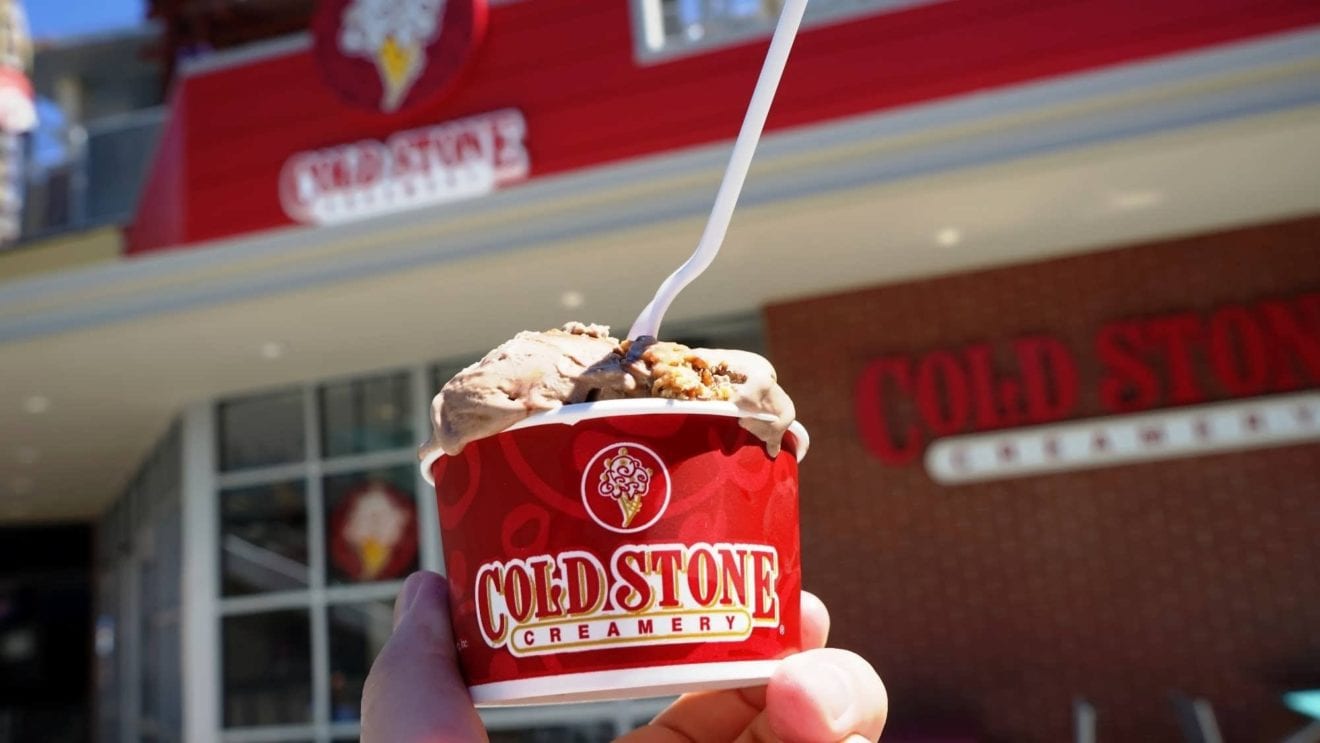
    American ice-cream parlour chain Cold Stone Creamery Malaysia has opened its first store in Kuala Lumpur.

    After tracking through Bangkok, Manila and Singapore, the American ice-cream parlour chain has launched a flagship outlet at Pavilion Kuala Lumpur.

    From Arizona, the brand plans to open 10 outlets in Malaysia within the next five years.

    Founded in 1988, Cold Stone Creamery is best known for its design-your-own desserts that lets customers choose mix-ins, all theatrically combined on a frozen granite slab.

    The store offers 36 ice-cream flavours and will be adding some local tastes.

    Cold Stone Creamery senior international VP Eddy Jimenez says Malaysia’s opening was delayed as the company took years to find a suitable franchisee.

    “Local flavours are important and we are very sensitive to the local culture ‒ they’re going to be a big part of the brand,” says Jimenez.

  • Malaysia property market expected to be flattish in 2018

    Malaysia property market expected to be flattish in 2018

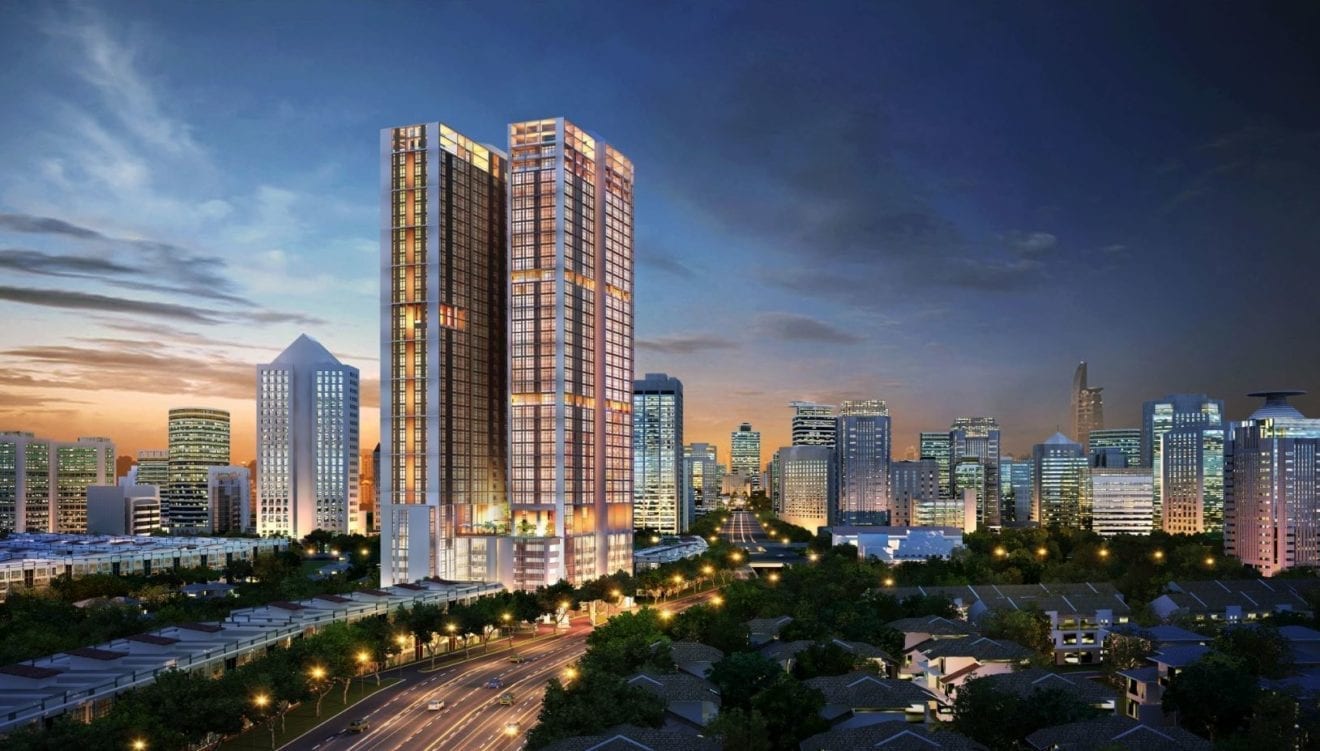
    Property transactions are expected to be flattish in 2018, marking yet another challenging year for the Malaysian property market, according to real estate consultancy firm Rahim & Co International Sdn Bhd.

    However, it said many are hoping that the results of the forthcoming general election would give a firmer direction for the nation, hence re-igniting the momentum in the property sector.

    Although it may be too soon to say that the market has bottomed out, Rahim & Co does not expect the market in 2018 to be much worse off than in 2017.

    The property market is expected to be flat and stable, while waiting for the consumers’ wait-and-see attitude to warm up.

  • PastaMania Myanmar Opens Second Branch in Yangon

    PastaMania Myanmar Opens Second Branch in Yangon

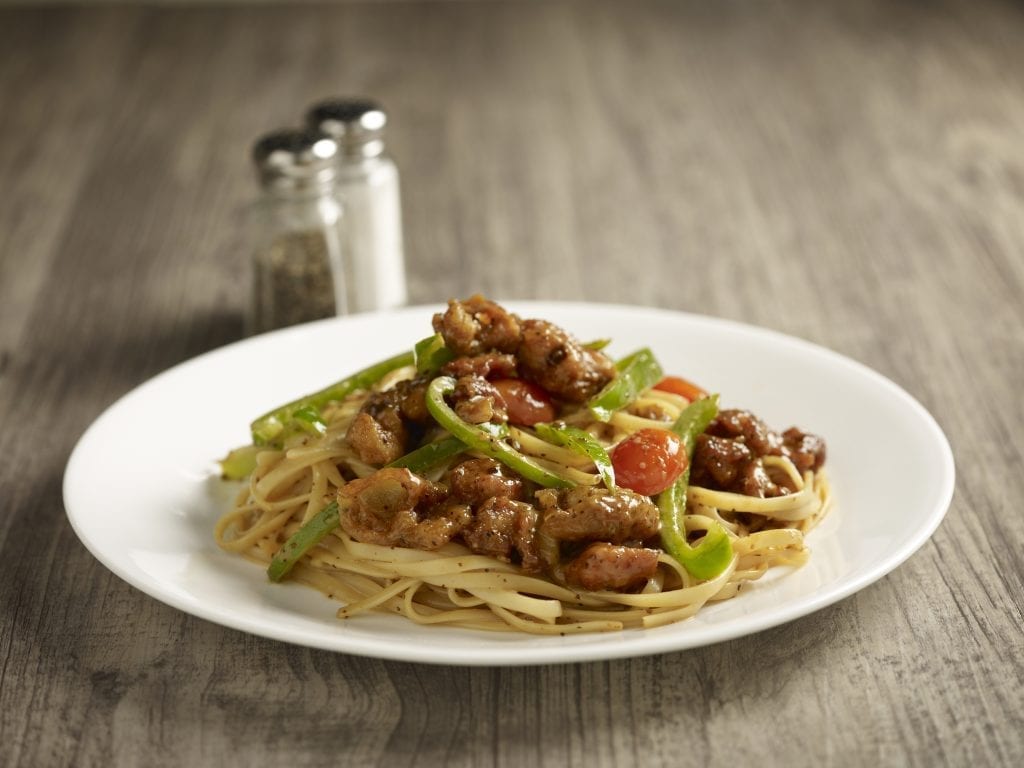
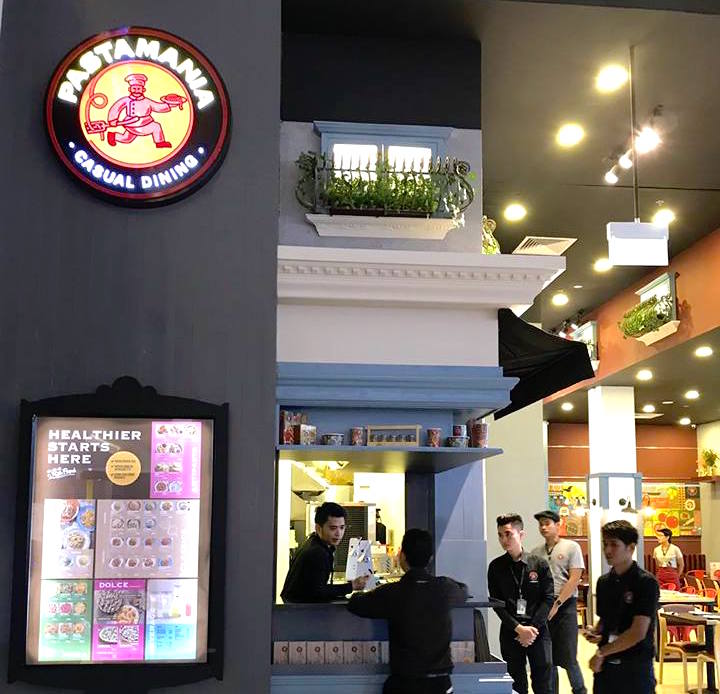
    PastaMania Myanmar will open a branch in Yangon’s Capital Hypermarket Extension Mall on February 27.

    From Singapore, the Italian casual-dining restaurant chain has more than 50 outlets in 14 countries.

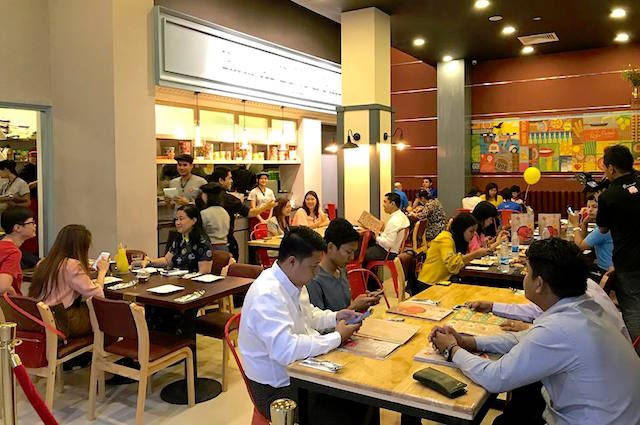
    “This PastaMania outlet design is based on Italy’s piazza concept to create the ambience of an Italian city square, says executive director Wilson Lim of Singapore’s Commonwealth Capital Group, which run PastaMania.

    This is the second Yangon outlet for PastaMania, the first opening on Inya Road in February 2016.

    Two more outlets are planned over the next year in Yangon.

  • Alibaba reports solid Q3 growth, increases FY guidance

    Alibaba reports solid Q3 growth, increases FY guidance

    Alibaba Group Inc. said revenues reached 83 billion yuan ($12.8 billion) in the third quarter – soaring 56% on last year – pushed on by China retail growth.

    For the three-month period ending December 31, Alibaba said China recorded the highest revenue growth, up 57%, counteracting a dull consumer confidence in the Asian nation. Annual active consumers on Alibaba’s China retail marketplaces reached 515 million, an increase of 27 million from the previous quarter, representing the largest growth in 12 quarters.

    The hometown result was helped by a strong Singles Day 2017 performance. The massive sales event clocked 168.2 billion yuan ($25.39 billion) in gross merchandising value.

    The Chinese e-commerce giant said the quarterly period was its seventh-consecutive quarter for growth.

    “We delivered another outstanding quarter and our business is performing stronger than ever,” said Daniel Zhang, Alibaba’s chief executive officer.

    Zhang went on to praise the firm’s pioneering technology in the online sphere and its intelligent move toward offline, in particular, its Hema supermarket chains.

    “It’s the direct result of our long-term, forward-looking approach to new user acquisition, new technology and creation of new user experiences. We have demonstrated what new retail looks like through innovations such as Hema and inspired a global wave of experimentation in new retail. We believe the future of retail is much more than just connecting online and off-line, our new retail strategy is a combination of creating new and transforming old.”

    Looking ahead, Alibaba said it has revised its outlook for full-year revenue growth up to 55 to 56%, from its earlier estimate of 49 to 53%

    In addition to the financial reporting, Alibaba said it would acquire a 33% in Ant Financial, its digital payment partner. The move highlights Alibaba’s new retail strategy, which includes enabling digital payments in brick-and-mortar stores.

  • Arabica Coffee Opens in the Philippines

    Arabica Coffee Opens in the Philippines

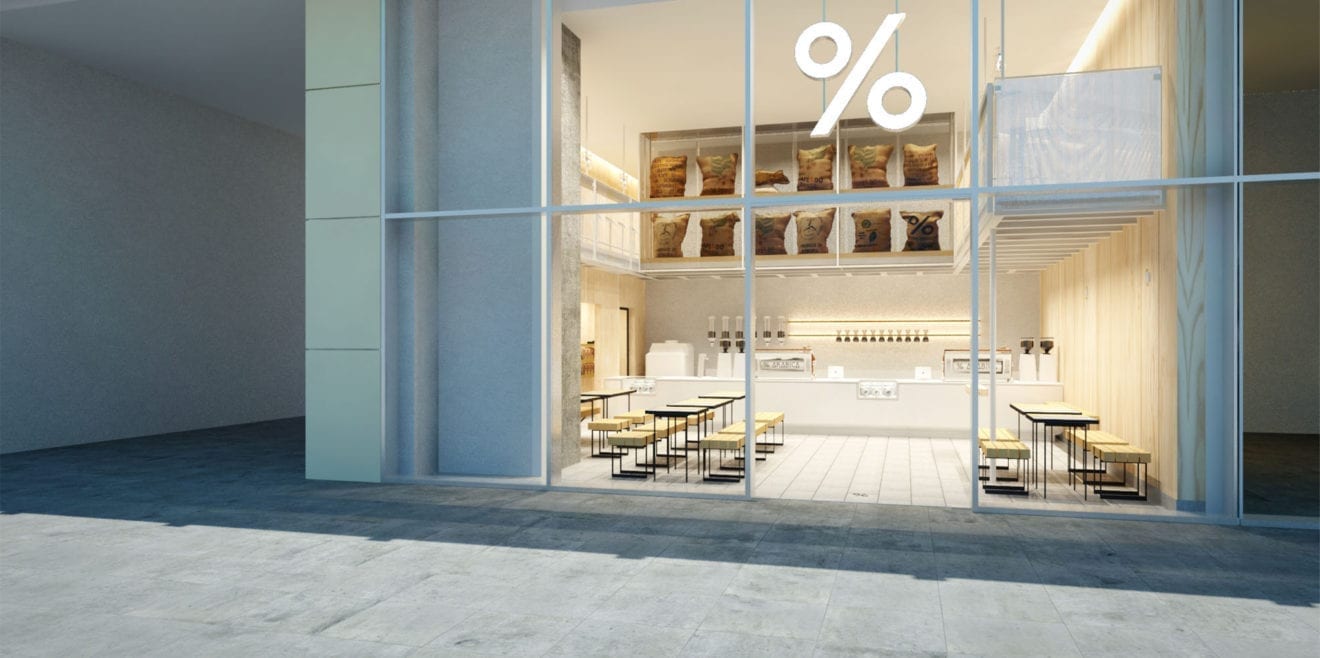
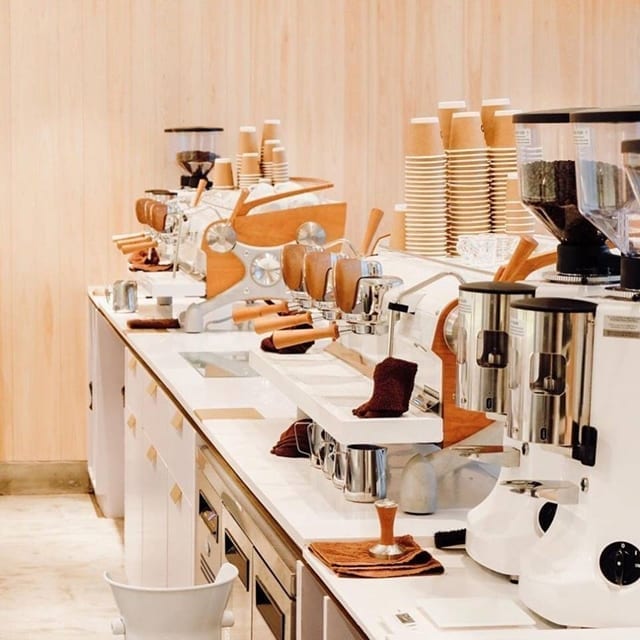
    After nearly a year of planning, Kyoto’s % Arabica Coffee has opened its first store for the Philippines.

    It is in Manila’s Bonifacio Global City and is the result of the efforts of a mother-and-daughter team that has been travelling around the world looking for the best coffee spots. Allue Hortazela says she and her mother could not forget the taste of % Arabica, prompting her to return to the Kyoto main branch of % Arabica to contact the owner with the hope of launching a branch in the Philippines.

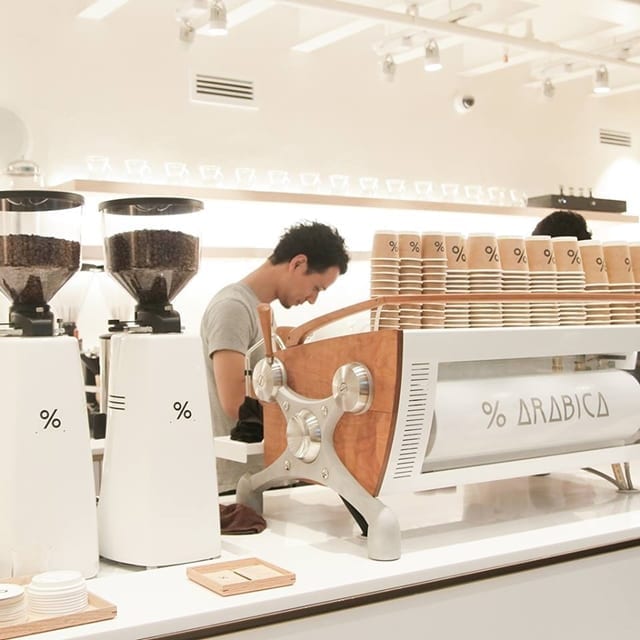
    Founded in 2014 by Kenneth Shoji, % Arabica uses 100 per cent Arabica coffee beans sourced internationally from countries such as Brazil, Guatemala and Japan.

    To support the opening of the Manila branch, % Arabica global and Kyoto head barista Junichi Yamaguchi flew from Japan to oversee the crafting of coffee for every customer.

  • Shandong Ruyi acquired Swiss luxury brand Bally

    Shandong Ruyi acquired Swiss luxury brand Bally

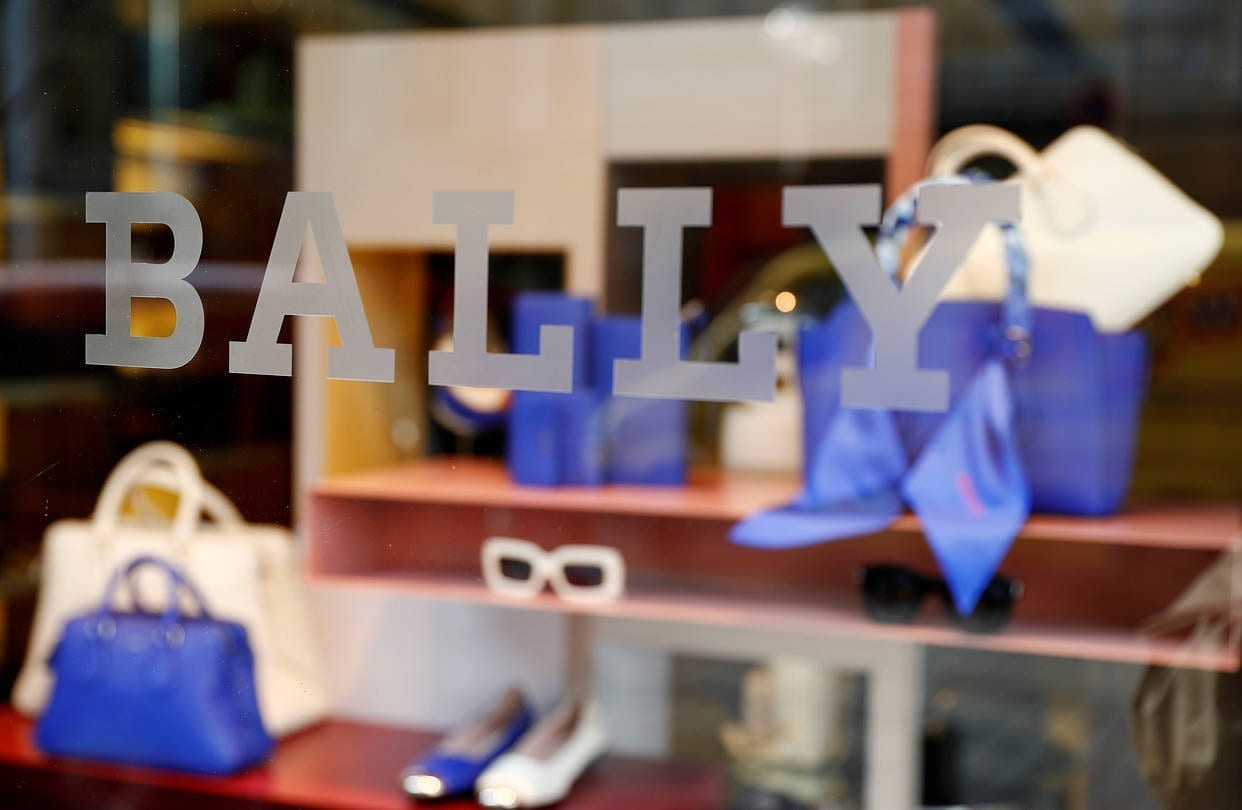
    JAB Holding has sold its controlling stake in Swiss apparel and accessories label Bally to Chinese textile manufacturer Shandong Ruyi Group, as tipped last month.

    JAB, which once owned Belstaff and Jimmy Choo, was said to be seeking US$700 million for Bally in August. The brand was founded in 1851 as a shoemaker.

    “The arrival of Shandong Ruyi Group and its vision will significantly accelerate our growth in key segments and territories as we complete the turnaround of this iconic brand,” says Bally CEO Frederic de Narp.

    JAB says it will retain a minority holding in Bally, while the majority stake will be controlled by Shandong Ruyi Investment Holding. Under the terms of the agreement, Bally’s management team will reinvest alongside Shandong Ruyi.

    Transaction terms have not been disclosed and are subject to closing conditions and customary regulatory approvals.

    As majority shareholder, Shandong Ruyi plans to maintain Bally’s DNA and identity. Part of this plan includes keeping Bally’s headquarters and main factory in Switzerland.

  • Alibaba buys US$866 million stake in Chinese furniture retailer Easyhome

    Alibaba buys US$866 million stake in Chinese furniture retailer Easyhome

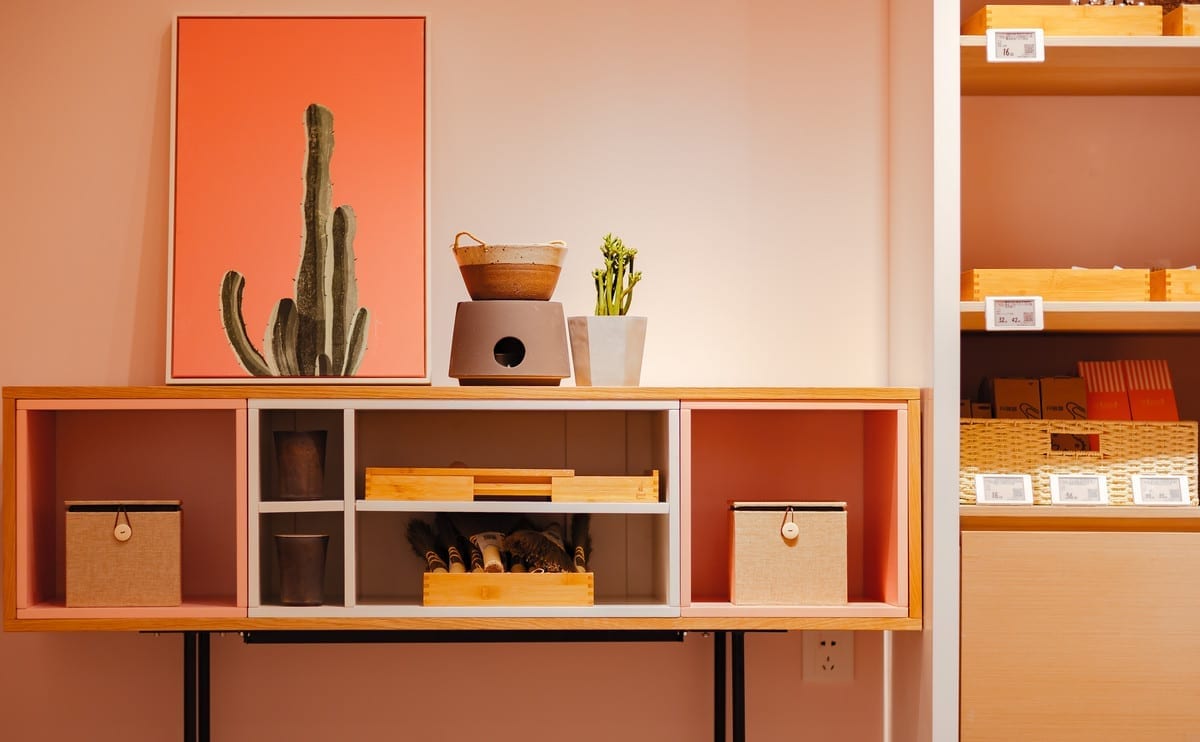
    Alibaba Group Holding will pay about 5.45 billion yuan (US$866 million) for a 15 per cent stake in Beijing Easyhome Furnishing Chain Store, the operator of China’s second largest home improvement supplies and furniture chain.

    It is the latest move in the e-commerce titan’s online-to-offline strategy, following its US$2.9 billion investment in Sun Art Retail, which runs one of China’s largest hypermarket chains, in November.

    Alibaba said on Sunday it will support the digital transformation of Easyhome’s 223 stores in 29 Chinese provinces, autonomous regions and municipalities, through its cloud and enterprise systems, and logistics platform. It will also be able to provide “consumer insights”.

    “From home design to refurbishment projects, the two parties will provide customers with end-to-end home improvement solutions,” it added.

    Beijing Easyhome said in a separate statement it has received a combined 13 billion yuan from a group of investors, including Alibaba, Chinese insurer Taikang Group, Yunfeng Capital – which is backed by Alibaba’s founder Jack Ma – and Beijing Harvest Capital.

    The retailer said it plans to fully integrate its online and offline operations by 2022. By then it aims to have over 600 stores nationwide and gross merchandise volume – total sales through its platforms – of more than 100 billion yuan.

    Alibaba has prioritised its efforts to expand into physical retail in recent years, investing billions in grocery chains and shopping malls. Part of the “New Retail” strategy is to attract customers to its online platform by bringing enhanced digital capabilities to the brick-and-mortar stores.

    The transformation echoes that of US e-commerce behemoth Amazon.com, which in June surprised shoppers with its US$13.7 billion acquisition of high-end American grocery store Whole Foods.

    “We want to redefine the physical retail experience and transform from physical to digital, ” said Alibaba CEO Daniel Zhang after last year’s Sun Art Retail acquisition.

    In January 2017, the company led a US$2.5 billion bid to buy out Chinese department store chain Intime Retail.

    In 2015, it bought a 20 per cent stake in Chinese electronics retailer Sunning Commerce Group for US$4.6 billion.


  • PH’s 1st Outlet mall opens August

    PH’s 1st Outlet mall opens August

    Cathay Land, Inc. and London-based Freeport Retail are set to open the first Outlet mall in the Philippines on August 2.

    Some PHP2.5 billion was invested for the construction of Outlet mall in Tagaytay City which sits along Km.48 Aguinaldo Highway, Silang, Cavite.

    Cathay Land President Jeffrey Ng said the Cavite-Laguna Expressway would make the Acienda Designer Outlet mall accessible from Metro Manila as it would be only 30 minutes away from the Ninoy Aquino International Airport and the Entertainment City.

    Outlet mall’s target market is Tagaytay’s 16.5 million locals and tourists with above-average income level and high level of fashion consciousness.

    “With Tagaytay City being a popular tourist destination among locals and tourists, we are confident that they will all enjoy our promise of high quality Outlet shopping at par with what they experience abroad,” said Ng.

    He added that the company is bullish in its first Outlet mall here with the country’s strong retail industry driven by rising income, remittances, and tourist arrivals.

    With this, Cathay Land and Freeport Retail are out to find strategic locations for their second Outlet mall in the Philippines set for launching within three years.

    “In 2012 we started our focus on Asia, which is a major Outlet opportunity. Our Outlet village in Malaysia opened at the end of 2015,” Freeport Retail Co-Founder and Commercial Director Chris Milliken said, adding that Kuala Lumpur now has three Outlet malls.

    An Outlet mall in Australia also opens on the same date with the launching of Acienda Designer Outlet mall in Tagaytay.


  • Asia gold demand picks up as prices fall

    Asia gold demand picks up as prices fall

    Physical gold demand in Asia picked up towards the end of the week, as a pullback in prices spurred purchases ahead of the Lunar New Year in China and the wedding season in India.

    Spot gold has declined about 1% so far this week and was headed for a second straight weekly drop due to a recovery in the dollar. 

    “Retail buyers are comfortable with the current price range,” said Aditya Pethe, a director at Waman Hari Pethe Jewellers in Mumbai. Local gold prices have declined more than 2% since rising to Rs30,720 per 10 gram last week, the highest since November 9, 2016.

    Dealers were charging a premium of up to $1.5 an ounce yesterday over official domestic prices, down from $2 last week. The domestic price includes a 10% import tax.

    “Demand is not great but the market is still in premium due to limited supplies. Imports were lower last month,” said a Mumbai-based dealer with a private bank. India’s gold imports in January dropped 37% from a year earlier to their lowest in 17 months as buyers postponed purchases in expectation of a cut in the import tax.

    Gold demand in India is likely to remain below its 10-year average for a third year in 2018 as higher taxes and new transparency rules on purchases may cap last year’s rebound in buying, the World Gold Council said on Tuesday.

    In top consumer China, premiums rose to $9-$10 an ounce from $6-$8 last week as demand picked up after prices fell later in the week, traders said.

    In Hong Kong, premiums remained unchanged from last week at between 60 cents and $1 an ounce. Demand in Southeast Asia remained strong ahead of the Chinese New Year that starts from February 16, as dealers stocked up in anticipation of strained supply during the festival week when gold refineries and businesses will be on holidays.

    “Supply-wise, we see some issues… That’s why the market is getting squeezed a bit and premiums are a little higher now,” said Brian Lan, managing director at dealer GoldSilver Central in Singapore.

    “Dealers generally try to get in more inventory during this period to at least get through the one tight week during the Chinese New Year.”

    Premiums for the precious metal in Singapore were slightly higher this week at between 80 cents and $1 an ounce, compared with 60-80 cents last week.

    “There’s no shortage of gold or anything, but it’s because of the festival season and the production schedule,” said Lan.

    In Japan, gold was sold at par after being on discount for the past few weeks, according to a Tokyo-based trader.

    India’s gold imports in January dropped 37% from a year earlier to their lowest in 17 months as buyers postponed purchases in expectation of a cut in the
    import tax.

  • Dusit International now accepts Alipay at its hotels and resorts in Thailand

    Dusit International now accepts Alipay at its hotels and resorts in Thailand

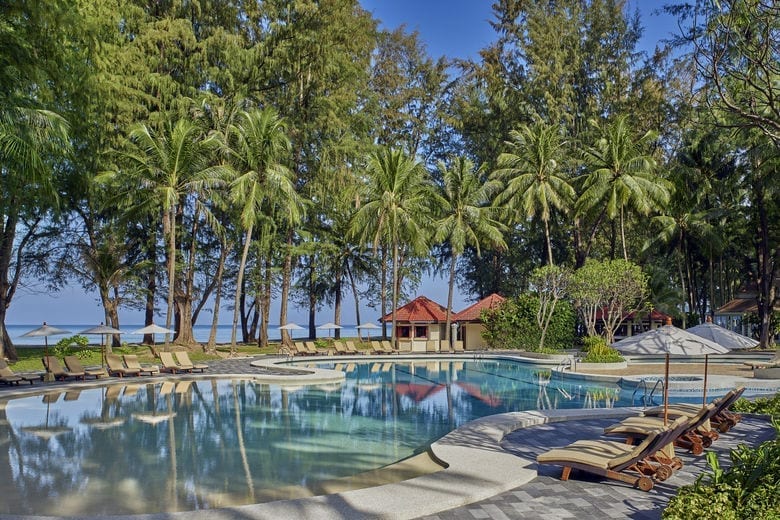
    Dusit International, one of Thailand’s foremost hotel and property development companies, has rolled out Alipay at its hotels and resorts in Thailand to cater to Chinese travellers who prefer to make quick and secure payments via mobile.

    With over 520 million users and counting, China-based Alipay is one of the world’s largest mobile payment platforms which allows its users to pay for goods and services by scanning QR codes on their smartphones or tablets. Its presence is ubiquitous in Chinese cities, where mobile payments are fast becoming a way of life.

    Dusit International already accepts Alipay at all of its hotels and resorts in China. Alongside Thailand, it also plans to roll out the system at its international properties soon.

    “The Chinese market is a key segment for our hotels in Thailand, so it is important our properties are equipped to meet the needs of those who prefer to pay via mobile, now the method of choice in China,” said Mr Lim Boon Kwee, Chief Operating Officer, Dusit International. “Alipay can certainly enrich and enhance the guest experience for all our Chinese travellers.”

    Dusit Hotels & Resorts in Thailand now accept Alipay at their restaurants, spas, participating outlets, and for hotel rooms upon check-out. The properties also accept China’s other major mobile wallet, WeChat Pay.

    Dusit properties in Thailand include Dusit Thani Bangkok, Dusit Thani Hua Hin, Dusit Thani Pattaya, Dusit Thani Laguna Phuket, Dusit Thani Beach Resort Krabi, dusitD2 Chiang Mai, dusitD2 Khao Yai, Dusit Princess Srinakarin Bangkok, and Dusit Princess Chiang Mai.

    Alipay is operated by Ant Financial, an affiliate of Alibaba Group Holding Limited, a Chinese multinational e-commerce, retail, and technology conglomerate which is one of the top 10 most valuable companies in the world.

  • Armani Box pop-up makes travel retail debut at Hong Kong Airport

    Armani Box pop-up makes travel retail debut at Hong Kong Airport

    L’Oréal Travel Retail has introduced the Giorgio Armani Box pop-up store to travel retail, at Hong Kong International Airport.

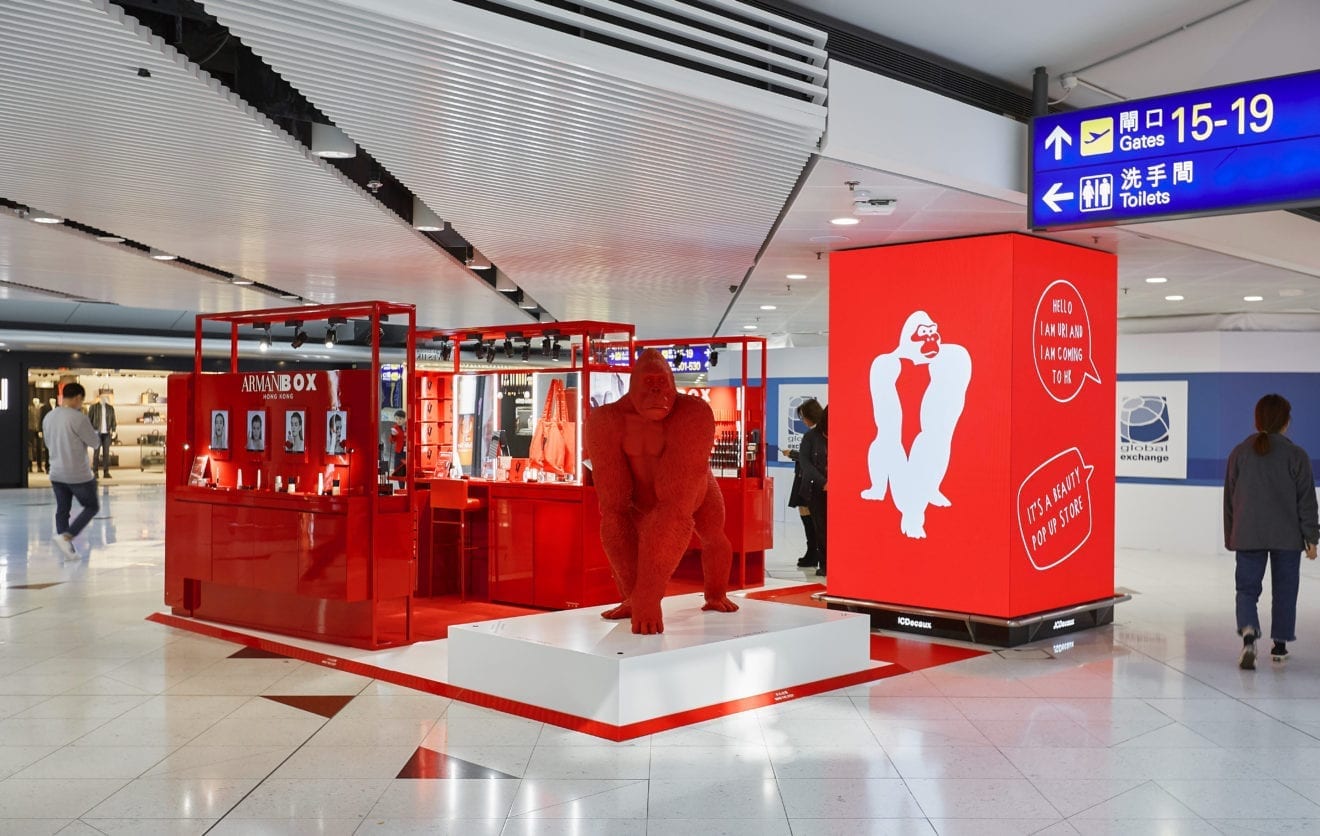
    The Armani Box, in Departures East Hall Level 6 North, was open throughout January. The concept launched in 2017 and has been featuring at domestic locations since.

    Monkeying around: Hong Kong International Airport marks the Armani Box pop-up’s first travel retail location

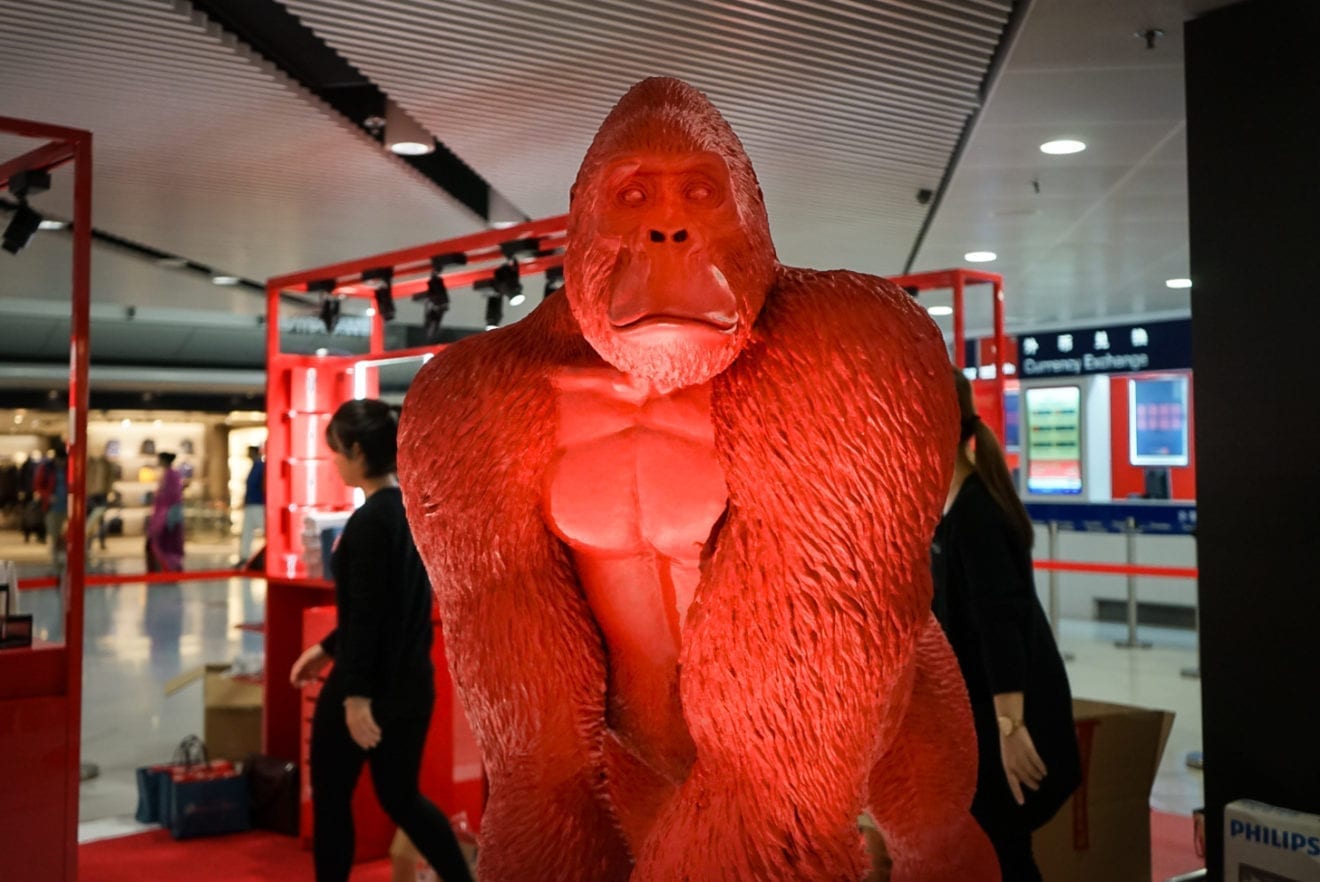
    The space features red walls and black lighting fixtures and a modern interior, in line with the brand’s DNA. An eye-catching giant red gorilla named Uri, created specially for the pop-up, welcomes guests to the area. The gorilla is a replica of a full-size gorilla statue that resides in Mr Armani’s Milan home.

    The attention grabbing Uri welcomed guests to the pop-up

    For a limited time, customers were encouraged to take a photo with Uri and enjoy a free print-out as a souvenir of their make-up experience.

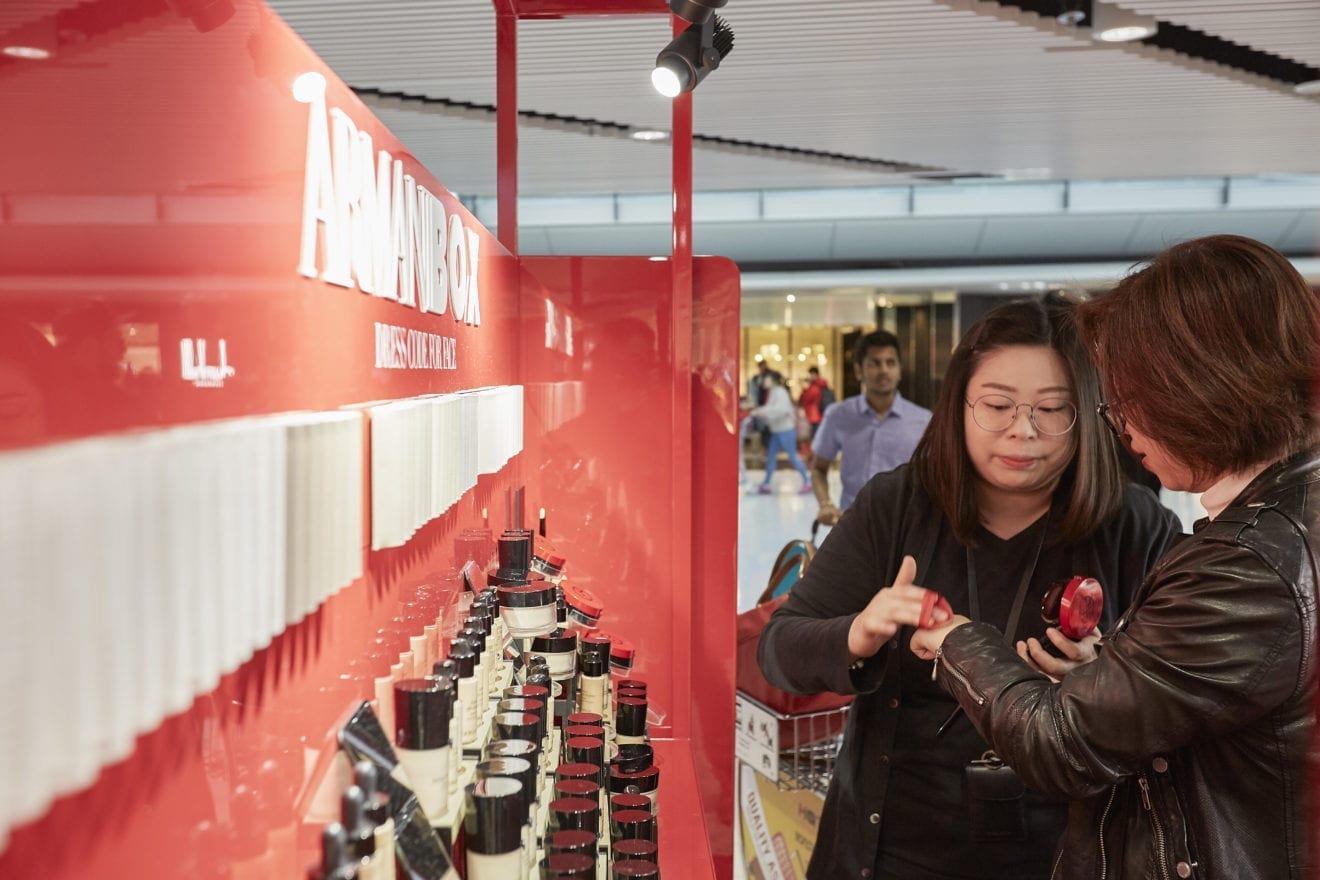
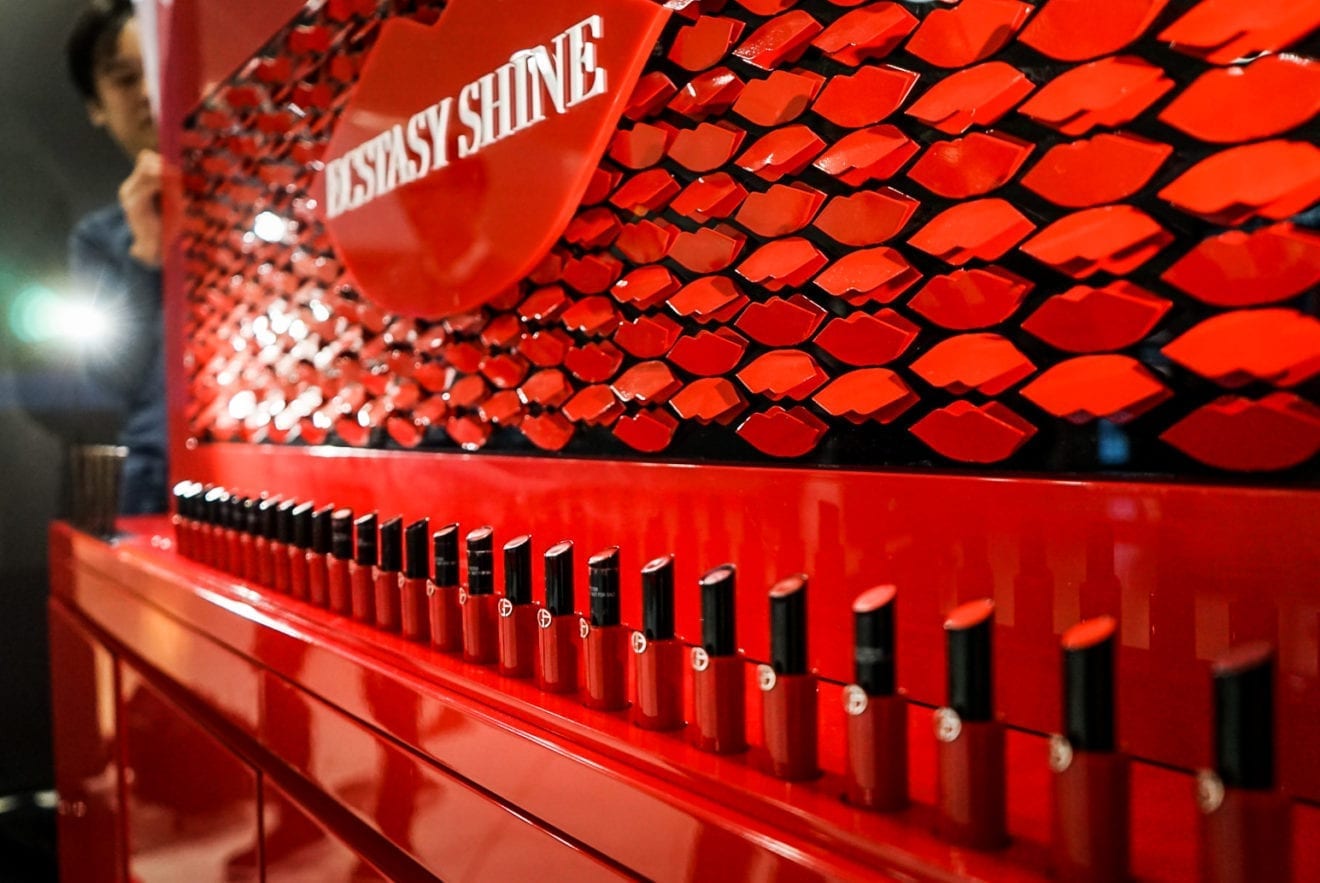
    The Armani Box invited guests to try out the latest make-up products, such as Ecstasy Shine lipstick. Giorgio Armani Face Designers were also on-hand to provide expert, made-to-measure make-up services.

    Giorgio Armani Face Designers offered travellers personal beauty guidance

    Ecstasy Shine lipstick provides the shine of a gloss, colours like a lip cream and moisturises like a balm

    Limited-edition Uri tote bags and stickers could be redeemed with purchases, along with Giorgio Armani beauty product samples.

    The Armani Box pop-up will open at Paris Charles de Gaulle Airport on 2 March.

  • Skechers Q4 global sales jump 27 percent

    Skechers Q4 global sales jump 27 percent

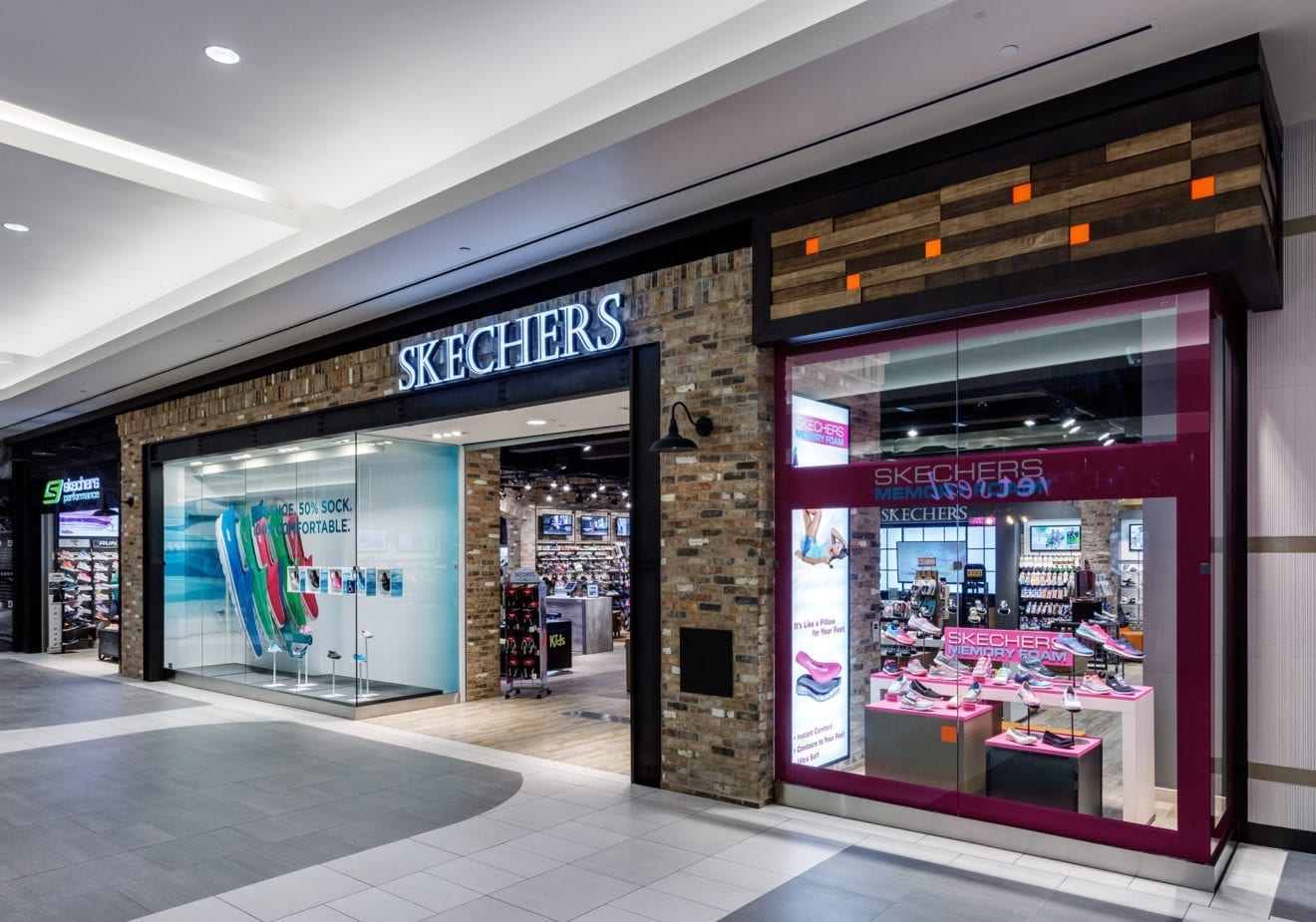
    Shoe retailer Skechers posted a 27 per cent increase in sales in the last quarter, powered by a 40 per cent increase in international wholesale sales, and a strong performance in China.

    “Last year was monumental for Skechers as we achieved sales of more than US$4 billion for the first time in our 25-year history,” said Robert Greenberg, Skechers CEO.

    “This growth is due to our continued focus on efficiencies and infrastructure as well as innovation, comfort, and relevancy within our product design. In the US, we remained the No 1 walking, work, casual lifestyle, and casual dress footwear brand, and the No 2 casual athletic footwear brand.

    “Furthermore, we grew our Skechers store base to 2570 locations at year-end and saw impressive growth across the globe – including record sales on Single’s Day in China,” said Greenberg.

    “As we look ahead, with fresh styles shipping for spring, we believe we will remain a leader in the lifestyle footwear channel in the US, selectively expand our retail footprint, and continue our global growth as we see our international business becoming an increasingly larger piece of our total business.”

    Global annual sales rose $600 million year-on-year to $4.16 billion, “a testament to the worldwide strength and relevance of our product, marketing and brand,” added COO David Weinberg.

    In its own stores, Skechers achieve comparable same-store sales growth of 10.5 per cent in the US market and 16.5 per cent overseas. It added 75 stores during the year, 22 of them in the last quarter.

    While the company reported a net loss of $66.7 million for the last quarter, this was hugely impacted by a $99 million tax charge linked to the Trump government’s taxation reform enacted in December. Earnings from operations increased 96.9 per cent primarily due to sales growth.

    For the full year, Skechers earned $179.2 million, down 26.4 per cent on 2016’s $243.5 million, but that, too, is after the taxation impact.

  • Vietcombank sign agreement to provide converting bank service

    Vietcombank sign agreement to provide converting bank service

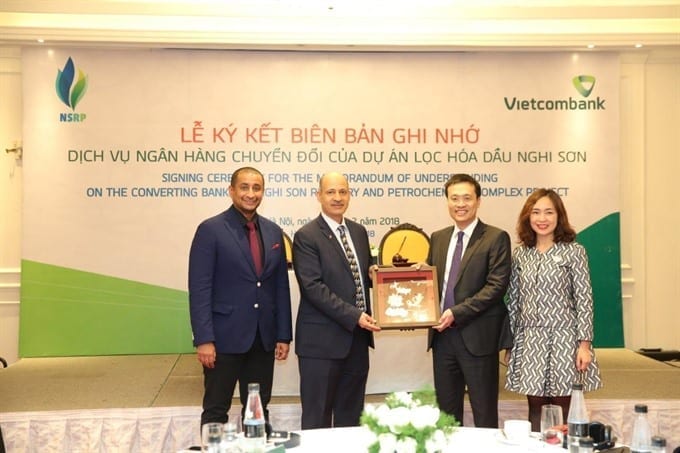
    Joint Stock Commercial Bank for Foreign Trade of Việt Nam (Vietcombank) and Nghi Sơn Petrochemical and Refinery LLC (NSRP) on Thursday signed a Memorandum of Understanding (MoU) on converting bank service.

    Under the MoU, Vietcombank will be the sole bank to provide the service of foreign currency converting bank for the Nghi Sơn Petrochemical and Refinery Project.

    Phạm Quang Dũng, CEO of Vietcombank, said the signing of the MoU would acceleratethe negotiation process towards agreeing on the official contents of agreements on foreign currency conversion.

    Ahmad Aljemaz, vice president of Kuwait Petroleum International Ltd, one of NSRP’s investors, said the provision of the converting bank service by Vietcombank is significant to the operation and success of NSRP.

    Turki Alajmi, acting CEO of NSRP,  expressed confidence in this cooperation with Vietcombank. “The converting bank is one of the elements which plays a vital role in the financial success of the project. NSRP is confident that Vietcombank, as the leading joint stock commercial bank in Việt Nam, with the highest support of the Government, will be able to perform this function successfully and most effectively,” he said.

    Nghi Sơn Petrochemical and Refinery Project is a key petrochemical and refinery project of national importance, which is being implemented in Nghi Sơn Economic Zone in Tĩnh Gia District, Thanh Hóa Province.

    The refinery has a total investment of over US$9 billion, intended capacity of 10 million tonnes a year in maximum operation and scope of producing 200,000 barrels of crude oil a day. Upon operation, it is expected to meet approximately 40 per cent demand of the domestic petroleum market and export millions of tonnes of petrochemical products.


  • PUMA And Hello Kitty Just Took Cuteness To The Next Level

    PUMA And Hello Kitty Just Took Cuteness To The Next Level

    Puma Japan has launched a red-and-white themed collection that pays homage to the Hello Kitty character.

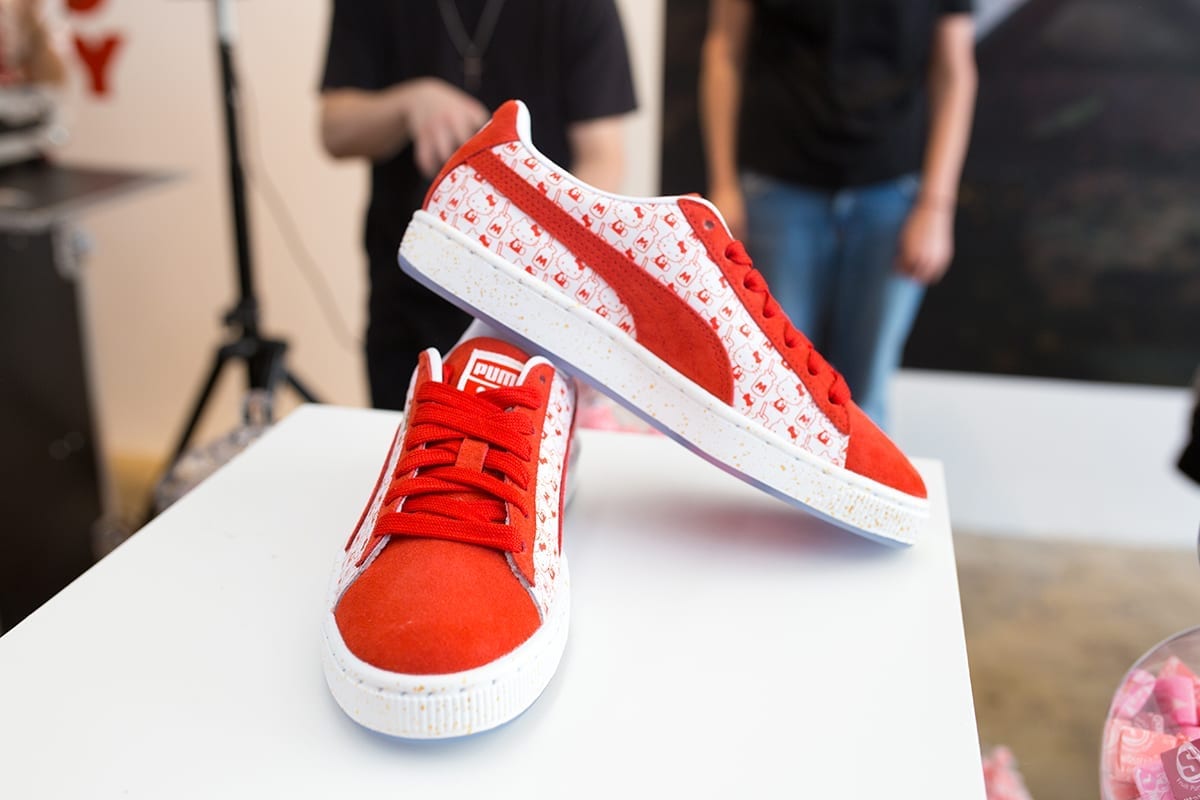
    At the centre of the limited-edition collection is a pair of sneakers created to mark the 50th anniversary of Puma Suede.

    For the collection, Hello Kitty appears with her trademark bow and milk bottle.

    On the shoes, the graphic is accented with red laces and red suede on the tongue, heel and sides. Hello Kitty also appears on the tongue, poking out from the laces alongside the Puma logo.

    The Sanrio character can be found on several other items in the German sportswear brand’s range, including a red-and-white tracksuit and a t-shirt. A gymsack and a backpack feature the character on see-through designs.

  • Coal buyers spooked by Indonesia’s new shipping rules

    Coal buyers spooked by Indonesia’s new shipping rules

    Buyers of Indonesian coal are holding back orders of the fuel after the government issued new shipping rules for coal and crude palm oil that would restrict exports to Indonesian vessels, an industry association said today.

    Jakarta issued rules in October requiring coal and palm oil exporters to use Indonesian-flagged vessels and Indonesian insurance companies, to boost the role of the archipelago’s shipping industry in its export market.

    However, guidelines on implementing the rules and possible exemptions have not been released, raising concerns among shippers in Indonesia, the world’s top thermal coal exporter and palm oil producer.

    The regulation will take effect at the end of April.

    “There was some information, several potential buyers from abroad put on hold making any new contracts,” Hendra Sinadia, executive director of the Indonesia Coal Mining Association said.

    Describing the new rules as “dangerous”, Sinadia said they could affect export volumes and state revenues if shipping contracts had to be renegotiated to shift to so-called cost,
    insurance and freight (CIF) contracts from free-on-board (FOB) contracts.

    Under CIF contracts, the seller is responsible for the shipping arrangements and must buy insurance to protect the cargo against losses during the voyage. Under FOB contracts, the buyer procures the vessel and is responsible for all shipping costs.

    The industry is worried that time is running out to make adjustments before the rules come into effect, Sinadia said, noting that it would be difficult to do so without the
    guidelines.

    Indonesia Palm Oil Association secretary-general Togar Sitanggang said in an interview on Jan 24 that there were several problems with the new rules, noting there were not enough Indonesian-flagged food-grade tankers, and that Indonesian insurers may lack capacity.

    “If we’re selling CPO (crude palm oil), free-on-board at Belawan port, does this mean our buyer has to use Indonesian vessel? That is ridiculous.”

    The palm oil industry is awaiting guidance on when foreign vessels can be used if local vessels are unavailable, he said. “There should be no obstacles, but if we must do this and that, it could hold up exports.”

    The new rules could add to freight costs, Sitanggang said, if shipping companies were unable to find cargo for their return trips to Asia. “If their ships are empty, of course they’ll ask for a higher price from us.”

    According to Oke Nurwan, director-general of foreign trade at the Ministry of Trade, while most domestic shipping uses Indonesian-flagged vessels very little is exported on Indonesian ships.

    “It can’t be like that any more,” Nurwan said on Jan 25, adding that the government wanted the domestic shipping sector to compete more with multinationals.

    “If (the government) didn’t intervene there would be no trigger, so we made it mandatory,” he added.