Tag: asia

  • Vietnam leads in phone e-commerce growth

    Vietnam leads in phone e-commerce growth

    Vietnam is the fastest-growing market in South East Asia in terms of mobile e-commerce growth, says the latest report on Southeast Asia’s 2017 e-commerce status by iPrice.

    In the past 12 months, mobile phone usage in Việt Nam has grown on an average of 19 per cent, accounting for 72 per cent of the overall e-commerce Web traffic. In comparison to other Southeast Asian countries, Việt Nam enjoyed the steepest growth at 26 per cent.

    However, in absolute terms, Indonesia is leading mobile e-commerce, with 87 per cent of the traffic coming from mobile phones. Meanwhile, traffic via personal computers is less than 30 per cent in all countries in the region.

    Việt Nam is also the leader in website conversion rate, which measures the percentage of website visitors that turn into customers, with a conversion rate of up to 65 per cent, closely followed by Singapore and Indonesia.

    Meanwhile, with the low use of credit cards (except in Singapore), e-commerce merchants are offering more payment options to reach out to shoppers.

    In Việt Nam, 86 per cent of merchants offer online payment, while cash on delivery is offered by more than 80 per cent of the players. Besides this, in both Việt Nam and Thailand, almost 50 per cent of the merchants offer offline point of sales.

    This is due to the popularity of online to offline e-commerce models, such as Thế giới di động (Vietnam Mobile World), FPT Shop and Nguyễn Kim, the report said.

    However, due to lower gross domestic product per capita (US$6,880) compared to other countries in the region, Việt Nam has the lowest basket size, with an average order value of just $23.

    iPrice’s data was collected from over 1,000 e-commerce players operating in the six largest Southeast Asian markets, including Indonesia, Malaysia, Singapore, Thailand, the Philippines and Việt Nam.


  • Vista Land targets to have 60 malls by 2020

    Vista Land targets to have 60 malls by 2020

    Vista Land & Lifescapes Inc., the property-development firm led by former politician Manuel B. Villar Jr., said it targets to have 60 malls by the end of 2020, a threefold increase from what it has right now.

    “We remain bullish with the expansion plans of our leasing business through our subsidiary, Starmalls Inc., to add 38 more malls in the next three years,” said Villar, the Vista Land chairman. Currently, the company and its subsidiaries have 22 malls.

    “We remain optimistic for the industry, given the strong demand for our commercial spaces and housing products, propelled by the stable growth in the disposable income, OFW remittances and sound Philippine macroeconomic fundamentals,” he said.

    Consolidated capital-expenditure budget for 2018 was set at P50 billion, a significant portion of which was allotted to the construction of malls. The company expects to hit 1.4 million square meters (sq m) in gross floor area by the end of this year, from last year’s 1 million sq m. The said target is bigger than its previous target of 1.3 million sq m. “Our company is poised to have another banner year for 2018, as our additional leasable spaces are now contributing significantly to our current financial results, in addition to the sustained double-digit growth in our residential business. We are looking at a double digit 10-percent to 15-percent consolidated net income growth this year,”

    Vista Land President and CEO Manuel Paolo Villar said. Vista Land has an established presence in about 133 cities and municipalities across 46 provinces, and intends to focus on the development of its communities, integrated urban development combining lifestyle retail, prime office space, university town, health care, themed residential developments and leisure components. The companies owned by Villar are allotting some P175 billion in capital expenditures through 2020, mainly in real estate, property leasing, retail, hotel, education and health.

    About 60 percent of the total capex will go to real-estate development and about a third of the amount to leasing and retail business, as well as for the development of new retail concepts.

    “We are very bullish [for 2018], as we take advantage of the various collaborations among our companies, in addition to the sustained sound Philippine macroeconomic fundamentals. Our various expansion programs implemented in our property development, including memorial parks, malls and retail businesses, are yielding positive results and are taking advantage of the significant synergies that we have unlocked,” Villar said.

    His listed firm Vista Land & Lifescapes Inc. will pursue its plan to put up malls and residential projects in the countryside, as it aims to deliver double-digit growth in the next three years, while All Value Holdings Corp., a privately held firm of the family, will be going full blast with the expansion of its home improvement, supermarket, bakeshop and coffee-shop businesses.

    Villar said the capex will be funded by both internally generated cash and borrowings.


  • Columbia Sportswear Company Reports Record Sales and Earnings

    Columbia Sportswear Company Reports Record Sales and Earnings

    Columbia Sportswear has reported record fourth quarter net sales of US$776 million for the three months to December.

    The figure represents an 8 per cent increase on the same period a year earlier. Fourth quarter operating income was $109.4 million, but the company recorded a $7.1 million net loss for the period, largely due to restructuring costs under its Project Connect program.

    Full year net sales increased 4 per cent, to a record $2.47 billion, while full year net income fell from $191.9 million to $105.1 million, again due to restructuring costs and one-off items.

    President and CEO Tim Boyle described the sales figures as “better than expected” citing continued growth in Europe and North America, along with improved sales by distributor partners globally.

    “We are particularly encouraged by the strong results we achieved in Europe-direct in 2017, completing a third consecutive year of double-digit constant-currency net sales growth and continued improvement in operating margin. A relentless focus also drove 2017 net sales growth in the US, with expansion of direct-to-consumer offsetting challenges in wholesale resulting from the effect of bankruptcies, liquidations and stores closures.”

    Boyle said the company anticipates further sales and earnings growth this year, and a continuation of the company’s strategic repositioning.

    “With record cash and short-term investment balances of $768.1 million exiting 2017, and no long-term debt, we have the flexibility to adapt our business as our major markets continue to evolve. It is from this position of strength that we are investing in our strategic priorities to drive brand awareness and sales growth through increased, focused demand creation investments, enhance consumer experience and digital capabilities in all our channels and geographies, expand and improve global DTC operations with supporting processes and systems; and invest in our people and optimise our organisation across our portfolio of brands.”

  • Vietnam talks trade promotion in tough markets

    Vietnam talks trade promotion in tough markets

    Trade promotion in Việt Nam is facing many difficulties as many importers, such as the US, China, Japan and the European Union, were now protecting their own farm production.

    Trần Văn Công, deputy director of the Agro Processing and Market Development Authority under the Ministry of Agriculture and Rural Development (MARD), made the statement at a trade counsellors’ meeting in Hà Nội on February 8 to discuss strategies for enhancing farm exports.

    The agricultural sector targeted a growth rate of about 3 per cent and export revenues of US$40 billion in 2018.

    The quality and food safety standards in these countries have become stricter. As a result, it took more time, five to seven years on average, for Việt Nam to negotiate with them to open markets for farm produce, according to Công.

    Công said in 2018, the agricultural sector would work to enhance market analysis and forecast capacity to ensure smooth consumption of farm produce and increase the marketing of key Vietnamese products in big and potential markets.

    It would also tighten links with domestic and foreign agricultural businesses, remove technical barriers and solve payment difficulties for exports to Africa and the Middle East.

    Agricultural Minister, Nguyễn Xuân Cường, said that as Việt Nam’s farm production had surpassed demand, the task was to maximise global markets and produce farm products of the highest quality.

    Trade counsellor in Japan, Tạ Đức Minh, said Japanese people highly valued many Vietnamese farm products, particularly mangoes and bananas.

    The shipment of the first chicken meat to Japan also proved that Vietnamese products satisfied the demanding market. However, he noted, export prices were still high, especially for fruits, since they spoiled easily and shipment costs were high. He asked for solutions to reduce shipment cost in order to boost Vietnamese products’ competitiveness.

    Meanwhile, trade counsellor to Australia, Nguyễn Hoàng Thuý, said the opening of the southern market was a long and difficult process. For example, it took up to 12 years for lychees to enter this market. Therefore, she said, it was necessary to hasten negotiations.

    She said there was a need for better co-ordination between the ministry and the trade office to promote negotiations.

    Minister Cường also asked trade counsellors to not only promote trade, but to also provide more information on technology, culture and market trends, which he said was crucial for the agricultural sector to expand markets.

    Deputy Minister of Industry and Trade Hoàng Quốc Vượng asked the MARD to co-operate with the Ministry of Industry and Trade’s departments in expanding markets and organising exhibitions.

    Vượng asked trade counsellors to provide information regularly. They should also regularly share market information with each other.

    He said they should also study new technologies and help introduce them to Vietnamese firms handling agricultural products.

    Aquatic exports

    On the sideline of the trade counsellers’ meeting, Trade Counsellor to Russia Dương Hoàng Minh said that more Vietnamese businesses may soon be allowed to export aquatic products to Russia this year after a Russian working group made a fact-finding tour of Vietnamese exporters.

    Minh said Việt Nam’s trade office in Russia had earlier held a working session with local agencies. The move was made after Việt Nam was given a “yellow card” warning by the European Commission last September for failing to fight illegal fishing, which could lead to a drop in aquatic exports to the EU and other markets.

    The counsellor said exports to Russia had encountered difficulties since the Eurasian Economic Union (EAEU), of which it is a member, limited aquatic product imports.

    Currently, only 21 Vietnamese companies are allowed to ship products to Russia. However, he said there were more than 500 Vietnamese businesses eligible to export to the EU and other demanding markets at present.

    Therefore, the trade office of Việt Nam in Russia has worked with the MARD to persuade Russian agencies to lift barriers to Vietnamese aquatic products.

    It also invited relevant agencies of Russia and the EAEU to make fact-finding tours to Việt Nam in an effort to have more companies be allowed to ship aquatic products to these markets, Minh added.

    In 2017, Việt Nam exported $2.2 billion worth of goods to Russia, up 35 per cent year on year. Commodities with high export growth included vegetables, fruits, cashew nuts, textiles-garments, wood products, machinery and spare parts.

    The counsellor said the Vietnamese trade office in Russia will now focus on helping businesses boost shipments to capitalise on the Việt Nam-EAEU Free Trade Agreement.

    It will also continue working to understand regulations and commitments in the World Trade Organisation and free trade agreements, as well as possible trade barriers.


     

  • Miniso to launch in Colombia

    Miniso to launch in Colombia

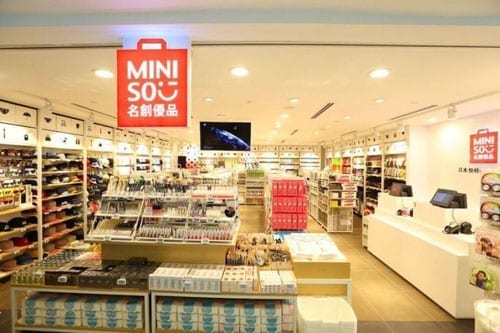
    Chinese low-cost retailer Miniso has reached a strategic agreement to launch its stores in Colombia.

    A signing ceremony has been held with Miniso Colombia in Miniso Industrial Park attended by global co-founder/CEO Ye Guofu and Miniso Colombia representatives Eduardo Tishman and Enrique Smolensky.

    Ye Guofu says the agreement is an important step for the brand as it will enable it to reach co-operation with other Latin American countries such as Brazil and Mexico. Colombia’s neighbours are Venezuela in the east, Brazil in the southeast, Peru and Ecuador in the south, and Panama in the northwest.

    So far, more than 60 countries and regions have reached strategic co-operation agreements with Miniso.

    It has opened more than 2600 stores throughout Asia, North America, South America, Oceania, Europe and Africa.

  • Alibaba platform receives registration from 2,000 SMEs

    Alibaba platform receives registration from 2,000 SMEs

    More than 2,000 SMEs have registered with the Alibaba group platform under the the Digital Free Trade Zone initiative.

    International Trade and Industry Minister Datuk Seri Mustapa Mohamed said it is targeting for 10,000 SMEs to be on the platform by this year.

    At the Malaysia Digital Economy Forum here this morning, he said Malaysia’s digital economy has seen exponential growth.

    To date, 58,824 online businesses have registered with the Companies Commission of Malaysia. The digital economy accounted for 18.2% of the country’s gross domestic product (GDP) in 2016.

  • Asia boosts Hermes international sales

    Asia boosts Hermes international sales

    Hermes international sales showed strong growth last year, pushed by an upward curve in Asia.

    Sales for the French fashion brand were up 9 per cent at constant exchange rates, with consolidated revenues reaching €5.5 billion (US$6.7 billion). After adjustment for the negative currency effect resulting from the year-end strengthening of the euro, the increase was 7 per cent.

    In the final quarter growth was sustained at 5 per cent at constant exchange rates.

    During the year Hermes continued to improve its distribution network, renovating and extending almost 20 stores. It launched websites in Canada and the US, to be followed by China at the end of this year.

    Asia, excluding Japan, saw sales rise 11 per cent with a positive outlook in Mainland China and South Asia.

    Hermes says the context is improving in Hong Kong and Macau. Regional stores were extended and renovated – the Sogo Fuxing store in Taiwan, Kowloon Elements in Hong Kong and the Kuala Lumpur store.

    Despite a high comparison basis, Japan recorded a sustained increase of 4 per cent thanks to its selective distribution network.

    All sectors recorded growth, with a “remarkable” performance by the ready-to-wear and accessories, perfumes and other sectors.

    Leather goods and saddlery sales grew 10 per cent to meet demand for such bags as Constance, Halzan, Lindy and Verrou. Shoes particularly boosted sales in the ready-to-wear and accessories division, up 9 per cent, silk and textiles had a  6 per cent rise, while the perfumes division posted 10 per cent growth with the launch of Twilly d’Hermes.

    There was a 1 per cent rise in watch sales, while other Hermes business lines ‒ encompassing jewellery, Art of Living and Hermes Table Arts ‒ rose 11 per cent.

    Currency fluctuations had a negative impact of €100 million on revenues.

    The company will publish its annual results next month.

  • More than half of millennials prefer online retailer info to in-store assistance

    More than half of millennials prefer online retailer info to in-store assistance

    More than half of millennial customers would rather look for retail information online than talk to a shop assistant, according to research.

    A survey of online marketplace OnBuy.com’s customers found that 53% of young people aged between 25 and 34 prefer to seek out details online rather than talk to store staff when they are in a shop.

    The younger generation also prefer to avoid shops when they need information, with 61% of the millennial age group saying they find it easier to chat to a retailer via digital communication channels such as text, online chat or messaging applications as opposed to visiting a physical location.

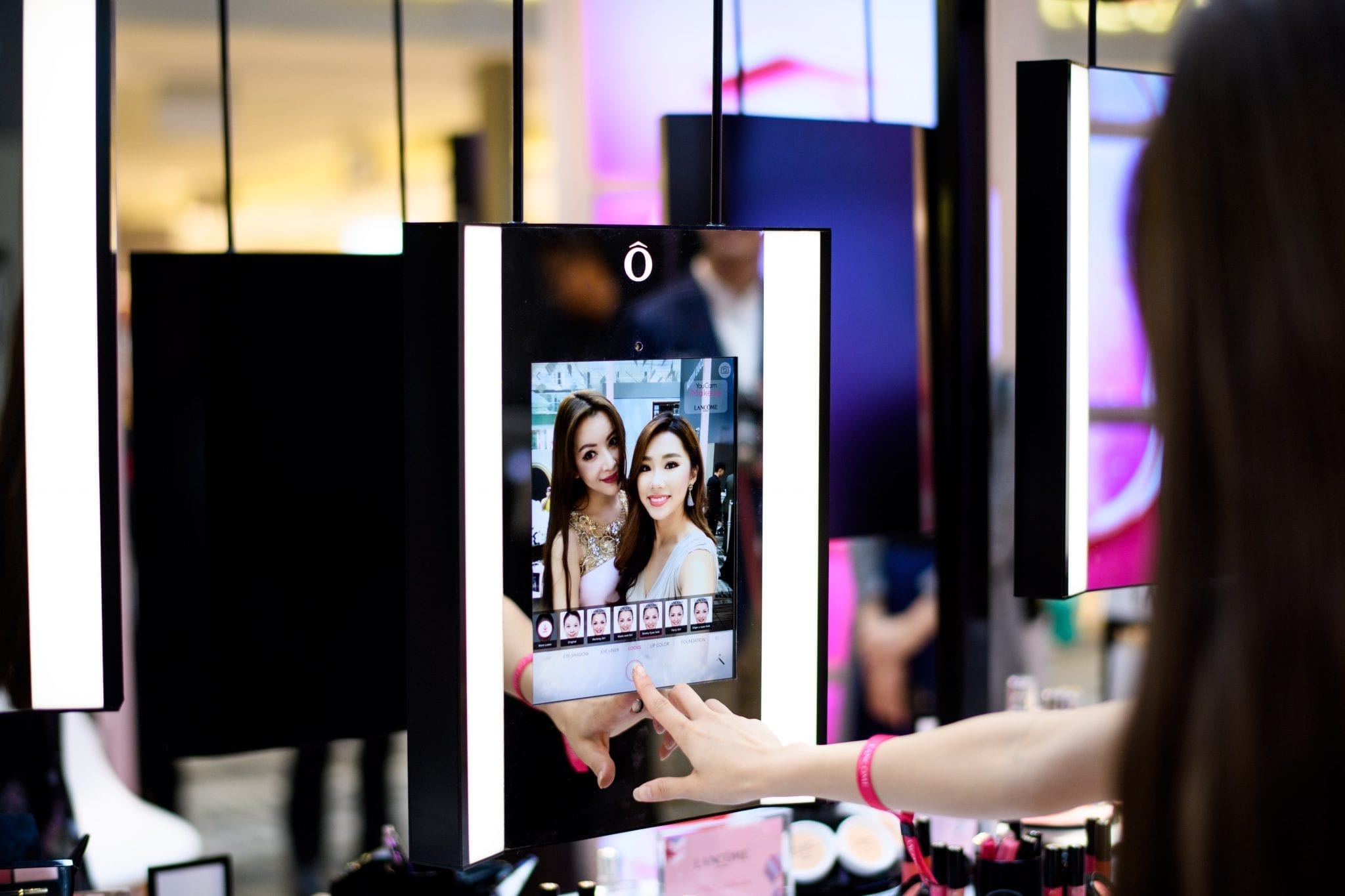
    Cas Paton, MD of Onbuy.com, said consumers increasingly want to see more retail technology in stores as well as an online offering.

    “As technology is evolving so rapidly, it is important that companies incorporate new technologies into their business to help keep up with the times,” said Paton.

    More than half of shoppers believe that in the near future they will increasingly be using mobile devices to make more of the in-store experience.

    The purpose of stores has been slowly shifting since the arrival of e-commerce – stores are increasingly becoming showrooms for consumers to try out products before buying them online, with many physical locations becoming experience centres instead of just places to buy goods.

    Younger consumers often demand more from the shopping experience because of their use of technology, and as well as using mobile devices for information in store, want to be able to buy products through social media. Also, more and more consumers want to be able to collect loyalty points through their smartphones.

    This change in customer behaviour over the past 50 years as technology proliferation has increased also makes it more difficult to retain customers – but, surprisingly, the older generation are more likely to change between brands than the more tech-savvy millennials, perhaps because there is less social pressure for them to be affiliated with particular brands.

    Onbuy.com found that just under half of customers between the ages of 18 and 40 could be persuaded to buy from a particular brand or retailer if its stores were more different or interesting. This was true of 65% of the millennials in the group, who would be more likely to be enticed by a more exciting store experience.

    Almost three-quarters of consumers said retailers will have to keep up with changes in the technology landscape if they hope to improve the consumer experience and keep customers loyal.

    Some retailers have been trying to address this shift to omni-channel by offering services such as voice-ordering through internet-connected home devices or click and collect.

    But some larger retailers struggle to implement these new technologies because of legacy technology, and some have begun to turn to startups to help them test and implement new technologies.


  • Turnover soars 94 per cent for H&M India

    Turnover soars 94 per cent for H&M India

    With store openings and competitive pricing, H&M India has upped its turnover 94.5 per cent in India for the year to the end of November.

    The Swedish fast-fashion retailer’s turnover reached INR955 crore (US$148 million) for the 12 months.

    Its growth follows it opening more stores in India, taking the count from 15 to 27. It entered small markets such as Coimbatore, Indore and Raipur, as well as adding outlets in Mumbai and the Delhi-National Capital Region, where it has had a presence since 2015.

    In its earning release, H&M says it plans to launch an e-store later in India this year.

    Meanwhile, Inditex-owned Zara crossed INR1000 crore in sales last year, seven years after arriving in India, and last year opened an e-commerce portal.

    But H&M is confident its low-priced apparel and wide variety will help it win in India. “I think our business concept is working,” says country manager Janne Einola.

  • Vietnam paper imports up last year

    Vietnam paper imports up last year

    Việt Nam imported US$682.1 million worth of paper products last year, a year-on-year increase of 10.86 per cent, reported the Việt Nam General Department of Customs.

    In December 2017 alone, Việt Nam imported $58.8 million worth of paper products, down 10 per cent compared to November, the first drop in three consecutive months.

    Vietnamese paper products are mainly imported from China, accounting for 42 per cent of total turnover, reaching $285 million in 2017 and increasing 19.95 per cent against 2016. The second largest import market was Thailand with $91.1 million, up 9.35 per cent compared to the previous year, followed by the Republic of Korea and Japan with $59.5 million and $50.3 million, respectively.

    In addition to these markets, Việt Nam also imports from other markets such as Hong Kong, Taiwan, Indonesia and Malaysia, as well the United States, Germany and Singapore.

    In general, last year, the import turnover of paper products from all markets grew significantly, compared to 2016 and accounted for 72.2 per cent.

    Particularly, imports from the German market increased sharply. Although Germany is not the main import market, it accounted for only 0.7 per cent of the country’s total import turnover; compared to 2016, this result increased 1.3 times. Besides, imports from Indonesia and Japan were also up sharply, rising by 33.16 per cent and 19.09 per cent, respectively.

    In contrast to markets with strong increases, imports from Singapore, Malaysia and Hong Kong decreased 12.01 per cent, 10.4 per cent and 1.26 per cent, respectively.


  • Quick Serve to expand Texas Chicken in Indonesia

    Quick Serve to expand Texas Chicken in Indonesia

    Quick Serve Indonesia, the new franchisee for US quick-service chicken chain Texas Chicken, has launched its first two stores.

    The first is in Surabaya, East Java, in the Tunjungan Plaza 3 (TP3), with a second a signature stand-alone restaurant in Kertajaya, East Java. The two-storey restaurant seats 175 guests.

    As well as items from Texas Chicken’s international menu, the two outlets offer chicken and rice dishes with international and Asian sauces.

    “The Surabaya location is in a culinary hub for our region, which gives the brand an opportunity to solidify its base in Indonesia,” says Quick Serve Indonesia MD Julius Evan Kritianto.

    Texas Chicken already has 60 outlets in Indonesia run by another franchise group, Cipta.

    Quick Serve says it plans to move quickly to expand the brand primarily in the Java and Bali regions.

  • Yum China Reports A Strong Quarter

    Yum China Reports A Strong Quarter

    A strong fourth quarter has been recorded by Yum China Holdings, which runs KFC and Pizza Hut restaurants on the mainland.

    Its unaudited results for the quarter to the end of December show 5 per cent growth in same-store sales, up 7 per cent at KFC and 1 per cent at Pizza Hut.

    Total system sales grew 9 per cent, including growth of 11 per cent at KFC and 6 per cent at Pizza Hut, and excluding foreign currency conversion (F/X).

    Total revenues were US$2.2 billion, an increase of 13 per cent (9 per cent excluding F/X).

    The group opened 339 restaurants during the quarter.

    Operating profit rose 23 per cent to $71 million, but excluding special items and F/X, there was a 9 per cent decrease in adjusted operating profit because of product upgrades at Pizza Hut during the quarter, partially offset by strong sales at KFC.

    There was an estimated one-time tax charge of $164 million related to tax reform in the US. This resulted in a net loss of $90 million. Excluding this impact, adjusted net income was $74 million, up 12 per cent (18 per cent, excluding F/X).

    For the full year, same-store sales were up 4 per cent – an increase of 5 per cent at KFC and 1 per cent at Pizza Hut.

    Total system sales grew 8 per cent, including growth of 9 per cent at KFC and 7 per cent at Pizza Hut, excluding F/X.

    Total revenues were $7.1 billion, an increase of 6 per cent (8 per cent, excluding F/X).

    During the year, 691 restaurants were opened, taking the total store count to 7983 across more than 1200 cities.

    Restaurant margin improved 1.5 points to 16.8 per cent, primarily driven by same-store sales and helped by retail tax structure reform.

    Operating profit rose 23 per cent to $785 million. Excluding special items, the adjusted operating profit was $782 million, an increase of 20 per cent (23 per cent excluding F/X) driven by strong sales and margin expansion.

    Net income dropped 20 per cent to $403 million. Excluding special items, adjusted net income was $564 million, up 20 per cent (24 per cent excluding F/X).

    Loyalty program membership grew to more than 110 million for KFC and more than 35 million for Pizza Hut at year end.

    Mobile payments accounted for about 53 per cent of company sales during the fourth quarter, while delivery contributed to 14 per cent of company sales for the year.

    It was the first full year of Yum China as an independently listed company. CEO Micky Pant will hand over the reins to Joey Wat, currently president and COO, from March.

  • Malaysia continues to attract expats from Europe and Eastern Asia region

    Malaysia continues to attract expats from Europe and Eastern Asia region

    HSBC Bank Malaysia said Malaysia continues to attract expats particularly from Europe and Eastern Asia regions.

    Country head, retail banking and wealth management, Lim Eng Seong said one of the reasons why expats love settling down here are the friendly nature of the Malaysians.

    “Looking for accommodation, organising healthcare and schooling are all easy to do in Malaysia, hence the plus points for expats to move here,” he said in a statement.

    Based on HSBC’s Expat Explorer survey conducted last year, he said Asia continues to provide promising economic prospects and improved quality of life that appeal to professionals and entrepreneurs both from within the region and across the globe.

    Now in its 10th year, the HSBC Expat Explorer survey is the world’s largest and longest running study of expats life, involving over 27,500 expats about their experience abroad.

    61 per cent expat experience in Malaysia found it was easier to make friends. In terms of active social life, 44 per cent noted they have better social lives now than they did at home compared to 31 per cent of all expats around the world and 40 per cent regionally.

    The survey revealed that Malaysia offers simplicity and smooth transition for expats in finding accommodation (61 per cent), organising healthcare (54 per cent) and arranging childcare and schooling (52 per cent).

    “In fact, once expats settle down, life continues to be positive for most of them where more than half (55 per cent) live in a better property than they would have had in their home country.”

    The survey also found that life abroad typically increases expats’ income by 25 per cent, with expats earning just under US$100,000 a year on average.

    “Far from compromising their wellbeing, expats seem to find the right balance. 41 per cent expats adopt a more positive outlook on life after moving abroad, with 44 per cent becoming more physically active.”

    The surveyed highlighted that expats in Asia said they have experienced an uplift in income of at least 10 per cent, including Australia, China, Hong Kong, India, Indonesia, Malaysia and New Zealand.

    Lim said Asia continues to draw expats from all over the globe for its buoyant economic prospects.

    “We still see a significant proportion of expats coming from Europe and North America but also a robust pool of Asian expats working in Singapore, Malaysia, Indonesia and Greater China – all trying to capture opportunities from the region’s fast-growing consumer services sector, increased tech and digital focus and infrastructure push,” he added.

    He pointed out the continued growth in China and Asean would require a diverse mix of talent from people who are internationally mobile.

    Lim said expats’ financial needs are more complex, citing that managing accounts in multiple markets and currencies, health and protection cover, as well as saving and investing for education, retirement and property aspirations are key aspects of their holistic financial plan.

    “Wherever they live, expats should seek financial advice from a trusted provider who can help them manage their more complex financial affairs,” he said.

  • L’Oreal reports healthy 2017: notes “strong potential” of travel retail

    L’Oreal reports healthy 2017: notes “strong potential” of travel retail

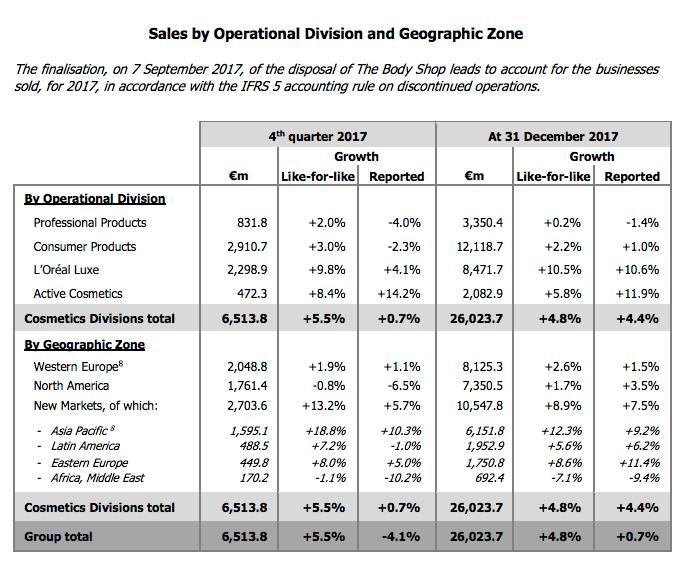
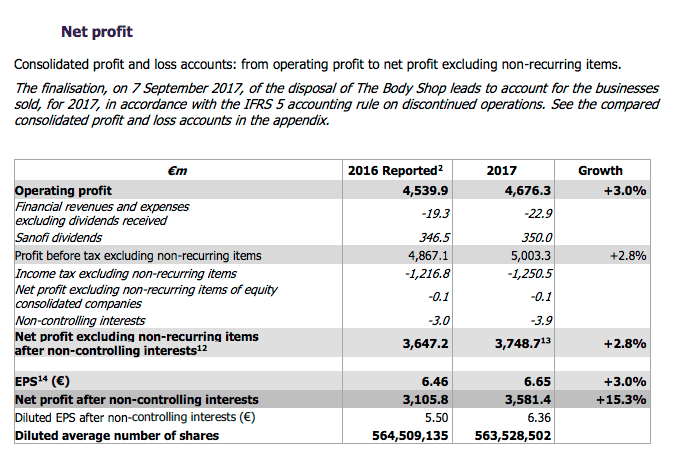
    L’Oréal’s 2017 sales climbed +2% year-on-year (at constant exchange rates) to €26 billion. Like-for-like sales were up +4.8% and net profit (excluding non-recurring items) increased +2.8% to €3.7 billion.

    The company noted the “strong potential” of its travel retail business, which celebrated its 40th anniversary last year.

    Group revenue growth was buoyed by e-commerce sales, which rose +33%.

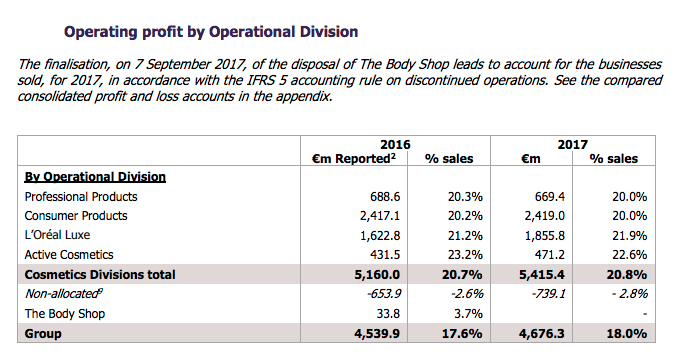
    L’Oréal Luxe sales grew by +10.6% on a reported basis with Asia Pacific delivering a double-digit increase. China and travel retail both achieved “particularly good figures”.

    Sales in the Active Cosmetics division rose by +11.9%, with sales breaking €2 billion.

    The Consumer Products division posted +1% growth while Professional Products sales decreased -1.4%.

    L’Oréal Chairman and CEO Jean-Paul Agon said: “In a beauty market that pursued its steady growth in 2017, L’Oréal had a good year with sustained sales growth momentum, and robust profits. As announced, the second half accelerated compared with the first, particularly in the fourth quarter with +5.5% like-for-like growth. All the divisions recorded sales growth, especially L’Oréal Luxe which is delivering spectacular growth, particularly in Asia. The Active Cosmetics division achieved more than €2 billion in sales for the first time.

    “Growth in the Consumer Products division is being slowed by the continuing difficulties of the American and French markets, while sales in the Professional Products division improved at the end of the year. Today more than ever, L’Oréal can rely on its unique portfolio of powerful and complementary brands, eight of which now have sales above €1 billion.

    “As for the geographic zones, the New Markets exceeded more than €10 billion of sales for the first time ever, thanks especially to the dynamism of Asia Pacific. Performance in Western Europe remained solid.

    “2017 was especially notable for the accentuation of our digital edge and the strengthening of our positions in two strategic channels. Firstly in e-commerce, where our sales accelerated to reach €2 billion, an increase of +33.6%. Secondly in travel retail, a channel with strong potential, in which L’Oréal celebrated 40 years of presence by strengthening its number one position.

    “In terms of results, as announced, operating margin has reached the record level of 18% of sales, while increasing research expenses and business drivers. There were improvements in all our operating parameters; the quality of the results is also reflected in the record cash flow.

    “And finally, in 2017, L’Oréal was recognised for its leadership in corporate social responsibility with, for the second year running, the best score awarded by the CDP, three ‘A’s, and L’Oréal has been ranked number 1 in all sectors by Vigeo Eiris. L’Oréal has also obtained first place in the world ranking by Equileap for gender equality.

    “As for 2018, in a market that should remain dynamic and contrasted, L’Oréal more than ever before has the best advantages in terms of innovation, brand power, digital prowess, and the quality of its teams all over the world, to win market share and strengthen its beauty leadership. We are therefore confident that, this year once again, we will outperform the market and achieve significant growth in like-for-like sales and an increase in profitability.”

    RESULTS BY REGION

    Western Europe

    In 2017, Western Europe posted growth of +2.6% like-for-like and +1.5% reported. Growth was particularly robust in Great Britain, Spain and Germany, fuelled by the make-up and skincare categories. Sales in France continued to be held back by a slightly contracting market. The two main divisions, Consumer Products and L’Oréal Luxe, outperformed their respective markets, and the Active Cosmetics division’s growth accelerated in the second part of the year.

    North America

    North America posted growth of +1.7% like-for-like and +3.5% reported. Make-up sales were driven by NYX Professional Makeup and L’Oréal Paris. Haircare is “proving less dynamic”, L’Oréal said. The strong performance of Active Cosmetics was bolstered by the recent acquisition of CeraVe and the SkinCeuticals and La Roche-Posay brands.

    New markets

    Asia Pacific recorded growth of +12.3% like-for-like and +9.2% reported. China’s strong growth was fuelled by ‘very good’ e-commerce results across all divisions. India, Thailand and Malaysia all posted strong gains.

    Latin America sales increased +5.6% like-for-like and +6.2% reported. Mexico and Argentina recorded double-digit growth, while the economic environment remains difficult in Brazil. The L’Oréal Luxe and Active Cosmetics divisions achieved double-digit rises, driven by Lancôme and La Roche-Posay. Make-up turned in a solid performance for Consumer Products, reflecting the expansion of NYX and the continued growth of Maybelline.

    Eastern Europe was up +8.6% like-for-like and +11.4% reported. Turkey and Central Europe were the growth drivers, while sales in Russia were ‘satisfactory’. E-commerce now accounts for more than 5% of sales in this region.

    Sales growth in Africa and the Middle East was -7.1% like-for-like and -9.4% reported, with a “clear improvement” in the second half. Despite substantial declines in markets, the situation is stabilising in the Gulf states, said L’Oréal. Sales in Egypt were “dynamic”.

  • Alibaba Throws $486 Million Behind Big Data

    With plans to expand its offline presence, Alibaba Group Holding Ltd. will be investing $486 million in a China-based big-data firm centered on the hotel, catering and retail industries.

    A filing to the Shenzhen stock exchange today shows that the company is set to buy a 38 percent stake in Beijing Shiji Information Technology Co. Ltd. through its subsidiary Alibaba Investment Ltd. The e-commerce giant is shifting into what it calls a “New Retail” strategic cooperation and intends to leverage big data as part of a bigger push to restructure the domestic retail market, which has seen troubling times over the past few years.

    Led by Chinese billionaire Jack Ma, Alibaba reported 61 percent growth in quarterly revenue last November, beating retail and financial analysts’ expectations. “We are seeing the early results from our efforts to integrate online and offline with our New Retail strategy, and consumers have benefited from access to high-quality products, improved customer experience and the tremendous convenience of shopping anytime, anywhere,” CEO Daniel Zhang said at the time.

    Already dominating the country’s online shopping market, the e-commerce and technology giant has been experimenting with brick-and-mortar retail, reportedly investing billions in physical stores as it faces growing competition with rival company Tencent Holdings Ltd. Ma also announced a plan last fall to spend $15 billion on research and development within three years, with the goal of serving 2 billion customers and creating 100 million job opportunities over the next two decades.