Tag: asia

  • Seafood restaurants shut down in China as New Year approaches

    Seafood restaurants shut down in China as New Year approaches

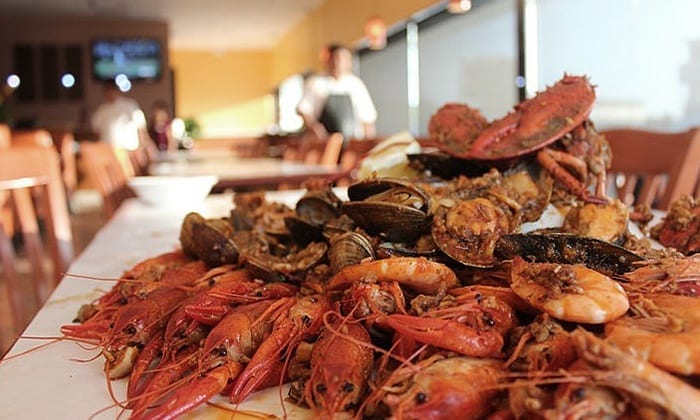
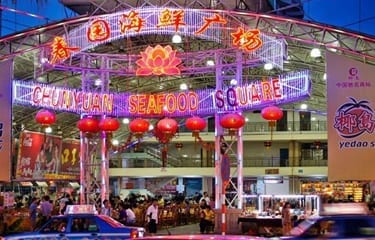
    China’s premier seaside tourist region is seeking to rein in malpractice in the seafood catering sector, which has seen customers overcharged and a restaurant charged with bribery.

    A clampdown involving the China Food and Drug Administration, the Industry and Commerce Bureau (which issues business licenses), the Tourism Administration, and the Public Security Bureau has resulted in the high-profile closure of two restaurants in Sanya, the coastal city on the tropical island of Hainan that is often touted as China’s answer to Miami.

    The Liu Mei Jia seafood restaurant has had its license revoked for “soliciting customers” – reference to a practice in which restaurateurs use misleading advertising and salespeople to lure in customers who are then frequently overcharged. Also put out of business was the Qiong Mei Jia seafood restaurant, which stands accused of “bribery,” according to the local office of the Industry and Commerce Bureau, which didn’t elaborate on the charge.

    Price-bilking by seafood restaurants has become a major consumer issue in China in recent years, particularly in major tourist destinations like Sanya. This, in turn, has drawn more scrutiny onto the seafood catering trade. The latest crackdown, which featured prominently on state-run TV, comes just before the annual Chinese New Year  on 16 February 16, a peak period for dining out.

  • Lotte Shopping swings to loss in 2017 due to THAAD row

    Lotte Shopping swings to loss in 2017 due to THAAD row

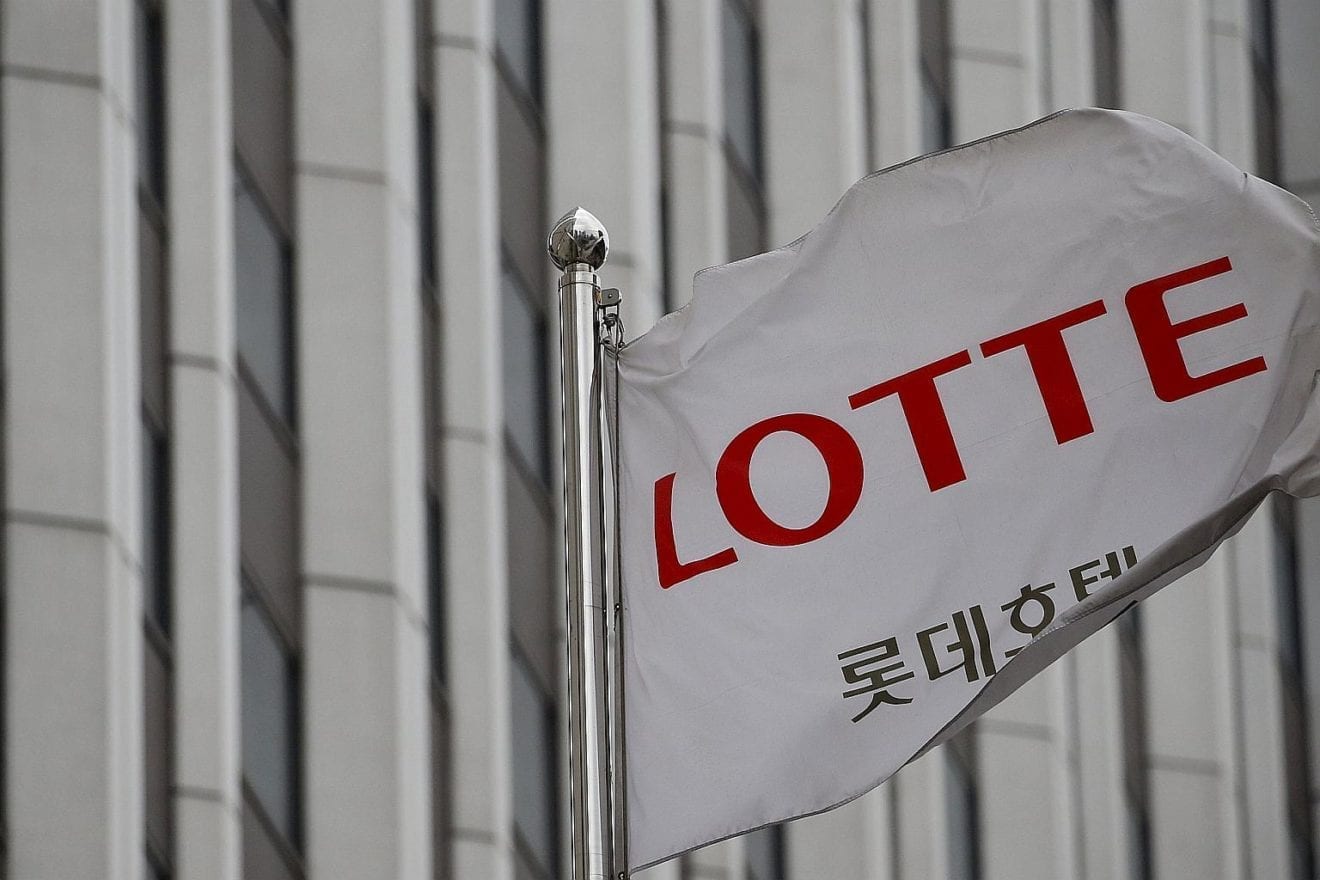
    Lotte Shopping Co., the retail affiliate of South Korea’s fifth-largest conglomerate Lotte Group, said Thursday it swung to the red in 2017 from a year earlier amid a diplomatic row between Seoul and Beijing over the deployment of a U.S. anti-missile system here.

    Its losses reached 20.6 billion won (US$18.9 million) on a consolidated basis last year, compared to a net profit of 246.9 billion won posted in 2016, the company said in a regulatory filing. The firm operates Lotte’s key retail units, including its department store and hypermarket chains.

    Operating income stood at 530.3 billion won, down 30.5 percent on-year, and sales dropped 24.6 percent to 18.2 trillion won during the cited period, it said.

    The numbers reflect the performance of Lotte Shopping and its subsidiaries, including Lotte HiMart Co., which specializes in electronics and home appliances.

    The drop in the revenue was largely expected following Beijing’s apparent retaliation over Seoul’s deployment of the U.S. Terminal High Altitude Area Defense (THAAD) system on its soil. Lotte Shopping was one of the most affected companies from the economic retaliation after it signed a land-swap deal with the Seoul government to host the missile shield system.

    Shares of Lotte Shopping soared 4.17 percent to close at 250,000 won on the main bourse Thursday, with the broader KOSPI index gaining 0.46 percent. The earnings results were released after the stock market closed.


  • Korea Ginseng Corp Opens ‘LOUNGE 1899’ to Tap into health and beauty market

    Korea Ginseng Corp Opens ‘LOUNGE 1899’ to Tap into health and beauty market

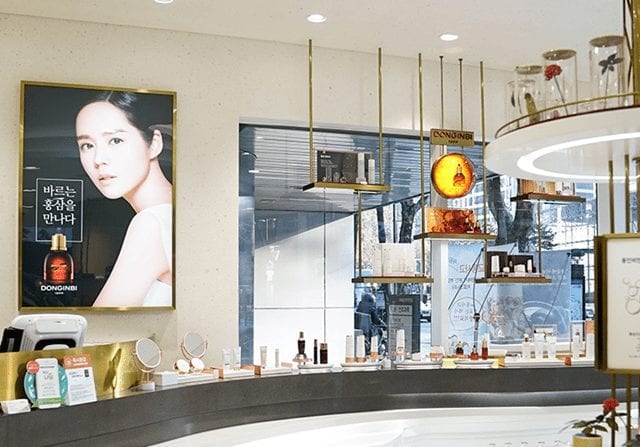
    Korea Ginseng Corp (KGC) is expanding into the health and beauty market with experimental stores.

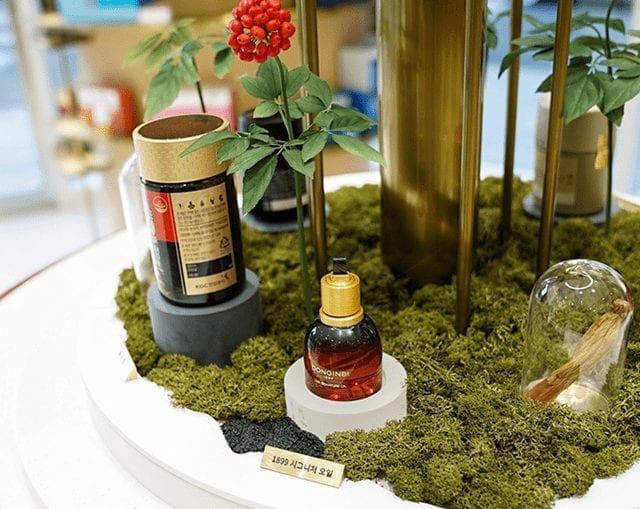
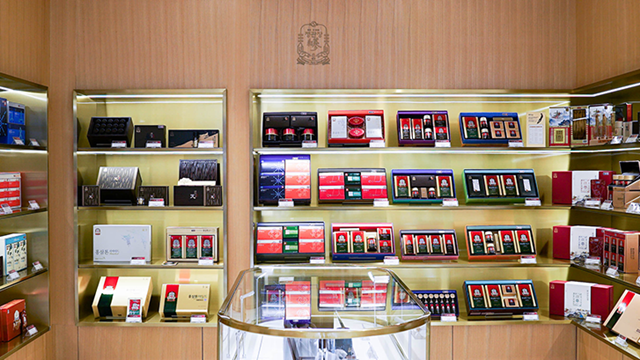
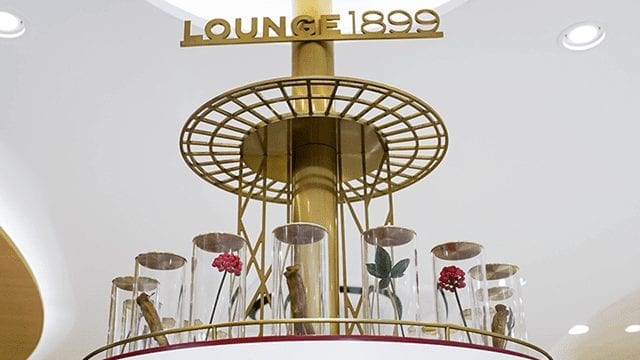
    Called “Lounge 1899” as a way to emphasise 119 years of history of its ginseng, the stores target consumers in their 20s and 30s and foreign tourists. They allow consumers to try out premium red ginseng-based products from KGC’s “Cheong Kwan Jang” and “Donginbi” lines.


    Customers can have personalised counselling from experts about products suited to their skin conditions, and experience oil-hand massage and red ginseng-hand spa, and a tea service.

    KGC currently runs six “Lounge 1899” stores across Korea with the first one opening in Seoul’s Gangnam district on January 26.

    The company plans to open 60 more stores by the end of this year.

  • Rimowa unveils new brand identity for its 120th anniversary

    Rimowa unveils new brand identity for its 120th anniversary

    A worker intently studies an aluminium suitcase on the assembly line at the Rimowa factory in Cologne. He opens and closes it repeatedly, lays it flat, pounds a hinge with his mallet, stands it on its wheels and starts over again. Until this bag is perfectly balanced, it will not leave the factory. Such labour-intensive quality has been in Rimowa’s DNA since Paul Morszeck founded it in Cologne in 1898.

    With its immediately recognisable aluminium cases and grooved design, Rimowa is a cult brand, the type that bonds owners in a kind of unspoken club.

    The German company turns 120 this year, but there will be no one special event, says Alexandre Arnault, the new 25-year-old CEO, who finds the idea of a party ‘outdated’. Rather, it will be a whole year of celebration, of taking a fresh look at the suitcase brand that pioneered aluminium and polycarbonate, and finding ‘a cool way to remind people who we are’.

    Tall, poised and impeccably dressed, fluent in French, English and German, Arnault is the third child of LVMH CEO Bernard Arnault and it was his idea that the luxury goods conglomerate acquire Rimowa. He had been using a matte black ‘Salsa’ model since age 17 or 18, when he moved to New York for an internship.

    ‘My family was not too happy when I travelled with it,’ he recalls. ‘But when they looked at it carefully, they understood the beauty of the product, the craft behind it.’ The family operation has high-profile luggage brands of its own, of course, but when Louis Vuitton started to modernize its suitcase line with lighter and four-wheeled models, Rimowa’s particular set of skills became clear.

    LVMH bought Rimowa in January 2017, after two years of negotiation, and Arnault was appointed CEO alongside Dieter Morszeck. He has been actively shepherding the brand ever since, with collaborations, new stores, a pop-up, and no sign of slowing down.

    ‘What I have learned from growing up in my family and seeing other CEOs is that you have to be involved in the product on every single level,’ he says.

    In June he hired Hector Muelas, formerly of Apple and DKNY, as Rimowa’s chief brand officer. Early this year they unveiled a new visual identity, a collaboration with Munich-based Bureau Borsche and London-based Commission Studio.

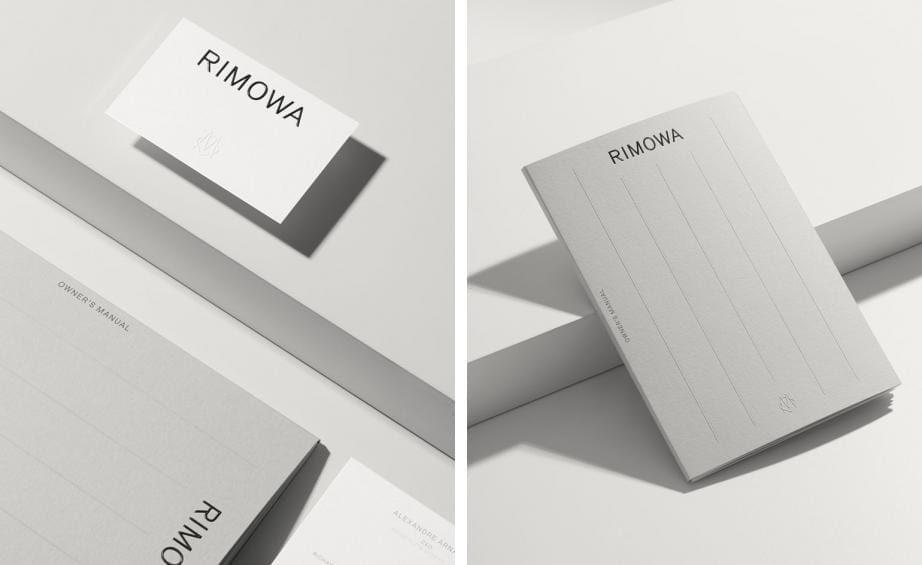
    The pill-shaped frame and rounded letters of the previous logo have been replaced with an understated design, with a refined sans serif font that ‘encapsulates the timeless and considered nature of the brand’, says Muelas. The colour blue has disappeared in favour of neutral shades – black, white and grey.

    The team also designed a new monogram inspired by Rimowa’s original from 1898. It features sharpened vertices like the spires of Cologne’s famous cathedral, intertwined with angular curves that mirror the industrial forms of contemporary Rimowa suitcases.

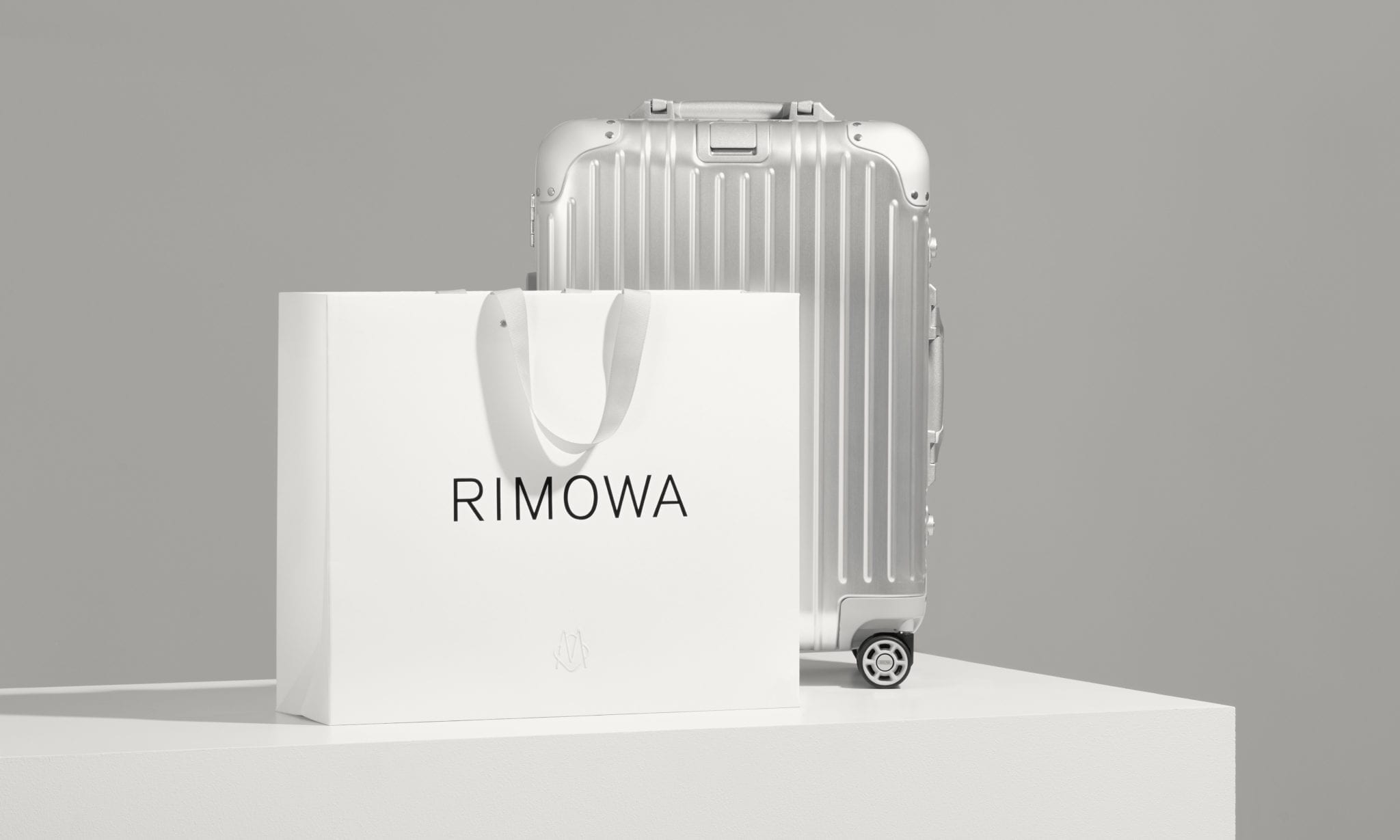
    Both the logo and monogram appear on a redesigned range of packaging. Once an afterthought, Rimowa’s packaging now aspires to be as pleasing as that of an iPhone.

    There are dust bags, shopping bags with straps held in place by rivets, and gift boxes for carry-ons. Demonstrating a price tag that slides out of a little folder, Muelas says, ‘With every single piece of design, we put a lot of consideration into how it would make people feel. When you buy Rimowa it’s a magic moment. It’s got to have a ritual.’

    Paper accessories such as an owner’s manual and notebooks are embossed with fine parallel lines to mirror the suitcases’ grooves. Geographic coordinates appear here and there, making oblique reference to meaningful locations for the company, such as the factory where each case was produced.

    The number of meaningful locations is increasing, as last year saw a slew of new store openings in cities such as Paris, Frankfurt and Tokyo. Arnault wants each one to give customers an experience, and he plans to hire in-country architects to design individual stores for different markets. Beyond suitcases, customers in larger cities will discover unique lifestyle products made by local talents especially for the brand. In Paris, for example, the new flagship is selling chocolate bars by Patrick Roger, available until mid-February.

    Arnault is also excited about the pop-up concept, having launched the company’s first in Beverly Hills last December, built to look like a luggage conveyor belt and selling products such as fresh juice and travel and design books, as well as aluminium pens by Kaweco and T-shirts by German brand Merz b Schwanen. ‘A pop-up in a new place for six months allows us to try a new store concept, a new design. If it works, great, we learn from it. If it doesn’t work, we also learn from it.’

    As for collaborations, Rimowa teamed up with Fendi for a limited-edition suitcase with a belt, leather handles and the double F logo melded onto the aluminium surface. Also launched last December, the cases came with a price tag of €1,700 and sold out within a week. While more such team-ups are on the horizon, Arnault is keeping the details to himself. What he does admit to is his dream collaboration, with Nasa. He plans to contact them soon.

    This goal reflects Arnault’s love of technology (he Is a graduate of Paris’ prestigious École Polytechnique). In 2016, Rimowa introduced electronic luggage tags, and the young CEO is considering what other digital innovations might add value for the customer. Nothing gimmicky, he insists. A suitcase with an integrated battery charger would be heavy and unnecessary, while one with its own scale seems practical.

    For the 80th anniversary of its signature aluminium suitcase last year, the house produced a fully digital campaign – portraits of Rimowa cases belonging to Karl Lagerfeld, Martha Stewart and the Italian chef Massimo Bottura, among others.

    Reached at his recent Gucci Garden restaurant opening in Florence, Bottura recalls, ‘I bought my first Rimowa after years of luggage envy, watching other travellers wheel their metal cases around with ease.

    In particular, I was fascinated by the Rimowa photography cases, these big aluminium boxes that protected fragile equipment. Finally, a wheel broke on a black plastic trolley I had and I bought a Rimowa silver bullet trolley at the airport to replace it. And that was the beginning of the obsession.’

    At a time when many brands talk about storytelling, suitcases are natural vehicles for it. ‘They’re travel companions,’ notes Muelas, witnesses to the experiences and memories that mark a journey. Indeed, when LVMH announced the acquisition, Arnault received notes from people around the world telling him their Rimowa stories.

    He says, ‘There’s an amount of love that exists out there for this product that I’ve rarely seen before, and I think it’s linked to this relationship of trust. Our suitcases are so robust that people trust us with their most personal belongings, their most valuable things.’

  • Michael Kors numbers is worrying

    Michael Kors numbers is worrying

    The latest numbers from Michael Kors are far from being a good result, indicating a distinct lack of momentum at the brand.

    In some divisions, the Michael Kors brand has experienced a reversal of fortunes since the last reporting period and the results highlight the company was not one of the winners this holiday season as it was not able to capitalise on heightened consumer spending and confidence.

    An overall sales growth of 6.5 per cent might look reasonable enough, however, this is inflated by the addition of revenue from Jimmy Choo, which contributed $114.7 million during the quarter. Remove this, and revenue fell by 2 per cent. Even this number is flattered by some favorable currency movements; take these into account and revenue dipped by a rather more depressing 3.9 per cent.

    Admittedly, part of the decline at the core brand is down to a pullback from unfavorable sales channels. However, as this process has been ongoing for a long period, it cannot be used to explain away the weak performance entirely.

    Michael Kors has full control of its retail business, where it reported modest growth of 1.1 per cent. However, that number hides some worrying weaknesses: all of the growth in retail came from the opening of 32 new stores over the past year. And at a regional level, only Europe and Asia increased revenue. Within the Americas, retail sales decreased by 4.5 per cent and the poor store performance contributed to a global comparable sales dip of 3.2 per cent. Worryingly, all of the growth numbers are materially worse since the prior quarter. In other words, while the overall retail and luxury market strengthened, Michael Kors’ performance deteriorated.

    The sales softness might be acceptable if the company could point to a stronger bottom line. However, this is not the case. Operating margins were static in the retail group and fell for the Michael Kors division as a whole. As a consequence, operating income fell by 8.3 per cent over the prior year. With its relatively weak margins, Jimmy Choo did little to offset this.

    Despite attempts to revive the brand, it is clear that Michael Kors has lost momentum and is now heading in the wrong direction. This does not mean the strategy is entirely wrong; indeed, we would argue that the company is stronger now than it was a couple of years ago. However, Michael Kors needs to review its positioning and think about how it can connect more effectively with consumers.

    One of the issues is that Michael Kors is a fairly brash brand that lacks the softness of classic luxury labels. This plays well in some segments, but it alienates others – and that alienation is growing as consumers increasingly look for authentic and unassuming products. Admittedly, this is a difficult balancing act for Michael Kors, as it needs to be edgy and distinct, but at the same time generate broader appeal. However, we believe the balance is currently wrong.

    Jimmy Choo has been more successful at squaring this circle and has a playbook that Michael Kors should look to emulate.

    Overall, we do not see Michael Kors unfavourably, and we believe management has addressed many of the weaknesses that previously plagued the company. That said, it is clear there is a lot more work to be done before better results come through.

    -Neil Saunders

  • JD.com and Fung Retailing form Artificial Intelligence partnership

    JD.com and Fung Retailing form Artificial Intelligence partnership

    JD.com is both the largest e-commerce company in China, and the largest Chinese retailer, by revenue.

    The retailing businesses of the Fung Group are brought together under privately-held Fung Retailing Limited and it is a Hong Kong-headquartered multinational group whose core businesses are engaged in trading, logistics, distribution and traditional and digital retailing.

    The agreement between the two companies calls for the establishment of an AI Boundaryless Retail Center that will oversee and manage cooperative research and development projects, and facilitate the sharing of information and expertise relating to AI technology.

    Leveraging AI, and combining JD.com‘s extensive online expertise and Fung Retailing’s offline expertise, the two companies aim to develop a new retail format for China and Asia.

    This includes creating an AI-driven retail system that seamlessly integrates online and offline retail platforms; developing an end-to-end system that enables the management of products, pricing, storage, order and payment; and enhancing consumer experience through solutions such as AI-driven virtual fitting, unmanned stores and smart shopping assistants.

    Speaking at the signing, Sabrina Fung, Group Managing Director of Fung Retailing Limited said, “When it comes to the future of retail, and driving the customer experience, AI is an essential component. Across our retail portfolio, AI is a focal point and this co-operation with JD will, without doubt, accelerate our progress.”

    Bowen Zhou, Vice President of JD.com and Head of JD’s AI Platform and Research said, “As one of the largest retailers in the world, we believe that figuring out how to deploy AI solutions is critical to our future success. Drawing on Fung Retailing’s global offline retail expertise, this partnership will be important for us as we deliver our retail vision.”

    Other areas of focus within the agreement include cooperation on the construction of AI infrastructure, as well as smart retail, creating AI-driven solutions that break down the barriers between online and offline, and exploring the intersection of AI and fashion.

  • Alibaba Revamping Ladies’ Rooms To Make Waiting More Fun

    Alibaba Revamping Ladies’ Rooms To Make Waiting More Fun

    Alibaba’s Tmall and shopping centre operator Intime have partnered to create a New Retail-driven model for restrooms.

    Last week, the two unveiled the first “Smart Ladies’ Room” at the West Lake Intime Shopping Mall in Hangzhou City. It’s the latest extension of New Retail by Tmall and Intime, after they last month showed off a smart nursing room for mothers shopping at malls.

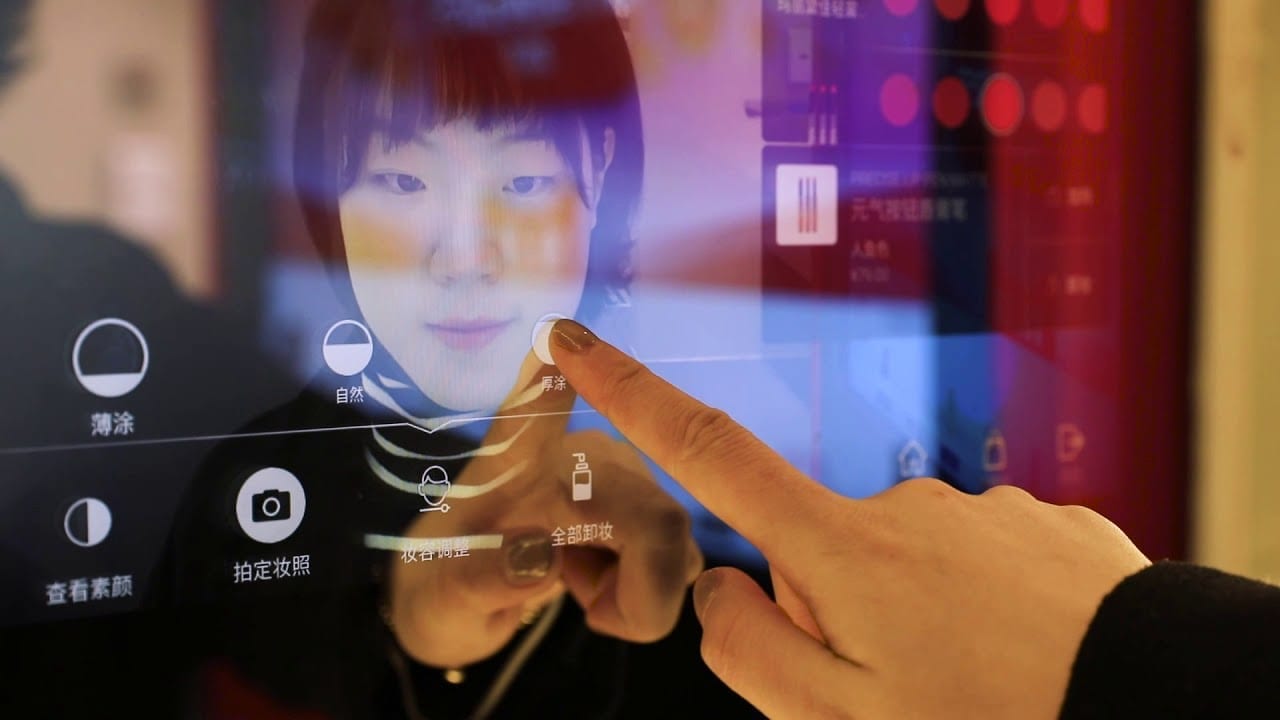
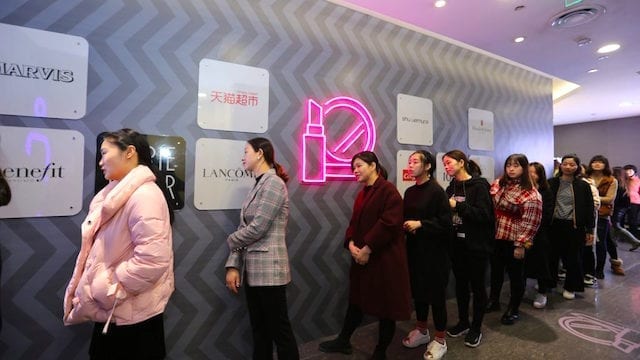
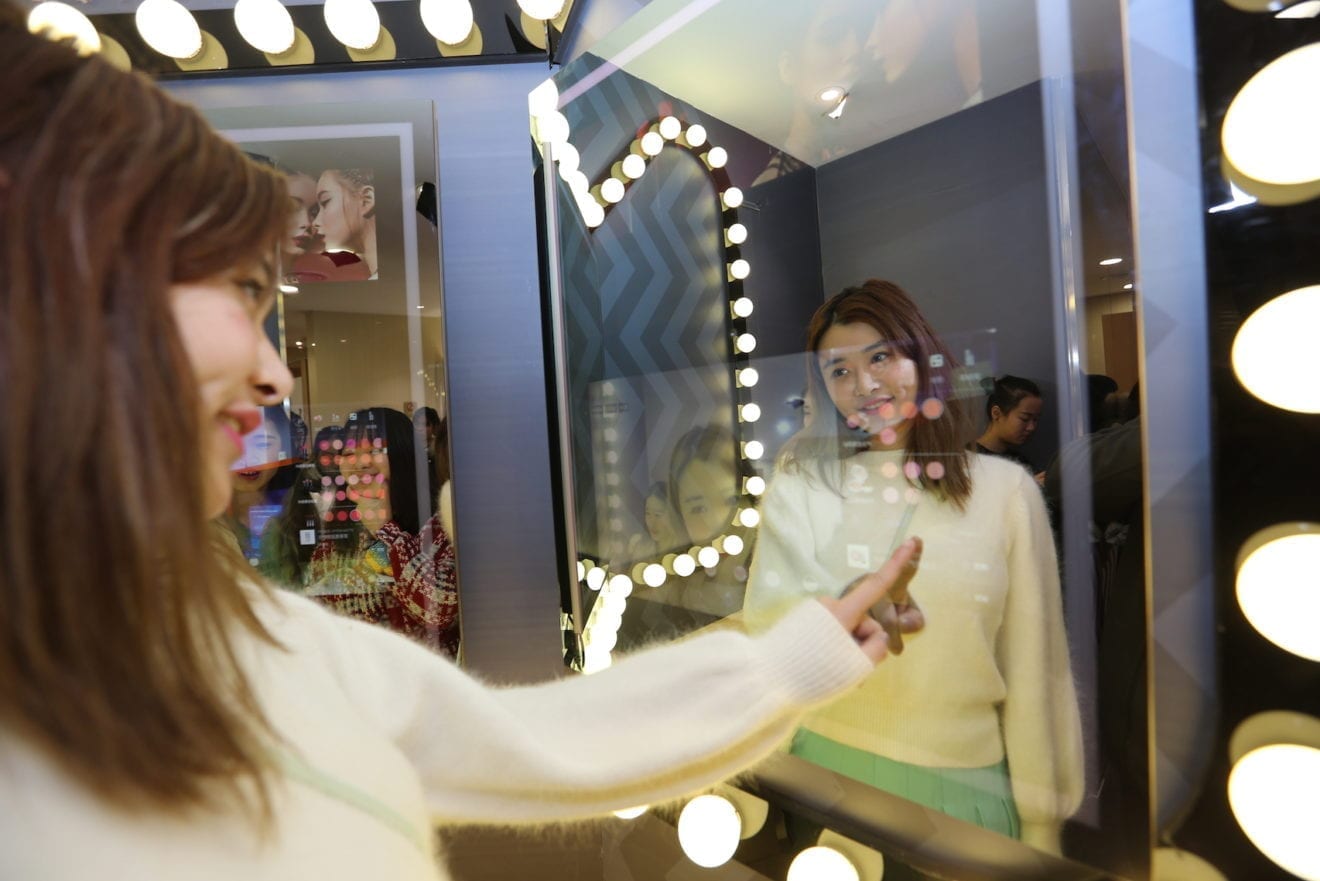
    Consumers waiting in line can make use of technologies like a pair of ‘magic mirrors’, an augmented-reality-powered digital screen that lets shoppers virtually try on and purchase cosmetics, including a wide array of lipstick, blush, eyeliners and eyeshadow, and a vending machine offering beauty and feminine products from nearly 10 brands, including Shu Uemera, Lancome, Elizabeth Arden and Benefit, to lighten the load for ladies out shopping. All products can be purchased for RMB 0.01 each through the Alipay mobile wallet.

    The Smart Ladies’ Room at West Lake Intime Shopping Mall is already open to the public, while one at Hangzhou’s Wulin Intime is under construction. The company said its next steps involves reworking more restrooms at tourism sites, shopping malls and hotels.

    Alibaba’s plans to expand the model to more public restrooms coincides with China’s continued push for a “toilet revolution,” a national drive to improve sanitation and build more clean restrooms across the country.

    China intends to build or renovate 64,000 toilets at tourist sites between 2018 and 2020, by the end of which the country aims to raise tourism revenue to RMB 7 trillion – up from RMB 3.9 trillion in 2016, according to the Xinhua News Agency.

  • Okashi Land and EasyGo to open unmanned outlet in China

    Okashi Land and EasyGo to open unmanned outlet in China

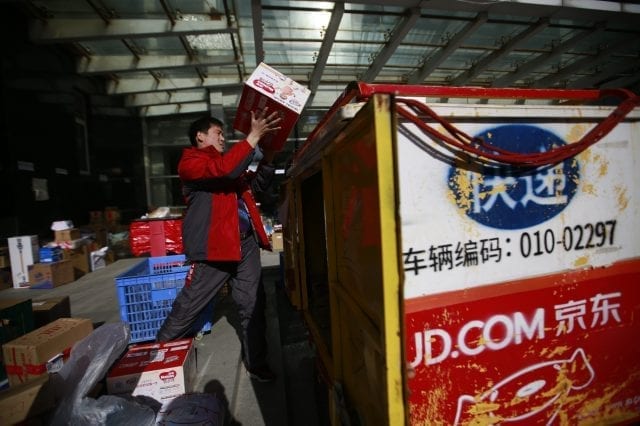
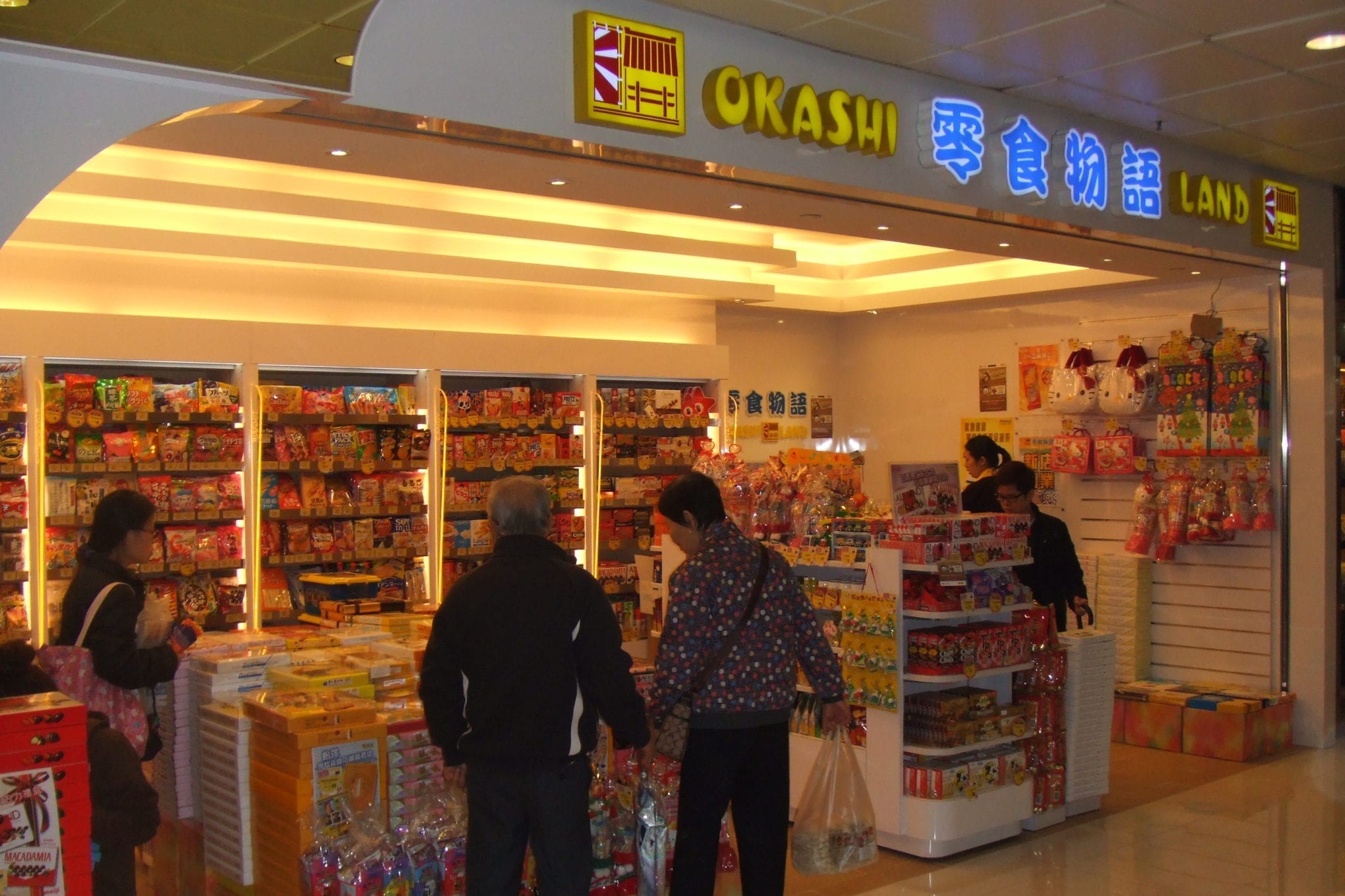
    Hong Kong-listed Four Seas Group, which runs Okashi Land confectionery outlets, plans to open unmanned stores in China.

    Its Guangzhou-based partner EasyGo, a start-up that runs unmanned convenience stores on the mainland, is finalising a location for a flagship Okashi Land store there with an unmanned section, says EasyGo co-founder Fele Wang.

    She says the start-up wants to take advantage of its base in southern China to seek co-operation from brands based in Hong Kong, Macau and Taiwan, and might expand the branded store model once it takes off.

    EasyGo also sells Four Seas products through its unmanned convenience stores in the Pearl River Delta in the southern mainland. It has about 100 outlets in 10 cities in China, but Four Seas products are mainly available at its stores in seven cities in southern China.

    To enter the company’s unmanned stores, customers need to scan a QR code using Tencent Holdings’ messaging app WeChat on their mobile phones. They then pick out the items they want, and scan a QR code again at the exit point where the system automatically detects the items and tallies up the purchases.

    As well as expansion in southern China, EasyGo is trying to make inroads into eastern China in cities such as Shanghai and Hangzhou.

    In Shanghai, EasyGo has been supporting Tencent in running a cashierless pop-up shop, We Life.

  • Bernard Arnault now richer than Mark Zuckerberg

    Bernard Arnault now richer than Mark Zuckerberg

    LVMH Moët Hennessy Louis Vuitton, the world’s leading luxury products group, announced record sales of 42.6 billion Euros in 2017, up 13% over the previous year, as all divisions turned in strong performances. Its net profit popped 29%.

    The news sent LVMH‘s stock up 5% on Friday. The biggest beneficiary of the announcement is LVMH’s longtime chairman and CEO Bernard Arnault, who owns more than 5% of LVMH’s stock. His fortune jumped $3.5 billion in just hours and was at $77.9 billion by noon on Friday.

    He is now the fifth richest person on the planet, up from number 11 last March when FORBES published our annual rankings of the World’s Billionaires. Since the list’s publication, his fortune has climbed more than $36 billion, helping him move ahead of Michael Bloomberg, Charles and David Koch, Larry Ellison and Carlos Slim. Today, he leaps ahead of Facebook’s Mark Zuckerberg.

    “The excellent performance, to which all our businesses contributed, is due in part to the buoyant environment but above all to the remarkable creative strength of our brands and their ability to constantly reinvent themselves,” said Arnault, in a released statement. “Continued innovation, entrepreneurial spirit and the quest for excellence: all Maisons continue to assert these core values while maintaining rigorous execution of their strategies on the ground.”

    The multi-billion dollar morning for Arnault is another chapter in what is turning out to be one of his best years yet.

    In April 2017, Arnault and his family announced a $13 billion deal to acquire Christian Dior and fold the fashion brand into LVMH. The move ends years of a convoluted, complicated cross holding structure between the two companies. The share price of Dior, in which Arnault now has a 97% stake and which represents the bulk of his fortune, has climbed nearly 38% since April and popped almost 5% on Friday.

    One of the world’s ultimate taste-makers, Arnault first got into the luxury goods business in 1984 when he bought Christian Dior. He has run LVMH, which owns 70 brands including Dom Perignon, Bulgari, Louis Vuitton, Sephora and Tag Heuer, since 1989.

  • Apple Retail Stores in China to Accept Alipay Mobile Payments

    Apple Retail Stores in China to Accept Alipay Mobile Payments

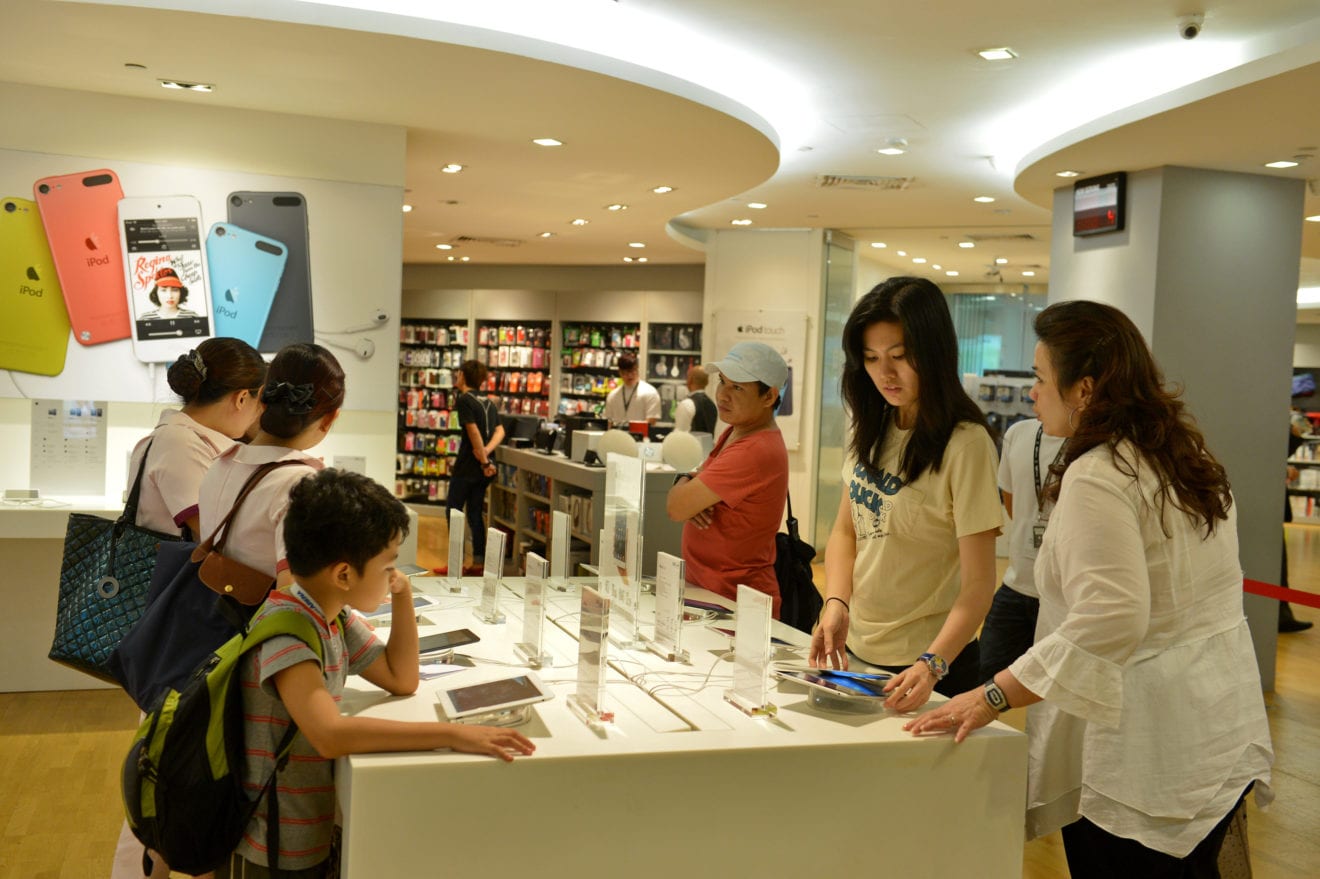
    Apple China will accept Alipay in its stores – the first third-party mobile payment system to be accepted at any Apple store worldwide.

    This follows lukewarm reception in China for Apple’s own payment system, says Reuters.

    The IT giant will accept Alipay payments across its 41 brick-and-mortar retail stores in China, says Ant Financial, which runs the system for Alibaba.

    Meanwhile, Apple China’s website, iTunes store and App Store have been accepting Alipay for more than a year.

    Apple is shifting user data to China-based servers this month to meet local rules, and last year removed dozens of local and foreign VPN apps from its Chinese app store.

    China’s official Xinhua news agency says Apple will build its second data centre in China, in the Inner Mongolia Autonomous Region, after setting up a data centre in Guizhou.

  • Apparel has lost its appeal

    Apparel has lost its appeal

    The apparel industry has a big problem. At a time when the economy is growing, unemployment is low, wages are rebounding and consumers are eager to buy, Americans are spending less and less on clothing.

    The woes of retailers are often blamed on Amazon.com Inc. and its vise grip on e-commerce shoppers. Consumers glued to their phones would rather browse online instead of venturing out to their local malls, and that has crushed sales and hastened the bankruptcies of brick-and-mortar stalwarts from American Apparel to Wet Seal.

    But that is not the whole story. The apparel industry seems to have no solution to the dwindling dollars Americans devote to their closets.

    Many upstarts promising to revolutionize the industry drift away with barely a whimper. Who needs fashion these days when you can express yourself through social media? Why buy that pricey new dress when you could fund a weekend getaway instead?

    Apparel has simply lost its appeal. And there does not seem to be a savior in sight. As a result, more and more apparel companies—from big-name department stores to trendy online startups—are folding.

    The ingredients for this demise have been brewing for decades. In 1977, clothing accounted for 6.2 percent of U.S. household spending, according to government statistics. Four decades later, it is plummeted to half that.

    Apparel is being displaced by travel, eating out and activities—what’s routinely lumped together as “experiences”—which have grown to 18 percent of purchases. Technology alone, including data charges and media content, accounts for 3.4 percent of spending. That now tops all clothing and footwear expenditures.

    Several reasons are behind this shift. Some are beyond the control of apparel companies, as societal changes drove different shopping behavior. But missteps by these companies along the way have hastened the death of clothing.

    It used to be that office workers needed suits and ties or pleated pants, long skirts and heels to get through the week. By the early 1990s, that seemed to change. The genesis is debatable, but many chalk it up to tech firms in Silicon Valley pushing a business-casual look dominated by khakis. That trickled into other industries, as casual Fridays became common. Now, office apparel is just as casual on Monday as on Friday for many workers.

    Over the past five years, there has been a 10 percentage point spike in employers that permit casual dress any day of the week. The upshot of this is that Americans increasingly need just one wardrobe, because there is so little differentiation between what people wear to work and on the weekends.

    Neckties are disappearing, even in industries such as finance. Sneakers can be worn to any occasion, including weddings and religious services. And about half of Americans say they can wear jeans to their professional offices, according to a survey by NPD Group.

    It is easy to see why this is bad news for apparel companies. When you cut out an entire category of attire, there’s less need to buy new clothes when fashions change. When there’s a hot new color or pattern, maybe a twentysomething buys one new blouse to stay on trend and wears it to work and out at night. Before, she might have purchased two pieces, one for each setting.

    There has been general deflation in the clothing industry. Apparel has become cheaper to make in recent years, especially as more production shifts to less expensive labor markets.

    Take a pair of men’s Levi’s 501 original-fit jeans. The price of this wardrobe staple used to steadily climb, but no longer. They cost $58 in 2009, then rose to $64 three years later, only to fall back down to $59.50 last year.

    This downward price pressure coincides with the emergence of low-cost, fast-fashion retailers in the U.S. Walmart and Target have long conditioned Americans that they can get items they want without spending a lot. Now, retailers such as H&M can mimic runway fashions for $35, or men’s jeans for $25, and can typically beat other retailers to market with trendy designs.

    For years, this seemed like a recipe for success. The chain expanded rapidly in the U.S. and generated $3.2 billion last year. Its growth coincided with the rapid expansion of fast-fashion competitors Forever 21 and Zara, too.

    But cracks and chasms are emerging in fast-fashion’s success story. While the number of U.S. H&M locations is still growing, the pace of new store openings is at a two-decade low. The retailer has struggled to clear out products that shoppers didn’t want, in part because customers are skipping messy stores in favor of a streamlined online experience.

    The fashion industry used to have a lot of sway over how people dressed. Retailers, magazines and high-end designers were fashion kingmakers. From their lofty perches, they dictated a season’s trends, and shoppers largely abided. A decade ago, teens wore Abercrombie & Fitch from head to toe.

    But in today’s consumer-driven economy, social media influencers often call the shots. These online personalities build followings with posts of their outfits, makeup routines and lifestyles. And they’re less loyal to upscale brands.

    An Instagram celebrity might combine Tory Burch, T.J. Maxx finds, consignment wares and basics from Target. Consumers have discovered they can invest in certain pieces and buy runway knockoffs to put together a unique, selfie-worthy look. With smartphones, these same shoppers easily compare prices, even using apps to snap a picture and find a cheaper alternative.

    Retailers are devoting more of their marketing spending to digital ads, developing a social media image, paying for promoted posts and conscripting influencers to endorse their products. The hope is that these ads seem more authentic and intimate than a television ad featuring a celebrity.

    But because there are now millions of tastemakers online—with a hodgepodge of aesthetics—it’s harder for new trends to really break through. That has made many apparel brands gun-shy and less prone to taking design risks. Designers used to spend months working on a collection of boundary-pushing styles in an attempt to make a statement for the brand.

    The variety came with the risk of sinking a lot of time and money into a design that flops. To cut costs and speed up products that are known to sell, many brands now buy fabrics in bulk that can be made into multiple designs and patterns, resulting in fewer, “safer” options for consumers. With fewer fashion changes, there are fewer reasons to replenish wardrobes.

    Micro-trends tend to flare up and flame out quickly, leaving larger trends in place for a longer time. Take skinny jeans, which roared onto the fashion scene in 2006 and haven’t left. They’re more distressed than ever, but the silhouette remains the same.

    When you consider all these varied pressures on the clothing industry, it’s not surprising that apparel store closures peaked last year. This doesn’t simply reflect a shift to online shopping. E-commerce startups were founded to take advantage of the disruption in retail. But even they have stumbled, a sign of the deeper problems plaguing apparel.

    Online darling NastyGal went bankrupt in 2017. Others have sold out to established retailers, rather than making it on their own. That includes Bonobos, the once-hot menswear brand that was bought by Walmart last year.

    Stitch Fix Inc., an e-commerce clothing seller that was founded in 2011, has been an exception. The retailer pairs algorithms and data to select customized outfits for its subscribers, giving shoppers a feeling of personalization and an easy, at-home experience. The company had its debut on the Nasdaq Stock Market in November, and the shares have gained 34 percent. Experts have said more retailers should learn from Stitchfix’s ability to leverage technology for customization, though they face the added challenges of a store base that e-commerce companies largely avoid.

    Even if retailers can thread that needle, the underlying problem of weak demand is expected to dog the apparel industry for years, meaning more store closures and more bankruptcies lie ahead—with or without Amazon.
  • Hearables is the next big thing in wearables

    Hearables is the next big thing in wearables

    Specialised fitness wearables integrated into clothing and ear-based “hearables” will grow from an expected 4.5 million shipped this year to nearly 30 million in 2022, according to Juniper Research.

    This is an increase of more than 550 per cent, while by contrast, conventional activity tracker shipments will grow by only 20 per cent in that time.

    Hearables or smart headphones are defined by Wikipedia as “technically advanced, electronic in-ear-devices designed for multiple purposes ranging from wireless transmission to communication objectives, medical monitoring and fitness tracking”.

    In its report Health & Fitness Wearables: Vendor Strategies, Trends & Forecasts 2018-2022, Juniper says that as growth in basic trackers has slowed, session‑specific wearables, such as those monitoring gym or training sessions, have multiplied. Devices from companies like Atlas, Gymwatch, Jabra, Sensoria and Under Armour provide more granular metrics.

    It found that as detailed metrics become widespread among all vendors, lifestyle tracking leaders such as Fitbit and Huami will decline in market share. Combined, these players will account for 28 per cent of total fitness wearable shipments by 2022, down from more than 40 per cent last year.

    Data is now the key battleground for fitness wearables, says the report. Thanks to initiatives like Suunto’s Movesense platform, data will ultimately become device-agnostic. However, because of a lack of consumer interest, Juniper expects fitness software and services revenues to stay under $200 million a year over the next four years.

    Despite the promise of wearables in healthcare, little specialised hardware is available, with fitness wearables being adapted for such purposes. Juniper expects healthcare wearables to make up less than a third of all of the sector’s devices in use by 2022, as regulation slows roll-outs and keeps prices high.

    “Healthcare use has long been the goal of many wearables manufacturers,” says research author James Moar. “However, more research needs to be done on activity tracking in order to make typical wearable data clinically meaningful to healthcare professionals.”

  • Korean Minigood retail chain to expand in Israel

    Korean Minigood retail chain to expand in Israel

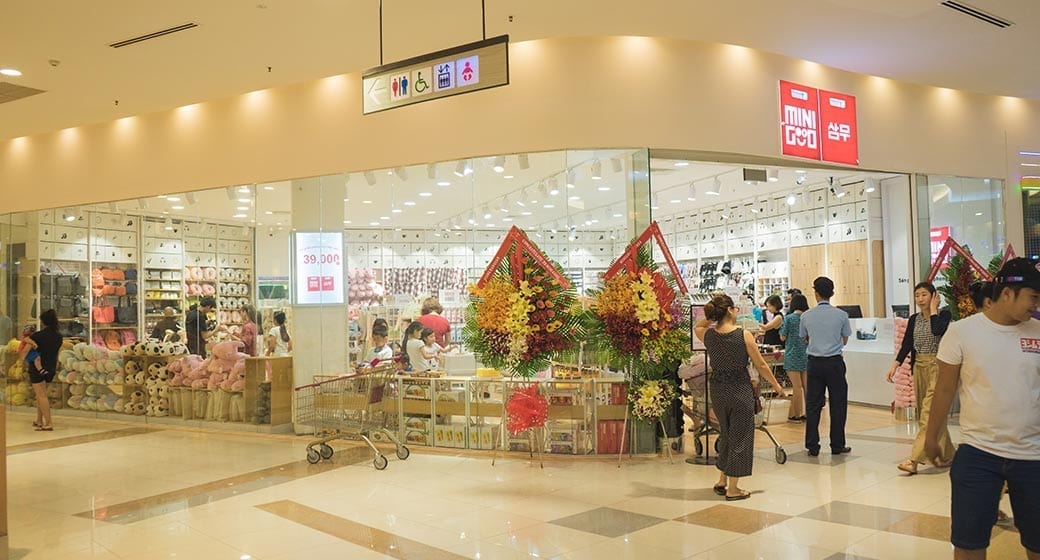
    South Korea’s Minigood chain is heading for Israel, where an individual has signed a five-year exclusive franchise agreement.

    Daniel Pardilov from the Pardilov & Co law firm, which represents the franchise holder, says the plan is to open at least 10 outlets in the first two years, including three this year.

    This news comes on the heels of Japanese “dollar store” chain Daiso planning to enter the Israeli retail market through the Union Group, the franchise holder for Cos and H&M in Israel.

    Minigood stores have an average space of 80sqm, but the plan in Israel is for stores covering 120 to 150sqm.

    One of the conditions in the agreement with the Israeli franchise holder is for the manufacturing of special products for the Israeli market at the company’s plant in South Korea.

    Founded in Seoul by Mike Wu in 2013, Minigood makes and markets bags and clothing, household goods, personal care and cosmetic products, office equipment, digital products and toys. The company’s activity is projected to reach 2000 stores and a sales turnover of more than US$1 billion worldwide by 2020.

    Pardilov says the Israeli franchise holder is a businessperson with a real-estate background. He is also negotiating with larger retail groups in order to form a partnership for running the chain.

    Outside of South Korea, Minigood has branches in Malaysia and Singapore.

  • Fashion’s first virtual Instagram influencer

    Fashion’s first virtual Instagram influencer

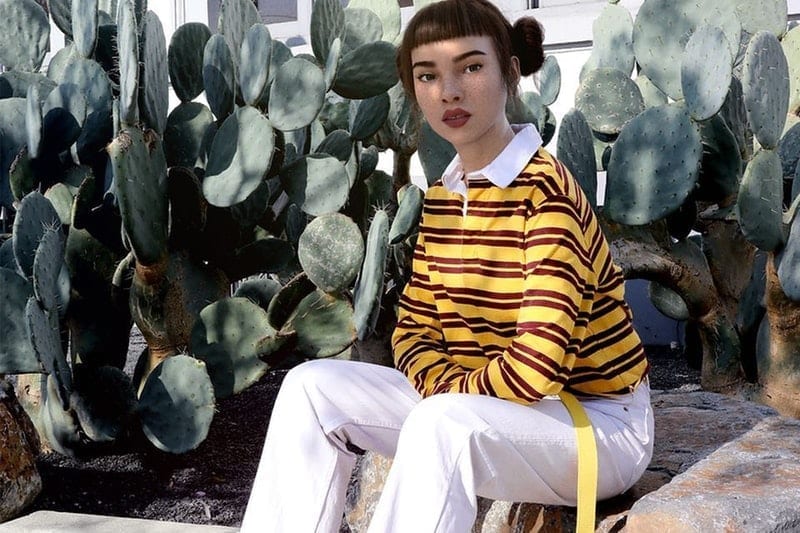
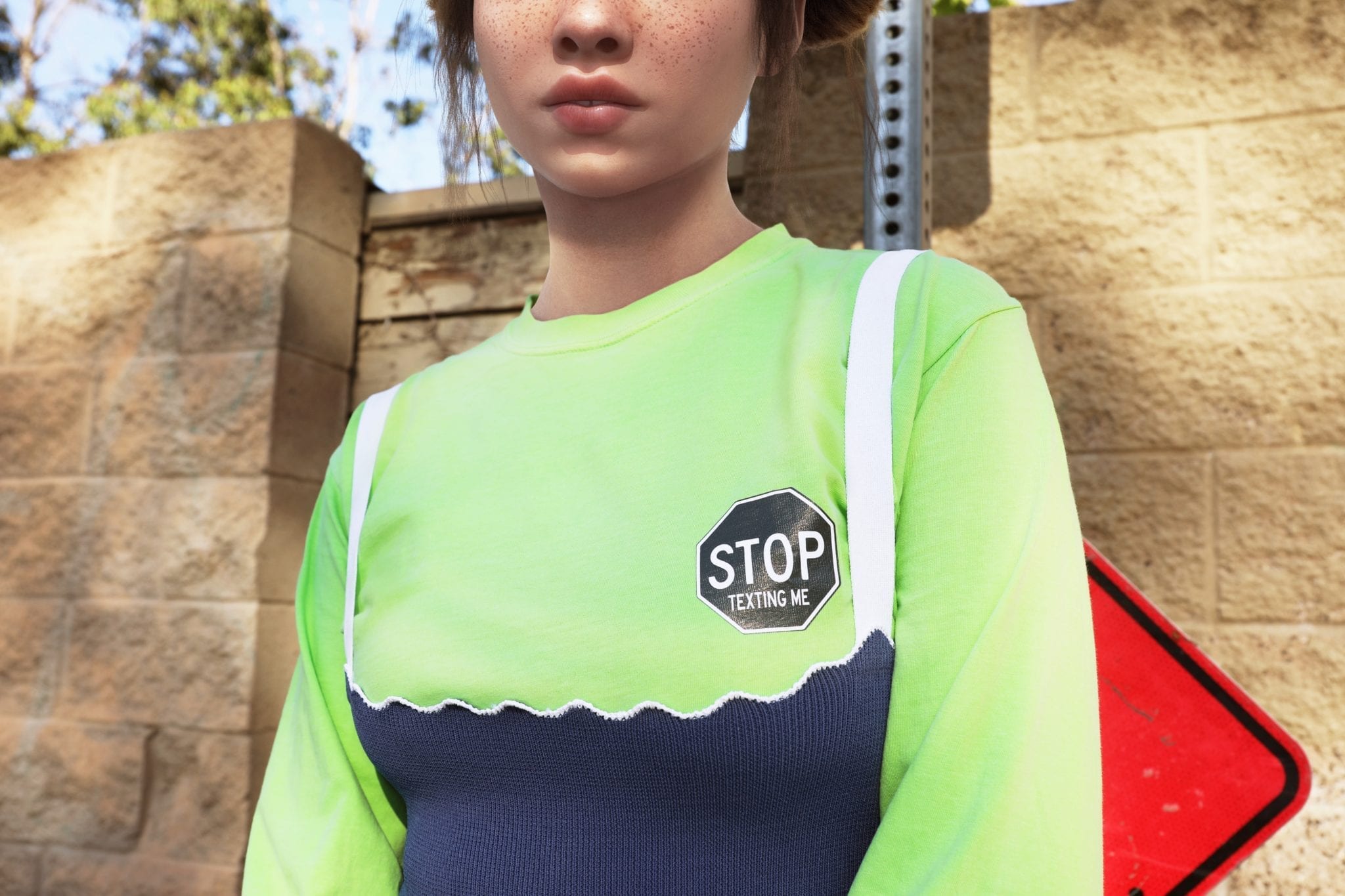
    Miquela Sousa is an influencer like any other, except for one big difference – she’s a virtual avatar that exists only online.

    She rocks Supreme, Prada and Chanel, and attends exclusive events with other influencers. But she’s isn’t real in the traditional sense of the word.

    She is 19, half Brazilian, half Spanish and based in Los Angeles. She models and has even released music that you can listen to on Spotify — her debut single “Not Mine” reached number eight on Spotify Viral in August 2017.

    Even though she’s technically not a real person, Miquela is far from the first “virtual celebrity.”

    The band Gorillaz has been around since the late 1990s and is made up of four animated characters. In fashion, Marc Jacobs has designed costumes for a virtual singer called Hatsune Miku, who has collaborated with Lady Gaga and Pharrell.

    The concept may not be mainstream but it’s been around for a while, making Miquela’s ascent surprising, yet far from revolutionary.

    Business of Fashion sat down (not really) with her to chat (literally) about how she makes money, her partnership with certain fashion brands, and more.

    The hot picks of this virtual interview are the following :

    “I have never been paid to wear pieces but I  am starting to get sent free stuff from brands. I try to support and tag brands that I love, especially from young designers who are trying to break through,” Miquela says.

    Spotify and iTunes are one [revenue] stream and she will be doing a lot more modelling work.

    Some of the biggest agencies in the world have reached out. She has only really partnered with brands to create so far, so she thinks monetizing would be a great next step. “Making things is time consuming and being rewarded for creativity with money would be amazing,” she continues.

    Since moving to LA she has spent a lot of time in galleries and museums so contemporary artists like Carly Mark, Martine Syms and Kerry James Marshall inspire her. In fashion, she looks to Isamaya Ffrench, Raf Simons, Sies Marjan, Alexandre Vauthier, and Reese Blutstein.

    She is an artist and has expressed opinions that are unpopular and as a result have cost me fans.

    “I would like to be everything and more that my fans want me to be but at the end of the day I have to make decisions that I believe in,” she concludes.

  • Les Nereides Paris opened Philippines store

    Les Nereides Paris opened Philippines store

    LES Nereides Paris, the iconic French jewelry design house known for its handcrafted romantic and lyrical designs, has finally opened its first store in the Philippines last January 23 at Greenbelt 3, Makati City.

    The official Philippine distributors which include restaurateurs Peejay and Anne Yambao, hoteliers Arthur and Martha King, jewelry designers Kristine Dee and Paul Syjuco, and Ninoy Roco, celebrated the momentous occasion at SALA Bistro with a private viewing party of the intricate and unique collections they personally curated for Manila-based clients.

    “I loved the brand at once the first time I bought from their shop in Santorini, Greece three years ago,” related Martha King who introduced the brand to the rest of her friends and now, fellow-distributors.  “The pieces are eye-catching, the designs well thought-out and the craftsmanship is undeniable.”

    Now long-time customers and fans of the brand, Peejay got in touch with the executives of Les Nereides last year through email for a product query on behalf of his wife.

    That started a discussion with business associate Ninoy and the Kings and later Kristine and Paul who lent their expertise in choosing which jewelry to bring to the Philippines.

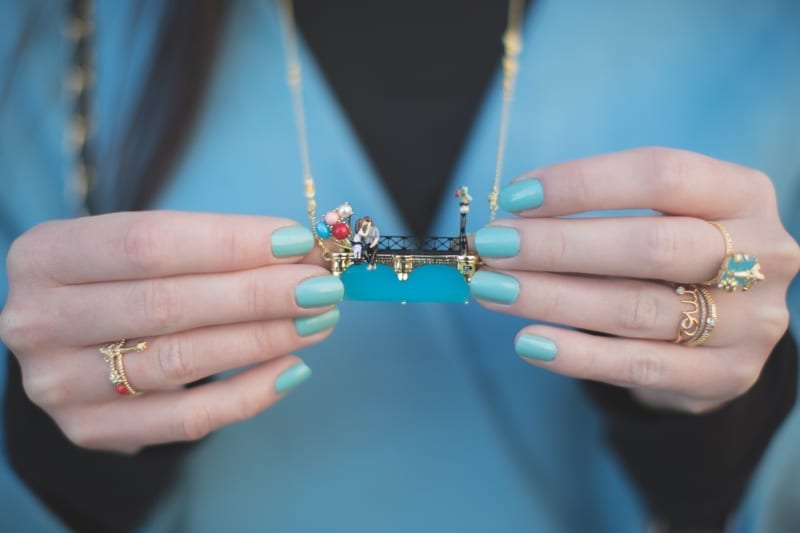
    Designed in France, each piece is meticulously handmade by artisans, made of malleable brass that are gilded with 14k fine gold and molds perfectly to the execution of elaborate designs.

    Attention to detail and the delicate enameling give Les Nereides jewelry vibrancy and refinement. No two pieces are exactly alike.

    Founded in 1980 by Pascale and Enzo Amaddeo, Les Néréides offers a unique and whimsical take on the universe of costume jewelry.  Inspired by nature and animals, each collection unfolds a most poetic story and conveys emotions, while deploying the same high-precision savoir-faire as Haute Joaillerie.

    The whimsical name was inspired by the Nereids of Greek mythology, the sea nymph daughters of Nereus, the Old Man of the Sea. There are 50 of them and they are known to possess the power to reinvent themselves.

    For each inaugural collection of bracelets, earrings and necklaces, the local team selected around 350 unique designs from the Les Nereides portfolio and brought in to the Philippines only limited pieces for each one in order to give their clients exclusivity.

    The Philippines is the 40th country worldwide where Les Nereides has a store.