Tag: asia

  • Seven-Eleven becomes first retailer to hit 20,000 stores in Japan

    Seven-Eleven becomes first retailer to hit 20,000 stores in Japan

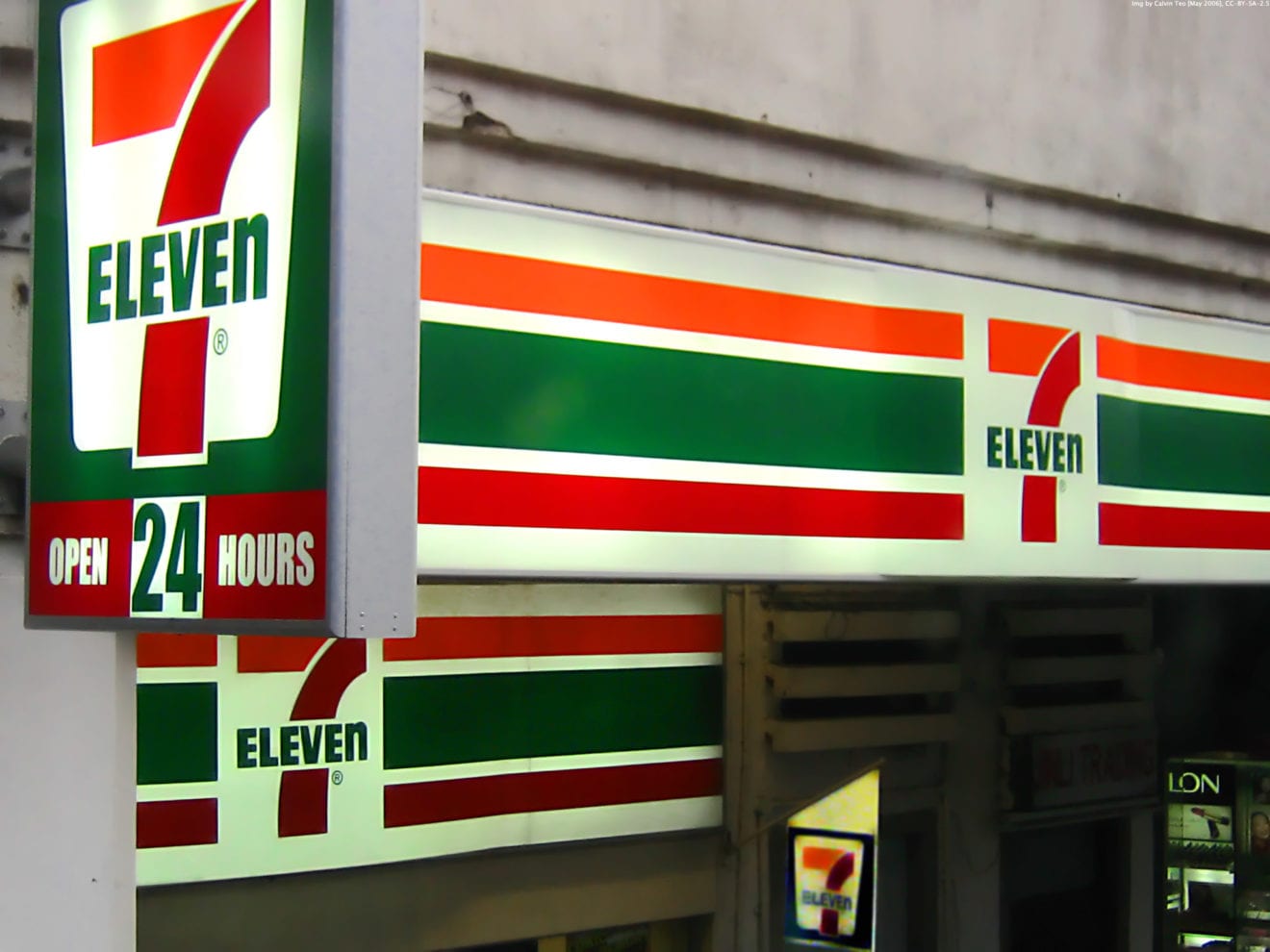
    7-Eleven Japan has become the country’s first retailer to open more than 20,000 stores.

    The Seven & I Holdings unit reported a store count of 20,033 at the end of last month, up by 54 from the end of December. By comparison, Japan has about 24,000 post offices.

    Making its debut in Tokyo’s Toyosu district in May 1974, 7-Eleven grew to 10,000 stores by August 2003. It reached 15,000 outlets in February 2013.

    The convenience stores can be found in all but one of Japan’s 47 prefectures, the holdout being Okinawa, where locations will open next year.

    Revenue for the chain for the year ended February last year totalled ¥4.51 trillion (US$41 billion), nearly double the sales in the year ended February 2004, when it crossed the 10,000-store mark. Average daily sales per store reached ¥657,000 last fiscal year, a 2 per cent gain.

    An increase in female customers has become an important driver of sales. Males made up 65 per cent of visitors during the year ended February 2004, but now men and women visit in roughly equal numbers.

    More women have been attracted as 7-Eleven has expanded its offerings of ready-made packaged dishes and frozen foods, positioning itself as an alternative to supermarkets.

    A Nikkei survey shows 7-Eleven Japan leading the convenience-store sector with a 40.4 per cent share of sales in fiscal 2016, followed by Lawson and FamilyMart Uny Holdings. Together, the trio accounts for about 90 per cent of the market.

  • Asian markets plunge as Wall Street rout spreads

    Asian markets plunge as Wall Street rout spreads

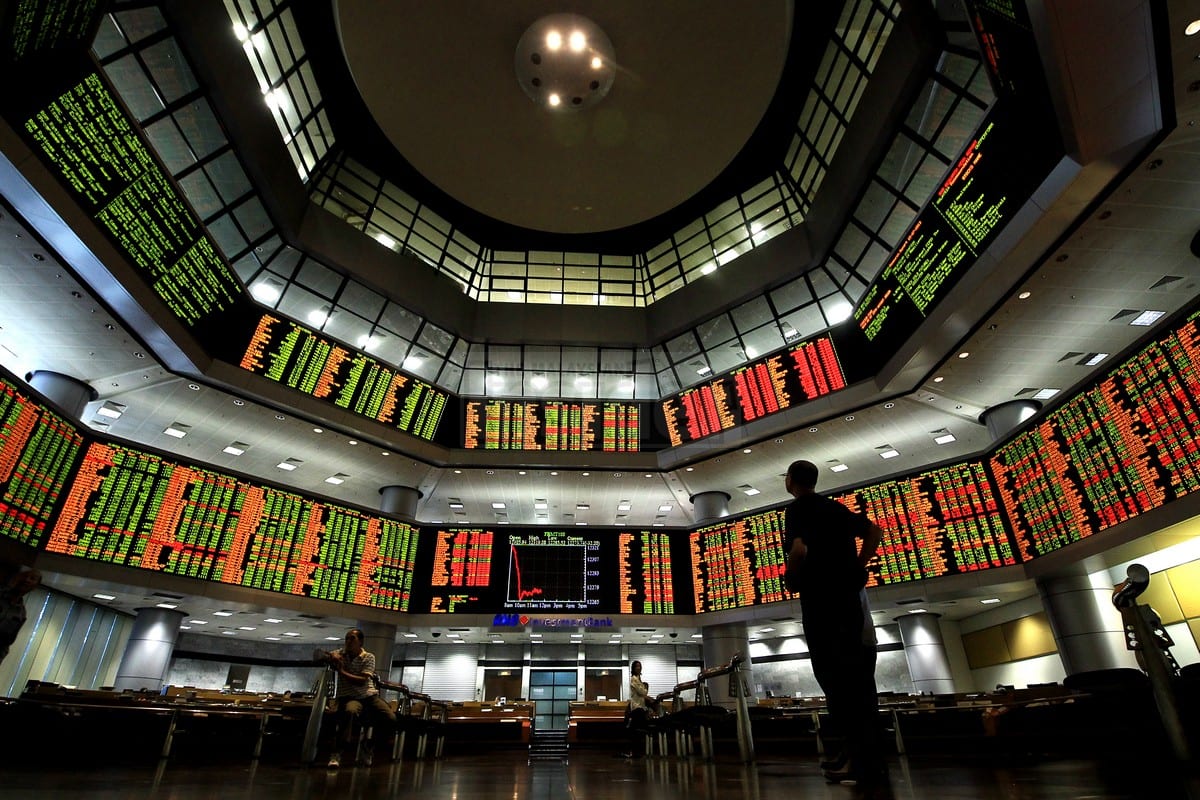
    Asian stocks plunged Tuesday after a record-breaking loss on Wall Street, extending a global rout as panicked investors fret over rising US borrowing costs and cash in profits after months of market euphoria.

    Tokyo led a collapse throughout the region in early trade, diving more than five percent, while Hong Kong was down almost four percent at one point and Sydney sank three percent.

    Dealers tracked their colleagues in New York, where the Dow suffered its worst points fall in history, wiping out all its 2018 gains, while the S&P 500 also took a beating to sit down for the year.

    The heavy selling comes after months of surges fuelled by optimism over the US economy, corporate earnings and the global outlook.

    While traders have been piling into equities, pushing many global indexes to record or multi-year highs, there has been growing concern on trading floors about elevated US Treasury bond yields — at four-year highs — and the likelihood of fresh Federal Reserve interest rate hikes.

    The so-called Vix “fear” index more than doubled in US trade on Monday.

    Among other Asian markets Singapore was 2.3% off, Seoul dived three percent, Taipei lost 3.7%, Manila plunged 2.7% and Shanghai gave up 2.1%.

  • Vietnam, Cambodia’s bilateral trade surged 30% in 2017

    Vietnam, Cambodia’s bilateral trade surged 30% in 2017

    Bilateral trade between Việt Nam and Cambodia last year surged 29.7 per cent against the previous year to nearly US$3.8 billion, the General Department of Customs reported.

    Of the total, Việt Nam’s export turnover to this market was $2.77 billion, rising 26.1 per cent against the previous year. Vietnamese key export goods to Cambodia last year included steel and iron products ($521 million, up 69.7 per cent year-on-year) and oil and petrol ($375 million, up 30 per cent year-on-year).

    Meanwhile, Việt Nam’s imports from Cambodia reached $1 billion, a year-on-year increase of 40.6 per cent, mainly with timber and wood products ($214 million, up 16.9 per cent), cashews ($168 million, up 46 per cent) and rubber ($138 million, up 64 per cent).

    The leaders of Việt Nam and Cambodia have agreed to enhance the comprehensive co-operation between the two nations and raise the bilateral trade value to $5 billion. Việt Nam is currently the third largest trade partner and the fifth largest foreign investor in Cambodia.

    According to the Asia-Pacific Market Department, under the Ministry of Industry and Trade, trade across the border of the two nations has become easier, contributing to making Cambodia the 16th largest export market of Việt Nam.

    In recent years, the economic co-operation between the two nations has seen strong development. Statistics showed that the two-way trade between Việt Nam and Cambodia jumped from only $184 million in 2001 to $3 billion in 2016.

    Major export products of Việt Nam to Cambodia included steel, fertilisers, garments, machinery and plastic products.

    The two countries also expect to soon sign agreements on avoidance of double taxation, border trade and labour co-operation along with a memorandum of understanding on transport cooperation strategy for 2017-25 with a vision to 2030, which will help advance the trade relationship between the two sides to higher levels.


  • Tokyu Hands goes to global GIA Awards finale

    Tokyu Hands goes to global GIA Awards finale

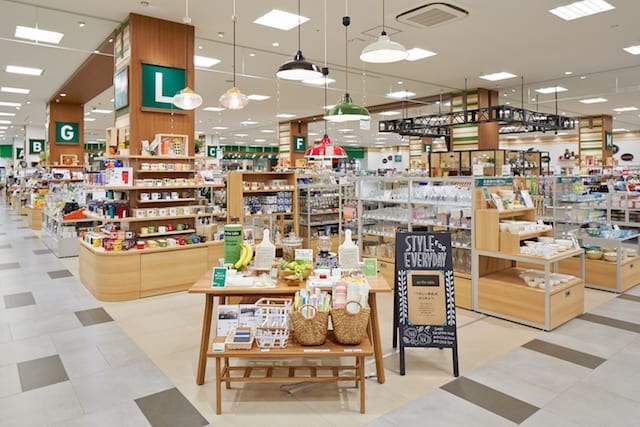
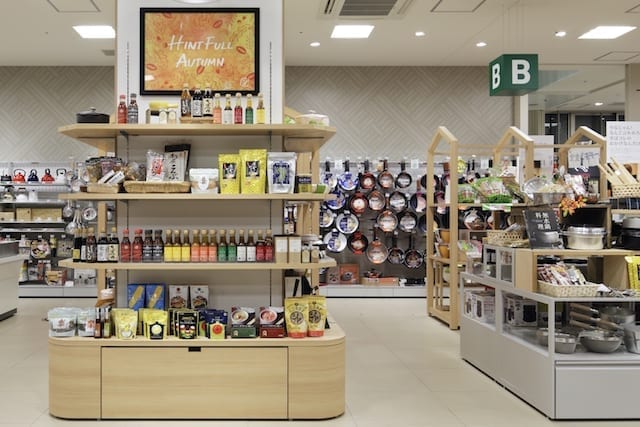
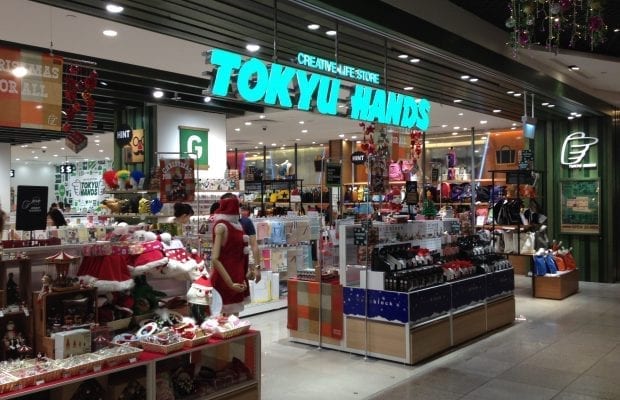
    Eclectic Japanese department store Tokyu Hands has been named one of the global finalists in this year’s GIA Awards in Chicago.

    Tokyu Hands has 75 stores in Japan and three in Singapore, selling items including fashion and interior goods, but with kitchenwares and other household items as its core. Customers range from teens to seniors.

    “Japanese consumers are said to have the harshest eye in the world for quality and design,” observed a spokesperson for the GIA (Global Innovation Awards). “Tokyu Hands’ buyers think deeply about what their customer wants before selecting products. The sales staff are highly skilled and very knowledgeable to meet the demands of customers with severe eyes. That’s a big reason for why many people visit the store.”

    Another Japanese homewares chain, The Loft, won a GIA Award last year.

    Other finalists from Asia in this year’s awards are Cuccina, a small homewares store in China, and Maissone in Singapore which sells offline and online.

    Each national GIA winner is invited to the International Home + Housewares Show in Chicago where the global GIA jury, consisting of four experts representing Asia, Europe and the Americas, plus a rotating group of co-sponsoring trade publication editors from around the world, will select up to five GIA Global Honorees, the winners of the Martin M Pegler Award for Excellence in Visual Merchandising and the GIA Digital Commerce Award for Excellence in Online Retailing.

    The winners from each region will be honored at a festive awards dinner on Saturday, March 10, during the 2018 International Home + Housewares Show in Chicago.

  • Vietnam’s auto imports in record drop in January

    Vietnam’s auto imports in record drop in January

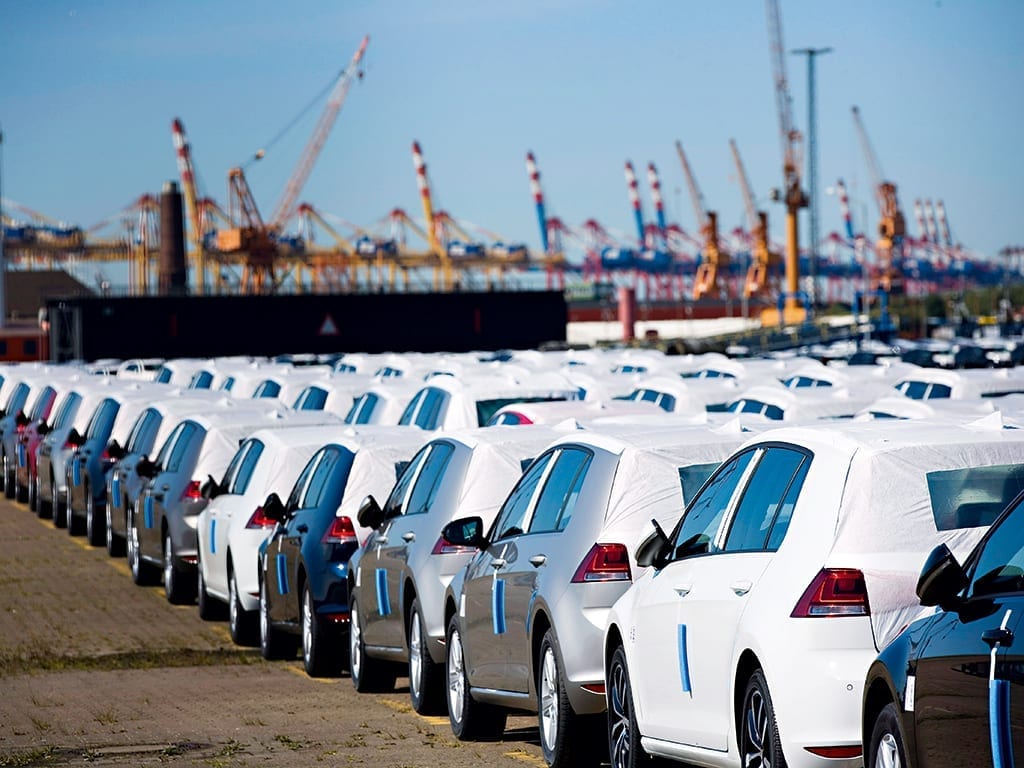
    Some 1,000 cars worth US$94 million were imported to the Vietnamese market in January, reports the General Statistics Office.

    This marks a record drop of 86.2 per cent in volume and 38 per cent in value compared to the previous month.

    The drop comes after auto businesses, including Toyota Motors Vietnam and Honda, stopped importing autos due to the government’s Decree 116, which tightens control over quality, technical safety and environment protection of imported autos.

    Speaking at the government’s monthly press conference on February 2, minister and chairman of the Government Office Mai Tiến Dũng, said a number of embassies and organisations had sent letters to the Prime Minister proposing him to direct relevant ministries and sectors to reconsider the decree.

    Dũng said the Vietnam Automobile Manufacturers’ Association had submitted four letters of recommendation to the government to remove difficulties, saying that the provisions in the decree were inappropriate.

    Meanwhile, several associations, such as Japan Business Association in Việt Nam, and foreign direct investment joint ventures have repeatedly proposed the government to delay the implementation of Decree 116 by at least six months.

    Dũng said there were three major issues arising out of the decree troubling auto businesses and organisations.

    The first is that the importers must obtain a Vehicle Type Approval (VTA) certificate issued by authorities in the exporting country. Dũng explained that VTA was not a certificate of the State body but of authorised agencies or associations of the exporting countries, which aimed to ensure the origin, quality and value of the vehicle.

    Such authorised agencies and associations will also be responsible for recalling the vehicles if they have faults during the production process. This is to ensure the rights and interests of automakers and consumers alike, Dũng said.

    As for the second issue, Dũng said the decree states that the inspection agency will randomly select one unit of each batch to check. The check will be conducted on every batch of imported autos. This regulation will prove to be more costly and time-consuming in testing vehicles. And it is the customer who will have to incur the cost as businesses will ensure their profit.

    Dũng said the government was considering the issue.

    The third problem posed by Decree 116 is that it requires automakers to have a testing route of 800m, with minimum 400m straight, before rolling out the vehicles in the market. According to automakers, this condition will require them to pay more, including registration fee, cost of land and cost of building testing routes.

    Dũng said Prime Minister Nguyễn Xuân Phúc had assigned the Government Office and relevant ministries and sectors to consider the above-mentioned problems. The recommendations would not only ensure the government’s demand on domestic auto production but also the country’s implementation of international standards that Việt Nam was committed to, Dũng said.

    Decree 116’s regulations are being evaluated as a technical barrier for auto importers to overcome. Dũng, however, said all countries were applying necessary measures to ensure the quality of imported products as well as the rights and interests of consumers.

    Further explaining the issue, Dũng said a batch of BMW autos previously imported to Việt Nam was found with a lot of problems related to procedure and origin of the vehicles, in addition to the fact that they were used cars. “If we do not check them carefully, the consumers will be the most vulnerable,” he said.

     

  • Bursa Malaysia expects 2018 to have more IPOs than 2017

    Bursa Malaysia expects 2018 to have more IPOs than 2017

    Bursa Malaysia Bhd, which attracted 13 new listings in 2017, expects to see more companies listed on the Main and ACE Markets this year.

    “The IPO (initial public offering) pipeline seems to be tracking quite well. So we expect that it will probably be slightly higher than last year,” its CEO Datuk Seri Tajuddin Atan said at a media briefing today.

    “And we think some of the big ones is coming,” he added, noting currently there are four registered companies that are still waiting for approval to be listed on the stock exchange.

    Last month, Binasat Communications Bhd, which is involved in the provision of telecommunication supporting services for satellite as well as mobile and fibre optic telecommunications networks, became the first listing for the year.

    Meanwhile, Tajuddin said the stock exchange operator has no plans to increase or reduce the listing fee at the moment, as it looks to introduce incentive or rebate schemes.

    Additionally, he said, the local exchange plans to introduce more products and services this year to create a conducive capital market ecosystem for all market participants.

    “We are still in a process of getting approval and putting things in place. Not only in terms of product, we are also trying to have more players as well as selling agents,” Tajuddin said.

    Going forward, he said the securities market segment is expected to remain resilient, given recent encouraging economic data, the strengthening ringgit and expected positive corporate earnings.

    Trading, however, may be influenced by local and external factors, such as geopolitical developments and the tightening of monetary policies in major economies in 2018, he added.

    On the derivatives market, Tajuddin said volatility in commodity prices and the underlying equity market will continue to affect hedging and trading activities of the crude palm oil futures and FTSE Bursa Malaysia KLCI Futures contracts.

    The local bourse’s net profit rose 10.2% to RM55.27 million for the fourth quarter ended Dec 31, 2017 against RM50.17 million in the previous corresponding period, driven by higher contribution from the securities market.

    Revenue expanded 14.1% from RM123.74 million to RM141.2 million.
    Its full-year net profit rose 15.2% from RM193.62 million to RM223.04 million, with revenue rising 9.9% from RM506.78 million to RM556.83 million.

    For the year under review, securities market trading revenue increased 21.9% to RM259.6 million on the back of higher average daily trading value for securities market on-market trades which grew 27.7% to RM2.3 billion.

    It has declared a second interim dividend of 18.5 sen per share amounting to RM99.4 million for the quarter under review, which will be paid on March 5, 2018.With that, the total dividend (including special dividend) declared for the year amounts to 53.5 sen per share.

  • WeChat Pay Now Links to Non-Chinese Cards

    WeChat Pay Now Links to Non-Chinese Cards

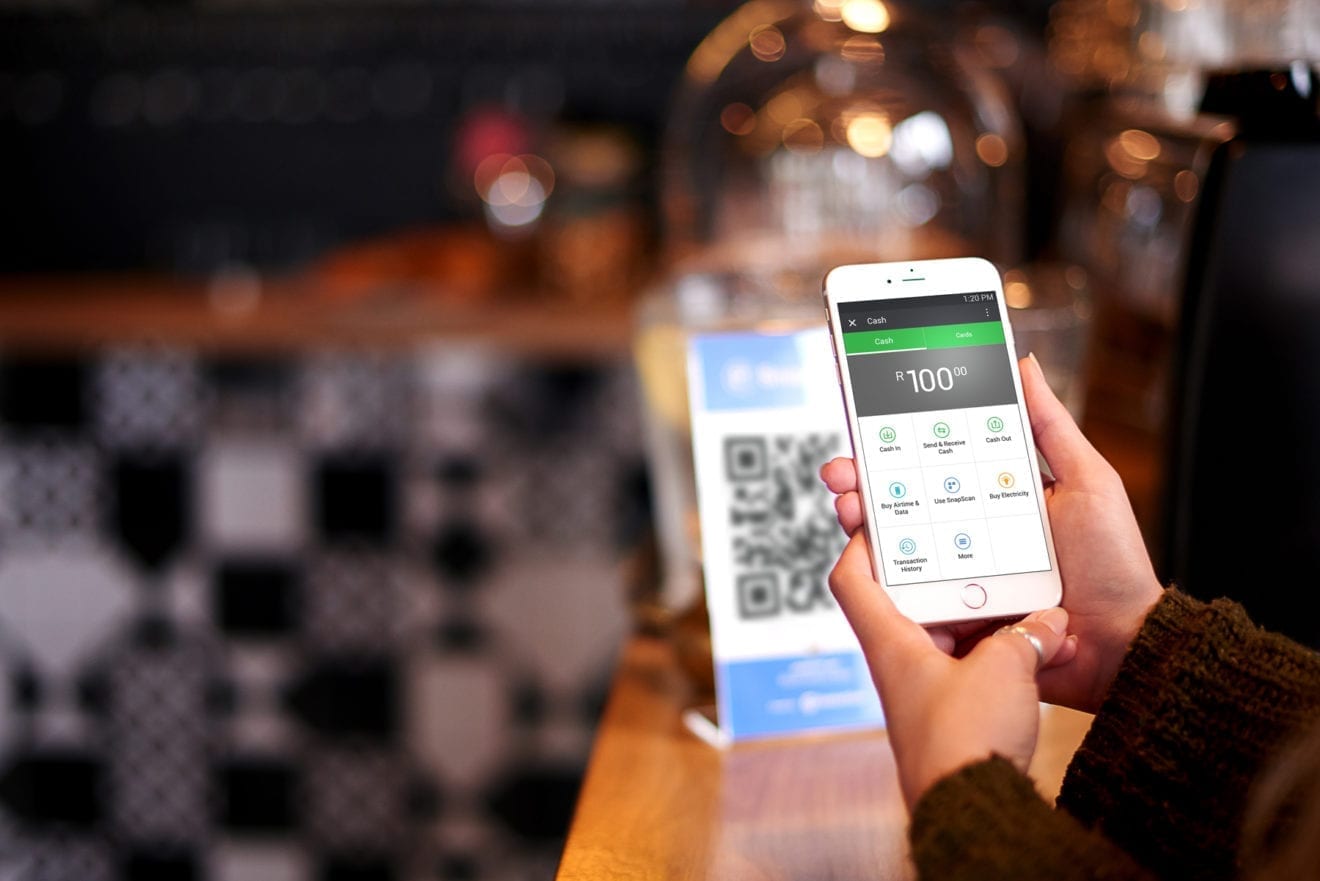
    Tencent’s WeChat Pay is now linking to non-Chinese credit cards for mobile payments.

    This means expats in China and foreign residents of Hong Kong, Macau and Taiwan can now bind and activate WeChat Pay accounts with credit-card services provided by JCB, MasterCard and Visa.

    Tencent says it is the first time WeChat Pay users do not need a Chinese bank account or credit card.

    With China going cashless, Alipay and WeChat Pay are now used for online shopping, ride-hailing, buying tickets, renting bikes, food delivery and hotel bookings.

    In its five years, WeChat Pay has expanded to 25 countries, serving Chinese tourists.

    According to a Tencent data report last year, more than 64 per cent of expats in China use WeChat Pay for their daily needs.

  • E-Land Group to get US$91 million fund injection

    E-Land Group to get US$91 million fund injection

    Singapore’s sovereign wealth fund GIC has injected KW100 billion (US$91 million) into Korean retail major E-Land Group.

    The round was part of a KW200 billion investment led by Hong Kong-based Anchor Equity Partners. With interests in malls, restaurants, theme parks, hotels and construction businesses, E-Land has built its cornerstone on fashion apparel.

    This latest infusion of capital follows the Meritz Financial Group investing KW300 billion in the firm as part of a consortium led by Korea’s Keystone Private Equity last month. GIC has previously invested in E-Land – in 2009 it acquired an outlet of hypermarket Kim’s Club and the Gangnam branch of its NewCore Department Store. It subsequently leased them back to E-Land.

    At the end of March last year, GIC was estimated to have assets under management of between US$359 and $398 billion.

    GIC’s previous investments in South Korea include KW130 billion backing for cafe chain A Twosome Place.

  • Saudi Arabia to temporarily suspend Vietnamese fish imports

    Saudi Arabia to temporarily suspend Vietnamese fish imports

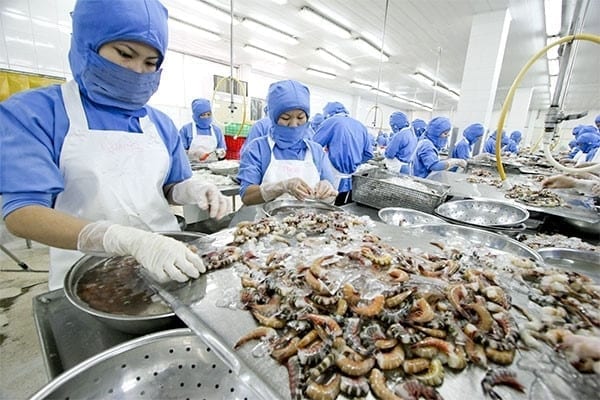
    Saudi Food and Drug Authority (SFDA) has decided to temporarily suspend the import of fish and shrimps from Việt Nam.

    The ban, effective from March 1, is in accordance with the regulatory procedure for fish and other aquaculture export establishments of SFDA, according to a note published on the Saudi Aquaculture Society’s website.

    The decision came after a delegation of several regulators, including SFDA, Ministry of Environment, Water and Agriculture and Saudi Aquaculture Society conducted an inspection tour last month to 24 Vietnamese facilities that exported to Saudi Arabia.

    The delegation found that only nine facilities met the hygiene requirements of Saudia Arabia.

    The suspension will be in place until the facilities complied to Saudi Arabia’s requirements.

    This is one of the most serious actions by Saudi Arabia against Vietnamese exporting firms.

    The Việt Nam Sanitary and Phytosanitary Notification Authority and Enquiry Point under the Ministry of Agriculture and Rural Development on January 30 also announced the SFDA’s notice about the temporary ban.

    The notice said that Saudi Arabia was instituting the emergency measure to prevent the introduction of white sport disease and acute hepatopancreatic necrosis disease into the country.

    The Việt Nam Sanitary and Phytosanitary Notification Authority and Enquiry Point urged relevant agencies to raise appropriate measures to tackle this problem.

    SFDA has also temporarily suspended the import of aquaculture products from Bangladesh and Myanmar and farmed fish from India, according to Saudi Aquaculture Society.


  • AirAsia bullish on India market

    AirAsia bullish on India market

    Low-cost, long-haul carrier AirAsia X Bhd, which has started operating its Kuala Lumpur-Jaipur route, is hoping toincrease its services in and out of India, a market in which it sees potential.

    “We would love to put a lot more flights if regulators allow us to. Right now we are having trouble getting slots into India, with a lot of Malaysian carriers going into India as opposed to Indian carriers coming into Malaysia. That is the challenge,” said AirAsia Bhd executive chairman and AirAsia X group CEO Datuk Kamarudin Meranun.

    On top of that, he said, AirAsia X is looking to increase the frequency of the Kuala Lumpur-Jaipur route to daily from the current four times a week.

    With a potential annual seat capacity of over 156,800 seats, it is eyeing a load factor of 75-80% for the route this year.

    AirAsia X chairman Tan Sri Rafidah Aziz (fourth from left), Kamarudin (second from left), airline executives and other dignitaries, flanked by cabin crew, celebrating the successful inaugural flight to Jaipur from Kuala Lumpur.

    Kamarudin was speaking at the inaugural flight celebration ceremony. The Kuala Lumpur-Jaipur route is the second direct flight service connecting India and Malaysia offered by AirAsia X after the launch of the Kuala Lumpur-New Delhi direct service in February 2016.

    The Jaipur-Kuala Lumpur service brings the total weekly flights connecting India to Malaysia under AirAsia group to 110 times with a total capacity of 22,755 seats.

    AirAsia X Malaysia has carried over 184,000 passengers in and out of India since the introduction of the Kuala Lumpur-New Delhi route.

    AirAsia group, which comprises AirAsia X and short-haul arm AirAsia, currently serves a total of 19 cities.

    Recently, AirAsia Bhd group CEO Tan Sri Tony Fernandes was quoted as saying that the group is looking to buy Boeing 787s to expand the fleet of its long-haul unit.

    On this, Kamarudin said it is “still under discussion”.

    “At this stage I think it’s premature to talk about it. We are evaluating from a technical aspect and pricing and all those. To confirm it is premature.”

  • The Internet Crosses 4 Billion User Mark

    The Internet Crosses 4 Billion User Mark

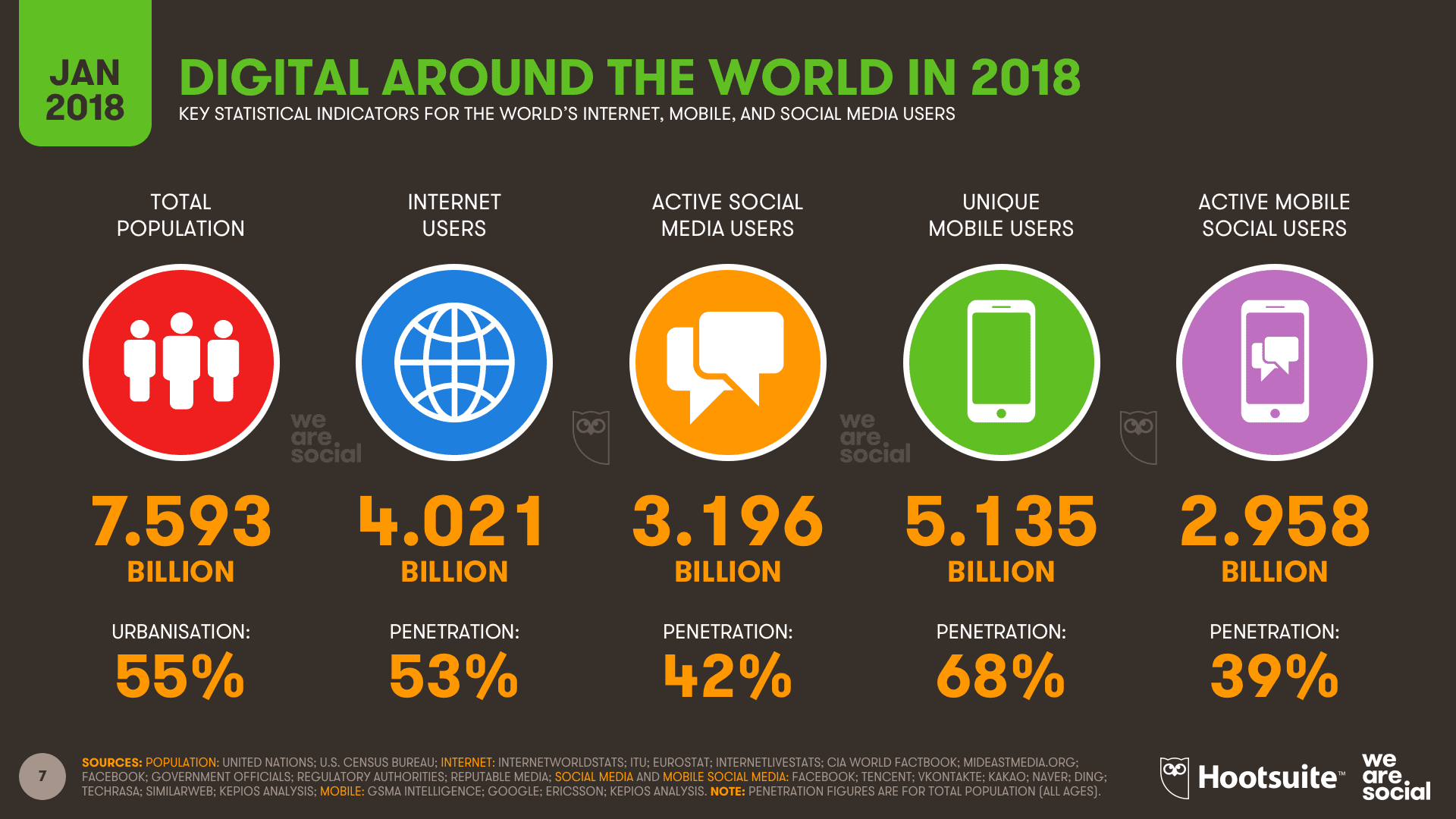
    Hootsuite, the most widely used social media management platform, and We Are Social, the global socially-led creative agency, released Digital in 2018, a report of social media and digital trends around the world. Representing 239 countries and territories, the seventh annual report finds the number of internet users in the world has now surpassed the 4 billion mark, putting more than half the global population online. Of that, social media brings nearly 3.2 billion active users online to connect with each other, consume media, interact with brands, and more.

    The 2018 key findings include:

    • Internet user numbers increased 7 percent in the last 12 months to hit 4.021 billion, or 53 percent of the world’s population
    • Global social media usage has increased by 13 percent in the last 12 months, reaching 3.196 billion users
    • Mobile social media usage has increased by 14 percent year over year to 2.958 billion users, with 93 percent of social media users accessing social from mobile
    • Internet users are projected to spend a combined total of 1 billion years online in 2018, of which 325 million years will be spent on social media

    Mobile dominates in Asia Pacific. Forty one percent of the population are active on social media using mobile devices. Since 2017, social media users have grown by 14 percent, raising social media penetration in the region to 42 percent. Overall, internet users surpassed the 2 billion mark, growing 5 percent in the past year alone.

    The report also found that global growth of the internet is propelling ecommerce forward, with 1.77 billion internet users purchasing consumer goods online in 2017, an increase of 8 percent compared to a year ago. Collectively, consumers spent a total of USD $1.474 trillion on ecommerce platforms in the past 12 months, 16 percent more than in 2016.

    “The Digital in 2018 report highlights the continuing growth of the internet and social media to individuals and businesses around the world. This dynamic has forever altered the customer journey as consumers and B2B professionals increasingly conduct research, make buying decisions, seek support, and recommend brands online. To achieve competitive advantage, all executives must dive deep into digital now, meeting their customers where they are to best market, sell, and serve them,” said Penny Wilson, CMO, Hootsuite.

    “With four billion people now online, connectivity is already a way of life for most of us. However, as internet companies strive to serve the next billion users, we’ll see important changes in digital over the coming months. Audio-visual content will take priority over text – especially in social media and messaging apps – while voice commands and cameras will replace keyboards as our primary means of input. Social relationships and online communities will evolve to accommodate these new ways for people to interact with each other. This will result in rich new experiences for all of us, but businesses need to start preparing for these changes today,” said Simon Kemp, Global Consultant, We Are Social.

  • AEON celebrates Chinese New Year with special gold loans and free travel luggage

    AEON celebrates Chinese New Year with special gold loans and free travel luggage

    AEON Thana Sinsap (Thailand) Public Company Limited celebrates with a special Chinese New Year promotion get gold loans with low interest rates 12 months. And installment gold up to THB 20,000 with all AEON partner stores nationwide will get free 20-inch Caggioni luggage bag worth THB 4,990 or registration for joining the activities from send SMS type CH follow by 12 digits loan account number without space and sending to 4589123.

    Don’t miss out! AEON member cardholders and AEON credit cardholders. This exclusive Chinese New Promotion starts today and runs until March 31, 2018.

  • Bolloré Logistics: QHSE Focus at the PTTEP Myanmar Asset 2018 SSHE Forum

    Bolloré Logistics: QHSE Focus at the PTTEP Myanmar Asset 2018 SSHE Forum

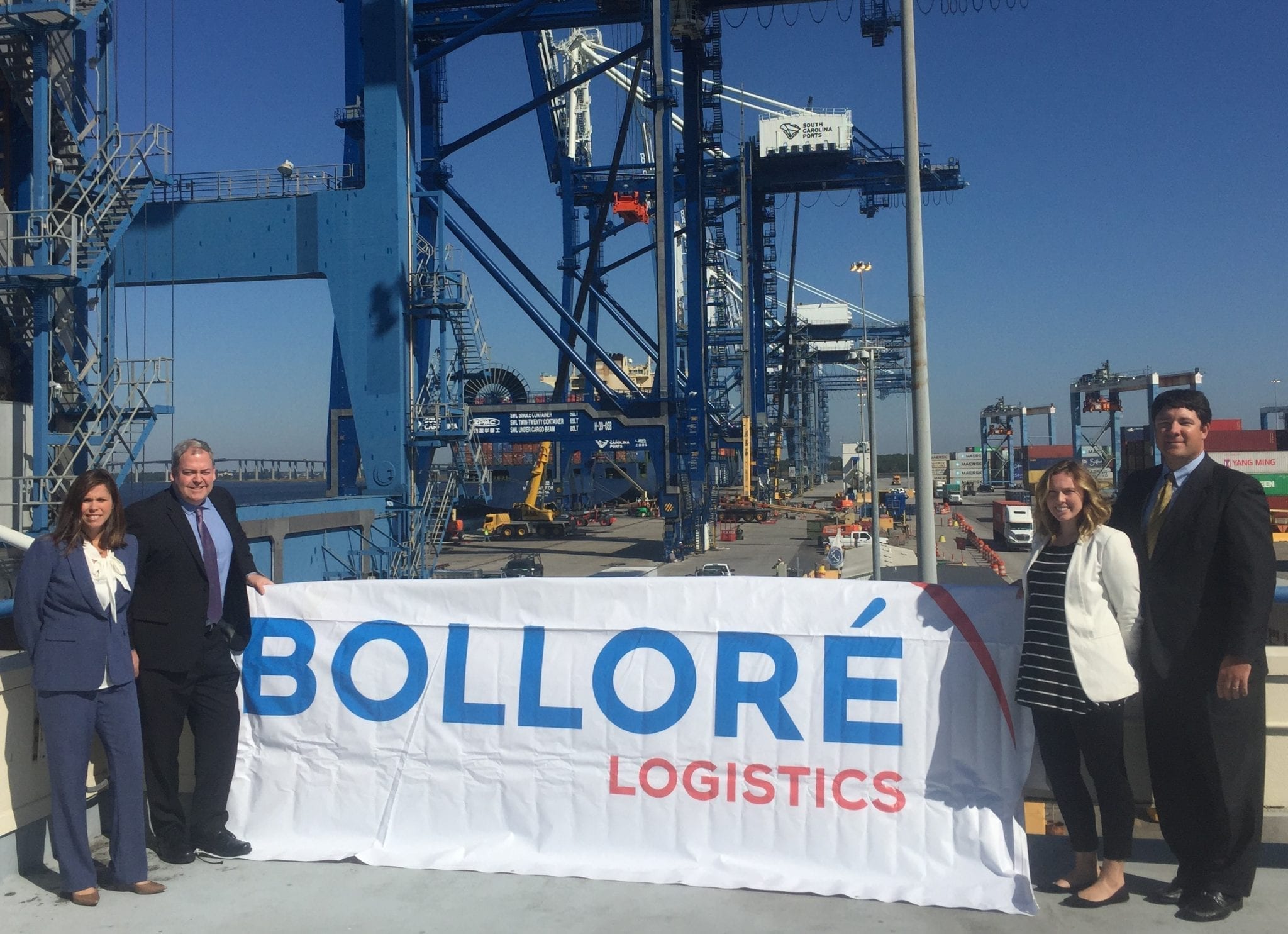
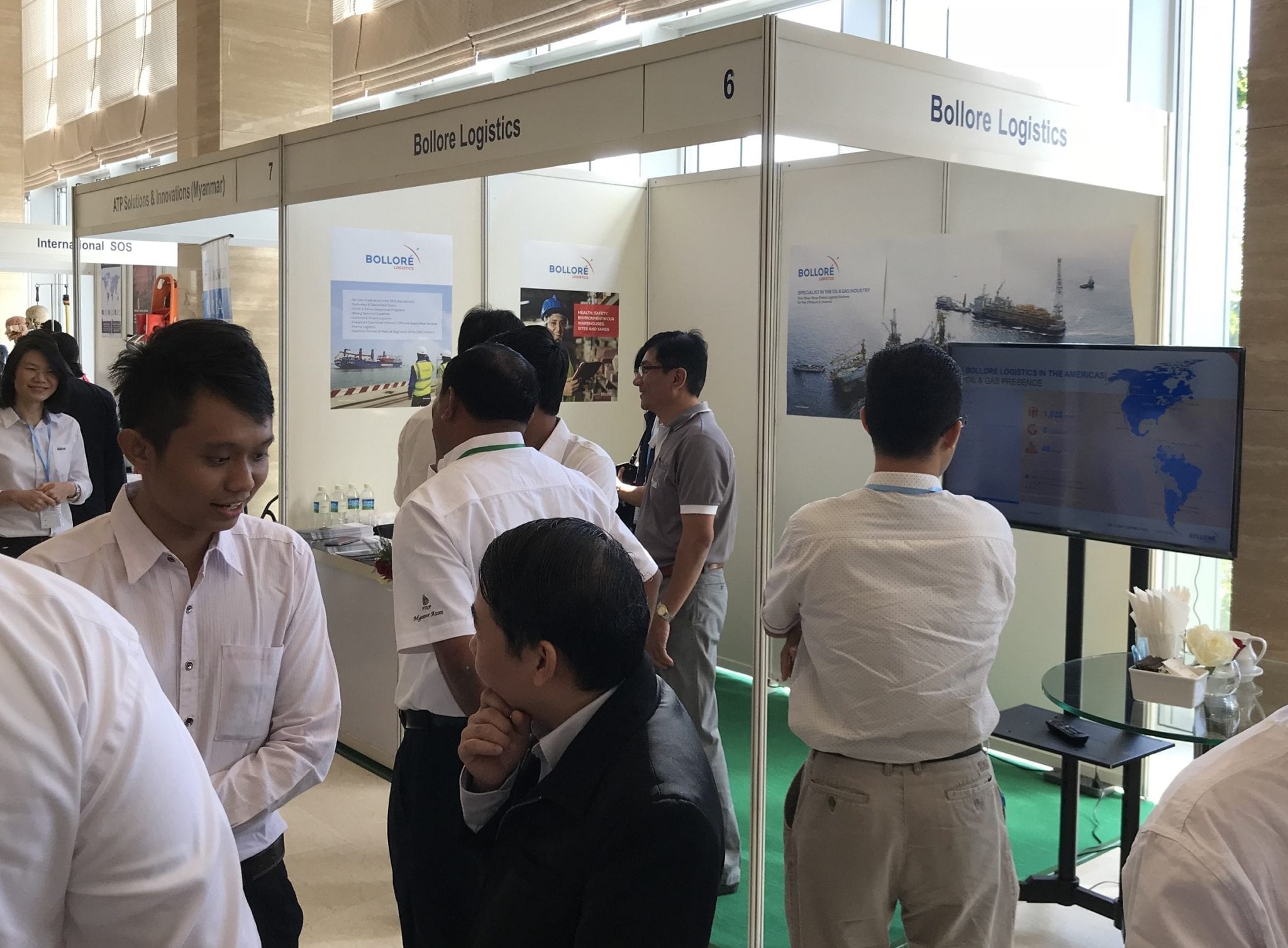
    Bolloré Logistics’ Oil & Gas teams from Myanmar, Thailand and Singapore were present for the second time at the PTTEP Myanmar Asset 2018 Safety, Security, Health and Environment (SSHE) Forum on January 19th, 2018, in Yangon.

    The Oil & Gas teams available at our booth welcomed the opportunity to showcase our footprint in the major global hubs, as well as in most of the oil and gas producing countries, with a strong implementation in Africa and Asia. Offering tailor-made solutions on contract or project basis, Bolloré Logistics prides itself in delivering simple or complex solutions to its oil & gas customers, sometimes in the most challenging areas of the world, in full compliance with Ethics and the Quality, Health, Safety, Environment (QHSE) standards.

    “The presence of the Bolloré Logistics’ Oil & Gas teams from three different countries shows the collaborative spirit that prevails among the dedicated oil & gas specialists in the Asia-Pacific region. Our collaborators are our number 1 asset,” mentions Bruce Boudailler, Regional Director Oil & Gas at Bolloré Logistics Asia-Pacific.

    Bruce Boudailler adds: “Our presence at a SSHE-focused event also demonstrates that Bolloré Logistics is highly committed to ensuring that its valued collaborators, subcontractors and customers go home safely at the end of each working day.”

    The implementation of all of our QHSE processes is top priority for Bolloré Logistics’ teams in Asia- Pacific. It is crucial for clients as well, especially considering the hazardous and risky nature of the oil and gas industry. To back this up, Bolloré Logistics Brunei boasts an exemplary record at their supply base located in Muara – Serasa and contributed to achieving 18 years without Lost Time Injury (LTI*) for TOTAL E&P Borneo BV (TEPB).

    Differentiating itself from other major international freight forwarders, Bolloré Logistics has developed a very strong expertise and track record in handling important capital asset projects onshore and offshore, and extended the logistics chain beyond the entry gates of the supply bases. As an extension of the supply chain, Bolloré Logistics has been integrating for many years in its solutions marine services as well as supply base services.

    *Loss Time Injury can be explained as follows: if someone gets any serious injury at work which inhibits
    him/her from returning to work immediately, it is considered a LTI. However, if instead that person gets light
    injuries but manage to return to work, it will not be counted as a LTI.

  • UniFriend Vietnam plans to expand in Ho Chi Minh City

    UniFriend Vietnam plans to expand in Ho Chi Minh City

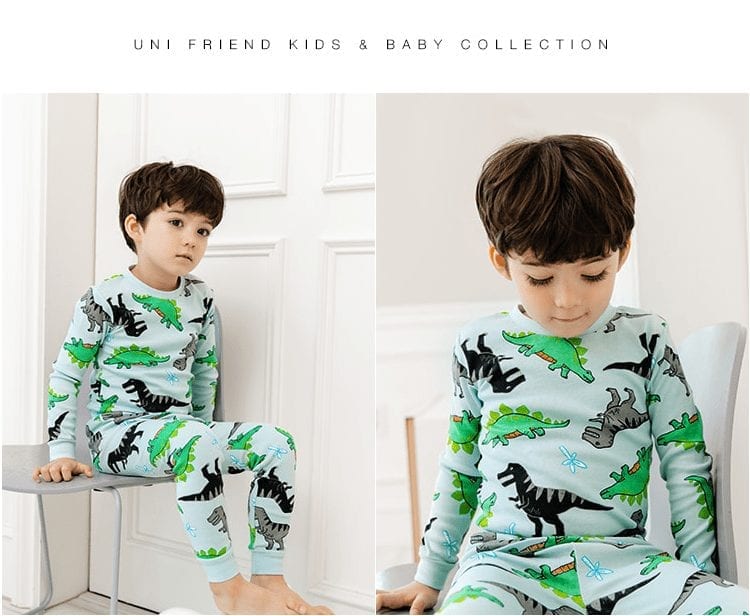
    Korean childrenswear brand UniFriend Vietnam is planning expansion into Ho Chi Minh City via franchising.

    After opening three stores in Hanoi towards the end of last year, the brand is seeking franchisees and agents to sell its products in Ho Chi Minh City and other cities.

    Targeting children under 12 years old, UniFriend opens stores on main streets and department stores.

    All stock is manufactured in Indonesia or Vietnam.

    Founded in 2002, UniFriend now has more than 100 stores in Korea and other markets, including China, Malaysia, Singapore and Thailand.

  • Macy’s to feature collection for Muslim women

    Macy’s to feature collection for Muslim women

    Brands have been paying attention to Muslim women as they often set up new trends in their own communities.

    Recently, different brands have launched products to target them, and even cosmetics brands have been shifting their production towards halal ingredients to engage them.

    Catching momentum, retailing giant Macy’s announced that it is partnering with clothing brand Verona Collection to feature a selection of ready-to-wear pieces geared toward Muslim women.

    The collection’s dresses, tops, cardigans, pants and hijabs will be available beginning 15 February 2018 on Macys.com.

    “Verona Collection is more than a clothing brand. It is a platform for a community of women to express their personal identity and embrace fashion that makes them feel confident on the inside and outside,” Lisa Vogl, founder of Verona Collection, said in a news release.

    The Verona Collection is a product of The Workshop at Macy’s, the retailer’s minority- and women-owned business development program.

    “Through The Workshop at Macy’s, Lisa shared her vision to create a collection that speaks to a community of women looking for a solution to their fashion needs,” Cassandra Jones, senior vice president of Macy’s Fashion, said.

    “Verona Collection offers a unique and understated elegance through everyday essentials designed for versatility and comfort, and through our partnership, we can better serve our customer looking for modest fashion.”

    Vogl, a single mom, converted to Islam in 2011, according to an article on Verona’s website. She launched the collection after realizing simple and fashionable clothing was hard to find and difficult to afford.

    “After doing a bit of research, she realized that many other women, both Muslim and non-Muslim, felt the same way,” the article said.

    Among the items in the collection are maxi dresses and hand-dyed hijabs.

    Macy’s has about 670 locations in 45 states, the District of Columbia, Puerto Rico and Guam.