Tag: asia

  • Lululemon’s Chief Executive Resigns Over Behavior

    Lululemon’s Chief Executive Resigns Over Behavior

    Canadian activewear retailer and manufacturer Lululemon has announced its CEO Laurent Potdevin is resigning effective immediately amid unspecified misconduct.

    Potdevin, who has been with the company for four years, will also resign from the board.

    The board, led by glenn Murphy, executive chair, has already begun searching for his replacement.

    “Lululemon expects all employees to exemplify the highest levels of integrity and respect for one another, and Mr. Potdevin fell short of these standards of conduct,” the retailer stated.

    According to Murphy, while it was a difficult and considered decision, the board thanks Laurent for his work in strengthening the company and positioning it for the future.

    “Culture is at the core of Lululemon, and it is the responsibility of leaders to set the right tone in our organisation,” he said.

    “Protecting the organisation’s culture is one of the board’s most important duties.”

    Three of Lululemon’s senior leaders are being elevated and will take on additional responsibilities, reporting to Murphy.

    Celeste Burgoyne, executive vice president, Americas, will oversee all channel and brand-facing aspects of the global business, including stores and e-commerce, as well as brand marketing; Stuart Haselden, chief operating officer, will have responsibility for all operations related to finance, supply chain, people, and technology; and Sun Choe, senior vice president of merchandising, will guide all aspects of product development, design, innovation, and merchandising.

    Murphy said the company is confident that Burgoyne, Haselden and Choe will continue to execute on Lululemon’s growth strategy and drive global performance.

    “Based upon their contributions to the recent expansion of the business, their history of collaboration with one another and their strong support across the Lululemon organisation, we believe this trio of leaders will take Lululemon from strength to strength,” he said.

    The retailer also reaffirmed its updated guidance provided on January 8 and said the company’s growth strategies remain on track to achieve $4 billion in revenue in 2020.

    While the reasons for the departure of Potdevin are unclear, his exit is a blow to Lululemon, according to Neil Saunders, managing director of analysis firm GlobalData Retail.

    “During his tenure, Mr. Potdevin oversaw the steady expansion of Lululemon through both calm and rough periods in the athleisure market,” he said.

    “His innovative approach and his clear sense of Lululemon’s values and essence is one of the reasons the company has enjoyed continued success, even while other sporting brands struggle to generate growth.

    “Although we see executive chairman Glenn Murphy as a capable pair of hands in the short term, Lululemon needs a CEO to guide it as it expands overseas and tries to make further gains in its home market. It is crucial that the right person is selected, but it is equally appointment that the task is undertaken with urgency so that Lululemon doesn’t lose momentum.”

    Saunders said the announcement is vague and damaging to the retailer’s image.

    “Lululemon owes it to investors and to customers, to be clear about the reasons Mr. Potdevin was made to depart. As a company that prides itself on transparency and openness, we would expect it to have an honest conversation with stakeholders. Failure to do so will likely lead to speculation which could ultimately harm the brand,” he said.

  • Alibaba’s Taobao has launched a special version of its app for elder people

    Alibaba’s Taobao has launched a special version of its app for elder people

    Alibaba’s C2C e-commerce site Taobao aims at seniors and their families on a newly launched shopping channel on its platform.

    Taobao for retirees aims to be easier for seniors to register an account and browse products, delivering an improved user experience that includes personalised recommendations and after-sales service, says Taobao head of development Ding Jian.

    It also includes a peer-to-peer chat service, allowing family members to share products and consult or help one another in one click, as well as a new “pay-for-me” option to pay for another’s purchases.

    It is the first move by Taobao this year to refine services based on a particular consumer group. “We want Taobao to become a bridge that helps them strengthen relationships with the younger generation, brings them closer together,” says Ding.

    The channel also expands Taobao from being “a tool for individuals” to a more-social “shopping destination for our relatives, partners and children…a shared place where we can seamlessly exchange product information and interact with each other as a unit,” says product manager Zhang Xiaoyu.

    “Great to see”

    “For middle-aged to elderly people, the website layout is too loud with too much information. Things we don’t need to see can be removed,” says retired teacher Liu Yanping, quoted on Alibaba Group’s Alizila news service. “And they did it – they simplified the website and made it cleaner. It’s great to see that.”

    Former engineering professor Li Lu says the channel will have a major impact on seniors. “In my social circle, most of us stay home and rely on Taobao. Retirement would be impossible without Taobao. Groceries can be too heavy to carry,” says the 83-year-old.

    Alibaba is recruiting two “senior experience officers”, senior citizens who are influential in their social circles, to provide user feedback and help further improve the channel.

    China’s population of over-60s is expected to exceed 255 million by 2020, up from 230 million in 2016 and equivalent to 16.7 per cent of the nation’s overall population, according to the National Health and Family Planning Commission.

    Alibaba figures show that more than 30 million Taobao users are 50 years or older, with more than 75 per cent falling in the 50-59 range, and nearly 20 per cent 60-69. More than 1000 livestream shows aimed toward this consumer group are broadcast on Taobao daily.

  • UK chooses HK for its biggest trade event abroad

    UK chooses HK for its biggest trade event abroad

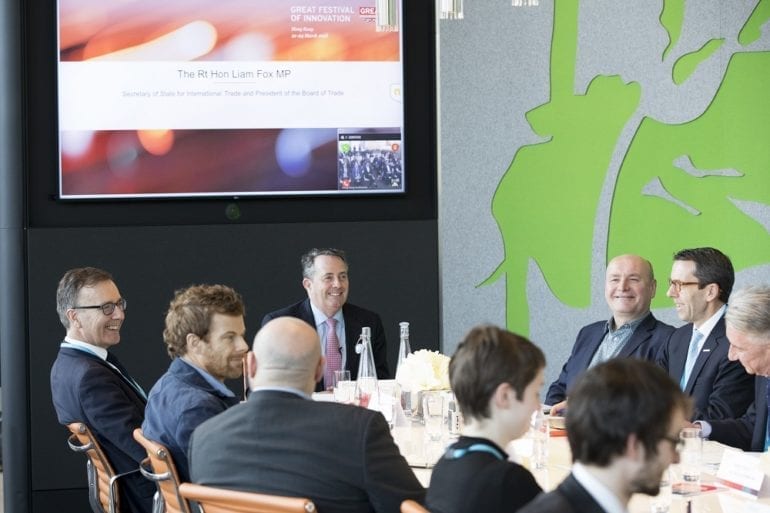
    The UK to showcase the best of British innovation in Hong Kong this March with top industry leaders and innovators taking part in the GREAT Festival of Innovation 2018.

    World-leading innovators from the UK and Asia will take part in the GREAT Festival of Innovation, which will be held in 50 days’ time. The Festival will be a platform to connect the cutting-edge businesses and brilliant thinkers who will drive trade partnerships of the future, while highlighting the UK’s position as a global centre for innovation.

    Held from 21 to 24 March 2018 at Asia Society Hong Kong Centre, GREAT Festival of Innovation will showcase over 100 speakers across 60 engaging sessions, panel discussions and interactive workshops which will explore how innovation and technology is set to change the way we work, live, play and learn in the future.

    Leading the discussion will be an impressive line-up of some of the world’s brightest minds, business pioneers, innovators and policy makers from UK and Asia. Some of the key speakers set to take the stage include Charles Bowman, Lord Mayor of London, Paul Priestman, Chairman of PriestmanGoode, Richard Deverell, Director of Royal Botanic Gardens, Kew, Tea Uglow, Creative Director of Google’s Creative Lab in Sydney, and Eiji Uda, Chief Technology Innovation Officer of Tokyo 2020 Organising Committee.

    The core programme of the GREAT Festival of Innovation will explore four key themes over its four days.

    The first two days will be dedicated to the theme ‘work’ and ‘live’. The first day will discuss topics such as sustainable energy, cybersecurity, FinTech, workplaces of the future and a discussion on some of the most pressing issues around artificial intelligence.

    The second day the discussion will move to the way we live, and explore a wide range of topics from smart cities to autonomous transport, and sustainable farming to alternative energy sources.

    More interesting for our readers are definitely the third and fourth day. Day three,  speakers reimagine how we ‘play’, discussing how innovation, technology and creative thinking will alter the future of fashion, luxury, art and sport in a climate in which consumers are becoming curators. Highlight speakers will include Chester King, Founder and CEO of British eSports Association, Tom Aikens, Chef, Tristram Hunt, Director of V&A Museum and a leading historian and journalist, and Duncan Pescod, CEO of West Kowloon Cultural District Authority.

    Day four, the Festival will conclude with insights into the future of education and learning. Through talks and hands-on events led by educators and students alike, audience members will understand how leading sectors are engaging with learning institutions to strategically link higher education, research and business to help create tomorrow. Andre Fu, architect, designer and Founder of Andre Fu Living will be among the key names to feature on this day.

    Attending the Festival will be business leaders and decision makers, with a strong delegation coming from the UK looking to create new business partnerships with their Asia counterparts.

    Supporting the Festival is a rich Culture Programme showcasing the best of British talent. Taking place across multiple venues, in unexpected places and into the evenings, the Programme will showcase the most captivating music, dance, visual art, literature, theatre, food and drink and moving image in the UK today.

    From storytelling to soundscapes, live music to wearable technology and even immersive food and drink experiences, the GREAT Festival of Innovation promises to tell the story of UK culture in a truly original way. In conjunction with the invitation-only Festival will be a host of satellite cultural events open to the public, the full programme of which will be announced shortly.

    Marking the 50-day countdown, the UK International Trade Secretary, Dr Liam Fox, said the Festival showcases a country prime for investment opportunities.

    UK International Trade Secretary, Dr Liam Fox said:

    “In 50 days, the GREAT Festival of Innovation will bring together the best entrepreneurs and the most advanced technology from across the UK and Asia to explore how we will work, live, play and learn in the future.

    “Led by my international economic department, this festival will be a major showcase for our talent, creativity and design on the world stage. From smart robots and cities to autonomous vehicles, the UK is already a global technology hub and the festival will help secure that position for generations to come.”

    Director General, UK Department for International Trade in Hong Kong, Paul McComb said:

    “Taking part at a historic moment for UK and Asian economies, the event highlights that the UK is open for business and committed to Asian trade partners. The Festival will serve as a platform for creating new life-long partnerships, strengthening relationships between British and Asian business leaders and investors that will drive a future of free trade and prosperity.”

    The first round of announced speakers from the UK joining the GREAT Festival of Innovation includes: Dr. Liam Fox, UK International Trade Secretary; Charles Bowman, Lord Mayor of London; Tristram Hunt, Director of V&A and leading UK historian and journalist; and Ian Stuart, CEO, HSBC UK, to name a few.

    Among the Asia-based speakers: Carrie Lam Cheng Yuet-ngor, GBM, GBS, JP, Chief Executive of the Hong Kong Special Administrative Region of the People’s Republic of China; Andre Fu, Founder of Andre Fu Living; Eiji Uda, Chief Technology and Innovation Officer for Tokyo 2020; and Duncan Pescod, CEO of West Kowloon Cultural District Authority.

  • Camper to expand its business in Philippines

    Camper to expand its business in Philippines

    Spanish casual shoe brand Camper has gained a foothold in the Philippines.

    It is offering part of its international collection at SM Aura in Taguig City, Metro Manila, including two of its core lines Drift and Runner sneakers.

    Previously the shoes were available only online in the Philippines.

    Camper was founded in Mallorca by Lorenzo Fluxa in 1975, with its heritage stretching back almost 140 years when his grandfather, cobbler Antonio Fluxa, travelled to England and returned with the first sewing machines for the island. He then started making handcrafted shoes.

  • JD Sports Malaysia expansion plans

    JD Sports Malaysia expansion plans

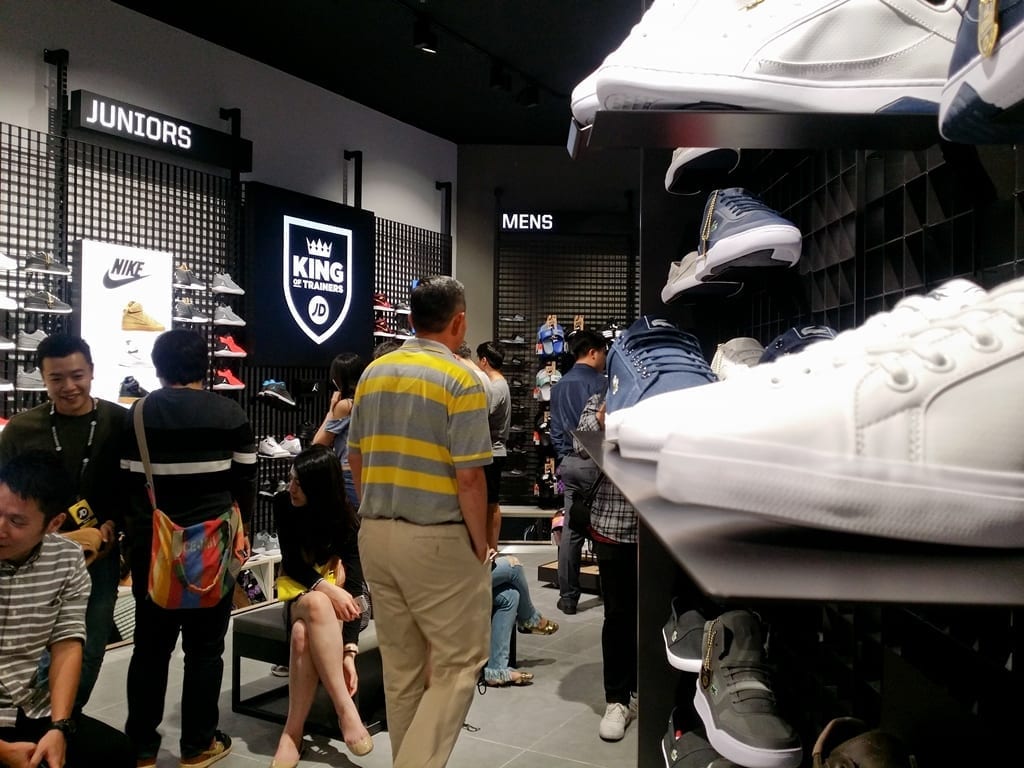
    JD Sports Malaysia has ventured into the provinces with its first Penang and Malacca stores.

    The Penang outlet is at Sunway Carnival, and the Malacca store at Mahkota Parade.

    This follows six other stores for the British sneaker and sportswear retailer in Malaysia, the latest opening in Putrajay’s IOI City Mall in November.

    Meanwhile, a JD Sports Singapore Instagram account has surfaced, indicating the retailer may open a store there.

  • Chinese investors following the Silk Route

    Chinese investors following the Silk Route

    Chinese investors have become a powerful force on the global M&A scene.

    Companies such as La Perla, C&A and Bally are all reported to be courting Chinese capital. This chimes well with BoF’s 2018 The State of Fashion Report, published in partnership with McKinsey & Company, which predicts that Asian firms will assert their power and leadership even more aggressively this year through global-scale investment and expansion.

    Chinese investment in European luxury and fashion labels, in particular, comes on the back of rising spending by the Chinese consumer on clothing and footwear, says consumer analyst Nainika Singh at BMI Research. The research firm forecasts that the clothing and footwear segment in China will grow by an average 10 percent annually between 2018 and 2022.

    To this end, last year saw Fujian Septwolves Industry Co. Ltd. acquire a stake in Karl Lagerfeld Greater China Holdings while Shenzhen Ellassay Fashion Co. Ltd. purchased a majority stake in Vivienne Tam’s China rights.

    One of the pending deals involves luxury footwear and accessory brand, Bally. “Shandong Ruyi Group, currently based in Shanghai, has been increasing its investment in the fashion segment and is now looking to acquire the Swiss luxury brand for a price of approximately $700 million,” says Singh.

    Bally declined to comment on the deal, which analysts believe is imminent. An injection from Shandong Ruyi, a textile firm, could make sense for Bally given the former’s growing portfolio that now includes Gieves & Hawkes, Aquascutum and the company behind French contemporary brands Sandro and Maje. Meanwhile, Bally’s current owners JAB Holdings are said to be offloading most of their luxury assets.

    Gordon Orr, senior advisor to McKinsey & Company and former chairman of the firm’s Asia division, believes that the value upside of reaching just a fraction of the hundreds of millions of middle-class consumers in China is often worth creating an option by buying a brand with local exposure. “For smaller brands, the acquiring company may also have a scale that allows them to move to new levels of efficiency in sourcing and production,” he explains.

    While some recent investees are brands with well-established divisions in China, others are not. But Orr believes that the common theme is a belief in the Chinese investor and in the value-creation opportunity to grow the investees business in China. “This is often on the basis that the investor has access and capabilities in China that the investee does not,”

    In particular, Chinese consumer-facing companies can also bring distinctive digital capabilities to a non-Chinese target as a result of their experiences in what Orr describes as the “online everything” China market.

    However, he cautions that “if Chinese investors are not familiar with the industry or are making their first international acquisition, they can become frustrated by things like the volatility of returns and the high, seemingly arbitrary cost of talent. Depending on their sources of funding, they may have allocated a specific amount of capital to the acquisition and if further capital is needed post-acquisition, they may not have ready access [to] more funds [thereby] delaying expansion.”

    Orr also warns that it can go wrong if the investor has minimal experience in the relevant industry in China or if the cultural mismatch between owner and management is insurmountable. “The latter has more chance of occurring if the transaction is the Chinese company’s first international deal. If they have a portfolio already, they will have gone through a learning curve and the chances of success are higher. Well executed, these deals are a win for both parties.”

    Fosun International recently entered into exclusive acquisition talks with high-end Italian lingerie brand La Perla. And at the affordable end of the spectrum, German-Dutch fashion chain C&A is reported to be close to selling the company to an undisclosed Chinese investor.

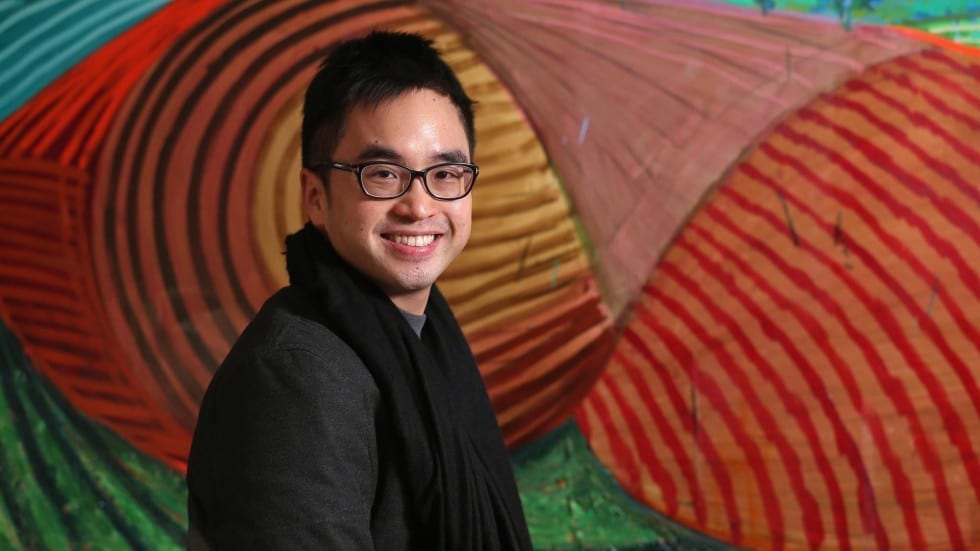
    In December 2017, Chow Tai Fook heir Adrian Cheng made a significant stake in Moda Operandithrough two of his investment vehicles, K11 Investments and C Ventures.

    Through the former, Cheng invested $10 million in US-based artificial intelligence company ObEN and through the latter, he has taken stakes in luxury fashion rental start-up Armarium and upscale fitness brand Bandier, among others.

    Meanwhile, in London, Chinese investor Wendy Yu revealed details of her minority stake in the Mary Katrantzou brand. The deal was carried out in October 2017 by Yu Capital, a division of Hong Kong-based Yu Holdings, founded by Yu, who also serves as chief executive.

    Chinese investors tend to set high targets and let management get on with the day-to-day operations, says Orr. “Provided management hits the targets, intervention from new owners or investors is likely to be modest. If targets are not hit, oversight becomes closer, although they tend to be slow to move to actually replacing management in the investee company.”

    The announcement last week of Shanghai-based Masha Ma International securing an additional $40 million funding from Korean and Singaporean investors illustrates that that not all investment is outbound. The local Chinese fashion sector is also proving attractive to Asian investors and observers believe that Ma could evolve into a global talent under the leadership of new chief executive Jimmy KW Chan.

    As an expert in nurturing talent across brand management, retail and technology from his Hong Kong-based company Semeiotics, Chan thinks investments are coming inbound to China because it is a relatively blank canvas with a greater possibilities for innovation. Speaking of Ma’s new injection, he says, “Commercially speaking, I have no doubt there will be a significant emphasis on the domestic market due to its consumption power. But from its inception, Masha Ma International was set up to compete on a global platform. So we are looking forward to executing a duel strategy.”

  • McKinsey predict Online luxury to leap

    McKinsey predict Online luxury to leap

    Online sales are projected to more than triple to US$74 billion by 2025, involving about one in every five luxury sales, according to management consulting firm McKinsey & Company.

    Its report The Age of Digital Darwinism says there is a growing need for luxury brands to have digital competency, with McKinsey expecting the bricks-and-mortar environment to become dependent on digital.
    It says luxury goods e-commerce sales are growing rapidly. Online sales of personal luxury goods are presently $20 billion, making up 8 per cent of total luxury sales.

    Monobrand online stores are currently dominating, but multibrand platforms are growing their sales more rapidly. These e-tailers or marketplaces were born digitally, giving them an advantage over brands having to adapt legacy systems, says the report.

    Consumers have become more active in the luxury online sector, whether it is sharing content about brands on social media or participating as a secondhand seller or curator.

    In an increasingly digital ecosystem, those poised for success are adopting what McKinsey dubs a “Luxury 4.0” model. Based on Industry 4.0, which integrates customer data with production mechanisms and design, it aims to create a seamless process from concept to consumer.

    While luxury is centred on tradition and craftsmanship, 60 per cent of luxury managers see their brand selling 3D-printed goods within in the next decade, says the report.

    Data is also going to be key in customer engagement. As personalisation becomes the norm, marketers will need to focus on delivering a customised and individual experience.

    Digital is changing consumer expectations – consumers expect to be entertained and engaged offline as well. “Reverse-omnichannel” means that rather than digital needing to live up to the store, the store now has to live up to digital.

    Luxury brands are also facing competition from outside the industry, the report says. Amazon is changing customer behaviour, turning consumers into online buyers and making pushes into categories such as beauty and fashion. Amazon also accounts for 55 per cent of consumer product searches, with shoppers starting their journeys on the platform.

    Converging thriftiness and desire for sustainability is creating new models for consumption, such as rentals and secondhand marketplaces, the report notes.

  • Love Bonito to receive extra US$13 million funding

    Love Bonito to receive extra US$13 million funding

    Singapore online fashion label Love Bonito has raised US$13 million in a series-B round led by Japanese comparison shopping site Kakaku.

    Existing investor NSI Ventures also participated.

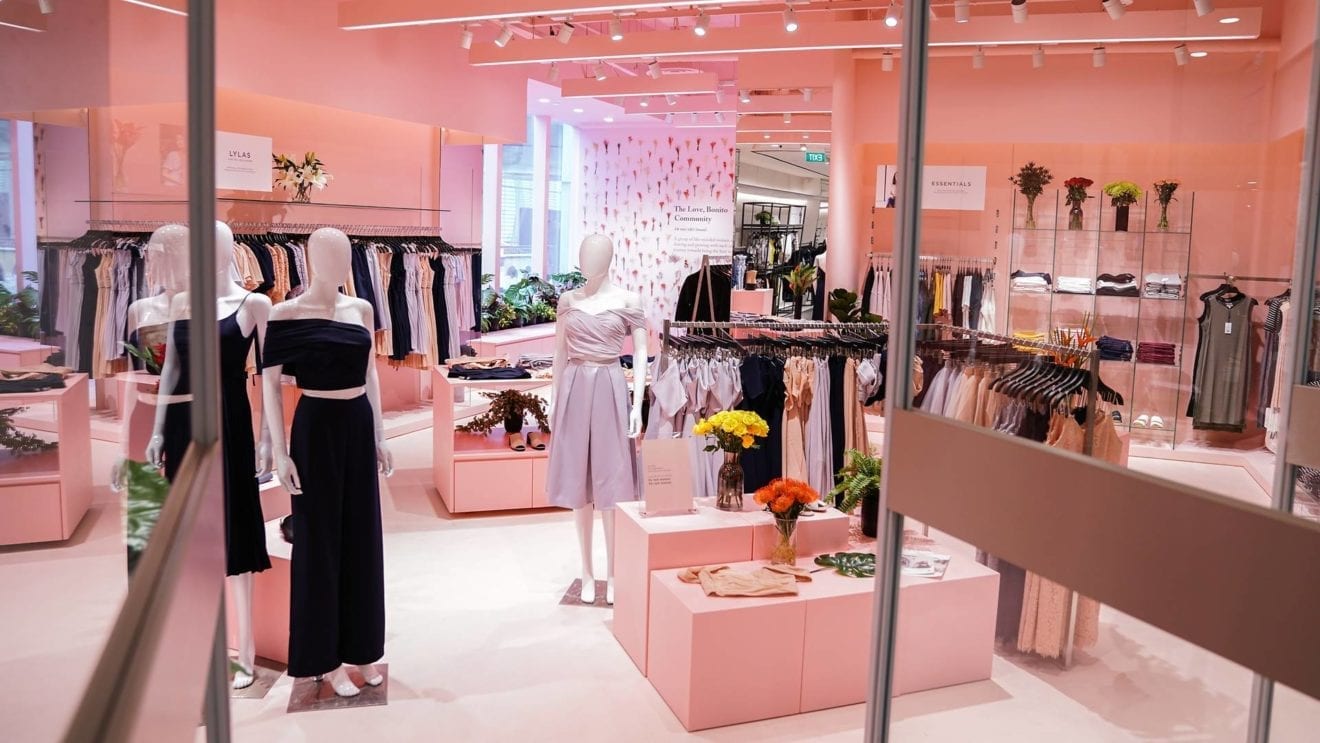
    Started as a “blogshop” in 2010, Love Bonito has ventured into designing its own line of clothes and opening physical stores. It is believed to have made about $7.6 million in revenue in 2016. Its revenue last year grew 85 per cent to about $14 million.

    Love Bonito co-founder Rachel Lim attributes much of the growth to its boosted digital marketing efforts, with series-A backer NSI contributing its expertise.

    The startup touts several achievements:

    • Average customer makes at least four purchases a year.
    • Average sell-through rate (inventory actually sold) of more than 70 per cent within one month.
    • Marketing spend less than 10 per cent of revenue.
    • More than half a million packages delivered last year.
    • 80 employees and an online and retail presence in Malaysia, Singapore, Indonesia and Cambodia.

    While Love Bonito’s average price tag is around $30, it designs and distributes its own goods to a loyal customer base, keeping a larger share of revenue for itself, says Tech in Asia. The brand also stocks products in Zalora and FashionValet in Malaysia, as well as JD in Indonesia.

    Lim says the company also tries to build a rapport with customers.

    With a flagship store in Singapore, physical retail is a big part of its strategy. Lim says she plans to set up more stores in the region that will serve as avenues for customer engagement with workshops on styling and other topics.

    Love Bonito takes inspiration from American cult brands like skincare specialist Glossier and yoga-gear firm Lululemon, says COO Dione Song, who was previously MD of Zalora Singapore.

  • F J Benjamin announces Q2 profit of S$960,000

    F J Benjamin announces Q2 profit of S$960,000

    F J Benjamin Holdings Ltd, founded in 1959, is a consumer driven leader in brand building and management listed on the Singapore Exchange since 1995.

    F J Benjamin Holdings announced Group net attributable profit of $961,000 for its second quarter ended 31 December 2017 (2QFY18), representing a significant turnaround from a loss of $7.3 million previously.

    Group revenue fell 19% to $50.5 million reflecting the absence of several loss-making brands and businesses which were terminated as part of a restructuring exercise that is now completed.

    The $12.0 million decline in revenue comprised $6.8 million of discontinued businesses and an $8.2 million reduction in shipments to the Group’s Indonesian associate company which started buying directly from some of its principals in April 2017. The decline in sales was partially offset by a $3.3 million increase in ongoing businesses.

    Group CEO Nash Benjamin said: “We are pleased to report a return to profitability after a painful restructuring exercise which is now completed. With consumer sentiment improving in Southeast Asia, management is working hard to grow our business organically whilst exploring suitable opportunities in the consumer and lifestyle segments.”

    By business segment, Group turnover from the fashion business rose 13% to $34.6 million after excluding purchases by its Indonesian associate, discontinued brands and adjusting for translation loss. Growth came from existing and new stores opened after 2QFY17. Revenue from timepiece business declined by 17% to $3.8 million.

    Gross profit margin was up seven percentage points to 46% in 2QFY18 from 39% in the previous corresponding quarter as a result of tighter inventory management and improved full price sell throughs.

    Group operating expenses fell 20% to $22.3 million following cost controls and closure of non-performing stores which yielded savings of $5.7 million. Staff costs fell 17% to $6.8 million, rental of premises declined 24% to $7.9 million while other operating expenses were down 18% to $5.9 million.

    As at 31 December 2017, inventory was reduced by six per cent to $38.2 million.
    For the quarter under review, Group generated positive cash flows of $10.3 million from operating activities. Net gearing stood at 46% at 31 December 2017 against 53% as at 30 June 2017.

    F J Benjamin has a strong footprint in South East Asia, with offices in Singapore, Indonesia and Malaysia, and manages over 20 iconic brands, operates over 250 stand-alone stores and over 1,400 points of sale in these markets.

    The Group’s international brand portfolio includes fashion, lifestyle and timepiece brands.

  • Net profit slumps 92 per cent for GS Retail, raise questions

    Net profit slumps 92 per cent for GS Retail, raise questions

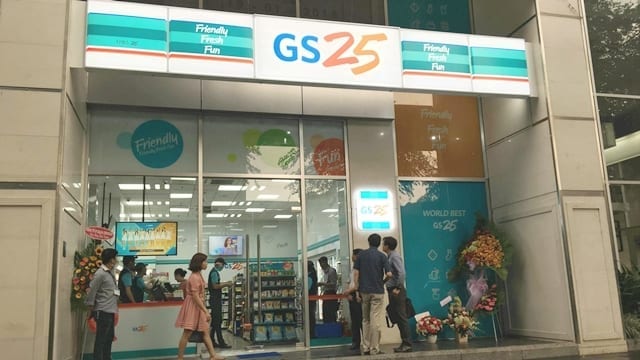
    GS Retail, which runs South Korea’s GS25 convenience store chain, is facing questions over its profitability after it posted contracted numbers in its earnings last year.

    According to its regulatory filing, GS Retail logged KW30.9 billion (US$28.4 million) in operating profit last year, down 19.3 per cent from 2016. Its net profit also skidded to KW10.7 billion, a  dive of 92.4 per cent.

    It has had slumps in its core business of convenience stores, which account for 70 per cent of its earnings.

    GS Retail last year posted KW1.57 trillion in sales from its convenience stores, up 6 per cent from 2016. The number of GS25 stores also increased from 12,199 to 12,429 last year.

    Despite this growth, the operating profit at its convenient stores declined by 6 per cent to KW37.1 billion during the same period. Per-store sales also shrank by 9 per cent.

    Saturated market

    Analysts say GS25’s weakening profitability is related to the saturation of the domestic convenience store industry.

    There are about 40,000 convenience stores in Korea. Between them, the main players – GS25, CU run by BGF Retail and 7-Eleven run by Lotte affiliate Korea Seven – have more than 30,000 outlets. This means there is one convenience store to every 1250 Koreans.

    Meanwhile, at the start of the year the government hiked the minimum wage rate by 16.4 per cent to KW7530, which is expected to add extra burden on franchise owners.

    Also, GS Retail has seen poor performance for its health and beauty products store chain. It has been the sole operator of Hong Kong-based Watsons in Korea since February last year.

    GS is hoping its earnings deadlock will be broken by its hotel and leasing subsidiary Parnas Hotel. This runs the Grand Intercontinental Seoul Parnas, the Intercontinental Seoul Coex and other hotels and malls in Seoul. It is also in charge of leasing Parnas Tower in Gangnam.

    Parnas Hotel logged KW75.4 billion in sales last year, up 15 per cent. Its operating profit also improved to KW17.1 billion, up 141 per cent as the leasing rate at Parnas Tower rose to 98 per cent.

    As part of its efforts to diversify revenue sources, GS Retail signed a memorandum of understanding with internet company Kakao last month for the development of a chatbot for the retailer.

    The company has also opened its first convenience stores outside Korea – in Vietnam’s commercial capital, Ho Chi Minh City, last month.

  • 8 best citie to live on this side of the world

    8 best citie to live on this side of the world

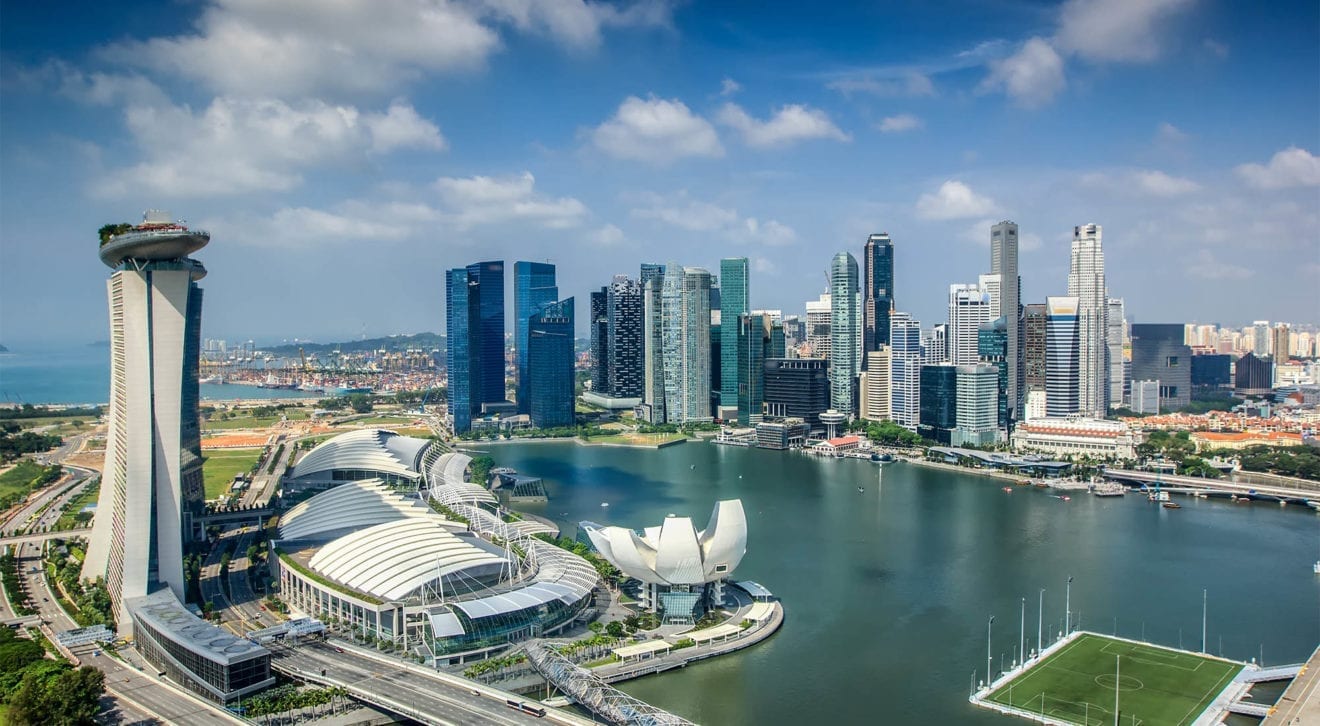
    Time Out’s City Life Index, a survey of 15,000 people in 32 global cities, has been released, and it shows which ones promise the most fun and excitement in 2018. Eight of them are on this side of the world.

    The survey, conducted by Tapestry Research, questioned residents on a variety of aspects of city life.

    It ranked cities in categories across food, drink, culture, friendliness, affordability, happiness, and liveability.

    It also “found the key factors that make residents find their city exciting,” from dining out often to feeling proud of where they are from.

    Here, their ranking in ascending order along with their overall scores:

    31. Singapore (98.7) — Those from Singapore may not rate its culture scene highly, but they do value the city’s safety and are perfectly comfortable walking around at night.

    28. Sydney (106.1) — While they may think the city is lacking in things to do and good restaurants, Sydney residents live a healthy life, with 66% having exercised in the past week and 38% never having taken drugs. They know how to party, though, and are the world’s No. 1 vodka drinkers.

    26. Hong Kong (109.6) — Seventy-five percent of residents said the public transport in Hong Kong was great, contributing to the city’s overall score. They’re also among the biggest restaurant-goers in the world.

    24. Bangkok (111.0) — The survey revealed Bangkok as the world’s street-food capital, with more people eating on their feet than anywhere else — 42 times a year, on average. They’re also the biggest restaurant-goers, with 94% of respondents having visited a restaurant in the past week.

    22. Beijing (113.0) — The city may be exciting, but the commute is long, with 6% of Beijing residents even commuting for two to three hours a day.

    19. Tokyo (117.7) — Tokyo residents love their food — they visit restaurants more than most other cities on the list.

    16. Shanghai (119.5) — It may not come cheap, but there’s plenty to do in Shanghai, where residents say that while it is tough to find love, 79% believe it is easy to find a more casual encounter.

    4. Melbourne (132.3) — This Australian city came out above all others in terms of happiness, with nine in 10 residents saying they felt happy within the past 24 hours. They also find it easy to make friends and think the food-and-drink scene is one of the city’s best features.

  • Retailer spending on AI to rise

    Retailer spending on AI to rise


    Juniper Research predicts global retailer spending on AI will reach US$7.3 billion a year by 2022, up from an estimated $2 billion for this year.

    Its report AI in Retail: Disruption, Analysis and Opportunities: 2018-2022 says retailers will heavily invest in AI tools that let them differentiate and improve customer services. These range from automated marketing platforms that generate tailored, timely offers to chatbots that provide instant responses to customers.

    Juniper found that spending will be strongest in customer service and sentiment analytics, where AI can be applied to understand reactions to purchased products and service received.

    It predicts retailer spending share in 2022 as:

    1. Customer service/sentiment analytics, 54 per cent
    2. AI-based automated marketing, 30 per cent
    3. Demand forecasting, 16 per cent.

    Juniper predicts retailers will use AI insights to design product ranges as well as create targeted promotional offers.

    “Retailers are looking to replicate the success of Amazon in making AI a core part of their business,” says research author Nick Maynard.

    He says retailers will increasingly turn to tactics such as AI-optimised pricing and discounting, as well as demand forecasting.

    With the advent of specific days for shopping, such as the Black Friday phenomena, understanding customer demand and planning appropriately is more important than ever, says the report.

    Juniper says retailers need to invest in this area in order to stay competitive, particularly in low-margin retail segments. Also, the cost of AI tools, now uneconomical for many players, will drop by 8 per cent over the next four years, helping realise 300 per cent growth in software spend.

  • Amazon posts largest profit in its history on sales

    Amazon posts largest profit in its history on sales

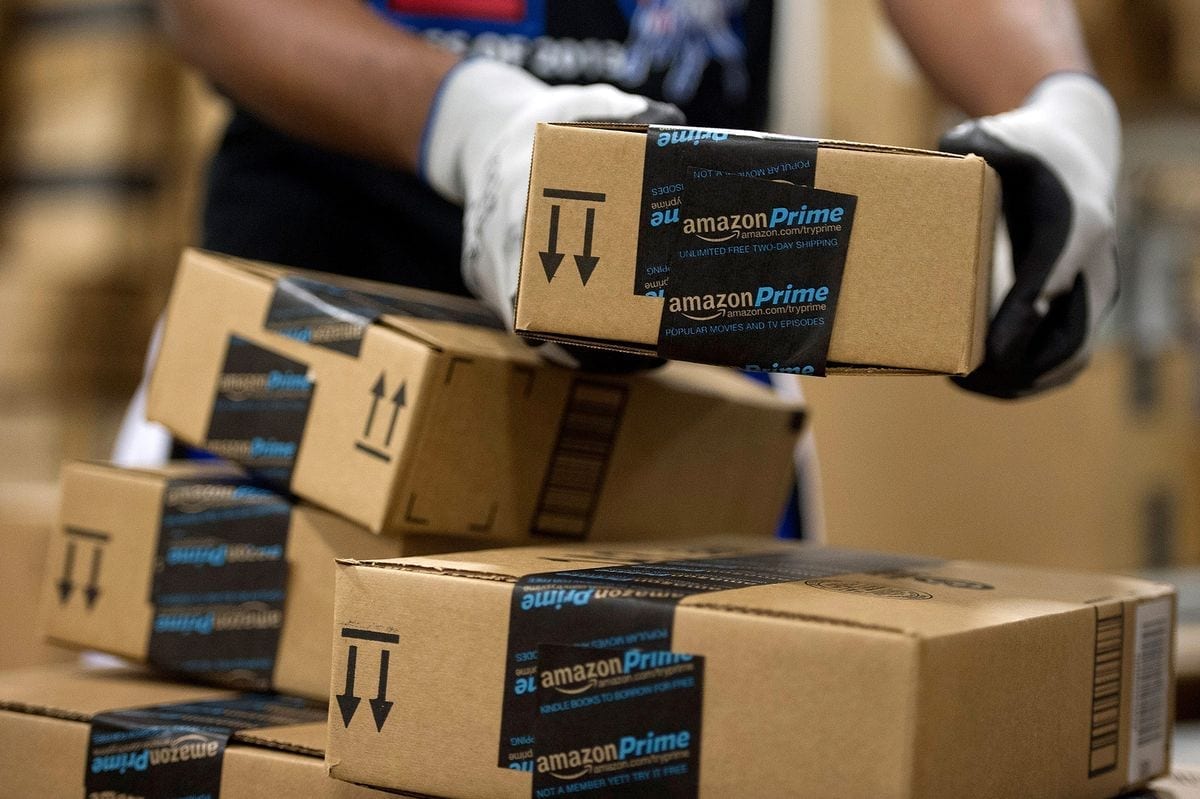
    Amazon’s quarterly profit reached a record US$1.86 billion in the three months to December 31, fuelled by millions of new customers to its Prime fast-shipping club.

    There was also a provisional $789 million boost to its bottom line from the US government’s tax bill which was passed in December.

    “This was another blow-out quarter for Amazon,” said GBH Insights analyst Daniel Ives. “The retail strength was eye-popping as the company had a banner holiday season and looked to capture roughly 50 per cent of all e-commerce holiday season sales.”

    “Our 2017 projections for Alexa were very optimistic, and we far exceeded them,” said founder and CEO Jeff Bezos.

    Neil Saunders, MD of GlobalData Retail, said that with 38.2 per cent sales growth in the final quarter, Amazon was one of the clear winners over the holiday season.

    “Admittedly this number is flattered by the inclusion of Whole Foods revenue, but even when this is stripped out, Amazon still increased sales by an impressive 27.9 per cent. Given this is above the trajectory of recent growth, it is safe to say that Amazon shows no signs of slowing down.”

    Saunders said the figures clearly show Amazon’s primary growth opportunities now lie in services.

    “Prime and subscription revenue, for example, increased by 46 per cent over the prior year. This is an impressive uplift and demonstrates Amazon is pulling more and more consumers into its ecosystem of content and services.”

    Allied with the increase in Prime membership is the rise in sales of Echo devices.

    “Our data show these were popular gifting and self-purchase items over the holiday period. Amazon now has a clear edge over other smart device manufacturers. This, and the fact Prime offers far more benefits and services than rivals, means Amazon should be able to withstand increasing competition from Apple, Google, and others as they launch and upgrade their smart speakers and connected home products

    Growth from services, as well as the addition of Whole Foods, is helping to strengthen Amazon’s bottom line. This quarter, net income increased by a stellar 147.8 per cent while operating profit rose by a very respectable 69.5 per cent.

    “This is in spite of increased investment and higher losses from the international operation. Notably, the better profit outcome also masks the pressure on margins from increased delivery and fulfillment costs: these rose by 56.9 per cent over the prior year and as a proportion of product sales rose to 21.7 per cent from 18.7 per cent in the same period last year.

    “Although Prime revenue offsets some of the fulfillment costs, this income is also used to fund content production, and various other benefits members enjoy. As such, we believe Prime makes only a small contribution to covering Amazon’s fulfillment costs. However, over the longer term, we believe this contribution may increase as Amazon starts to raise the price of membership.”

    Saunders said that while Amazon has grown sharply, it is still nowhere near its potential. “There are categories, like home and apparel, where it is underpenetrated and with tweaks to its proposition should be able to make further gains. There are markets around the world, like Australia, where Amazon is just getting started and has significant scope to boost sales. There are areas, like healthcare, that it is seeking to disrupt in the future. And there is Whole Foods, where some progress has been made – but which has yet to feel the full force of Amazon’s innovative approach.

    “In other words, Amazon has a lot more runway to grow.”

  • Starbucks opens first coffee store in Danang

    Starbucks opens first coffee store in Danang

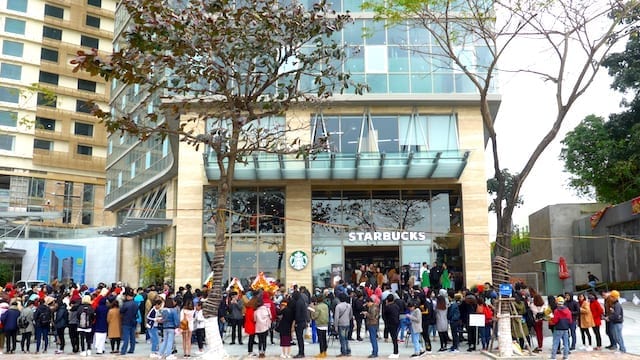
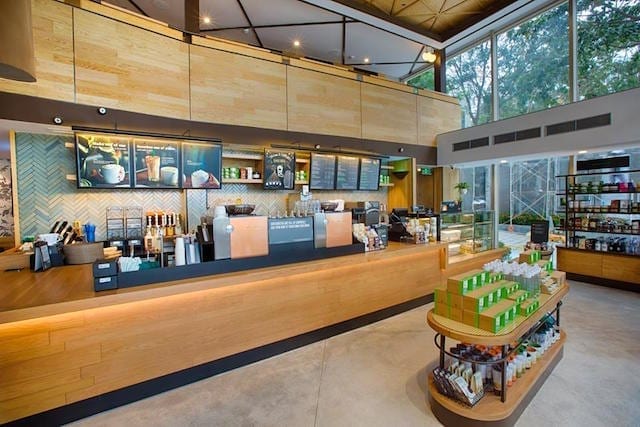
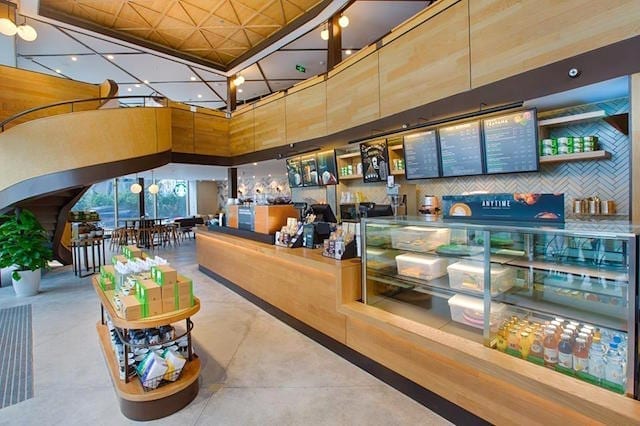
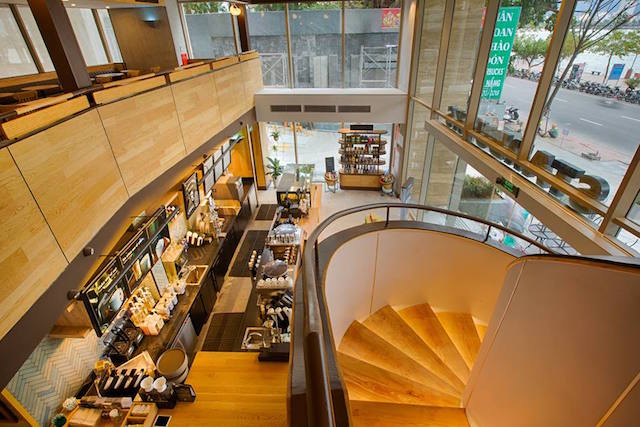
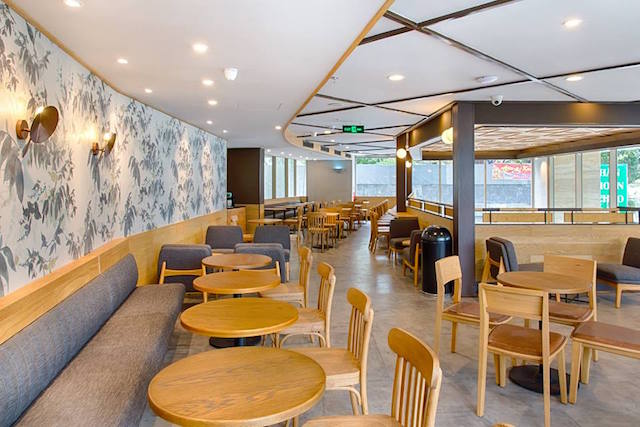
    While the Hilton hotel complex is still under construction in Da Nang, there was a queue all morning despite chilly weather when Starbucks Vietnam opened an outlet on the site on Saturday.

    Queue outside Starbucks on the cafe’s opening day at the unfinished Hilton Da Nang.

    On the ground floor of the unfinished building, it is the US coffee chain’s first outlet for the tourist city. Hilton has not yet released an opening day for its riverside hotel in Da Nang.

    Starbucks Vietnam GM Patricia Marques says the chain has further plans for this, its fifth year. It opened its first store in Ho Chi Minh City in February 2013 and this is its 35th outlet. It also has cafes in Hanoi and Hai Phong.


    To mark its fifth anniversary, Starbucks Vietnam is offering special prices with extra points under its Starbucks Rewards program.

    The company has also re-introduced its Starbucks Reserve Da Lat coffee, which first made an appearance in 2016.

  • Vietnam’s culture, tourist sites introduced at Brussels Holiday Fair

    Vietnam’s culture, tourist sites introduced at Brussels Holiday Fair

    Several Vietnamese companies have introduced Việt Nam’s cultural features, natural landscapes and cuisine to visitors at the 60th Brussels Holiday Fair that is being held in Belgium’s capital city from February 1 to February 4.

    At the event, representatives from Vietnam Airlines, the national flag carrier, have provided visitors with information on its inbound and outbound flights, especially air routes from Belgium and other European nations to Việt Nam.

    Vietnamese Ambassador to Belgium Vương Thừa Phong took the opportunity to promote the image of the Vietnamese land and people to Belgians and other international partners.

    Nguyễn Thị Dung Hạnh from the Gvietnamtravels Company said that this time her company was offering tours designed to fit the requirements of each group of customers and cater to all services, from visa application to buying flight tickets.

    According to her, Belgium is a promising market for Vietnamese travel agencies.

    At the event, several Belgian companies have also introduced their attractive tours to Việt Nam.


    Vietnam News Agency’s correspondent quoted Willy Somers, a representative of Belgian Lauwers Tourism Company, as saying that his company had introduced to its customers many tours from north to south Việt Nam that could be completed in 12 days to 15 days.

    He said the company’s customers have booked all the tours to Việt Nam departing next month.

    According to the plan, the company will conduct tours to Việt Nam throughout 2018, and this proves the Vietnamese market is interested in Belgian customers.

    Việt Nam welcomed nearly 13 million international tourists in 2017, up 29.1 per cent compared with the previous year, of which 1.9 million tourists were from Europe, including more than 29,000 Belgians.

    The 60th Brussels Holiday Fair is taking place from February 1 to February 4 in Brussels. This is a good opportunity for tour operators, airlines, hotels and tour operators in Belgium, as well as foreign partners to seek partners and business opportunities.