Tag: asia

  • Parami Energy Myanmar readies imported LPG for sale as demand rises

    Parami Energy Myanmar readies imported LPG for sale as demand rises

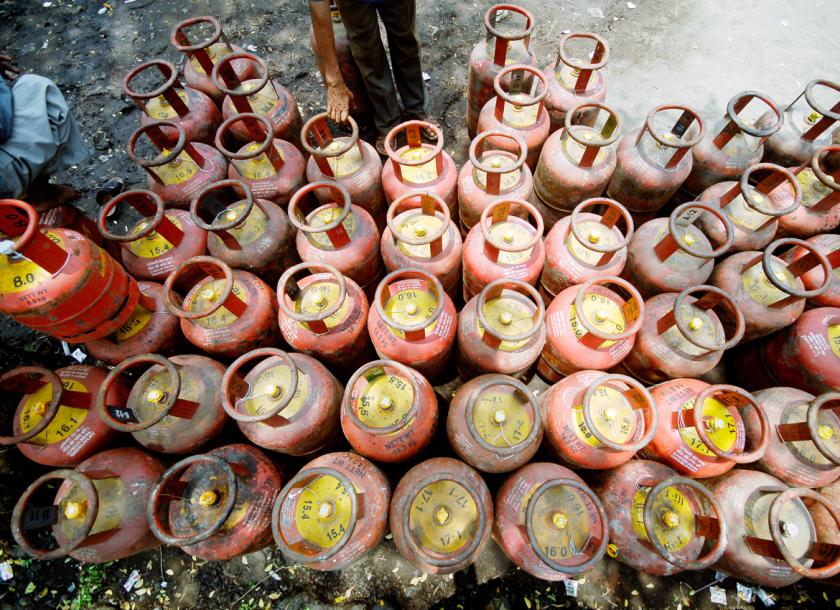
    The government is aiming to replace the use of electricity with Liquefied Petroleum Gas (LPG) as a fuel for household cooking. If widely used, LPG can reduce the use of firewood as well as electricity when cooking, which will help to conserve power as well as the environment.

    Last year, the Ministry of Electricity and Energy (MOEE) launched a K6.5 billion tender involving the lease of a jetty, terminal and storage facility at the Thanlyin refinery in Yangon Region, for the purpose of importing, storing and distributing LPG in Myanmar.ti

    A total of 21 companies sought tender applications but only nine submitted proposals. Of these, privately-owned Parami Energy Services Company ultimately beat oil company Puma Energy to win the tender in August last year.

    It is the first time the government has leased out state-owned facilities under a Public-Private Partnership for the import, storage and distribution of LPG in Myanmar. In the past, the import and distribution of LPG was conducted solely by state-owned Myanmar Petrochemical Enterprise.

    During an interview over the weekend, U Pyi Wan Tun, CEO of Parami Energy, shared his company’s plans and the prospects for LPG in Myanmar. Here is an excerpt of the interview, which has been edited for clarity:

    Can you give us an overview of the current Myanmar LPG market? 

    Currently, LPG is mainly imported from Thailand through the Myawaddy border. Some quantities are imported from China. Officially, Myanmar imports 4,000 tonnes of LPG per month, but the real number could be as high as 7,000 tonnes per month.

    However, this is not enough to meet demand from the industrial, commercial and household sectors. Nationwide, LPG consumption is around 100,000 tonnes annually and this is expected to grow as there are now more hotels, restaurants and other businesses that require LPG.

    In comparison, Thailand consumes 4 million tonnes of LPG yearly, which is around 40 times more than Myanmar. So, our LPG market has the potential to expand to become a million-tonne market at least in the years to come.

    What is required to address and develop the LPG market?  

    The LPG industry must build up adequate safety standards as international investors will invest in growing the sector only if there are satisfactory standards in place. We need to promote safety standard procedures across every part of the business, from filling stations to consumption. We will develop these together with Fire Bridge Department and respective ministries.

    The other issue is taxes. The import tax for LPG is less than 5percent in Thailand. Businesses also get tax exemptions when the LPG is re-exported. In Myanmar, we need a comprehensive and efficient policy to further develop the business.

    What have you done so far since winning this tender last year?

    We did some renovation works at the jetty and terminal. As there is no filling station, we have also built one. We started importing LPG since December. It is now ready for sale.

    Where do you currently import from and what is your target? 

    We imported the first batch of LPG from Indonesia. We will continue to import two vessels worth of LPG a month for now. Currently, our jetty in the Thanlyin refinery area is the only one in the country equipped to handle LPG imports. As the water depth is only 5 meters, we can only handle vessels with the capacity to transport 2,000 tonnes of LPG. So it is still quite limited. But our target is to import at least 8,000 tonnes – 10,000 tonnes of LPG a month over the longer term.

    How long is this project and who is your partner?

    It is a two year project but extendable. If there are investments and we make a profit, we may be able to continue. Currently, we do not have any partner for this project. But we are planning to expand our investments beyond importing to include retail distribution to cover more areas. If we are going to do both wholesale and retail distribution, we will need international partners to help with funding, technology and expertise. At the moment, we cannot expand into retail distribution.

    What is your current investment in this LPG project?

    We have invested $2 million-$3 million to renovate the jetty and terminal as well as build the filling stations. So far, we have 1,800 tonnes of LPG in storage. It is ready for sale. We expect the market to stabiles and for sales to be good.

    What are the advantages of leasing state-owned LPG facilities both for the country and Parami Energy?

    This is the first time state-owned LPG facilities at the Thanlyin refinery area are being leased out to a private company for business. During the previous administration, struggling state-owned enterprises were usually privatised or suspended. By leasing out the facilities to us, the state earns K6.5 billion and gains from private sector investments. As the facilities will be run by a private company, additional expenses like maintenance are also

    passed on.

    The government has a target of supplying LPG to 150,000 households in Yangon. This project will support it. At the moment, we are still in the investing stage and are not sure yet of any profits. However, we can expect a profitable outcome if we can import more than three vessels worth of LPG a month.

    One of the risks is market competition. When a newcomer enters the market, our profit margins will become smaller. On the other hand, we can expect a win-win situation when market demand hits one million tonnes of LPG or more, as there will be room for more competition then.
  • Handmade World brings Hawaii Thai to India

    Handmade World brings Hawaii Thai to India

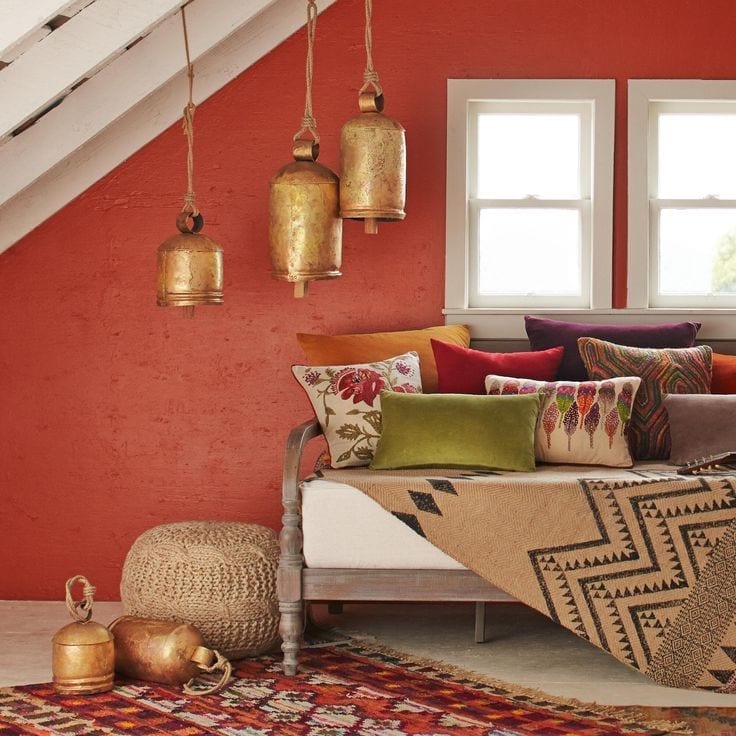
    Handmade World, a leading name in the handmade outdoor furniture and interior décor in India, has tied up with world’s hi-end handwoven furniture brand, Hawaii Thai, to be the sole dealer and distributor for India market. Having received the India market rights for the lifestyle outdoor furniture brand, Handmade World has started looking for channel partners in key markets like Ahmedabad, Pune, Bengaluru, Ludhiana, Chandigarh, etc.

    Talking about the new development, Adarsh Mishra, Founder of Handmade World said that it was an achievement of sorts for the company that they have been able to persuade the Thailand-based global brand to partner for India market. “They are masters in handwoven outdoor furniture and acknowledged world over for quality. Hawaii Thai is the only brand which offers five-year complete warranty for outdoor furniture, including the fabric and the colour,” he said. Even in outdoor conditions, even the colour of the fabric doesn’t fade, he added.

    When asked about the value that will be bringing to Handmade World’s portfolio in India market, Mishra said, “Hawaii Thai will be a strong partner for us which will drive our outdoor furniture business in India in coming years. It will definitely change the outdoor furniture landscape in India.” The weaving technology they use, the colour combinations they have and offer are far ahead of the competition, he said. “We will now be able to cater to all range and budgets in the market,” he added.

    Started seven years ago as a retail outdoor handcrafted furniture brand, Handmade World later expanded into interior décor as well. “99% of our products are handcrafted by artisans and weavers from different parts of the country. We offer materials and get the work done,” he said. Handmade World offers outdoor furniture to both households and institutional customers like hotels, restaurants, corporate offices, etc.

    When asked about the latest fad in outdoor furniture which is more towards rustic and recycled, which is also Handmade World’s forte, Mishra said that the trend is yet to pick up momentum in India. “We are yet to develop that taste for rusticness compared to the US or Europe. Lot of modern cafes and bars are following the trend, but it is still a very small market,” he said.

  • What Will the Giorgio Armani-TMall Partnership Bring About?

    What Will the Giorgio Armani-TMall Partnership Bring About?

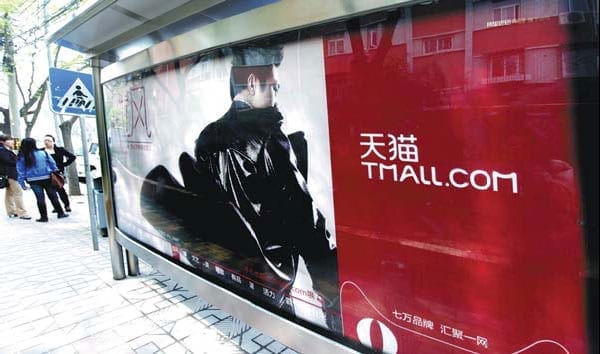
    Giorgio Armani will launch a flagship e-tail store on TMall to sell its high-end cosmetic products in China, the company announced at the end of December last year. It will also partner with Luxury Pavilion, a subsidiary of TMall featuring luxury brands, to provide customers with first-hand, exclusive sales called “TMall Super Brand Days” this month. It seems that in recent years, Western luxury brands have become increasingly eager to join China’s e-commerce platforms.

    So what will the Giorgio Armani-TMall partnership bring about this time? Here are some Jing Daily’s concerns and takeaways:

    More exclusivity?

    In August when the Luxury Pavilion was first launched, only 17 brands, including LVMH’s Zenith, Guerlain and Rimowa; La Mer; Burberry; Hugo Boss; and Maserati, were invited to participate in the platform’s first-phase sales. As for consumers, the access to the Luxury Pavilion was also invitation-only, which means Alibaba has filtered out customers in advance based on their previous transactions on Taobao. The more one has spent on Taobao, the more likely one will be invited to the Luxury Pavilion. Therefore, even though joining TMall may help Giorgio Armani expand its presence in China, the effort might be limited, given that such an e-tail store will only be available to select luxury consumers. Of course, differentiating individual shoppers is the best way to maximize profits and is in fact quite popular in the industry. But doesn’t this also indicate routine profiling and discrimination from the retailer? Will it be a good policy in the long run?

    More convenience?

    Western high-end cosmetics brands usually cost more in China due to import tariffs, and sometimes certain brands are not even available in local brick-and-mortar stores, which forces many Chinese customers to turn to daigou (shopping agents), who go abroad to buy goods to resell in China, for cheaper deals and purchases. By launching a flagship store on TMall, Giorgio Armani will make it easier for Chinese customers to order products directly from its authorized e-retail website – otherwise, these Chinese customers might step up their purchases through daigou in other countries or from other platforms. However, it’s still not clear the pricing Giorgio Armani will offer to TMall customers. If prices are not competitive compared to the price that a daigou can offer, customers may very well avoid using the platform.

    More anti-counterfeiting efforts?

    Despite e-commerce platforms’ relentless efforts to fight against counterfeit goods, it is impossible to make each e-commerce site completely fake-free. Hence, selling products through a flagship store directly from the brand will help provide a quality local resource for Chinese fashionistas – in this case, the Giorgio Armani fans. However, even if Giorgio Armani manages to deal with the fake goods issue, it may still face another challenge: how to combat against counterfeit goods. Look-alike goods are often hard to examine and can exist in all corners of the e-commerce world. For example, Kering, which owns brands including Gucci and Yves Saint Laurent, has filed law suits against Alibaba for allegedly selling counterfeit (note: not fake) goods on the platform.

    More consumers?

    The post-90 generation, who have grown up and matured with mobile technology, is now a driving force for the online luxury purchase industry, according to the latest report on China’s e-luxury market by Secoo and Tencent. Giorgio Armani’s e-tail will certainly cater to such groups, but will it appeal to all customers? Many consumers from older generations still prefer visiting brick-and-mortar stores, especially when it comes to luxury cosmetics shopping. In all fairness, most consumers still want to try on lipsticks or find the perfect foundation color match before any expensive purchase.

  • ‘Qatar in prime position’ to draw Chinese tourists

    ‘Qatar in prime position’ to draw Chinese tourists

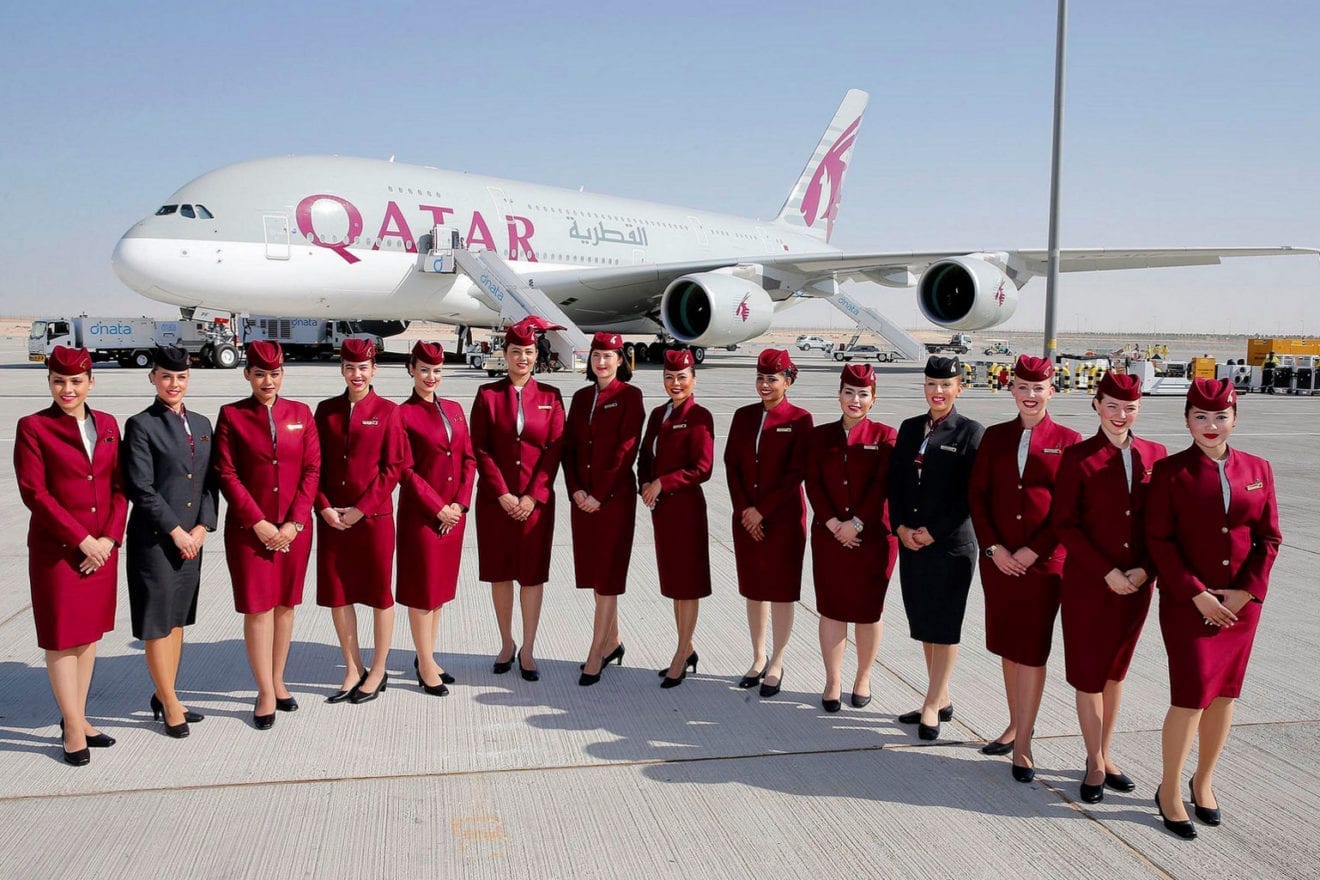
    Welcome Chinese, the only official overseas hospitality certification programme recognised by the Chinese government, collaborates with Qatar Tourism Authority (QTA) to empower the country’s hospitality, tourism and retail sectors to meet the requirements of Chinese tourists.

    “China is the world’s biggest and fastest-growing outbound tourism market. Opportunities are limitless and we strongly believe that Qatar is in a prime position to entice Chinese tourists to travel to Doha and explore areas beyond the capital city,” Welcome Chinese marketing consultant Anna Klapper said.

    “The tourism world is extremely competitive. However, the ease of visa-free travel is a game changer,” she noted.
    Citizens of 80 countries, including China, India and Russia, can now enter Qatar visa-free, making it the most open country in the region.

    Nationals of more than 240 countries are also eligible to apply for a tourist e-visa online to visit the country, according to QTA. While shopping and retail remain to be key attractions for Chinese tourists, Klapper pointed out that Qatar has a lot to offer.

    She cited the country’s rich culture and heritage, and unique experiences such as “sweeping natural landscapes, stunning urban architecture, Arabian culture and hospitality.”  “We have conducted a lot of research which shows that as the Chinese travellers evolve, they will seek experiential travel more and more – and Qatar can meet those needs,” Klapper stressed.

    “The desert meets the water in Qatar. There are only two places in the world where you can do that, and I would say Qatar is number one as the water is warm enough so you can take advantage of that too,” she explained. “Seeing the sand dunes next to the water under a setting sun – Who doesn’t want to have a memory of a lifetime?”
    Qatar was granted Approved Destination Status (ADS) in China in September last year, allowing it to receive Chinese tourists and promote its tourism destinations within China.

    The ADS system seeks to guarantee safe and reliable tourism services for Chinese customers, from both local travel agencies and international tour operators. Asked about her favourite experiences and attractions in Qatar, Klapper said she felt welcomed by the hospitality and friendliness of the people during her 48 hours in the country.

    “I was particularly taken by the architecture of the Museum of Islamic Art: The fountain area, which leads out to the library and overlooks Doha’s skyline framed by the arches is absolutely stunning,” she added.
    “I was also introduced to my first falcon and learned about their incredible abilities and different hunting techniques. They are beautiful creatures and they have my full respect,” recounted Klapper, who mulls visiting Qatar with her family again in the future to explore more.

    Key requirements of the Chinese market

    Basic requirements include training hospitality professionals in Chinese customs and culture to ensure they can appropriately host guests from China. Facilitating money transactions is also important, and therefore the ability to accept Union Pay is a requirement, according to Anna Klapper.

    She noted that Qatar Tourism Authority (QTA) is creating the country’s own set of resources and plans are underway to improve existing facilities such as providing a directory of Chinese-speaking doctors or providing Chinese-speaking staff round-the-clock in case of emergencies.

    Welcome Chinese, present in 30 countries globally and in the GCC region, has partners across various verticals in the travel industry, including airlines, airports, cities, regions, attractions and museums. It now has more than 150 hotels certified on a global level with the Welcome Chinese designation.

    In collaborating with QTA, it is the first time that Welcome Chinese work closely with a government entity on a national level to prepare and promote a country as a destination for Chinese tourists.

  • CapitaLand marks 10th year in India with mall openings

    CapitaLand marks 10th year in India with mall openings

    CapitaLand India plans to divest six retail malls and its half-share in CapitaLand Retail Prestige Mall Management, which manages some of the properties.

    Singapore-headquartered CapitaLand has entered into definitive agreements to divest:

    * Its respective equity interests in six special-purpose vehicles (SPVs), which each hold a retail mall asset in the Indian cities of Bangalore, Mangalore, Hyderabad, Mysore, Cochin and Udaipur to Prestige Retail Ventures; and

    * Its 50 per cent equity interest in CapitaLand Retail Prestige Mall Management (CRPMM), which manages the properties in Bangalore, Mangalore and Hyderabad, to Prestige Estates Projects for an aggregate consideration of INR3.4 billion (about S$71.5 million or US$53 million), to be fully satisfied in cash and negotiated on a willing-buyer/willing-seller basis.

    When the transaction is completed, probably this quarter, the SPVs and CRPMM will no longer be subsidiaries or associates of CapitaLand.

    The SPVs and properties involved are:

    • Prestige Garden Constructions – The Forum Neighbourhood Mall and Oakwood Residences, Bangalore.
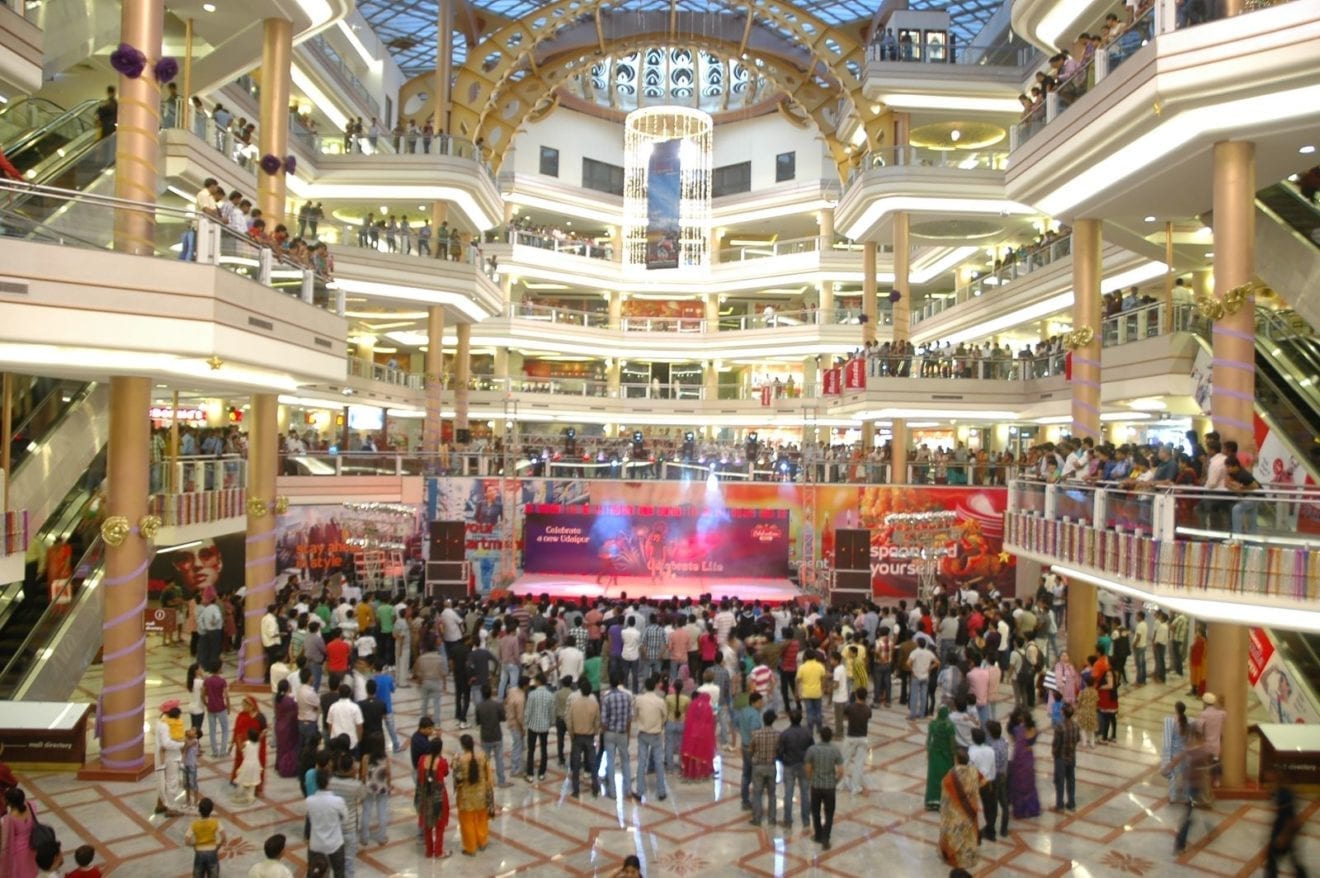
    • Prestige Mangalore Retail Ventures – The Forum Fiza Mall (pictured), Mangalore.
    • Babji Realtors – The Forum Sujana Mall, Hyderabad.
    • Prestige Mysore Retail Ventures – Forum Centre City (FKA Mall), Mysore.
    • Thomsun Realtors – Forum Cochin Mall, Cochin.
    • Flicker Projects – The Celebration Mall Udaipur, Udaipur.
  • Kawaii fashion heading to Manila

    Kawaii fashion heading to Manila

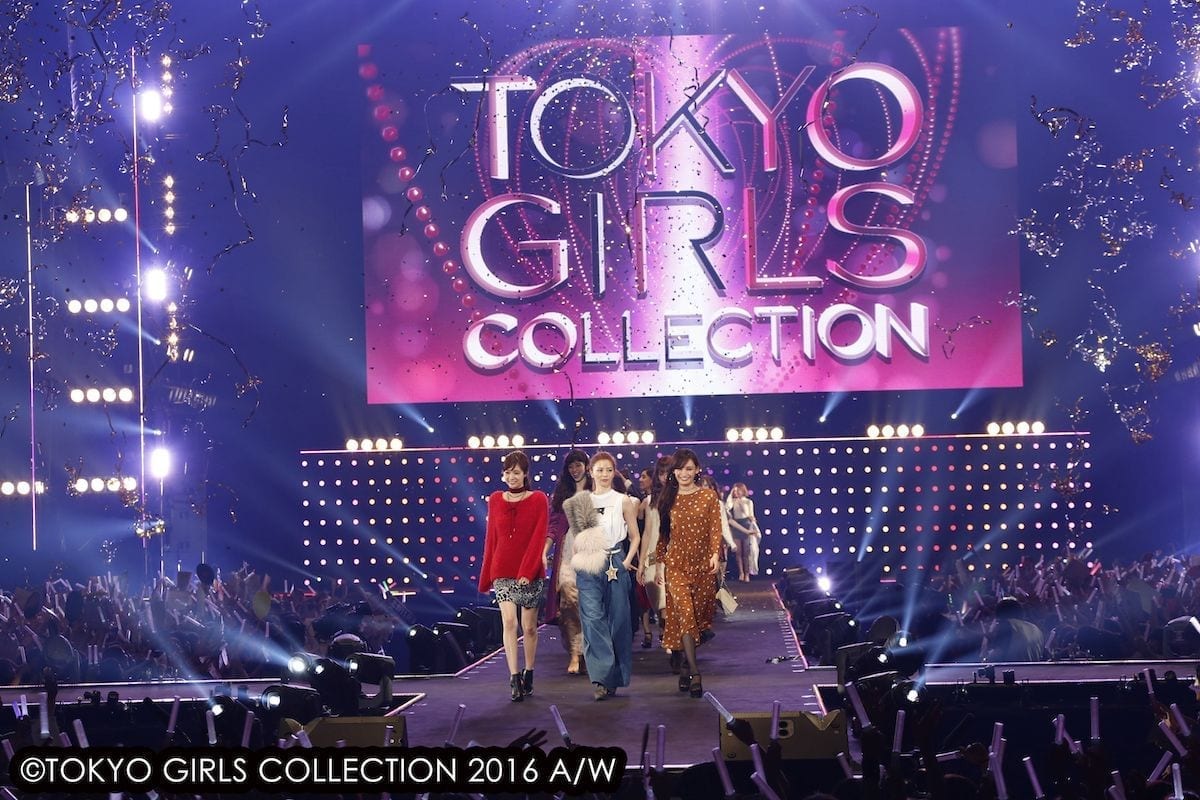
    W Tokyo is partnering with Manila online shopping company Hallohallo to open a Tokyo Girls Collection (TGC) store in the Philippines.

    Set to launch in May, the boutique will be at the Vertis North complex in Quezon City, Manila. In the mall’s Japan Town section, which features Japanese restaurants and retailers, the store will sell kawaii (cuteness) clothing, wigs and accessories targeting teenage girls and women in their 20s. The collection will be curated from up to 20 Japanese fashion brands.

    A feature of the 965sqm store will be a runway and stage for events featuring local models.

    Hallohallo will run the shop while W Tokyo will choose brands, run promotions and stage events.

    W Tokyo will also team with Japanese live-streaming service Showroom to feature events at the store and salespeople introducing products.

    “We want to implement a business model combining brick-and-mortar stores and live commerce in Japan as well,” says W Tokyo president Noriyoshi Murakami. The aim is to find success first in the Philippines before tackling Japan, where shopping malls often restrict the type of sales events stores can hold.

    Hallohallo has also partnered with Japanese trading house Mitsubishi and Philippine conglomerate Ayala Group to sell Japanese products.

  • Seven-Eleven to start selling food with English labels

    Seven-Eleven to start selling food with English labels

    Japan’s 7-Eleven stores have started labelling their prepared foods in English as well as Japanese.

    Seven-Eleven Japan president Kazuki Furuya says the measure is in response to requests from foreign tourists, whose numbers have been soaring and are expected to rise further ahead of the 2020 Tokyo Olympics and Paralympics, the Japan Times reports.

    “More foreign customers will be using convenience stores in Japan in the future,” he says, hoping that tourist visits will lead to stronger brand power for the company in China, Southeast Asia and the US, where it is opening more stores.

    The company says growing numbers of foreign visitors have been patronising its stores in big cities and tourist destinations. Some have asked the company to provide English names, especially for onigiri (rice balls), as they want to know what the fillings are.

    Also covered by the bilingual labeling will be bento (boxed lunch) products, delicatessen items and some sweets. Japan is expected to surpass 20,000 7-Eleven stores this month.

  • Zara to launch CleverFlex self-service pick-up kiosk

    Zara to launch CleverFlex self-service pick-up kiosk

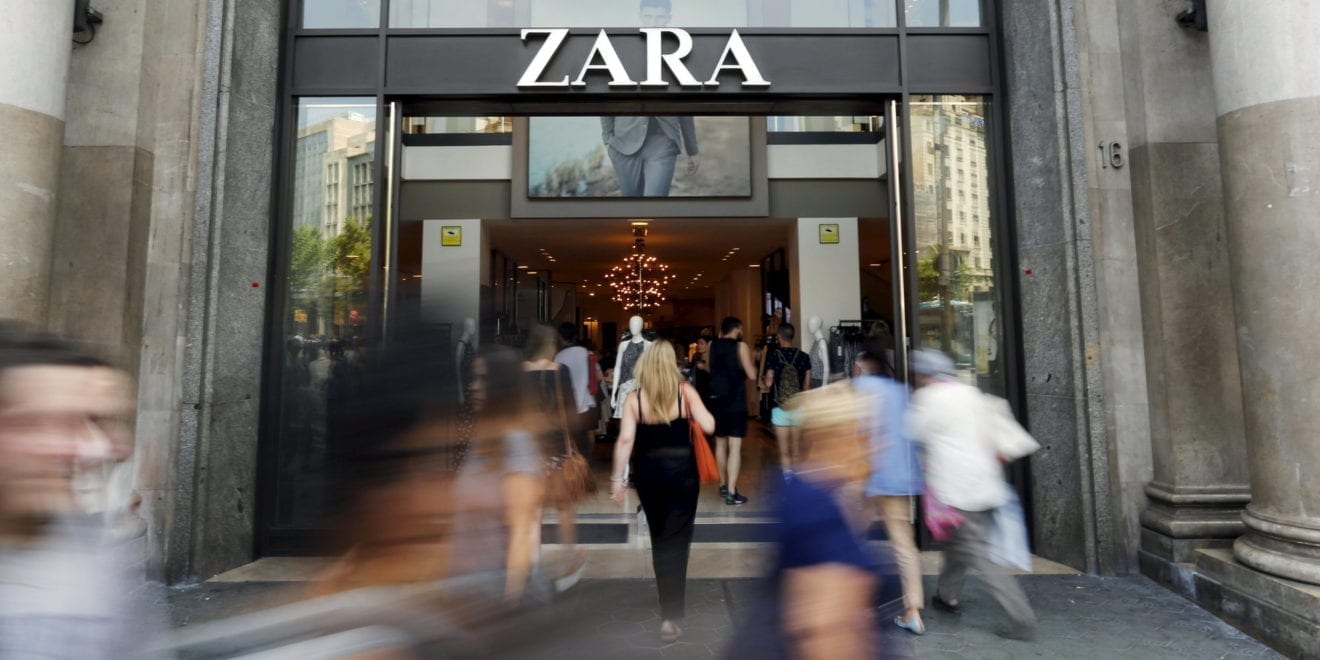
    Spanish fast-fashion retailer Zara has installed a self-service kiosk at one of its stores to provide a flexible shopping experience for online customers.

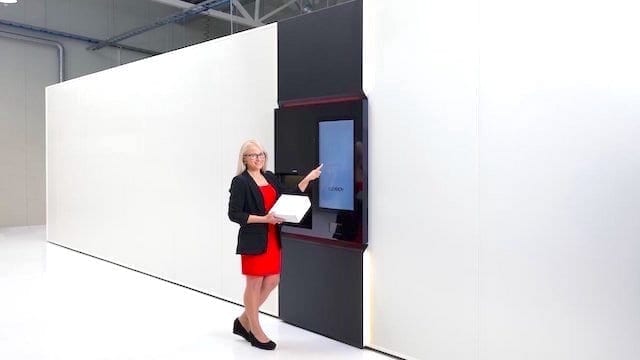
    Springwise.com reports that when a package arrives to the kiosk, the customer receives a notification and can go to the location to pick up their item at their convenience. The CleverFlex kiosk, provided by Estonia-headquartered technology company Cleveron, has the capacity to store up to 4000 parcels – double the number of the Walmart’s pickup towers.

    The CleverFlex has a sleek white exterior and a modular design that allows retailers to customise its height and width according to their aesthetic preferences, and even being able to hide it behind a wall. The kiosks have been created to further streamline the customer online shopping experience, with the CleverFlex retrieving the correct parcel for a shopper in a matter of seconds.

    The creation of the CleverFlex kiosk “is another step in simplifying the connection between a retailer’s online entity and physical stores,” observes Springwise.

    “CleverFlex also has some some self-learning capabilities as it can remember parcel traffic peak times and predict user activity based on past data to optimise its workflow.”

    Self-service kiosks are increasingly popular across many industries, with deliveries that go directly to a smart locker streamlining the pick up process for the apartment residents and a pay-as-you-go pantry placed within an office both popular examples.

  • Korean retail sales boosts by double

    Korean retail sales boosts by double

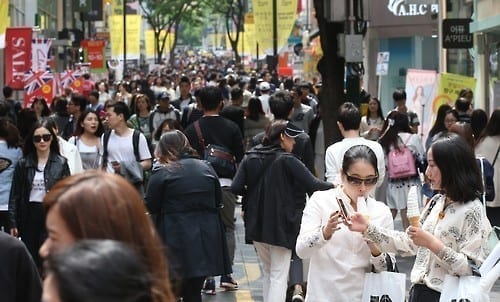
    South Korean retail sales were up by more than 9 per cent in November from a year earlier, led by strong demand for products from online malls and convenience stores, new government data shows.

    Ministry of Trade, Industry and Energy figures show that the combined sales of 26 online and offline retailers stood at KW10.68 trillion (US$9.97 billion) for the month, up 9.4 per cent from a year earlier.

    Meanwhile, the sales of 13 offline retailers over the same period rose 5.4 per cent, the biggest gain since the start of the year, as customers were attracted to convenience stores and discount chains.

    Among offline outlets, convenience stores showed the highest growth, attributed to the rising number of single households with more people buying food and daily necessities from neighbourhood stores.

    With sales flat for discount chains, convenience stores saw 10.2 per cent gains and department stores an 8.5 per cent rise in sales.

    More people were buying food and clothes on the internet, resulting in 13 major online stores and marketplaces gaining 16.7 per cent in sales year on year.

  • Company Bets China Has an Appetite for Taco Bell

    Company Bets China Has an Appetite for Taco Bell

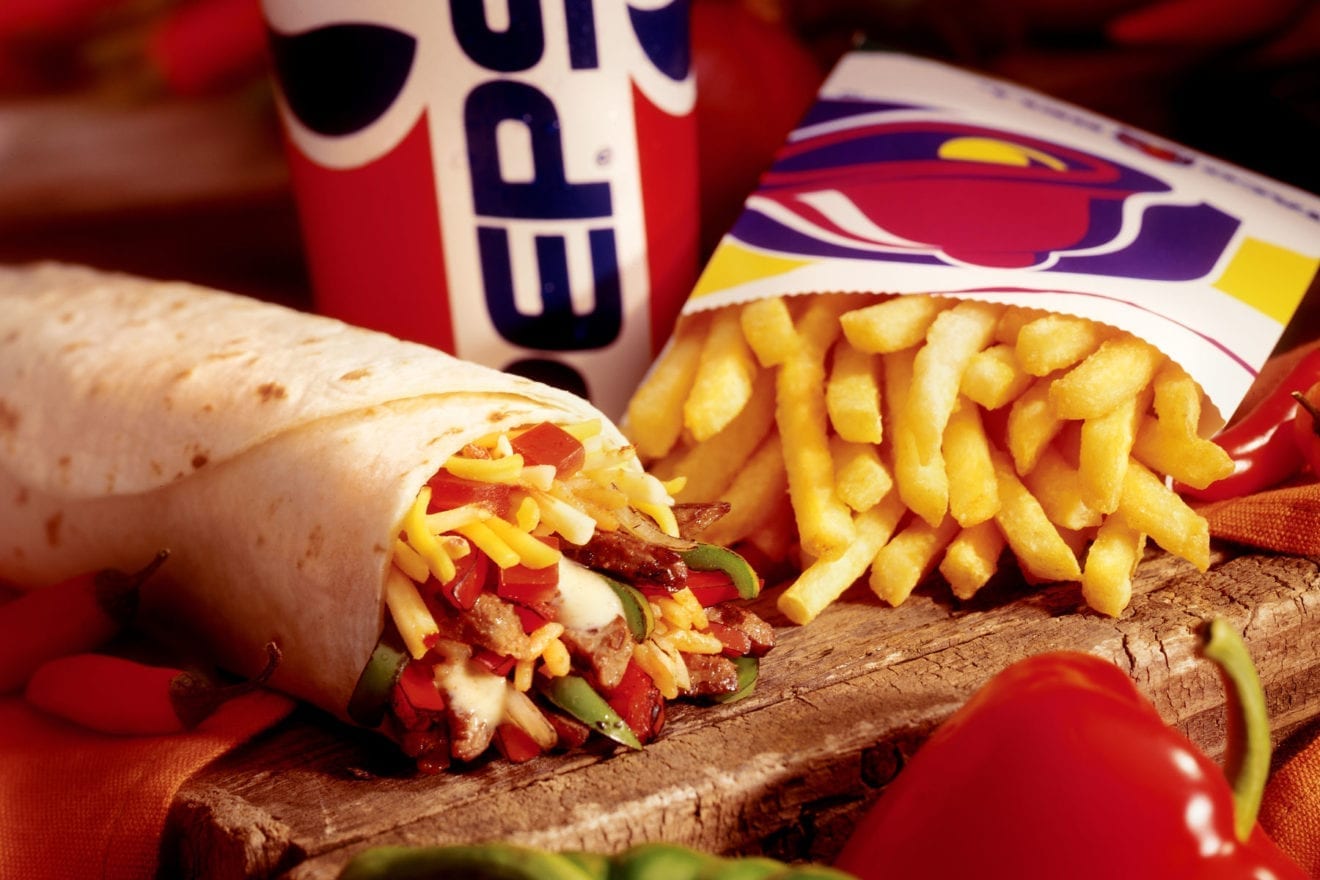
    After a year of consolidation, Yum China Holdings has opened two more Mexican-inspired Taco Bell restaurants in Shanghai.

    Along with Taco Bell Corp, the company launched the brand in Shanghai’s Lujiazui area a year ago. The two new outlets are in a shopping mall in Wu Jiao Chang and the shopping precinct of Feng Sheng Li.

    “The response to our first Taco Bell store in Shanghai has been fantastic,” says Yum China CEO Micky Pant. “The new restaurants integrate Taco Bell’s signature brand and spirit into the local community, and bring both classic menu items and original recipes to cater to Chinese customers.”

    He says the company looks forward to opening further outlets in other parts of China this year.
    New dishes include a Ribeye Steak & Mushroom Taco, Taco Salad Bowl, Beef Kebab Nachos and XL-Wing Nachos. The two new restaurants also offer alcoholic beverages, including the Shanghai Cosmopolitan.

    New service model

    A new service model has been rolled out with the new outlets, with orders being delivered directly to the table. The Wu Jiao Chang restaurant, which is close to several universities, has a design that combines the chain’s Californian roots with Chinese style and culture. Communal tables encourage students and urban professionals to socialise, and customers are invited to display their artwork, poetry, designs and other creative expressions on the walls. The restaurant will also host events to showcase local talent.

    In an historic residential area close to a shopping precinct, the Feng Sheng Li restaurant is designed in the Shikumen (stone gate) architectural style. In a Shanghai-style townhouse, it incorporates elements of Taco Bell’s signature look and feel. Its decor includes images of the Shanghai Oriental Pearl Tower and the city’s Art Deco buildings alongside California palm trees and skateboards.

    A neighbouring alleyway, historically a place for residents to congregate, features customised street art as a backdrop to the outdoor dining area. It has clusters to cater to different group sizes, with a canopy to ensure all-weather dining.

    Taco Bell has more than 7000 restaurants, nearly 400 of them in 26 countries outside of the US.

  • McDonald’s Japan adds three tasty new popcorn drinks to their menu

    McDonald’s Japan adds three tasty new popcorn drinks to their menu

    Following a limited-edition French macaron release last month, McDonald’s Japan is continuing to draw attention to its McCafe by Barista branches with a more unusual menu twist: popcorn drinks.

    Available at Japan’s 90 McCafe by Barista outlets from Friday, there are three variations of the limited-edition beverages…

    Iced Caramel Popcorn Latte: This combines the flavours of espresso with caramel syrup and popcorn syrup, plus whole popcorn pieces, whipped cream and sauce topping, as well as creamy cold milk.

    Mc Donalds pop corn latte

    Hot Caramel Popcorn Latte: This is similar to the iced version but uses hot foamed milk.

    Mc Donalds latte pop corn

    Caramel Popcorn Frappe: This features whole pieces of popcorn inside a sweet waffle cone that juts out from the beverage, which is an icy espresso and caramel/popcorn syrup blend topped with caramel-flavoured whipped cream and caramel sauce.

    Mc Donalds pop corn drink

    McDonald’s says it is aiming to add even more creative beverages to its McCafe by Barista outlets in the future, reports Sora News 24.

    The popcorn series will be available until the middle of February.

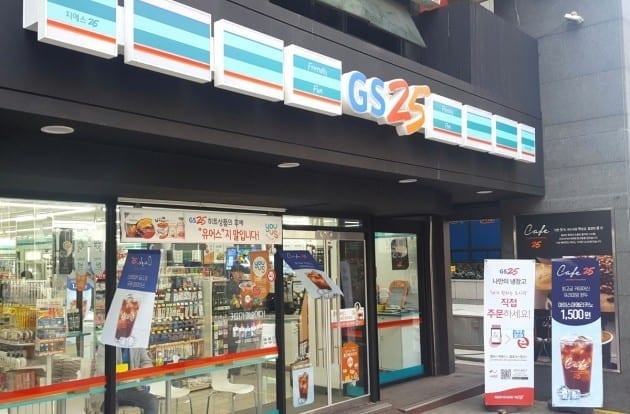
  • RoK’s GS25 to open convenience stores in Vietnam

    RoK’s GS25 to open convenience stores in Vietnam

    GS25 Vietnam says it will open its first store in Ho Chi Minh City in mid-January, after a two-month delay.

    Three more stores will open soon afterwards.

    Last July, GS25’s parent company GS Retail signed a JV agreement with Vietnam’s Son Kim group to open 2500 GS25 Vietnam stores during the next 10 years.

    Vietnam will be GS Retail’s first foreign market.

    After its Vietnam launch, GS Retail plans to seek opportunities in other markets.

    Vietnam’s convenience store industry is currently experiencing annual growth of 70 per cent, fuelled by a youthful population.

    Last June, 7-Eleven opened its first Vietnam store, and now operates 11 in Ho Chi Minh City, with plans for 100 within 10 years.

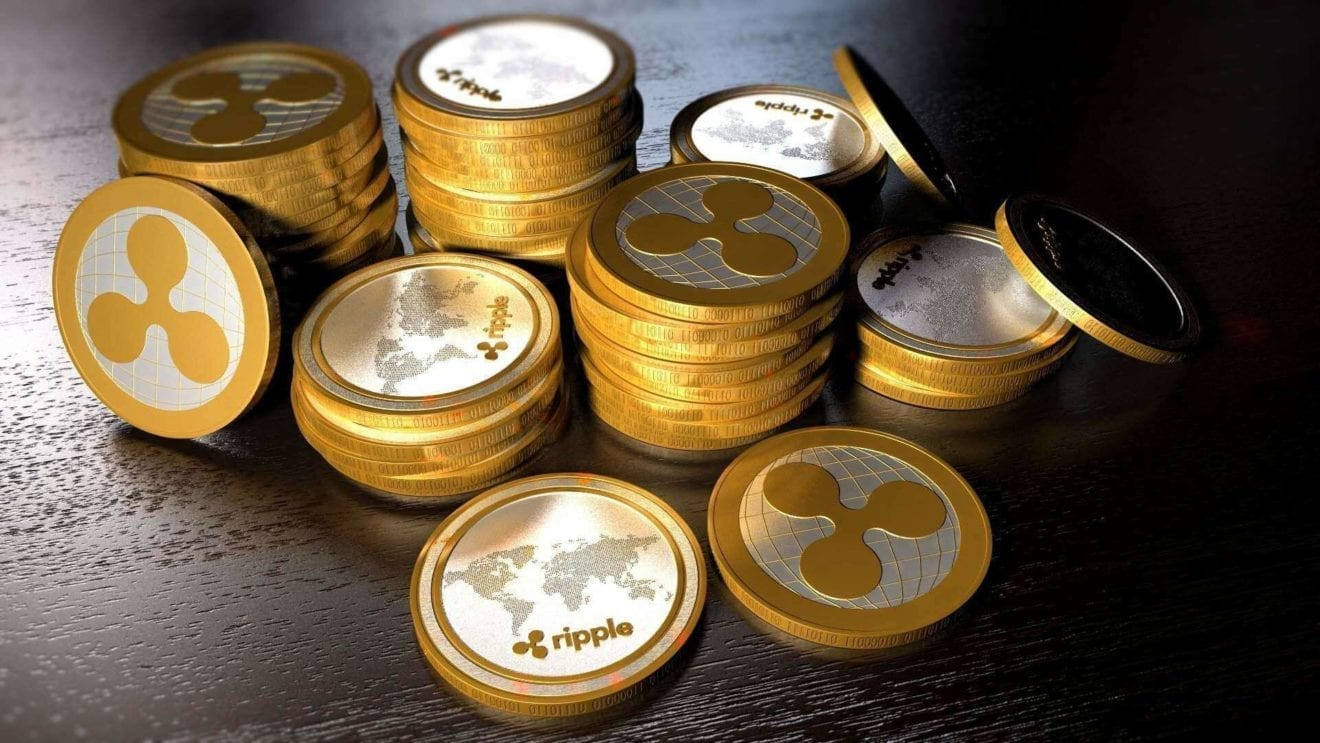
  • Japanese and Korean bank to test RippleNet for cross-border funds transfers

    Japanese and Korean bank to test RippleNet for cross-border funds transfers

    Japanese and Korean banks are to run pilot trials of real-time cross-border funds transfers over the Ripple network. The Japan Bank Consortium — a coalition of 61 banks in Japan, organised by SBI Ripple Asia — has announced the launch of a new Ripple pilot with Woori Bank and Shinhan Bank, two of South Korea’s largest banks.

    It follows the formation in September of of a partnership agreement with Dayli Intelligence, a subsidiary of Dayli Financial Group, which has previously acted with South Korea’s first blockchain consortium as well as the Ministry of Science and ICT.

    Under the terms of the trial, the Japan Bank Consortium will use Ripple’s settlement technology, xCurrent, to settle transactions between participating Japanese banks and Woori Bank or Shinhan Bank.

    The pilot solidifies the Japan Bank Consortium’s commitment to modernise payment systems — specifically in the Japan/Korea corridor where Korea is Japan’s third largest trade partner.

    “The Japan Bank Consortium’s pilot with Woori Bank and Shinhan Bank brings us closer to sending money in an important corridor,” says Emi Yoshikawa, director of partnerships at Ripple. “The use of RippleNet to send cross-border payments reinforces that financial institutions are ready to provide a modern payments experience and enable to the Internet of Value.”

    With interest in cryptocurrencies surging, the Japanese consortium has additionally created a virtual currency and blockchain working group to explore the institutional use case of alternative assets, such as Ripple’s own XRP, to source on-demand liquidity for these cross-border payments.

  • Ban on ivory sales in China to take effect on Sunday

    Ban on ivory sales in China to take effect on Sunday

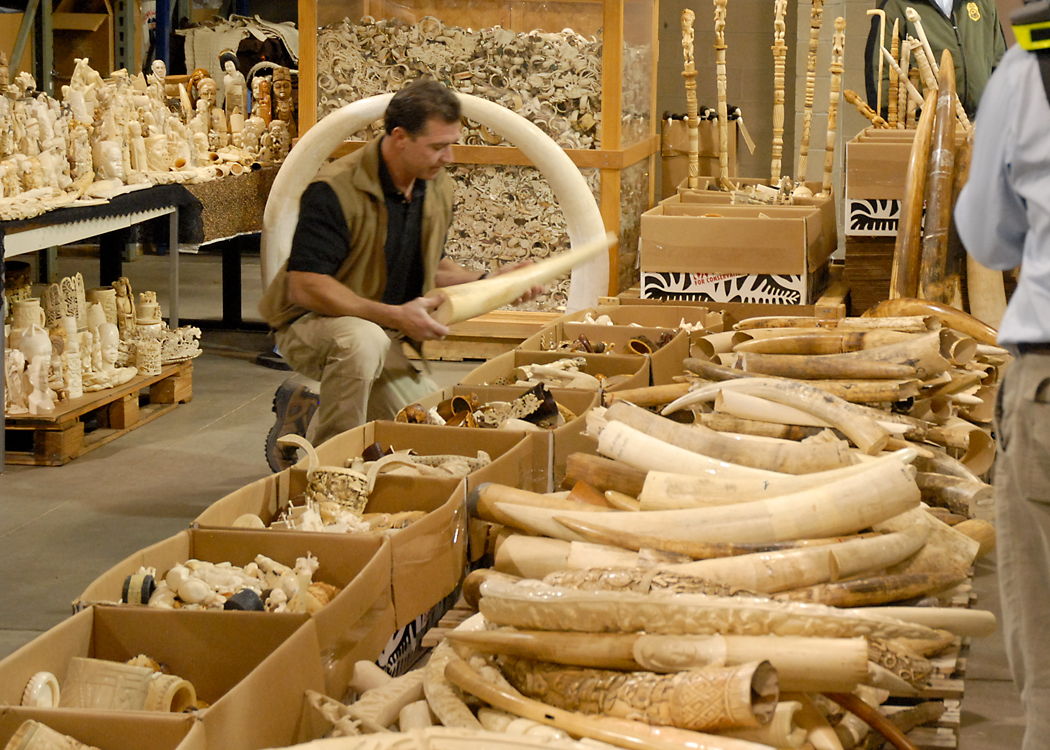
    A ban on ivory sales in China, the world’s largest importer and end user of elephant tusks, takes effect on Sunday. Wildlife activists have described the move as a vital step towards reducing the slaughter of the endangered animals.

    It is estimated 30,000 elephants are killed by poachers in Africa every year. China has made a big push to eradicate ivory sales and demand has fallen since early 2014 due to a crackdown on corruption and slower economic growth.

    Public awareness campaigns featuring celebrities have helped boost awareness of the bloody cost of ivory. “It is the greatest single step toward reducing elephant poaching,” said Peter Knights, chief executive of the conservation group WildAid.

    Legal ivory

    China has allowed the sale of pre-convention ivory, which refers to products such as carvings and crafts acquired before the 1975 Convention on International Trade in Endangered Species of Wild Fauna and Flora (CITES), as long as it is accompanied by certificates.

    The trade in pre-convention ivory has legally thrived in China and Hong Kong since 1975, but environmental activists have long asserted that it has spurred demand for all ivory.

    The ban on all ivory sales has already led to an 80 per cent decline in seizures of illegal ivory entering China as well as a 65 per cent decline in raw ivory prices, according to WildAid.

    Under the ban, China’s 172 ivory-carving factories and retail outlets will also close. Some factories and shops started closing in March.

    This year, ivory prices in China were about 65 per cent lower than 2014 levels, said WildAid, with retailers in some places trying to sell off stocks and offering heavy discounts before the ban.

    Hong Kong

    The Chinese ban has been hailed by activists but they warn that Hong Kong, an administrative region of China, remains a big obstacle to the eradication of elephant poaching.

    China’s ban on sales do not apply in the former British colony, which has the largest retail market for ivory and has traded it for more than 150 years.

    Hong Kong is a prime transit and consumption hub for ivory with more than 90 per cent of consumers from mainland China.

    Since 2003, Hong Kong has intercepted about 40 tonnes (40,000kg) of illegal ivory, only about 10 per cent of what is believed to have been smuggled in, WildAid said in a paper to the city’s legislature in May.

    Hong Kong set a timetable for a ban on ivory trading last year, with a phase-out time of five years. A final vote on the ban is expected in the city’s legislature in early 2018.

    Conservationist Zhou Fei said the Chinese ban could be a catalyst for the closure of ivory markets across Asia.

    However, Kenya-based conservation group Save the Elephants said this year that neighbouring Laos has expanded its retail market more rapidly than any other country.

  • Japanese, Thai goods reach every corner of Vietnamese market

    Japanese, Thai goods reach every corner of Vietnamese market

    Several years ago, fans of Thai and Japanese goods had only several choices – either buying the products carried across border gates, or going to a few select shops. But now, they can freely choose products at many specialized stores. Specialized shops are mushrooming

    A report from MOIT (Ministry of Industry and Trade) shows that the deficit in trade with Thailand in the first eight months of the year reached $3.5 billion.

    Thai products are available at 9,000 traditional markets, supermarkets and home appliance distribution centers. In large cities, Thai goods account for 30-50 percent of the market share.

    The others are run by world giants such as Lotte, Aeon and Emart. Metro alone has 19 retail points, while Big C has 32.There are about 100 retail points belonging to foreign invested supermarkets in Vietnam, half of which belong to Thai investors.

    Meanwhile, Japanese have been penetrating deep into Vietnam through big retail chains such as Aeon, Ministop, Family Mart, Tokyo Deli, Gyu Kaku, Oshaka Ohsho and 7-Eleven.

    The Sakura chain has opened 10 shops after six years in Vietnam, while Tokyo Life has 18 shops in Hanoi, two in HCMC and 35 in other provinces.

    Pham Chi Lan, a renowned economist, said Thai firms had been following a strategy to enter the Vietnamese market for a long time.

    Thai businesses understand that Vietnam, with high economic growth rate, young population and increasingly high consumption, will be a vast market once tariff barriers are removed.

    They have spent time studying Vietnamese consumer psychology and followed professional methods to win over customers.

    Vietnam imports a wide range of products from Thailand, from household electrical appliances to vegetable and fruits, and CBU cars and cosmetics.

    Vietnam also imports products which are locally made, such as household-use products, computers and plastics.

    Minister of Industry and Trade Tran Tuan Anh once asked why Thais could bring their products to the Vietnamese market but do not do this with other ASEAN countries, including Indonesia and the Philippines.

    Analysts believe the most important reason is the large distribution networks that Thais have set up in Vietnam.

    Thai corporations like Central Group and TCC Group have spent big money to take over the largest distribution chains in Vietnam, paving the way for Thai products to enter Vietnam.

    Meanwhile, a branding expert commented that Thai and Japanese goods can thrive in Vietnam because manufacturers receive support from their government agencies.

    “Japanese agencies have set up dedicated divisions to support small and medium enterprises in their country,” he said.