Tag: asia

  • Hye Kyo is now the new face of Sulwhasoo

    Hye Kyo is now the new face of Sulwhasoo

    Sulwhasoo, a brand of AMOREPACIFIC, selected Song Hye-kyo, Asia’s leading actress, as its brand ambassador.

    Song Hye-gyo will play a role in delivering the story of the brand to customers through various global campaigns of Sulwhasoo.

    Song Hye-kyo is a Korean celebrity leading the Korean Wave, also official PR ambassador of ‘Korea-China Economic Trade Partnership’.

    Sulwhasoo brand official said “Song Hye-kyo is a talented actress who is able to communicate with consumers around the world and express her unique personality”.

    “In addition, Sulwhasoo is a brand that has conveyed Korea’s unique cultural beauty. Through Song Hye – kyo, we will be more solidly aroused by the true aesthetics found in the philosophy of tradition, modernity, harmony and balance.”

    The artist Song Hye-kyo, who is loved all over Asia, will show off her timeless beauty and tit will be associated with Sulwhasoo.

    Sulwhasoo pursues the balance between internal and external beauty by gaining wisdom from nature and cultivating beauty as a precious gift.

    Sulwhasoo is indeed made of aunique ingredients of Asian wisdom which are ‘Jiemdan’ and ‘Ginseng.’

    As of 2017, Sulwhasoo has expanded into 12 countries worldwide including Korea, China, Singapore, Hong Kong, Thailand, Indonesia, Malaysia, Taiwan, Vietnam, USA, Canada and France and it is a true global brand not only in Asia and the Americas but also in Europe. It is strengthening its position by conveying Korean beauty and values throughout the world.

  • Following Alibaba, Online retailer JD.com opens offline fresh-food store

    Following Alibaba, Online retailer JD.com opens offline fresh-food store

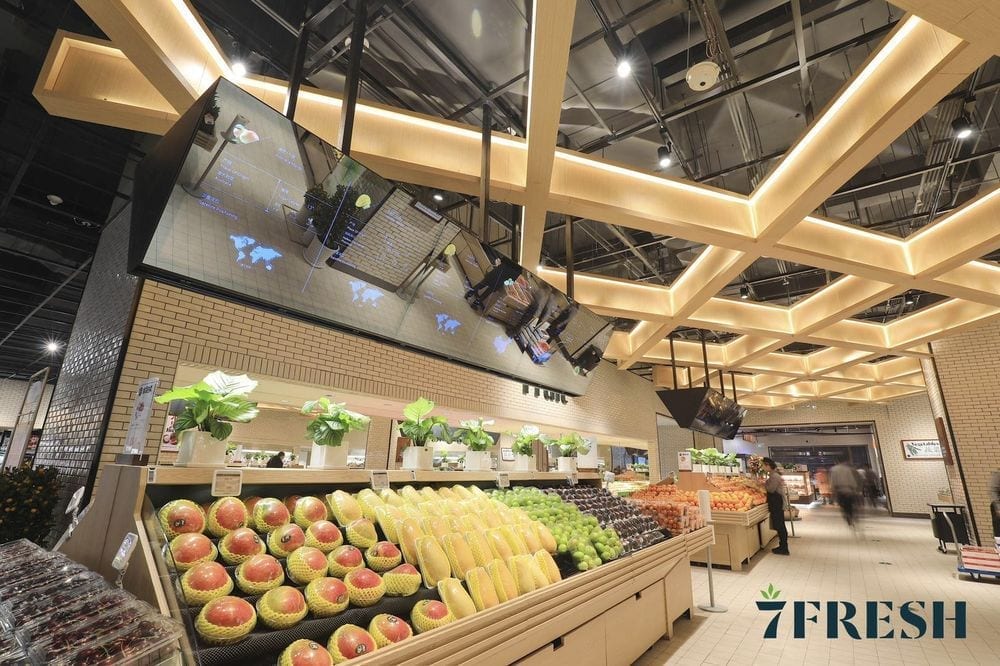
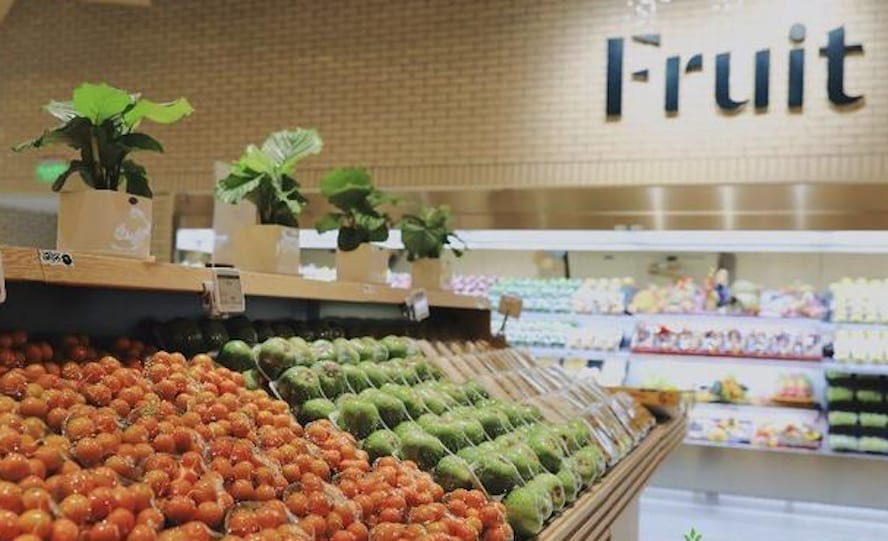
    JD.com owner Beijing Jingdong Century Trade has launched an offline supermarket, 7Fresh, in Beijing.

    Covering 4000sqm, the store is at the Dazu Plaza Shopping Center, near the e-commerce company’s headquarters in Yizhuang district.

    Big-data analytics are being used by 7Fresh to tailor its product offering for its shoppers. To ensure freshness, products are being sourced directly from origin. Fresh produce accounts for 75 per cent of 7Fresh’s total product range. Its food offering includes fruit from New Zealand and beer from Australia.

    Customers who buy fresh seafood and meats can have them cooked in store for immediate consumption. A 30-minute delivery service is also offered for customers who live within a 5km radius of the store.

    Technology introduced by the supermarket includes smart shopping carts and sensor-activated product information. The smart shopping carts do not have to be pushed – they follow the shoppers around, and can even guide shoppers to the correct aisle.

    During a trial period, transactions surpassed 10,000 a day, says JD.com founder/chief executive Richard Liu Qiangdong.

    A second 7Fresh outlet is planned for Beijing’s Haidian district.

  • Amazon : AR will change how we shop

    Amazon : AR will change how we shop

    Amazon saw its biggest holiday shopping season yet, as the draw of its Prime membership program seemed to kick into overdrive, with consumers around the world buying at record levels, the nation’s largest online retailer said.

    Over the course of one week, more than four million people either started free Prime trials, or purchased a membership outright, wooed by benefits such as free two-day, one-day or same-day shipping, as well as one-hour and two-hour delivery perks.

    The retailer’s holiday findings hint at what is poised to propel retail sales next year and beyond — from merchandise purchased via voice commerce to furniture shopping aided by the magic of augmented reality.

    Alexa-enabled Amazon devices such as the Echo Dot and Fire TV Stick with Alexa Voice Remote were not only top selling Amazon items, but also the best-selling products from any manufacturer in any product category and brand sold on the site, according to the e-tailer.

    Amazon additionally scored a hit with its Echo voice-assistant devices, as the Echo Spot, Echo Dot and Echo Buttons sold out. At the same time, the Echo Dot, Fire TV Stick with Alexa Voice Remote and TP-Link Smart Plug Mini ranked as the most popular items purchased by voice.

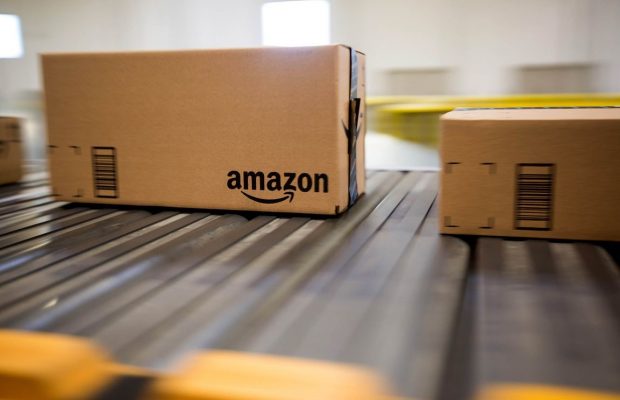
    Amid a $2.3 trillion global ecommerce market, Amazon shipped more than one million customer packages in a single day in North America and Europe alone, with 19 December 2017 marking the mega load for picking, packing and shipping at its 10 fulfillment centers.

    To meet that demand, the retailer increased the size of its fulfillment and shipping network by more than 30% worldwide this year.

    Just as holiday 2017 is poised to go down in the retail record books as a tipping point for mobile shopping, consumer purchases on Amazon’s app soared nearly 70% this season, the retailer said.

    To take that out of the abstract, more than 1,400 electronics products were ordered per second on the site via a mobile device this holiday.

    “The mobile phone is the new mall, and how a brand looks on a smartphone replaces the physical store window,” according to Oliver Chen, retail analyst with Cowen, in a research note.

    Meanwhile, Amazon shoppers can now see how a sofa would look in their own living room via its AR View feature.

    Shoppers are beginning to give AR more attention on the site, particularly when viewing function-driven, feature rich, high-consideration purchase, such as furniture. Top categories viewed via AR included furniture, toys, Amazon devices, kitchen items and consumer electronics, with the retailer’s black chair with ottoman getting the most views.

    In its Future 100 report, J. Walter Thompson’s Innovation Group files this trend under the “transcendent retail” category, as shopping is “ leaping on the screen and morphing into a more immersive experience,” said Lucie Greene, Director of JWT Innovation, in a press statement on the report.

    Voice technology, augmented reality, and artificial intelligence are transforming the retail industry “to make buying products quicker, easier and more enjoyable.”

  • Olive Young unveiled new store experience in Korea

    Olive Young unveiled new store experience in Korea

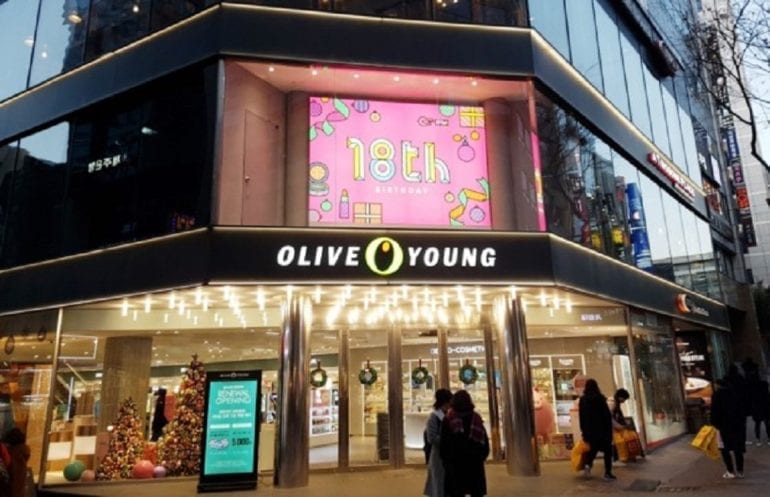
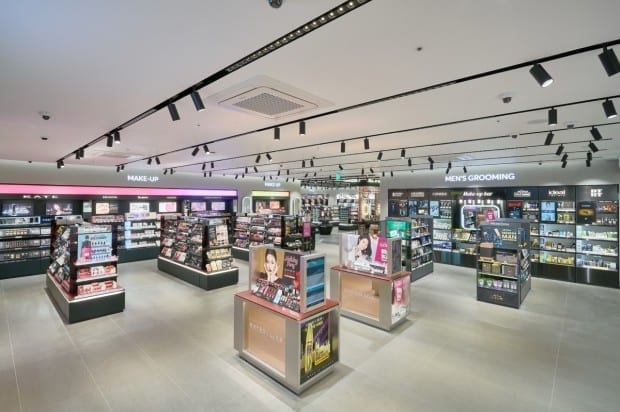
    The Olive Young Myeongdong flagship store reopened in December to celebrate the 5th anniversary of its opening, offering customers a unique and personalized shopping experience.

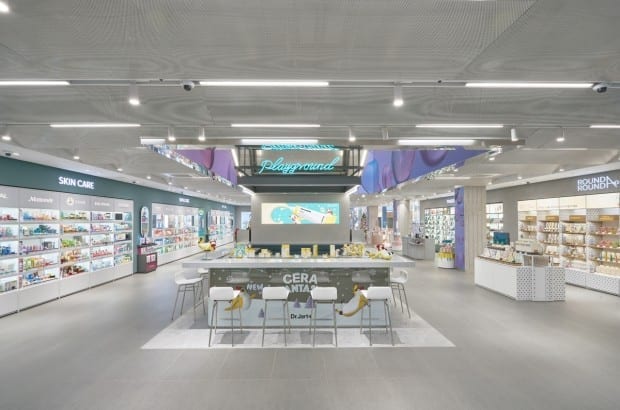
    The store presents a different experience on each floor.  The first floor is a specialized space for skin care with the Derma cosmetic specialty corner. Derma Cosmetics is one of the core products of Olive Young, along with Dr. Jart, CNP, Cell Fusion, and Eucerin.

    On the same floor also a space dedicated to fragrances.

    The second floor dedicated to colours and style is dominated by a large mirror. Consumers can product freely in front of the mirror, talk to friends in the make-up bar, and compare various brands. Olive Young said that the renewal aimed to enhance customer experience and make them staying.

    Another area on the same floor is dedicated to nails with various brands, namely dashing diva, Incoco, Nail’s nail.

    Surprisingly, nail polish is not the king product, following the trend Olive Young focuses on the popular nail sticker types  easy to put on.

    In addition, a key role is played by the so-called “Beauty Advisor”, who helps consumers choosing products. Most of them are fluent in foreign languages, Chinese and Japanese, specifically, and are trained to quickly respond to customers’ requests.

    Olive Young said, “The store is designed based on the trends we found in the data collected from the 5 years of operations of the store. Our aim is to make K-Beauty the mecca for foreign customers as well as the first place to learn about lifestyle trends for domestic customers.”

  • B. by BANILA opens a concept store in Seoul

    B. by BANILA opens a concept store in Seoul

    B. by BANILA has opened a flagship store at COEX Mall in Starfield, Seoul, Korea.

    B. by BANILA flagship store, located on the first floor of the COEX Mall in Starfield, is the first concept store for Banilaco’s new make-up brand ‘B. by BANILA’.

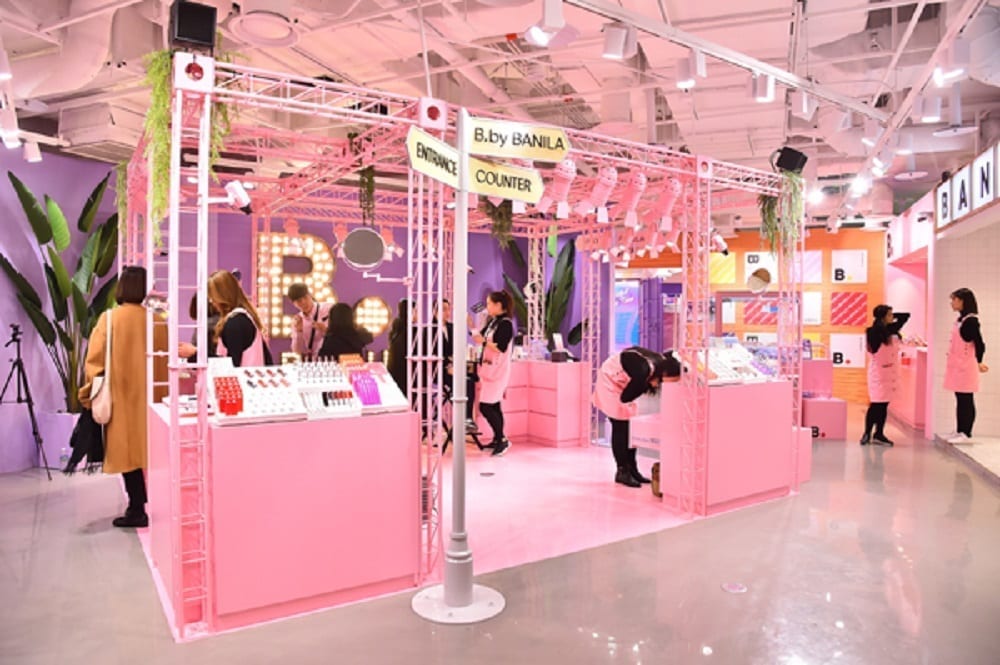
    B. by BANILA flagship store is designed as a space for conceptual beauty festivals where visitors can experience makeup products beautifully made with ‘FFFUN, EASY & QUICK’ and take pictures.

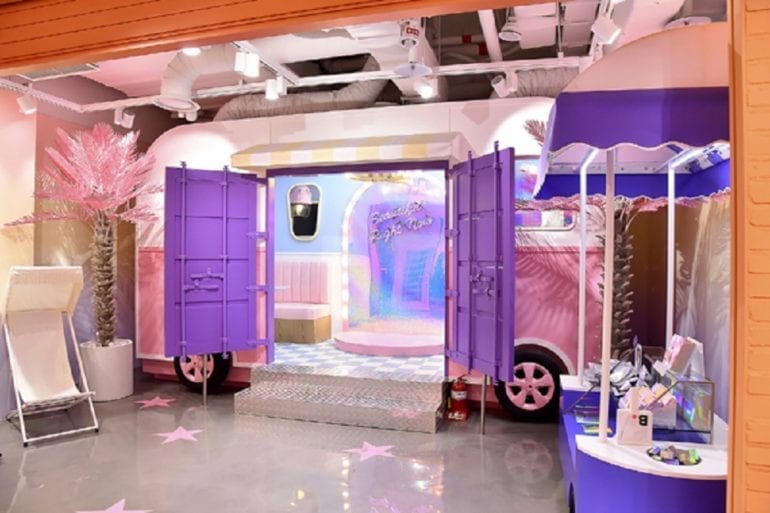
    The entire space of the flagship store is created for selfie from the trailer to the photo wall of the pink neon. Both sides of the store have a studio space with pink photo wall and pink neon sign, and a lip-like lip-slip test zone and a self-catering space to create a festival atmosphere including mirror balls and shiny curtains.

    Additionally, there is space to complete the make-up look by looking at the makeup tutorial video.

    In the middle of the store, there is a truss-like stage and a camping trailer and a movable pink mini stall that are moved around to give a feeling of being in an actual outdoor festival.

    Moreover, objects such as telephone boxes, and trees are decorated to provide a special and enjoyable experience.

    The center stage, the stalls and the camping troller are all designed to allow the customers to experience their own make-up items. In the café-style concept space, customers can also find vanilla cosmetic products.

    “The new store is a sensible and trendy space where customers want to enjoy themselves and their photographs,” said B. by BANILA marketing manager. “I hope customers will find pleasure here, not just for shopping, but also for fun.”

    B. by BANILA will open a second flagship store in Daegu Dongsungro in February 2018.

  • What SFI says about 2017 Korean fashion performance

    What SFI says about 2017 Korean fashion performance

    Last year was “a year to forget” for the South Korean fashion industry according to the Samsung Fashion Institute (SFI) which blamed a depressed economy for slow sales and shrinking margins.

    After peaking in 2013, fashion goods’ share of the total retail market has declined for three straight years. In the third quarter of last year, fashion accounted for 70 per cent of department stores’ revenue, down from 78.6 per cent in 2012. Department stores have traditionally been the primary movers of apparel and other fashion goods in South Korea.

    Divergent consumer trends have emerged this year, one of them being the increased popularity of homewear such as pajamas.

    Apparel stores in newly opened multiplex shopping malls have begun to tap into a shifting consumer emphasis from product to experience by incorporating lifestyle products into their stores. Forecast to become more widespread next year, retail brands are investing in creating stores in which customers can get a better feel for the idea behind their brand via product experience, reported the SFI.

    The political drama involving the country’s presidency that engulfed South Korea earlier this year created a cultural disposition more open to expression of personal views and opinions.

    Apparel with political or social slogans became more popular globally, and the role of companies in contributing to societal goodwill and harmony will play a larger part in determining their success with consumers going forward.

    Online shopping burgeons

    Online shopping in 2016 grew by 21 per cent on-year to reach approximately 10 trillion won and that trend continued last year with online transactions reaching 930 billion won by October, roughly 20 per cent higher than during the same period in 2016. Meanwhile, the struggles encountered by traditional offline retail outlets signalled a shift in shopping behaviour.

    Influencers on Instagram and bloggers became widely followed by consumers in their teens and 20s, with some of the most prominent moving from online to offline during the year.

    Though no one style or product was the standout star throughout the year, long padded coats or “long padding” as referred to in South Korea have become a massive hit in latter weeks.

    With the economy projected to rebound in 2018, the SFI believes consumers will seek more personalised offers by retailers this year, taking into account the store’s design and layout, the shopping process, and the thoughts and emotions evoked by brands.

    The SFI warns that companies which fail to take the changing consumer climate into account and differentiate themselves will find it difficult to attract customers.

  • H&M to close stores and expand on Tmall

    H&M to close stores and expand on Tmall

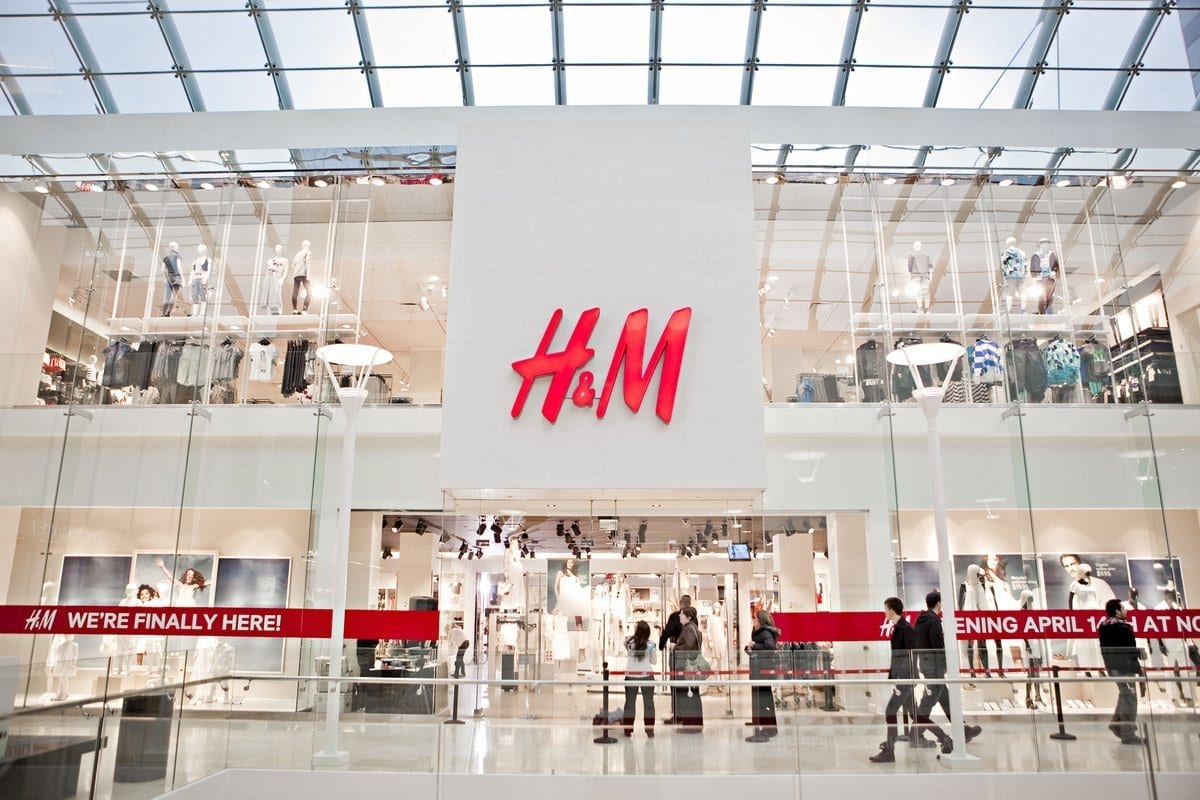
    It is normal practice to use Tmall to test the Chinese market. Is H&M tinking of using Tmall to replace its physical stores?

    As inventories rose and sales tanked in the fourth quarter, H&M announced it is picking up the pace on a transformation plan.

    Q4 sales fell 4% to $5.97 billion from the same period a year ago and foot traffic to stores declined, according to a company press release.

    CEO Karl-Johan Persson said the company would scale back its physical expansion and close some stores, but its collaboration with Alibaba is expanding.

    H&M and H&M Home brands will begin selling on Tmall and the company is in “far advanced discussions” to sell the rest of H&M’s brands through the Chinese e-commerce marketplace, according to another press release.

    Also last week, H&M rival Inditex reported a net sales rise of 10% to €17.96 billion ($21 billion) in the first nine months of fiscal 2017.

    The Spanish apparel company, owner of Zara, also announced the rollout of same-day delivery, automated in-store pick-up points for online orders and next-day delivery in six markets, including in Spain, France, the U.K. and China.

  • Japanese multi-brand ‘Atmos’ to enter Korean market

    Japanese multi-brand ‘Atmos’ to enter Korean market

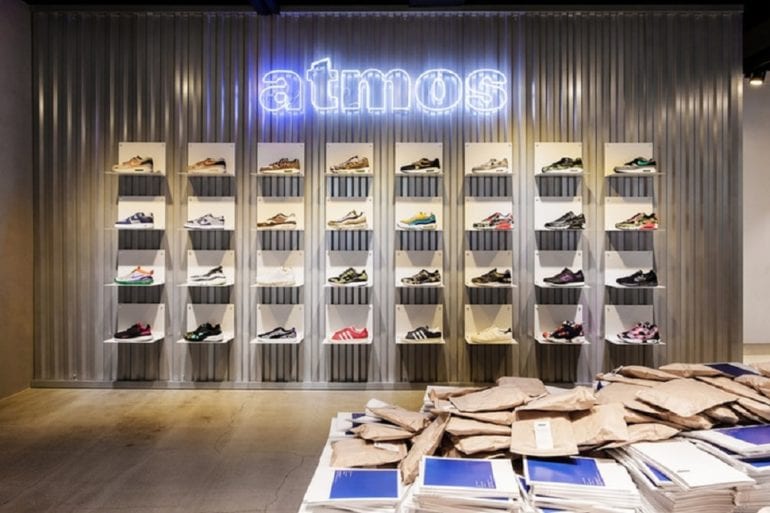
    Japanese’s famous multi-brand ‘Atmos’ opened its first store in Korea.

    Atmos is a fashion multi-brand store currently running 30 outlets in Japan. Seoul is its second overseas store after New York. Atmos is Tokyo’s iconic street boutique established in 2000.

    It is the first shopping destination for footwear brands because of its ability to catch the latest trends and spread them in the market. Currently, it distributes a wide range of products, however street and sportswear are its core business.

    Atmos is mainly dealing with limited edition products of famous brands such as Nike, it is mainly leading in the shoe market.

    What is unique is that Atmos employees work as designers and collaborate with brands to develop collaborative products as limited editions.

    Currently, there are more than 30 stores in Japan, one in New York and the other in Seoul. Annual sales are around 150 billion won and it is 5 billion won per store.

    Starting with the first store in Apgujeong, Seoul, Atmos plans to open stores in key areas such as Daegu, Busan, and Gwangju. It aims to build seven to eight stores more within 2 years.

    Atmos is very popular among Japanese sneaker enthusiasts, so a good response in Korea is expected as well. It will be a space where you can see products that you could not easily see in Korea.

    Meanwhile, US street sensibility lifestyle brand ASICS Tiger released ‘GREEN CAMO’ and ‘GORE-TEX’ which are collaboration products with Atmos.

    As a leading brand of youth culture, Asics Tiger’s both products are expected to kickoff a hipsterism mania which values personalities rather than fashion.

    ASICS Tiger x atmos Collaboration ‘GREEN CAMO’ and ‘GORE-TEX’ products is available at the recently opened ‘Atmos Seoul Flagship Store’.

  • M&S sells Hong Kong business to Dubai conglomerate Al-Futtaim

    M&S sells Hong Kong business to Dubai conglomerate Al-Futtaim

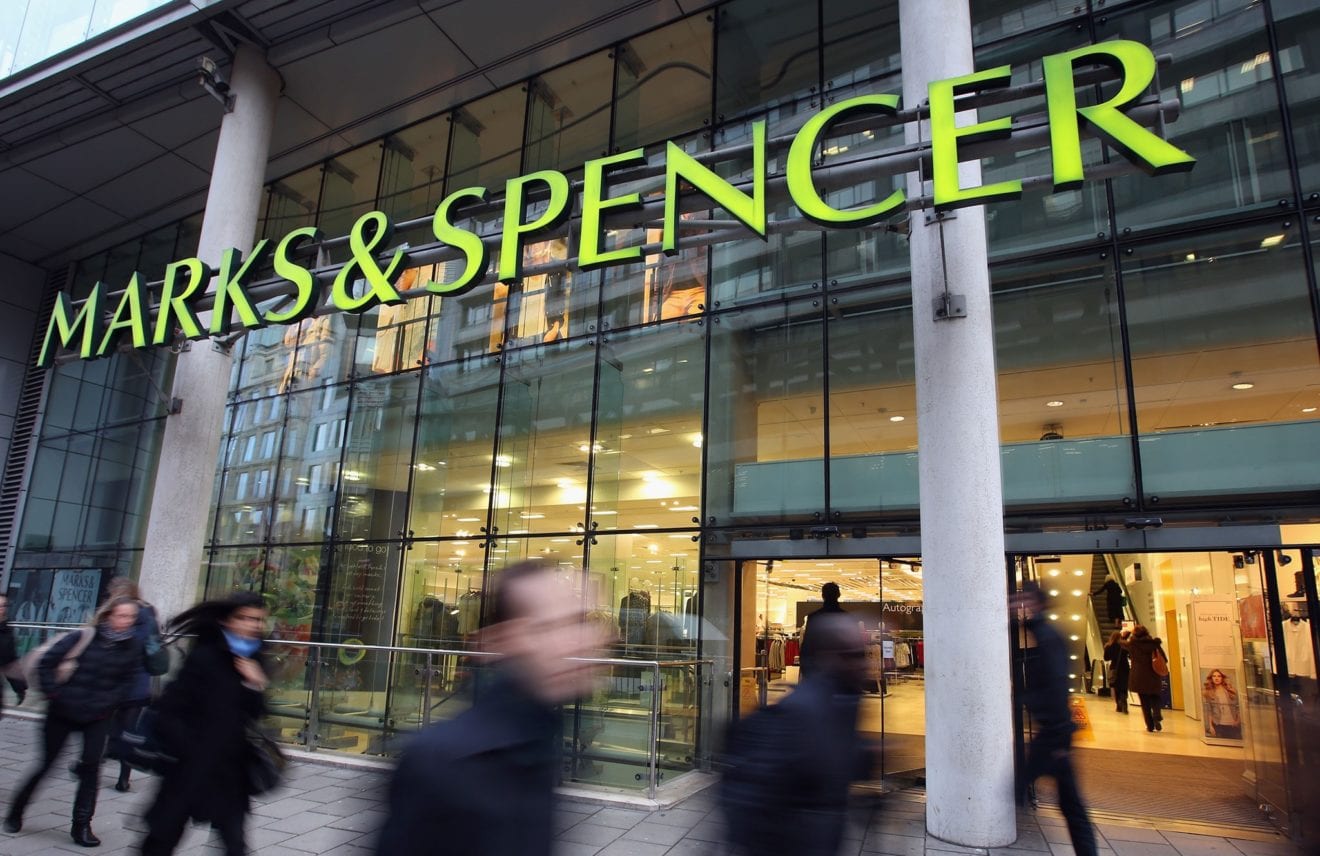
    Marks & Spencer has confirmed the sale and franchise of its retail business in Hong Kong and Macau to its long-established franchise partner Al-Futtaim.

    The two companies all but confirmed the sale in August  and settlement took place on December 30.

    Al-Futtaim is now the sole franchisee for Marks & Spencer Hong Kong and Macau, but the deal does not extend to the mainland where M&S has a presence on Tmall, having closed its department stores there.

    The two companies have a partnership dating back to 1998 when Al-Futtaim opened Dubai’s first M&S store in the UAE.

    The addition of 27 Marks & Spencer Hong Kong and Macau stores takes Al-Futtaim’s M&S network to 72 shops in 11 markets in Asia and the Middle East.

    “We have substantially reshaped our International business, which has improved profitability and positioned us for growth,” observed Paul Friston, Marks & Spencer’s international director in a statement confirming the sale.

    “As one of the world’s leading retail operators, with strong logistics capabilities and local expertise, Al-Futtaim is the ideal partner for us to develop and grow our business in Hong Kong and Macau.”

    Stephen Rayfield, VP of M&S and sports & lifestyle with Al-Futtaim said the company is looking forward to “enriching our customers’ lives and aspirations through the provision of quality products and services in Hong Kong and Macau”.

    Pascal Martin, partner with OC&C Strategy Consultants, said the decision to sell and franchise the Marks & Spencer Hong Kong business is consistent with the shift to an asset-light business model that the UK company has adopted for its international business.

    “It did not make sense to support only Hong-Kong and Macau as directly operated international businesses after having pulled out from all other direct markets, such as China and France. By selling its Hong Kong and Macau business to Al-Futtaim, M&S can also raise cash to continue to invest in its core, including product quality, the UK market and e-commerce.”

    At the same time, Al-Futtaim has a strong track record in operating M&S stores in many other markets and a solid investment capacity to continue to expand the M&S international store network, said Martin.

    “Another key factor is that Al-Futtaim’s M&S business is led by ex-M&S’ senior executive, Stephen Rayfield, who knows the business inside-out and can fully optimise daily operations between Al-Futtaim and M&S.”

    M&S now has a simple homogeneous international business: all wholesale to local partners, with the exception of a joint venture in India with Reliance.

    “The brand will be able to leverage Al-Futtaim’s strong investment capacity to accelerate the International expansion. Al-Futtaim can benefit from adding a strong profitable business (HK and Macau) to its already strong international M&S portfolio. They may be able to exert more control on M&S Asia logistics network to achieve better integration across Singapore, Malaysia, Hong Kong and Macau. Al-Futtaim will likely have increased negotiation power with M&S on product, store format, pricing and more,” said Martin.

  • Chanel cosmetics opens its first boutique in Seoul

    Chanel cosmetics opens its first boutique in Seoul

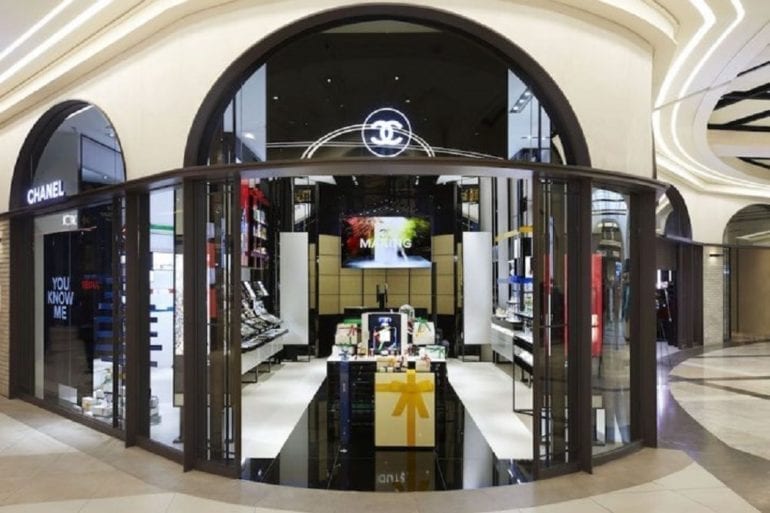
    Chanel opened its first independent beauty boutique ‘Chanel Famille Boutique’ in Shinsegae Department Store, on 15th Pamier Street in Gagnam.

    Chanel Famille Boutique is Chanel’s first beauty flagship store in Korea, where customers can experience different displays, make-up services, beauty classes and exclusive collections.

    Famille Boutique showcases products such as fragrances and makeup in a new way  inspired by Korea’s unique Taegeuk pattern to celebrate the opening of Korea’s first cosmetics boutique.

    In addition, the boutique shows the creative spirit of Chanel, which blends with the trendy Korean latest k-pop music, and a new system to quickly find your own lip color.

    There are 5 make-up classes in Chanel Famille Boutique. Particularly, “Coco Friends” is a small beauty class with 3 guests for 30 minutes, so customers can learn from custom make-up to the latest trend make-up.

    A variety of exclusive collection items are available in Korea, including the boutique exclusive’ Le Signe du Lion ‘, inspired by the Lion, Mademoiselle Chanel’s constellation.

    Chanel launched with a variety of events from 15 December to 21 December to celebrate Christmas, including Christmas cards, calligraphy services, and ribbon tree making.

  • Aigle opens Manila flagship store

    Aigle opens Manila flagship store

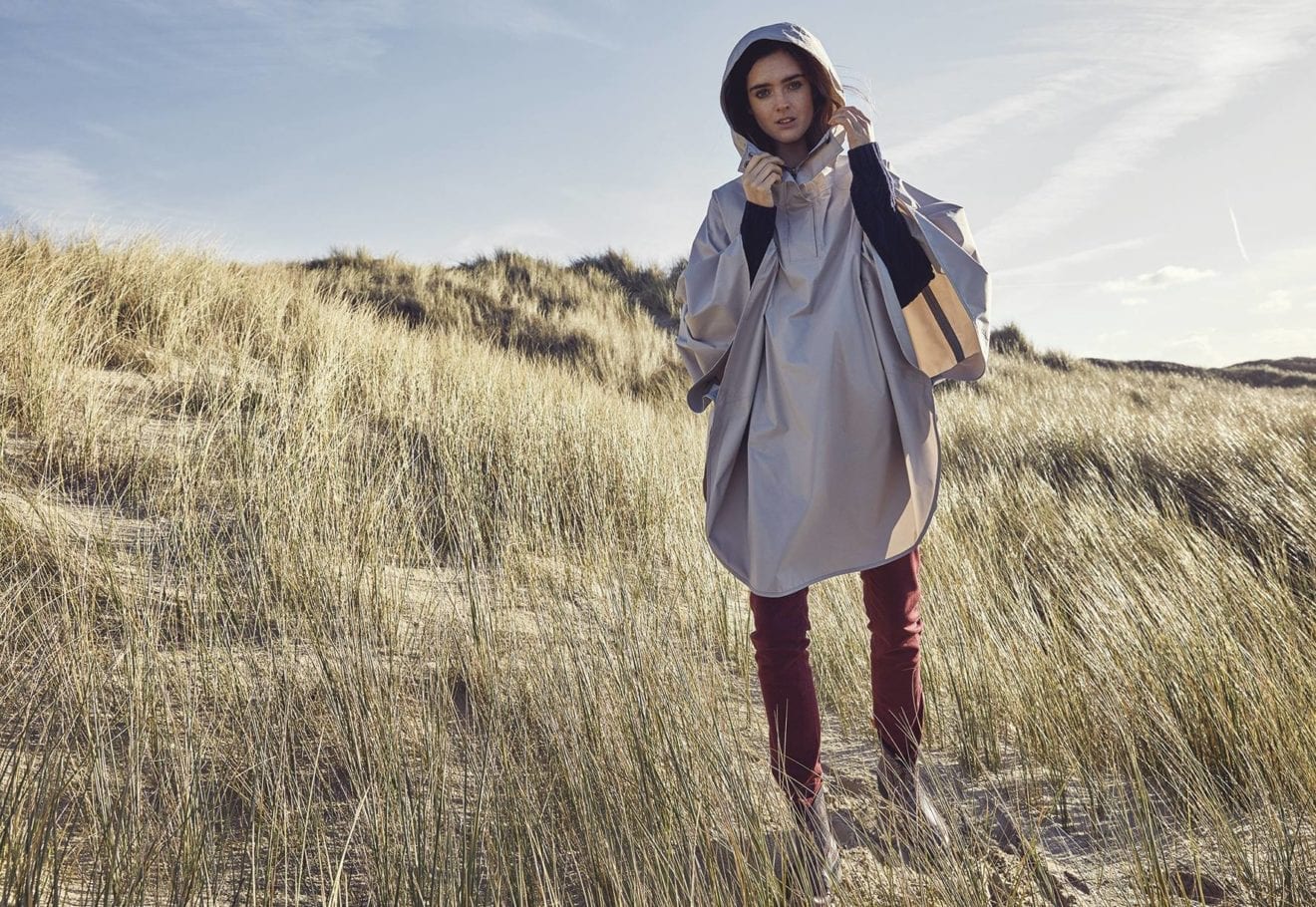
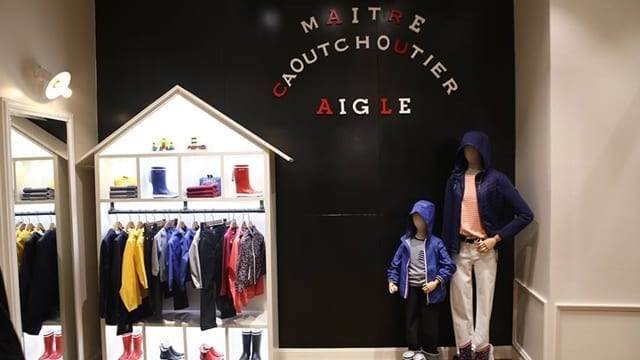
    French outdoor lifestyle brand Aigle has arrived in Southeast Asia – with a flagship store in Uptown Mall, Taguig City in Metro Manila, the Philippines.

    “Filipinos are very fashion-forward, and Aigle marries both style and reliability in outdoor wear,” says Andrew Naval of local representative Noble House Distribution Enterprise.

    Aigle’s latest collection was unveiled at the store launch, attended by TV host/model Mari Jasmine as well as representatives from Aigle Asia.

    Aigle PH

    Aigle PH 3

    Aigle PH 2

    Aigle PH 1

    While the store’s decor has a French accent, vintage Aigle posters and accordion music added to the atmosphere for the opening event. The occasion was used to introduce the brand ambassadors – actress/model Andi Eigenmann, organic produce farmers Gippy and Hindy Weber-Tantoco, and actor/TV host Victor Basa.

    An outdoor adventure photography online contest was held in conjunction with the store’s arrival, with six winners receiving their prizes at the launch event. They all won an Aigle shopping spree and an outdoor adventure at Aquascape Lake Caliraya.

    Sixty steps are involved in making Aigle’s rubber boots, with its craftsmen having up to two years of training before making their first official pair.

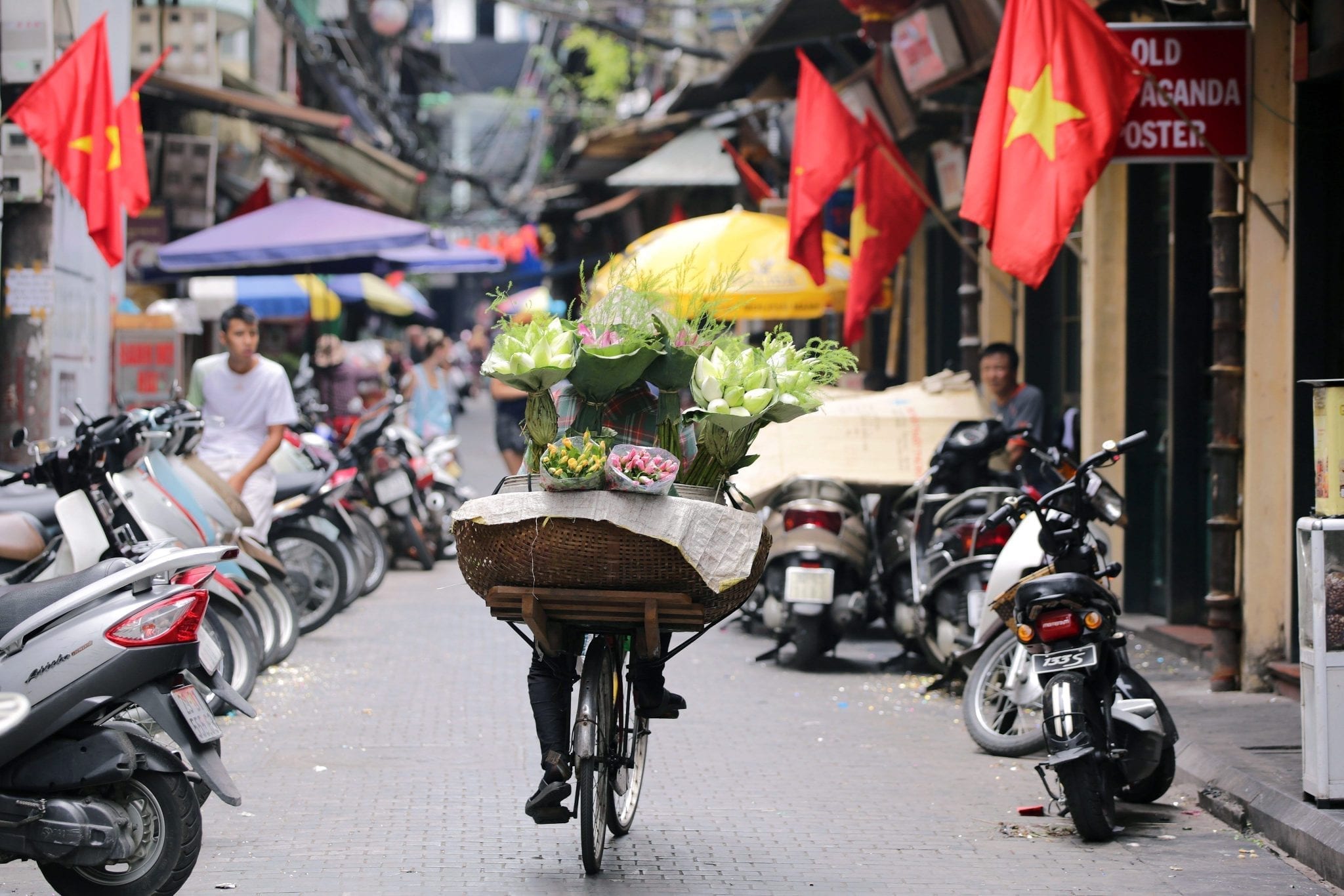
  • Vietnam’s economic growth to accelerate in 2018

    Vietnam’s economic growth to accelerate in 2018

    The forecasts are in and Vietnam can gloat again after a scare in early 2017.

    Economic growth next year will reach as high as 6.7% in 2018, better than in 2017, the prime minister predicted in October 2017.

    The Asian Development Bank forecasts 6.5%, but higher than 2017 and stronger than developing Asia overall. Even the more cautious World Bank estimates more growth next year than this year.

    As of early 2017, drought had afflicted farming while mining faced high production costs and declining sales prices abroad. U.S. President Donald Trumps decision in January to withdraw his country from the Trans Pacific Partnership trade pact further stood to whack Vietnam as a signatory and major exporter. Policymakers fretted that the country would miss growth targets.

    But those setbacks registered as blips at best for Vietnam’s overall $202 billion GDP. The nominally communist Southeast Asian country that opened to foreign investment in 1986 is still seeing a buildup of that capital from offshore.

    Foreign investors in the likes of electronics and polyester yarn factories still love Vietnam for its low costs, abundance of labor and matter-of-fact permitting process, analysts on the ground say. Growth has also helped make people wealthier, leaving just 13.5% in poverty, a boon to investors who sell locally.

    “We can reasonably infer that high registered foreign direct investment (FDI) in 2017 will result in high disbursed FDI in 2018, yet another year to post double-digit growth in FDI disbursement,” financial services firm SSI Research says in a note this month.

    Registered foreign direct investment increased 44% year-on-year through Dec. 20 to $29.68 billion, according to the Ministry of Planning and Investment.

    Foreign-operated factories make goods mainly for export and exports had risen 23% to $155.24 billion over the bulk of 2017, SSI Research says. Most offshore investment comes from South Korea, Singapore, Japan and Taiwan, all places where manufacturing costs more than in Vietnam.

    Investors come for a labor force that’s famously young, trainable and willing to work for a minimum wage of $172 per month. About 60% of the 93 million Vietnamese are of working age. Starting a business is getting more efficient permit-wise and most industries allow foreign investment of 100%, according to this guide by PwC (Vietnam) Ltd.

    It’s little wonder that Samsung Display made an “additional investment” of $2.5 billion this year, per SSI Research data. The display unit of of South Korean multinational Samsung Electronics will have parked $6.5 billion in Vietnam with the new outlay. In another major foreign investment move, Taiwanese-owned Polytex Far Eastern registered a $490 million factory for polyester yarn production.

    Thai Beverage’s proposed investment of 25% to 51% in the major Vietnamese brewery Sabeco, though not a direct factory sort of deal, points to further keenness on Vietnam itself.

    “The FDI scene in the economy continues to thrive,” says Dustin Daugherty, senior associate in business intelligence with the consultancy Dezan Shira & Associates in Ho Chi Minh City. “While a lot of attention is paid to big name deals, the number of small to medium-sized enterprises and smaller multinational company investors continues to tick up, and enthusiasm is very high.”

    “I think next year will be as good or better than this,” Daugherty says. “We are not yet at peak for the growth rate.”

  • Forever 21 investigating POS security breach

    Forever 21 investigating POS security breach

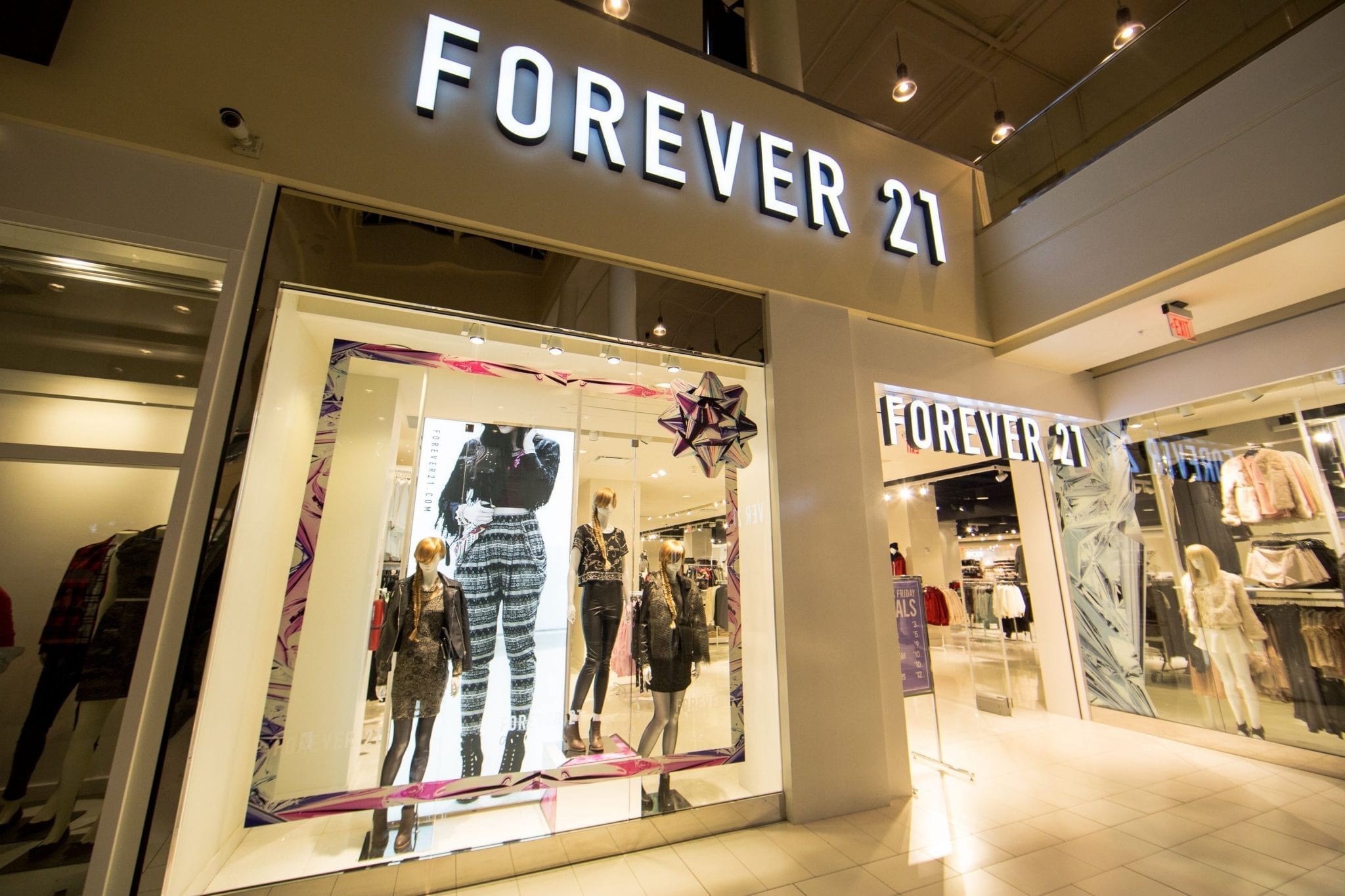
    A Forever 21 data breach uncovered last November has prompted the fashion retailer to boost security at its checkout counters.

    In the security scare, hackers installed malware on point-of-sale machines at store checkouts in the US.

    A two-month long investigation has revealed that encryption technology on some POS devices at an unspecified number of stores was not always on and that malware had been installed by criminals looking to mine the system for customer payment data.

    The breaches occurred between April 3 and November 18 last year, lasting between a few days and in some cases the entire period, the company has admitted. Forever 21 stores use multiple POS devices and in most cases only one or a few of the POS devices in a store were affected.

    The malware searched for data on cards used for payments at the point-of-sale. In most cases, the data did not include the cardholder’s name, so was of no use to the hackers, but in a minority of instances, the cardholder’s name was found.

    Forever 21 said it has been working with its payment processors, hardware suppliers and independent consultants to improve the encryption systems on the POS devices in all Forever 21 stores.

    “We also continue to work with the payment card networks so that the banks that issue payment cards can be made aware of this incident,” the company said in a statement. “Lastly, we will continue to support law enforcement’s investigation of this incident.”

  • Shinsegae’s beauty multi-shop ‘CHICOR’ opens the largest store

    Shinsegae’s beauty multi-shop ‘CHICOR’ opens the largest store

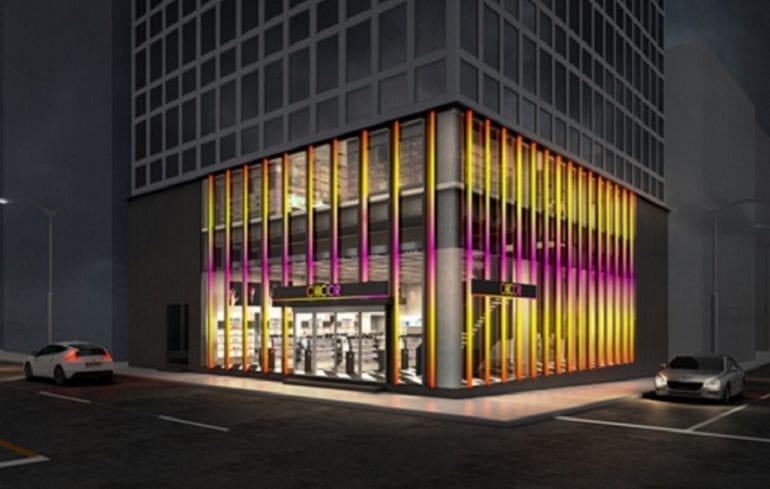
    Shinsegae Department Store Beauty multi-shop ‘CHICOR’ opens the largest flagship store in Gangnam Station. Gangnam is the 6th store and the first road shop after Daegu, Gwangju, and Goyang. CHICOR Gangnam is opened in the main street of Gangnam Station which is one of the representative commercial supremacy.

    It is located in the Kumkang Shoe building near Sinnon Hyun Station.

    It provides a space for experiential activities through beauty shopping, play, culture, and service, rather than a simple cosmetics sales space.

    The store is the largest of CHICOR stores with 1061 square meters (321 pyong). The three-story store has over 250 beauty brands.

    Categories have more segmented and specialized from existing line make-up, skin, body, hair, and men to beauty tools, kids, and room fragrances.

    This flagship store has a clear concept for each floor and seeks differentiation from other beauty shops. The first floor is decorated with an Extreme Beauty theme.

    Professional makeup, nail care and beauty tools are available on the first floor. The second floor is a beauty recipe theme that provides a full recipe for skin-care, body-care and perfume for your skin.

    The first floor of the basement is a beauty solution that provides expert solutions in skin care and hair care rooms.

    In addition to this, store is also organized hair care, men’s care and lifestyle products. In particular, the lifestyle section introduces a beauty item zone for children, and the beauty of the whole family can be found in one place.

    CHICOR plans to provide customers with various events such as makeup lecture event on Beauty Yu Tuber ‘Risabae’ in commemoration of the opening of the flagship store.

    CHICOR said, “Gangnam is a gathering place where people come for various purposes such as language study, shopping, and play.” “It will be a flagship store that will position itself as a landmark for resting with beauty.”

  • Capitalizing on the perceptive abilities of AI “Odd Concepts”

    Capitalizing on the perceptive abilities of AI “Odd Concepts”

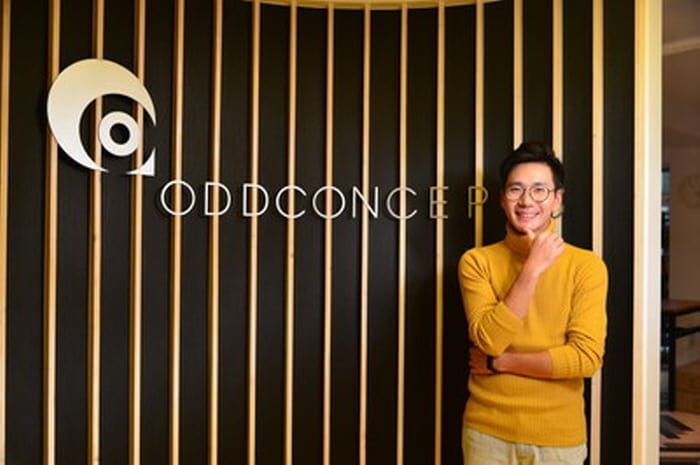
    Korean company Odd Concepts is using artificial intelligence to help consumers broaden their search for fashion items to match their tastes – even if the clothes are hanging in a store.

    Used by fashion e-commerce sites, its cloud-based image-search program works by allowing shoppers to choose clothes online that match their taste, then with its DeepLook search engine it finds similar clothing.

    Odd Concept

    A member company of the Korean government startup agency K-ICT Born2Global Centre, Odd Concepts draws on its expertise with image and video search. This enables shoppers to not only find clothing of a particular style, but also compare prices with similar items on other sites, says CEO Kim Jeongtae.

    Since its launch 11 months ago, the company has seen its monthly users rise to 4 million, he says. Of these, 15 to 20 per cent are from Japanese e-commerce sites.

    “We chose Japan as our first market because, unlike other east Asian countries, it has a unique closed-off fashion ecosystem,” says Jeongtae. “After three months of knocking on doors, traffic increased by more than 70-fold in six months, which eventually enabled us to secure an investment from a Japanese venture capital firm.”

    As well as DeepLook, the company plans to develop an extra search engine that focuses on content.