Tag: asia

  • DHL Express named Asia Pacific’s best employer for fourth consecutive year

    DHL Express named Asia Pacific’s best employer for fourth consecutive year

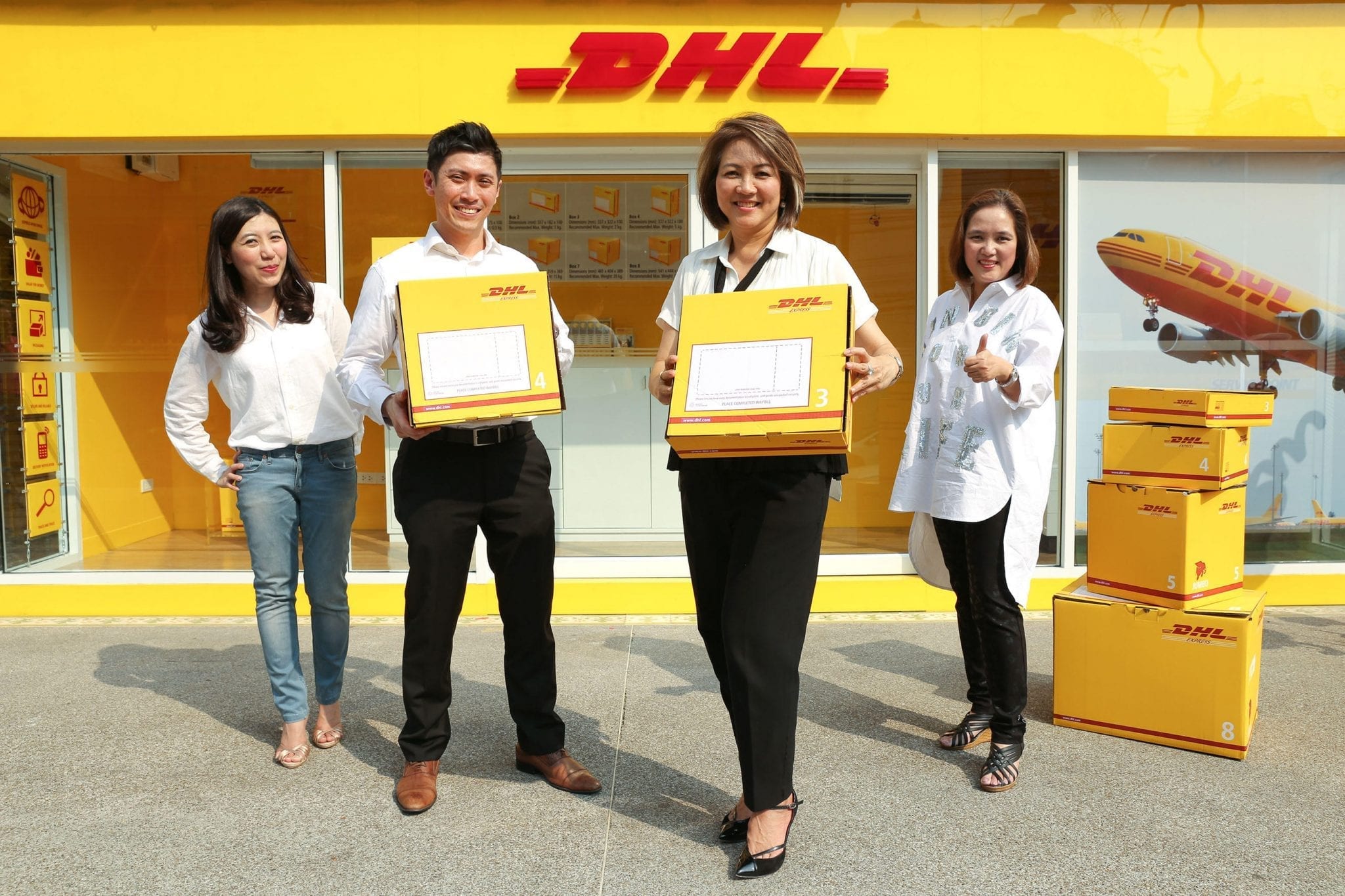
    DHL Express, the world’s leading international express services provider, has been named 2018 Top Employer for Asia Pacific as well as eight countries in the region: Australia, Hong Kong, India, Malaysia, New Zealand, the Philippines, Singapore, and Thailand.

    The award was conferred by Top Employers Institute, a global organization recognizing excellence in employee conditions, making this the fourth consecutive year that DHL Express has received the award. This further establishes the company as a regional leader in employment practices and talent development, with a workplace culture built on respect, recognition and equal opportunities.

    In 2017 alone, DHL Express received a total of 49 awards for its workplace and corporate culture in Asia Pacific, up from 39 awards in 2016 and 34 awards in 2015. This year’s string of accolades are the latest additions to the 96 other awards that DHL Express Asia Pacific has received since 2014, many with strict judging criteria based on employee feedback.

    “The DHL culture is built on the two R’s — respect and results. When we value our employees, and provide them with opportunities to achieve, we’re able to deliver the world-class results that our customers rely on to grow their businesses,” said Ken Lee, CEO, DHL Express Asia Pacific. “It is an honor to be acknowledged as a leading employer and an excellent workplace in Asia Pacific once again, and a testament to the hard work and effort that all our employees invest in really making DHL Express a byword for excellence.”

     The Top Employer award has consistently recognized DHL Express’ sustained investment in talent growth, including its Certified International Specialist (CIS) and Certified International Manager (CIM) programs that have trained over 43,000 employees in Asia Pacific. Nearly 75% of executive positions in the region end up being filled by internal candidates thanks to the company’s talent development initiatives, and women hold 1 in 3 management roles in DHL Express.

    “Diversity in leadership and the workplace help us better understand the full range of our customers’ needs and stories — resulting in more effective service for their businesses,” said A. Mateen, Senior Vice President, Human Resources, DHL Express Asia Pacific. “Thanks to a strong Diversity Management framework in place, coupled with comprehensive feedback from our annual Employee Opinion Survey, we’ve established a workplace culture where everyone has not only a voice, but also the opportunity to grow to their full potential.”

    This year, DHL Express was also named Best Employer 2017 for Asia Pacific and nine other countries region-wide, as well as “Best Employer for Women in the Workplace” in South Korea and Taiwan, by human capital firm Aon Hewitt. The Great Place to Work® Institute also recognized DHL Express as one of the “Best Multinational Workplaces in Asia” for five countries as well as the broader Asia Pacific region.

    “The success of any logistics operation depends on the skill, adaptability, and resilience of its people, translated across numerous cultures and geographies,” added Ken Lee. “At DHL Express, we’re committed to creating an environment where all employees can thrive and grow. We’re extremely proud to have nearly doubled the number of awards for our culture and workplace this year compared to 2016: each award encourages us to keep working towards a more inclusive, effective, and empathetic culture in every market where we do business.”

  • Aeon Group to invest into digital space

    Aeon Group to invest into digital space

    Major Japanese retailer Aeon Group plans to invest ¥500 billion (US$4.4 billion) in online retail over the next three years.

    Representing a 150 per cent spike in its online investments, the plan has been revealed in a new midterm business plan.

    Openings of tenant stores in Japanese shopping malls have shrunk by 30 per cent in the past year, a Nikkei survey shows. Stores are also closing faster than they are opening, and malls are struggling to find replacements.

    Aeon has spent 18 months mapping out its new strategy, which is intended to ensure its long-term survival. The midterm plan will be in effect until fiscal 2020.

    “We will spend more on things other than brick-and-mortar stores,” Aeon president Motoya Okada said after unveiling the plan in Tokyo.

    Aeon’s massive investment in technologies and services to raise its online retailing profile reflects the challenges it faces along with other traditional merchants.

    Okada said the company also plans to double its investment for boosting its online business beginning in fiscal 2021.

    He also said “old-fashioned” retailers have learned much from Amazon.

  • Saigon cafés, restaurants facing the heat for accepting Bitcoin payments

    Saigon cafés, restaurants facing the heat for accepting Bitcoin payments

    Authorities in Ho Chi Minh City will be working with the country’s central bank to “handle violations” at several restaurants and coffee shops in the city that have been accepting Bitcoin as payment, an official from the bank said on Tuesday.

    Nguyen Hoang Minh, deputy director of the State Bank of Vietnam’s Ho Chi Minh City branch, maintained that virtual currencies such as Bitcoin are illegal, and the issuance, provision and use of Bitcoin violates the rules.

    Several coffee shops and restaurants in the city have been accepting Bitcoin as payment so the municipal administration has agreed to cooperate with the central bank to deal with these violations, Minh told a meeting with the central bank’s deputy governor Dao Minh Tu.

    “We have also asked the city’s police department to work with us.”

    The heaviest punishment for using cryptocurrencies in Vietnam is a fine of VND200 million ($8,800).

    However, we found a restaurant in District 1 that allows customers to pay for their drinks and pizzas using Bitcoin.

    A staff there said customers only need a Bitcoin code to pay for their meals, adding that this method is more beneficial for the restaurant because Bitcoin payments do not appear on tax declarations.

    Prices at the restaurant follow the current value of Bitcoin on the world market, which was $16,500 on Wednesday.

    The value of the cryptocurrency has been rising rapidly this year, reaching an all-time high of $19,783 on Sunday, an increase of 20 times compared to January.

    The heat that Bitcoin has created globally has been felt in Vietnam, and 1,478 pieces of hardware were imported into the country to “mine” for the currency in the first ten months of this year, according to official government data.

    As explained by Business Insider and Investopedia, the process of mining Bitcoins involves miners solving complex mathematical problems, and the reward is more Bitcoins generated and awarded to them.

    The participant who solves the puzzle first gets to place the next block on the block chain, a public ledger that records all Bitcoin transactions, eliminating the need for a third party to process payments, and claim the rewards.

    Miners verify transactions and prevent fraud, so more miners equals faster, more reliable and more secure transactions. According to current Bitcoin protocol, 21 million coins is the cap and no more will be mined after that number has been reached.

    Yet as currently regulated, the hardware imported into Vietnam for Bitcoin mining is not prohibited.

    In October, the central bank issued a statement saying that “from January 1, 2018, the act of issuing, supplying or using illegal means of payment may be subject to prosecution in accordance with the provisions of Article 206 of the Penal Code 2015.”

    The only payment methods allowed in the country are issued or controlled by the State Bank.

    The central bank has warned organizations and individuals in Vietnam not to invest in Bitcoins or conduct transactions in the currency, saying they would be taking a huge risk with no legal protection.

    “Bitcoin transactions are anonymous and can be used for money laundering, drug trafficking, tax evasion and illegal payments,” the bank said.

    Also in October, Vietnam’s top technology university FPT said it was looking at ways to let its students pay their tuition fees using Bitcoin.

  • Eslite plans to open four new bookstores next year

    Eslite plans to open four new bookstores next year

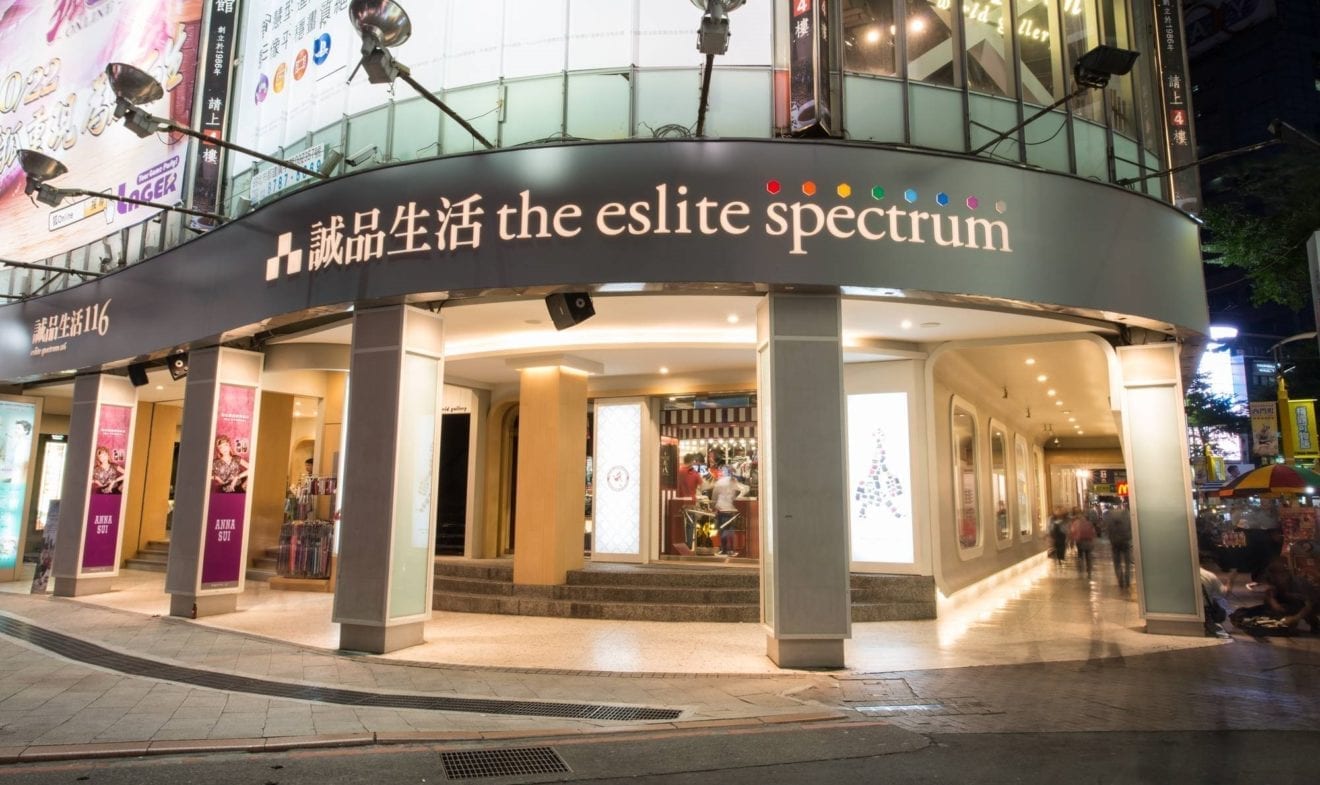
    Eslite Spectrum Corp, which runs bookstores, restaurants, hotels and commercial centres in Taiwan, aims to open four more bookstores next year.

    Launched in 2005, the company is 51 per cent owned by Eslite Corp, one of the largest retail bookstore chains in Taiwan.

    In the second quarter of next year, the company will unveil its first bookstore in Hualien county, says Eslite Spectrum VP Lin Wan-ju. This will be followed by a store in Taipei’s Shin Kong Mitsukoshi Department Store in the third quarter, and another in Kaohsiung in the fourth quarter.

    Lin says the company also plans an outlet in Taichung by the end of next year.

    While online bookstores have been gaining popularity, Lin says an Eslite survey has shown that nearly 60 per cent of readers in Taiwan still visit physical bookstores every month.

    Eslite will also use big-data analytics to understand consumer behaviour and provide better services, she says.

    The company says it has 44 bookstores in Taiwan, Hong Kong and Suzhou, with customer traffic of nearly 200 million people last year.

    Bookstores and commercial centres contribute nearly 78 per cent of the company’s total sales, while restaurants and hotels account for 18 and 4 per cent respectively.

  • Ooredoo launches 1.2Gbps mobile speeds

    Ooredoo launches 1.2Gbps mobile speeds

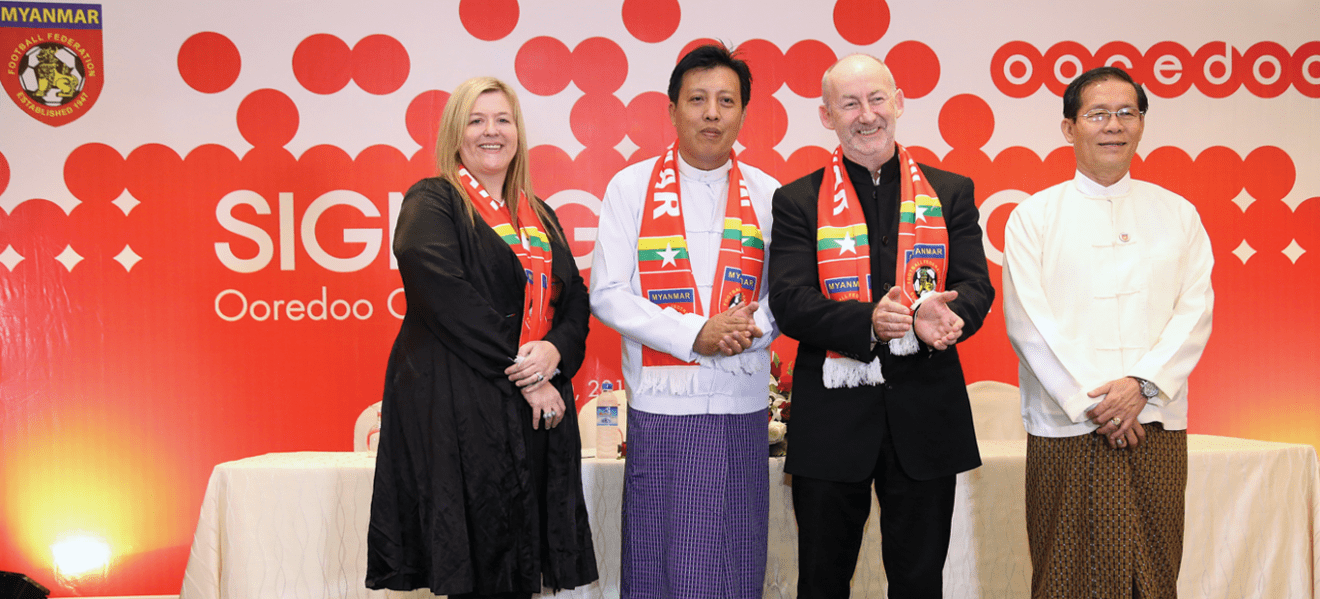
    Qatar-based Ooredoo has announced it has broken the 1Gbps speed barrier using commercial smartphones and a live network.

    The company said the company has made speeds of up to 1.2Gbps commercially available to customers in Qatar as it works to be one of the earliest adopters of 5G technology.

    Tests conducted on live sites across Ooredoo’s network achieved speeds exceeding 1Gbps.

    As well as its consumer operations, Ooredoo revealed that Qatar Airways has arranged become the first corporate 5G customer.

    When launched, Ooredoo’s 5G connected corporate commercial services will provide an alternative to wired networks for corporate customers in hard to reach or remote areas.

    In November, Ooredoo completed testing of massive multiple-input multiple output (Massive MIMO) technology in partnership with the airline.

    “Ooredoo will continue to invest heavily in our networks to make sure that everyone across our global footprint can enjoy the internet and its life enhancing benefits,” Ooredoo Qatar CEO Waleed Al Sayed said.

    “There is no doubt that 5G services will have a huge impact on businesses and people, unlocking speeds for seamless browsing, next-generation business applications, and more. We are committed to being one of the first operators globally to make this service commercially available to our customers.”

  • McDonald’s Singapore launches locally-inspired ‘nasi lemak’ burger

    McDonald’s Singapore launches locally-inspired ‘nasi lemak’ burger

    For Singaporeans and Malaysians, nasi lemak (rice cooked with pandan leaves and served with sambal) is a breakfast staple. Realizing the Singaporeans’ non-stop craving for the fragrant rice, McDonald’s Singapore introduced nasi lemakburger on Thursday.

    The unique dish, which consists of semolina buns, coconut-flavored chicken thigh patty, egg, caramelized onions, sliced cucumbers and sambal, was launched in conjunction with Singapore Food Festival 2017 and the upcoming Singapore National Day.

    In addition to the nasi lemak burger, the fast food chain also launched locally-inspired beverages and desserts, namely the Chendol McFlurry (ice cream with worm-like green rice flour jelly), chendol ice cream cones, the Bandung McFizz (condensed milk beverage flavored with rose cordial syrup), Pandan Coco Frappe (pandan flavor drink served with coconut and grass jelly), coconut pie and kueh salat (a pandan sponge cake with a glutinous rice layer).

    Sure enough, Singaporeans have flooded McDonald’s outlets to devour the high-carbs meal and sweet treats.

    On Twitter, they posted mixed reviews about the fusion burger. Though not all were fond of the East-meets-West dishes, some gave positive feedback, saying the burger was beyond their expectation, tasting exactly like nasi lemak.

    Seeing the positive response, maybe it is time for McDonald’s Indonesia to consider some locally-inspired menus for Independence Day — sate ayam (chicken skewers) or lontong sayur (rice cakes with vegetables) burgers, perhaps?

  • NBA Teams for Online Stores in APAC

    NBA Teams for Online Stores in APAC

    In partnership with the US National Basketball Association (NBA), sports merchandise e-commerce company Fanatics has launched official NBA online stores across Asia Pacific.

    Fanatics already runs the flagship NBA Store in New York City, the league’s global e-commerce site and its official online store for Europe.

    It has now opened official online stores in Cambodia, Japan, Laos, Malaysia, Singapore, Thailand and Vietnam, as well as Australia and New Zealand. These offer a range of men’s, women’s and youth products from all 30 NBA teams, including oncourt apparel from official outfitter Nike and products from a range of NBA merchandise partners including Mitchell & Ness and New Era.

    There are also exclusive products, including personalised team jerseys.

    As well as paying in local currency, online shoppers will benefit from quicker deliveries and cheaper shipping thanks to Fanatics’ centralised distribution point in Asia.

    “The NBA is becoming an increasingly global league, and we’ve seen a significant uptick in fandom across several regions throughout Asia,” says Fanatics International president Steve Davis.

    With the launch of the new online stores, the league now has 20 international e-commerce sites.

  • Yohji Yamamoto receives Asia’s Lifetime Achievement Award

    Yohji Yamamoto receives Asia’s Lifetime Achievement Award

    Japanese fashion designer Yohji Yamamoto is this year’s recipient of the Lifetime Achievement Award, awarded last Friday at the Design for Asia gala dinner in Hong Kong.

    The 74-year-old design giant — known for his avant-garde tailoring featuring Japanese design aesthetics featuring over-sized silhouettes and a restricted, dark palette — was celebrated for his contribution to luxury fashion. Today, his two main lines Yohji Yamamoto and Y’s are stocked in high-end department stores around the world.

    Moreover, the designer has been hailed for his pioneering of the fusion between athletic wear and luxury fashion. He began hid collaboration with Adidas in 2003, forming the now very popular athleisure brand, Y-3.

    “Let me say, I think I’m a good dressmaker, but I am not a very good talker,” said Yohji Yamomoto, when he received the award.

    “In my long career, in design, architecture, [I’ve been to] so many parties, this is the very first time that I have such a warm feeling, I really appreciate this. Please let me become your family,” said the designer, who spends most his time between Tokyo and Paris. The latter is where he shows his seasonal collections each year.

    The designer has stores in Japan, France and the UK.

    Yamamoto has received several other accolades in previous years, including the Commander of the Order of Arts and Letters back in 2011 — the highest honour in arts and culture in France.

    The Design for Asia gala dinner also paid homage to hotelier Adrian Zecha, founder of the Aman resorts, and a new affordable luxury hotel concept, called Azerai, for design leadership.

    During the same night, organisers also awarded scholarships to 17 young designers of up to 500,000 Hong Kong dollars (US$640,000).

  • Nissan India set to hike prices from January 2018

    Nissan India set to hike prices from January 2018

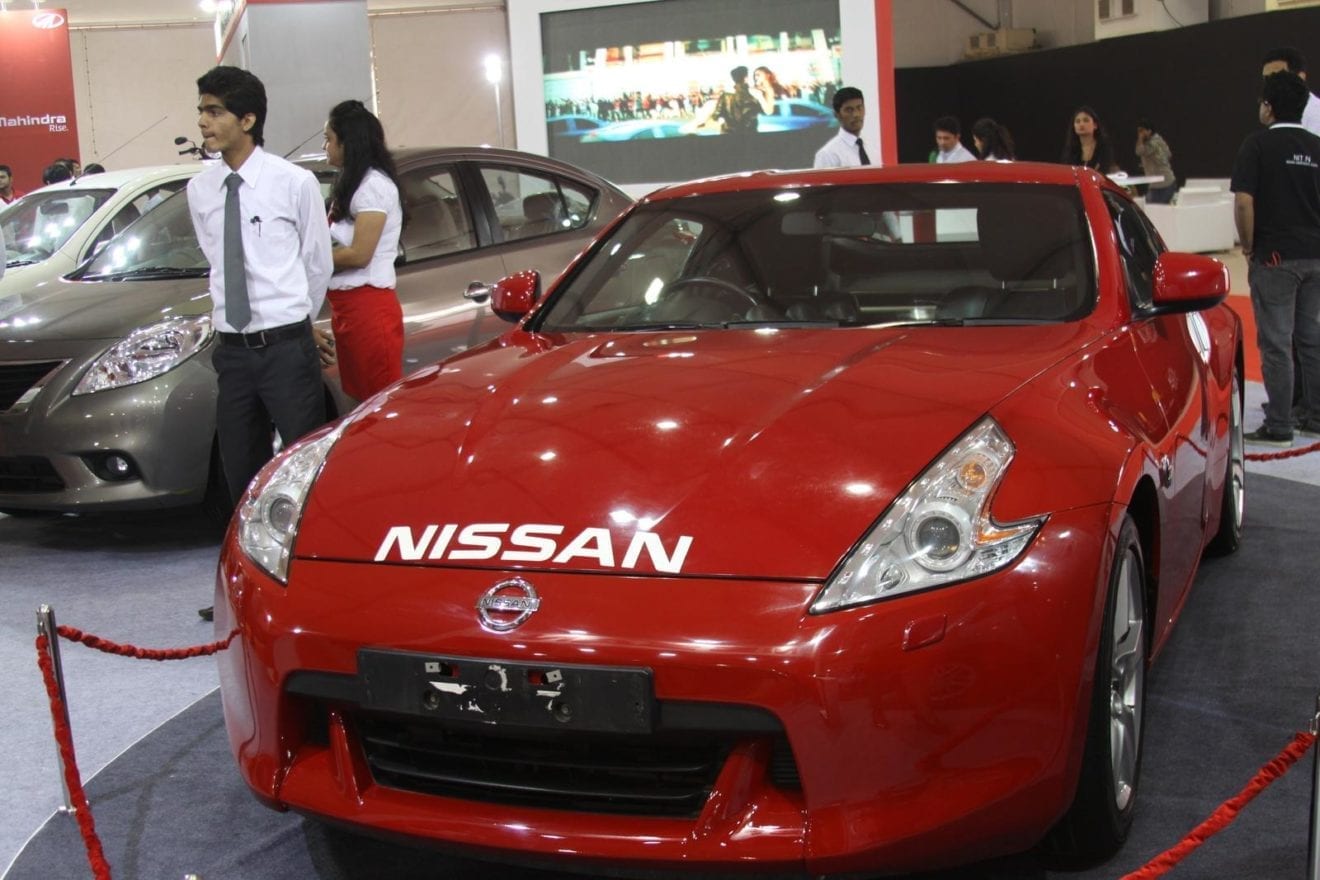
    Nissan Group of India on Tuesday announced a price revision across its Nissan and Datsun range of models.

    The prices of the Nissan and Datsun models will rise by up to Rs 15,000 effective 1 January 2018.

    Jerome Saigot, managing director, Nissan Motor India, said: “With the rise in input and manufacturing costs, Nissan has decided for a price hike across all the Nissan and Datsun models with effect from 1 January 2018. The revised pricing will help us to optimize our manufacturing efficiencies and continue to serve our customers pan-India.”

    Recently, Nissan and Datsun have been ranked among top 6 auto companies in India for customer satisfaction. The Datsun redi-GO has been ranked among the top 3 cars in the entry compact segment by the JD Power 2017 India Initial Quality Study.

  • North Korea’s sole 3G player Koryolink said to shut down

    North Korea’s sole 3G player Koryolink said to shut down

    North Korea’s sole 3G operator Koryolink may have shut down operations as a result of international sanctions over the nation’s ongoing nuclear testing.

    Koryolink’s owner, Egypt’s Orascom Telecom is preparing to withdraw from the company as it faces mounting pressure from the US and UN Security Council to comply with the sanctions, according to a UPI report.

    The report itself cites a Japanese article that cites Japanese intelligence officials and unnamed industry sources. The sources say that Koryolink’s customers have been transferred to state-run GSM operator Byol.

    Orascom holds a 75% stake in Koryolink with the remaining 25% owned by the North Korean government. The operator reportedly racked up around 3.5 million customers. Orascom has revealed it invested around $250 million in its North Korean operations.

    While Orascom had hoped to continue its operations in North Korea within the framework of the international sanctions, the Japanese report suggests that the company has given up on these ambitions as a result of international pressure.

    But it adds that Orascom has yet to officially announce its withdrawal from the market due to needing more time to smoothly handle exit procedures.

    Orascom first entered the North Korean market in 2008, but has reportedly faced difficulty withdrawing its earnings from the operations as a result of the sanctions.

  • Lotte chemical to expand polyethylene manufacturing unit in Malaysia

    Lotte chemical to expand polyethylene manufacturing unit in Malaysia

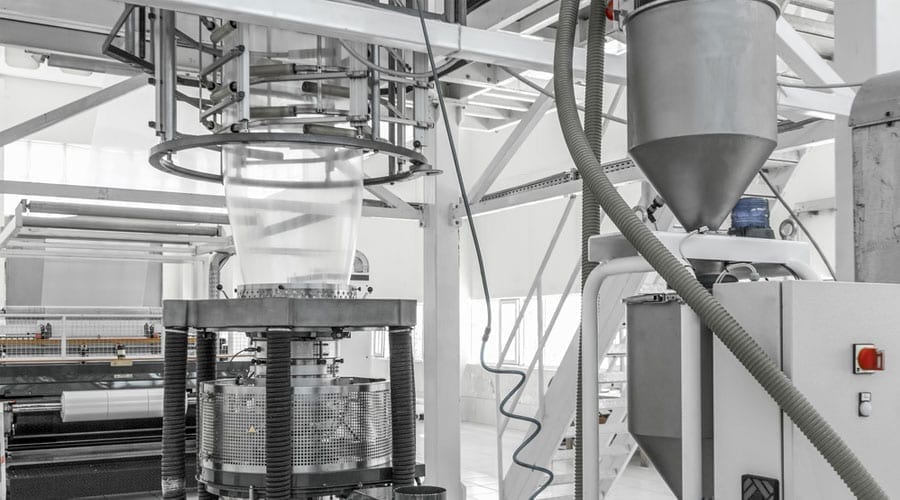
    Lotte Chemical Corp., the compound unit of Lotte Group, has extended its polyethylene plant in Malaysia to support deals in Southeast Asian markets, the organization said.

    Lotte Chemical has contributed 300 billion won (US$276 million) in growing the polyethylene production facility in Malaysia since 2015 and finished the extension venture in August, the organization said in an announcement.

    The Lotte Chemical Titan Holding Berhad plant now has a manufacturing limit of 810,000 tons of polyethylene, up 13 percent from the past limit of 720,000 tons, it said.

    Lotte Chemicalclaims a 74.87-percent stake in the plant which for the most part delivers polyethylene, the most widely recognized of plastic items. Lotte Property and Development holds a 31.27-percent stake in Lotte Chemical. The organizations are affiliates of Lotte Group, a retail-to-construction aggregate.

    Lotte Chemical intends to extend its manufacturing facilities in South Korea and the United States one year from now to have a consolidated polyethylene yield limit of 4.5 million tons globally, up from 3.3 million tons it is forecasting for the finish of 2017, the announcement said.


  • Shinhan Bank completes acquisition of ANZ’s retail biz in Vietnam

    Shinhan Bank completes acquisition of ANZ’s retail biz in Vietnam

    South Korea’s Shinhan Bank said Monday it has completed the acquisition of Australia & New Zealand (ANZ) Banking Group’s retail business in Vietnam.

    The acquisition helps Shinhan Bank increase its assets in Vietnam to US$3.3 billion and its number of Vietnamese customers to about 900,000, the bank said.

    Financial terms of the acquisition were not disclosed.

    In April, ANZ, Australia’s third-largest bank, agreed to sell its retail business in Vietnam to Shinhan Bank as part of its strategy to streamline its businesses in Asia.


  • Shilla Duty Free opens six new shops at Hong Kong International Airport

    Shilla Duty Free opens six new shops at Hong Kong International Airport

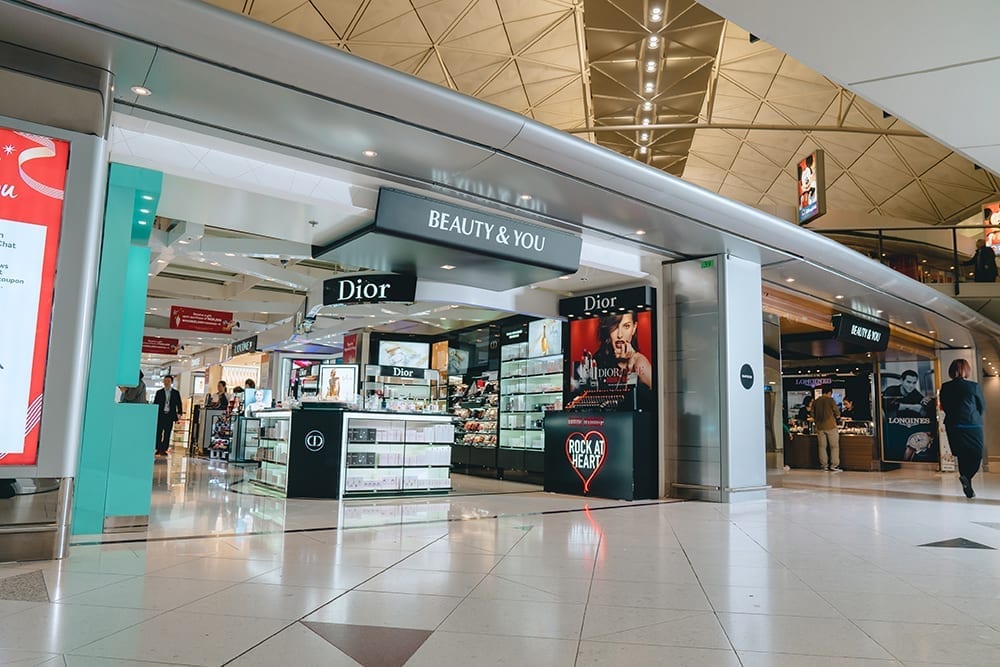
    The Shilla Duty Free has opened six new retail outlets at Hong Kong International Airport (HKIA).

    The retailer sucellfully bid on the perfume and cosmetics and fashion accessories concessions earlier this year. Shilla says the new license marks it as the first operator to simultaneously secure duty free perfumes and cosmetics concessions across the hub airports of Incheon International, Hong Kong International and Singapore Changi.

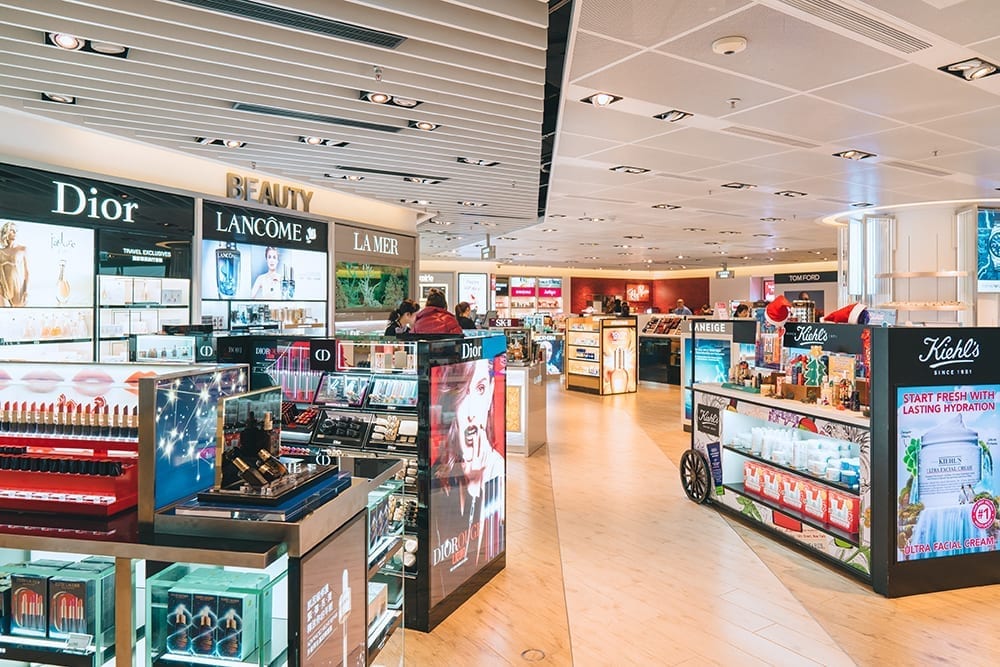
    With the opening of the HKIA stores, Shilla has also announced its new vision for experiential retail – Beauty & You. Following the commencement of operations this December, the outlets will be transformed in phases into the new identity.

    Shilla’s Beauty & You concept is designed to combine “innovative store designs with a wide array of products, excellent service and exciting activities to delight guests at every stage of their shopping journey, giving a new innovative approach to travel retail in an airport”. Designed to represent how modern customers shop, the new Beauty & You store layout will incorporate both branded counters and non-branded areas, as well as immersive engagement zones.

    New brands

    With the grand opening of the new concept stores slated for the summer of 2018, the number of brands featured across the six stores will increase to over 200.

    “We’re extremely excited to expand The Shilla Duty Free network to one of the busiest airports in the world,” said Alice Woo, managing director of Shilla Travel Retail Hong Kong. “The airport served more than 70 million passengers annually and 1,100 aircrafts daily in the past 12 months. Hong Kong’s proximity to other Asian countries and mainland China also makes HKIA a powerful and promising hub for duty free sales. With the upcoming launch of Beauty & You, we hope to redefine the airport retail experience and customer journey through personalised service, interactive and engaging environment in one of the most robust travel markets in the world.”

  • Vietnamese fruits struggle to gain foothold in international markets

    Vietnamese fruits struggle to gain foothold in international markets

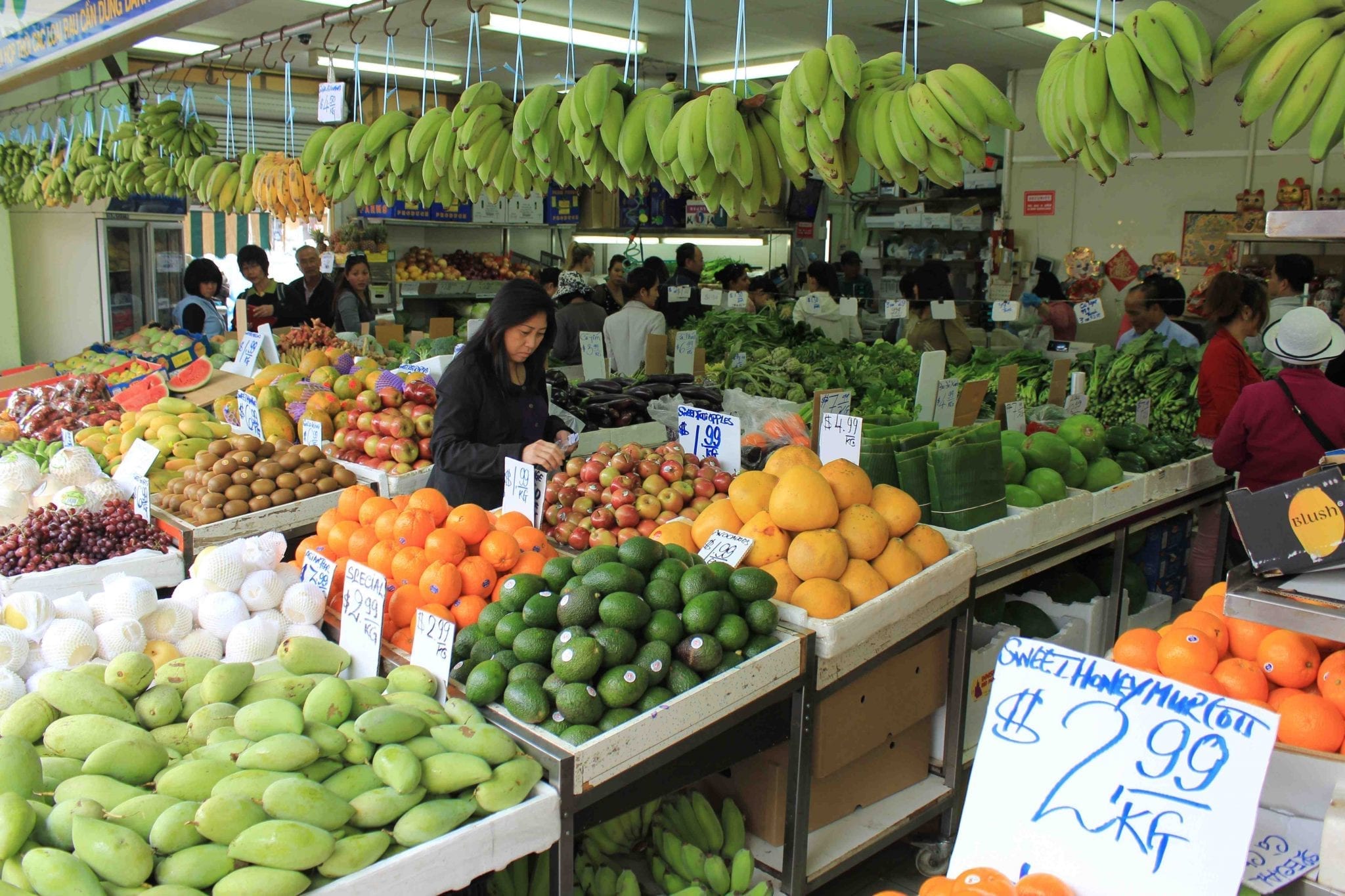
    Vietnam is struggling to find international buyers for its tropical fruit, despite having been licensed to export by demanding markets such as the U.S, Australia, Canada and Japan.

    Starting December 29, the U.S. Department of Agriculture will allow imports of fresh mangoes from Vietnam, following in the footsteps of dragon fruit, rambutan, lychees, longan and star apple.

    Earlier this year, Australia also opened its doors to fresh dragon fruit imports from Vietnam after nine years of negotiations. Vietnam delivered its first dragon fruit shipment to the market in September, becoming the sole country allowed to ship the fruit to Australia to date.

    But despite these breakthroughs, strict requirements still make it difficult for fresh fruit to enter these markets.

    Mango exports to the U.S. are a prime example. Fresh mangoes from Vietnam will be subject to regulations that include orchard requirements, irradiation treatment and port of entry inspections.

    The fruit must also be imported in commercial consignments accompanied by a phytosanitary certificate issued by Vietnam’s Plant Protection Department.

    Even if these requirements are met, sales of Vietnamese mangoes are not guaranteed as they depend on consumer tastes and distribution, said Dam Quang Thang, CEO of fruit exporter Agricare Vietnam.

    In addition, local mangoes may find it hard to compete with those from Mexico, which has the biggest mango output in the Americas at over 1.5 million tons each year. Mexican mangoes are good quality and meet U.S. import requirements, he added.

    It’s too early to say if Vietnam will be able to export 3,000 tons of fresh mangoes to the U.S. each year as planned, equivalent to one percent of U.S. import volume and its total domestic output, Thang said.

    Another obstacle to fruit exports is high transport fees that raise retail costs in overseas markets.

    For example, Vietnamese dragon fruit is sold for $8 per kilogram in the U.S., 10 times higher than prices in the local market, while Vietnamese lychees are sold for $16 per kilogram in Australia, 16 times higher than at home, according to some fruit exporters.

    Vuong Dinh Khoat, director of local fruit exporter Hugo, said aviation fees often account for more than half of Vietnamese fruit export prices.

    A representative from a fruit exporter in the southern province of Binh Duong said her firm had to temporarily halt shipments of mangoes to Japan because of high transport fees that made the product uncompetitive.

    She said her firm had to pay an aviation transport fee of $1.8 per kilogram of mangoes shipped to Japan, 50 percent higher than that paid by Thai exporters despite the shorter distance.

    Explaining the issue, she said many countries like Australia and Thailand offer transport subsidies to domestic traders to boost exports.

    Together with high aviation fees, poor trade promotions have limited Vietnam’s fruit export expansion. Despite infiltrating the U.S., local fruits are only sold in a limited number of places, such as California and New York, due to inefficient promotional activities, according to the Vietnam Fruit and Vegetable Association.

    To boost exports, the Vietnamese government should subsidize transport fees for local fruit exporters without violating its international commitments, according to industry insiders.

    Meanwhile, producers should try to apply new cultivation models and set global food safety standards as their top priority, they added.

    Major foreign currency earner

    Vietnam’s total fruit and vegetable exports hit $3.2 billion in the first 11 months of this year, marking a jump of 43.1 percent on-year and leaving other key agricultural exports far behind.

    A growing appetite among foreign consumers for Vietnamese fruit is expected to reduce the country’s reliance on China, which accounted for 70 percent of Vietnam’s fruit and vegetable exports in 2016. Local fruits are now exported to 60 countries and territories.

    At a recent session of the legislative National Assembly, Nguyen Thien Nhan, the chief of Ho Chi Minh City’s Communist Party, called for the government to focus on helping farmers grow fruit and vegetables for export to combat rural poverty.

    Last year, total export revenue from fruit and vegetables surpassed that of crude oil, Vietnam’s key export, for the first time, he said, citing that Vietnam earned $2.4 billion from shipping crude oil and $2.45 billion from fruit and vegetable exports.

    The growth of crude oil exports has slowed over the past five years, while fruit and vegetable export revenue has increased 30 percent each year, he added.

    “Fruit and vegetable export value will reach an estimated $9-10 billion by 2020, higher than crude oil even at its peak,” Nhan told legislators.

    Minister of Agriculture and Rural Development Nguyen Xuan Cuong said his ministry is reviewing farming production to help rural areas make the most of their local conditions.

    Each commune should focus on certain products for export, he said.

    “We have nearly 9,000 communes nationwide with different climate conditions and the potential to grow specialty fruit and vegetables that would create huge export earnings,” he added.

  • JD.com will open hundreds of unmanned convenience stores

    JD.com will open hundreds of unmanned convenience stores

    Following a trial at its Beijing headquarters, online retail giant JD.com plans to open hundreds of unmanned convenience stores.

    This effectively dwarfs Amazon’s plans to open checkout-free stores, as reported.

    JD.com’s stores will use facial recognition and other technology to identify products and record payments so customers do not need to wait in a checkout line. Ceiling cameras will track shopper movements and generate heat maps to monitor activity and traffic flow, product choice and customer preferences.

    This will all help store owners to stock efficiently, says the company, while facial recognition will allow for customised advertising based on an individual’s shopping behaviour.

    “From helping small-store owners streamline their supply chains and increase stocking efficiency, to speeding up check out, this is a massive jump beyond anything in use today,” says JD.com VP Song Ma.

    As well as plans to eventually license its store technology to third parties, the online retailer is also considering driverless vehicles with pre-programmed routes as well as secure lockers for deliveries. In May, JD.com said it planned to develop heavy-duty drones for long-distance deliveries.

    Also earlier this year, Amazon announced its intention to roll out Amazon Go, a checkout-free, cashless store.