Tag: asia

  • Suspected North Korean cyber group seeks to woo bitcoin job seekers

    The surging price of cryptocurrencies in global markets is catching the eye not just of ordinary retail investors but a cybercrime gang with links to the North Korean government, according to cyber researchers tracing the group’s activities.

    The Lazarus cybercrime group is mounting an ongoing scheme to steal the online credentials of bitcoin industry insiders, a report published by researchers at U.S. cyber security firm Secureworks’s Counter Threat Unit (CTU) said on Friday.

    Cybersecurity firms including Secureworks suspect North Korea to be behind the Lazarus group, which they link to an $81 million cyber heist last year at the Bangladesh central bank and a 2014 attack on Sony’s Hollywood studio.

    “Given the current rise in bitcoin prices, CTU suspects that North Korea’s interest in cryptocurrency remains high and (it) is likely continuing its activities surrounding the cryptocurrency,” Secureworks said in a statement to Reuters.

    Prices for the volatile cryptocurrency surged past $10,000 late last month and have continued to race upward toward $20,000. A single bitcoin traded above $17,500 on Friday, up more than 7 percent on the day and more than 18 times in the year to date.

    Secureworks said that as recently as last month it had monitored a targeted email campaign aiming to trick victims into clicking on a compromised link for a job opening for a chief financial officer role at a London cryptocurrency company.

    Those who clicked on the hiring link were infected by malicious code from an attached document in the email that installed software to take remote control of a victim’s device, allowing hackers to download further malware or steal data.

    This malware shares technical links with former campaigns staged by the mysterious cybercrime group Lazarus, which Secureworks has labelled “Nickel Academy”. Secureworks did not say whether anyone who received the email actually clicked on the link.

    The so-called “spearphishing” attempt appears to have been delivered on October 25, but initial activity was observed by Secureworks researchers dating back to 2016. The researchers said in a statement they believe the efforts to steal credentials are still on-going.

    Recent intrusions into several bitcoin exchanges in South Korea have been tentatively attributed to North Korea, it said.

    Secureworks researchers have found evidence dating back to 2013 of North Korean interest in bitcoin, when multiple user names originating from computers using extremely rare North Korean internet addresses were found researching bitcoin.

    The same internet addresses were linked to previous North Korean cyber attacks.

    A spokeswoman for Secureworks said the company was releasing its preliminary findings now and a more complete report would be published later.
  • ItalianCreationGroup Plans Expansion Drive Along The Silk Road

    ItalianCreationGroup Plans Expansion Drive Along The Silk Road

    Milan-based ItalianCreationGroup, which owns Italian luxury furniture brands, plans to open 12 stores along the Silk Road over the next year.

    Co-founder/CEO Stefano Core says the aim of the company’s new retail strategy is to expand its global presence, especially in Asia.

    “We are opening stores from China to Iran, following the paths of the ancient Silk Road trading routes.”

    ItalianCreationGroup has just opened stores in Hong Kong and Mumbai, with Tokyo scheduled this week. Next years stores will open in Shanghai, Foshan and Shenzen in Mainland China, Ho Chi Minh City, Manila, Jakarta and Ahmedabad in India.

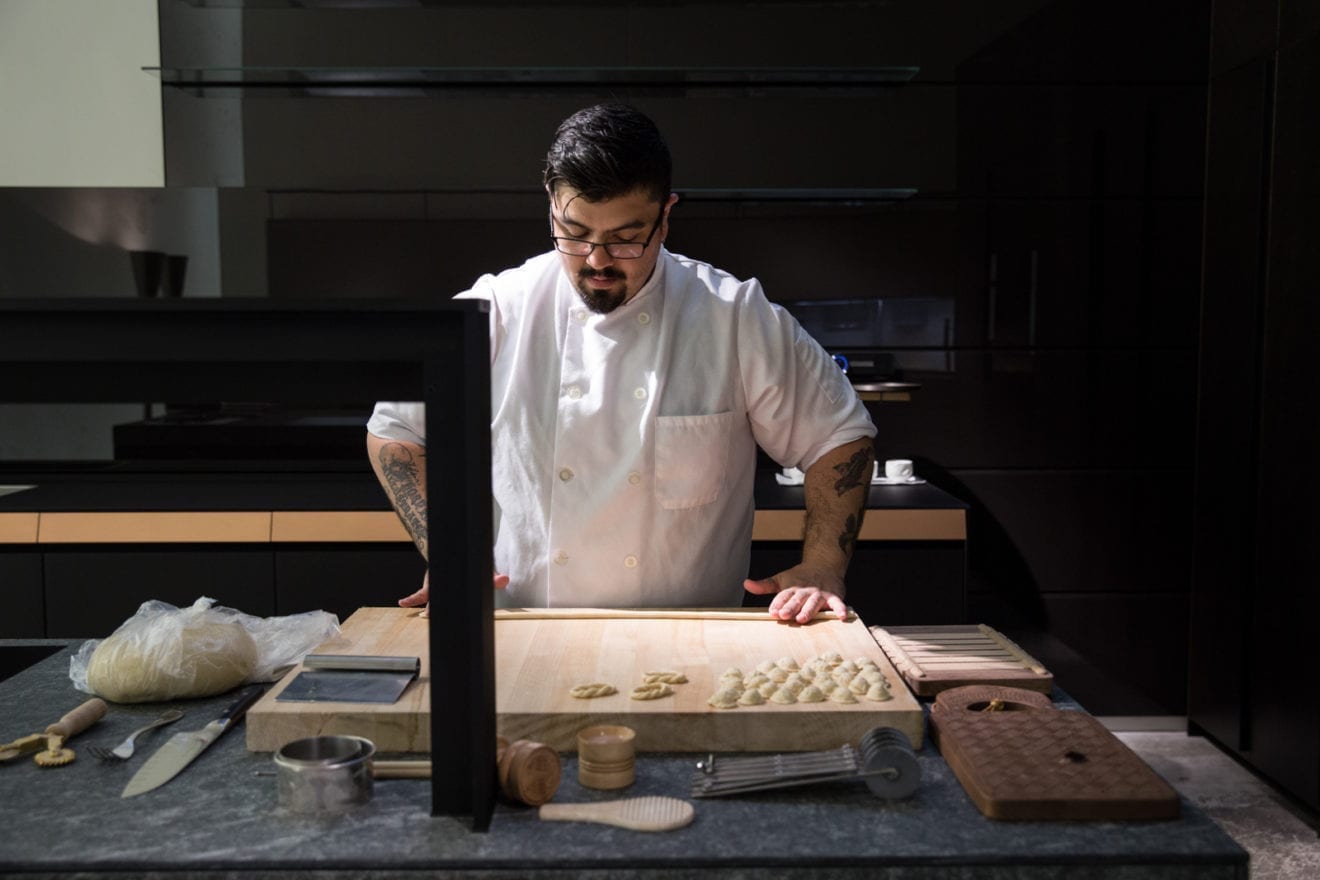
    “We believe in a new Italian renaissance,” says Core, whose company has over the past few years acquired Italian furniture brands including legendary Driade and FontanaArte, as well as boutique bathroom design firm Toscoquattro and luxury kitchen maker Valcucine (pictured).

    He says that bringing together design firms under one roof for the first time will allow ItalianCreationGroup to offer a range of Italian high-end products to the world.

    Already the company has opened flagship stores in London and New York.

  • Thai beer magnate extends SE Asia push with $4.8 billion Sabeco deal

    Thai beer magnate extends SE Asia push with $4.8 billion Sabeco deal

    Thai Beverage has won an auction to buy a majority stake worth $4.84 billion in Vietnam’s top brewer Sabeco SAB.HM, a lofty deal that adds a major asset to the beer-to-property empire of Thai magnate Charoen Sirivadhanabhakdi.

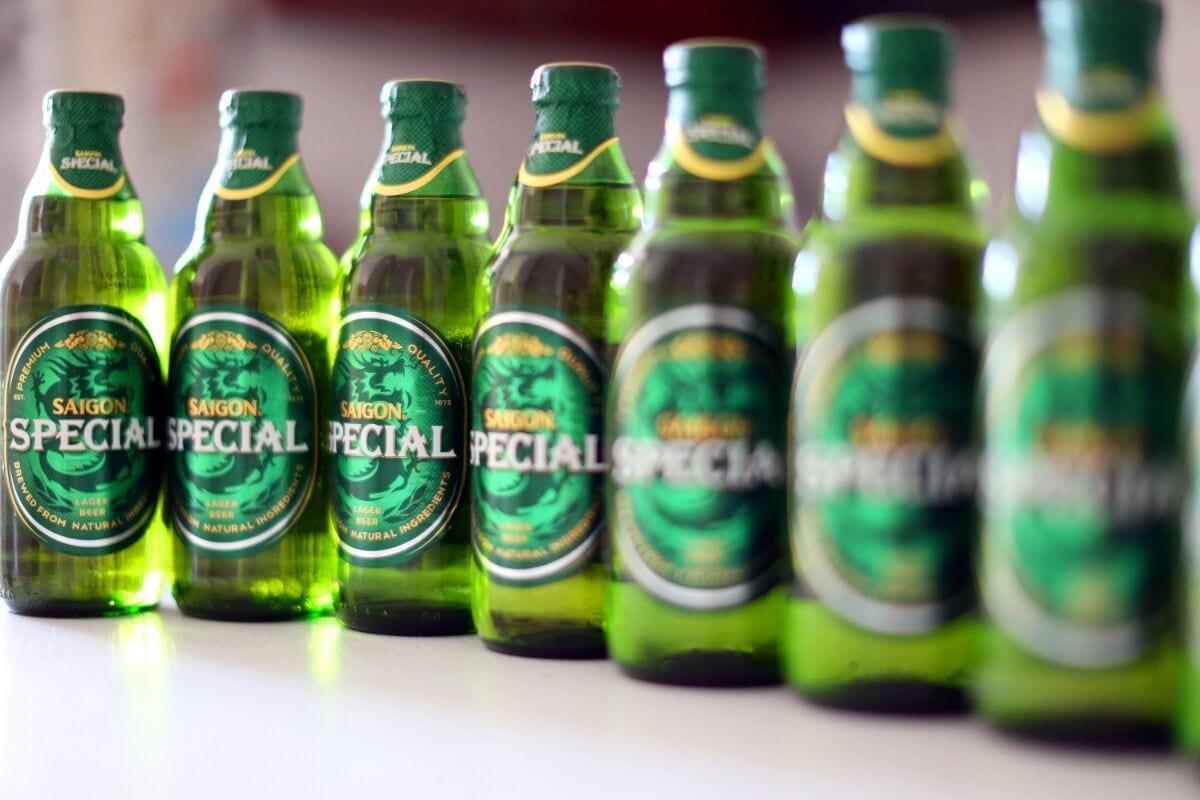
    The deal is a big step for Charoen, the son of a Bangkok street vendor, who is emerging as one of Asia’s biggest power players in brewing. He dominates his home market with Chang beer and owns Singapore’s Fraser and Neave Ltd. The Sabeco stake will give him control of brands like Saigon Beer and 333.

    The Sabeco deal will also help Thai Beverage (Thai Bev) tap into Vietnam’s beer market, worth about $6.48 billion last year, where a young population and booming economy are an attractive lure, despite political resistance, a high minimum bid price and a cap on foreign ownership.

    Thai Bev’s local unit, Vietnam Beverage Co Ltd, was named winner of the 54 percent Sabeco stake on offer at the auction on Monday after global brewing groups stayed away. It barely had any competition as the other investor, a Vietnamese individual, bid for only 0.003 percent.

    Late on Sunday, Singapore-listed Thai Bev had said that the Vietnamese unit had submitted the registration form to participate in the bidding.

    Vietnam Beverage is owned by Vietnam F&B Alliance Investment Company, which is 49-percent owned by BeerCo Limited – an indirect but wholly-owned unit of Thai Bev, official documents about the companies showed.

    “We are very grateful for the opportunity to participate in the future of Sabeco,” a legal representative for Vietnam Beverage told reporters after the auction.The government had set a minimum sale price of 320,000 dong or $14.1 per share for Sabeco, formally known as Saigon Beer Alcohol Beverage Corp, whose shares have jumped almost three fold to 309,200 dong since its listing a year ago.

    That priced the target at about 36 times core earnings, more than double the trading multiples for global peers, indicating Charoen had to pay a hefty premium to secure the prize.

    “We see this as an example of a successful equitization process,” said Fiachra Mac Cana, head of research at Ho Chi Minh City Securities. “The sums involved are huge and this is also good news for government coffers at the end of the year.”

    Thai Bev, controlled by Charoen, was keen to buy Sabeco in a bid to expand outside its home market.

    Sabeco’s foreign ownership is capped at 49 percent. With 10 percent already in foreign hands, only 39 percent was on the table for overseas buyers at Monday’s auction. Local bidders could bid for a majority stake of up to 54 percent. Heineken holds a 5 percent stake.

    ‘Disconnect’

    It was previously reported the auction was drawing interest from brewing groups such as Anheuser-Busch InBev, Kirin Holdings, Asahi Group Holdings and San Miguel, but in the end they all stayed away.

    “There’s a disconnect between what the government wants to achieve and how international brewers view this auction,” said one person familiar with the matter.

    “In a normal auction, bidders are fully aware of what stake they’ll end up owning and bid for it accordingly,” said the person, who was not authorized to speak to the media.

    Unlike similar sales in developed markets, where investors are whittled down over several rounds and offers can be adjusted, Sabeco bidders needed to submit a single offer for a specific number of shares in a sealed envelope in one round.

    Truong Thanh Hoai, an official at Vietnam’s trade ministry, said there was a level playing field for bidders in the auction, but added the price on offer was not attractive for everyone.

    “Some investors see Sabeco fitting with their business philosophy and they can exploit its potential, while some others don’t see it as a fit and feel they can’t make a profit from the amount of capital they’re paying, so they don’t participate. ”

    Charoen, who has shown an adept hand at cultivating ties with governments, started trading and supplying distilleries in the 1960s and was able obtain concessions to produce liquor at a time when production was under strict state control.

    The Thai King bestowed a royal name on the family in 1988, recognizing service to the country.

    In Vietnam, Charoen already owns nearly 20 percent of the country’s biggest-listed firm Vinamilk VNM.HM through Fraser & Neave. He has also acquired the Metro supermarket chain as well as other consumer goods and convenient stores in the country.

    The current deal, however, looks expensive, a Singapore-based financial source said, but could bear fruit if Thai Bev had come to certain agreements with its Vietnamese partners.

    “These multiples only make sense if there is a concession available,” said the source, adding there would likely be job cuts and re-allocation of employees from Sabeco to other state firms, helping Thai Bev improve efficiencies.

    Still, getting the firm in line with rivals’ valuations would be tough, said the person, who did not want to be named due to rules on talking to media.

    “He would have to double EBITDA to get the multiple below 20 times. That’s where the highest global peers are trading.”

  • Tencent buys minority stake in Yonghui Stores

    Tencent buys minority stake in Yonghui Stores

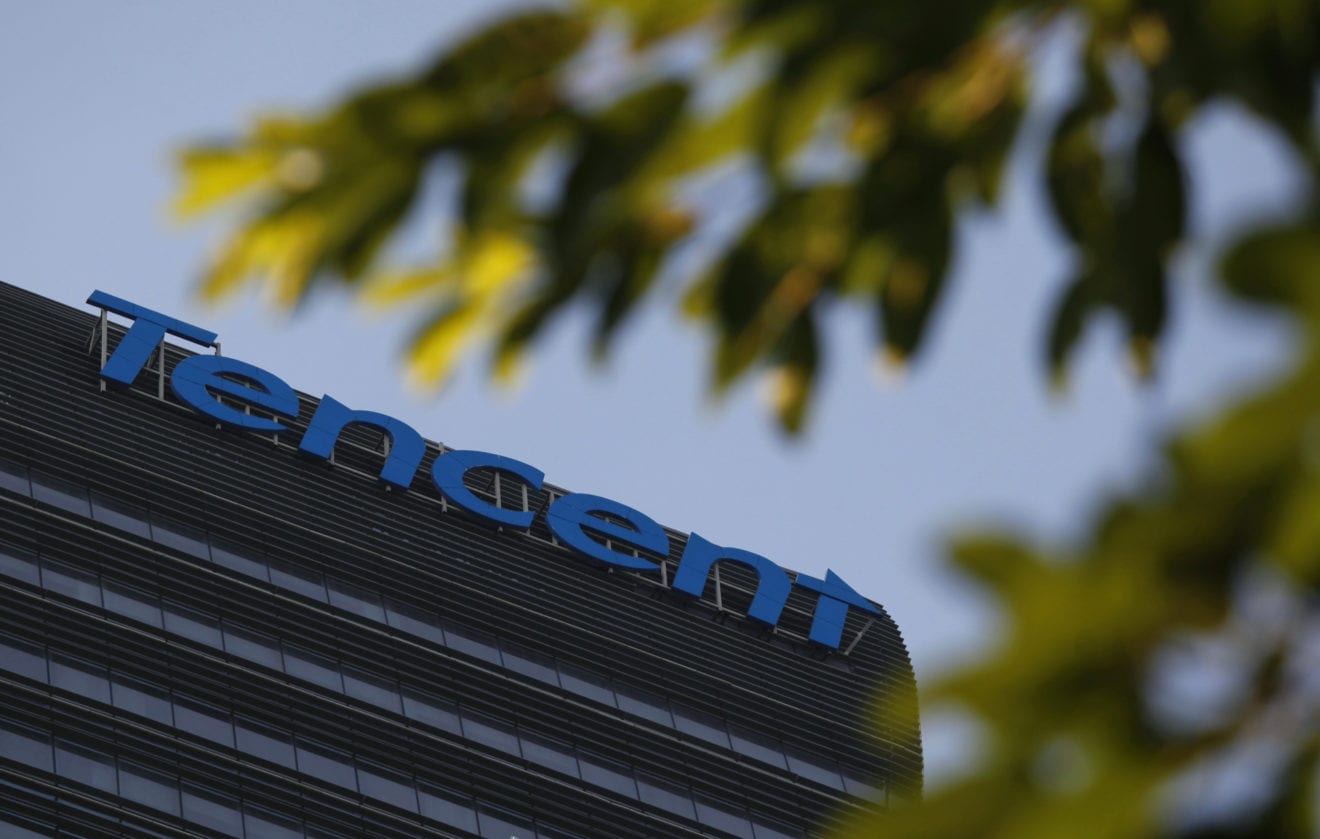
    China’s Tencent plans to acquire a minority stake – some 5% — in offline Chinese retailer Yonghui Stores, as the tech giant looks to explore a physical retail presence in the domestic market.

    Yonghui said in a filing to the Shanghai stock exchange that the share transfer agreement would be made with Linzhi Tencent, a Tencent affiliate. Tencent will also take a 15 per cent stake in Yonghui supply chain and logistics subsidiary Yonghui Yunchuang Technology following further discussions.  The purchasing price was not revealed.

    Yonghui, a department store retailer, operates hundreds of stores in mainland China. The acquisition comes at a time when Chinese tech firms are ramping up investments in physical stores.

    Rival Alibaba last month took a $2.9 billion stake in leading Chinese grocery chain Sun Art Retail Group Ltd. The move also sees Tencent follow in the likes of JD.com, who is already a stakeholder in Yonghui Stores.

    In China, 85 percent of retail sales are still made offline, reported Reuters.

    Trading in Yonghui’s stock will remain suspended after being halted when the firm’s shares jumped the daily limit of 10 percent on media reports of Tencent’s investment.

    Founded in 2001, Yonghui plans to close some 00 supermarkets in around 20 provinces in China. The firm’s major investors include Dairy Farm Group, part of conglomerate Jardine Matheson Group.

    Last month, Tencent reported a 57 per cent year-on-year jump in third-quarter operating profit to Rmb22.75bn ($3.43bn), while revenues were up 61 per cent year on year at Rmb65.2bn.

  • First Manga cafe opened in Bangkok

    First Manga cafe opened in Bangkok

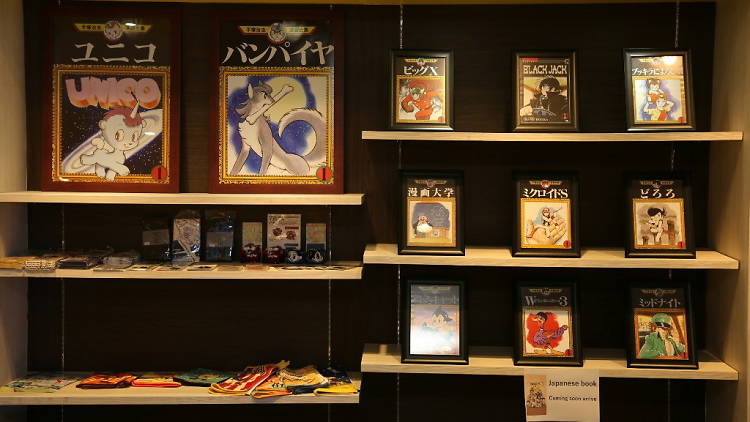
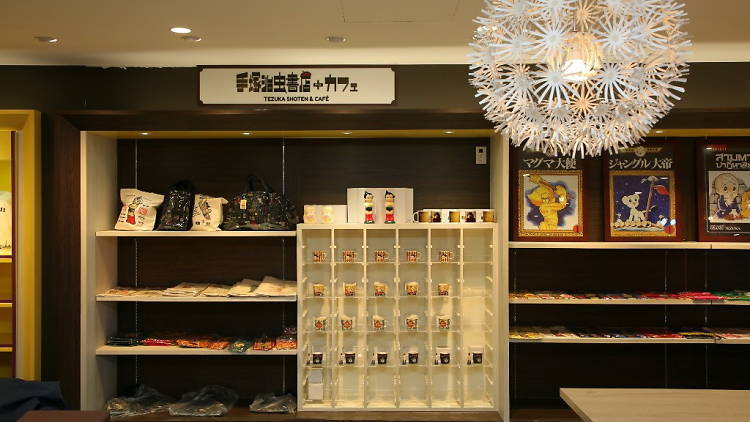
    Thailand’s first Japanese manga bookstore/cafe, Tezuka Shoten & Cafe, has just opened in Bangkok’s Paradise Park shopping centre.

    It has been brought to Thailand by MJ Service (Thailand), a company that helps Japanese companies set up in Thailand. MD Toru Sasaki co-presided at the store’s opening ceremony, which was attended by three Thai actresses.

    Tezuka Shoten & Cafe - Paradise Park Thailand 1


    It has two zones: a bookstore featuring works by manga artist Tezuka Osamu, and a cafe serving snacks and drinks inspired by the artist’s work. There is also the Tezuka Spot where all his works can be read free in Thai on smart devices.

    The store plans family activities based on manga comic books.

  • Facebook defends itself against critics of social media

    Facebook defends itself against critics of social media

    Facebook Inc on Friday struck back against scientific researchers and tech industry insiders who have criticized the world’s biggest social media network and its competitors for transforming how people behave and express emotion.

    Facebook, in a corporate blog post, said that social media can be good for people’s well-being if they use the technology in a way that is active, such as messaging with friends, rather than passive, such as scrolling through a feed of other people’s posts.

    It was the second time this week that Facebook had published such a rebuttal, signaling a new willingness to defend a business model that translates users’ attention into advertising revenue.

    On Tuesday, the company released a statement saying that former executive Chamath Palihapitiya, who at a conference publicly blamed Facebook for “destroying how society works,” had been gone for six years and was unfamiliar with the company’s recent efforts to improve.

    Palihapitiya on Thursday revised his view, writing in a Facebook post that the service “is a force for good in the world.”

    Online services such as Facebook and its Instagram unit, Twitter Inc, Snap Inc’s Snapchat and Alphabet Inc’s YouTube are under attack for their seemingly addictive nature and perceived promotion of anti-social behaviors.

    A study in March by U.S. researchers found that using such services at least two hours daily was correlated with reporting feelings of social isolation.

    A nonprofit organization called Time Well Spent, led by a former Google design ethicist, is pressuring tech companies to move away from products that try to hook people’s attention.

    In its blog post, Facebook acknowledged what it called “compelling research” on the negative effects of social media and cited two such academic studies.

    The company said, though, that those studies are “not the whole story.” It went on to cite other studies suggesting that the dangers of social media may be exaggerated, and that it has potential benefits if used correctly.

    “We employ social psychologists, social scientists and sociologists, and we collaborate with top scholars to better understand well-being and work to make Facebook a place that contributes in a positive way,” said the blog post, written by Facebook Research Director David Ginsberg and Research Scientist Moira Burke.

    Fundamental change would require turning away from “where the money is,” said Roger McNamee, a venture capitalist and early Facebook investor who recently has criticized the social network.

    “Facebook’s business model depends on monopolizing consumer attention, and content that appeals to fear and anger is the most profitable way to do that,” McNamee said in an email on Friday.

    A Facebook representative declined to comment beyond the blog post.

    Facebook is spending $1 million on research into the relationship among technology, youth development and well-being, the blog post said.

  • H&M will start selling on China’s Tmall in spring 2018

    H&M will start selling on China’s Tmall in spring 2018

    H&M China will open on Alibaba’s Tmall during spring next year.

    “We are very happy to be able to make H&M even more accessible in mainland China,” said  Karl-Johan Persson, CEO of the Swedish fast-fashion retailer.

    “Tmall is an important complement to our existing physical and digital stores. We see great potential for substantial future growth and Tmall will be an important part of this.”

    After opening its first store in mainland China 10 years ago H&M China sales now amount to SEK 11 billion (approximately US$1.3 billion) in over 500 physical stores and online.

    H&M said subsidiary brand Monki has had strong development in China since its launch on Tmall and the collaboration between the two groups is now being extended to include both the H&M brand and H&M Home.

    There are also far advanced discussions regarding the launch of the remaining brands in the H&M group on Tmall.

    “As one of the world’s most innovative fashion companies, H&M is a perfect fit for Alibaba’s Tmall platform,” said Michael Evans, president of Alibaba Group.

    “We are honoured to expand our cooperation with H&M and host their flagship store, enabling H&M brands to engage with our half a billion consumers.”

    However it’s not been all positive news for H&M recently, after the fast fashion giant saw sales slow over the last three months, sending its shares down 13 per cent to its lowest level since 2009.

    In the fourth quarter of 2017, sales excluding VAT amounted to SEK 50,390m (52,720), a decrease of 4 per cent compared to the corresponding quarter last year. In local currencies, sales decreased by 2 per cent.

    Persson said although the group continued to grow during the year, “growth was dampened by the fact that the sales development in the fourth quarter was significantly below the company’s own expectations.”

    “The H&M brand’s online sales and sales of the group’s other brands continued to develop well,” he said.

    “Meanwhile, the quarter was weak for the H&M brand’s physical stores, which were negatively affected by a continued challenging market situation with reduced footfall to stores due to the ongoing shift in the industry. In addition, there have been imbalances in parts of the H&M brand’s assortment composition.

    “In order to respond even quicker to customers’ fast-changing behaviour the company’s ongoing transformation journey is being accelerated. Among other things, this includes continued integration of the physical and digital stores, and intensifying the optimisation of the H&M brand’s store portfolio – leading to more store closures and fewer openings.”

  • Caelum Greene, the first multi-brand fashion store in Hong Kong

    Caelum Greene, the first multi-brand fashion store in Hong Kong

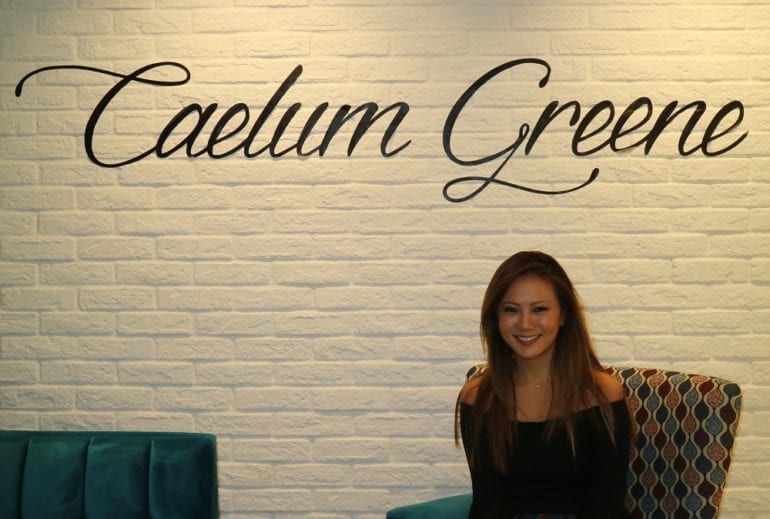
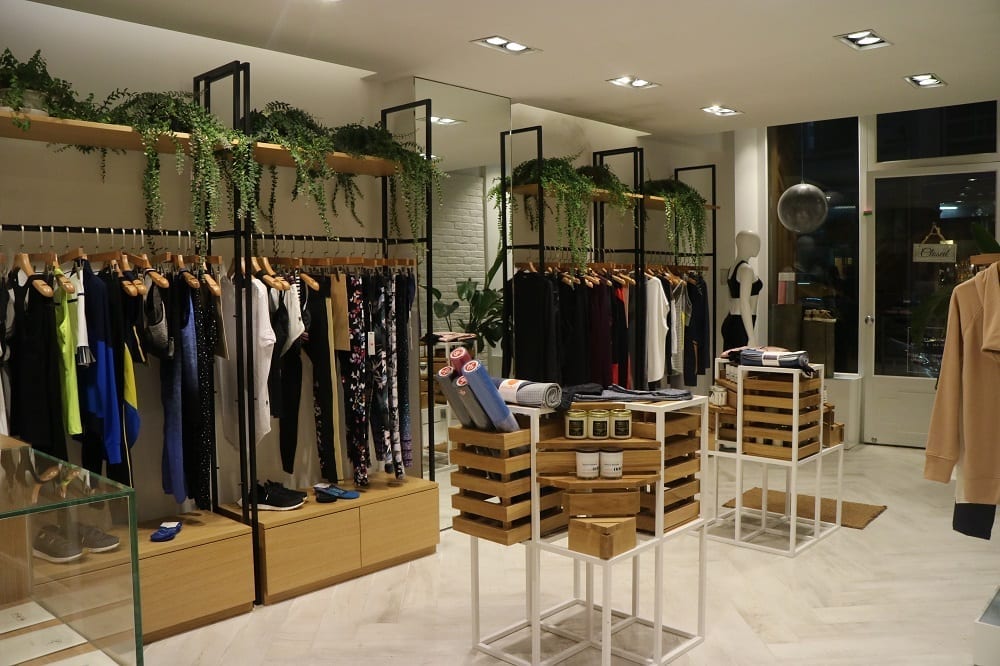
    Featuring mannequins stretched out in graceful yoga poses, Caelum Greene is hard to miss on Hollywood Road.

    Hong Kong’s first multi-brand athleisure and lifestyle fashion store soft-opened in June 2016, attracting a clientele of health-conscious customers who love looking and feeling good.

    After only 1 year of operations, Caelum Greene is launching its e-commerce site on 5 January 2018.

    Designed and curated for the modern-day mindful customer, the brands offered readily merge wellness with fashion. With two elegant yet cozy, eco-friendly locations in Hong Kong, Caelum Greene is looking to extend its ethos to a wider audience with its upcoming online presence.

    Serving as the bridge between the modern day gal and sustainably conscious designers, Caelum Greene’s online presence will continue to showcase its outstanding ethos and dedication to a better world.

    Caelum Greene carries brands offering versatile, high-quality fabrics made with the heart and mind. These include high-tech athleisure brands Daquini, MICHI, Monreal London, as well as fashion and lifestyle brands Tach Clothing and Filippa K. Caelum Greene is committed to actively giving back to the community, and its online experience will be no different.
    Continuing its partnership with Asia’s largest sustainable fashion NGO, Redress, Caelum Greene will donate a percentage of the online sales to the organization for every order placed. The aligned missions and collaboration will give clothing a second chance at life, filtering it through the system to be upcycled or recycled. The collaboration aims to prove that together, we can reduce waste in the fashion industry.

    Together, the online platform and brick-and-mortar stores will allow Caelum Greene to maximize its positive impact.

    Founder Charlotte Tsuei emphasizes that “it is important to me that wherever Caelum Greene goes, it brings positive and meaningful change to the community.”

    Charlotte Tsuei describes Caelum Greene as “an alternative to shopping more sustainably without compromising on style and quality.” The brands at Caelum Greene are carefully curated based on their style, quality, value, uniqueness and their core ethics similar to Caelum Greene. “We hope to able to move the needle, even just ever so slightly, towards a more sustainable future for fashion.”

  • Muji Singapore to suspend e-commerce site

    Muji Singapore to suspend e-commerce site

    Lifestyle retailer Muji Singapore will close its e-commerce site a minute before midnight on Christmas Day for redevelopment.

    “We sincerely apologise for any inconvenience caused,” the company says in a newsletter to its customers. “This move is for us to set sights on developing a better and more comprehensive shopping experience in the near future.”

    Its new web portal will be re-launched “in the coming months”.

    Meantime, Muji Singapore will have a final clearance sale with discounts of up to 50 per cent, plus a further 15 per cent off with a discount code when checking out.

  • Japan firm says it will pay part of salaries in Bitcoin

    Japan firm says it will pay part of salaries in Bitcoin

    A Japanese company will start paying part of its employees’ salaries in Bitcoin, as it aims to get better understanding of the virtual currency, a spokeswoman said on Friday.

    GMO Internet, which operates a range of web-related businesses including finance, online advertising and internet infrastructure, will start paying up to 100,000 yen ($890) monthly by Bitcoin to its employees in Japan from February next year.

    “Employees can receive salaries by Bitcoin if they want to,” company spokeswoman Harumi Ishii said.

    “We hope to improve our own literacy of virtual currency by actually using it,” she said.

    The offer will be open to around 4,000 employees of the GMO group in Japan, she said.

    The company started a Bitcoin trading and exchange business in May.

    And next month, it will join the so-called “Bitcoin mining” business — gaining the right to receive new Bitcoins as a reward for helping keep the network secure by approving transactions.

    World Bitcoin prices have surged globally this year, soaring from less than $1,000 in January to $17,000 this week.

  • Ascend Money Announces 50,000 Agent Networks Across Southeast Asia

    Ascend Money Announces 50,000 Agent Networks Across Southeast Asia

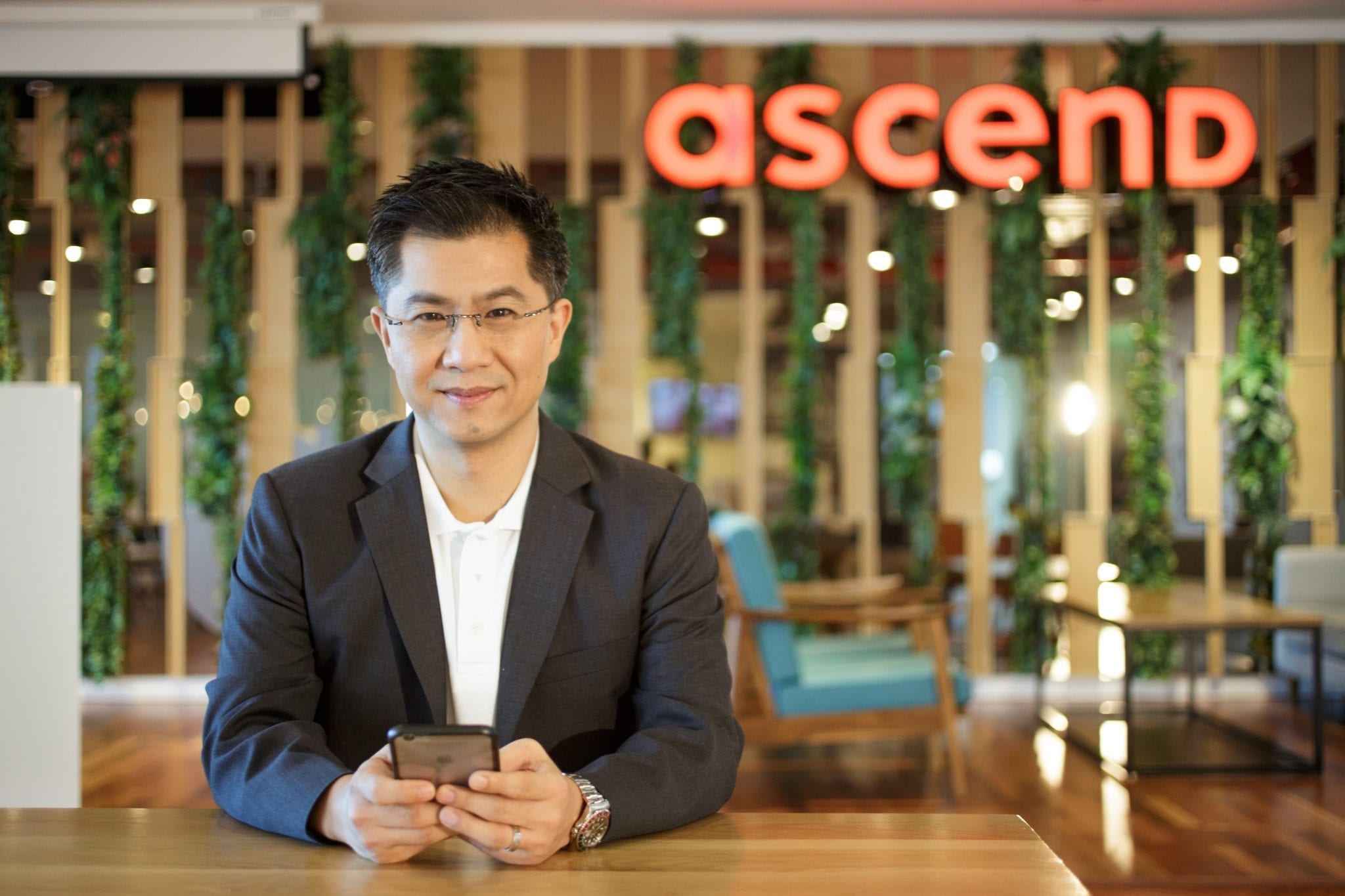
    Ascend Money, a Southeast Asian fintech business under Thailand’s Ascend Group, has reached 50,000 agents—local franchises and networks such as convenience stores, pharmacies, street vendors, and cafes, that conduct financial services for customers—across Thailand, Indonesia, Vietnam, Myanmar, Cambodia, and the Philippines. Ascend Money has strengthened its foothold in the region through major partnerships, with the latest cooperation with Bank Negara Indonesia (BNI) to extend financial services to rural communities.

    Punnamas Vichitkulwongsa, Chief Executive Officer of Ascend Money said, “Having reached 50,000 agents in Southeast Asia we are expanding quickly to become the region’s leading financial services provider. Southeast Asia’s unbanked population faces several barriers to financial inclusion, such as the predominant use of cash, lack of trust in internet banking, and lack of access to urban centres or bank branches. Agent networks are crucial for bridging these gaps, by providing the unbanked with cash-in and cash-out services, reliability and trust through an established local presence, and convenience of access beyond urban areas. We’re moving closer to fulfilling our mission of enabling everyone access to innovative financial services, leading to better lives.”

    Ascend Money currently has over 20 million customers, with half based in Thailand. Following the successful rollout of TrueMoney Wallet across Thailand in major retail outlets such as True Coffee shops and 7-Eleven convenience stores, Ascend Money is leveraging Ant Financial’s technical and strategic expertise to expand their services and payment options to increase convenience for digital users. TrueMoney users in Thailand are now able to pay for purchases in the App Store, Apple Music, and iTunes directly from the TrueMoney account.

    Ascend Money has already reached 16,000 agents in Indonesia, and recently announced their cooperation with BNI—Indonesia’s fourth largest bank—to enable 16,000 TrueMoney agents to provide banking services to rural communities who have not been touched by banking services. Through TrueMoney agents, unbanked customers can open an account, deposit and withdraw cash, purchase phone and utility credits, and pay monthly bills. TrueMoney is one of the largest non-bank e-money providers, and the first non-bank fintech firm to hold a remittance license as well as a Shariah-complaint e-money license, critical for reaching a large percentage of Indonesian consumers.

    Between 2016 and 2017, Ascend Money launched TrueMoney payroll services in Indonesia, as well as in Cambodia and the Philippines. Through the service, employees can cash out with Ascend Money’s agents, or transfer money directly to their bank account.

    Mr Punnamas said, “Serving over 100 companies and almost 30,000 employees across three countries, Ascend Money’s new payroll services address another pain point in accessing financial services—the burden of micro, small, and medium sized enterprises to apply for and maintain employee payroll accounts with banks. Faced with limited bank players, complicated documentation, and high maintenance fees, MSMEs—which make up the backbone of Southeast Asian economies—can now easily access financial services that were previously unavailable.”

    Ascend Money has expanded rapidly across the region, with the Philippines and Vietnam as the newest markets. With 10,000 agents across both countries, Ascend Money will introduce services for both digital consumers and the unbanked, including the e-wallet app, bill payment and remittance services.

    In Cambodia and Myanmar, where Ascend Money’s agent networks already exceed the number of outlets of the largest banks, users can make domestic money transfers, phone top up, and bill payments. In Myanmar, Ascend Money has recently partnered with the VisionFund, a microfinance NGO, to expand their agent networks to rural households. Through the partnership, the VisionFund’s 600 mobile agents will provide all TrueMoney services; meanwhile, VisionFund customers can repay loans at any TrueMoney agent nationwide.

    “As we continue to innovate and add new services to improve the lives of ASEAN consumers, Ascend Money is rapidly expanding our footprint through partnerships that bring financial services to the heart of Southeast Asia. Whether we’re reaching one of the region’s 200 million digital consumers, or one of the 438 million unbanked, the opportunity to access greater financial stability will help unlock Southeast Asia’s economic potential and future prosperity,” Mr Punnamas concluded.

    Ascend Money is the only Southeast Asian fintech company licensed to provide e-money financial services across Southeast Asia’s major markets. The push for financial inclusion through mobile payments is underscored by Southeast Asia’s 300 million mobile internet users. Across the region, around 90-95% of the population use mobile phones.

  • Global expansion plan from Shanghai Tang

    Global expansion plan from Shanghai Tang

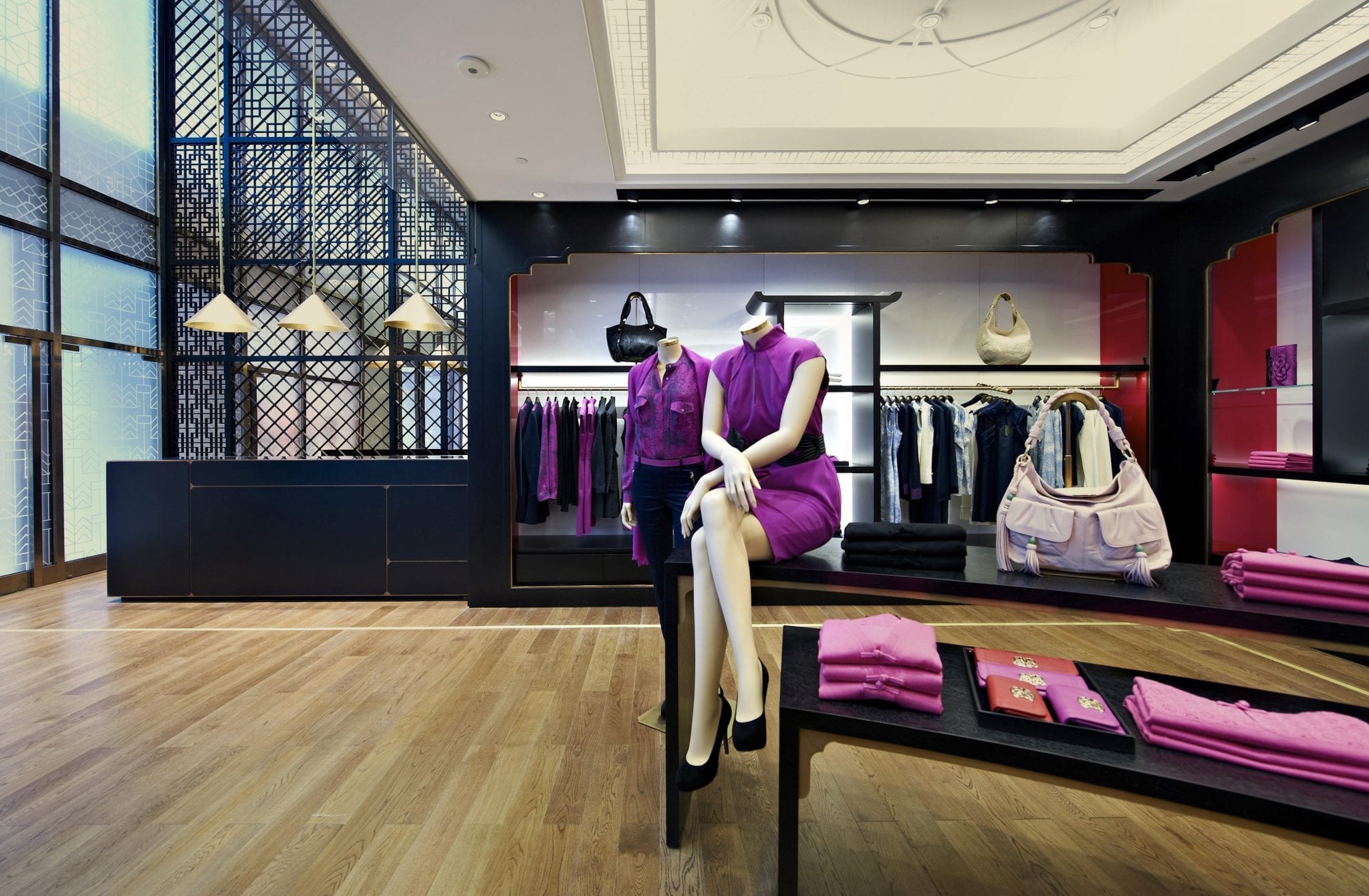
    Hong Kong fashion brand Shanghai Tang is to go global with stores in Paris and Milan as well as more cities in Mainland China over the next two years.

    Bought by Italian textile businessman Alessandro Bastagli and other investors on June 30, the company will also expand its online sales channels, Bastagli said in Hong Kong. As the brand’s executive chairman, he was in the city last week to introduce Shanghai Tang’s first collection after the takeover, designed by international designers and made in Italy.

    Bastagli says he was attracted to the brand by its Chinese flavour. It was established in 1994 by the late Hong Kong businessman David Tang. Richemont Group bought a stake from Tang in four years later, and the company was sold to Bastagli and Cassia Investments, a Hong Kong-based consumer-focused private equity fund, on June 30 at an undisclosed price.

    Bastagli says he decided to invest in Shanghai Tang as he believes the company has further room for growth.


  • Underwater Propeller Repair for Efficient Fuel Consumption

    Underwater Propeller Repair for Efficient Fuel Consumption

    No matter the size or style of your vessel, fuel consumption is always something that ship owners are looking to improve. With today’s fuel costs significantly higher than that of the past, finding any possible measure to lower consumption is always welcomed.

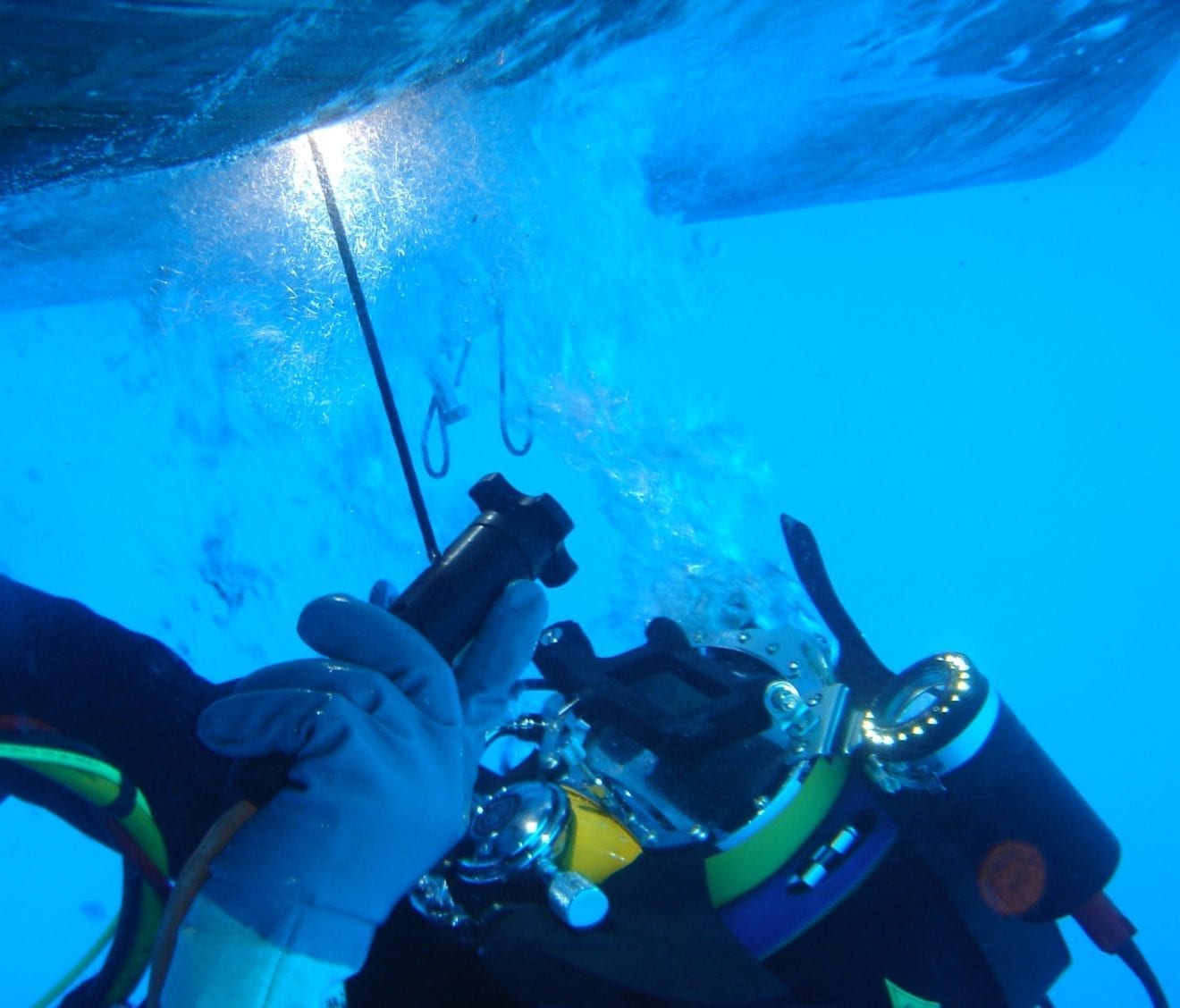
    One of the most important ways to ensure your vessel’s fuel consumption is optimized is to conduct underwater investigations and repairs on the propeller. As the driving force of every ship, the propeller’s condition is directly correlated with the amount of fuel the ship consumes during each voyage.

    The first and most obvious step is to check to the propeller blades for any damage, including dents and scratches that alter the natural rotation. Although they may seem miniscule, even the smallest imperfections on the blades can drastically decrease fuel efficiency, leading to higher costs on every trip you make.

    Smooth Blades for Better Consumption

    If a propeller is discovered to have dents or damage that are inhibiting its movement, a majority of the time it will undergo a smoothing process. The intensive propeller polishing creates smooth and damage-free blades that immediately impact the amount of fuel which is consumed. The added benefit of the process is that it helps maintain the propeller by removing any initially small damage that can grow into a biggest problem in the future.

    By regularly polishing propeller blades, you are not only saving money with the amount of fuel your vessel consumes, but you are also taking preventive measures to ensure you will not need to drydock your ship for more serious problems in the future.

    Propeller Cone Fin Installation

    Another method for saving fuel is adding a cone fin to your propeller, which helps reduce energy loss in its slipstream. By limiting the cavitation on the hull and rudder, this simple yet effective addition can lower fuel consumption by up to 5% immediately.

    The installation process for the cone fins is done completely underwater by the expert team of licensed diving ship technicians, meaning that your vessel will not need to be drydocked or be out of service at any point. The cone is lowered into the water as close as possible to the propeller, then the technicians go to work to install them directly onto the propeller’s vortex hub.

    At Antwerp Underwater Solutions, we offer a wide variety of propeller services that can help you maximize fuel consumption efficiency without having to undergo serious repairs or processes. Our experienced diving engineers are able to complete all the work in a timely manner, while the process is extremely affordable and offers an incredible return on investment due to the massive savings on fuel consumption.

  • Rakuten Opens “Rakuten SPORTS ZONE” with NBA Merchandise

    Rakuten Opens “Rakuten SPORTS ZONE” with NBA Merchandise

    Rakuten, Inc., a global marketing partner of the National Basketball Association (NBA), today opened its pro sports merchandise store Rakuten SPORTS ZONE to further build excitement around the NBA in Japan. The store is launching with sales of limited-edition items including autographed items from NBA Legends.

    In October 2017, Rakuten launched a multiyear partnership with the NBA, making it a global marketing partner of the organization. With this partnership, Rakuten is now operating the “NBA ZONE” in its internet shopping mall Rakuten Ichiba as a special page gathering NBA merchandise from Rakuten Ichiba stores. With the opening of the new Rakuten SPORTS ZONE, offering products that can rarely be obtained in Japan such as premium goods of former NBA stars, we will be able to further expand the product lineup offered in the NBA ZONE.

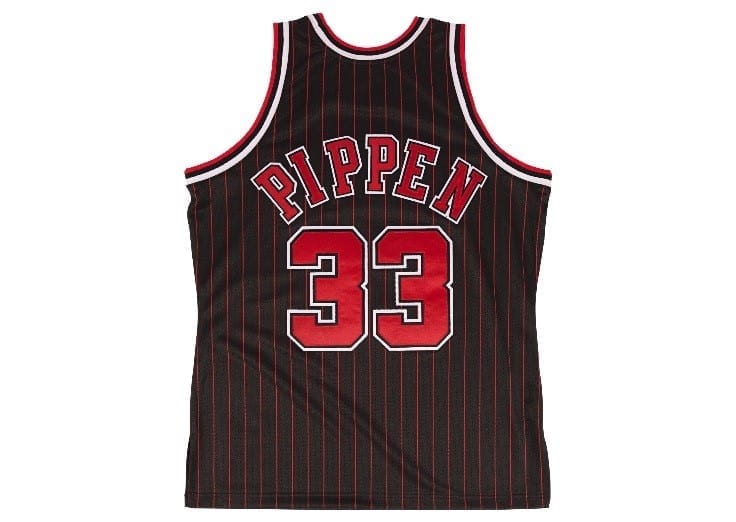
    Offerings include limited-edition autographed memorabilia (with serial number) offered by the Upper Deck Company, and reproductions of the jerseys of 80s and 90s NBA stars offered by the American sports apparel-maker Mitchell & Ness Nostalgia Co. New products will be added going forward.

    Rakuten will leverage its diverse range of services to further promote the NBA and basketball in Japan, and contribute to the further development of sports and culture.

  • McDonald’s Japan to bring some French home

    McDonald’s Japan to bring some French home

    For a short time only, McDonald’s Japan has added limited-edition French macarons to its menu.

    Imported from France, the macarons are in four flavours and have special takeout boxes.

    Available at McCafe by Barista outlets, the new treats come in lemon, raspberry, vanilla and chocolate variants. The takeout “box set” contains the customer’s choice of three macarons and is available only in limited quantities.