Tag: asia

  • Fast Retailing to launch in India

    Fast Retailing to launch in India

    Uniqlo parent Fast Retailing has applied to open stores in India.

    The Japanese fast-fashion giant has filed an application with India’s Department of Industrial Policy & Promotion to do business in the country under the Uniqlo brand.

    “India is a market with great potential,” says Fast Retailing spokeswoman Pei-Chi Tung. The company has long been interested in entering India, but has been beaten by H&M and Zara which are already established in the apparel market Euromonitor International has predicted will grow 29 per cent to INR3.76 trillion (US$58 billion) by 2021.

    Zara owner Inditex opened a flagship in Mumbai in May, which CEO Pablo Isla says has had a strong reception. It has just started online sales as well in India.

    Fast Retailing last month reported its biggest jump in annual earnings in more than a decade, driven by a near doubling of operating profit at Uniqlo stores outside of Japan. Operating profit for the brand in China jumped 37 per cent for the year ended August 31, compared with a 6.4 per cent slump in Japan.

  • Centara Hotels & Resorts sets out 5 year vision and strategy for growth

    Centara Hotels & Resorts sets out 5 year vision and strategy for growth

    Following Centara’s recent announcement that it had strengthened its management team by welcoming back seasoned industry professional Markland Blaiklock, in a newly formed role of Deputy CEO, the group has now released its significant expansion plans for the next five years.

    Centara is Thailand’s largest domestic hotel operator and continues to increase its international footprint, with 57 properties in operation or under development across 12 countries in Southeast Asia, the Indian Ocean, China, the Middle East and the Caribbean. The company operates a diverse portfolio ranging from 5-star luxury hotels in major cities to remote tropical island resorts and innovative value properties. It differentiates itself from competitors by offering gracious, Thai-style service; branded spas and restaurants with excellent reputations; and a variety of formats and service innovations that deliver quality and value to business and leisure travellers.

    In 2017 Centara was active in Asia and the Middle East opening new hotels, signing management and joint venture agreements, and launching its new COSI lifestyle brand. It plans to continue growing, doubling revenue during the next five years by executing three, broad strategies.

    Centara’s three strategies for growth:

    1. The company plans to expand its current portfolio, doubling the number of properties it operaties via new investments and management agreements. It will add hotels and resorts where tourism demand, the business environment, and synergy with existing company assets and customers offer the best strategic opportunities.

    In geographic terms, Centara aims to become more prominent in Southeast Asian markets, the Indian Ocean and the Middle East, while expanding its footprint into East Asia, Africa, and the Caribbean. The company will also develop and expand new brands (such as COSI) to fill gaps in its hotel and resort portfolio.

    1. The company will identify and pursue new business opportunities outside its historic hotel and resort core. These related businesses – branded residences are an example – will leverage Centara’s hospitality competencies and competitive strengths, targeting new or growing markets through brand development or acquisitions.
    2. The company will strengthen its core infrastructure, including operating platforms, technology, and reputation. It wants its systems to be best in class to ensure business and service processes are efficient and effective. This includes improving the customer experience via websites, mobile apps, relationship management systems and loyalty programmes. Centara also aims to increase international brand awareness using mass media, new media, event and relationship marketing.

    Thirayuth Chirativat, Centara’s Chief Executive Officer, remarked on the vision. ”We are entering a significant phase of growth. Centara has always been at the forefront of the hospitality industry in Thailand and with our concerted focus on expansion in both new and existing markets, we will become an even more prominent regional player in the coming years. With the dynamic and progressive management team we have in place, the future development and growth of the company is very exciting.”

    Centara believes a clearly-articulated vision, well-designed strategies, and motivated people led by an experienced management team will achieve growth for the benefit of its shareholders, customers, partners and employees.


  • Kuala Lumpur for the next Xiaomi store in Malaysia

    Kuala Lumpur for the next Xiaomi store in Malaysia

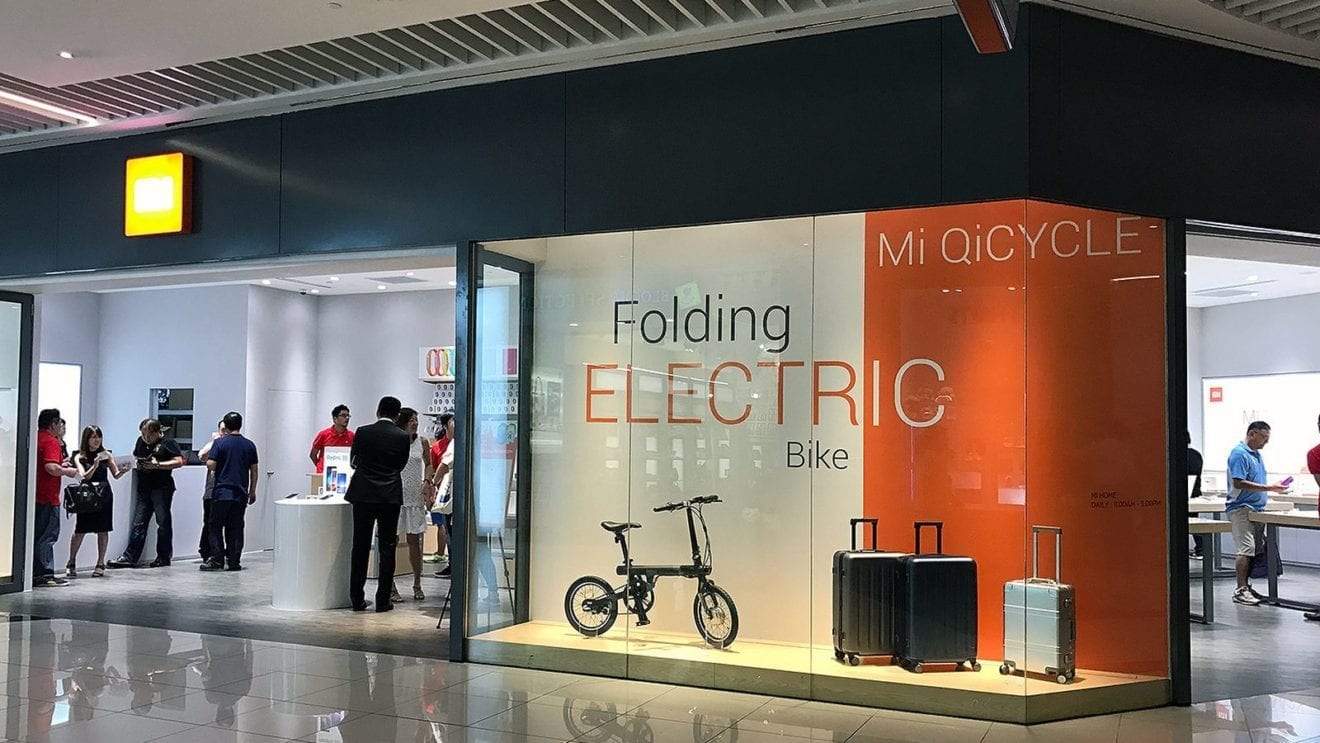
    Xiaomi Malaysia has opened its second retail store, offering Kuala Lumpur shoppers greater access to its Mi Ecosystem products.

    Originally the Chinese electronics company had sold its smartphones and other products exclusively online, but in its home territory has been introducing its Mi Home stores.

    At 940sqft (90sqm), its second authorised Mi Store is smaller than the debut store in Penang.  Xiaomi South Pacific head Steven Shi says the opening of a second store indicates the brand’s “great expectations” for growth in Malaysia.

    Two new smartphone models were released to coincide with the store’s opening, and Shi says Xiaomi will soon expand its Mi Ecosystem of products in Malaysia. These include IoT-ready products such as a smart rice cooker that can be pre-programmed for different recipes, a smart luggage bag than can be unlocked by phone, plus routers, TVs and drones.

    Meanwhile, Xiaomi is expanding across Southeast Asia, and has opened 15 Mi Stores and a factory in Indonesia. Xiaomi also has two Mi Stores in Singapore and one in Thailand. Its network in Malaysia is run by CG Computers.

    Its second concept phone, released with the KL store opening, was designed by Philippe Starck and features a curved ceramic back that that transitions to an aluminium frame. It will be available for pre-order on Saturday through online and offline channels including Lazada and authorised Mi Stores.

    Also showcased in the new store is the Redmi 5A Prime, the first Xiaomi phone that pairs a selfie light with a 16-megapixel front-facing camera. It has a fingerprint sensor on its back.

  • DHL invests $395M in Hong Kong freight hub

    DHL invests $395M in Hong Kong freight hub

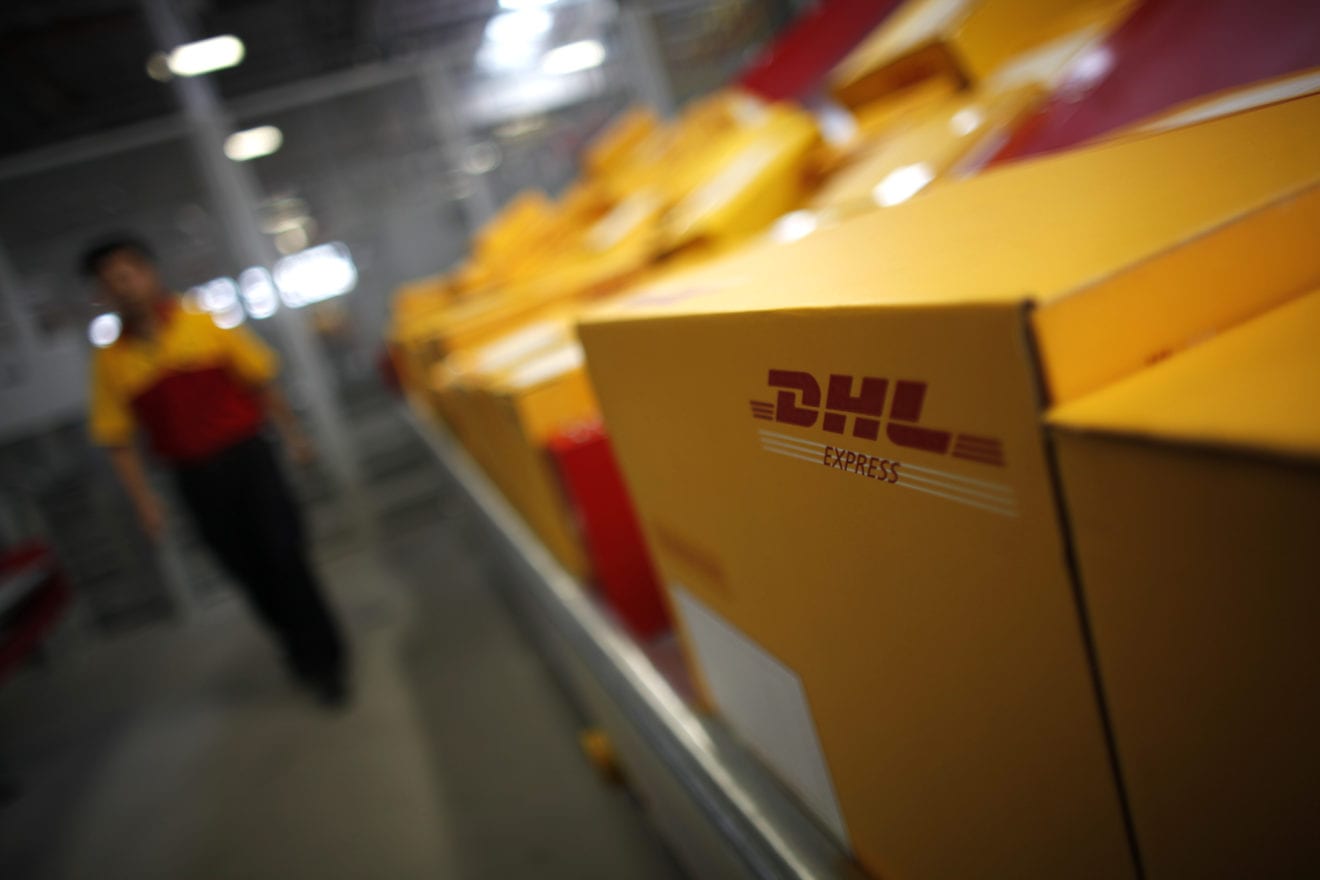
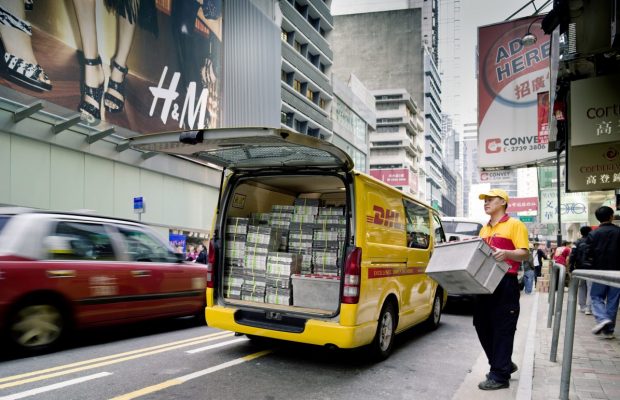
    Global freight and logistics company DHL has confirmed its investment to the Airport Authority Hong Kong for the latter’s expansion plan for the Central Asia Hub, the Handy Shipping Guide reports. A plan foreseen to take years to complete, the amount invested is reported to be worth $395 million, bringing its total infrastructural investment to more than $613 million poured so far into the logistics project.

    The Central Asia Hub has reported an average 12% year-on-year growth in shipping volume since its founding 10 years ago. The Hub is DHL’s primary freight hub in the Asia Pacific region. With this area handling over 40% of the Asia Pacific-based shipment volumes, DHL has “committed to strengthening our global network and services,” according to DHL Express’ CEO Ken Allen.

    Allen attributed this growth to the “rise in international e-commerce and intra-Asian trade,” making the region significant to DHL’s vision of a stronger global network. “Based in a strategically important location to DHL, the expanded Central Asia Hub in Hong Kong will not only bolster our operational capacity in Asia Pacific, but also facilitate the rapidly-growing international trade demands in the region and around the world,” he said.

    Most of the investment is expected to expand the hub’s throughput capacity with an enhanced material handling system, increasing to 125,000 pieces per hour. Currently, the hub’s capacity is 75,000 pieces per hour.

    An air express cargo facility has been purposefully built right at the Hong Kong International Airport itself, making it ready for the expanded center to “handle six times more in terms of shipment volume than when it was first established in 2004,” according to the same report. With the Central Asia Hub including focal points like Bangkok in Thailand, Shanghai in China and the city-state of Singapore, it will serve as DHL’s proof of dominance in the region when it comes to freight and logistics.

    The Central Asia Hub was also described by Allen as the hub that connected “more than 70 DHL Express gateways in the region.” He mentioned the kind of facility upgrades that the hub will soon earn from the investment. “Equipped with fully automated X-ray inspection machines, it will increase the speed of our shipment inspection by three times – enabling us to expedite the processing speed of shipments that come through the Central Asia Hub.”

    The planned upgrades are expected to be operational by the first quarter of 2022. The timetable was set with the Pan-Pearl River Delta in mind as most of the shipments causing an increased influx of goods to the hub are traced from the heightened economic activity in this area. Other goods are expected to make their way to the upgraded Central Asia Hub once Hong Kong International Airport’s Three Runway System is completed. By that time, the Hub will have expanded its warehouse space to about 47,000 square meters.

  • Cebu Pacific cancels Indonesia flights due to volcano eruption

    Cebu Pacific cancels Indonesia flights due to volcano eruption

    Cebu Pacific has announced the cancellation of its flights to and from Bali, Indonesia on Tuesday, Nov. 28.

    The statement was issued due to the eruption of Mount Agung volcano and the closure of the Ngurah Rai International airport in Denpasar.

    The affected flights are:

    • 5J 279 (Manila-Denpasar) ETD 350am / ETA 750am

    • 5J 280 (Denpasar-Manila) ETD 835am / ETA 1240pm

    “We sincerely apologize for any inconvenience this may cause,” the airline said.

    The company said guests with confirmed bookingswill be moved to the next available Cebu Pacific flight.

    The guests may also opt to rebook their flights within the next 30 days, or place the cost of the ticket in a Travel Fund for future use.

  • AirAsia X Q3 results hit by rising costs

    AirAsia X Q3 results hit by rising costs

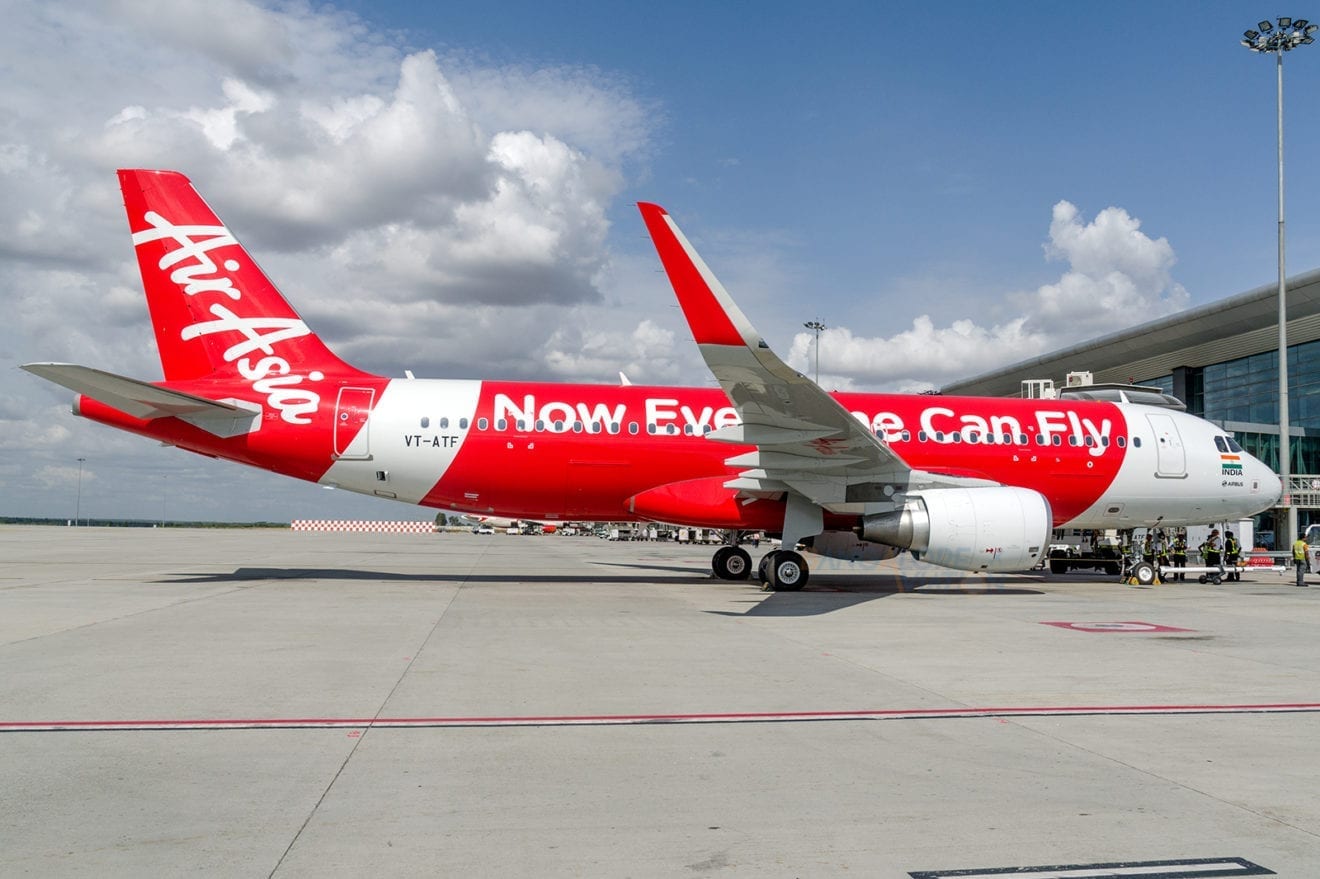
    AirAsia X Bhd said it swung into a net loss in its third quarter from a year earlier, blaming higher costs and lower unit revenues particularly in its main markets of Malaysia and Thailand.

    The airline reported a small profit in its Indonesia business, supported by strong revenue from its Bali routes.

    AirAsia X said costs, measured in terms of cost per available seat kilometres, rose 6% from a year ago, on the back of provision for doubtful debt.

    A weaker ringgit against the US dollar and higher average fuel prices — up 3% from a year ago — also had an impact.

    Revenue per available seat kilometres was down 3% year-on-year due to increased capacity on existing routes and promotional fares offered to stimulate new routes, it said.

    For the July-September period, the airline reported a net loss of 43.3 million ringgit ($10.55 million), compared with 11 million ringgit profit a year earlier.

    Revenue climbed to 1.12 billion ringgit, supported by a 23% growth in passenger volume and 4% increase in ancillary revenue per passenger.

    Better operating statistics and a surge in travel during Malaysia’s school holidays and Eid in August failed to cushion the impact of higher costs. Load factor — a measure of how full planes are — inched up one percentage point to 79%.

    The third quarter is seasonally one of AirAsia X’s leanest periods, and the airline said it expected a recovery in the following quarter, based on booking trends.

    AirAsia X also said it wanted to focus on securing high-yield, high-traffic routes and build dominance in core markets across the region.

    “The group also plans to add third-party leased all-economy class A330s in 2018 to focus on shorter China routes and redeploy our existing fleet to new markets,” AirAsia X group CEO Kamarudin Meranun said.

    RHB Research, in a client note earlier this month, said AirAsia X’s plans to realign some of its routes in Australia and introduce more North Asian destinations “should allow for more consistent quarterly earnings going forward”.

  • Solid Advice For A Successful Distribution Business

    Solid Advice For A Successful Distribution Business

    Retail stores depend heavily on wholesale distributors, seeing as they make sure all products get transported and delivered. And just like retail stores depend on distributors, distributors depend on retail stores for business. However, this is just a basic explanation that typically comes with several challenges, difficult choices, and complexities. Here is a deeper look at what builds the foundation of a strong and successful wholesale distribution company.

    1. Retail Clients

    There are several ways to approach retail clients, but keep in mind, the size of the network plays a huge part in terms of the profit margin. Locking in as many retailers as possible (while still being able to handle the workload), will directly influence how much profit the company stands to make. In addition to gaining more clients, there has to be a focus on how regularly orders come in.

    Ultimately, it works in the distributors best interest to get closer to manufacturers as well, because they represent another source of business on its own.

    1. Manufacturing Clients

    A very effective tactic used by successful distributors is to offer products directly to the retail store, which they purchase or carry from manufacturers. This makes it more convenient for the retail store, and possibly more practical depending on the circumstances.

    However, manufacturers typically have a vetting system in place, especially if they produce popular brand products. In other words, they are going to assess the distributor before allowing them to re-sell or transport their products. When this is the case, pay close attention to the requirements they have according to the application form. Read on if you want more about distribution.

    1. Marketing Team

    Yes, if the service is good and the retailers along with the manufacturers are impressed, there will be referrals. This will lead to expansion and better opportunities. But it doesn’t mean a marketing team shouldn’t be on the outside, focused on selling the distributor. In fact, it only makes sense to build a client base via the help of a professional marketing team.

    1. Minimizing Expenses

    Like any other business, wholesale distributors also aim to cut expenses as much as possible. One way of doing so is by investing in a warehouse facility that is closer to your clients. This reduces the shipping costs, enabling the distributor to offer more competitive prices. Although, this is only a good plan if the network of the distributor reaches a significant extent. If all the retailers are in a concentrated area, a warehouse will be redundant.

    The advice above is solid and no nonsense and could help you either improve your current business or to start a new one up successfully.

  • CIMB Group opens first retail branch in the Philippines

    CIMB Group opens first retail branch in the Philippines

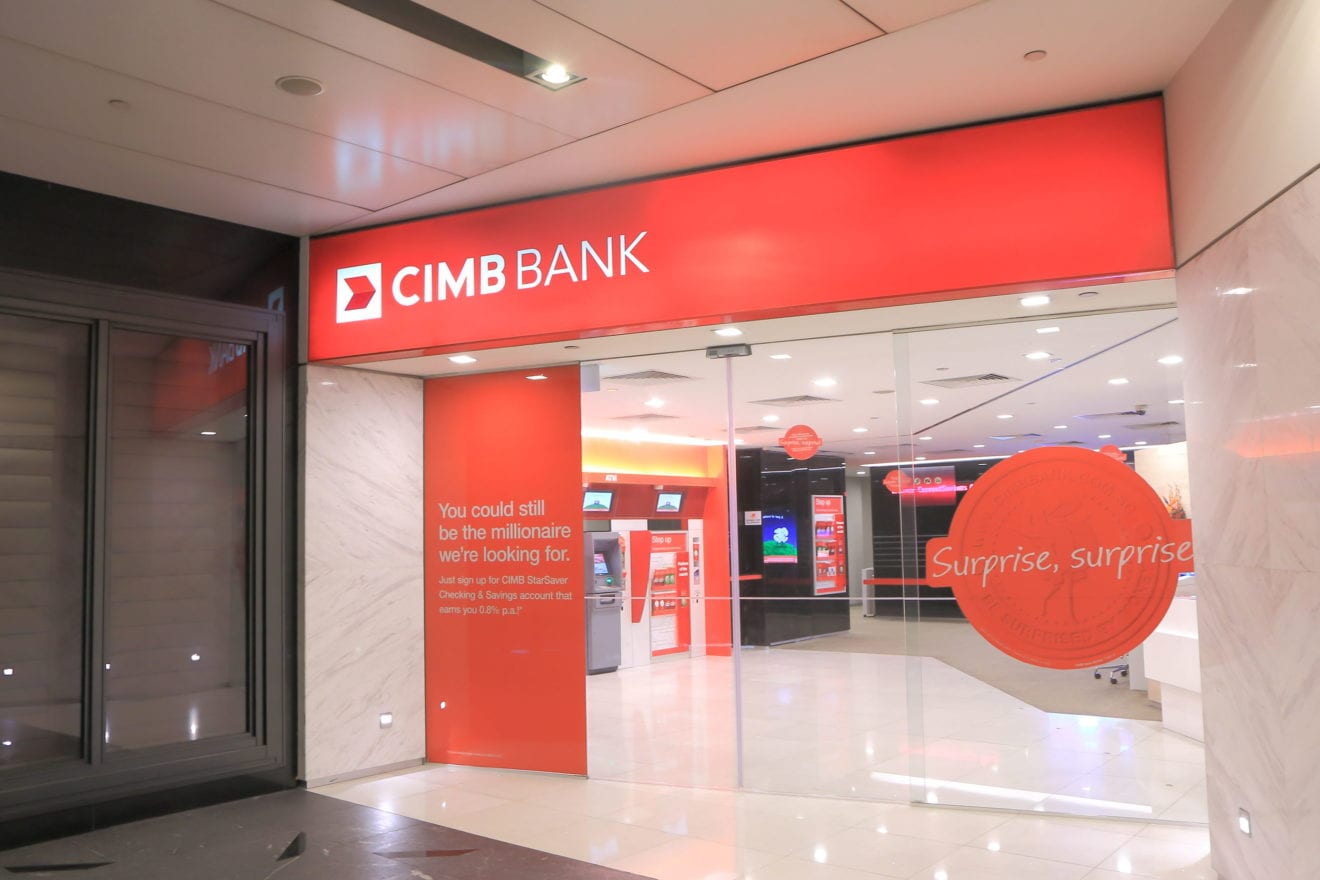
    CIMB Group is opening up its first retail brands in the Republic of the Philippines. The branch is expected to be fully operational by the fourth quarter of 2018.

    CIMB Bank is the first Malaysian banking group to be granted BSP’s approval to operate under Republic Act No. 10641, an act that allows the entry of foreign banks into the Philippines through the establishment of wholly-owned operations with full banking authority.

    Tengku Dato’ Sri Zafrul Aziz, group chief executive, CIMB Group said, “We are delighted to have received the green light from the Bangko Sentral ng Pilipinas. The awaited missing link to complete CIMB’s ASEAN-10 footprint has now materialized. This will further propel CIMB into becoming the leading ASEAN universal bank, which will further strengthen our value proposition to customers.”

    “The Philippines offers tremendous opportunity with progressive regulation, attractive demographics, relatively lower banking penetration and good talent. Our strategy will see us applying the best of our digital assets from across the region as well as working with key strategic partners locally,” added Tengku Zafrul.

  • DHL Express expanding Central Asia Hub

    DHL Express expanding Central Asia Hub

    DHL Express has announced a €335m expansion plan for its Central Asia Hub (CAH). The expansion will bring DHL’s commitment to the strategic hub to over €520m. As one of three global hubs for DHL, the expanded CAH will continue to act as the core hub of the DHL Express global and Asia Pacific regional network, handling more than 40% of its total Asia Pacific shipment volumes.

    In a statement issued today (14 November), Ken Allen, CEO of DHL Express, said: “Given the expected rise in international e-commerce and intra-Asian trade, DHL is committed to strengthening our global network and services. Based in a strategically important location to DHL, the expanded Central Asia Hub in Hong Kong will not only bolster our operational capacity in Asia Pacific, but also facilitate the rapidly-growing international trade demands in the region and around the world.”

    The expanded CAH will be equipped with an enhanced material handling system that will boost hub’s throughput capacity from the current 75,000 pieces of shipments per hour to 125,000 pieces per hour.

    When operating at its full capacity, the annual throughput of the expanded CAH is expected to go up by 50% to 1.06m tonnes a year.

    Ken Lee, CEO of DHL Express Asia Pacific, commented: “Connecting with more than 70 DHL Express gateways in the region, the Central Asia Hub plays a significant role in strengthening our existing network of hubs in Asia Pacific, including Shanghai, Singapore and Bangkok. The expansion will also help us capitalize the growth in intra-Asian trade lane that currently contributes to 40% of our revenue in Asia Pacific. Equipped with fully automated X-ray inspection machines, it will increase the speed of our shipment inspection by three times – enabling us to expedite the processing speed of shipments that come through the CAH.”

    The expanded CAH is expected to begin operations in the first quarter (Q1) of 2022.

  • DFS opens new experiential wine & spirits store

    DFS Group has opened its 167sq m wine and spirits duty free store at Singapore Changi Airport’s new Terminal 4.

    Featuring over 300 brands, Terminal 4 is the first terminal at Changi to offer a ‘walk-through’ retail concept, allowing DFS to introduce new features for a seamless shopping experience.

    This includes integrated shopping spaces covering liquor & tobacco and perfumes & cosmetics.

    In addition, travellers can for the first time make their purchases in a single transaction at common cash counters manned by team members cross-trained on all products.

    Brooke Supernaw, DFS Group’s Senior Vice President Spirits, Wines and Tobacco, Food and Gifts said: “We have been eagerly awaiting the opening of Terminal 4 and are thrilled to officially unveil DFS’ latest store here at Changi Airport.

    “We are excited to introduce two new concepts to provide our customers with more ways to engage with and discover new brands.”
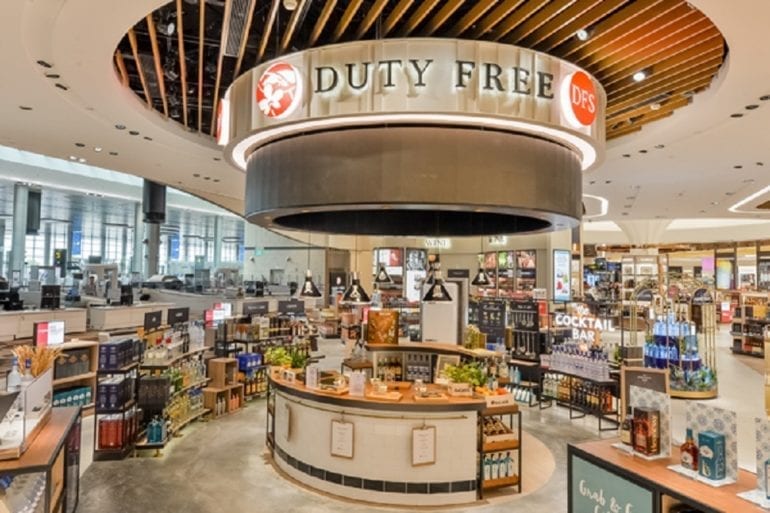
    Travellers are encouraged to engage in the basics of cocktail making at The Cocktail Bar.The new store features ‘The Cocktail Bar’ and ‘The Craft Collection’ section, allowing passengers to discover and engage with new brands.

    Aimed at making cocktails accessible for connoisseurs and novices alike, a selection of brands will be invited to take over the space and showcase their spirits throughout the year.

    The Craft Collection section showcases a selection of craft and small-batch beers and spirits from around the world, ‘curated for travelling customers looking for something unique and artisanal’, states DFS.

    The travel retailer says it aims to invoke the stories and passion of a new generation of brewers and distillers who put ‘innovation, authenticity and local culture’ into everything they do.

    Three craft beers are available on tap for tasting, as well as a rotating selection of spirits.

    According to DFS, gin is a category that embodies today’s craft movement within spirits, so new brands will be introduced to the collection on rotation.

    Terminal 4 also features The Whiskey House, which marks a welcome return following its success at DFS’s Terminal 2 Duplex store.

    From timeless classics and special releases to exclusive bottlings and single casks, The Whiskey House offers complimentary tastings of over 100 different whiskeys.

    Meanwhile, Master Distillers and Brand Ambassadors will stop by regularly to introduce their new release exclusives, with guided tastings and food pairings.

    The new Terminal 4 store also boasts an impressive selection of ‘prestige wines’, with special collections from Lafite, Mouton and Latour among others.

    Passengers will also be able to sample a curated selection of wine, ‘presented in enomatic tasting machines’ instore before they buy.

    To celebrate the launch of the store, DFS has collaborated with local award-winning bartender Peter Chua of Crackerjack to create three cocktails inspired by Singapore’s favourite sweet treats.

    Every Friday and Saturday until the end of December, travellers will be able to enjoy complimentary samplings of the three cocktail serves at the Terminal 4 Activation Pad.

    In addition, customers who spend over S$120 ($88.6) on wines and spirits will receive a local snack ‘plushie coin pouch’ with their purchase.

    Commenting on the opening, Teo Chew Hoon, Group Senior Vice President of Airside Concessions Division at Changi Airport Group, said: “Our vision for Terminal 4 is to continually delight travellers with new retail experiences. CAG is happy to work with DFS to create a first-in-Changi seamless duty-free zone.

    “With the addition of Terminal 4, we look forward to welcoming many more travellers to enjoy Changi Airport’s exciting offerings.”


  • Tech leads Wall St higher, Amazon and retail stocks gain

    Tech leads Wall St higher, Amazon and retail stocks gain

    Technology stocks led the S&P 500 and Nasdaq to record high closes on Black Friday, while Amazon and retail stocks got a boost from signs of a strong start to the holiday shopping season.

    The benchmark S&P 500 and the blue-chip Dow Jones industrials posted weekly gains for the first time in three weeks while the Nasdaq Composite posted its best weekly performance since the week to Sept. 1.

    The stock markets closed early on Black Friday, a day after Thanksgiving, the start of the holiday shopping season that accounts for as much as 40 percent of retailers’ annual sales.

    Turnout at U.S. retailers was relatively subdued on Black Friday, with many shoppers flocking to stores to eye items in person while waiting to do their actual bargain hunting online.

    On Thanksgiving, U.S. shoppers spent more than $2.87 billion online, according to Adobe Analytics. Adobe said Black Friday online sales were up 18.4 percent at $640 million as of 10 a.m. ET and would rise to a record of $5 billion.

    The S&P retail index rose 0.63 percent and had hit a record high, led by Amazon’s 2.61 percent gain.

    The online retail giant touted its sales for Cyber Monday, one of the biggest days for online shopping, and said shoppers using its digital assistant Alexa could score deals as early as Sunday.

    “In the retail environment, Amazon is extremely important – the fact that Amazon continued to soar bodes well for the fourth-quarter holiday shopping season and it bodes well for Wall Street,” said Adam Sarhan, chief executive of 50 Park Investments.

    Brick-and-mortar stores, which have been boosting their online presence, also fared well.

    Macy’s closed up 2.1 percent. The department store operator’s chief executive told CNBC the company was better off this year than last and was seeing very robust online demand.

    Kohl’s, Gap and J.C. Penney were up between 1.6 percent and 1 percent.

    Target ended 2.8 percent lower, with analysts noting that it closed its stores for several hours overnight while rivals stayed open. Wal-Mart inched up 0.2 percent.

    The Dow rose 31.81 points, or 0.14 percent, to 23,557.99, while the S&P gained 5.34 points, or 0.21 percent, to 2,602.42. The Nasdaq added 21.80 points, or 0.32 percent, to 6,889.16.

    The CBOE Volatility index, known as Wall Street’s fear gauge, was down 0.21 points to 9.67. It had hit a record low of 8.56.

    Eight of the 11 major S&P sectors were higher, led by the technology sector’s 0.54 percent rise.

    The energy index and the materials index were boosted by rising commodities prices.

    U.S. oil prices jumped to a more than two-year high as North American markets tightened on the partial closure of a key pipeline linking Canada and the United States.

    About 2.68 billion shares changed hands in U.S. exchanges in the shortened session. The daily average over the last 20 full sessions is 6.48 billion shares. Last year, volume during the session after Thanksgiving was about 3 billion.

    Advancing issues outnumbered declining ones on the NYSE by a 1.61-to-1 ratio; on Nasdaq, a 1.31-to-1 ratio favored advancers.

    The S&P posted 35 new 52-week highs and 1 new low; the Nasdaq recorded 120 new highs and 21 new lows.

  • Alibaba and JD in a war of words via lawyers over claims of dominating China’s e-commerce

    Alibaba and JD in a war of words via lawyers over claims of dominating China’s e-commerce

    China’s two dominant e-commerce platforms in the world’s largest online retail market are under the spotlight in an online debate via their legal representatives about their duopoly in the industry.

    On one side is Alibaba Group Holdings, owner of the South China Morning Post and operator of the world’s largest online shopping platform, claiming that it has been the target of an organised series of chat room postings and blogs aimed at tarnishing its reputation.

    On the other side is JD.com, China’s second-largest online retailer, which said it too had been the target of more than 100 attacks to cast aspersions on its reputation, as recently as during the November 11 online shopping gala.

    The attacks on Alibaba were designed to “manipulate public opinion,” and made “groundless accusations,” the company’s legal department said in a Friday post on its Weibo social media account. “We believe the authorities should investigate and punish the criminal groups who we believe have illegally profited from propagating such rumours,” the Weibo post said, without naming the perpetrator.

    Chat room posts and blogs have surged in the past month, accusing Alibaba of using its dominance of China’s e-commerce consumer market to force merchants to choose side, or be squeezed out of business.

    As many as 9,700 articles emanating from more than 500 social media accounts were posted on various online platforms in China to attack Alibaba, mostly before the Singles’ Day online shopping gala on November 11, according to a WeChat post on Wednesday by Alibaba’s legal adviser. Up to 4,600 of these accused Alibaba of forcing merchants to choose sides or accusing it of monopolising China’s e-commerce market.

    At stake is an e-commerce industry that has dwarfed every other country in the world, and is being dominated by two large companies.

    Alibaba’s Tmall platform has 80 per cent share of China’s online clothing sales, while JD holds 10 per cent, according to research by Analysys.

    Even though Alibaba hadn’t named the perpetrator of the online campaign, the company’s legal adviser had forwarded Weibo posts that claimed JD as the client behind a 2.6 million yuan (US$394,000) contract to hire ChinaLabs, a Beijing-based consulting services provider, to attack Alibaba of monopolising the market.

    JD paid ChinaLabs 600,000 yuan to initiate research and host media seminars to discuss Alibaba’s monopoly in China’s e-commerce market, according to the posts, which cited a contract between the two parties between August 1 and December 31.

    Another contract showed that ChinaLabs was receiving 2 million yuan from JD to instigate China’s antitrust regulators to investigate on Alibaba for monopolistic practices.

    The contracts in the Alibaba legal adviser’s posts could not be independently verified.

    Spokespersons at JD, an online retail platform whose market value is about a tenth of Alibaba’s capitalisation, did not respond to text messages and phone calls soliciting their comment.

    Jincheng Tongda Law Firm, acting on behalf of JD, issued a statement on Saturday denying any association with ChinaLabs.

    Separately, ChinaLabs’ chairman Fang Xingdong denied through a Weibo post that his company had ever signed the contracts with JD, saying that it will continue to conduct investigations and research on the antitrust situation in China’s e-commerce industry.

    Alibaba’s shares have doubled this year as the Hangzhou-based company broke its November 11 retail festival record and deepened its push to marry online and physical shopping. The company this month agreed to buy a 36 per cent stake in Hong Kong-listed Sun Art Retail Group, which runs one of the biggest hypermarket chains in China.

  • Oriental Watch Holdings sales back up

    Oriental Watch Holdings sales back up

    Easing rents, the closure of unprofitable stores and a trimmed-down inventory all helped Oriental Watch Holdings record a 10-fold increase in profit in its latest quarter.

    In the six months to September 30, Oriental Watch increased its post-tax profit from HK$4.12 million last year to $45.93 million, on sales down marginally from $1.545 billion to 1.508 billion. Same-store sales rose 14 per cent year on year.

    At the end of the period the luxury watch retailer operated 63 retail and wholesale points (including associate retail stores) in greater China: 47 in Mainland China, 12 in Hong Kong, three in Taiwan and one in Macau.

    Chairman Yeung Ming Biu said the return of mainland tourists and improving business confidence.

    “Most importantly, the stabilising sales performance along with rent adjustment has also become one of the key drivers for the group this year, which provided greater improvement in profitability with less rent burden suffered compared to the past few years.”

    During the quarter, the company’s rent costs fell by 26 per cent to $84 million, now accounting for 36 per cent of overall operating expenses, compared with 45 per cent in the same period last year.

    “The group has successfully negotiated better rental rates and more flexible leasing terms for the lease renewal,” he said. “In addition, regular internal assessment on the performance of all retail stores and closedown of high-rent yet non-performing stores are also the group’s strategy for better resources allocation.

    “The group will continue to closely monitor the store performance and its efficiency and hope the above measures together with the rent adjustments can improve profitability of each store in the forthcoming years.”

    Inventory management

    Yeung Ming Biu said careful monitoring of inventory of high-ticket items and reordering only when predetermined stock levels were reached had seen inventory cut by 10 per cent over six months.

    Meanwhile, Swiss watch exports by value increased by 4.1 per cent into Hong Kong and by 17.2 per cent into Mainland China between January and September, indicating that demand for luxury watches has rebounded.

    “Looking ahead, the group remains cautiously optimistic on the business outlook of the luxury goods market and expects retail sales in Hong Kong will hold stable amidst the sustained recovery in visitor arrivals and the resilience of local consumption demand,” he said.

    Same-store sales growth in China rose 14 per cent increase during the quarter.

    “On the other hand, the retail market in Hong Kong has begun to turn up after having bottomed out and these have provided good preconditions for the group’s development in Hong Kong,” he concluded.

  • Hej Home precedes Ikea Hyderabad store

    Hej Home precedes Ikea Hyderabad store

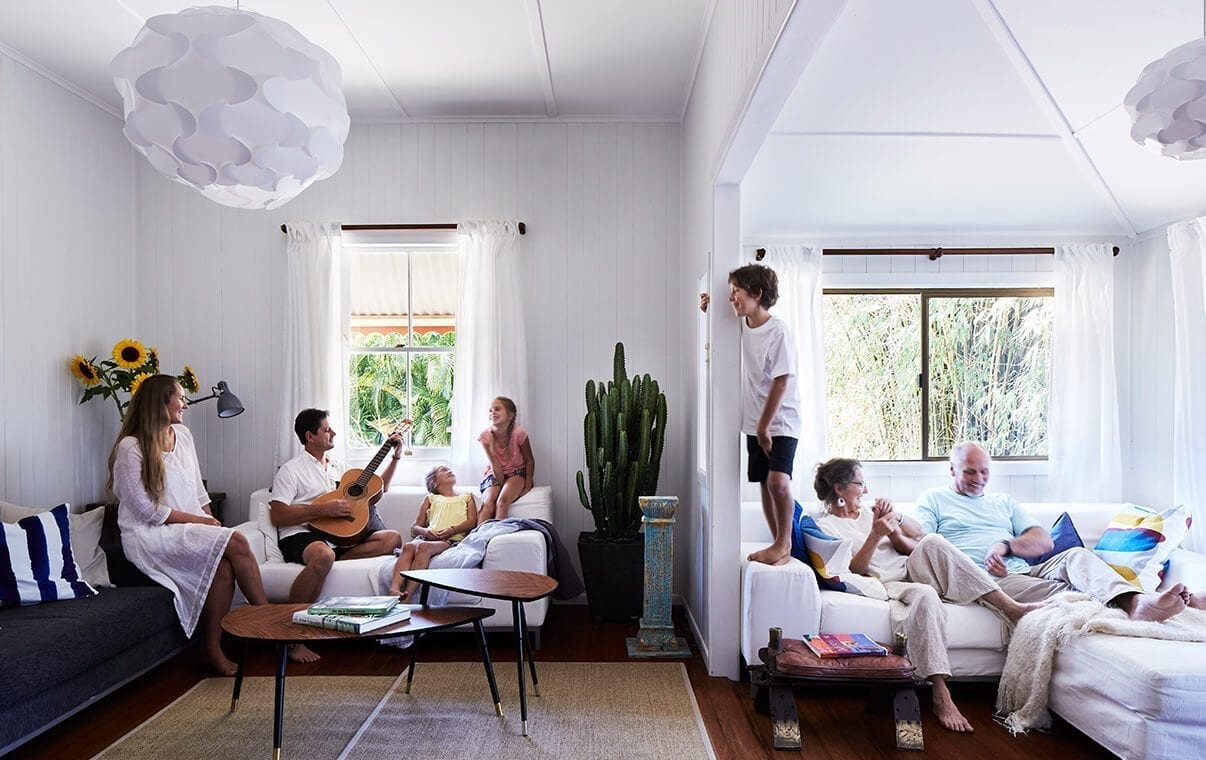
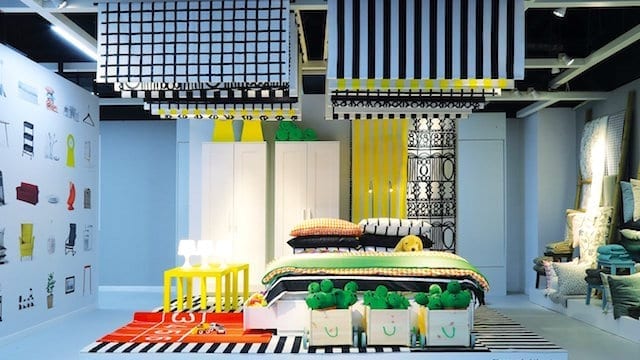
    Swedish home-furnishing retailer Ikea has opened a Hej Home experience centre in Hyderabad, where it will launch its first store for India next year.

    The centre will give visitors an idea of the type of products the store will offer when it opens next spring.

    Ikea country marketing manager Ulf Smedberg says the global retailer had also acquired land in Bengaluru and Gurgaon to establish stores in the coming months.

    Hyderabad’s store will cover 400,000sqft (37,160sqm) area in the city’s hi-tech area, and will display more than 7000 products, says manager John Achillea. “We’re still recruiting and also training young women to work in retail.”

    Smedberg says the company has been sourcing materials from India for 30 years. “For the Hyderabad store, we have local entrepreneurs who will help us with assembling and servicing.”

    He says Ikea. The company looked at more than 500 homes in India, and more than 100 in Hyderabad, over a range of demographics to decide on the final product line-up.

  • Dutch chain Topshelf to close down

    Dutch chain Topshelf to close down

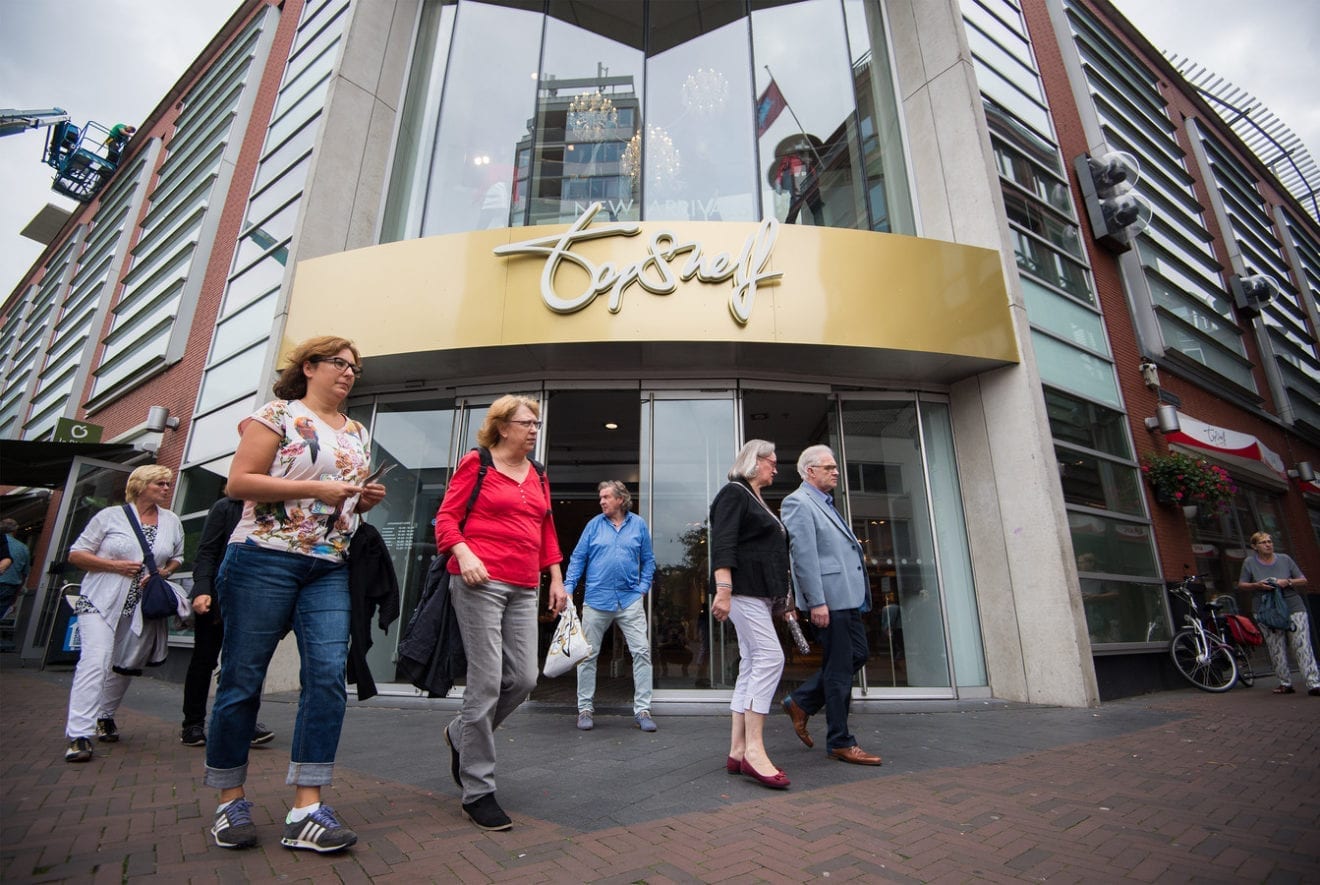
    Dutch department store operator Topshelf appears to be closing down.

    The company has announced its last store in Alkmaar will close in mid-January, following the shuttering of stores in Arnhem, Nijmegen and Groningen.

    The company has not filed for bankruptcy and it says it will continue to employ existing staff as it quits remaining stock. Disappointing sales were cited as the reason for the closure.

    Topshelf – no relation to the UK-headquartered Topshop and Topman retail brands – was launched in 1995 as a megastore, focusing on sports and outdoors wear, called Sportsworld. At the end of 2015, it opened stores in premises occupied by collapsed department store chain V&D, expanding further in April last year into Arnhem and Nijmegen en Groningen.

    With sales remaining weak last December, the company decided to convert the city stores – Arnhem, Nijmegen, Groningen and Alkmaar – to Topshelf, continuing to operate other branches in Beuningen, Leerdam and Cruquius, outside the city, as Sportsworld.

    The Topshelf stores stocked luxury gifts, fashion and homewares and ranged products from brands including Versace, Guess, McGregor, Superdry, Lacoste, Tommy Hilfiger, Speedo, Calvin Klein, Ray Ban, O’Neill and Atomic.