Tag: asia

  • Trading house Itochu taking on Alibaba and JD.com

    Trading house Itochu taking on Alibaba and JD.com

    Itochu and two partners are investing roughly 7.6 billion yen ($67.6 million) in an e-commerce venture selling Japanese goods to the Chinese market in hope to enhance its own forays into China’s internet sector.

    The Japanese trading house is investing around 4 billion yen into the Tokyo-based startup Inagora, with telecom KDDI and financial services company SBI Holdings providing the rest.

    Itochu previously invested around 100 million yen in the company and will now hold a roughly 20% stake, making it the second-largest shareholder behind founder and CEO Weng Yongbiao.

    Founded in 2014, Inagora operates Wandou, a Chinese-language e-tailer with some 3 million users.

    The site boasts around 40,000 offerings, with a focus on cosmetics, clothing and foods from brands including Japanese fashion label Samantha Thavasa, Swiss lingerie maker Triumph International and Japanese food producer Ajinomoto.

    China’s cross-border e-commerce market is growing rapidly. The market for goods from Japan is seen nearing 2 trillion yen in 2020. The country’s overall e-commerce leaders currently have a strong grip on the cross-border segment: Top player Alibaba Group Holding commands a roughly 40% share, while second-place JD.com and major internet player NetEase control shares in the 10-20% range.

    Itochu has already taken its first step into the cross-border market, launching a high-end site in spring 2017 with Chinese state-owned conglomerate Citic, a major partner.

    But the trading house has realized breaking Chinese heavyweights’ grip will require savvy marketing that can respond nimbly to consumer tastes — hence its turn to Inagora, which excels at creating videos highlighting the appeal of Japanese products for local consumers.

    The trading house will supply products for Inagora’s site through units including food wholesaling arm Nippon Access and Edwin, Japan’s largest maker of jeans. In addition, Itochu will have the site carry local specialty items from across Japan stocked by convenience store chain FamilyMart, another member of the Itochu group.

    Itochu Logistics, with over 100 locations in China, will also cooperate with Inagora, which plans to add warehouses to its own distribution network using money from the latest round of investment.

    The startup will also hire more sales staff to encourage companies to list their products. Forays elsewhere in Asia are on the agenda as well: The company plans to bring its business to Taiwan, Malaysia and elsewhere in 2018.

    Inagora anticipates around 15 billion yen in transactions this year, six times the 2016 level. With help from Itochu and others, the startup targets 100 billion yen in transactions in 2019 and 176 billion yen a year later.
  • What to know about the hottest pop-up retailing trend in China

    What to know about the hottest pop-up retailing trend in China

    Pop-up stores are a very well established marketing strategy in the U.S. and Europe, and the wave coming from the West has already pervaded Asia.

    Research shows that the compound annual growth rate of pop-up retailing has been over 100 percent since 2015 and that by 2020 there will be over 3,000 pop-up stores opened in China.

    For foreign luxury brands who are still observing the phenomenon, here are five need-to-know things about pop-up stores in China.

    1. The pop-up store is a must-have

    It increases brand awareness at a low cost. For those who are not yet sure about China’s market, it is a good way to test the waters. Pop-up stores are temporary, but they create a long-term, lasting impression with potential customers.

    Even for luxury brands that already have a prominent presence in China, it is still a good way to display the latest lines and engage millennial consumers. Luxury brands’ pop-up stores are using interesting design features to attract attention, a tactic that huge brand names have already experimented with.

    For example, Dior set up pop-up stores displaying their new women’s line in Shanghai IFC and Beijing SKU right in front of its permanent storefronts this year.

    2. Location is key to the success of a pop-up store

    Unlike in the US and UK, where pop-up stores are often on the street, pop-up stores in China are mostly set up in shopping malls due to strict regulations. For example, the regulations of the Shanghai Municipality on urban road transport clearly state that the government will not grant any applications from companies to operate a business in front of their stores or on either side of the road. Many cities have adopted similar practices, which leaves brands little choice but to set up their pop-up stores in shopping malls.

    Nonetheless, these locations might actually give brands an edge. Shopping malls have a huge amount of foot traffic, attract the right demographics, and offer more convenient setups as amenities are already in place.

    In addition, China’s has plenty of shopping malls—the number of large to medium-sized shopping malls in China surpassed 4,000 by the end of 2016, and the number is currently increasing at the rate of 600 to 700 new malls each year.

    3. How to do it if you are not in China yet

    There are all kinds of pop-up stores—some for sales, some for brand awareness, and some for gaining market insights.

    For those who are interested in direct sales, China’s laws and regulations require brands to have a corporate presence in China in order to conduct sales directly. That means brands need to have a Wholly Owned Foreign Enterprise or Foreign Invested Partnership Enterprise in China in order to have a pop-up store to sell products. Brands can also conduct sales through partners, such as distributors or agents.

    However, for those brands who do not have the right to conduct sales in China, they can still set up a temporary store just for the sake of outreach to Chinese consumers by letting them experience products.

    If brands can successfully entice consumers with their samples, they can direct consumers to place orders on their websites.

    4. Use social media to drive traffic

    Having consumers take pictures and share location on WeChat Moments is a must.

    On the one hand, consumers want to demonstrate online that they have been to cool places. On the other hand, by giving consumers incentives—gifting them or rewarding them complimentary services if they post pictures online—brands will gain more lasting attention.

    Another way to increase exposure and gain traffic is by partnering with celebrities and KOLs. This has been practiced by local brands such as Suning Ecommerce Group and has achieved a great success.

    5 things to know about pop-up in China
    Source : nmplus.hk

    5. Food is customers’ best friend

    Many brands are engaging customers with food and beverages.

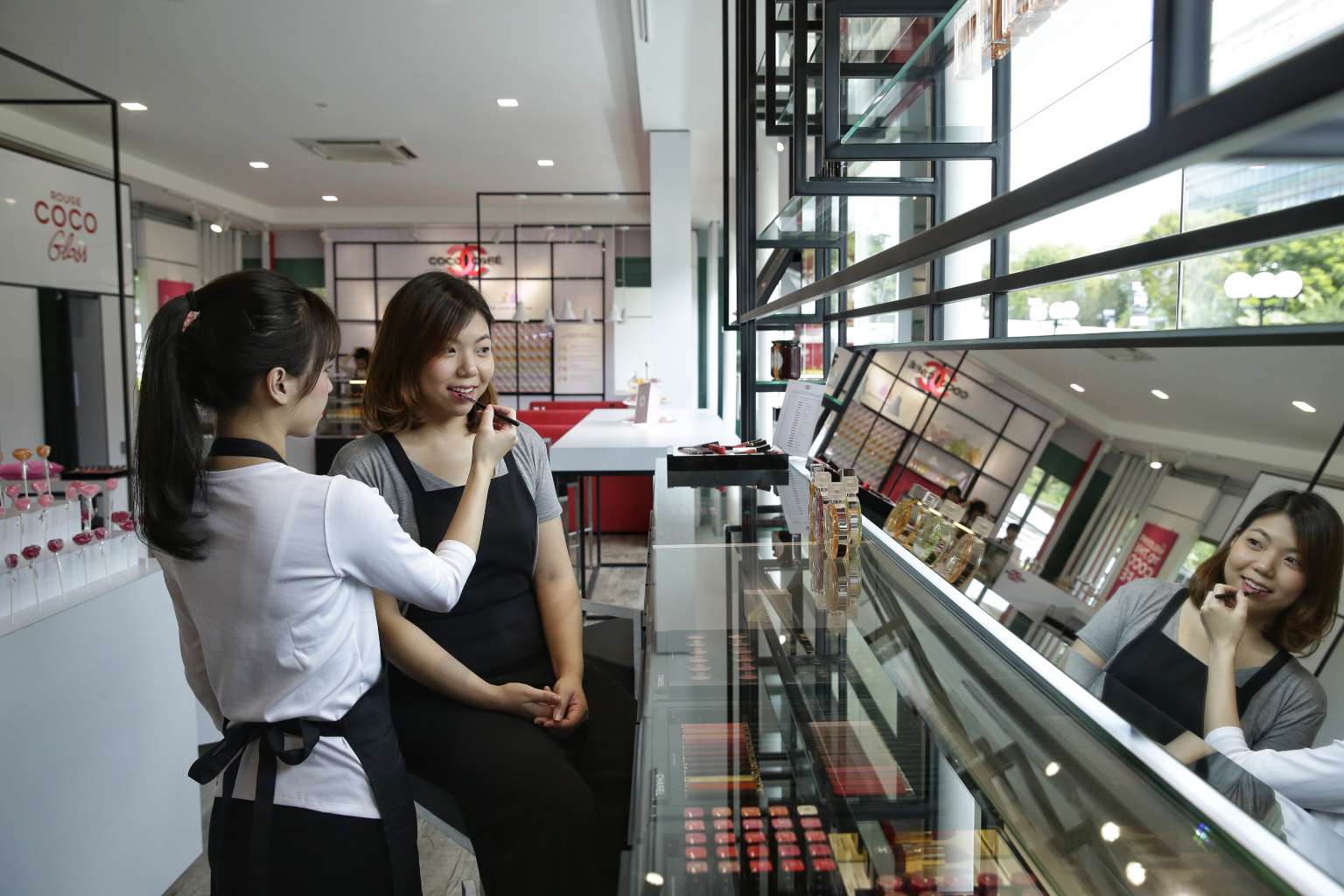
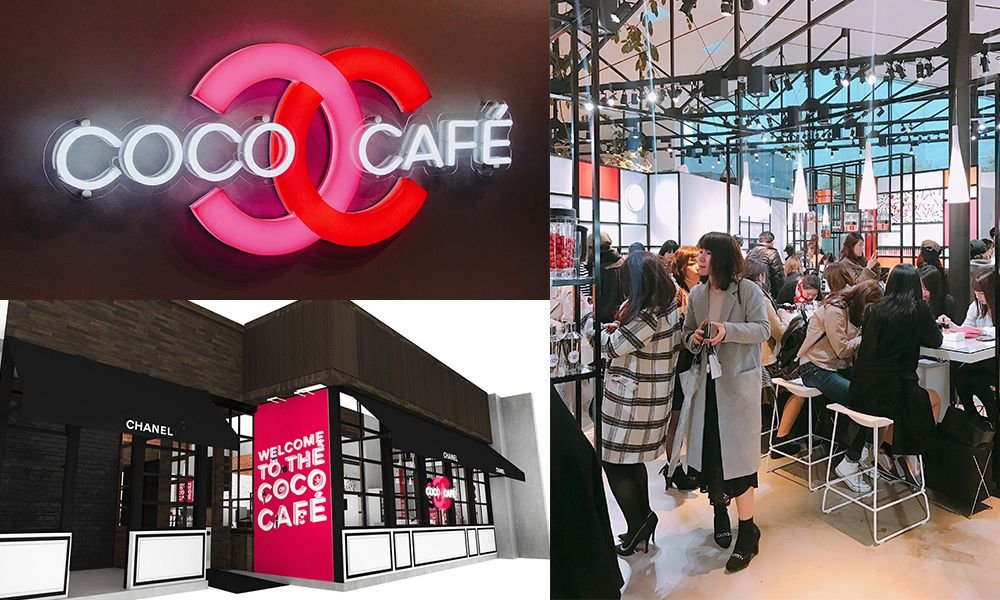
    Bobbi Brown and Kenzo have opened pop-up stores that offer coffee. Chanel opened Coco Café in Shanghai to sell lip glosses in April 2017, but it also provided consumers complimentary coffee and dessert. A report carried out by BFG-blueview shows that food pop-up retailing is the best way for brands to make waves.

    While skin-care, cosmetics, and fashion brands can use pop-up stores to expose more millennials to their products, combining the experience with food and drink will certainly help brands draw a larger crowd.

  • J Crew best bet to slow down the losses

    J Crew best bet to slow down the losses

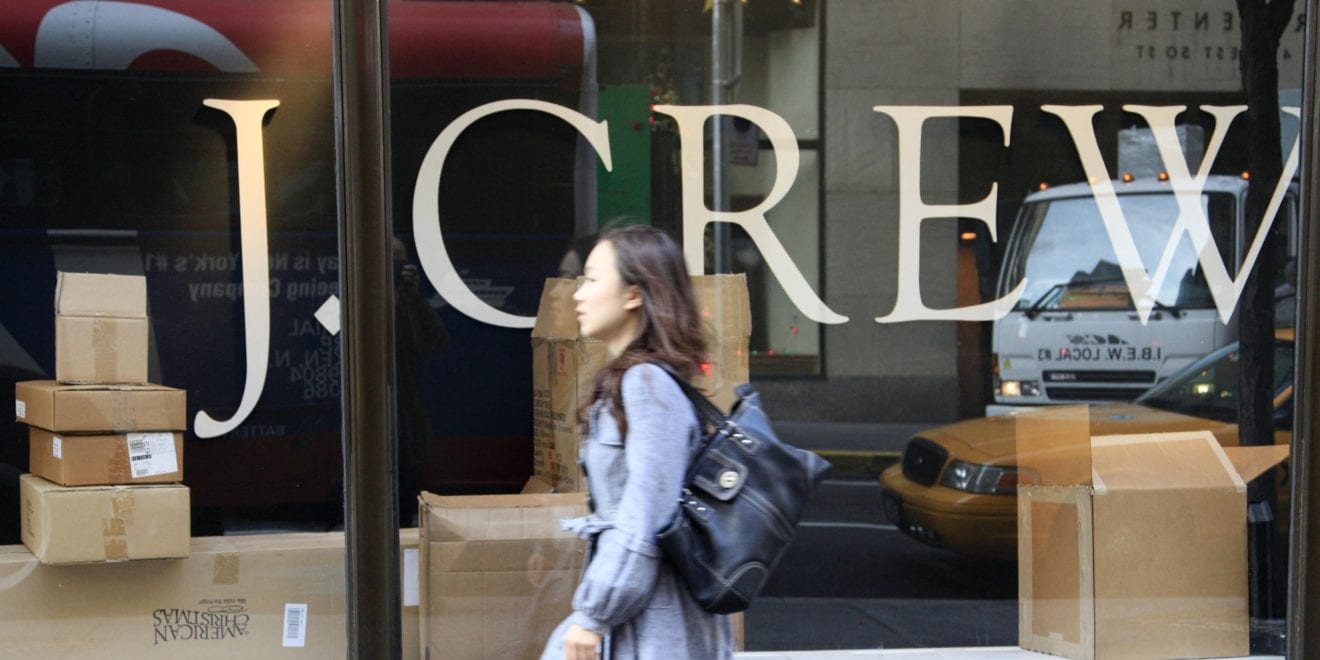
    US listed fashion retailer J Crew’s woes are worsening, with the company’s namesake brand dragging the business towards a significant loss.

    As a result the company will shutter another 39 stores in the final quarter, taking the total closed for the year to 50.

    In the latest quarter, J Crew group-wide comparable sales slid 9 per cent to $566.7 million, a figure made worse by poor figures for the same quarter last year, when sales were down 8 per cent.

    The flagship brand’s sales slumped 12 per cent, following a 9 per cent decline in the same quarter last year.

    A 22 per cent increase in sales by Madewell, largely down to an expanded store network, failed to stem the damage. J Crew lost $17.6 million in the quarter, compared with $7.9 million last year.

    In the nine months year-to-date, the company has accumulated losses of $126.1 million compared with operating income of $34 million in the same period last year, but it says most of that figure is the result of non-cash impairments and restructuring costs.

    Jim Brett, who took over as CEO from founder Mickey Drexler earlier this year, put a brave face on the figures, promising to “reinvigorate the J Crew brand to reflect the America of today and to continue to drive strong momentum in the Madewell brand”.

    However, complicating any recovery plan is a massive $2 billion debt the company is in the process of restructuring.

    “The numbers for the year so far are painful,” observed Retail Dive writer Ben Unglesbee.

  • Jollibee International Expanding in Singapore

    Jollibee International Expanding in Singapore

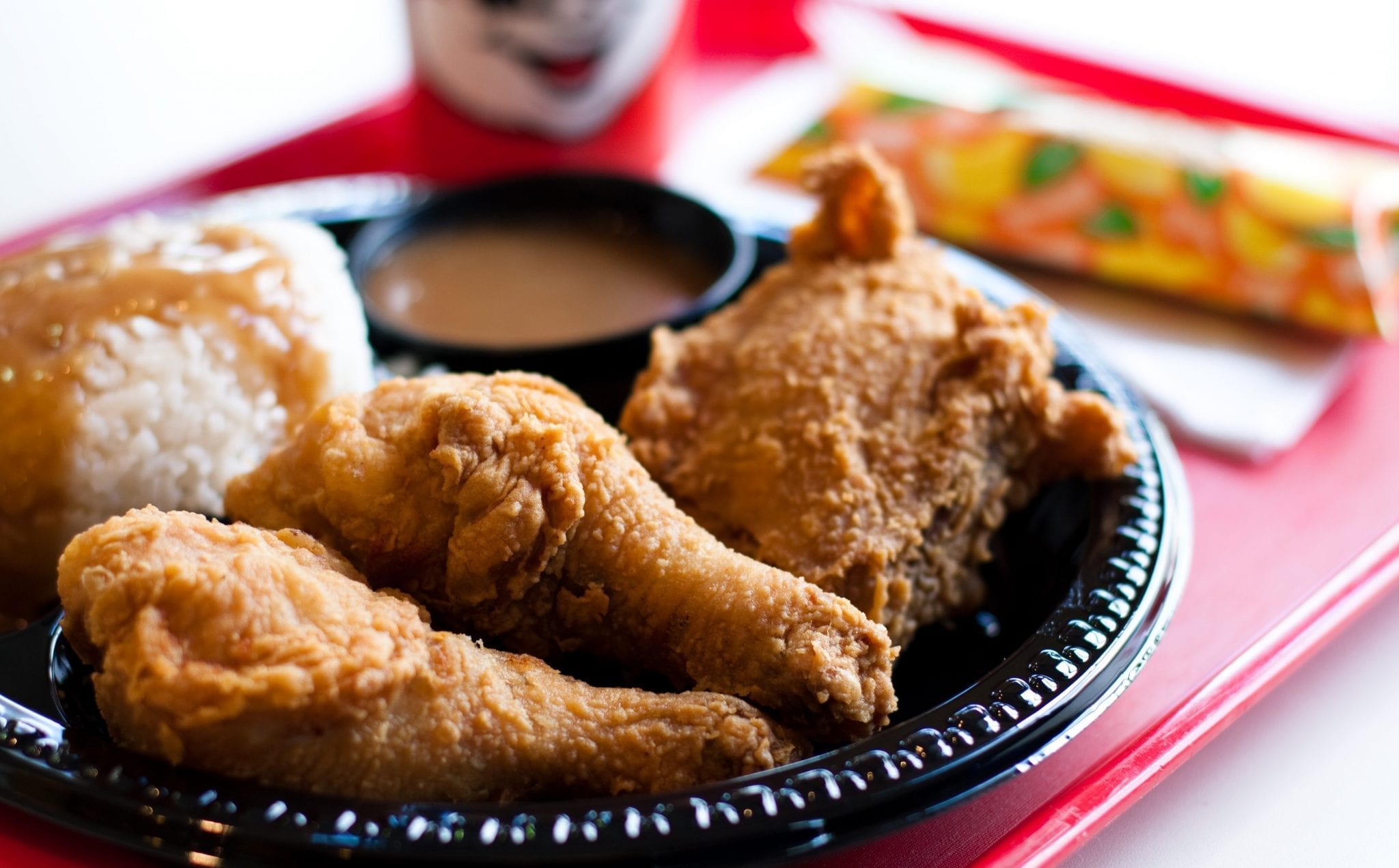
    Philippine fast-food giant Jollibee International is opening at least 15 more outlets in Singapore in the next five years, with an incursion into Indonesia in 2019.

    Jollibee president and head of international business Dennis Flores says the Manila-based company will open its sixth store in Singapore in Jurong East in April. It joins the line-up of two stores at Lucky Plaza and one each in Changi, Novena and Paya Lebar.

    “We’ve gone to another level – half our customers now are Singaporeans, not just Filipinos,” says Flores. Jollibee opened its first store at Lucky Plaza in March 2013. While Filipinos formed queues, few Singaporeans went there – “only brave souls”.

    A second outlet at the mall’s basement drew more local diners, and Jollibee has since picked locations more accessible to Singaporeans. “The patronage of Singaporeans is really giving us a lot of encouragement…Our ability to connect with the Singaporean palate gives us a lot of excitement and encouragement that we can fulfil our goal to open 15 more stores,” says Flores.

    Meanwhile, the company aims to enter the 260-million-strong Indonesian market in 2019. “It’s a market we can’t ignore. It’s a chicken market – the big players are all ‘chicken players’.”

    Jollibee is hoping to open 150 stores in Indonesia in 10 years.

  • 250 to 300 international brands to enter India

    250 to 300 international brands to enter India

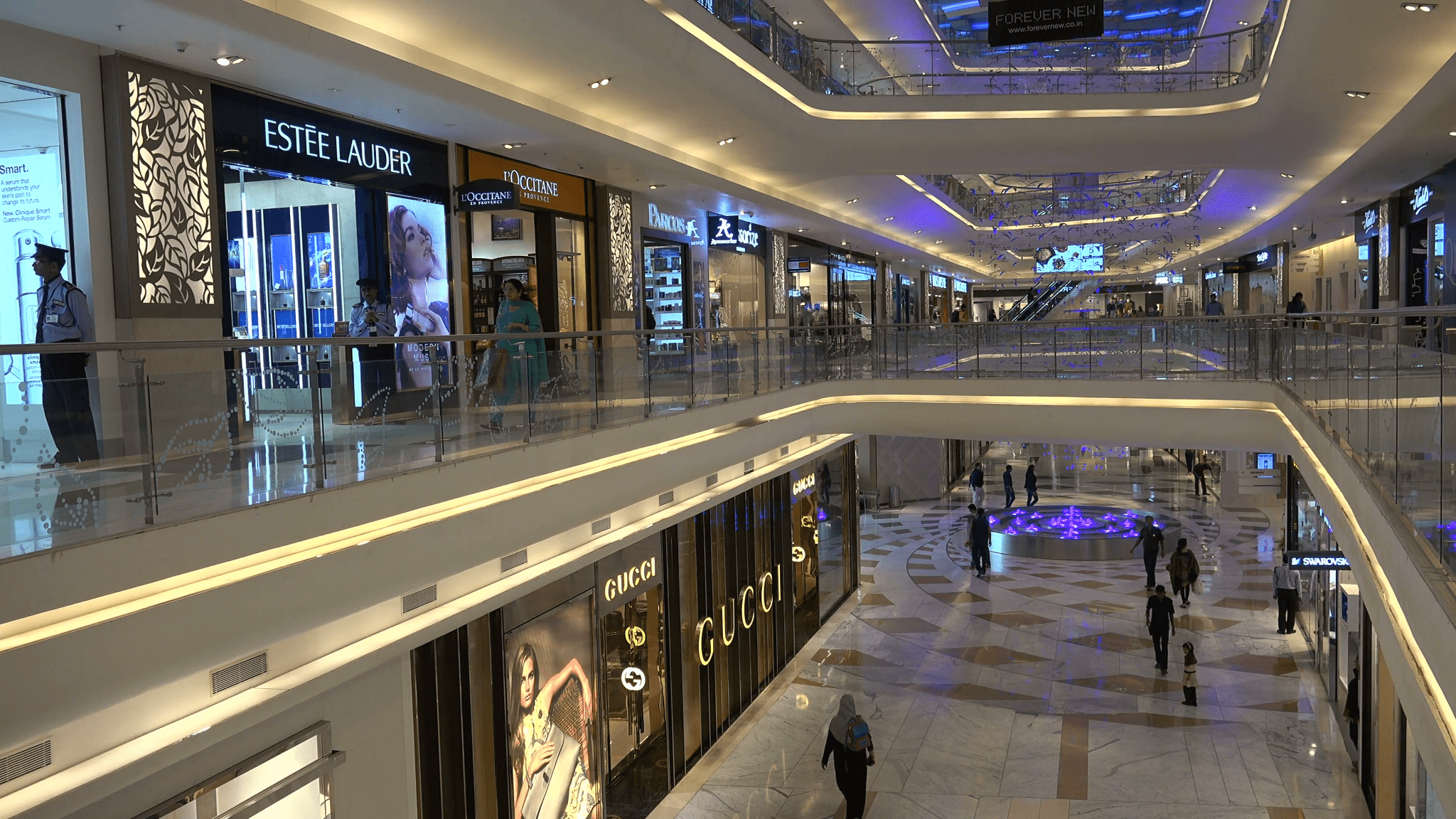
    A new wave of international fashion brands will be entering the Indian consumer market in the coming two years as an increasing number of mid-segment brands expand into India.

    Following the success of many international fashion brands in India including Zara, Mango, H&M, and Levis, many mid-segment brands are now looking to follow their lead and enter India.

    The retail solutions provider Franchisee India Holdings has estimated that between 250 and 300 such brands will enter India over the course of the next two years.

    With the entry of these brands, the business also estimated that an investment of about one billion dollars will accompany this, a figure that could transform India’s fashion market.

    “Now, it’s the turn of small and mid-sized brands as they look to cash in on the open retail policy and huge gap in the market for branded products,” said Gaurav Marya, the Chairman of Franchisee India Holdings. Anurag Mathur, a Partner at Pricewaterhouse Coopers, agreed: “Many international brands are lining up as the retail sector is growing and international brands like Zara and H&M have been really successful, with strong profits and revenue growth being reported in the country. Now, the slightly mid-level or smaller brands too want to explore the Indian market.”

    Some of the mid-section brands that are in the process of expanding into India include Kiabi, Mavi, Avva, Colin’s, Damat, Tudba Deri, and Dufy.

    It is expected that this wave of brands will focus their expansion efforts on Tier 1 cities and, for them to be able to reach out to Tiers 2 and 3, infrastructure will have to greatly improve.

  • VIP to invest in Australia

    VIP to invest in Australia

    A Chinese online shopping giant has arrived in Australia this week to unveil its new Sydney distribution centre.

    VIP.com is one of the largest players in China’s e-commerce space with total orders for the third quarter of 2017 increased by 23 per cent to 74.0 million from 60.1 million in the prior year period.

    “Australia is already a very strong market for VIP.com. We are looking to procure about AUD 500 million of Australian goods in FY18 and we expect to double that figure the year after,” said Hillary Wang, VIP.com’s head of global buying.

    “We have highly effective partnerships with many Australian businesses and have become their primary sales channel in China. We have serious aspirations to become the number one platform in China for many more of our suppliers’ businesses.”

    With Australian brands highly sought after in China – based on consumer’s perceptions of trust and value – VIP recently partnered with Australia’s largest food manufacturer, Nestle,  to introduce Australia’s Uncle Toby’s, Allen’s confectionery and Soothers trademarks to China.

    “We only deal with brand owners directly or through their authorised distributors. Authenticity is critical to building brands and Chinese shoppers know that VIP.com delivers that,” Wang said.

    VIP stated its female skewed audience (+80 per cent) and ability to customise the recommended range of products to shoppers, based on demographic and purchase history, give it major point of differences to its Chinese e-commerce competitors.

    “We are pleased to be investing in Australia,” said Wang.

    “Chinese consumers trust Australia’s production standards and quality of its natural resources.

    “Australia is our number one import market for nutrition and food and beverage, and whilst we have made much progress, we have plans for further significant growth. This trip is about deepening our partnerships with existing suppliers and inviting participation from potential new partners.”

    The online retailer will invest in local infrastructure to enable growth in trade between Australian businesses and its accessible database of 300 million Chinese shoppers.

    Investment is being channelled into supply chain capability and people in Australia to facilitate trade.

    “In discussions with our Australian partners, we are often told the Australian market is a highly contested and offers relatively low growth,” said Wang.

    “We are happy to bring a good news story to these businesses, the opportunity to share with Chinese shoppers brands that are rich in history, made with the best ingredients to the highest standards, by hard working Australians. These are exciting times.”

  • Minion Cafe Opens at Singapore Central

    Minion Cafe Opens at Singapore Central

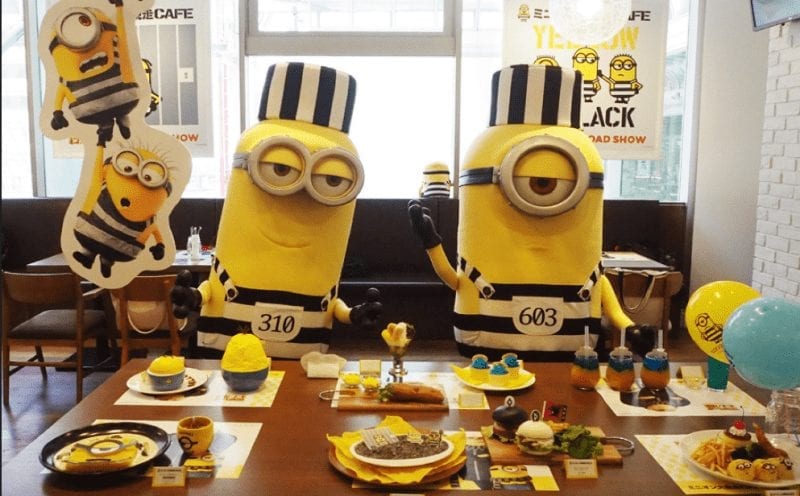
    A Singapore Minions Cafe has opened at Orchard Central – the first one to trade outside Japan.

    Minions, the yellow cartoon characters who made their debut in the Despicable Me movies and have now spurned their own films, will host diners on the mall’s third floor until January 31.

    Minions Cafe Sg


    The Minions said ‘bello’ – which is their language for ‘hello’ in five Japanese cities to coincide with the premiere of the Despicable Me 3 movie.

    The themed character cafe has a menu with 14 options inspired by the movie characters. Exclusive movie merchandise will also be sold on-site.

    The Singapore Minions Cafe popup is operated by Japanese cafe, The Guest Cafe & Diner, which collaborates with a different popular character every two to three months.

  • Farfetch yearly sales surge 74%, 2016 losses widen on investments

    Farfetch yearly sales surge 74%, 2016 losses widen on investments

    British online fashion retailer Farfetch said global revenue grew at a record speed in 2016, while losses widened for the year, on the back of increased investment in technology, customer acquisition and hiring.

    For the twelve months ending December 31, 2016, Farfetch said after-tax losses widened to 34 million pounds from 28.7 million pounds, while operating losses grew to 33.5 million pounds from 26.5 million pounds.

    The losses come despite Farfetch.com revenues growing 74 percent to 151.3 million pounds.

    In a statement to Companies House in London, the company reported “strong growth in both demand for, and supply of, products through the Farfetch platform. The company is confident in its future outlook, and well placed to manage its business risks successfully despite the current uncertain economic outlook.”

    Addressing the press post-earnings, founder and chief executive officer Jose Neves called Farfetch “a fast-growing company at an exciting stage in its journey, with over 21 million visits to our websites every month and relationships with over 500 partner boutiques and 200 brands.”

    He added, “the trajectory of rapid growth and substantial investment continued in 2016, and we are pleased to have seen 81 percent growth in gross merchandise value, as well as strong growth of 74 percent, in revenues.”

    Farfetch Group owns Farfetch.com and Browns. The aforementioned results pertain to Farfetch.com, the sales platform for luxury boutiques worldwide.

    Moreover, Browns saw its revenue more than double to 36.9 million pounds, while losses widened to 6.4 million pounds from 369,330 pounds in the 17 months to December 31, 2016.

    Looking ahead the group’s CEO was upbeat about the London-based retailer’s position moving forward.

    “We have very strong foundations in place and will continue to invest and grow our business as we build the definitive technology platform for the luxury industry,” Neves said.

  • Bolloré Logistics Strengthens Its Logistics Partnerships with Thales

    Bolloré Logistics Strengthens Its Logistics Partnerships with Thales

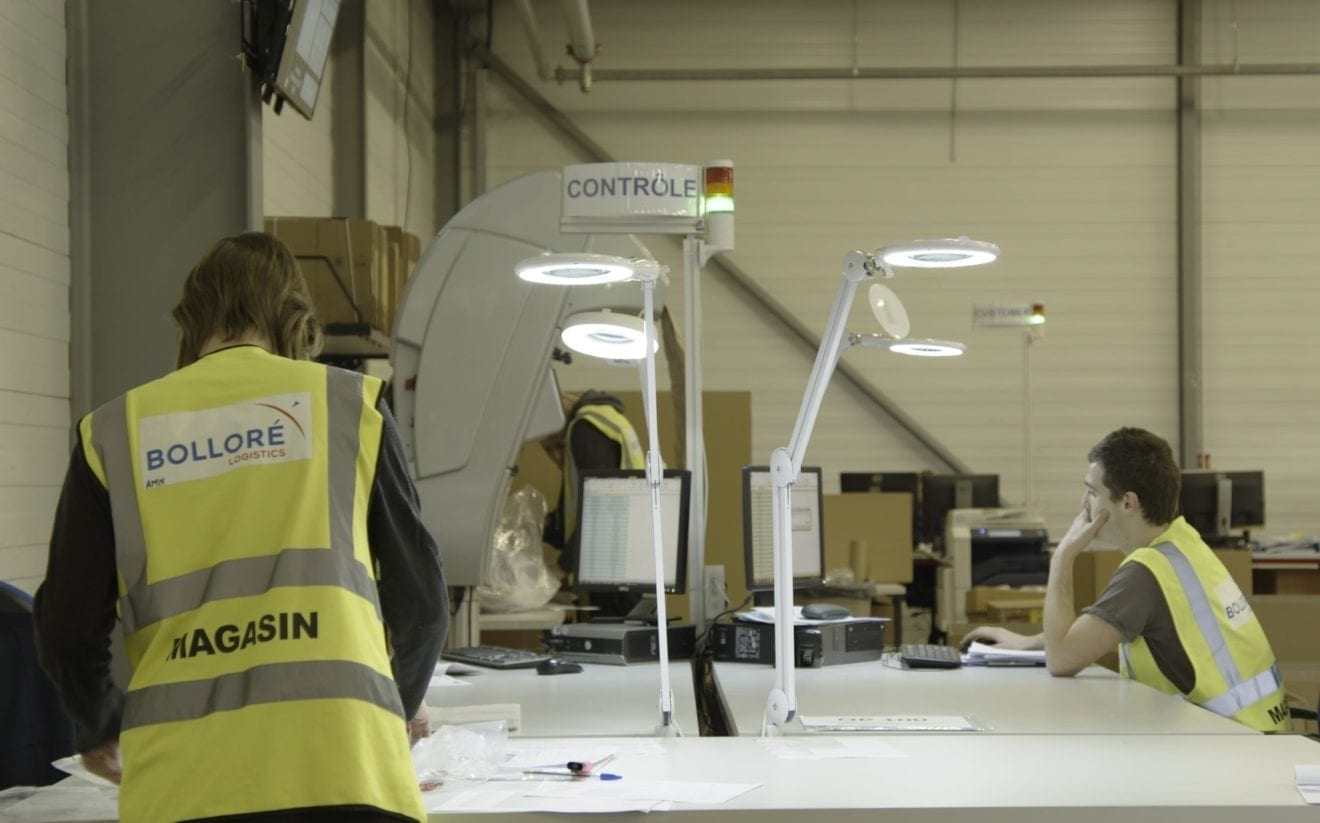
    This program promotes synergies between THALES entities. For this purpose, Bolloré Logistics is piloting six logistics platforms located in Toulouse, Bordeaux and Brest but also in the Ile de France, Val de Loire and PACA (Provence Alpes Côte d’Azur) regions for 10 different THALES entities.

    Our scope of work covers storage, orders management, final assembly line deliveries and quality controls. Bolloré Logistics’ central unit and innovative IT solutions enable optimized management of logistics flows, harmonization of processes and the conduct of an ambitious improvement plan.

    Bolloré Logistics thus confirms its leading position in Supply Chain solutions in the Aerospace and Defense sector. Our Aerospace expert teams and our supply chain specialists support manufacturers in their transformation on all continents.

  • Bolloré Logistics-Oro Inc. Partnership Launches Order-to-Delivery B2B E-commerce Platforms

    Bolloré Logistics-Oro Inc. Partnership Launches Order-to-Delivery B2B E-commerce Platforms

    International transport and logistics leader Bolloré Logistics has partnered with Oro Inc. in a global venture offering clients one-stop B2B e-commerce sales and processing service. The innovation creates an enhanced means for multichannel retailers to do business with customer companies, and simplifies and speeds order preparation, handling and delivery procedures orchestrated by Bolloré Logistics.

    The service harnesses the considerable success of direct digital sales to consumers by adapting those to the particularities of B2B e-commerce – an activity set to reach $6.7 trillion by 2020. ORO has helped Bolloré Logistics respond to needs that have not been fulfilled in the past, such as non-sellable inventory items. And with multinational companies prioritizing cost control to remain competitive, the Bolloré Logistics-ORO solution also creates value through a seamless customer experience portal.

    Under the offer, world-leading OroCommerce platforms – tailored to the specifics of B2B activity — are augmented with Bolloré Logistics’ LINK collaborative information network. LINK provides real-time tracking, inventory, first and last mile status and other updating, using the constant input of maritime, air and road transporters, warehouses, customs and other supply chains actors. LINK is already used by 5,300 customers, 20,000 specific users per month and receives 400,000 views per month.

    The new ensemble represents a powerful digital tool catered to customers’ individual business and sales requirements, and provides processing and handling services clients can track through LINK’s updating throughout transport and logistics operations.

    “B2C e-commerce sites have become the ambassadors of retailers’ online presence, and we import and adapt those efficiencies to simplify and increase B2B experience and activity,” explains Frédéric Serra, solutions director for Bolloré Logistics. “We then go further by integrating our transport and logistics expertise and IT assets into the offer, providing processing service and visibility from order placement and management to final destination delivery.”

    “Next step for us is to integrate well-known payment gateways in order to provide a complete, end-to-end offer for B2B” explains Ludovic Laungani, regional e-commerce solution for Bolloré Logistics Asia Pacific.

    The new service also provides cross-fertilization between clients’ popular consumer sales sites and
    enhanced B2B platforms, forging front-to-end logistics, transport and tracking management that
    can also be used for B2C activity.

  • Kerry Logistics Crowned Global Freight Solutions Provider of the Year

    Kerry Logistics Crowned Global Freight Solutions Provider of the Year

    Kerry Logistics Network Limited made its debut appearance at the 21st Lloyd’s Loading List Global Freight Awards (the ‘Awards’) in London, taking home the Global Freight Solutions Provider of the Year award.

    Held at the Lancaster London Hotel on 16 November 2017, the award ceremony was attended by more than 500 guests from the global freight and logistics industry.

    Organised annually by Lloyd’s Loading List, a freight publication of more than 160 years, the Awards recognise companies with innovative ideas and achievements and have set a benchmark for excellence in the global freight industry.

    Kerry Logistics was honoured for its innovative multimodal solutions and successful development of an integral Eurasian overland transportation network between Europe and China with new LCL rail options, providing greater flexibility to its international customers.

    Thomas Blank, Managing Director of Europe, Kerry Logistics, said, “We are excited to win the Global Freight Solutions Provider of the Year award. With the ambition to become a major logistics service provider for the new Silk Road, we are strategically expanding our network by sea, air, road and rail, devising new innovative solutions to offer our clients a competitive advantage. We are committed to offering a full range of upstream and downstream services to meet the demands of today’s shippers, from industrial freight, down to smaller e-commerce commodities.”

    In June 2017, Kerry Logistics enhanced its services and network under the Belt and Road initiative by adding a new subsidiary, Globalink Logistics, under its umbrella. This move expanded its presence in nine countries across Central Asia which include Kazakhstan, Uzbekistan, Kyrgyzstan, Tajikistan, Turkmenistan, Georgia, Armenia, Azerbaijan, and Ukraine. While Kerry Logistics continues to develop an overland transportation network for road, rail and multimodal freight services from China to Central Asia and Europe, it will also build upon its expertise in project logistics within its global network to explore new business opportunities.

  • The Newly Renovated T Galleria By DFS Sydney Opened Door

    The Newly Renovated T Galleria By DFS Sydney Opened Door

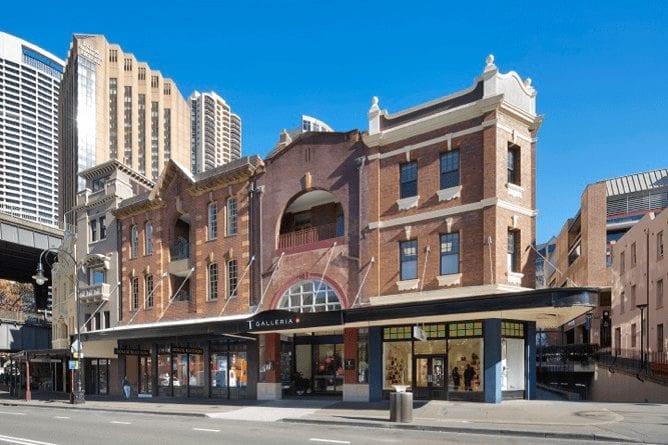
    DFS Group, the world’s leading luxury travel retailer, last week unveiled its newly renovated store, T Galleria by DFS Sydney. The modern interior, which boasts a fresh, clean look, complements the store’s attractive red-brick façade and offers customers a compelling shopping experience from the minute they step through its doors.

    Spanning over 70,000 square feet of space, T Galleria by DFS Sydney has occupied its historic George Street
    location for 29 years and is Sydney’s only duty and tax free destination, mere steps away from The Sydney Opera
    House and Harbour Bridge. Featuring more than 150 of the world’s most desirable brands, the store is a one-stop
    shopper’s paradise which aims to entice customers with its stylish layout and carefully curated collections. It
    showcases an extensive selection of products across all categories – fashion and accessories, beauty and
    fragrances, watches and jewelry, wine and spirits, food and gifts – with many items available exclusively to T
    Galleria by DFS Sydney, such as the Michael Kors x DFS collection and Tiffany & Co.’s Keys.

    Customers begin their exciting retail journey on the ground floor, which is devoted to 11 iconic brands that lead
    the way in global designer fashion. Each of these luxury retailers has created an intimate space in T Galleria by
    DFS Sydney that captures the essence of their respective flagship stores.

    An irresistible mix of fashion and accessory retailers greets shoppers arriving on the second floor. Contemporary
    fashion brands offer a younger, slightly edgier aesthetic to shoppers, whilst smart totes, travel essentials and
    suitcases cater for discerning travelers.

    With its double-height ceiling and black-and-white checkered flooring, Watch World on the third floor is the
    ultimate in retail elegance as befitting the 57 luxury watch brands that are showcased here. Bespoke joinery and
    special lighting accentuate the exquisite watches on display. Still on the third floor, warm wood flooring draws
    customers towards T Galleria by DFS Sydney’s selection of sunglasses, displayed alluringly on floating shelves.
    With 24 of the world’s most prestigious and iconic brands all in one area, travelers can be sure to find their
    perfect look.

    Beauty and fragrance lovers are well catered for too, with some of the beauty world’s biggest names positioned
    next to more niche brands on the fourth floor. Customers will also discover a tempting assortment of international
    and local food products, wine, spirits and gifts from over 50 brands. These include Ovvio organic certified teas,
    Yalumba wine, Steens manuka honey and delicious Tim Tam bites, Australia’s favorite cookies encased in
    Belgian chocolate.

    “The renovated T Galleria by DFS Sydney brings a whole new experience to visitors from all around the world,
    offering them a fresh, one-of-a kind duty free retail space in one of Sydney’s most vibrant and prestigious areas,”
    said Sibylle Scherer, President, Merchandising and Consumer Marketing, DFS Group. “With such a wide
    assortment of brands and products to choose from, we anticipate that many new customers will be eager to
    explore this beautiful city’s latest destination for luxurious shopping.”

    The refurbishment of T Galleria by DFS Sydney began in August 2016 under the direction of Australian design
    company PMDL, which was also responsible for the design of T Galleria Beauty by DFS, Studio City, Macau,
    and T Galleria Angkor by DFS in Siem Reap, Cambodia.

  • New Thai Vietjet route launches to bring more passenger traffic

    New Thai Vietjet route launches to bring more passenger traffic

    New route launches by Thai Vietjet is expected to bring significant increases in passenger traffic between Thailand and Vietnam starting next month. This follows the official announcement that Thai Vietjet has just received the recertified AOC (Air Operator Certificate) from the Civil Aviation Authority of Thailand (CAAT).

    The new certificate, bestowed to the airline by Transport Minister Arkhom Termpittayapaisit, is in line with ICAO (International Civil Aviation Organization) standards. It was presented to Vietjet during a special ceremony with the theme “Let’s Enjoy A New Journey” on November 8.

    The airline also announced a new international route from Bangkok to Dalat – known as the ‘City of Flowers’ and a much-loved mountainous retreat for local and international travelers, particularly from Thailand. Earlier, Thai Vietjet announced that it will introduce two new international routes connecting Phuket and Chiang Mai with Vietnam’s largest tourism and economic hub of Ho Chi Minh City.

    “We believe that the recertification will further reassure the confidence of travelers across the globe in our services and the Thai airline industry as well,” said Ms. Nguyen Thi Thuy Binh, Thai Vietjet’s management representative. “To further deliver our promise to contribute to the growth of Thai tourism, today I am also pleased to announce the opening of Thai Vietjet’s new international route from Bangkok to Dalat in the Central Highlands of Vietnam. The new flight will be launched just before the International Flower Festival of Dalat, which is held in December this year. I am delighted that people from these two countries can now enjoy their neighboring country even more through our expanding flight network.”

    The Transport Minister of Thailand, Mr. Arkhom Termpittayapaisit, said: “Thai Vietjet is the 12th carrier to pass the recertification process since CAAT started to recertify the AOC for airlines. I have witnessed the airline’s dedication on preparing and improving itself to successfully pass the overall operational standards of ICAO. And the new AOC, bestowed to Thai Vietjet today, is a remarkable milestone for the carrier to further prove its safety and services as it spreads its wings and continues to fly further and higher on this journey of sustainable development.”

    Commencing 18 December, 2017, the new Bangkok – Dalat route will be operated by an Airbus A320 with four return flights per week, flying every Monday, Wednesday, Friday and Sunday. The flight departs at 10:45am from Bangkok and returns at 12:45pm from Dalat with a flight time of one hour 45 minutes. One-way fares start from only THB 99 (HKD $23.33) (excluding tax and charges).

    Dalat is the capital city of Lam Dong province, located in the Lang Biang highlands – part of the Central Highlands region of Vietnam – 1,500 meters above sea level. Boasting thick pine forests and verdant valleys of postcard beauty as well charming old French villas, beautiful waterfalls and gorgeous lakes, the city of Dalat has become one of the most favorite destinations in the country and the region, particularly when it comes to winter where flowers blossom in full colors all over the city. Therefore, the city is known to Vietnamese by many lovely names such as Little Paris, the City of Love, the City of Poetry, the Green City.

    Following the newly-launched route to Dalat in December 2017, Thai Vietjet and Vietjet Group will operate a total of six direct routes between Thailand and Vietnam, including Bangkok to Hanoi/ Hai Phong/ Ho Chi Minh City and Dalat and Phuket/Chiang Mai to Ho Chi Minh City.

  • Winning the hearts and wallets of today’s tech-savvy customers

    Winning the hearts and wallets of today’s tech-savvy customers

    New-age digital customers are changing, so are the ways to keep them hooked. Today’s customers in Asia, like those elsewhere, expect seamless and consistent omnichannel experiences along with the best quality and price. Thanks to a plethora of touch-points, selling is no longer a linear process and requires a constant connect with customers. Customer engagement now rides heavily on technology, which, in turn, drives each step of the buying decision and beyond.

    As retailers struggle to come up to speed with fast-changing customer behavior, the threat from new-age global digital players has become very real – the disruption has happened in a very short time.

    A big challenge for retailers involves bridging the gap between what they have to offer and what customers want. A Forrester survey shows that while 60% of retailers believe their company provides an exceptional customer experience, only 31% of customers reported having consistently positive experiences.

    Retailers are also struggling to effectively utilize digital capabilities in serving customers. Around 84% retailers in the survey rated themselves over 8 (on a scale of 10) in digital maturity of the services they provide to their customers. But a whopping 51% reported challenges in leveraging those capabilities to provide consistent customer experiences.

    Walk alongside, not behind

     The customer is well and truly the king now. Retailers must adopt a customer-centric approach. An ideal customer-centric approach will ensure that the focus is on enhancing customer experiences while simultaneously understanding customer behavior and attitude.

    The ideal starting point towards this goal is to review the digital customer touch-points and assess whether customer interactions are designed to enhance both customer experiences as well as the organization’s ability to understand customer intent and preferences.

    While the fundamentals of product, price and service are just as relevant as ever, a 360-degree approach to understanding customer interests, attitudes and behaviors is necessary for retailers to meet customer expectations.

     Attention – the first step of the A-I-D-A (Attention, Interest, Desire and Action) model — is being grabbed by retailers who offer exciting technology experiences to customers. The likes of Alibaba and Myer introduced virtual shopping experiences earlier this year, allowing customers to wear headsets and enter virtual stores to browse through products. Several retailers are leveraging personalized products, interactive digital displays, touch-and-go payment applications, body scanners and magic mirrors, all of which have the potential to bridge the gap between the online and the offline worlds, accelerating the promise of a “smart” shopping experience that recognizes and delights the new-age consumer.

    Accelerate towards omnichannel 2.0 with caution

     While the basics of omnichannel retailing must be in place, customers today demand excellence. This means even one part of the experience falling short of expectations can undo the greater experience retailers may have delivered across other channels.

    Checking the box too quickly on omnichannel programs, before ironing out the issues with in-store operations, can lead to poor customer experiences, low adoption rates of these services, and even customer attrition. Retailers must look at their store environments to see where opportunities exist for improving not only digital experiences, but also the interactions and processes that form the key components of the shopper experience.

    Strengthen the purchase beyond purchase

    Buying is no longer a sequence of steps. There is much more back-and-forth, many comparisons, multiple channels and several decision points – all driven by technology. It is important to bring the customer back too. Customers are excited by technology, and technology becomes a companion to customers in their path to purchase and beyond.

    Retailers must design experiences that encourage shoppers to come back. Post-purchase experience is one of the important touch-points that can influence customers and inspire loyalty.  The first 24 hours after a purchase is the ideal time to build trust by delivering more content or asking for feedback. That helps capture emotional highs – both positive and negative – and translate them into better actions. Negative outcomes can be turned into opportunities to connect with customers and positive outcomes can be used to strengthen relationships.

     A big opportunity awaits

    Highly connected customers bring with them very high expectations, settling for nothing less than the best experiences and deals. This creates a lot of opportunities as well as challenges for retailers to gain and retain those customers. Successful retailers will be the ones who leverage technology to engage with customers – well beyond buying – in innovative ways, focus on all touch-points to impress customers and glean insights, and provide a seamless, integrated experience across channels.


    by  Singaravelu Ekambaram, Global Delivery Head, Retail and Consumer Goods, Cognizant

  • DHL eCommerce launches ServicePoints networks in Asia

    DHL eCommerce launches ServicePoints networks in Asia

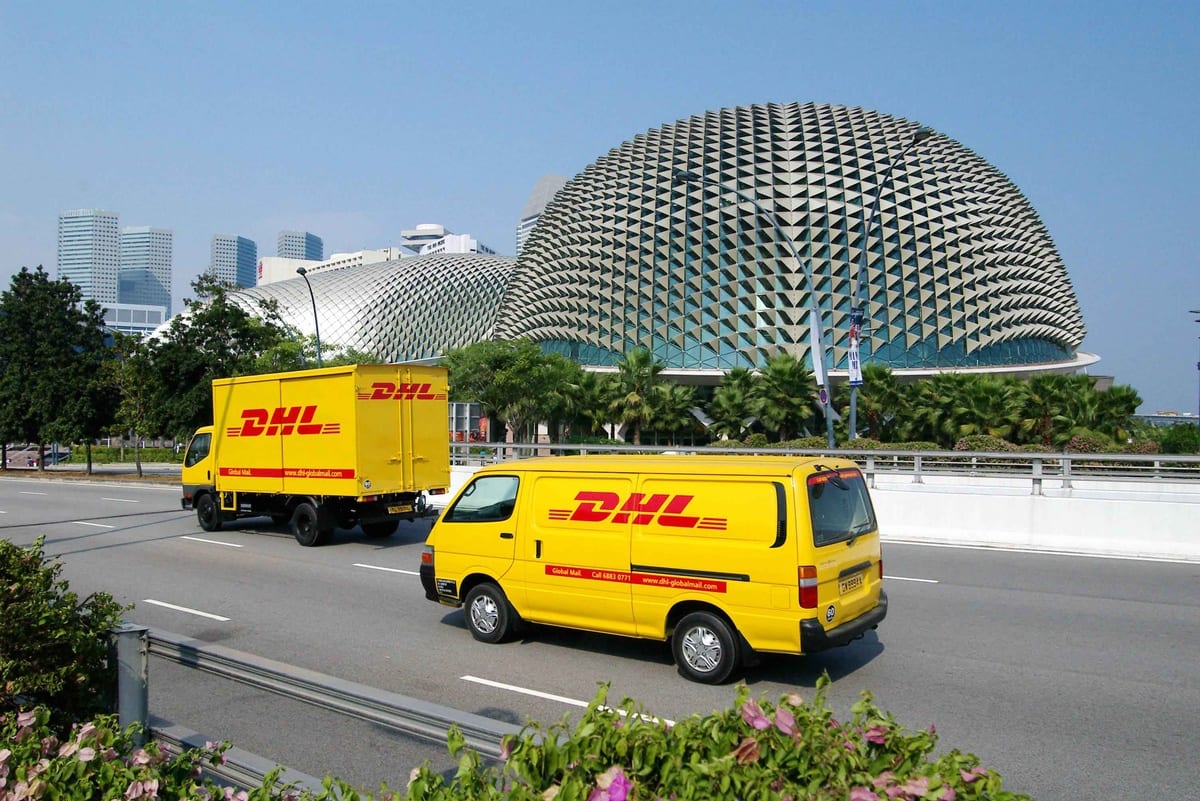
    DHL eCommerce has launched ServicePoints networks in key Asian markets. In a statement issued today (24 November), DHL eCommerce said that it has established a network of more than 200 ServicePoints in Thailand – which will enable commerce sellers to ship nationwide and for online shoppers to conveniently pick-up their orders. DHL added that over 1,000 ServicePoints will be launched over the coming months.

    “We are extremely positive about the e-commerce growth in Thailand, and have seen fantastic growth since we launched our domestic delivery network in Thailand in 2016. We will continue to enhance our existing solutions and launch new services to offer greater convenience and choice for sellers and shoppers across Thailand,” said Kiattichai Pitpreecha, Managing Director, DHL eCommerce Thailand.

    “We are really pleased to now be able to offer parcel drop-off and pick-up locations, all of which are easy to access, simple to use and provide a fantastic customer experience.”

    On Tuesday (21 November), DHL eCommerce also announced that it has launched a ServicePoints network in Vietnam.  The company statement said: “DHL eCommerce has already launched more than 100 ServicePoints and will continue to rapidly expand to more than 1,000 in the coming months.”