Tag: asia

  • Philippine tycoon Henry Sy’s grandson Howard aims to carve out his own niche with self-storage biz

    Philippine tycoon Henry Sy’s grandson Howard aims to carve out his own niche with self-storage biz

    Howard Sy, the grandson of Chinese-Filipino retail magnate Henry Sy Sr, is on a mission to establish his own business empire and he is starting with self-storage.

    Last year, the millennial businessman launched StorageMart, a self-storage service for individuals, households, and businesses. Howard said he is looking to expand to all the major cities in Metro Manila.

    “So far, we have two facilities in Makati. One in Yakal Street and the other in Eran Street, which is closer to [Bonifacio Global City]. We recently just opened StorageMart Eran, which now also includes climate controlled units for customers who need to store sensitive items,” he said.

    The 28-year-old entrepreneur is the third of the four children of Hans Sy, the second son of Henry Sy Sr, who is the richest man in the Philippines, according to Forbes. Sy, turning 93 in December, is chairman emeritus of diversified conglomerate SM Investments Corp. The tycoon began his mall empire from his first ‘Shoemart Store’ in Carriedo, Manila in 1958.

    It may be too early to predict that Howard could create a new business empire such as his grandfather’s SM Group of Companies, but the millennial businessman is bent on taking the same path — establishing a business through one’s own resources or bootstrapping.

    What made you decide to start your own business?

    Ever since I was young, I wanted to start my own business. One way or another, I was going to make it happen. I initially worked as an analyst for Macquarie Funds Group for three and a half years. We had a Philippine infrastructure fund investing in the local infrastructure. This provided me with the right foundation and work ethics, and a good amount of seed capital for my first business. One afternoon, I was watching the show “Storage Wars” on TV with my family and it hit me: “Is there a market for self-storage in the Philippines?” After a bit of research, I saw that there was, and that’s when the idea of StorageMart was born. After two years and a couple of failed property negotiations, I finalized my first property and opened StorageMart Yakal.

    How do you see self-storage business as a sector? What is your vision for StorageMart?

    The self-storage industry in the Philippines is currently in its infancy stage as there are only a few players in the industry so far. The primary goal of the sector is industry awareness. Filipinos need to be made aware that we now have the self-storage service in the country, and this is different from their stereotype thinking of what an extra storage space is. Currently, many people view the storage service as just a worn down dingy extra space you throw your extra stuff in at dirt cheap prices. This is where StorageMart comes in and educates the market that there is such a thing as quality convenient self-storage spaces at affordable rates.

    I plan on making StorageMart the benchmark of quality self-storage in the Philippines. I want to offer international quality self-storage service locally, while keeping it at affordable rates. Our self-storage facility locations will focus on convenience for our customers as they will be situated in extremely accessible locations.

    Although you belong to the millennial generation, you seem to be more traditional when it comes to business. Are there other brick-and-mortar businesses you want to explore and why?

    In terms of business, I am more traditional since I grew up under the tutelage of my family. They’re all very traditional, so I turned out somewhat similar, but that doesn’t mean I’m not interested in online businesses.

    Currently, there’s no other brick-and-mortar business I’m looking into, but there are definitely some online businesses I would love to explore. The biggest draw of an online business for me is the fact that the initial capex for one is just so much lower than a brick-and-mortar business. Expansion is not hindered by the lack of capital. Its potential to grow also won’t be hindered by a physical location. The potential is enormous, but so is the chance of failure.

    Are you also an investor? Are you interested in investing in online platform businesses?

    I’m not much of an investor. All of my savings and earnings are in StorageMart, so I don’t really have much capital for anything else. I am definitely interested in making an online platform business. Who wouldn’t be? It really just boils down to finding the right idea and executing it.

    Have you considered launching an IPO someday for StorageMart?

    I would consider launching an IPO for StorageMart. I’ve heard that in the US, self-storage REITs are one of the top performers throughout the years, so I would hope StorageMart could do the same.

    As a young businessman, are there other knowledge and skills you’re interested to learn and why?

    I would love to learn more with regards to the technical skills in running an online business. I, for one, am not too comfortable getting into an online business, where I would have to be reliant on someone with an IT background just because I literally have no knowledge about it. If I ever get into that, I’d definitely look into learning even some basic knowledge of the field.

    Belonging to a family of the most successful business people in the Philippines, what are the important lessons in life and business that you learned from them?

    Be extremely hands-on. Know every part of your business. There is no excuse to not understand or be on top of any part of your business when it is just starting up. How else will you compete with the bigger and more established companies? Be patient. Don’t expect to get rich quickly. Put in the hard work, so that when the opportunity comes, you will be ready. Be thrifty. Once you realize how hard and slow it is to earn money, you’ll naturally become thrifty.

     

  • Healey family to sell retail sites worth £144m

    Healey family to sell retail sites worth £144m

    Stadium Group, owned by the Healey family, has completed a conditional acquisition agreement with Ediston Property Investment Company (EPIC), which is based in Edinburgh.

     The sites, which are let to 23 tenants, include Kingston Retail Park in Hull, which has a market value of £25-30m, and Wombwell Retail Park in Barnsley, which has a market value of £10-15m.
    The value of all four sites nearly doubles Ediston’s portfolio to £317.6m.
    To fund the acquisition Ediston Property plans to raise £37m of capital by way of a new share issue.

    EPIC is currently trading at a marginal discount and the board is also increasing its annualised dividend by 4.5 per cent, to 5.75p per share.

    Stadium Group has agreed to subscribe for a maximum of £36.5m of new ordinary shares which will be subject to a 12 month lock-in.

    Ediston chairman William Hill said: “The board believes that acquiring the new portfolio will be accretive to the level of dividend cover and will provide a number of asset management opportunities which should enhance the income profile and the capital value of the group’s property assets.

    “There is a value play in retail parks as highlighted by low supply, good tenant demand and development potential all of which underpin future growth.”

    Retailing brothers Eddie and Malcolm Healey are the second wealthiest businessmen in Yorkshire with a collective wealth of £1.48bn, behind Robert Miller, the 84-year-old who co-founded the Hong Kong-based Duty Free Shop­pers chain of airport kiosks and is worth a total of £1.58bn.

  • Deutsche Bank to advice investors to avoid bitcoin

    Deutsche Bank to advice investors to avoid bitcoin

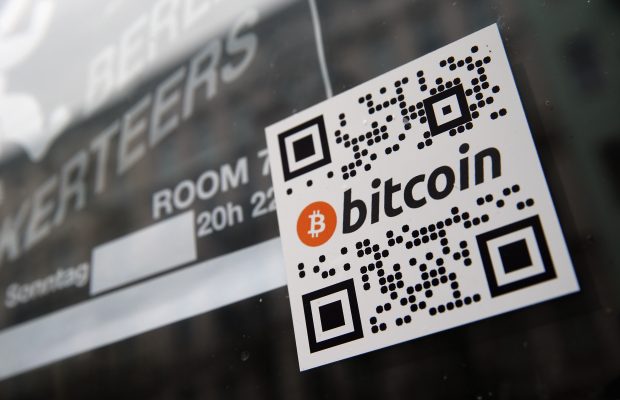
    Deutsche Bank has joined the ranks of those warning about the virtual currency bitcoin as an investment.

    “I would simply not recommend this to the everyday investor,” Ulrich Stephan, chief strategist at Germany’s largest lender, said on Wednesday.

    Stephan said that fluctuations are too great and regulation too scant. He noted that German investors were reluctant to invest in stocks, but were generating hype about bitcoin.

    Bitcoin smashed through the $8,000 level for the first time over the weekend and traded at $8,216 at 1523 GMT on Wednesday, with many experts saying $10,000 is possible.

    An eightfold increase in the value of the volatile cryptocurrency this year has led to multiple warnings of a bubble, and institutional investors are broadly staying away.

    Retail investors, however, as well as some hedge funds and family offices, are piling in despite JPMorgan Chase & Co Chief Executive Officer Jamie Dimon earlier this year calling bitcoin a “fraud”.

    Although UBS Chairman Axel Weber urged caution on bitcoin last week, he also said there was potential for the technology underpinning it.

    “At this point, I‘m very cautious about bitcoin as an entity. I‘m much more optimistic about the underlying technology,” Weber added.

    Sweden’s central bank is one organization which is investigating the potential for digital currencies.

    “An e-krona would have the potential to counteract some of the problems that could arise on the payment market in the future when the use of cash is rapidly declining,” the Riksbank said in a report in September.

  • E-Mart to tap Saudi Arabia with beauty specialty store

    E-Mart to tap Saudi Arabia with beauty specialty store

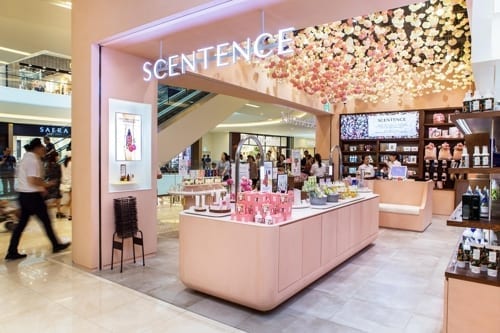
    E-Mart Inc., South Korea’s largest discount chain operator, said Thursday its beauty brand will open a store in Saudi Arabia next year, as the retailer attempts to expand its presence in the overseas market.

    The company said it signed an agreement with the Middle Eastern country’s major retail group Fawaz Alhokair to open its beauty store Scentence at a shopping mall operated by the Saudi firm.

    The store is likely to open in the Saudi capital city of Riyadh in March next year at the earliest, E-Mart said. It plans to open up to five more stores by 2018.

    The South Korean retailer has been pushing to tap deeper into foreign markets after withdrawing its business from China.

    This undated photo provided by E-Mart Inc., the operator of South Korea’s largest discount store chain, on Nov. 23, 2017, shows its beauty specialty store at a shopping mall in Goyang, northwest of Seoul. 


  • Emirates Leisure Retail roars in to Changi Airport

    Emirates Leisure Retail roars in to Changi Airport

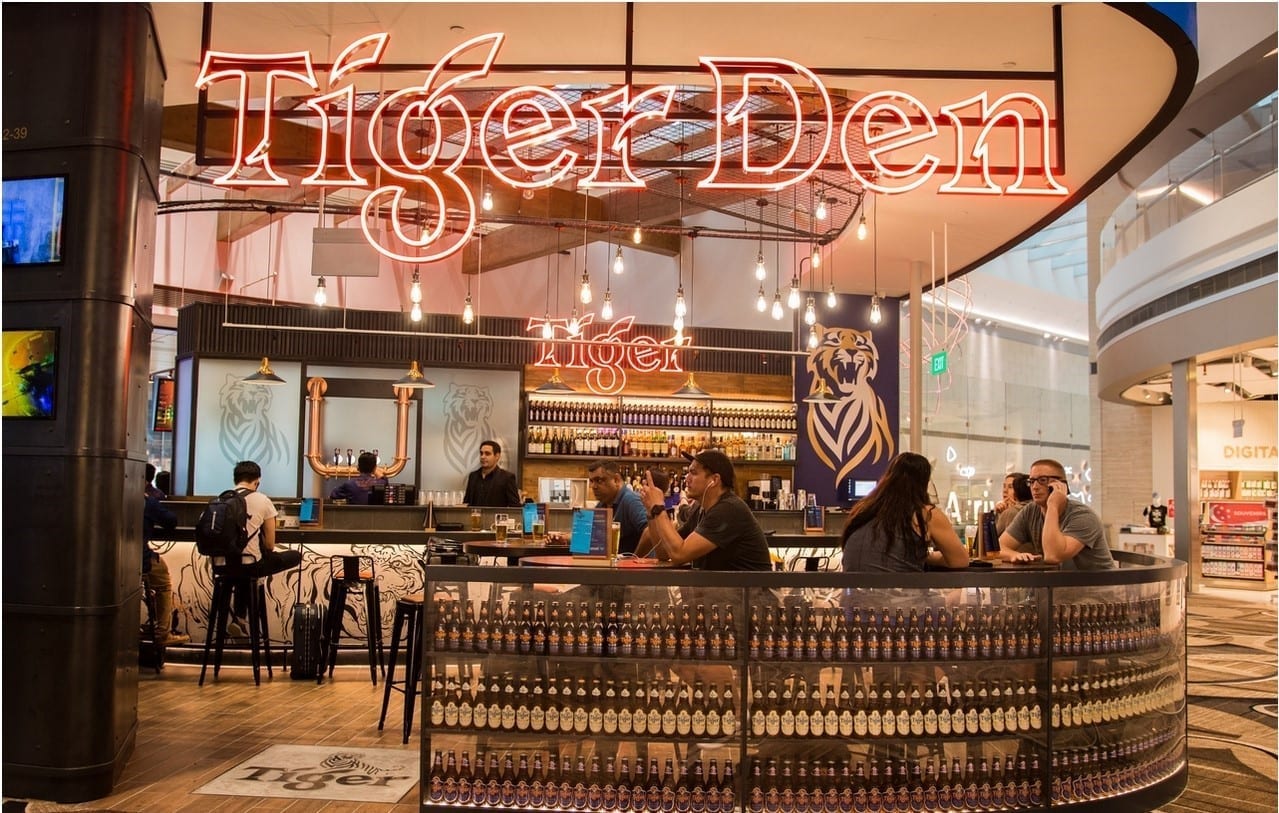
    Emirates Leisure Retail (ELR), has expanded its growing footprint across Asia with the launch of Tiger Den at the new Terminal 4 in Singapore’s Changi Airport.

    The new opening follows ELR’s expansion strategy into the Asian market, which is committed to elevating the travel experience and bringing world-class dining experiences to international and domestic air passengers. Tiger Den adds to ELR’s existing portfolio of outlets at Changi Airport including Pret a Manger, Kitchen by Wolfgang Puck and Hudsons Coffee.

    Paying tribute to Tiger Beer’s strong street food heritage, the 150 square-metre venue serves the lager as well as locally inspired hawker-style dishes such as Chili Crab Bao Bun, Keema Nachos and Beef Yakitori skewers.

    Commenting on the opening, Kevin Zajax, COO of ELR, said: “We are extremely proud to continue our partnership with Changi Airport Group and delighted in establishing a new partnership with Asia Pacific Breweries in the region. The launch of Tiger Den, as a global first, showcases ELR’s expansion commitments and continued growth.”

    Teo Chew Hoon, Group Senior Vice President of the Airside Concessions Division at Changi Airport Group, said: “The opening of Tiger Den adds to the variety of dining experiences we offer our passengers at Changi Airport. Passengers will be delighted with Tiger Den’s extensive range of Tiger Beers served fresh from a custom-built draft beer system, and their locally-inspired food selection. We hope to bring a new experience through this partnership with Emirates Leisure Retail by showcasing an established brand that resonates with travellers and locals alike.”

    Dubai-headquartered ELR manages and operates around 300 outlets, with 80 airport premises catering to hundreds of millions of passengers every year.

  • German automakers set for record output expect further growth in 2018

    German automakers set for record output expect further growth in 2018

    German automakers, on course for record production this year, expect further output growth in 2018 powered by strong demand in Asia, the VDA carmakers’ lobby said.

    Producers including Volkswagen, Daimler and BMW may increase output “significantly” this year from 2016 levels to between 5.6-5.7 million units in Germany and about 10.8 million in the rest of the world, VDA President Matthias Wissmann said.

    “The automotive sector is and will remain a growth market,” Wissmann told an industry conference on Tuesday, citing momentum in China and India.

    “Current projections indicate that 2018 will also be a stable year,” he said, without being more specific.

    Separately, Wissmann said he expects demand in Germany for electric cars to show “a further significant gain” over the next three years as German carmakers plan to more than triple their offerings of purely battery-powered vehicles and plug-in hybrids to nearly 100 models from about 30 at present.

  • $1 billion plan taxis onto runway to upgrade int’l airports in Vietnam

    $1 billion plan taxis onto runway to upgrade int’l airports in Vietnam

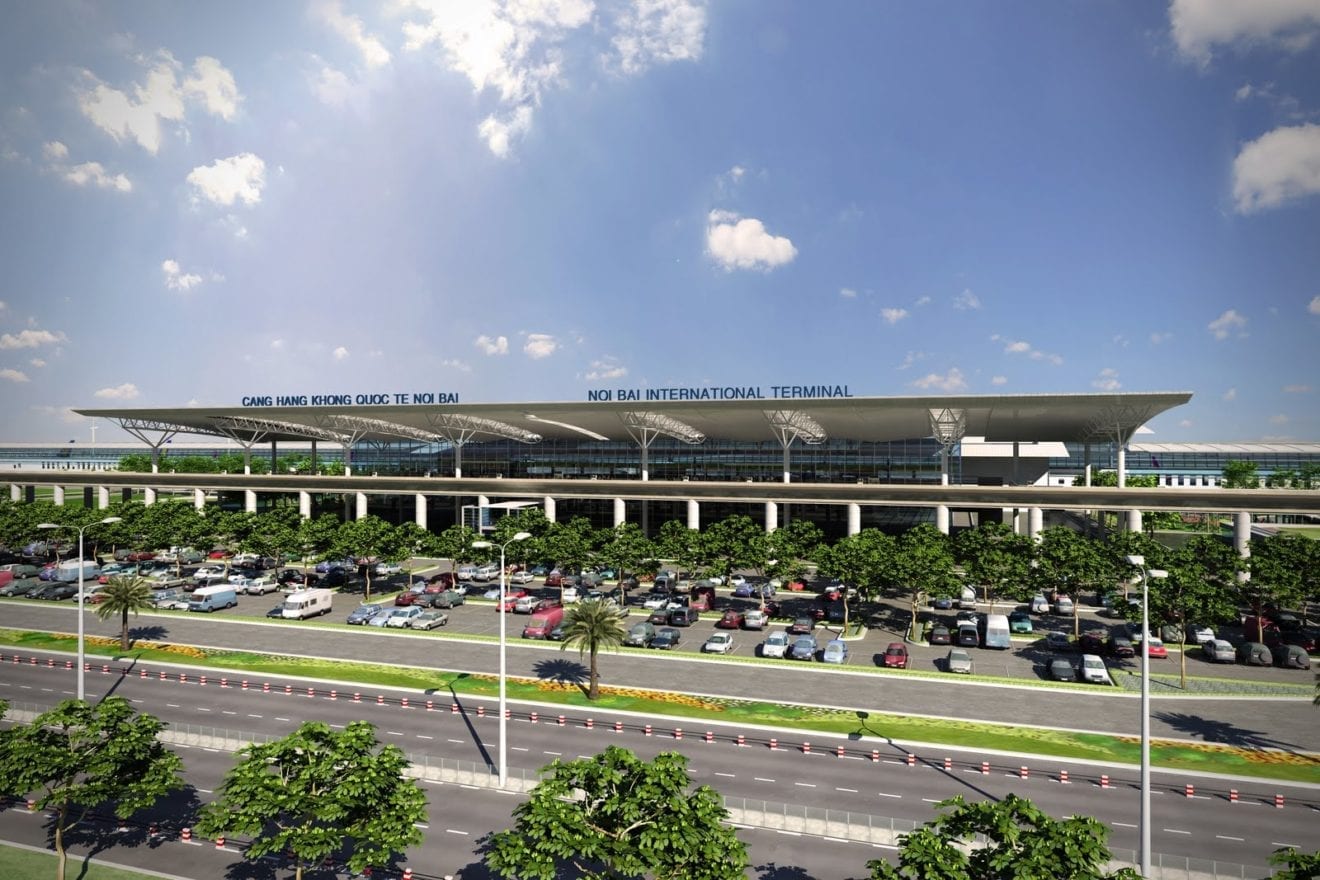
    Vietnam’s aviation agency has proposed a plan to upgrade three international airports near popular tourist destinations Ha Long, Hoi An and Hue over the next three years.

    The project is expected to cost VND23.3 trillion (more than $1 billion) and includes new passenger and cargo terminals, buildings and runway upgrades, the Civil Aviation Authority of Vietnam (CAAV) said in its proposal to the transport ministry.

    It said the money would be spent at Cat Bi Airport, which is 70 kilometers (43 miles) from Ha Long Bay, Phu Bai Airport just outside the former royal capital Hue, and Chu Lai Airport, 77 kilometers south of Hoi An.

    The CAAV said Phu Bai and Chu Lai were operating far above capacity last year, while Cat Bi, which offers the shortest route to Hai Phong, is likely to be overloaded next year.

    Vietnam’s aviation market is growing at the third fastest pace in Asia-Pacific and the country is grappling with an acute dearth of airport capacity.

    Aviation authorities estimated that the number of passengers on domestic flights soared 35 percent to 28 million in 2016, accounting for more than half of the total air travel in the country.

    Airports across the country served more than 55 million passengers during the first seven months of this year, according to the CAAV. The number in July alone reached 9.1 million, up 12.2 percent against the same month last year.

    In March, the Airports Corporation of Vietnam asked for VND32 trillion ($1.4 billion) from the state budget to upgrade large airports across the country.

  • More street food zones in the making for downtown Saigon

    More street food zones in the making for downtown Saigon

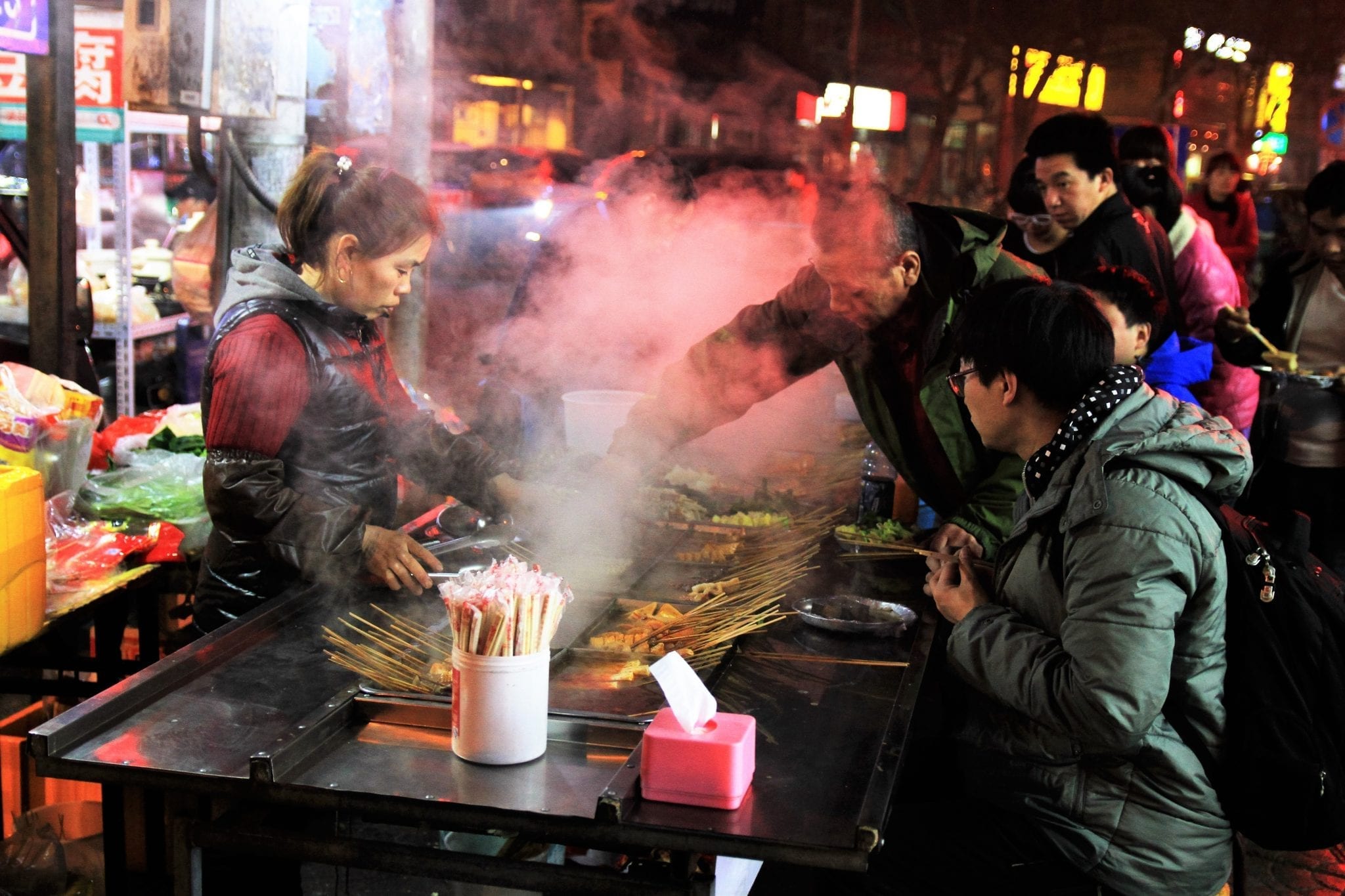
    People with a literal taste for the outdoors will be pleased to know that more street food zones are expected to open in downtown Saigon following the success of the first two areas and the need to keep the city’s sidewalks in order.

    Seven out of ten wards in District 1 want to set up street food zones, Tran The Thuan, the district chairman, said at a meeting Tuesday.

    The new zones will include two on Nguyen Thai Hoc Street and one on Phan Van Truong Street.

    Before the new zones are opened, District 1 will offer food safety training for vendors as it did at the first and second zones, which are located on Nguyen Van Chiem Street near Notre-Dame Cathedral and in Bach Tung Diep Park near Reunification Palace.

    The first two zones are open from 6 a.m. to 9 a.m. and from 11 a.m. to 2 p.m.. The district administration has said it is looking at plans to extend the opening times for the new zones.

    Vendors in the new zones will be selected from those who have been barred from selling their wares on the sidewalks in recent months in the same way as the first two zones, where vendors say they have finally found peace after years of playing cat and mouse with officers.

    District 1 has been making efforts to clean up its sidewalks since February.

    Led by the district’s vice chairman Doan Ngoc Hai, aka Captain Sidewalk, the campaign has taken a zero-tolerance approach to cars, bikes, vendors and structures that invade the sidewalks and rob pedestrians of their space.

    It has been widely applauded by locals, but has also raised concerns for being too extreme.

    Hai has been told by city leaders to tread carefully around diplomatic cars, and has also received death threats that warranted police protection.

    City leaders eventually stepped in to set up a new task force that will only react when complaints are made, essentially undercutting Captain Sidewalk’s authority.

    The move was welcomed by street vendors who have been left devastated, with many seen crying and yelling when police or soldiers seize their food stands.

  • Desire for cheap luxury drives counterfeit market in Vietnam

    Desire for cheap luxury drives counterfeit market in Vietnam

    Le Thu Trang recently switched from a Gucci bag to a Prada design for a fresh look, but the decision did not put a massive dent in her bank account.

    Both of her bags are counterfeits and cost 20 times less than the originals that can be found in the stores of luxury Italian brands.

    “I like to carry Gucci and Prada bags, but buying luxury goods is not easy because they’re expensive and fashion trends change quickly,” Trang said. “In that respect, fake bags are very appealing. They’re nice and quite cheap.”

    Trang’s case illustrates a trend among consumers, especially young people in Vietnam, who like buying fake products ranging from eyewear and shoes to garments and handbags. Their desire for cheap luxury has helped counterfeiters thrive in the country.

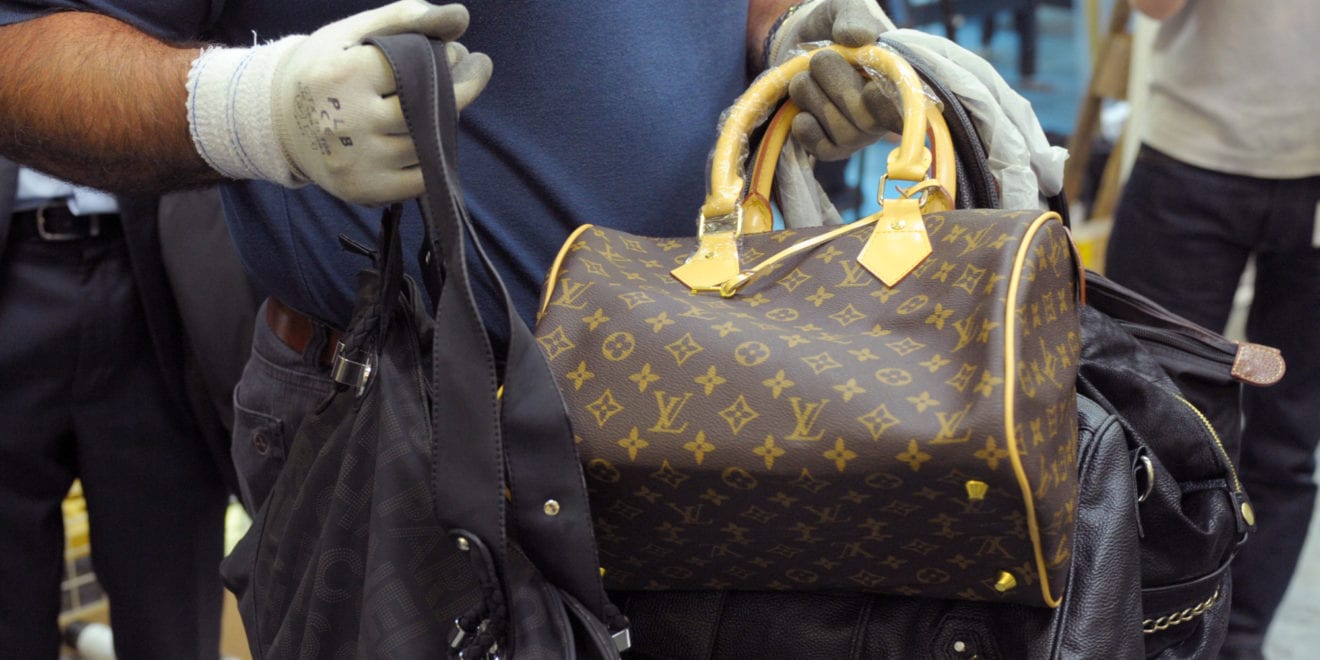
    On the streets of Hanoi and in some of its glistening air-conditioned malls, countless fake Hermes and Louis Vuitton handbags, Rolex watches and Gucci fashion accessories are openly on sale.

    Consumers who want an expensive logo or style can pick up goods for surprisingly cheap prices, even though they know the goods are illegal and might be confiscated by international customs agents who can impose heavy fines.

    Wealthy businessmen, savvy importers and even enthusiastic housewives are looking to make a profit from selling fakes from bricks and mortar stores or online, despite efforts to stop intellectual property right infringements.

    Retailers are also unconcerned about selling fake goods. “This is a knock-off, but no problem,” a woman said, pointing to a white polo shirt emblazoned with a Louis Vuitton logo.

    “Why should I have to worry about the police? I don’t sell drugs. I didn’t steal this shirt,” she said in a store on Hanoi’s Hang Ngang Street. “Lots of people here sell fake goods like me.”

    In a nearby handbag store, fake products with Chanel, Gucci and Louis Vuitton logos on them are on sale for $20-50.

    “The originals cost thousands of U.S. dollars,” the dealer said, convincing customers that her handbags look like the genuine article. “Same design. Same material. This one is made in China.”

    Fake products such as garments, footwear, eyewear, shampoo, body lotions and pharmaceuticals can be found all over Vietnam, from high-end shopping malls to street-side markets.

    Most of the knock-offs are smuggled in from China, Phan Hoan Kiem, head of the Market Surveillance Agency in Ho Chi Minh City, said at a recent meeting.

    However, some counterfeit products are made in Vietnam. Many households in Lich Dong Village, Thai Binh Province produce glasses and label them with famous international brands such as Ray-Ban, Gucci and Chanel, while Thao Noi Village in Hanoi is notorious for producing fake Chanel, Hermes and Louis Vuitton handbags.

    Without drastic measures to combat fake products, Vietnam could become a major counterfeiting center in the future, an official from the Department of the Intellectual Property under the Ministry of Science and Technology warned. Many handicraft villages that specialize in counterfeit goods have sprung up as farmland disappears as a result of the industrialization and urbanization process, he said.

    Vietnam has detected over 44,500 cases related to counterfeiting and piracy since 2014, said Truong Van Ba, a member of National Steering Committee 389, the government’s anti-smuggling body.

    Lack of enforcement

    Experts say Vietnam is not doing enough to stop the trend. Current laws do not impose fines on people who use counterfeit goods, but in many other countries buying and using these products is considered a crime.

    Hoang Van Truc, deputy director of the Investigation Bureau of Economic Crimes, said that only one in seven cases related to fake goods is prosecuted, while the rest receive administrative fines.

    Truc added that there’s a lack of cooperation between authorities, especially in border provinces, to prevent fake products from entering the local market. Many laws on counterfeiting and piracy overlap, while the current penalties aren’t enough of a deterrent.

    In addition, the fight against fake goods is made more difficult by the fact that some products are imported into the local market in the form of spare parts rather than finished products, making it almost impossible for authorities to identify them.

    Many enterprises also offer fake items that are 90 percent genuine, posing another problem for law enforcement officers.

    Even anti-counterfeiting stamps, which are used to protect trademarks, are being faked.

    The growing taste among local consumers for fake products has contributed to the market’s development in Vietnam, said Phan Thi Viet Thu, vice chairwoman of the Consumer Protection Association in Ho Chi Minh City.

    Her association rarely receives complaints about counterfeit products. “If consumers don’t say “no” to counterfeit goods, the trade will continue expanding.”

    Despite the warning, Trang is still happy with her fake bags. “I’ll buy genuine goods when I’m rich. For now, the cheap ones are still my best option.”

  • Asia leads global retail growth

    Asia leads global retail growth

    Asia’s grocery retail market will be significantly boosted by a rising population and increased shopper spend, with consumer spending in the region accounting for nearly half of additional sales generated to 2022.

    Global growth will be driven by several factors including inflation, population growth and increased consumer spending on grocery products, IGD said.

    Key findings from IGD’s global grocery forecasts to 2022 include:

    • Asia’s grocery market will add US$1.2 trn in sales, which is more than Africa, Europe and Latin America combined, and will enjoy a compound annual growth rate (CAGR) of 6.6 per cent
    • With a CAGR of 4.2 per cent, Europe is set to benefit from the biggest increase in shopper spend, driven by countries in Central and Eastern Europe (CEE)
    • North America will add almost US$100bn to its grocery retail market by 2022
    • Latin America’s market will be dominated by Brazil and Mexico, accounting for nearly 10 per cent of sales

    Commenting on the latest forecasts, Jon Wright, head of retail Insight, IGD, said: “Our new global grocery forecasts reveal a positive outlook for the sector as we predict that most regions will experience faster growth to 2022 than forecast in 2016, representing excellent opportunities for retailers and manufacturers.

    “However, an awareness of the underlying causes of growth in each region is key. Despite it being set to experience the strongest uplift, growth in Africa’s grocery market will be primarily driven by inflation rather than increased consumer spend. The most attractive and sustainable growth opportunities are in markets where sales increase will be due to population growth or consumers spending more money – for example, Asia, Latin America and North America.”

    On Asia, Wright said: “With China, India and Japan all in our top five, Asia’s grocery market continues to be in rude health thanks to growing populations and shoppers with more disposable income. Innovations in this market also continue apace, especially in China, where retailers are experimenting to drive the online and convenience channels.”

  • Uber CEO says company failed to disclose massive breach in 2016

    Uber CEO says company failed to disclose massive breach in 2016

    Uber Technologies Inc failed to disclose a massive breach last year that exposed the data of some 57 million users of the ride-sharing service, the company’s new chief executive officer said on Tuesday.

    Discovery of the company’s handling of the incident led to the departure of two employees who led Uber’s response to the incident, said Dara Khosrowshahi, who was named CEO in August following the departure of founder Travis Kalanick.

    Khosrowshahi said he had only recently learned of the matter himself.

    The company’s admission that it failed to disclose the breach comes as Uber seeks to recover from a series of crises that culminated in the Kalanick’s ouster in June.

    “None of this should have happened, and I will not make excuses for it,” Khosrowshahi said in a blog post.

    According to the company’s account, two individuals downloaded data from a web-based server at another company that provided Uber with cloud-computing services.

    The data contained names, email addresses and mobile phone numbers of some 57 million Uber users around the world. The hackers also downloaded names and driver’s license numbers of some 600,000 of the company’s U.S. drivers, Khosrowshahi said in a blog post.

    Bloomberg News reported that Uber’s chief security officer Joe Sullivan and a deputy had been ousted from the company this week because of their role in the handling of the incident. The company paid hackers $100,000 to delete the stolen data, according to Bloomberg.

    Though such payoffs are rarely discussed in public, U.S. Federal Bureau of Investigation officials and private security companies have told Reuters in the past year that an increasing number of companies have made payments to criminal hackers who have turned to extortion.

    None have previously come to light that aimed to suppress breaches that would have required public disclosure, such as those involving protected personal information.

    Sullivan did not immediately return messages seeking comment.

    Sullivan, formerly the top security official at Facebook Inc , is a former federal prosecutor and one of the most admired security executives in Silicon Valley.

    Kalanick learned of the breach a month after it took place, in November 2016, as the company was in negotiations with the U.S. Federal Trade Commission over the handling of consumer data, according to Bloomberg.

    Uber representatives did not respond when asked to comment on the Bloomberg report.

    Khosrowshahi said he had hired Matt Olsen, former general counsel of the U.S. National Security Agency, to help him figure out how to best guide and structure the company’s security teams and processes.

    “While I can’t erase the past, I can commit on behalf of every Uber employee that we will learn from our mistakes,” he said. “We are changing the way we do business, putting integrity at the core of every decision we make and working hard to earn the trust of our customers.”

  • Kit Kat Japan and Tokyo Banana launch banana chocolate

    Kit Kat Japan and Tokyo Banana launch banana chocolate

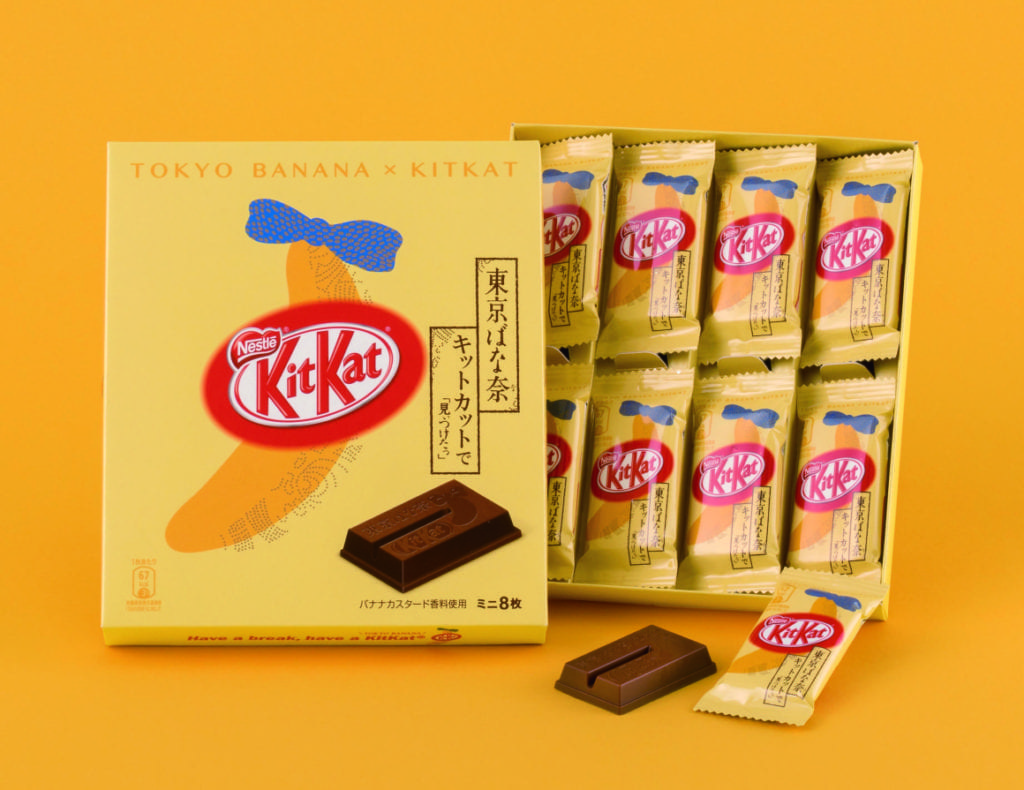
    Kit Kat and Tokyo Banana have released a limited-edition chocolate wafer only at Tokyo Okashi Land, Tokyo Station.

    The products combine milk chocolate and banana cream, recreating the flavour of Tokyo Banana. Chocolate boxes are also stamped with the distinctive Tokyo Banana bow logo.

    The local market-only release saw customers queuing outside the store to buy a box of the confectionery.

    The kiosk houses large screens showing the product and multi-lingual signage explaining the story behind it.

    Despite being limited edition, Nestle assures fans the Tokyo Banana Kit Kat is supplied in sufficient quantity to meet the huge demand.

    The product comes in two sizes, with packs of eight sold at ¥702 (US$6.24), and packs of 15 at ¥1296. The wrapped package includes a pair of chocolate wafer bars with a tiny banana mark, the words “Tokyo Banana” and bow logo on top.

    The product will be Introduced later at stores including airports, train stations and highway rest areas around the Kanto region.

  • Another Alibaba major step in China retail

    Another Alibaba major step in China retail

    This week’s Alibaba-Sun Art deal is a major step in the development of a new retail landscape in China, write Wai-chan Chan and Jacques Penhirin of Oliver Wyman.

    This is not a “real estate play” with Alibaba buying 446 grocery stores, but shows how serious Alibaba are in developing the “new retail” model combining the strengths of online and offline retail.

    The first winners from this alliance are likely to be consumers.  Alibaba will use its investment in Sun Art to improve its price, service levels and the range of products available. In addition, expect to see Alibaba add the ability to deliver a wide range of goods from these stores to consumers’ homes in super quick times. Today delivery time is the new battlefield but performance is still highly dependent on physical networks.

    In the context of retail this alliance is more important than Amazon’s acquisition of Whole Foods in the US.  Sun Art is the largest, and one of the most respected grocery players in China, while Alibaba already has a large grocery business, making it an alliance between two leading players in retail.

    Unlocking fresh

    Despite the huge advances in e-commerce in China, fresh food has been one of the areas that has been most difficult to convert to e-commerce.  Freshness is the key driver for consumers in grocery shopping. According to a survey of 1500 consumers Oliver Wyman conducted in August, consumers purchase fresh products 4.9 times per week on average, and ‘fresh’ is the number one criterion in grocery retailer selection regarding range, product quality, and value for money. However, 81 per cent of respondents do not think e-commerce provides good quality fresh products compared with offline hypermarkets.

    As one of the top two hypermarkets receiving the highest rating from consumers on their fresh offering, Sun Art has strong expertise in operating fresh categories, which will greatly unlock Alibaba’s capabilities.

    Ally or die

    It is becoming clearer that the endgame of two eco-systems being established by Alibaba and JD.com is inevitable in the retail landscape of China, which poses pressure on those ‘unallied’ retailers such as China Resources, Carrefour, WuMart, etc. For retailers, capturing traffic through their own e-commerce platform will become even more challenging. Traditional retailers must understand that they are competing with giants with unlimited abilities to invest and the ambition of integrating online and offline retail. O2O orders already contribute 30 per cent of sales of Alibaba’s Hema Fresh Supermarket – it is indeed transforming the economics of the offline shopping cart, which is challenged by the declining like-for-like growth over the past 12 successive quarters.

    Traditional retailers need to choose their battlefield very quickly, but expect compromise on bargaining power and decision-making in the long term.

    Bad news for second-tier brands

    The two ecosystems are not pure retailers anymore but integrated media and branding platforms. It does not leave Consumer Packaged Goods brands much of a choice but to closely coordinate with Alibaba and JD.com and learn their rules. Niche brands which understand both the ecosystem and consumers will take this opportunity to grow, and top-tier brands will continue to flourish if they learn how to effectively partner with Alibaba or JD, to have both parties learn from each other. By comparison, weak brands will suffer because the traditional retail stores they rely on are losing ground. Furthermore, as O2O develops, the terms and conditions will become more transparent within the two ecosystems. Promotional pressure will likely increase, requiring more diligence on the return on investment.

    Despite the prospects for this alliance, Alibaba and Sun Art need to start thinking how to effectively realise its potential. Operationally, there is huge complexity in integrating the two businesses and overcome barriers of management and culture. After all, it is more difficult to manage shoppers than to manage mobile devices.

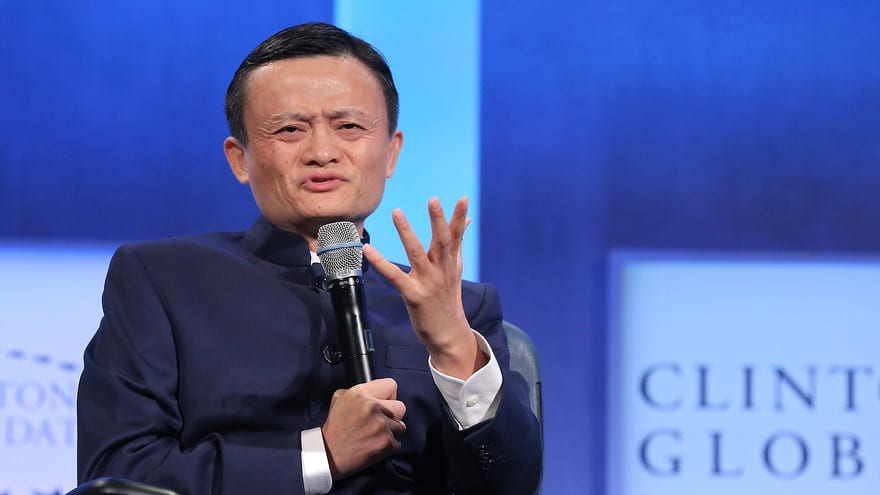
  • Jack Ma : the internet rock star

    Jack Ma : the internet rock star

    In 1999, when Alibaba was founded, the first association people would make was “Ali Baba” from the Arabian literature masterpiece “One Thousand and One Nights”. Jack Ma said he chose it for this reason, it was a name able to resonate in people’s mind all over the world.

    In less than 3 years, the name Alibaba populated media all over the world and like the Arabian literary work acquired appeal internationally.

    How Jack Ma build his internet empire can be summarized in 4 pillars.

    1. The rock star billionnaire

    It is hard to find the words to describe the scale of Alibaba Group, the Chinese e-commerce business founded in 1999. It is probably best exemplified by the numbers: Every single day, 200 million people shop on Alibaba’s mobile sites and it sold $550 billion worth of merchandise in its last fiscal year.

    In May 2017, Alibaba Group announced annual revenues had gone up 56 percent to almost $23 billion, and in June investors literally gasped as it upped its growth forecast for 2017 from 45 percent to 49 percent. Its 2014 initial public offering (IPO) was the largest in history, raising $25 billion on the New York stock exchange.

    At the head of it all is Ma Yun, the 53-year-old entrepreneur known as Jack Ma, who started the company with 17 others and $50,000 in his apartment in Hangzhou, a mid-sized city near China’s east coast, known for its green hills and West Lake.

    But Ma’s childhood was frugal: he was born to a family that had very little, sharing an income of just $7 a month between six. He was 6-years-old when President Richard Nixon met Chairman Mao Zedong in 1972, a “geopolitical earthquake” event ,which opened up China to the U.S. and led to it becoming the world power it is today. It was also the start of Ma’s Chinese dream.

    His journey from rags to rock star billionaire – Ma appeared on stage dressed as Michael Jackson at Alibaba’s 18th birthday party in September 2017 in front of an audience of 40,000 – is beset with failure and rejection. Ma said he was a “loser” in his thirties, insists he is not a tech expert and was rejected from a job at KFC and as a hotel waiter and was turned down three times when he applied to university. He also claims to have little tech expertise.

    Ma’s secret? His understanding of the power of the internet in putting buyers and sellers together, and his obsession with helping small companies, via eBay-like marketplace Taobao, bulk supplier 1688.com and Alibaba.com, a business-to-business site for wholesalers. The group also has marketing services and a financial lending affiliate including PayPal-like Alipay, which has 520 million users around the world.

    Other ventures include a 51 percent stake in delivery company Cainiao, which ships an astonishing 55 million packages a day, and Alibaba Pictures, a joint venture with Steven Spielberg’s Amblin Partners.

    2. A small business vision 

    The first time Jack Ma went online was in 1995. He was at a friend’s home in Seattle and he approached the computer gingerly.

    So Ma — then an English teacher — read U.S. business books to learn about GE, Microsoft, IBM and Wal-mart. “I was so interested in English. People read books, my school mates, they read English just for learning English. I read English, because I learned so many interesting American ideas,” Ma told CNBC’s “The Brave Ones.”

    Four years after his first U.S. trip he founded Alibaba, but only three of his coworkers knew anything about technology. “I called myself at that time like a blind man riding on the back of blind tigers. Without knowing anything about technology or computer(s), we start the first company,” Ma said, speaking at an Asia Society event in 2009.

    Ma would travel across China on road shows where 100 or 200 people would turn up to listen to him, in a kind of “mass movement” to talk to business owners about why they needed to get online.

    3. Ma’s Chinese Dream

    Jack Ma was long inspired by Yahoo founder Jerry Yang and the two met when Ma was assigned by his then government employer to show him around Beijing in the 1990s.

    Ma built his vision on the American companies he saw succeeding like Yahoo and eBay, and moved its main operations to Silicon Valley around the year 2000 because he had been convinced that was the best way to build a global business.

    “Because it is so difficult to hire people who know trade in the Silicon Valley, San Francisco. So instead we hire people from New York, Miami, all arriving in San Francisco. After one month or two months, we realized that something (was) wrong …. because those people, they know trade, but they don not know anything about internet. Those people that do not know internet, they do not know anything about trade,” Ma said in an interview.

    That moment was one of the hardest for Ma. He realized as an English teacher you almost never have to say no. But as a CEO, you need to make the tough decisions. And in that case, bringing the company back to China was the tough decision that Jack Ma had to make.

    In 2003, Alibaba decided to launch an eBay-type marketplace: Taobao. To start with, it was a defensive move to slow down the American company’s march to China.

    Taobao’s major difference was that it did not charge sellers or buyers commission, so did not have a revenue model to start with. But Ma was convinced that if you put buyers and sellers together, and the sellers made money, then the site itself would too.

    4. The global dream

    Search for “lobster” on Alibaba.com and more than 1,200 products come up, from a red Canadian variety costing upwards of $1,100 per metric ton that ships live from the U.S., to frozen lobster tails for $195-plus. If a Chinese customer wants fresh cherries, they can get them sent from a company in Maryland for $300-$500 a ton.

    Ma sees a sea change in the way goods are consumed around the world. “I say, past 30 years, the domestic consumption of the United States drives the global economy and supports so many small businesses in America or China to sell things globally. Today, next 30 years, the domestic demand and power of China is going to drive millions and millions of small businesses globally,” he told Faber.

    But Ma is also worried about a world where artificial intelligence and robots take people’s jobs – and businesses must adapt. He is likely to fly for 1,000 hours next year, he said. “This is why I am traveling, talking to all the government and state leaders and telling them move fast. If they do not move fast, there’s going to be trouble. When we see something is coming, we have to prepare now. My belief is that you have to repair the roof while it is still functioning.”

    He warned that while large businesses currently dominate industry, the next century will be more about smaller companies. “So how we can empower the small businesses? You know, the small businesses, not only (can) they only sell things to their village or their own country or even their city. With the power of the internet, we can help them sell across the board,” he added.

    For Alibaba, as for Amazon, the future is not just about e-commerce. Alibaba’s cloud computing division made a modest $968 million in revenue in the year to the end of March 2017, up 121 percent year-on-year, while its digital media and entertainment businesses including YouTube-style site Youku Tudou and event ticketing agency Damai took $2.1 billion, up 271 percent.

    The aim is for people to spend more of their waking moments on the platform, according to Alibaba’s digital and entertainment chair and CEO Yu Youngfu. “To put it simply, our mission is to allow those who have fun shopping at Alibaba to truly live at Alibaba. So in addition to shopping, we would like them to spend more time watching videos with us, getting information from us and listening to music with us, to come and game with us, among many other things,” he said at an investor day in June 2017.

    Alibaba also announced a partnership with Steven Spielberg’s movie production company Amblin Partners in October 2016. Alibaba Pictures is 49.5 percent owned by Alibaba Group, and will be creating its own content as well as distributing it in China.

    Other types of business may follow, such as a QVC-style shopping site that might combine with a Netflix-type offering.

    Alibaba sees its scope far more broadly than, Amazon and eBay would. They see their scope as more like the combination of of Amazon, Facebook, Google and Netflix.

  • Is Watsons ripe for a spin-off?

    Is Watsons ripe for a spin-off?

    Hong Kong billionaire Li Ka-shing’s business empire Cheung Kong has been able to get the best price when offloading some assets. For instance, the Centre, its Grade A office building, was sold for over HK$40 billion early this month on the back of soaring land prices. Some buyers offered about HK$30 billion late last year.

    When Cheung Kong planned to spin off its retail outlets including Watsons and Parknshop in 2013, the deal was shelved as the company was unhappy with the price. The wind has shifted in recent years, and leading brick-and-mortar retailers are becoming desirable again. Cheung Kong owns more than 14,000 outlets worldwide.

    On Monday, Alibaba said it would invest 22.4 billion yuan for a 36.16 percent stake in the top Chinese hypermarket operator Sun Art.

    Sun Art operates 446 hypermarkets across China. The deal marks the internet giant’s move into offline retail. Omnichannel is essential in offering the new retail experience. The transaction values Sun Art at 62 billion yuan, which roughly puts each hypermarket at above 100 million yuan.

    It’s worth noting how Alibaba will transform classic retail by integrating technology in order to provide a seamless online and offline experience to customers. In fact, the deal marks Alibaba’s latest acquisition of a traditional retailer after Suning Commerce, Intime Retail Group and Lianhua Supermarket.

    Nonetheless, we have yet to see any major reform in these newly joined partners, although customers can make payment with Alipay or collect online orders.

    It’s obvious that the retail experiment has to connect online and offline realms. Market players are still trying out the system. Amazon spent US$13.7 billion to acquire Whole Foods in August, but it has yet to start an overhaul of the latter’s 500 outlets. Currently, Amazon has designated one shelve in each Whole Foods store to sell Echo or Kindle, and move some of the goods in-store to the online platform.

    The deep-pocketed e-commerce giants are aggressively acquiring offline retailers. But it remains unclear who will be able to integrate online and offline realms successfully.

    Certainly, the traditional retailer with massive outlet network will become sought-after. Walmart, the world’s largest retailer, has shown that it can hold on its own in a challenging retail environment. Its share price has soared nearly 80 percent over the past 12 months, and the retailer’s market value tops US$300 billion.

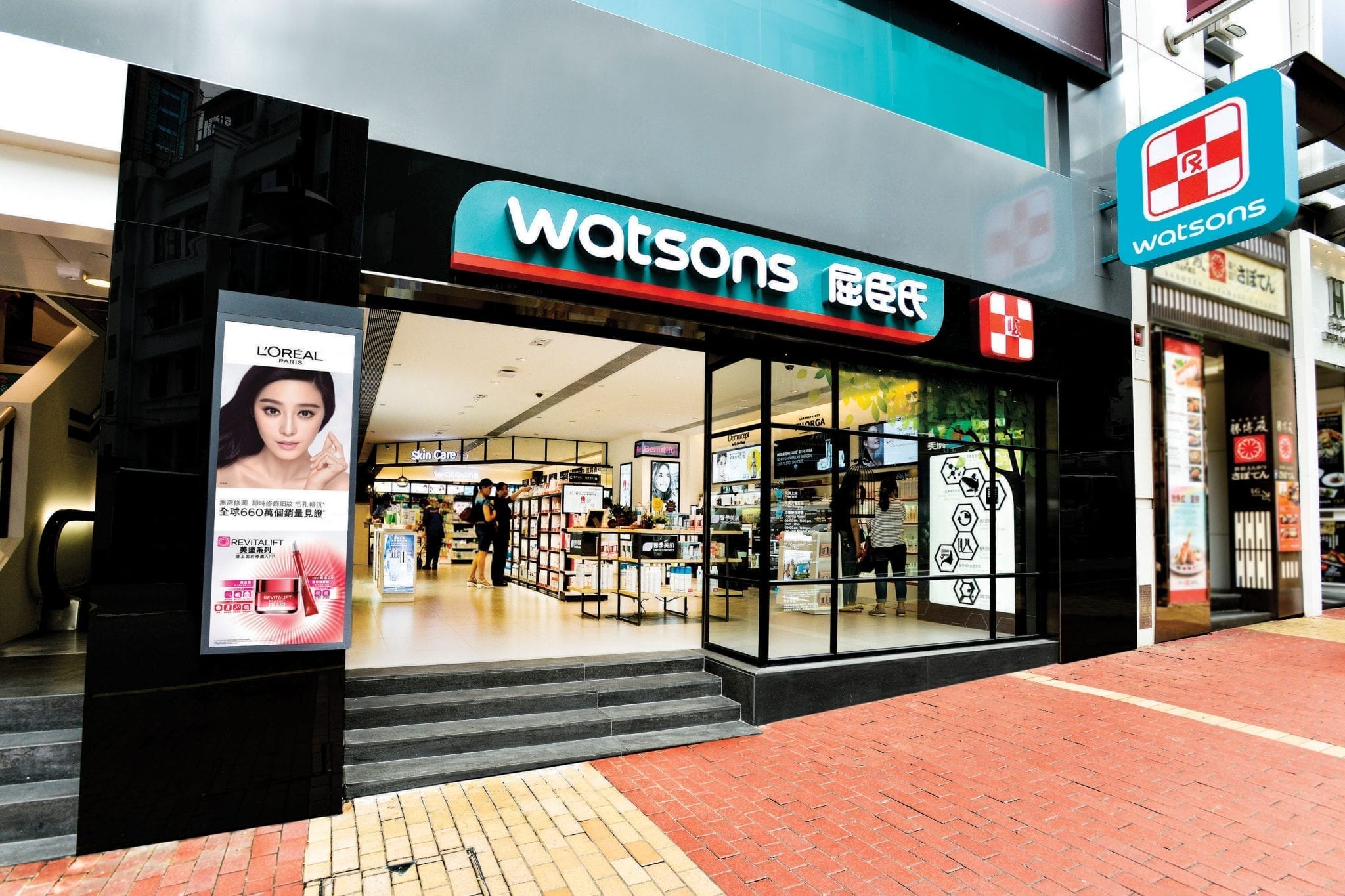
    In fact, Watsons Group is the world’s largest retailer in terms of the number of outlets. It operates more than 14,000 shops worldwide, including supermarkets and drug stores. Over 3,000 shops are in mainland China, and most of the rest are in Europe.

    Cheung Kong has put on hold a plan to spin off or sell the retail group after failing to fetch a good price in 2013. Back then, global offline retailers were struggling.

    The scale of Watsons is more than 10 times that of Whole Foods or Sun Art. And Cheung Kong would definitely try its best to get the best price. Therefore, it’s more likely that the conglomerate might cooperate with internet giants to leverage its massive network of offline stores.

    In September, CK Hutchison Holdings, Li’s flagship conglomerate, formed a joint venture with Ant Financial Services Group, an affiliate of Alibaba Group, to integrate online and offline Hong Kong dollar payments under the AlipayHK brand.