Tag: asia

  • Prices of retail space and retail rent fall slightly

    Prices of retail space and retail rent fall slightly

    The retail property market remained subdued in the third quarter although the decline in rents moderated, the Urban Redevelopment Authority said.

    Prices of retail space fell 0.9 per cent in the three months to Sept 30, compared with the second quarter. That followed a 3.2 per cent decline in the second quarter.

    Retail rent dipped 0.2 per cent in the third quarter compared with a drop of 1.2 per cent in the second – a sign that the worst may be over, analysts said.

    Ms Tay Huey Ying, JLL head of research and consultancy, said: “This is the mildest quarterly correction since the downturn started in the first quarter of 2015, and comes alongside the strongest quarterly net absorption so far this year.

    “Demand for islandwide retail space expanded by 15,000 sq m in the third quarter, a reversal from a contraction of 41,000 sq m in the first quarter and a contraction of 3,000 sq m in the second quarter.”

    Mr Desmond Sim, CBRE Research senior director, noted that the rental index for the Central area saw its first increase in 10 quarters, up 0.7 per cent in the third quarter from the second quarter.

    He said the retail market is finding its footing, thanks to improved tourism traffic. “Retail rents in Orchard Road are leading the recovery, as median rents of new leases recorded in the quarter inked its first quarter-on-quarter increase of 1 per cent after 10 quarters. This is in line with the continually strong interest for retail space in Orchard Road malls, particularly from new-to-market international brands.”

    Weakness still lies in the fringe areas, he added. While overall consumer sentiment has improved, challenges such as high operating costs, labour constraints, the threat of e-commerce and competition from shopping havens in other countries, remain.

    Edmund Tie & Company research head Lee Nai Jia noted that there are also more online shopping portals such as Reebonz opening brick-and-mortar stores.

    Cushman & Wakefield research director Christine Li said: “With Amazon Prime Now in the market, retailers are looking to innovate to stay relevant and compete for shoppers’ dollars.”

    “Many other big box retailers such as Courts, Decathlon, Gain City and Harvey Norman are upping their ante and investing heavily on their e-commerce platform to complement their brick-and -mortar presence,” she said.

    Shopping centres like Century Square, Funan Mall and SingPost Centre do not want to be left out and have embarked on aggressive asset enhancement works to refresh its tenant mix and overall look and feel, she added.
  • Incheon airport’s 2nd terminal ready to open in 2018

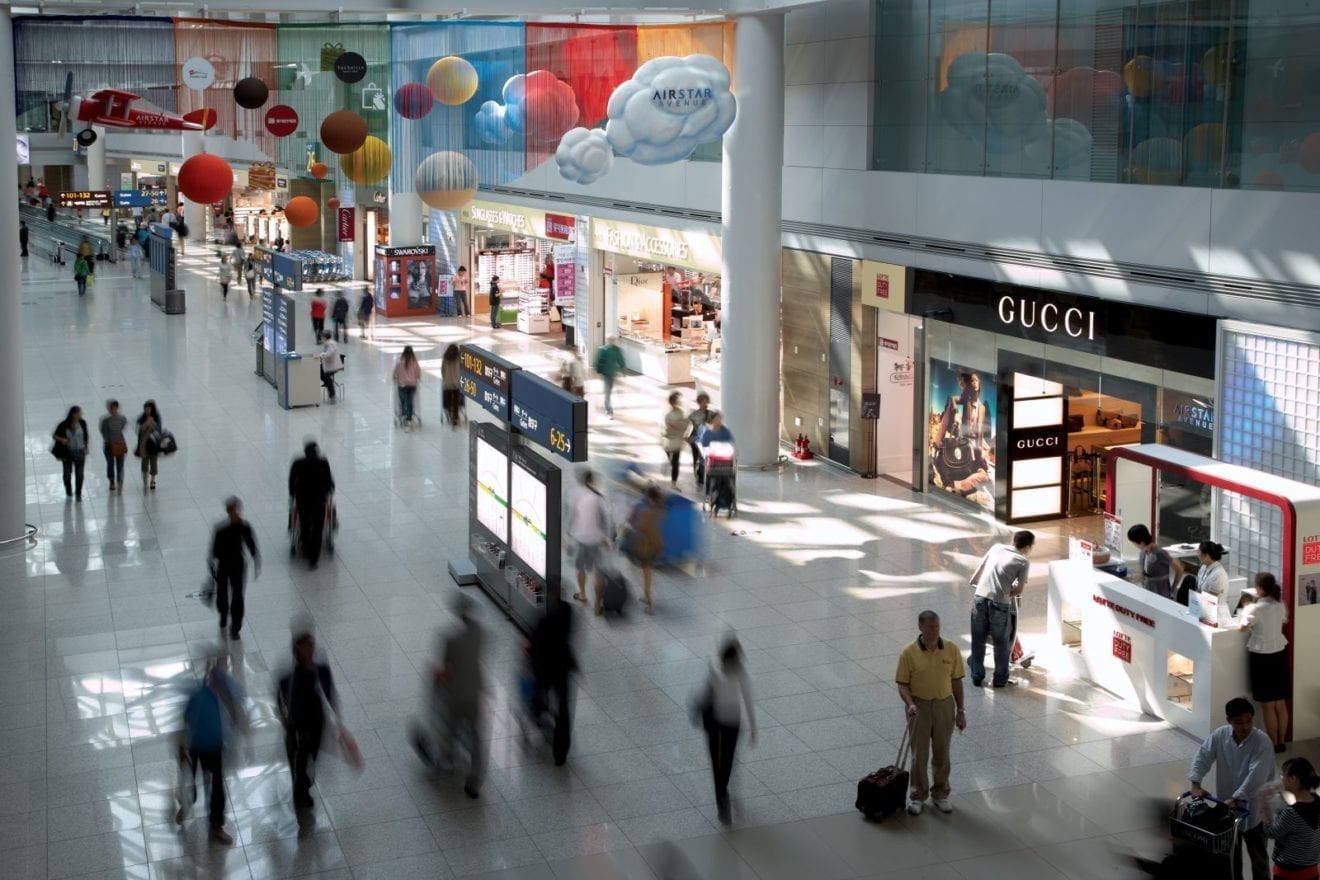
    Incheon airport’s 2nd terminal ready to open in 2018

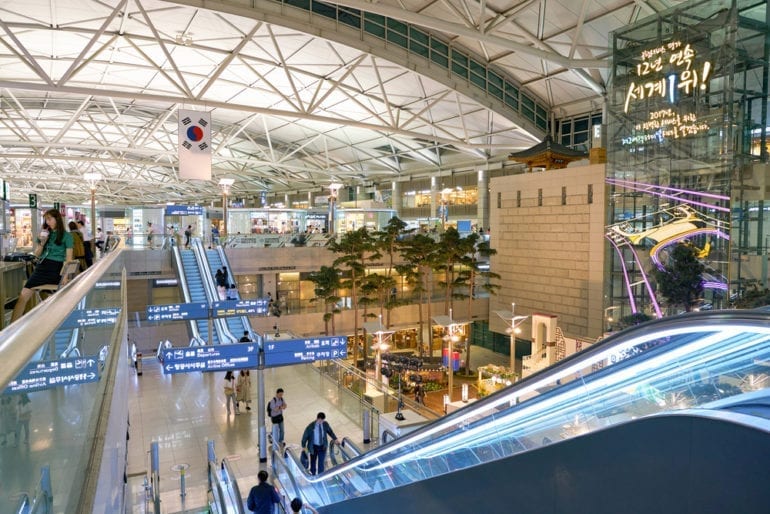
    Incheon International Airport plans to open its new terminal on 18 January 2018, about three weeks before the start of the PyeongChang Winter Olympics, the airport’s operator said.

    The opening date of Terminal 2 was set based on the consideration that the Olympic Village opens on 30 January 2018.

    The airport has been expanding its facilities to accommodate the athletes and officials who will be coming to Korea for the Winter Games.

    Four members of the SkyTeam alliance – Korean Air, Delta, Air France and KLM – will use the new terminal. Other carriers, including Asiana Airlines, will remain in the existing Terminal 1.

    The airport expects about 20 percent of the Games’ 300,000 visitors will go through Terminal 2.

    The new terminal will allow the airport to handle 72 million passengers and 5 million tons of cargo annually, according to data from the airport’s operator.

    The existing terminal had the capacity to handle 54 million passengers and 4.5 million tons of cargo a year.

    “Based on expanded infrastructure, we expect the airport to become the core airport in the Northeast Asian region,” an airport spokesman said, “and also win in the competition to become the world’s leading hub airport.”

    The new terminal will operate independently from Terminal 1 and have its own check-in, security and customs facilities. The airport said it has upgraded the technology to shorten the time from check-in to boarding. Self-check-in counters and guide robots will be installed for passenger convenience.

    “At Terminal 2, overall waiting time can be reduced by roughly 10 minutes compared to Terminal 1,” said Chung Il-young, chief executive of Incheon International Airport.

    The airport also announced a plan to continue expanding Terminal 2 through 2023. The airport has so far spent 5 trillion won on building the terminal and plans to add another 4.2 trillion won to expand its capacity so that it can handle up to 46 million passengers a year.

  • Richemont’s half-year is good in APAC

    Richemont’s half-year is good in APAC

    Asia Pacific sales accounted for 39 per cent of group sales for Swiss luxury-goods holding company Richemont for its half-year to September 30.

    Sales in Asia Pacific rose by by 25 per cent, with double-digit growth in most markets led by Mainland China, Hong Kong, Korea and Macau. While all product categories saw growth, the unaudited figures show jewellery and watch sales were particularly strong year on year, with watches benefiting as no inventory buy-backs were needed as in the previous year.

    For Japan, the 7 per cent rise in sales was driven by higher domestic and tourist spending, which benefited from a weaker yen. Jewellery and watches led sales growth, partly supported by the reopening of the Cartier flagship store in September last year and new flagships for Piaget (November) and Van Cleef & Arpels (April), all in Ginza.

    Overall, group sales rose by 10 per cent at actual exchange rates to €5.6 billion (US$6.5 billion) and by 12 per cent  at constant exchange rates. Excluding the previous year’s inventory buy-backs, sales increased by 8 per cent at constant exchange rates.

    Operating profit expanded by 46 per cent to €1.1 billion, with profit for the period up 80 per cent to €974 million.

    Gross profit increased by 13 per cent, representing 65.4 per cent of sales. The 190-point margin increase was mainly because of the non-recurrence of inventory buy-backs and improved manufacturing capacity absorption, says Richemont.

    Profit grew by 80 per cent to €974 million, mainly reflecting the higher operating profit and a €181 million reversal in net finance income.

  • Longchamp opens the biggest store in Asia

    Longchamp opens the biggest store in Asia

    French leather goods brand Longchamp officially opened its biggest Asian store in Tokyo in October 2017. The move signals a move to attract more Japanese clientele to the Parisian brand, as well as tourist shoppers visiting Japan.

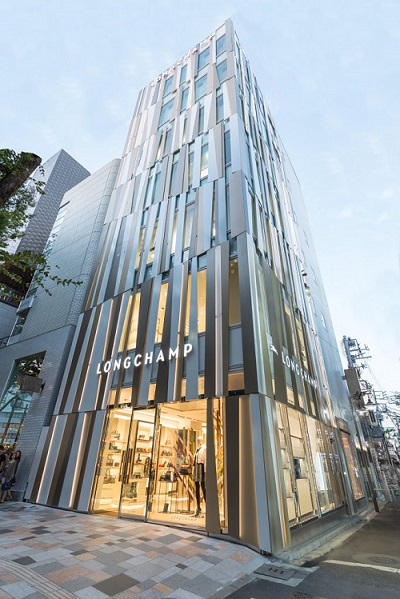
    Dubbed ‘La Maison Omotesando’, the Japanese flagship store is located on Tokyo’s prestigious Omotesando Avenue. Standing 35 metres high and covering 500 square metres of retail floor space, the Asian flagship opened to much fanfare 19 October 2017, with the attendance of French actress – and Longchamp fan — Audrey Tatou.

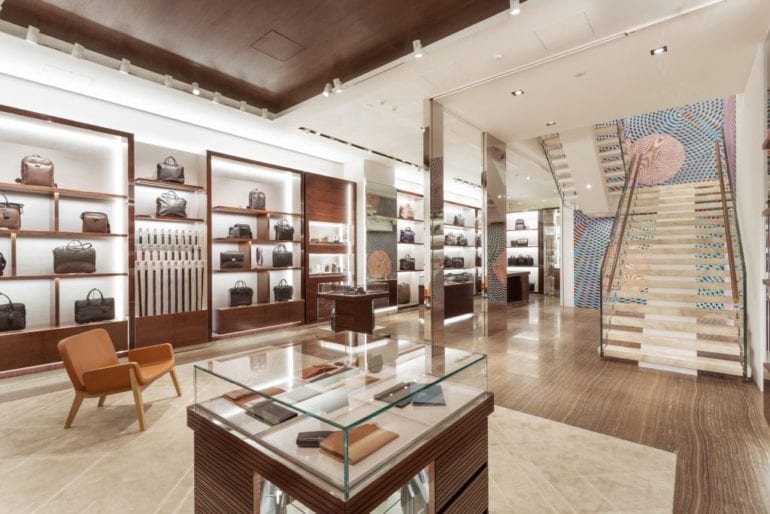
    Inside, the Tokyo store sells Longchamp’s complete range of leather goods and handbags, as well as footwear, women’s fashion and menswear, the latter a collection-first for the Japanese market, which is located on the basement level of the multi-level store.

    Longchamp opens in ‘Maison Omotesando’ in Tokyo, biggest Asia store yet 2
    Source : prestigeonline.com

    In time for the new store launch, the luxury leather goods company unveiled its ‘Intempor’elle’ collection too. The autumn 2017 collection is composed of ready-to-wear pieces, handbags and boots. Key items include an updated two-tone Pénélope bag, studded and panther-print calf fur versions of the iconic “Mademoiselle Longchamp” messenger, and a clutch sporting a winged-horse motif.

    Speaking at the opening, Jean Cassegrain, Longchamp managing director, said the store will serve as a showcase of the brand’s way of life and collections.

    “This strategic and attractive store, which will serve as a showcase for our brand and our craftsmanship, allows us to welcome more Japanese clientele, but also tourists from across the globe, with whom we will have the pleasure of sharing the French way of life, and the creativity and quality of our collections,” said Cassegrain.

    With 210 sales points in Asia, the Asia market represented 28 percent of Longchamp’s total revenues in 2016.

    Founded in 1948, the Paris brand is sold in 80 countries across 1,500 sales points globally. This includes namesake stores and franchises, department store counters, leathergood retailers, airport concessions and online stores. The firm directly operates 300 stores worldwide.

  • Middle class driving Chinese cross-border e-commerce

    Middle class driving Chinese cross-border e-commerce

    A growing middle class in China that likes shopping for foreign brands is helping drive cross-border e-commerce spending, according to a forecast by research company eMarketer.

    However, it warns of a growth slowdown ahead.

    Total cross-border e-commerce sales in China are expected to reach US$100 billion by the end of this year, with the average buyer spend of $882. This average has increased since eMarketer’s previous forecast thanks to a growing awareness in China of overseas brands, as well as improved logistics and the perception that foreign goods are of better quality.

    Also contributing to the growth is the popularity of JD Worldwide, Kaola and Tmall Global, sites that have made it easier for shoppers to access overseas products, says the eMarketer report.

    It also notes that 23 per cent of digital buyers in China will make at least one cross-border purchase, but growth in these purchases will start to slow as preference switches to local brands for some categories, such as fashion. Realising the demand for better-quality goods, Chinese brands are starting to adapt, says the report.

    However, eMarketer senior forecasting analyst Shelleen Shum says that with shopping sites adding more brands and improving cross-border logistics and processing times, foreign brands still have an opportunity to tap into the demand for high-quality products, especially in categories like baby, maternity, health and beauty.

  • CapitaLand hits record with Suzhou Center Mall

    CapitaLand hits record with Suzhou Center Mall

    With the opening of its largest shopping centre yet, Suzhou Center Mall, Singapore retail-estate company CapitaLand has marked a record year of a million square metres of retail space.

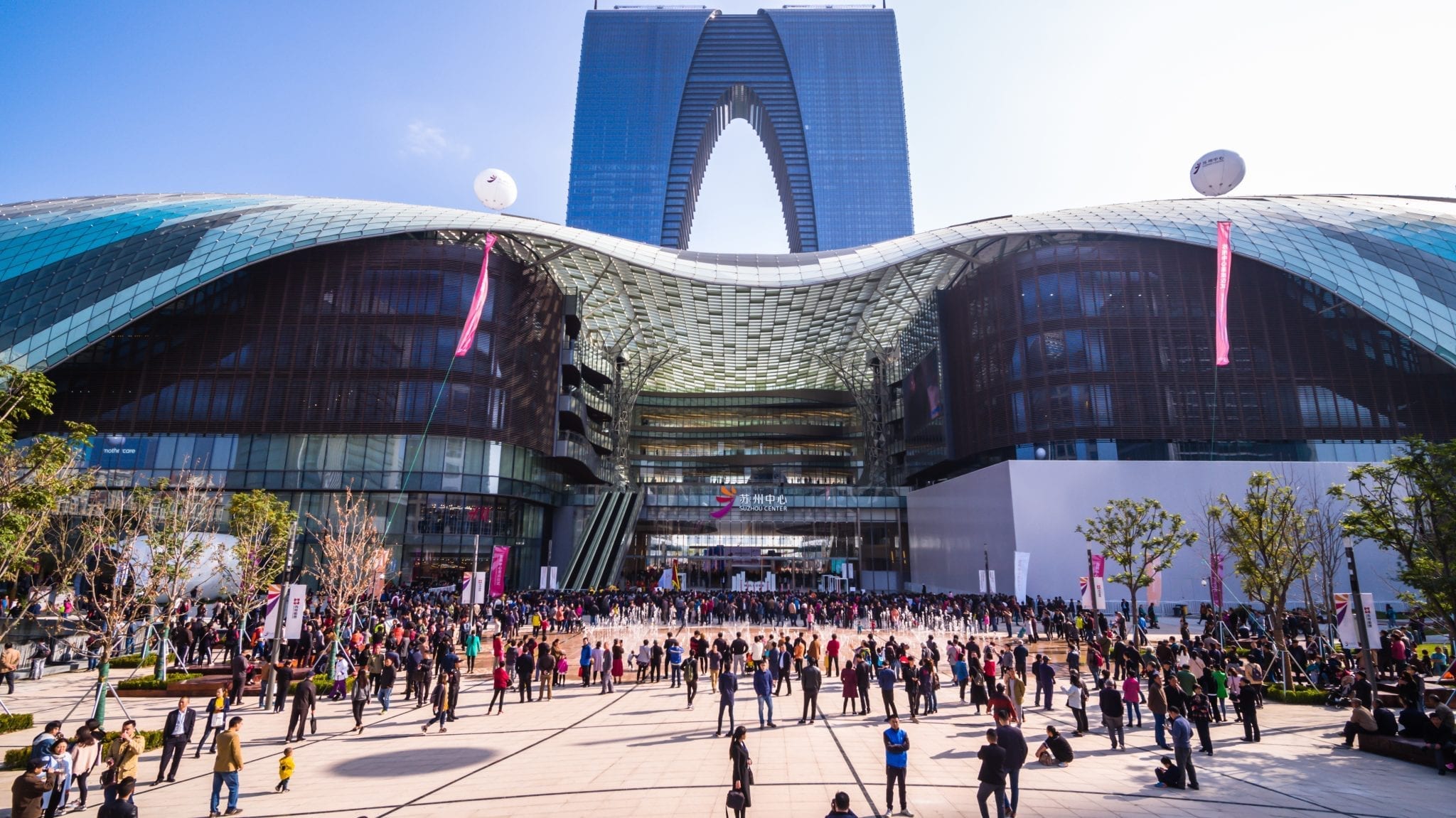
    More than three times the size of Ion Orchard in Singapore, the mall is also the largest shopping centre in the Chinese city. It spans nearly 300,000sqm in gross floor area (GFA), excluding car park.

    More than 600 retail brands are housed within the mall, in the heart of the western CBD of Suzhou Industrial Park, next to the historic Jinji Lake. It is the centrepiece of the Suzhou Center integrated development that also comprises four grade-A office towers, two luxury residential towers and the W Suzhou hotel tower, which are all interconnected.

    With a total GFA of 1.13 million square metres served by a 1570m tunnel leading to its basement car park and directly linked to two metro lines, Suzhou Center was master developed by Suzhou Hengtai Holding Group, owned by the Suzhou Industrial Park.

    CapitaLand, through its wholly owned shopping business CapitaLand Mall Asia, is co-owner and co-developer for the mall and two 21-storey office towers.

    World’s largest

    Designed by multiple award-winning architectural firm Benoy, the seven-storey Suzhou Center Mall has an undulating roof that is the world’s largest free-form monocoque roof at more than 36,000sqm. Shaped like a pair of phoenix wings to symbolise Suzhou’s growth taking flight, the multi-coloured roof comprises 6947 pieces of uniquely shaped glass.

    Suzhou Center Mall also boasts 60,000sqm of greenery across terraces, rooftops and the landscaped cantilever bridges that extend from two ends of the mall to the lakefront. A 45m-wide, 25m-high water curtain is a feature of the mall’s facade facing Jinji Lake.

    The mall opened with more than 90 per cent lease commitment for its net lettable area of about 152,000sqm. Anchor tenants include more than 600 brands including Suzhou’s first CGV cinemas, its first Fanpekka children’s theme park, first indoor simulated gaming centre, an Olympic-size ice rink, a gourmet supermarket and a food court.
    Nearly a third of the mall’s offerings are new to Suzhou, including Forever 21 and Victoria’s Secret. H&M and Zara will run triplex stores in the mall, their biggest outlets in the city.

    Suzhou center mall

    CapitaLand says that with the opening of Suzhou Center Mall, 61 of its total portfolio of 69 owned and managed malls in China are up and running.

    CapitaLand CEO Lim Ming Yan says the mall’s opening caps a record year for the company. “Nearly 1 million square metres of retail GFA across eight developments came on line this year, marking our largest-ever retail offering in a single year.”

    CapitaLand Mall Asia CEO Jason Leow says that about 85 per cent of the group’s total assets contribute to recurring income, of which shopping malls and integrated developments form the bulk. “As we increase CapitaLand’s recurring income base with mall openings, we will also continue to enhance our retail scale and network through acquisitions and management contracts, as well as reconstitute our portfolio to achieve an optimal asset mix.”

  • Valentino Is Opening Sport-Themed Pop-Up Shops Around The World

    Valentino Is Opening Sport-Themed Pop-Up Shops Around The World

    Athleisure cannot stop, will not stop, and probably will never, ever stop, the proof is on the runway.

    More specifically the Valentino Resort 2018 runway, which saw a parade of athletic-inspired looks featuring everything from silk tracksuits to fuzzy slides to cheerleader-inspired midiskirts.

    Pierpaolo Piccioli’s Resort 2018 collection puts a luxurious spin on streetwear and the combination does not feel forced.

    The show, which took place in New York’s Bond Street, drew inspiration from one of the best American exports – hip hop.

    Sporty zip-up hoodies and tracksuits were given a Valentino touch, with the brand’s signature midi-dress silhouette with pleated details.

    Embroidered varsity jackets were paired with feminine calf-length skirts.

    Piccioli worked with graphic designer Zandra Rhodes again on special prints for dresses and jackets in the resort collection.

    Models carried micro versions of Valentino’s iconic “Matelasse” bags as clutches. We also love the heart-shaped novelty bags with iconic Rockstud straps.

    The collection also elevated flip-flops to runway chic, applying duo-tone fur trims on the thongs of the flip flops for a luxury touch.

    The show was attended by celebrities the likes of Olivia Palermo, Maggie Gyllenhaal and Marisa Tomei.

    Needless to say, the collection was a must-see. And now, lucky for us, here’s our chance to finally buy.

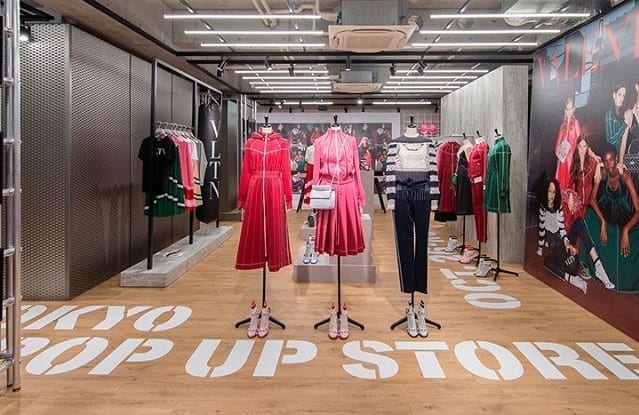
    In a series of pop-up shops in Tokyo, New York, and Hong Kong, Valentino fans will be able to shop the resort 2018 collection  in retail spaces designed to resemble gyms. But, like, chic gyms.

    A release for the new pop-ups even mentions “imaginary metropolitan basketball nets.”

    Aside from the gymnasium aesthetics, expect to be able to shop the resort collection plus more.

    Limited-edition items such as basketballs, yoga mats, and sneakers round out the sport-themed aesthetic.

  • Hyundai opens Beijing brand experience space

    Hyundai opens Beijing brand experience space

    Hyundai Motor Group, Korea’s largest automaker, opened its sixth brand experience space in Beijing to reach more Chinese consumers.

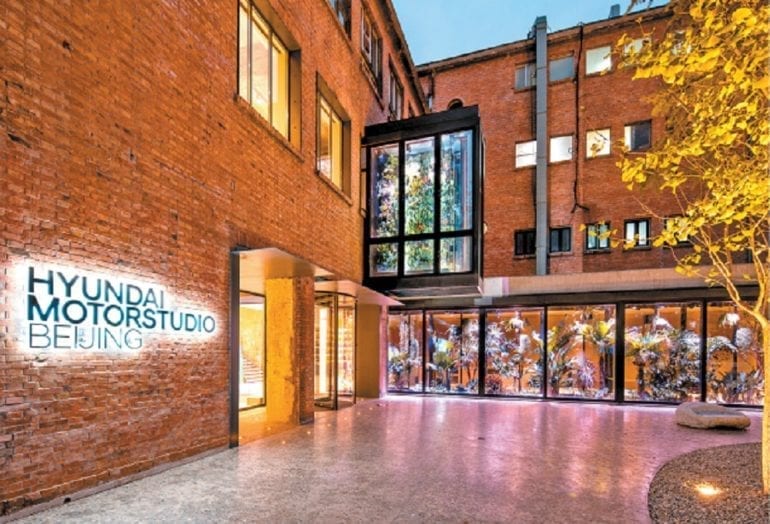
    Hyundai Motorstudio Beijing is located in the city’s 798 Art District, known for its galleries and cafes. The center will be a cultural space and not feature any cars. The Motorstudio is the second overseas location of its kind after one in Moscow.

    Chung Eui-sun, the company’s vice chairman, attended the opening ceremony in Beijing on Nov 1, indicating just how vital the Chinese market is to the automaker. Hyundai Motor has been struggling in the country and hopes the center will boost its fortunes in the world’s largest auto market.

    “Hyundai Motorstudio Beijing represents the direction of Hyundai Motor’s future path, which centers on sustainability and creative energy that can solve social problems,” Chung said. “It feels more meaningful that such venue could be established in this experimental and innovative neighborhood of 798 Art District.”

    Hyundai Motorstudio Beijing includes a book lounge and cafe on the first floor and gallery on the second floor. A vivarium occupies one side of the building’s exterior, and other art installations are scattered across the studio space.

    Along with the space, the automaker is running a program called Hyundai Blue Prize to support emerging artists and select a few to display their work in the Motorstudio.

    The opening comes amid a thaw in relations between Seoul and Beijing. The Korean and Chinese governments agreed to a rapprochement after months of diplomatic cold shoulders over a U.S. missile defense system in Korea that China believes threatens its security.

    Chung said at the ceremony that he expects a “positive effect” from the promise of better relations between the two countries.

  • Sainsbury’s management ‘playing the long game’

    Sainsbury’s management ‘playing the long game’

    Sainsbury’s management appeared unphased after emerging as the underperforming grocer of the UK top four this quarter. Should investors be worried? In the short term, Sainsbury’s may struggle, but they have solid long term prospects.

    Margins have dropped to 1.9 per cent and like-for-like sales increased by only 1.6 per cent which is poor when it is reportedly passing on inflation of 1.7 per cent. All the other major supermarkets performed above expectations, even the floundering ASDA moved into positive like-for-likes after 12 consecutive quarters of negative growth.

    The theme within the food retail sector has been one of anticipating inflation, moving to offset the impact on margins with cost savings programmes and range manipulation, along with efficiency targets. This has resulted in relatively stable margins for the majority of the grocers, alongside impressive cost reduction, and the best sales growth for five years. Sainsbury’s is therefore the anomaly here.

    This can mean one of two things: Sainsbury’s is struggling more than the other grocers to weather the storm; or Sainsbury’s is less short-term focused than the other grocers and thus playing the long game.

    Muted sales growth and a lack of evidence for the momentum from the first quarter continuing into the second (Q1 like-for-likes were 2.3 per cent and Q2 0.6 per cent) is problematic for Sainsbury’s, and with its positioning as a more premium grocer, consumers trading down in store and to cheaper competitors is more pertinent. However, they are still growing and the poor weather has a strong effect this quarter due to its high proportion of fresh food.

    If we look at the factors eating into Sainsbury’s profit, we can see that it comes from (in order of size) price investment, input cost inflation, and Argos losses (Argos posted a loss in the first-half year, making most of its profit over the festive period). Ignoring Argos losses, the contributors to margin decline are therefore factors which all other supermarkets are experiencing.

    The other grocers implemented strict cost saving programmes and margin targets in the run-up to Brexit. Tesco, for example, expects 3.5-4 per cent operating margin by 2019/20 and is seeking to achieve £1.5 billion of cost savings in its turnaround period. Morrisons is in full transformation mode with a number of efficiency savings still to take advantage of, and Asda is potentially recovering from a dismal three years. However, as much as many of these changes were needed, there is the risk that the other grocers are damaging their prospects in the long term by maintaining momentum in the short term. Lower investment and more short cuts, refurbishment, aggressive consolidation, a lack of development, and focus on cash flow might hamper the chances of long term growth. Short term gains may cause long term pain.

    Sainsbury’s did not suffer to the same extent as the other grocers from the onslaught of the discounters, and thus has less to turnaround from. Therefore, as it survived through one difficult period, we think that its lack of action is actually a tactic. Sainsbury’s is highly focused on adapting to consumer consumption trends – its product innovation and range consolidation is unrivalled, same day delivery is being extended, and space repurposing has been successful with Argos. In addition, in the first half of 2017/18 it chose to absorb much of the cost inflation without offsetting it against efficiency savings, thus dragging on margins, and allegedly this level of investment is unlikely to happen again.

    Fundamentally, Sainsbury’s needs to improve its growth in the third quarter to avoid losing market share, but one bad quarter hasn’t prompted them to “chase unprofitable volume” as Mike Coupe put it. We have confidence that Sainsbury’s is adapting to the consumer the best out of all of the supermarkets, but the problem is that its niche is slightly more upmarket than the others of the big four, and thus in a time of critical uncertainty, without offsetting, margins are going to take a temporary hit.

    Sainsbury’s management know the company is well placed to chase the consumer and develop with demand, and thus we think that this strategy of allowing margin decline (within reason) is actually more of a tactical long term play, than disguising short term panic.

  • Topshop Australia returns online via The Iconic

    Topshop Australia returns online via The Iconic

    UK fast-fashion darling Topshop and brother brand Topman have returned to the Australian e-commerce sphere, partnering up with The Iconic for their online comeback.

    The Iconic will now sell and distribute — from its Australian website and fulfilment centre—a selection of Topshop and Topman products to its online clientele.

    “Our customers are at the heart of everything we do at The Iconic – from curating a world-class range of local and international brands to continuously innovating our technology for a seamless shopping experience,” said Patrick Schmidt, CEO at The Iconic.

    “Topshop and Topman are two brands we know Aussies love – we want to keep bringing our customers the biggest and best brands in the world, which is why we’re thrilled to be welcoming Topshop and Topman to The Iconic family,” he said.

    The Iconic confirmed the full Topman range and women’s denim line launched from 31 October 2017. A full range will be available by the end of November 2017.

    The partnership comes following Topshop’s recent $30 million collapse in Australia. The Arcadia-owned retailer had to close its online store in May 2017, after launching its Australia-dedicated e-commerce platform just weeks before.

    The closure of multiple stores soon followed across Australia and New Zealand, including all its concession stores in leading Australian department store chain Myer.

    After three months of putting a deal together, company representatives said in August that brand owner Arcadia would buy chunks of the business and take over the running of four stores from the Australian franchisee. The surviving stores are in key locations Sydney, Bondi Junction, Melbourne and Brisbane’s CBD.

    The Iconic, part of Global Fashion Group, sells 700 brands and 45,000 products via its website. It launched in 2011.

  • Big Baller Brand expands into China

    Big Baller Brand expands into China

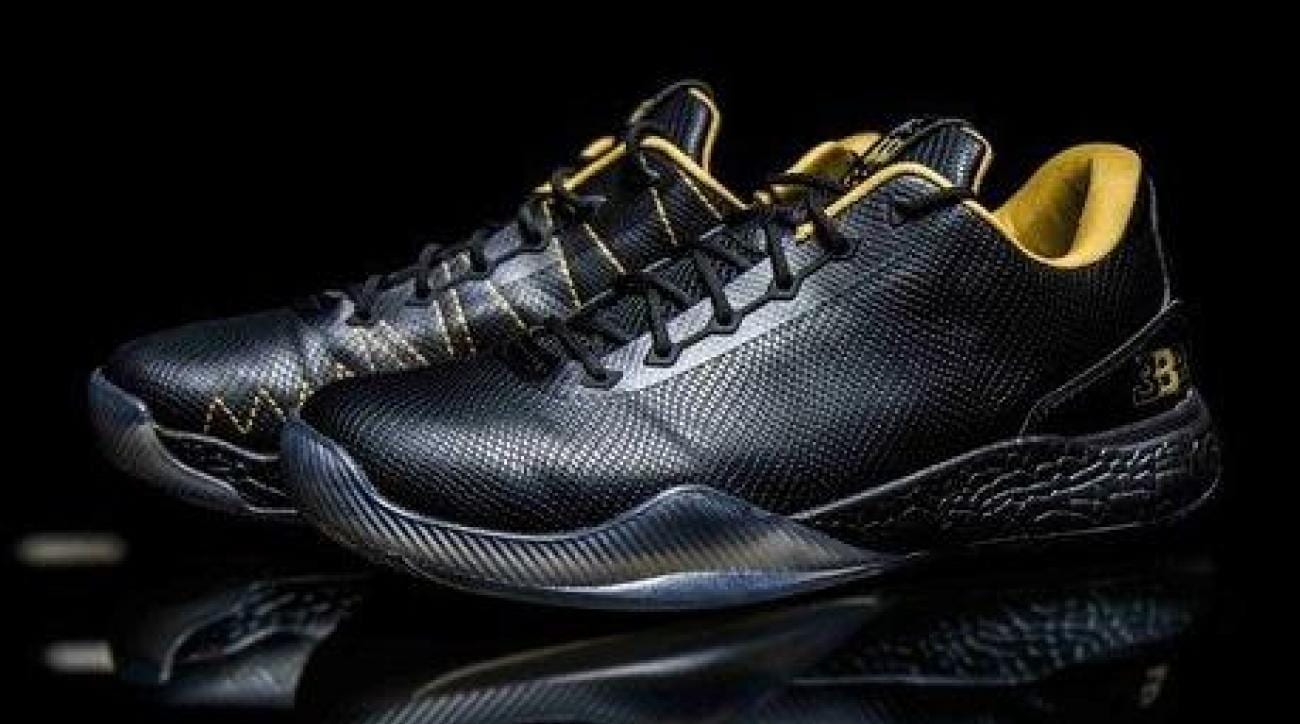
    American sports apparel company Big Baller Brand has bounced into Hong Kong and Mainland China on the back of a basketball game.

    Founder/CEO LeVar Ball, a former basketball and football player, took advantage of a match in which his son LiAngelo played for UCLA (University of California, Los Angeles) in Shanghai’s Mercedes Benz Arena, which has also just hosted the Victoria’s Secret annual showcase.

    ESPN writer/editor Jovan Buha says the family used the trip to launch Big Baller Brand China via two pop-up stores, one at streetwear outlet WZK Shanghai followed by the other, opening today at Juice in Hong Kong.

    Buha says the family’s brand is set to open its own flagship stores in both cities, along with a dedicated Chinese website.

    Big Baller Brand was inspired by LiAngelo and his brothers Lonzo and LaMelo – following in their father’s footsteps as basketball players.

  • Giants’ retail partnership points to Asia’s future

    Giants’ retail partnership points to Asia’s future

    JD.com brings to the partnership its competitive edge in logistics and technologies such as artificial intelligence, cloud computing, drones and robots, while Central offers retail expertise including knowledge of Southeast Asian markets, brand relationships, customer base, physical store network and loyalty programmes.

    E-commerce has enormous growth potential in Thailand, which the partnership hopes to tap into. For example, only 1-2 per cent of Central’s sales are online; by working with JD.com, Central aims to increase this to 15 per cent by 2021.

    A major benefit for Central is better access to the Chinese market. JD.com has an alliance with Tencent, owner of the popular messaging app WeChat that averages 902 million daily logged-in users (as of September 2017). JD.com customers who make their purchases with WeChat have their goods delivered using an advanced logistics system which increasingly features drones. JD.com’s 150 or so drones make more deliveries than any other drone user globally. The company is also testing drones that can carry up to a tonne, and using robots in its warehouses.

    JD.com’s drone-delivery model is different from that being tested by US retailers such as Amazon and 7-Eleven. Instead of delivering packages direct to individual homes, local distributors receive and distribute them. In the US, a stricter regulatory environment and privacy concerns mean drone deliveries are not advancing as rapidly as in China and are still in the testing phase.

    JD.com founder and chairman Richard Liu believes drone deliveries would save massively on costs, especially in rural areas. He estimates that drone deliveries are at least 70 per cent cheaper than delivery by truck and take a fraction of the time.

    Unlike China’s other e-commerce giant Alibaba, JD.com is focused on building a complementary bricks-and mortar-business through strategic alliances with strong retail brands such as Walmart, and selling luxury goods through its partnership with the online luxury-brand marketplace Farfetch.

    According to Liu, JD.com is attracted to Thailand because of its large population, developed infrastructure and strong logistics network. The plan is to make Thailand a major hub for e-commerce expansion across Southeast Asia.

    Many North American retail stores are closing – Sears and Macy’s among them – so it is encouraging to see the confidence reflected in this partnership. Given the Chinese love of shopping, Thailand’s experience in developing luxury malls and the rapid development of technology in this part of the world, this points to a prosperous future for retailing in Asia.

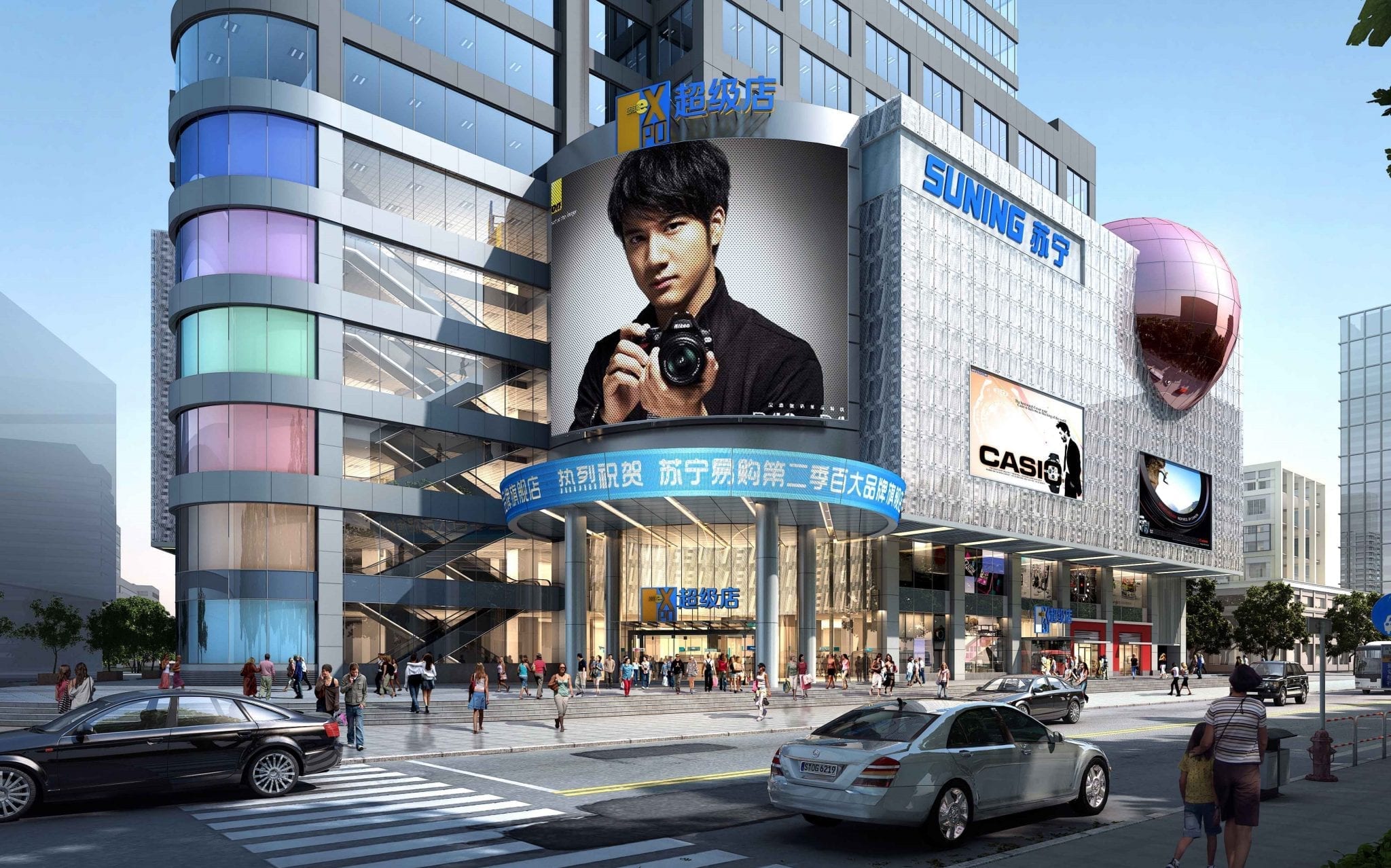
  • No-more-cashier at new Suning store

    No-more-cashier at new Suning store

    A Suning store in Shanghai introduces an intelligent self-service checkout using facial-recognition technology for payments.

    Suning Biu is reportedly the retail giant’s second such store in China, reports China.org.

    Covering about 100sqm, the new Suning store is larger with more varied product categories than the company’s first unmanned shop in Nanjing, where Suning has its headquarters.

    Before shopping, customers need to download an app and upload their personal information including a photo of their face and a bank card. In the shop they scan their face to take advantage of the automatic payment process.

    Without having to scan QR codes or barcodes to calculate prices, clients just need to step into a “payment area” at the exit and look at an overhead camera. Their purchases will be listed on a screen, and payment completed automatically using their registered bank card. The few staff members in the store are there to offer technical instructions if necessary.

    Suning.com vice-CEO Fan Zhijun says self-service stores are expected to be introduced to other cities in China.

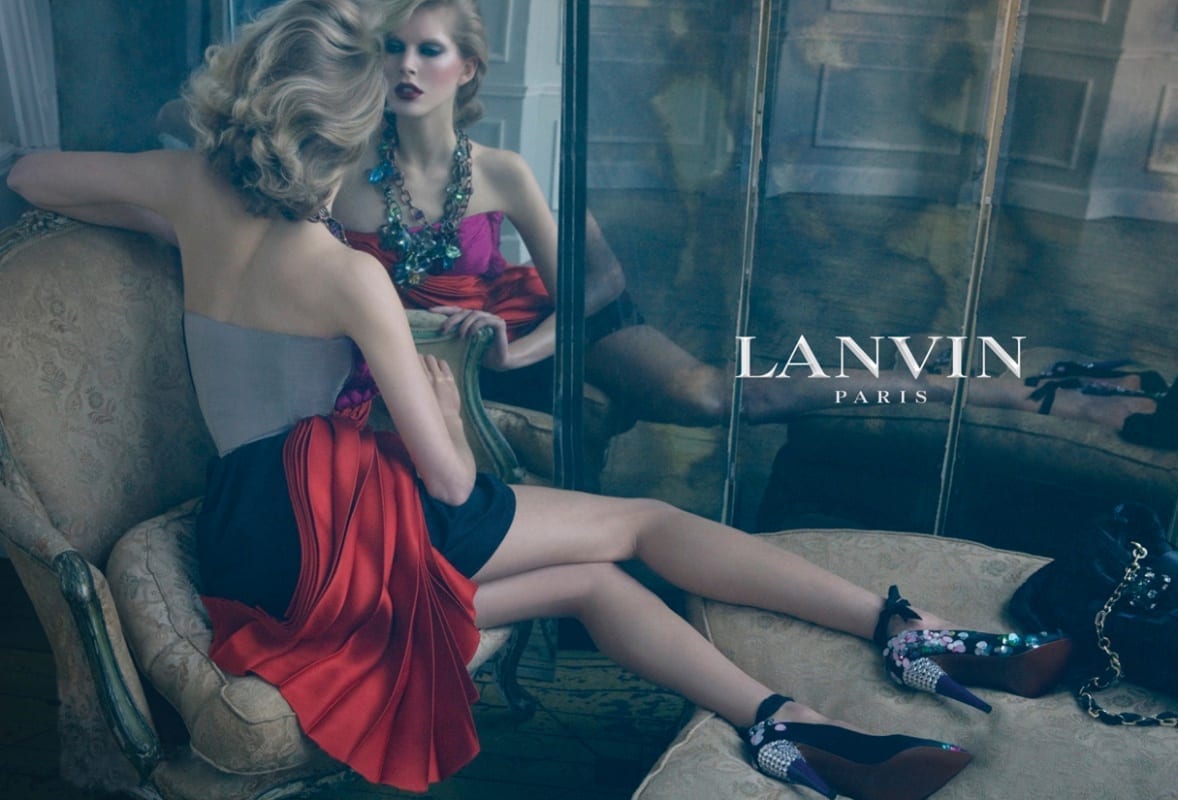
  • More investment for Lanvin

    More investment for Lanvin

    With slumping sales since a design shake-up two years ago, Lanvin fashion house is expecting a cash injection before the end of the year.

    France’s oldest fashion house says this is coming from Taiwan businesswoman Shaw-Lanh Wang, who is the majority shareholder.

    Auditors at the privately owned firm have filed a warning with a commercial court in Paris over its financial troubles, Reuters has reported. Sources say recapitalisation is needed to buy breathing space and to save it struggling to pay salaries in January.

    Lanvin says it is working on a new strategy and that Wang, a Chinese-born media magnate who owns 75 per cent of the firm, will put in more money. No further details have been released by the company, which does not publish earnings.

    The funds will be used to back future projects to help reposition Lanvin, says the firm.

    Dating back to 1889, the company was named after couturier Jeanne Lanvin and had a revival a few years ago under designer Alber Elbaz. Sales fell following his surprise sacking in 2015, being forecast to deepen this year by another 30 per cent after a 23 per cent drop last year.

    Wang’s close adviser Nicolas Druz, who has just been appointed deputy-MD, says Lanvin is looking at branching into new avenues such as “art of living” products. The label may also look at hotel projects using the Lanvin name.

    “It’s not just about new capital – we’re thinking about other revenue streams too,” Druz says.

    Lanvin is on its second designer since Elbaz, appointing former Balmain menswear designer Olivier Lapidus to the position in July.

  • Sales drops for Louis Vuitton Korea

    Sales drops for Louis Vuitton Korea

    Louis Vuitton Korea has fallen behind its rivals, with sales dipping into minus territory this year, industry data shows.

    Sales at a leading department store for the international fashion house for the January-October period backtracked 5.3 per cent. Demand for Louis Vuitton products were down 2.1 per cent at another department store during the same period.

    Meanwhile, rivals Chanel and Hermes achieved double-digit sales during the same period. Chanel added 11.2 per cent and 13.7 per cent at the two department stores, while Hermes managed 16.5 per cent and 17.1 per cent growth, respectively.

    “The vast popularity of Louis Vuitton in the past and consequent sales have made the brand too common, taking away much of its cachet,” an unidentified retailer said. “The popularity of its monogram series fizzled out, and there was no succeeding product, which is another reason for the slump,” he said.

    Exact sales figures are not available for Louis Vuitton, after its local operator was turned into a privately-held company from a limited company in 2012 when its lack of social contribution compared to its dividend propensity became controversial. Privately-held firms do not have to disclose detailed corporate information, such as donations.

    A law was revised recently, however, requiring private companies to undergo external inspections and to disclose financial information, including sales, dividend rates and contributions.