Tag: asia

  • New look for Rolex KL Pavilion store

    New look for Rolex KL Pavilion store

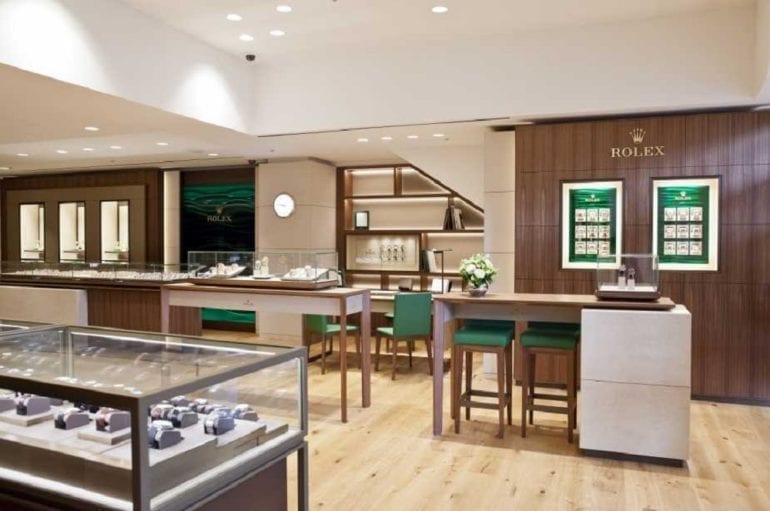
    Rolex has relaunched its boutique at Pavilion Kuala Lampur, with a new, elegant shop design and layout to lure the lucrative Malaysian market.

    Launched by Swiss Watch Gallery, which officially operates the luxury watch brand, the 158 square-metre-space has been modernized to appear high end, and offers a more intimate setting for consumers to experience the luxury timepieces.

    Key design features included bronze detailing and polished walnut wood cabinets to match the brand’s new image. The boutique also has a private salesroom for those seeking a discreet shopping experience.

    According to Valiram Group’s executive director Ashvin Valiram, the boutique is a “historical landmark”.

    “We are delighted that Swiss watchmaking’s crown jewel remains confident in our collaboration and we will continue to be its biggest and most passionate champion in the region,” said Valiram.

    To celebrate the launch, Rolex is offering Malaysian clientele the chance to purchase one of its newest timepieces– the gold Oyster Perpetual Cosmograph Daytona, which has a patented Oysterflex bracelet.

    The Swiss luxury watchmaker has also introduced new versions of its classic Oyster Perpetual Lady-Datejust 28 in steel and Rolesor (a material combining 904L steel and 18-carat white gold), and the Oyster Perpetual Sky-Dweller, as well as the Oyster Perpetual Sea-Dweller, Oyster Perpetual Pearlmaster, and Oyster Perpetual Yacht-Master 40 models.

    The Kuala Lumpur flagship store, the largest boutique in Southeast Asia, first bowed at the Pavilion some ten years ago.

    In 2016, the Swatch Group led watches with a 19% value share for the year, according to Euromonitor. The most populr brands in Malaysia included Swatch, Longines, Omega, Tissot, and Rado.

    Looking ahead, Malaysia will continue to see the penetration of high-end watches, said Euromonitor, with demand for signature watches brands such as Hublot, Breguet, Maurice Lacroix and Rolex, to remain sustainable.

  • Hermes grows in China

    Hermes grows in China

    Sales momentum in Mainland China helped boost growth for French luxury retailer Hermes in its third quarter.

    Overall sales grew 11 per cent at constant exchange rates, and at the end of September revenues were up 10 per cent to €4 billion (US$4.6 billion).

    Despite a strong comparison basis, sales in Asia (excluding Japan) rose 14 per cent, while Japan achieved a solid performance with a 5 per cent increase in the face of a strengthening yen.

    Hermes says all sectors recorded growth, with a “remarkable” 11 per cent performance by ready-to-wear and accessories.

    The 11 per cent growth in leather goods and saddlery was in line with the annual target of around 10 per cent, says the company, thanks to the success of its collections and diversity of models, particularly the Constance, Halzan, Lindy and Verrou bags, alongside Birkin and Kelly.

    With 9 per cent growth, the silk and textiles business line benefited from sustained demand, the diversity of the collections and the wealth of the creations, says Hermes.

    Strong growth of 13 per cent was posted by the perfumes division, driven notably by the launch of Twilly d’Hermes.

    There was a slight 1 per cent improvement for watches, while other lines grew by 11 per cent, including jewellery, art of living, and table arts.

  • McDonald’s to support Pyeongchang Winter Olympic Games Korea

    McDonald’s to support Pyeongchang Winter Olympic Games Korea

    McDonald’s Korea has started building a giant burger, box of fries and drink carton – a novelty building to serve as its outpost at next year’s Pyeongchang Winter Olympic Games in South Korea.

    It will cater to visitors only, with a separate McDonald’s location to offer complimentary meals to athletes expected to be situated within the Olympic Village.

    The fast-food company has already hired 260 workers to run the two stores, who are undergoing cultural-awareness training so they can serve a diverse range of customers.

  • Thai Converse distributor eyes IPO for retail expansion

    Thai Converse distributor eyes IPO for retail expansion

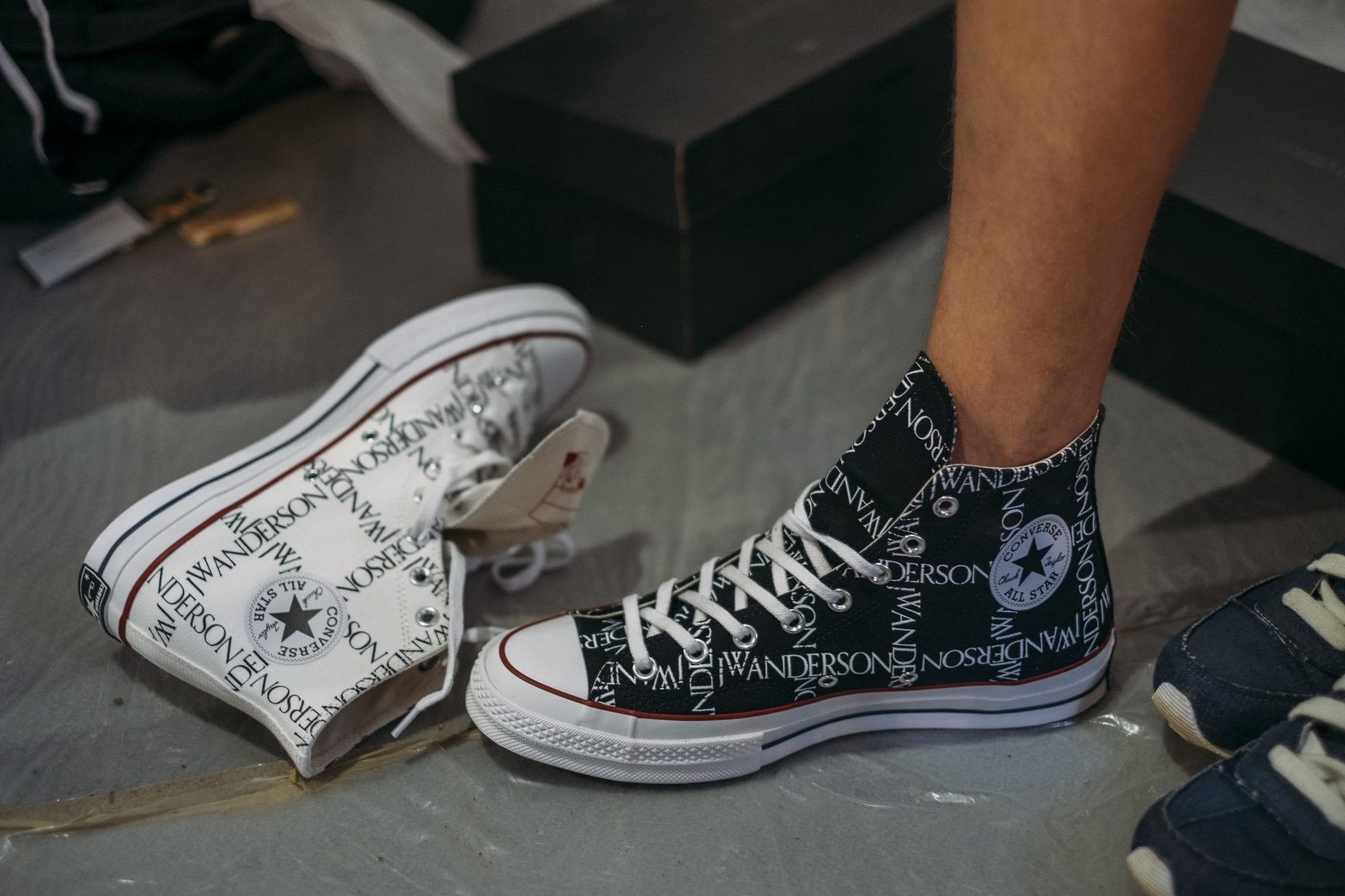
    Converse’s Thai distributor looks to expand its presence in Thailand and globally with funds raised via the Bangkok firm’s stock exchange launch in the Asian nation in 2017.

    Rich Sport, Thailand’s sole distributor of Converse shoes and apparel, has submitted a filing for an initial public offering on the Stock Exchange of Thailand in 2017.

    The Thai manufacturer and distributor hopes to raise funds to grow its business internationally, according to the filing, and has appointed Finansia Syrus Securities to advise the IPO.

    The IPO is the 14th stock debut in Thailand from a local firm this year, according to Dealstreet Asia.

    Getting down to details, Rich Sport will issue 200 million IPO shares, or 26 per cent of capital. From this, 195 million shares will be offered to the public while the remaining 5 million will be allotted to employees and subsidiaries, added the filing.

    The company has a total capital made up of 770 million shares, with paid-up capital of 570 million shares at a par value of one baht each, it said.

    At present, Rich Sport owns 30 per cent of shares, with three members of the Wongpaitoonpiya family owning 23.33 per cent each. After the IPO, Rich Sport’s share will be lessened to 22.21 per cent.

    Rich Sport has been a maker and distributor of the Converse brand in Thailand for 14 years. Rich Sport currently oversees 41 Converse shops in Thailand and 11 points-of-sales inside local department stores there.

    The firm reported revenue of 601.12 million baht ($18 million) and net profit of 122.16 million baht ($3.65 million) for the first six months of the year.

    Founded in 1908, Converse is one of America’s most iconic footwear companies, and has been a subsidiary of Nike since 2003.

    It is known for its products under the trade names Cons, Chuck Taylor All-Star John Varvatos, and Jack Purcell.

  • Singapore retail sales stagnate

    Singapore retail sales stagnate

    Singapore retail sales fell by a mere 0.2 per cent in September, compared to both the same month last year and August this year.

    SG retail sales September

    Including motor vehicles, sales fell 0.5 per cent year on year.

    SG FB retail sales September


    Sales of food & beverage services (seasonally adjusted) decreased 0.3 per cent year on year, with restaurant turnover down 3.7 per cent and fast food outlets, catering services and eating places up between 0.1 per cent and 8.3 per cent.

    Compared to September 2016, retail sales of computer and telecommunications equipment, furniture and household items, food, optical goods and books and by mini-marts and convenience stores declined by between 1.3 per cent and 7.4 per cent.

    However, retail sales by supermarkets and petrol service stations, of clothing and footwear, by department stores, of medical goods and toiletries, recreational goods and watches and jewellery increased between 4.4 per cent and 9.8 per cent year on year.

  • Hongkong Land set to open US$1.1b Beijing shopping centre

    Hongkong Land set to open US$1.1b Beijing shopping centre

    Hongkong Land Holdings, the largest commercial landlord in Central, is making its first retail foray in Beijing – a market that drastically differs from its home turf.

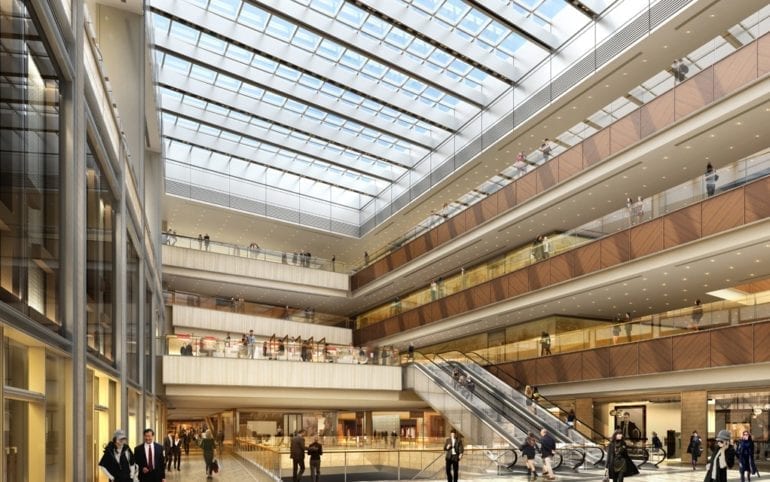
    The developer will start trial operation of WF Central, a 150,000 square metre retail, dining, hospitality and lifestyle hub in downtown Wangfujing, at the end of November 2017.

    The US$1.1 billion investment is the company’s first large-scale shopping centre endeavour in China’s capital. It also operates shopping centre in Shanghai, Chengdu and Chongqing.

    The company said it envisaged the complex as a Beijing landmark of quality living, by integrating luxury, fashion, food, lifestyle, art and culture, and a 74-room Mandarin Oriental hotel. The retail space is about 50,000 square metres.

    Hongkong Land has spent a lot of time and energy on this project. Although it acquired the site in 2011, negotiations to buy the property stretch back more than 10 years.

    “WF Central is poised to meet the needs of China’s next-generation of consumers and stands as a testament to Hongkong Land’s ability to transform communities with diverse, sophisticated and attractive development,” said Raymond Chow, executive director of the company at a press conference. “This is not a 10-year, 15-year investment. It is a generational investment.”

    With the soft opening Hongkong Land will introduce a mix of more than 100 tenants including luxury brands such as Chopard, Jimmy Choo and Moschino and also fast fashion brands like Victoria’s Secret and Pandora. Dining includes Cheesecake Factory, Beijing’s first; lifestyle such as Yan Ji You Bookshop, Pure Yoga centre and footwear and sports apparel brand Under Armour.

    Asked about the competitive landscape and the impact of e-commerce, Chow said he is “very confident” about the Beijing market, as Hongkong Land will bring global best practices and has strong ties with retail brands.

    He said the shopping centre will not only offer shopping but also lifestyle, art and culture components.

    “These components you cannot buy e-commerce platforms. You have to come to the city centre and experience it,” Chow said.

    But he also admitted that WF Central will operate in a very different environment compared with Hong Kong, where office workers and residents in the building above can stroll to the lower-level mall.

    Ji Ming, a manager of JLL North China research team, said WF Central in Wangfujing is known for its tourist attractions and is teeming with crowds.

    Beijing’s downtown mall vacancy rate stand at 6.2 per cent, according to JLL data, a healthy level.

    “Although there are lots of malls out there, there are still some brands catering to younger generation that they can’t find elsewhere,” she said.

    She said mall operators in Beijing are increasing fast fashion, restaurant and lifestyle elements to compete with e-commerce, and the most successful of these has been Taikoo Li in Sanlitun, developed by another Hong Kong company Swire Properties.

    “I would say Taikoo Li is a benchmark, and a newcomer like WF Central should look at it for success,” she concluded.

  • Hermès enhances China digital game with first WeChat pop-up store

    Hermès enhances China digital game with first WeChat pop-up store

    French luxury brand Hermès launched its very first WeChat pop-up store, a strategic move signaling the brand’s ambition to step up its digital innovation in China. But it also raises the question of just how aggressive it can be in the digital space.

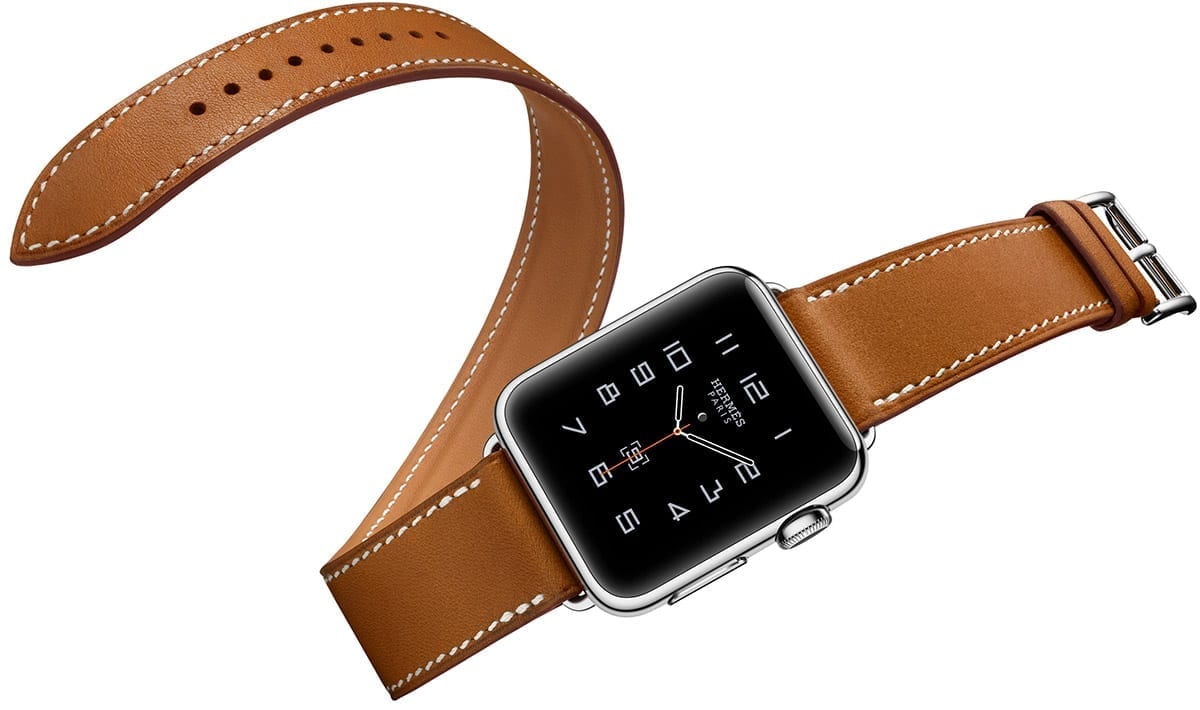
    The WeChat post by the brand to introduce the pop-up store has a 13-second promotional video about the new Éperon d’Or Hermès x Apple Watch.

    The product, in collaboration with Apple, features the classic pattern of Hermès scarf on the wristband. The pop-up store will last for two weeks.

    When clicking on “read more” at the bottom of the post, readers are taken directly to Hermes’ watch collection page which offers a detailed view of six models.

    The prices range from 8,988 yuan ($1354) to 10,988 yuan ($1655). Buyers need to register an account with the site—leaving their phone number and other relevant information—to track the order, and they must use WeChat Pay to complete the deals.

    Chinese consumers have shown high interest in Hermès’ WeChat offering: by the time of this publication, the post had attracted 15,986 pageviews.

    According to Hermès’ earnings results of the first six months of 2017, China led the growth in the Asia-Pacific region, contributing 14 percent to the region’s total revenues.

    The brand continues to see rising interest among Chinese customers in purchasing its signature handbags, namely the Birkin Kelly, Constance, and Lindy models.

    “We have really seen a recovery of China,” the global chief executive of Hermès International Group Axel Dumas said in an interview with Financial Times, “and the beginning of growth again in Hong Kong and Macau.”

    For Hermès, the rebound of luxury consumption in China posed the question of how it can best capture the demand in the market for digital shopping.

    Compared to many other luxury powerhouses, Hermès is a latecomer to the digital shopping game in China.

    Hermès set a textbook example for hunger marketing, a strategy often deployed by brands to make consumers feel hungry for certain type products through a limited number of offers. Hermes has used this strategy before to promote the Birkin bag. With limited time and quantity, the offer of Apple Watch in the WeChat store has employed a similar technique.

    However, this strategy of utilizing a sense of urgency is certainly not a new approach. Many brands, namely Dior, Longchamp, and Bulgari, were early adopters of WeChat flash sales, making headlines with impressive sales numbers from the flash sales. For example, during last year’s Chinese Valentine’s Day, Dior offered a Lady Dior handbag for 28,000RMB ($4,210) for four days; the media reported that all 200 models were sold out by 2 August 2017.

    As the brand’s key rivals like Louis Vuitton and Gucci are selling online in China, there is a possibility for Hermès to open an exclusive e-commerce site for the country’s consumers, too.

    There might be reasons why Hermès has been slow to adopt this digital trend; it is a reflection of a general attitude of the luxury industry to digital change.

    They face many questions such as whether going digital can deliver the same luxury experience to consumers, or if it can become a steady purchase channel for high-priced goods. Luckily, the past experiences of early adopters show that the value of luxury can still be held if the brands approach it appropriately.

    For Hermès, it is going to be a task to balance exclusivity and availability on the digital channel in China and their answer to it will set up an example for many luxury brands.

  • 11/11: everything you need to know about Singles’ Day

    11/11: everything you need to know about Singles’ Day

    It is that time of the year again. China’s – and the world’s – biggest online shopping event is about to take place on 11 November.

    Known as Singles’ Day, Alibaba and its founder, Jack Ma, transformed the de facto holiday from an ‘anti-Valentine’s Day’ for Chinese singletons to a global shopping festival back in 2009 – and made billions of dollars in the process.

    How did it start?

    Singles’ Day, also known as ‘bare sticks holiday,’ started in 1993 at Nanjing University as a day for students to celebrate their singledom. The date 11 November was chosen as it resembles 4 solitary bare sticks.

    The annual event kicks off on the midnight of 11 November and runs for 24 hours featuring steep discounts that are driven by the main Alibaba-owned platform, Tmall.

    Essentially, think of it as the Asian version of America’s Black Friday and Cyber Monday shopping sales – but bigger than the two combined.

    Who’s participating?

    This year, Alibaba says over 15 million products from more than 140,000 brands, including 60,000 international brands, will be offering discounts on Tmall – up from 100,000 in 2016.

    Besides the e-commerce giant, other platforms like JD.com have become a key competitor and will be pushing equally hard to attract shoppers.

    11/11: everything you need to kn ow about Singles' Day

    How much is spent?

    In terms of sales, Singles’ Day is known for racking up record numbers – more so than Black Friday, Cyber Monday or Amazon Prime Day sales. In 2016, Alibaba made a staggering $17.8 billion ($5 billion in the first hour alone) and intends to break that record this year.

    How is the high demand met?

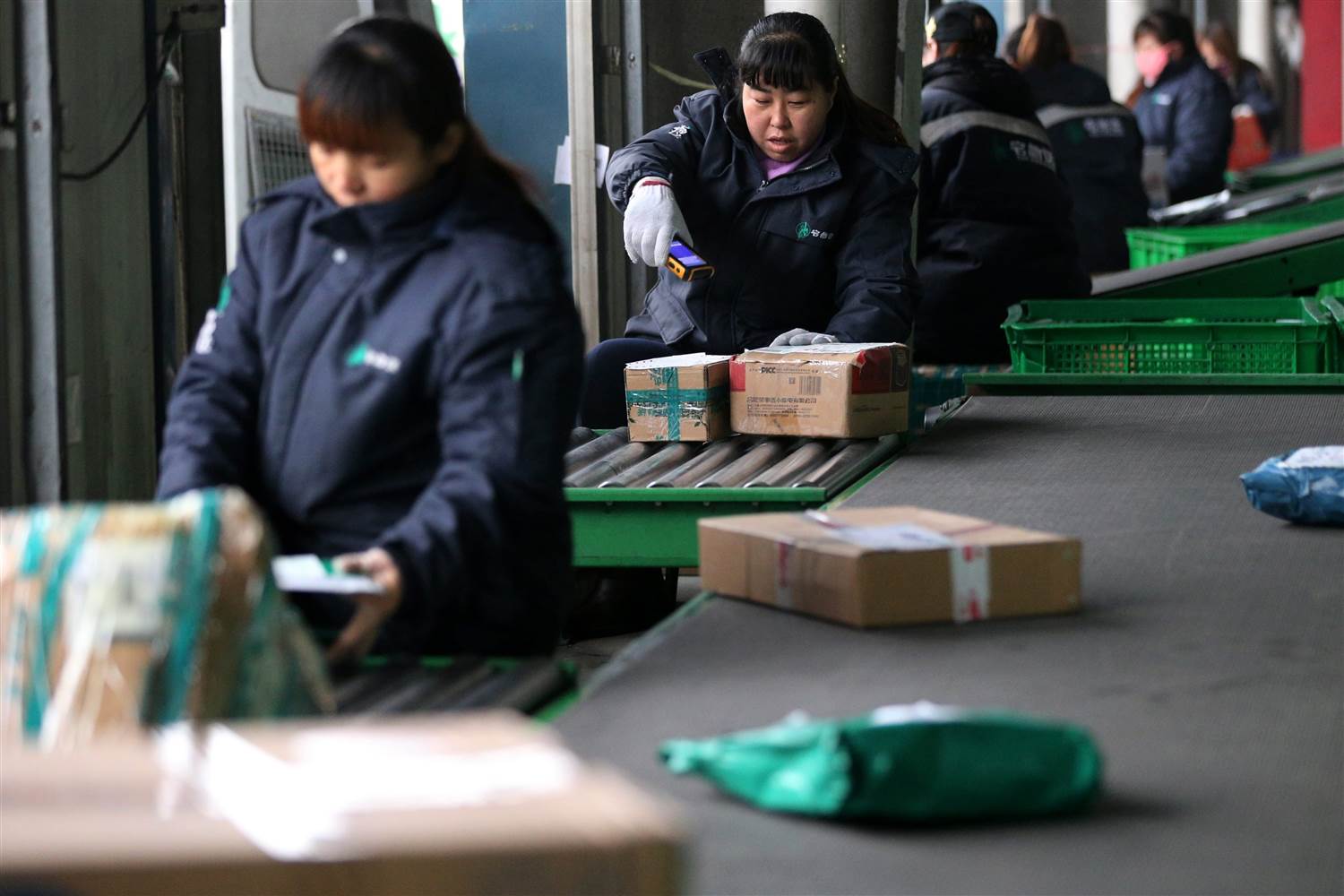
    Shoppers purchase everything – home appliances, electronics and even cars – on the day. To manage the high volume of deliveries, Alibaba opened its first automated, robot-managed warehouse. JD.com is not resting on its laurels either. It has teamed up with Walmart to simplify shopping processes and speed up deliveries.

    2017 : Increased focus on luxury

    This year, through strategic partnerships with international fashion luxury brands like Jason Wu, Opening Ceremony and Robert Geller, Alibaba is focusing heavily on the luxury sector. Similarly, JD.com is appealing to high-end consumers by launching a new luxury e-commerce site, TOPLIFE, which will go live on Singles’ Day.

    The ‘New Retail’ strategy

    This year also marks the one-year anniversary of Alibaba’s ‘New Retail’ strategy launch. The term coined by Ma aims to depict the increasingly blurry lines between offline and online shopping. As such, Alibaba is partnering with 52 shopping malls to set up 60 pop-up stores across 12 cities in China.

    100,000 stores will also become ‘smart stores’ with tech features ranging from facial recognition-powered payment solutions, scan-and-deliver O2O shopping feature and AR beauty tutorials to create a much more immersive experience.

    Entertainment will be big

    To kickstart the event, Tmall will host a four-hour star-studded countdown gala on the night before, where Pharrell Williams is expected to perform alongside other Chinese celebrities. Last year, the glitzy show attracted over 400 million viewers – three times the number of those who watched this year’s Super Bowl.

    Jack Ma to unveil debut movie

    Starring alongside action superstars Jet Li and Donnie Yen, Ma will be unveiling his martial arts film, Gong Shou Dao (The Art of Attack and Defence), on video platform Youku on Singles’ Day. To promote the film, Ma also released a theme song entitled Feng Qing Yang that he recorded with Chinese singer Faye Wong.

    Going global

    “We want to make this a global holiday, a global festival for every consumer… We want [to] help global small business…” Ma told CNN in 2016. To demonstrate it, this year Tmall will bring 100 Chinese brands overseas offering special promotions to target millions of consumers around the world.

    If you’re in China…

    Timing is everything, so be sure to prepare your shopping list early instead of browsing the entire site once the sale starts. While you’re checking out, also look out for additional promo vouchers that you can use to gain further discounts. Payment can be made with Alipay, UnionPay or major credit cards.

    If you’re abroad…

    Since most of the sites are in Chinese, prep yourself with a translation tool like Google Translate to help you navigate. Before checking out, ensure the products can be shipped to your destination. Lastly, do a quick research to find out which credit cards offer the lowest rates for inter-bank transactions and exchange rates.

  • French fashion brand The Kooples to launch in Hong Kong

    French fashion brand The Kooples to launch in Hong Kong

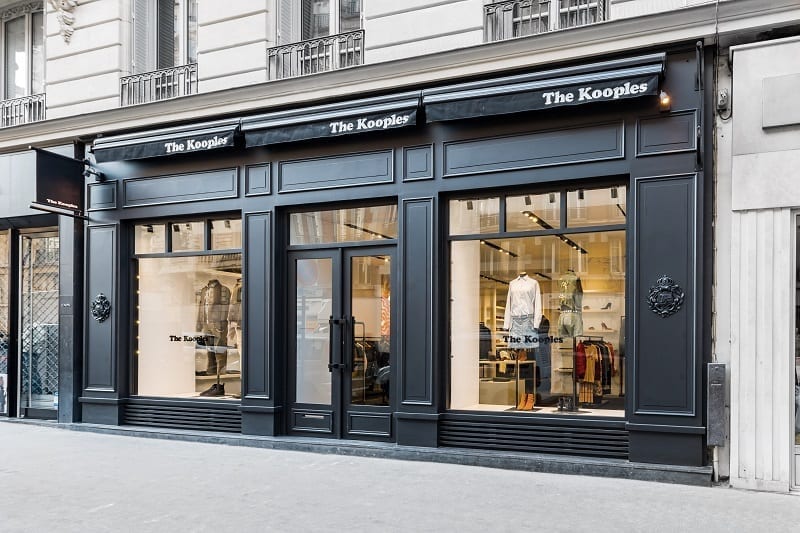
    The Kooples, a popular accessible-luxury fashion brand from Paris for men and women,  to launch in Hong Kong, Macau and Mainland China, with exclusive partnership with Swire Resources.

    Founded by brothers Alexandre, Laurent and Raphaël Elicha in 2008, The Kooples is an international brand with more than 400 stores in 36 countries.

    French accessible luxury brand The Kooples to launch in Hong Kong cover

    Perfecting French street-chic styling by combining precision cuts, attention to details and precious fabrics — and famed for its unique concept of a gender-fluid aesthetic so guys and gals can borrow each other’s style — the Parisian label is inspired by love, couples, rock’n’roll spirit and tailoring know-how.

    The first Kooples’ flagship store under Swire will open in mid-November 2017 at Pacific Place, one of Hong Kong’s most iconic shopping malls.

    As the exclusive regional distributor for the brand, Swire Resources is instrumental to The Kooples’ global expansion strategy, particularly in gaining a foothold in the fast-growing Greater China market, where consumers have an increasing appetite for international accessible-luxury and affordable-lifestyle brands.

    “We are excited to welcome The Kooples into the Swire Resources’ diverse portfolio of brands,” says Richard Sell, Director of Trading and Industrial at Swire Pacific, the parent company of Swire Resources.

    “We see huge potential for this self-styled, spirited, exciting brand on the back of the impressive growth it’s achieved in the accessible-luxury segment since its inception in Paris less than a decade ago. With Swire’s experience and expertise in brand building, retail and distribution of consumer brands, we are confident in strongly contributing to The Kooples’ success in Hong Kong, Macau and Mainland China,” he added.

    “After expanding in the US, the Middle East and Korea, we are thrilled to open our first flagship store in Hong Kong with new partner Swire Resources” says Emmanuel Stern, CEO and Co-founder of The Kooples. “The Kooples is a family affair and we are excited to welcome Swire Resources as the newest addition to the family.”

    Adds Laetitia Mergui, CEO Asia of The Kooples: “The Kooples’s Greater China launch has been long awaited. We cannot wait to meet our first customers in Hong Kong in November 2017 and in Mainland China in 2018.”

  • The Hong Kong shopping experience is never the same anymore

    The Hong Kong shopping experience is never the same anymore

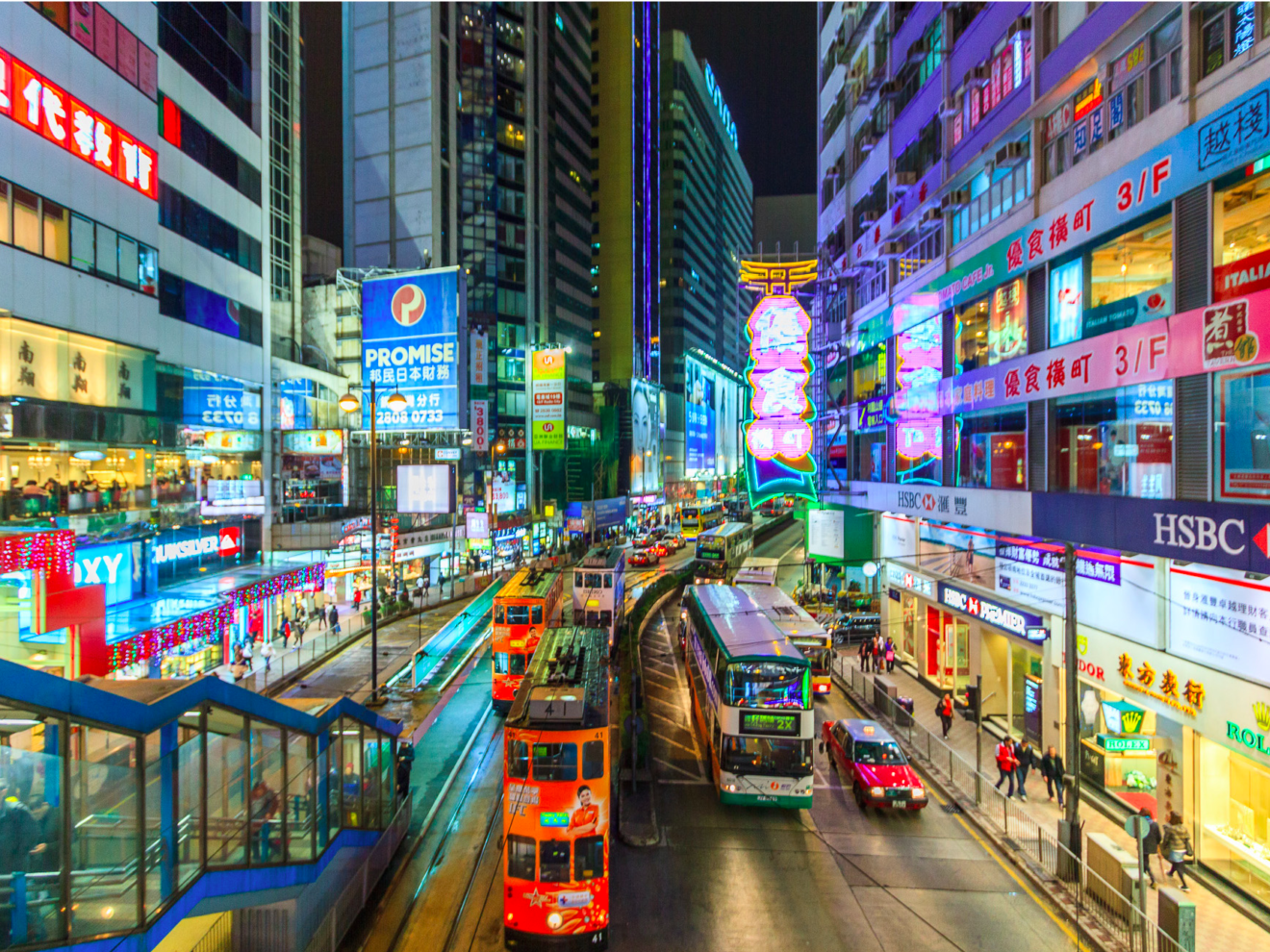
    To gauge how much the Hong Kong shopping experience is changing, take a walk through Pacific Place mall.

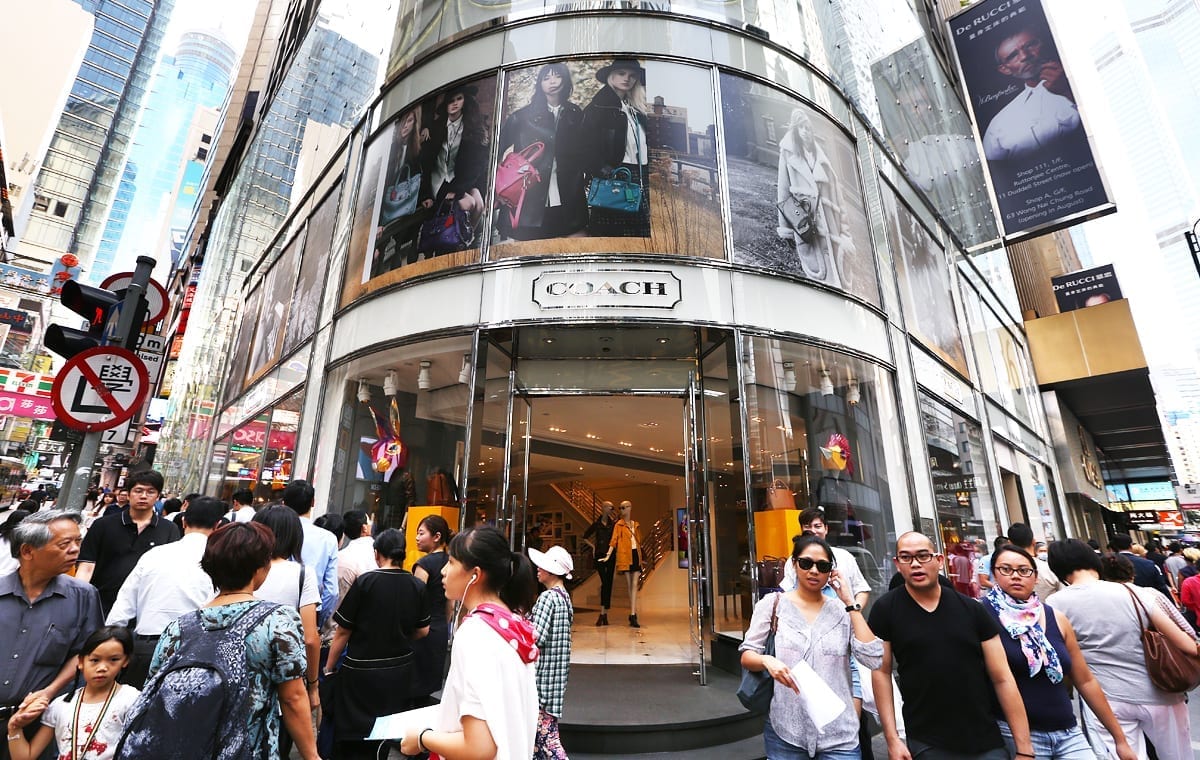
    Burberry Group Plc has shrunk its store and the space now also houses a Pure yoga studio and juice bar. Coach Inc. has been replaced by a tea company. Some of Louis Vuitton’s space has given way to a Southern California-style bar and restaurant.

    Gone are the days when Chinese would queue up to get inside Prada, Gucci and Tiffany, and leave laden with luxury handbags and watches.

    The wealthiest now travel further afield, and even those who visit Hong Kong are cutting back. Average spending per overnight visitor, of whom three quarters come from China, dropped 8.8 percent in the island city in 2016.

    Luxury goods have been the hardest hit, with August 2017 sales less than a third of their April peak in 2013 before China cracked down on conspicuous consumption.

    Buying habits of Chinese shoppers have also evolved, as they have become more comfortable buying luxury brands at home, or online, and have become more price sensitive when shopping abroad. This is having an impact on the $390 billion global luxury goods market and nowhere is it being felt more than at Hong Kong’s malls.

    Since the downturn, Pacific Place owner Swire Properties Ltd. has refreshed its tenant mix to cater to changing spending habits and woo new visitors. It has signed 30 new tenants and doubled the number of food and beverage outlets in the past 18 months.

    Other landlords, including Wharf Holdings Ltd. and Hysan Development Co., are also including more lifestyle and food outlets.

    Still, as visitor arrivals and retail sales start to rebound, there’s limited upside for Hong Kong’s landlords, said Patrick Wong, Bloomberg Intelligence property analyst in Hong Kong. “Receipts might be stable and resilient, but if things turn better, they may not be able to capture the growth there,” he said.

    For mall owners, broadening their mix of tenants is helping blunt the negative impact of lower retail sales, although a return to the heady times looks unlikely.

    No matter how many cups of cold brew Starbucks sells, or shoes Nike flogs, they won’t be enough to offset the drop in sales of $10,000 handbags and glittering diamond necklaces. Landlords earn less through the portion of receipts tenants must share with them, and they’ve had to drop base rents for new tenants as well.

    In the first half, retail revenue for Swire dropped 0.2 percent and Hysan’s fell 0.1 percent, said Wong. Meanwhile Wharf, Hong Kong’s biggest retail landlord, saw sales growth of three percent because its mammoth Harbour City mall is less reliant on luxury sales.

    Swire says things would have been worse if it had left things as they were. “The revamp of our tenant mix has put us in a strong position for 2017, especially with sales at our mall improving since mid-2016, even amidst a very challenging retail market,” Fiona Shiu, general manager of Pacific Place said in an email.

    Pacific Place mall has posted sales growth in the first two quarters of 2017. Traffic has been encouraging, with increased car park use, it said. “We are confident that this positive trend will continue,” said Shiu.

    While Burberry, Diane von Furstenburg Studio LP and LVMH Moet Hennessy Louis Vuitton have decreased the size of their stores in Pacific Place, they aren’t pulling out altogether. Coach, which no longer has an outlet in the mall, said it is investing to renovate its Hong Kong locations and remains committed to the market.

    “It’s a cycle, luxury brands won’t abandon Hong Kong, they will reduce the number of their stores,” said Nicholas Bradstreet, a managing director at Savills Plc in Hong Kong. “Hong Kong has always been very resilient, but there is a caveat, it is not going to bounce back to the heyday of 2013.”

    In 2016, the average Chinese tourist traveling overseas spent about 17 percent less on shopping, but more on leisure and entertainment, according to the consultancy Oliver Wyman.

    Hong Kong isn’t the only Asian city where things are evolving. Mall operators in Singapore have turned to unique lifestyle or dining concepts to stand out in a competitive landscape.

    The proportion of food and beverage tenants in Singapore malls has doubled to 40 percent in the last 10 years, according to Desmond Sim, head of research for Singapore and Southeast Asia at real-estate services firm CBRE Ltd.

    Burberry has renegotiated leases and is keeping a tight control on all operating expenses, the company’s then chief executive officer Christopher Bailey said in November 2016.

    For Pure, whose owners are said to be seeking to sell a controlling stake in the gym chain, the new high-profile location in Hong Kong is a bonus.

    “Having Pure Yoga Pacific Place in the prime space of Hong Kong’s premium lifestyle and shopping destination, alongside luxury brands such as Prada, Hermes and Louis Vuitton, is testament to the increased significance of health and wellness in the city,” the company said.
  • Singles’ Day trumps Black Friday and Cyber Monday combined

    Singles’ Day trumps Black Friday and Cyber Monday combined

    Alibaba, the Chinese e-commerce giant, said on 11 November 2017 its Singles’ Day sales extravaganza hit $25.4 billion, smashing its own record from last year and cementing it as the world’s biggest shopping event.

    Once a celebration for China’s lonely hearts, Singles’ Day has become an annual 24-hour buying frenzy that exceeds the combined sales for Black Friday and Cyber Monday in the United States, and acts as a barometer for China’s consumers.

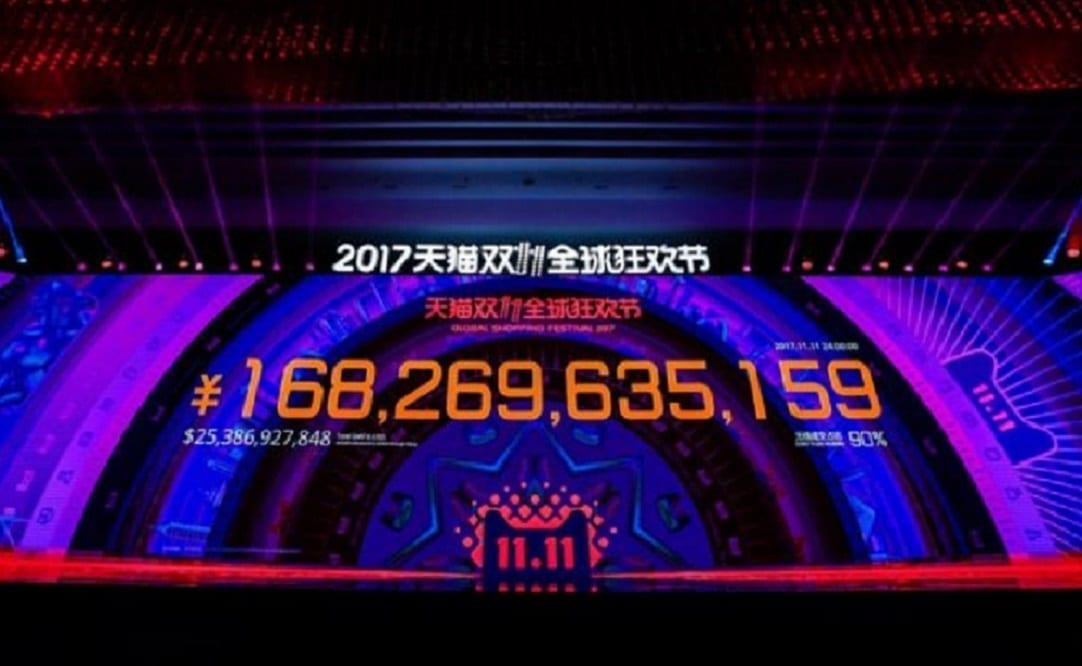
    As tills shut midnight on Saturday, Alibaba’s live sales ticker registered 168.3 billion yuan, up 39 percent from 120.7 billion yuan in 2016. The dollar figure was up more steeply due to the strength of the yuan against the greenback in 2017.

    The event began soon after a star-studded event in Shanghai late on 10 November 2017. As midnight hit, a deluge of pre-orders helped drive a billion dollars of sales on Alibaba’s platforms in the first two minutes and $10 billion in just over an hour.

    “In terms of scale it just dwarfs any other event out there,” said

    Ben Cavender, Shanghai-based principal at China Market Research Group.

    At just past the halfway mark, the headline gross merchandise volume swept past last year’s dollar total just shy of $18 billion. Shortly afterward, sales surpassed the 2016 total in the local currency.

    The event gets shoppers around China scouting for bargains and loading up their online shopping carts, while delivery men – and robots – brace for an estimated 1.5 billion parcels expected over the next six days.

    “This is a big event for China, for the Chinese economy,” Joseph Tsai, Alibaba’s co-founder and vice chairman, said. “On Singles Day, shopping is a sport, it’s entertainment.”

    Tsai said rising disposable incomes of China’s “over 300 million middle-class consumers” was helping drive the company’s online sales — and would continue. “This powerful group is propelling the consumption of China,” he said.

    The final total — more than the GDP of Iceland or Cameroon — leaves other shopping days in the shade. Cyber Monday in the United States saw $3.45 billion in online sales last year.

    Investors closely watch the headline number, though some analysts say the way it is calculated is too opaque. The U.S. Securities and Exchange Commission launched a probe into Alibaba‘s accounting practices in 2016, including into its Singles’ Day data. That investigation is as yet unresolved.

    Last year, the sales number rose by nearly a third at the eighth iteration of the event – though that was slower than the 60 percent increase logged in 2015.

    Slower growth?

    At Alibaba’s Friday night gala on 10 November 2017, the company’s co-founder and chairman, Jack Ma, hosted guests including the actress Nicole Kidman, singer Pharrell Williams and Chinese musicians and film stars such as Zhang Ziyi and Fan Bingbing.

    Singles' Day trumps Black Friday and Cyber Monday combined 5

    The excitement around the shopping blitz, however, masks the challenges facing China’s online retailers such as Alibaba and JD.com Inc., which are having to spend more to compete for shoppers in a broader economy where growth is slowing.

    “A lot of the lower hanging fruit has been picked and there’s increased competition for a share of consumer spending,” said Matthew Crabbe, Asia Pacific research director at Mintel. The sale did though beat his forecast of 20 percent growth.

    Online retailers were being forced to push offline as well as overseas to attract new shoppers, and the overall online retail market was close to “saturation,” raising questions about whether current rapid growth could be sustained.

    “They’re having to spill over out of the purely online realm into the wider consumer market,” Crabbe said.

    This has sparked deals to buy bricks-and-mortar stores in China, and overseas tie-ups, especially in Southeast Asia. Technology, too, has been key, with virtual reality dressing rooms and live fashion shows to attract shoppers.

    Alibaba also said it had turned 100,000 physical shops around China into “smart stores” for this year’s event. Goods perused by people at the stores, but then bought and paid for on Alibaba’s platforms, were added towards the sales total.

    China Market Research Group’s Cavender said brands were also increasingly making smaller price cuts to avoid “margins getting killed,” and were often asking for deposits in advance. In previous years, prices were often halved.

    Fu Wenyue, a 23-year-old dresser in Shanghai, said offers this year were smaller but more “personalized” as brands used big data to hone their targets. Fu spent 4,000 yuan on clothes, cosmetics and kitchen utensils in pre-event sales, and kept shopping on the day.

    “In actual fact, I think I spent even more than I did last year,” she said.

  • Korean department store sales lift on strong e-commerce

    Korean department store sales lift on strong e-commerce

    South Korea department store retail sales recorded an increase in September 2017 on the back of strong online sales, a government report showed.

    The Asian nation’s major retailers registered an increase of 8.4 percent in September from a year earlier, according to the Ministry of Trade, Industry and Energy.

    The figure was based on a revenue survey taken across 13 physical and 13 online retailers.

    Online sales surged 22.8 percent, the biggest gainer by retail category, while offline sales rose 2.6 percent last month, in comparison.

    Direct sales by online retailers skyrocketed 46.2 percent, with sales by online brokers lifting 14.7 percent, said the report.

    In the physical retail environment, sales by department stores increased 4.9 percent, with those by convenient stores gaining 12.1 percent. The latter saw double-digit expansion on strong demand for food and beverage items, including imported beer and convenience food. Meanwhile, the number of convenient stores jumped 14.7 percent in South Korea last month.

    The only negative segment was in sales recorded at major discount outlets, which dropped 4.9 percent in September, said the ministry.

    Convenient store sales saw discount outlet sales retreated on weak demand for miscellaneous items and housewares.

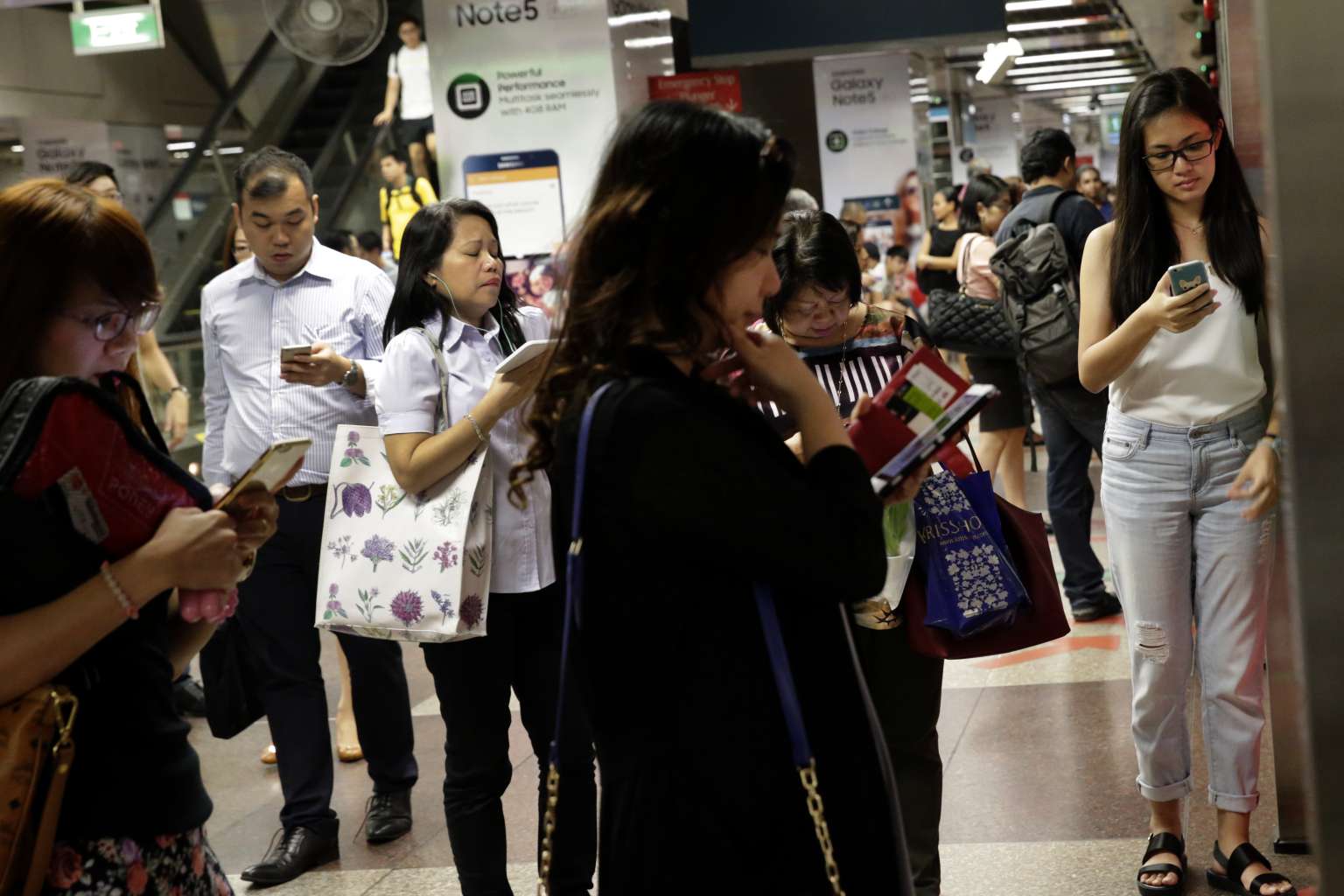
    Online continues to dominant in Korea. According to a recent Ipsos survey of 18,180 consumers in 23 countries, South Korea is a leading market for mobile payment services, as many of the nation’s tech-savvy consumers are turning to their smartphones to make purchases.

    According to a tally by the Bank of Korea, the daily average of mobile payments came to 1.26 million cases in the fourth quarter of 2016, nearly three times the 440,000 settlements posted three quarters earlier.

    The number of mobile payment service users in South Korea was estimated to have exceeded 32 million as of the end of last year.

    Approximately 7 in 10 South Koreans are known to own a smartphone, the fourth-highest smartphone penetration rate in the world.

  • E-mart opens 2nd store in Mongolia

    E-mart opens 2nd store in Mongolia

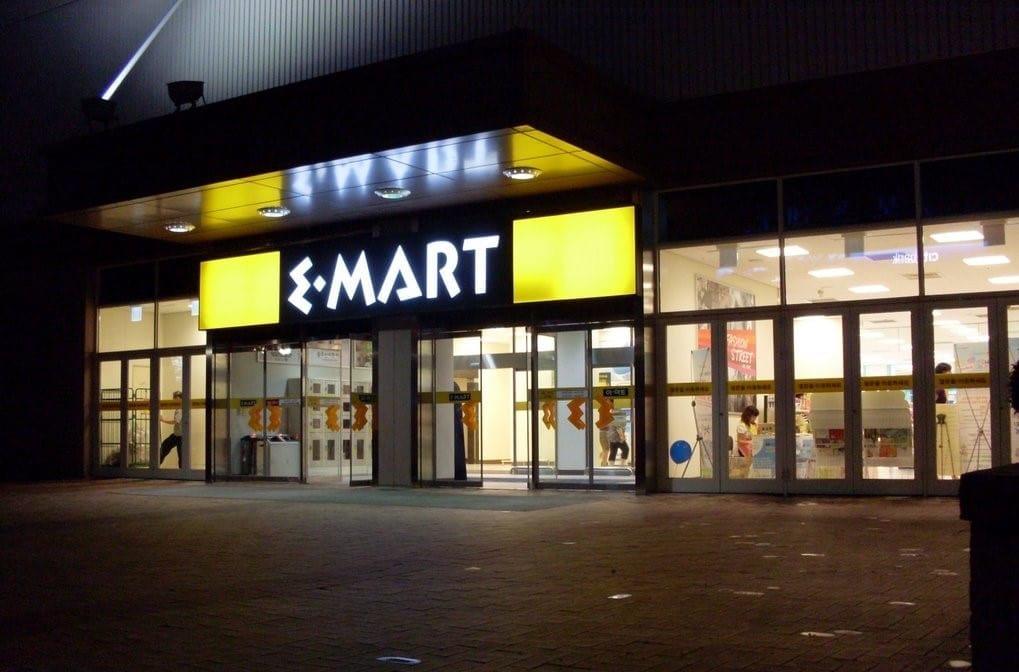
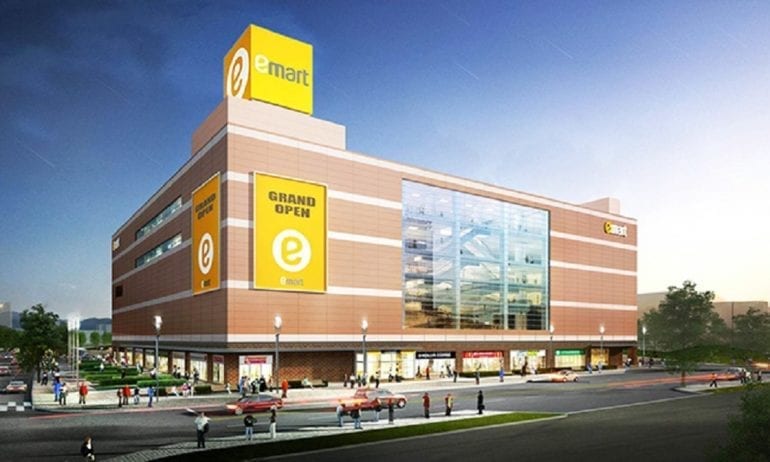
    Mongolia recently got its second E-mart, the discount chain of Korean retail giant Shinsegae.

    Unlike the first store, which has its own building, the second store is renting 5,000 square meters on the first and second floors of the Solo Mall in western Ulaanbaatar.

    The new store sells 12,000 types of goods, with Korean products accounting for 30 to 40 percent. Four out of 10 Korean products at the store are supplied by small and medium enterprises, according to E-mart.

    After signing a contract in July 2016 with Sky Trading, the local distribution unit of Mongolian retail giant Altai Group, E-mart entered the Mongolian market as a franchise receiving royalties for teaching the know how of running the stores.

    The first store posted 42 billion won (US$37 million) in sales IN 2016, 140 percent higher than expected. It chalked up 8.4 billion won from sales of Korean products.

    E-mart attributed the results to the good quality and fresh ingredients of Korean products, because most Mongolian consumers had been unable to buy such products before.

    “Among 20 supermarkets in Ulaanbaatar, E-mart is the only one that offers almost all kinds of products,” a company official said. “The store has attracted middle-class customers.”

    E-mart said it has sent Korean workers to the second store. They are attracting Mongolian customers with rice rolls, pork belly and chicken based on Korean recipes. The store also sells pizza, which has begun winning popularity among Mongolian consumers.

    The company said it also plans to sell sashimi for Mongolian customers who have not been able to taste fresh fish because of the country’s landlocked location.

  • Lotte Duty Free files complaint against airport

    Lotte Duty Free files complaint against airport

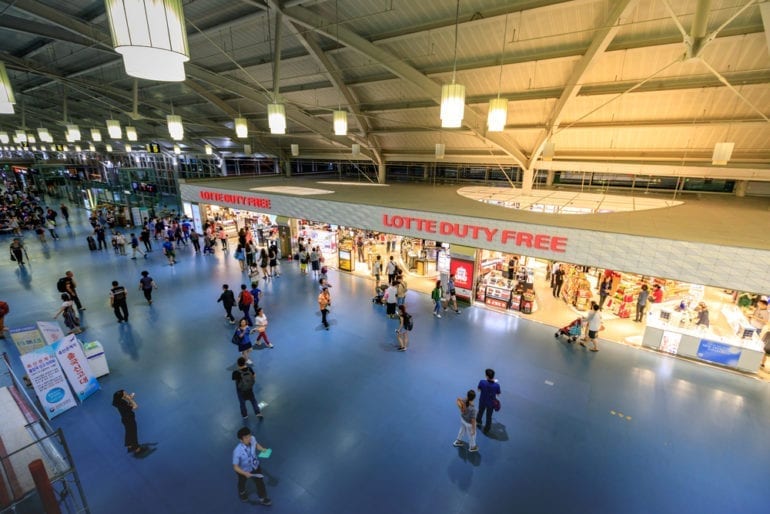
    Lotte Duty Free submitted a report to the Fair Trade Commission regarding its rent feud with Incheon International Airport, according to the leading duty-free operator.

    Korea’s largest duty-free operator and airport have gone through four unsuccessful discussions on the matter since mid-September, but this is the first time one of them has called in state officials.

    Lotte’s assertion is that Incheon International Airport violated the Monopoly Regulation and Fair Trade Act by setting up contract conditions that were unfavorable to the duty-free operator. If the request goes through, the FTC will embark on an investigation of its own or set up a definite deadline for the two to reach an agreement.

    In 2015, the two signed a five-year rent contract for Lotte’s operation there worth 4.1 trillion won (US$3.68 billion). The deal ran from September 2015 to August 2020.

    The company pinpointed two terms in the contract that they thought were “unfair.” One is a clause that prohibited any adjustments to the rent or security deposit due to changing management conditions or a drop in sales.

    “In nature, duty free businesses are vulnerable to international affairs and government policy changes,” said Lotte Duty Free in a statement. “The clause ignores the industry’s particular characteristic and rules out any possibility of renegotiation from situations that may be prompted from this.”

    The second disputed term states that the operator cannot pull out of the deal before half of the contract period has passed. Even if Lotte requests a revocation after this halfway point, it has to continue operations for four months from the withdrawal date.

    After the fourth discussion ended fruitlessly, Lotte discussed the possibility of closing down its operation in Incheon International Airport, which takes up about half the space allocated to duty free stores and generates 60 percent of the airport’s entire rent earnings from duty free.

    The number of Chinese tourists in Korea plummeted since March after tensions rose over Korea’s deployment of a U.S.-led antimissile system. Lotte says this left a huge void of customers – the company used to generate 70 percent of its annual sales from Chinese consumers.

    Under the current contract, Lotte Duty Free can pay a designated portion of its operating sales as rent. But there is also a minimum amount that the operator has to pay even if the sales figure falls below that threshold.

    As Lotte’s sales are lower, the sales figure does not reach the minimum amount. Lotte says that it cannot afford to pay the minimum amount due to unfavorable market conditions.

    Its counterpart Incheon International Airport rebutted the claims and remains firm that it will not alter the original contract conditions. The airport said the contract with Lotte was based on a mutual agreement that the market situation may change in the future.

    “The contract was already screened by the FTC so we’re not expecting any problems based on relevant laws,” it said in a statement.

  • Charlotte Tilbury to launch in Asia in 2018

    Charlotte Tilbury to launch in Asia in 2018

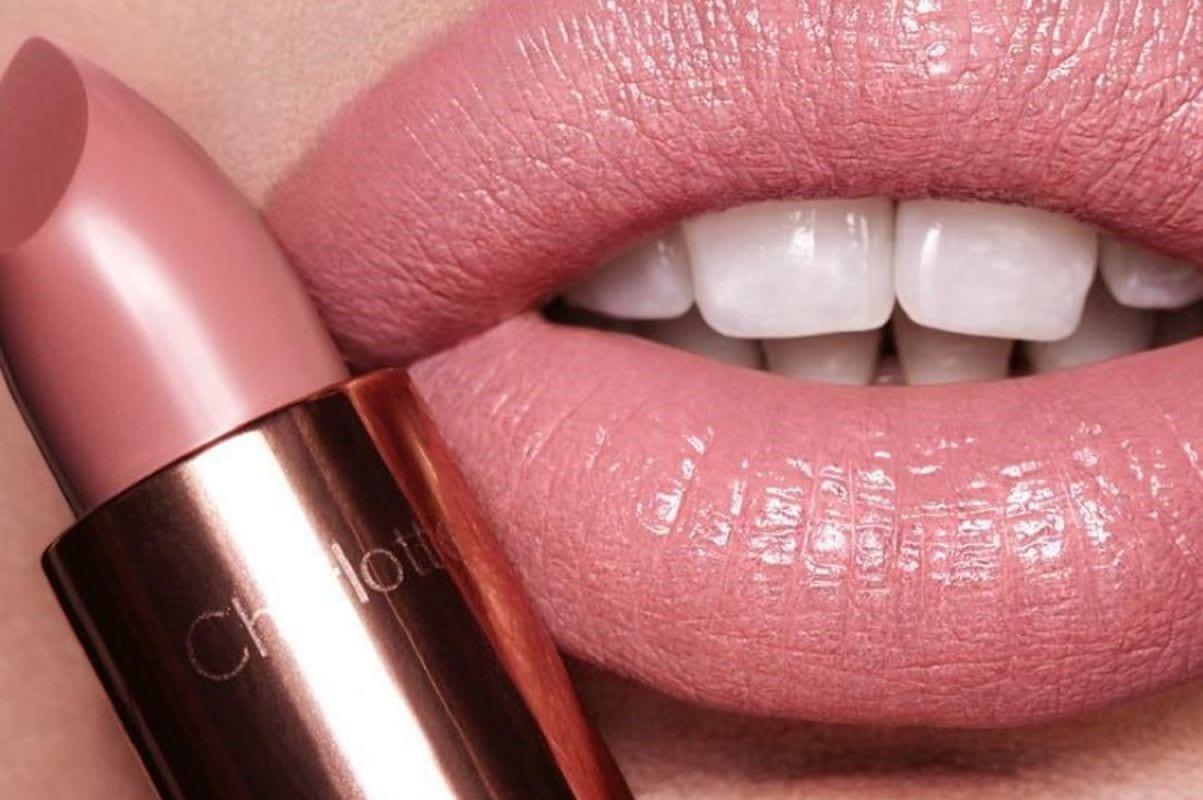
    Charlotte Tilbury, the world’s number one makeup artist, has announced her next momentous step to take her record breaking, award winning and best-selling makeup, skincare and scent collections to Asia.

    Hot on the heels of opening her first store outside of the U.K – a two-storey Beauty Wonderland in Kuwait, Charlotte will officially launch her Makeup Revolution in Asia in Summer 2018.

    Starting in Hong Kong at Lane Crawford, Charlotte plans to take her Makeup Revolution far and wide across Asia with further plans to be announced in the coming months.

    Charlotte Tilbury said: “I am SO excited to be officially launching my magic Makeup Revolution in Asia.
    There has been huge demand already from my loyal base of customers who have followed my brand from the start and I am so thrilled to finally be able to share all of my best-selling, award-winning makeup magic & red carpet ready skincare with all of the gorgeous, glamourous makeup mavens both visiting and living in Hong Kong.”

    Joanna Gunn, Chief Brand Officer, Lane Crawford, explained the choice of bringing Charlotte Tilbury and said: “The Lane Crawford beauty customer is constantly looking for newness so we are thrilled to collaborate with Charlotte Tilbury to exclusively launch the brand in Hong Kong, and we are very excited to bring the brand’s experience to our in store and online platform.”

    Charlotte Tilbury, with over 25 years at the forefront of the makeup industry working with the world’s A-list models, celebrities and designers, Charlotte has poured her best-kept secrets into an edited but ‘all you need’ skincare, makeup and scent collection.

    Charlotte Tilbury has revolutionised the face of the beauty industry by de-coding makeup application for every woman at every age with her easy-to-use, easy-to-choose, easy-to-gift range.

    The brand mission is to share the power of makeup, using Charlotte’s digital platforms and award-winning products, to show every woman how easy it is to look and feel like the most beautiful versions of themselves every single day.