Uber is on track for a 2019 public stock offering and the plan is not dependent on new funding from Japan’s SoftBank, the global ride-sharing giant’s CEO said Thursday.
Speaking at a New York Times conference, Dara Khosrowshahi said “2019 is the target” and that co-founder and former CEO Travis Kalanick and the rest of the board agree on the plan for an initial public offering.
“We have all the disadvantages of being a public company as far as the spotlight on us without any of the advantages of being a public company,” he said during an on-stage interview.
“So Travis and the whole board now agree we should just go public. The numbers support it, the systems support it and the fact is that if you set up the company in the right way and you are honest and plain spoken to your investors about being a long-term player … you will find that right set of shareholders who will support it.”
Khosrowshahi took the helm at Uber in August after it was rocked by a series of scandals and missteps, and pledged to change the culture which had sometimes been described as “toxic.”
He said an investment from Japanese tech giant SoftBank — a deal which has taken longer than expected to seal — remains in the works and is unrelated to the IPO plans.
“It hasn’t happened yet, but it will,” he said.
SoftBank, which has amassed a $100 billion fund for technology startups, is widely expected to become a major investor in Uber although the discussions have not yet produced an agreement.
Khosrowshahi said SoftBank has not made any demands about an IPO.
“If you talk to SoftBank they don’t have any particular interest in going public. They are the ultimate long-term investor,” he said.
The CEO said he sees Uber, which has lost vast amounts of money, still on a road to profitability in the long-term.
Uber still subsidizes rides in most areas to get footholds in markets, he said, while noting that “over a period of time we can pull back on the subsidies” and make a profit.
Another day, another time a takeaway-food giant goes and breaks our fried-chicken-loving hearts.
Le sigh.
This time, it’s KFC. While we know downing a large Popcorn chicken combo and a 10-pack of Wicked Wings may not be the best for our health (ugh), what this Melbourne man found in his KFC chicken of choice will FLOOR you.
As reported by Yahoo, 34-year-old Manny Estanislao was left shocked/horrified when he found maggots in KFC food he’d bought to cater a baby shower.
Mr Estanislao of Roxburgh Park, north of Melbourne, explains that everyone at the baby shower had been enjoying the KFC chicken when a little boy discovered not one, but THREE maggots in the last piece.
“Everyone was disgusted because we’d all eaten from the same chicken. We were all worried too,” Mr Estanislao told Channel 7, who he also sent a disturbing video of the creepy-crawlies in his food to.
Responding to the larvae-filled claims, KFC have stated that they don’t believe that the maggots were in the chicken at the restaurant “pre-purchase”.
“KFC works closely with leading Australian forensic entomologists to understand flies to ensure our restaurant cooking and food handling practices are robust so we can keep our food safe,” the statement began.
“We urge customers to take care when leaving food uncovered during the warmer months to prevent these instances from occurring. We would welcome the opportunity to speak directly to the customer. They can contact us via our website.”
No matter when/where the maggots originated, we’re still scratching our own skins at the thought of it…
AirAsia India is offering domestic flights at a starting base fare of Rs. 99. AirAsia India’s Rs. 99 fare excludes taxes and other charges, the airline said on its website – airasia.com. The offer of a starting fare of Rs. 99 is part of a limited-period promotional scheme which requires flyers to make advance bookings. Called ‘Big Sale’, the promotional scheme is valid on bookings for travel from May 7, 2018 to January 31, 2019, according to the AirAsia website. Bookings under the AirAsia Big Sale are open till November 19, 2017, it noted.
Here are 10 things to know about AirAsia’s Big Sale offer:
airasia big sale airasia website
(AirAsia said the ‘Big Sale’ is valid on bookings for travel from May 7, 2018 to January 31, 2019)
1. The fares offered under the Big Sale scheme are quoted for single journey (one-way) only, AirAsia said.
2. The fares offered under the Big Sale scheme are only available for online bookings at the airline’s website – www.airasia.com, it noted.
3. AirAsia India is offering all-inclusive fares starting at Rs. 403 under the Big Sale offer. A search on the AirAsia bookings portal showed tickets for flights from Bhubaneswar to Ranchi in mid-May next year were available for booking at Rs. 403. The ticket price of Rs. 403 included fares of Rs. 99, a surcharge of Rs. 52 and GST (Goods and Services Tax) of Rs. 8, according to the airline’s website.
airasia big sale airasia website
(Tickets priced at Rs. 403 include fares of Rs. 99, according to the AirAsia bookings portal)
4. Some other starting all-inclusive prices included flights from Ranchi to Bhubaneswar at Rs. 466; from Bhubaneswar to Kolkata at Rs. 507; from Ranchi to Kolkata at Rs. 571, and from Kochi to Bengaluru at Rs. 764, according to the airline’s website. Some other flight tickets offered just above Rs. 1,000 include Kolkata-Ranchi (Rs. 1,001), Kolkata-Bhubaneswar (Rs. 1,001), Goa-Bengaluru (Rs. 1,087), Guwahati-Imphal (Rs. 1,096) and Hyderabad-Bengaluru (Rs. 1,061).
5. The fare includes airport taxes (except for selected airports where airport tax is collected at the point of departure), AirAsia said. “A non-refundable processing fee is applicable for payments via credit, debit or charge card,” AirAsia added.
6. Without divulging the number of seats offered under the Big Sale offer, AirAsia said: “Seats are limited and may not be available on all flights.”
7. AirAsia further said the offer was valid for new purchases only and fares are not available during embargo period.
8. “All taxes must be paid at the time of purchase unless otherwise stated,” AirAsia said. “Full payment shall be made upon booking,” it added.
9. The airline also said the offer is subject to availability “and AirAsia’s Terms and Conditions of Carriage”. Under the Big Sale scheme, AirAsia said, no refunds are permitted after a payment has been made.
10. Change of flight dates will be chargeable. “Changes to flights and dates are permitted subject to change fees… Changes to name are not permitted,” AirAsia India said.
Vietnamese lawmakers have approved a 7 percent pay rise for workers in the public sector, an area critics say is prone to corruption due to low official salaries.
The basic wage in the sector will be raised to VND1.39 million ($61.20) a month from July next year from the current VND1.3 million.
In Vietnam, the minimum monthly pay for civil servants and public employees is calculated by multiplying the basic wage with a coefficient determined by qualifications and experience. The coefficient for a new subdistrict-level civil servant with a bachelor’s degree, for example, is 2.34.
Vietnam’s government has 2.8 million people on its payroll, according to local media.
Many in the public sector have been complaining for years that their earnings are too low. In May last year, Vietnam raised the minimum wage in the sector by 5 percent, the first hike in three years. It received another 7.4 percent bump last July.
Economists have blamed low wages in the sector for increasing levels of corruption.
At a conference last year, experts also said the current wages for many officials only cover 60 percent of basic living costs at best, but most still manage to afford nice houses and cars.
Founder and CEO of Facebook Mark Zuckerberg is expected to arrive in Vietnam on Saturday.
Zuckerberg is scheduled to visit world heritage site Ha Long Bay in northern Vietnam and take a seaplane tour around the bay on Saturday morning.
This will be his second visit to Vietnam after his first trip in 2011, when he toured the country with his then-girlfriend-now-wife Priscilla Chan for a Christmas vacation.
On this visit, the world’s fifth richest person according to Forbes magazine, will be accompanied by colleagues.
In March, Vu Tien Loc, chairman of the Vietnam Chamber of Commerce and Industry (VCCI), said Vietnam had invited Facebook leaders, including Zuckerberg, to attend the Asia Pacific Economic Cooperation (APEC) Summit that concludes Saturday in the central city of Da Nang.
“We want Facebook leaders to join hands with Vietnam to support startups, and we hope Zuckerberg will accept the invitation,” he said.
Facebook COO Sheryl Sandberg has been in Da Nang since Wednesday and delivered a speech at the APEC CEO Summit on Friday morning.
She is scheduled to appear on a talk show to discuss equality in the workplace on Sunday in Hanoi.
Vietnam is in the top 10 countries for Facebook users, and Google’s YouTube is also a popular platform.
Last week, a draft law on internet security that would require foreign companies such as Google and Facebook to have offices and servers in Vietnam was met with strong opposition from experts and industry insiders.
The VCCI said it went against commitments that Vietnam signed up to when it joined the World Trade Organization (WTO) and the EU-Vietnam Free Trade Agreement (EVFTA), as well as the Trans-Pacific Partnership Agreement (TPP).
Insiders said if the bill is passed, Google, Facebook, Skype and Viber would have to invest in giant servers in Vietnam to legally operate in the country.
In that case, local internet providers said there is a high possibility that they would drop out of the Vietnamese market.
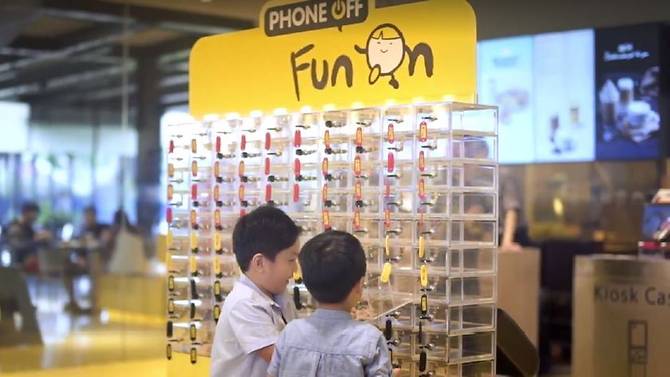
McDonald’s has introduced mobile phone lockers and table service at its flagship Marine Cove outlet in Singapore to help families rediscover quality time together, the fast-food chain said.
The mobile phone locker, the first-of-its-kind in Singapore, encourages parents and children to put their devices away safely and focus on family bonding, it said.
“As a popular restaurant destination for families, we have observed that the use of mobile devices during meal times may sometimes get in the way of family bonding,” said director of brand communications and customer care Linda Ming.
A survey of 302 parents conducted by McDonald’s last month found that 98 per cent of parents and 91 per cent of kids use their mobile devices whenever they are together, with more than two-thirds of respondents using their smartphones during mealtimes.
This is despite most of the parents in the survey saying that the use of mobile devices had decreased their interaction with their loved ones, and that they would like to be more disciplined in staying away from digital distractions during family time, McDonald’s said.
To allow parents to spend more time tending to their children, the fast-food chain is also piloting table service at its Marine Cove outlet, led by “guest experience leaders” whose main role is to engage with families.
Customers can select the table service feature when placing an order at the self-ordering kiosk, it said.
Responding to queries from Channel NewsAsia, McDonald’s said there is no extra charge for customers who use the table service feature, and that the service is open to everyone, not just families or parents.
“We have introduced the service in our Marine Cove flagship restaurant as well as selected restaurants, and have received positive feedback especially from families so far.”
McDonald’s added that mobile phone lockers would be locked with physical keys. To make sure that customers do not forget to retrieve their phones, staff members will remind them about their phones before they leave the restaurant.
The fast food restaurant chain will be “actively gathering feedback” from customers about the new initiatives, to decide on whether to expand them to other restaurants.
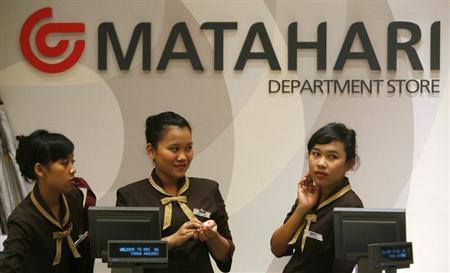
Matahari Department Store, Indonesia’s largest department store retailer of fashion, beauty and home products, received bronze medals in the 2017 Retail Asia Pacific Top 500 Award in the categories of top department store retailers and top three retailers in Indonesia, in an event held at Westin Hotel Kuala Lumpur on Tuesday (24/10).
According to an official statement we received on Friday, the awards were presented to outstanding retailers from major countries across the Asia Pacific, including Australia, Hong Kong, Indonesia, Malaysia, the Philippines, South Korea, Thailand, China, India, Japan, New Zealand, Singapore, Taiwan and Vietnam.
Retail Asia, auditing firm KPMG and Euromonitor International ranked retailers across 14 countries according to performance and categorized by outlet types. Matahari is included in the department store category.
Matahari won the award for its ability to adapt to changing habits of customer who rely more on online shopping in the digital era.
The retailer recently announced a partnership with Walt Disney Company to increase the number of visitors coming to its chain of stores.
Matahari currently operates 155 outlets across the country, and plans to open three new stores by the end of the year.
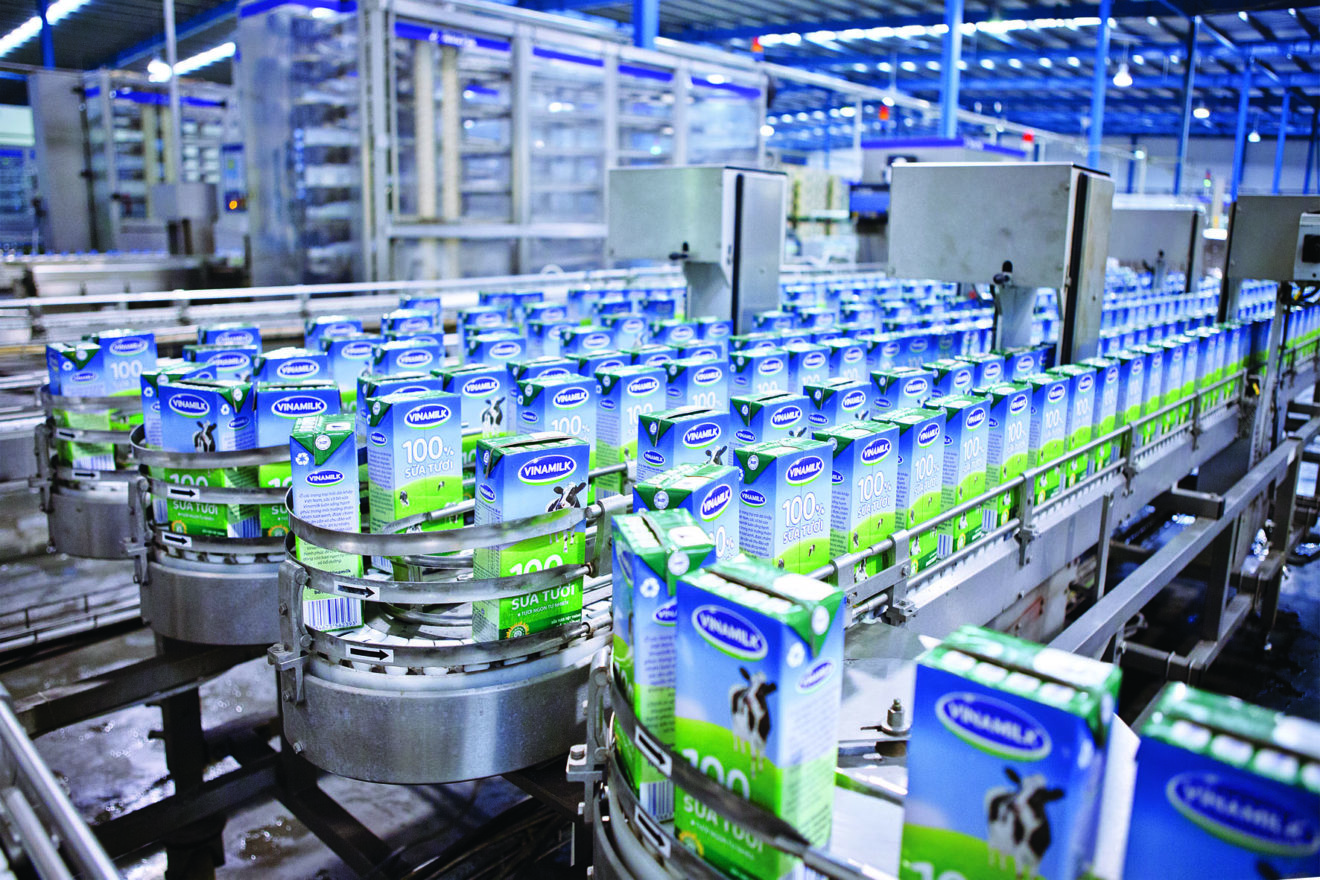
Vietnamese dairy giant Vinamilk sold a 3.33 percent to an unnamed foreign investor for VND8.99 trillion ($396 million) on Friday.
The investor bought the 48.3 million shares on offer for VND186,000 ($8.20) apiece, 24 percent higher than the asking price.
The share sale, which attracted 19 investors including six foreign firms, reduced the state ownership in Vinamilk, Vietnam’s biggest listed firm, to 36 percent, still enough to retain veto rights.
Vietnam’s State Capital Investment Corporation had forecast the sale would fetch VND6.5 trillion to VND7 trillion ($286.3 million to $308.4 million).
In December, the state investor put on offer a 9 percent stake in Vinamilk, but was only able to offload 5.4 percent to two investors – both units of existing shareholder Fraser and Neave Ltd.
Investors looking to gain a degree of control over Vinamilk were deterred by the size of the stake on offer. The government had initially planned to sell its entire 44.7 percent stake.
The government is trying to divest from hundreds of state-owned enterprises, including brewers Hanoi Beer Alcohol and Beverage JSC (Habeco) and Saigon Beer Alcohol Beverage Corp (Sabeco) in which it owns a combined $7.8 billion worth of shares by market value.
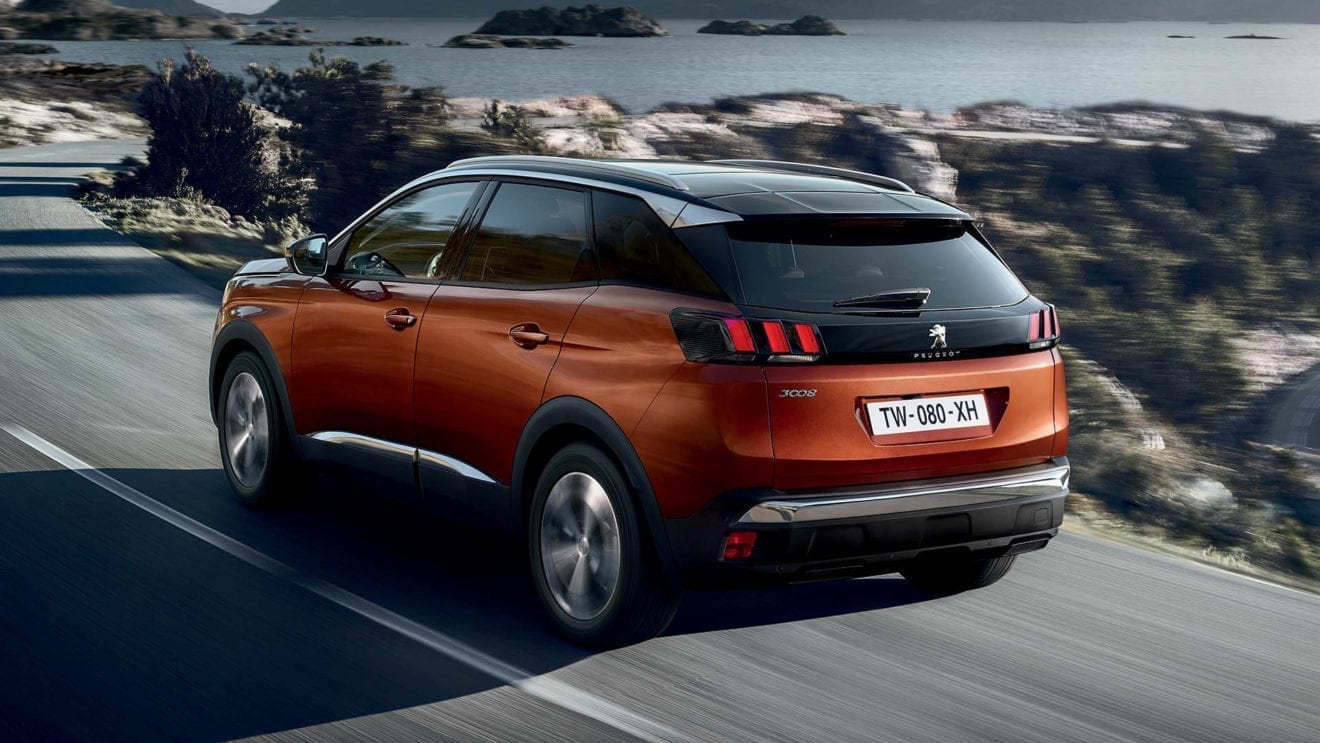
Peugeot maker PSA Group signed a joint venture agreement with three Algerian partners on Sunday to build cars in the North African country.
The French carmaker said it would invest around 100 million euros ($117 million), equalling 49 pct of the joint venture’s capital.
The joint venture will set up a plant in the western Algerian city of Oran, where French automaker Renault opened a plant in 2014.
The Algerian partners are Condor Electronics, Palpa Pro and Entreprise Nationale de Production de Machines-Outils (PMO), PSA said in a statement.
The plant will start some production next year and be fully operational in 2019, PSA said.
The agreement was signed in Algiers as part of the France-Algeria joint economic committee (COMEFA), in the presence of French Foreign Minister Jean-Yves Le Drian and French Economy, Finance and Industry Minister Bruno Le Maire.
They said France was seeking to boost investment in its former colony after losing ground to countries including China, Turkey and Italy.
French firms including Renault, Alstom, and Sanofi were expected to sign deals in Algeria in the near future, Le Maire said.
Algerian ministers present at the signing also said they hoped France would boost its investment in the North African country.
“We need to point out the weakness of the partnership in our economic relations, including FDI (foreign direct investment),” Algerian Foreign Minister Abdelkader Messahel said.
The agreement will enable PSA to achieve its goal of selling 700,000 vehicles in the Middle East and Africa region by 2021, PSA Executive Vice President, Africa-Middle East, Jean-Christophe Quemard said in the statement.
Groupe PSA said it sold 383,504 vehicles in the region in 2016.
It is always tricky for multinationals to pick a name that sounds right to Chinese ears, but few went as wrong as McDonald’s latest business tweak.
When the news broke last week that the American fast-food giant had changed its business name in China, ditching the previous Maidanglao – a transliteration of the company’s English name – in favour of Jingongmen, which roughly translates as “Golden Arches,” Chinese social media gorged itself with amusement.
“[The new name] sounds like a furniture store. Are you sure the food is edible?” one wrote, while another observed “even Ronald McDonald cannot stand the new name”, referring to a widely circulated image of the clown mascot on the phone, saying: “Boss, I have to quit. The new name is unbearable.”
Construction on mainland China’s first McDonald’s in Shenzhen takes place in 1990.
McDonald’s responded online, reassuring its customers that no one would dine at restaurants carrying the Jingongmen label and the change was for official paperwork only. It is unclear whether McDonald’s will manage to shake off this PR disaster, but even if it does, there are worries the American food giant cannot escape the fate of being downgraded.
“McDonald’s and KFC do not command the brand power they used to in the 1990s,” Jeffrey Towson, a business professor at Peking University in Beijing, said. “They are not viewed as upscale as they were in the 2000s.”
Once a tourism destination in China and a symbol of rapid modernisation, McDonald’s is now known as a low-end, cheap eat for many Chinese. Experts say this colossal change in attitude mirrors the rise of China, where local businesses have become increasingly competitive and Chinese customers no longer have to rely on Ronald McDonald to get a taste of America.
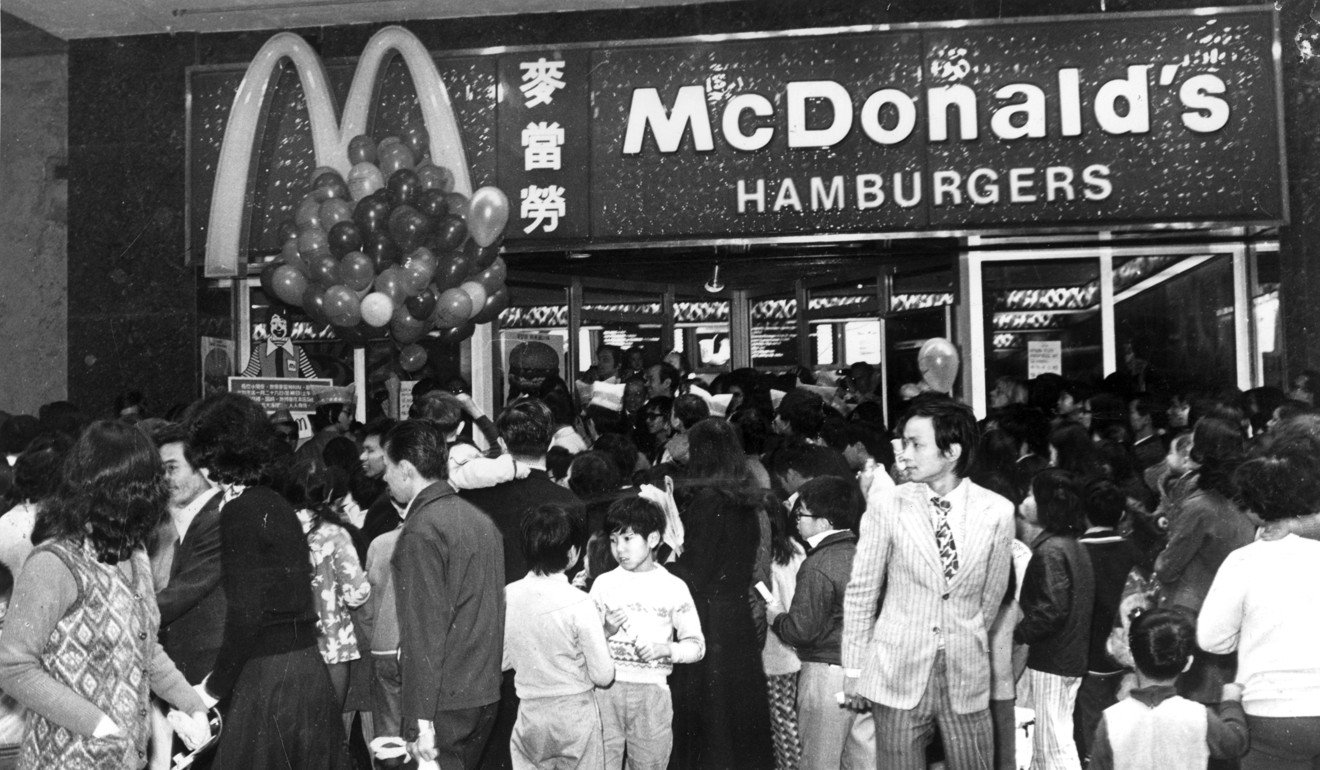
The first McDonald’s in Hong Kong opened in 1975 on Paterson Street in Causeway Bay.
Back in 1975, when McDonald’s opened its first store in Hong Kong, the popularity of McProducts in the then British colony created a phenomenon one local newspaper described as “Big Mac” fever. The fervour spread to Shenzhen, where McDonald’s made its debut in 1990. Media reports showed hundreds of Chinese queuing up outside McDonald’s first store on mainland China, and in the first three hours of its opening day, a week’s supply of products had sold out.
According to Yan Yunxiang, a professor at the University of California who studied the company’s operations in China in the 1990s, McDonald’s was so popular some parents thought the Big Mac contained a hidden ingredient luring their children to this exotic food.
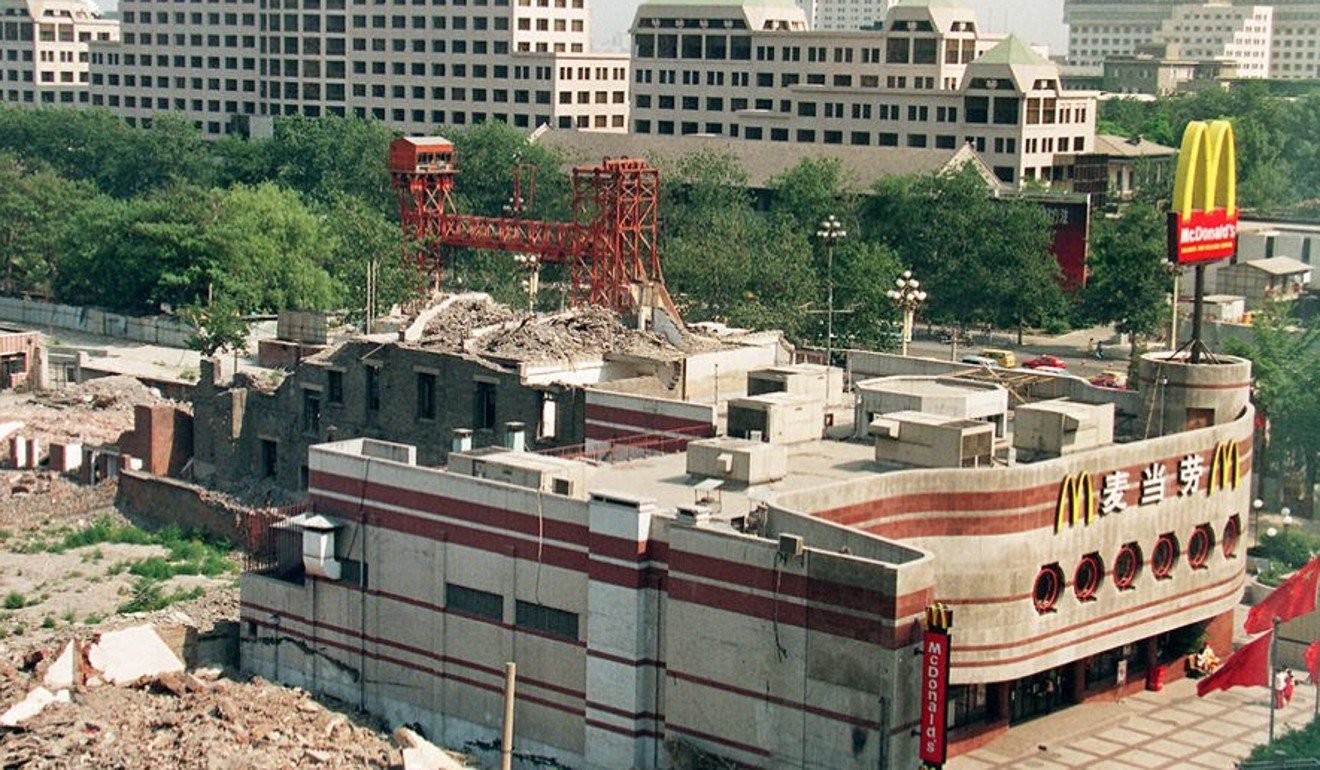
And it was not just the children who had an appetite for it. When the first McDonald’s outlet arrived in Beijing in 1992, 82-year-old Wang Yonglu was one of the first customers. Munching on a hamburger, Wang explained to the United Press International: “I am just a retired proletarian. What chance do I have to go to the United States? This way, I can spend only 10 yuan (US$1.75) to see what America is like.”
Beijing’s first McDonald’s opened in Wangfujing in 1992.
Fast forward to the 21st century, the landscape in China is somewhat different. In 2016 alone, roughly 122 million Chinese – equivalent to the population of France, Spain and Denmark combined – went abroad, according to Beijing-based think tank China Tourism Academy.
“McDonald’s has lost that position because Chinese consumers are getting more sophisticated,” Shaun Rein, managing director for Shanghai market consultancy CMR China, said. “If they want Western culture and Western food, they can go to America.”
Zhang Yue, a 34-year-old marketing specialist in Chongqing, knows this well. When McDonald’s entered her hometown in southwestern China in the early 2000s, Zhang happily stood in line as she loved its “spotless dining environment.”
But now, she rarely goes. “There are so many good restaurants out there.”
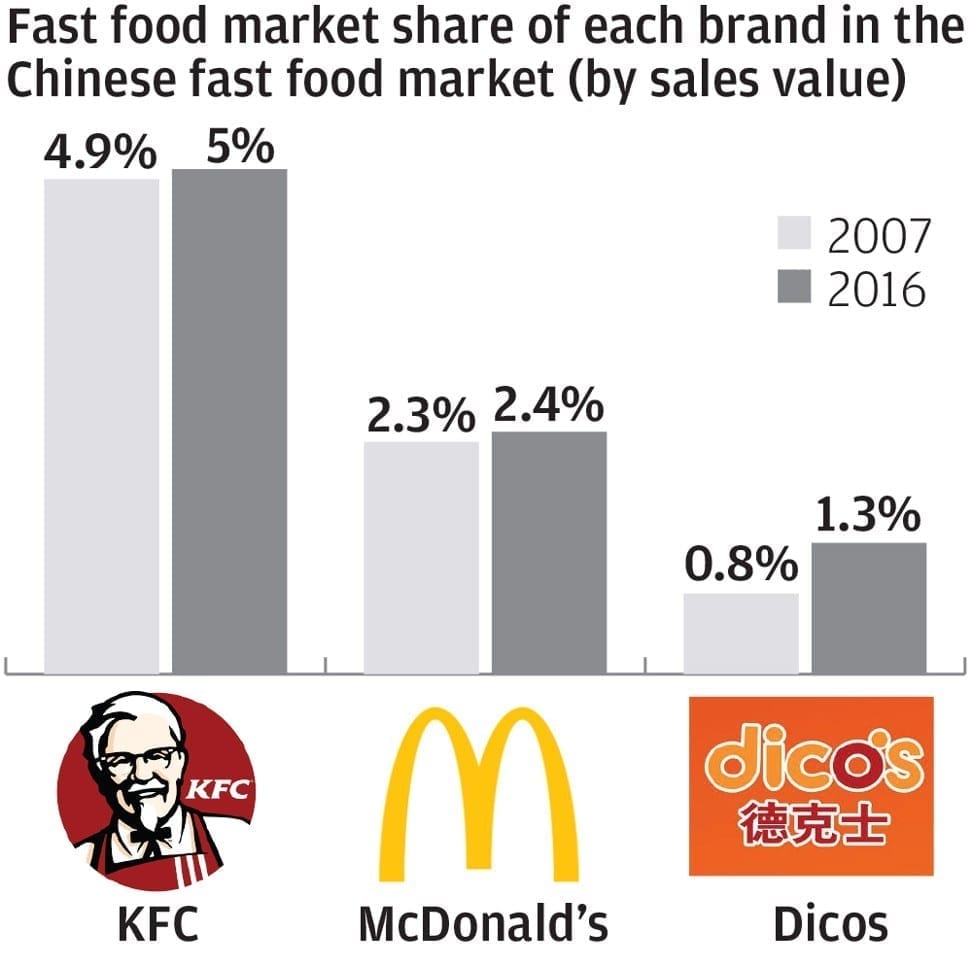
In recent years, a growing number of Western brands have flocked to China, hoping for a bite of the world’s biggest consumer market. Starbucks has opened 2,600 stores, and plans to add a coffee shop a day for the next five years. Meanwhile, home-grown food firms are catching up. Dicos, China’s third-largest fast food chain by retail value, has almost as many outlets as McDonald’s.
The boom of delivery businesses has made getting fed as simple as tapping a smartphone. Last year, at least 7.5 million hungry mouths a day were sated this way, according to a government report. That, in turn, has hampered the business for chains such as McDonald’s.
To lure in more diners, McDonald’s China has localised its menu. Currently, nNearly a quarter of items in its breakfast menu is Chinese food, including congee and soy milk.
To lure in more diners, McDonald’s China has localised its menu. Nearly a quarter of its breakfast menu is Chinese food, including congee and soy milk. Earlier this year, the American food chain also sold most of its business in China and Hong Kong to a Chinese consortium for more than US$2 billion. With the help of its new partner, McDonald’s said it will increase the number of Chinese outlets from 2,500 to 4,500 by 2022, with most of the new stores in smaller cities.
“When I studied McDonald’s in the early 1990s, I was told by management the strategy was to stick to the original American menu, not to apply McDonald’s franchise model in Beijing, and not to offer breakfast,” recalled Yan, the university professor. “It looks like the company has done everything now that it said it would not do in the early 1990s … either proactively to go [to] the next level or reactively to meet new challenges.”
The name tweak came after McDonald’s completed its China sale. A spokeswoman said it hasn’t affected the business in China and the company is happy Chinese diners no longer view it as an upscale brand. “After all, we never meant to be a five-star restaurant; McDonald’s is created to serve everyone,” she said.
China’s propaganda authority also had its say. The Beijing-based Guangming Daily, a newspaper backed by the Publicity Department of the Chinese Communist Party, wrote in a commentary last week: “Foreign brands have become ‘rustic’ [as] we Chinese have become more international.”
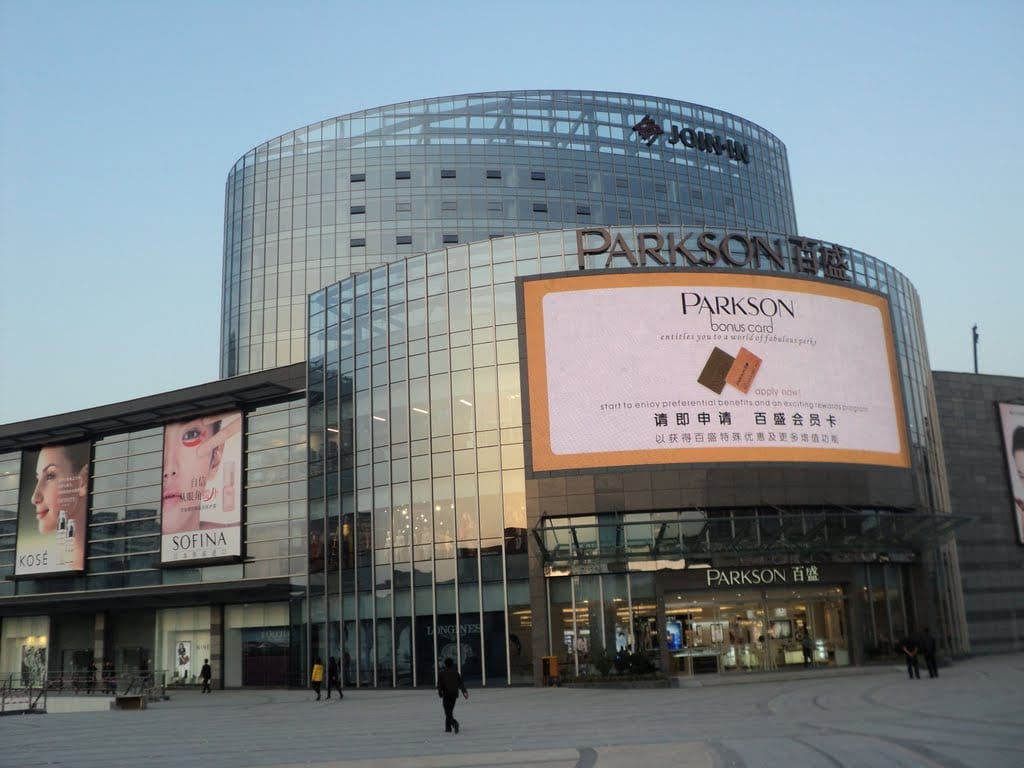
Parkson Retail Asia Limited (O9E.SI)’s moving averages reveal that the Tenkan line of the shares are below the Kijun-Sen line, indicating potential downward momentum building in the bearish chart. Parkson Retail Asia Limited moved -0.001 in the most recent session and touched 0.078 on a recent tick.
The Tenkan-Sen is generally used in combination with the Kijun-Sen to create predications of future momentum. A buy signal is created when the Tenkan-sen line moves above the Kijun-Sen, while a sell signal is created when the Tenkan-Sen line moves below the Kijun-Sen line.
Many technical traders use the Tenkan-Sen as a tool for predicting levels where the price of the asset will find short-term support.
When reading Ichimoku Kinko Hyo charts, investors should note that the Tenkan-Sen line leads the Kijun-Sen, and tracks price with more sensitivity because it covers a shorter period of time. When the Tenkan-Sen line crosses and moves above the Kijun-Sen line, this is generally considered a bullish signal. Alternatively, when the Tenkan-Sen line crosses below the Kijun-Sen line, it is considered a bearish signal.
The tenkan sen/kijun sen cross is one of the most traditional trading strategies within the Ichimoku Kinko Hyo system. The signal for this strategy is given when the tenkan sen crosses over the kijun sen. If the tenkan sen crosses above the kijun sen, then it is a bullish signal. Likewise, if the tenkan sen crosses below the kijun sen, then that is a bearish signal. Like all strategies within the Ichimoku system, the tenkan sen/kijun sen cross needs to be viewed in terms of the bigger Ichimoku picture before making any trading decisions, as this will give the strategy the best chances of success. In general, the tenkan sen/kijun sen strategy can be classified into three (3) major classifications: strong, neutral and weak.
Conducting further technical review, shares of Parkson Retail Asia Limited have a 200-day moving average of 0.10. The 50-day is 0.08, and the 7-day is sitting at 0.08. Using a wider time frame to assess the moving average such as the 200-day, may help block out the noise and chaos that is often caused by daily price fluctuations. In some cases, MA’s may be used as strong reference points for spotting support and resistance levels. Employing the use of the moving average for technical equity analysis is still highly popular among traders and investors. The moving average can be used as a reference point to assist with the discovery of buying and selling opportunities.
Investors have the ability to approach the stock market from various angles. This may include using technical analysis, fundamental analysis, or a combination or the two. Investors watching the technical levels may be trying to chart patterns and discover trends in stock price movement. Investors tracking the fundamentals may be looking closely at many different factors. They may be focused on industry performance, earnings estimates, dividend payouts, and other factors. They might also be studying how the company is run, and trying to figure out the true value of the firm. Keeping track of all the data may seem overwhelming, but it may help give a needed boost to the portfolio.
Parkson Retail Asia Limited’s Williams Percent Range or 14 day Williams %R currently sits at -100.00. The Williams %R oscillates in a range from 0 to -100. A reading between 0 and -20 would point to an overbought situation. A reading from -80 to -100 would signal an oversold situation. The Williams %R was developed by Larry Williams. This is a momentum indicator that is the inverse of the Fast Stochastic Oscillator.
Parkson Retail Asia Limited currently has a 14-day Commodity Channel Index (CCI) of -67.38. Active investors may choose to use this technical indicator as a stock evaluation tool. Used as a coincident indicator, the CCI reading above +100 would reflect strong price action which may signal an uptrend. On the flip side, a reading below -100 may signal a downtrend reflecting weak price action. Using the CCI as a leading indicator, technical analysts may use a +100 reading as an overbought signal and a -100 reading as an oversold indicator, suggesting a trend reversal.
Currently, the 14-day ADX for Parkson Retail Asia Limited is sitting at 26.66. Generally speaking, an ADX value from 0-25 would indicate an absent or weak trend. A value of 25-50 would support a strong trend. A value of 50-75 would identify a very strong trend, and a value of 75-100 would lead to an extremely strong trend. ADX is used to gauge trend strength but not trend direction. Traders often add the Plus Directional Indicator (+DI) and Minus Directional Indicator (-DI) to identify the direction of a trend.
The RSI, or Relative Strength Index, is a widely used technical momentum indicator that compares price movement over time. The RSI was created by J. Welles Wilder who was striving to measure whether or not a stock was overbought or oversold. The RSI may be useful for spotting abnormal price activity and volatility. The RSI oscillates on a scale from 0 to 100. The normal reading of a stock will fall in the range of 30 to 70. A reading over 70 would indicate that the stock is overbought, and possibly overvalued. A reading under 30 may indicate that the stock is oversold, and possibly undervalued. After a recent check, the 14-day RSI is currently at 42.31, the 7-day stands at 37.98, and the 3-day is sitting at 26.04.
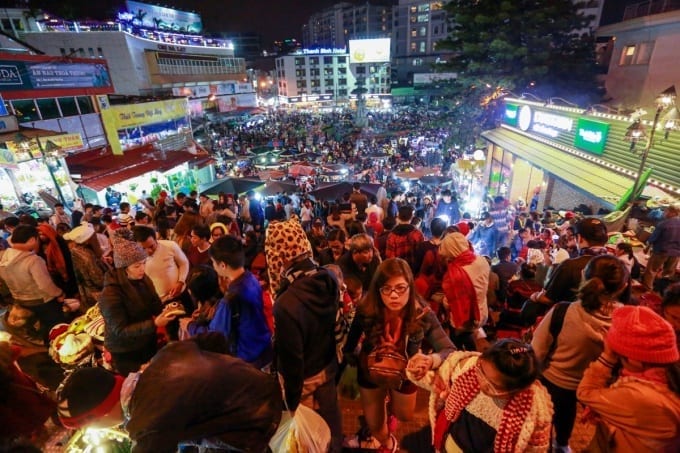
Lam Dong Province, home to the popular highlands resort town of Da Lat, has issued a list of rules for tourists that includes a dress code and shopping guidelines.
The code of etiquette, drawn up by the province’s tourism department, asks visitors to be “civilized, decent and responsible”, Tuoi Tre newspaper reported.
They should wear suitable clothing, respect cultural differences, avoid littering and stealing, and queue in line when they are shopping or buying tickets.
The purchase of undocumented goods and wildlife products is deemed “inappropriate” behavior, the rules state.
Hotels, restaurants and other services are also warned not to overcharge, sell copycat or low quality products, or pester customers.
The code of conduct is based on a national set issued by the tourism ministry in March this year, and will be printed in Vietnamese and English in time for the annual Da Lat Flower Festival in late December.
Lam Dong received around three million visitors in the first half of this year, of which foreign travelers increased 44.3 percent from a year ago to more than 204,400.
The Central Highlands province is best known for Da Lat, which is often dubbed “Little Paris” due to its colonial history.
But like many places across Vietnam, Da Lat has both benefited and lost out to the recent travel boom.The mostly quiet and charming town, surrounded by pine trees, flowers and vegetables farms, is famous for its cool climate and has gained in popularity both as a romantic getaway for lovers and an oasis in a country that usually sweats all year round.
Its center is covered in garbage on big holidays, when complaints of thefts and rip-offs are not uncommon.
This year, Da Lat has reported multiple cases of local gangsters and racketeering gangs colluding with businesses to scam travelers, usually on strawberry farms or in souvenir shops.
The gangs have reportedly threatened to assault tour guides and drivers from several travel companies who have refused to lure tourists into their traps.
The issue got physical in May when a tourist was beaten after trying to return a product, prompting the government to order immediate measures be taken to protect visitors from these new groups of gangsters.
Fast Retailing, operator of casual clothing chain Uniqlo, will introduce IC tags at all its outlets worldwide within a year, President and Chairman Tadashi Yanai said.
The retailer will be Japan’s first to use the tags on a global basis.
IC tags will save time for payment and inventory control, allowing the company to swiftly increase production of hot-selling products. The tags will also lessen checkout times, ensure that items are in stock, and provide other benefits.
Fast Retailing will introduce the tags at all of its approximately 3,000 stores, including Uniqlo’s 2,000 outlets, both at home and overseas. Initial investment is estimated at several tens of billions of yen.
The move is aimed at better coping with the demands of Amazon.com and other e-tailers, which have boosted their presence in the apparel industry.
Becuase IC tags read information automatically and wirelessly, they can save more on labor and inventory costs compared to bar codes, which require manual operation. The tags can instantly and accurately gather detailed information on volume, size and color.
In addition, IC tags take only one-tenth the time to inspect products as some systems currently in use.
The company will use the tags to obtain detailed sales information analyze consumer behavior, such as when products are handled by consumers and returned to shelves, as well as when and where products are sold.
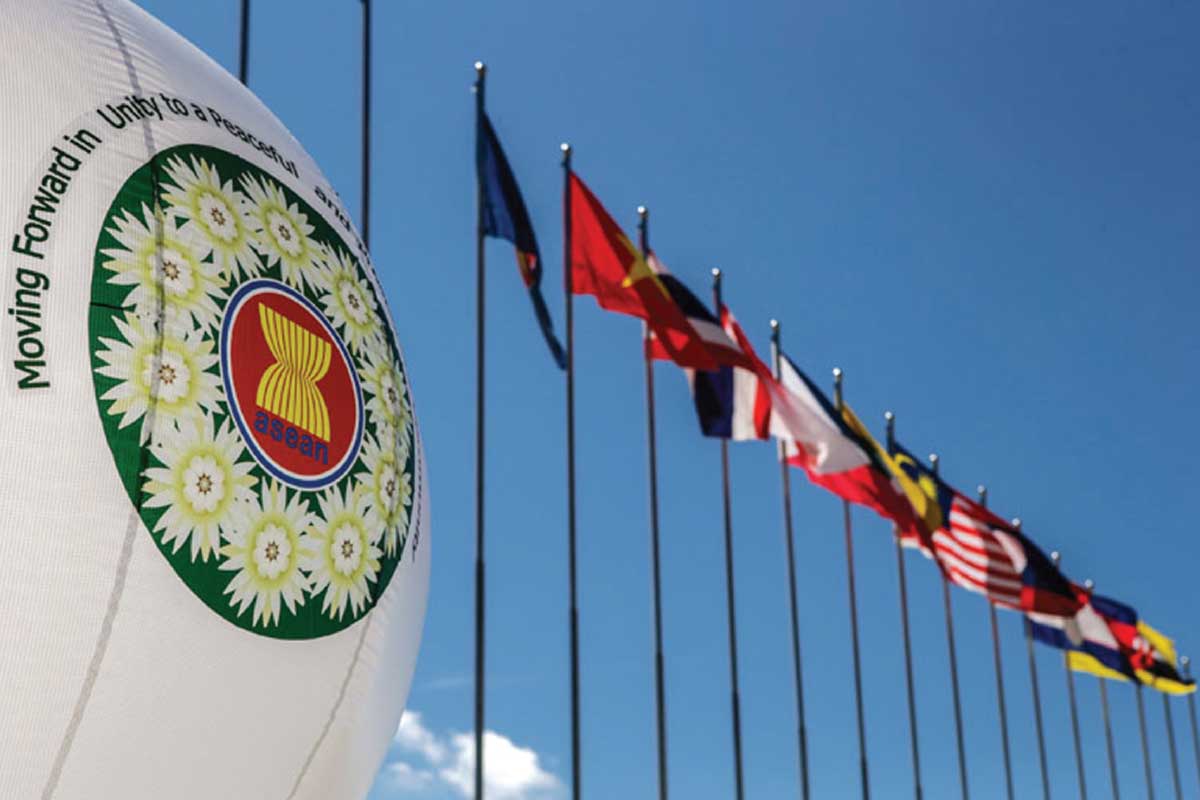
Hong Kong on Sunday signed free trade and investment pacts with the ten-nation Association of Southeast Asian Nations, in what one of the Chinese territory’s senior officials called a “loud and clear” vote against rising regional trade protectionism.
The pacts conclude nearly three years of talks, are expected to take effect on January 1 at the earliest, and aim to bring “deeper and bolder” integration of market access with the bloc, said Edward Yau, Hong Kong’s commerce and development secretary.
“In the face of protectionist sentiments in other parts of the world, these two agreements are in fact a loud and clear vote from all of us here for freer and more open trade,” Yau said.
“Hong Kong, being a free trade promoter and advocate of a strong, rule-based multilateral trading system, will continue to take this pathway, continue to do our utmost.”
Total merchandise trade between Hong Kong and ASEAN was HK$833 billion ($107 billion) last year, official figures show. Total services trade was HK$121 billion ($16 billion) in 2015.
The ASEAN Hong Kong China Free Trade Agreement (AHKCFTA) was signed on the sidelines of a summit of the regional grouping in the Philippine capital of Manila.
It came after leaders attending an Asia-Pacific Economic Cooperation (APEC) summit in Vietnam agreed to tackle “unfair trade practices” and “market distorting subsidies” in a statement on Saturday that bore the imprint of U.S. President Donald Trump’s efforts to reshape the global trade landscape.
That summit offered a contrast between the vision of U.S. President Donald Trump’s “America First” policy and a traditional consensus favouring multinational deals that China now seeks to champion.
While Hong Kong already has one of the world’s freest and most open economies, the pacts will see many ASEAN countries gradually eliminate or slash customs duties on goods from the former British colony that returned to Chinese rule in 1997.
Professional services are also expected to benefit, with increased investment flows, Yau added.
The ASEAN grouping includes Brunei, Cambodia, Indonesia, Laos, Malaysia, Myanmar, the Philippines, Singapore, Thailand and Vietnam.
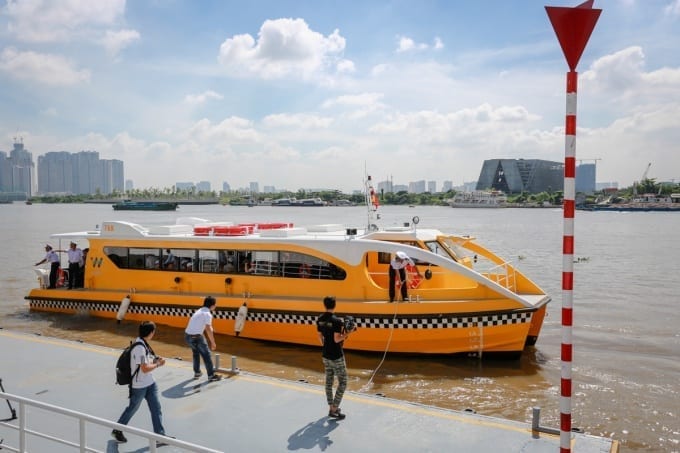
Saigon’s first river bus service will hopefully be up and running later this month, according to local authorities.
The service will cruise 10.8 kilometers (6.7 miles) from Bach Dang Wharf in District 1 to Linh Dong Station in Thu Duc District, passing through District 2 and Binh Thanh District.
With 12 stops in total, the entire trip will take half an hour, cutting a third off the time it would take to travel by road and costing just VND15,000 (66 U.S. cents).
The first river bus was due to launch this summer, but the city has kept passengers waiting on the dock. In August, it said that construction delays would not allow the first river bus to set sail until October.
The city’s transport department explained that as it is the city’s first river bus, it wants to make sure the service is as user-friendly and convenient for passengers as possible.
However, the only passengers to have experienced the service thus far are those recruited by the city for two test runs.
Saigon has more than 1,000km of inland waterways, so the river bus service should ease traffic and attract more tourists, director of the city’s transport department Bui Xuan Cuong told local media in August.
A second route from Bach Dang Wharf to District 8 is scheduled to open in early 2018. The two routes are said to have cost an estimated VND120 billion ($5.28 million).
In April, the city’s municipal administration approved two more routes connecting the downtown with new urban areas in District 7.
In September, the city also agreed to a plan tabled by a private firm to add three more routes connecting the city’s downtown with the outlying districts of Can Gio and Cu Chi, as well as the stunning Con Dao Island, which is administered by the southern province of Ba Ria-Vung Tau and lies 230 kilometers (143 miles) away from Saigon.