Tag: asia

  • Ikea has transformed the modern design world

    Ikea has transformed the modern design world

    For decades, Ikea has filled homes across the world with bookcases, beds, cardboard boxes and countless tea lights. The company’s business model, based on huge production runs of identical stock, allowed it to export Scandinavian style at an affordable price.

    Its products are so popular and so ubiquitous, that you might find yourself in a friend’s home sitting on a sofa that is very similar to your own, looking at a bookcase that matches yours and eating with very familiar looking cutlery. Ikea created a reasonably priced way for customers to express themselves at home, and while it may also have helped build a world of indentikit interiors, it opened consumers to what was otherwise expensive design.

    As a product design specialist I applaud Ikea for how they have developed their business and invested in design to bring great products to the masses, including the use of materials to drive down prices – look inside one of their coffee tables and you’ll find a hollow core supported with card.

    Ikea’s trades on the idea of family connections and aims for an emotional connection with customers. Instead of relying on numbers, for example, products are named after Scandinavian islands, names of people, birds and berries.

    They continue to innovate in materials and production techniques which drive prices lower and lower. When the first UK store opened in 1987 (the company is celebrating its 30th British birthday) the cost of a loaf of bread was around 40p, and the classic “Lack” coffee table retailed at £18. Today, three decades on, that same table costs £14.

    Ikea are widely considered as the “kings of flat pack furniture”, having cleverly exploited the potential of DIY assembly. Being able to visit a store, pick a wardrobe, chuck the cleverly packaged parts into the boot and drive home proved to a very popular approach, avoiding waiting weeks for delivery and simple – even if the accompanying instructions aren’t always as simple as they look. Social media is full of insights about Ikea-instigated arguments over how to construct furniture (or even just trying to navigate the stores’ pathways). But the company remains highly thought of.

    Scando-chic

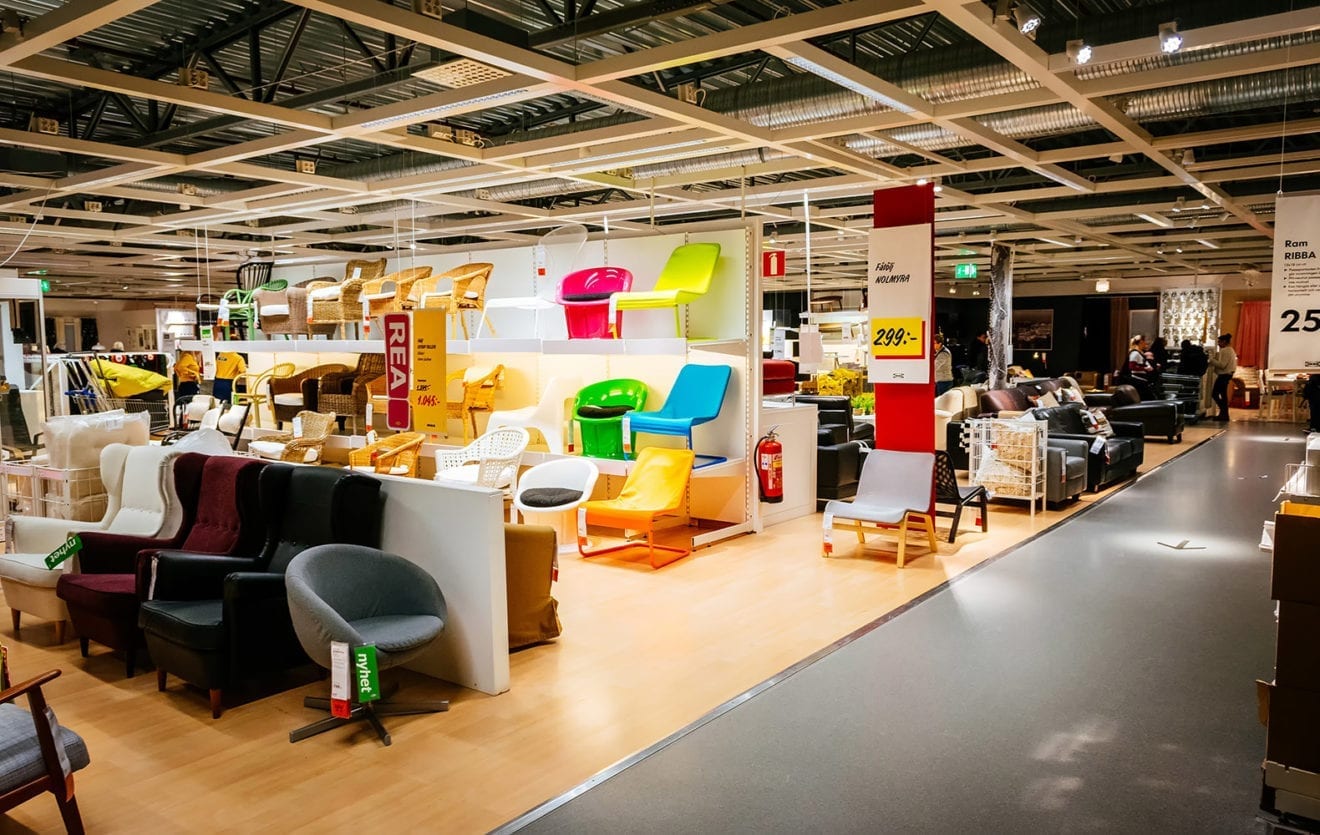
    Ikea’s Scandinavian roots and design DNA made it stand out when it arrived in the UK (it was already well established in Germany, France, Japan and Australia). Along with Habitat, Ikea spearheaded a clear departure from chintz and overly decorative furniture and homeware. The new shopping experience of choosing from “rooms” set up with Ikea goods excited customers who came from far and wide to visit the distinctive blue and yellow box-like stores.

    Ikea’s range of products has expanded and evolved in the last 30 years but some items like the famous Billy bookcase, continue to sell as they have done for decades. The Billy is a beautifully simple product that can be transformed with hundreds of options, whether you want to change the colours, add doors, or expand the size of your collection.

    The popularity of Ikea means so many people have the same furniture, bedding and accessories in their homes. But it also means a lack of individualism in the very places we like to think most reflect our personalities. Nevertheless, some aim to customise: “Ikea hackers” turn colanders into lamps or shelves into headboards, producing unique pieces from mass produced products.

    Modern design

    Ikea itself has not become lazy or complacent when it comes to design. The PS 2014 pendant lamp, one of their most famous recent additions, is an engineering masterpiece.

    Closed, the lamp forms a white sphere with a jigsaw style pattern. But with the simple pull of a string the sphere opens, revealing its interior copper colour and increasing the brightness of the light emitted. It works beautifully and offers a great user experience. It is something to show off, and a real talking point.

    Other parts of its range demonstrate great Scandinavian design at a much higher price point.

    In my own home, I have a Malm bed, assorted cushions, candles, bedding and cutlery – simple, stylish and good quality. And they didn’t cost the earth. I don’t know anyone who doesn’t own at least one Ikea product. From its humble and fitting beginnings on a kitchen table in Sweden in 1943, Ikea has transformed the modern design world.
  • Myer ‘disappointed but unsurprised’ by Premier Investments

    Myer ‘disappointed but unsurprised’ by Premier Investments

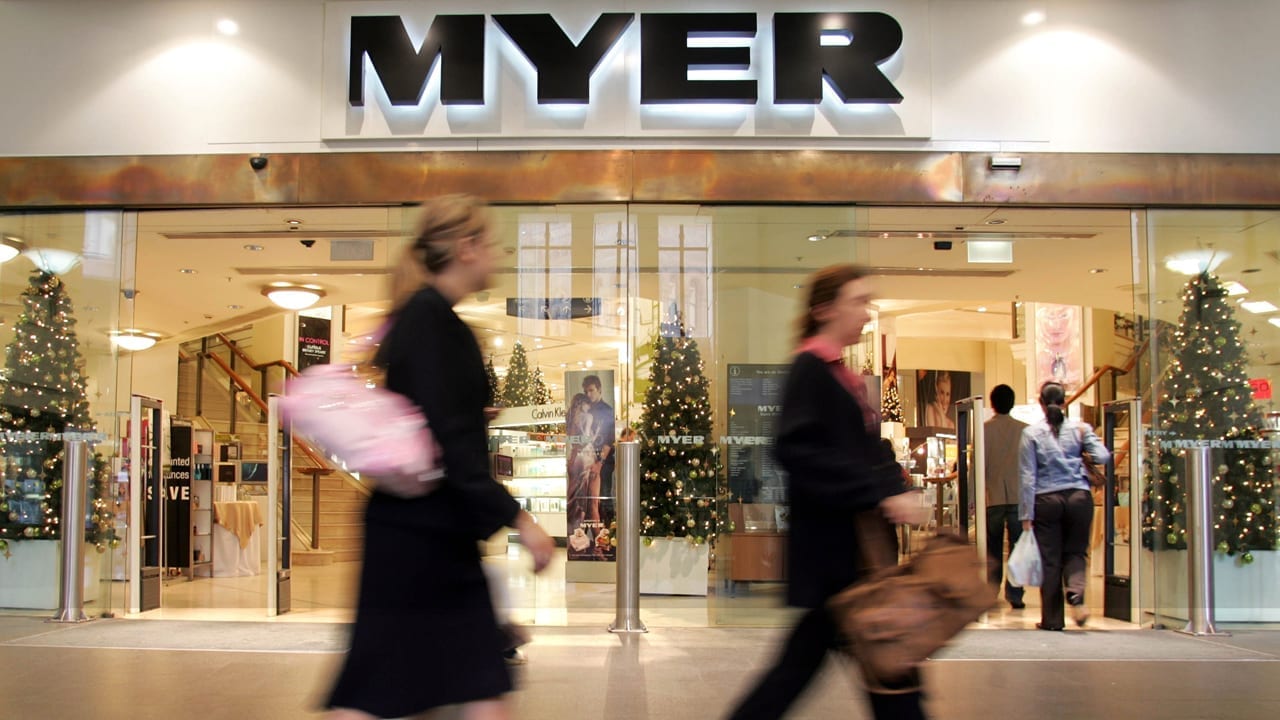
    Department store retailer Myer has responded to the broadside delivered by veteran and chairman of Premier Investments yesterday, asserting its “disappointment”.

    Yesterday, Premier released a statement which ruled out making a takeover offer for Myer and again reiterated that it will be monitoring the Myer “strategy day” on November 1 “very closely”. Premier again called upon the company to announce its current sales and profits for the Q1 period “so the market is fully informed when assessing the strategy.”

    Myer chairman Paul McClintock said the annoucement was “disappointing, but unsurprising”.

    “We have attempted to engage in constructive dialogue with Premier for many months, but regrettably this has not been possible,” he said.

    McClintock said Myer’s board had considered Premier’s “informal proposal” to appoint three nominee directors, but rejected it on the basis of a potential conflict of interest, “given Premier and its associates’ status as one our largest suppliers and competitors.”

    “The Myer board continues to support the new Myer strategy and recommends that shareholders vote in favour of all resolutions, including the election of three directors put forward by the board,” he said.

    Incoming Myer chairman Garry Hounsell and former Qantas director will step into the new role when McClintock retires next month.

    Myer has also announced the appointment of JoAnne Stephenson to its board as a non-executive director.

    Premier said it will vote against the appointment of all directors proposed in Myer’s Notice of Meeting, including Hounsell.

  • Cebu Pacific flies 150 millionth passenger

    Cebu Pacific flies 150 millionth passenger

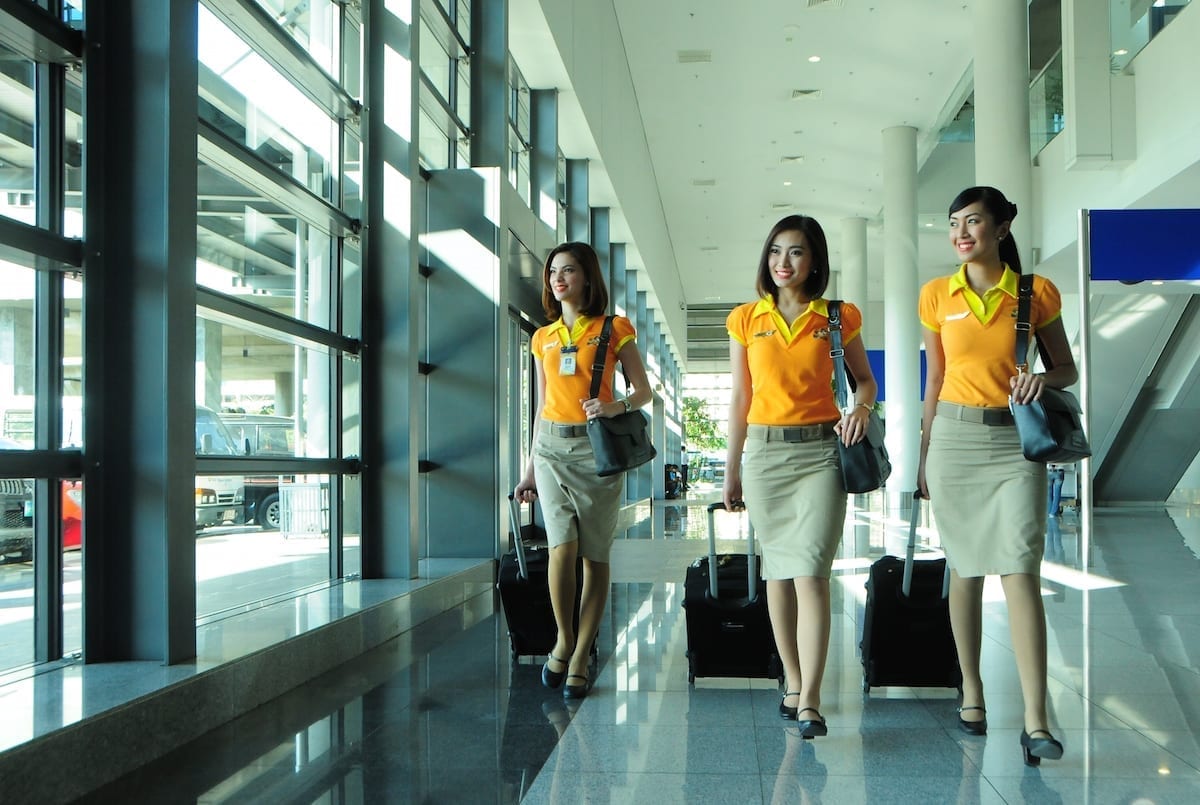
    The Philippines’ leading airline, Cebu Pacific marked another milestone as it reached a total of 150 million passengers flown since starting operations in 1996. The 150 millionth passenger who checked-in and flew with CEB, identified as Alfredo Cruz, boarded Cebu Pacific flight 5J 397 from Manila to Cagayan de Oro on October 20, 2017. Cruz received 150,000 points from GetGo, the lifestyle rewards program by Cebu Pacific.

    The points are equivalent to between 20 to 25 round trip flights on CEB. The points and free flights can be shared with family and friends. “It’s our job to create a lot of memories and experience for our wonderful guests, it’s like we’ve created 150 million life experiences since we started in our very humble way 20 years ago. We’ve celebrated many milestones and today is one of our proudest milestones,” said Lance Gokongwei, President and CEO of Cebu Pacific.

    From January to June 2017, Cebu Pacific has flown 10.09 million passengers, and aims to carry a total of 20 million passengers for the whole year. The Cebu Pacific route network now has 25 international and 37 domestic destinations. Its fleet of aircraft includes one Airbus A319, 35 Airbus A320 and eight Airbus A330s; while the Cebgofleet is composed of eight ATR 72-500 and seven ATR 72-600aircraft. Between 2017 and 2022, CEB expects delivery of 7 more brand-new Airbus A321ceo and 32 Airbus A321neo aircraft.

  • New CEO says Uber Vietnam will not be distracted by criticism

    New CEO says Uber Vietnam will not be distracted by criticism

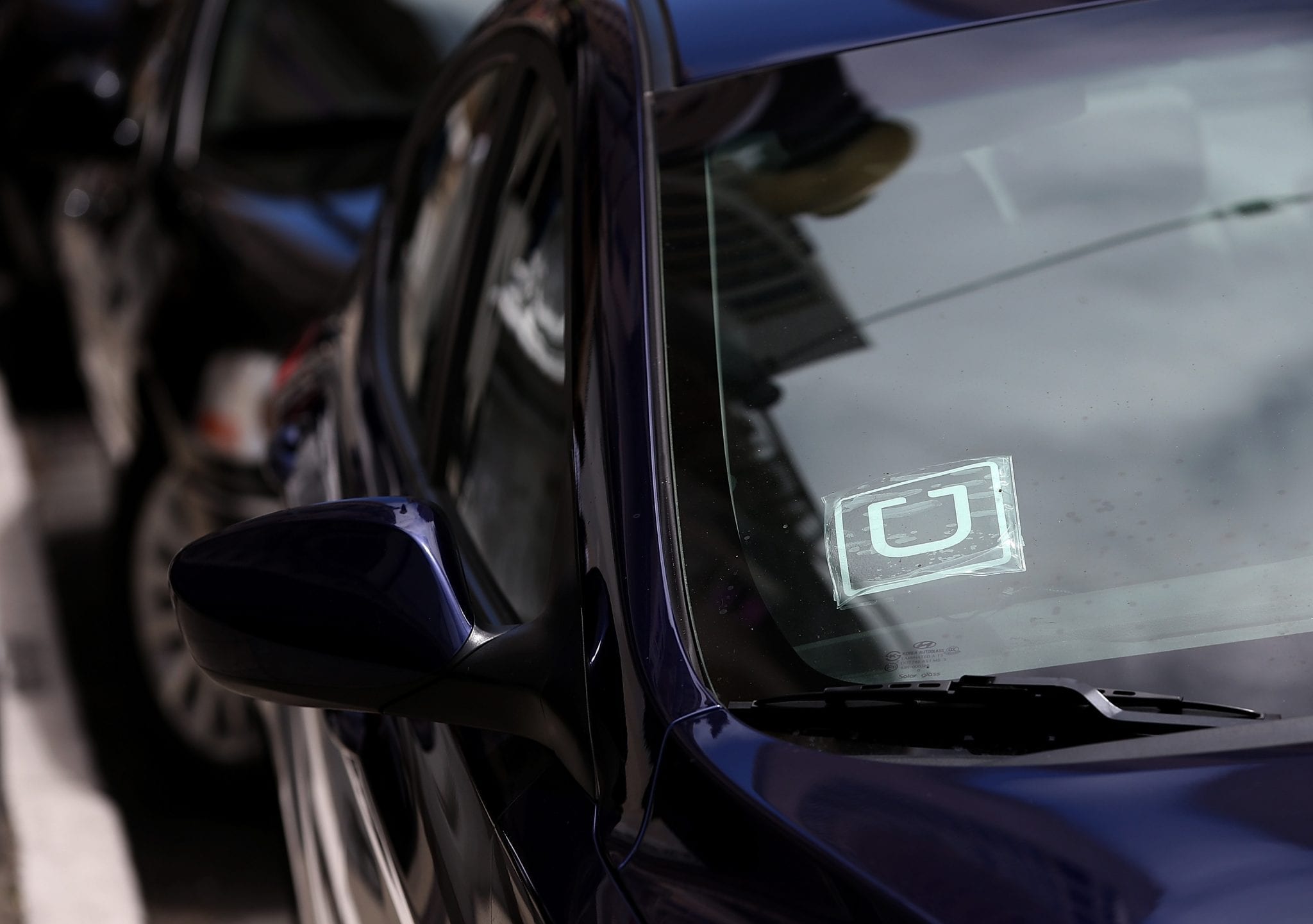
    Traditional taxi firms have been protesting against Uber and Grab, accusing the ride-hailing apps of unfair competition. Uber Vietnam on Thursday said the company would focus on growing and serving its partners and passengers and would not be distracted by criticism, following protests and accusations of foul play by traditional taxi firms.

    Tom White, the company’s newly appointed CEO, issued the statement during a press briefing at the unveiling of Uber Vietnam’s new partner support center in Hanoi.

    “My focus would be to serve them as best as I possibly can and not be distracted by criticisms about this,” he said.

    Uber Vietnam’s key objective instead would be to further expand across the market and reach an even greater number of riders and drivers.

    “There have been millions of app downloads here in Vietnam and we’re only scratching the surface of what’s possible.”

    Stressing reputation as a precious asset for Uber, White said he would prioritize building and maintaining trust with the Vietnamese government.Regarding his appointment as the new CEO of Uber Vietnam, White said his experience working for Uber in Australia had played a role in the decision. As one of its earliest members, he helped build the company there from scratch and forged a strong and trusting relationship with the Australian government.

    While admitting he had much to learn after moving from Australia to Vietnam, White also said he hoped to be able to work with the government to make policies more open and regulations more fair across all platforms for companies to compete and allow consumers to benefit from the competition.

    Regarding Ho Chi Minh City’s demand last month for VND66.68 billion ($2.93 million) in tax arrears, White said that the company firmly believed it had met all its tax obligations and complied with government regulations.

    Tom White is an Australian who joined Uber in January 2015 and held various management positions in Uber Australia and New Zealand. He was appointed as the new CEO of Uber Vietnam earlier this month following his predecessor Dang Viet Dung’s departure.

    Dung, who had been Uber Vietnam’s CEO since the U.S.-based firm first entered the country in 2014, left the company on October 1, but no information about the reasons for his departure has been revealed.

    His departure triggered speculation that Uber Vietnam was in a crisis, especially after a recent tax scandal.

    Late last month, tax authorities in Ho Chi Minh City demanded VND66.68 billion ($2.93 million) in arrears from Uber Vietnam, including fines for faulty declarations and late payments.

    Following the incident, rumors started to spread that Uber would be leaving Vietnam. The company was quick to dismiss this.

    As of August, Uber had four million users in Vietnam, according to official company data.

  • China – the world’s biggest 5G market in 2025?

    China – the world’s biggest 5G market in 2025?

    According a study conducted by GSMA Intelligence and the China Academy of Information and Communications Technology (CAICT), China is set to become the world’s largest 5G mobile market in 2025.

    The China 5G study predicts that 5G connections in China are expected to reach 428 million by 2025, accounting for 39% of the 1.1 billion global 5G connections expected by that point.

    The country’s three major mobile operators – China Mobile, China Unicom, and China Telecom – are stepping up their efforts towards 5G deployment, with plans to run a phased testing period for 5G networks from 2017 to 2019 before launching commercially in 2020.

    China Mobile, for example, early this year started conducting the first phase of its 5G field trials in five major cities across the country with Datang, Huawei, ZTE, Nokia and Ericsson. The first phase of the trial will focus on PoC system field trials this year and the operator will move to pre-commercial trials for interoperability tests in 20 sites or cities next year, said Wang Xiaoyun, general manager of technical department at China Mobile.

    The trial is expected to expand to over 100 sites or cities in 2019, before the rollout proceeds to the commercial launch stage in 2020, Wang told reporters at Mobile World Congress Barcelona in February. China Mobile has also set up what it claims is the world’s largest 5G field trial in Huairou district in northern Beijing, he said.

    Together with these partners, China Mobile has conducted trials of key technologies including massive MIMO on the 3.5GHz band, as well as carried out performance testing of mmWave spectrum on different frequency bands, such as 15GHz, 28GHz and 73GHz, said Wang.

    China Unicom and China Telecom also plans to test capacity and performance across six cities over 2017-2019 before a commercial launch in 2020.

    Chinese cellcos go for “standalone” 5G deployment

    The study further points out that the three Chinese mobile carriers are expected to deploy ‘standalone’ 5G networks, which will require the construction of new base stations to site 5G equipment, backhaul links and a core network.

    That said, 5G investment in China will follow a more gradual path compared to elsewhere in Asia and over a longer timeframe than 4G, roughly seven years, from 2018 to 2025-with capex not expected to account for more than 25% of operator revenue prior to commercial launch.

    The rate of 5G network deployment and adoption in China is also expected to be slower than it was for 4G, which Chinese operators were able to deploy rapidly earlier this decade within a mature 4G ecosystem. In their early phase, 5G networks will concentrate on boosting the capacity of 4G networks to support rising cellular data traffic demands.

    Though some services will require devices with new form factors, the smartphone is expected to remain the principal 5G interface at launch. Enterprise is considered to offer operators the largest incremental revenue opportunity. Key vertical markets for 5G applications include automotive and transport, logistics, energy and utilities monitoring, security, finance, healthcare, industrial and agriculture.

  • Golden quarter for Luk Fook Holdings

    Golden quarter for Luk Fook Holdings

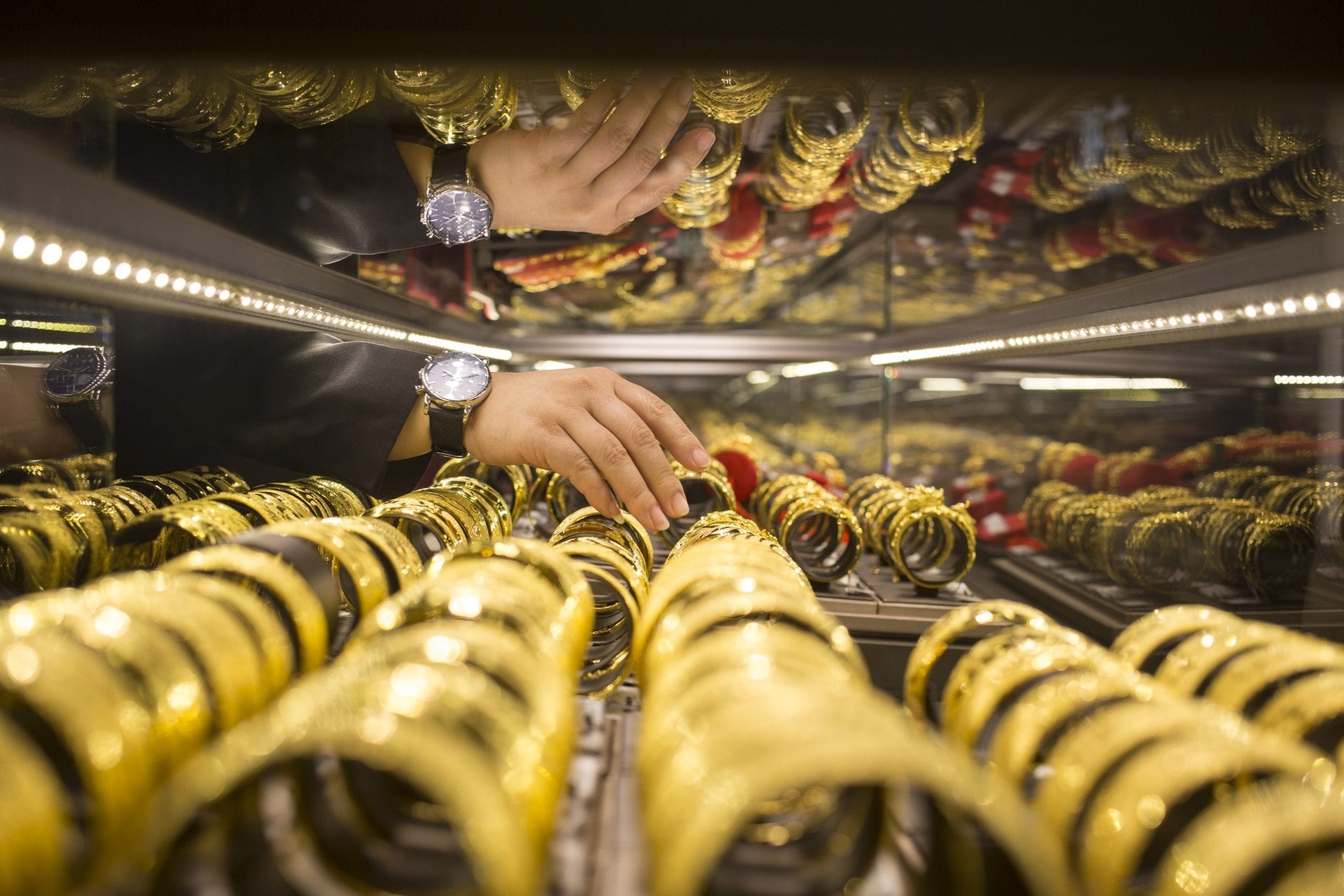
    Jewellery company Luk Fook Holdings (International) has had a golden second quarter with sales up for both gold and gemset jewellery.

    With a relatively low base and a slight drop in gold price, there were encouraging sales of gold
    products in both the Hong Kong/Macau and Mainland China markets. Same-store sales of gold products rose 21 per cent over the previous quarter.

    With an improved market as well as the introduction of new products, there was a 16 per increase in same-store sales of gemset jewellery in Hong Kong/Macau.

    While the sales performance in July and August was promising on the mainland, September was less productive because of the lack of promotional activities for the Mid-Autumn Festival. This saw second-quarter sale-store sales of gold products in China rise by 19 per cent, while gemset jewellery sales fell by 2 per cent. Overall, therefore, the quarter’s sales were up by only 11 per cent, lower than the first quarter.

    Hong Kong/Macau achieved better-than-expected growth of 18 per cent for same-store sales of gemset jewellery, while gold sales rose 21 per cent. As a result, the quarter improved by 18 per cent overall.

    At the end of September, Luk Fook had 33 more shops in China, including 24 licensed outlets. With an improved market environment, the group’s target for shop openings next year has been increased from 50 to 80.

    Overall, the group had 216 Lukfook-branded shops at the end of the quarter, including 151 on the mainland, 45 in Hong Kong, 10 in Macau and 10 overseas, including a new shop in San Francisco.

    Together with 1325 licensed shops in China and one in Korea, there was a total 1542 Lukfook shops worldwide, of which 1476 shops were on the mainland.

  • Facebook joins effort to boost newspaper subscriptions

    Facebook joins effort to boost newspaper subscriptions

    Facebook aimed at fostering ‘a healthy news ecosystem’ and curbing the spread of fake news. Facebook announced Thursday initiatives to help struggling news organizations gain paid subscribers, following a similar move unveiled earlier this month by Google.

    The social network giant said it will test “premium news models” for organizations that deliver their content on Facebook, to enable the publishers to have more control over pricing, subscriber relationships and revenue.

    “Earlier this year, many publishers identified subscriptions as a top priority, so we worked with a diverse group of partners to design, refine, and develop a test suited for a variety of premium news model,” said a blog post by Facebook executives Campbell Brown, Alex Hardiman and Sameera Salari.

    Facebook said it would soon roll out the test to support new subscription models in Instant Articles in partnership with a news organizations in the U.S. and Europe, starting with the Android application.

    The leading social network said it would allow for “paywalls” in its Instant Articles feature, aiming to encourage users to sign up and pay news organizations whose content is linked through Facebook.

    If a person subscribes after prompting, the publisher will handle the payment directly and keep 100 percent of the revenue, Facebook said.

    Facebook said it would allow for various paywalls including a “metered” system with a fixed number of articles as well as a “freemium model” where certain content is locked at the discretion of the publisher.

    Included in the test will be Germany’s Bild and Spiegel, France’s Le Parisien, Italy’s La Republicca, the Telegraph and the Economist of Britain and the U.S.-based Boston Globe, Washington Post, and news groups Hearst and Tronc, which includes the Baltimore Sun, Los Angeles Times, and San Diego Union-Tribune.

    Facebook said the changes are part of its Journalism Project created this year aimed at fostering “a healthy news ecosystem” and curbing the spread of fake news.

    The moves by Facebook and Google come with many news organizations blaming the internet giants for encouraging free content, while getting most of the ad revenues from news articles appearing on their platforms.

    Earlier this month, Google announced similar actions, ending a “first click free” policy that required news organizations to provide at least three free articles to be indexed in a Google search.

    This will be replaced by a “flexible sampling” model that will allow publishers to require a subscription at any time they choose, according to Google.

  • Typhoons fail to dampen Sa Sa International sales

    Typhoons fail to dampen Sa Sa International sales

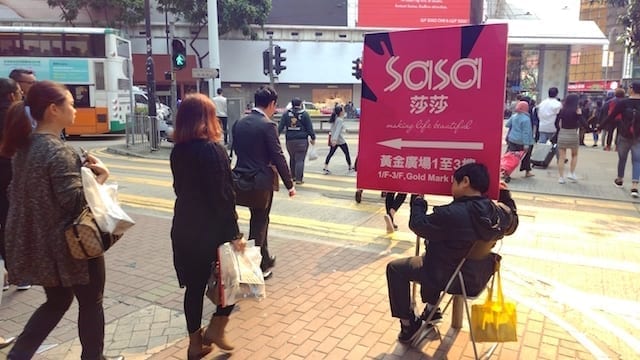
    Despite typhoons and poor tourist numbers buffeting sales for discount cosmetics chain Sa Sa International Holdings in its second quarter, it still managed to grow turnover.

    Its retail and wholesale turnover increased by 1.1 per cent year on year to HK$1.918 billion (US$245.9 million), the company’s unaudited update shows. Covering the period to September 30, the figures include National Day Golden Week Holiday.

    Retail sales in Hong Kong/Macau grew by 2.1 per cent to $1.574 billion, while same-store sales fell by 1.8 per cent following stores being relocated in tourist areas.

    “The overall sales performance was below our expectations because of typhoons and poor weather, resulting in weaker store traffic and tourist numbers,” says the company.

    There were 4.6 million transactions, down by 1.8 per cent, with those of local and mainland tourists dropping by 1.1 and 2.5 per cent respectively. However, the average transaction value was up by 5.9 and 3.8 per cent respectively.

    Turnover grew in other markets – 5.9 per cent for Mainland China, 4.2 per cent for Singapore and 0.5 per cent for Malaysia, while for Taiwan e-commerce improved by 4.1 per cent while turnover had a 15.5 per cent dive.

  • Puma sales step up in third quarter

    Puma sales step up in third quarter

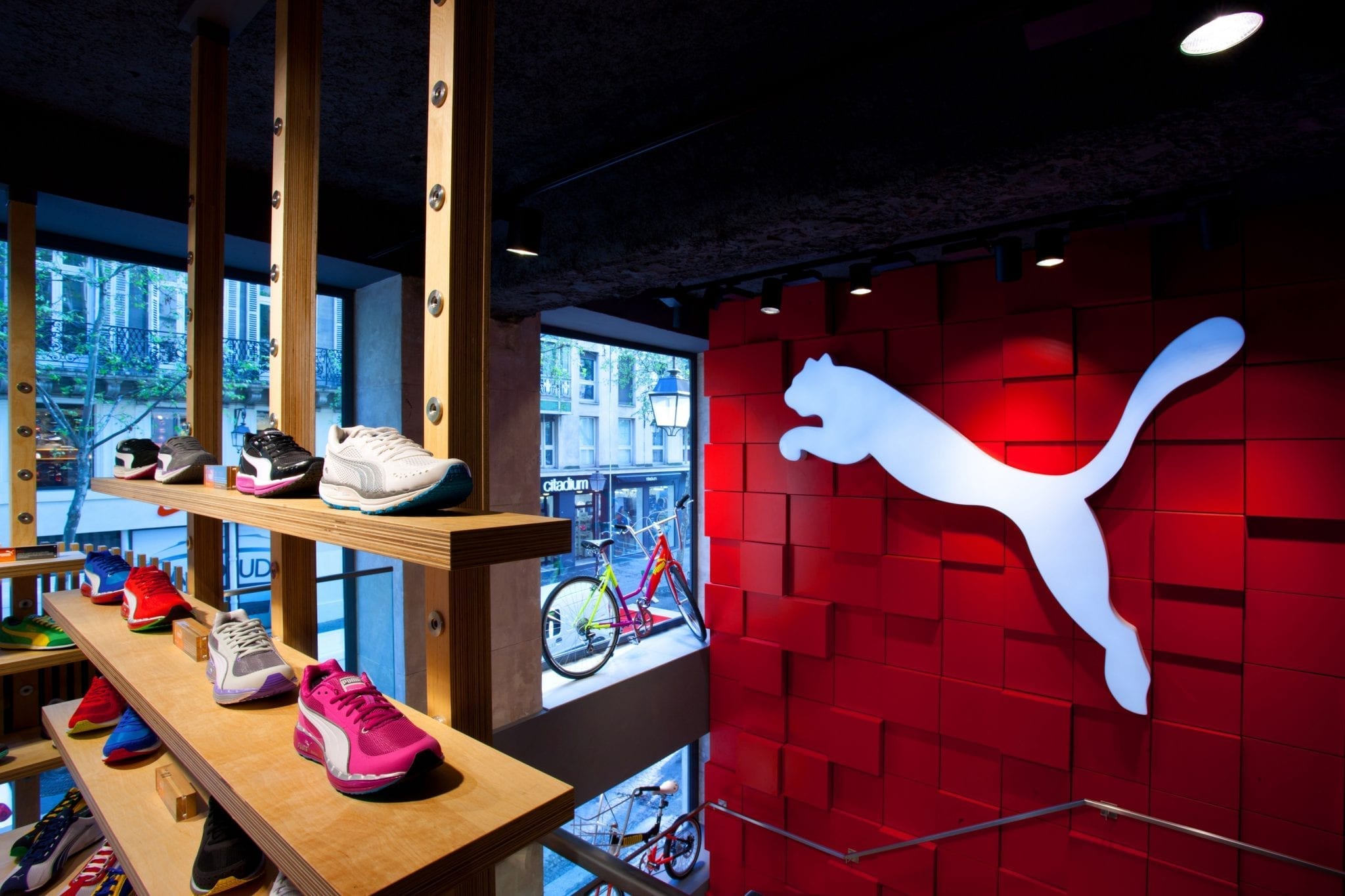
    Global footwear retailer, Puma, has posted an increase in sales globally for the third quarter.

    Puma announced third quarter sales rose a currency-adjusted 23 per cent in Europe, the Middle East and Africa, and 16 per cent in the Americas and 10 per cent in the Asia-Pacific region.

    Operating expenses increased by 11 per cent driven by higher marketing, selling and retail expenses. Operating result (EBIT) rises to €101 million from the €60 million last year.

    Footwear continued to be the main growth driver and Accessories also increased in double digits, while Apparel grew at a more modest rate.

    The gross profit margin improved by 230 basis points from 45.8 per cent to 48.1 per cent in the third quarter. Further improvements in sourcing, higher sales of new products with a higher margin and selective price adjustments helped to improve the gross profit margin despite negative currency impacts.

    “The third quarter was another good quarter for us with double-digit growth in all regions and strong growth in all product segments,” said Bjørn Gulden, CEO of PUMA SE. “With gross profit margin exceeding our expectations and a continued focus on operating expenses, we were able to deliver a very positive and better than expected operating result (EBIT).”

    Gulden said this development in the third quarter combined with a good orderbook for the fourth quarter made them raise the outlook for the full year.

    “We now expect currency adjusted sales to increase between 14 per cent and 16 per cent and the operating result (EBIT) to come in between €235 million and €245 million.”

    Puma has also partnered with singer and actress Selena Gomez and said its women’s business was further strengthened through the second Rihanna collection this year, launched in September.

  • SKT unveils Wi-Fi tech with 5G speeds

    SKT unveils Wi-Fi tech with 5G speeds

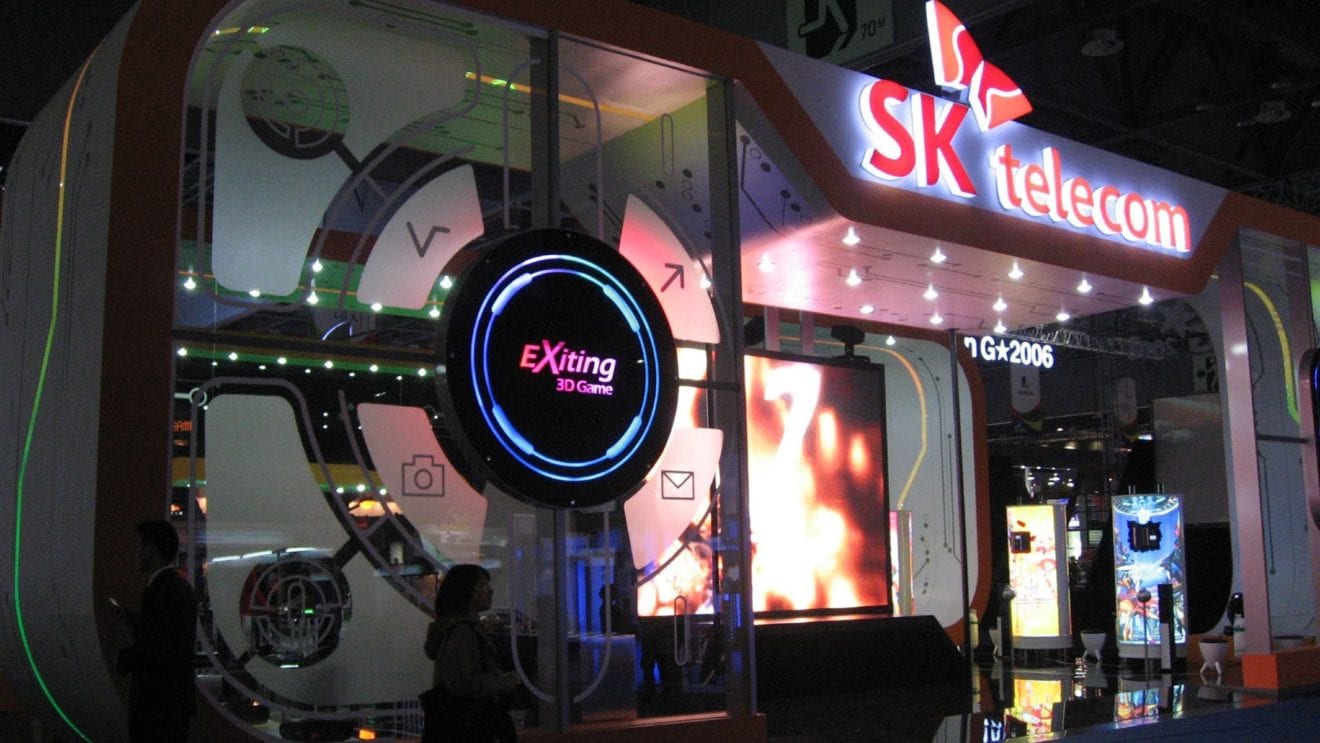
    SK Telecom has unveiled a self-developed Wi-Fi technology capable of delivering speeds of up to 4.8Gbps.

    The Wi-Fi technology and access point  is based on the new IEEE 802.11ax standard. It can deliver speeds nearly four times faster than the 1.3Gbps achievable with 802.11ac gigabit Wi-Fi

    The technology uses four antennas to transmit data over 160 MHz of bandwidth – twice that of 802.11ac, operating in both the 2.4-GHz and 5-GHz frequency bands.

    In addition, the Wi-Fi technology supports orthogonal frequency-division multiple access (OFMDA), multi-user MIMO (MU-MIMO) and dynamic sensitivity control (DSC) technology to improve the efficiency of the network.

    SK Telecom plans to start deploying access points for the next generation Wi-Fi next year, concentrating on high traffic density areas. Handsets with chipsets compatible with 802.11ax will be able to benefit from the technology.

    The operator has constructed a Wi-Fi testbed within its R&D center in Bundang to test performance of the technology in various deployment scenarios, and is working on upgrading access points to be commercially deployable by the end of 2017.

    SK Telecom SVP and head of network R&D Park Jin-hyo said the next-generation Wi-Fi technology is expected to be an important complement to 5G networks.

    “By introducing the technology for the next generation Wi-Fi that can deliver as fast as 5G technology, we at SK Telecom have successfully laid foundation to offer better mobile services,” he said.

    “We are thrilled to work on the preparation on commercializing the technology and continue to innovate our capabilities to provide differentiated services to our customers.”

  • Myanmar to launch own satellite in 2019

    Myanmar to launch own satellite in 2019

    The Myanmar government plans to launch its own communications satellite in June 2019 at a cost of $155.7 million.

    MyanmarSat 2 will have six C-band transponders and six KU-Band transponders with 864MHz of total bandwidth.

    The satellite will be at least partly owned by the government, unlike the MyanmarSat 1 which is being used under a lease model.

    The government is considering three potential ownership models – paying to lease a condosat transponder from another country, a joint ownership model or total ownership of the system. The joint ownership model has been favored by the Union Minister of Transport and Communications.

    Because the project would be most effective if all the capacity of the satellite is being utilized, the government is also exploring co-operation with the private sector. State-owned MPT has already proposed to lease 72MHz of the satellite’s total capacity.

    News of the Myanmar project came days after the Cambodian government announced plans to launch its first communications satellite by as early as 2021. This project also has an estimated budget of around $150 million.

  • HSBC debuts mobile stock app

    HSBC debuts mobile stock app

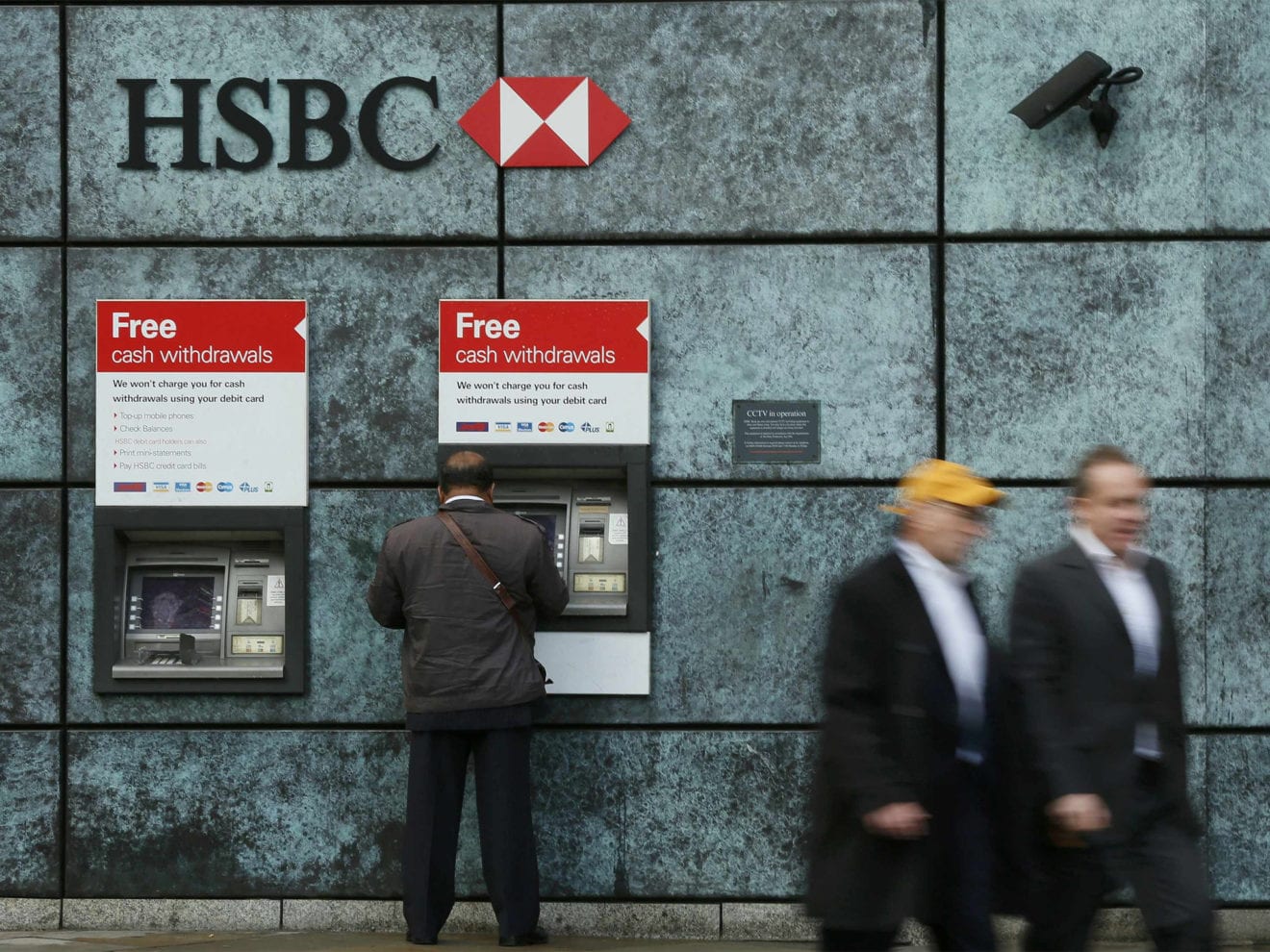
    HSBC has introduced a new stock trading mobile app for both Android and iOS to help Hong Kong customers more easily trade Hong Kong, China A and US stocks.

    The HSBC HK Easy Invest standalone stock trading app includes new features including a one-screen quick buy function, interactive charts, a sector heat map and tailored news.

    Customers can access the app using their existing HSBC Personal Internet Banking Details or Touch ID fingerprint authentication for Apple users. The app also employs several industry-standard security measures for further protection.

    To promote the new app, HSBC is offering new users a HK$100 brokerage fee rebate on customers’ first trade using the system until November 30.

    “With changing customer behaviour and increasing demand for faster and more convenient banking services, we are expanding our digital capabilities to better meet customers’ needs,” HSBC head of retail banking and wealth management for Hong Kong Greg Hingston said.

    “HSBC HK Easy Invest is a smart and powerful tool that is easy to use, fast and secure, helping us support our customers as they manage their wealth.”

  • Panalpina airfreight profits and volumes continue to rise

    Panalpina airfreight profits and volumes continue to rise

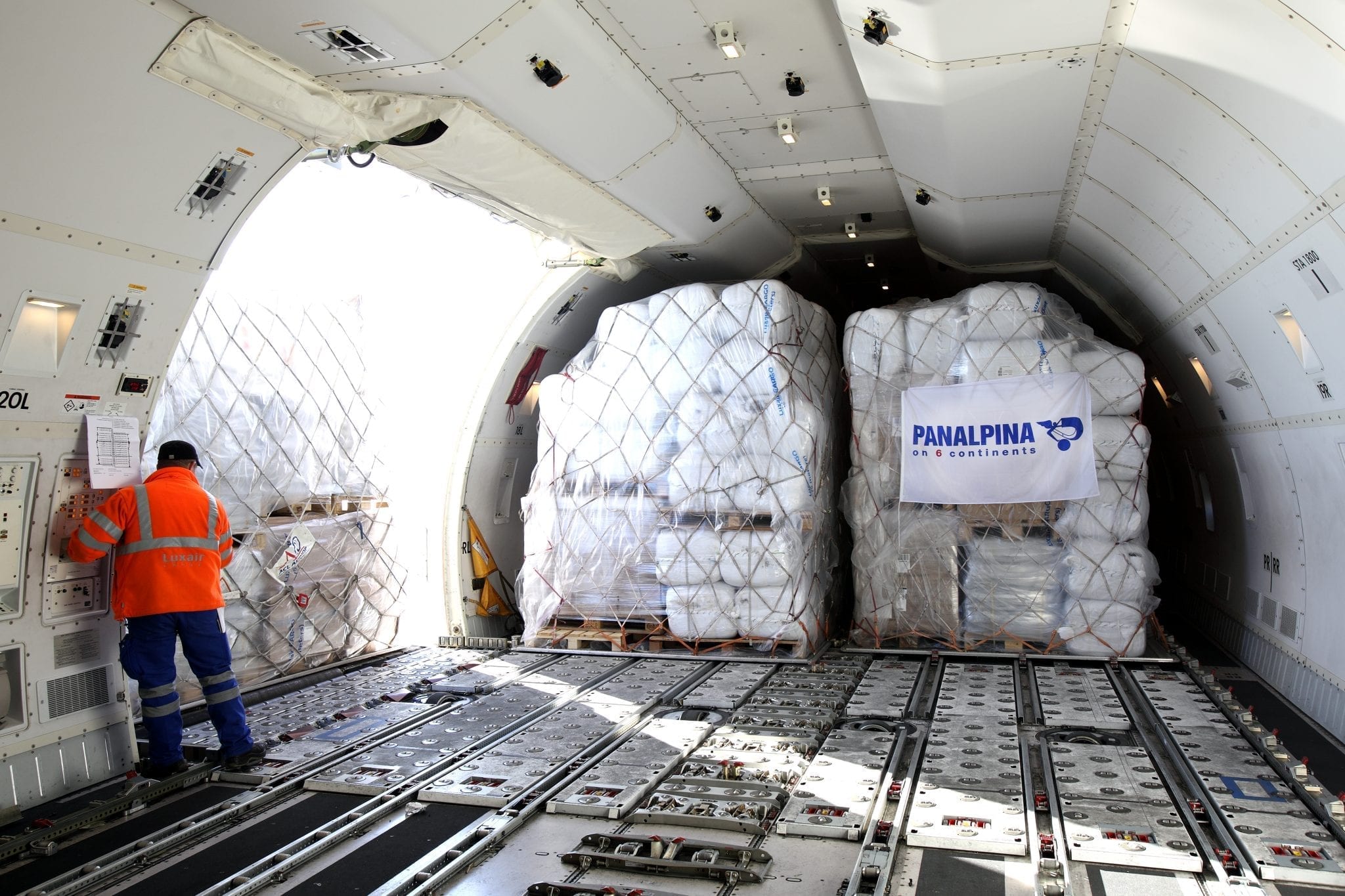
    During the first nine months of 2017, Panalpina grew volumes in air freight and ocean freight compared to the same period last year. As the year progressed, group gross profit as well as EBIT increased with every quarter. Year-on-year, Panalpina’s reported EBIT increased from CHF 67.5 million (adjusted YTD 2016: CHF 93.6 million) to CHF 72.1 million and the reported consolidated profit increased from CHF 46.5 million (adjusted YTD 2016: CHF 72.6 million) to CHF 48.4 million.

    Panalpina’s air freight volumes increased 8% in the first nine months of 2017. From January to September, gross profit, unit profitability and EBIT in air freight increased with every quarter. Compared to the same period last year, gross profit per ton decreased 7% to CHF 632 (YTD 2016: CHF 678), resulting in a gross profit of CHF 456.0 million (YTD 2016: CHF 453.4 million). Reported EBIT in Air Freight increased from CHF 60.0 million (adjusted YTD 2016: CHF 72.6 million) to CHF 69.4 million. The EBIT-to-gross-profit margin for the first nine months of 2017 came in at 15.2% compared to 13.2% (adjusted YTD 2016: 16.0%) a year before.

    “Nine months into the year, Air Freight and Logistics are well under way and showing continued solid performance,” says Panalpina CEO Stefan Karlen. “We are well-prepared for another strong peak season in Air Freight, however it remains to be seen how dynamic the carrier market will be this year.”

    In Logistics, gross profit decreased 16% to CHF 245.4 million year-on-year (YTD 2016: CHF 293.3 million), but has stabilized throughout 2017. Logistics is now sustainably profitable,  posting an EBIT of CHF 8.1 million for the first nine months of 2017, compared to CHF 1.2 million (adjusted YTD 2016: CHF 5.0 million) for the same period last year.

  • Fintech Firm TrueMoney Reaches 13,500 Customer Service Points in Indonesia

    Fintech Firm TrueMoney Reaches 13,500 Customer Service Points in Indonesia

    PT Witami Tunai Mandiri, the Indonesian operations of Southeast Asian fintech firm TrueMoney, has reached 13,500 Indonesia customer service points. Through these agent-managed service points TrueMoney provides a suite of e-money solutions, including depositing and withdrawing cash, paying for online purchases, and domestic fund transfers, which are fully compliant with Indonesian central bank regulations.

    TrueMoney is now one of the largest non-bank e-money providers, and the first non-bank fintech firms to hold a remittance license as well as a Shariah-complaint e-money license, critical for reaching a large percentage of Indonesian consumers.

    Alfamart, one of Indonesia’s largest convenience store operators, is TrueMoney’s latest partner, bringing its 13,168 outlets onto TrueMoney’s agent network. With TrueMoney’s suite of e-money solutions, Alfamart’s customers – many of which have no bank account or credit/debit card – can use digital financial services – pay, purchase, and transfer – that they may otherwise have no access to.

    Nussy Aryanto, President of TrueMoney Indonesia said, “Far too many of Indonesia’s people have no, or very limited access to financial services. By being mobile first and working with a number of partners such as Alfamart, we are able to offer access, convenience and completely new financial products to this large population. Our mission is to bring basic financial services to every single Indonesian.”

    According to the International Finance Corporation about 20%-25% of Indonesia’s 255 million population has a bank account, but there are around 325 million mobile subscriptions. With 85% of the population owning a mobile phone, about half are smartphones. This means digital services, including digital financial solutions, can reach a much larger segment of the population if delivered, at least in part, through mobile devices.

    Hans Prawira, President of Alfamart said, “We have millions of customers across Indonesia, especially outside of major cities. We are always trying to serve their needs, and our partnership with TrueMoney will bring a whole new set of products and services that will improve our customers’ lives. It will now be much easier and cheaper for them to send and receive funds from relatives, using cash at our outlets; their lives will be changed.”

    Marketing Magazine recently awarded TrueMoney Indonesia “The Best Innovation in Marketing” for it efforts at building an agent network of roadside shops and grocery stores to provide financial services across Indonesia.

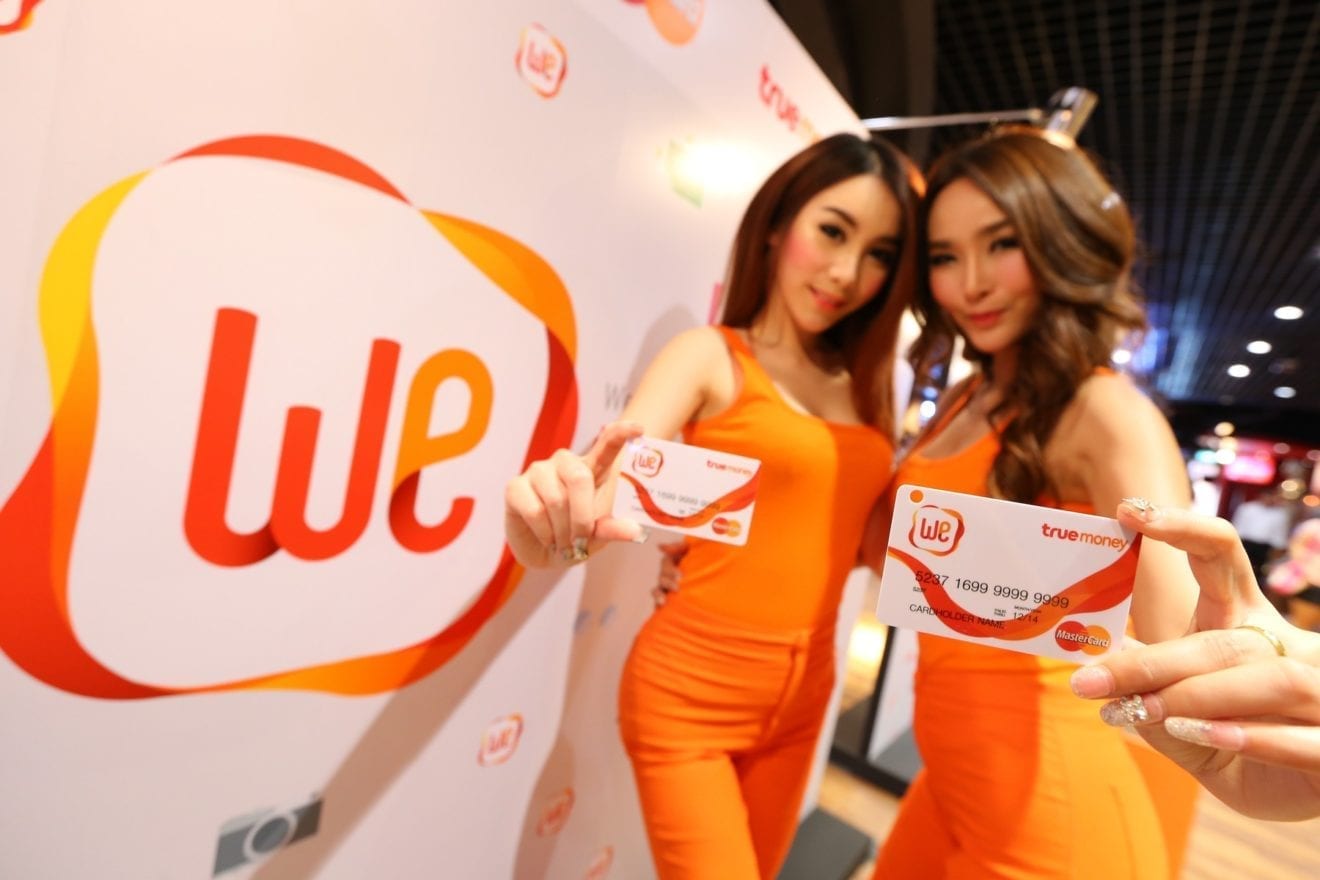
    TrueMoney provides a number of e-payment services across Southeast Asia, including TrueMoney Wallet, WeCard (with MasterCard), TrueMoney Cash Card, Kiosk, Express, Payment Gateway, and Remittance. It also provides cash-in and cash-out services, which will be especially useful in Indonesia where a large number of the population is unbanked or underserved by banking and financial institutions. They can do this at any of TrueMoney’s 13,500 agent locations in ten provinces.

    Today, TrueMoney Indonesia introduced its newest service TrueMoney Remittance, with Alphamart as the service provider. TrueMoney Remittance is a cash-to-cash service which allows customers to send and withdraw cash from any of Alphamart’s 13,168 stores.

    TrueMoney launched its operations in Indonesia in June 2016. The partnership with Alfamart follows a number of important partnerships across Indonesia, including Samsung. TrueMoney is a subsidiary of Thailand-based Ascend Money, one of the largest fintech companies in Southeast Asia with over 20 million customers. Ascend Money is backed by Thailand’s CP Group and has recently secured a 20% investment by ANT Financial Services Group, operator of China’s most popular e-wallet Alipay.

  • Alipay mobile payment introduced in Denmark

    Alipay mobile payment introduced in Denmark

    The world’s leading mobile payment platform Alipay was launched in Denmark on Monday, enabling its Chinese users to enjoy its fast and convenient payment service when they travel to the Nordic country.

    “We are happy that Denmark and the Nordics are embracing Alipay for Chinese tourists. The adoption of Alipay services of both payment and marketing will not only enhance the experience of Chinese consumers but also help Danish businesses to reach out to their Chinese customers even before they depart from China,” said Wang Li, head of Alipay EMEA (Europe, Middle East and Africa).Operated by Ant Financial Services Group, an affiliate company of China’s Alibaba Group, Alipay users can hail a taxi, book a hotel, buy movie tickets, pay utility bills, make appointments with doctors, or purchase wealth management products directly from within the app.

    Alipay was launched in Denmark by APay Nordic AS, in cooperation with 2paynow, the technology platform provider of Alipay in Europe.

    “We are glad to see that APay Nordic is now introducing Alipay into Denmark, which will further strengthen the advantages of Denmark as a Chinese-friendly destination,” said Miklos Bengtsen, CFO of ILLUM, a premium department store in Copenhagen, adding that China is a very important market for the Danish retail business.

    According to Wang, Alipay’s in-store payment service is covering more than 30 countries across the world, and tax reimbursement via Alipay is supported in 24 countries and regions.

    Alipay has been launching its services in Europe since mid-2016. Denmark is the fourth Northern European country for Alipay to set foot in after Norway, Finland and Sweden.

    Alipay now has over 520 million active users and over 450 financial institution partners globally. Over 10 million merchants accept Alipay across China.