Tag: asia

  • PayMaya, Smart boost rollout of QR code payments

    PayMaya, Smart boost rollout of QR code payments

    After it introduced the first Quick Response (QR) code payments via app in the Philippines last May, PayMaya Philippines has announced that the scan-to-pay technology is now available across the country, with Smart Stores and select merchants in key cities allowing consumers to conveniently pay by simply scanning QR codes through their PayMaya app.

    Smart subscribers have a new means to transact with their accounts as Smart Stores all over the country are equipped with PayMaya QR technology. PayMaya is also enabling merchants in communities starting with canteens in partner schools like STI and commercial establishments in cashless cities such as Muntinlupa and Malabon. Similarly, PayMaya is also tapping popular merchants in SmartSpots already enabled by WiFi connectivity in key cities such as Baguio, Cebu and Davao.

    In the near future, payments enabled by PayMaya will also be accepted online and in-store in popular food chains, supermarkets and malls such as McDonald’s, Army Navy, Domino’s Pizza and Gaisano Supermarkets, among others.

    To further bring the technology to more users, Smart and PayMaya are also set to equip Smart retail partners down to the sari-sari store level with the payment technology.

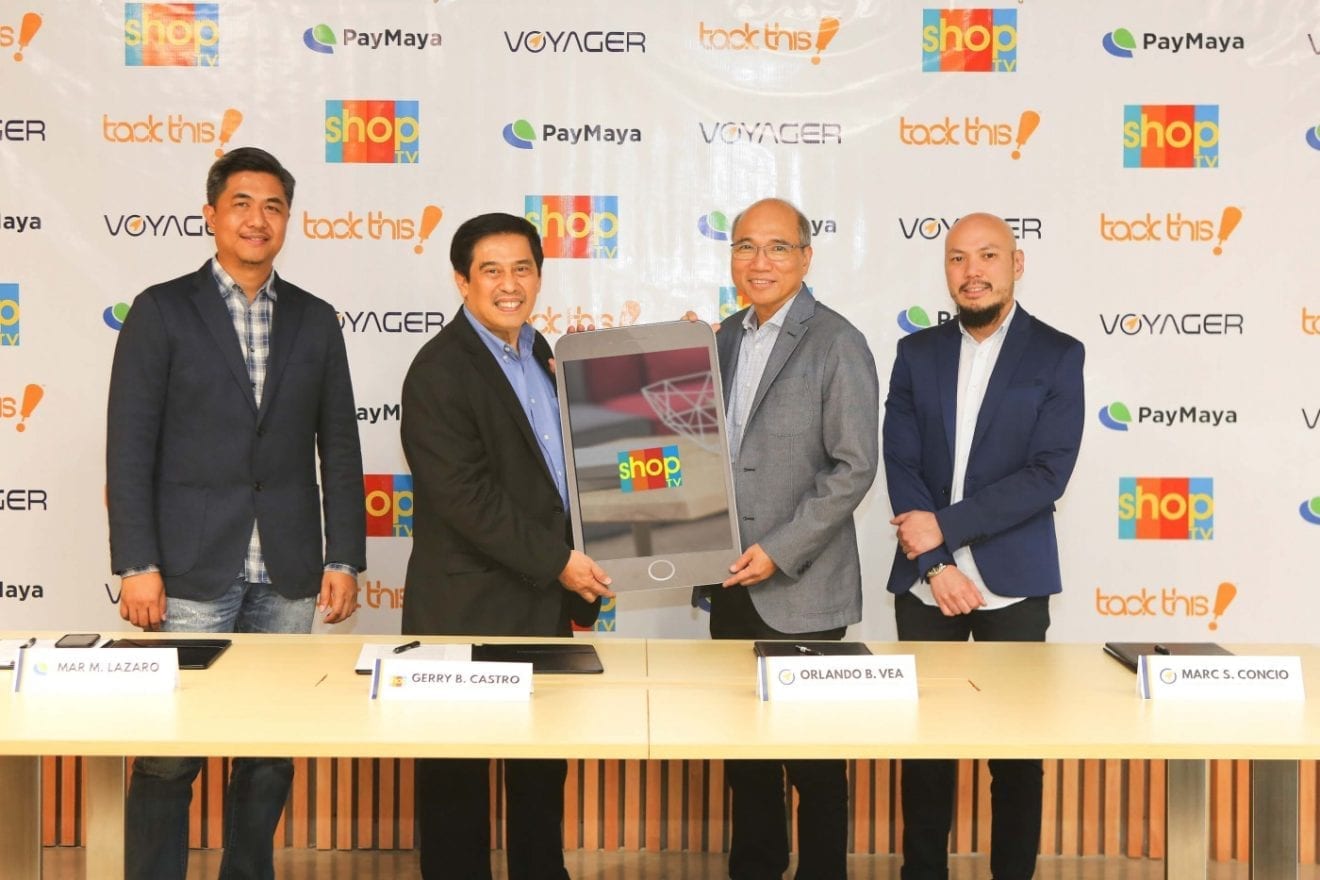
    “As PayMaya continues to grow nationwide, we take a giant step for our customers by making QR code payments available to all kinds of merchants. PayMaya is the leading digital payments wallet and on the merchant side, this will reinforce our position as the top mobile payments acquirer in the country,” said Orlando Vea, president and CEO, PayMaya Philippines and Voyager Innovations.

    “Convenient and secure cashless transactions complete the digital life experience of people and communities. Equipping our Smart Stores, partner merchants and retailers with PayMaya’s innovative platforms is a step in making our vision a reality,” said Eric Alberto, chief revenue officer, PLDT and Smart.

    Existing technology, new use cases, right conditions

    QR code technology has been in use for quite some time with many applications already in the market. However, wide adoption for payments had been previously hampered by various factors, such as lower smartphone and internet usage.

    The technology has now taken off around the world, with payment providers in various countries introducing use cases for adoption. Globally, Tencent’s WeChat app is the leader with close to a billion active users, most of them residing in China. Similar to PayMaya, every time their app is downloaded, so too is a QR code reader as the feature has already been integrated.

    In the Philippines, the growing smartphone and internet penetration is now being complemented by digital payments adoption, pioneered by PayMaya. It has made payments integration capability via QR codes available and is now accelerating consumer acceptance, as it further builds up and reinforces the payment ecosystem and infrastructure across the country.

    It takes a village to make ‘cashless’ work

    “For any kind of digital payments technology to be widely adopted, it is important to foster the right conditions and build the ecosystem. PayMaya is already leading the market toward this direction. Along with the strongest network of PLDT and Smart, we are seeing digital financial inclusion in action,” said Manuel V. Pangilinan, chairman of PLDT, Smart, Voyager Innovations and PayMaya Philippines.

    PayMaya Philippines is the digital financial services arm of PLDT and Smart’s Voyager Innovations. Its PayMaya wallet, accessible via mobile app and Facebook Messenger (@PayMayaOfficial) that comes with a virtual and physical Visa or MasterCard, is now the preferred prepaid payment by the millennial market.

    Any mobile subscriber can simply download the PayMaya app from the Play Store or the App Store and load up their wallet at any of the more than 15,000 reloading stations nationwide, which include SM Business Centers, Robinsons Department Stores Business Centers and 7-Eleven, Petron stations along NLEX and Ministop outlets with Touchpay Kiosks, UnionBank ATMs, Shopwise, Wellcome, 2Go outlets, Smart Padala centers, Palawan Pawnshop and online banking via BDO and UnionBank.

    PayMaya is also the platform of choice of local governments, enterprises and schools for disbursements and ID-plus payments cards.

    PayMaya-enabled ID-plus payment cards are being used by Balanga City, Malabon City, Malolos City, Muntinlupa City, Catbalogan City and Tacloban City, as well as by schools such as STI.

    Meanwhile, PayMaya Business, the company’s system solutions provider that allows businesses to receive online and card payments anytime, anywhere, is now the top mobile payments acquirer powering companies such as Cebu Pacific, Lazada, Meralco, Metro Pacific Tollways, Philippine Airlines, Smart, and Zalora, as well as numerous other merchants.

    Completing the cashless ecosystem is Smart Padala’s largest money-in/money-out remittance network.


  • Hokkaido Baked Cheese Tart heading for Vietnam

    Hokkaido Baked Cheese Tart heading for Vietnam

    Hokkaido Baked Cheese Tart will launch into Vietnam next month.

    The Japanese-inspired Malaysian brand has hinted at its debut with a sign over a kiosk under construction in the Saigon Center shopping mall in Ho Chi Minh City.

    Meanwhile, the company’s website announces it is seeking staff members for expansion into Vietnam.

    Hokkaido Baked Cheese Tart has been expanding throughout Asia with stores already in Brunei, Indonesia, Malaysia, Shanghai, Singapore and Australia.

  • Degussa GoldHandel exits Singapore after two years

    Degussa GoldHandel exits Singapore after two years

    Two years after opening its first precious metals store in Asia, on Orchard Road, German company Degussa GoldHandel has decided to close it at the end of the month.

    Its website carried the surprise one-sentence announcement.

    When it opened the branch in October 2015 as part of an international expansion strategy, the company said it saw Singapore as an “ideal market”.

    Near Dhoby Ghaut MRT station, the 93sqm Degussa Singapore store was run by Degussa Precious Metals Asia, offering branded precious-metal bars, coins and collectibles, plus safety deposit boxes and other secure storage.

    Degussa GoldHandel has 10 bullion product stores in Germany as well as branches in Spain and Switzerland.

    Degussa Precious Metal Asia last year had a net loss of S$2.8 million (US$2 million) on revenues of $59 million. At the same time, Degussa Singapore’s total liabilities exceeded total assets by $4.35 million.

    World Gold Council (WGC) data shows overall gold demand in Singapore this year totalled 17.1 tonnes, compared to 18.1 tonnes last year, while the demand for gold bullion has dropped to five tonnes from 5.9 tonnes.

  • Pure Group looking to sell majority stake

    Pure Group looking to sell majority stake

    Hong Kong gym chain Pure Group is seeking to sell, with insiders saying its value could reach as high as US$500 million.

    The company’s investors, including buyout firm Leonard Green & Partners and businessman Bruce Rockowitz, are working with an investment bank to find a buyer for a controlling stake.

    Founded in 2002, Pure Group has Pure Yoga and Pure Fitness centres in prime spots in Hong Kong such as IFC Mall, as well as Shanghai, Singapore, Taipei and New York. It also has the rooftop Red Bar + Restaurant with views over Victoria Harbour, and sells its own branded activewear and organic food.

    According to its website, the company has more than 70,000 clients and employs 1400 staff.

    Global Brands Group Holding CEO Rockowitz, who is married to Chinese pop singer Coco Lee, is believed to own about half of Pure Group.

    Fung Group is also seeking to offload its stake of about 10 per cent, insiders say, while Pure Group management is expected to keep a minority interest.

  • Makeup brand 3ina arrives from Singapore

    Makeup brand 3ina arrives from Singapore

    Spanish makeup brand 3ina has arrived in Singapore, opening stores in Ion Orchard and Tampines Mall.

    Pronounced Mina, the brand offers products in trending colours especially suited to younger women and those who like experimenting. Standouts include coloured mascara, liquid liners in iridescent finishes and nail polishes.

    All products are made in Europe, and as well as being vegan are free of paraben and are “cruelty-free”.

    There is also makeup for the less adventurous with staples such as a three-in-one foundation to brow pencils, matte lipsticks, chubby lip pencils, brushes and other makeup tools.

  • Foodpanda brand overhaul follows acquisition

    Foodpanda brand overhaul follows acquisition

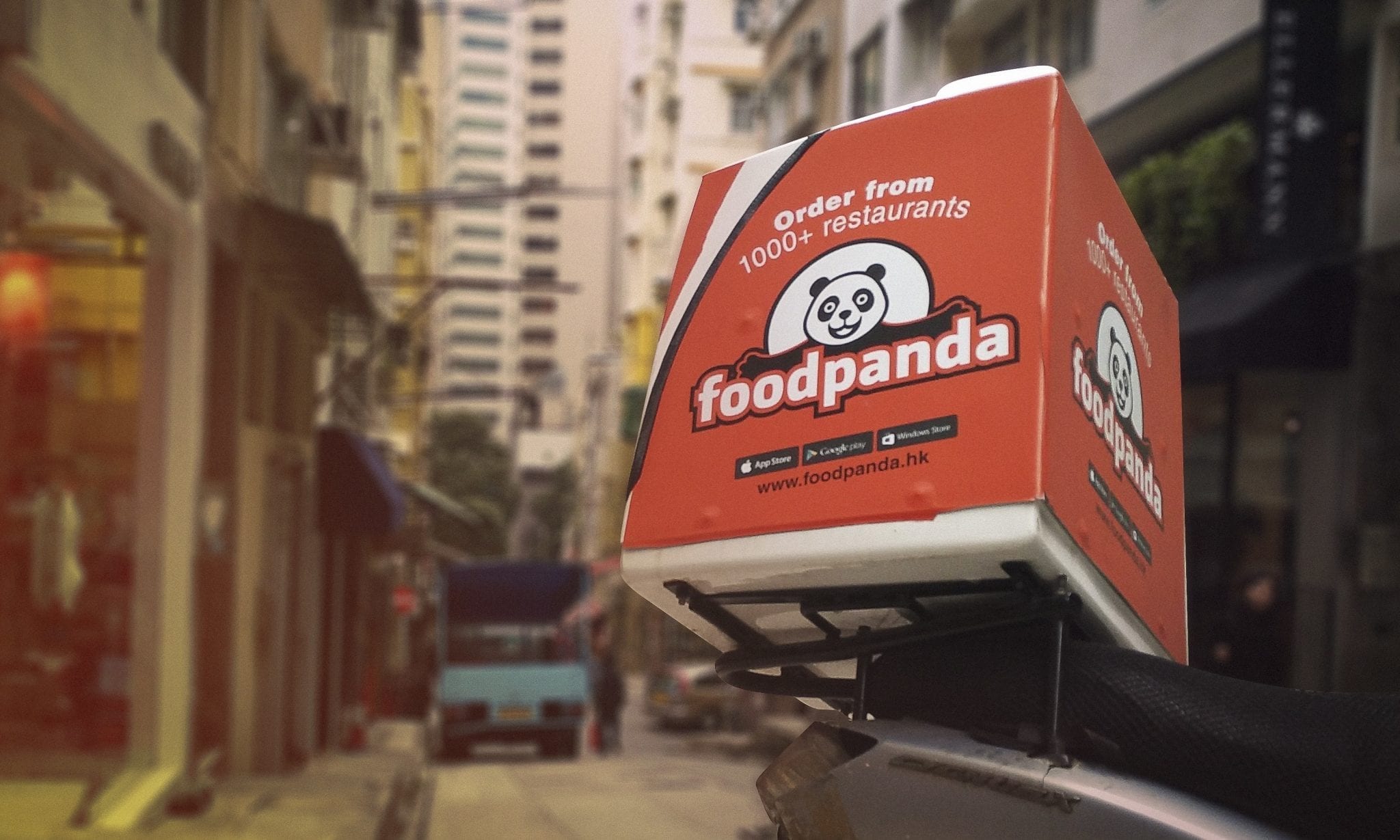
    A Foodpanda brand overhaul has been launched following its acquisition by tech giant Delivery Hero last December.

    While the iconic panda is still part of the food delivery company’s logo, it has been tweaked to have a round face, while the brand colour has been changed from orange to pink with a slimmer more contemporary font.

    According to the company, the new logo aims to be more memorable.

    “Pink will be a strong differentiator for Foodpanda to stand out in markets in which orange is used extensively throughout the city,” says head of marketing Laura Kantor. Also, pink is the signature colour of its sister company Foodora.

    The rebranding will roll out in 190 cities across 12 countries, including Hong Kong, Malaysia, Singapore, Taiwan, Thailand and the Philippines.

    Along with the change in brand identity, Foodpanda has introduced an upgraded app and front end that introduces live tracking for orders.

    While declining to reveal the cost of the rebrand, Kantor says it has been a “mammoth task” to convert all its brand assets. It had to work on its app, website and other digital platforms, before moving on to more than 1500 restaurant partners in Singapore alone to replace all its collateral.

    Foodpanda also had to change out uniforms and delivery bags for its 3000-strong rider fleet, and also changed everything from orange to pink, including the walls, at its Singapore headquarters.

    Meanwhile, the company is working with restaurants to create celebratory dishes that will be available exclusively on Foodpanda for two weeks.

  • SAP uses machine learning to optimize shop experience

    SAP uses machine learning to optimize shop experience

    SAP this week introduced new technologies ranging from facial recognition, machine learning and IoT to enable targeted marketing campaigns and help consumers optimize their shopping experience.

    Offered through SAP Hybris Marketing Cloud, the new capabilities encompass an array of solutions to help companies ensure they use the right messages to target key customers, while ensuring that customers’ data and privacy are protected.

    One notable component would be the SAP Leonardo digital innovation system which offers facial recognition technology to help retailers engage in-store shoppers. Using facial analysis, the software connects shoppers’ genders and ages to a company or store’s available inventory and stock, enabling personalized product recommendations presented on large displays.

    The SAP Hybris Customer Attribution meanwhile provides marketers with accurate measurements of marketing campaigns and activities that lead to a customer purchase. Data is collected across all touch points of the customer journey, giving insight into what’s driving customer conversions and where to reallocate activities and budget in real time.

    With a nod towards the growing influence of the Chinese social media application WeChat, SAP also announced WeChat integration for SAP Hybris to help marketers expand their global footprint to more than 889 million users across China.

    The need for ensuring customers’ data and privacy is not an unimportant capability too. According to the 2017 SAP Hybris Consumer Insights Report, SAP found that the fastest way to lose customers is to share their data without their knowledge.

    On the other hand, the survey of 20,000 shoppers worldwide found that the easiest way to keep customers happy is to be responsive; nine out of 10 customers (89%) expect an answer to their query within 24 hours.

    On the most part, brands should not shy away from seeking more information about their customers: Four out of five shoppers (80%) are willing to share some of their customer data with brands, with Colombia and India being the most inclined (92%) and with Japan being the least inclined (52%).

    Respondents from all countries, except Russia, are willing to share their e-mail addresses, but only half of Middle East-based consumers want to share their mobile phone numbers.

  • U-Freight gains further accreditation for e-commerce capabilities

    U-Freight gains further accreditation for e-commerce capabilities

    The U-Freight Group (UFL) has seen its North American E-commerce Fulfillment Centre (EFC) being named as one of the most valuable by the China Cross Border Electronic Commerce Professional Committee. Diana Peng, vice president of the Hong Kong-based freight forwarding and logistics company UFL received the award at the recent Global E-Commerce Conference held during the China International Fair for Investment and Trade in Xiamen.

    CEO, Simon Wong, commented, “U-Freight has been a pioneer in developing logistics services for the e-commerce market, which resulted in us being early-qualified by China Customs and CIQ as a licensed Cross-border E-Commerce Enterprise, as well as a Cross-border E-Commerce Logistics Service Provider. With an extremely strong e-commerce logistics set-up in China, U-Freight has committed to investing in redevelopments at a number of its warehouses around the world to better equip them to handle the logistics associated with the ever-growing global e-commerce business.”

    Wong added, “As part of that we have invested in developing enhanced facilities at our EFC in USA, which has been rewarded by our being named as one of the most valuable North America EFC by the China Cross Border Electronic Commerce Professional Committee. We have a system that can connect e-commerce/e-shop platforms with relevant customs authorities and, which delivers data transparency. This is something that is on offer at all of our facilities around the world that offer e-commerce logistics services.

    “The e-commerce industry, led by China, is a new engine of growth for the global economy, and the value of global e-commerce transactions will only rise with increasing internet penetration and recognition. China is leading the way and e-commerce trading in China reached 26.1 trillion yuan (USD3.8 trillion) in 2016. Cross-border e-commerce surpassed five trillion yuan, up 28.2 per cent, statistics from the 2016-17 Chinese E-commerce Development Report show. The report also said that by June this year, the number of online shopping customers in China reached 514 million, 10.2 per cent higher than in December 2016.”

    According to Wong, in the future, cross-border e-commerce will become a new growth point, thanks to the business environment fostered by China’s Belt and Road Initiative and structural supply side reform in the country. The coming years will also see the integration of online and offline services, as well as more intelligent and innovative online retail sales models.

    “IT technology, including cloud computing, big data, internet of things, artificial intelligence and virtual reality, will play a more important part in the whole e-commerce industry and U-Freight is positioning itself to play its part by developing e-commerce fulfilment centres that deliver cost-effective and efficient logistics services,” said Wong.

  • Dtac profit falls 8.8% in Q3

    Dtac profit falls 8.8% in Q3

    Thailand’s Dtac has reported an 8.8% year-on-year decrease in net profit for the third quarter of 2017 as a result of declining revenue and costs associated with network investment.

    The operator reported a profit for the quarter of 601 million baht ($18.1 million), from 3.7% lower revenue of 18.81 billion baht. Service revenue fell 1.5% year-on-year to 15.96 billion baht.

    Voice revenue fell 36% year-on-year to 3.52 billion baht due to ongoing voice to data substitution, while data revenue increased 19% year-on-year to 11.15 billion baht. Handset and starter kit sales meanwhile fell 6% year-on-year due to controls on handset subsidies.

    Dtac’s total customer base meanwhile fell 6.9% year-on-year to 23.1 million, with postpaid net additions reaching 134,000 while prepaid subscribers fell by 642,000.

    The operator’s bottom line was also impacted by higher network opex and depreciation costs associated with its network rollout. Total cost of services increased 3.4% year-on-year to 10.97 billion baht and network opex grew 9% over the same period to 1.69 billion baht.

    For the full year, Dtac has maintained its outlook of flat service revenues and an ebtida at least as high as in 2016. The company expects its total capex for the year to be in the range of 17 billion to 20 billion baht.

    “Market competition is expected to remain intense. Attractive handset offerings continue to be employed to attract high value customers, and prepaid handset subsidies are expected to persist although at a less aggressive level,” Dtac said in its third quarter report.

    “Data services remain a growth driver thanks to higher demand from the growth of streaming services and superior 4G experience… We aim to gain consumers’ confidence with improving data network, digital products and services, and value for money position, and become [the top] digital brand in Thailand by 2020.”

  • LG U+, Huawei validate 4G-5G dual connectivity

    LG U+, Huawei validate 4G-5G dual connectivity

    South Korea’s LG U+ has collaborated with Huawei to complete technology verification for 4G-5G dual-connectivity technology.

    The field test involved linking a 3.5-GHz base station with a 28-GHz base station to allow terminals to simultaneously connect to both, achieving a peak downlink rate of around 20Gbps.

    It involved the use of two base stations at a LG U+ 5G testbed in Seoul. The operator had already verified the technology in a laboratory environment.

    LG U+ director of 5G strategy Kim Dae Hee said dual connectivity technology will provide the foundation for 4G-5G heterogeneous networks.

    “By demonstrating ‘Dual-Connectivity’ technology, which will play a key role in multi-operation of 4G and 5G wireless base stations, we will develop various next-generation technologies to provide a 5G service.”

    LG U+ and Huawei have been collaborating on 5G development since the two companies signed a 5G collaboration agreement in July 2015. Last month, the companies completed the first phase of an urban field test of 5G over the 28-GHz band.

    The companies pledged to continue to carry out 5G technical cooperation and verification activities in advance of the planned commercial deployment of the technology in time for the 2018 Winter Olympics in PyeongChang.

  • Australia’s Retail Food Group to target China

    Australia’s Retail Food Group to target China

    Australian-headquartered food and beverage retailer Retail Food Group says it will focus on greater China for its next phase of growth.

    RFG is Australia’s largest multi-brand retail food franchise owner, developer and manager, with a network of more than 2500 outlets across 12 brands and 81 territories. RFG CEO international, Mike Gilbert, says the company plans to introduce a selection of its coffee-based retail food brands to Chinese consumers.

    “We’re excited to replicate our successful Australian operations in the Chinese market and accelerate the growth of brands like Gloria Jean’s Coffees, Donut King, Crust Gourmet Pizza Bar, Brumby’s Bakery, Michel’s Patisserie, Pizza Capers Gourmet Kitchen, Cafe2U and It’s A Grind in the region,” he said.

    The company also owns the BB’s Cafe, Esquires, The Coffee Guy franchise systems and the premium Di Bella Coffee Co brand.

    Gilbert says RFG’s international expansion model is based on recruiting master franchise partners who purchase a license to develop a certain brand system in a defined territory, and provides the company and local partners with the opportunity to forge sustainable alliances.

    A key strategy driving the group’s global growth is its hub network, which provides a platform for fast-tracking coffee and brand system expansion in international markets, whilst also more efficiently servicing the company’s existing markets.

    RFG is developing a Middle East hub next year which it believes will help it expand quickly through the MENA region, whilst enabling the group to more efficiently service and grow brands  in the Gulf.

    “We currently have hubs in Australia, New Zealand and the US, and plans for the Middle East underway, and will be looking to replicate them in Asia and Europe,” said Gilbert.

  • Vivo smartphones arrive in Hong Kong

    Vivo smartphones arrive in Hong Kong

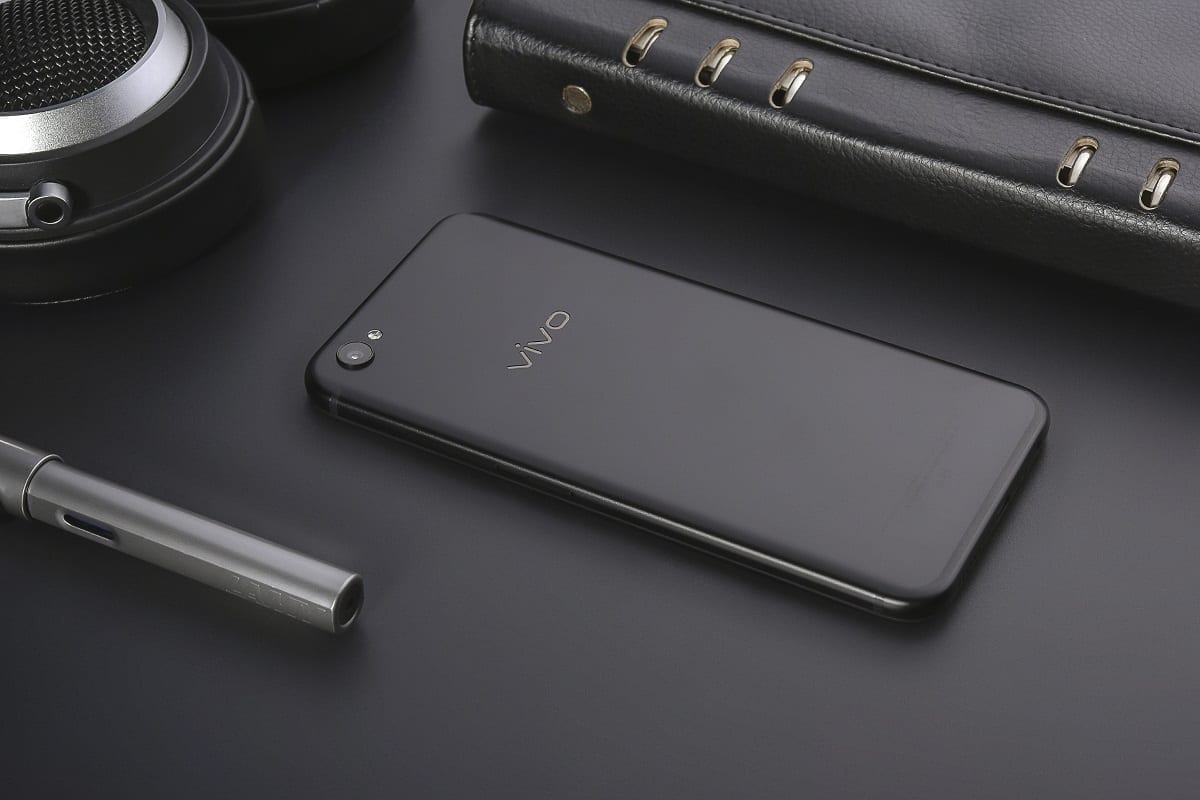
    Chinese smartphone brand Vivo has entered the Hong Kong market with the launch of its latest model, the X20.

    It will soon also take its products to Taiwan, Singapore and Russia, followed by a push into Africa early next year.

    With sharp growth in the past year, Chinese smartphone brands now hold a record 48 per cent of global share, says technology research company Counterpoint. Vivio’s V7+ is already attracting strong sales in India, Thailand, the Philippines, Myanmar, Malaysia, Indonesia, Pakistan, Cambodia and Bangladesh.

    “Since our first entry into the international markets in 2014, we have been dedicated to understanding the needs of consumers through in-depth research,” says Vivo senior VP Alex Feng.

    US research company Gartner says Vivo ranked fifth in global smartphone sales for the second quarter of this year in terms of volume, with 6.6 per cent  market share.

    Founded in 2009, Vivo is known for its innovative phone cameras and was the first brand to launch a smartphone with a dedicated Hi-Fi chip. It is the official sponsor of the 2018 FIFA World Cup.

  • Sephora to open new Highpoint Shopping Centre store next month

    Sephora to open new Highpoint Shopping Centre store next month

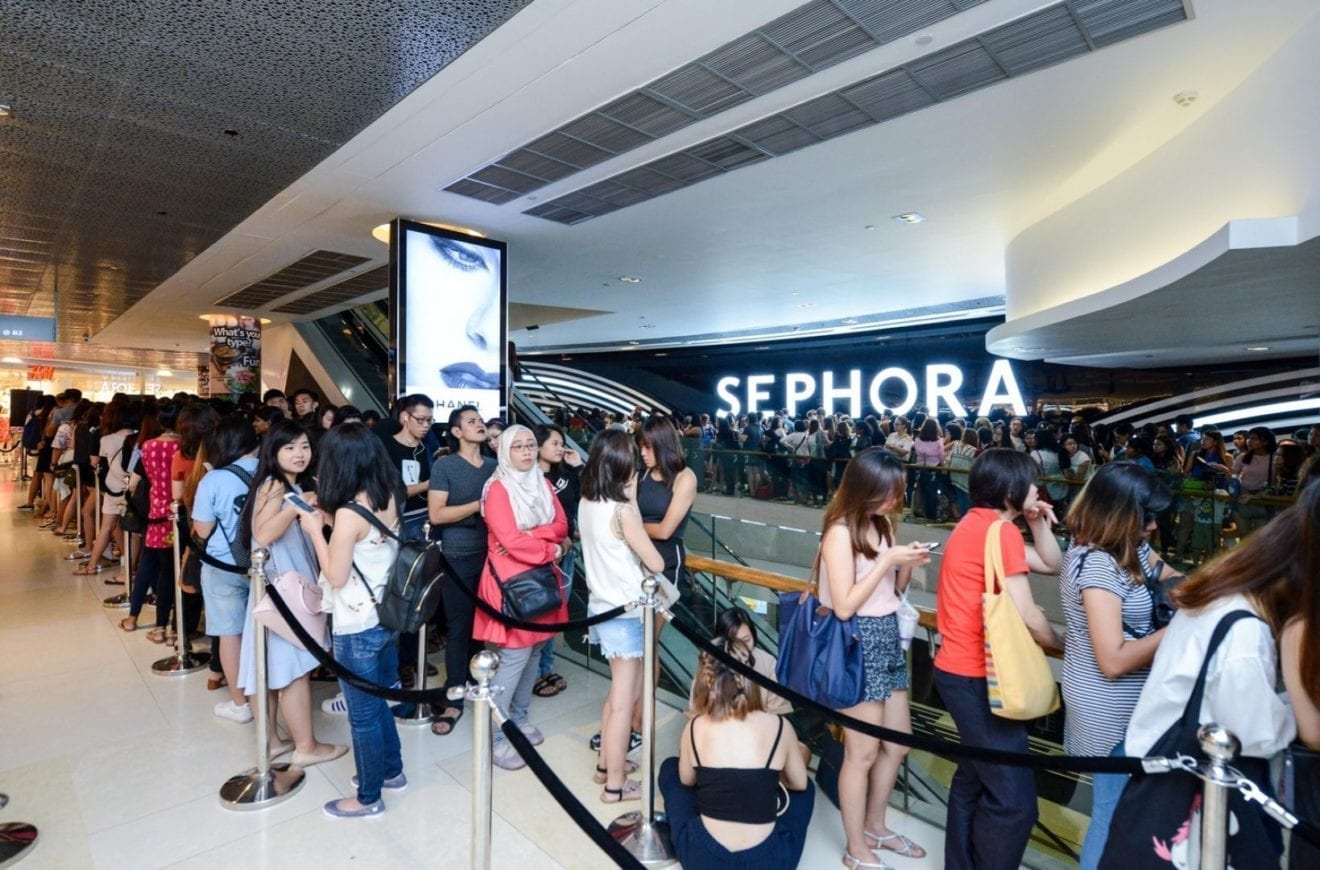
    Global beauty giant ,Sephora, is continuing its expansion in Australia as it opens its new store at Highpoint Shopping Centre on November 2.

    This will be the global retailer’s 13th Australian store and third in Victoria, (Melbourne Central and Chadstone).

    The new store will feature over 100 cosmetic brands including exclusive lines from Marc Jacobs Beauty, Givenchy, Tarte, Anastasia Beverly Hills and the new Fenty Beauty by Rihanna.

    “We can’t wait to bring another Sephora store to Victoria,” said Sephora country manager Libby Amelia.

    “The demand for more Melbourne stores has been considerable and we want to be able to meet the expectations of our local beauty aficionados. Highpoint Shopping Centre is a great fit for us and we’re looking forward to launching there next month.

    Sephora is also expanding its product offering in-store and online, with the recent launch of its new Wellness Category. The all-new Wellness Category features health and wellness brands including; KORA Organics, The Beauty Chef & WellCo.

  • Alibaba Macau trademark registrations lodged

    Alibaba Macau trademark registrations lodged

    Alibaba Group Holding has applied for new trademark registrations in Macau, according to the Official Gazette.

    Alibaba has applied for the protection of 14 sets of commercial services and products under two brandnames, Alisports and 阿里體育. Overall, Alibaba Macau is seeking commercial protection for the provision of scientific services, cloud computing and IT applications, games and toys, advertising, data processing, information, telecommunications and broadcasting, online training and education, as well juridical and legal services.

    With more than 50,000 employees, Alibaba Group provides C2C, B2C and B2B sales services via web portals. Its main businesses comprise core commerce, cloud computing, digital media and entertainment.

    In early July, the group had several applications for trademark protection approved in the city for products including media, e-payment systems, nautical instruments and file-sharing software.

    On August 4, the Macau SAR government and Alibaba co-founder/CEO Jack Ma signed a framework agreement to implement services linked to the development of Macau as a “smart city”, including medical services, transport logistics and encouraging talent to return to the city.

  • ZTE launches total pre 5G solution

    ZTE launches total pre 5G solution

    ZTE has announced the launch of what the vendor is calling a total pre5G solution designed to allow existing 4G subscribers to experience 5G-like services.

    The solution combines 5G enabling technologies and architectures including pre5G massive multiple input multiple output (MIMO) and 4×4 MIMO.

    The pre5G portfolio also includes ZTE’s Cloud ServCore, a cloud native NFV-based 5G network functions management solution and its Cloud RAN product.

    In addition, 5G-oriented service applications including high data rate services such as ultra HD and virtual reality streaming and massive IoT applications based on narrowband IoT and enhanced machine-type communications (eMTC).

    Announcing the new offering, ZTE said 4G is expected to continue to dominate the market for up to a decade even as 5G deployments get underway. As a result, 4G network evolution and 5G rollouts will continue in tandem, so pre5G configurations will likely co-exist with full 5G deployments.

    The company said its pre5G related products and solutions have so far been deployed in more than 60 networks across more than 40 countries, including China, Japan, Austria, Belgium, Spain, Singapore, Malaysia, Thailand and Indonesia.