Tag: asia

  • Tesla working with AMD to develop chip for self-driving car

    Tesla working with AMD to develop chip for self-driving car

    Electric carmaker Tesla is working with Advanced Micro Devices to develop its own artificial intelligence chip for self-driving cars, citing a source familiar with the matter.

    AMD spin-off GlobalFoundries Inc Chief Executive Sanjay Jha said his company is working directly with Tesla. GlobalFoundries, which fabricates chips, has a wafer supply agreement in place with AMD.

    Tesla isn’t completely going it alone in chip development, according to the source, and will build on top of AMD intellectual property.

    More than 50 people are working on the project under Jim Keller, a longtime chip architect and the head of Autopilot hardware and software of Tesla, according to the report.

    AMD shares were up 2.2 percent in extended trading.

    Tesla, AMD, and GlobalFoundries did not immediately respond to requests for comment.

  • The Glen to unveil new fresh food market hall

    The Glen to unveil new fresh food market hall

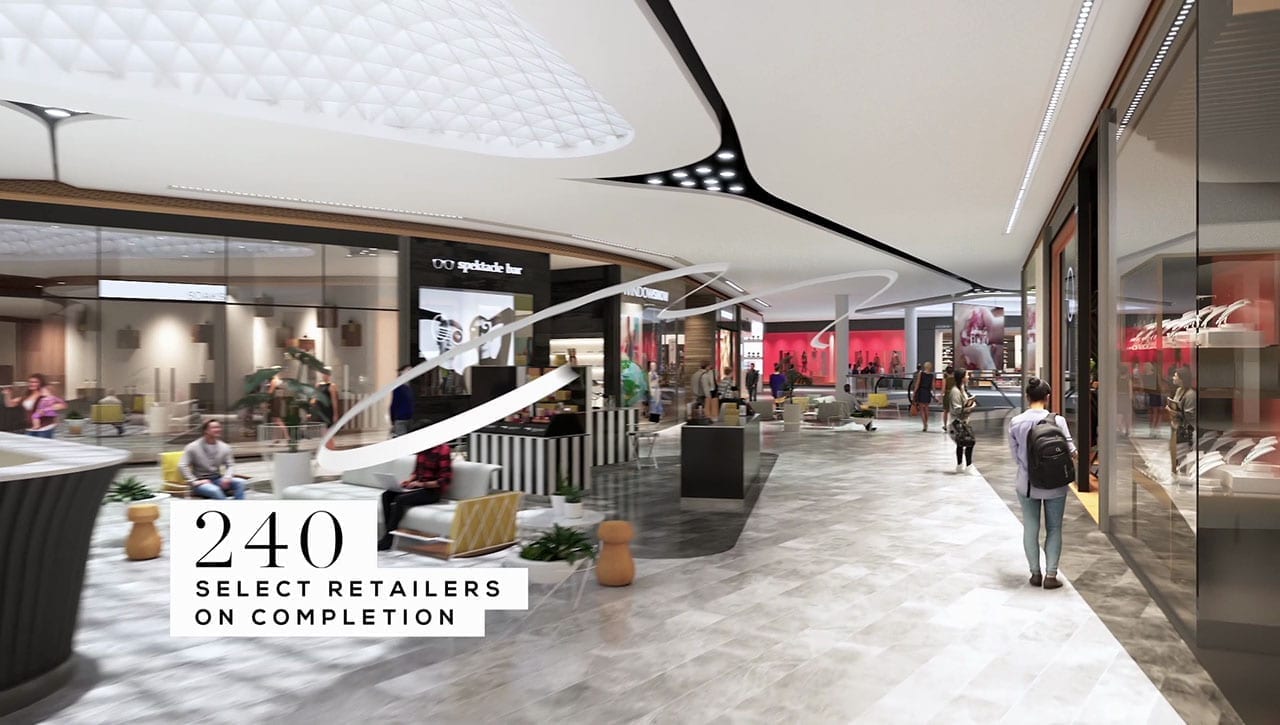
    Melbourne shopping centre, The Glen, will next month unveil its new fresh food market hall, representing the first stage of its $460 million redevelopment.

    Anchored by a new Aldi, the latest format Woolworths, and a Coles supermarket, the shopping centre’s new fresh food market hall will offer fresh produce and hard-to-find specialty ingredients in one location.

    The new fresh food market hall will also feature over 60 boutique food retailers and specialty stores.

    “Taking inspiration from our diverse local community and leading food destinations around the world, we are excited to introduce new and loyal customers to our market hall experience,” said Richard Devlin, centre manager.

    Some of the new retailers to open their doors include Colonial Fresh Market, The Butcher Club, Selene’s Chocolate Bar, Go Vita and Nutshack.

    “With produce, cheese, deli, wine and liquor traders on-hands seven days a week, The Glen’s fresh food market hall will offer local customers quality food experiences and freshness on one convenient level,” Devlin said.

    The food hall will also include existing local retailers The Glen Asian Grocery, Sea Harbour, Fish Pier, Divine Poultry, The Glen Butcher and Bakers Delight, which will all relocate to brand new stores in the lower ground location.

    The New Glen is expected to be completed by early 2020 and will be developed in stages over three years.

  • Redbubble adds augmented reality to mobile app

    Redbubble adds augmented reality to mobile app

    Global online art marketplace, Redbubble, has this week released a new feature in its mobile app, which lets users see products in their own home before buying.

    The feature is powered by Apple’s augmented reality (AR) toolkit, which Ikea has also harnessed for its recently-released augmented reality app.

    Customers can now place virtual pillows on couches and chairs, view fabric texture up close, see how items interact with lighting and compare colours and size to surrounding objects.

    The feature is only available to those who have downloaded Redbubble’s app on an Apple mobile device running iOS 11.

    Redbubble plans to add AR support for three more objects before Christmas and will continue to add support for other categories where it makes sense.

    The marketplace currently offers 65 everyday objects, which customers can print over 11 million different designs onto. The range extends across apparel, stationery, homewares, bags, wall art and other categories.

    “At the moment, we are focused on home décor. We know it’s a product range that people want to see in their home [before buying]. It provides value,” Alex Lunnon, Redbubble’s product manager for mobile.

    “We may take AR to every category, but it won’t be overnight. We’re really trying to understand the problem space around specific categories first,” he said.

    For instance, customers could create and rearrange a gallery wall of various artworks using AR, or see how several different sticker designs look together on a laptop case.

    Redbubble wants to be Pinterest for e-commerce

    It took just a few weeks for Redbubble’s mobile development team to build the tool, according to Lunnon.

    “The framework itself is provided by Apple, so they take care of the complexity of understanding flat surfaces and the actual scale, so we can place a pillow in a way that reflects its actual size in real life,” he said.

    Redbubble needed to create a 3D model of the pillow and overlays that show texture, light and shadows and other details to make the object appear as it does in real life.

    The company has a team of 60 developers who are primarily based in Melbourne. Eight people are dedicated specifically to the company’s mobile app, which launched globally in May of this year.

    The app has had almost one million downloads so far.

    Lunnon said AR supports the app’s purpose to be more of a browsing and discovery tool, rather than a transactional one.

    “What we’re trying to create with the Redbubble app is an experience similar to Pinterest for self-express and exploration,” he said.

    Redbubble listed on the ASX in May 2016. It has offices in the US and Germany, and last year launched German, French and Spanish language versions of its website.

  • Max’s Group moves east and north

    Max’s Group moves east and north

    Casual-dining giant Max’s Group Incorporated (MGI) has broken into the Middle East and also broadened its presence in Canada.

    Its casual-dining restaurant brand Sizzlin’ Steak has gained a foothold in the UAE through a partnership deal with Kasamar Holdings. The aim is to build seven Sizzlin’ Steak outlets in the UAE over the next five years.

    “We are seeing the emergence of Sizzlin’ Steak as a global mainstream brand,” says MGI president/CEO Robert Trota.

    It is the fourth development contract signed by MGI for the year, adding to a pipeline of more than 130 stores for the coming years.

    Kasamar is a family enterprise based in Abu Dhabi with diversified interests in retail. It is planning to assemble a portfolio of food brands for the region.

    Director Mo Bississo says the group hopes to launch the first Sizzlin’ Steak by early next year to be followed by an accelerated rollout long term.

    MGI has 655 stores, including 55 franchised outlets, abroad including parts of Asia.

    Meanwhile, it has advised the Philippine Stock Exchange that with its partner Alibin Group it will establish the first Max’s Restaurant in Winnipeg before next year.

    MGI has four Max’s Restaurant branches in Canada, in Vancouver, Toronto, Scarborough and Edmonton. Alibin is a Winnipeg-based private firm with experience that embraces retail and food services.

    MGI’s other brands include Dencio’s, Krispy Kreme, Le Coeur de France, Maple, Meranti, Pancake House, Teriyaki Boy and Yellow Cab Pizza.

  • Hooters Hong Kong fronts up with rent

    Hooters Hong Kong fronts up with rent

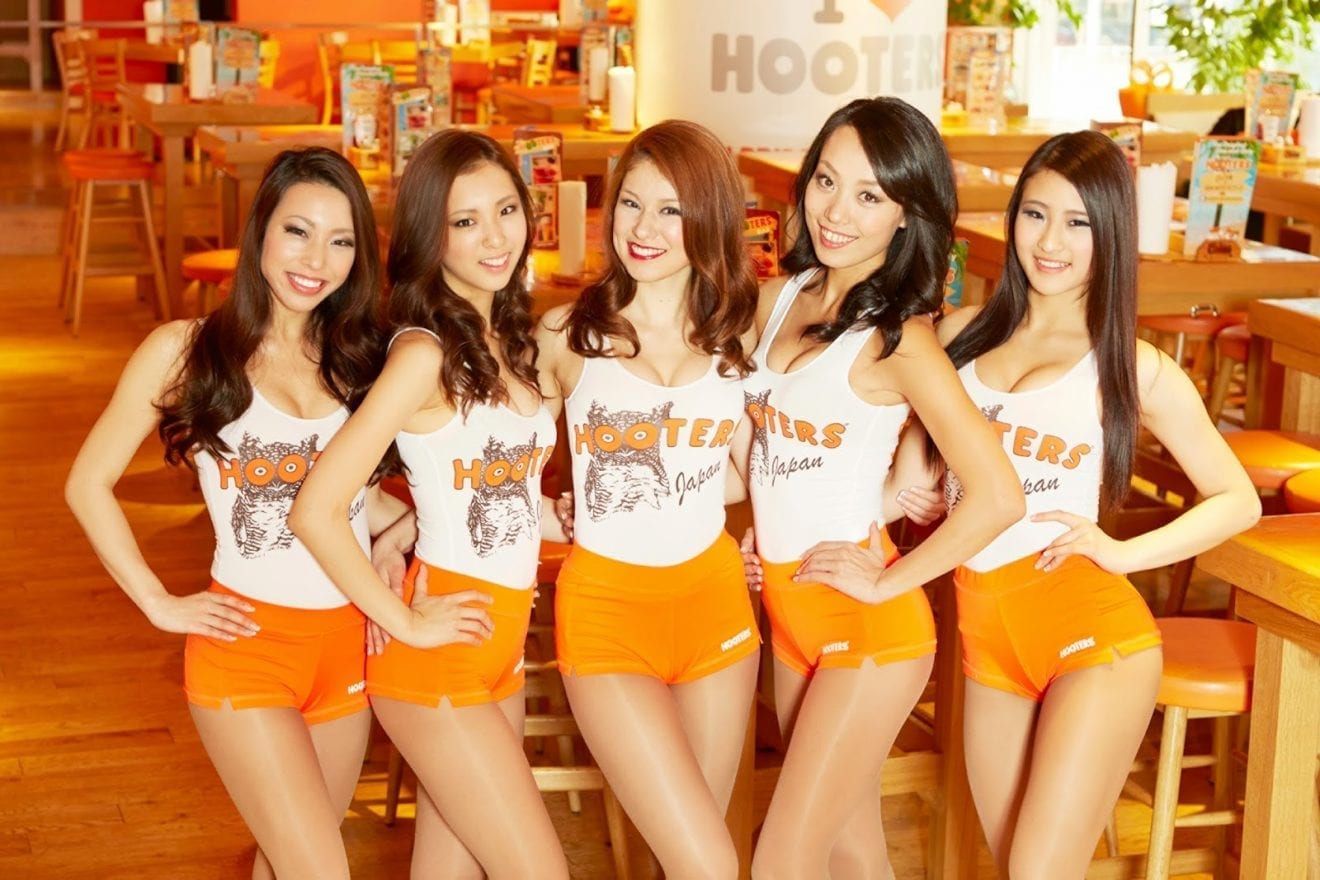
    Paying off its HK$1 million (US$128,000) rent arrears, Hooters restaurant has staved off legal action and eviction from its Lan Kwai Fong premises.

    Hooters Asia president Daniel Yong says he paid off the debt, amounting to about three months’ rent, the day before the court deadline after lawyers issued a writ on behalf of the landlord, property company Dor Fook Company.

    Yong flew from his home in Singapore to reassure staff members that the restaurant was going to stay open, and says he still plans four more Hooters venues for Hong Kong.

    He says the problems stemmed from past management, with the business “in a bit of a mess” when he took over two months ago.

  • Amazon reviews site over bomb-making tips

    Amazon reviews site over bomb-making tips

    Amazon.com says it’s reviewing its website after an investigation found that it could help users buy the ingredients to make a bomb using its “Frequently bought together” and “Customers who bought this also bought” features.

    Britain’s Channel 4 News found the online retailer’s algorithm was suggesting items that could be bought together to produce explosives on Monday, days after an apparently home-made bomb was detonated on the London Underground network.

    The ingredients, which are legal to purchase, were included in a “Frequently bought together” section in the listings for chemicals, the broadcaster said.

    Other materials that could be used in bomb making, such as ball bearings, ignition systems and remote detonators, were available on the site, and some of them were suggested on the same page as the chemicals in the “Customers who bought this item also bought” section, Channel 4 said.

    “All products sold on Amazon must adhere to our selling guidelines and we only sell products that comply with UK laws,” the company said in a statement on Wednesday.

    “In light of recent events, we are reviewing our website to ensure that all these products are presented in an appropriate manner.”

    The company said it would also continue to work closely with police and law enforcement agencies when circumstances arise where we can assist their investigations.

    The explosion of what appeared to be a home-made bomb on a London Underground train on Friday injured 30 people.

    Pictures on social media after the attack showed what appeared to be a device contained in a white plastic bucket. It engulfed the railway carriage in flames, although it appeared that it did not fully explode.

  • Zara’s parent records strong first half

    Zara’s parent records strong first half

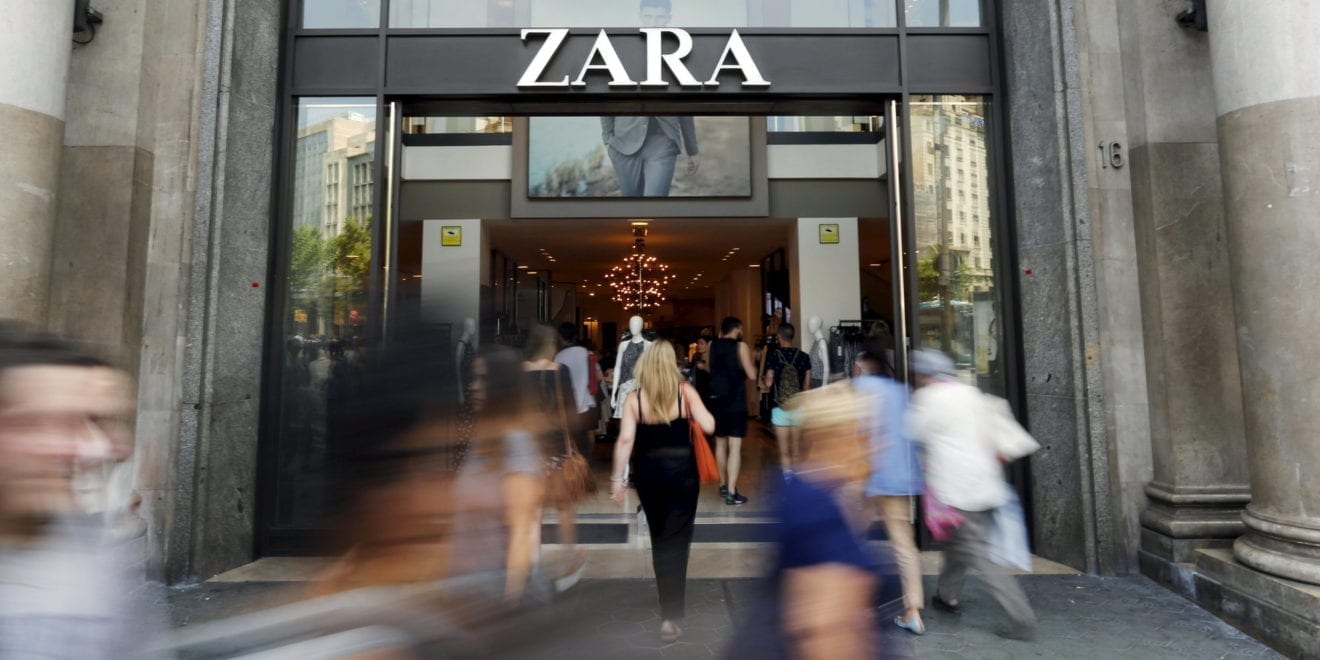
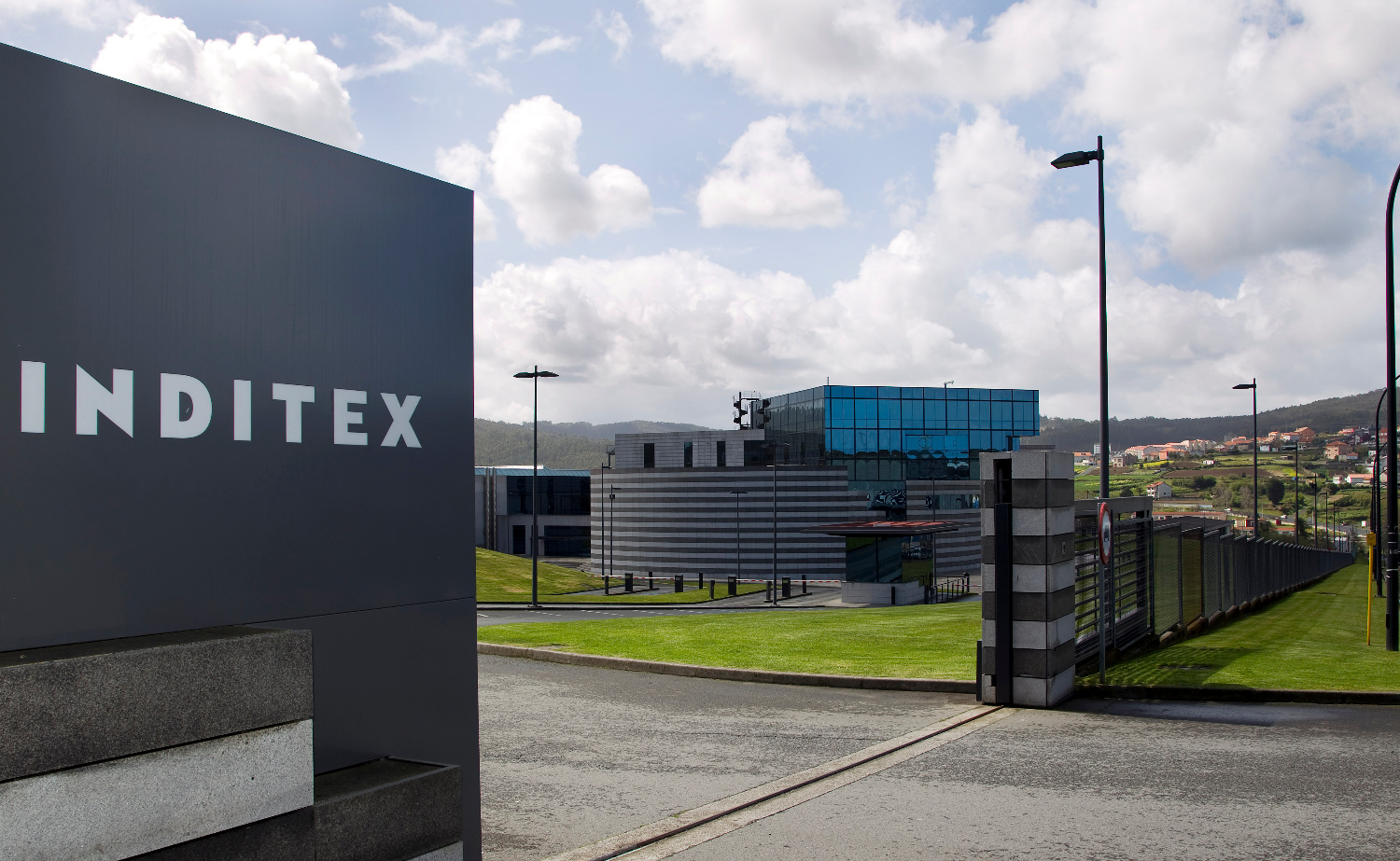
    Zara’s parent company Inditex Group has seen its first half revenue rise 11.5 per cent, underpinned by growth across all markets and brands.

    First-half net profit amounted to €1.37 billion, seeing year-on-year growth of 9 per cent, while like-for-like sales growth was 6 per cent.

    Inditex´s chairman and CEO, Pablo Isla, said the result underlined the “strength and sustainability of the company´s integrated offline-online store model, which year after year continues to demonstrate its ability to deliver growth”.

    All of the Group´s brands including Pull&Bear and Massimo Dutti, expanded their international footprints, adding stores in 35 countries to take the global store count to 7,405, 113 more than at the start of the year.

    Inditex’s capital expenditure for the year was estimated at €1.5 billion, following its opening, refurbishing and renovating of stores as well as upgrading and modernising its facilities and logistics platforms.

    The Zara store in Marineda in A Coruña (Spain) saw the introduction of a prototype where an automated order delivery point allows shoppers to pick up orders placed online.

    The prototype is articulated around an optical barcode reader which scans the QR code or accepts the PIN codes received by customers when they place orders online.

    In a few seconds, the system delivers the order to a mailbox platform. Behind the platform, a dynamic robot moves through a shaft 8m tall by 2.5m wide with capacity to handle 700 packages simultaneously as seen here.

    Inditex said sales in local currencies in stores and online grew 12 per cent for the start of its second half.

  • Restaurant Brands quarterly sales up 41 per cent

    Restaurant Brands quarterly sales up 41 per cent

    Restaurant Brands New Zealand lifted second-quarter sales by 41 per cent after the fast-food operator expanded its footprint through Australia and Hawaii.

    Sales increased to $224.9 million in the 16 weeks ended September 11, from $159.5m in the equivalent period a year earlier, it said on Thursday.

    New Zealand sales rose 5.3 per cent to $130.6m, while Australian sales jumped 19 per cent to $42.2m and its Hawaiian operations added $52.1m. On a same-store basis, sales rose 6.7 per cent.

    New Zealand’s largest fast-food operator is expanding into new overseas markets to drive future earnings growth. In April 2016 it expanded into KFC in Australia and in March 2017 bought the largest fast-food operator in Hawaii.

    Chief executive Russel Creedy told shareholders at the annual meeting in June that the company was now “truly international” and expected sales this financial year to exceed $700m, up from $497.2m last year. Today’s release showed sales in the first half of the year were up 51 per cent to $386.1m.

    In New Zealand, the company’s 92 KFC stores lifted sales 8 per cent in the second quarter to $99.4m. Its 34 Pizza Hut stores increased sales 2.9 per cent to $13.2m.

    Sales at its 23 Starbucks Coffee stores dipped 6.4 per cent $7.3m and sales at 19 Carl’s Jr outlets fell 6.1 percent to $10.7m.

    In Australia, the company’s 47 KFC stores contributed $A39.2m ($NZ42.8 m) in sales during the second quarter, up 16 per cent from the year-earlier.

    Its Hawaiian-based operations include 37 Taco Bell and 45 Pizza Hut stores in Hawaii, Guam and Saipan acquired on March 7, 2017, which contributed $US38.1m ($NZ51.9 m) in the second quarter.

    The company’s shares advanced 0.5 per cent to $6.37.

  • Revenue drop for Esprit Holdings

    Revenue drop for Esprit Holdings

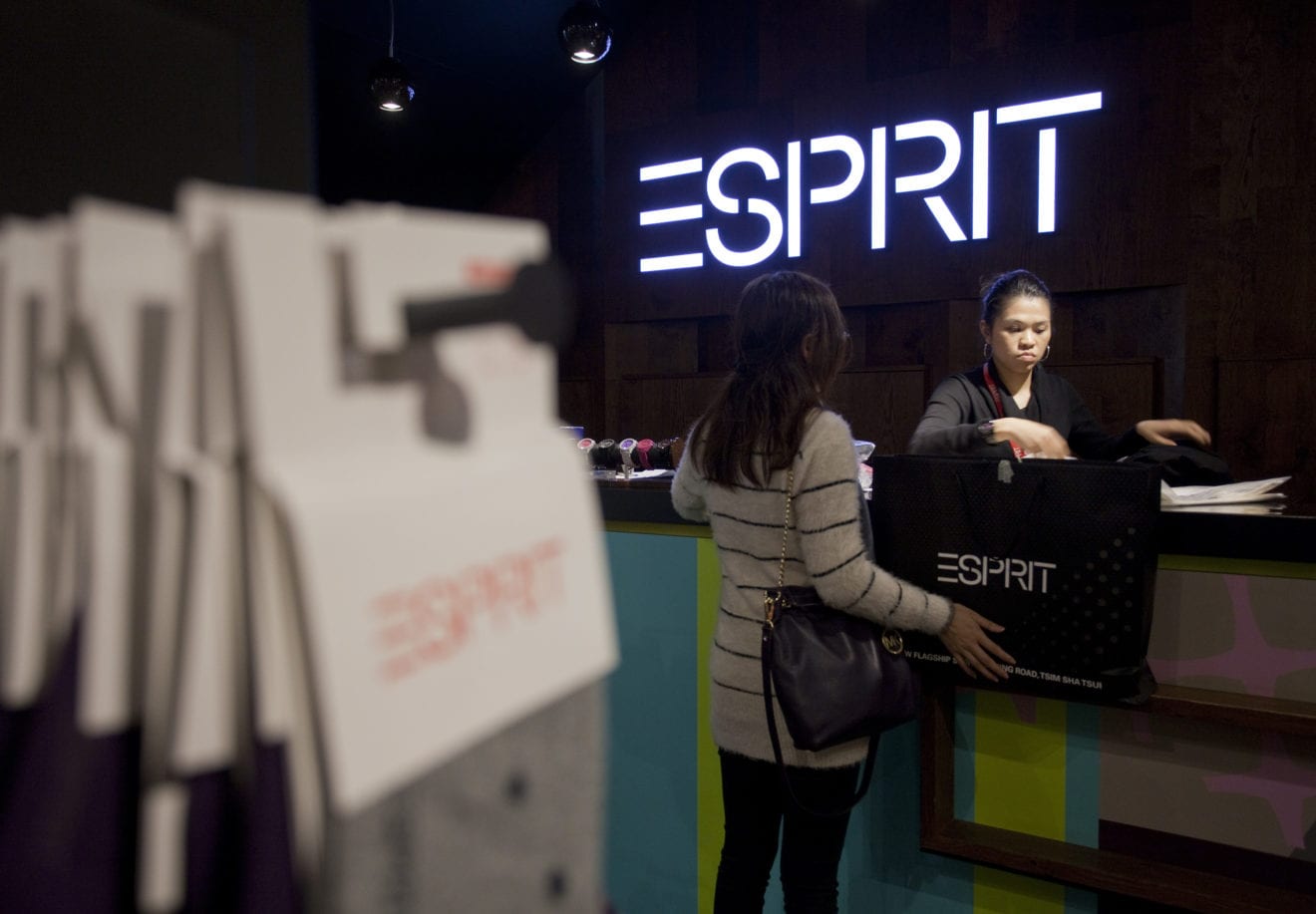
    Asia Pacific revenue fell 17.5 per cent year on year for Esprit Holdings for its fiscal year to the end of June, offset by a 43 per cent e-commerce boost.

    The drop was 18.8 per cent in the first half, easing to 16 per cent.

    Esprit says it faces “certain difficulties” in APAC that differ from its challenges in Europe.

    Firstly, in China, its largest market, retail space is concentrated both in POS in department stores that are attracting less traffic, and in off-price outlets that are usually brand dilutive.

    “To this end, we are implementing an aggressive restructuring of our network in China, and have made good progress,” says the company, which closed 29.7 per cent of controlled space (retail and wholesale combined) during the year. “Moreover, a new concept has been developed to adapt to the small spaces in these POS.”

    With specific product requirements in APAC, the company is complementing its global collections with a dedicated product line for the region.

    Esprit says the reduction in sales area is in line with its plan to accelerate a restructuring of the store network. With APAC lease terms fortunately generally short, the leases of most of the heavy loss-making stores will expire in the next two financial years.

    Meanwhile, e-shop APAC reached HK$221 million (US$28 million) revenue for the year, an increase of 43.1 per cent. This was fuelled by actions such as the integration of the Esprit Friends loyalty program into the e-shop, the strengthening of its business with Tmall, the expansion of its online presence in China through such platforms such as WeChat and Weibo, and collaborations with celebrities and key opinion leaders through social media.

  • Consumers skeptical of iPhone X face recognition

    Consumers skeptical of iPhone X face recognition

    A new survey indicates that one of the defining functions of Apple’s new flagship iPhone X – the face recognition functionality – could struggle to gain traction with consumers.

    Juniper Research polled iOS users in the US, and found that over 40% consider themselves unlikely to use facial recognition as a payment security technology.

    Consumers in the US and UK instead showed a clear preference for fingerprint authentication and voice recognition as alternative biometric security methods, with 74% and 62% respectively indicating they are likely to use these technologies.

    The research also shows that the number of contactless payment users grew by only 2% year-on-year in the US, compared to 12% in the UK.

    Existing users of OEM contactless payment services (such as Apple, Samsung and Android Pay) expect to increase their usage, but only 39% of non-users in the US and 26% in the UK expect to start using mobile contactless payments.

    Major obstacles to adoption include ongoing security concerns, according to research author James Moar. Two thirds of non-users (32%) have concerns about the security of transactions, compared to just 14% of users. A similar proportion of mobile banking non-users compared to users have security concerns inhibiting adoption. But security concerns are overall starting to ease.

    “Transaction security is a key barrier for mobile financial services adoption,” Moar said. “Addressing these concerns will bring many consumers to the point where they will consider using such services.”

  • Due diligence: The key to long term success in business within Asia-Iran shipping industry

    Due diligence: The key to long term success in business within Asia-Iran shipping industry

    The Iran nuclear deal which took effect January 2016, known officially as the Joint Comprehensive Plan of Action (JCPoA), was implemented after United Nations inspectors said that Iran had dismantled a large portion of its nuclear programme.  The Iranian economy has grown because of these easing of sanctions and Iran remains one of the last great untapped emerging markets.  Now that Iran can return to the oil market, the government hopes to rebuild the country’s energy industry and capture an increased share of the global market by shipping an estimated 300,000 barrels per day.  For all parties involved, the continued criminal activity of a few risk sullying the image of an industry working hard to remain transparent and prosperous.

    Since the easing of the United Nations’ sanctions on Iran in January 2016, Iran has been making significant efforts to increase trading and business with the rest of the world.  Especially within Asia, there remains significant economic potential for growth in pursuing business opportunities with linkages with Iran.  Asia is the biggest importer of Iran’s crude oil with the top four countries of China, India, South Korea and Japan, totalling a combined average of 1.60 million barrels per day.  Since the sanctions ended, the Iranian government has tried to in­crease production rapidly to reclaim Iran’s market share, especially in Asian markets.  Iran’s shipping industry is one of the main areas which will benefit from the easing of sanctions, as many global companies are increasing their foreign interest and investment in shipping companies and ports within this trade route.  However, despite optimism of a corruption-free future within the industry, criminals are still engaging in illicit shipping practices which risk undermining the progress in the industry made to date.

    While not an everyday occurrence, as recently as March 2017, Iran was shipping weapons and equipment to Yemen’s Houthi rebels.  The Houthi rebels are engaged in a civil war with the Yemeni government.  Iran was using cargo ships to deliver these supplies to Yemen either directly or via Somalia, bypassing Western efforts to intercept the shipments.  Once arrived at the Yemeni ports, the supplies were transferred from the cargo ships to small fishing boats to complete the final leg of the journey.  Policing and enforcement, even if local authorities attempted to interdict, is extremely difficult due to the sheer number of small fishing vessels in these waters.

    Reports also indicated that the Islamic Revolutionary Guards Corps (IRGC), under the Iranian military, set up shell companies to facilitate the illegal shipment of weapons and illicit goods.  In addition to weapons, the IRGC is suspected of illegally importing other high-profit items such as alcohol, cigarettes and satellite dishes. The IRGC also commandeered some of the commercial ports in Iran to maintain direct control of other illicit activities.

    Before the implementation of JCPoA in January 2016, for decades, Iran survived crippling economic sanctions and international isolation.  Iran found ways to circumvent and evade sanctions through a host of illegal business dealings, illicit shipping practices and contraband smuggling.  For example, Asian buyers of Iranian’s oil paid with their local currency, which avoided the transactions from being registered within the financial systems visible to the United Nations.  The funds were then used to buy capital and consumers goods in these Asian countries.

    In both instances, illegal modus operandi like forging shipping manifest and bills of lading, and other paperwork in the process, was used to obscure country of origins, and sometimes, destinations.  From 2013 to present, criminals continue to find ways to hack the Automatic Identification System (AIS) of shipping vessels to disguise their identities.  One of these hacked vessels even entered the water off of eastern Singapore.  The AIS, which is a system used to track maritime shipping around the world, remains vulnerable to cyber criminals involved in these same illicit dealings.  Despite sanctions being relaxed and the significant potential opportunities everyone can legally pursue, a few recalcitrant parties still engage in these shady practices for monetary gains or other political goals.

    Albeit fewer in number when compared to when before sanctions were relaxed, criminal actions of individuals, businesses and/or governments place the improvements in image and transparency made to date in the shipping industry at risk.  These criminals operating within the industry deter the crucial foreign investment as required at this time to expand and grow.  Executives leading the industry must implement more robust due diligence practices as part of “Know Your Client” (KYC) requirements in evaluating new, and existing, business partners.  It is the responsibility of the executives of companies working within this industry to proactively ensure their companies have implemented a framework for checks and balances to best root-out corruption and demonstrate compliance with international law.

    While a global problem, executives within shipping companies involved in the Asia-Iran trade routes must more aggressively focus on this problem due to the quickly evolving nature of this emerging market.  This will help ensure legitimate companies do not unknowingly become a pawn in shady business dealings by associating with criminal elements.  Robust due diligence measures, including investigations and audits, must include any new relationship and also incrementally be incorporated to evaluate existing client relationships.  Evaluating representative agents, vendors, suppliers and any international relationships will help reduce the risk of a company unknowingly being involved with a blacklisted or sanctioned foreign government official, state-owned enterprise, or otherwise illicit entity.

    The private sector must be the drivers of change to pursue a zero-tolerance, corruption-free working environment which is fully compliant with industry best practices and international law.  Working together, this will uplift the industry as a whole, increase efficiency in the process, attract global investment, and ultimately result in improved long-term profits for all who strive to root out the residual corruption remaining in the industry.

  • AirAsia to start offering Manila–Ho Chi Minh City flights in November

    AirAsia to start offering Manila–Ho Chi Minh City flights in November

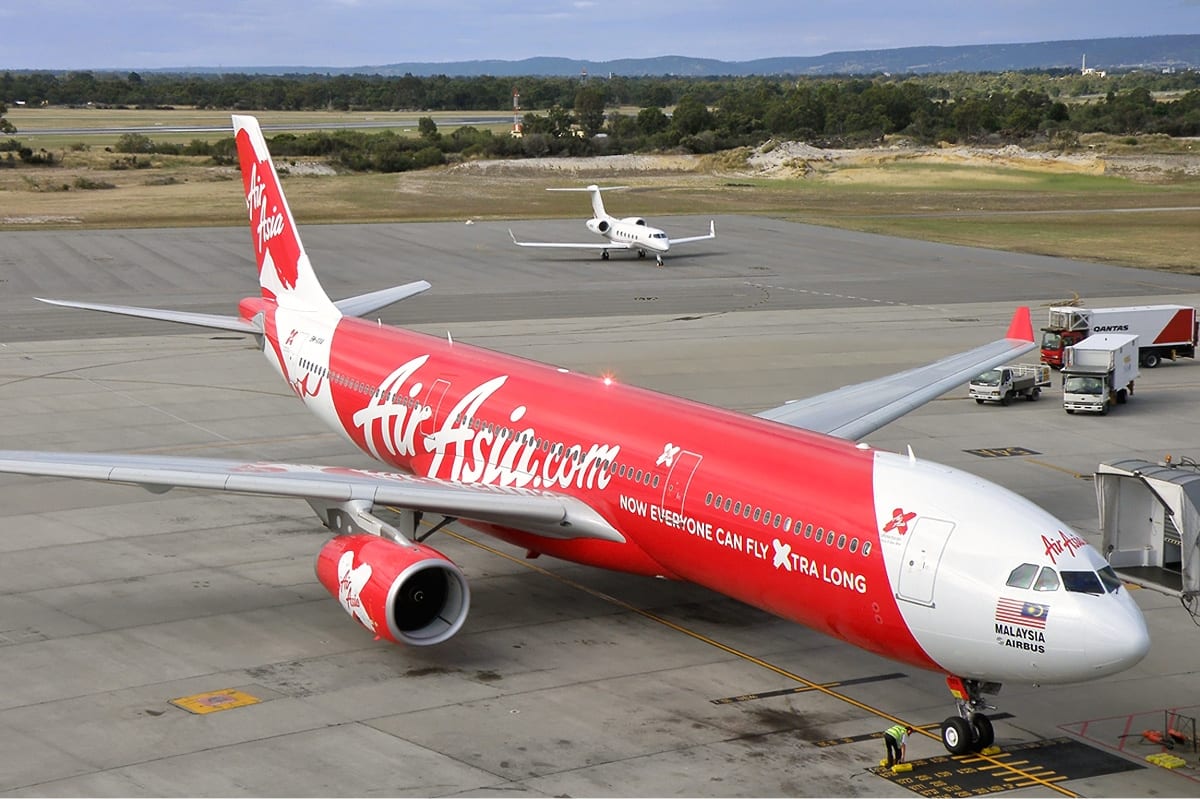
    Budget carrier AirAsia Philippines on Tuesday announced it will begin offering direct flights from Manila to Ho Chi Minh City, Vietnam in November.

    “We are thrilled to announce that we will start servicing direct flights from Manila to Ho Chi Minh in November as part of our commitment to continue bringing the Philippines closer to neighboring cities within the Asean region,” AirAsia Philippines CEO Dexter Comendador said in a statement.

    AirAsia is offering an introductory promo fare of P990 for the Manila-Ho Chi Minh route. The promo is available for booking from September 19 to October 18 on AirAsia’s website and mobile app.

    The promo fares are available for travel period from November 17, 2017 to November 21, 2018.

    AirAsia will fly three times a week from Manila to Ho Chi Minh, every Tuesday, Friday, and Sunday.

  • Inditex Group first-half revenue hits US$13 billion

    Inditex Group first-half revenue hits US$13 billion

    Zara parent Inditex Group’s growth in sales and profit increased in the first half of this year as the Spanish company reaped the benefits of opening a new store nearly every day.

    First-half revenue rose by 11.5 per cent to €11.7 billion (US$13.8 billion) for the multinational fashion retailer.

    Like-for-like sales growth was 6 per cent, with positive figures across all geographies

    Net profit for the group was €1.37 billion, up 9 per cent.

    Inditex opened stores in 35 markets during the six months to reach a total of 7405 – 113 more than at the start of the year.

    Notably, Zara opened a flagship store in Mumbai during the second quarter with a sales floor of 4800sqm. For the inauguration of its first street-level store in India, Zara refurbished and restored the Ismail Building in Hutatma Chowk Square, in the heart of the city’s shopping and historic districts.

    Zara Home opened a flagship store on West Nanjing Road in Shanghai in May, and last month the Zara flagship store in Nagoya was renovated and expanded. It now covers 2300sqm over three floors and is known for its glass façade.

    Other landmark stores reopened this month, including Bershka’s biggest store in Japan, covering 690sqm over four floors in Tokyo’s Shibuya district. It offers the complete collections from its three lines: Bershka, BSK and Man.

    Rolling out its seamlessly integrated model, Inditex entered four markets in the first quarter of the year with its flagship Zara brand initially: Malaysia, Singapore, Thailand and Vietnam. An online store will launch in India on October 4.

    Meanwhile, lingerie brand Oysho inaugurated its online platform in South Korea, with Bershka also going live in Japan.

    The group has a presence now in 94 markets, 46 of which also have an online presence.

  • BYD chief expects all vehicles to be electric in China by 2030

    BYD chief expects all vehicles to be electric in China by 2030

    The head of Chinese automaker expects all vehicles in the country to be electric or hybrid by 2030, a more aggressive timeframe than even Europe, as Beijing pushes ahead on a longer-term plan to shift away from petrol-engine cars.

    Earlier this month, a senior Chinese official said the world’s largest auto market had begun studying when to ban the production and sale of cars using traditional fuels, without giving a timeframe from the shift.

    The United Kingdom and France have said they will ban new petrol and diesel cars from 2040.

    “We are very confident about all the timetables (to eliminate fossil fuel cars) and we think it will happen earlier than expected,” said Wang Chuanfu, chairman and president at Shenzhen-based carmaker BYD, which has invested heavily in battery electric and plug-in hybrid vehicles.

    “Various governments have announced timetables to end the sale of fossil fuel cars and this is putting pressure on everyone else,” Wang told reporters in Shenzhen on Thursday.

    China has set goals for electric and plug-in hybrid cars to make up at least a fifth of its auto sales by 2025 in a bid to combat air pollution and close a competitive gap between its newer domestic automakers and their global rivals.

    However, China is also phasing out subsidies for the electric-vehicle market that have supported makers of new-energy vehicles like BYD. BYD, which is backed by U.S. investor Warren Buffett, has seen its profits fall sharply this year.

    Wang added that 20 cities in China would begin building BYD sky rail transport systems next year, amid a push by the firm to diversify away from cars alone.

    BYD’s first sky rail project was launched in China’s northwestern city of Yinchuan at the beginning of this month.


  • Miffy the bunny to pop up at Kumoya Singapore

    Miffy the bunny to pop up at Kumoya Singapore

    Following its success with Sanrio character Cinnamoroll, Japanese-French cafe Kumoya Singapore is again transforming for a pop-up collaboration, this time featuring Dutch artist Dick Bruna’s cartoon bunny Miffy.

    As well as character-themed decor the menu will feature mains, desserts and beverages designed by food artist Shirley Wong of Little Miss Bento. She and Kumoya owner say they will continue with the character theming, with Miffy in house from October 5 to 31.

    Already Wong has a Miffy-themed English cookbook on sale at the halal-certified cafe and at bookstores.

    Items on the Miffy menu, include You, Me & Miffy Makes 3 Chicken Katsu Burger; Splashing Good Fun Japanese Seafood Curry Rice; Wonderfully Waffles with Karaage Chicken; Awesome Miffy Orange Sponge Cake; Double-Take Salted Caramel Cake; and

    Miffy Original Orange Soda.

    There will be a minimum spend of S$10 (US$7) a person, and dining times may be limited to 90 minutes.