Tag: asia

  • Decline in traditional ship finance, lack of provision from regional banks threaten ME shipping

    Decline in traditional ship finance, lack of provision from regional banks threaten ME shipping

    Delegates at Seatrade Offshore Marine & Workboats Middle East (SOMWME), opening at Abu Dhabi National Exhibition Centre (ADNEC) on 25-27 September 2017, will hear how shipping faces a capital shortfall of tens of billions of dollars, this year alone, as European banks restructure products and scale back ship financing operations.

    According to reports verified by Reuters, the substantial decline in finance from European banks, compounded by a lack of shipping finance provisions from regional banks, has caused liquidity in the shipping industry to tighten, forcing marine operators to seek alternative finance in order to continue operations.

    The discussion will be tackled during the SOMWME Finance Update, in a session titled “Taking stock – how to make the most of your company assets,” which concludes the first day of the conference programme.

    The session will analyse the viable financial options and trends shaping the offshore marine and workboat industries. The panel features renowned industry experts such as David Manuel, Senior Marine Specialist — Petrodata, IHS Markit; Knut Mathiassen, Managing Partner, NorthCape DMCC; Bora Bariman, Head of Energy & Marine, Corporate & Institutional Banking Group, National Bank of Fujairah and Tien Tai, Partner, HFW.

    Calling for the Middle East shipping industry to urgently reassess how it secures liquidity, Tien Tai commented: “The traditional European banks with ship finance desks are no longer lending the historic amounts they once did and this is compounded by a number of European banks retreating from the ship finance sector altogether.

    “In the Middle East, we see some new lenders coming into the shipping industry but this does not replace the capital shortfall left by the exiting banks. There has been an ascendancy of alternative capital providers in the last 18 months, offering liquidity at a higher pricing, although these are more suited to one or two ship projects and not a substantial refinancing.”

    The industry has weathered many storms since the global credit crunch impacted operations in 2009, however, there is hope on the horizon.

    Islamic finance is widely regarded as a positive means by which to generate equity and maintain health in the sector, although growth is hampered currently by muted enthusiasm from major local banks to operate active shipping desks.

    Recognising that liquidity was tightening, earlier this year Dubai Maritime City Authority was examining the possibility of creating a US$1 billion shipping fund to support the emirate’s maritime sector during this time. According to ship valuation company VesselsValue, the UAE’s shipping fleet is estimated to be worth up to US$10 billion.

    Tai added: “In terms of what it takes to get financing these days, you really have to be a top tier owner with a strong credit rating – but not everyone is a strong owner. The owners in the Middle East dominate the small and mid-tier space and it is these owners feeling the squeeze in the decline of traditional ship finance.

    “The companies we see receiving finance from banks all demonstrate a strong track record of previous borrowing, contributions from owner and shareholder equity, and a transparent structure and a young fleet.”

    Commenting on the importance of the finance session at SOMWME, Emma Howell, Group Marketing Manager, Seatrade Portfolio, UBM EMEA commented: “The finance update is always an essential element of every SOMWME event we organise and the 2017 version will no doubt contribute vital insight to a very timely conversation. The issues that face the global industry are amplified in this region by the fast pace of growth and the economic importance of shipping and trade

    “The ability for the regional banking industry to identify and react to the gap in the market will be vital to the health and agility of the sector in future as countries across the region realise their developmental ambitions.”

    Moving away from the conference – new to the exhibition floor this year will be ‘Drone Zone’ in partnership with ABS and Drone Pro. With three live demonstrations shown daily, this exciting Zone will showcase new tools such as wearable technologies, unmanned aerial vehicles /drones, and remotely operated vehicles.

    “These live demonstrations reflect the growing use of advanced inspection technologies across the shipping and offshore sectors as the increasing complexity of assets and operations shifts how classifi­cation services are delivered,” added Howell.

    ABS, which is bringing the presentations to SOMWME with Drone Pro, is currently conducting field studies to evaluate how the current capabilities of wearable technology, particularly eyewear, are best applied to enhance asset-inspection practices. The pilot programs, which include a range of vessel and offshore asset types, are focused on improving the efficiency of class opera­tions, streamlining the capture and visual display of information and creating a more collaborative environment for remote interaction.

    Seatrade Offshore Marine & Workboats is the largest workboat and offshore marine event outside of the USA, attracting more than 100 offshore marine and workboat companies.


  • Nokia unveils cloud-based developer portal

    Nokia unveils cloud-based developer portal

    Nokia has announced new online portal that will enable the development of compelling digital applications using Nokia AirGile cloud-native core products.

    The Nokia Developer Portal will provide secure access to products using APIs, enabling third-party developers to build and test the interoperability of solutions with Nokia AirGile cloud-native core products to accelerate introduction in a commercial network.

    The Developer Portal will be made available at the end of September.

    Nokia is also making the Shared Data Layer available on the Developer Portal. Using APIs, developers will be able to securely use information such as policy, charging and subscription data, in line with country regulations and customer permission, to develop and test location-based, big data analytics and network diagnostic applications.

    The Shared Data Layer also enables the creation of virtualized 5G network functions using a highly reliable and resilient data storage mechanism.

    Nokia continues to foster the growth of a vibrant cloud ecosystem on the Open Ecosystem Network. New Shared Data Layer and Telecom Application Server communities are being added and the existing CloudBand Application Manager ecosystem is being integrated.

    The communities offer an online platform for operators, enterprises and developers to collaborate, discuss and develop new solutions that leverage these products.

    Nokia AirGile cloud-native core is the new name for an expanding portfolio of products that allow operators to implement the agility, scalabilty, programmability and reliability of the cloud into their networks. The AirGile cloud-native core portfolio comprises.

  • UberEATS finds big potential in South Korea food delivery market

    UberEATS finds big potential in South Korea food delivery market

    UberEATS, a food delivery service app run by ride-sharing pioneer Uber Technologies Inc., finds big growth potential in South Korea’s food delivery market due to its advanced wireless networks and growing orders on mobile phones, a senior company executive said.

    The U.S.-based business launched its UberEATS service in Seoul in August 2017,. The service is already available in 112 cities across 28 countries, where it has 60,000 restaurant partners.

    “Seoul is a perfect place for UberEATS. We find South Korea’s fastest internet speed really helpful for our business here. We are looking to expand our business in a few more regions in Seoul at least within this year,” Jaycee Lam, general manager of UberEATS North Asia, said.

    The executive did not elaborate on the names of the additional regions in Seoul. UberEATS service is now available in Itaewon and Gangnam, two downtown districts in the capital city.

    As for other possible cities, he only said there are growing requests from local customers to launch the UberEATS service in cities such as Busan, a southern port city, and the scenic Jeju Island.

    In the past four weeks, more than 200 restaurants have signed up to UberEATS, with more expected to jump on board. Partners deliver food using their own bicycles, scooters or cars and receive a fee from Uber.

    The majority of the food is delivered within 35 minutes to customers and free of charge for the time being as part of a promotion. But the company plans to receive a flat 3,500 won (US$3.00) delivery fee per order from customers, the general manager said, without giving any a specific time frame.

    To differentiate itself from local rivals such as Baedal Minjok and Yogiyo, UberEATS will focus on selecting the best restaurants and providing its customers with an insightful analysis of their businesses and industry outlook in a win-win strategy, he said.

    The UberEATS service was first launched in Toronto, Canada, in 2015 to deliver restaurant meals on-demand to homes and offices.

    The app-based service works like its ride-sharing sister app Uber. When an UberEATS app user orders food from a restaurant on his mobile phone, the restaurant calls a nearby delivery partner and asks him to collect the food when ready and deliver it right to the door of the user.

    UberEATS’ launch here is part of Uber’s commitment to South Korea’s US$14 billion food delivery market, the general manager said, expecting UberEATS to make the pie a lot bigger.

    “Since we have launched our transportation (or ride-sharing) business in Korea, we always think about what is the best way for Uber to keep being involved in the market deeper and then contribute here. UberEATS is one of the options that we can run in the ‘promising and fast-growing’ market,” the executive said.

    Still, a lack of awareness of the UberEATS service is the one area that can be improved in South Korea, he said.

  • Indonesia retail sales down first time in six years

    Indonesia retail sales down first time in six years

    Retail sales in Indonesia declined 3.3% in July 2017, compared to last year, according to a central bank survey released this week, marking the first drop in retail sales in nearly six years.

    Food and beverage sales, as well as home furnishing and electronic appliances were particularly weak in July, Bank Indonesia wrote in the survey report.

    The news follows a strong result in June for the month, were retail sales grew 6.3% on a yearly basis.

    The last month to show a contraction was September 2011, when sales were 5.9% below a year earlier, said BI.

    Compared to previous years, consumption has been weak in Indonesia.

    Typically, strong sales occur ahead of the holidays at the end of the Muslim fasting month, followed by a period of weak consumption. This year, the fasting month ended in late June.

    The same survey – made up of 700 retailers in 10 major cities – went on to project retail sales in August would make a come back for a 5.3% gain on last year.

    Prices are expected to increase in the next three to six months, followed by better sales in January 2018, the survey found.

  • Laneige enters US Sephora

    Laneige enters US Sephora

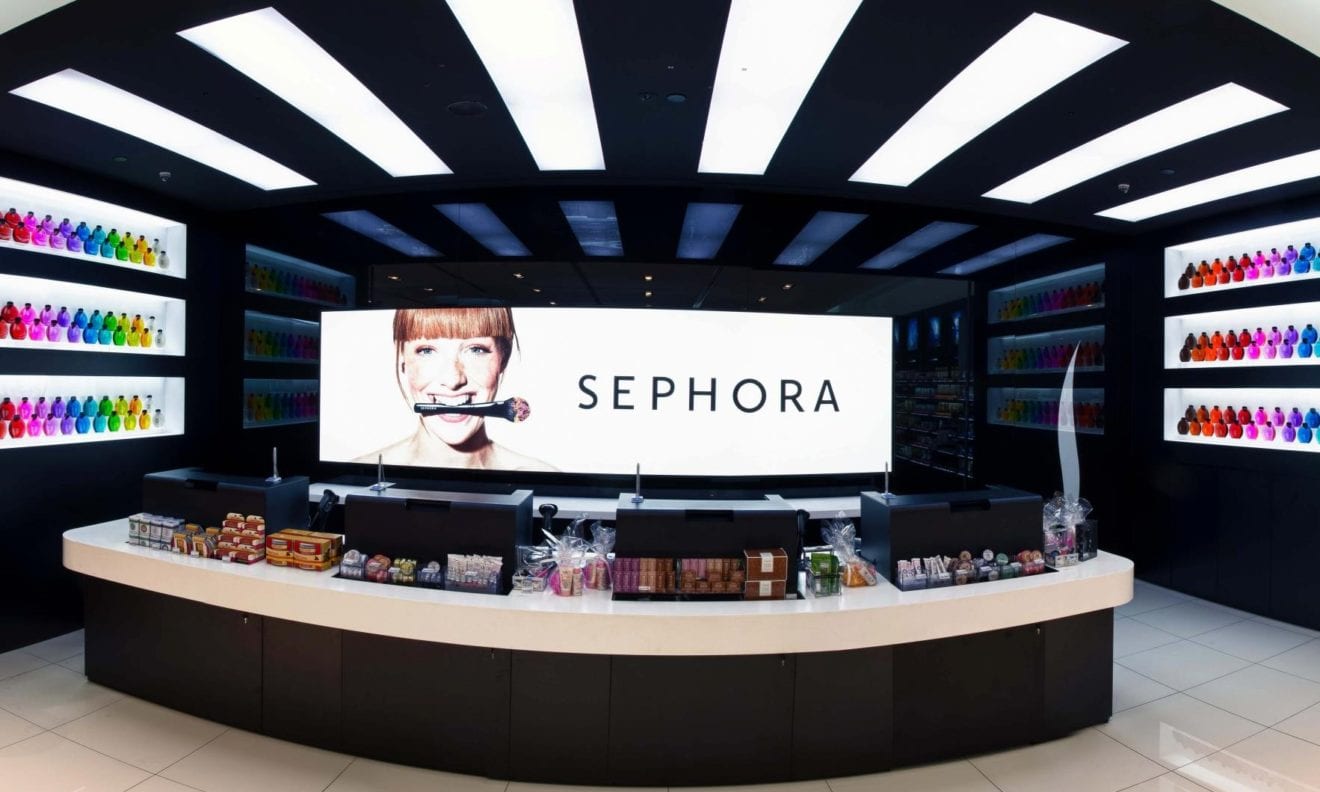
    Cosmetics brand Laneige, run by Amorepacific, will be available at the multi-shop brand Sephora in North America starting on Saturday 23 September, according to Amorepacific.

    Laneige products will be distributed through 144 Sephora stores across the US along with 74 stores in Canada, according to the company.

    Sephora is the largest distributor of Beauty Multi Shop in the United States, with 365 stores, and is famous for leading the American beauty trends.

    Sephora stores in Canada have been carrying distributing Laneige since September 2015.

    The brand previously launched in the US through the retailer Target in 2014, but pulled out from the stores in 2015. It is re-entering the market through an exclusive contract with Sephora.

    Laneige will be developing products exclusively for the American millennial target demographic and strengthen customer experience through localizing strategies, the company said.

    Laneige will satisfy customer’s need by showing sleeping beauty category such as Water sleeping mask, as well as K-beauty’s core items and Laneige’s best sellers Water Bank, Bibi Cushion, Two-tone Lip Bar.

    The company is trying to diversify global markets.

    Since launching in Asia market in April 2002 with Sogo Department Store in Hong Kong, Laneige has been expanding into 12 countries around the world in this year’s high-level strategy based on best-selling products.

    As of 2017, Laneige is available in 12 countries in Asia and North America. The brand is currently preparing for launch in Australia and France.

    An official of Laneige said, “The entering Sephora means that Laneige has achieved a good result in a short period of time. We will introduce more US customers about K Beauty in the future. “

  • ZTE verifies 5G dynamic resource deployment

    ZTE verifies 5G dynamic resource deployment

    ZTE announced it has become the first vendor to complete high-layer tests of experimental network equipment prototypes as part of phase II of China’s national 5G technical network architecture tests.

    The company was able to verify functions including base functions of split central unit/distributed unit architecture, dynamic resource deployment and dual-connectivity mobility. The testing phase also included verification of basic wireless network architecture and functions.

    During the high-layer test of experimental wireless network prototypes, ZTE used its cloud-ready central units as well as a one-click new radio system with central unit-distributed unit split architecture.

    The verification follows air interface tests as part of phase II of the IMT-2020 Promotion Group’s China 5G Technology Research and Development Trial.

    In these tests ZTE showcased a range of products including virtualized core networks. Connectivity tests were conducted with instrument and chip vendors, and the company also conducted lab and field tests. Testing results met the key performance requirements for 5G networks.

    “The 5G technical testing organized by the IMT-2020 (5G) Promotion Group plays an important role in 5G development, and is critical in promoting 5G key technologies, verifying 5G solutions, and supporting the freezing of a unified 5G standard,” ZTE GM Bai Gang said.

    “ZTE will continue to fully engage in phase III work.”

  • Huawei to pour $1b into digital transformation

    Huawei to pour $1b into digital transformation

    Huawei Technologies is planning to invest $1 billion over the next three years on developing solutions and platforms to help telecoms operators speed up their digital transformation and monetize digital services, said Ryan Ding, president of the company’s carrier group.

    “Digital transformation is now a common goal, but digital services are different in many ways. In the past three years we used to talk about the architecture and direction of digital transformation. This year our focus has already shifted to digital business and services. This is a very encouraging change,” Ding told audience at company’s annual Operations Transformation Forum in Hong Kong on Monday.

    Citing an IDC survey commissioned by Huawei, Ding said 72% of carriers believe that digitalization is a mid-to-long term process which will take around three to five years to complete. And more than half of them are planning to provide products and services in the near future.

    While such change will affect telcos’ traditional voice and data business, Ding noted that enterprise IT and private line, video, IoT services will boost operators’ business growth and become the most important new business opportunities in the coming one to two years.

    “Communication network is the core asset for carriers, which brings telcos three major advantages: wide coverage, massive connection, and centralized operation,” he said. “Enterprise IT and connectivity, video, and IoT services allow operators to give full play to their network advantages and are also well combined with digital technologies.”

    Yet these services present different challenges to telcos. For example, for enterprise private line, how to reduce time to market, whereas for video is high bandwidth and NB-IoT service is battery life.

    That said, operators must redefine their network capabilities end to end and adopt new technologies in order to fully tap the new business opportunities, Ding said.

    He said Huawei will continue to build solution-oriented business and technical capabilities, solution development processes, and digital business enabler platforms, and realize the implementation and close-loop from strategy and execution.

    Howard Liang, senior vice president and chairman of Open ROADS community, pointed out telcos’ focus of digital transformation has now been shifted to the how and where to get started.

    “Digital operational transformation touches on many issues, but ultimately it’s about creating values [to the company]. Last year we talked about why we [the industry] need to move into digital transformation. This year the focus has shifted to the questions of how and where to begin,” Liang said at an opening keynote.

    Liang indicated that there are three key ingredients needed for the success of digital transformation. First is to follow a “Digital Mastermind”, which he recommended telecoms operator follow a comprehensive set of prescriptive methods for transformation built on the work of the Open ROADS community.

    Second is to create an industry reference model that allows best-in-class solutions to be incorporated into the “to-be-solution”. Finally, telcos need to prioritize transformation activities to ensure real value is delivered throughout the process.

    Liang said the three ingredients are based on Huawei’s own transformation activities and its experience working with operators over the past few years.

    “Building on the experience of digital transformation within Huawei over the past two years, together with findings and best practices identified by the both the Open ROADS Community and from wider industry, we have created a clear methodology to guide us, which we call the Digital Mastermind,” the executive noted.

    He said digital operations transformation ultimately is about creating additional business value, while providing a better, more compelling experience for customers. But operators have many different objectives for transforming their digital operations.

    Liang said Huawei has already put its Digital Mastermind into practice at HKT’s digital operations transformation project, Project Earth.

  • China Telecom Global launches SD-WAN service

    China Telecom Global launches SD-WAN service

    China Telecom Global has launched a new SD-WAN service portfolio in partnership with software-based networking and security company Versa Networks.

    The new service offering enables direct and secure access to public cloud services such as Microsoft Azure and Amazon via backbone networks, and will be accessible via mobile devices.

    It also uses Versa’s carrier-grade NFV software to provide an on-the-go network diagnostics solution for customers.

    Nodes for the service have been set up in Hong Kong, Singapore, Sydney, Tokyo, Los Angeles, Paris, Frankfurt, Kuala Lumpur, Jakarta and Mumbai, and the offering will grow to over 30 PoPs across APAC, Europe and North America by the end of the year.

    CTG also plans to extend the service coverage to major cities in China, including Beijing, Shanghai, Guangzhou and Shenzhen using parent company China Telecom’s domestic resources.

    “Today we are delighted to offer a new industry benchmark in enterprise network services for the new business world,” China Telecom Global EVP Joe Han said.

    “CTG’s industry experience, along with the strengths of China Telecom, enables a fast, seamless, secure and on-the-go experience for our customers. SD-WAN is the future for businesses – especially SMEs – seeking greater access, capacity, speed and control. Together with Versa Networks, we are committed to the evolution of SD-WAN.”

  • Singtel debuts unlimited mobile data plan

    Singtel debuts unlimited mobile data plan

    Singtel has launched what it says are Singapore’s first mobile plans with unlimited data, talktime and SMS, following a nationwide network upgrade to 500Mbps on compatible handsets.

    The operator’s new Singtel Combo 3, 6 and 12 mobile plans will be upgraded with unlimited talktime and SMS, will come with an optional add-on providing unlimited local data for S$39.90 ($29.68) per month. The price for the entry-level Combo 3 plan is S$68.90.

    The DATA X INFINITY add-on is subject to a fair use cap of 50GB above the data bundle allocated in the base plan (3GB, 6GB and 12GB respectively), after which data speeds will be capped at 1Mbps until the next billing cycle.

    Singtel also reserves the right to implement a daily fair use policy that prioritizes network data allocations away from heavy users.

    At launch, customers subscribing to the Combo 6 (S$95.90) and 12 plans will also be provided with a monthly free data roaming plan and will be able to bundle additional data roaming options to stay connected while overseas.

    “We recognise that our customers want flexibility and control over their mobile plans… With our nationwide network upgrade to 500Mbps supporting the latest iPhone 8 and iPhone X, as well as Samsung Note8, our customers can now enjoy the full potential of their devices at blazing speeds,” Singtel CEO consumer Singapore Yuen Kuan Moon said.

  • Clothes and footwear tipped to top £68.8 billion

    Clothes and footwear tipped to top £68.8 billion

    The UK e-commerce market is forecast to rise 35 per cent over the next five years reaching £68.8 billion by 2022, according to business information and analytics firm, GlobalData.

    The company’s latest report found that although clothing & footwear will be the biggest contributor to growth, sectors that have traditionally experienced low online penetration such as health & beauty and furniture & floorcoverings, will rise significantly during the same period shopping via smartphone will continue to be consumers’ channel of choice as mobile spend rises 112 per cent over the next five years.

    According to GlobalData, this rising trend will be driven by improvements in retailers’ own mobile functionality together with the prominence of a ‘see now, buy now’, instant gratification consumer mentality.

    In the last 12 months 78 per cent of the UK population have shopped online the prime drivers being convenience and  the lure of lower prices.

    The report found online shopper penetration for 16-34 year olds above 90 per cent, affirming the importance of the online channel for younger consumers.

    “Online pureplays including Amazon and ASOS continue to innovate introducing new technology and driving up consumer expectations of delivery and user experience, requiring multi-channel players to quickly follow suit to maintain their relevance,” said Sofie Willmott, senior retail analyst at GlobalData.

    Despite low online penetration in 2017, the health & beauty sector is forecast to experience the highest growth in the next five years with sales set to rise by 66.2 per cent.

    “Market leaders Boots and Superdrug are well placed to benefit from the shift to online, with strong brand and delivery lead time propositions in place,” said Willmott. “However they remain under threat from online pureplays such as Lookfantastic.com and ASOS as well as the department stores which have rapidly improved their beauty propositions, – making brands and exclusives far more accessible.”

    Online returns are forecast to grow at practically the same rate as online spend over the next five years with clothing & footwear dominating the channel, accounting for 70 per cent of all online returns by 2022.

    “Despite the online channel providing a lifeline to bricks & clicks retailers experiencing tough offline sales, e-retail still imposes significant challenges, including the management of returned stock,” said Willmott. “Online returns will continue to rise over the next five years as consumers become more experienced and confident in managing the free and simple returns processes, combined with increased availability of online delivery saver schemes.”

  • Retailers don’t have strategy in place to combat Amazon

    Retailers don’t have strategy in place to combat Amazon

    Shoppers may be ready for Amazon, but 78 per cent of Australian retailers still don’t have a strategy in place to combat the global retail giant, Commonwealth Bank’s latest Retail Insights research showed.

    Jerry Macey, Commonwealth Bank national manager for retail, said it seemed Australian shoppers are ready for Amazon but many of the country’s retailers are still at the drawing board.

    “Although Amazon’s arrival is reportedly weeks, not months, away, it will have a staged entry,” Macey said. “So there is time to put plans in place, but that window is closing.”

    Macey said there is still one quarter of retailers concerned about Amazon who not only don’t have a plan, they aren’t working on one.

    Retail Insights also found an unexpected generational split among Australian shoppers.

    The older a person is, the more likely they are to be aware of Amazon. But older shoppers show the least inclination to buy from Amazon. In contrast, younger shoppers are more likely to buy from Amazon, despite having the least awareness of it.

    “Savvy retailers will be looking to better understand their target market and provide a relevant experience for that group,” Macey said. “For instance, younger generations want a more engaging experience in-store to prevent them drifting online.”

    The report also revealed almost three quarters (73 per cent) of consumers are comfortable buying Amazon branded-products. A third are likely to subscribe to Amazon Prime for extra benefits, likely to include unlimited free delivery and access to video streaming, for a fee.

    “Shoppers are clearly indicating their willingness to buy from Amazon and flagging a high degree of trust in the brand – before it has even arrived in the local market,” Macey said.

    Almost nine out of ten retailers are aware of Amazon’s plans to enter the local market, a rise of 27 per cent over the past six months, the study shows. Of these, the majority (52 per cent) now perceive Amazon as a threat, up from 47 per cent at the beginning of 2017. The proportion of those considering Amazon’s entry as an opportunity remained flat over the past six months at 13 per cent.

    Despite heightened awareness, the number of merchants who perceive Amazon as a threat and also have a plan to compete has only grown moderately, from 14 per cent to 25 per cent. A further 50 per cent of retailers are working on a strategy.

    According to Macey, with so many retailers planning for Amazon’s arrival, the country will be seeing merchants ramp up activity.

    “Those excited about expanding their channels will be learning the ropes of Amazon Marketplace, and those concerned will be considering their overall strategy including products, categories, pricing and distribution,” he said. “So even if you don’t think Amazon will impact your business directly, you need to be ready for an increase in competitor activity.”

    Shoppers said their purchases from Amazon are likely to include the categories of books, gaming, music and media (47 per cent) followed by consumer electronics/computers (35 per cent) and household appliances (32 per cent).

  • Hamleys China opens super store in Xuzhou

    Hamleys China opens super store in Xuzhou

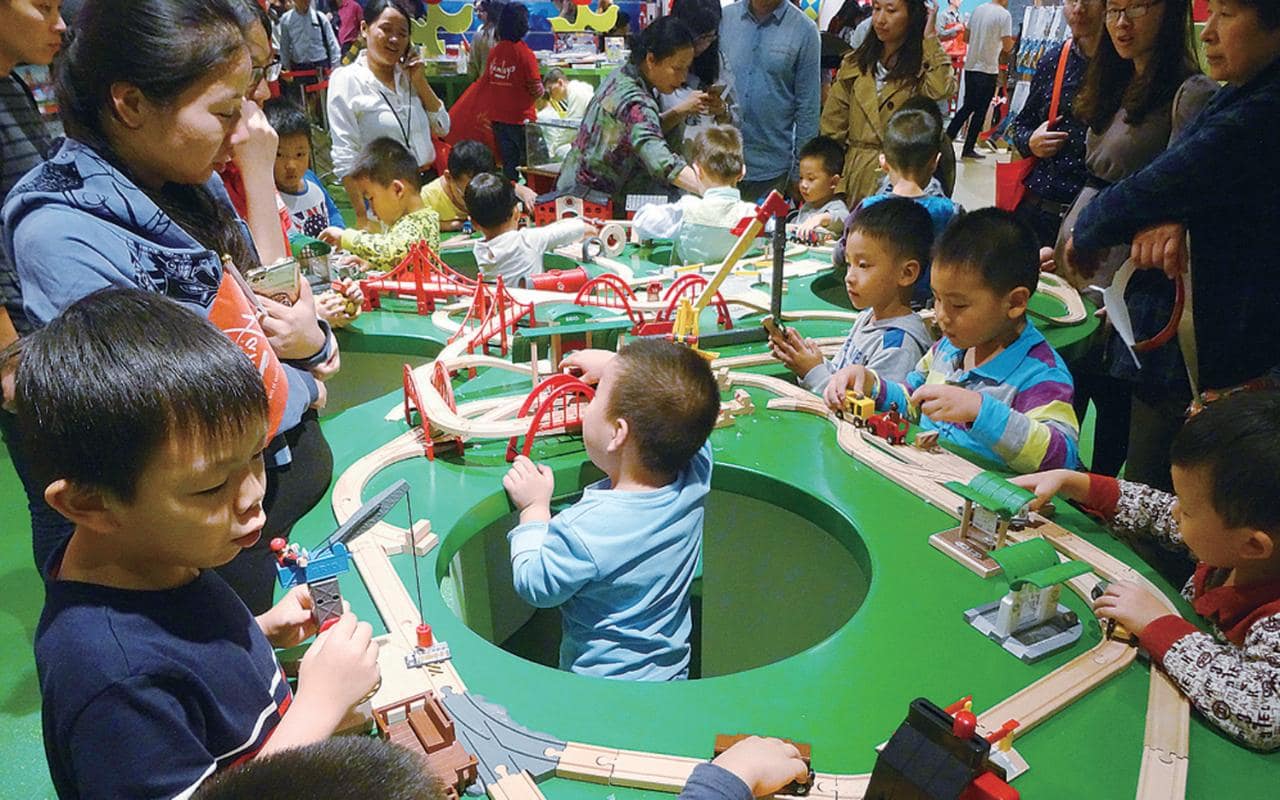
    Hamleys China has opened its second store, covering three levels in Xuzhou Sanpower International Plaza.

    The UK retailer offers more than 1000 SKU in the store, with 80 types of toys from more than 50 brand suppliers. There are also several play zones.

    Covering 10,000sqm, the store can cater more than 50,000 customers a day. It surpasses in size it previous largest store, the Lubyanka Store in Moscow. Hamleys has 114 stores internationally.

    Founded in 1760 with a store on London’s Regent Street, Hamleys is the oldest toy retailer in the UK. It entered the Chinese market in 2015 with a flagship store at the Sanpower International Plaza in Nanjing, with a total floor space of about 7000sqm.

    Xuzhou Hamleys is styled differently, as a traditional British toy kingdom with a wider range of child-related products such as apparel. There are also family experience and entertainment activities.

    On the first floor, the retailer’s best sellers are on display as well as children’s apparel, fashion brands and products with such brands as Ape Kids, Balabala Kids and New Balance.

    Considered the command centre of the store is the Toys Playground on the second floor. It offers Hamleys’ classical brands such as Barbie, Disney Princess, Harry Potter, Lego, Peppa Pig and Transformers.

    On the third floor is the Infants and Creativity Zone. This features The Bath, a swimming area, with educational activities as well as family DIY workshops. There are also child-care services, educational robots, and a painting and baking workshop for children.

    Also on the third floor is a special venue for birthday parties.

    Other activities exclusive to the Xuzhou store include a spiral slide, the Ocean Ball Pool, Water World and a merry-go-round. Nanjing’s Nerf Zone is replicated at the store.

  • Mecca’s maximum store opens in Australia

    Mecca’s maximum store opens in Australia

    Cosmetics retailer, Mecca Maxima, has opened its largest store at ISPT-owned Wintergarden in Brisbane last Friday.

    The 553sqm next generation Mecca Maxima store will be home to more than 60 of the world’s leading cosmetics and skincare brands including exclusive brands NARS, Too Faced, Urban Decay, Smashbox, bareMinerals and Hourglass, as well as Mecca’s newest signature line, Mecca Max.

    Leah Mienert, ISPT spokesperson, said the opening of the largest Australian Mecca Maxima store is a coup for Wintergarden and ISPT and showed the Queen Street Mall was fast becoming a world class fashion and lifestyle retail precinct.

    “The launch of the largest Australian Mecca Maxima store alongside flagship stores from the world’s leading fashion retailers including Zara, H&M and Uniqlo has put Brisbane’s Queen Street Mall firmly on the global fashion and retail map,” she said.

    Mienert said the Queen Street Mall is emerging as a globally recognised retail precinct and a sought-after destination for leading Australian and international retailers, attracting in excess of 26 million people each year and generating annual sales of over $1 billion.

    Mienert said the Mecca Maxima announcement was the first of a number of other announcements for Wintergarden, with more new stores to be opened before Christmas.

    ISPT also owns other Queen Street Mall retail destinations including the redeveloped 155 Queen Street which houses the three-level flagship Zara store and 170 Queen Street, which contains both the H&M and Uniqlo flagship stores.

  • Le Buffet restaurant wins interior design award

    Le Buffet restaurant wins interior design award

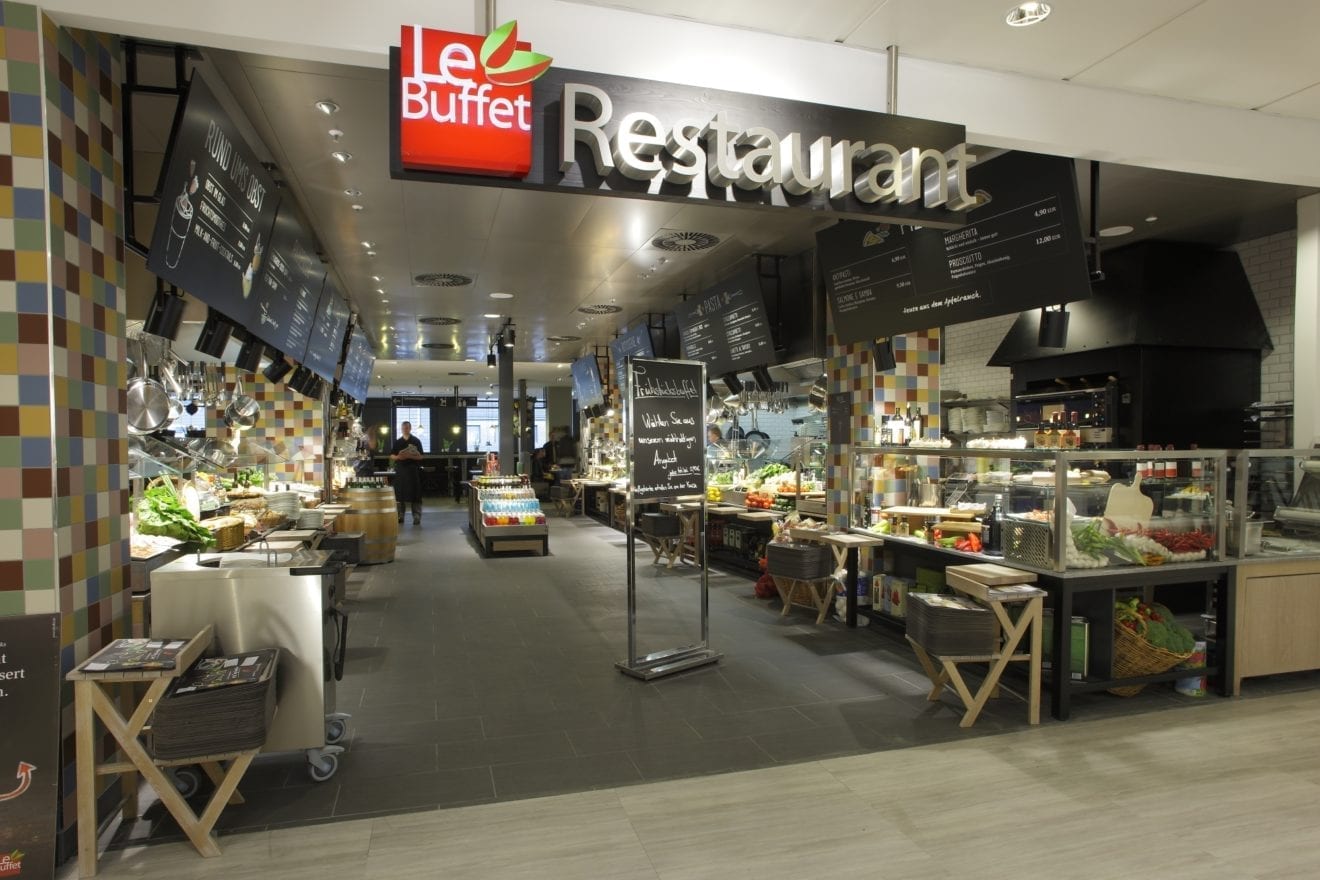
    Le Buffet restaurant at The Parisian Macao has won an award for its interior design.

    It took the title of best Macau casual-dining restaurant at the Hong Kong Restaurant Interior Design Awards 2017(HKRIDA).

    The awards were part of the fine-dining and bar exhibition Restaurant & Bar Hong Kong, with a judging panel comprising hospitality designers, F&B managers and specialist trade media. Chef de cuisine Guillaume Gully accepted the award on behalf of The Parisian Macao.

    Designed by San Francisco-based Puccini Group, Le Buffet is a 450-seat buffet restaurant that features Art Deco detailing with an upscale French market/food-hall vibe. It has a front dining area with a Parisian cafe ambiance that has views into the main dining and buffet room with its buffet stations and live cooking areas. A design feature is an intricate 5m atrium that offers a sense of natural light.

    The Parisian Macao is Sands Resorts Macao’s newest property, which opened 12 months ago. It features a half-size replica of the Eiffel Tower at the hotel’s entrance.

    One of the primary goals of the awards is to highlight and promote the importance of a restaurant’s interior design in overall business growth.

  • Amazon Find offers fresh fast-fashion challenge

    Amazon Find offers fresh fast-fashion challenge

    The new Amazon Find fashion collection features a 500-piece womenswear offering plus 200 items for men.

    It is the online retailer’s challenge to fast-fashion giants like H&M, Uniqlo and Zara that are being slow to optimise their online offerings.

    Already being noticed on Facebook and Instagram, Find taps on fast-fashion professionals like Frances Russell (Amazon’s own-label VP and former Marks & Spencer head of womenswear), designer Karen Peacock and Glen George (former buyer for Primark).

    Also new is the Amazon Echo Look camera that works alongside its voice-controlled assistant Alexa. It enables customers to take fashion selfies their mobile app, which will then show them similar clothing items available from Amazon.