Tag: asia

  • Catch spends millions on trust play

    Catch spends millions on trust play

    Catch Group’s first foray into the world of TV advertising has cost the e-commerce company millions, as it looks to bolster its brand awareness ahead of the imminent arrival of Amazon.

    It’s first TV campaign, which has been airing for two-weeks, is part of a long-term marketing play to first establish Catch’s new marketplace image in the local market before beginning to communicate price and range later down the line.

    Catch Group’s head of marketing, Ryan Gracie, told that the campaign was initially designed alongside the company’s re-brand to drive awareness and begin building trust – something pureplay retailers have struggled with in recent years.

    “Building a brand online is very hard and you have to really take yourself above the line if you want to be a trusted, credible brand,” Gracie said.

    “We’re a pureplay, we don’t exist physically so it’s important for us to exist on these other channels.”

    Gracie was unable to say what the return looks like so far, but said a decision was taken by management on TV knowing that assessing the benefits wouldn’t be clear cut.

    “The hard costs of the media spend is a major inhibitor, because you can’t explicitly measure the impact of it,” he said.

    “What do you get when you advertise on TV? You get a warm and fuzzy feeling, but you have to trust it’s going to work.”

    The ads themselves depict Australians in various scenarios screaming “catch” – in line with the company’s “screaming good deals” philosophy.

    Catch is investing in marketing on both sides of the market at the moment, having also stepped up its B2B marketing since its brand relaunch to encourage more suppliers to jump on its platform.

    Catch Group co-founder Gabby Leibovich told sister site Internet Retailing in August that more than 200 brands have signed up to the marketplace, with 25,000 new SKUs recently added across several new categories.

    Nati Harpaz, CEO of Catch Group, is the chairman of Octomedia, Inside Retail’s parent company.
  • Concept store 10 Corso Como returns to Tokyo

    Concept store 10 Corso Como returns to Tokyo

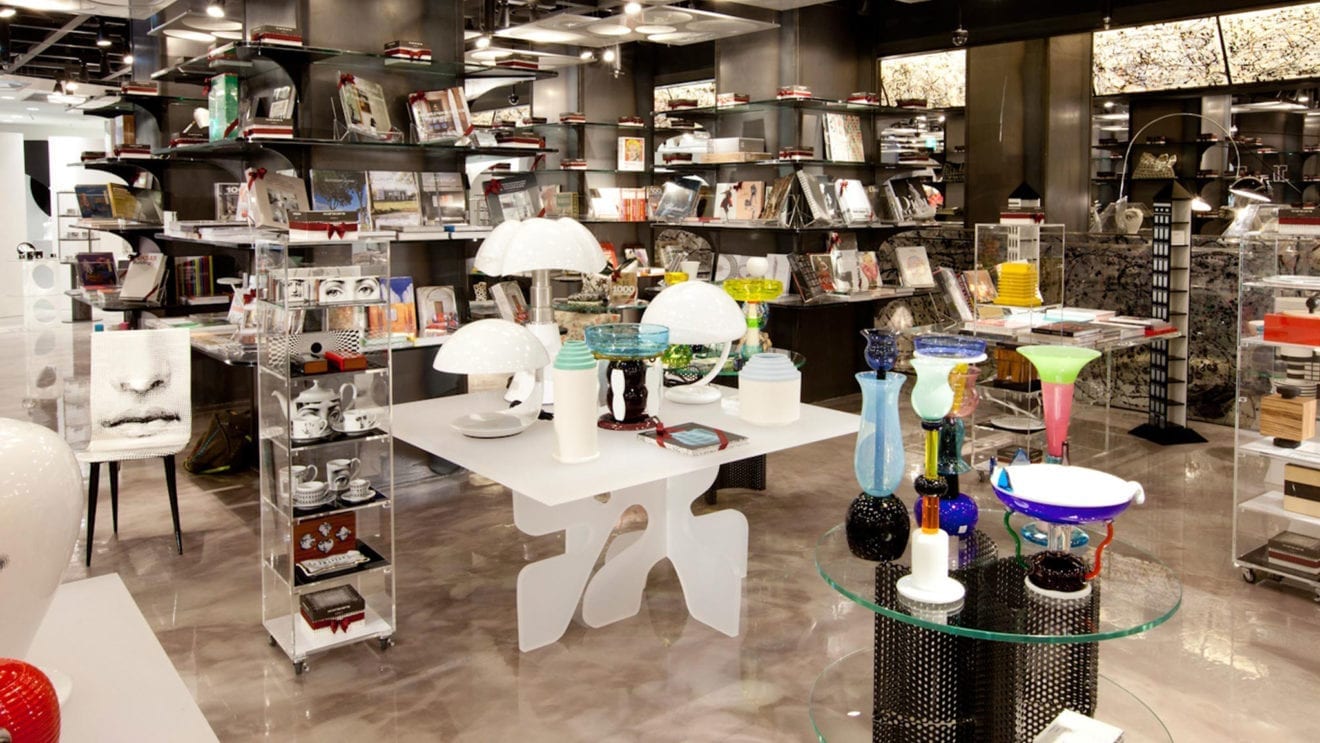
    Milanese concept store 10 Corso Como is returning to Japan tomorrow, with two outlets.

    The two new retail outlets, 30 sqm each, will be located inside Seibu Ikebukuro and Seibu Shibuya department stores, and will each display 10 Corso Como-branded products.

    10 Corso Como also opens two pop-up stores this month at Seibu Shibuya from 12 to 18, and Seibu Yokohama from 26 to October 10.

    10 Corso Como was founded in 1990 in Milan by Carla Sozzani, and made a first foray into Japan in 2002 under the name of 10 Corso Como/Comme des Garçons.

    In foreign markets, the brand has two stores in Seoul and one in Shanghai, plus a cafe-restaurant in Beijing.

    The brand’s next new store will be opened in New York.

  • In Good Company expands to the Philippines

    In Good Company expands to the Philippines

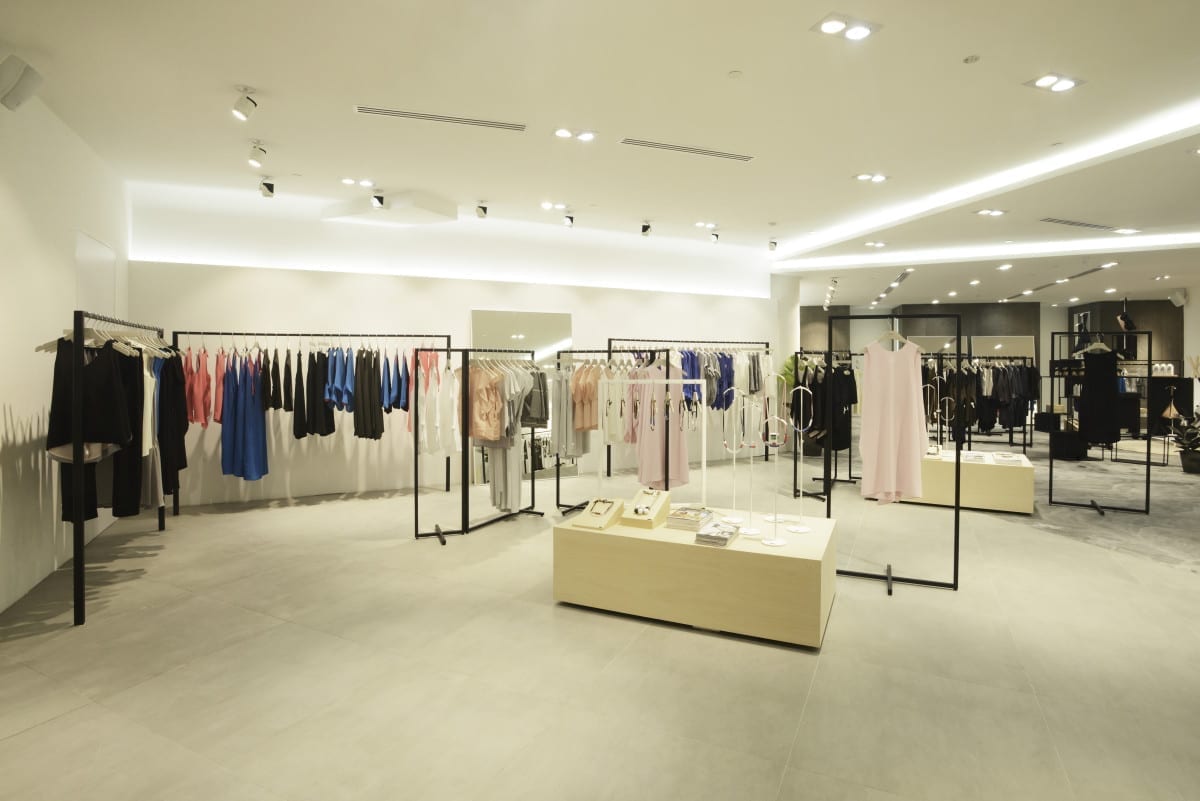
    Singapore-based fashion label In Good Company has expanded into the Philippines with its first shop in The SM Store Makati.

    The store, located on level 2, offers all seasonless clothing, classic silhouettes and accessories.

    In Good Company also brings its latest collection called Capsule 11. Using draping techniques, the collection is inspired by the 80s and 90s trends.

    “We explored new shapes and draping techniques that create more movement and dimensionality, as well as new hardware such as oversized grommets, hanging ties and d-rings that give the capsule a modern utilitarian look, in an ultra-wearable way,” said creative director and co-founder Sven Tan.

    Besides the Philippines, In Good Company has recently launched in Dubai at Robinsons Department Store.

    The brand also has standalone lifestyle stores in Hong Kong, Indonesia and Thailand

  • New Look CEO steps down after five years

    New Look CEO steps down after five years

    New Look CEO Anders Kristiansen has stood down after almost five years.

    The UK fashion retailer’s board has appointed Danny Barrasso, currently MD of UK & ROI, as interim CEO with immediate effect while it identifies a permanent successor.

    Chairman John Gnodde said Anders made a “fantastic contribution” during his tenure with New Look.

    “Under his leadership, the company has made significant progress and we wish him well for the future. As New Look embarks on its next phase of development, we have mutually agreed that it is the appropriate time for a change to the leadership of the company. Danny and the wider executive team have the full support of all the shareholders to provide continued operational progress and leadership as we search for a permanent CEO.”

    Kristiansen said he had enjoyed his time with the brand.

    “I am proud of what we have achieved as a company and have every faith in New Look’s future prospects and progression.”

  • Central i-City expects full occupancy for opening

    Central i-City expects full occupancy for opening

    CPN Ventures, the company running the Central i-City shopping centre in Shah Alam, Malaysia, is confident it will have 100 per cent occupancy when it opens in October next year.

    The RM850 million (US$202 million) mall is a JV between Thailand’s Central Pattana Public Company, which has a 60 per cent stake, and I-Bhd.

    COO Anthony Dylan says the 100 per cent occupancy target is the standard in Thailand. “The mall will have predominantly Malaysian tenants, and the JV will see the shopping centre combining both Malaysian and Thai strengths.”

    He says that despite a shaky start to the year, the Malaysian retail sector is poised for positive growth. In a sluggish first quarter, sales shrank 1.2 per cent

  • Vicinity ranked as top APAC firm in sustainability

    Vicinity ranked as top APAC firm in sustainability

    Vicinity Centres has been ranked as a regional leader in sustainability by Global Real Estate Sustainability Benchmark in the 2017 Real Estate Assessment.

    The retail landlord was also ranked number one in the Asia Pacific Retail sector, second for listed entities within Australia and fourth for retail funds globally by GRESB.

    GRESB assesses the sustainability performance of real estate portfolios and assets in public, private and direct sectors worldwide. Its 2017 assessment was completed by 850 property companies, REITs, funds and developers, across 62 countries and with US$3.7 trillion in assets under management.

    “We are delighted with this acknowledgement by GRESB, recognising Vicinity’s progress in sustainability,” said Angus McNaughton, CEO and managing director. “At Vicinity, being sustainable extends beyond good risk management and environmental performance. As significant local hubs, our centres have an important role to play in shaping better communities both economically and socially.”

    Ruben Langbroek, head of Asia Pacific at GRESB, said Vicinity demonstrated that shopping centres can positively contribute to local communities and smart, sustainable cities across Australia.

    “The regional real estate sector again has shown clear commitment and meaningful action to improve its performance on environmental, social and governance aspects,” Langbroek said. “This also underlines that investor interest, supported with accurate performance benchmarking, is empowering the spread and adaptation of best practices in sustainability, such as those shown by Vicinity Centres and the other Regional Sector Leaders across Australia.”

  • Furla sales soar in Asia-Pacific

    Furla sales soar in Asia-Pacific

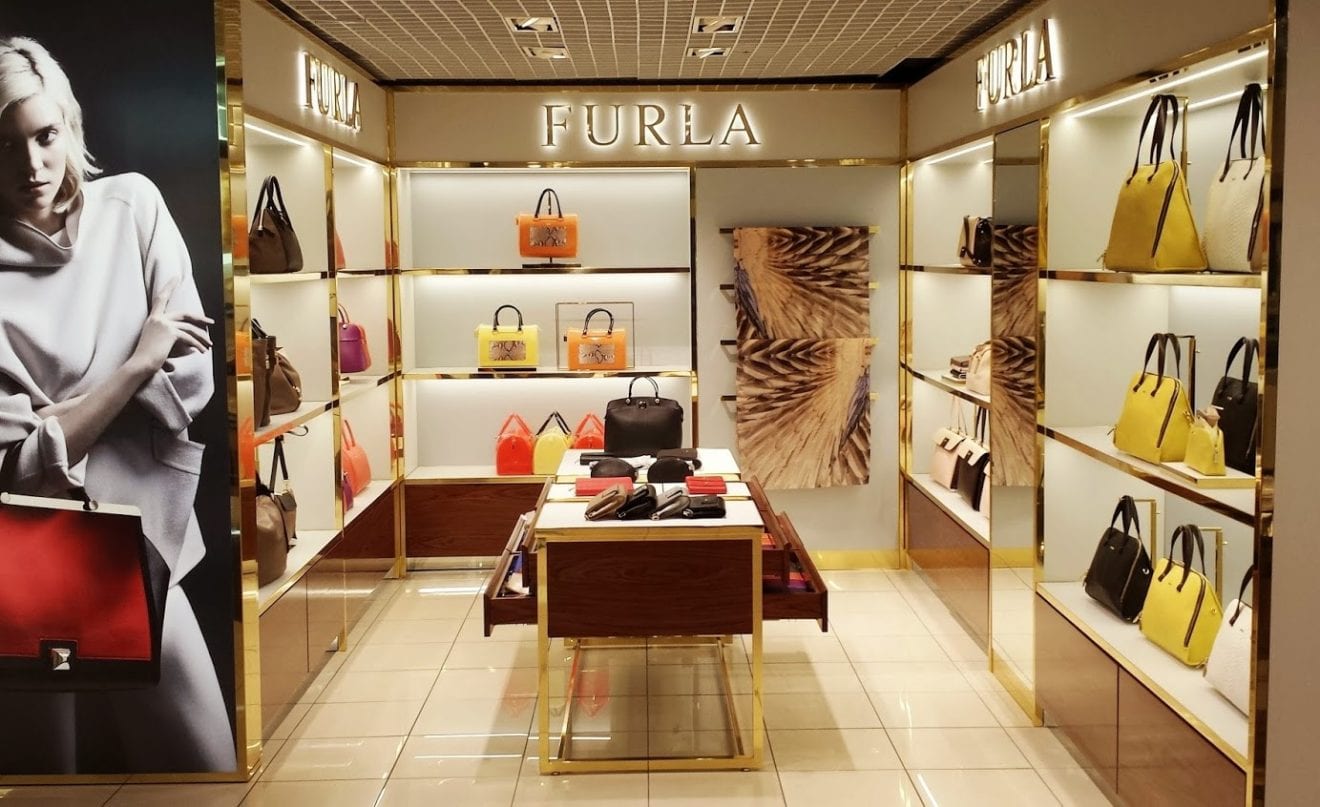
    Italian fashion group Furla continues to thrive in Asia, the region now accounting for half its global sales.

    After recording its highest-yet turnover and profit in 2016, Furla sales rose a further 23.5 per cent in the half year to June 30, reaching euro 238 million.

    The Asia-Pacific region registered 63 per cent growth, with China, South Korea and Australia standout markets. Sales in Japan rose 16 per cent.

    Furla is preparing to double its presence in Australia after buying back its Australian retail operations from Luxury Retail Group earlier this year.

    The Italian-based brand increased its Australian turnover by 64 per cent in the first half of 2017, underpinning group CEO Alberto Camerlengo’s optimism in the local market as part of a broader Asia-Pacific expansion strategy.

    “We have great expectations in Australia,” Camerlengo told Inside Retail Weekly. “Based on the results we have until now and the opportunity that we have in front of us, I think we can double our presence in Australia.”

    With products available in over 100 countries, Furla Group has 444 mono-brand stores, about half of which are directly managed, and is present in over 1200 multi-brand and department stores.

    “The results of the first half of 2017 make us very proud and underline the way turnover has doubled over the last three years,” commented Camerlengo.

    “This growth, in extremely complex scenarios, is important in all markets as is the improvement in the quality of our distribution network and of our relationship with our strategic partners,” he said.

    Our intent is to continue growing organically both in our diverse product categories and in our geographic footprint.”

    Japan is by far Furla’s largest country market, accounting for 24 per cent of its sales. The rest of the Asia-Pacific region accounted for a further 24 per cent in the half year. Europe, Middle East and Africa accounted for 45 per cent and the US for 7 per cent.

    Furla’s travel retail channel has also grown substantially: up 47 per cent, thanks to a presence in 52 countries, with a total of 292 sales points ranging from boutiques to corners, shop-in-shops, aircraft and cruise ships.

    Across all channels, organic growth was a major factor in the group’s success, but like-for-like sales in directly operated stores also registered double-digit growth.

    In the second half of this year, Furla plans to open new stores in Hong Kong, Beijing, Tokyo and Prague.

  • Hero Entertainment signs deal with K11 mall

    Hero Entertainment signs deal with K11 mall

    Hong Kong shopping mall K11 is expanding into the e-sports business by signing a deal to become the exclusive partner of video-gaming brand Hero Entertainment for 10 years.

    Under the partnership, the Hero Pro League mobile e-sports competition, and other animation, comic, game and novel franchises, will appear at K11 projects in at least nine cities, including Hong Kong, Beijing, Shanghai and Shenzhen.

    K11 founder Adrian Cheng Chi- kong says the e-sports sector is fast becoming the next big growth market. “Since being officially named by China’s General Administration of Sports as the country’s 99th sporting event, e-sports has in the past 15 years grown at an unprecedented pace.”

    Market intelligence company Newzoo estimates that e-sports is set to grow into a US$1.5 billion industry by 2020.

    Through the partnership, K11 Hong Kong will become the leading mobile-gaming venue to host large-scale, international e-sports competitions. The mall will also offer pop-up virtual-reality spaces and e-sports zones for the live broadcast of competitions.

    “City by city, project by project, K11 and Hero Entertainment will jointly promote the development of e-sports in China,” says Hero Entertainment chairman Dino Ying.

    Hero Entertainment has more than 400 million registered users.

  • Kent & Curwen launches Pacific Place concept store

    Kent & Curwen launches Pacific Place concept store

    Fashion house Kent & Curwen, known for its cricket and rugby apparel, has launched a new concept menswear store in Hong Kong showcasing a collaboration between creative director Daniel Kearns and business partner David Beckham.

    The former England soccer star has a key role with the brand under a deal he signed with its owner, Trinity International Brands. Kearns was previously with Alexander McQueen, Façonnable, Louis Vuitton and Yves Saint Laurent.

    After an international rebrand, the British heritage label is aiming at a younger, more fashionable consumer.

    Its new store concept at Pacific Place focuses on a central cube built from aged metal and hand-blown green glass, reminiscent of a decorative Victorian pub or orangery. Painted brick walls are a nod to the streets of London, from where Kent & Curwen draws much of its aesthetic.

    Displays and storage is influenced by vintage school-gym apparatus, referencing the brand’s heritage of supplying sporting attire to British schools such as Eton and Harrow. And to mark the brand’s long association with Cambridge and Oxford, university-style panelling is reinterpreted into ceiling detail.

    Kearns has taken the helm of the design of the collections, stores and packaging, working alongside Beckham.

  • China leads growth for Prada Asia

    China leads growth for Prada Asia

    Greater China was the outstanding market for Prada Asia for its half-year, while sales fell in Japan.

    Overall, the group had lower sales with conflicting trends, some markets recovering and others contracting.

    Growth for Asia Pacific edged up 0.4 per cent. While sales grew for clothing and leather good, footwear sales fell.

    Net sales in Greater China reached €301.9 million (US$362.5 million), up by 4.5 per cent, whereas other countries in the region had declines. Sales in Japan fell by 14.2 per cent, hit by a decline in both local demand and in tourist spending.

    Global net revenues for the period were €1.4 billion, down by 5.5 per cent. EBIT for the half-year was €166.8 million, or 11.4 per cent of net revenues, down from €213.7 million (13.8 per cent) for the same period last year.

    Miu Miu shines

    Clothing sales rose by 4.3 per cent overall, with the Miu Miu brand recording double-digit sales growth. Leather goods sales fell by 7.4 per cent, with a lesser decline for the Prada brand. Footwear sales were down by 9.7 per cent.

    Net sales of the Prada brand fell by 4.6 per cent, with the Asia Pacific region reporting sales in line with those of the same period of last year, while the other regions had lower sales.

    Miu Miu net sales fell by 9.9 per cent, affected by the closure of eight stores during the period.
    Net sales of the Church’s brand fell by 15 per cent, mainly as a result of the distribution channel being restructured.

    For the group’s other brands, the sales of Marchesi 1824 patisserie goods grew thanks to expansion, while the Car Shoe brand had a decline.

    Prada’s gross margin for the six months was €1 billion, or 74.1 per cent of net sales, up by 190 points. Half-year EBITDA was €279.6 million, corresponding to 19.1 per cent of net revenues, a dilution of 210 points.

    Thirteen stores were closed down during the six months (four Prada, eight Miu Miu and one Church’s), plus six stores were opened (two Prada, two Miu Miu and two Church’s).
    Sales in the wholesale channel grew by 5.1 per cent.

    Prada says its plan to bring Miu Miu stores into line with the brand’s new look progressed, and special projects were completed for Prada stores such as new layouts and extension of the “resort” concept to seaside stores.

    The group also introduced an e-commerce plan for all its brands, including an omnichannel growth strategy focusing on gradual expansion of the online sales channel in terms of merchandising and territorial coverage, plus new versions of the websites.

    Digital initiatives also involved advertising and communications, with the creation of special content and the acquisition of online space and media tools intended to create synergy among the three distribution channels.

  • Fareground offers new approach to hawker food

    Fareground offers new approach to hawker food

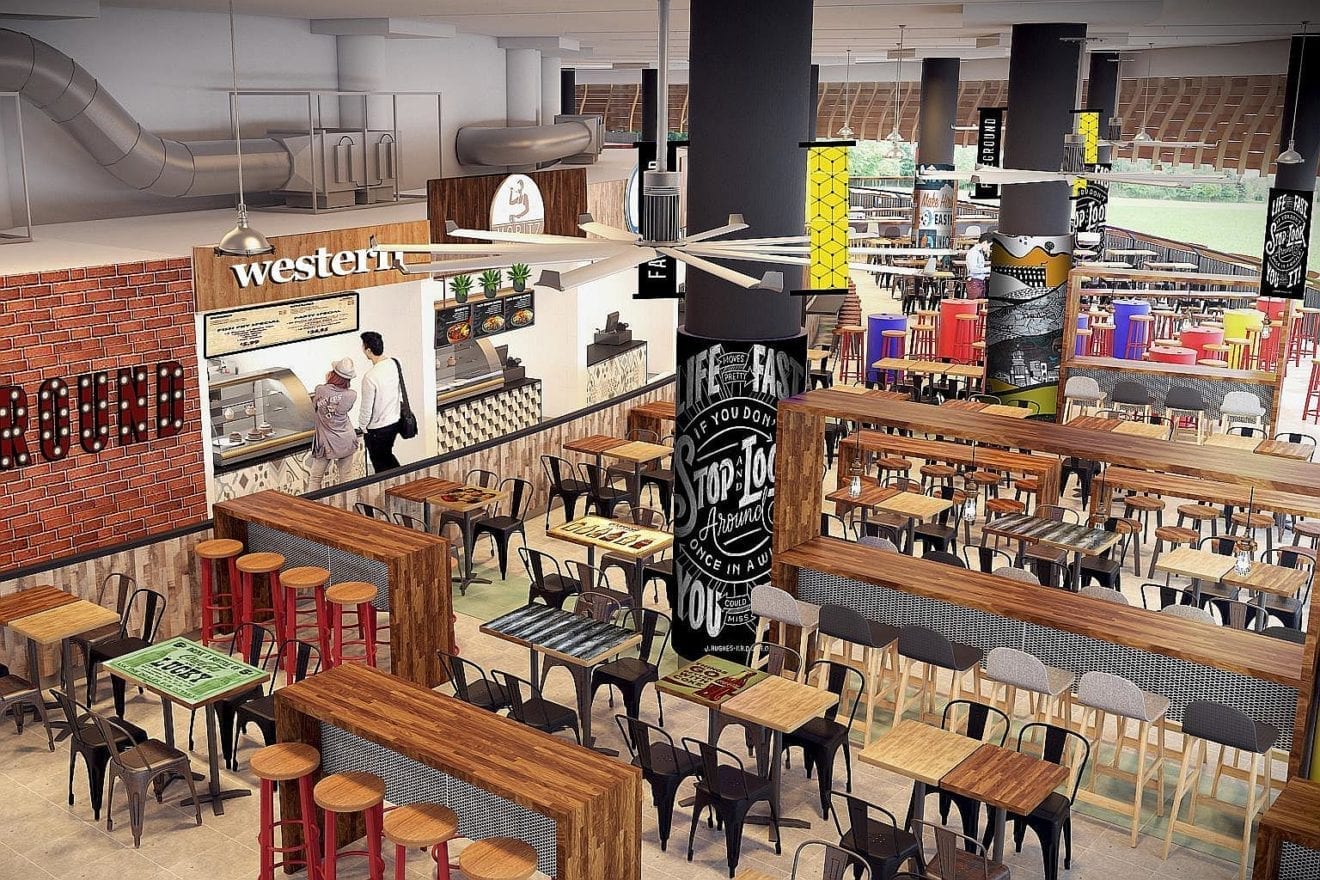
    A hawker centre blending the old and the new, Fareground, will open at Pasir Ris Central in November.

    As well as traditional hawker fare, it will have one floor dedicated to “creative cuisine”, served in a space designed to look like a hipster cafe.

    To add to the vibe, events such as craft fairs and music performances may also be held in the space, says NTUC Foodfare, which is running the centre. Its ambition is to “inject new energy to the local street-food scene”, a spokesman says.

    The food hub’s first level will feature 20 cooked-food outlets offering traditional hawker fare such as chicken rice and wonton mee. Upstairs, the menu features cafe food, fusion fare or local food with a twist. Possible dishes include Japanese donburi, for which diners can choose the ingredients.

    The final list of food offerings will be unveiled after September 22, the closing date for Singaporeans and permanent residents to apply for the stalls.

    It is the third new centre to be managed by NTUC Foodfare, after Bukit Panjang Hawker Centre and Market, and Kampung Admiralty Hawker Centre.

    Foodfare says each stall in its latest venture will offer at least two budget meals, while the “hipster” cuisine will be comparatively cheaper than similar dishes at cafes.

    Seating about 770 diners, the hawker centre will be open from 7am to 10.30pm daily.

  • Zilingo raises fresh funds for Indonesian expansion

    Zilingo raises fresh funds for Indonesian expansion

    Thai-headquartered fashion and lifestyle online marketplace Zilingo has raised US$17 million in a fresh investment round to fund expansion.

    Much of the funding came from Zilingo’s original investor, Sequoia India, with Burda Principal Investments (BPI), Venturra Capital, SIG, Wavemaker and Beenext also joining in.

    Zilingo is expanding across Southeast Asia and funds from this round are earmarked to strengthen its position in Indonesia.

    The concept is essentially an app-based solution which allows people to find fashion items, chat with vendors and shop online, within a country or cross-border. It targets small fashion retailers and labels and SMEs without the resources or scale to build their own online stores.

    One of the investors, Albert Shyy, principal at Burda, said he was “extremely impressed” with Zilingo’s growth and its focus on strong unit economics.

    “We believe there is a massive opportunity to build the leading fashion marketplace in the region and are very excited to join their journey.”

  • Beans and Brown to take cafe business offshore

    Beans and Brown to take cafe business offshore

    JAS Asset has launched Beans and Brown to take over coffee-house chain Casa Lapin, with plans to introduce the brand overseas and list the subsidiary within three years.

    It is part of the space-management company’s renewed focus on retailing business over the past three years. “That’s why it launched one community mall a year between 2014 and 2016,” says JAS Asset CEO Suphot Wanna.

    He says the diversification move is a springboard for the firm to enter the food and cafe market. It last month signed an agreement to acquire the Casa Lapin trademark and F&B business from the Coffee Project chain. With a budget of THB42 million (US$1.2 million), Beans and Brown was established as a 60:40 JV to manage Casa Lapin.

    Casa Lapin has seven branches in Bangkok, with three fully run by Beans and Brown. The others are a collaboration with partners. Beans and Brown plans to three more Casa Lapins in CBDs this year, then next year add at least 10 outlets a year. A highlight will be the opening of a Casa Lapin flagship store at a premium shopping complex in the heart of Bangkok.

    Casa Lapin’s next step will be to expand to Asian cities such as Hong Kong, Seoul, Singapore, Taipei and Tokyo.

    Beans and Brown expects its revenue to grow by 600 per cent within three years, from THB60 million this year to THB360 million in 2020.

    Presently, 70 per cent of Casa Lapin’s revenue comes from coffee and beverage sales, with the rest from food/bakery, says Beans and Brown CEO Surapan Tanta.

    “In the future, we plan to add souvenirs to our places to generate more income, as our target groups are new-generation people with a love for quality and great design,” he says.

    “The joint venture with JAS Asset enables us to develop Casa Lapin further. With JAS Asset, we have professionals in charge of management, marketing strategies and staff training.”

  • Singtel to close copper-based ADSL networks

    Singtel to close copper-based ADSL networks

    Singtel has revealed plans to progressively shut down its copper-based ADSL networks as part of a push to accelerate fiber based service adoption to business and residential customers.

    The operator will shut down copper-based ADSL that supports broadband, TV, digital voice and private network services in stages during a process expected to be completed by early 2018.

    In addition, Singtel plans to cease copper deployment to commercial buildings that obtain temporary occupation permit (TOP) status from April 2018, and instead serve customers in the buildings using fiber-based networks. The company stopped deploying copper to new residential buildings in 2013.

    “We are pleased to make this technology adoption push in support of today’s digital economy and tomorrow’s connected Smart Nation. Fiber-based networks today [are] capable of offering far greater speeds and supporting a much wider range of services than the prevailing copper-based networks,” Singtel VP of consumer products for consumer Singapore Wong Soon Nam said.

    “Singtel will work closely with relevant stakeholders to ensure our customers will enjoy a smooth and fuss-free transition to the fiber network. We will also reach out to customers through various channels to make sure they are informed of the impending change and make available a range of affordable plans to cater to their varied communication needs.”

  • Supersnap International Opens the Most Advanced Data Center in Asia

    Supersnap International Opens the Most Advanced Data Center in Asia

    SUPERNAP International today announced the opening of one of the largest, most advanced data centers in the ASEAN region, SUPERNAP Thailand, The Bangkok Campus.

    The opening of the campus is a major catalyst for propelling the success of “Thailand 4.0” – the Thai government’s plan to transform the country into a high-value based economy through innovation and technology.

    This new multi-tenant carrier-neutral data center facility, located in the eastern province of Chonburi, plays an important role in the region as the critical infrastructure that powers the ability of businesses to succeed on the growing Internet of Things, Cloud and Artificial Intelligence markets. SUPERNAP Thailand is expected to be a catalyst for attracting more investment to the region and is poised to become the data center hub for Asia Pacific.

    SUPERNAP Thailand’s BANGKOK 1 data center is designed and built to the specifications of the industry-renowned, Tier IV Gold-rated Switch LAS VEGAS multi-tenant/colocation data centers in the United States. Its advanced design and diverse connectivity options are expected to enable clients to respond to rapid market growth and connect to global economies.

    “We welcome clients throughout ASEAN, APAC and the rest of the world to run their mission-critical IT infrastructure in what we expect will be one of the most secure, reliable and connected data centers in the world,” said Sunita Bottse, Managing Director of SUPERNAP Thailand. “Our high standards in uptime, security, efficiency and resiliency can be critical for corporations who operate 24 hours a day in every business line – including finance, e-commerce, oil and gas, transportation and health care.”

    The world-class SUPERNAP Thailand data center is one of the safest places to operate mission-critical IT infrastructure in the region. Its location 110 meters above sea level is outside of the flood zone and links to national and international telecommunications carriers enabling businesses to connect to key markets in Asia and around the world.

    SUPERNAP Thailand incorporates Switch’s patented designs that deliver highly efficient HVAC (heating, ventilation and air conditioning) technology enabling the facility to host high-density IT workloads. It is designed to achieve a target PUE range of 1.35-1.45 – a level more efficient than other data centers in ASEAN, which typically have PUE levels above 2. Its efficient design and plans for sourcing renewable energy helps SUPERNAP Thailand promote economic growth and technology development in a sustainable manner, directly in alignment with the sustainability goal of Thailand 4.0.

    The SUPERNAP Thailand data center in Chonburi is expected to include: 

    • 21,000 square meters of data center space with two data halls
    • 20 megawatts of power distributed through diverse 115 kilovolt transmission paths
    • Proprietary tri-redundant UPS power system
    • Up to 40 kilowatts of power per cabinet
    • Multi-carrier fiber couples with separate paths
    • Patented Switch SHIELD: dual independent roof decks rated to withstand 322 kph winds
    • 24/7 on-site network operations center (NOC), fire, safety and security
    • On-site, on-net member resources including conference spaces

    “Companies that have built their own data centers in the past are now realizing that they can mitigate risks and achieve better service level agreements (SLAs) by operating in SUPERNAP Thailand’s mission-critical colocation data center,” Sunita Bottse said. “Clients who tour the SUPERNAP Thailand data center experience first-hand the power and scale of the campus and what that means to their business growth.”