Tag: asia

  • AirAsia offers ‘red hot’ seat sale

    AirAsia offers ‘red hot’ seat sale

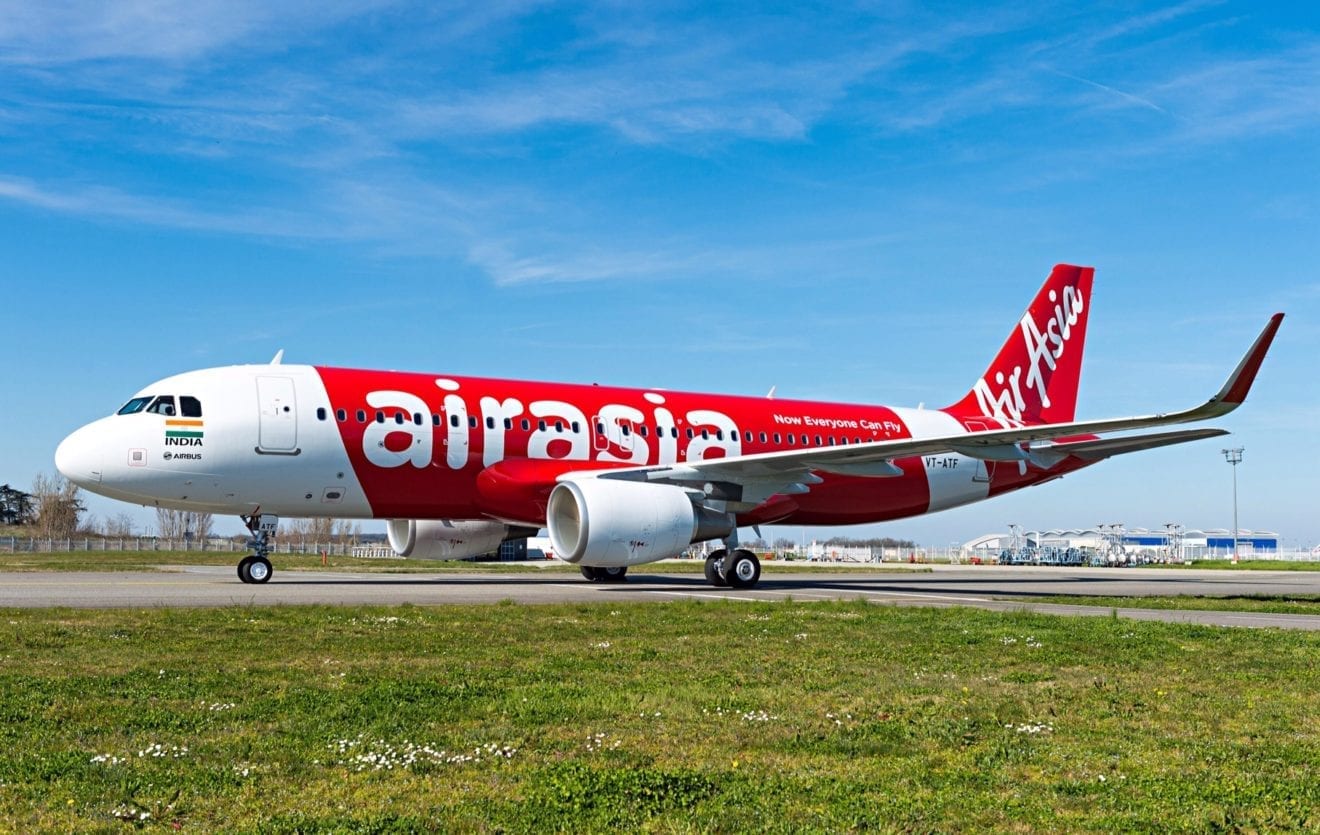
    Up to five million promotional seats are up for grabs in AirAsia Group’s red hot seat sale campaign. Book seats via airasia.com or the AirAsia mobile app from September 11 to 17 for travel between 1 March to 21 November 2018 to enjoy fares from as low as P17 for flights from/to Manila, Clark, Cebu, Davao, Palawan, Bohol, Kalibo, Caticlan/Boracay, Tacloban, and Iloilo.

    Also up for grabs from as low as P1,290 are promotional flights to international destinations from the Philippines to Taipei, Kuala Lumpur, Kota Kinabalu, Incheon/Seoul, Canton/Guangzhou, Shanghai, Macau, Singapore, and Hong Kong. AirAsia Philippines CEO Captain Dexter Comendador said that now is the perfect opportunity for their loyal guests and Filipino travellers to connect from many places conveniently. “We continuously add new routes and increase frequencies into our network. Exciting red hot deals await those who would like to travel overseas to over 120 destinations across all Asean countries, Asia, Australia and beyond,” he said.

    AirAsia is set to fly between Manila and Iloilo starting October 1 while direct flights between Davao and Kuala Lumpur will commence on December 21. Promotional flights from the AirAsia group’s hub in Kuala Lumpur to Australia, Japan, Maldives, and other destinations are also available.

    Big Members get to enjoy priority access and will be able to make bookings on airasia.com and redeem flights starting from zero Big Points, exclusively via the BIG Loyalty mobile app from September 10. It’s free to sign up as a BIG Member via airasia.com, airasiabig.com or BIG Loyalty mobile app to redeem promo flights during this promotion. AirAsia Group Chief Commercial Officer Siegtraund Teh said the airline firm continues to grow with more flights to even more destinations, making travel easier.

    “We want our valued guests to be able to take full advantage of our unparalleled frequency to new, exciting places, so it is our great pleasure to offer up to five million promo seats in our biggest campaign ever to help them on their way,” he said. For latest updates on promotions and activities, please follow AirAsia on Twitter (twitter.com/AirAsia) and Facebook (facebook.com/AirAsia).

    AirAsia Philippines is a wholly owned subsidiary of AirAsia Inc. which is a joint venture company among Filipino investors Antonio Cojuangco, former Ambassador Alfredo Yao, Michael Romero, Marianne Hontiveros, and Malaysia’s AirAsia Berhad. AAP operates a fleet of 17 aircraft with domestic and international flights out of hubs in Manila, Cebu and Kalibo.

    The airline operates several flights to/from Manila, Davao, Cebu, Kalibo, Caticlan(Boracay), Tacloban, Tagbilaran (Bohol), Puerto Princesa (Palawan), Clark and Iloilo in the Philippines with international flights to/from Shanghai, Taipei, Incheon (Seoul), Hong Kong, Macau, Kuala Lumpur, Kota Kinabalu, and Singapore. AAP is part of the AirAsia Group that has been awarded the World’s Best Low Cost Carrier for nine consecutive years running by Skytrax since 2009 to 2017. AirAsia, the leading and largest low-cost carrier in Asia, services the most extensive network with over 120 destinations.

    Within 15 years of operations, AirAsia has carried over 350 million guests and grown its fleet from just two aircraft to over 170. The airline is proud to be a truly Asean (Association of Southeast Asian Nations) airline with established operations based in Malaysia, Indonesia, Thailand, Philippines, India and Japan, servicing a network stretching across all Asean countries and beyond.

    The carrier was named the World’s Best Low Cost Airline in the annual World Airline Survey by Skytrax for nine consecutive years from 2009 – 2017. AirAsia is the first airline globally to collaborate with INTERPOL to implement the I-Checkit system to screen the passports of all its prospective passengers against information contained in the world police body’s Stolen and Lost Travel Documents database.

  • Vietnam’s government steps in to suspend sweeping new tax hikes

    Vietnam’s government steps in to suspend sweeping new tax hikes

    The proposed increases would make it harder for the country to hit its ambitious economic growth target this year.

    The Vietnamese government has instructed the Ministry of Finance to put on hold a series of proposed tax hikes to make life easier for local businesses and the growth target more achievable.

    The ministry is planning to increase a number of different taxes and fees, including raising value-added tax (VAT) from 10 percent to 12 percent.

    It insists that raising indirect taxes such as VAT is essential and an international norm, according to the ministry. The higher taxes were designed to make up for an inevitable shortfall that would occur when Vietnam fulfils its commitments to free trade agreements and removes import tariffs, and will also help tackle rising public debt, the ministry said.

    However, the government has said that in order for the country to reach its economic growth target of 6.7 percent this year, a goal that some experts say is unrealistic, taxes should remain unchanged for now.

    Vietnam has been working hard to realize its growth target.

    The central bank in July reduced its lending interest rate by 0.25 percent to 6.25 percent for the first time in three years to boost economic growth, as many Vietnamese companies still rely heavily on bank loans.

    In early June, the government put forward fresh plans to tap more oil and gas, despite warnings from lawmakers of becoming over-reliant on the mining industry to fuel growth.

    The Ministry of Industry and Trade will increase the amount of crude oil exploited this year by 8 percent to 13.28 million tons, and gas by 10.4 percent to 10.6 billion cubic meters. This will help add around 0.25 percent to economic growth.

    But outsiders view Vietnam’s economic prospects a bit differently.

    In July, HSBC revised down its previous forecast of 6.4 percent, saying the country’s economy is likely to grow by only 6 percent this year.

    Earlier, the Asian Development Bank raised its forecast for Vietnam’s economic growth this year from 6.3 percent to 6.5 percent, while the World Bank reversed its prediction from 6.5 percent to 6.3 percent, and the International Monetary Fund also lowered its forecast to 6.3 percent.

  • Apple set to unveil anniversary iPhone in major product launch

    Apple set to unveil anniversary iPhone in major product launch

    Apple hopes iPhone X will silence critics who say the company has lost its innovation edge.

    A decade after then-CEO Steve Jobs unveiled the first iPhone, Apple Inc on Tuesday is set to introduce a completely redesigned top-of-the-line iPhone along with two other new phones, as well as a big upgrade to the Apple Watch and a higher-definition Apple TV.

    The splashy launch event will take place at the Steve Jobs Theater at Apple’s new Apple Park “spaceship” campus – widely considered to be the final product designed by Jobs, who died in 2011.

    The new products and the holiday shopping season that follows are the most important for Apple in years. The company has sold more than 1.2 billion iPhones over the past decade and ushered in the era of mobile computing, but last year suffered a substantial decline in revenue as many consumers rejected the iPhone 7 as being too similar to the iPhone 6.

    Apple hopes the new high-end phone, expected to be called the iPhone X, will silence critics who say the company has lost its innovation edge. It features an edge-to-edge display with richer colors and facial recognition to unlock the phone without the need for a fingerprint reader or physical home button.

    The two other models, expected to be called the iPhone 8 and iPhone 8 Plus, are intended to update the iPhone 7 and iPhone 7 Plus. They could also include some new features, such as a glass back similar to the iPhone 4 that would help facilitate wireless charging.

    The phones are expected to come with a steep price tag. Bernstein analyst Toni Sacconaghi predicts the top-end model will cost $899, though other analysts expect it to cross the $1,000 threshold. That compares to a top base price of $769 for the iPhone 7 Plus prior.

    Much of that added costs is driven by more expensive parts, like a higher-resolution display, 3D sensors and more memory capacity. “Some of these components are just darned expensive. There’s just no doubt about that,” said Brian Blau, an Apple analyst at Gartner.

    Blau expects Apple to keep several lower priced models in its lineup.

    Watch for wireless networks

    Analysts also expect Apple to reveal a new Apple TV that operates at higher resolution than its previous set. The higher resolution could play into Apple’s efforts to court Hollywood, which have shifted into a higher gear recently with two high-profile executives hired away from Sony.

    The company is also expected to reveal more details about the HomePod, its voice-activated home speaker that competes against Amazon.com Inc’s Echo devices and the Google Home speaker. Apple announced the HomePod in June and said it will ship in December.

    Lastly, Apple is expected to announce a new version of the Apple Watch. Previous versions of the watch had to be tethered to a user’s phone in order to receive send or receive data, but the new version is expected to connect to wireless data networks just like a phone.

    Apple does not say how many Apple Watches it sells. Gene Munster, a veteran Apple watcher and analyst with Loup Ventures, believes the watch could double or even triple in sales because of the new connectivity.

    But even a huge boom in one product will not move the company’s financials like the iPhone, which accounted for 63 percent of Apple’s $215 billion in sales last year. Even if Apple crushes rivals like Fitbit Inc and Garmin in smart watch sales, Apple remains the iPhone company.

    “It’s a really big deal for the wearables category for Apple, but it’s not a big deal for the company,” Munster said.

  • Carmakers face electric reality as combustion engine outlook dims

    Carmakers face electric reality as combustion engine outlook dims

    ‘There’s going to be a huge increase in prices in 2021-22 if effective electrification becomes as widespread as people expect.’

    European car bosses gathering for the Frankfurt auto show are beginning to address the realities of mass vehicle electrification, and its consequences for jobs and profit, their minds focused by government pledges to outlaw the combustion engine.

    As the latest such announcement by China added momentum to a push for zero-emissions motoring, Daimler, Volkswagen and PSA Group made disclosures about their electric programs that could give policymakers some pause.

    Planned electric Mercedes models will initially be just half as profitable as conventional alternatives, Daimler warned – forcing the group to find savings by outsourcing more component manufacturing, which may in turn threaten German jobs.

    “In-house production is almost irrelevant to the consumer,” Daimler boss Dieter Zetsche told reporters and investors on the eve of the Frankfurt show, speaking in the midst of a German election campaign in which automotive jobs have loomed large.

    Volkswagen, for its part, said it was seeking new global supplier contracts to source 50 billion euros ($60 billion) of electric car content including batteries, which are not yet manufactured competitively in Europe.

    “A company like Volkswagen must lead, not follow,” Chief Executive Matthias Mueller told reporters.

    VW diesel emissions-cheating exposed by U.S. regulators triggered global public outrage, dozens more investigations into test-rigging by the wider industry and a push by some lawmakers to ban diesel and eventually all engines.

    Tightening noose

    Tesla Inc shares jumped nearly 6 percent on Monday after a Chinese minister said it was a question of when, not if, Beijing bans fossil-fuel cars, tightening the rhetorical noose around the combustion engine. France and Britain have promised its outright abolition by 2040.

    But PSA, the maker of Peugeots and Citroens, said it was concerned about the risks if consumers are left behind in the rush, and a new generation of battery cars does not sell.

    “If it doesn’t gain acceptance in the market, then everybody – industry, employees and politicians – has a big problem,” PSA Chief Executive Carlos Tavares said in a pre-show interview with German weekly Bild am Sonntag.

    While Tesla has carved itself a successful premium niche, electric vehicles have yet to penetrate volume markets, with the heavily subsidized exception of Norway, and still account for less than 1 percent of global car sales.

    Automakers have sought to adapt to the changing tide – and in some cases distance themselves from “dieselgate” – by announcing multibillion-euro investments in electric cars, underpinned by plans to sell millions within a decade.

    A year into the scandal, VW unveiled plans to develop 30 new electric cars and sell 2 million-3 million annually by 2025. On Monday it upped the goal to 80 models and said it would need four times the capacity of Tesla’s “gigafactory” to supply their batteries.

    Jobs flight

    Since the battery is the single biggest-value item in an electric car, however, experts point out that mass adoption would shift business and jobs from European suppliers to China, which already dominates the automotive power-pack market.

    According to consulting firm AlixPartners, electric drivetrains including batteries require 40 percent less manufacturing labor than mechanical ones. That would hit 112,000 jobs at European suppliers, even before any outsourcing.

    A phase-out of combustion engines by 2030 could cost 600,000 jobs in Germany alone, the country’s Ifo economic institute has warned. Chancellor Angela Merkel, on course for re-election on Sept. 24, said she was “no friend of bans”, in a Berliner Zeitung interview published on Tuesday.

    Any deepening of the doubts surrounding mass electric car uptake could vindicate Fiat Chrysler CEO Sergio Marchionne – one of the few car bosses who has largely resisted the plug-in vogue.

    “My aversion to electrification was based on pure cost issues,” Marchionne told analysts recently, predicting that stubbornly high battery costs would combine with tightening combustion-engine regulation to choke off overall sales.

    “There’s going to be a huge increase in prices in 2021-22 if effective electrification becomes as widespread as people expect,” Marchionne said. “That, based on everything I know in terms of economics, will cause a shrinkage of demand.” ($1 = 0.8358 euro)

  • Nokia extends wireless portfolio

    Nokia extends wireless portfolio

    Nokia is extending its enterprise wireless networking portfolio with new small cells, Wi-Fi, multi-access edge computing and cloud packet core capabilities.

    The new components aim to allow businesses to manage and operate their own private wireless networks to support their digital transformation initiatives.

    The company’s new virtualized multi-access edge computing (MEC) solution will allow operators to deliver private LTE networks to enterprises over their 4G network, and to allow enterprises to run MEC over commercial-off-the-shelf servers.

    Nokia has also introduced a new compact outdoor AirScale Wi-Fi access point and added a hybrid access gateway capability to the Cloud Packet Core.

    “We want to support the evolution toward the fourth industrial revolution by giving companies the ability to leverage private wireless networks for their critical communications needs and rapidly ramp-up business applications that improve efficiency,” Nokia head of advanced mobile network solutions Thorsten Robrecht said.

    “We continue to evolve our end-to-end solutions and services to allow enterprises to transition towards digitalization in a smooth and cost-efficient way in preparation for 5G automation in the future.”

  • Singtel adds HOOQ to OTT video portal app

    Singtel adds HOOQ to OTT video portal app

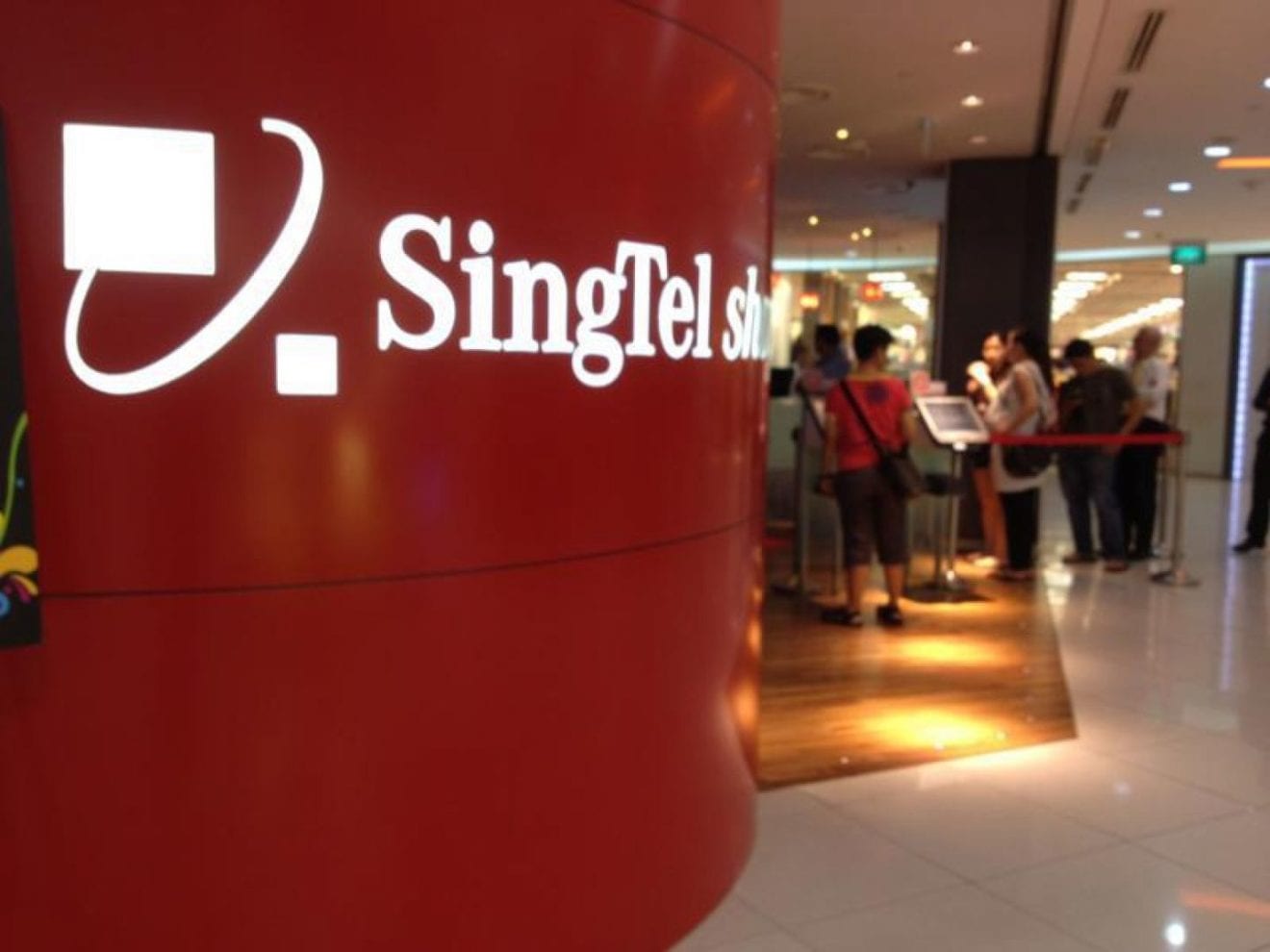
    Singtel has expanded its OTT video portal app CAST to incorporate the video on demand streaming service HOOQ.

    HOOQ, a joint venture between Singtel, Sony Pictures Entertainment and Warner Bros, has a library of over 20,000 movies and TV series. It has launched across SEA and in India.

    Movies are available on the platform up to 90 days after cinema release, and TV series are telecast on the same day as the US.

    With its incorporation into CAST, the HOOQ content library can now be viewed on mobile devices, tablets or TV screens through Android TV or Chromecast.

    CAST users will be offered a three-month trial of HOOQ, after which they can subscribe on a 12-month contract for S$4.90 per month.  Access can also be purchased contract-free for S$7.90 per month.

    “Hollywood, Asian and kids’ content are extremely popular with our customers. We are pleased to offer HOOQ’s vast selection in the palm of their hands or comfort of their own homes,” Singtel managing director home consumer Goh Seow Eng said.

    “We will continue to expand CAST’s content library for our customers’ enjoyment.”

  • Cebu Pacific opens up baggage requirements

    Cebu Pacific opens up baggage requirements

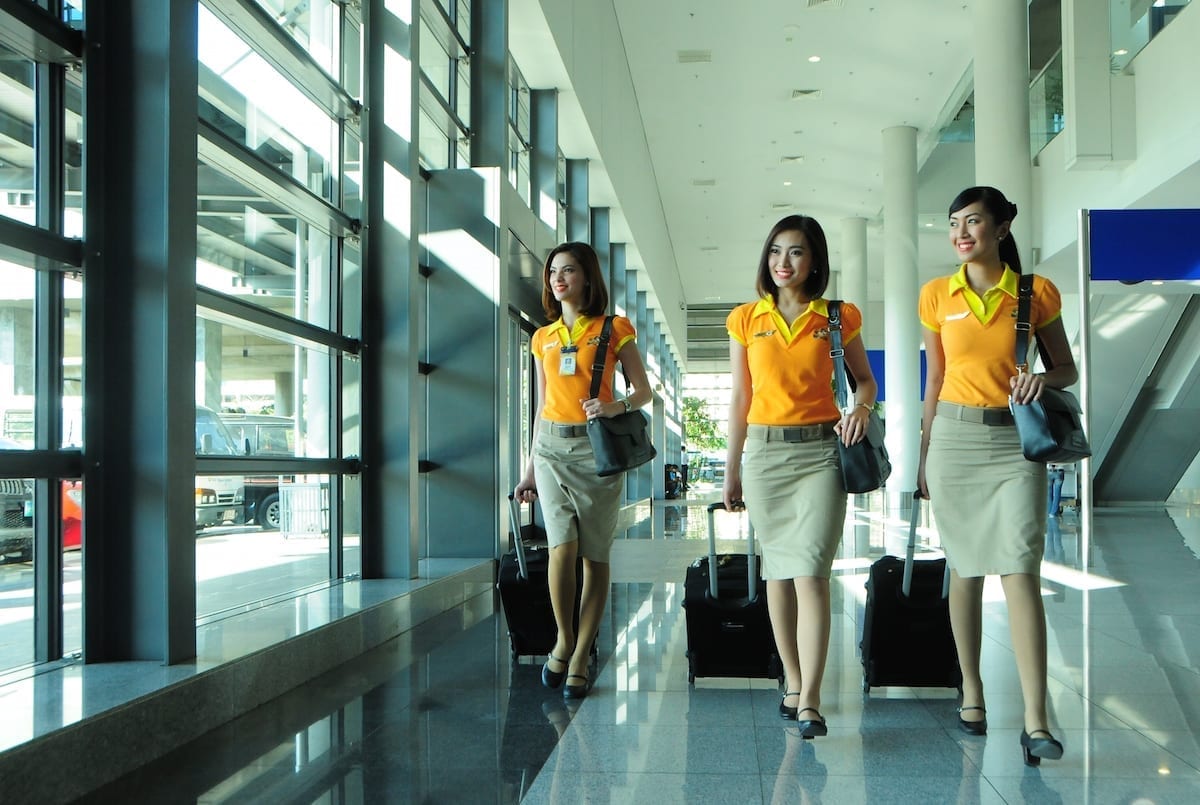
    Cebu Pacific has announced a special deal for passengers travelling from Guam to Manila, and back — perfect for bringing “pasalubong,” or gifts, to friends and family, or shopping for Filipino delicacies to bring back home.

    Starting this September up until Dec. 15, 2017, all passengers flying between Guam and Manila who prepurchase baggage allowance of 40 kilograms will get an additional 25 kilograms, free of charge. That’s a total of 65 kilograms, or 143 pounds of check-in baggage — equivalent to the weight of a ‘balikbayan box.’ The free baggage allowance will be added upon check-in at the airport.

    “We are excited to offer Guamanians traveling to and from the Philippines a free top-up on their 40-kilogram baggage allowance, up to a maximum 25 kilograms. This will allow our guests to make room for more presents, or for Filipino treats they will surely come to enjoy. There’s less reason to worry about excess baggage, and more reason to stock up on great finds in the Philippines,” said Candice Iyog, vice president for marketing and distribution at Cebu Pacific.

    Cebu Pacific started flying between Manila and Guam in March 2016.

    CEB currently flies up to three times weekly to and from Guam, offering seamless connections to a total of 37 domestic and 26 other international destinations across Asia, Australia, USA, and the Middle East.

    Information was provided in a press release.

  • Vietnam named most affordable country in the world for foreigners

    Vietnam named most affordable country in the world for foreigners

    Nearly one in five said they have far more money at their disposal than their lifestyles require.

    The Expat Insider 2017 survey released on Thursday has put Vietnam in the spotlight as the cheapest place to live for expats.

    The country has jumped five places from the previous year to top the 2017 table, confirming how affordable it is for foreigners to live and work here.

    The survey was developed by asking 12,519 respondents, representing 166 nationalities and living in 188 countries around the world, how they felt about their financial situation, and whether their disposable income was sufficient to cover their expenses.

    The cost of living in each country was compiled from the global cost of living database Numbeo. All amounts are in U.S. dollars and current as of September 2017.

    Mexico and Colombia round off the top three most affordable locations, while expats living in Switzerland and Israel find it the hardest to get by on the money they make

  • Time to Shop For Pink again

    Time to Shop For Pink again

    Nearly 30 retailers are sponsoring this year’s Shop For Pink charity event in support of the Hong Kong Cancer Fund next month.

    For the annual event, retailers offer pink items to raise money to support women with breast cancer. Exclusive pink offerings this year cover fashion, jewellery, accessories, lifestyle, beauty and dining, with the sponsors including Calvin Klein, Pandora and Pizza Express.

    Hong Kong Cancer Fund founder/chief executive Sally Lo says Shop For Pink serves as a reminder for all women to prioritise their health and have regular checks.

    She says breast cancer is the most common form of the disease among Hong Kong women, with one in 16 at risk. “With medical advancements, more and more women diagnosed with breast cancer are receiving timely and successful treatment. However, this also means the need for supportive care during recovery is increasing.

    Now in its 17th year of advocacy, the fund’s Pink Revolution is bringing together celebrities, medical professionals and breast-cancer survivors to raise awareness of the disease.

  • Asics to open the largest flagship store in Busan, Korea

    Asics to open the largest flagship store in Busan, Korea

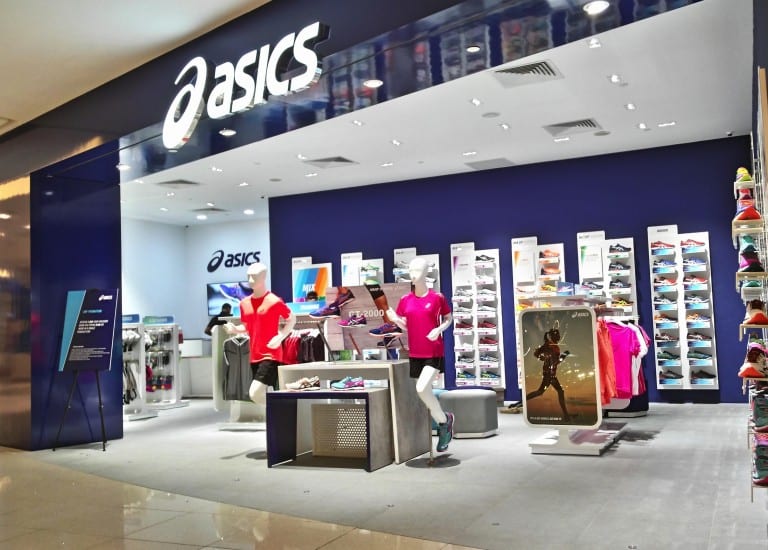
    Asics Korea (CEO Kim Jung Hoon) has opened the largest flagship store in Busan, Korea. The store is three stories, and the whole front is made with a full glass, which make customers can see various products in the store from the outside.

    Especially, this store is a space where customer can feel the change of “ASICS” first through the change from the tag line “I MOVE ME” newly launched this year.

    This store combines the expertise of “ASICS” for its customers in a relaxed atmosphere, so that consumers can feel free to come in and shop and experience the technology of “ASICS”.

    On the first floor, there are running and training products for women and the floor is designed with comfortable and luxurious interior using warm woods to match the consumer’s target.

    The second floor is a space for men and has a modern and dynamic interior. We also provided a space where customers can experience ‘Foot ID Service’, a professional foot measurement system.

    ‘Foot ID Service’ analyzes customer’s foot, height and width in depth by using 8 cameras and laser project installed in the front and rear. After that, tester is attached to customer’s both feet and shooting the motion of running on the treadmill.

    Scientific analysis of the degree of leaning and tilting of the feet as well as the shape of the landing when running is recommended to customers with the most optimized products.

    The third floor is made up of a community room, so that the running crew can freely use it. There is also customizing service that can make their item by using print in “Asics” garment on third floor. It’s free service is provided until September 30th.

    In the meanwhile, “ASICS” held a ‘Night Run’ event in Busan and Gyeongsang with a running crew on September 2 to celebrate the opening of this store.

    This event was a combination of running and after-party events, and it was a meaningful time for the members of ‘SMSB Seoul’, a global running crew of ‘ASICS’, and nine running crews of Busan and Gyeongsang, to gather together and exchange culture with each other.

  • Huawei tantalizes users with AI flagship phone

    Huawei tantalizes users with AI flagship phone

    Huawei aims to use artificial intelligence-powered features such as instant image recognition to take on Samsung and Apple when it launches its new flagship phone in October 2017, a top executive said on Saturday 2 September.

    Richard Yu, chief executive of Huawei’s consumer business, on Saturday 2 September 2017 revealed a powerful new mobile phone chip the company is betting on for its upcoming flagship Mate 10 and other high-end phones to deliver faster processing and lower power consumption.

    Huawei will launch the Mate 10 and its sister phone, the Mate 10 Pro, in Munich on October 16 2017, Yu confirmed.

    He declined to detail new features, but the phones are expected to boast large, 6-inch-plus full-screen displays, tech blogs predict.

    Artificial intelligence built into its new chips can help make phones more personalized, or anticipate the actions and interests of their users, Yu said.

    As examples, he said AI can enable real-time language translation, heed voice commands, or take advantage of augmented reality, which overlays text, sounds, graphics and video on real-world images phone users see in front of them.

    Yu believes the new Kirin 970 chip’s speed and low power can translate into features that will give its phones an edge over the Apple iPhone 8, set to be unveiled on September 12 2017, and Samsung’s range of top-line phones announced this year.

    Huawei is the world’s No. 3 smartphone maker behind Samsung and Apple.

    “Compared with Samsung and Apple, we have advantages,” Yu said in an interview during the annual IFA consumer electronics fair in Berlin.

    “Users are in for much faster (feature) performance, longer battery life and more compact design,” Yu added.

    The company asserts its newly announced Kirin 970 chip will preserve battery life on phones by up to 50 percent.

    Huawei describes the new chip as the first Neural Processing Unit for smartphones.

    It brings together classic computing, graphics, image and digital signal processing power that have typically required separate chips, taking up more space and slowing interaction between features within phones.

    Most importantly, Huawei aims to use the Kirin chips to differentiate its phones from a vast sea of competitors, including Samsung, who overwhelmingly rely on rival Snapdragon chips from Qualcomm, the market leader in mobile chip design.

    Among major phone makers, only Apple and Huawei now rely on their own core processors.

    The 970 is designed by Huawei’s HiSilicon chip design business.

  • Bigg’s Diner plans expansion to Metro Manila

    Bigg’s Diner plans expansion to Metro Manila

    Bigg’s Diner, known for serving burgers and Filipino rice meals in Naga and the Bicol region since 1983, plans to open in Metro Manila next year.

    Business development head Ronaldo Linao says the restaurant group is already looking at three possible sites – one is in Mindanao Avenue, Quezon City, another in Megamall and the third in Robinsons, either Ermita or Galleria.

    “There is actually a market study right now to see how viable it would be in Manila. The competition there is very fierce,” says Linao.

    Bigg’s Diner has 17 outlets in the Bicol region, including seven franchises and a branch in Batangas. It started out as a donut shop and has had two name changes – from Mang Donald’s to Carl’s Diner, then to Bigg’s Diner – to avoid confusion with multinational brands.

  • Eraman Malaysia taps Alipay to lure Chinese tourists

    Eraman Malaysia taps Alipay to lure Chinese tourists

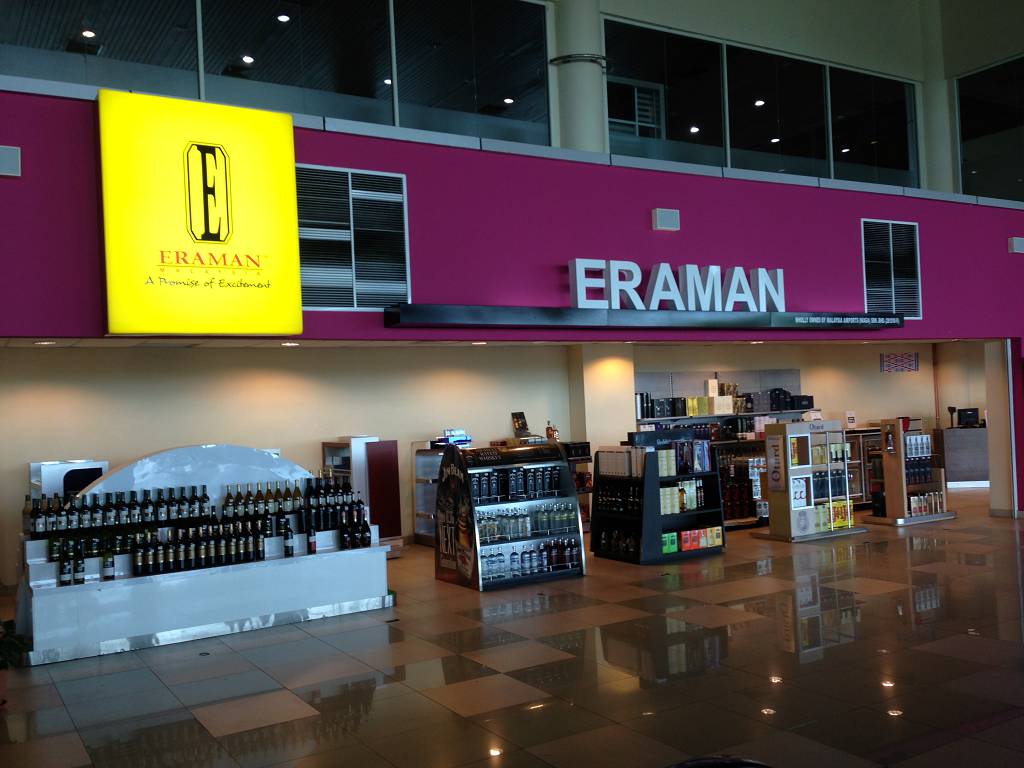
    Eraman Malaysia, the nation’s main travel retailer, has partnered with Alipay, as it improves its services to Chinese shoppers.

    Alipay, operated by Ant Financial Services Group and part of China’s Alibaba Group, is the largest online and mobile payment platform and Eraman hopes to tap the 520 million-strong Alipay active user base via the partnership.

    Around 4.5 million of Alipay’s Chinese tourists travel to Malaysia annually, which mean those visiting Eraman outlets will be able to pay with their Alipay personal QR code via their smart phone.

    The contactless payment is integrated into the merchant portfolio of Maybank and CIMB Bank Bhd, Malaysia’s two largest financial services providers. It uses the in store online payment solution at all Eraman outlets nationwide.

    According to Eraman, the technology will improve Chinese travellers’ shopping experience at the airports.

    “Security and speed are important to us as we look to enable our Chinese travellers to walk into our outlets while travelling abroad and pay for purchases with the Alipay – just like they do in China. This Alipay in store payment will act as the settlement, allowing Chinese travellers to pay for their transactions in Yuan without having concerns on the exchange rate. This is done through a simple swipe and barcode-scanning method,” said Malaysia Airports (Niaga) General Manager Zulhikam Ahmad.

    “All Eraman retail outlets in KLIA and klia2 including duty free emporium and lifestyle stores began accepting Alipay in June 2017. However, Eraman food and beverage and retails outlets in Kota Kinabalu, Kuching, Penang, Langkawi International Airport and Labuan Airport have begun to accept Alipay since the end of August. In China, this payment system is a way of life for shopping and many other activities, and given the growing number of Chinese travellers here, we are hoping for a high uptake,” added Zulhikam.

    Malaysia is ranked third in the region after Thailand and Singapore for the number of Chinese visitors it attracts each year.

    Alipay has seen rapid expansion in 2017. In August, the payment provider inked an agreement with Singapore digital payment provider CCPay to offer cashless payment services to Singaporean retailers.

    Earlier in the year, it expanded into North American travel retail and later announced it had signed a deal with six major banks in Malaysia, with the goal of making Alipay a payment option across the Southeast Asian nation by 2018.

  • Vietnam’s benchmark index hits ten-year high on back of blue chip gains

    Investors have been spending big on the stock market so far this year.

    Ho Chi Minh City’s VN-Index broke the 800-point barrier on Friday for the first time since February 2008.

    The index finished up 4.48 percent at 801.5 points.

    Growth was driven by blue chips, including brewery giant Sabeco, Masan Group, insurance firm Baoviet and Vietcombank.

    The benchmark index hit an all-time high of 1,170.67 in March 2007, before a sharp sell-off in the wake of the global financial crisis.

    The average transaction value reached about VND3 trillion ($132 million) per session last year, but it has been hitting up to VND7.5 trillion at some points this year.

  • Project Pie slices all but one store

    Project Pie slices all but one store

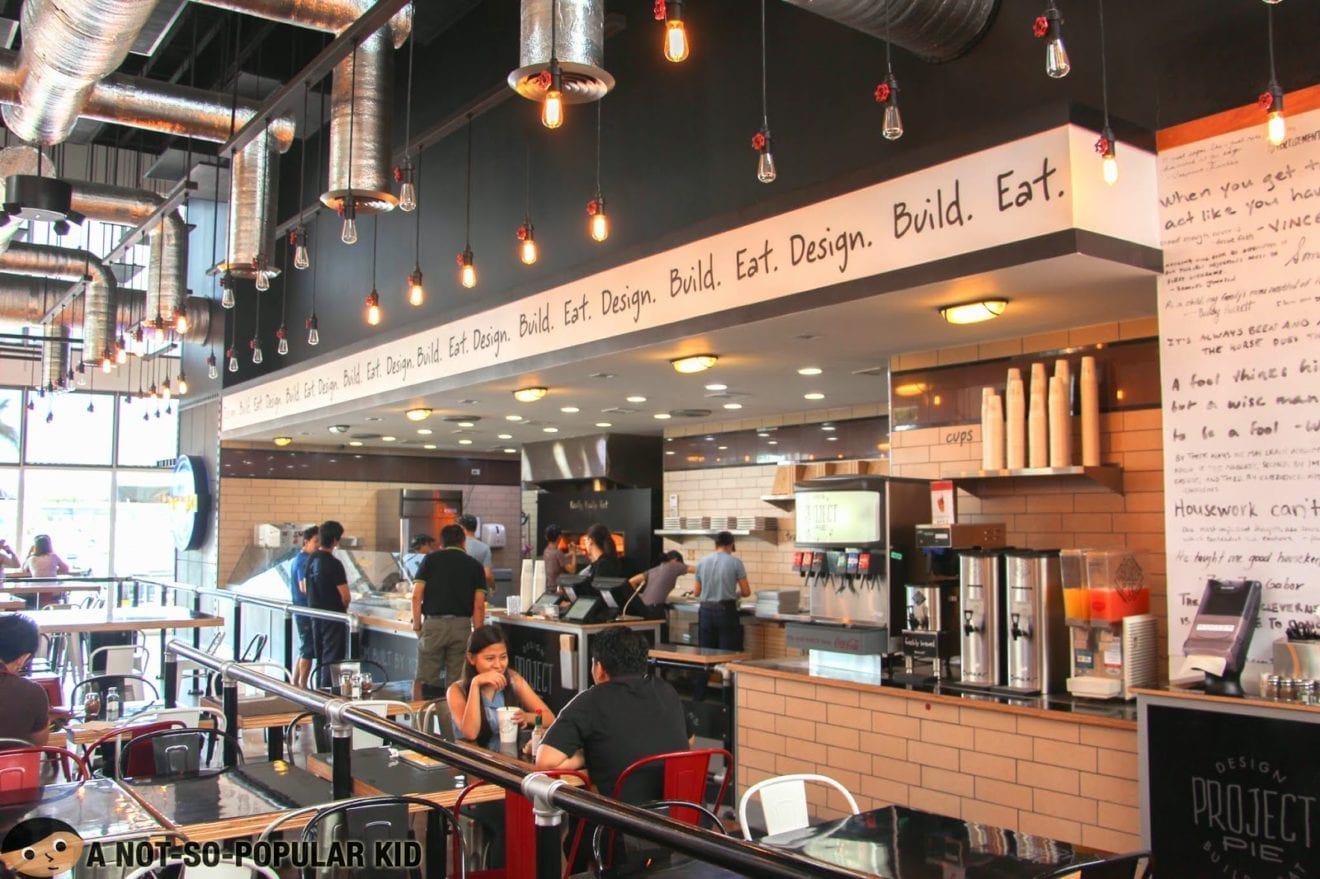
    Project Pie, the pizza outlet that lets customers devise their own toppings, has closed all but one of its stores in the Philippines.

    After “four years of pizza awesomeness”, the US-based pizza chain has announced on social media it will be “graduating” its stores from the Philippine market. However, its Project Pie Block 28 in Alabang will stay open “as our last hoorah”.

    After establishing itself in the US, Project Pie moved into Manila in 2013, allowing diners to order nine-inch customisable pizzas. It expanded to eight branches, both in malls and stand-alone locations.

    Fans said their farewells in the chain’s social-media comments section … “Don’t do this to me,” wrote one fan. “I am speechless,” wrote another. “My number-one favorite pizza left me.”