Tag: asia

  • Young men are driving skincare market in China

    Young men are driving skincare market in China

    The mainland Chinese male skincare and cosmetics market is expected to grow twice as fast as the global cosmetics market in the next two years, reaching CNY1.9 billion (US$300 million) in 2019, according to Euromonitor International.

    A report by Jing Daily stated that young Chinese men who are between 18 and 26, and have increasingly more disposable income, are becoming the new driving force for the male beauty market.

    According to a study released in April 2017 by the Hong Kong Trade Development Council, young men are beginning to build skincare habits early compared to their elders.

    Chinese men as young as high school age are already using basic facial cleansing products and by the time they begin university their skincare routine becomes more complex, said Jing Daily.

    Many factors are driving young Chinese men’s consumption in the skincare market, according to the study, with some respondents concerned about their skin health.

    “The air pollution in China now is very serious,” said one Weibo user. “It greatly affects the skin quality.” Some said their skincare habits formed as a result of the influence of their girlfriend or wife.

    The study also suggests that the introduction of exclusive product lines for men means that they are more likely to cultivate skincare habits, with demand increasing for products such as BB creams, eyebrow pencils and concealer.

    As consumers develop diverse needs, more varieties of male skincare products are emerging. According to a 2016 Beauty report released by Amazon China, L’Oréal and Nivea ranked highest on its top 100 skincare products of 2016 list, with professional men’s skincare brands like Biotherm and Lab Series favoured by the male consumer.

    Jing Daily noted that mainland consumers tend to form different perceptions towards skincare and cosmetics brands in different countries or regions.

    For example, consumers generally believe that Swiss brands focus on medical beauty, American brands tend to make more advanced formulas and Japanese brands feature whitening effects, which are more suitable for Asian skin.

    The per capita consumption gap between male and female buyers has reduced from CNY26.6 (US$4) in 2014 to CNY13.7 (US$2), according to research compiled by e-commerce giant JD.com on the consumption of beauty products in China in 2017.

    Even though male skincare products, cosmetics brands and product categories are far less diverse than those in the women’s market, the future growth of the men’s market is vast as there will be more foreign brands entering the mainland market, Jing Daily concluded.
  • Donna Karan parent boosts sales by 21.6 per cent

    Donna Karan parent boosts sales by 21.6 per cent

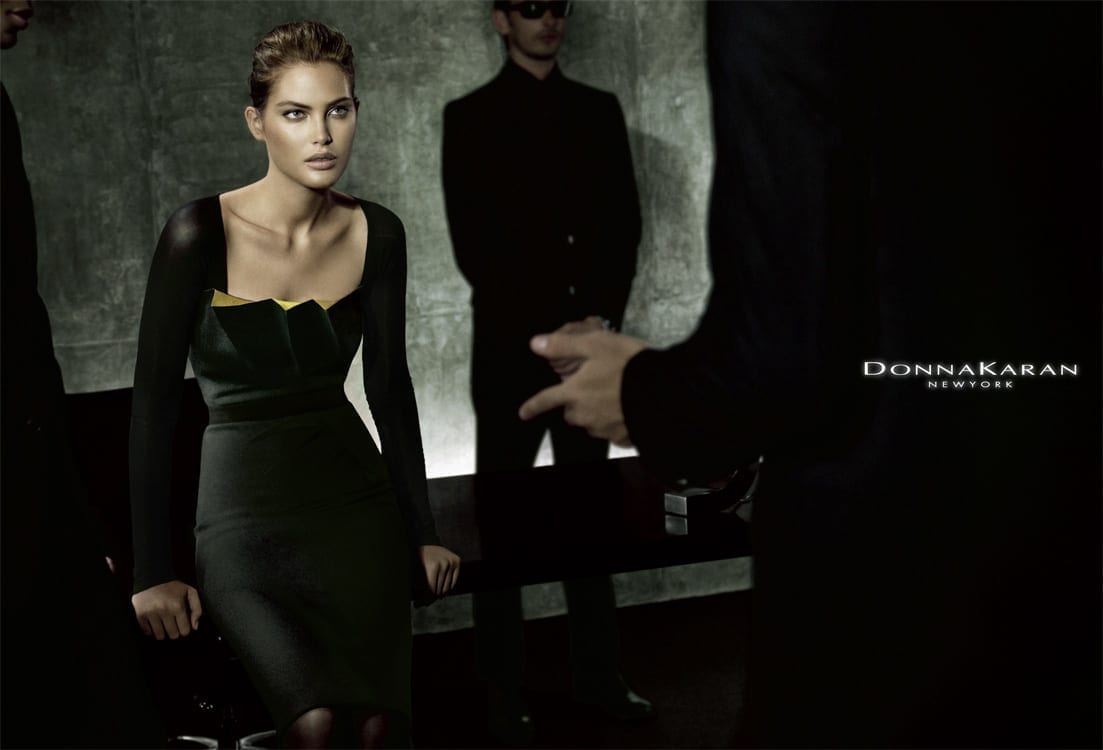
    Donna Karan parent G-III Apparel Group has reported a 21.6 per cent increase in quarterly sales to US$538 million.

    Of that, about $45 million of sales were of the DKNY and Donna Karan brands, acquired last year from LVMH. Its other licensed labels include Calvin Klein, Tommy Hilfiger, Ivanka Trump and Karl Lagerfeld Paris.

    However the ongoing costs of bedding down its Donna Karan acquisition contributed to a quarterly loss of $8.6 million, substantially higher than the $1.3 million loss in the same quarter last year.

    Morris Goldfarb, G-III’s chairman and CEO, said, the company has created a “powerful” brand portfolio through acquisition and partnerships.

    “This great portfolio is enabling us to perform well despite significant headwinds in the marketplace. We are fortunate to have developed a diverse business, anchored by Calvin Klein and supported by other brands including Tommy Hilfiger and Karl Lagerfeld Paris. And now, Donna Karan and DKNY, both global power brands, will help us capture additional opportunities. We are positioned to provide exciting new assortments to a range of retailers and to demonstrate leadership in our industry at a critical time. We expect to generate growth in sales and achieve higher levels of profitability as we move forward.”

    Goldfarb said G-III planned to rationalise its own store network, improve merchandising and reduce expenses to return to profitability.

    “We believe we can mitigate the pressure on our retail results while reaping the benefits of an exciting new phase of wholesale growth as we look forward to a successful second half of the year.

    We anticipate achieving our operational and financial objectives and fulfilling our ongoing mission to offer brand and product solutions to an industry affected by disruption and change.”

  • Costa offers WeChat for duty free shopping on Chinese cruises

    Costa offers WeChat for duty free shopping on Chinese cruises

    Costa Cruises is launching a WeChat payment service onboard its fleet in China. It allows Chinese guests to use the online social communication platform to enjoy hassle-free mobile payment options, including duty free shopping – claimed to be a first for the global cruise industry.

    The WeChat service (also known as Weixin in China) launched on 2 September 2017 onboard Costa Atlantica. The integrated platform for instant messaging, commerce and payment services from Tencent Holdings, has over 963 million monthly active users.

    Chinese guests can use the online social communication platform to enjoy hassle-free mobile payment options, including duty free shopping.

    Costa – one of ten brands from Carnival Corporation – initially launched a WeChat Mini Program in August to book and pay for cruise itineraries. This latest addition extends payments to onboard duty free shopping, restaurants, spa, and other services through a complimentary intranet service.

    Costa Group Asia President Mario Zanetti said: “With China being one of the world’s leaders in mobile and digital advancements, we see great potential in leveraging WeChat’s leading position and technologies (and) also provide a more immersive and digitised onboard experience for our guests.”

    Costa Cruises claims it was the brand “that brought cruising to China in 2006” and is the leader in the Chinese cruise market today. Costa Cruises operates year-round in the Chinese market and has provided cruise vacations for over two million Chinese guests through four ships based across north, east and south China.

  • Hublot opens Kyoto store

    Hublot opens Kyoto store

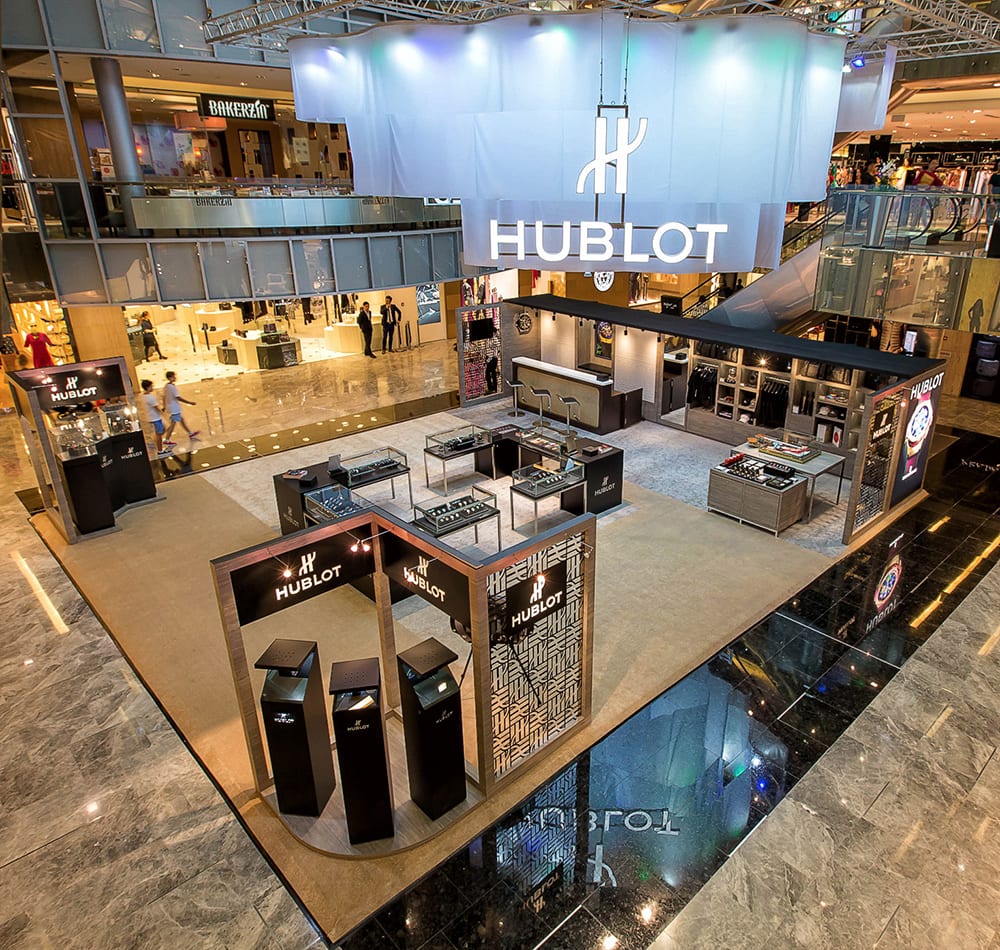
    Swiss watch brand Hublot has opened a boutique in Kyoto on 26 August 2017, taking up residence in the former space occupied by Hermès.

    Located in an old machiya-style townhouse in Kyoto’s famous Gion district, the shop features custom Japanese ‘washi’ paper and wickerwork reiterating the watchmaker’s logo.

    Shopping the latest timepieces and watch accessories from the Swiss luxury horologist, customers will also receive Japanese-style folding fans as gifts with each purchase. The Kyoto shop will primarily carry timepieces priced at around 1 million yen to 2 million yen ($9,081 to $18,162).

    The 212-square-metre boutique forms part of Kyoto’s Daimaru Matsuzakaya Department Store. In 2016, the mall retailer spent 100 million yen refurbishing the two-story wooden former teahouse. It fronts onto Hanamikoji-dori Street, which is Gion’s main street.

    French luxury brand Hermes was chosen as the first tenant, opening up a pop-up shop for a limited time from November 2016 through to July 2017.

    The history of the machiya is unknown, with records of extensions being added in 1938, according to Japan Property Central. In 2001, the overhead power lines along this street were buried underground and the road was refinished with stone paving.

    Hublot, founded in 1980 in Switzerland, targets mainly men in their late 30s and early 40s.

    The shop is the company’s third directly operated outlet in Japan after one in Tokyo’s Ginza district and another in Osaka.

  • Alibaba to open its first physical mall

    Alibaba to open its first physical mall

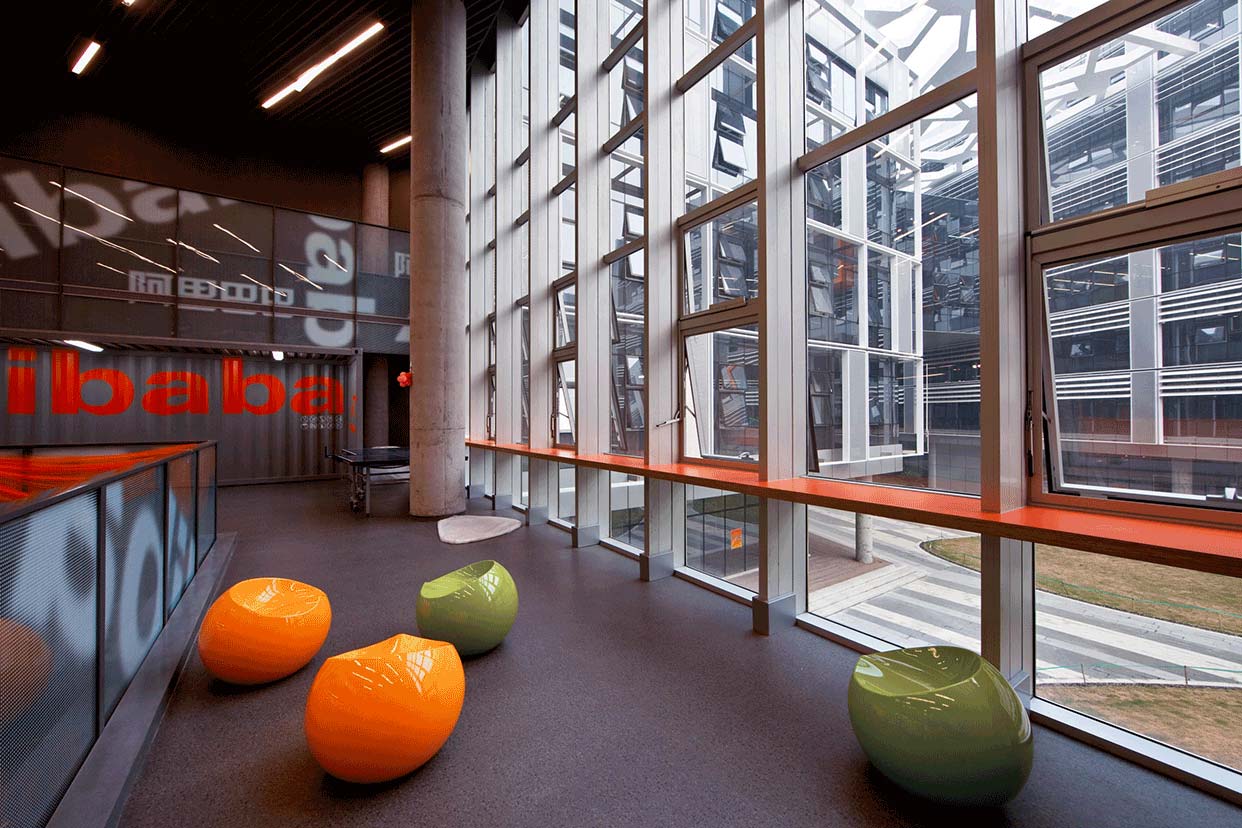
    Alibaba, the pioneer of Chinese e-commerce, is reportedly embarking on its first brick-and-mortar mall.

    The five-floor center, to be called “More Mall,” is being built near Alibaba‘s headquarters in the eastern Chinese city of Hangzhou, according to Caixin, a Beijing-based financial news group.

    Caixin first reported on the news Tuesday 2 September in the morning.

    A representative from Alibaba did not immediately respond to CNBC’s request for comment.

    The mall is being constructed on a 40,000-square-meter plot of land, Caixin said, and is scheduled to open in April 2018. Construction crews are believed to be finishing the building’s interior on time.

    Meantime, the internet giant has been making other moves in China to break into physical retailing.

    Alibaba CEO Jack Ma has said he wants to blend the online world with that of offline. One example is the company rolling out its own grocery concept, known as Hema.

    “More Mall” will feature unique brands from Alibaba’s e-commerce platform, Taobao, along with conventional retail brands, Caixin wrote.

    It will also have a Hema supermarket store, the publication said. Hema was first launched in 2015 as an app that allows shoppers to order groceries via a cellphone, using Alibaba’s Alipay to ring up purchases.

    In the U.S., Amazon is also encroaching on the physical world of retail — especially hurting grocery stores, after it bought Whole Foods.

    There are no reports of Amazon constructing its own mall, though. At least for now.

  • Huawei bites Apple in smartphone sales rankings

    Huawei bites Apple in smartphone sales rankings

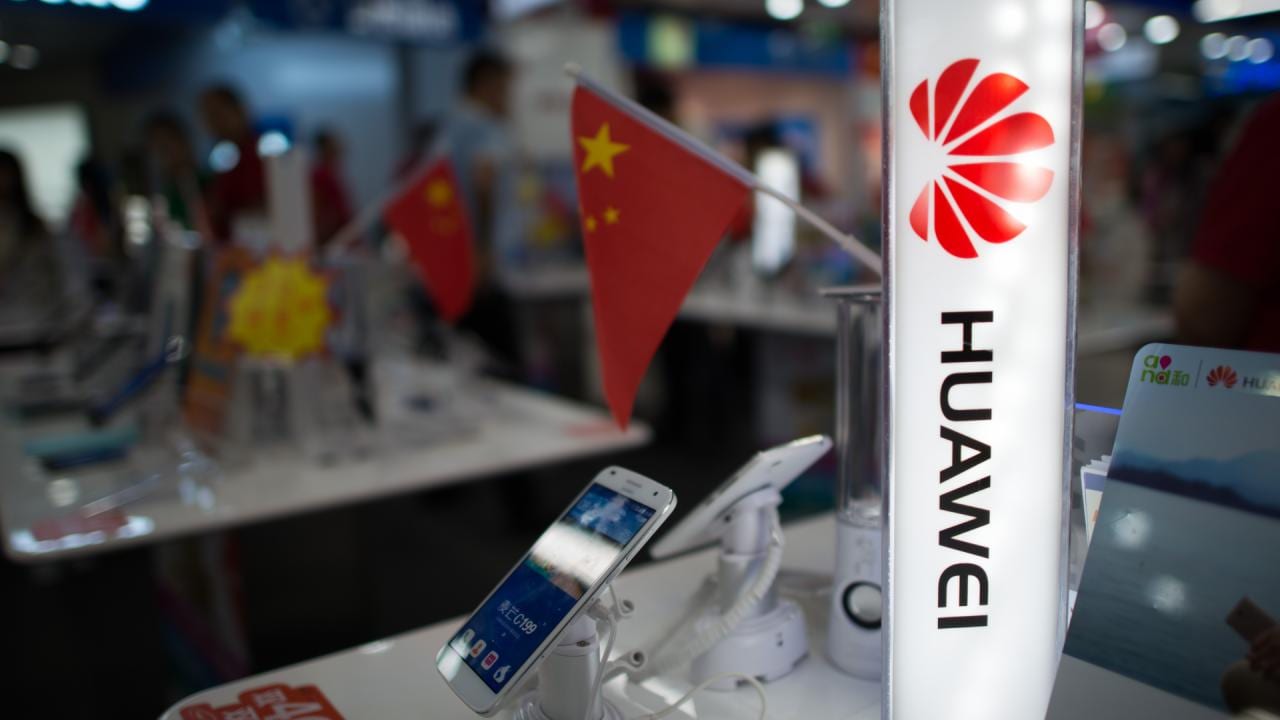
    Chinese brand Huawei has overtaken Apple in global smartphone sales rankings for two consecutive months – and is set to achieve a trifecta, according to research house Counterpoint.

    “With August sales looking strong for the Chinese vendor, a hat-trick for Huawei could be on the cards,”says Counterpoint research director Peter Richardson..

    “This is a significant milestone for Huawei, the largest Chinese smartphone brand with a growing global presence. It speaks volumes for this primarily network infrastructure vendor on how far it has grown in the consumer mobile handset space in the last three to four years,” said Richardson.

    “The global scale Huawei has been able to achieve can be attributed to its consistent investment in research and development and manufacturing, coupled with aggressive marketing and sales channel expansion.”

    But Richardson cautions Apple should regain its second spot given a new edition of the iPhone is set for launch in September.

  • Jimmy Choo Japan steps to the fore

    Jimmy Choo Japan steps to the fore

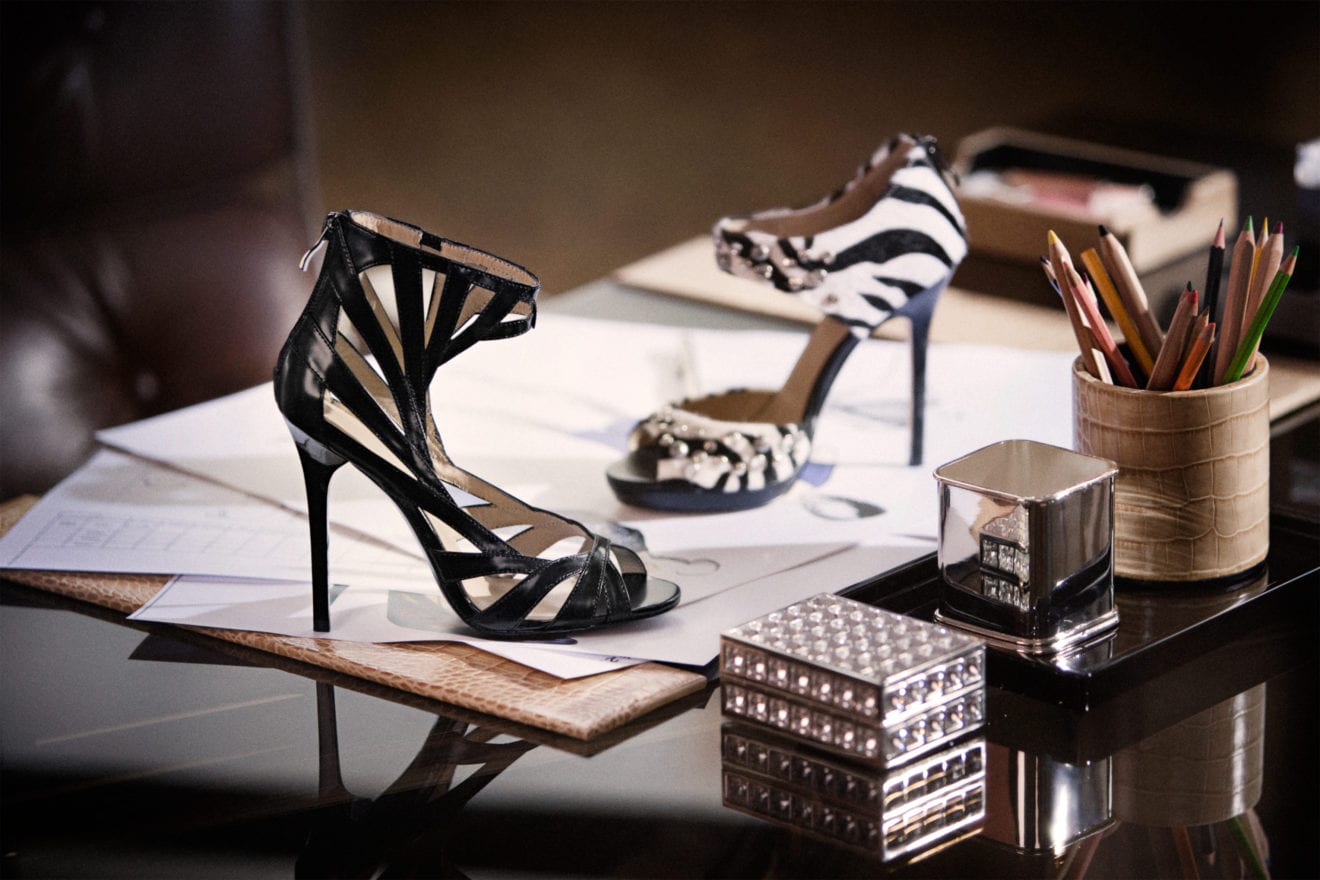
    Jimmy Choo Japan delivered the strongest performance internationally for the luxury shoe brand’s first half.

    While there was strong growth across Asia, Japan shone with an 11 per cent rise in revenue on a constant currency basis.

    Growth was underpinned by the men’s category, says the company. It continues to be the fastest-growing category, and in Japan it represented 28 per cent of revenue for the six months, up from 26 per cent year on year.

    Excluding Japan, Asia had 8.2 per cent revenue growth with all territories delivering strong like-for-like growth.

    “Mainland China continues to experience double-digit like-for-like growth, driven by increased brand awareness and greater demand for the seasonal fashion offerings,” says Jimmy Choo.

    “We have also seen strong results in Malaysia and Singapore following the conversion of franchise stores to retail in 2015, driven by improved merchandising and store performance.” Within wholesale, the company continued to expand its travel-retail footprint with the opening of two franchise doors.

    Overall revenue for the brand grew by 4.5 per cent on a constant currency basis (16.5 per cent on a reported basis), with growth driven by retail rather than wholesale. Retail revenue was up 6.7 per cent to £127.1 million (US$164.5 million) while reported revenue was 18.5 per cent  ahead of last year.

    Good performance continued from the company’s new concept stores despite disruption from its store development program. Eight store were renovated or relocated during the period. As at the end of June, more than half the company’s outlets, including the seven flagships, had the new concept.

    Meanwhile, Jimmy Choo says its online business, at 6.3 per cent of total revenue, performed particularly well with sales growth of 3.5 per cent.

  • Pandora bets big on Melbourne

    Pandora bets big on Melbourne

    Pandora Australia and New Zealand managing director Mikael Kruse Jensen has just signed the dotted line on a five-storey flagship store in Melbourne’s Bourke Street Mall, in a deal that’s understood to be worth almost $1 million in annual rent.

    It’s a big store, with a big price tag – but Jensen is bullish on the Australian market after the Copenhagen-headquartered brand unveiled a 12 per cent sales uplift in the June quarter.

    The store itself is being designed as an activation hub, with the third floor of the venue set aside for events and staff training.

    It will be Pandora’s fourth store in Melbourne’s CBD and its eleventh opening Down Under in twelve months – with more to come.

  • Amazon ‘here in 60 days’

    Amazon ‘here in 60 days’

    Amazon could launch across Australia within the next 60 days, according to Citi Australia.

    Based on supplier feedback across many categories, Citi said a pre-Christmas Amazon launch date is likely.

    “Launch timing remains uncertain and subject to website and logistics testing, but we would expect a formal launch to occur sometime in October 2017, ahead of Black Friday on 24 November,” Citi analysts said in a note.

    “We expect Amazon to offer free delivery over a value threshold, with the Prime service to be offered later, potentially coinciding with Prime Day in July 2018.”

    Citi said Amazon will be buying directly from leading suppliers, holding inventory and setting retail prices, adding that buying terms have been set and first orders have been placed with suppliers in recent weeks.

    “This increases near term gross margin risks for retailers as price will be Amazon’s key lever.”

    Contrary to initial press releases and market expectations, Citi said that Amazon Marketplace is a secondary focus, although several retailers and Ebay sellers have been targeted.

    “In our view, lower pricing will likely be the result of Amazon’s lower margin and ROI expectations, particularly in the short term. A lower cost-to-serve could provide support for favourable buying terms relative to bricks and mortar retailers.”

    Citi suggested Amazon has targeted a full product range with key suppliers.

    “Based on our estimates, the incremental 2Q18e sales impact could be ~$200 million or ~0.2 per cent of total Australian retail sales,” said Citi analysts.

    Meanwhile, Amazon is searching for a location to build its second headquarters in North America that would cost more than $US5 billion ($A6.2 billion) and house up to 50,000 staff.

    The e-commerce company, which is headquartered in Seattle, said on Thursday it was seeking proposals from local and state government leaders and would select the location next year.

    Amazon’s workforce has exploded to more than 380,000 from under 25,000 since it moved to Seattle in 2010, as it rapidly expanded to become a global retailer – selling everything from groceries to appliances.

    The company’s total revenue has grown to $US136 billion at the end of last year from $US34 billion in 2010. Amazon recently snatched up Whole Foods Market for $US13.7 billion.

    Amazon said the new headquarters should ideally be located in a metropolitan area with more than one million people, potentially giving the company a shopping list of more than 50 cities to choose from.

    The project would initially need more than 500,000 square feet and up to 8 million square feet beyond 2027, Amazon said.

    “We want to find a city that is excited to work with us and where our customers, employees, and the community can all benefit,” Amazon said.

  • AirAsia India adds one A320 aircraft, to launch 3 new routes

    AirAsia India adds one A320 aircraft, to launch 3 new routes

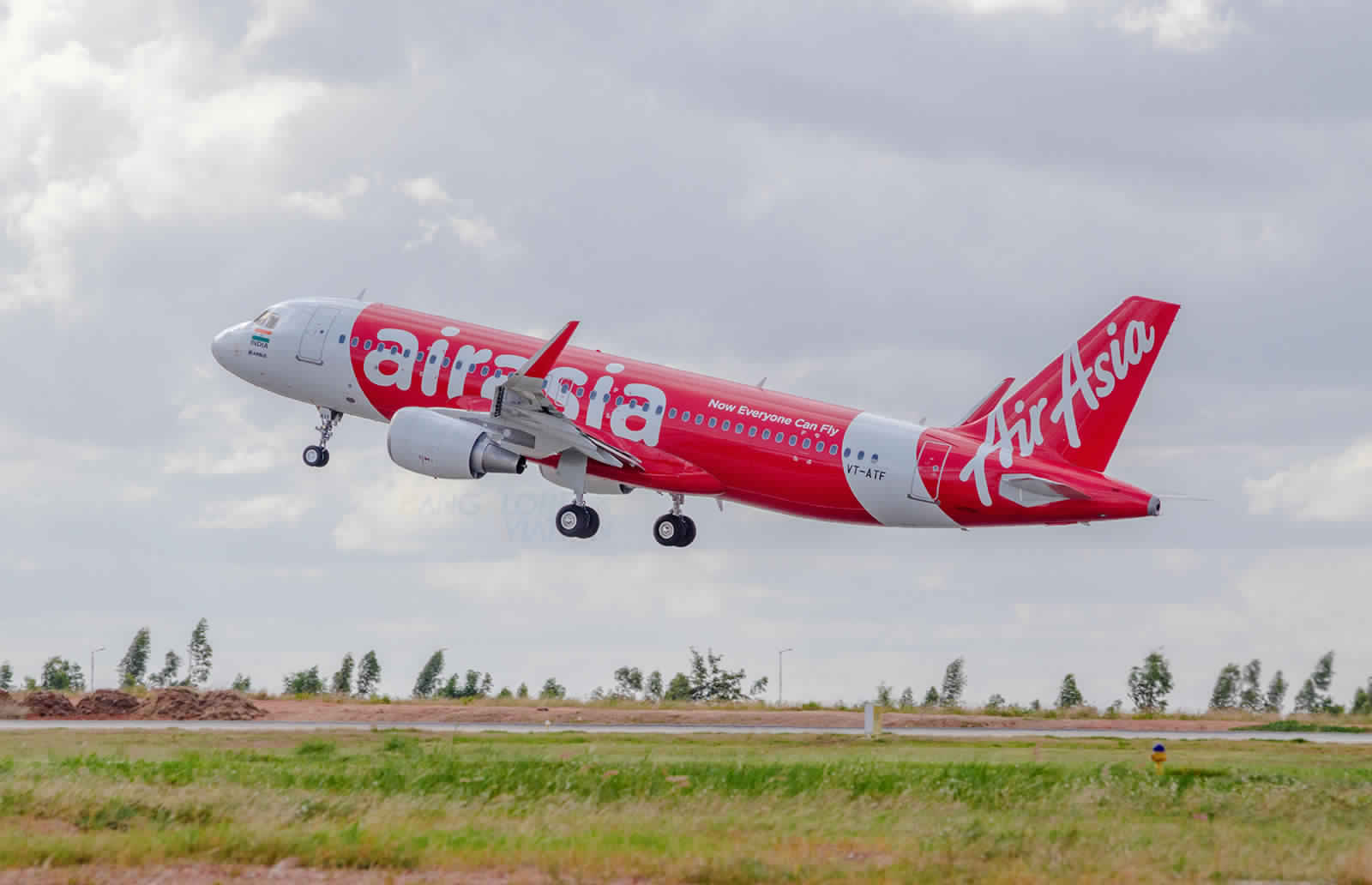
    After the success of domestic and international operations from Biju Patnaik International Airport (BPIA), Kuala Lumpur-based AirAsia Airline has decided to start another domestic flight from Bhubaneswar. The new daily flight to Ranchi will start operations from October 7.With this, AirAsia offers connectivity from the city airport to Kolkata, Bangalore, Ranchi and Kuala Lumpur. AirAsia is a major operator which uses both (domestic and international) terminals of the BPIA.
    According to airline schedule, Bhubaneswar-Ranchi flight (I51625) will take off from Bhubaneswar at 12:45 pm and reach Ranchi at 2 pm. Similarly, the Ranchi-Bhubaneswar flight (I51624) will take off from Ranchi at 10:30 am and reach here by 11:50 am. Apart from Bhubaneswar, the airline has also decided to offer daily direct flights to Ranchi from Bangalore and Hyderabad.At present, the Bhubaneswar-Ranchi ticket price is around Rs 2,300 (the fare is subject to change).
    The Malaysian carrier has two flights to Bangalore and two flights to Kolkata. Significantly, the airline which started the international operations to Kuala Lumpur in April this year gets good response from the state.

    In fact, the airline was selected for international operations by the state government through a competitive bidding. Apart from AirAsia, IndiGo, Air India, Vistara and Go Air also offer domestic connectivity from BPIA. However, AirAsia is the only airline which offers direct domestic and international connectivity from BPIA.Top officials of the Airports Authority of India (AAI) informed this daily that BPIA will have more flights soon.

    “BPIA is a potential airport and we are already in talks with different operators for starting operations from here. We also suggested to the airlines to start operations by using small aircraft,” said a top official of the AAI.

    According to officials, within two years, the passengers can expect more facilities at BPIA. The AAI has floated a proposal for a three-star hotel near the airport. The authorities have already indentified approximately 54 acres at BPIA for commercial purposes and decided to allot one acre to the three-star project.

  • Carlsberg eyes at least 51 pct stake in Vietnam’s Habeco

    Carlsberg eyes at least 51 pct stake in Vietnam’s Habeco

    The government wants to fully divest its majority stake in Habeco as also in rival Sabeco.

    Danish brewer Carlsberg is keen on increasing its stake in Habeco, one of Vietnam’s biggest brewers, to at least 51 percent, a local news website reported, citing a Habeco executive.

    Vietnam has one of the world’s most attractive beer markets and the biggest in Southeast Asia, buoyed by a young population that consumed nearly 4 billion liters last year. The government wants to fully divest its majority stake in Habeco as also in rival Sabeco.

    Carlsberg, which already owns around 17 percent in Habeco, has been discussing its priority purchase rights with the Vietnamese government, which has delayed the Habeco sale.

    Sabeco, in which the government owns a 90 percent stake, has also seen interest from foreign players such as Dutch brewer Heineken and Japan’s Kirin.

    Vietnam’s Steering Committee for Enterprise Innovation and Development, which oversees the country’s privatization drive, said last month it aimed to “completely resolve problems in strategic cooperation” with Carlsberg, and inform the prime minister about the results by November 15.

    Habeco is still in talks with the Danish company on the stake sale, state-controlled An Ninh Thu Do newspaper quoted Habeco’s deputy chief Vuong Toan as saying.

    The media report also quoted Toan as saying that foreign companies are not allowed to own more than 49 percent of Habeco due to foreign ownership limits.

    Carlsberg said on Friday it would not comment on “rumours.”

    Last month, the company said it held “several constructive meetings with the Vietnamese government to discuss the privatisation process of Habeco.”

    “We now see good progress in these meetings, and will continue these discussions with the Vietnamese government for the next steps,” Carlsberg Chief Executive Cees ’t Hart said at a conference call after its second-quarter earnings on August 16.

  • ShopBack Thailand launches Cashback Day

    ShopBack Thailand launches Cashback Day

    ShopBack Thailand, the cashback platform that rewards consumers for shopping online, has declared next Saturday as the nation’s first Cashback Day.

    Five days of savings kick off today with sneak-preview deals between 9pm and midnight. Until Friday, shoppers are offered up to 49 per cent cashback from such platforms as Aliexpress, Apple Store, Expedia, Lazada, Sephora and Uber. Then all day Saturday shoppers can receive up to 99 per cent cashback on purchases, plus discounts and promotional codes from travel, food, lifestyle and entertainment businesses.

    “To thank our customers for the overwhelming response we’ve received since ShopBack’s launch in Thailand in July, this inaugural Cashback Day will bring them more savings than usual” says ShopBack co-founder/country head Kawin Prachanukul.

  • Adidas HomeCourt store opens at SM Megamall

    Adidas HomeCourt store opens at SM Megamall

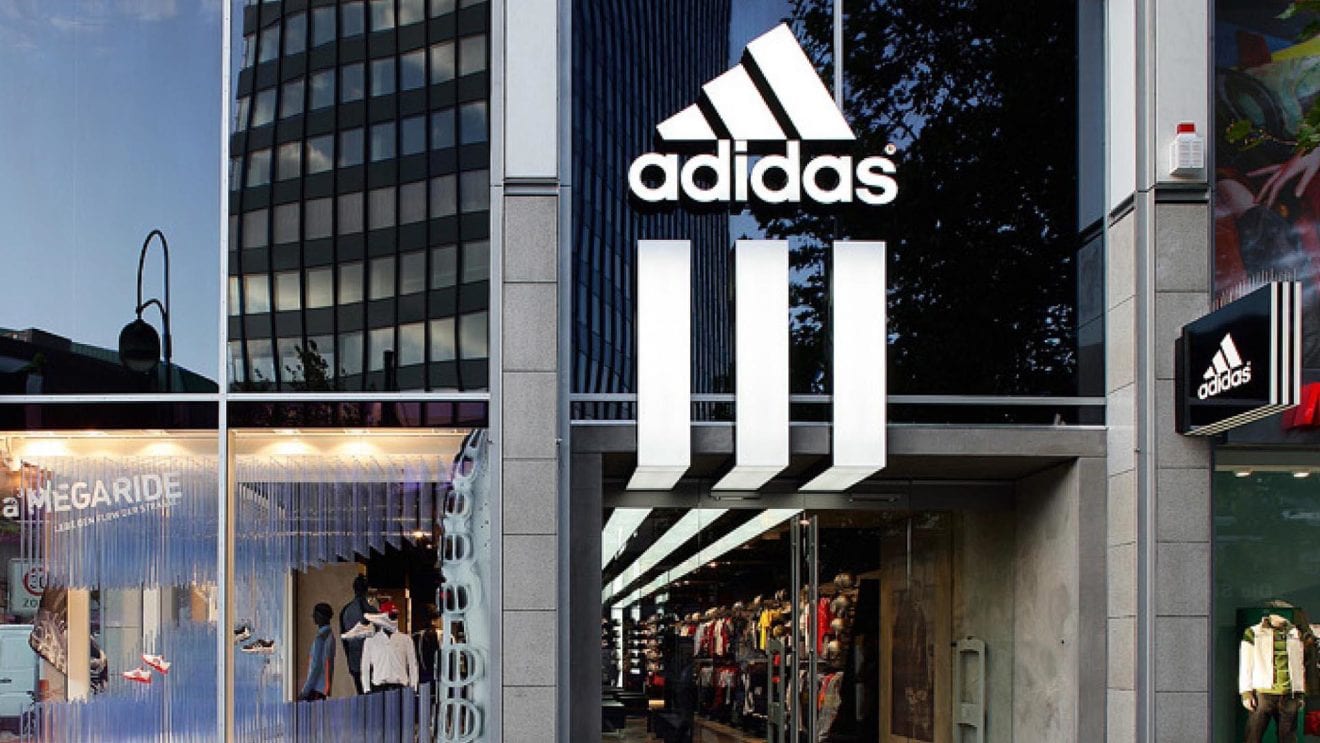
    Sports Central’s new Adidas HomeCourt Concept Store on the ground floor of the SM Megamall in Ortigas, Metro Manila, brings together innovation in both design and retail.

    Covering 279sqm, the store is designed as a retail space offering a sporting arena experience. Customers are welcomed by a bold, distinctive Arena Facade, similar to the entry points of many Adidas sporting venues. Window displays feature the brand’s latest campaigns.

    At the heart of the store is “the Shoebase at Centerfield”, where customers can check out the latest footwear across all sport categories. Surrounding this is the concourse, where customers can engage with different categories and sub-brands. The store’s wall fixtures are simple metallic frames that allow the products to stand out.

    Another highlight is the Team Room, a themed changing area that elevates the fitting experience – the locker-room vibe allows customers to feel like they are part of the team. The decor features key Adidas athletes like Caroline Wozniacki, Damian Lillard and James Harden.

    As well as athletic footwear, the store offers sports apparel and accessories. A feature is the Adidas Warp Knit collection for training, as worn by supermodel Karlie Kloss.

  • Telstra appoints new corporate affairs head

    Telstra appoints new corporate affairs head

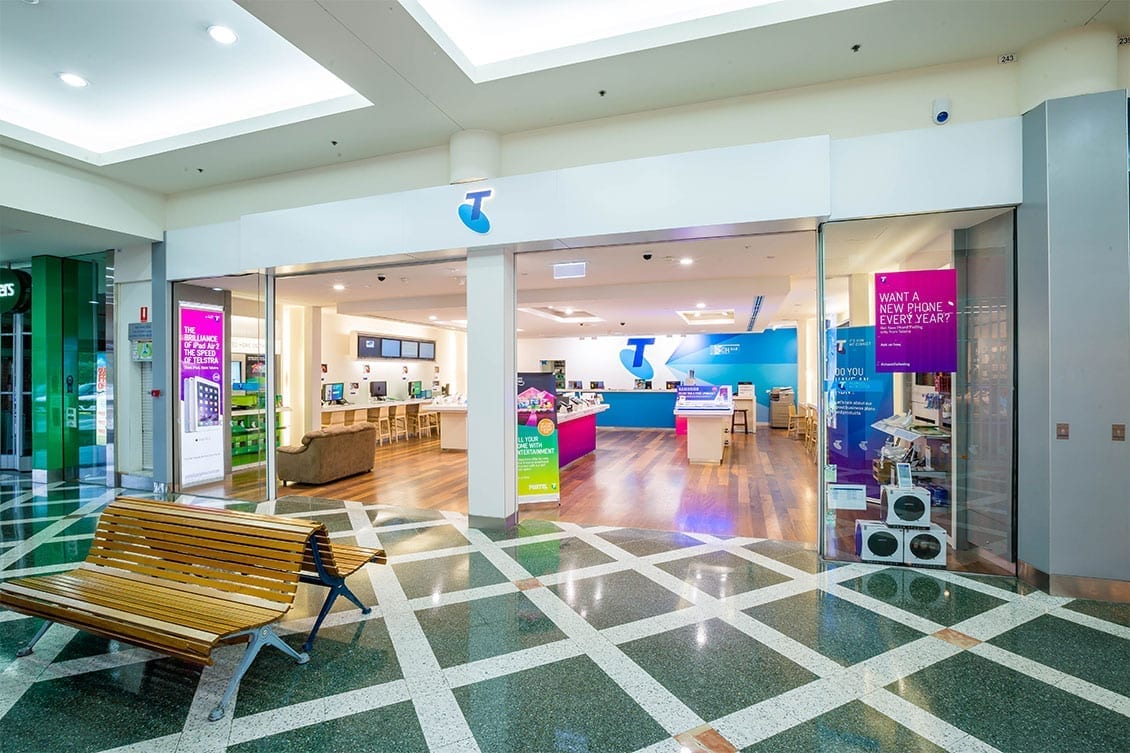
    Telstra has promoted Carmel Mulhern to take on the added responsibility of the company’s corporate affairs group, in addition to her existing role as the company’s group general counsel.

    Mulhern will take over the role of group executive of corporate affairs from Tony Warren, who will leave Telstra on September 22 after serving the Australian incumbent for 15 years. Warren will take a newly created position as group general manager for communications and public affairs at ANZ Banking Group.

    In a statement, Telstra CEO Andy Penn said Mulhern is “a natural fit” for the expanded role.

    “Carmel has been at Telstra for 17 years and in that time has shown tremendous leadership protecting Telstra’s reputation and managing risk across our business,” Penn said. “Carmel is well suited to this new role, having a strong knowledge of government, a central role in Telstra’s most sensitive communications for many years, and a keen sense of corporate responsibility.”

    Megaport appoints Tim Hoffman CTO

    Megaport has tapped former Twitter global network head Tim Hoffman as its new chief technology officer.

    Hoffman will join the Australian interconnection services provider on October 1 and report directly to Megaport CEO Vincent English.

    “Tim was integral in leading the development of some of the most critical networks in New Zealand’s telecommunications infrastructure over the previous decade,” English said in a statement.

    “His tenure with Twitter enabled him to design a network that could deliver exponential growth. In the last year, Megaport has experienced record revenue growth of 298%, strong product and service uptake, and has expanded its global footprint.”

    Hoffman joined Twitter in late 2014, leading the global network team and was responsible for worldwide infrastructure, including all interconnection, backbone and content distribution infrastructure, and global data centers.

    Prior to that, Hoffman was a network engineer at CloudFare.

    Christopher Slaughter to step down as CASBAA CEO

    CASBAA said its chief executive Christopher Slaughter will step down from his role, effective December 31, after serving the industry association for five years.

    Slaughter will continue as CEO through the remainder of the year while the company searches for his successor.

    During his tenure as CEO, Slaughter has spearheaded structural reform of the organization, created new events, and delivered on CASBAA’s aim to represent, inform, and connect its membership, said CASBAA chairman Joe Welch.

    Slaughter was appointed CEO of CASBAA in October 2012, and had previously served as convention director in 2004.

    Before joining CASBAA, Slaughter held leadership roles in global and regional production, research, and news organizations, including  APV, The Yankee Group, CNBC, and Asia Business News.

  • Nissan unveils new electric car in bid to drive off competition

    Nissan unveils new electric car in bid to drive off competition

    The new vehicle ‘strengthens’ the firm’s ‘leadership’ in the electric car sector.

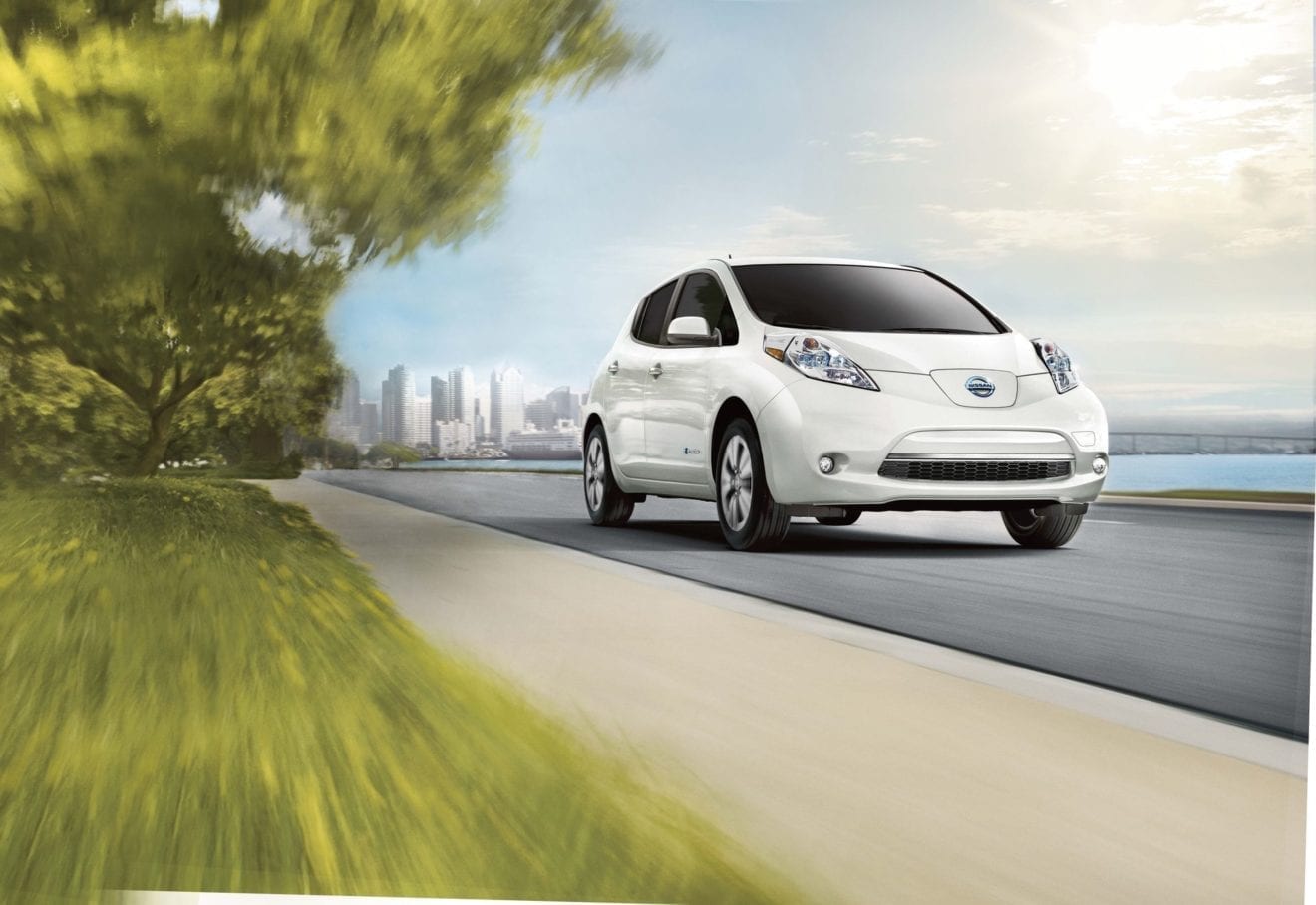
    Japanese giant Nissan Wednesday unveiled a new electric car with an extended range and semi-autonomous driving functions, as it seeks to battle off competitors in a sector it once pioneered.

    The second-generation Nissan Leaf has a potential range of 400 kilometers (250 miles) between charges, compared with 250 kilometers for its previous version.

    It also boasts semi-autonomous driving capabilities such as keeping the vehicle automatically in one lane on the motorway or parking without human intervention.

    Hiroto Saikawa, president and chief executive officer of Nissan, said in a statement that the new vehicle “strengthens” the firm’s “leadership” in the electric car sector.

    Nissan was an innovator in the sector seven years ago when it unveiled its first Leaf — which has sold 280,000 units — but has since had to contend with fierce competition from General Motors and Tesla among others.

    Faced with tighter global environmental regulations, most carmakers are investing heavily in the electric car sector, sparking a ferocious race to create the next green vehicle.

    The new car will be available next month in Japan, followed by the United States, Canada and Japan in January 2018.

    The price tag in Japan will be 3.15 million yen (around $29,000).