Tag: asia

  • Ikea Korea launching second store

    Ikea Korea launching second store

    Ikea Korea’s second store will be in Goyang, opening on October 19.

    “We had heard from customers that they wanted us to come closer to them, and that sometimes our store is too crowded,” says Ikea Korea retail manager Andre Schmidtgall.

    He says the store is in the finishing stages of construction and is hiring 550 employees. Ikea hopes to have six stores in Korea by 2020.

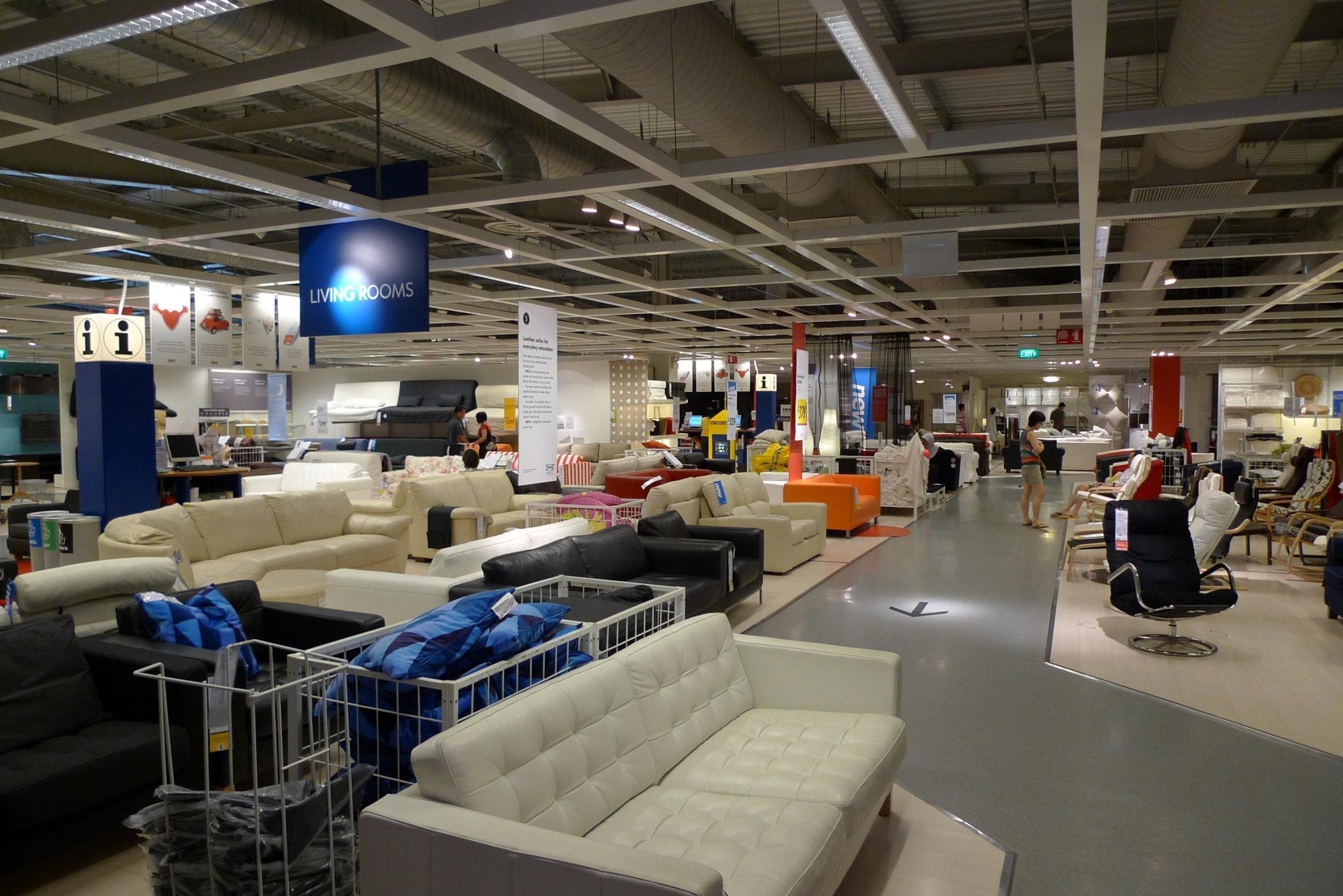
    Schmidtgall says Ikea’s Gwangmyeong store ( pictured), south of Seoul, is the largest in the world. In its latest fiscal year, Ikea Korea earned revenue of 365 billion won (US$323 million), representing a 6 per cent rise, with 6.49 million visitors to the store.

    There were also 38.8 million visitors to the Ikea website and mobile app, says Schmidtgall.

    Slightly smaller than the existing branch, the Goyang store will offer a similar range of products but with a different layout. It is in a shopping and entertainment hot spot in the previously underserved northern suburb of Seoul. Starfield Goyang, a shopping and entertainment complex owned by Shinsegae, opened last week following a Lotte mall.

    Ahead of the opening of the Goyang branch, Ikea is showcasing its new range of products for the coming year, focusing on the living room, at Bread Comma Cafe in Hongdae through to September 17.


  • DHL distributes 200,000 umbrellas to pilgrims

    DHL distributes 200,000 umbrellas to pilgrims

    DHL Express Saudi Arabia has distributed more than 200,000 umbrellas to pilgrims during this year’s Hajj, double the amount given out last year.

    The distribution was made in Mina and Arafat by 25 dedicated DHL Express staff members working from 15 trucks.

    “DHL Express Saudi Arabia is committed to social responsibility in the Kingdom, which extends to our support for pilgrims performing the most sacred religious duty of their lives,” said Faysal Al-Hajjami, country general manager of DHL Express.

    “This is the fourth year in a row that we have implemented the umbrella initiative, which has proved to be much appreciated by the pilgrims.”

    DHL Express has a global CSR strategy under the three key pillars — Go Help, Go Teach and Go Green — that cover various aspects, including education, the environment and aid to charitable causes.
    Implementing this strategy locally, in addition to its help for Hajj pilgrims, DHL Express has partnered with Tarabot, a charity located in the Eastern Province, to support patients struggling to cover the cost of medical treatments by providing safe and comfortable transportation from their homes to the treatment locations.

    Other DHL activities include regular fun days for child cancer patients and orphans.
    “Being a good corporate citizen of the Kingdom is inherent in our DNA and we firmly believe that our CSR programs, particularly our Go Help initiative, genuinely benefits the communities where we operate,” added Al-Hajjami.

  • Microsoft, Bosch replace local CEOs with foreigners in Vietnam

    Microsoft, Bosch replace local CEOs with foreigners in Vietnam

    Bosch’s former Vietnamese CEO is taking charge of Vingroup’s new automobile venture, while Microsoft Vietnam’s ex-chief also has a new job.

    American tech giant Microsoft and German engineering and electronics company Bosch have both assigned new foreign CEOs for their branches in Vietnam following the departures of their long-term Vietnamese executives for “personal reasons”.

    Microsoft Vietnam announced the personnel change last Thursday, saying Aung San Maung from Myanmar has been appointed as its new CEO in Vietnam, a position which had been held by Vu Minh Tri for seven years.

    The group’s communications representative said Tri officially left last month after accepting an offer to work for another company, which has not been identified yet.

    Microsoft entered the Vietnamese market in 1996. Under Tri’s management, the company has become an active investor in local information technology and education development, it said.

    Aung San Maung has been with Microsoft Vietnam since early 2013 as head of its Enterprise and Partner Group. He studied computer science in Canberra and has more than 30 years of experience working at global technology corporations, including IBM.

    Several days ago, Bosch Vietnam also announced that Vo Quang Hue had left his 10-year position as CEO. Guru Mallikarjuna from India, who has been working with the group for 12 years, has been charged with leading the company forward.

    “Hue built a strong foundation for the company in Vietnam, turning it from a representative office into one of the biggest European investors with more than 3,100 employees,” said the company, which entered Vietnam in 1994.

    While Tri’s new workplace has not been revealed, Hue has been appointed deputy CEO of Hanoi-based conglomerate Vingroup, and will take charge of its newly-established automobile venture.

    The private company, which is already a top property developer in Vietnam, has launched the construction of a $1.5 billion factory in the northern city of Hai Phong and is expected to deliver its first cars in two years.

    Hue said the new job will continue his dream of helping Vietnam become an outstanding technology center in Southeast Asia.

  • Cebu Pacific to add holiday season flights to Japan, Vietnam, Indonesia

    Cebu Pacific to add holiday season flights to Japan, Vietnam, Indonesia

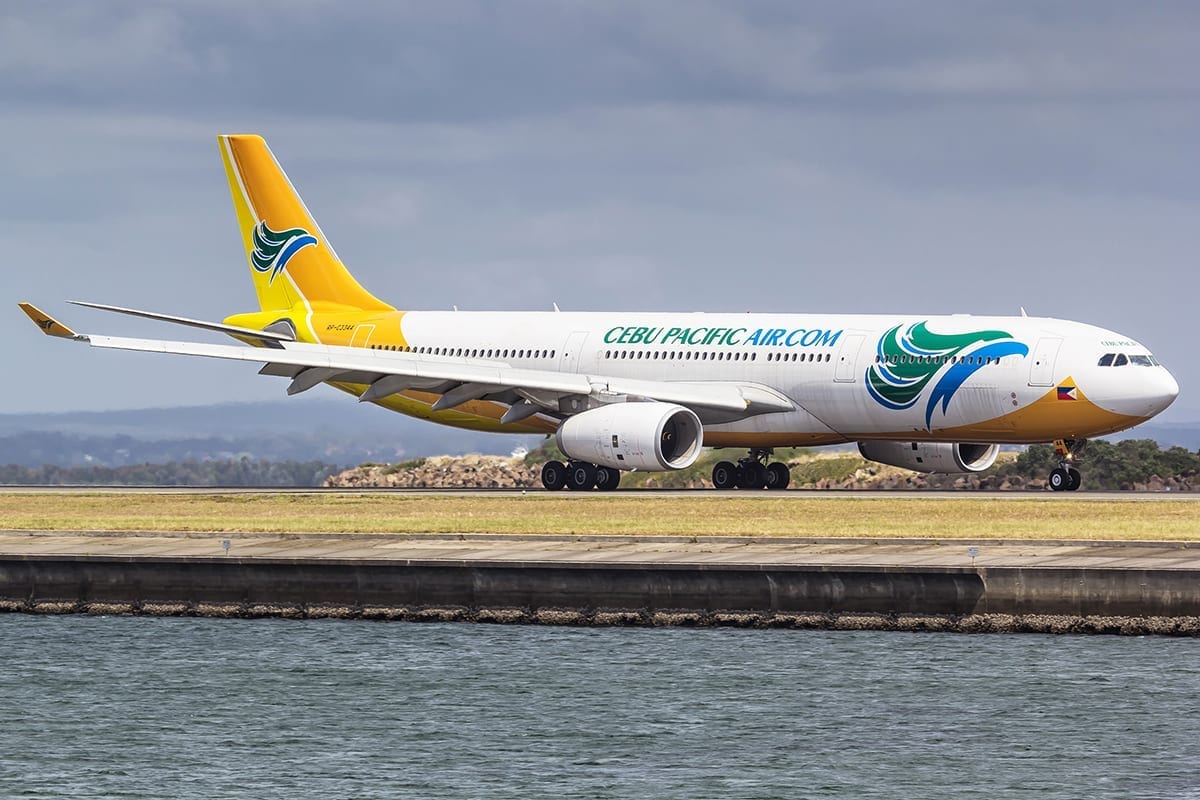
    Gokongwei-led budget carrier Cebu Pacific will add more flights to its existing Japan, Vietnam, and Indonesia routes from the 4th quarter of 2017 to the 1st quarter of 2018.

    The airline announced on Thursday, August 31, that it will start flying 6 times a week from Manila to Osaka by adding a Friday flight, starting November 3 until December 6. It currently flies to Osaka every Sunday, Tuesday, Wednesday, Thursday, and Saturday.

    The Manila-Osaka route will increase further to daily operations by December 15, 2017 to March 2018, in time for the Christmas season.

    For the Manila-Nagoya route, Cebu Pacific will fly 6 times a week (Sunday, Monday, Tuesday, Thursday, Friday, Saturday), up from the current 4 times a week (Sunday, Tuesday, Thursday, Saturday) starting October 29.

    For the Manila-Tokyo (Narita) route, the budget carrier will be flying twice a day instead of once a day starting October 29, 2017 until March 24, 2018. Cebu Pacific added that it is securing approval to fly to the Haneda Airport in Tokyo as it is closer to the city center.

    The budget carrier will also increase flights to and from Bali (Denpasar), Indonesia, from the current 4 times a week to 5 times a week starting December 4, 2017 until March 6, 2018.

    Finally, Cebu Pacific will also mount daily flights between Manila and Hanoi, Vietnam from December 1, 2017 to January 9, 2018.

    “We constantly review our route network and frequencies to respond to changing market needs and operational requirements. Depending on seasonal factors, we make flight schedule changes as necessary, while keeping in mind the bookings of our passengers, many of whom book flights way in advance,” Cebu Pacific vice president for corporate affairs JR Mantaring said in a statement.

    The airline is also planning to sell 3 Airbus A319 planes over the next year. These will be replaced by brand-new aircraft, the first of which are set to arrive by the 1st quarter of 2018.

    Cebu Pacific is awaiting delivery of 7 Airbus A321ceo planes in 2018, as well as 32 Airbus A321neo planes from 2018 to 2022.

  • IDX Again Wins Global Islamic Finance Award

    IDX Again Wins Global Islamic Finance Award

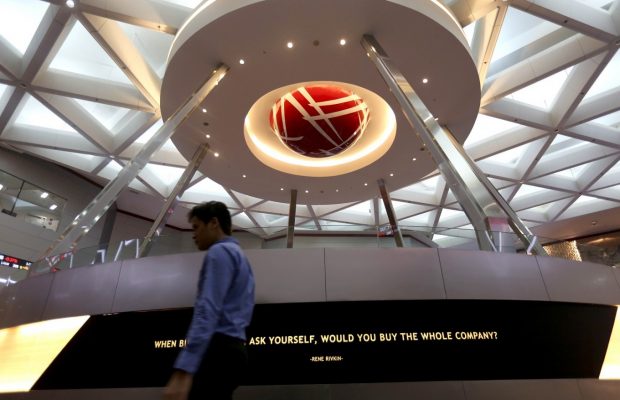
    The Indonesia Stock Exchange (IDX) was again awarded “The Best Supporting Institution for Islamic Finance of the Year 2017” from the Global Islamic Finance Award.

    Head of IDX Communication Division Yulianto Aji Sadono in an official statement in Jakarta, Sunday (9/10/2017) said that the bourse is the only institution from Indonesia that received the award from GIFA for two consecutive years.

    “This award is a benchmark for Indonesia to show that the Indonesian Sharia Capital Market has been able to compete at the international level,” he said.

    The award was handed over directly by Edbiz Consulting CEO Sofiza and received directly by the IDX Director Tito Sulistio in China on Saturday (9/9).

    The award, he added, is inseparable from the role of IDX which consistently encourages Indonesia’s sharia capital market industry to continue to advance and develop with world-level credibility, in accordance with the company’s vision and mission.

    He said that GIFA is one of the international awards in the world’s sharia financial industry organized by EdBiz Consulting, headquartered in London. GIFA 2017 is the seventh award.

    Yulianto Aji Sadono explained that since its establishment in 1997, Syariah Capital Market of Indonesia currently has two sharia indices namely Indonesian Sharia Stock Index (ISSI) and Jakarta Islamic Index (JII), 342 sharia shares, 16 fatwas from National Sharia Council-Indonesian Ulema Council (DSN-MUI), nine Regulations of the Financial Services Authority (OJK) and one Government Sukuk (SBSN) Law.

    By trade percentage, he also said that stock transactions in the IDX are dominated by sharia-based stocks. As much as 62 percent of the total shares traded on the IDX are sharia-based stocks, or about 55 percent of the market capitalization on the Stock Exchange.

    He said the market regulator expects the sharia capital market industry to be a safe investment alternative especially for Indonesian people who want to invest in accordance with sharia principles and can give real and optimal contribution in the growth and development of a sustainable national economy.

  • Saigon calls for carpooling service ban to be revoked as city grinds to a halt

    Saigon calls for carpooling service ban to be revoked as city grinds to a halt

    Carpooling services are convenient because they cost less and reduce congestion, but the transport ministry says they put passengers at risk.

    Ho Chi Minh City’s government has asked the Ministry of Transport to overturn a ban on low-cost carpooling services that was issued in June.

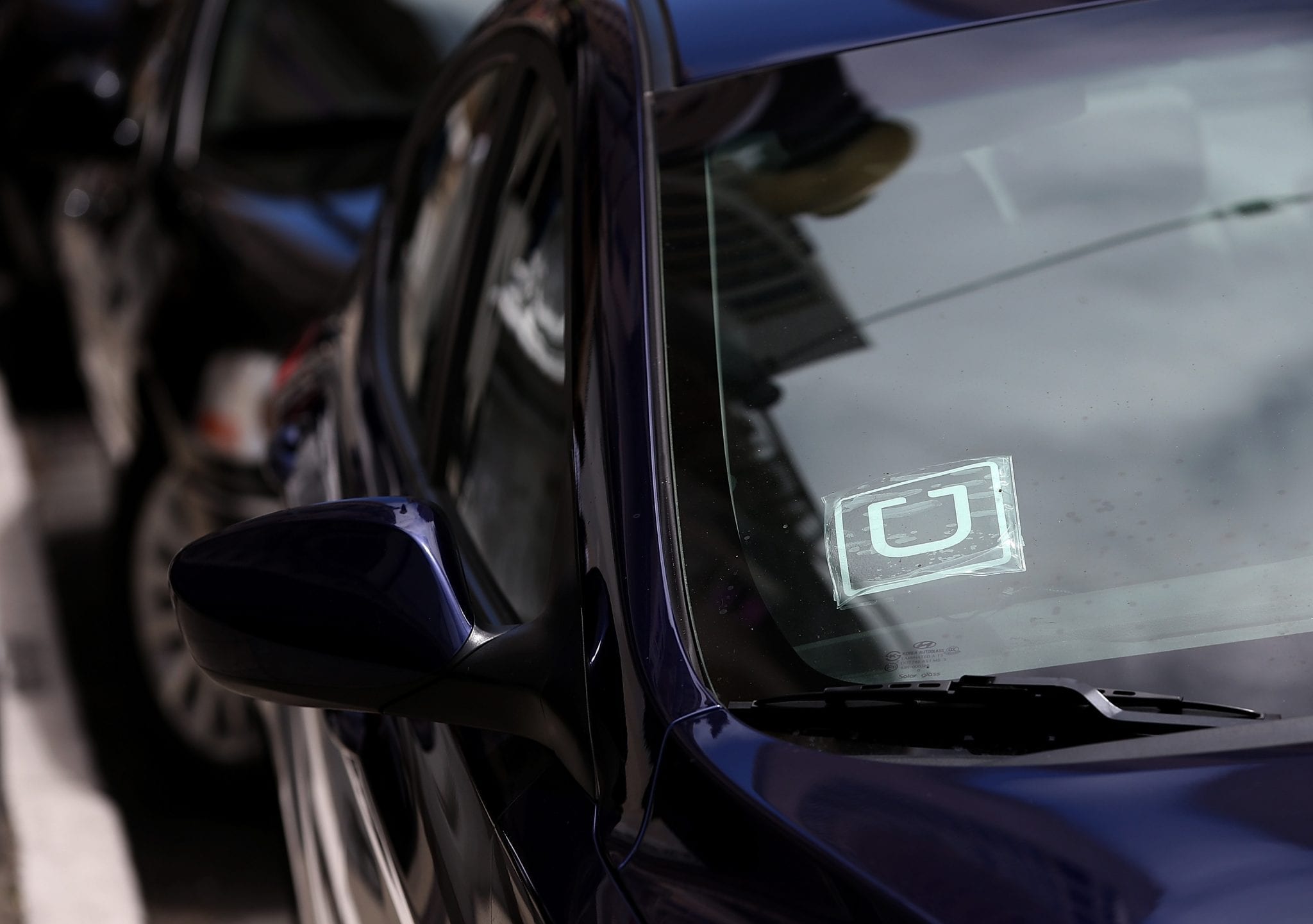
    The ministry previously said it would not allow either Grab or Uber to offer their ridesharing services GrabShare and UberPOOL in Vietnam because sharing a car with a stranger puts passengers at risk

    The decision came a month after the two ride-hailing firms rolled out their services in the city.

    If Uber and Grab disobey the rule, they will be fined VND4-6 million ($175-260) per ride, the ministry said.

    But the ministry’s words seem to have been an empty threat because GrabTaxi is still offering the service, and has also asked for the ban to be lifted, local media reported.

    The ministry asked for the city’s opinion in July. In response the city said it said it is difficult to tell if a Grab or Uber driver is offering a ridesharing service, so it’s nearly impossible to stop them.

    It also said carpooling services are convenient for passengers because they cost less, and more importantly, reduce traffic congestion in the city.

    The city has asked the ministry to allow a carpooling service to be piloted for one year so that it can build regulations to manage it.

    As suggested by the city, only cars with less than nine seats will be allowed to operate the service, and each car can only accept two contracts at once. They must also have specific logos to distinguish them from those that do not offer the service.

    HCMC is looking at ways to limit the number of private vehicles entering the city center to ease congestion.

    Official data show that the city’s transport department had licensed 23,820 cars with under nine seats as of June 30 this year.

    By mid May, the city had more than 8 million private vehicles, an increase of 5.8 percent against the same period last year, including 646,400 private automobiles and 7.4 million motorbikes.

    The current number of autos in the city has nearly tripled the limit set for 2020 and is double the ceiling set for 2025.

    At a meeting with local residents in August, Mayor Nguyen Thanh Phong said the city would revisit a plan to change school and office hours in an attempt to stagger the amount of traffic hitting the city’s streets during rush hours.

    Research conducted by Associate Professor Pham Xuan Mai from the Ho Chi Minh City University of Technology released in March last year found that traffic congestion costs the southern metropolis more than VND18.3 trillion ($820 million) every year.

  • Nissan targets new Leaf global sales of more than 90,000 a year

    Nissan targets new Leaf global sales of more than 90,000 a year

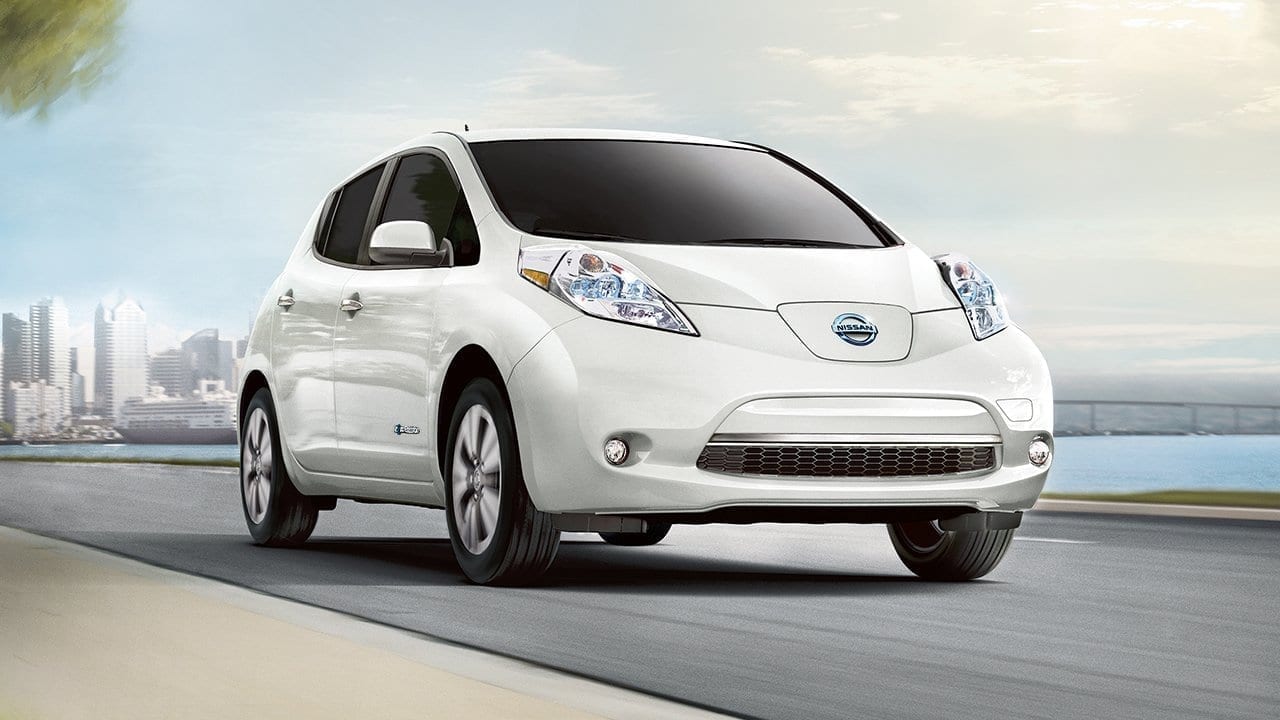
    Nissan Motor is targeting annual global sales of more than 90,000 units for its new Leaf electric vehicle, the company said on Wednesday.

    The battery supplier for the revamped Leaf is Automotive Energy Supply, the same as for the previous Leaf.

    The new Leaf, launched on Wednesday, goes on sale in Japan from Oct. 2 and elsewhere early next year.

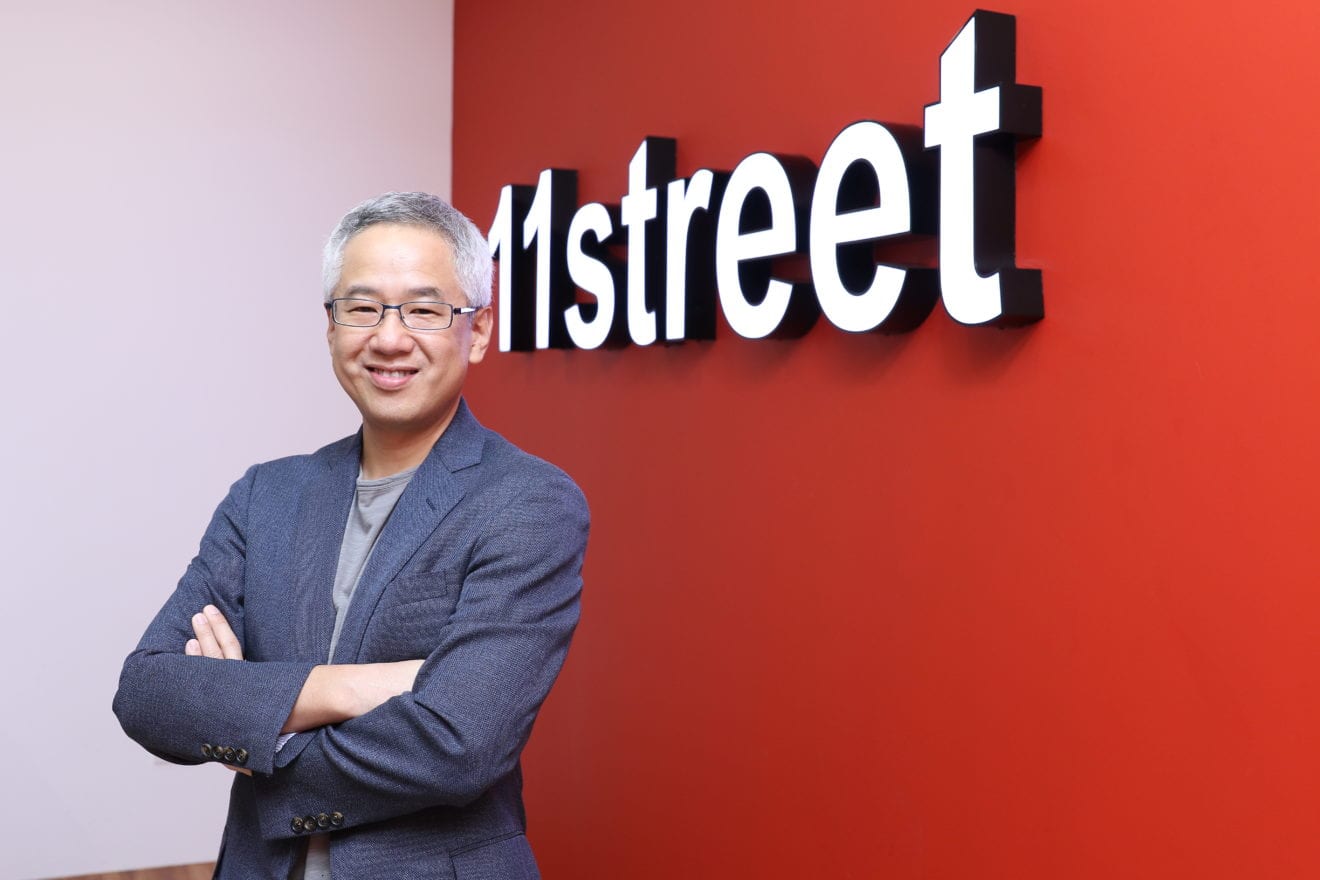
  • 11street Thailand eyes top spot

    11street Thailand eyes top spot

    Korean-owned 11street may be exiting Indonesia, but the e-commerce platform remains bullish about its opportunities in Thailand.

    Yun Chang-sung, 11street Thailand VP of sales, says the company is working towards being the largest e-commerce player in the nation by 2022.

    A week ago, 11street parent SK Planet, a subsidiary of SK Telecom, announced it was selling its half stake in Indonesian website Elevenia to fellow Korean corporation Lotte, with whom it is in discussions over an e-commerce joint venture at home.

    “SK Planet decided it was best to close down money-losing operations overseas to focus on propping up the domestic business,” wrote Pulse News. “After Indonesia, the next to go could be Malaysia among the three overseas markets including Thailand and Turkey.”

    First, 11street Malaysia dismissed such speculation, saying it was committed to the long term., 11Street Malaysia is operated by Celcom Planet, a joint venture between Celcom Axiata Berhad and SK Planet.

    11street Thailand says it has more than 580,000 shoppers buying from 18,000 sellers on its platform, just seven months after its launch.

    “We have become number two in the market in just a few months, and we are sure we can become number one in less than five years,” Yun said.

    He said Thailand’s e-commerce size is comparatively small at present, relative to mature markets like South Korea and the US.

    “Competition in Thailand is not that aggressive compared with other countries such as South Korea,” he said. “There are great opportunities to grow. The more dynamic logistics and payment industries in Thailand also contribute to the growth of e-commerce.”

    Thai and international brands including as Nestle, Samsung, Mahajak, Cotton USA, Watsons, FBT and Grand Sport list goods on 11street Thailand.

  • Boom time for Thailand internet shopping

    Boom time for Thailand internet shopping

    As consumers become more tech savvy, Thailand internet shopping has boomed.

    Online retail sales in Thailand are more than doubling annually, whereas traditional stores are seeing only about 10 per cent growth.

    This is attributed to a combination of stronger and faster internet speeds in Thailand plus the success of online merchants such as Lazada.

    Thailand mobile-phone company Total Access Communication estimates Thais spend up to six hours a day on social media websites like Facebook and Youtube.

    Corporate financial services company Maybank Kim Eng Holdings says Thailand is the only Southeast Asian country that includes an online category for retail sales data.

    While online sales in Southeast Asia have been growing strongly, they still account for less than 4 per cent of overall retail purchases, according to a Maybank report by economists Chua Hak Bin and Lee Ju Ye.

    Larger markets, like China and South Korea, already have higher penetration rates of online retailing at 16 and 18 per cent respectively. They say this shows the potential for Southeast Asia, where e-commerce sales could reach 5 to 10 per cent of overall retail purchases over the next five years.

    Meanwhile, Alibaba Group Holding founder Jack Ma has joined a government panel in Indonesia that has the task of steering the e-commerce industry in Southeast Asia’s most-populous nation. Macquarie Research estimates online retailing in the country could reach $65 billion by 2020.

  • IoT to be a $1.8tr revenue opportunity for cellcos

    IoT to be a $1.8tr revenue opportunity for cellcos

    The Internet of Things will represent a $1.8 trillion revenue opportunity for mobile operators by 2026, thanks in part by the early deployment of commercial low power wide area (LPWA) networks in licensed spectrum, according to the GSMA.

    Research conducted for the industry association by Machina Research found that new mobile IoT applications and services represent huge growth opportunities for mobile operators.

    To date 12 operators have launched 15 commercial mobile IoT services. These include China Mobile, China Telecom and China Unicom, South Korea’s KT and LG Uplus as well as Singapore’s M1.

    Operators are enhancing their  their licensed cellular networks with narrowband IoT (NB-IoT) and LTE machine-to-machine (LTE-M) technologies utilising global 3GPP standards.

    Mobile IoT networks are expected to have 862 million active connections by 2022, representing 56% of all LPWA connections.

    The largest revenue opportunities for the IoT include consumer demand for connected home ($441 billion), consumer electronics ($376 billion) and connected car ($273 billion) technologies.

    The connected energy market is meanwhile expected to reach $128 billion by 2026 as local governments and consumers seek smarter ways to manage utilities, and revenues from connected cities are on track to reach $78 billion by this time.

    “There is a real sense of momentum behind Mobile IoT networks in licensed spectrum, with multiple commercial launches around the world, as well as the availability of hundreds of different applications and solutions, but there is still much to be done,” GSMA CTO Alex Sinclair said.

    “Many operators are already reaping the benefits of deploying Mobile IoT and we encourage others to act now to capitalise on this clear market opportunity and further accelerate the development of the Internet of Things.”

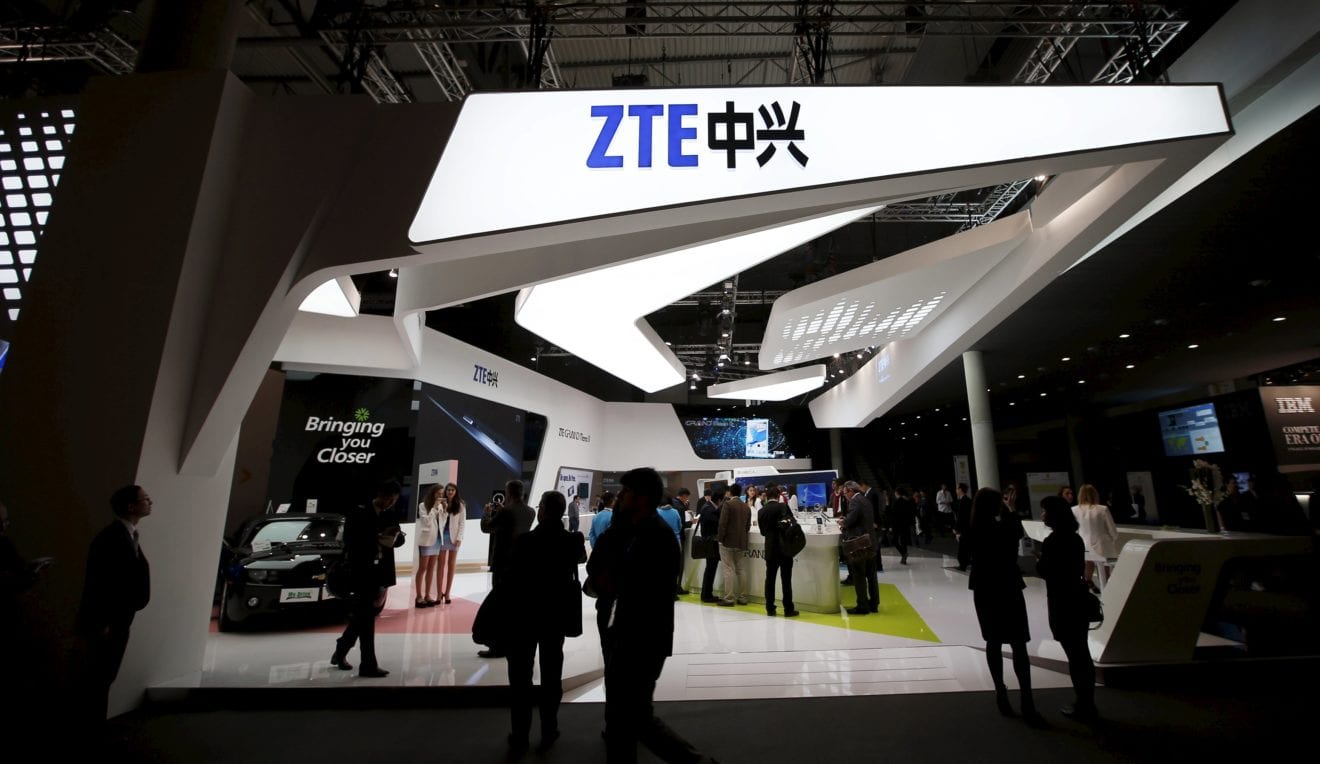
  • ZTE debuts AI platform for intelligent networks

    ZTE debuts AI platform for intelligent networks

    ZTE has introduced a new AI solution to help operators build intelligent and automated AI networks.

    ZTE’s AI solution uses a unified AI platform that can provide diversified applications for cloud service and intelligent networks combined with chip and terminal hardware.

    The AI-based service application can provide voice and video services which are based on face recognition, human and vehicle identification, speech recognition and natural language processing technologies.

    Meanwhile the AI-based intelligent network application uses precision algorithms to provide intelligent network operations and maintenance and network optimization capabilities.

    The portfolio can also provide self-researching AI chip, robot modules and intelligent terminals such as smartphones and smart home controllers.

    “Complemented with high computing power, precision algorithm and data analytics capability, AI technology will lead to the evolution of highly intelligent autonomous, automatic, self-optimizing and self-healing networks,” ZTE said.

    “At this stage, operators and vendors are still proactively exploring and seeking more efficient, stable and accurate AI algorithms and solutions to reduce the operation labor cost and effectively improve operating income. [The platform can help] operators introduce new technologies and build next generation intelligent network more conveniently amidst the ongoing advancement of AI technologies.”

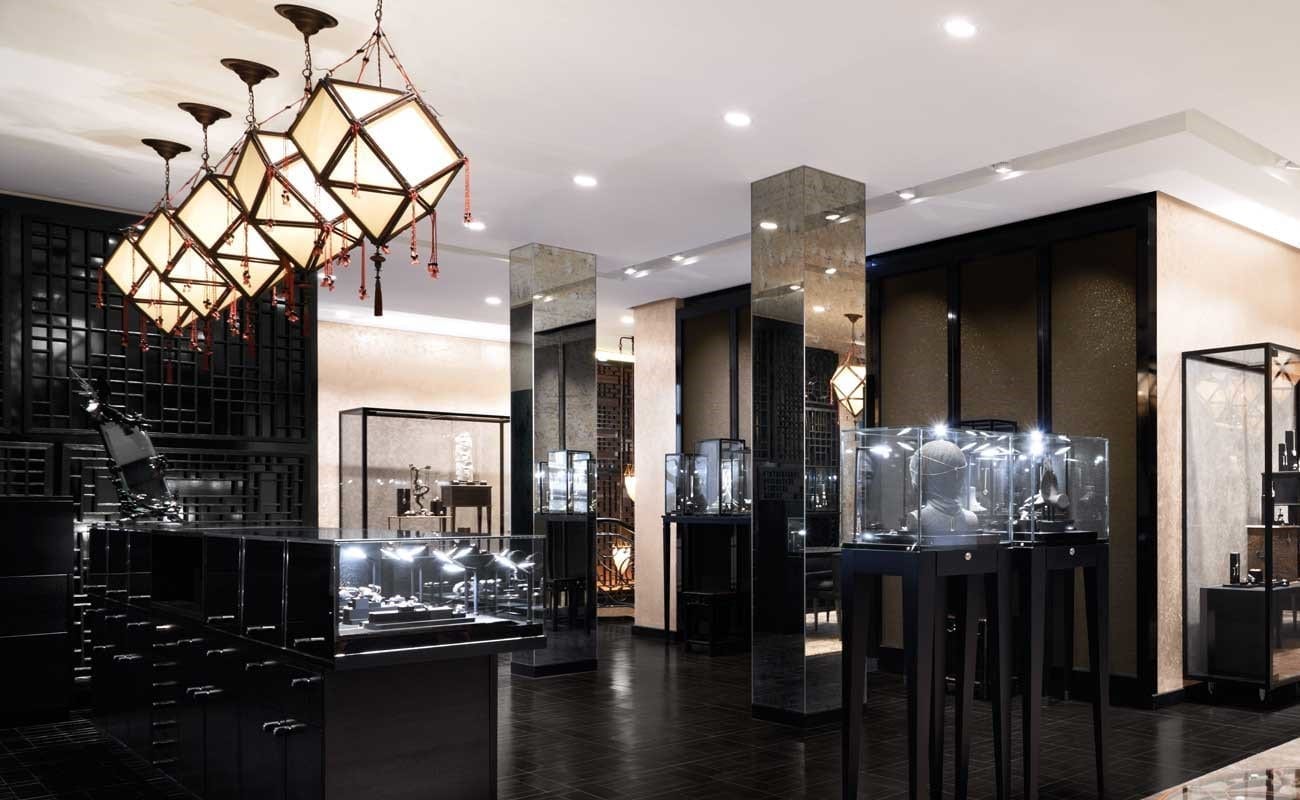
  • Thomas Sabo Hong Kong opens flagship

    Thomas Sabo Hong Kong opens flagship

    Thomas Sabo Hong Kong has opened a flagship store at Hong Kong Ocean Terminal, with the German jewellery brand’s founder/designer Thomas Sabo officiating at the ribbon-cutting ceremony.

    He was helped by guest of honour Korean pop star CL, and also in attendance was Korean singer/celebrity Lee Chae Lin.

    The boutique’s fresh colour palette of warmer and lighter colours marks a new era of shop-fitting for Thomas Sabo stores in Asia. Its new design concepts incorporate mid-century elements with simplistic decoration, says the company.

    After the official opening, guests were given a special preview of the exclusive Dragon Nights Edition, available from next month. The collection’s key pieces include dragons as a sign of happiness and the “Shou” sign as a symbol of long life.

    Decorated with feathered dragon heads and intertwined ornaments, the handcrafted collection draws on Far Eastern mythology and is also available at selected Thomas Sabo shops in Hong Kong.

    Established in 1984, Thomas Sabo has about 300 branded shops across all five continents and also collaborates globally with about 2800 trade partners as well as airlines and cruise companies.

  • Star turn as Armani Box pops up in Central

    Star turn as Armani Box pops up in Central

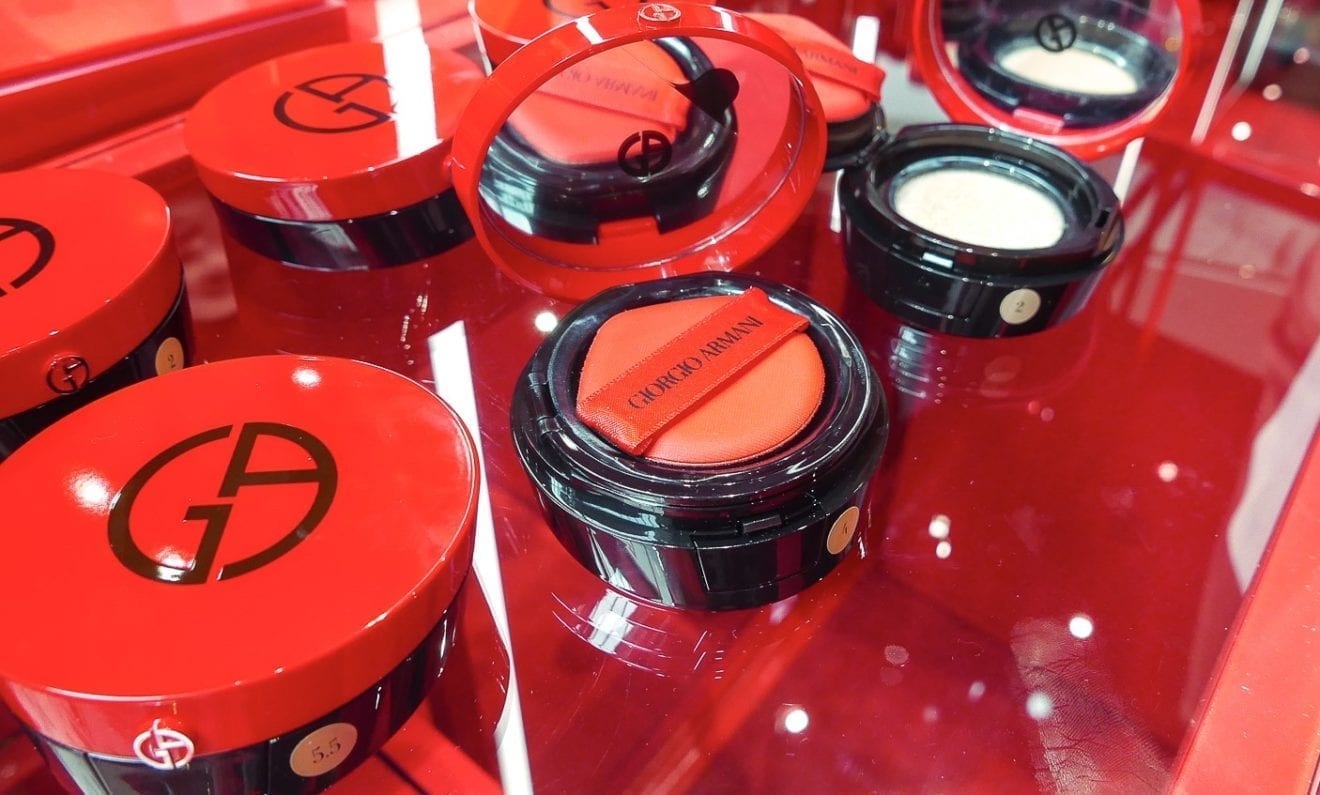
    Originally launched in Paris last year, Armani Beauty’s red Armani Box pop-up store has arrived in Hong Kong.

    The brand’s latest product, My Armani to Go cushion foundation, was launched at the cocktail party to celebrate the opening of the store. Guests were welcomed by a giant red gorilla named Uri, created by Italian designer Marcantonio Raimondi Malerba and a reproduction of the gorilla in Giorgio Armani’s lounge in Milan.

    Inside the red box, guests tried out the latest makeup products including the new foundation, the Ecstasy Shine lipstick and the signature Lip Maestro lip gloss.

    Attending the party were such celebrities as Elva Ni, Janet Ma, Kary Ng, Sammie Yu, Shu Qi, Yvonne Kung and Zelia Zhong.

    The pop-up runs through to September 21 at the IFC Mall in Central.

  • Star leaks Fenty Beauty by Rihanna campaign images

    Star leaks Fenty Beauty by Rihanna campaign images

    Pop star Rihanna has uploaded visuals from the advertising campaign for her new cosmetics line Fenty Beauty by Rihanna on Instagram.

    The Barbados-born entertainer has 56.2 million followers on the social-media site.

    Little information has been released yet about the beauty line, created in collaboration with Kendo, the LVMH group’s subsidiary which also works on Kat Von D and Marc Jacobs Beauty.

    Rihanna presented her first make-up product, a bronze lip gloss with a glistening rosy shimmer and “holographic” effects 12 months ago at a catwalk show for Fenty Puma, the line designed in collaboration with German sports brand.

    Fenty Beauty by Rihanna will be available at Sephora stores and on the perfumery retailer’s e-shop from Friday.

    This is not Rihanna’s first foray into make-up. She had a collaboration with Mac Cosmetics in 2013.

  • Aldi, Lidl and rivals to thrive as UK discount retail market soars

    Aldi, Lidl and rivals to thrive as UK discount retail market soars

    The UK Discount Retail market is set to soar by 36.1 per cent by 2022, reaching £32.5 billion by 2022 according to research by GlobalData.

    The company’s latest report UK Discounters 2017-2022 reveals discount retailers could gain an extra £9 billion slice of the total retail market as they become a more appealing destination for consumers looking for bargains as inflation continues to squeeze their disposable income.

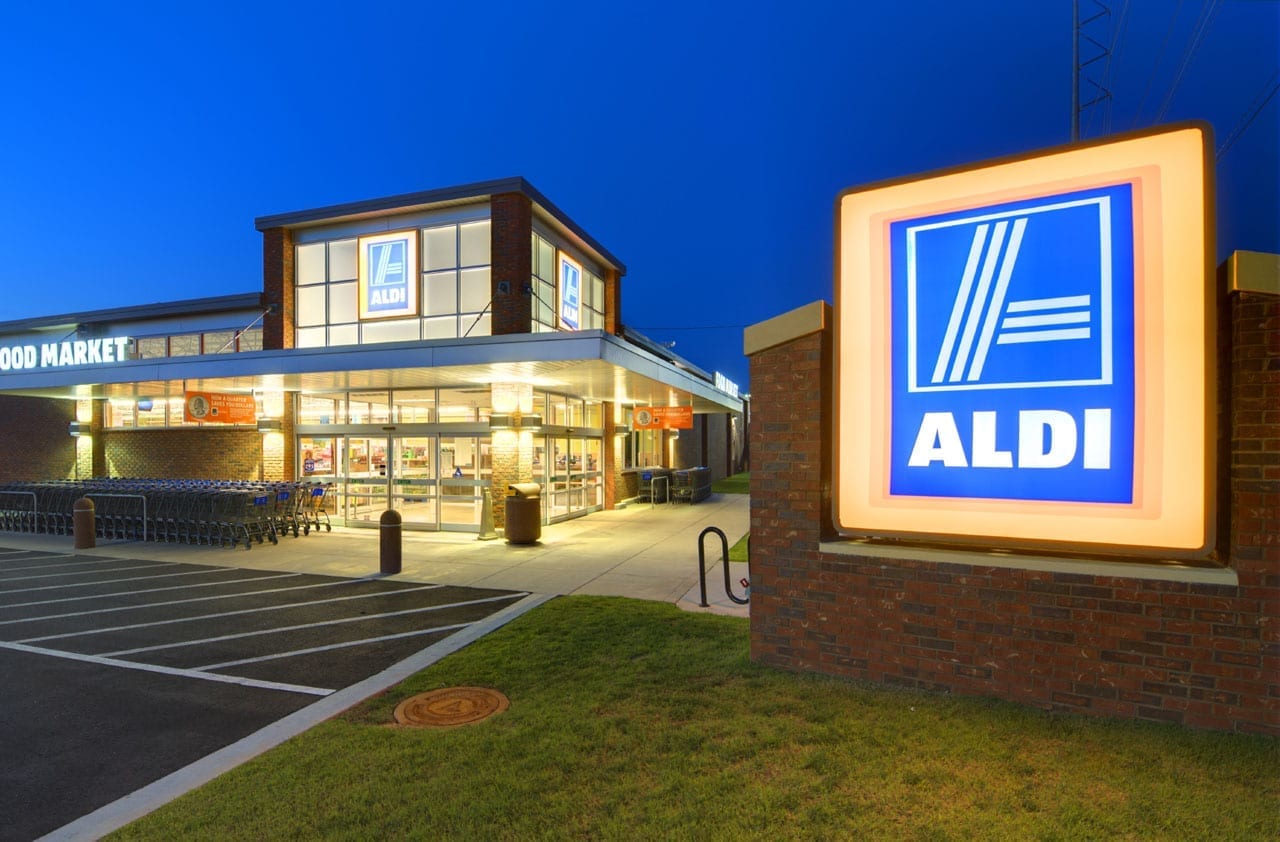
    “This will be good news for Aldi, Lidl and B&M Bargains which dominate the channel, with a combined share of over 70 per cent of the discount retail market,” observes Molly Johnson-Jones, senior food & grocery analyst with GlobalData Retail.

    DIY & gardening, health & beauty and homewares will deliver the strongest category growth.

    About 89.4 per cent of the UK population have shopped at a discounter in the last 12 months with food & grocery (F&G), non-discretionary household goods and health & beauty (H&B) the most popular product categories with shoppers.

    “Our report findings confirm that discounters have done an exceptional job in gaining market share of frequently purchased items by changing the perception of discounter own label products in F&G while at the same time undercutting mainstream retailers on branded items in H&B and household. This combined approach has proven to be very disruptive in the market and has contributed to their success.’’

    Food & grocery is the sector with the highest market value, worth £15.7 billion in 2017, and will grow to £21.8 billion by 2022 – taking away another £6 billion from the mainstream grocers.

    “As perception and trust in own-label has been earned by the discounters in groceries, this is the sector which the mainstream retailers should be the most concerned about as the barriers to entry have already been overcome.

    “Food & grocery has enjoyed strong growth over the past decade as even when incomes have been more pressured by inflation and lower real wage growth, people still need to buy the same amount of food. The F&G discounters have taken advantage of this by extending their range to cater for all consumer needs and growing their premium and fresh ranges to ensure that they can be a one-stop-shop for the weekly shop.”

    GlobalData forecasts DIY & gardening and homewares will grow 46.6 per cent and 42.6 per cent respectively for the period 2017-2022, as discount retailers gain market share from mainstream DIY retailers by offering consumers lower cost solutions for household maintenance and upgrades.

    “Indeed, the rollout of larger out-of-town store formats has facilitated broader ranges, providing them with more authority in the home sectors,” says Johnson-Jones.

    “Consumers are likely to perform fewer and smaller upgrades on their homes during the forecast period due to declining disposable income. This will benefit discount retailers homewares sales as they continue to improve their shopper appeal by increasing their range and incorporating greater trend influence – while ensuring affordability which is crucial for driving impulse and gifting purchases.

    “The discounters have expanded their range in the DIY & gardening market at a time when consumers are seeking reduced cost solutions for doing up their homes and gardens – B&M will particularly outperform in this area as it adds garden centres to its retail estate over the next few years,” she concluded.