Tag: asia

  • Honestbee flies high with new logistics services honestbee GOODSHIP

    Honestbee flies high with new logistics services honestbee GOODSHIP

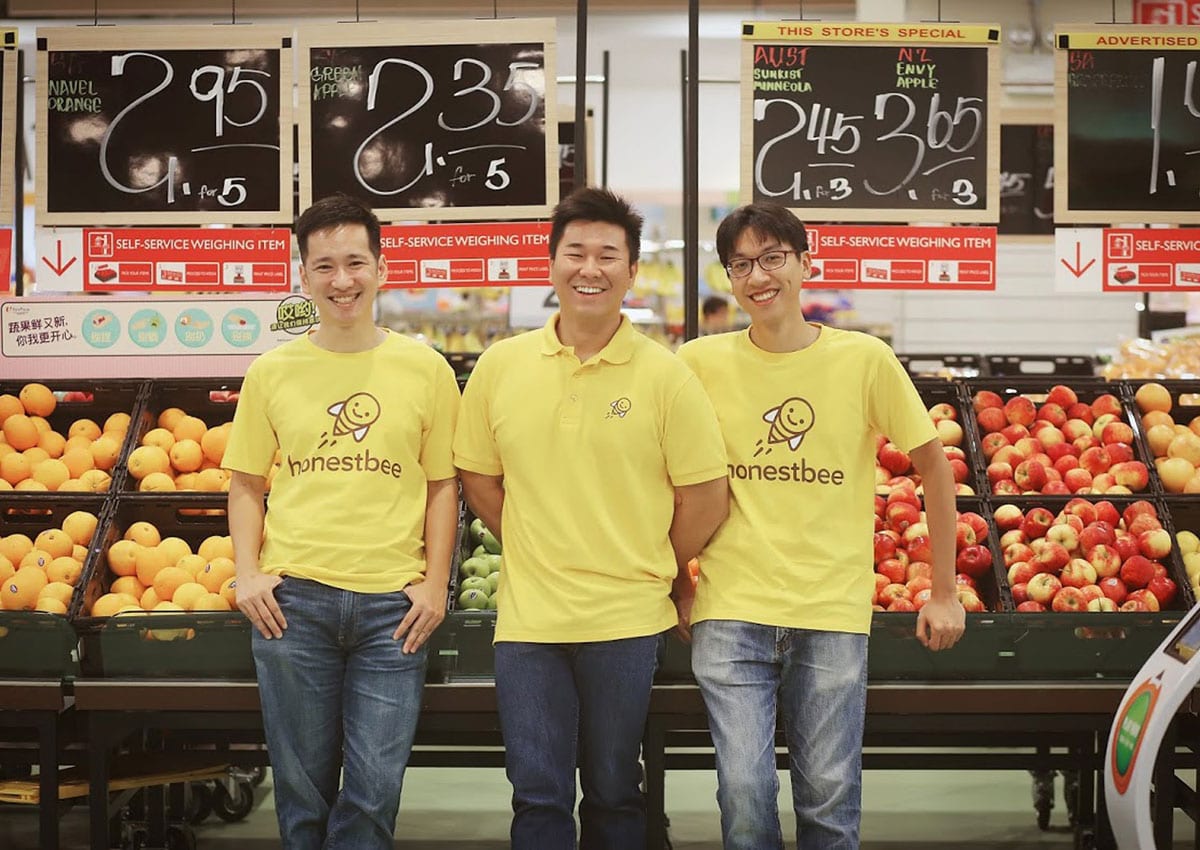
    Honestbee, Asia’s leading and trusted online concierge and delivery service has today officially announced the launch of honestbee GOODSHIP, their logistics service in Thailand.

    Honestbee GOODSHIP has been operating parcel deliveries in Bangkok for a couple of months before this official announcement, catering to B2B and B2C deliveries. The focus is on last-mile same-day or next-day e-commerce delivery with a move towards on-demand delivery for end-consumers within an hour to follow soon.

    Country Head of honestbee GOODSHIP, Theresa Mathawaphan has a background in retail, technology management and business start-up and was part of the international team who developed the country’s first tech start-up incubator at the Thailand Science Park. She is confident that honestbee GOODSHIP will be a good partner for many businesses in the city.

    “Logistics can let companies down and therefore being able to call on the reliable services of a third-party, and one that understands the need for a fast, trustworthy delivery is crucial, particularly in a city where, whether online or offline, goods need to move quickly. Customer tracking and a real-time fleet tracking system are essential elements of this service too.”

    Thailand’s Electronic Transactions Development Agency has forecasted that the total e-commerce market in Thailand this year will be worth Bt2.52 trillion (USD74 billion).

    With daily deliveries of honestbee GOODSHIP now surpassing the grocery and restaurant deliveries combined, the target is to deliver in excess of 50,000 orders per day over the next 12 months.

    As well as Thailand, honestbee GOODSHIP has a successful presence in Singapore, Malaysia, the Philippines and Japan.  More countries are to be rolled out to provide the excellent services to its partners and non-partners.

    Currently, honestbee runs two B2C delivery services in Bangkok; groceries handpicked by shoppers and delivered fresh to customers’ doors in one hour as well as restaurant food deliveries with customers ordering online and on-demand delivery in less than 60 minutes.

    Bounthay Khammanyvong, honestbee Country General Manager, Thailand has experience in building up successful companies to create billion-dollar businesses and working with cutting edge e-commerce. He believes that honestbee GOODSHIP is a natural progression for honestbee and will really take flight in Thailand.

    “E-commerce in Thailand is going through an incredible boom period, and at the heart of that success is logistics, both for businesses which need products delivered to certain branches or retail outlets and for consumers who order online. With its own boutique-style e-commerce platform, honestbee has relevant experience of business and consumer delivery demands in order to create the right quality of customizable services and branding customers can trust.”

    The Thai e-commerce market is not only growing but consumer experience online is growing as is the digital ecosystem, Internet penetration and social commerce channels which contributes to the majority of all deliveries.

    Currently honestbee GOODSHIP’s fleet consists of 80% delivery motorbikes or ‘Rider-Bees’ and 20% delivery trucks. There are also services rolling out soon that would help marry the online and offline world.

    Some of the current honestbee GOODSHIP clients include Nu Skin, SE-ED Books, aCommerce, Aramex, Siam Outlet, City-Link and OfficeMate.
     

  • Visa cardholder spent THB 28 on snacks and won gold

    Visa cardholder spent THB 28 on snacks and won gold

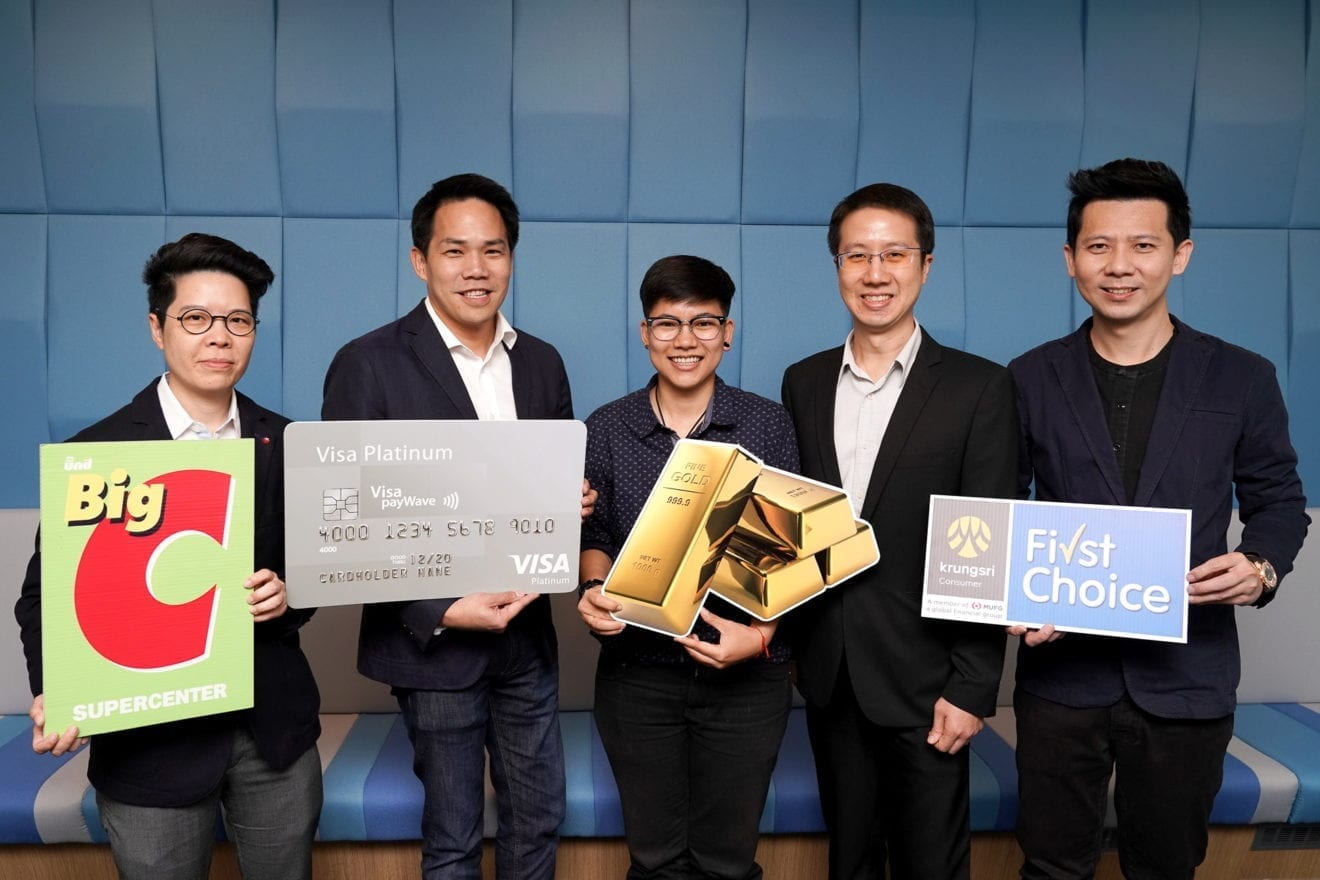
    Suripong Tantiyanon (second left), Visa Country Manager, Thailand, together with Athip Sinpagekan (second right), Senior Vice President, Head of Marketing – Consumer Financial Services, Ayudhya Capital Services Co., Ltd, and Dr. Piyawan Piyapong (left), Senior Vice President, New Service Development of Big C Supercenter PCL congratulate Nanyapat Paransirijarune (center) on winning THB1 million worth of gold.

    Ms. Nanyapat won this Visa campaign by using her Krungsri First Choice Visa card on her Samsung Pay to purchase THB 28 snack from Big C Supercenter. Big C Supercenter, as the lucky retailer that served Ms Nunyapat, also received THB 1 million as part of the campaign.

    More than 20 major retailers nationwide joined the campaign that ran from January to March 2017, including 7-Eleven, Big C, Emporium, Family Mart, Gourmet Market, Home Fresh Mart, Isetan, Hello Kitty House, Krispy Kreme, Lawson, Major Cineplex, MaxValu, McDonald’s, Siam Paragon, Tang Hua Seng, Tesco Lotus, The Mall, Tom n Tom Coffee, Tops, and Watsons.

    “Contactless is continuing to gain momentum among consumers and merchants, in Thailand and markets around the world. The campaign demonstrates Visa’s commitment to improve payment experience, ensuring that it remains seamless, frictionless, reliable and secure. It is consistent investment like this, underpinned by Visa’s global standards, that encourages wider adoption of electronic payments in the country,” said Suripong Tangtiyanon, Visa Country Manager, Thailand.

    Visa contactless payments combine unparalleled convenience with security. Visa payWave transactions under THB 1,500 require no signature. A Visa payWave card uses encryption technology via an EMV chip to protect cardholders’ data, while Samsung Pay features the Visa Token Service, which replaces cardholders’ information, such as account numbers and expiration dates, with a unique digital identifier (a “token”) that can be used for payment without exposing a cardholder’s more sensitive account information.

    There are more than 400,000 merchants in Thailand that accept Visa payWave and Samsung Pay, the latter can also be used at magnetic stripe-only point-of-sales.

  • Kakao takes its leap into the smart speaker market

    Kakao takes its leap into the smart speaker market

    Kakao on 5 September 2017 unveiled its smart speaker, Kakao Mini, which will officially hit shelves by the end of September this year.

    Kakao, which operates the country’s most popular messaging app Kakao Talk, said the Kakao Mini will work on its artificial intelligence platform called Kakao I. It can be controlled by voice commands.

    The Kakao Mini has a square design with fabric on the sides, which has a minimalist, familiar design that can fit well with the surroundings in small sizes.There are four buttons at the top that let users adjust the volume and turn the microphone on and off.

    The Kakao Friends figure, which is released together, has a magnet and can be easily attached to the top of the Kakao Mini. The figures are provided to the initial purchaser on a first come, first served basis.

    The Kakao Mini is equipped with four high-end microphones to accurately capture users’ speech. As the device can connect to other speakers via Bluetooth, users can utilize features of the Kakao Mini through other premium audio systems as well.

    The speaker also connects to KakaoTalk, allowing users to check and send messages verbally.

    The device automatically updates software to continuously provide users with new features, the company said.

    The Kakao Mini offer users convenience by being linked to portal site such as daum as well as Kakao Talk. Kakao Mini will evolve to reflect new features with automatic update method.

    Pre-orders for the Kakao Mini will start later in September 2017.

  • SoftBank, Huawei demonstrate 5G use cases

    SoftBank, Huawei demonstrate 5G use cases

    Japan’s SoftBank teamed up with Huawei to demonstrate various real-world use cases for 5G.

    The companies demonstrated real-time ultra high definition (UHD) video transmission with a throughput of over 800Mbps, as well as remote rendering via a GPU server using edge computing.

    During the video tests, SoftBank and Huawei installed a UHD camera outside the demonstration room, then compressed the data from the camera in real-time using an encoder and transmitted it via 5G to a UHD monitor via a decoder.

    Scenery was also captured via a 180-degree camera equipped with four lenses pointed in different directions. Captured input was sent to smartphones and tablets over the 5G network to create a 180-degree panoramic video image. Huawei said this technology can be applied to virtual or augmented reality.

    In addition, the demonstration involved remote manipulation of a robotic arm with an ultra-low latency of less than 2ms for near real-time control.

    The technology was used to allow a robotic arm to play a game of air hockey, detecting the position and projected trajectory of the puck and returning the shot to the human player.a

  • Mastercard adds payment capabilities to vivoactive 3

    Mastercard adds payment capabilities to vivoactive 3

    Mastercard has added payment capabilities to the newly launched Garmin vívoactive 3 fitness tracker and smart watch.

    The move aims to to provide active customers with a watch that frees them from having to carry their phone or wallet around.

    Fitness enthusiasts will be able to make contactless payments and pay by holding their device near a contactless terminal at nearly 6.6 million merchant locations globally.

    Garmin users will enter payment information in the Garmin Connect Mobile app (available in Apple and Android app stores) by scanning a card or manually entering their information. Once the app has synced with the smartwatch, the card is available for use. The user can quickly launch their wallet from the controls menu and tap at a contactless terminal whenever they wish to make a payment.

    By using Mastercard’s token service, the 16-digit card number found on the front or back of a payment card is replaced by a unique alternate number or “token.” The token number is not only different from the card number but is also, on its own, useless, when trying to perform a transaction via a different device – making each transaction secure.

    Bringing secure payment functionality to the Garmin vívoactive 3 is the latest initiative within the Mastercard Commerce for Every Device program that is designed to provide consumers a safe and secure way to pay from any device of their choice. Simplicity and security are at the core of the Garmin Pay capability.

    “Technology is enabling fitness companies to provide athletes with the most comprehensive performance trackers we have seen in our time,” said Kiki Del Valle, senior vice president in charge of the program.

    “Adding payment capability to these devices is a natural next step to make training and fitness experiences more relevant, personal, and convenient.”

    “We want to be true training partners and support the active lifestyles of our users,” said Dan Bartel, Garmin vice president of worldwide sales.

    “With Mastercard technology, our users no longer need to be tethered to their physical wallets and can pay for things in a safe, simple, and secure way. This partnership enables us to empower our consumers to use the device that is most convenient to them, with a high level of security.”

  • Starbucks Korea eyes record sales and profits

    Starbucks Korea eyes record sales and profits

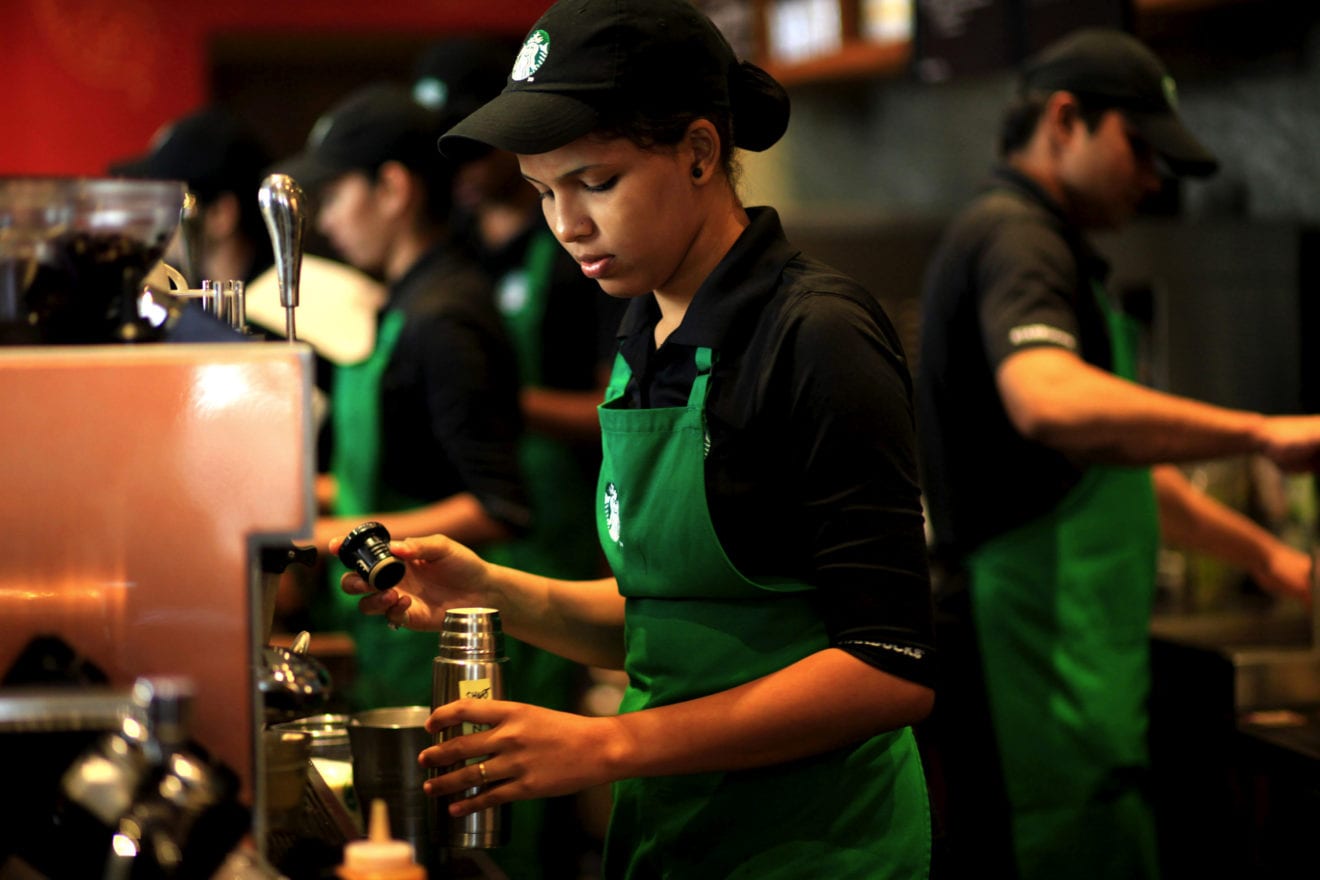
    Starbucks Korea is expected to exceed a record 100 billion won (US$88.4 million) profit this year as the US coffee chain’s popularity booms.

    Industry sources told Yonhap news agency that the 50-50 joint venture between retail conglomerate Shinsegae and the US company achieved a 52.8 billion won operating profit on 593.5 billion won in sales during the first six months this year. That marks the first time Starbucks recorded more than 50 billion won in profit since it opened its first local branch near Ewha Womans University in Seoul in 1999.

    Full-year profit is likely to easily surpass the 100 billion-won mark as coffee shops usually earn more during the latter half of the year, which includes Christmas and the year-end holiday season.

    The strong figure compares with those of its local competitors Twosome Place and Angel-in-Us Coffee, which averaged between 10 and 20 billion won during the same period.

    Sources told Yonhap the popularity of Starbucks in South Korea is due to the growing loyalty of women in their 20s and 30s, pointing out that the company has succeeded in promoting its image as a luxury brand in South Korea where the luxury coffee market has yet to mature.

    Starbucks Korea’s annual sales topped the 1 trillion-won mark for the first time last year.

    Starbucks has 1050 stores in the country as of the end of June, the world’s fourth-largest number of Starbucks Coffee stores on a pro-rata population basis, behind only Canada, the US and Singapore, according to industry data.

    The number of the stores has risen sharply from 327 in 2010 and 500 in 2013 to 1000 as at the end of last year.

    The dramatic rise has apparently been helped by the regulations that ban franchises from opening new stores within a 500-metre radius from the shop of the same brand: Running its own stores, rather than franchising, exempts Starbucks from such regulations.

    However, critics say while the regulations aimed to protect food franchise contractors from intense competition, they have instead aided foreign businesses operating in South Korea.

    “We are not subjected to the franchise law as all of our shops are run by the company directly,” a Starbucks Korea official said.

  • McDonald’s USA revamps McCafe

    McDonald’s USA revamps McCafe

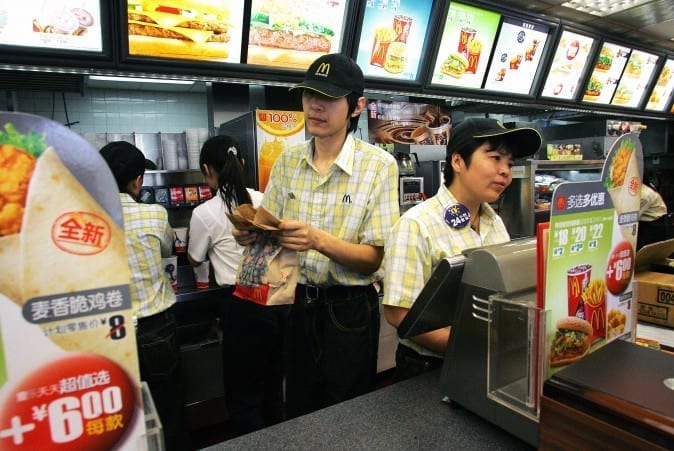
    McDonald’s USA has revamped its McCafe brand, introducing new imagery and new beverages.

    Originally launched in Australia in 1993, the coffee concept has been rolled out in an increasing number of markets internationally in recent years but had traditionally underperformed in McDonald’s home country.

    Now, president Chris Kempczinski believes he can change that.

    “This is just the start of our McCafe commitment. We understand how important the coffee culture is for consumers and we are committed to meeting that demand at the taste, convenience and value only McDonald’s can offer,” he said, announcing the relaunch.

    “This is a central part of our growth strategy and we can’t wait to share what’s next.”

    McDonald’s UAS will now offer cafe-quality espresso beverages and an expanded retail offer in its McCafe stores across the country.

    An expanded menu now includes Caramel Macchiato, hot or iced; Cappuccino, with French Vanilla, caramel or hazelnut flavours, and fresh-brewed Americano. For a limited time, all small-sized beverages will be offered at US$2 a cup.

    Early next year, McCafe will expand its retail presence by partnering with The Coca-Cola Company to introduce a line of bottled, ready-to-drink McCafe Frappe beverages in three flavors: Caramel, Vanilla, and Mocha.

    New image

    In addition to the menu additions, the refreshed McCafe look will include a new brand logo and packaging McDonald’s says will evolve with the seasons. McDonald’s will also begin transitioning to an updated and expanded McCafe presence in-restaurant with a sleek, modern look in 2018 as part of its evolving ‘Experience of the Future’.

    “Our new McCafe beverages start with 100 per cent Arabica beans that are freshly ground and skillfully made on demand,” said Chef Dan Coudreaut, VP culinary innovation, with McDonald’s USA.

    As part of the upgrade, McDonald’s has introduced new coffee makers, “allowing for the new espresso-based beverages to be handcrafted with a consistent, flavourful taste” in nearly all of McDonald’s USA’s 14,000 restaurants.

  • Alibaba and Mexico forge digital deal

    Alibaba and Mexico forge digital deal

    Alibaba and Mexico have signed a deal to promote the nation’s products online and help tap into the Chinese economy though e-commerce.

    In a ceremony at Alibaba Group’s headquarters, Alibaba Group’s executive chairman Jack Ma and Mexico’s President Enrique Peña Nieto witnessed the signing of a Memorandum of Understanding (MoU). Alibaba Group president Mike Evans and Undersecretary of Industry and Commerce of the Ministry of Economy of Mexico José Rogelio Garza were the signatories of the MoU.

    Under the agreement, Alibaba will work closely with the Ministry of Economy of Mexico to help Mexican SMEs to expand into international markets, in particular China, starting with a tailored program for them to benefit from the company’s B2B trading platform, Alibaba.com. Alibaba, together with its ecosystem partners, will also share expertise in logistics and payment platforms in order to enhance the cross-border e-commerce capabilities of Mexican SMEs and to attract Chinese tourists to Mexico.

    Alibaba will also share with Mexican SMEs international best practices related to digital transformation and e-commerce trends. Specialised training will focus on key areas including e-commerce, digital payments, logistics and analytics that drive consumer insight, product innovation and rural development in China. This is an effort to create a more inclusive world by helping SMEs and entrepreneurs to better reap the benefits of globalisation by leveraging e-commerce and learning from Alibaba’s experience in China.

    “Alibaba is one of the world´s largest technology companies with a sophisticated e-commerce ecosystem and a remarkable reach of more than 500 million active annual consumers globally,” said President Peña Nieto. “By partnering with Alibaba, we can expand Mexico’s export options in China and in Asia more broadly, while enhancing Mexican SMEs’ knowledge of e-commerce and cross-border trade.”

    “Alibaba is committed to inspiring, motivating and enabling SMEs from around the world to grow and thrive through e-commerce and the use of technology,” said Ma. “We are delighted to help promote cross-border trade with Mexico through this MoU. We view our cooperation as a way to energise economic development in both countries.”

    Ma travelled to Mexico last May and met with Nieto to discuss how technology plays a critical role in economic development and competitiveness. Discussions regarding the signing of this MoU began during that visit. Alibaba says the deal demonstrates Alibaba’s interest in, and commitment to, facilitating the entry of Mexican SMEs into the large Chinese consumer market.

    China is Mexico’s third largest trading partner globally, with much room for growth. Today, well-known Mexican products, ranging from agricultural products to packaged food and tourism, are already being sold in Alibaba’s ecosystem.

  • Zara India going online next month

    Zara India going online next month

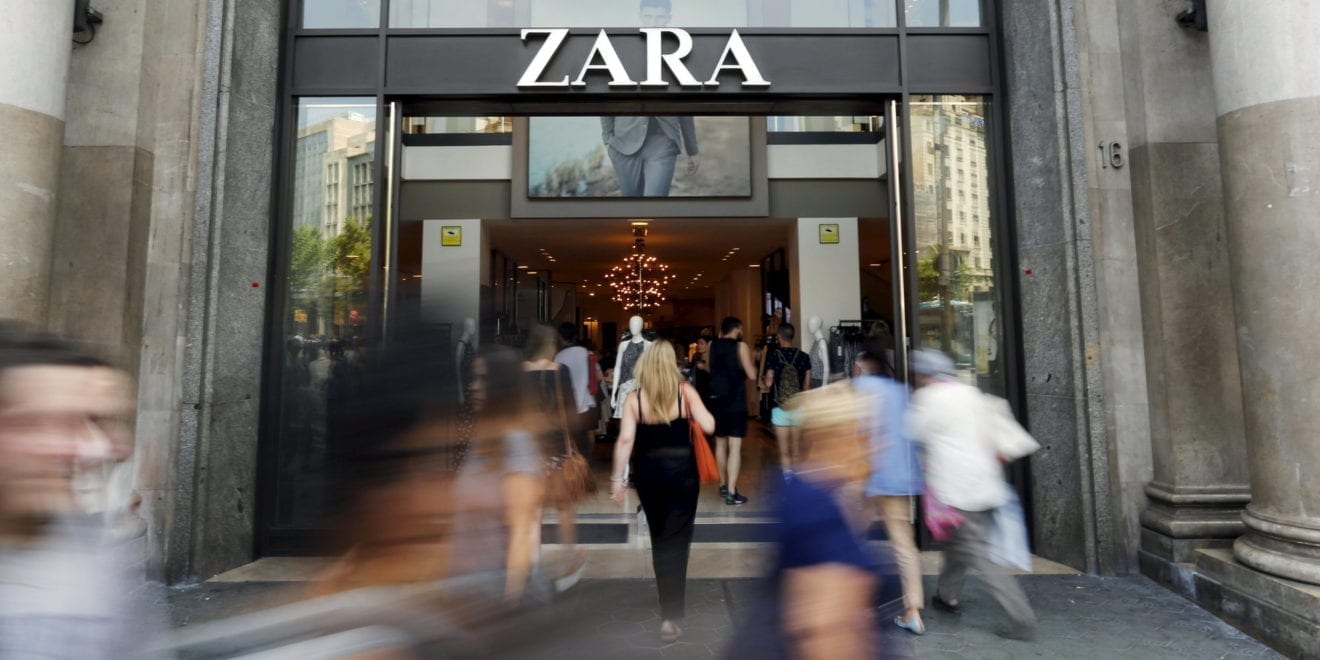
    Zara India is launching an online store on October 4, it has announced on its Facebook page.

    This follows the Spanish clothing retailer launching e-commerce sites this year for Malaysia, Singapore, Thailand and Vietnam.

    With a presence in 93 countries, the Inditex Group’s flagship brand added 279  stores last year to take its total to 7292 outlets.

    It plans to open up to 500 stores this year.

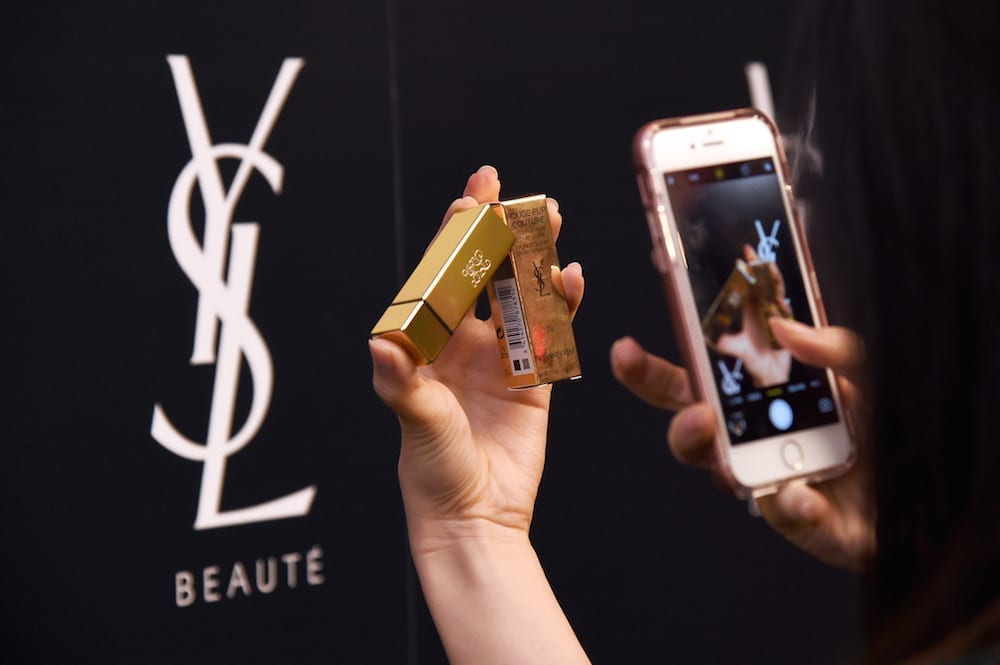
  • Yves Saint Laurent co-founder Pierre Bergé dies

    Yves Saint Laurent co-founder Pierre Bergé dies

    Yves Saint Laurent co-founder Pierre Bergé has died at 86 years old at his country home in southern France following a long illness.

    The French businessman and art patron was the life and business partner of Yves Saint Laurent, who died in 2008 at the age of 71. They formed the famous fashion house in 1961. The two married in a civil ceremony in the final year of Saint Laurent’s life.

    “I will always remember him as a man instilled with a fertile tension between avant-gardism and the will to work relentlessly to inscribe creation in history,” says chairman/CEO François-Henri Pinault of Kering, which now owns the Yves Saint Laurent brand.

    “From the outset, he wished to preserve all the archives of Yves Saint Laurent’s work, an inestimable patrimony that will soon be made available for the public the world over to see in exceptional museums.

    “This man who has just left us was a great cultural figure, and a man with convictions he fought tirelessly to uphold. Pierre Bergé was at the same time a visionary precursor, a great patron, a creative and passionate businessman and a defender of noble and universal causes. He was a tireless patron of young creation, notably through the Andam Association (Association Nationale des Arts de la Mode) he had created. He was also a generous patron of heritage.”

    LVMH chairman/CEO Bernard Arnault says Bergé’s vast cultural knowledge and refined taste made him a great pioneer. “He made a considerable contribution to France’s spotlight in the world, both by the maison he founded and directed, as well as the cultural institutions he presided over.”

    Book specialist

    Bergé was born on the Île d’Oléron in 1930. The son of a schoolteacher and a civil servant, he took an early interest in literature. When he moved to Paris in 1948 he became a book dealer specialising in first editions. He socialised with writers including Albert Camus, André Breton, Jean Cocteau (for whose work he owned rights), Jean-Paul Sartre and Louis Aragon.

    In 1958 he met Yves Saint Laurent, then head designer at Christian Dior. After Saint Laurent had been conscripted for military service, Bergé helped stage his return with the Yves Saint Laurent haute couture house in 1961. Bergé would manage it until 2002.

    Bergé was the founding president of the Fondation Pierre Bergé – Yves Saint Laurent, which was recognised as a national institution in 2002 and works to conserve Saint Laurent’s body of work, organise exhibitions, and support cultural and educational activities.

    In the 1960s, Bergé expanded Saint Laurent’s business from haute couture into the far more profitable ready-to-wear market; he established Saint Laurent Rive Gauche boutiques in Paris, New York and other cities.

    In 1986 he sold 25 per cent of the Saint Laurent business to Italian entrepreneur Carlo de Benedetti, using the money to buy Charles of the Ritz, which owned  designer perfumes including several Saint Laurent fragrances like Opium and Rive Gauche.

    In 1993, Bergé and Saint Laurent sold the YSL Groupe for US$655 million to French pharmaceutical giant Elf Sanofi, which in 1999 sold the group to Gucci.

    Bergé’s death comes as two new major museums dedicated to Yves Saint Laurent are to be opened by the Fondation Pierre Bergé

  • Hooters Asia puts on bold front in rent tussle

    Hooters Asia puts on bold front in rent tussle

    Despite facing eviction from its Lan Kwai Fong location for failing to pay rent, Hooters Asia still plans expansion in Hong Kong.

    Legal documents filed with the High Court on Friday on behalf of the landlord, Dor Fook Company, say the US restaurant/bar has failed to pay more than HK$1.13 million (US$145,000) in rent since April despite “repeated demands and requests”.

    Meanwhile, Hooters Asia says it still plans four more venues for Hong Kong, despite its sole outlet breaking even for the first time last month.
    Hooters signed a 10-year lease for the Wyndham Street venue in April last year, agreeing to pay $330,000 a month for the first year.

    Hooters Asia president Daniel Yong, who took over management two months ago, says he is surprised by the legal action as he has already discussed repayment with the landlord. The former manager resigned this year, leaving a “messy accounting system” and unpaid bills, says Yong.

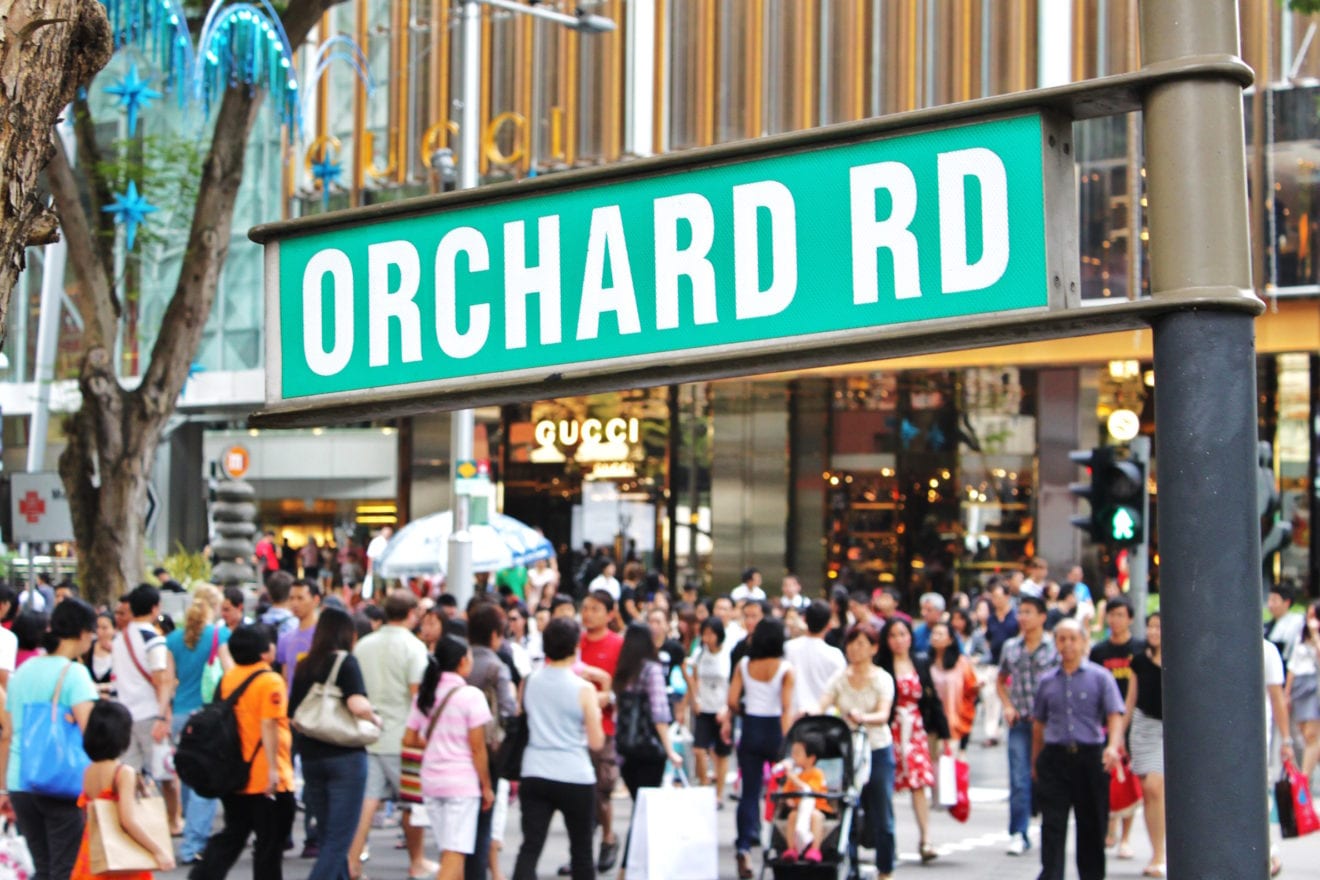
  • Orchard Road to gain design incubator

    Orchard Road to gain design incubator

    A “design incubator” to showcase home-grown brands and designers will open in the heart of Orchard Road by the end of next year.

    This was revealed by Trade and Industry Minister S Iswaran at the Singapore Retail Industry Conference on Friday.

    He said the design incubator, to be run by retailer Naiise, will house a retail showcase and incubation space under one roof. It is expected to feature more than 60 local brands covering fashion, lifestyle products and souvenirs, and is being supported by the Singapore Tourism Board, Spring Singapore and JTC. Helping local brands go global is one of the key strategies of the Retail Industry Transformation Map launched last year.

    Local brands and designers may soon also be able to use department stores as a launchpad to showcase their products, boost their profile and expand market access. Iswaran said Spring is working with department stores to explore the incubation of local and regional designers.

    Also, the Singapore Retail Association (SRA) is embarking on a project under Spring’s Local Enterprise and Association Development Plus (Lead+) program to transform and upgrade its capabilities, the minister said. It will undertake specific initiatives to drive the adoption of retail and backend technologies among retailers, including the use of the “endless aisle” which enables retailers to showcase all their products without having to stock them in their physical stores.

    SRA will develop a website mobile portal and enhance its GoSpree shopping app launched in June.

    Government agencies are also looking at ways to enliven Orchard Road as a shopping and lifestyle destination, said Iswaran. He said a steering committee overseeing this has been set up, co-chaired by three government ministers.
    Other initiatives on the table include enhanced programming along the pedestrian malls, pop-up and permanent activations at available spaces, and making the shopping belt more pedestrian friendly.

    Iswaran said the retail industry is an important part of the republic’s economy. The sector comprises 23,000 retail establishments that chalk up about S$35 billion (US$26 billion) in annual receipts and contributed 1.4 per cent to Singapore’s GDP last year.

    As another resource for retailers, the Retail Centre of Excellence will be launched at the Singapore Management University’s Lee Kong Chian School of Business next month. It will partner retailers in addressing the gaps and challenges of the fast-changing retail landscape, Iswaran said.

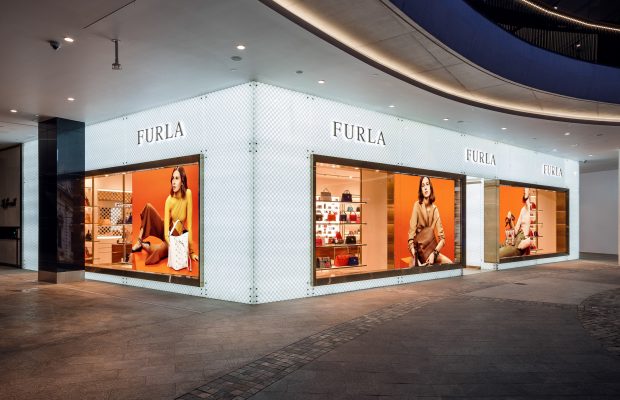
  • Furla sales soar 63 per cent in Asia-Pacific

    Furla sales soar 63 per cent in Asia-Pacific

    Italian fashion group Furla continues to thrive in Asia, the region now accounting for half its global sales.

    After recording its highest-yet turnover and profit in 2016, Furla sales rose a further 23.5 per cent in the half year to June 30, reaching euro 238 million.

    The Asia-Pacific region registered 63 per cent growth, with China, South Korea and Australia standout markets. Sales in Japan rose 16 per cent.

    With products available in over 100 countries, Furla Group has 444 mono-brand stores, about half of which are directly managed, and is present in over 1200 multi-brand and department stores.

    “The results of the first half of 2017 make us very proud and underline the way turnover has doubled over the last three years,” commented CEO Alberto Camerlengo.

    “This growth, in extremely complex scenarios, is important in all markets as is the improvement in the quality of our distribution network and of our relationship with our strategic partners,” he said.

    Our intent is to continue growing organically both in our diverse product categories and in our geographic footprint.”

    Japan is by far Furla’s largest country market, accounting for 24 per cent of its sales. The rest of the Asia-Pacific region accounted for a further 24 per cent in the half year. Europe, Middle East and Africa accounted for 45 per cent and the US for 7 per cent.

    Furla’s travel retail channel has also grown substantially: up 47 per cent, thanks to a presence in 52 countries, with a total of 292 sales points ranging from boutiques to corners, shop-in-shops, aircraft and cruise ships.

    Across all channels, organic growth was a major factor in the group’s success, but like-for-like sales in directly operated stores also registered double-digit growth.

    In the second half of this year, Furla plans to open new stores in Hong Kong, Beijing, Tokyo and Prague.

  • Tigers Linking Rail Freight Destinations

    Tigers Linking Rail Freight Destinations

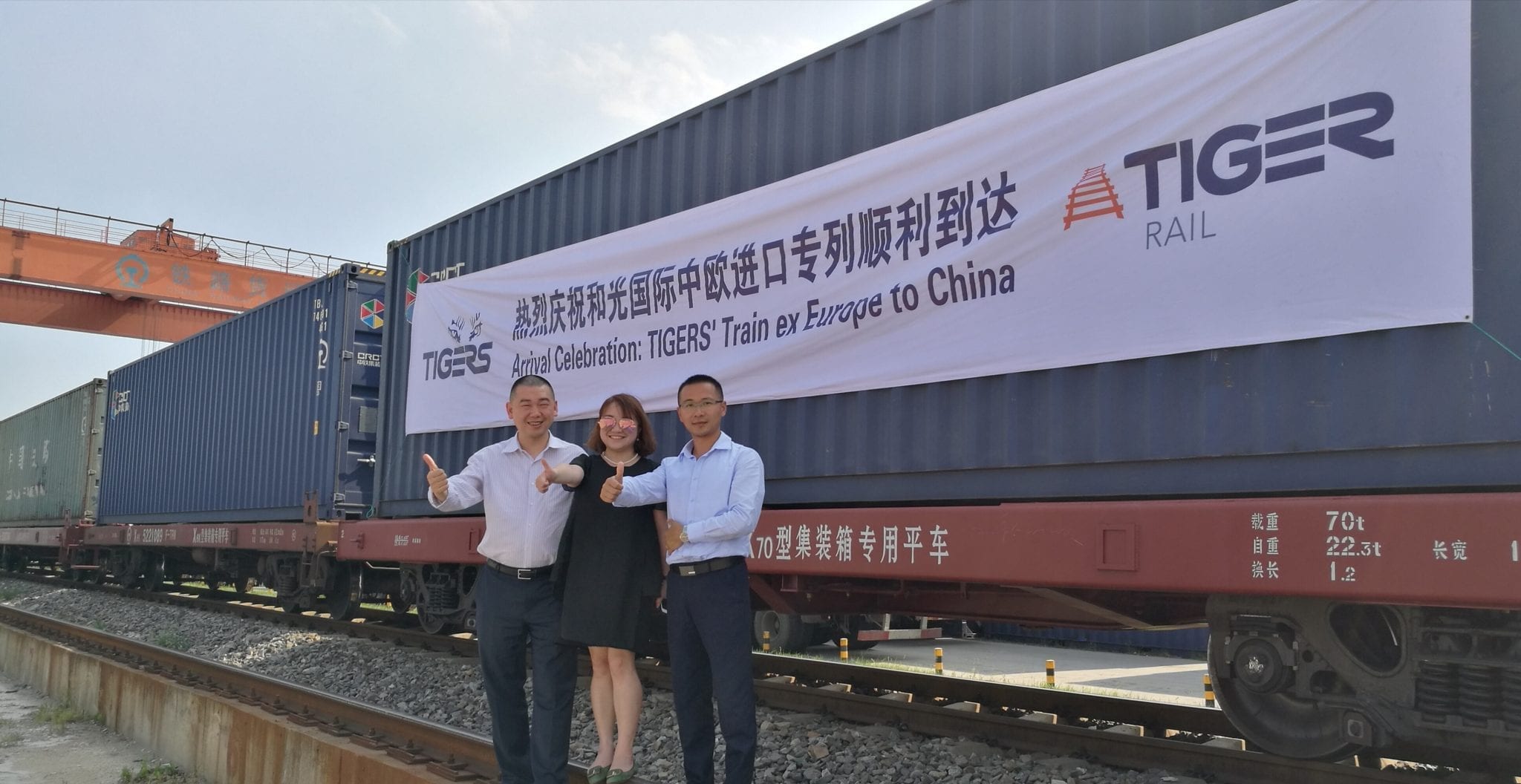
    Tigers has launched a new rail freight service, called Tiger Rail, offering customers a 16-day transit time both east and westbound, between Duisburg, Germany, and Hefei, Chongqing, and Chengdu, China.

    Tiger Rail customers can charter a train, or book Full Container Load (FCL) or Less than Container Load (LCL) shipments on weekly scheduled services to and from over 15 origin stations in China.

    The Hong Kong-headquartered supply chain specialist is also planning to offer

    e-commerce customers shipping parcels from Europe to China a cost-effective service along the new Silk Road.

    “We have seized the opportunity to provide integrated logistics for our customers, who increasingly require shorter transit times than ocean freight, and lower costs than airfreight, making Tiger Rail the perfect solution,” said Paul Huang, Managing Director, Tigers China.

    “Our customers benefit from lower shipping costs by empty container return in Switzerland for westbound services, and Shipper’s Own Container (SOC) for eastbound services, for both FCL and LCL.

    “Tigers has already supported customers to transport over 500 TEUs as FCL, and 1500 cubic meters (CBMs) as LCL along the new Silk Road.”

    Tiger Rail’s inaugural shipment took place over the summer, on behalf of one of one of the largest manufacturers of exhaust and suspension systems, which chartered a train to transport construction materials, auto parts, and electronics.

    “We are currently preparing test shipments for European Union (EU) Business to Consumer (B2C) parcels importing to China with Tiger Rail, and look forward to expanding our rail freight capabilities even further,” said Andrew Jillings, Chief Executive Officer and Group Managing Director, Tigers.

    Tiger Rail customers can track and trace their freight shipments using the Tiger Trax platform.

    The launch of Tiger Rail comes only weeks after Tigers achieved Authorised Economic Operator (AEO) certification in the UK, expanded its footprint with a new office in Leeds, and launched a post-Brexit solution to combat any disruption caused by Brexit.

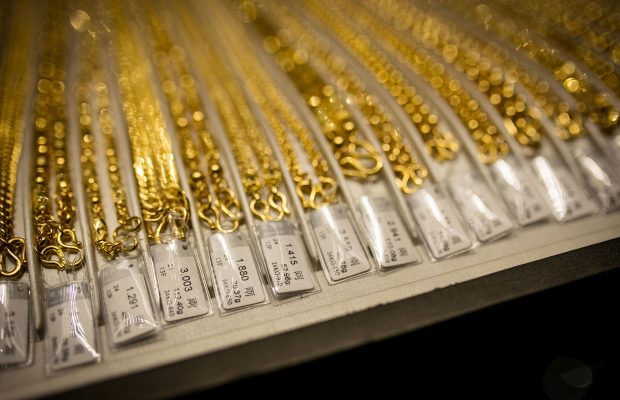
  • Domestic gold prices fall sharply

    Domestic gold prices fall sharply

    Gold prices slumped in the Vietnamese market on Tuesday morning. On the Hà Nội market, selling price of one tael, or 1.205 ounces, of State-owned SJC’s gold declined by VNĐ190,000 (US$8.3) to VNĐ36.75 million.

    On the buying side, the price of each tael also fell VNĐ160,000, trading at VNĐ36.53 million.

    In the southern cities of HCM and Cần Thơ and central Đà Nẵng City, one tael of SJC’s gold declined VNĐ250,000 during selling, trading at VNĐ36.73 million. Meanwhile, one tael was being bought at VNĐ36.53 million.

    Bảo Tín Minh Châu Gold Jewellery Company and Doji Gold and Jewellery Corporation (DOJI) listed their selling prices at VNĐ36.68 million and VNĐ36.70 million, respectively. Buying rates of their gold were listed at VNĐ36.62 million and VNĐ36.60 million, respectively.

    On the Asian market, gold is trading at some $1,325 per ounce, equivalent to VNĐ36.36 million per tael.

    On global gold trading website Kitco.com, the price of gold slipped 1.2 per cent per ounce to end at $1,330.24 per ounce, the largest drop since July 3. Last Friday, global gold price hit a yearly peak of $1,357.54 per ounce.

    Thus, the price of one tael of gold in Việt Nam is some VNĐ410,000 higher than that on the world market.

    Global gold prices declined due to an upward trend in the dollar rate following an uptick in risk appetite fuelled by relief that North Korea did not test-fire missiles or conduct nuclear tests over the weekend as some had feared, Reuters reported.

    Assets traded primarily in dollars, such as gold, are very sensitive to currency fluctuations. An increase in the dollar rate will lead to gold becoming more expensive compared with other currencies and the demand for gold also decreases, the website said.

    Meanwhile, the worst-case scenario due to Hurricane Irma’s impact, the most powerful hurricane ever recorded in the Atlantic, looked to have been avoided, easing concerns of investors about the negative impact of the storm on the US economy.