Tag: asia

  • India’s Barbeque Nation plans to launch IPO

    India’s Barbeque Nation plans to launch IPO

    Bengaluru-based restaurant chain Barbeque Nation Hospitality aims to raise about Rs700 crore (US$109 million) through an IPO.

    Draft documents filed with the Securities and Exchange Board of India say the offer comprises a fresh issue of up to Rs200 crore as well as an offer for sale of up to 6.2 million equity shares by company’s promoters.

    The company says it plans to use the funds raised to expand nationally, as well as repay loans.

    At the end of June, the company ran 81 Barbeque Nation restaurants in 42 cities in India plus one in Dubai.

    Domestic investor CX Partners is likely to sell the bulk of its holding in the company, according to the draft prospectus.

    According to Deal Street Asia, the casual-dining chain has acquired the master franchisee rights to India for US burger chain Johnny Rockets.

  • Uber defies Philippine suspension order

    Uber defies Philippine suspension order

    Uber initially obeyed the order and shut down its app on Tuesday morning but relaunched in the afternoon.  Ride-hailing giant Uber on Tuesday defied a Philippine government order to shut down, branding the suspension a “blatant violation” of its rights but risking its drivers being arrested.

    Philippine authorities announced on Monday that they would suspend Uber for one month for failing to have the proper permits to license its drivers.

    Uber initially obeyed the order and shut down its app on Tuesday morning, triggering anger from commuters who lashed out at the government for taking away what had become a trusted alternative to notoriously bad public transport.

    But on Tuesday afternoon Uber relaunched the app, telling commuters via Twitter that it had launched a legal appeal and would continue operations until the dispute was settled.

    In its motion for reconsideration to the transport authority, it said the suspension was a “blatant violation of USI’s (Uber’s) right to due process”.

    The government replied immediately, saying the suspension was still in force and threatening to arrest Uber drivers who violated it.

    “The order stands,” said Aileen Lizada, spokeswoman of the transport authority.

    “Uber is online again, let us apprehend,” she told reporters, narrating her order to traffic enforcers.

    Uber officially launched in Manila in 2014 and the service was later rolled out to a few provincial cities.

    The transport authority requires Uber to get permits for its drivers and vehicles, in the same way taxi companies must. However, Uber insists the drivers are independent contractors and thus do not have to get the permits.

    The dispute is Uber’s latest hurdle in Asia, where it also faced a two-month in hiatus in Taiwan this year. It has operated illegally in Thailand since 2014, though law enforcement has been patchy, with roughly 1.5 million people downloading the app.

    The firm is currently lobbying for a tweak to the decades-old motor law to allow ride-sharing apps in the kingdom.

    The Philippines suspension enraged many local commuters who find Uber and similar companies a better alternative to taxi drivers, who often demand higher fares than what is on their metres, decline to pick up customers and drive shoddy vehicles.

    “To the LTFRB, quit being scumbags and open your eyes to what people need,” Twitter user @sodachar said in reference to the transport authority.

    Politicians also weighed in.

    “The decision of the LTFRB to suspend Uber is both cruel and absurd,” said Senator Grace Poe, who heads the upper chamber’s transport committee.

    Uber has 66,000 drivers in the Philippines, company representatives told a Senate hearing this month.

    President Rodrigo Duterte’s spokesman on Tuesday defended the transport authority’s decision.

    “We affirm the positive and beneficial service offered by the transport network companies. However as per LTFRB, Uber Systems unduly challenged its rules and instructions,” Ernesto Abella said told reporters.

  • House of Fritz Hansen world first for Bangkok

    House of Fritz Hansen world first for Bangkok

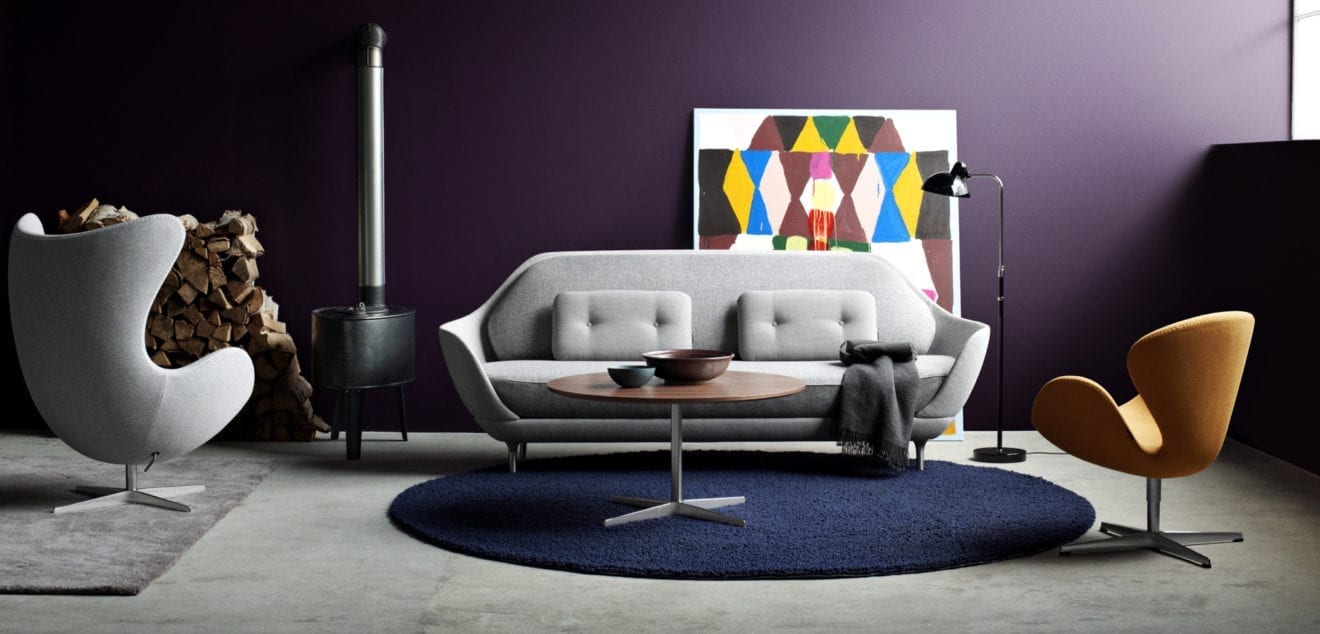
    Danish furniture design company Republic of Fritz Hansen has launched in Thailand with its world-first House of Fritz Hansen concept store in Bangkok.

    Inside a Thai modernist home-turned-showroom, the brand offers its iconic Egg, Swan and Series 7 chairs, as well as other contemporary classics. Fritz Hansen’s furniture is widely used in such places as museums, hotel lobbies, universities and public libraries – even the presidential office of the United Nations.

    Founded 145 years ago, the company is the oldest furniture manufacturer in the world. It collaborates with visionary designers such as Arne Jacobsen and Poul Kjaerholm, who in the 1950s produced the company’s most recognisable silhouettes.

    Fritz Hansen products are distributed in Thailand by Norse Republics.

  • Timepieces & Whiskies experience for Macau

    Timepieces & Whiskies experience for Macau

    Luxury travel retailer DFS Group has unveiled a lifestyle shopping experience for men, Timepieces & Whiskies, at T Galleria by DFS, Macau, City of Dreams.

    Next to the multi-brand men’s shoe hall on the men’s fashion floor, Timepieces & Whiskies was inspired by collectors who travel the world then display their finds at home. It is a curated collection of treasures and icon pieces from across the worlds of whiskies and watches.

    Inside a lofted library-style lounge, Timepieces & Whiskies allows guests to relax and sample a cult-favourite single malt at the bar or try on a classic watch by the fireplace.

    “With Timepieces & Whiskies, we bring the classic hospitality tradition into the retail shopping experience,” says DFS Group senior VP Brooke Supernaw.

    Stocked with 30 whiskey brands of different flavour profiles including Glenmorangie, Highland Park and The Macallan, the bar offers daily guided tastings. Much of the collection focuses on exclusive or limited-edition products such as Araid Rare Cask Reserve. Throughout the year there will be tasting events and seminars from whiskey brand ambassadors.

    For watch enthusiasts, the selection is curated to appeal to collectors. Pieces include classics from such brands as IWC Schaffhausen or Zenith, as well as niche brands like Nomos Glashutte and Romain Jerome, displayed amid watch books and lifestyle accessories, and even a foosball table.

    More than 200 guests attended the grand opening of the boutique, which featured guided tastings by brand ambassadors from Ardbeg, Glenmorangie and The Macallan at pop-up tasting stations across the floor. Highlights included Glenmorangie SIgnet and The Macallan Rare Cask Black.

    Concurrent with the opening was the release of the second chapter of the T Galleria by DFS Let’s Travel Together campaign, featuring global adventurers. This month’s episodes feature Malaysian singer/songwriter Yuna discovering Singapore, and Argentinian fashion editor Sofia Sanchez de Betak visiting Okinawa.

  • DB Schenker Partners Sichuan Jiuye Perishable Goods Supply Chain

    DB Schenker Partners Sichuan Jiuye Perishable Goods Supply Chain

    DB Schenker, one of the leading global logistics service providers, and Sichuan JiuYe Export, a China-based B2B food trading company, have signed a strategic partnership agreement at the A20 New Agriculture Fair in Hangzhou, China. The agreement between the two parties cements their future cooperation in logistic handling of perishable goods.

    Sichuan JiuYe provides cross border one-stop supply chain services to agriculture, food e-commerce and food companies in China and abroad. The company’s main export market is East Europe; major import markets comprise Australia, North America and Europe. By using DB Schenker as freight forwarding provider for its perishable goods, Sichuan JiuYe benefits from DB Schenker’s strong global network and extensive market experience. With an internationally leading and renowned logistics partner, JiuYe aims at growing its business scope by attracting more customers from existing and new markets.

    DB Schenker considers JiuYe as an important strategic partner to strengthen and develop its footprint in the perishable segment in China. While already having a well-established infrastructure for the logistic handling of perishables in JiuYe’s current import countries, DB Schenker sees the cooperation with the food trader as excellent opportunity to further build up its competencies in managing perishable shipments in and out of China.

    The partnership agreement between the two companies results from previous collaborations earlier this year. DB Schenker smoothly executed several air freight export shipments of fresh fruits from China to Russia, Singapore and Hong Kong. Based on the excellent and consistent service performance provided by DB Schenker JiuYe was convinced to have found the right logistics partner in DB Schenker.

    “We are honoured and thrilled by collaborating with Sichuan JiuYe. This is an important milestone for us and brings us closer to our goal to achieve a leading market position in the logistics of perishable goods in China”, says Thomas Sorensen, CEO North/Central China, Schenker China Ltd., at the New Agricultural Fair in Hangzhou.

  • Sephora Malaysia to open at Genting Highlands

    Sephora Malaysia to open at Genting Highlands

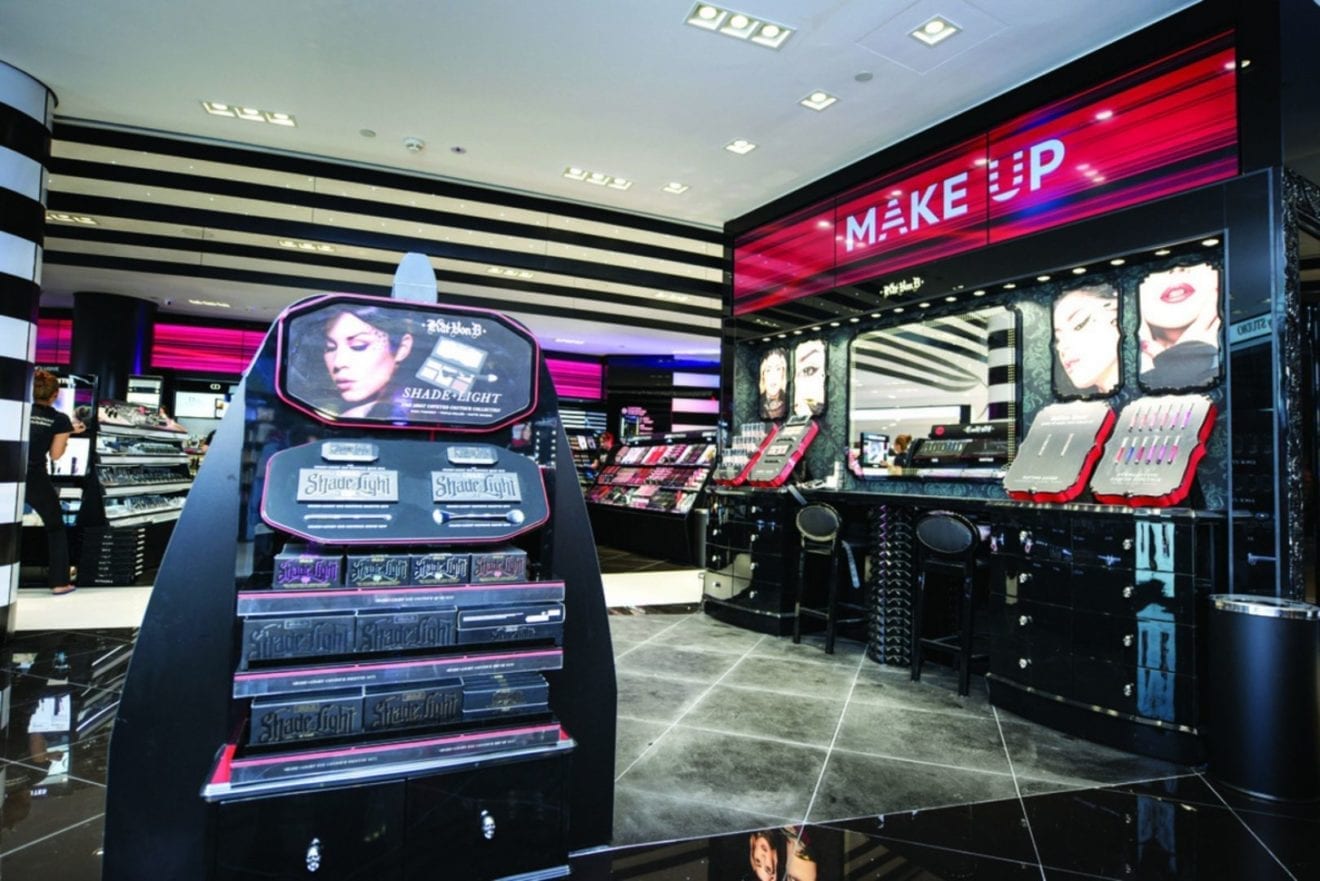
    Sephora Malaysia will open its 19th store at the Sky Avenue mall, in Genting Highlands on September 1.

    The beauty retailer will feature up to 100 international brands including Dr. Jart+, Fresh, Kat Von D, Marc Jacobs Beauty, Tarte.

    Product categories range from makeup, skincare, devices and haircare through to fragrances.

    Opening day promotions will be available for early bird customers, including gift vouchers from RM50 to RM100, Sephora mini backpacks and other giveaways. There will be live music in-store.

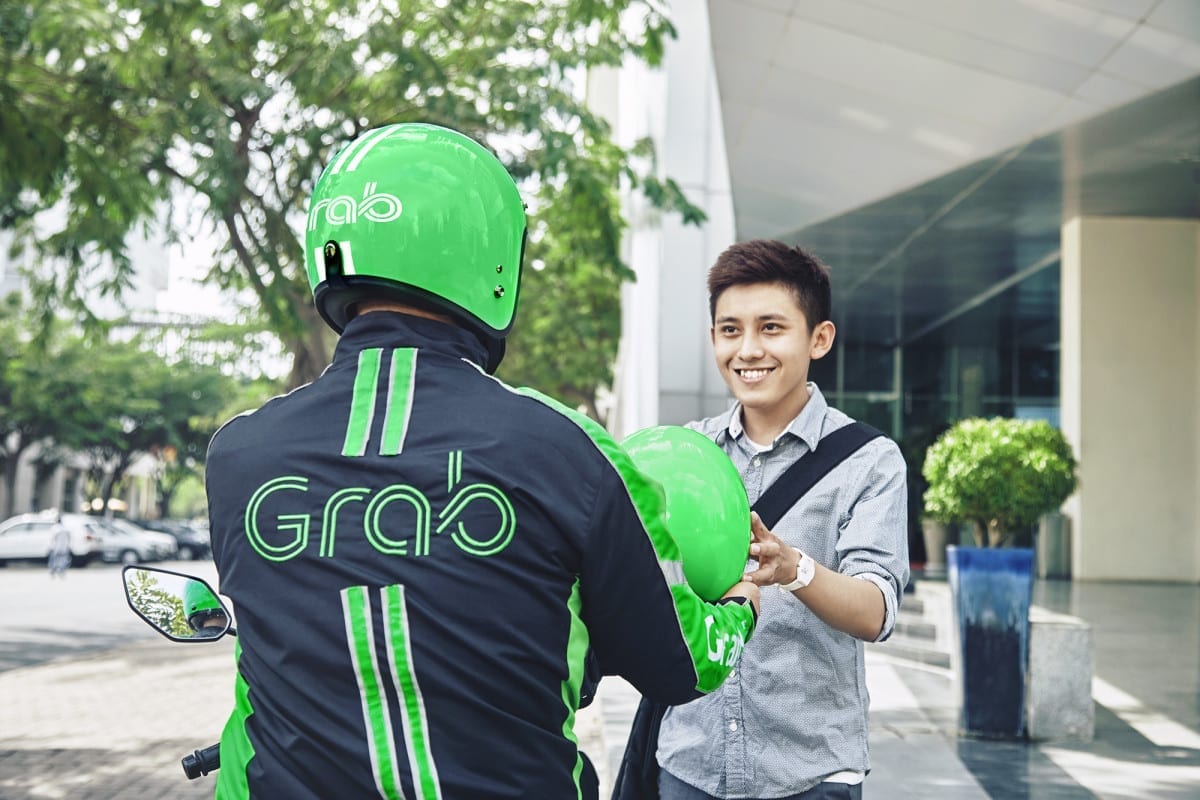
  • GrabBike drivers slam on the brakes in Hanoi to strike against pay cut

    GrabBike drivers slam on the brakes in Hanoi to strike against pay cut

    Some drivers are trying to stall the ride-hailing app by making false bookings. GrabBike drivers in Hanoi are encouraging each other to switch off the ride-hailing app in protest to a pay cut the company announced last weekend.

    Some are even hijacking the service by making false bookings to make life difficult for both passengers and other drivers who have not joined the picket line.

    Grab Vietnam has said starting September 5 it will deduct up to 20 percent of the fares that drivers receive from passengers instead of the current 15 percent.

    “The new payment poses a serious problem for us because the current fares that Grab charges are already very low, and more and more people are applying to work as GrabBike drivers,” said a driver named Binh in Cau Giay District.

    “The cost for fuel and phone cards is on us; the company does not cover those expenses,” he added, saying he and other disgruntled drivers have stopped working in the hope that the company would change its policy.

    A driver named Nam who has not switched off his engine said the situation is affecting customers because they can’t find a driver as easily and quickly as before.

    “I received three false bookings yesterday and I think they all came from GrabBike drivers,” he said.

    These bookings get canceled shortly before the drivers arrive, leaving real customers waiting and the drivers without a job.

    “The 20 percent deduction is fine with me. I think I just need to work harder. This job is still better than others because I can control my own schedule,” he said.

    Nam added that GrabBike fares have increased slightly recently.

    On their online forum, some drivers are telling others to switch from Grab to U.S.-based Uber, currently the firm’s only rival in Vietnam.

    Malaysia’s Grab Vietnam said the company has not decided what to do about the strike or the false bookings, and has just asked drivers to play by the company’s rules.

    “Grab started applying the 20 percent fee for new GrabBike drivers in Ho Chi Minh City in early May, and we will do the same for all GrabBike drivers in HCMC and Hanoi from September 5,” said Nguyen Thi Thu An, media director of Grab Vietnam.

    GrabBike drivers told us on Tuesday that they used to earn from VND150,000 ($6.6) to VND350,000 each day, but with more drivers joining the company, they only make around VND100,000 now.

    Several drivers told us a similar story in June, saying they are earning less and less now that they are having to compete with fellow drivers in the same network.

  • Vietnam chews over special consumption tax on sugary drinks

    Vietnam chews over special consumption tax on sugary drinks

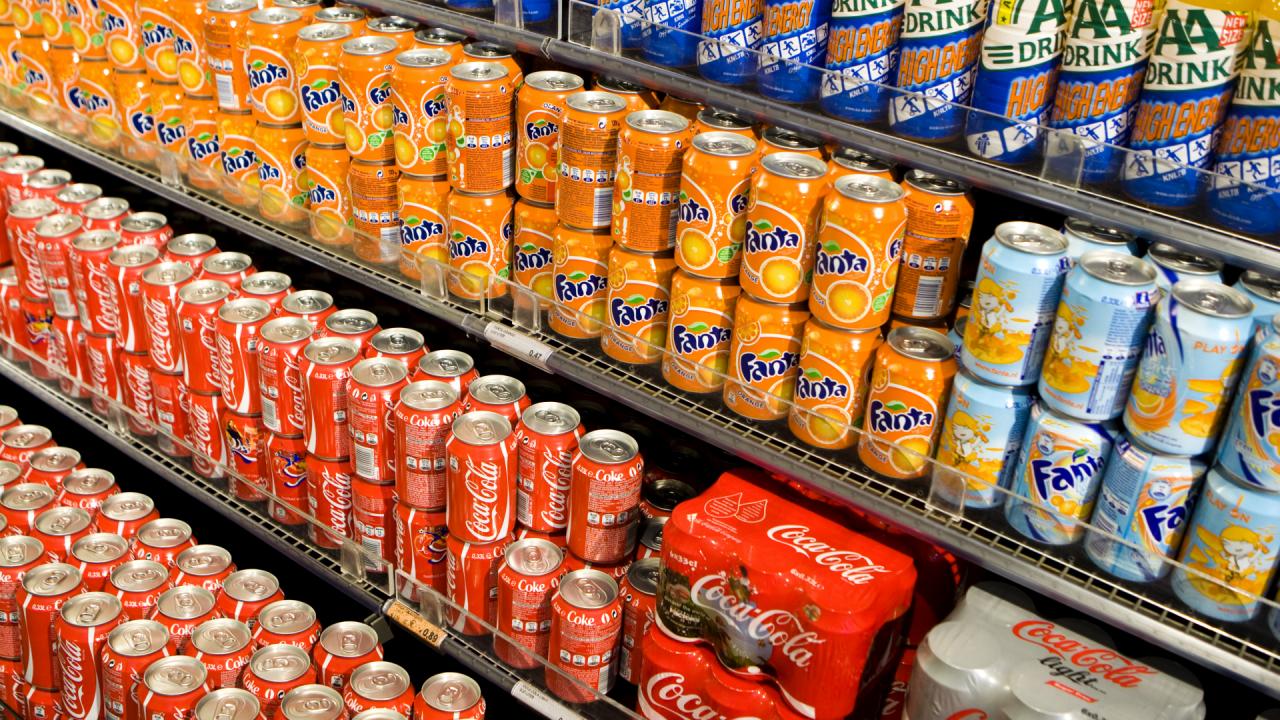
    The tax could help combat the country’s rapidly increasing obesity rate. The Ministry of Finance on Tuesday proposed levying a special consumption tax on a range of sweetened beverages. If approved, the proposal would see the tax imposed on carbonated and non-carbonated soft drinks, energy drinks, sports drinks and bottled instant coffee and tea.

    The ministry has suggested either a 10 percent or a 20 percent rate for the new sugary drink tax to be applied from 2019, with 10 percent being the preferred option.

    “The tax will help regulate the consumption of sweetened beverages, and it’s also an international norm,” the proposal said.

    A can of carbonated soft drink, for example, currently costs around VND10,000 ($0.44).

    At Tuesday’s press conference, the ministry cited a report by the World Health Organization (WHO) that shows excessive consumption of sugary drinks can lead to obesity. Obesity, in turn, has been linked to many health risks such as cardiovascular disease, hypertension and strokes.

    Meanwhile, a study unveiled in June found that about 25 percent of Vietnamese adults are overweight or obese. The obesity rate for children under 5 years old is also rising fast.

    Many Southeast Asian countries have already imposed sugary drinks taxes, according to the ministry. The current rate is 20-25 percent in Thailand, 5-10 percent in Laos and 10 percent in Cambodia.

    Myanmar, the Philippines and Indonesia are also considering imposing the tax.

    In Vietnam, special consumption taxes are levied on items and services considered unhealthy or luxurious such as tobacco, alcoholic drinks and cars.

  • Miniso South Africa launches in Pretoria

    Miniso South Africa launches in Pretoria

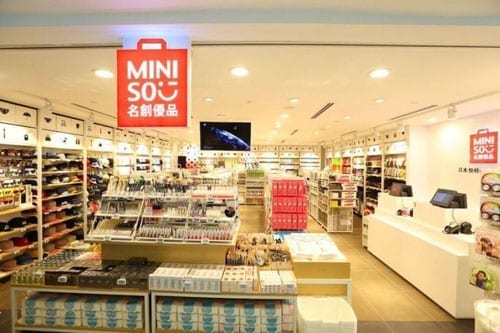
    Miniso South Africa has officially launched with a store at Pretoria’s Menlyn Park Shopping Centre, with another 50 outlets in the pipeline.

    The Chinese discount merchandise chain is also opening at Maponya Mall in Soweto, to be followed by stores in Gauteng, Forest Hill in Kyalami and Norwood Mall in Johannesburg, reports Marklives.com.

    Cape Town and Durban stores will be launched next month.

    With more than 2000 stores in 62 countries, the Chinese discount merchandise chain had global sales of US$1.5 billion last year.

  • CP Lotus revenue drops

    CP Lotus revenue drops

    Revenue fell by 6.3 per cent for lifestyle retailer CP Lotus Corporation for its first half, dipping by RMB337.1 million (US$50.5 million) to RMB4.9 billion.

    It says the decrease was mainly the result of a 9.1 per cent decline in same-store sales, cushioned by the revenue generated from two new stores opened in the second half of last year plus two new stores and one Lotus Center opened during the review period.

    All merchandise categories had lower sales for the six months to June 30. Sales from apparel, electronics, hardline and personal care fell by about RMB189.7 million or 9.8 per cent, while fresh-food sales eased by 2.2 per cent.
    Gross profit margin was 17.5 per cent of sales (2016: 16.8 per cent), a reduction of RMB23.2 million or 2.6 per cent.

    The two stores opened during the six months were in Nanhai, Guangdong province, and Xian, Shaanxi province, where the Lotus Center mall was launched. The group owns and runs 63 retail stores, including 62 hypermarkets and one supermarket. It also runs two shopping malls.

    During the first half the group continued its efforts to enhance the merchandise mix and offerings. It continued to expand direct sourcing and more direct purchase of vegetables and fruit. CP Lotus says direct sourcing not only lowers prices but also allows for better control of product quality.

    “As consumers’ disposable income and their demand for high-quality imported food continued to rise, the group continued to bring in a wider range of imported products such as wine, beverages, snacks, health supplements, kitchenware and other groceries.”

    Also, the group’s house brand team continued to work with the merchandise and marketing team to develop competitively priced house-brand products.

  • MBK launches “Bangkok Buddy” service

    MBK launches “Bangkok Buddy” service

    Thai shopping mall MBK Center has launched a “Bangkok Buddy” service aimed at providing a memorable customer experience for local and international shoppers.

    Available from 2pm every day, the two-hour experience starts with an exclusive hip hop and contemporary dance production combining electronic music with Thai instruments. The Bangkok Buddy team then walks around the mall to offer customers and tourists any shopping or travelling help they may need.

    Founded in 1985 as Mah-Boon-Krong, MBK Shopping Center is at Pathumwan intersection in the heart of the city. The eight-storey mall offers 140,000 sqm with more than 2500 shops and stalls plus 150 eateries. It has an average of 115,000 customers a day, including 35,000 tourists.

    MBK is close to Siam Centre, Siam Discovery, Siam Paragon and Siam Square with their shopping and dining experiences.

  • China’s Geely beats expectations as Volvo pays off

    China’s Geely beats expectations as Volvo pays off

    China’s Geely Automobile Holdings Ltd said on Wednesday that first-half profit more than doubled, scoring its fastest earnings growth in eight years as cars designed with its Swedish unit Volvo won over domestic consumers.

    Although known at one point more for its copycat designs and lower quality vehicles, the Hangzhou-based firm has transformed itself into an automaker with up-market aspirations.

    Vehicles engineered with Volvo know-how, such as the GC9 sedan and the Boyue sport-utility vehicle, have been hot-sellers in China, the world’s biggest auto market.

    “So far in 2017, the group’s performance has exceeded management’s original expectations despite a generally weaker market in China during the same period,” the company said in a statement to the Hong Kong bourse.

    Net profit came in at 4.34 billion yuan ($648.96 million), 128 percent higher than the 1.91 billion yuan it made in the same period a year earlier and eclipsing an estimate of 3.61 billion yuan from CCB International.

    It said it had decided not to pay an interim dividend.

    Sales jumped 89 percent in January-July and last month Geely raised its 2017 sales target by 10 percent to 1.1 million vehicles. It sold 766,000 vehicles last year.

    Geely’s parent Zhejiang Geely Holding Group owns the maker of London’s black cabs and this year acquired a 49.9 percent stake in Malaysian automaker Proton.

    The carmaker said that the business environment in its previous key export markets in Eastern Europe and the Middle East remained weak and that it would continue to operate its exports business at the current restricted scale for the rest of 2017.

    In its next phase of expansion, Geely plans to market a third brand, Lynk & Co – in developed markets next year, beginning with Europe and the United States.

    Geely also plans to use more Volvo-developed technologies including small turbo-charged gasoline engines in Geely-brand cars.

  • Kerry Logistics manages Maxim’s new central distribution centre

    Kerry Logistics manages Maxim’s new central distribution centre

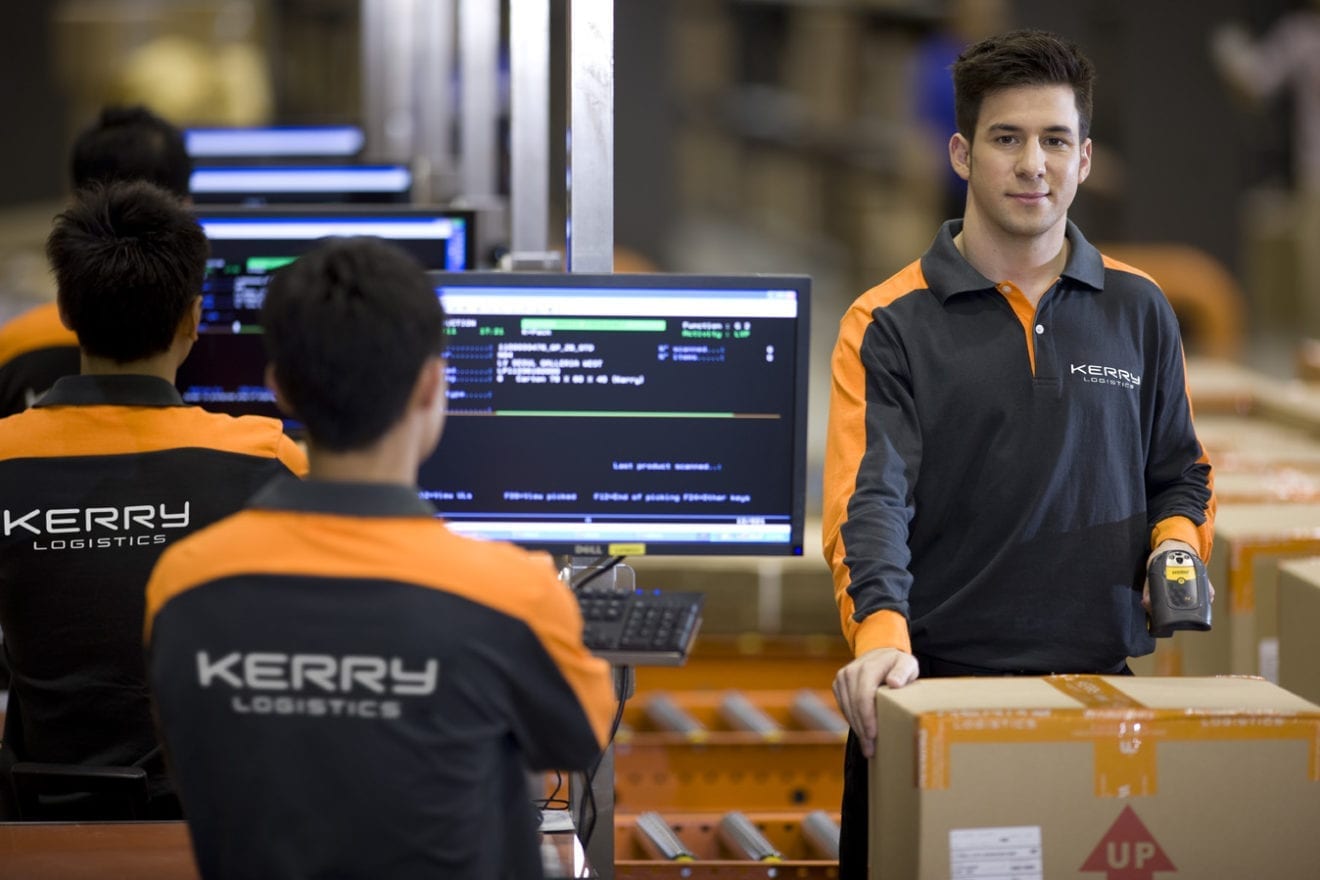
    Kerry Logistics has secured a long-term contract with Maxim’s Caterers, one of Hong Kong’s leading food and beverage companies.

    Kerry Logistics will provide integrated logistics services to Maxim’s Group including cold chain solutions, supporting the caterer’s more than 780 outlets in Hong Kong and key accounts, 365 days per year. This strategic cooperation signals the collaboration of two industry leaders in Hong Kong, and exists to serve the Hong Kong community with speedy and hygienic food supply.

    The new strategic cooperation will see Kerry Logistics managing Maxim’s new central distribution centre (‘DC’) with multi-temperature storage, accommodating Maxim’s extensive product range. Kerry Logistics will also provide a wide range of value-added services and daily replenishment to Maxim’s restaurant chains and key accounts.

    William Ma, group managing director of Kerry Logistics, said, “This is an exciting partnership for us. As Hong Kong’s largest F&B caterer, Maxim’s has highly demanding logistics needs and some of the most complex distribution channels in the industry. Kerry Logistics is committed to servicing Maxim’s with dedicated resources, both software and hardware, as well as the Hong Kong community at large. The project will add another mega-scale domestic DC operation to our logistics business portfolio. We are looking forward to developing a long and successful partnership with Maxim’s through delivering quality performance and reliable services.”

    Michael Wu, chairman and managing director of Maxim’s Caterers Ltd., said, “Over the years the Kerry Logistics team has demonstrated its commitment and capabilities to deliver agile services to support our seasonal and project needs. The ten months in the preparation for our new DC have made us realise that our two companies share a similar culture of quality, dedication and innovation. We are delighted to work in close partnership with Kerry Logistics for enhanced efficiencies and expanded scale.”

    Supported by Kerry Logistics’ industry expertise and extensive distribution network, Maxim’s diverse range of catering services will continue to fulfil Hong Kong people’s needs.

  • Philippine 7-Eleven stores to expand food, services offer

    Philippine 7-Eleven stores to expand food, services offer

    Philippine 7-Eleven stores will be adding new concepts and initiatives over coming months to help differentiate from rival c-store chains.

    Parent Philippine Seven Corporation, revealing its trading figures for the first six months which included a decline in net profit from P472.3 million to P446.4 million year-on-year, said higher sales in the second half reduced the rate of decline from 13.3 per cent in the first quarter to 5.5 per cent in the second quarter. Same-store sales rose by 1.2 per cent in the second quarter, compared with a 2.5 per cent decline in the first.

    Total retail sales rose 16.9 per cent due to network growth to P18.1 billion. The company added 347 stores during the six months, taking the total to 2087.

    While revealing few details of the planned new initiatives, Philippine Seven said it would be launching new food and beverage options to stand out from other fast-food options consumers had.

    The company also plans to expand its merchandise assortment and add new services reflecting growing customer demand for  innovation and convenience in many categories.

    Meanwhile, the company continues to pursue opportunities to expand  its network.

    “The company… continues to invest in opening new stores in existing and new markets even if competition had slowed down,” it said in its results statement.

  • Muji Japan adds groceries, mini-house to flagship

    Muji Japan adds groceries, mini-house to flagship

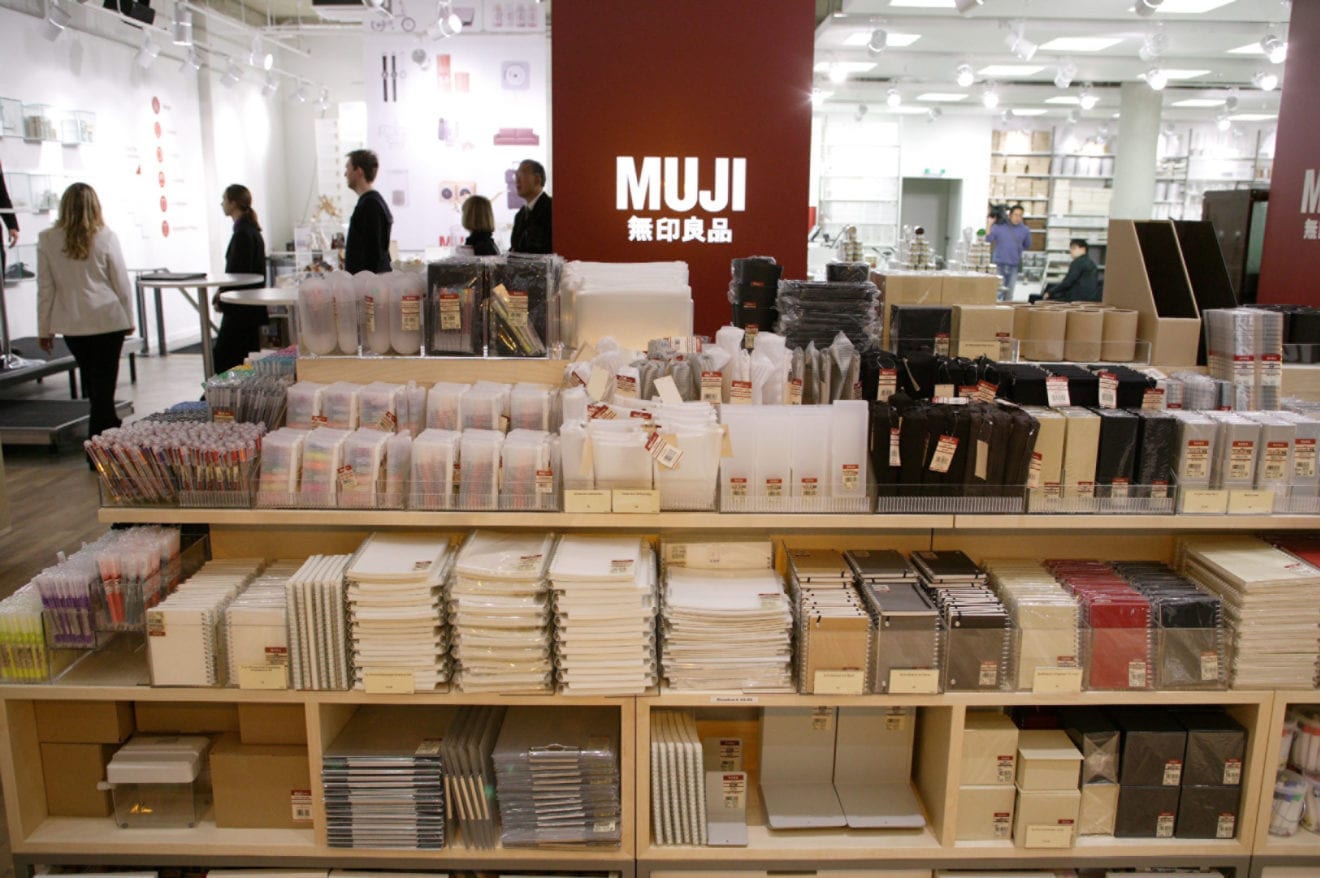
    In a redesign, housewares company Muji Japan has added groceries and even a miniature house to its global flagship store in Tokyo.

    It draws its inspiration from the core necessities of survival: food, shelter, clothing and food, reports Curbed.com.

    “Among the basic lifestyle needs, food is the most fundamental and indispensable aspect,” says the store’s opening announcement.

    This is why the flagship is the first Muji store in the world with a fruit and vegetable market. All the produce, grown with little or no fertiliser or pesticides, is sourced directly from growers who add notes to customers near their items. There are also 300 grocery items such as spices and snacks.

    A second-floor cafe serves bread and soup made from the produce available downstairs.

    On display is a simple Muji Hut – a tiny black timber house with interior designers on hand to answer questions. Its one room is fitted out as a music room and retreat.