Tag: asia

  • Poets’ words grace Uniqlo t-shirt collection

    Poets’ words grace Uniqlo t-shirt collection

    Poets Sarah Kay and Phil Kaye’s works are to appear on a special Uniqlo t-shirt collection.

    The Japanese fast-fashion brand has released a range called “Poetry Beyond the Page”, which highlights the works of the two poets, including lines from their most-liked poems, including Kaye’s “Beginning, Middle & End,” and Kay’s “Useless Bay” along with their collaborative work “When Love Arrives.”

    “One of my favorite things in the world is to keep track of the way poetry and poets find their way to surprising places,” wrote Kay on her Facebook page.

    “I’m excited to see the surprising places these poems wind up!” she said.

    The collection has been released in Uniqlo stores in Japan, New York, Chicago and across Europe. Kay says they’ll soon be in-store in the Philippines as well.

  • Amazon reportedly coming to Singapore

    Amazon reportedly coming to Singapore

    Amazon is said to be coming to Singapore and as soon as this week, according to a report by TechCrunch, marking the US e-commerce giant’s entry into Southeast Asia.

    A close familiar with the matter told the tech publication that Amazon plans to launch Amazon Prime, Amazon Prime Now fast delivery and Amazon’s regular e-commerce services, in a bid to tap Singapore’s population of over five million people.

    Exact product offerings and pricing remains unknown at this time.

    The Singapore rumour mill started brewing in 2016 when Amazon hinted at the idea of entering Southeast Asia last November, but it was reportedly delayed following complications.

    Via social media, a quick glimpse at Instagram this week shows Amazon has already begun slyly marketing its services through online influencers who have posted sponsored content in a bid to tease Amazon’s Prime Now to their followers, using with the hashtag #dontsaybojio.

    Among the influencers are Jaime Teo, theramengirl, Charmaine Seah-Ong and online portal superadrianme.com. While Amazon isn’t mentioned in the posts, the iconic ‘tick’ logo is seen on the packaging of goods shown.

    Amazon’s move mimics Chinese e-commerce giant Alibaba, who has been rapidly expanding in Southeast Asia over the past year.

    Milestones include the major investments in Malaysia such as the Digital Free Trade Zone, its first e-hub outside of China along with the availability of the Alipay digital wallet and Alibaba Cloud service.

    The Singapore news comes as Amazon readies for an imminent Australia debut, signalling the retailer’s plans for a piece of the burgeoning e-commerce markets in Asia-Pacific.

  • McDonald’s China sales boom ahead of spin-off

    McDonald’s China sales boom ahead of spin-off

    McDonald’s China sales posted solid quarterly growth ahead of the division’s spin-off. Global same-store sales rose 6.6 per cent in the three months to June 30. In what the company terms its ‘High Growth segment’, second quarter comparable sales increased 7 per cent, led by a strong performance in China. The segment’s operating income rose 28 per cent, with about half of that resulting from lower depreciation expense due to the accounting treatment related to the pending sale of the China and Hong Kong businesses.

    McDonald’s CEO Steve Easterbrook was positive about the company’s performance.

    “We’re building a better McDonald’s and more customers are noticing. Our relentless commitment to running great restaurants and keeping the customer at the center of everything we do is generating broad-based strength and momentum across our entire business.  For the quarter, we delivered our strongest global comparable sales and guest count results in more than five years.  We’re now introducing our Velocity Growth Plan accelerators in more restaurants around the world, bringing meaningful benefits to more customers through digital, delivery and our Experience of the Future.”

    Second quarter highlights

    While sales were up, consolidated operating revenues slipped 3 per cent, or 2 per cent in constant currencies, due to the impact of the company’s strategic refranchising initiative.

    Systemwide sales increased 8 per cent in constant currencies, due to strong comparable sales performance and restaurant expansion.

    Consolidated operating income increased 24 per cent (26 per cent in constant currencies), which included a benefit from the prior year’s strategic charges of approximately $230 million.

    US operating income for the quarter increased 5 per cent, reflecting higher sales-driven franchised margin dollars and higher gains on sales of restaurants, among other factors.

    “Whilst we’re encouraged by our results from the first half of 2017, we’re not complacent.  Today, we’re acting like a leadership brand, taking on new challenges and opportunities and moving with a greater sense of purpose and urgency,” said Easterbrook.

    “We’re building on our momentum, leveraging our size and scale and executing with greater precision against our priorities to retain, regain and convert customers by giving them even more reasons to visit and enjoy McDonald’s.”

  • Walmart and JD.com plan shopping festival in August

    Walmart and JD.com plan shopping festival in August

    Walmart and JD.com are set to launch a new online shopping festival for August 8, in an onmi-channel alliance that will see the two retail juggernauts link their supply chains and other operations.

    As the fight for the online Chinese consumer intensifies, the festival will help the US retailer “reach the 99 per cent of the country’s population that JD.com’s delivery network covers, bringing high-quality Wal-Mart products to more Chinese customers nationwide,” said an announcement.

    Helping the sale garner promotional traction, coupons have already been made available across 400 Walmart stores in China, allowing shoppers huge discounts during the upcoming online sale.

    “Our ability to tap into JD.com’s advantages across logistics, big data, technology and customer service gives Wal-Mart a huge advantage in reaching China’s rapidly expanding consumer class,” Ben Hassing, senior vice president of Wal-Mart China e-commerce and technology, told WWD.

    “We look forward to further bringing together our strengths in digital and physical retail to take the customer experience in China to the next level.”

    The date, August 8, was chosen for its symbolic numerical links, the double 8. The number eight is considered a lucky number in the country.

    The two companies also confirmed plans to integrate supply chains, “to significantly improve delivery efficiency for customers, optimize delivery routes for JD.com and increase Wal-Mart’s inventory turnover rate.”

    The change allows customers to place orders online with JD.com, where then the system will find out if a JD.com warehouse or Walmart store is closer to the delivery address. From here, the order will dispatch a JD.com courier accordingly.

    The trial project will launch initially in Beijing, Shanghai, Guangzhou, Shenzhen, Chengdu and Wuhan.

  • The art of temperature-controlled logistics

    The art of temperature-controlled logistics

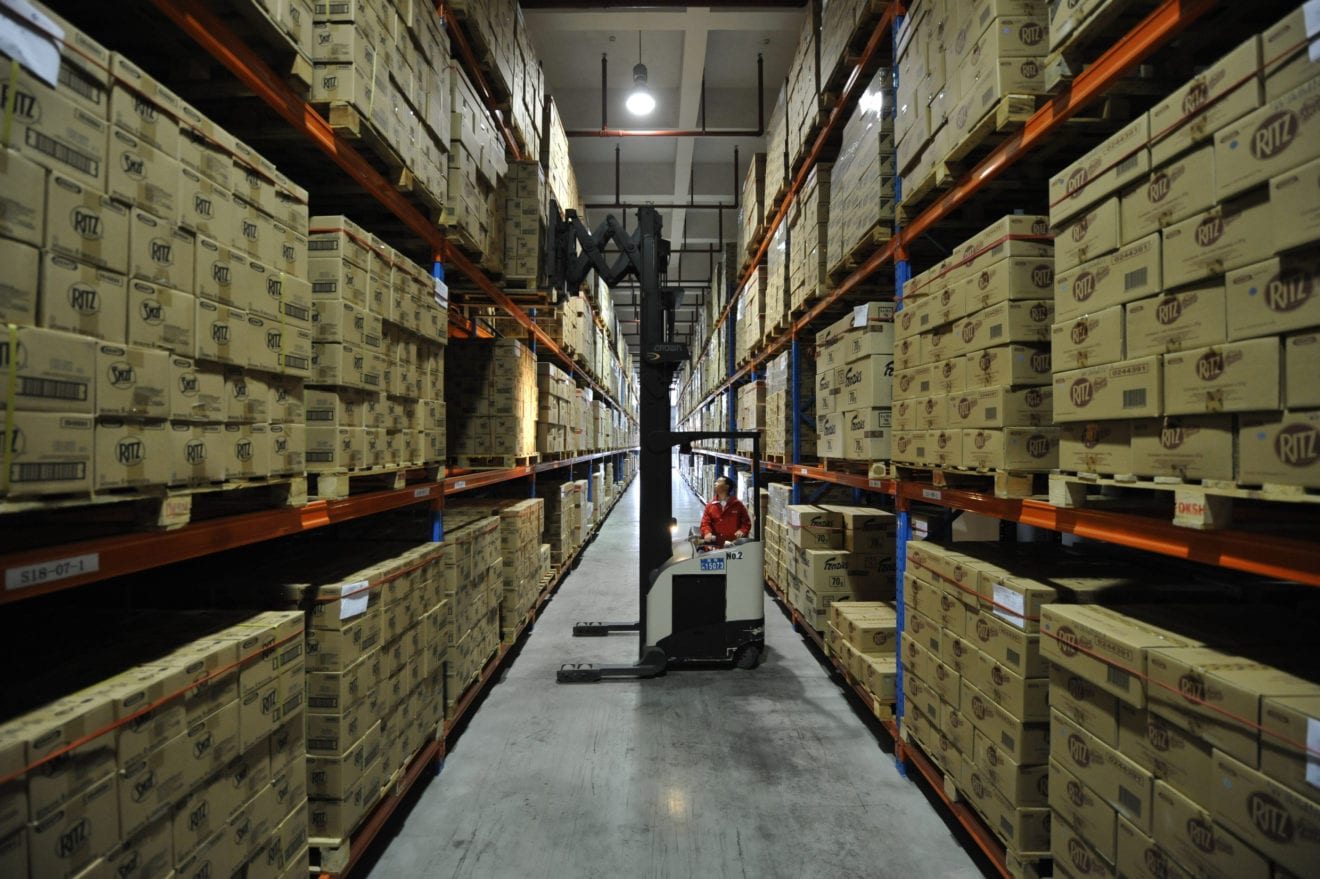
    The average life sciences and healthcare supply chain involves some 25 different parties – companies separately responsible for preparing, moving, holding, or checking the integrity of a shipment. Now imagine that the transiting pharmaceutical products or medical devices must be maintained within a temperature range of 2 to 8°C (36 to 46°F). Understandably, this requires robust systems and meticulous choreography.

    Demand is increasing for the unbroken cold chain – an uninterrupted set of processes from manufacturing and storage to distribution and delivery undertaken in refrigerated conditions. We find that our customers are paying greater attention to the specifics of how their products are being shipped and want to provide more direct input. We therefore work closely with them to identify where we can establish more control mechanisms, enabling customers to track their shipments at all touch points, particularly through global air cargo facilities.

    Today, technology enables us to gather data on any parameter of the supply chain – for example, not just temperature but also humidity, energy consumption, and even whether a door has been opened or closed. By transmitting this data via mobile devices, key processes can be monitored in real time from anywhere in the world. And throughout time, this is generating additional data – current and historical – as shipments move through the supply chain.

    Ensuring cold chain integrity requires using rich analytics algorithms to turn raw data into actionable recommendations and warnings. These can improve storage and handover processes, guide business decisions, and prevent cold chain failures before they occur.

    With temperature-controlled logistics, we use data to mitigate and predict risk. For example, we would start by looking at the validation performance of our packaging. Then, at the next level of our analysis, we would examine our process control around this packaging. We would be asking questions such as “How well can we control the process?” and “What’s the impact if we experience a deviation?”. It is essential that we take a scientific approach to the evaluation of risk through data – this is how we anticipate which process elements could go wrong and which ways any packaging might fail.

    Cold chain logistics is constantly evolving – active and passive packaging solutions, new services provided by the airlines, and more. One of our customer surveys showed that 40% of our life sciences and healthcare customers consider maintaining temperature control to be a major issue. That is why many of our discussions with customers concern harnessing the power of big data and analytics. These highly targeted activities reduce risk and enable better decision making, ensuring we succeed in delivering temperature-controlled healthcare to the world.

  • Hong Kong International Airport retail spaces available

    Hong Kong International Airport retail spaces available

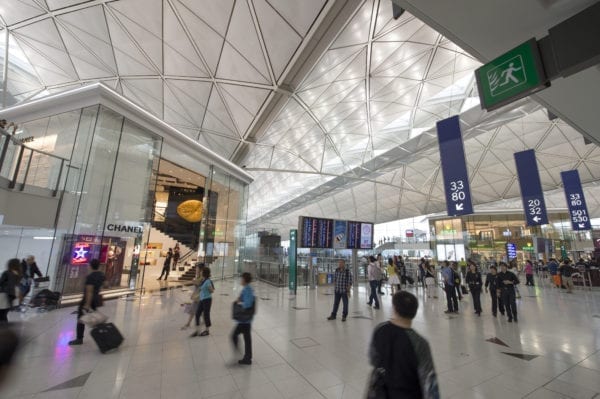
    Three Hong Kong International Airport retail spaces are available for tender for a smart-living and audio/visual/electronic products concession.

    All spaces are in Terminal 1 restricted areas – 102 sqm on Level 7 of Departures East Hall, South; 164 sqm on Level 7 of Departures East Hall, North; and 40 sqm on Level 6 of Departures South Concourse.

    With air, sea and land links, Hong Kong International Airport is open round the clock, serving more than 100 airlines and 70.5 million passengers annually.

    Tender requests must be accompanied with a non-refundable cashier’s order of HK$500 (US$64). Tender submissions must be in by August 31.

  • 3 reasons why telco giant Viettel’s global expansion is booming

    3 reasons why telco giant Viettel’s global expansion is booming

    Strong international markets, favorable exchange rates and new services have led to record revenues. Vietnam’s military-run telecoms group Viettel said its pre-tax profit from the nine overseas market it currently has a foothold in rose 156 percent on-year to $41 million in the first half of 2017.

    The huge jump is due to encouraging business climates, new services and strategic projects and favorable exchange rates, according to Viettel Global.

    Overseas performances

    Other than established overseas markets such as Laos, Cambodia and East Timor, which all turned a healthy profit, new markets in Peru, Burundi and Haiti were the top contributors to the company’s success.

    During the first six months, total sales in Peru and Burundi increased by 82 percent and 38 percent respectively, exceeding the 29 percent on-year growth recorded in East Timor. Viettel Haiti also bounced back from the strong typhoon in 2016 with 15 percent sales growth in H1.

    Peru and East Timor were the two most promising markets for Viettel during H1. Pre-tax profit in Peru reached VND405 billion ($18 million), up 132 percent on-year.

    Meanwhile, the number of subscribers to Telemor, Viettel’s carrier in East Timor, jumped 42 percent more than targeted with total sales reached $15 million.

    Favorable exchange rates

    Unlike 2016, favorable exchange rates have contributed to a good start to this year.

    Stronger currencies in Mozambique and Cameroon, together with strict financial controls imposed by their governments, have helped Viettel bag huge profits from these countries.

    Profits from Peru and Haiti also are expected to gain 3-6 percent thanks to similar conditions.

    If the rates continue to be favorable this year, Viettel can earn huge profits from oversea markets, especially in Mozambique and Cameroon, where the figure is expected to reach $60-70 million, said Le Dang Dung, General Director of Viettel Global (VTG).

    New services and strategic projects

    Viettel has developed specific strategies and targets for each of its overseas markets, based on their demographics, economies and political situations, according to Dung. These plans focus on specific goals, but they all aimed at the main target of bagging $250 million in profit from Viettel’s nine international markets in 2017.

    Viettel has expanded its services to please customers of all ages. In Cambodia, the telecoms group, after long periods of being known as “the network of the elderly”, has taken steps to attract younger customers who are willing to spend more.

    By changing the color of the logo, hosting more events, and improving customer care strategies, Metfone, Viettel’s Cambodia company, has successfully attracted seven million subscribers during H1.

    Viettel’s Laos unit Unitel has quickly reached 4 million subscribers, and is the top provider there, while in East Timor, the group is using new frequencies to generate millions of dollars in profit and promote its new 4G data service.

    Peru is another market benefiting from the new 4G data service. Bitel, Viettel’s brand in Peru, has become the largest 4G network in the country with 5,000 residential centers through 3,000 stations. In the first six months of the year, the number of Bitel subscribers rose five times to over 2 million.

    According to Viettel Global, in order to maintain its leading position in most international markets while creating momentum for the future, the telco is now focusing on new business models such as IT solutions, electronic wallets, population management systems and tax solutions.

    During the first half, Viettel signed eight big contracts worth more than $17 million. The firm’s actual revenue reached nearly $12 million, four times higher than the total profit recorded for the whole of 2016.

    Viettel has set a target of reaching 50 million international subscribers in 2017, up 35 percent from last year. The military-run telecoms also plans to make $1.4 billion in total revenue from international investments this year, a 29 percent increase.  

  • Muji opens its 423rd store in Singapore

    Muji opens its 423rd store in Singapore

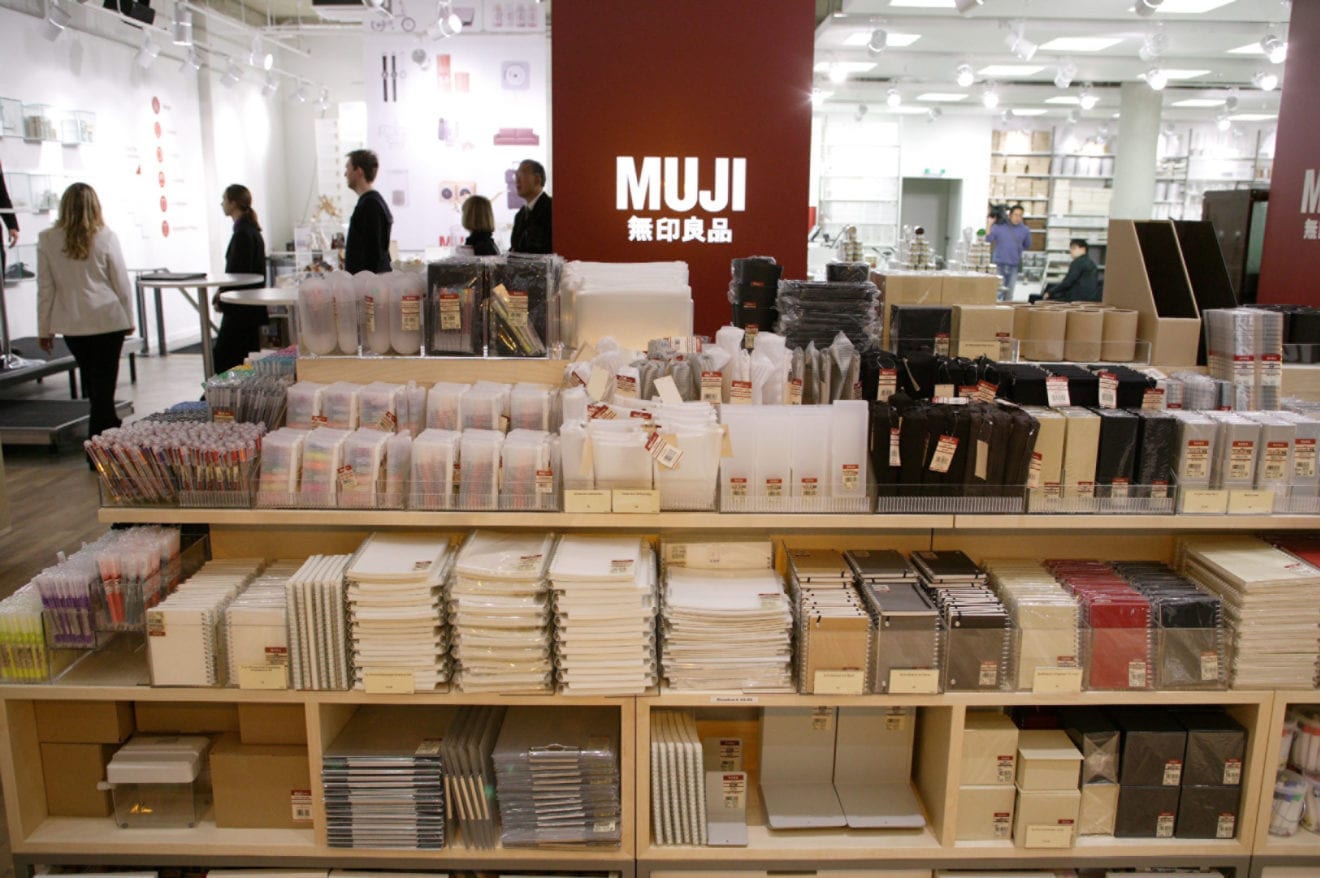
    Muji has just opened its 423rd store outside of Japan, officially beating the number of stores it has in its domestic market.
    The milestone was reached as it cut the ribbon on its Southeast Asia regional flagship, in Singapore’s Plaza Singapura mall on key shopping street Orchard Road.

    The new store, its largest in Southeast Asia, carries a wider product offer than any of the other 10 Muji stores in Singapore, including the Labo clothing line, the Found Muji label (which features home items from around the world) and Idée.

    It also has the firm’s third the third Café&Meal dining café and covers 1,640 sq m.

    Parent company Ryohin Keikaku’s President Satoru Matsuzaki told the Nikkei Asian Review that the company aims to accelerate its expansion in South and Southeast Asia after some time spent focusing on the east of the continent (China, Hong Kong, Taiwan and South Korea).

    That acceleration will see it entering Vietnam next year as well as expanding in the Philippines after its debut there earlier this year in a joint venture deal.

    The company will also focus on driving overseas revenue higher because, while store numbers abroad now exceed those in Japan, at ¥32.4 billion, revenue from those foreign stores is roughly half of that in its domestic market.

    Much of that figure came from China where it has 200 stores.

    Singapore is key to this strategy as it’s a regional hub and Matsuzaki said it will also help the company get experience it can apply in India and the Middle East.

    The company’s customers outside of Japan tend to be much younger than the Japanese shoppers it sees in its stores.

    But while these shoppers often have lower income levels than those older consumers in Japan, they also represent a chance to win customers at a young age and build brand loyalty that could last for years, analysts said.

  • Peugeot sets new profitability record on pricing gains

    Peugeot sets new profitability record on pricing gains

    PSA Group increased sales and profit in the first half, the maker of Peugeots and Citroens said, beating analyst expectations with a new profitability record at its core manufacturing division.

    Net income rose 3.6 percent to 1.26 billion euros ($1.46 billion) on a 5 percent increase in revenue to 29.17 billion, the French carmaker said on Wednesday, as stronger pricing more than made up for weaker sales volumes in Europe and China.

    The core automotive operating margin jumped from 6.8 percent to 7.3 percent, setting a “new historic high” for the carmaker, Chief Financial Officer Jean-Baptiste de Chatillon said on a conference call with reporters.

    The Paris-based carmaker rebounded from near-bankruptcy and a government-backed bailout in 2014 to a 6 percent automotive operating margin last year on the strength of cost-cutting, a pared-down lineup and determined efforts to lift prices.

    Weaker first-half vehicle sales in Europe and a sharper slowdown in China had sparked concerns about the pace of PSA’s recovery just as it prepares to acquire Opel from General Motors , in a deal closing later this year.

    But the first-half numbers squarely beat analyst expectations of 28.92 billion euros in sales, 1.3 billion in automotive profit and a 1.06 billion-euro net profit, based on the median of nine estimates polled for Reuters.

    PSA also raised its full-year European auto-market growth forecast to 3 percent from one percent and its Latin American and Russian growth forecasts to 5 percent from 2 percent and flat, respectively.

  • AirAsia X Malaysia passengers up to 1.39 million

    AirAsia X Malaysia passengers up to 1.39 million

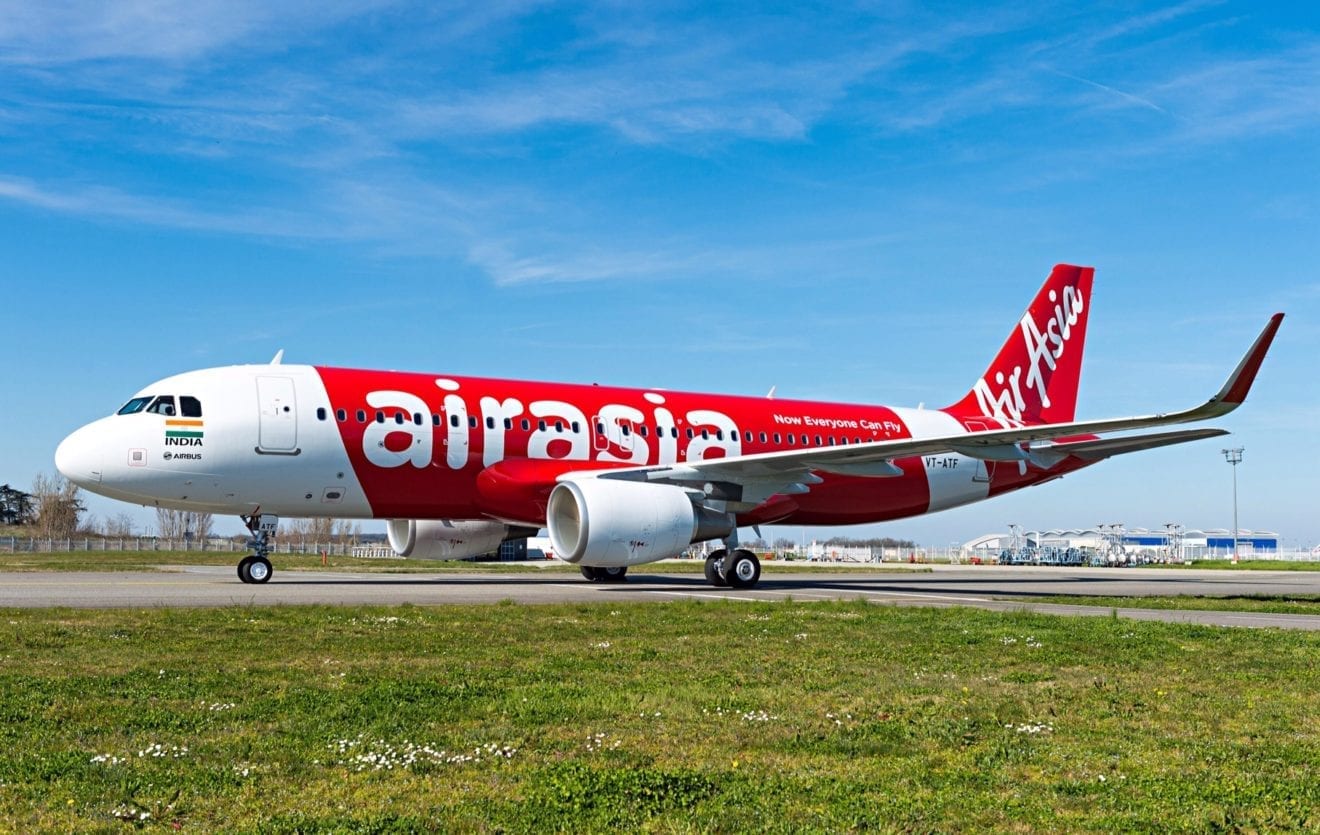
    AirAsia X  carried slightly more than a third more passengers in the second quarter (Q2) ended June 30 compared with a year earlier, with the total distance travelled by these passengers expanding by about the same percentage.

    Announcing its preliminary operating statistics yesterday, the long-haul budget carrier said operating performance in the period trended slightly above expectations despite Q2 historically being the leanest quarter.

    The number of passengers who flew with AAX Malaysia grew 34.4% to 1.39 million compared to a year earlier, while revenue passenger kilometres grew 35.0% to 6.79 billion.

    “The company continues to stimulate demand to fill up additional capacity injected in Q2 by achieving a marked improvement in passenger load factor of 80%, up five percentage points (ppts) year-on-year (y-o-y), in line with the 26% y-o-y growth in available seat kilometres to 8.45 billion in the quarter,” AAX said.

    During the quarter under review, AAX Malaysia added frequency to two routes: Kuala Lumpur–Shanghai and Osaka.

    AAX Malaysia also added Honolulu to its network during the quarter under review, the airline’s maiden service to the United States.

    No new aircraft was added in the period, so the fleet size stood at 22 A330s.

    On the associates, it said AAX Thailand recorded a strong passenger load factor of 92%, an increase of three ppts from 89% a year ago.

    AAX Thailand carried 387,959 passengers in Q2, 26% higher than the same period last year. There is no new route or frequency for AAX Thailand’s network in the quarter.

  • Japan’s department stores see June uplift

    Japan’s department stores see June uplift

    Japan department stores saw higher sales in June, which was welcome news after they had fallen in the previous month, the sector’s industry body has said.

    Japanese department stores saw a welcome sales rise last month.

    Sales rose 1.4% year-on-year on a comparable basis at the 229 stores operated by the 80 companies that are part of The Japan Department Stores Association.

    Those 80 firms accounted for turnover of ¥472 billion last month.

    Department stores have faced major challenges in recent years but June’s figures offered some cause for hope, especially as sales had fallen 0.4% in May after rising 0.7% in April. April’s increase  had been the first for 14 months.

    The June rise also helped the three-month average to a 0.7% increase, the first growth in 18 straight quarters.

    The Japan Department Stores Association cited a number of reasons for the increase, from the start of the summer clearance sales (which had been switched from July to June) to high-spending foreign tourists and a return of confidence among more affluent local shoppers.

    In fact, sales to foreign visitors rose a massive 41.4% to ¥18.4 billion.

    It was the second consecutive month that such sales rose more than 40%.

    The Association said cosmetics was one of the key categories to benefit and Chinese tourists were out in force.

    However, there was bad news for the fashion sector as clothing sales fell year-on-year, despite the added impetus of lower prices.

    That said, the clothing that did do well was warm weather fashion as high temperatures and a relatively dry rainy season boosted demand and expensive items such as watches and jewellery were popular too.

  • Changi Airport to open Terminal 4, AirAsia to shift there

    Changi Airport is on track to open its new Terminal 4 (T4) later this year with nine airlines, including AirAsia Group, moving their operations there. Besides AirAsia Group, Cathay Pacific, Cebu Pacific, Korean Air, Spring Airlines and Vietnam Airlines will also move to T4.

    Together, they serve an estimated eight million passengers at Changi Airport each year and collectively operate close to 800 flights a week to over 20 regional destinations.

    Changi Airport Group (CAG) on Tuesday organised a special media preview of T4 with the session conducted by its director (corporate  and  marketing communications) Dennis Yim.

    Yim said CAG would decide on the starting date for T4 operations when operational readiness trials – currently in the final stage – had been completed.

    “These trials will involve commercial flights operated by airlines moving to the terminal,” he said.

    He said with T4, the total handling capacity of Changi Airport would be raised to 82 million passengers per annum.

    “There will thus be more capacity at Changi’s terminals to support the growth plans of all airlines,” he said.

    T4 project, which was completed after three years of construction, has a total floor area of 225,000 sq  metres, including the two-storey terminal, car parks and taxi deck.

    According to Yim, although just half the size of Terminal 3 (T3), the planners and designers of T4 have managed to deliver a terminal that will have a capacity of 16 million passenger movements a year, two-thirds that of T3.

    Yim noted that T4 would be the first terminal at Changi Airport to offer end-to-end Fast and Seamless Travel (FAST) for departing passengers.

    “With the extensive use of technology, including facial recognition software, FAST redefines the passenger’s travel experience, enhances operational efficiency and raises productivity.

    “Passengers will enjoy the flexibility of checking in at their own convenience, without having to wait for counters to open,” he said. FAST will also yield productivity gains with manpower savings of about 20% expected in the longer term, when operations have stabilised, said Yim.

    T4 houses two lounges — Cathay Pacific’s First and Business Class Lounge and SATS PPG Blossom Lounge. Changi Airport is the world’s sixth busiest airport for international traffic, serving 58.7 million passengers from around the globe in 2016.

    Including the soon-to-be-opened T4, Changi Airport will have 400 retail and service stores, as well as 140 food and beverages (F and B) outlets. Yim said T4 alone would be home to over 80 retail and F & B outlets.

    With over 100 airlines providing connectivity to 380 cities worldwide, Changi Airport handles about 7,000 flights every week, or about one every 90 seconds.

  • Huawei maintains China smartphone lead

    Huawei maintains China smartphone lead

    Huawei maintained its lead in China’s smartphone market for the second straight quarter during Q2, while Xiaomi supplanted Apple to take fourth place, according to Canalys.

    Huawei shipped over 23 million handsets during the quarter, the research firm said. China’s smartphone market is now firmly dominated by local vendors, with Oppo taking second place after increasing its shipments by 37% year-on-year to 21 million, and Vivo taking third place with 16 million.

    Likewise, Xiaomi reported a strong 60% quarter-on-quarter growth in handset shipments to 15 million, taking over from Apple in fourth place. Xiaomi is achieving this momentum by focusing on low-cost handsets, according to Canalys research analyst Lucio Chen.

    “Xiaomi still offers the best value in the Chinese market, and it remains the preferred choice for price-conscious consumers. The online channel continues to be a key route to market for Xiaomi and this quarter saw it take the lead in the 618 online sales events across online retail platforms, such as JD.com and Tmall,” he said.

    The rest of China’s top ten smartphone vendors, including Apple, Samsung and Meizu all suffered annual shipment declines during the quarter.

    With the top five brands accounting for almost three quarters of shipments for the quarter, the smartphone market is showing signs of continuing to consolidate, Canalys said.

    Total shipments also fell 3% during the quarter to 113 million, putting an end to six consecutive quarters of growth.

  • Airtel Q1 profit shrinks 75% on strict competition

    Airtel Q1 profit shrinks 75% on strict competition

    India’s Bharti Airtel has reported a steep 75% decline in first quarter profit as a result of the intense competition triggered by the entry into the market of Reliance Jio Infocomm.

    Net profit fell to 3.67 billion rupees ($56.9 million), marking the Indian incumbents third straight quarter of declining income.

    Revenue meanwhile fell 2.6% to 255.46 billion rupees, with India revenue down 10% to 172.44 billion rupees, driven by a 14.1% decline in mobile revenues to 129.15 billion rupees.

    By contrast, African revenues grew 1.5% year-on-year in constant currency terms. But African mobile revenues fell to 48.53 billion from 62.49 billion a year earlier.

    The steep decline was felt despite the operator increasing its total customer base by 6.2% to 379.9 million across 17 countries. In India, the operator also reported a record 5.2 million customer increase in data subscriber base during the quarter.

    “The pricing disruption in the Indian telecom market caused by the entry of a new operator [Jio] continued with industry revenues declining over 15% YoY, creating further stress on

    sector profitability, cash flows and leverage,” Airtel CEO for India and South Asia Gopal Vittal commented.

    “Consequently, our [Indian] revenues declined 10% and EBITDA margin eroded by 5.3% YoY. We remain committed to providing the best value & experience to our customers and continue to invest towards it. As a result, our network witnessed data and voice traffic growth of 200% and 34% YoY respectively.”

  • AEON Offers Premium Privileges with “AEON SHOP PLUS 2017” Campaign

    AEON Offers Premium Privileges with “AEON SHOP PLUS 2017” Campaign

    Mr. Kiyoyasu Asanuma (middle), Managing Director of AEON Thana Sinsap (Thailand) Public Company Limited, has launched The campaign “AEON SHOP PLUS 2017” offers AEON Gold & Classic Credit Card holders with every 30,000 baht of  purchases will receive an ESPRIT Fleece Comfy blanket and Cosy towel worth 2,980 baht. Registration for the campaign by sending an SMS with “SP” followed by 16-digits of AEON credit card numbers without spaces and then send to 4589123 or free register online via www.aeon.co.th from today until August 31st, 2017.