Tag: asia

  • Australian brewer eyes Sabeco and Habeco shares

    Australian brewer eyes Sabeco and Habeco shares

    With the aim of expanding operations in Vietnam, Carlton & United Breweries (CUB) has become a new competitor in the race to seize the stakes in Hanoi Beer, Alcohol and Beverages Corporation (Habeco) and Saigon Beer, Alcohol and Beverages Corporation (Sabeco).

    The companies intentions were stated by CUB general director Jan Craps at the meeting of Deputy Prime Minister Vuong Dinh Hue and the delegation of Australian enterprises on July 24, according to newswire Vnexpress.

    According to Jan Craps, CUB plans to expand its operations in the southern province of Binh Duong and is looking to become the strategic investor of both Habeco and Sabeco.

    According to information released by the Ministry of Industry and Trade (MoIT) at its monthly press conference organised on July 14, the sale of state stakes will be carried out this year.

    Bui Truong Thang, deputy director general of MoIT’s Light Industry Department, said Habeco will submit its divestment plan to the ministry this week and Sabeco’s divestment plan will also be submitted before the end of the month.

    At present, Habeco signed with Bao Viet Securities Company (BVSC) and Vietnam Valuation and Finance Consultancy (VVFC), appointing them as the consultancy firms for the state divestment.

    Regarding Sabeco, according to unofficial information, a venture of BVSC, VVFC, and Earnst & Young Vietnam Limited was selected as the consultancy group for the state divestment.

    The state divestment from Sabeco and Habeco has also attracted numerous foreign investors. Notably, in November 2016, Thai Beverage Public Company Limited (Thai Beverage), Japanese Asahi Group Holdings Ltd. and Kirin Holdings Co. released their plans to bid for Sabeco’s shares.

    Several other foreign brewers have been eyeing Sabeco since it was earmarked for equitisation, such as San Miguel, Heineken, and SABMiller. The move is part of these companies’ overseas expansion plans to counterbalance shrinking domestic markets.

    Danish brewer Carlsberg, owning a 17.5 per cent stake in Habeco, also intends to increase its holdings.

    The reason for foreign investors’ interest in Habeco and Sabeco is that Vietnam ranked among the Top-10 beer consumption markets in the world at the end of 2016, with total consumption projected to grow by 10 per cent year-on-year, to reach four billion litres in 2017.

    Established in 1907, CUB is currently the largest beer brewer in Australia, holding 47 per cent of the beer market. Some of Australia’s most famous brands, including Victoria Bitter, Carlton Draught, Crown Lager, Melbourne Bitter, Pure Blonde and Cascade come from the company’s breweries. In 2011, the company joined the SABMiller group, the second largest brewer in the world.

  • Toyota set to sell long-range, fast-charging electric cars in 2022

    Toyota set to sell long-range, fast-charging electric cars in 2022

    Toyota Motor is working on an electric car powered by a new type of battery that significantly increases driving range and reduces charging time, aiming to begin sales in 2022, the Chunichi Shimbun daily reported on Tuesday.

    Toyota’s new electric car, to be built on an all-new platform, will use all-solid-state batteries, allowing it to be recharged in just a few minutes, the newspaper said, without citing sources.

    By contrast, current electric vehicles (EVs), which use lithium-ion batteries, need 20-30 minutes to recharge even with fast chargers and typically have a range of just 300-400 kilometers (185-250 miles).

    Toyota has decided to sell the new model in Japan as early as 2022, the paper said.

    Toyota spokeswoman Kayo Doi said the company would not comment on specific product plans but added that it aimed to commercialize all-solid-state batteries by the early 2020s.

    Japan’s biggest automaker is looking to close the gap with EV leaders such as Nissan Motor Co and Tesla Inc as battery-powered cars gain traction around the globe as a viable emission-free alternative to conventional cars.

    Whether Toyota will be able to leapfrog its rivals remains to be seen, however, as mass production requires a far more stringent level of quality control and reliability.

    “There’s a pretty long distance between the lab bench and manufacturing,” said CLSA auto analyst Christopher Richter. “2022 is ages away, and a lot can change in the meantime.” How quickly the new EVs will catch on would also depend largely on battery costs.

    Having long touted hydrogen fuel-cell vehicles and plug-in hybrids as the most sensible technology to make cars greener, Toyota last year said it wanted to add long-range EVs to its line-up, and set up a new in-house unit, headed by President Akio Toyoda, to develop and market EVs.

    Toyota is reportedly planning to begin mass-producing EVs in China, the world’s biggest auto market, as early as in 2019, although that model would be based on the existing C-HR sport utility vehicle and use lithium-ion batteries.

    Other automakers such as BMW are also working on developing all-solid-state batteries, eyeing mass production in the next 10 years.

    Solid-state batteries use solid electrolytes rather than liquid ones, making them safer than lithium-ion batteries currently on the market.

  • China Unicom’s mixed ownership pilot approved

    China Unicom’s mixed ownership pilot approved

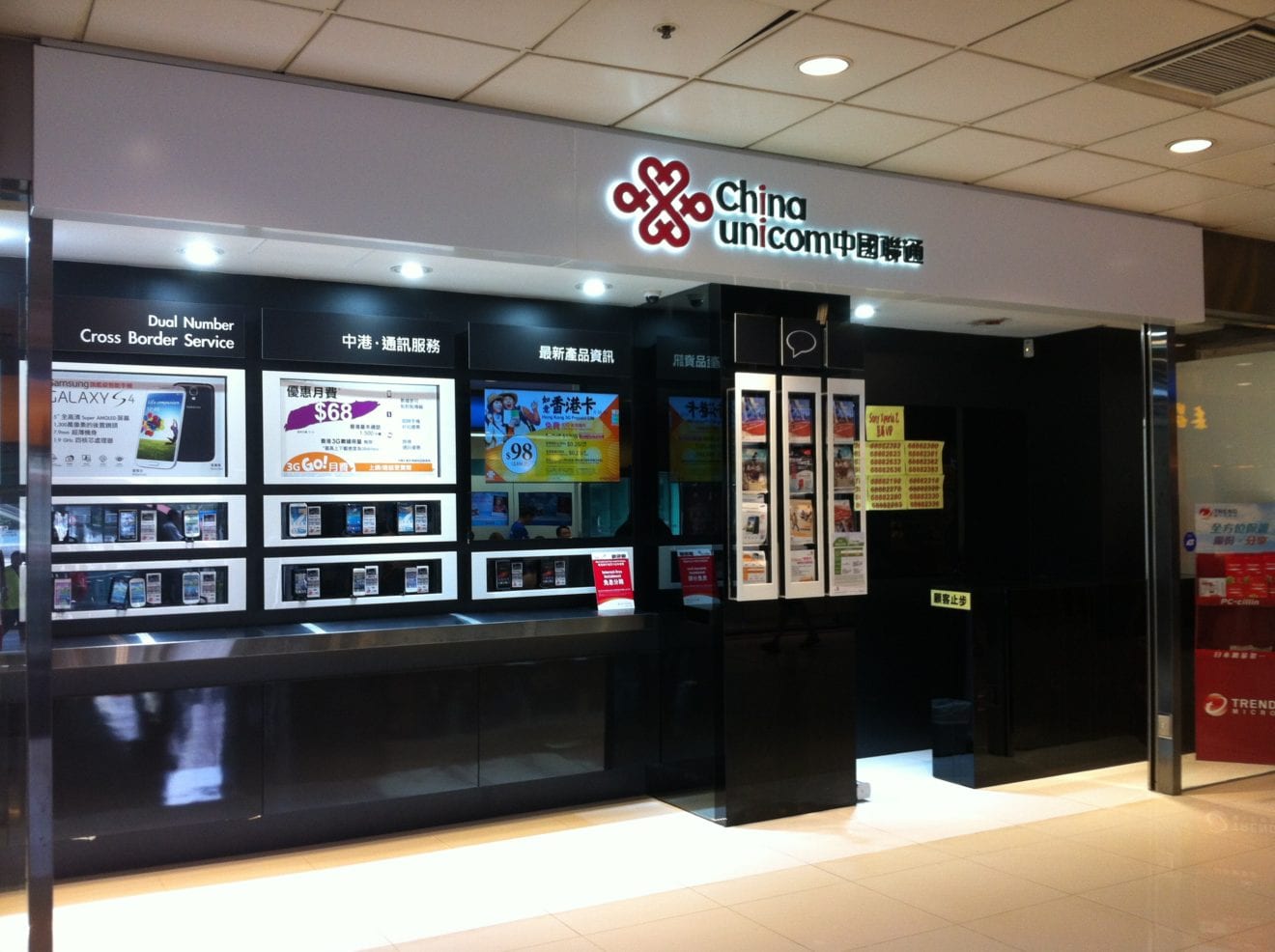
    China’s National Development and Reform Commission (NDRC) has given approval for a pilot program involving opening investment in China Unicom to the private sector, to evaluate transitioning to a mixed ownership model for the market’s state-owned operators.

    In an announcement, Unicom confirmed that the NDRC has given in-principle approval for the pilot program.

    But the details of the pilot – such as the identities of the private investors, pricing terms and percentage of shareholding to be allocated – will still require approval from various ministries.

    While media outlets are reporting that Alibaba and Tencent are expected to lead the private investment in China Unicom, the operator stressed that the company has not entered any legally binding agreement with any potential investors. But the company did not explicitly deny that negotiations with the internet giants are underway.

    “[Unicom’s controlling shareholder] is not aware of the source of  information in those media reports and has not entered into any legally binding documents, including framework agreement or subscription agreement, with any potential investor,” the company said.

    The Chinese government is conducting the pilot as part of plans to evaluate opening China’s telecoms sector up to private investment to reform the ownership structure and competitiveness of Unicom as well as rivals China Mobile and China Telecom.

    Unicom was selected for the pilot because it is the least profitable of China’s big three operators.

  • NTT Com launches MVNO eSIM pilot in Japan

    NTT Com launches MVNO eSIM pilot in Japan

    Japan’s NTT Communications has launched the nation’s first pilot of embedded SIMs (eSIMs) for connection and remote provisioning for MVNOs.

    The operator said it has built an environment for remote SIM provisioning on its MVNO platform in Hong Kong supporting both M2M and consumer devices.

    NTT Com will now launch verification tests in Japan in light of the GSMA’s efforts to promote the standardization of eSIMs for M2M and consumer models.

    Embedded SIMs can be remotely rewritten or changed for specific purposes without needing to replace the card. This can support providing customers with access to preferred mobile networks while traveling overseas and reduce the influence of overseas communication restrictions such as permanent roaming prohibitions.

    Updates or overwrites can be sent over the air through an operator’s subscription manager server (the M2M model), or can be set up to download a profile on receiving a request from the consumer, such as after selecting a mobile service and plan (the consumer model).

    The trial will involve verification of both methods of remote provisioning, as well as the evaluation of embedded technologies that could be combined with eSIMs to enable functionalities including secure communications, NTT Com said.

  • A community approach in maintaining pharma shipments

    A community approach in maintaining pharma shipments

    In recent years, the demand for reliable end-to-end transport for pharmaceutical cargo has seen a tremendous rise, bringing to light the lack of reliability and data sharing, that affects the entire supply chain. As with every growing industry, the need for improvements and quality checks becomes ever more apparent with the growing demand. The solution: Pharma.Aero, an independent membership driven association comprised of members from airport communities, pharmaceutical shippers and other cargo logistics stakeholders from around the world.

    In 2016, Brussels Airport (BRU) and Miami International Airport (MIA), the first and second International Air Transport Association (IATA) designated pharma hub airports in the world, took on the initiative to create Pharma.Aero – an organisation that would be focused on improving pharma handling and quality in the air cargo industry worldwide.

    The worldwide Pharma.Aero platform will enable its members – consisting of airport communities, airline carriers, pharma shippers, and other logistics stakeholders – to foster strong collaboration amongst themselves. By jointly working on innovative regional initiatives, with an emphasis on the IATA CEIV Program, airports and their operators will achieve excellence in reliable end to end transportation for the shippers and patients.

    The organisation will bring its visions to life by fostering route certification and development of pharmaceutical trade lanes. Therefore, members of the organisation will be able to share expertise, market knowledge and implement best practices within the entire supply chain (from end-to-end). Furthermore, the association will help organise events, projects, workshops, as well as local and regional shipper forums, that connect CEIV airport communities to the end customers: pharmaceutical manufacturers.

    Early adopters

    At the launch of the initiative which was held in Paris, Nathan De Valck, Cargo Product Development manager at Brussels Airport and Chairman of Pharma.Aero reiterated, “with the vision to achieve a reliable end-to-end air transport for pharmaceutical cargo, Pharma.Aero will focus on pharmaceutical shippers and all industry stakeholders who embrace the IATA CEIV program. Members of the organisation will foster route certification/development of pharmaceutical trade lanes, implementation of best practices and sharing of market knowledge and expertise”.

  • Challenges, but CapitaLand Mall Trust proves steady

    Challenges, but CapitaLand Mall Trust proves steady

    CapitaLand Mall Trust had net property income of S$117.5 million (US$86 million) for its second quarter to the end of last month – 1.2 per cent higher than the $116.1 million for the same period last year.

    “Notwithstanding the challenges in Singapore’s retail sector, the trust has produced yet another steady set of results,” says CEO Tony Tan of CapitaLand Mall Trust Management, which manages the trust.

    Its portfolio occupancy at June 30 was 98.6 per cent, outperforming the average market occupancy level, says Tan.

    During the quarter, a major asset-enhancement initiative was completed for Bukit Panjang Plaza, with the rooftop garden and level-four public library being expanded. Other improvements include new dual-file escalators and a skylight roof.

    At the end of April, Funan blazed a trail with the launch of its one-of-a-kind experiential show suite, a first for Singapore retail, says Tan. “Two months later, and with more than two years to go before its target opening, Funan’s retail component is already 30 per cent committed.”

    He says the decreases in gross revenue for the year’s first two quarters were mainly because of Funan as it closed in July last year for the redevelopment.

  • China Telecom expanding data center reach

    China Telecom expanding data center reach

    China Telecom is expanding its data center capacity in Hong Kong as part of the collaboration agreement with Global Switch signed in April.

    The company has added a new floor with its Shatin data center to increase server capacity, and has also arranged to build and operate the colocation areas for two of the new buildings from the in-construction Global Switch Tseung Kwan O (TKO) data center.

    The agreement with Global Switch is designed to allow China Telecom to tap into its partner’s extensive data center capacity outside of mainland China.

    The 45,000 square meter TKO data center will offer a power capacity of up to 70 mega-volt amps.

    It is expected to boast Tier 3 status and also provide access to local and international Tier 1 and Tier 2 carriers, and to boast connectivity to three subsea cables – the Asia-Pacific Gateway, the Asia-Submarine cable Express and the East Asia Crossing – due to its proximity to the TKO landing station.

    The facility is targeting LEED Gold and BEAM PLUS Gold energy efficiency ratings.

    China Telecom subsidiary China Telecom Americas has meanwhile expanded its network coverage in North America with three new PoPs, in Oregon and Illinois in the US and Quebec in Canada.

    The network expansion is aimed at bolstering the operator’s trans-Pacific proposition and helping the company stay ahead of growth in demand for bandwidth.

    “China Telecom is proud to be enhancing its Hong Kong data center portfolio with the expansion of its best-in-class Shatin facility and the addition of a new site at Tseung Kwan O in partnership with Global Switch,” China Telecom Americas President Joe Han said.

    “China Telecom’s latest investment in Hong Kong data centers and North America points of presence means our customers can expect reliable, low-latency, worldwide connectivity. This will enable them to deploy applications fast and flexibly.”

  • SK Telecom making quantum random number generator

    SK Telecom making quantum random number generator

    SK Telecom has developed a prototype of an ultra-compact quantum random number generator (QRNG) chip configured with entropy source and a deterministic random bit generator (DRBG).

    A QRNG generates true random numbers without any kind of pattern, meaning that it is ideal for use in cryptography.

    However, so far, the cost and size of QRNGs currently on market have prevented widespread adoption.

    With the successful development of an ultra-small QRNG chip measuring 5mm by 5mm, SK Telecom expects that it will soon be able to embed QRNG to a wide variety of IoT products, including autonomous vehicles, drones and smart devices, to dramatically enhance the level of security for IoT services.

    Although the price of each QRNG chip has not been set yet, the company said that it will be the lowest price ever for a QRNG.

    Meanwhile, SK Telecom is also developing a QRNG in the form of USB and PCIe. While the QRNG chip has to be embedded from the beginning of the product development, QRNG in the form of USB or PCIe can be simply connected to any product already on market to provide genuine randomness.

    “Understanding the importance of data and data security, SK Telecom has focused on developing quantum cryptography technologies to guarantee secure transmission of data in areas including artificial intelligence (AI), IoT and autonomous driving,” said Park Jin-hyo, SVP and head of Network R&D Center of SK Telecom.

    “We will continue to work with partners, both home and abroad, to accelerate the popularization of quantum cryptography and strengthen our presence in the global market,” said Park.

  • Moncler Hong Kong opens Harbour City flagship

    Moncler Hong Kong opens Harbour City flagship

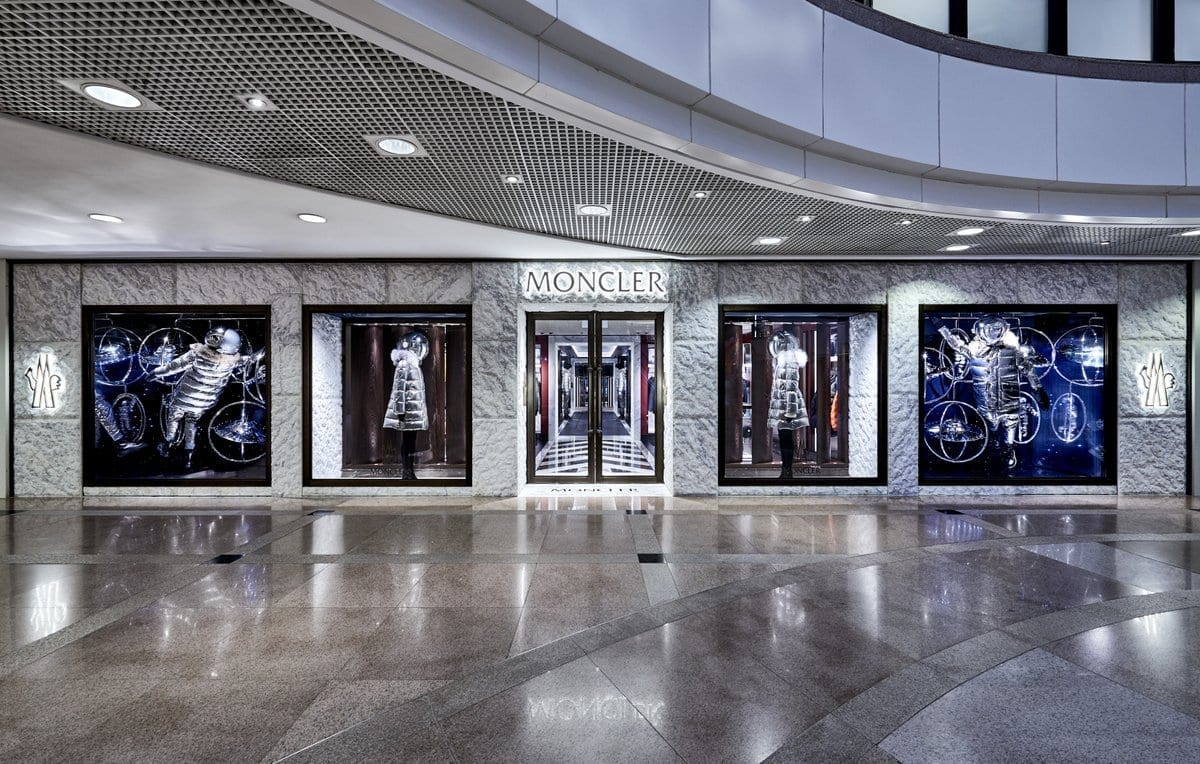
    Moncler Hong Kong has opened the French clothing label’s largest single-level flagship, covering 500 sqm in Harbour City.

    Designed in collaboration with architecture studio Gilles & Boissier, the store has an exterior decorated in white Calacatta marble and burnished brass, drawing on the interior design, and features two large shop windows, one facing on to Canton Road. The ceilings and furniture are accented in woods and beige leather, contrasting with the white Calacatta and Nero Marquina marbles used for the floors.

    The Hong Kong flagship showcases all Moncler’s men’s and women’s ready-to-wear collections and accessories lines, including eyewear.

    Moncler was founded in 1952 in Monestier-de-Clermont, France, and is now based in Italy, being bought in 2003 by Italian businessman Remo Ruffini, the current president/CEO. The group has more than 3200 employees and sells in more than 70 countries through 190 monobrand stores.

  • Tesco same day delivery plan ‘a defensive measure’

    Tesco same day delivery plan ‘a defensive measure’

    The Tesco same day delivery plan announced this week is partly a logical improvement to its existing online services and partly a defensive measure against the potential rise of Amazon in the UK.

    In a cutthroat market where grocers are vying for share, Tesco’s move will likely be followed by other players and will, ultimately, give shoppers much more flexibility.

    While the barriers for Amazon will be higher in the UK, they will not deter the behemoth from its grocery ambitions. Amazon typically takes a long-term view and will continue to invest in growing its UK grocery business. It will be assured by its systems and logistics capability, which will prove to be an advantage as it scales up.

    However, today’s announcement by Tesco makes it even more likely that Amazon will, over the medium term, look to make an acquisition in the UK grocery market. While this is unlikely to be one of the larger players, an operator like Ocado would give Amazon the scale and flexibility it needs to offer a sustainable UK wide online grocery service.

    Although Tesco now has first-mover advantage on same-day grocery delivery, the long-term implications are not necessarily so rosy. Margins in online grocery remain wafer thin, and while consumers will pay a premium for same-day service, they will not bear the full cost. As such, as other players increase flexibility in deliveries and as delivery prices come under further pressure, the move could ultimately be dilutive to profits.

  • VivoCity hosting food workshops for children

    VivoCity hosting food workshops for children

    VivoCity will host two food workshops for children next weekend led by Chef Mong from team-building company Cookyn and food artist Shirley Wong, also known as “Little Miss Bento”.

    Each workshop is limited to 30 teams comprising a parent and a child, and is available on a first-come, first-served basis (registration has opened). Participants will take home their masterpiece and a goodie bag worth more than SG$20, with two teams judged top in each workshop each winning $250 Mapletree vouchers.

    Entry is open to VivoCity customers who have spent $50 during the promotion period, with a registration fee of $10.

  • Thai AirAsia funds mechanic courses

    Thai AirAsia funds mechanic courses

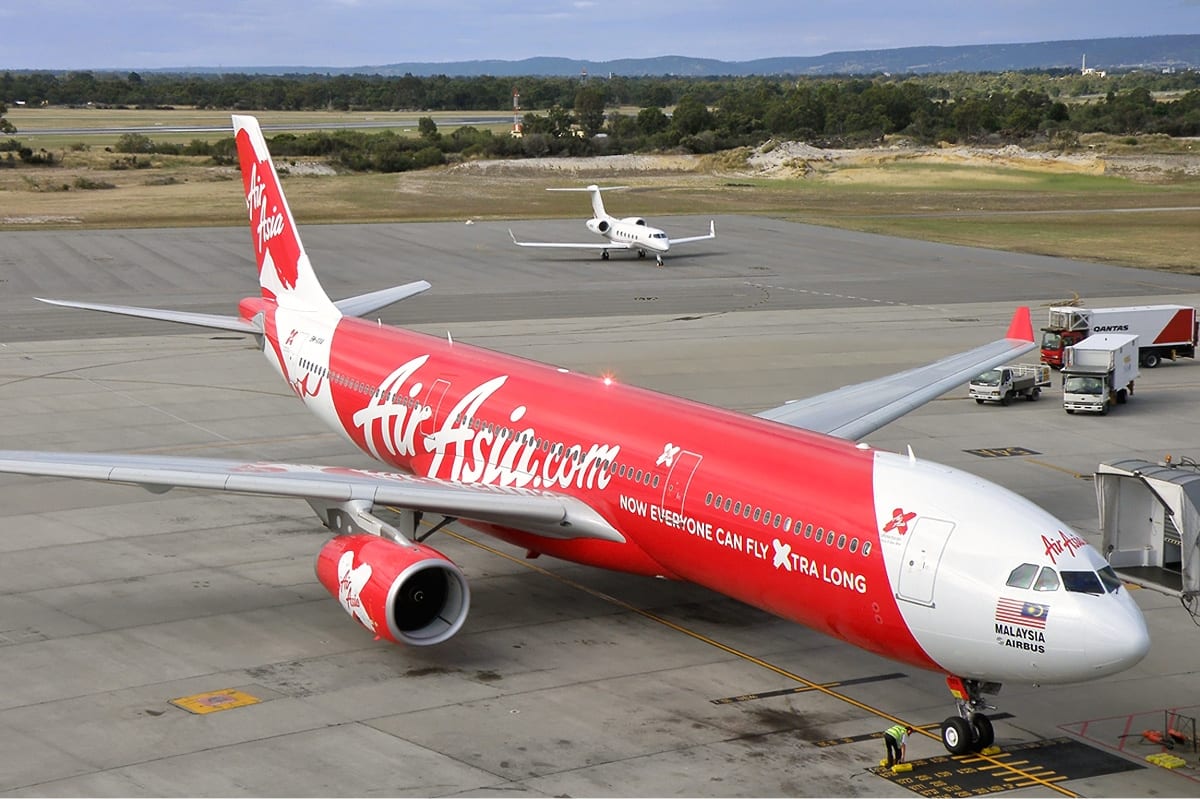
    Thai AirAsia has signed an agreement with Rajamangala University of Technology Krungthep and Bangkok Aviation Centre (BAC) to provide an aircraft mechanic development course through an intensive one-year course.

    Graduates will have an opportunity to be employed by Thai AirAsia.

    The airline’s CEO, Tassapon Bijleveld, said the aviation industry is experiencing rapid growth, especially in the low-cost carrier segment.

    “The expansion has created high demand for experts in the sector, including aircraft mechanics to support operations,” he said.

    Thai AirAsia currently employs 321 aircraft mechanics, 105 are aircraft engineers while the other 216 are maintenance personnel, all managing the airline’s 54 (to be 58 by the end of 2017) Airbus A320s.

    The company is targeting to hire 100 more mechanics over the next three years, he said.

    Rajamangala University of Technology Krungthep provides European Aviation Safety Agency (EASA) standard aircraft mechanic courses, while BAC, is a leading aviation training provider.

    The Civil Aviation Authority of Thailand has indicated Asia will require over 40,000 employees in aviation including mechanics.

    The 12-month course is specifically designed to meet the needs of Thai AirAsia and students will receive a salary from the airline like other employees during their training.

    Interested individuals can find information and download an application form at www.airasia.com/recruitment until 31 July. The course begins 16 October this year.

  • Bata Singapore opens revamped concept store

    Bata Singapore opens revamped concept store

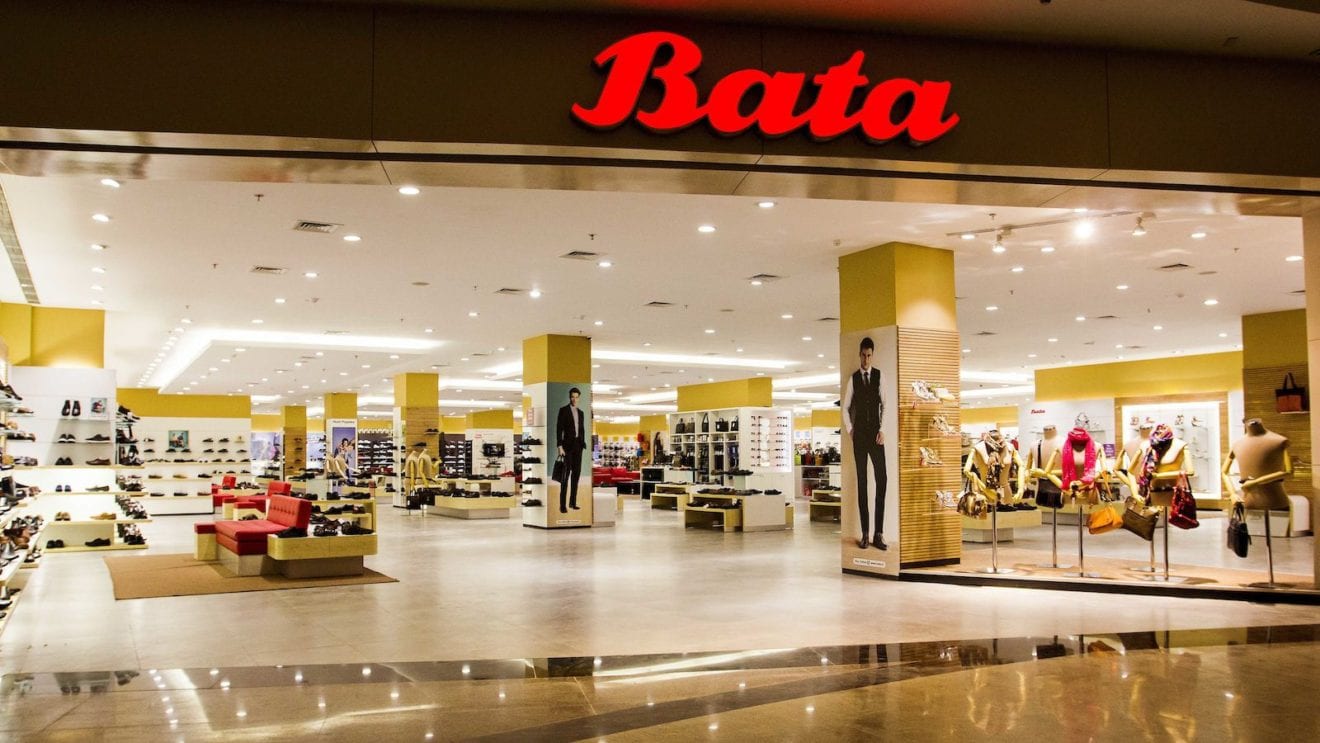
    Bata Singapore has officially reopened its renovated concept store at VivoCity in line with the company’s global modernisation and its “Me & Comfortable with it” manifesto.

    Covering 241 sqm, the store carries Bata’s latest Insolia and Made-in-Italy collections, which are both part of the brand’s spring/summer collection.

    Bata Singapore says it has had significant growth this year with a 170 per cent growth in sales of both men’s and women’s collections, a 145 per cent increase in the average selling price of footwear and an increase of 135 per cent in average ticket price compared to last year.

  • Grab and Uber choking out traditional competition

    Grab and Uber choking out traditional competition

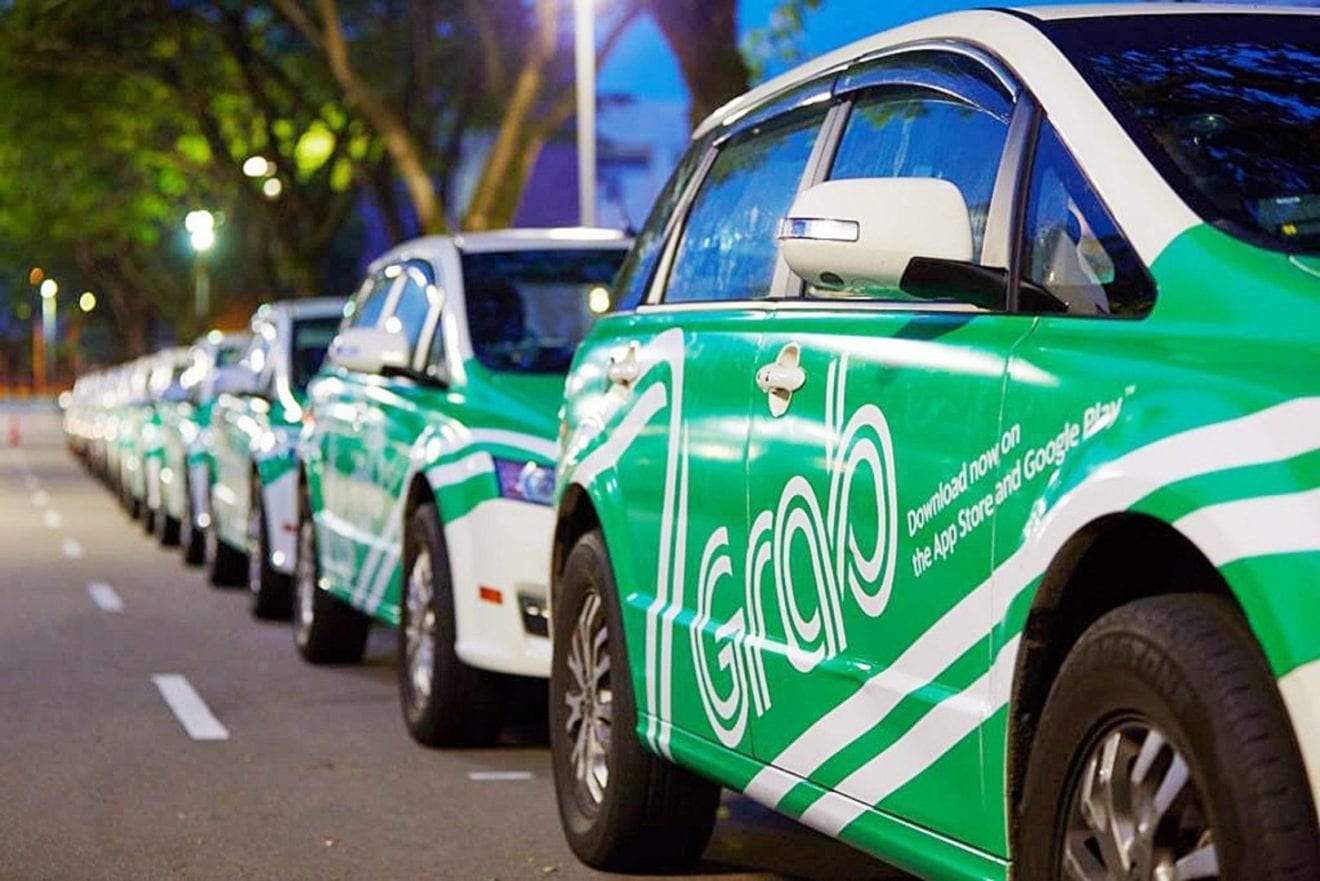
    Vietnamese taxi company Vinasun has seen a decrease in revenue and employees in the first half of this year, claiming it due to the unfair competition in terms of price posed by Grab and Uber.

    Traditional taxi companies, especially Vinasun and Mai Linh Group, are losing the fierce competition with Grab and Uber due to the dizzying rise in the number of Grab and Uber cabs.

    According to newswire Vneconomy, in recent years, the number of Uber and Grab taxis has exceeded the figure of Ho Chi Minh City’s taxi planning. Notably, Uber and Grab’s fleet has reached a total of 21,000, while Ho Chi Minh City’s taxi demand is 11,000-12,000 only.

    The oversupply of cabs has not only contributed to traffic jams and losses in tax revenue, but also created difficulties for traditional taxi companies.

    Now Uber and Grab are battling for dominance, while competing with traditional taxi brands at the same time.

    In general, UberX fares range about VND7,000-8,000 per kilometre, while GrabTaxi charges VND9,000-11,000 per kilometre. In spite of this difference in fares, both Uber and GrabTaxi have their own tactics to seize passengers.

    Mai Linh Group and Vinasun lament competition

    Vietnamese taxi company Vinasun has reported an decrease in revenue and employees in the first half of this year.

    According to newswire Vnexpress, in the second quarter of this year, Vinasun’s net revenue reached VND810 billion ($35.75 million) only, a record low since 2014. Besides, the after-tax profit in the second quarter fell 50 per cent on-year to VND16 billion ($706,299). The cumulative figure of the first six months was VND1.9 trillion ($706.29 million), signifying a decrease of 15 per cent on-year.

    Within the first six months of this year, the number of Vinasun’s employees decreased by approximately 8,000 people, to 9,179.

    According to a Vinasun representative, the company’s business results may remain gloomy until the end of this year.

    Regarding Mai Linh Group, according to its 2016 financial report, the company’s revenue was VND3.73 trillion ($164.65 million), equalling an increase of 32.3 per cent on-year. However, its pre-tax profit was VND61.12 billion ($2.74 million), a sharp 62 per cent fall due to increasing financial and management expenditures.

    Besides, Mai Linh claimed that the dizzying growth of the fleets of Grab and Uber makes it increasingly difficult for the company to perform.

    Traditional taxi companies persist

    In early June, Ta Long Hy, deputy general director of Vinasun, said the company would keep pressing litigation against Grab and Uber for unfair competition, a campaign that has recruited many other Vietnamese taxi companies from Hanoi and Ho Chi Minh City.

    Hy said that the company is gathering evidence. Besides, Vinasun would also propose that the government review its price management policies.

    Vinasun is not alone in its claim of unfair competition against Uber.

    In December 2016, as reported by indiatimes.com, the Indian equivalents of Uber, Ola and Meru, have separately urged government agencies to formulate policies which would undercut the ability of US-based Uber to offer steep discounts to passengers and generous incentives to drivers.

    On April 7, as reported by the Guardian, in a ruling that is subject to appeal, a court in Rome upheld a complaint filed by taxi unions and banned Uber because it contributes to unfair competition.

    The court gave Uber ten days to terminate the use of its various phone applications on Italian territory, along with promotion and advertising activities. However, the ban was suspended about a week after it was implemented as the company appealed. On May 26, the ban was officially lifted.

  • Consumer credit grows rapidly as retailers thrive

    Consumer credit grows rapidly as retailers thrive

    The appearance of big foreign retail chains like CircleK, Shop&Go, FamilyMart and Aeon and the strong rise of Vietnamese chains Vinamart, Co-op and The Gioi Di Dong have fostered the development of consumer credit in Vietnam, according to the State Bank of Vietnam. StoxPlus’ 2016 report on Vietnam’s consumer credit showed that the credit market has seen amazing leaps in recent years.

    The outstanding loans of Vietnam consumer finance soared from $7.3 billion in 2012 to $26.55 billion in 2016. Though it still accounts for a small proportion (9.8 percent by the end of 2016), consumer finance has been growing very quickly.

    Nguyen Tu Anh, deputy director of SBV’s Monetary Policy Department, confirmed that consumer credit has been developing strongly thanks to many favorable conditions.

    Vietnam has 92 million people with 70 percent of the population aged 15-64, while its GDP growth rate has been stable at over 6 percent in recent years.

    Anh cited research by economist Nguyen Thi Hien and her co-workers that shows the consumer credit market’s rapid development since 2011. The growth rate was 30 percent per annum in 2011-2014 and 59 percent in 2015.

    The total outstanding consumer loans granted to customers in 2015 was VND583 trillion, equivalent to 20.5 percent of the consumption value of individuals and households.

    If not counting housing loans as per international practice, consumer outstanding loans in 2015 would total VND272.241 trillion (equivalent to 6.62 percent of GDP). The figure is higher than that of China (6 percent) and Japan, but much lower than other developed countries, including the US (17 percent), Europe (14 percent), and Korea over (20 percent).

    The constant increase of consumption has led to higher demand for consumer loans. Meanwhile, the stable and high economic growth rate helps consolidate people’s belief in their income in the future, thus encouraging them to borrow money.

    Vietnam is in a so-called golden population period with a high percentage of young consumers.

    As the growth rate of lending to fund production and business has slowed down for several reasons, banks tend to increase consumer credit to offset the slowdown.

    FE Credit is leading the consumer finance market with $1.4 billion worth of loans provided in 2016, accounting for 48 percent of market share.

    Its rivals, Home Credit, HD Saison and Prudential, hold 15.7 percent, 12.2 percent and 8.1 percent, respectively, according to StoxPlus.