Tag: asia

  • Japanese restaurants mushroom in Vietnam

    Japanese restaurants mushroom in Vietnam

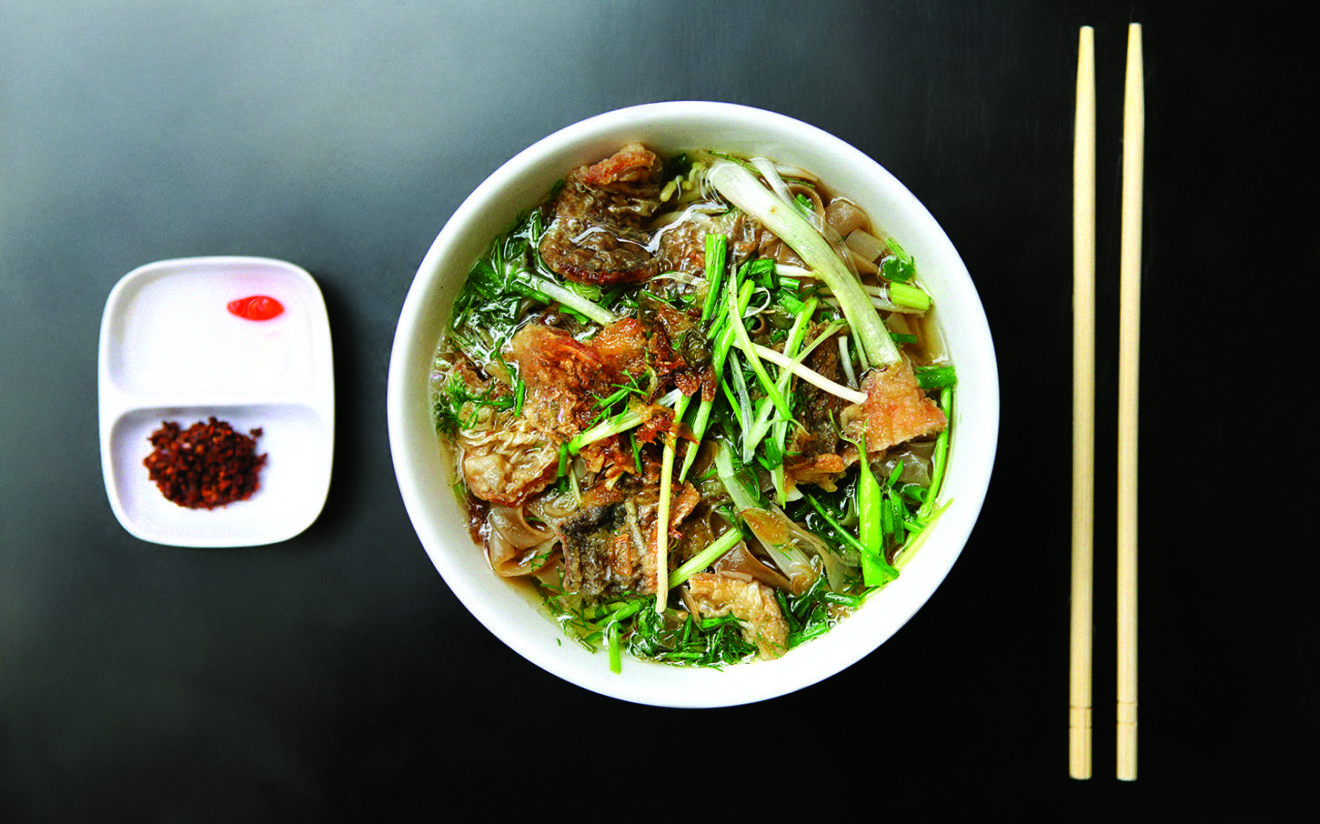
    There are more than 1,000 restaurants serving Japanese cuisine in Vietnam, the majority of which are in HCM City. HCM City has about 660 restaurants serving Japanese cuisine, twice as many as there were three years ago, according to the Consulate General of Japan in HCM City.

    Outside of HCM City, there are about 110 Japanese restaurants across provinces and cities in southern Vietnam, such as Binh Duong, Dong Nai, Khanh Hoa, and Ba Ria – Vung Tau provinces.

    The Japan Consulate official said approximately half of the restaurants serving Japanese food in Vietnam are run by Japanese owners and the remaining are owned and run by Vietnamese franchisees and entrepreneurs.

    The increase in Japanese restaurants has also led to a growing number of Japanese food and ingredients sold.

    In 2016, Vietnam was the fifth-largest importer of Japan’s agricultural produce and food in the world.

    Japan exports about US$180 million worth of forestry and seafood to Vietnam every year.

    Japan is currently Vietnam’s second-largest foreign investor, having developed about 3,450 projects, with a total registered capital of over $46 billion.

    South Korea is the largest foreign investor with 6,130 projects, with a total registered capital of over $54.5 billion.

  • Not to everyone’s taste

    Not to everyone’s taste

    Vietnam’s fast-food segment has become much more competitive as a huge number of chains arrive in the country, but some are now reviewing their business activities while others are departing.

    Analysts say that as Vietnam is an emerging market, investors need to follow a reasonable path in order to reap the benefits. Most fast-food brands in Vietnam are “giants” but not all can succeed here.

    “Meeting the tastes of customers, which are rapidly changing along with the development of society, is one of the biggest challenges for any business,” Mr. Nguyen Huy Thinh, General Manager of McDonald’s in Vietnam.

    Learn to compete

    McDonald’s opened its first outlet in Vietnam in 2014 and quickly found favor. Mr. Nguyen Bao Hoang was appointed to bring the Big Mac to Vietnam as a Developmental Licensee, with the contract signed the result of cooperation with the UK-based international law firm, Allen & Overy, and the result of a “rigorous” selection process, the fast-food giant said.

    McDonald’s attracted 20,000 customers and earned around VND1.5 billion ($71,130) in revenue in its first two days in the country. Similar to Burger King, it also adopted an ambitious plan to have 100 stores within a decade. But four years on, it is yet to expand beyond Ho Chi Minh City.

    It has introduced Western breakfast dishes such as egg muffin, sausage, hotcakes, and hash browns in a bid to win over picky Vietnamese palates, though it remains doubtful that such fare is appealing to local people.

    In fact, “studying the tastes of Vietnamese customers is an important factor for every fast-food business,” Mr. Thinh said.

    “Customers are not afraid to try new food, but customer demand doesn’t stop at simple food. There is also a desire to experience quality service in beautiful spaces.”

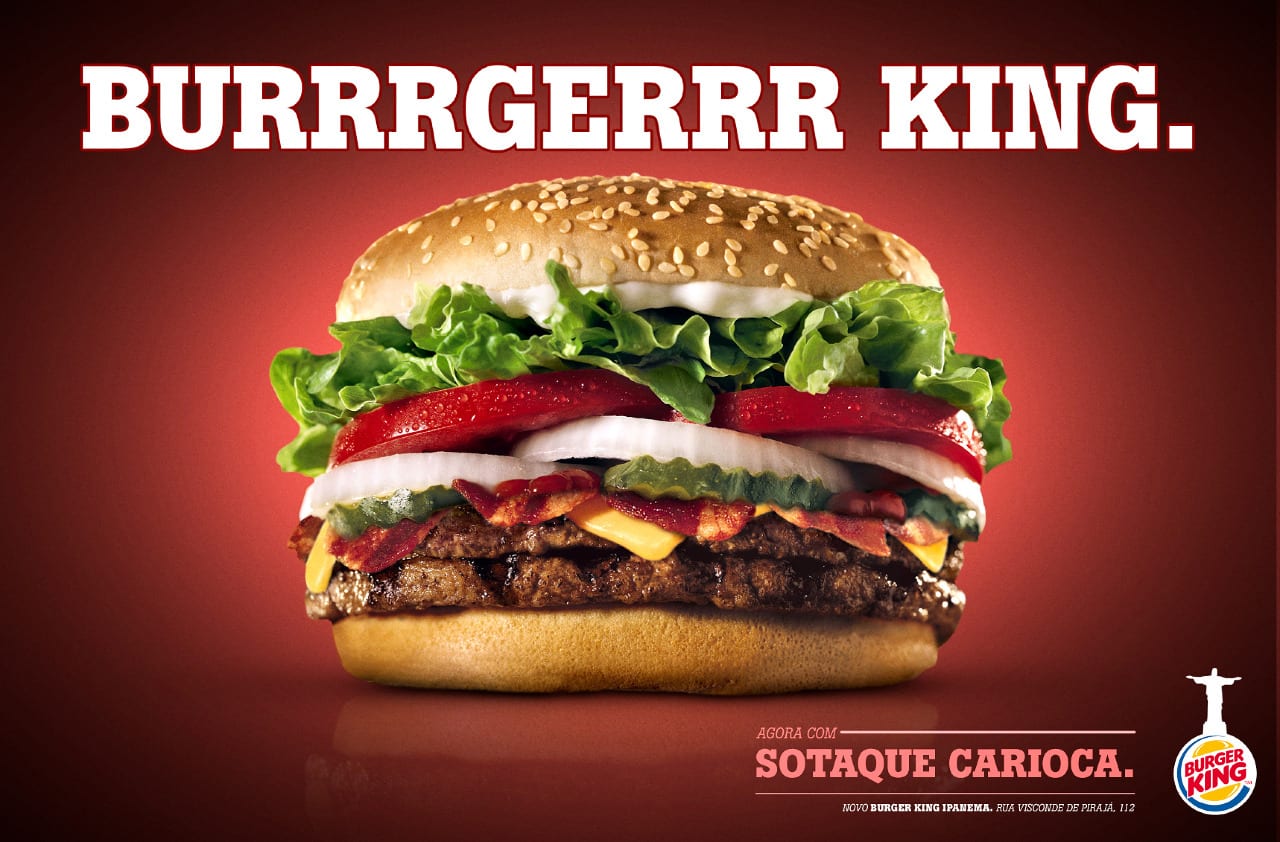
    Burger King introduced the Whopper to Vietnam in 2011 through opening its first outlet at Tan Son Nhat International Airport in Ho Chi Minh City, and had an ambitious plan to open 60 outlets within its first five years.

    It has invested $40 million in developing its chain in prime locations in major cities and provinces, but closed two outlets, in Tan Binh district and District 3 in Ho Chi Minh City, last year, two in Ho Chi Minh City and Hanoi in 2015, and one in Da Nang in 2014.

    Burger King Vietnam declined to comment for this story but in an interview with local media, Mr. Johnathan Hanh Nguyen, a representative of the franchise, said the US fast-food chain would not exit from Vietnam.

    “Some shops might have closed, but new shops will open,” he was quoted as saying. Analysts, meanwhile, believe that Burger King is meeting problems in Vietnam as its strategy of “Taste is King”, imposing US tastes in Vietnam, is not suitable.

    Its hamburgers, which stand at a price disadvantage compared to local “banh my” (bread and fillings), are simply not favored by Vietnamese.

    While the “King of Branded Goods” previously revealed the secret of his franchise as being “location, location, location”, it is unfortunately just one of many factors in winning in the fast-food segment.

    Many analysts also said that Vietnam’s Western-wannabe attitude has changed, and that local people have turned their backs on foreign fast-food after their curiosity was sated. Many local customers said the prices at foreign fast-food restaurants are too high and the food not really suitable.

    “Not meeting the needs of the target audience is one cause of failure in the food and beverage (F&B) field,” according to Ms. Nguyen Phi Van, Chairman of Retail and Franchise Asia.

    Change & develop

    In contrast to Burger King and McDonald’s, KFC, Lotteria, and Jollibee have become popular in Vietnam by adapting to local tastes, though all struggled in their initial years before finding success.

    Jollibee was the first to arrive in Vietnam, followed by KFC and Lotteria. KFC opened its first outlet in Ho Chi Minh City in 1997 and faced trouble at the time, as local consumers were unfamiliar with the concept of “fast-food”.

    Outlet numbers grew slowly, reaching 17 after seven years. It then adjusted its strategy, in particular changing its menu, for example by adding rice and vegetables to its signature fried chicken. By 2011, it had 100 outlets.

    Though facing major challenges in Vietnam and incurring losses for the first seven years, it now has more than 140 outlets in 19 cities and provinces and employs some 3,000 people.

    South Korea’s Lotteria, belonging to the Lotte Group, was also early on the scene, opening its first outlet in 1998. By late 2012 it had 140 outlets then 207 by 2015, opening an average of 20 each year.

    But it then opened just four new outlets in the first half of 2016. Regardless, Lotteria remains one of the leading fast-food brands in the country, with over 210 outlets in 30 cities and provinces and, though slow, outlet numbers continue to rise.

    The success of Lotteria is due to its extensive network of outlets, its diverse menu, and its dynamic marketing activities.

    The first on the scene, Jollibee, opened its first outlet in Vietnam in 1996 but has perhaps struggled more than KFC and Lotteria to gain a foothold in the country. By the end of 2012 it had just 25 outlets.

    In the 2012-2015 period, though, it grew quickly, opening nearly 50 new outlets, reaching 73 by the end of 2015. It now has around 80 stores in Vietnam and has also changed its menu to make it suitable with Vietnamese taste buds.

    General speaking, efforts to localize menus have made these brands more attractive among local people.

    Localizing the menu encourages people to walk through the front door, and once inside they may be open to trying something different, according to Mr. Robert Tran, CEO of business advisory firm the Robenny Corp.

    Moreover, customers can purchase a rice meal for only VND35,000 ($1.6) or a burger for VND49,000 ($2.2) at lunchtime.

    More and more people, especially the younger generation, have started having lunch at fast-food outlets rather than at street stalls or small eateries, as they can enjoy a meal at an affordable price amid air-conditioned comfort.

    Mr. Hoang also told local media that it is no easy task introducing a brand such as McDonald’s to Vietnam.

    “I therefore had to be very careful when conducting research,” he said.

    Vietnam presents a host of other obstacles for foreign fast-food brands. Mr. Thinh said that the appearance of more and more franchises in the country enhances the level of competition in the industry.

    “Challenges in location, workers, and product and service quality are all problematic for enterprises when making decisions,” he said.

    Mr. Nguyen Hong Lam, Managing Director of Jollibee Vietnam, told VET that the search for premises that are consistent with the needs of the company’s business leads to higher costs.

    Analysts also say that local brands possess advantages that their foreign counterparts don’t, such as affordable prices and a comprehensive understanding of consumer behavior in the country.
  • Swatch Group CEO reports ‘spectacular’ sales growth

    Swatch Group CEO reports ‘spectacular’ sales growth

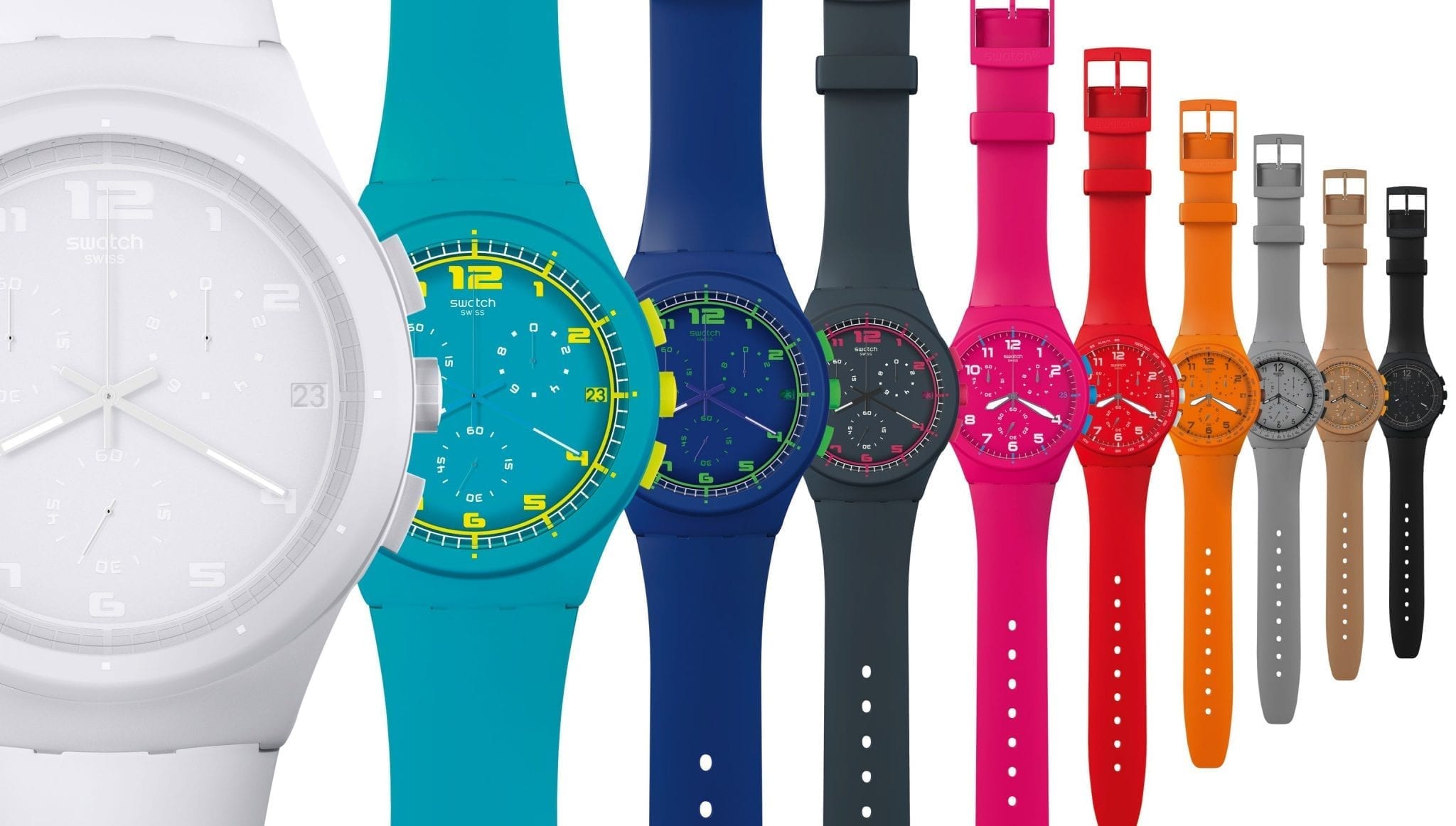
    “Spectacular” sales acceleration helped return watch company Swatch Group return to profits growth in its first half, says CEO Nick Hayek.

    And China is at the core of the rapid turnaround, suggesting the end has arrived of the luxury watch sector’s dry spell.

    Swatch’s factories this month are running at maximum capacity, Hayek says, with the most aggressive growth in the group’s high-end luxury brands such as Blancpain and Omega.

    Swatch’s net sales rose by 1.2 per cent to CHF3.7 billion (US$3.9 billion) in constant currencies in the first six months compared with a year earlier. But Hayek says sales of Swatch’s own-brand products expanded by 3 per cent.

    “The acceleration between the first and second quarters was spectacular,” he says. Sales in China, for example, had grown from 8 per cent 10 per cent.

    Group net sales were up 1.2 per cent at constant exchange rates to CHF3.7 billion, or down 0.3 per cent at current exchange rates.

    Sales growth was up 2.9 per cent in the watches and jewellery segment. The operating margin in the segment increased by nearly 25 per cent, from 10.7 to 13.2 per cent, despite negative currency impact.

    Swatch’s operating result grew by 5.1 per cent to CHF371 million while the operating margin increased to 10 per cent from 9.5 per cent the previous year.

    Net income increased by 6.8 per cent to CHF281 million, with a net margin of 7.6 per cent (7.1 per cent the previous year).

    Meanwhile, the company says Omega and the International Olympic Committee have extended their timekeeping contract for the Olympic Games by an extra 10 years up to and including the 2032 Games – taking Omega’s term as official timekeeper to a total 100 years.

    In the second half of this year new products will be launched by Blancpain, Breguet, Harry Winston, Longines, Omega and Tissot.

    Swatch has just launched Swatch Pay in Shanghai with its full credit-card payment ability, in partnership with UnionPay and 11 Chinese banks.

  • The economics of the money-back guarantee

    The economics of the money-back guarantee

    “Returning the product to Amazon ASAP!” complained one disgruntled Amazon customer as they gave a one-star review for a digital camera on the company’s site. This is despite the same product having an average rating of four-and-a-half stars out of five from 242 other customers.

    Companies like Amazon aren’t just ignoring these disgruntled customers and their product-returning ways. In fact, retailers are increasingly offering extra services such as warranty plans, free shipping and guarantees to reassure them. Selling with the “money-back guarantee” is a prime example of this.

    This is because the economics of the money-back guarantee can work for retailers. These businesses allow customers to return products that do not meet their expectations — as a result of poor quality or a mismatch in taste — for a full or partial refund. Essentially offering their customers an insurance against the perceived risk of the product.

    And research shows these retailers make a profit with this type of guarantee, given specific conditions. Other research also shows the money-back guarantee increases customers’ feeling of satisfaction with their purchase experience, making them likely to return to the store.

    This type of guarantee is particularly important for retailers who sell products online or through mail-order catalogues. This is because customers can’t enjoy the benefits of the traditional “touch-and-feel” shopping experience, to reassure them they are making the right decision.

    Customers rorting the scheme

    Customer returns cost retailers more than US$260 billion (equivalent to 8 per cent of total retail sales) annually in the United States alone. The return rates vary significantly by category, and by channel type. It can reach as high as 35 per cent for high fashion apparel sold in traditional stores, and the rates are higher again for internet and catalogue sales.

    However, in most cases, the returned products are not defective. Customers abuse the money-back guarantee, so much so that buying a product with the intention of returning it has become a trend known as wardrobing or barrowing. In the US, fraud associated with returns costs retailers around US$2 billion during the holiday season alone (US$9 billion annually).

    Retailers try to get around this by offering partial instead of full money-back guarantees for products. The refund is usually less a “restocking fee” charged for returns.

    For example, compare the 30 day money-back guarantees from two Australian furniture retailers, Zanui and Rogerseller. Zanui offers a full refund, whereas Rogerseller charges its customers a 15 per cent restocking fee (it pays back only 85 per cent of the selling price rather than the full amount).

    In most cases, restocking fees can range between 10% and 20% of the original purchase price, some even as high as 50 per cent.

    A survey by professional services company Accenture reported that in the computer electronics industry, most customers returned their products because they simply “did not meet expectations.” More specifically, for 68 per cent of returns, there was “no trouble found” by the customers; 27 per cent of the products were returned due to “buyer’s remorse”.

    And only 5 per cent of the products returned were truly defective. However, regardless of the reason, returned products cannot be sold as “new,” even though the product could be new in the sense that it was never used.

    Major consumer electronics retailers such as Best Buy and Walmart restock these returned items and sell them as “open-box items” at discounted prices. Open-box simply means the product is marked as being opened or used previously. A retailer’s ability to sell returned products as open-box creates an opportunity to attract more price conscious consumers.

    The downside of such product differentiation is that open-box products can have a negative impact on the demand for the new products in a store. The retailer might also have to incur additional costs for handling returns and repackaging them as open-box.

    Making or losing money on the money-back guarantee

    Balancing the benefits and costs of the money-back guarantee is a delicate task for retailers. In studying the guarantee we worked out how retailers could use it to increase sales and profits.

    We looked at product pricing, refunding and inventory stocking decisions in money-back guaranteed sales. We took into account uncertainty in demand, the possibility of a customer’s dissatisfaction with the product after purchase, as well as the lower value customers place on an open-box product, relative to brand new products.

    Using this model, we figured out the best prices retailers could use reselling returned products and the restocking fees to encourage or discourage returns, for the highest possible net profit.

    Even though reselling returned products meant less stock for the retailer it also reduced inventory-related costs adding to profits. In essence, retailers can claim back at least some of the costs associated with return fraud, with reselling.

    In areas of retail with higher risk of returns, the temptation is to tighten returns policies, to limit them. This is especially true for highly innovative products, new technologies, or fashion-driven products (especially high-end ones).

    Interestingly, our study shows that reselling returns complements the money-back guarantee. So these type of high-risk products are likely to give retailers the most benefit, when they are resold after being returned.

    Retailers also feel the benefit of reselling when there are more price conscious customers who are more inclined to buy a product that is being resold, because it’s at a discount.

    So the economics of the money-back guarantee can work for retailers by improving brand value and through reselling via open-box products

  • Kathmandu’s two for two director swap

    Kathmandu’s two for two director swap

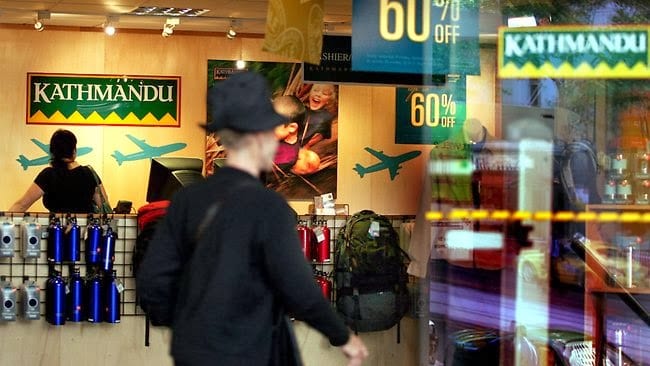
    Christine Cross and John Holland will retire from the board of outdoor apparel retailer Kathmandu, with the Kiwi-based retailer announcing replacement directors following an extensive international search.

    Holland has been a director of Kathmandu since the company’s Initial Public Offering in 2009 while Christine Cross has served as a director since 2012.

    The two new directors joining the board are Philip Bowman and Brent Scrimshaw.

    Bowman is an Australian who has worked for many years in the UK and USA and is relocating to New Zealand towards the end of this year. He has experience in retail and other sectors including roles as CFO of Bass, CEO of Bass Taverns, executive chairman of Liberty PLC, CEO of Allied Domecq, chairman of Coral Eurobet, CEO of Scottish Power and CEO of Smiths Group. He has also held office as an independent director of BSkyB, Scottish & Newcastle and Berry Bros. & Rudd. He currently sits on the boards of luxury goods business Burberry Group, Spanish infrastructure group Ferrovial SA, and is chairman of Dubai based Majid al Futtaim Properties and housebuilder The Miller Homes Group (UK).

    Scrimshaw, also Australian, had an 18-year career with Nike Inc across marketing, commerce and general management. He led marketing across Nike Pacific, was the regional GM for Nike Nth America, was the chief marketing officer for Nike EMEA, and also served as vice president and chief executive of Nike Western Europe. He retired from Nike in 2012 and is currently the CEO and Co-Founder of Unscriptd.com and is a non-executive director of ASX listed Rhinomed (RNO) and Catapult International Limited (CAT).

    David Kirk, chairman of Kathmandu, said both directiors “bring absolutely first class understanding of retail, brand development and international markets” and are a “great fit for the next stage of Kathmandu’s journey.”

  • SRG to discontinue Amart Sports

    SRG to discontinue Amart Sports

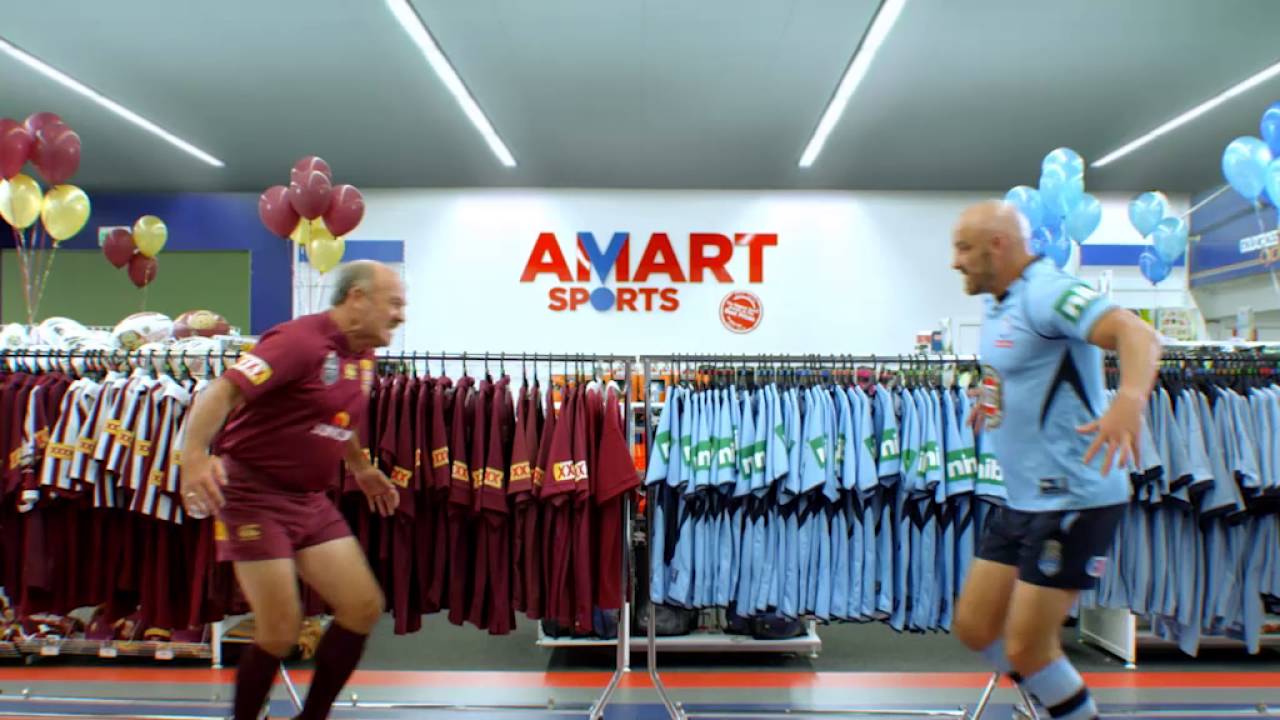
    Super Retail Group has decided to discontinue the Amart Sports and convert its 65 stores into Rebel Sport as part of a consolidation strategy designed to defend against the entry of Amazon, Decathlon and JD Sports.

    The plan, which is due to be completed by the end of October, will incur a non-cash transformation cost of $34 million in FY17 accounts, as well $9 million in capital investment for store fit outs and a further $3 million in cash costs to be incurred in FY18.

    In return, the merger is expected to generate an annualised $15 million in margin uplift and synergy benefits after two years, positioning the group to invest more heavily in Rebel’s offering, which will now trade across almost 160 stores nationwide.

    The group said in a presentation to investors that increasing customer expectations and an influx in international competitors would make it increasingly difficult to achieve a market leading position with both Rebel and Amart Sports, signalling that a merger would allow Rebel to both expand its range and invest in price to remain competitive.

    “Focusing on the Rebel brand will enable us to offer customers an expanded range of solutions and services at more locations, concentrate our investment building world-class omni retail capabilities, and further streamline the end-to-end supply chain required to deliver the seamless omni experience that customers expect,” Super Retail Group CEO Peter Birtles said.

    In recent months, the sports retailing landscape has seen increasing competition, with the likes of French retailer Decathlon and the UK’s JD Sports ramping up their Aussie footprint.

    SRG last month unveiled its omnichannel vision for the automotive brand Supercheap Auto and has now bedded down a strategy for its sporting division after conducting a review into the brands.

    It comes amid the construction of French discount sporting giant Decathlon’s first big-box location in Sydney’s inner west, which is due to open in October and will be the first of a 100 store vision for the company Down Under.

    SRG indicated that Amart Sports’ value proposition, which is also based on low-cost high-volume trade in big-box stores, will be incorporated into the Rebel brand.

    British brand JD Sports, which competes more directly with Rebel’s current brand-based offer, now also has three stores in Australia, after complementing its Melbourne flagship with locations on the Gold Coast and in western Sydney.

    The company said that the presence of new competitors on both sides of the sporting goods market would ultimately undermine the position of Amart Sports, as Rebel will be required to “adopt a stronger value message” to remain competitive, reducing the “differential in the overall customer proposition” between the companies.

    “Our research has confirmed there is a high degree of overlap between Rebel and Amart Sports customers, with the choice between brands typically only a question of which store has the most convenient location.

    “There is also significant product range overlap between the brands, so this decision will also drive synergies from a customer service perspective,” SRG said in a statement.

    The transformation will incorporate four distinct store formats for Rebel that align to metro, suburban and regional customer demographics to localise and adjust its offer for Amart’s large format stores.

    SRG remains confident that the diverse formats and assortments can be managed through adequate merchandising systems, with a plan in place to enhance ranging processes over the next three years.

    Amart Sports’ team members will be transferred to newly converted Rebel stores as the transition is implemented.

    SRG also said that it expects to come in at the upper end of its previous EBIT guidance of 16 to 18 per cent above the prior corresponding period.

  • Bossini profit warning issued

    Bossini profit warning issued

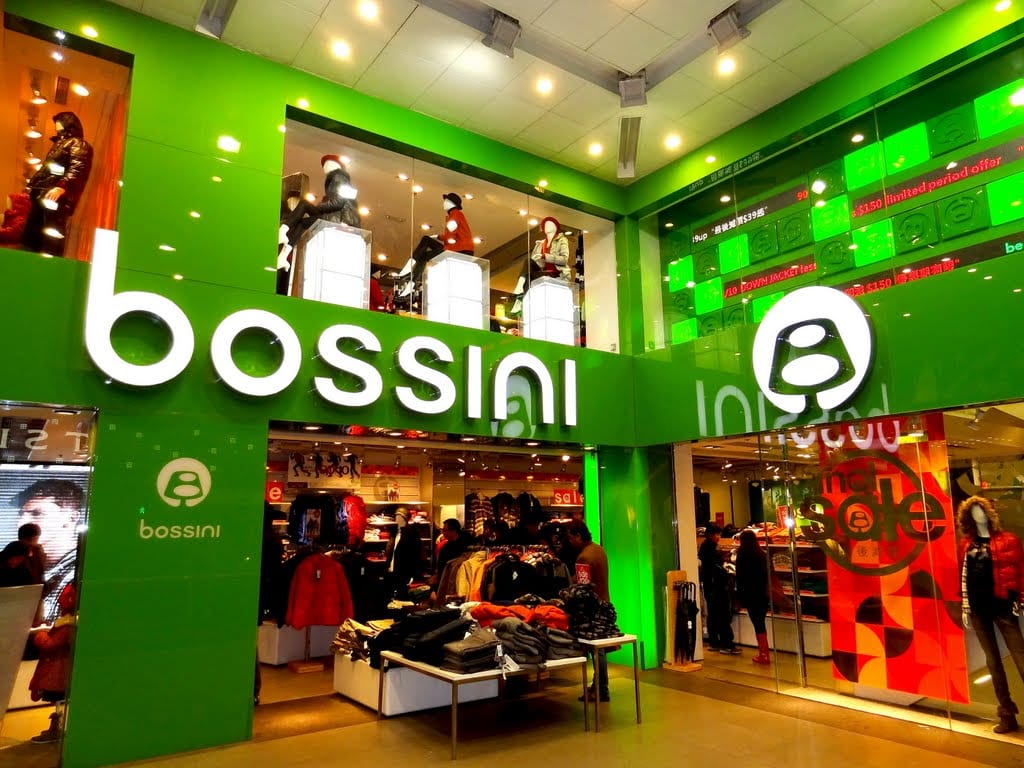
    A “significant” drop in Bossini profit attributable to its owners is expected for the year to the end of June.

    Its board says the group expects only a small profit close to breakeven, compared to the profit attributable to the owners of HK$292 million (US$37 million) for the previous year.

    It says reasons for the decrease include a non-recurring gain of about $265 million on the disposal of property in the previous year, and a drop of about 13 per cent in revenue from the $2 billion of the previous year, attributable to continuously weak consumer sentiment and “severe competition” in core markets.

    This information is based on a preliminary assessment only, says Bossini, with its audited annual results to be announced in late September.

  • Honestbee Food launches meal deliveries

    Honestbee Food launches meal deliveries

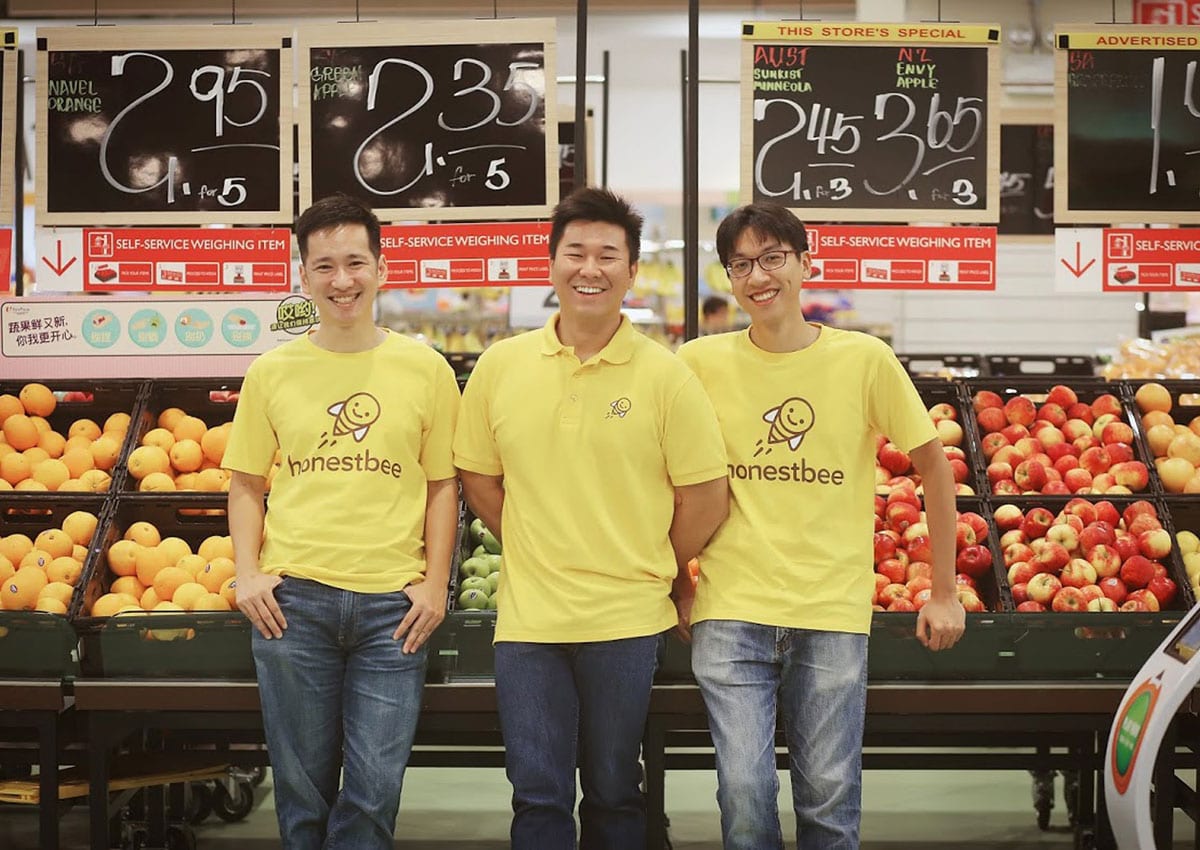
    Honestbee Food restaurant delivery service has been extended to Hong Kong.

    This follows the grocery and concierge service Honestbee partnering last month with eight major supermarkets, including UK retailer Tesco.

    To mark the launch of the meal-delivery service, Honestbee Food is offering special deals to Hong Kong customers, plus a free delivery promotion, until September 20.

  • Macau retailers still cautious, despite better sales

    Macau retailers still cautious, despite better sales

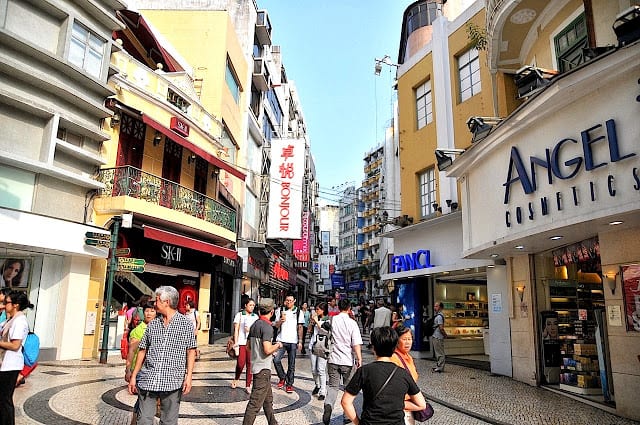
    While retail outlets and dining establishments had better year-on-year sales in May, Macau retailers are still cautious about their business prospects, says the Macau Statistics and Census Service (DSEC).

    For its monthly business climate survey, the DSEC interviewed 167 dining enterprises that account for 53 per cent of the industry’s receipts, and 135 retailers that account for 70 per cent of trade.

    Despite their caution, 26 per cent of retailers expect a year-on-year increase in sales, up three points from May, while 38 per cent are less optimistic. During May, 36 per cent of the retail respondents indicated a year-on-year sales decline, a drop of two points.

    Experiencing better-than-expected results were adults’ clothing retailers and supermarkets, which exceeded forecasts by 40 and 33 points respectively.

    For June, 80 per cent of the respondents in the leather-goods area expect improved sales with all respondents having year-on-year increases in May.

    Watches, clocks and jewellery retailers had a 24-point rise in expectations for June, hitting 50 per cent, while department stores predict a 22-point increase to 56 per cent.

    Restaurants had a six-point drop from the previous month in the percentage of respondents reporting year-on-year growth, while those who had a year-on-year decline rose 10 points to 33 per cent.

    DSEC says the results were better than expected, as the April survey indicated only 18 per cent of respondents expected better sales figures.

    Expectations for last month are mainly pessimistic with 41 per cent of respondents expecting receipts to dip while while only 22 per cent expect a rise. Predicting increases are 27 per cent of Chinese restaurants, 25 per cent of Western restaurants and 18.8 per cent of Japanese and Korean restaurants.

    On the other hand, 60 per cent of Western restaurants foresee a drop.

  • Uniqlo releasing JW Anderson collaborative range

    Uniqlo releasing JW Anderson collaborative range

    A JW Anderson collaborative range will roll out at Uniqlo stores and at Uniqlo.com in September. Featuring British classic designs, the fall/winter range comprises 33 pieces for men and women featuring the signature London fashion brand’s graphic design aesthetic.

    “The point of this collaboration is that I believe in democracy in fashion, and what I hope will be achieved is that any age demographic can pick up and find something within the collection to relate to,” says JW Anderson founder Jonathan Anderson. “Doing something with Uniqlo is very interesting. It means you come up with a wardrobe that is universal and quirky.

    “The idea of reducing something to its essence is a very Japanese cultural thing. It can be culturally, textile or silhouette driven, but it’s about the idea of reducing something down so you can create the most impact.”

    “This line embodies our shared vision of offering elegance, simplicity, timeless comfort and individuality through LifeWear,” says Fast Retailing senior VP Yuki Katsuta, who is head of research and design at Uniqlo.

    “The inspiration for much of the clothing we wear today was the uniforms, workwear and sportswear that originated in the British Isles. We have combined the energy, creativity and traditional touches of JW Anderson with our fit, fabrics and functionality as part of our quest to craft wardrobe essentials that are enduringly appealing.”

    Design is a key focus for the collection, notably through such classics as a double-breasted belted trench coat, a wool-blend quilted jacket, a Fair Isle sweater and a striped scarf. The trench coat is accented by a tartan lining, and tartan is also used for a selection of down jackets, shirts and padded tote bags.

    Also in the line are multi-border cut-and-sewn pieces, knits, stoles in vivid hues, ruffle blouses and skirts. There are tweed coats in signature herringbone and shirts in extra-fine cotton, as well as knits in extra-fine Merino wool.

    Northern Irish designer Anderson established his company in 2008, attracting attention with his debut collection in that year’s London Fashion Week.

  • BTPN targets Indonesia’s growing m-banking userbase

    BTPN targets Indonesia’s growing m-banking userbase

    Respondents to the Pwc 2017 Indonesia Banking Survey reveal that 52% of Indonesian banks see technology as the main driver of bank transformation over the next 3-5 years. Respondents say that e-banking is their top investment priority.

    Surveyed banks also affirm that while branches continue to be the preferred channel for banking, customers are clearly moving towards mobile and internet channels. According to PwC, in this regard foreign banks enjoy greater traction with customers via their mobile and internet channels.

    Seeing this trend, PT Bank Tabungan Pensiunan Nasional Tbk. (BTPN) has embarked on a digital transformation strategy of its own, including enhancing how it targets and engage Indonesia’s growing mass affluent customers with its Jenius digital/mobile banking app solution.

    According to BTPN, Jenius is a hybrid implementation that is digital at the core but leverages the bank’s physical outlets in a targeted way. Jenius has already seen strong take up, overachieving on BTPN’s original app download goals. It also has significant potential to grow given the penetration of smartphones in the region and the large underbanked population.

    Peterjan van Nieuwenhuizen, Head of Digital Banking at BTPN said, “BTPN is committed to pioneering banking to suit customer lifestyles. We have built a system [Jenius] that enables our customers to complete basic banking processes without going to the branch. With an expanding middle class and growing mobile internet use here, we saw the significant opportunity this creates for financial services. Our philosophy is ‘do good, do well’ and we want to embody that in all aspects of the bank. Our customers look to us for innovation and fast, efficient services.”

    Powering Jenius is Finastra’s FusionBanking Essence Digital platform, which according to Finastra removes complex banking processes, enabling the bank to create highly personalized and easy digital experiences for its customers. Fast and secure sign-up and authentication make banking on the move simple.

    In addition to meeting customer demand for multi-channel digital banking experiences, FusionBanking Essence Digital enables BTPN’s Jenius to attract better-priced funding and more deposits from a new market segment as well as to bring products to market faster. Modern software architecture has enabled the bank to quickly transform digital solutions into powerful sales engines and increase revenue opportunities. It will also enable it to continue evolving alongside the broadening digital landscape in Indonesia.

  • DHL, FC Bayern expands cooperation in gaming market

    DHL, FC Bayern expands cooperation in gaming market

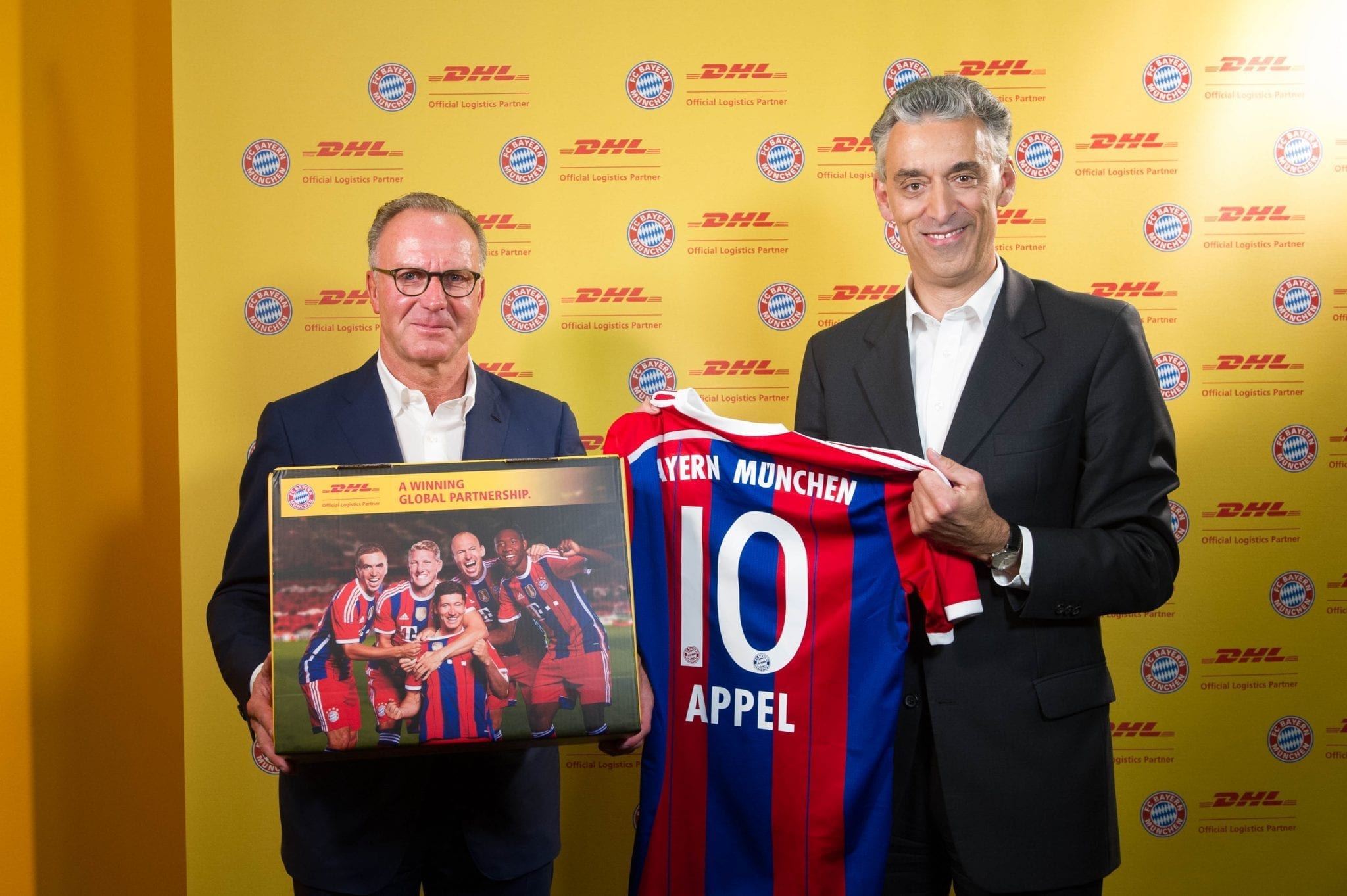
    DHL and Germany’s FC Bayern Munich yesterday announced the expansion of their cooperation with innovative activations within the video gaming market, specifically in the FIFA 18 game set to launch in September 2017.

    This is DHL’s bid to tap on the massive potential of the computer games market, which analysts predict will grow its revenue from US$493m in 2016 to US$1.1b in 2019.

    In 2015, DHL helped the club to launch its online flagship store on Tmall Global. As the team’s official logistics partner and e-commerce full service provider, DHL plays a key role in delivering official merchandise to FC Bayern fans in China.

    During the team’s 2017 Audi Summer Tour to Shanghai, Shenzhen and Singapore, the Bavarian club confirmed its desire to further engage with its fan base in China, providing fans with the latest club merchandise, such as jerseys and other FC Bayern products.

    FC Bayern is one of the world’s biggest football club with over 280,000 members and one of the most successful, having won five UEFA Champions League titles, three Club World Cup trophies as well as 27 German national league championships.

  • Kuehne + Nagel acquires two perishables specialists

    Kuehne + Nagel acquires two perishables specialists

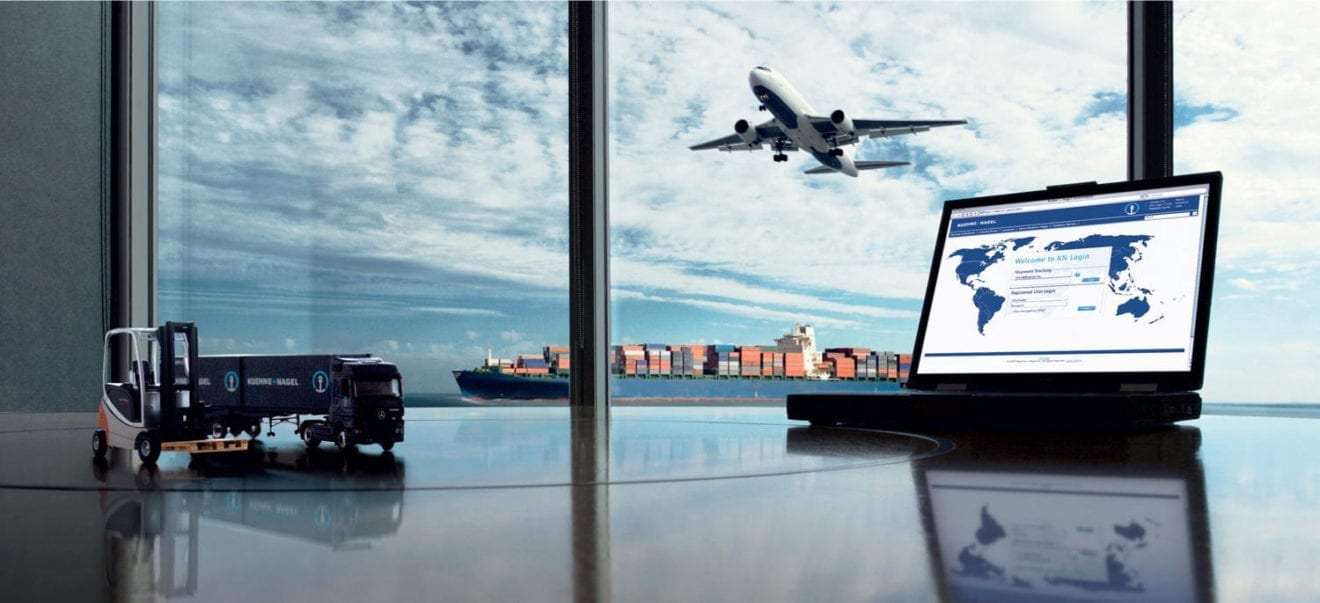
    With the acquisition of CFI, Commodity Forwarders Inc., an airfreight forwarder of perishables products in the USA, and Trillvane Ltd, one of the largest perishables specialists in Kenya, Kuehne + Nagel expands its global perishables network by adding more than 150,000 tons of perishables and further strengthens its position in providing end-to-end international and domestic fresh chain solutions.

    CFI, 1974 established by Alfred Kuehlewind as one-man office in Los Angeles shipping strawberries to Europe, today operates 14 locations throughout the United States including Alaska and Hawaii with more than 700 employees. The company is specialised in airfreight export and import as well as distribution of seafood, all kinds of agricultural products, flowers and greens. As a leader in the US perishable forwarding industry, CFI differentiates itself through its expertise, ability to provide high-end visibility and delivering unprecedented product quality for its customers’ fresh chains.

    Alfred Kuehlewind, Founder and CEO of CFI: “We are looking forward to become part of the Kuehne + Nagel Group. The planned transaction will offer us new growth perspectives and access to a global logistics network. Both companies’ customers will benefit from an extended service scope.”

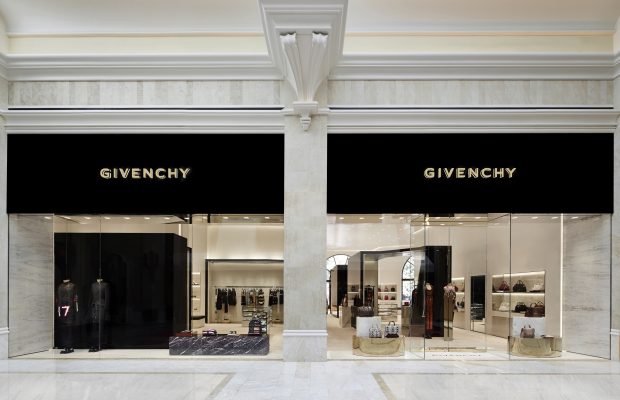
  • Givenchy Wins on Gogoboi’s New E-Commerce Channel

    Givenchy Wins on Gogoboi’s New E-Commerce Channel

    It was only in April that top Chinese KOL Gogoboi launched his own WeChat boutique “Bu Da Jing Xuan,” a platform on which he curates selections of goods from luxury e-commerce retailers like Yoox, Net-A-Porter and Farfetch to sell to his fans (he’s got over 7 million followers on Weibo).

    But Gogoboi has already gotten his first luxury brand on his platform, Givenchy.On July 14, Givenchy launched its new Duetto handbag collection on this platform and became the first luxury brand to test out this influencer’s own e-commerce channel.

    The official price of the new collection is 7490 yuan, which is consistent with the offline price. This exclusive online sale includes seven styles (in addition to black and white, the bag also came in a variety of colors), and for each style, there were six bags available for purchase.

    The result was a success. The featured black-and-white style was sold out after half an hour after the campaign went live, and within 72 hours, all of the available styles were sold out.

    With a background in fashion editorial, Gogoboi’s distinct writing style is what first garnered him a loyal fan base. His witty humor and harsh comments on celebrity styles make his blog stand out in the competitive KOL landscape.

    Mr. Bags recently wore in a handbag collaboration with Tod’s and “Miss Shopping Li” stepped out of fashion to embark on her first collaboration with the car brand MINI and is in the midst of launching her own brand.

    It’s never a one-way street, while bloggers are busy broadening their horizons, brands are also looking for better ways to take advantage of their massive fan economy.

  • Reliance Jio launches “free” 4G phone

    Reliance Jio launches “free” 4G phone

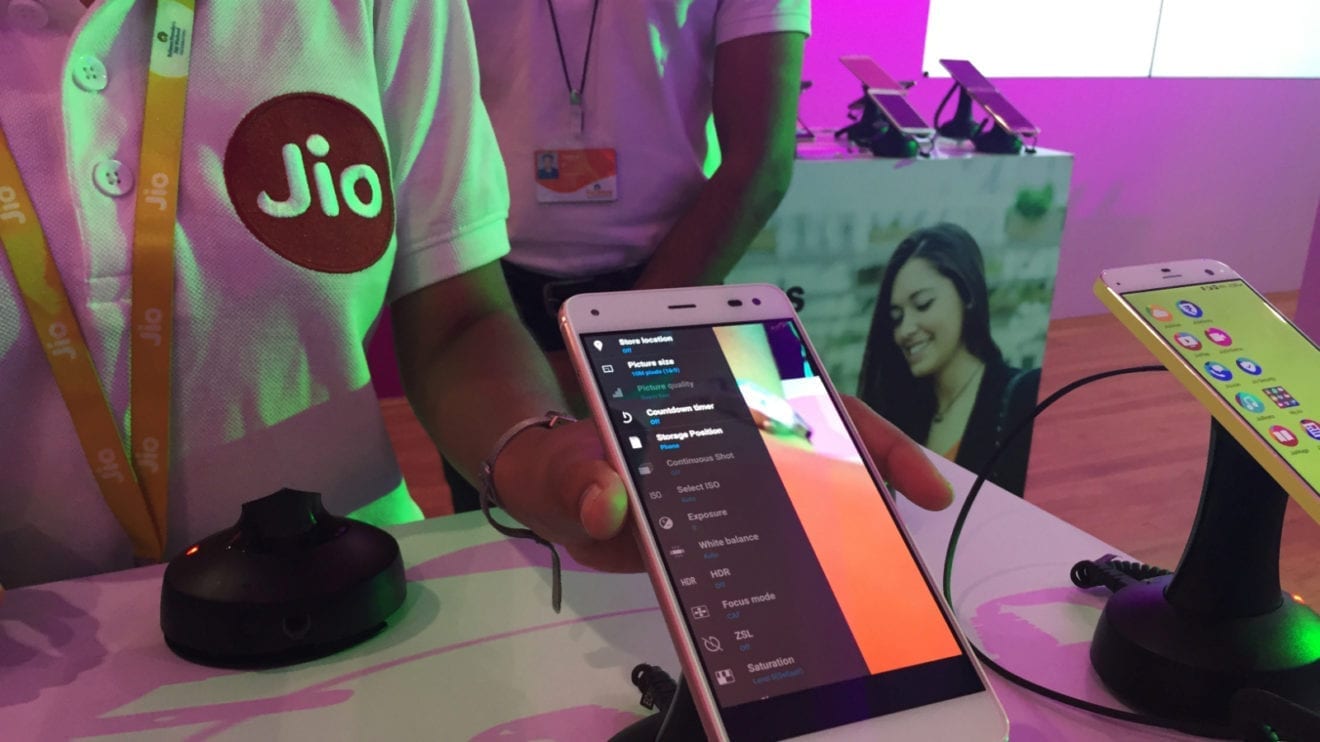
    India’s Reliance Jio Infocomm has disrupted the mobile market once again with the launch of a “free” 4G handset named the JioPhone.

    The operator is offering the JioPhone for a security deposit of 1,500 rupees ($23.29), fully refundable after three years.

    The handset is being produced in India. It will be offered under a plan worth 153 rupees per month for free voice calls and SMS as well as unlimited data with a daily fair use cap of 500MB.

    The device has a keypad and a 2.4-inch, 240×320 display. It supports Bluetooth, NFC payment and access to Jo services including JioTV and JioMovies, and has a rear camera, SD card slot and headphone jack.

    An additional data plan worth 309 rupees per month will allow mirroring of the phone screen to any TV to support streaming services at home.

    Announcing the handset, Reliance chairman Mukesh Ambani said around two thirds of India’s mobile users do not have smartphones, leaving them unable to access Jio’s 4G-only network and leaving Jio unable to attract these customers. The Jio Phone is intended to help the company reach this audience.

    Preorders of the Jio phone will commence next month. The introduction of the device will only increase the intense competition in India’s mobile market triggered by Jio’s explosive entry onto the scene with its pan-India 4G network.