Tag: asia

  • Aloha! AirAsia X now flying to Hawaii

    Aloha! AirAsia X now flying to Hawaii

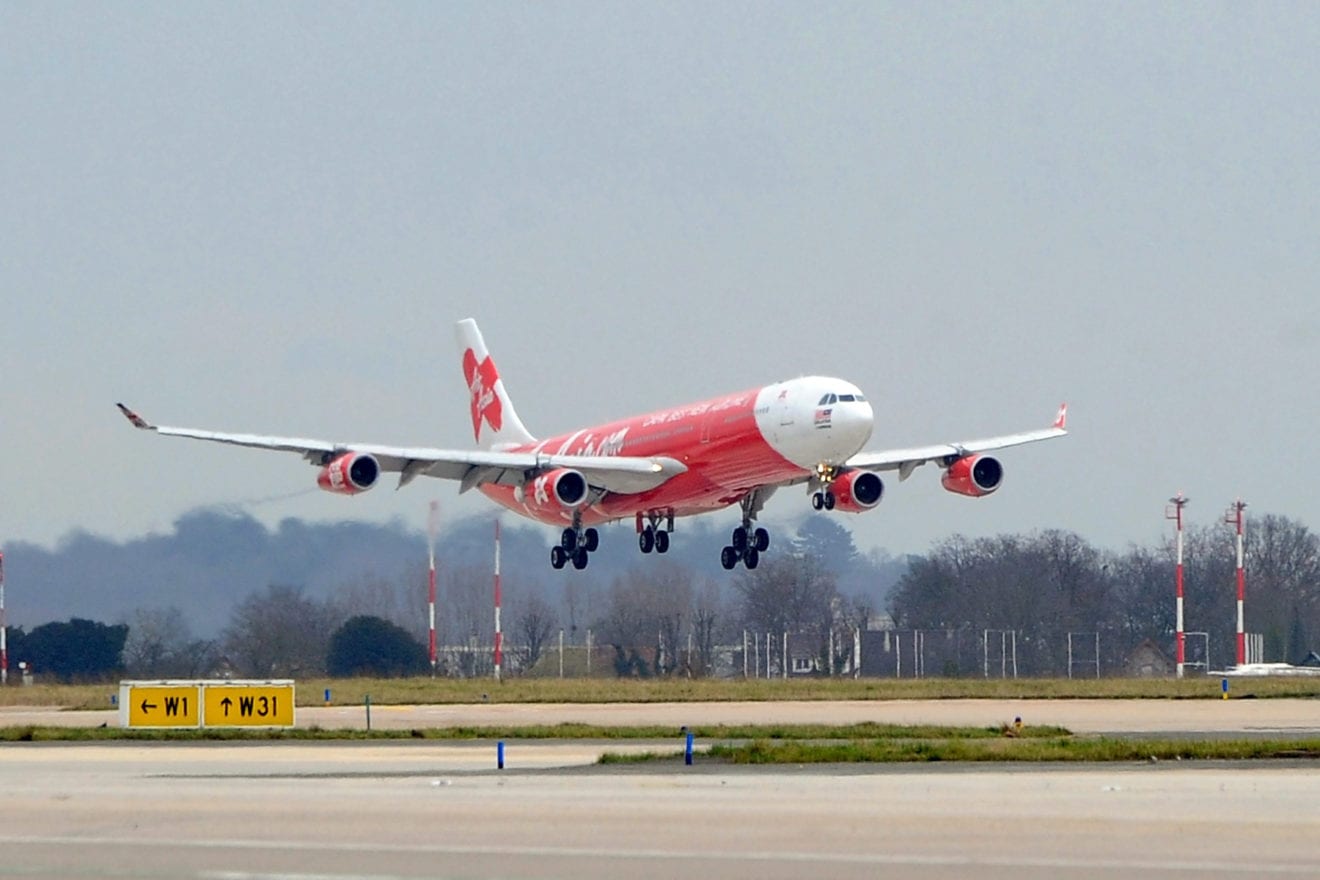
    AirAsia X, Malaysia’s award-winning long-haul, low-cost carrier, has launched its inaugural flight from Kuala Lumpur to Hawaii via Osaka, Japan.

    The departure lounge at KLIA2 where passengers boarded flight D7 001 was abuzz with excitement.

    Gracing the launch at KLIA2 was AirAsia X chairman Tan Sri Rafidah Aziz who adorned passengers with floral garlands.

    After the approximately six-hour flight to Osaka, the celebration continued with Rafidah and AirAsia X CEO Benyamin Ismail present at a ribbon-cutting ceremony at Kansai Airport.

    In Honolulu, State of Hawaii Chief of Staff Mike McCartney, Malaysian ambassador to the United States Tan Sri Dr Zulhasnan Rafique, and Hawaiian Tourism Authority (HTA) president and CEO George D. Szigeti also attended a press conference.

    AirAsia X Group CEO Datuk Kamarudin Meranun said when he founded AirAsia with partner Tan Sri Tony Fernandes, they dreamed of democratising air travel for everyone so flying would no longer be a luxury only a few could enjoy.

    “The landmark route to Hawaii is a bold new chapter in that quest to help more people travel farther for less. But this is just the beginning, and soon our guests will be able to enjoy flights to even more destinations in the US as we continue to grow our international footprint,” he said.

    HTA’s Szigeti said they were deeply honoured AirAsia X had chosen Honolulu as its initial destination to expand its service in the United States.

    “We appreciate how this route strengthens our ties with the people and culture of Malaysia.

    “AirAsia X customers in Kuala Lumpur and Osaka will enjoy the convenience of this direct service and how it connects them with the welcoming spirit of the Hawaiian culture, the spectacular natural beauty of our islands, and the diversity of Asia-Pacific influences that enriches the experience of being in Hawaii.”

    Last week, AirAsia was named the World’s Best Low Cost Airline for the ninth consecutive year, while AirAsia X won the World’s Best Low Cost Airline Premium Cabin and Premium Seat awards for the fifth year in a row at the Skytrax World Airline Awards held at the Paris Air Show.

    AirAsia X flies from Kuala Lumpur to Honolulu via Osaka four times a week.

    To celebrate the inaugural flight, AirAsia X is offering a one-way fare from RM899 for a standard seat or RM2,999 for the award-winning Premium flatbed, from Kuala Lumpur to Honolulu. The promotional fares are available on airasia.com now through July 2, for travel between Oct 1 and Aug 28, 2018.

  • Davidoff’s Martin Kaufmann on the new cigar consumer

    Davidoff’s Martin Kaufmann on the new cigar consumer

    Cigars have been enjoying a revival in recent years, boosted by younger smokers and emerging cigar markets such as China. We spoke with Martin Kaufmann, Oettinger Davidoff’s Senior Vice president of Europe and Global Travel Retail, on his recent trip to Hong Kong to learn more about trends in the cigar industry and how Davidoff is taking on a new generation of consumers.

    How have Davidoff’s customers changed in recent years? Can you tell us about the new generation of cigar consumers?

    Cigars have typically been seen in the older days as something for the more established gentlemen. That has changed a lot. The majority of our new consumers are actually coming in the age bracket of 30-plus and they are from very different walks of life. For the younger generation, it’s not all about an origin—it’s more about discovering different taste experiences from different parts of the world.

    Do trends like social media and pop-up stores play a part in travel retail?

    Social media definitely plays an increasing role. We’re in a highly regulated environment, so it’s less of us talking about ourselves on social media, and more of aficionados and consumers talking about us. It’s very important that we provide the content and the experiences so that they have stories to tell.

    Pop-up stores is something we haven’t done yet, but we have a couple of projects coming up where we’re going to test this in Europe.

    What kind of experiences do you try to create for consumers so that they’ll talk about it on social media?

    Pairings are an important part of cigar tastings, and it’s not only about spirits or wine, but also pairings with fine food. So we do a lot of collaborations with gastronomic tours, with star chefs and special menus. We have the Chefs Edition, which was actually created by cuisine chefs. And that entire experience makes people talk—it’s really all a lifestyle, more than a product.

    How do multi-sensory experiences get translated with travel retail in airports?

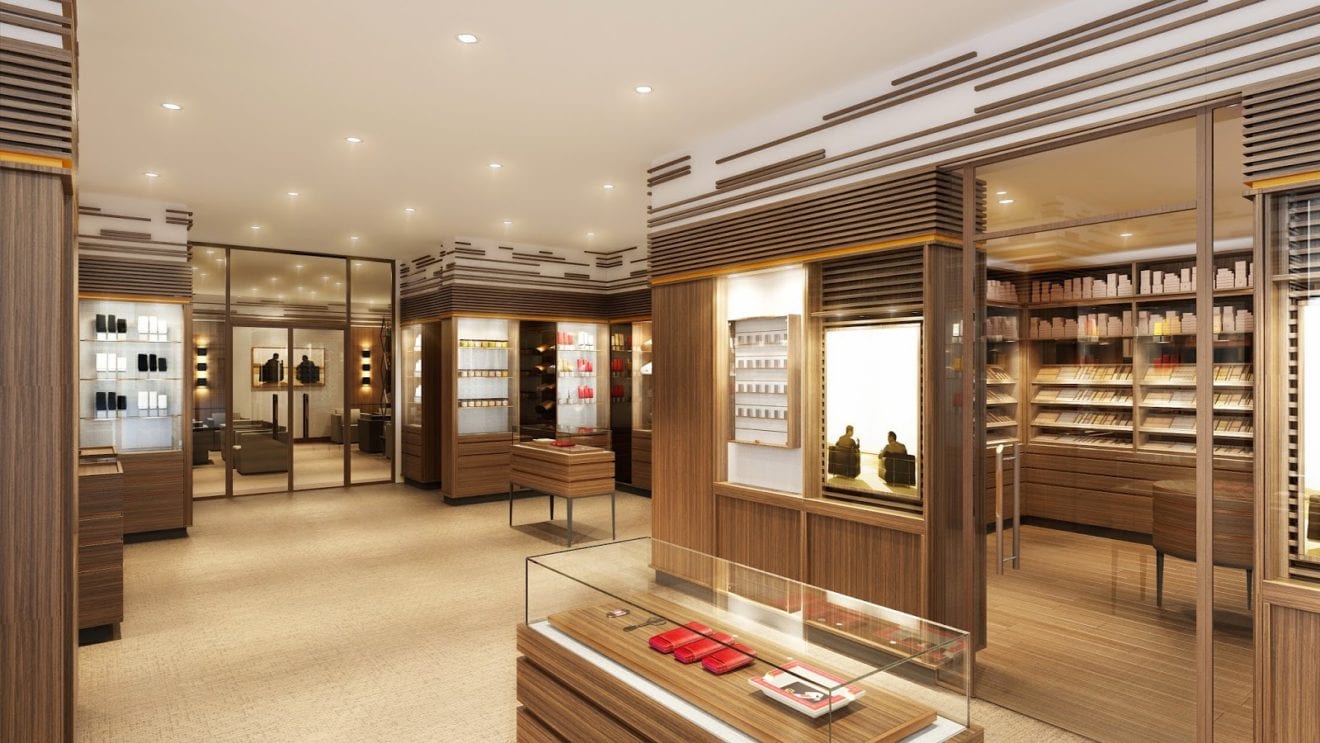
    It is quite dependent on the environment. For example, we might have the ingredients on display, such as pepper to show it’s spicy, and we often have leaves on the ceiling. In some locations we can provide a full fledged multi-sensory experience, like the new walk-in humidor we just opened in Paris.

    What cigar trends are you seeing worldwide?

    It really depends a lot on where you’re looking at. In the US, for example, very big formats are a trend. In other parts of the world, short smokes have been popular for a while, where you only have maybe 20 to 30 minutes [in a smoke], and that is something we don’t see so much in Asia. It has to do with the maturity of the market—whether you have a well established cigar culture, or a younger market where cigars are still developing.

    Which products are doing the best in Asia?

    A lot of Asians are traveling, so when we talk about travel retail, you would find, for example, Chinese travelers all over the world. Gifting remains very important for Chinese travelers. Over 50 percent of cigars that are bought by the Chinese are actually for gifting purposes. That would be way less if you look at the US or Europe, for example.

    How do you engage with Chinese customers?

    We try to educate about the category in customers’ home countries. That’s really where it starts. Ideally, we want people to have an idea of Davidoff and cigars already before they travel.

    We also do specific city and country special editions, such as our zodiac editions that come out every year. Being on WeChat is a breakthrough for us, and of course our brand ambassadors play a role—they can speak Chinese, but they also know how the Chinese shopper wants to be approached. We do a lot of research to understand how Chinese consumers think.

    Do you think that cigars should be grouped with other kinds of tobacco?

    I think that cigars couldn’t be more different from cigarettes. While it’s all tobacco, there’s a very different motivation as to why you smoke. Most cigar smokers don’t come from cigarettes. It’s more comparable with drinking wine or champagne. It’s very much a luxury good, and I don’t think cigarettes have anything to do with that type of market.

    Lastly, what is your personal favourite cigar blend?

    There are so many great cigars. I like the Winston Churchill very much, specifically when we relaunched it a little over two years ago. The Millennium blend I love a lot. My personal favourite, independent from those I’ve tried on testing panels, is the Davidoff Nicaragua Robusto format. That is definitely my favorite.

  • Samsung confirms launch of refurbished Galaxy Note 7s

    Samsung confirms launch of refurbished Galaxy Note 7s

    Samsung Electronics said Sunday it would start selling a refurbished version of its Galaxy Note 7 smartphone this week after an embarrassing recall over exploding batteries rocked the tech giant last year.

    The recall of millions of Galaxy Note 7 devices cost the world’s largest smartphone maker billions of dollars in lost profits and hammered its global reputation.

    The refurbished device, made of recalled, unsealed Note 7 handsets and unused components are outfitted with new batteries, Samsung said in a statement.

    The limited-edition phone — the Galaxy Note Fan Edition (FE) — will hit shelves in South Korea on July 7, Samsung said, adding it would only sell 400,000 units at home.

    The firm said it would decide later whether to release the refurbished edition elsewhere, which is priced at 699,000 won ($611) domestically, far lower than the previous version that was nearly $1,000.

    About three million Galaxy Note 7 handsets were returned to the firm last year, but campaign groups including Greenpeace have expressed concern that discarding the phones could harm the environment.

    “The latest launch of the Galaxy Note FE… has a significant meaning as an environment-friendly project that minimised the waste of resources,” Samsung said in a statement.

    The recall — the largest-ever by the South Korean tech giant — was deeply embarrassing for Samsung, but it has just launched a new flagship device, the Galaxy S8, to positive reviews and strong orders.

    In April Samsung posted its biggest quarterly net profit in more than three years, although the company has come under pressure on wider fronts.

    Lee Jae-Yong, the Samsung group’s vice-chairman and heir to its leadership, is on trial for bribery over his role in a massive corruption scandal that brought down impeached former president Park Geun-Hye.

    Lee is accused of bribing Park and her confidante Choi Soon-Sil with millions of dollars to seek regulatory favours.

  • China Mobile, SAIC, Huawei demo 5G remote driving

    China Mobile, SAIC, Huawei demo 5G remote driving

    China Mobile, SAIC Motor and Huawei have jointly demonstrated the first 5G-based remote driving technology with a consumer car.

    The demonstration at Mobile World Congress Shanghai involved using a Huawei-provided 5G solution connecting SAIC Motor’s smart concept car the iGS, with China Mobile providing the connectivity.

    The remote driving field test involved a driver located over 30km away from the vehicle, and used HD video cameras installed on the vehicle to send multiple real-time video feeds to provide the driver with a 240-degree view of the vehicle’s surroundings, more than the average binocular peripheral vision.

    Control signals for steering, acceleration and brakes were also transmitted over the 5G network in real time using 5G’s ultra-low latency capabilities.

    End-to-end latency for all vehicle control functions was less than 10 milliseconds, providing an eight centimeter distance between breaking and actual deceleration when the vehicle was traveling at 30km/h.

    Remote driving can be used to augment autonomous vehicles and has a range of potential applications, particularly in harsh or dangerous environments like mining or waste disposal sites, Huawei said.

    The technology could allow a single person to manage a fleet of autonomous vehicles, providing human intervention as needed such as in emergency situations.

  • YSL Beauty opens largest store in Kuala Lumpur

    YSL Beauty opens largest store in Kuala Lumpur

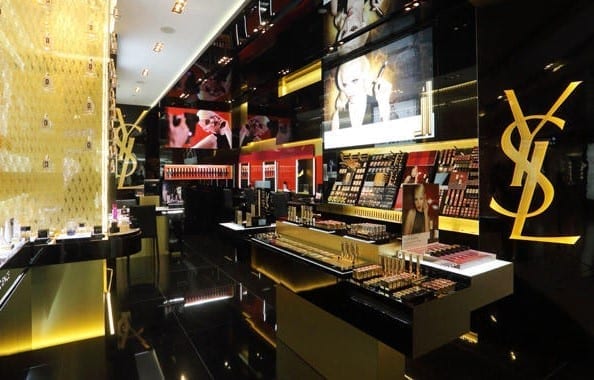
    YSL Beauté has officially opened its first flagship boutique in Malaysia, the luxury retailer’s flagship store for Asia.

    It’s a milestone move for YSL. Spanning over 1,057 square feet, the new boutique is currently the largest YSL Beauté boutique in the world and also the first in Asia to offer gifting and engraving services to its patrons.

    Conveniently located in the Pavilion Kuala Lumpur, the new French cosmetics store boasts glossy black panelling licked with the iconic YSL gold embellishments.

    Better still for local shoppers, it offers the full range of YSL Beauté products, including the bestselling YSL Touche Éclat concealer and its new summer 2017 collection.

    Dubbed “Solar Pop,” the new line features four of YSL’s flagship products revamped for the season with exclusive packaging and colours.

    This includes Yves Saint Laurent’s “Les Sahariennes Bronzing Stones,” a bronzing palette formulated with ultra-fine pigments to smooth and illuminate skin with a natural effect, and YSL’s “Full Metal Shadow” glossy eye colours, which get two new shades: Gold Source and Violet Wave.

    YSL classic “Baby Doll Kiss & Blush” comes in two bright new shades with Orange Intrépide and Mauve Aventureux, and for nails, the new Malaysia store will sell “Laque Couture” in two new colours: Jungle Green and Jungle Orange.

    With scores of YSL Beauté counters and concessions already open across Asia, including Hong Kong, Singapore, South Korea and Japan, no further indication has been given from the brand regarding more standalone boutique openings in the near future.

    The new YSL Beauté is located at Lot 3.63.00, Level 3, Pavilion Kuala Lumpur.

  • Prepare for a mobile payment revolution among Chinese travelling shoppers

    Prepare for a mobile payment revolution among Chinese travelling shoppers

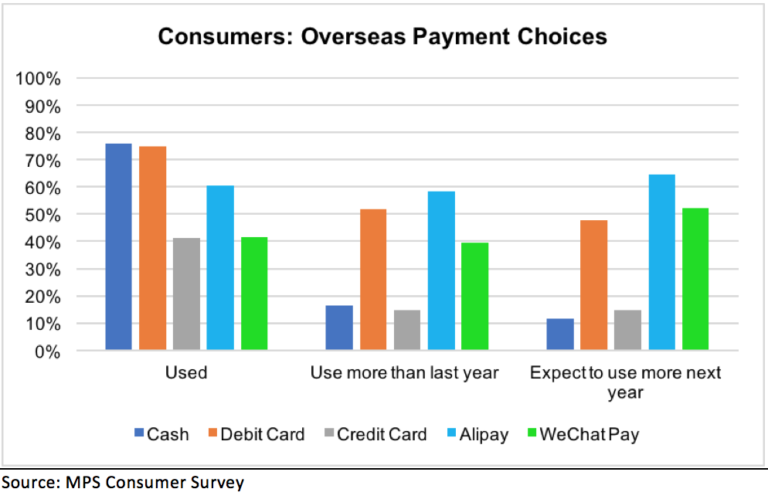
    Mobile payments will soon overtake cash and credit cards as the preferred payment choice for Chinese travellers shopping abroad, according to a new survey.

    Mobile payments specialist Cancan and financial research authority Kapronasia have published a global study, 2017 Mobile Payment Survey: Chinese Consumers Abroad, covering the impact of Asian mobile payment solutions at point-of-sale worldwide. Over 1,000  Chinese consumers and more than 60 C-level decision-makers from global merchant companies were surveyed.

    Among the key findings, the study found that Mainland Chinese consumers expect to spend more with mobile payments such as Alipay and WeChat Pay this year and next year than in 2016 when travelling abroad.

    Most Chinese travellers spent in the range of either US$393–US$786 or US$1,179–US$1,572 for retail purchases on their most recent overseas trip, the report found, while 5.7% spent more than US$6,288.

    Some 67% of respondents reported that they use mobile payments overseas. When consumers were asked about their primary method of payment while overseas, mobile payments represented about 41% of overseas consumption.

    Nearly half of the consumers surveyed made between 10-30% of their overseas shopping purchases with QR code-based mobile payment methods; one third of consumers paid over 50% of their purchases in China with mobile.

    chinese travellers mobile payments survey - Retail in Asia

    Fashion and cosmetics/skincare are among the categories consumers were most likely to purchase with mobile payment.

    The survey found that transaction convenience and the ability to track purchases in real time were the primary reasons for using mobile payments. Not needing to carry cash and credit cards was also appreciated. “You can easily spend days in China without opening your wallet, and consumers expect that too when they are shopping overseas,” the report said.

    The main reasons for not using mobile payments were merchants not offering the facility, as well as consumers’ ignorance that it was possible to use mobile payments when merchants do offer it.

    Alipay, WeChat Pay and Apple Pay are the most popular mobile payment methods. Over 75% of the surveyed merchants accepted Alipay. Over one third of merchants who do accept mobile payments indicated that it contributed to at least 3% or more of their global sales, with some experiencing a share as high as 15-25%.

    Although customer demand is primarily driving merchant adoption of mobile payment (over 80% of respondents agreed that they were reacting to customer demand), retailers also appreciate the speed of transaction and many desire to be seen to be “ahead of the game”.

    Cancan Managing Director Candice Koo: “Global merchants can profit from the mobile payments revolution storming out of the Far East, but they need to focus on the Chinese consumer”.

    “If the overseas market continues to mirror China’s mobile payment growth and development, this will likely change over time. Loyalty and points programmes in mainland China were slow to take off but are now informing an increasing number of merchant’s digital strategy, many of whom all have domestic WeChat official platforms.”

    Cancan and Kapronasia concluded that as well as there being continued growth in mobile spending, there will also be a change in what consumers buy using mobile payments.

    “Although they started out being used for smaller value purchases, mobile payments are increasingly being used for higher value and luxury items,” the report said. “The average transaction value on Alipay went from US$82 in 2015 to nearly US$100 in 2016, an increase of +22%.

    “The implications for overseas merchants are pretty clear: mobile payments have become a way of life for many Chinese and Asians and their habits are extending overseas.”

  • Why Hong Kong’s handover could be an opportunity for luxury retail

    Why Hong Kong’s handover could be an opportunity for luxury retail

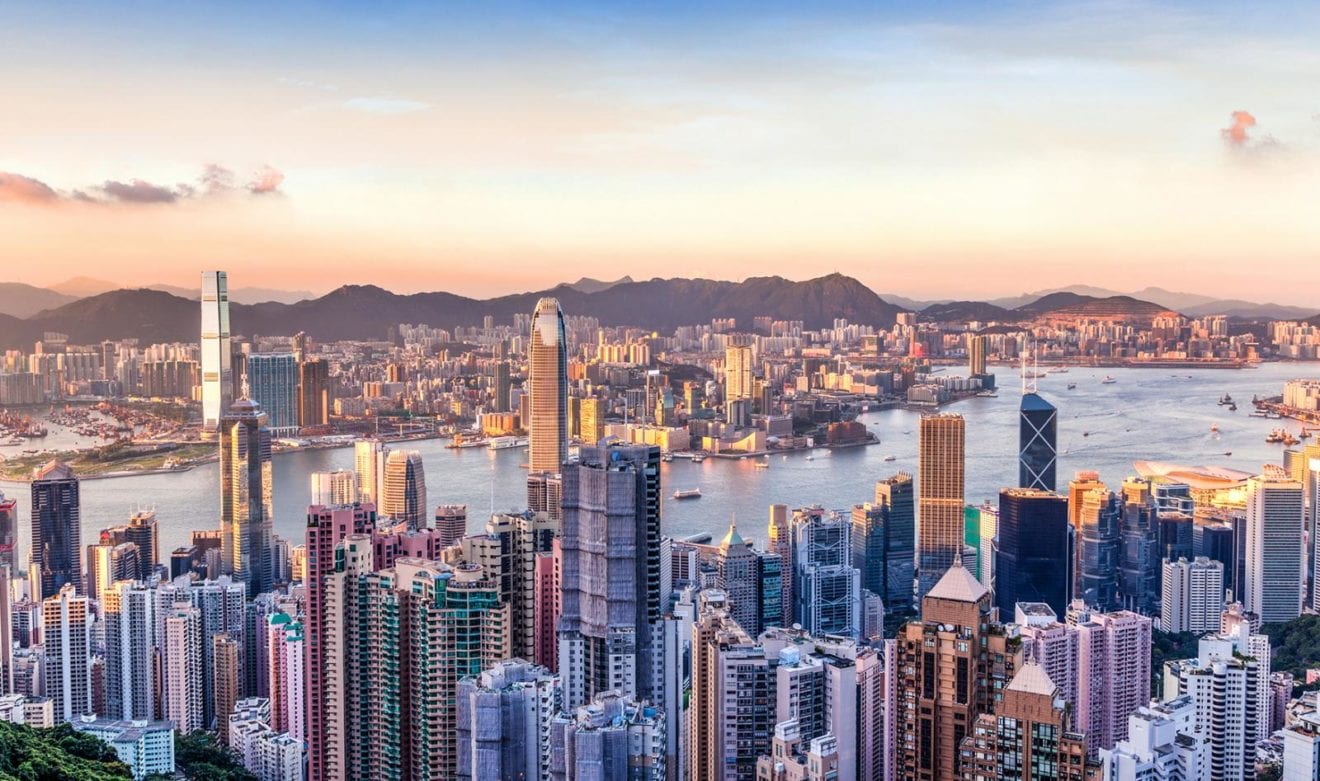
    On Saturday, Hong Kong kicks off a series of 320 events celebrating the anniversary of the region’s handover from British to Chinese governance of Hong Kong in 1997. With president Xi Jinping making his first official visit since taking office in 2013, over $80 million is being invested in the celebrations by the Chinese Government.

    Driving this investment is the promise of an influx of tourists from China’s Mainland, spelling an opportunity for luxury brands operating in the market. A potential economic boost sparked by the handover anniversary celebrations cannot come soon enough for Hong Kong. Luxury sales have been in steep decline, falling by as much 9 percent in 2016.

    Several international luxury brands, including Ralph Lauren, Prada and Tag Heuer shut stores in Hong Kong last year. Meanwhile, Burberry halved the size of its flagship in the city’s Pacific Place complex, while Gucci publicly demanded lower rents, threatening to close several stores.

    Recent accounts show that Hong Kong’s technology and property shares have risen, however, suggesting a renewed confidence in the market. Significant infrastructural developments are also underway. The Hong Kong International Airport is undergoing an $800 million expansion, adding a third runway, to bolster crucial tourist flow into the city — a move projected to boost Hong Kong’s economy by $235 billion by 2030. And the New World Development group has announced a $2.6 billion development, Victoria Dockside, which will span three million square-feet and aims to reinvigorate the Kowloon Waterfront.

    “We can see that Hong Kong is doing slightly better, but we can’t forget that, compared to its heyday in 2012 and 2013, it’s still very depressed,” warns Mario Ortelli, senior research analyst for luxury goods at Sanford C. Bernstein. “All the luxury companies are cautious about Hong Kong. Going forward, they are planning more store closures, not store openings.”

    Mainland Chinese Tourists

    Hong Kong’s struggle to maintain its position as one of the region’s most profitable luxury retail destinations is inextricably linked to tourism from Mainland China. Mainland Chinese tourists represented 76 percent of all visitors to the city in 2016, a significant drop of 6.7 percent from 2015. Mainland Chinese consumers are taking more overseas trips than ever before, and what they buy has evolved beyond Hong Kong’s retail offering.

    “For a younger crowd, they naturally relate more to contemporary fashion, and are more informed in making consumer choices,” says Anais Mak, who co-founded Hong Kong-based womenswear label Jourden in 2012, and counts luxury department store Lane Crawford among her stockists. “I also see more curiosity [among tourists] to discover many other aspects of the city apart from the sought-after luxury fashion products,” she adds.

    Competition from rival markets in the region continues to grow, despite Hong Kong’s key draws: prime geographical location and tax-free shopping. “Macau is currently more dynamic than Hong Kong because it’s cheaper,” explains Ortelli. “South Korea and Japan are also attractive alternative regional destinations, and there are many others that are growing, like Taiwan and Singapore.”

    Tourists have also been deterred by political tensions between the Chinese government and Hong Kong citizens, which hit boiling point in 2014. Meanwhile, the continued sabre-rattling by China and South Korea, surrounding the installation of an American missile defence system in the latter, has also impacted touristic flow.

    In Hong Kong, the attitude is positive. “The general cool down of domestic political tension as well as mixed sentiments between Hong Kong and Mainland China will account for an uptick [in tourist spending in Hong Kong],” says Mak. “Times have been tough in 2015 and 2016, but it seems people are experiencing a natural progression to regain confidence in the environment.”

    However, due to continuing store closures, it’s clear that international luxury brands continue to be far more cautious about Hong Kong’s potential for a turnaround. “There is potential for disruption,” insists Ortelli. “The celebrations are an opportunity for the luxury companies that could, perhaps, become another Occupy Hong Kong.”

  • No smoking in public spaces along Orchard Road area from July 1 next year

    No smoking in public spaces along Orchard Road area from July 1 next year

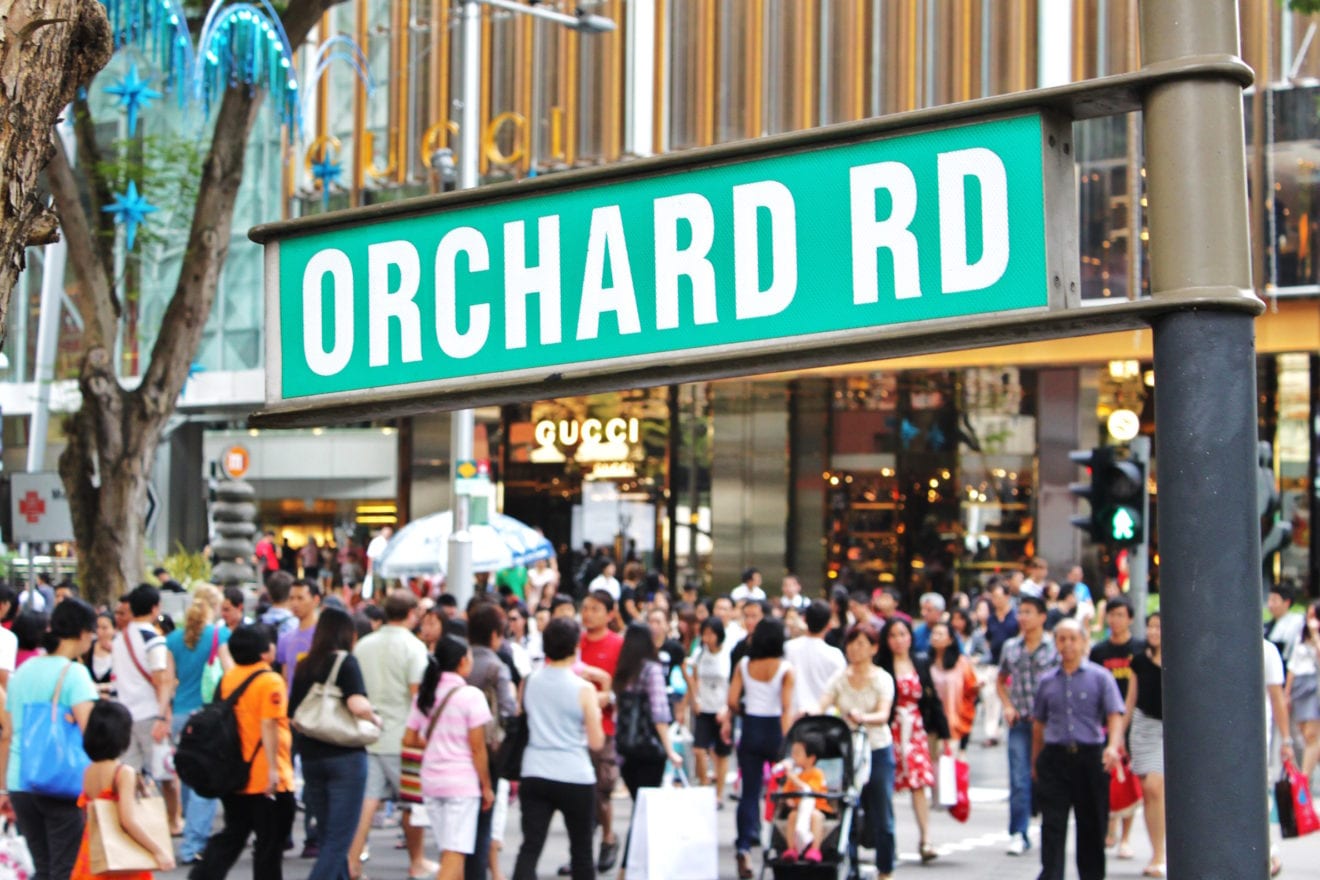
    Smoking will be prohibited in all public spaces in the Orchard Road area — from Tanglin to Dhoby Ghaut — from July 1 next year, said the National Environment Agency (NEA) on Friday (June 30).

    The existing 16 smoking corners, which exist within food retail establishments in the area, will be removed by June 30 next year. That means smoking will be permitted only at designated smoking areas within the Orchard Road smoke-free precinct, which is bordered by Tanglin Road to the west, Dhoby Ghaut MRT station to the east, and Goodwood Park Hotel to the north.

    There are currently five Government-owned designated smoking areas, which are part of an ongoing study led by the Ministry of Environment and Water Resources.

    The NEA also announced on Friday that it will no longer accept applications for smoking corners in all food retail establishments islandwide. Existing smoking corners will be allowed to remain, unless the current licence is terminated or cancelled.

    For Orchard Road, an “advisory approach” will be taken in the first three months after the no smoking ban kicks in, said the NEA. Those caught smoking in public areas will receive only verbal warnings between July 1 and Sept 30.

    Enforcement action — a fine of up to S$1,0000 — will be  taken against errant smokers in the zone from Oct 1 next year.

    Building owners within the smoke-free zone in Orchard Road, however, have the option of building their own designated smoking areas, which must meet certain guidelines, like not being situated beside main thoroughfares, and come with cigarette butt canisters or litter bins with ash trays, and display smoking cessation messages.

  • Saha, Lazada unite for e-commerce expansion

    Saha, Lazada unite for e-commerce expansion

    Saha Group Fair is anticipated to attract over 1 million visitors, contributing more than 300 million baht in transactions. The fair runs until Sunday at the Queen Sirikit National Convention Center.

    Saha Pattana Inter-Holding Co, an investment company of Saha Group, has entered into a partnership with Lazada Thailand Co, aiming to use the e-commerce channel to explore its business at home and abroad.

    Saha Group chairman Boonsithi Chokwatana said the cooperation will fully take place this year after both parties started working together in 2014 to improve their selling platforms, warehouse systems, logistics management, payment methods and customer service centres.

    The companies have since signed a memorandum of understanding (MoU) enabling the Thai group to explore markets abroad, with Asean countries and China being targeted in particular.

    brands from Saha Group are now available via Lazada in various categories, including health and beauty products, lingerie and sport wears. More product categories will be added, including home and living products and groceries.

    Mr Boonsithi said Lazada is the leader in the Southeast Asian e-commerce market and seventh in terms of overall website popularity. It has a strong business base in Indonesia, Malaysia and other Asean market as well as China, the hometown of Alibaba, which is the parent company of Lazada.

    “This will help increase opportunities for our products to expand into the Asian market, particularly China, where customers are familiar with online shopping,” he said.

    Lazada expanded its online business into Asean five years ago in the Philippines, Malaysia, Indonesia, Vietnam, Singapore and Thailand.

    “One strong trend being seen among Thai consumers that is very positive for e-commerce is the higher penetration of mobiles,” said Alessandro Piscini, chief executive of Lazada Thailand.

    A lot of people access the internet for the first time through a mobile device and they are spending more time online for entertainment and various other content, he said.

    “E-commerce is not just about a website, but also the sub-businesses that complete the user experience i.e. payments or logistics,” said Mr Piscini, adding that Lazada will continue to invest in strengthening this ecosystem through its facilities to be put in the Eastern Economic Corridor.

    Lazada offers more than 10 million items in Thailand and 100 million items across Southeast Asia. The company plans to add two to three product categories including groceries.

    Saha Group has engaged in online business for a decade but sales remain sluggish, accounting for only 1% of Saha Group’s total.

    After partnering with Lazada, the group forecasts the sales contribution from online channels will rise to 10% in the next three years.

    The 75-year old group, which is Thailand’s leading consumer product conglomerate, has annual sales revenue of more than 200 billion baht from a variety of products, including food and drinks, household goods, clothes, leather goods, shoes, cosmetics and sports gear.

    “The cooperation with Lazada opens a new business chapter for our group,” said Mr Boonsithi.

    To support the online channel, Saha Group’s subsidiaries Tiger Distribution and Logistic Co yesterday signed a MoU with Paltac Corporation of Japan to strengthen its logistics businesses.

    Tiger Distribution is spending 1.8 billion baht to develop Tiger Suvarnnabhumi DC Project, a large scale warehouse building in Lat Krabang, Bangkok. It is expected to open this distribution centre in June next year.

  • Vietnam beats Thailand, Indonesia with big jump in global innovation ranking

    Vietnam beats Thailand, Indonesia with big jump in global innovation ranking

    The country, at number 47, is now only behind Singapore and Malaysia in Southeast Asia. Vietnam has been named the 47th most innovative economy in the world, its best performance to date, according to this year’s Global Innovation Index report.

    The country jumped 12 spots compared to last year, thanks to its efforts to improve business environment as well as competitiveness.

    Vietnam also ranked first among lower-middle income economies. Among Southeast Asian countries, it overtook Thailand to secure the third place, only behind Singapore and Malaysia.

    Global Innovation Index of Southeast Asian economiesSingapore (7th)Malaysia (37th)Vietnam (47th)Thailand (51st)Brunei (71st)Philippines (73rd)Indonesia (87th)Cambodia (101st)010203040506070Source: Global Innovation Index (GII)

    Knowledge and Technology Outputs, one of the main pillars of the index, was found to be Vietnam’s strong point.

    The country also performed well in Market Sophistication and in Creative Outputs. However, Vietnam’s performance was mediocre in the other pillars that measure institutional framework, human capital, infrastructures and business sophistication.

    “New Asian Tigers — such as Indonesia, the Philippines, and Vietnam — are emerging too, and they increasingly join not only Asian high-tech value chains but also other activities such as ICT offshoring. These and other countries in Asia are also active in improving their innovation performance,” the report said.

    The report, co-published by the World Intellectual Property Organization, Cornell University and the business school INSEAD, surveys the innovation performance of 127 economies around the world.

    Vietnam has been part of the index since its debut in 2007. The country has been climbing up since 2013, after several years of hovering just above the 70th place.

  • 7-Eleven outlets shutdown in Indonesia

    7-Eleven outlets shutdown in Indonesia

    The remaining 141 7-Eleven outlets in Indonesia will cease operations today (Friday), said franchise-owner of the 24-hour convenience store, Indonesia PT Modern Internasional.

    In a statement to the Bursa Efek recently, its Director, Chandra Wijaya, said the decision was taken given the limited resources to support operations and also to the sale and purchase of its shares.

    The company was reported to have agreed to sell the franchise to PT Charoen Pokphand Restu Indonesia but it was called off when both parties failed to reach a consensus on certain matters.

    There were some 175 7-Eleven outlets operating in Jakarta until September last year.

    At the end of 2016, more than 20 stores started closing down as they were not profitable.

    The chain outlets was first introduced in 2008 by PT Modern Internasional’s subsidiary, PT Modern Sevel Indonesia.

    However, PT Modern Internasional’s first quarter results for 2017 revealed that 7-Eleven stores incurred a a 37.17 per cent decline in total sales.

    Meanwhile, Indonesian Trade Minister Enggartiasto Lukita denied allegations that the shutdown in 7-Eleven’s operations displayed weakness in the Indonesian retail sector as many other 24-hour retail outlets were still operating as usual.

    He said the shut down was due to internal problems and the losses experienced by the company.

    Enggartiasto said he would meet the management to obtain more information on the closure of the franchise outlets.

  • Social media set to morph into shopping platform

    Social media set to morph into shopping platform

    China’s shoppers expect a more personalized customer experience in a new digital era where the distinction between online and offline matters less, a new report on Chinese consumer trends has found.

    McKinsey & Co released their report China iConsumer Research 2017 on the sidelines of the annual meeting of the New Champions 2017, also known as Summer Davos, in Dalian, Liaoning province.

    It found the primary shopping mode for Chinese customers has become the omni-channel experience that can offer both offline and online channels before making purchases.

    More than 95 percent of the 5,900 respondents said they either visited the physical stores before purchasing electronics online or bought them in stores after doing online research.

    The report predicted the e-commerce market in China would expand 19 percent in 2017, a relatively modest rate compared to six years of rapid growth including 74 percent in 2011.

    The report found that the solely online retail platforms are reaching their ceiling, but the full potential of the digital retail sector has not yet been fulfilled.

    “Having quickly evolved as a market for pure digital players, Chinese e-commerce is poised to enter a new retail era,” the report said.

    The term ‘new retail’ refers to a combination of the strengths of both online and offline retail.

    Founder of e-commerce giant Alibaba, Jack Ma, said new retail is wiping out the distinction between physical and virtual commerce.

    In addition to shoppers’ high expectations for omni-channel services, McKinsey suggested other major consumption trends are emerging in China in the new retail era.

    Chinese customers are pursuing scenario-triggered shopping – an e-commerce experience that adapts to whatever a shopper is doing and seeing at a given moment, the report said.

    The report also found various consumer activities such as discovering new products and making purchases are appearing on social media platforms.

    About 70 percent of the people surveyed by McKinsey who use WeChat, an instant messaging tool and social media app in China, showed interest in shopping through the platform if their favorite brands were available on it.

    The report also noted Chinese consumers’ rising enthusiasm for customized products and services.

    The report found existing online product recommendations received by consumers are far from personalized. They are based on consumers’ previous online search topics or shopping history but fail to indicate new items consumers would be interested in.

    Deeper personalization based on data and connecting online and offline experiences are key for brands and retailers in China’s new retail era, the reports said.

  • The next Silicon Valley? Where to place Vietnam on the global startup map

    The next Silicon Valley? Where to place Vietnam on the global startup map

    Vietnam is trying hard to become a startup nation. The country kicked off its own “Silicon Valley” with the hope of transforming from a software outsourcing haven to a major tech hub last year. This complex, with total investment of $21.5 million, is aimed at nurturing tech-incentive startups.

    However, when asked if Saigon could become the next Silicon Valley, entrepreneur Anh-Minh Do from the Singapore-based Vertex Venture, smiled and answered without hesitation: “I don’t think it will ever happen.”

    In the Global Startup Ecosystem Report 2017 released by U.S. research organization Genome, Saigon was not mentioned in its top 20.

    Meanwhile, Southeast Asian neighbor Singapore shocked the world by outperforming Silicon Valley as the world’s number one for tech talents, and was ranked 12th overall.

    Saigon became known to the global tech market nearly two decades ago as an outsourcing haven, together with Bangalore in India, which did secure a place in the top 20.

    When it comes to other up-and-coming tech hubs in Southeast Asia, Kuala Lumpur also has its name on the map.

    In another report released this month by consultancy firm A.T. Kearney, Saigon stood in 74th out of the 128 most innovative cities worldwide.

    Those rankings cast doubt on Saigon’s Silicon Valley dream. People are getting more realistic, saying it may be out of reach.

    People have been wondering where the second Silicon Valley will emerge, but even Singapore is not a safe bet, according to some investors. Singapore may have overtaken the California-based tech hub in some respects, but is still a long way from becoming a major rival.

    For some entrepreneurs, investors and developers, the term “Saigon Silicon Valley” comes as a surprise.

    “What do you mean Saigon Silicon Valley?” astonished Tuan Anh, a former Google intern in the U.S., asked with wide-open eyes at an Internet of Things conference held last month in Hanoi. He had no idea that Vietnam is constructing its own Silicon Valley, covering an area of over 11,000 square meters. “I am sorry, I didn’t know about the project. But considering the situation in Vietnam now, I think Silicon Valley is just a name reflecting a government dream.”

    It seems the Vietnamese government is obsessed with the term “Silicon Valley”. Nearly five years ago, the government also sponsored an accelerator based in Hanoi called Vietnam Silicon Valley, hosting bootcamps aimed at mentoring young startups and giving direction to the fragmented venture capital market.

    Tech talents

    Many investors agree that Vietnam is a great breeding ground for IT workers, and tech companies are constantly hunting for talented candidates.

    Domestic demand for techies has doubled over the past five years, according to a report by human resources firm VietnamWorks.

    Vietnam is recognized as one of the world’s top software outsourcing hubs. The appeal is bolstered by its tech-savvy workforce, which is cheaper than China’s and more productive than other countries in the ASEAN Economic Community.

    “But when it comes to sophisticated projects that require the ability to appreciate good and user-focused design and critical thinking, Vietnamese developers seem to be struggling,” Pham Quoc Dat, founder & CEO of Hatch Ventures Vietnam.

    “Vietnamese IT workers are just above average,” Dat added. “On a scale of 1 to 10, they score 7 to 8 in comparison to their Southeast Asian peers, but just 5 to 6 compared to the real Silicon Valley in the U.S.”

    Clearly, outsourcing is not enough for Vietnamese developers to make their Silicon Valley dream come true – it’s the matter of creating new things.

    “The world is now focused on artificial intelligence and automation, but Vietnam has virtually no home-grown talents in this field, only those who were educated overseas,” said Anh-Minh. “That means Vietnam is being left behind when it comes to education, which is a key component to keep up in this fast-paced world.”

    On the other hand, Vietnamese high school students have long been known for their excellent performances at math and science competitions, outscoring their U.S. and U.K. counterparts. It is this foundation for computer science that could give Vietnam an edge.

    “Vietnam has hidden tech potential, but it could take another five years to create massive companies that have global influence,” Anh-Minh added.

    The country is looking at ways to transform from an electronic component producer to a center for research, innovation and development.

    In early 2014, the world became addicted to mobile game Flappy Bird, developed by Vietnamese programmer Nguyen Ha Dong. He was said to have pocketed an estimated $50,000 a day thanks to the bird. Not even Mark Zuckerberg became rich that fast.

    Dong’s story is an encouraging example for his peers, but it seems that “Flappmania” was just a one-night hit for him. No more spotlight for descendents of this bird.

    Since then, no Vietnamese techies have been able to recreate that, not even Dong himself.

    When entrepreneurial spirit is not enough

    Setting up your own business is part of Vietnamese culture. Seven in 10 startups are family-run businesses, according to the “Vietnam –Promised Land for Entrepreneurship” report, conducted by USAID and the Vietnam Chamber of Commerce and Industry. They start small but hope to grow bigger.

    The average age of startup founders in Vietnam was 30, said the report, just slightly older than the 28 years reported in Singapore, the world’s youngest base.

    “Most young Vietnamese people want to be entrepreneurs,” said Chris Zobrist, an American entrepreneur and advisor on the Silicon Valley Project. “A lot of their parents started businesses that did really well, and that created an image in young people’s minds that being an entrepreneur is a real path to success in life.”

    Geektime, one of the biggest tech blogs focusing on global innovation, estimated the number of tech startups in Vietnam stood between 1,400 and 3,000 in 2016, making the country the third largest ecosystem in Southeast Asia, only behind Singapore and Indonesia. However, around 95 percent of startups die within 3-5 years.

    Vietnamese people are focusing more on commercial startups like coffee shops rather than doing something tech-related and revolutionary, said Truong Gia Binh, chairman of technology giant FPT Corporation. Binh said he would wholeheartedly support any projects that could make a breakthrough in the tech world. Startups that could go global should have technology as their foundation, he added.

    The startup trend has fired up in Vietnam for three years.

    The government has set a target of reaching one million newly established firms by 2020, but quantity should go together with quality.

    To become the “next” anything, the country needs bigger bets from founders, investors and regulators.

    Vietnamese startups enjoy significant government subsidies and the country’s strategists are working to establish local tech startups that can make it big on a global scale.

    “The law needs to regulate the money better. The government needs to be more supportive; there needs to be more interaction from Vietnamese-Americans, specifically Vietnamese-Californians because of the ‘Valley’ connection,” Anh-Minh said.

    Vietnamese startups struggle to succeed because they don’t have access to experienced professionals. In Silicon Valley, founders and entrepreneurs have a lot of people who have successfully started companies to go to for advice. Here in Vietnam, a relatively young market, it is not easy to find that depth of experience.

    Vietnam is a small country with big ambitions.

    Dat from Hatch Ventures said: “As the first entrepreneurial hub in Vietnam, Saigon is the first choice for investors looking for potential deals.”

    “If any city in Vietnam has the potential to become the next big tech hub, it’s Saigon,” Dat said.


  • Ford recalls 40000 big vans; cracked coupling can cause power loss

    Ford recalls 40000 big vans; cracked coupling can cause power loss

    Ford is recalling more than 400,000 Transit vans and buses to fix cracked drive shaft couplings that can cause the vehicles to lose power.

    The company says the recall covers North American vans, buses and chassis cabs with medium, long and extended wheelbases from 2015 to 2017.

    The coupling can separate from the drive shaft, causing loss of power or unintended movement when shifted into park. It also can damage surrounding parts including brake and fuel lines.

    The company says it’s not aware of any crashes or injuries from the problem.

    Ford says in a statement Wednesday that its data show the couplings won’t deteriorate enough to cause separation in vehicles with fewer than 30,000 miles. So drivers should schedule an appointment to get the coupling replaced after the vans hit that threshold. The company is still developing a permanent fix, and until that happens, drivers should have the couplings replaced every 30,000 miles.

    “We are working quickly to make it available as soon as we can,” spokeswoman Elizabeth Weigandt said.

    Owners will be notified by mail and will get another letter once the permanent repair is available.

  • Vietnamese consumers among most demanding on e-commerce

    Vietnamese consumers among most demanding on e-commerce

    Nielsen has forecast that the Vietnamese e-commerce market will grow 22 per cent this year and 13.2 per cent by 2020.

    According to the Vietnam E-commerce Association (VECOM), the local e-commerce sector will become a 10-billion-dollar business in the next five years.

    However, local consumers are also demanding, with many complaints about price, product information and authorisation, which should be addressed by merchants to improve customers’ trust.

    A research conducted by iPrice and Trusted Company based on more than 30,000 reviews on 5,000 websites in Viet Nam, Malaysia, Singapore, Indonesia and the Philippines found that Vietnamese customers have the lowest trust on e-commerce and spend less money on shopping online.

    Vietnamese customers complain the most about “fake products”, 15 per cent higher than Thailand, the country with the second maximum complaints, given that fact that Thailand ranked 4th worldwide in the fake goods trade.

    The second maximum complaints on e-commerce sites by Vietnamese customers are about the price of products. Despite being an aggressive promotion hunter, the Vietnamese still think products listed by e-commerce merchants are overpriced.

    Given that 80 per cent of consumers prefer cash on delivery (COD) payment, the country also has the highest order cancellation rate, with 30 per cent of products not being accepted due to product failure, the research said.

    Unlike consumers in other Southeast Asian countries such as Singapore and Indonesia that have shared concerns on buying products, the most common queries of the Vietnamese are on product authorisation (store address) and availability. They are revealed to often use feedback forms to ask about products.

    Of all Southeast Asian countries, Viet Nam has an average rating of 3.7 out of five stars, the research has revealed. This is due to the fact that only large merchants have developed a rating scheme for a better shopping experience for consumers.