Tag: asia

  • Samsung to sell off refurbished Galaxy Note 7s

    Samsung to sell off refurbished Galaxy Note 7s

    The world’s biggest smartphone maker Samsung will next week start reselling refurbished Galaxy Note 7 devices after a humiliating recall over exploding batteries last year, news reports said Tuesday.

    Samsung Electronics declined to comment on the reports.

    The recall debacle cost the Korean giant billions of dollars in lost profits and hammered its global credibility.

    Around three million Galaxy Note 7 devices were returned to the firm, but campaign groups including Greenpeace expressed concern that discarding them could harm the environment.

    Citing industry sources, South Korea’s Yonhap news agency and other news reports said Samsung would start selling refurbished devices with new batteries and updated software under the name Galaxy Note Fandom Edition (FE).

    They will be priced below 700,000 won ($616) and sales are slated to start July 7, Yonhap said.

    The recall was deeply embarrassing for Samsung but it has just launched a new flagship device, the Galaxy S8, to positive reviews and strong orders.

    In April it posted its biggest quarterly net profit for more than three years, although it has come under pressure on wider fronts.

    Lee Jae-Yong, the Samsung group vice-chairman and heir to its leadership, is on trial for bribery in connection with the sprawling corruption scandal that brought down former South Korean president Park Geun-Hye.

    Lee is accused of bribing Park and her secret confidante Choi Soon-Sil with millions of dollars to seek government favours.

    He has effectively been at the helm of the group since his father suffered a heart attack in 2014.

    His indictment in February sent shockwaves through the firm and triggered the announcement of a major reform of its top-down management style.

  • Foreign fast food chains show underwhelming performance in Vietnam

    Foreign fast food chains show underwhelming performance in Vietnam

    Experts say there are several challenges: intense competition from the increasing number of domestic and foreign food companies, high prices (a burger goes for “four times a bowl of Pho”), and the fact that hamburgers and French fries are just not for Vietnamese people.

    Below are some major chains and their progress in Vietnam compared to other markets in Asia.

    Burger King

    Burger King has closed five restaurants in Ho Chi Minh City, Hanoi, and Danang in recent years, citing sub-optimal location, according to news reports, despite an ambitious $40-million investment plan upon its entry in 2012.

    At the time, Burger King expected to open 60 restaurants nationwide, as consumers were excited to try the famous hamburger from the west. However, five years later, the fast food chain has only reached a quarter of this target with 15 restaurants: seven in Hanoi and eight in Ho Chi Minh City.

    The reasons Burger King missed its original goal, according to experts, could be tough competition, high operating costs, and a misunderstanding of Vietnamese taste buds.

    “In the short term, hamburgers cannot become a popular choice for Vietnamese consumers,” said Nguyen Manh Tu, business development director of Blue Kite Food and Beverage Services Company Limited, which has the franchise rights to Burger King in Vietnam, in an exchange with the broadcaster VTV.

    Such an initial drawback would require fast food chains to adjust their menus or strategies. In the case of Burger King, after re-negotiating the franchising terms to reduce the projected store count to 15 and refining its menu, its sales has increased by 50 per cent each year for the last two years, according to VTV. Good customer service and the quality of ingredients, with beef imported from Australia, will continue to be Burger King’s advantage in the eyes of Vietnamese customers.

    Tu added that the future of Burger King will depend largely on the restructuring of Restaurant Brands International, the multinational company that owns several fast food brands, including Burger King.

    Other markets in Southeast Asia have welcomed Burger King long before Vietnam. It entered Malaysia in 1997 and now has more than 50 Burger King restaurants in the country. In the Philippines, Burger King was acquired by local fast food giant Jollibee Foods Corporation, which in 2011 bought a 54-per cent stake in BK Titans Inc., the holder of franchise rights to Burger King in the Philippines.

    McDonald’s

    Originally from the United States, the golden arch logo of McDonald’s is now recognisable everywhere in the world.

    In 1992, McDonald’s opened its largest restaurant in the world at the time in Beijing, and 40,000 customers came to taste a bite of American culture on the first day of business, according to James Watson’s book “Golden Arches East: McDonald’s in East Asia.”

    Four years later, by the end of 1996, McDonald’s had 29 outlets in Beijing, according to Associated Press. Generally perceived by Chinese consumers as a symbol of status and western modernity, McDonald’s grew rapidly in China, a country where its well-trained staff and clean restaurants were a novelty in the 1990s.

    Ten years on, in 2006, McDonald’s had 784 restaurants in China, opening 75 new restaurants a year on average, according to company data. The company also had more than 150 restaurants in Hong Kong during this period, and at one point served half a million fast food fans per day, according to BBC News. (Hong Kong’s population was 7.3 million in 2015.)

    Fast forward five years to 2011, and the fast-food chain had 1,464 outlets in China, meaning it opened 136 new outlets each year during the five-year period.

    Today, there are more than 2,400 restaurants in mainland China, according to the New York Times. However, McDonald’s will sell 80 per cent of its businesses in China and Hong Kong to the state-owned conglomerate Citic and private equity firm Carlyle Group, granting these firms franchise rights. This is part of McDonald’s newfound plan to turn 95 per cent of its restaurants into franchises, thereby saving money and passing the hefty cost of modernising the stores on to franchisees, analysts said.

    Last year, McDonald’s also sold the franchise rights to its restaurants in Malaysia and Singapore to Saudi Arabian Lionhorn Private Limited.

    With a network of 262 restaurants, McDonald’s recorded a year-on-year revenue growth of 16 per cent in 2016 in Malaysia and is looking to repeat this with a double digit growth in revenue and profit this year, according to the company website.

    Meanwhile, almost four decades after entering Singapore in 1979, McDonald’s 120 restaurants claims to serve 1.2 million customers each week. (The island had a population of 5.5 million as of 2015.)

    Another country in the region where McDonald’s has a long history is the Philippines. The first McDonald’s restaurant opened in 1981 in central Manila. More than 36 years later, the Philippines is one of its biggest markets in Asia in terms of store count, only behind China, Japan, and Taiwan, according to company data. The company has always reported double-digit annual growth in revenue in the past 10 years, and in 2016 sales increased by 14 per cent. It opened 45 new outlets last year and is targeting 45 more this year.

    In Vietnam, McDonald’s is seen to be growing slowly. Three years ago, as customers queued up to try the first Vietnamese restaurant in Ho Chi Minh City, McDonald’s planned to open 100 restaurants within the decade (average 10 new restaurants each year). However, the chain now has only 15 restaurants, falling rather short of the target.

    Jollibee

    Jollibee is the Philippines’s home-grown fast-food chain. Filipino-Chinese founder Tony Tan Caktiong started Jollibee selling ice cream in 1978, but eventually shifted to hamburgers to meet market demand. After many years of competing with McDonald’s, Jollibee’s more than 2,000 restaurants controlled 18 per cent of the Metro Manila market, compared to the 10 per cent of McDonald’s, according to Forbes Asia’s 2013 data.

    In a few sentences, Tan explained this feat to Forbes Asia, saying “We found that they excelled over us in all aspects—except taste. It suited Americans, but not really Filipinos. Ours (food) tends to be sweeter, spicier, and more salty. We were lucky as it was not easy for them to change their product because of their global image.”

    Jollibee also wanted to become a global player, as there are large Filipino diasporas in many countries longing for the familiar taste of their hometown food. The company entered the US in the 1980s and Saudi Arabia, Qatar, and the United Arab Emirates in 2008, according to Forbes Asia. New locations were planned in countries, such as Britain, Italy, and Canada.

    In addition to developing its own brand, the company also bought already-popular brands and works to improve them. For example, in China, Jollibee bought the noodle and rice chain Yonghe King in 2014, the congee brand Hong Zhuang Yuan back in 2008, and the beef noodle chain San Pin Wang in 2012.

    Jollibee bought Burger King’s 23 restaurants in the Philippines in 2011. More recently, it also purchased 40 per cent of American burger chain Smashburger and made plans to open at least 1,400 Dunkin’ Donuts locations in China in the next 20 years.

    Jollibee Foods is now the biggest restaurant chain in Asia, boasting about 3,290 outlets worldwide under various brands.

    In Vietnam, Jollibee opened its first restaurant in 1996 and now boasts 80 outlets nationwide. Jollibee is successful among foreign brands on the Vietnamese fast food market. It has been growing rapidly in recent years, with two thirds of its restaurants having been opened in the last five years, according to numbers from dantri.com.vn. The company began granting franchise rights in late 2015.

    At the end of 2016, Jollibee Foods went into a joint venture with Viet Thai International to create SuperFoods Group, thereby gaining ownership of several other brands, such as Highlands Coffee, Pho 24, and Hard Rock Café.

    Jollibee is expected to take the company public via an Initial Public Offering in 2019, an indication of Jollibee’s success as well as ambition to imitate its success in other countries: buying and growing major local brands.

    Thanks to this strategy, Highlands Coffee doubled the number of coffee shops from 60 in 2014 to 130 in 2016, according to news site Soha.

    Subway

    Claiming to be a healthier alternative, Subway is a little bit different. Entering Vietnam six years ago, the world’s biggest fast food brand has set a goal of 50 restaurants in Vietnam by 2015. However, at present, there are only six of them in Ho Chi Minh City, as previously reported by VIR.

    “Like other fast food brands, Subway entered Vietnam late. Initially, we had to adjust our strategies to fit the culture as well as market trends. It takes time for us to adapt to the differences in the Vietnamese market to get the desired foothold here,” Mark Mason McGrath, general director of Subway Vietnam, explained to VIR in February.

    In Southeast Asia, Subway has opened 200 restaurants in Singapore, 100 in Thailand, and 40 in the Philippines. However, Subway has not reached its expected goals in Vietnam.

    Pressure to conform

    In conclusion, most fast food brands entered Vietnam with big promises, probably due to their success in other markets, such as the Philippines, Malaysia or China. However, several brands, such as McDonald’s, Burger King or Subway, set foot in Vietnam much later than other markets, which seemed to be a big disadvantage, while chains that opened long before, such as Jollibee, Lotteria, and KFC, seem to be doing better.

    News reports and expert opinion seem to agree that foreign fast food chains have not been able to win the heart of Vietnamese consumers because they lack that local taste that could entice them to return time and again. There are signs of change, such as rice being added to the menu (the rice and fried chicken combination is unheard of in the west) or Jollibee beginning to use traditional Vietnamese fish sauce to marinate its fried chicken, as the company announced recently.

    According to Jollibee’s data, 90 per cent of customers liked the fried chicken seasoned with fish sauce and would eat it again. Such an adjustment is something other fast food chains should take notice of.
  • Crown Equipment expands Shanghai operations

    Crown Equipment expands Shanghai operations

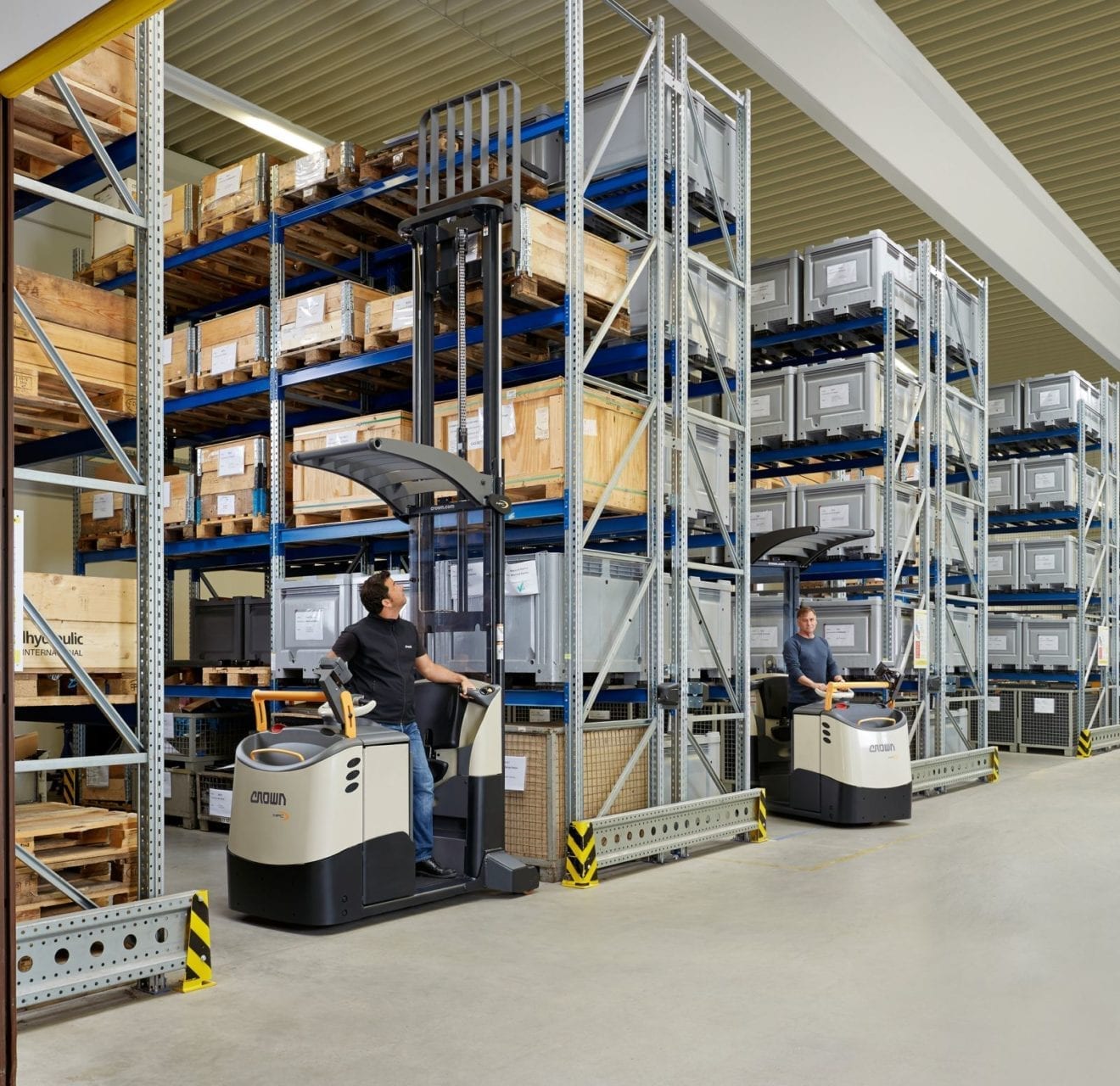
    Crown Equipment Corporation is expanding in Shanghai with a new facility to support growing customer needs in the region. The facility includes space for extensive new equipment inventory, a parts distribution centre, training facility for mainland China, technology demonstration centre as well as local sales, parts and customer service operations for the Shanghai area.

    “The new location is vital to support our customers’ evolving needs in China,” said Tom Kieffer, managing director of commercial operations, Crown Equipment. “Our goal is to become the first choice of our customers, which requires that we have outstanding parts and truck availability to provide excellent customer support. Our new facility provides the expansion needed to achieve this goal.”

    The facility’s technology demonstration centre is designed to help customers make informed purchasing decisions when it comes to advanced material handling equipment and technology needed to increase the productivity of their operations. The centre will showcase the latest forklifts and technology from Crown, including the QuickPick Remote order picking system that uses automated truck navigation technologies to reduce low-level order picking walk steps, and Crown’s InfoLink wireless operator and fleet management system.

    Along with having access to a complete selection of Crown’s award-winning forklifts and Integrity Parts and Service System, customers can take advantage of Crown’s Demonstrated Performance Training programs that offer a comprehensive range of forklift training formats for operators, supervisors, trainers, technicians and pedestrians.

  • Alphabet partners with Avis to manage self-driving car fleet

    Alphabet partners with Avis to manage self-driving car fleet

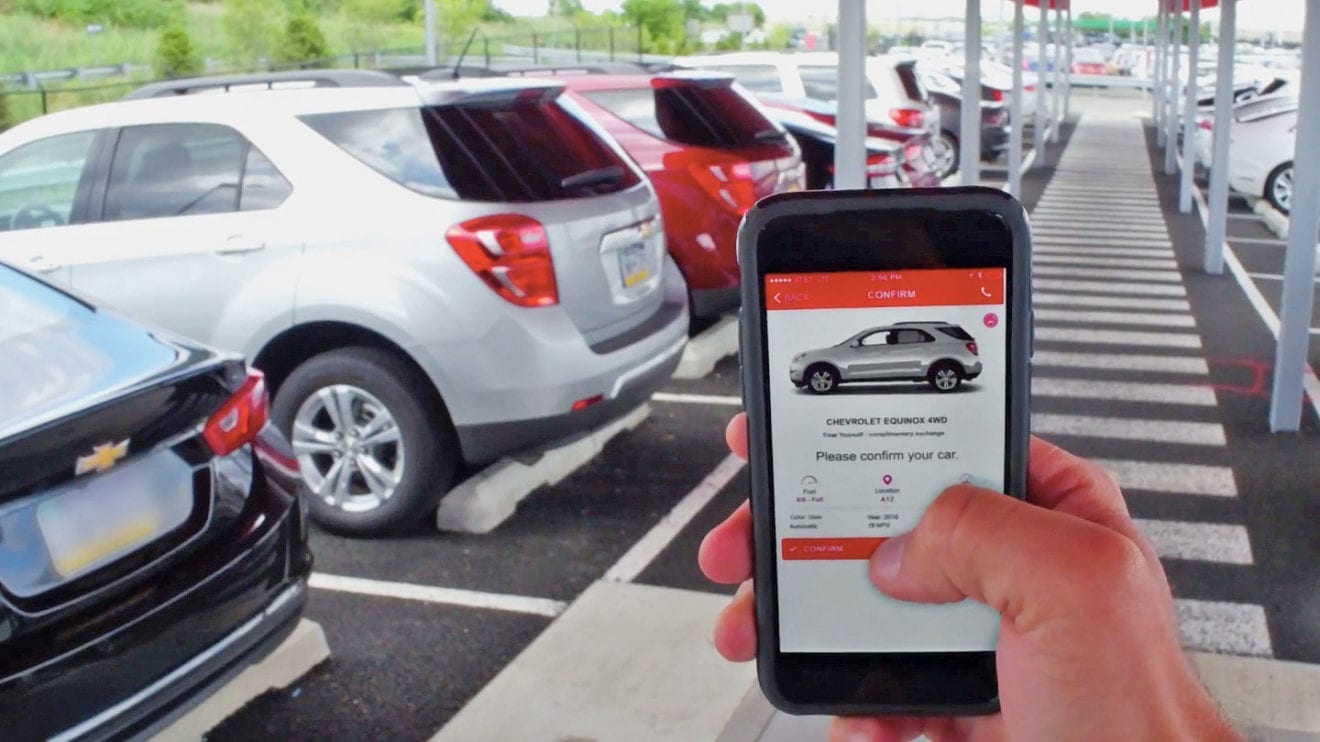
    Waymo, the self-driving car unit of Alphabet Inc, said on Monday it signed a multi-year agreement with Avis Budget Group Inc for the car rental firm to manage its growing fleet of autonomous vehicles, sparking a surge in Avis Budget’s stock.

    Investors bid Avis shares up by as much as 21 percent on Monday, the biggest intraday percentage gain for the stock in more than five years. The shares closed at $27.67, up about 14 percent.

    Shares in traditional rental car companies such as Avis and Hertz Global Holdings have taken a beating as more travelers use ride services such as Lyft and Uber Technologies The Waymo-Avis deal points to a potential future for rental car companies as managers for fleets of shared and autonomous vehicles require their services changing tires, cleaning interiors, and securing vehicles when they are not in operation.

    A Bloomberg report on Monday that Apple was using vehicles supplied by rival rental car company Hertz Global Holdings to test its self-driving car technology prompted a surge in that company’s shares.

    Also on Monday, General Motors Co Chief Financial Officer Chuck Stevens told analysts during a conference call that the automaker has “done a lot of thinking” about how to manage its growing fleet of self-driving vehicles. But he said “it’s early days on how that business model may play out.” GM has a large network of franchised dealers that could provide fleet management services, as well as an alliance with Lyft and its own Maven car-sharing unit.

    Waymo and Avis said they will launch their partnership in Phoenix, Arizona, where Waymo is allowing selected members of the public take rides in self-driving cars, including modified Chrysler Pacifica minivans built by Fiat Chrysler Automobiles NV. Waymo has said it plans to expand its fleet of Chrysler minivans to about 600 vehicles.

    Waymo and Avis did not say whether their partnership will expand to other cities, but John Krafcik, the head of Waymo, said in a statement that “with thousands of locations around the world, Avis Budget Group can help us bring our technology to more people, in more places.”

  • Hanoi attempts to manage app-car services like taxis

    Hanoi attempts to manage app-car services like taxis

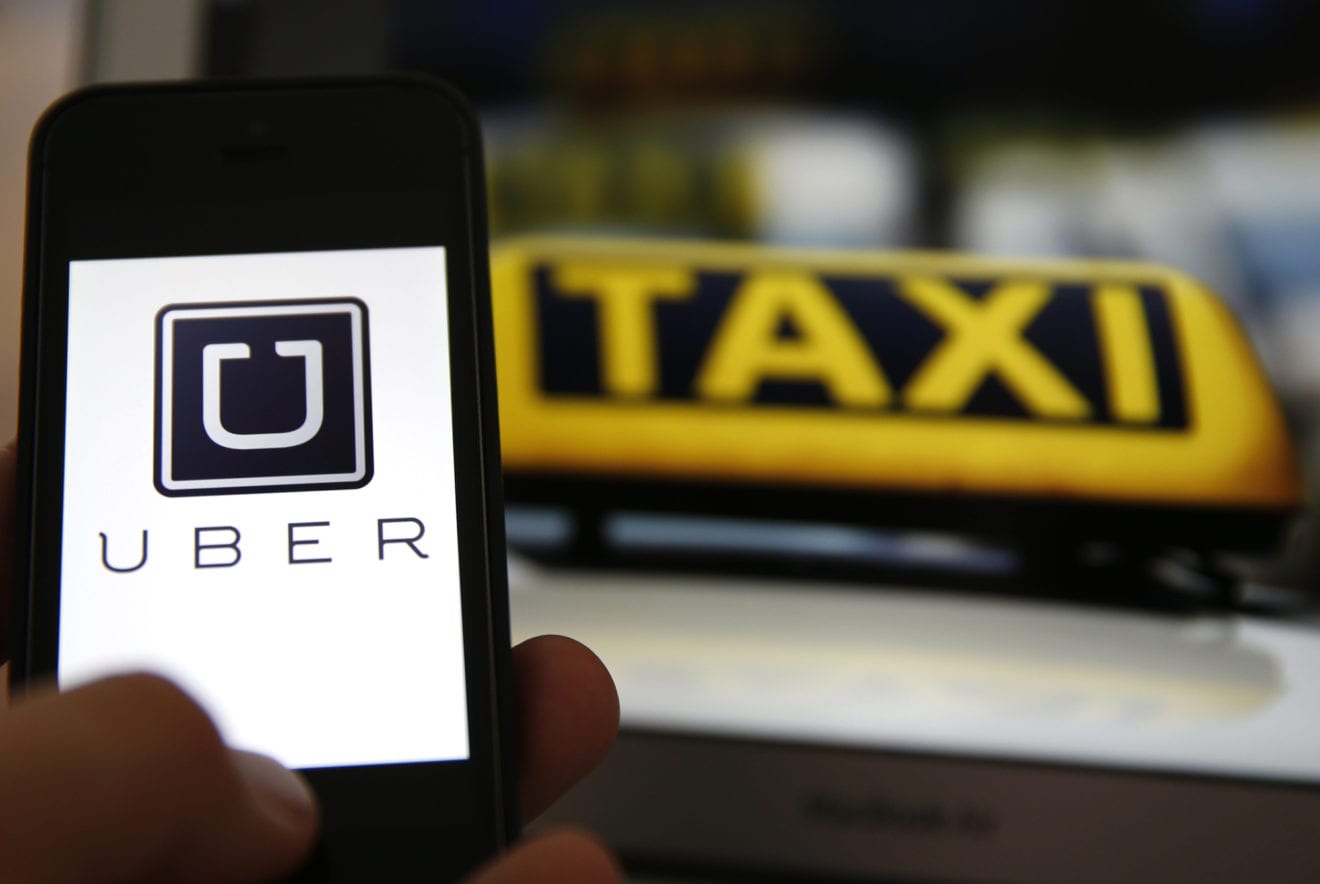
    Hanoi will manage the operation of app-based taxi service, including Uber and Grab, in a way similar to traditional taxis to guarantee a fair business environment.

    The move followed Hanoi, HCM City and Danang taxi associations petitioning the Ministry of Transport to call for a more equal business environment for taxi services.

    Hanoi People’s Committee have completed a plan on restricting the number of private vehicles for the 2017-2020 period and a vision until 2030 which is expected to be discussed and passed by the municipal people’s council at the meeting of early next month.

    According to the plan, the city will apply more strict management regulations on cars of below nine seats which operate under app-based taxi service in terms of vehicle number, quality and operational scope.

    App-based taxis will be managed in a way similar to traditional firms to ensure equal competition.

    The city’s transport department will check the specific number of Uber and Grab and if the figure exceeds the regulated level, the firms will have to stop operations.

    Uber and Grab taxis are also required to have logo, badge or their own paint colour. Signposts banning Uber, Grab maybe be put up on Hanoi streets.

    The associations called authorities to set the same rules for Uber and Grab.

    According to Do Quoc Binh, Chairman of Hanoi Taxi Association, over the past month, almost of 90 taxi firms in the city urged the association to seek the municipal trade union federation’s approval for their drivers to march through local streets in opposition to Uber and Grab.

  • Melbourne Airport to get luxury retail hub

    Melbourne Airport to get luxury retail hub

    Melbourne Airport will spread its retail wings later this year with the addition of several international luxury brands, confirmed to open inside the Australian airport’s Terminal 2.

    Located next to the airport’s current duty free store, jeweller Tiffany & Co, and fashion brands Burberry, Salvatore Ferragamo, Max Mara and Emporio Armani are all slated to open stores later this year, as part of the airport’s new high-end fashion precinct.

    According to the airport’s chief of retail, Andrew Gardiner, the upgrade hopes to enhance the traveller experience, creating an airport that Melbourne can be proud of.

    “The luxury precinct is really taking Melbourne Airport to the next level, with 11 of the world’s most prestigious brands set to enhance our international passenger experience,” says Andrew Gardiner, chief of retail at Melbourne Airport.

    “We’re absolutely thrilled to bring these brands to Melbourne Airport. Our domestic and international passengers have informed us of the stores they want to see, and we’re delivering on that with high end brands that we know our travelers love.”

    Other big name retailers including Australian official watch specialty store Watches of Switzerland are scheduled to open, joining Bally, Michael Kors, Hugo Boss Furla and Tumi.

    All stores are set to open at varying times between the end of July and end of November 2017.

  • ZTE, InfoVista complete SD-WAN solution interconnection

    ZTE, InfoVista complete SD-WAN solution interconnection

    ZTE and InfoVista said they’ve successfully completed interoperability testing of their combined SD-WAN (Software-Defined Wide Area Network) solution by integrating InfoVista’s Application Performance Orchestration Solution (Ipanema) with ZTE’s Micro Cloud Gateway (MCG) platform.

    The combined SD-WAN solution provides a single box overlay networking solution for hybrid WAN connectivity, guaranteeing  performance of critical business applications while also supporting a secure overlay VPN, zero touch installation and one-button recovery, the companies said in a statement.

    “This can be delivered at an extremely competitive price for enterprises looking to drastically reduce IT networking costs,” the companies added. “Service providers can also use the new platform to deliver value-added SD-WAN services to their enterprise customers as they implement hybrid WANs and augment their enterprise networks.”

    The combined SD-WAN solution can replace multiple enterprise and communications equipment deployed in traditional WANs. This enables fast distribution, deployment, data backup, and disaster tolerance one-button recovery on a cloud-managed platform.

    The solution also provides enterprises with Application Performance Orchestration capabilities that protect and guarantee the user experience of their business-critical applications essential to digital transformation strategies.

  • AirAsia orders another 14 A320ceo aircraft for regional network

    AirAsia orders another 14 A320ceo aircraft for regional network

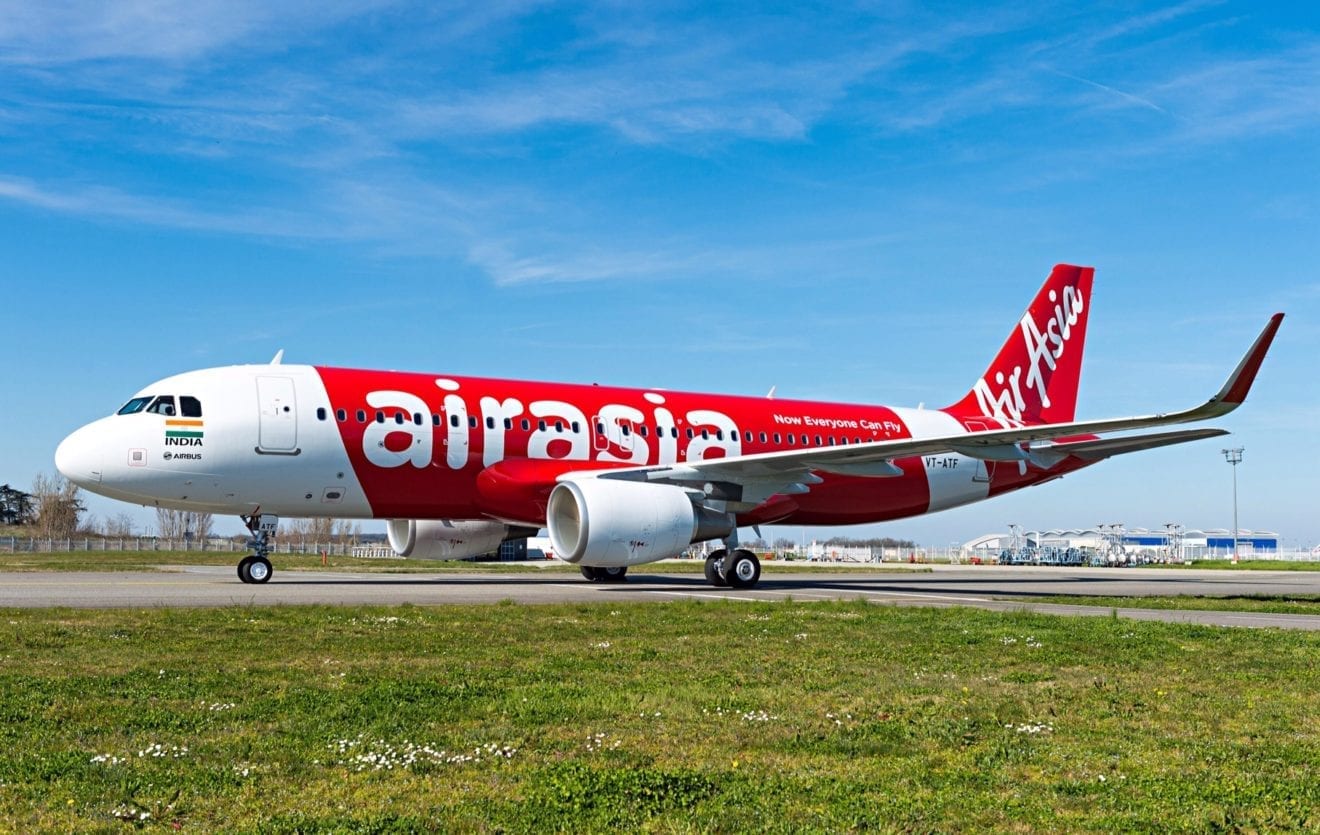
    AirAsia has signed an agreement with Airbus to order an additional 14 A320ceo aircraft to meet higher than expected near-term growth on the carrier’s regional network.

    The contract, which is subject to AirAsia board approval, was announced at the “Paris Air Show” on Tuesday.

    The announcement will see the total number of A320 Family aircraft ordered by the Malaysia-based airline rise to 592, reaffirming its position as the largest airline customer for the Airbus single-aisle product line.

    To date, 171 A320ceo and eight A320neo aircraft have been delivered to the airline and are flying with its units in Malaysia, India, Indonesia, Thailand and the Philippines.

    Tony Fernandes, AirAsia Group chief executive officer, said: “Demand is very strong in AirAsia’s traditional countries, but now we have Indonesia, the Philippines and India doing extremely well. The robust demand has led us to expand our fleet, and Airbus has been a great partner in finding us slots.

    “We still need to find more aircraft to expand our regional reach and are actively sourcing from the leasing market. The competitive environment is at its best, coupled with a stable oil price. With the lowest cost in the world, AirAsia is back on aggressive growth.”

    The A320 Family is the world’s best-selling single-aisle product line. It has won over 13,000 orders and more than 7,600 aircraft have been delivered to some 400 customers and operators worldwide.

    With one aircraft in four sizes (A318, A319, A320 and A321), the A320 Family seats from 100 to 240 passengers, and features the widest cabin in the single-aisle market with 18”-wide seats in Economy as standard.

  • ‘Customer-centric’ Giorgio Armani counter opens at Lotte Hotel

    ‘Customer-centric’ Giorgio Armani counter opens at Lotte Hotel

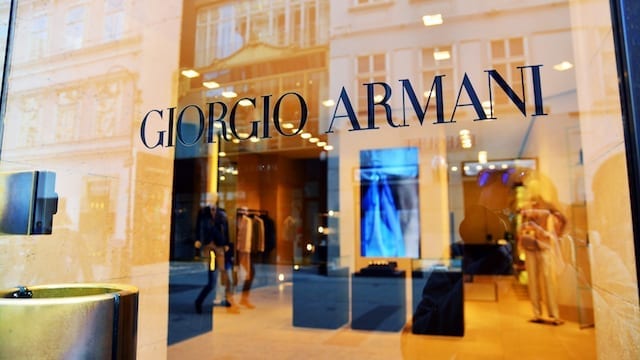
    L’Oréal Travel Retail has partnered with Lotte Duty Free to open a 23sq m counter at the Lotte Hotel in Seoul.

    The counter, based on Armani’s “from fashion dress code to beauty dress code” concept, is the first in travel retail to showcase the brand’s new retail expression. The space, which features curved lines and an open feel, allows customers to try the brand’s products and services.

    From fashion dress code to beauty dress code: The counter features splashes of red, inspired by the iconic lipstick colour Rouge #400.

    The counter enables customers to discover a complete beauty dress code through make-up and skincare (dress code for lips, dress code for face) and perfumes (fragrances dress code). Giorgio Armani Face Designers also offer customers tailor-made advice.

    Lotte Duty Free Merchandising Innovation Team Merchandising Director Jeffrey Davis said: “We are very pleased to open the very first Giorgio Armani Cosmetics beauty concept counter at Lotte Duty free. It breaks the rules of retail standards in travel retail as it is fully customer-centric enabling each customer to play with the products and indulge in the full universe of Armani.

    “The revolutionary design sets itself apart from all of the other beauty counters with its signature red and black design and fabric swatches above the foundation bar that ties back to Armani’s runway fashions. Sales have already improved since opening and you can see the smiles and joy from customers that love the new look and freedom to navigate in a more playful manner.”

  • Google set to face record EU antitrust fine as soon as Tuesday

    Google set to face record EU antitrust fine as soon as Tuesday

    EU antitrust regulators are likely to impose a record fine on Alphabet unit Google over its shopping service as soon as Tuesday, two people familiar with the matter said on Monday, concluding one of three cases against the company.

    The European Commission’s case was triggered by scores of complaints from both U.S. and European rivals, leading to a seven-year-long investigation into the world’s most popular internet search engine.

    The EU competition authority charged Google in April 2015 with distorting internet search results to favor its shopping service, harming both rivals and consumers.

    The Commission declined to comment.

    Google said: “We continue to engage constructively with the European Commission and we believe strongly that our innovations in online shopping have been good for shoppers, retailers and competition.”

    The company has said regulators ignored competition from online retailers Amazon and eBay Inc.

    Reuters exclusively reported on June 1 that the EU competition enforcer aimed to sanction the company before the summer break in August.

    Companies found guilty of infringing EU antitrust rules can be fined as much as 10 percent of their global turnover, which in Google’s case could be about $9 billion of its 2016 turnover but it is not expected to reach this level.

    A 1.06 billion euro fine handed down to U.S. chipmaker Intel in 2009 is the highest to date.

    Apart from the fine, the Commission will tell Google to stop its alleged anti-competitive practices but it is not clear what measures it will order the company to adopt to ensure that rivals get equal treatment in internet shopping results.

    The Commission’s tough line is in sharp contrast with the U.S. Federal Trade Commission which settled its own web search case with the company in 2013 by requiring Google to stop “scraping” reviews and other data from rival websites for its own products.

  • Changi Airport Group seeks partners for latest food & beverage concessions

    Changi Airport Group seeks partners for latest food & beverage concessions

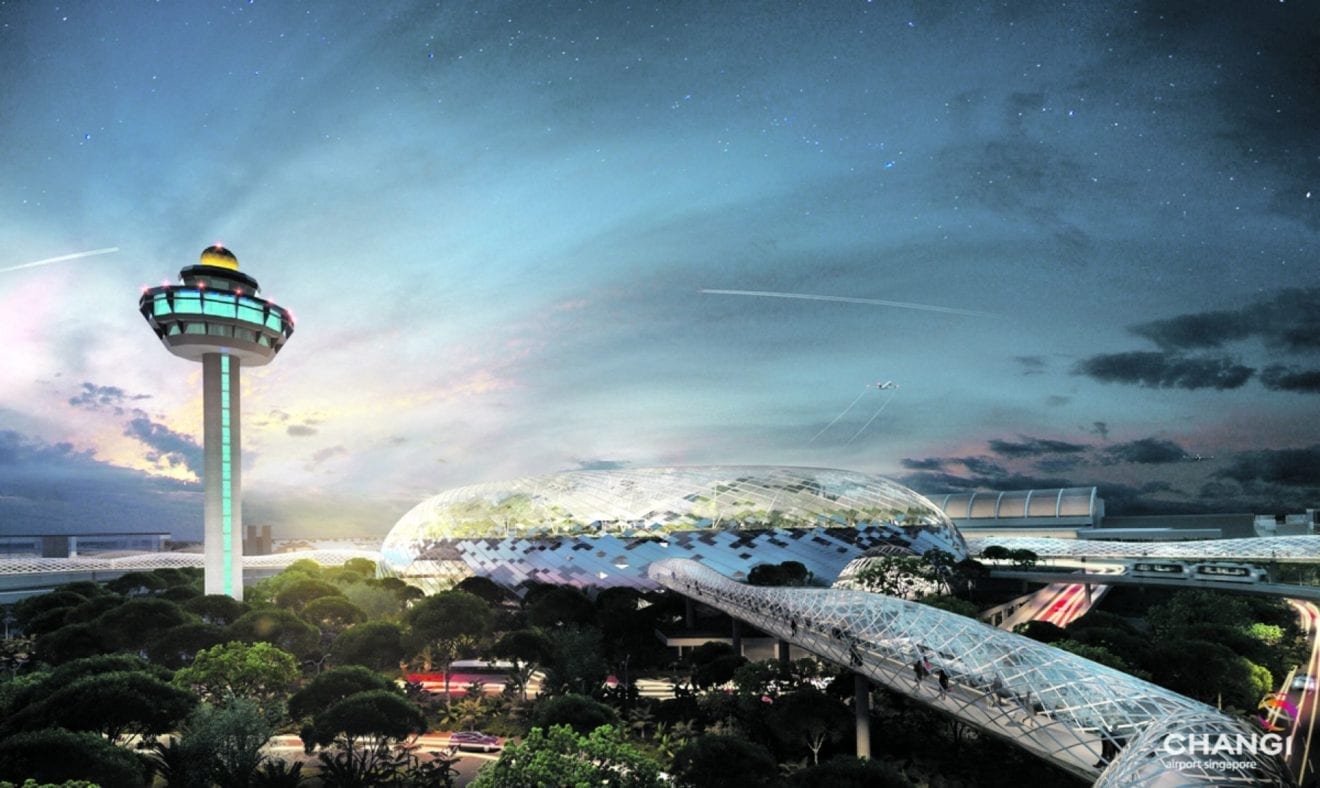
    Changi Airport Group (CAG) is seeking partners for four brand name restaurant concessions at Singapore Changi Airport Terminal 3 through a Direct Marketing Exercise. The units are located in the Departures Check-In Hall, Level 3 and are each around 190sq m in size.

    CAG said: “We are looking for brands with a proven track record over the years or innovative concepts that will enhance, add value and differentiate the dining experience for passengers in Terminal 3.”

    For each brand name proposed, interested companies may submit a proposal with separate rental bids for Concessions A to D respectively. If bidders intend to propose and operate more than one brand name, separate proposals must be submitted.

    The concession terms are three years each, with the option of a three-year extension at CAG’s discretion. Contracts for the four concessions begin in March, April, July and September 2018.

    Changi Airport Group won the prestigious FAB Award for Airport F&B Offer of the Year last week in Toronto; the award was accepted by General Manager, Advertising, Marketing and Promotions, Airside Concession Division Edwin Lim As reported, Changi Airport captured the award for Airport Food & Beverage Offer of the Year at last week’s FAB Awards, organised by The Moodie Davitt Report in Toronto. A special edition of The Foodie Report e-Zine will feature full details on the winners.

  • The Shilla Duty Free and AmorePacific launch pop-up ‘Beauty Truck’

    The Shilla Duty Free and AmorePacific launch pop-up ‘Beauty Truck’

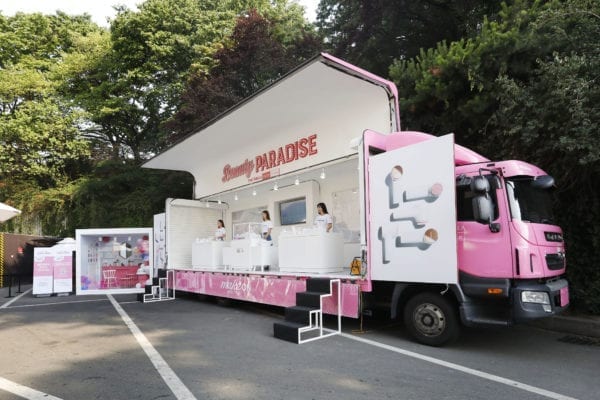
    The Shilla Duty Free and AmorePacific have introduced a pop-up ‘Beauty Truck’ store to promote the Korean skincare house’s MakeOn brand. The pop-up, which launched on 22 June and will stay open till 19 July, is located outside the travel retailer’s flagship store in downtown Seoul.

    The five-tonne Beauty Truck, painted vivid pink, is intended to capture visitor interest as soon as they arrive at the main store.

    MakeOn is described as a “self-aesthetic device that allows facial cleansing, make-up and massage” at any time and any place.

    MakeOn beauty devices offer skincare treatments through energy – combining light, heat, ion and motion. MakeOn’s four top items can be experienced at the pop-up store: Cleansing Enhancer, Skin Light Therapy, Makeup Enhancer and Magnetite Roller.

    Pop-up store staff provide product support and product explanations in Korean, English and Chinese. All items are available for sale inside the main store.

    Pop-up store visitors receive discount coupons and free gifts from MakeOn and AmorePacific, including a -10% discount coupon for MakeOn products a and pink fan featuring the brand’s logo.

    Free samples of highly popular AmorePacific cosmetics brand Laneige are given to visitors taking and sharing pictures in the MakeOn photo zone. Additional Laneige samples are given to visitors boarding the truck and experiencing MakeOn treatment.

    Shoppers who visit the MakeOn shop in The Shilla Duty Free Seoul store receive a MakeOn gold pouch. An additional beach bag is given to those who purchase at the shop.

    The Shilla Duty Free is airing live social media broadcasts at the pop-up store for Chinese, Southeast Asian and South Korean followers in Chinese, English and Korean. KOLs (Key Opinion Leaders) for each language are visiting the pop-up, and describing their experiences in an effort to generate on-line buzz and word of mouth via social media.

    While The Shilla Duty Free has long focused on social media events for Chinese followers, this is the first time that the retailer has aired live broadcasts in other languages. Shilla says it plans to increase social media events and live feeds for Southeast Asian and South Korean consumers following the Beauty Truck initiative.

    The company commented: “This brand new concept pop-up store is The Shilla Duty Free’s latest endeavour to provide an unique and differentiated customer experience especially focused on the beauty category. The Shilla Duty Free, the first operator to run the cosmetics & perfume category in all three major hub airports in East Asia [ncheon, Changi and, soon, Hong Kong International -Ed, is eager to offer an unparalleled beauty experience to customers.”

  • Canterbury open new stores in Bangkok

    Canterbury open new stores in Bangkok

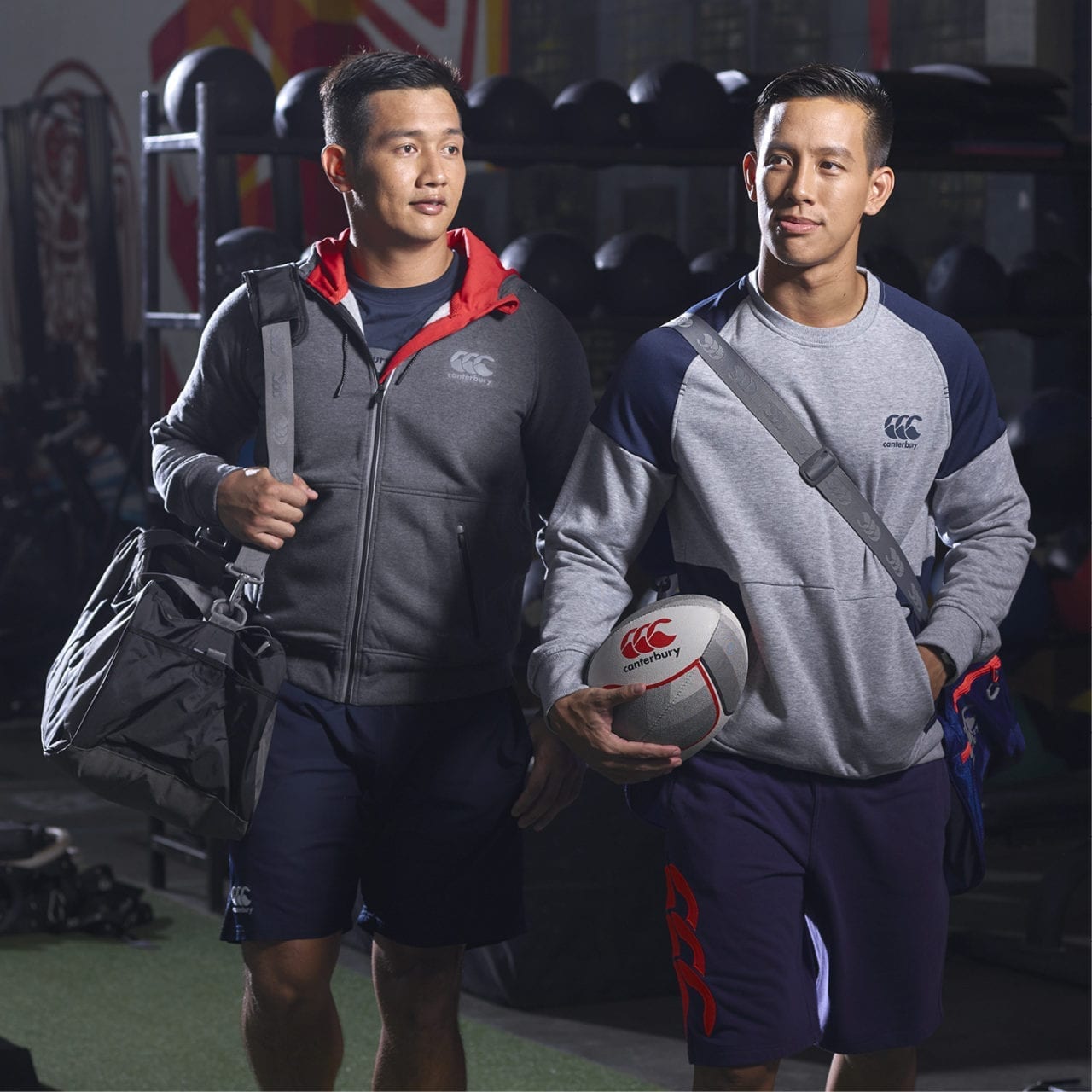
    Leading sports brand Canterbury has opened its latest store in Bangkok, bringing the total number to five since the New Zealand-founded company launched its flagship store in February this year.

    Canterbury’s expansion in Thailand reflects the increasing popularity of the sport of rugby and the fitness industry, and showcases how attitudes towards healthy living and exercise have shifted in recent years. Rugby is the fastest growing team sport on the planet and player numbers in Thailand are rapidly increasing due to initiatives of the Thai Rugby Union.

    The latest store opening at Go Sports Mega Bangna follows four successful store openings in Bangkok in just five months: Supersports at CentralWorld, Sports Mall at Emporium, the lifestyle section of EmQuartier, and the flagship Phayathai Building shop.

    “We have expanded our footprint here in response to the flourishing rugby, and fitness industry, and are proud to be able to play our part in advocating a healthy lifestyle,” said Mark Bennett, Managing Director, Silver Fern Holding Ltd., the exclusive distributor of Canterbury.

    Although Canterbury is widely recognized as the “world’s original rugby brand”, its product line goes beyond rugby essentials, and includes a wide range of quality sportswear featuring innovative technology that is both practical and stylish. Canterbury’s latest Vapordri+ collection, for example, has been specially engineered to help regulate the wearer’s body temperature, and is especially useful in tropical climates like Thailand.

    All pieces in the Vapodri+ range are made with a special fabric that features advanced wicking properties that help evaporate sweat, allowing garments to dry quickly. The Vapodri+ technology provides dynamic cooling and this adaptive technology reacts to the wearers’ changing body temperature to ensure they can focus on performance.

    “Eating right and exercising regularly is the core to any healthy lifestyle, but it is also essential that people wear the right sporting gear when they exercise, in order to train better and maximize performance.” said Mr. Bennett.

  • Sun Group to launch luxury resort in Ha Long Bay

    Sun Group to launch luxury resort in Ha Long Bay

    The developer expects the project, designed by renowned experts, to stimulate tourism in Quang Ninh Province. Sungroup plans to open its luxury resort complex Sun Premier Village Ha Long Bay at Wyndham Legend Halong Hotel in the northern province of Quang Ninh on July 1.

    The developer expects the project to stimulate tourism in the province, the home of the world-famous Ha Long Bay.

    Carrying the luxury resort brand name, Sun Premier Village Ha Long Bay with resort villas and shophouses is among the first beach-view resorts of international standards in the northern region and is guaranteed to make profits.

    Sungroup offers buyers many attractive financial support programs, such as a preferential interest rate of 9 percent on loans within 15 years. Additionally, buyers who register to buy villas at the opening ceremony of the project will enjoy incentives of up to 5 percent off the selling price, excluding VAT.

    When buying resort villas, investors will be entitled to a special interest rate of zero percent for loans of up to 70 percent of the selling price.

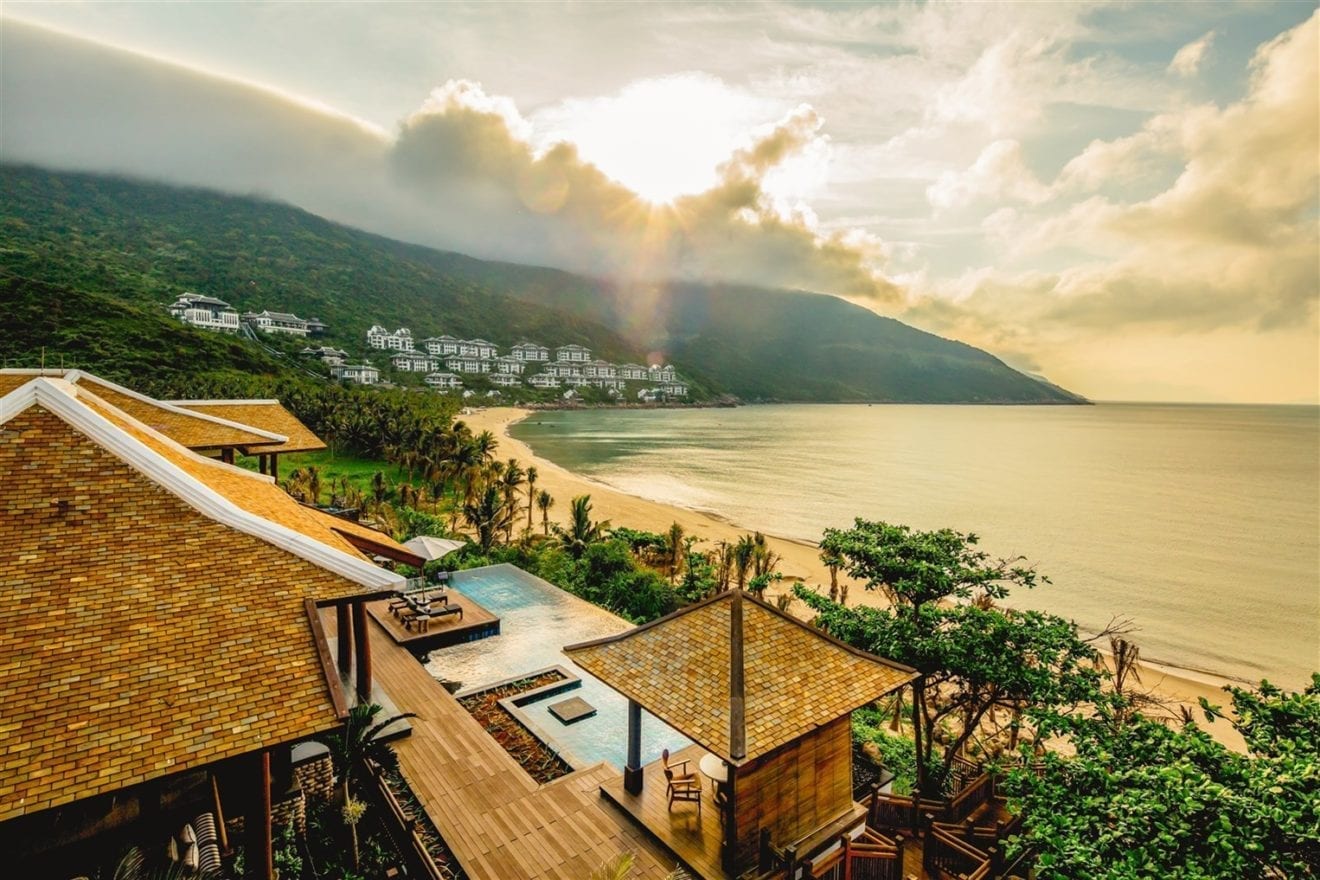
    Villa owners will be issued long-term ownership certificates, in addition to enjoying 225 night stays free of charge at their properties, which can be exchanged with any hotel or resort developed by the Sun Group across Vietnam. These include InterContinental Danang Sun Peninsula Resort, Premier Village Danang Resort, Novotel Danang Premier Han River and JW Marriott Phu Quoc Emerald Bay Resort & Spa.

    They also have the opportunities to become members of the SOL Club for Sun Group’s investors, which will allow them to use golf courses and recreational parks built by the developer.

    Customers who own a shophouse will have two attractive financing options, which are zero percent interest rate subsidy for a loan of up to 70 percent of the value. It will come with a grace period of up to 12 months or they can get a discount of up to 3 percent on the shophouse at the time of signing sale contracts.

    Shophouse buyers who make the payment earlier than the schedule will be entitled to a preferential rate of up to 10 percent per year. Customers who pay up to 95 percent before July 30 will receive a payment voucher equivalent to 5 percent of the shophouse value.

    Designed by Australia’s renowned Dark Horse Architect and landscape experts from Hong Kong-based landscape design company, AEDAS, each villa includes a secluded space surrounded by lush tropical gardens. Sun Premier Village Ha Long Bay offers beach villas, ocean villas, garden villas and lake villas in a simple but delicate architectural style.

    Sun Premier Village Resort Ha Long Bay is located right next to the Sun World Halong Complex, which according to Duong Thuy Dung, Director of Research and Consulting, CBRE Viet Nam, “will help real estate investors increase their value.”

  • Flamingo Bloom Tea Salon Launches All-Natural Tea This July

    Flamingo Bloom Tea Salon Launches All-Natural Tea This July

    Healthy and hydrating, tea is deeply rooted in Hong Kong culture. Over the centuries, tea has played many roles in traditional wellness practices and beauty regimes — not to mention the city’s social fabric. But despite its wide consumption, there are few contemporary options available for urbanites on the go.

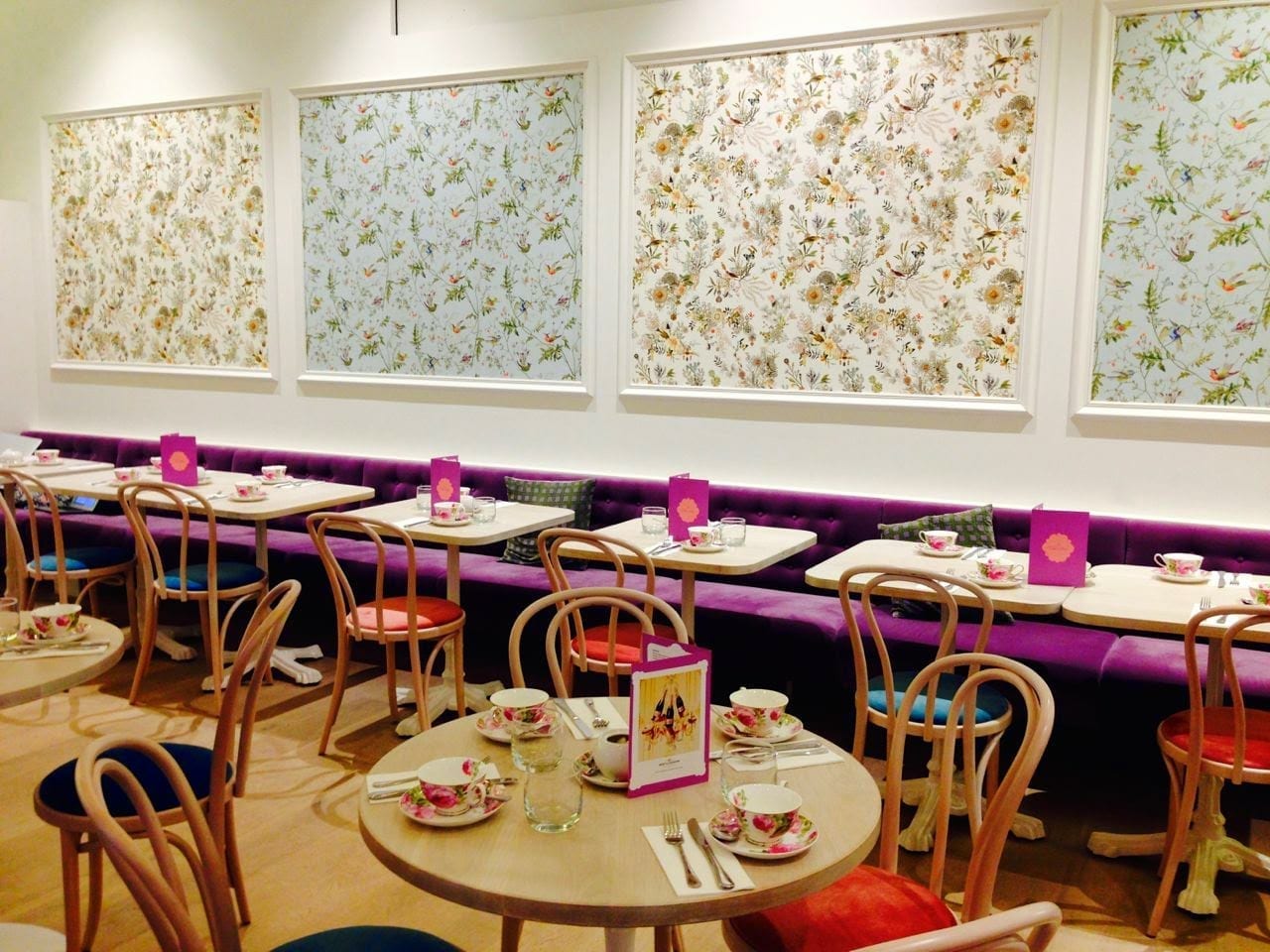
    That’s where Flamingo Bloom comes in. Just in time for the sweltering summer, Flamingo Bloom introduces its handcrafted floral teas on Stanley Street, where the chic tea salon will lure you in with its botanical decor and pops of colour. The commitment to quality continues into every Flamingo Bloom product, from Highland loose leaf teas, such as Honey Orchid Black, to fresh fruit and boba, cane sugar and double-purified water.

    Flamingo Bloom’s all-natural teas are made-to-order and contain no synthetic additives, ingredients or powders. Every tea has been carefully chosen from high altitude tea regions in China and Taiwan, where fewer pesticides are used in the cultivation process.

    “Despite the long tradition of tea drinking in Hong Kong, it can be struggle to find all-natural, high-quality and healthy takeout tea,” says founder Benjamin Ang, who is also behind award-winning restaurants Dragon Noodles Academy and Social Place. “As tea drinkers ourselves, Flamingo Bloom also values total transparency. To ensure every customer can see exactly what’s in their cup, Flamingo Bloom teas are crafted by talented tea-baristas at the open bar.”

    What’s on the menu? The experience begins by choosing one of four base teas: Jasmine Green Tips tea from Fujian; Highland Oolong from Taiwan; Chrysanthemum Pu’er from Yunnan; and Honey Orchid Black tea from Sichuan. A less mainstream tea, Honey Orchid Black is a soothing choice, featuring a nutty taste and delicious caramel aroma.

    Flamingo Bloom brews fresh batches of these base teas every four hours, using only whole tea leaves — never dust or powder — and double-purified water. Crafting these high-quality, loose-leaf teas is an art itself. The Jasmine Green tea, for example, is extremely delicate, requiring specific conditions to brew properly. If either the temperature or timing is off, even by a tad, then the resulting tea will taste bitter and lose its amazing aroma.

    After choosing a base, customers can enjoy their tea over ice, or dress it up with fresh fruit, boba, matcha, French rose, or a salted milk cap — a decadent crown of creamy milk and cheese that’s been whipped using a secret technique. Every cup is totally bespoke, even down to the amount of sugar cane content.

    In addition to custom choices, Flamingo Bloom offers a few signature combinations, including Intense Orange x Jasmine Tips Green; Boba Pearls x French Rose x Highland Oolong; Smashed Strawberries x Jasmine Tips Green; Fresh Fruits x Orchid Black Tea; Salted Milk Cap x Chrysanthemum Pu’er; and Boba Beetroot Milk. Every Flamingo Bloom tea finishes with a cocktail shake to create an airier, frothier and more fragrant brew.