Tag: asia

  • India to become the gateway to the food industry

    India to become the gateway to the food industry

    India is all set to become the global manufacturing hub of the food industry, and to establish its presence and showcase its capabilities, the World Food India 2017 is being held in New Delhi, from 3rd to 5th November 2017. World Food India will be the largest gathering of investors, manufacturers, producers, food processors, policy makers, and food corporations from the global food ecosystem. The three-day event is being organised by the Ministry of Food Processing Industries, Government of India.

    World Food India intends to establish global linkages and facilitate foreign investment in India’s food retail market that services the needs and rising aspirations of the country’s 1.3 billion consumers – a ready market. The food processing industry accounts for over 9% manufacturing GDP and has emerged as critical component of India’s economy.

    World Food India aims to provide opportunities for both investment and trade in the food processing sector for leading Indian and international companies. Encompassing the entire food spectrum from production to consumption, World Food India is looking at creating a better sourcing environment, thereby enabling higher returns for farmers, creating employment, and fostering entrepreneurship. The three day mega event ‘World Food India’ will provide a platform to showcase offerings and services along the food value chain which includes production, processing, packaging, technology, equipment, storage, logistics or retail.

    Global food corporations, MSMEs & everyone connected directly or indirectly to the food sector are showing tremendous interest in World Food India 2017. The cuisines of India are inherently diverse in nature as each state in India come with a unique palate & offering. The World Food India aims to bring all the different states of India, as well as the global powerhouses in the food industry, together – for the first time.

    World Food India will have exhibitions on the food processing industry, a Global CEO conclave, a country session, a state session, and conferences. One key attraction of the event will be the Food Street which will showcase food delicacies of the various states of India and as well as international cuisine. More details on World Food India 2017 can be found on this website.

  • XPO Logistics awarded contract by Fujitsu

    XPO Logistics awarded contract by Fujitsu

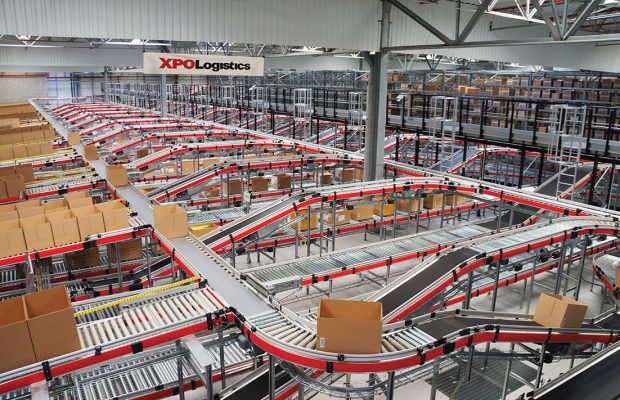
    XPO Logistics has been awarded a new contract by Fujitsu General Air Conditioning (UK) to provide supply chain and specialist transport services across the UK for Fujitsu’s commercial air conditioning units.

    One-man and two-man crews will deliver the units to offices and industrial buildings both as direct orders and via distributors. In securing the contract, XPO worked in collaboration with Fujitsu to design an optimal solution for the company and its customers. XPO will accommodate 4,000 pallets of air conditioning units on site at its warehouse in Aylesford, Kent, using bespoke technology to track shipments inbound from non-UK markets. XPO will flex its transport and logistics resources to accommodate seasonality, transporting an estimated 11,000 pallets annually using its warehouse management technology to manage flows, control stock levels and report on performance.

    Ian Carroll, sales director of Fujitsu General Air Conditioning (UK), said: “XPO Logistics have enabled us to go above and beyond what we’ve previously been able to do.” He continued: “By offering online tracking of shipments, a mobile app for our customers and considerable transport capability we are able to fulfil client orders more efficiently and accurately, with clear visibility as to shipment progress, which leaves us free to focus on growing our business.”

    Operating from ten depots with an extensive network of fleets and drivers, XPO’s specialist delivery network covers mainland UK and is supported by a central customer service team in its Birmingham hub.

    Dave Finnie, business unit director at XPO Logistics, said: “We share Fujitsu’s commitment to superior customer service and productivity. Our teams have brought together their industrial expertise in value-added warehousing, inventory management and specialist transport to create a bespoke solution for Fujitsu. These complex deliveries will be facilitated by our leading IT solutions, including mobile applications that manage flexible and timed deliveries for the best possible customer experience.”

  • ZTE wins 75% of True’s Beyond-100G project

    ZTE wins 75% of True’s Beyond-100G project

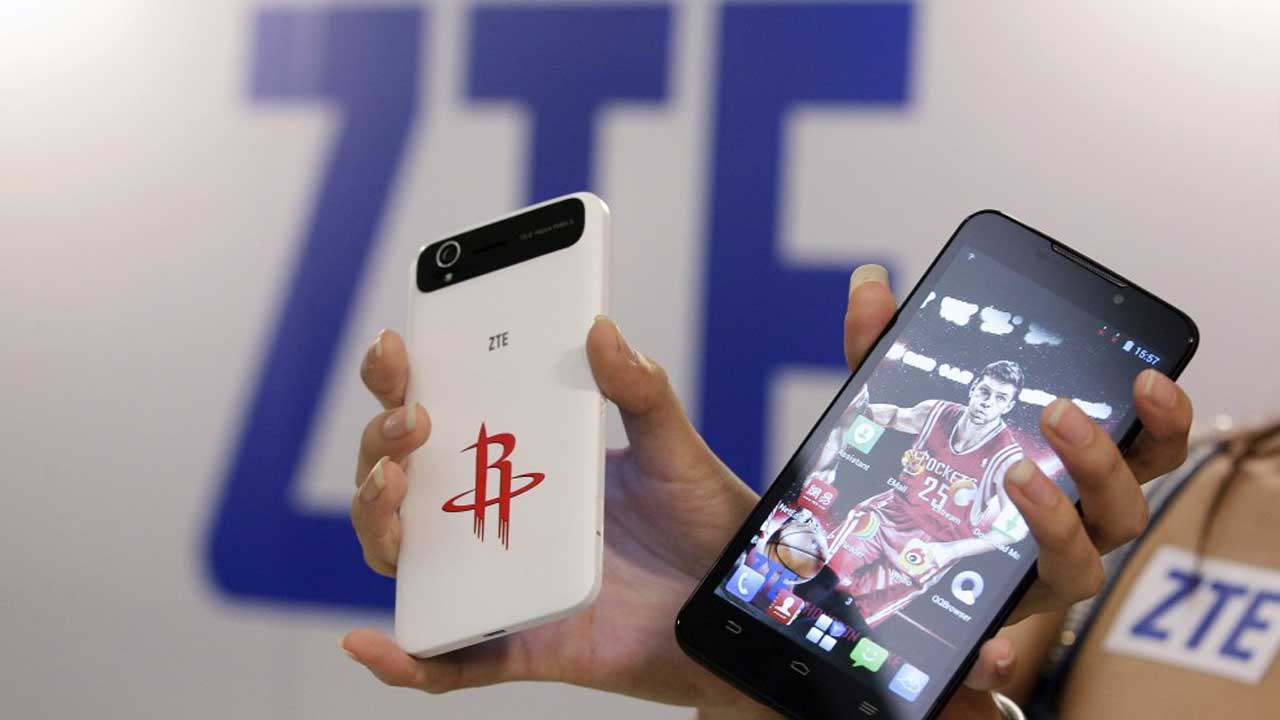
    ZTE announced it has secured around 75% of Thai operator True Corporation’s Beyond-100G backbone WDM network upgrade project.

    ZTE will provide equipment for a 100G/400G backbone DWDM network to allow the operator to improve its network capacity and grow its 3G, LTE, fixed network and other operations.

    With the deployment, True aims to develop capabilities including ultra-large capacity OTN cross-connection, intelligent scheduling of optical networks and ultra-long-distance transmission.

    ZTE has been contracted to build three of the networks under the project. The company will supply software-defined optical networking technology including modulation and coherent reception technology, its digital signal processing algorithm and third-generation soft decision forward error correction.

    The project will also support the embedded optical time domain reflectometer (OTDR) solution to facilitate real-time monitoring of fiber parameters and fault points in the existing network.

    Research firm Ovum last year estimated that ZTE is the world’s second largest vendor in the optical network market by market share. The vendor has deployed a total length of 300,000km of network fiber.

  • Air Asia unit expects record revenue

    Air Asia unit expects record revenue

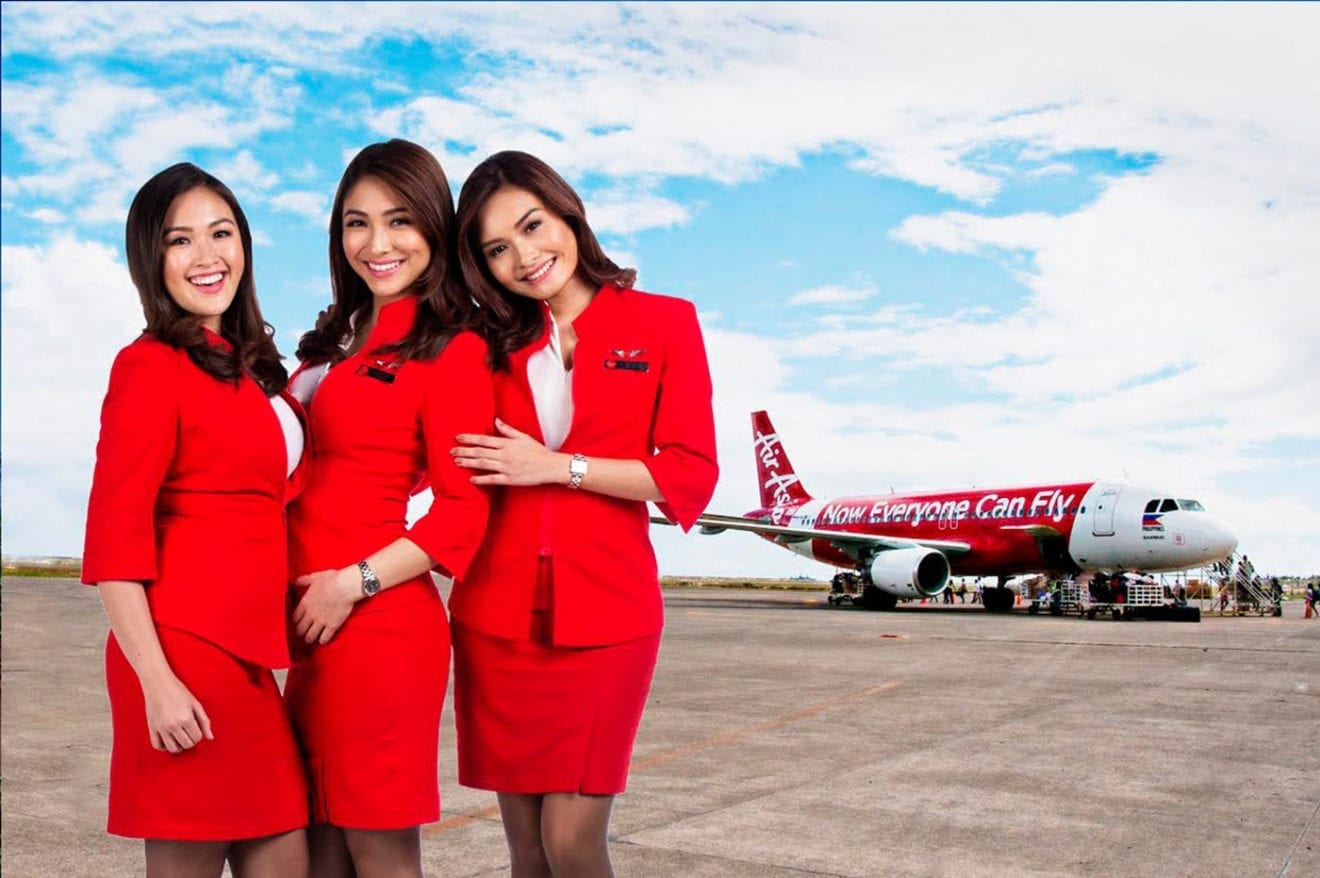
    Budget airline Philippines Air Asia hopes to breach a new revenue record this year on expectations that people will fly more and avail themselves of add-on services such as onboard meals and extra luggage space.

    Philippines Air Asia is targeting revenue to hit P13 billion in 2017, up by about 20 percent from the P10.8 billion it booked in 2016, airline CEO Dexter Comendador said. Revenue growth last year was 21 percent.

    Comendador, a veteran Air Force and commercial pilot who who has held the CEO post for almost a year, said the airline’s growth was being driven by passenger and ancillary revenues.

    “This will be the best year in our existence,” Comendador said. Philippines Air Asia started in 2012 and it has grown organically and via acquisitions.

    It completed in 2015 an investment in and merger with Zest Airways, a move that gave it access to valuable slots in Manila’s Ninoy Aquino International Airport, the Philippines’ busiest air gateway.

    Comendador said profitability would also improve in 2017, as the carrier controls costs here and abroad via the group’s “One AirAsia” strategy, which involves the consolidation of its Malaysian, Philippines, Indonesian and Thai units under a single holding company that will also be publicly traded.

    Comendador said Philippines Air Asia would still push for its initial public offering, earlier estimated at about $200 million, this year, with its potential listing by the fourth quarter of 2017.

    “Tony’s instruction is to push for it,” Comendador said, referring to Air Asia Group CEO Tony Fernandes.

    The Air Asia Group closed 2016 with 174 Airbus A320s, its annual report showed. Comendador said Philippines Air Asia would end 2017 with 19 A320s, up from 16 planes, to support its growth. Philippines Air Asia carried 1.04 million passengers last year, up 19 percent.

    Comendador said the domestic fleet would grow to 70 planes in 15 years, or by 2032.

    He said the plan was also to increase its presence in Clark International Airport in Pampanga, which was where the carrier first started operations.

    After temporarily suspending its Clark service in 2013 to focus on Manila, Philippines Air Asia resumed flights to Kalibo on March 27, 2017.

    The Duterte administration had signaled its intention to pursue the development of Clark, an alternative air gateway to Naia, which is suffering from growing air congestion. Part of the government’s commitment was to build a new train system linking Clark to Manila before Mr. Duterte’s term ends in 2022.

  • Thailand Geas Up to Be ‘The Energy Hub For Asia’

    Thailand Geas Up to Be ‘The Energy Hub For Asia’

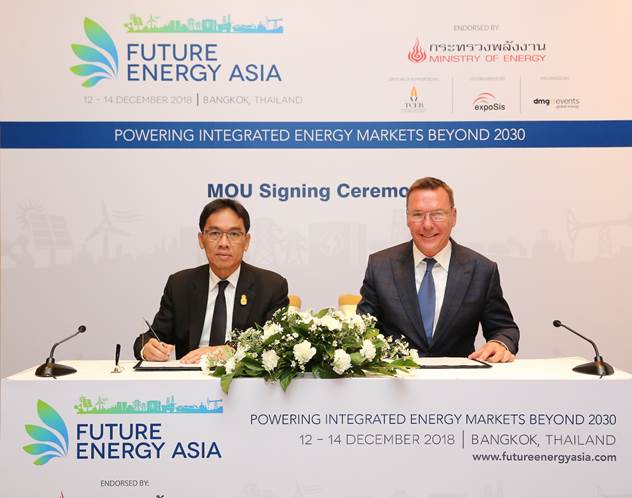
    The ‘Future Energy Asia Exhibition & Conference’ was launched on 04 April 2017 by Mr. Areepong Bhoocha-Oom, Permanent Secretary of the Ministry of Energy of Thailand as a major initiative towards securing the path to Thailand’s Energy 4.0. The transformation and development of Thailand is a major priority for the government which creates incredible business opportunities for both integrated and non-integrated energy companies globally. As such, ‘Future Energy Asia Exhibition & Conference’ is the perfect platform for NOCs and IOCs to foster the transition from traditional fuel suppliers to integrated energy providers for a more efficient and sustainable energy mix across Asia.

    Primary energy demand in Southeast Asia is set to rise by a massive 80% between 2015 and 2040 with hydrocarbons set to remain the single largest contributor to this mix, rising from 74% in 2013 to 78% in 2040, according to a recent IEA report.

    Natural gas demand is predicted to rise by two-thirds across the region, and in Thailand gas remains the single largest fuel source for power generation, supplying over 60% of the country’s fuel mix today.

    Across Asia, the power sector will shape the energy landscape out to 2040 as electricity demand triples, with an additional 400 GW of capacity added in the region. In order to achieve these bold figures the IEA has estimated energy investments will total $2.5 trillion by 2040, representing a huge opportunity for energy companies eager to supply to Asia’s growing population.

    Future Energy Asia under support of the Thailand Ministry of Energy promises to be the largest energy industry gathering Asia has ever seen. Focusing on oil, gas and renewables, the event is set forth to outline the perfect scenarios of mixed fuels and technologies needed to meet growing energy demand, improve efficiency and support the transition to a lower-carbon economy. It will be held from 12-14 December 2018 at BITEC, Thailand with 15,000+ visitors, 2,500+ delegates, 300 speakers and over 600 exhibiting companies.  The Permanent Secretary announced the launch to a gathering of dignitaries, officials, energy sector leaders and prominent media together with international organiser dmg eventsand expert event co-organisers, Exposis from Thailand.

    Mr. Thammayot Srichuai said “Thailand 4.0 means opportunity and the transformation in the energy sector of the country as well. As we move more closely towards an improved energy system, energy production and consumption must adapt radically to ensure the demands of growing populations are met, whilst ensuring cleaner and more efficient delivery is achieved. While renewable and other carbon-free energy will play a primary role, the importance of fossil fuels, in particular natural gas, in delivering the cost-effective and immediate requirements of Asia’s growing demand cannot be ignored. Fossil fuel & renewable energy can certainly form the core elements of a transition to a cleaner & more sustainable energy future for Asia”

    He affirmed that holding Future Energy Asia exhibition and conference in Thailand reflects Thailand’s continuous efforts to promote new projects, attract investments in the energy sector, and consolidate communication with foreign investors and large international corporations, which are foremost on the investment opportunities map. The event will act as a collaborative effort to publicise Thailand’s new policies and readiness as an investment hub and showcase Thailand’s potential to become the sustainable energy hub for Asia, as it transitions to Thailand 4.0.

    He added “We are delighted to host Future Energy Asia 2018 and look forward to the interactions with its delegates for the continued improvement of the global energy sector. The decisions and relationships built will foster a collaborative and economically viable energy future.”

    From his part, Mr. Christopher Hudson, President of DMG Events Global Energy, the company responsible for organising the ‘Future Energy Asia’ presented the plans for the event. He explained that “The 3-day exhibition and conference is dedicated to advancing future energy, energy efficiency and clean technology. Going by the overwhelming response from the global events dmg organises such as ADIPEC and Gastech, the event promises to be the most sought after meeting point for Asia’s stake holders to discuss, debate and embrace future energy scenarios and solutions concerning long-term global energy policies.”

    “Thailand is clearly a growing market with huge opportunities, and ‘Future Energy Asia 2018’ presents the first opportunity for local, regional and international energy companies across the full value chain of this promising sector to come together and create a blueprint for the future energy security of Asia. This inaugural Show will provide an opportunity for global buyers and sellers to display their products and services on the exhibition floor, and to establish alliances and partnerships. The conference represents an unparalleled opportunity for the global energy industry to explore the opportunities and challenges of the exciting Asian market” he said.

    Along with the conference and exhibition, the event will host strategic Ministerial meetings, an ‘awards ceremony and fund’ that will support research and development in energy and social programs on all the days to facilitate networking with peers, business partners and key stake-holders in the energy sector.

    Commenting further on the conference element of the show, Mr. Hudson added “The Conference will not only address the technical aspects of gas, oil and renewables, but also host discussions addressing the challenges facing the industry to include both business and political issues. Some of the key topics include ‘delivering power to grids’, developing efficient and smart electricity distribution and transmission networks, lighting up Asia’s cities: next-generation power generation strategies and technology and ‘creating a blueprint for a harmonious fuel mix: maximising the use and efficiency of fossil fuels in conjunction with carbon-free energy’”.

    “We are extremely grateful for the support and understanding we have received from the Ministry of Energy of Thailand in ensuring the inaugural Future Energy Asia 2018 is a success. Having the Minister himself as Event Chairman underlines Thailand’s commitment to bringing energy security to all,” concluded Mr. Hudson.

    Future Energy Asia is also supported by Thailand Convention & Exhibition Bureau (TCEB). “TCEB, as a government organization dedicated to developing Thailand’s MICE industry, is pleased to support Future Energy Asia 2018.  Thanks to DMG Events for the trust and confidence in Thailand to anchor the show for the first time in 2018 at Bangkok International Trade and Exhibition Centre (BITEC). Thailand’s trade exhibitions are well recognized as a high-potential marketplace and gateway to emerging business opportunities in ASEAN, Asia, and the world. With Thailand’s ASEAN-centric location, ease of doing business, TCEB’s strong network of local and international alliances, and the Thai government’s clear, forward-looking policy on energy, we are positive that locating Future Energy Asia in Thailand will be a contributing factor to its success, and that the show will be able to play a more effective role in connecting all key stakeholders in the development of ASEAN’s energy sector” said Mrs. Jaruwan Suwannasat, Director, Exhibition and Event Department, TCEB

    Future Energy Asia 2018 is the latest expansion in dmg events’ Global Energy Division conference and exhibition portfolio, which includes some of the world’s largest and most important events, including the Abu Dhabi International Petroleum Exhibition and Conference (ADIPEC), Gastech in Barcelona, and the Global Petroleum Show (GPS) in Canada.

  • China’s AliPay, UnionPay & WeChat Pay join LATAM Fintech’s payments revolution

    China’s AliPay, UnionPay & WeChat Pay join LATAM Fintech’s payments revolution

    The fintech dLocal that specializes in cross-border payments for emerging markets, has integrated AliPay, UnionPay and WeChat Pay – China’s three major digital payments providers – into its platform. The addition for Uruguay-based dLocal with a US presence is touted as enabling global merchants to reach some “300 million Chinese consumers.”

    Collectively these three providers captured the vast bulk of the Chinese market for online payments (over 70%), which translated into $2.9 trillion (trn) of such payments in 2016.

    According to the market research firm Analysys, for the first quarter of 2017 Alipay, which was founded by Alibaba Group in 2004 and its founder Jack Ma, accounted for around 54% share of mobile transaction value while WeChat Pay garnered a 40% share.

    For the Uruguayan-based dLocal, which has largely been focused on the Latin American region and other emerging markets, it expands the company’s services to Asia. It is couched as enabling the firm to “offer a broader portfolio of payments and country coverage to global merchants” who want to reach some 2 billion (bn) emerging consumers in markets where payment methods are different of those in Europe and the US.

    Chinese Cross-Border E-Commerce

    Cross-border ecommerce in China reached an estimated RMB 259bn (c.$40bn) in 2015, equivalent to over 6% of China’s total consumer e-commerce. And, the growth rate has been put at more than 50% annually according industry figures and as highlighted recently by Chenan Xia, a principal at McKinsey in Hong Kong.

    Lower prices, higher quality items, larger disposable incomes and the search for non-fake goods are among a factors contributing to the rise in online cross-border purchases, creating a huge opportunity for ecommerce and marketplace businesses.

    China’s major e-commerce site, Alibaba’s Tmall, for example, has moved into the market with a cross-border site (Tmall Global), whilst smaller consumer rivals and start-ups have got in on the act.

    US e-commerce behemoth Amazon has also become increasingly active in China, having opened its offshore shopping sites of late to Chinese consumers and offering users of Amazon.cn, its Chinese site, a selection foreign products described in the local language and with Chinese specifications.

    On the flip side, Tmall Global has attracted major foreign retailers like US-based Costco and South Korea’s Lotte Mart, to its cross-border site.

    “China is the global Mecca for ecommerce and we are unlocking the doors for cross-border purchases in this market by bringing all the pertinent payment options into one solution,” said Sebastián Kanovich, CEO of dLocal, who is described as a pioneer in emerging markets payments.

    Chinese Payment Providers

    As regards the background and timeline of discussions between dLocal and AliPay, WeChat Pay and UnionPay, last year dLocal had implemented bank transfers for China, However, as Kanovich pointed out “the conversion was quite low” as these are not the dominant forms of payment for ecommerce purchases in China.

    The first item in dLocal’s 2017 Product Roadmap was to secure the top three payment methods – AliPay, WeChat Pay and UnionPay – so that they could start processing local debit and credit cards, as well as accept payments through the hugely popular e-wallets.

    “From start to go-live – contract and integration – it has taken six months. For credit and debit card acceptance, the integration was pretty straight forward as it was completely API-based,” revealed Kanovich.

    He added: “To process payments through the AliPay and WeChat Pay e-wallets, we had to develop QR-code technology, which is how AliPay and WeChat Pay operate. This was a new capability we had to develop, because none of the payment option providers in the markets we’re in are utilizing QR codes.”

    The user experience for a payment via QR code works as follows. During the checkout process, when the user indicated that they want to pay with AliPay or WeChat Pay e-wallets, dLocal generates and displays a unique QR code to the shopper which they scans to be redirected to pay with AliPay or WeChat Pay.

  • Honda outlines bold autonomous goals

    Honda outlines bold autonomous goals

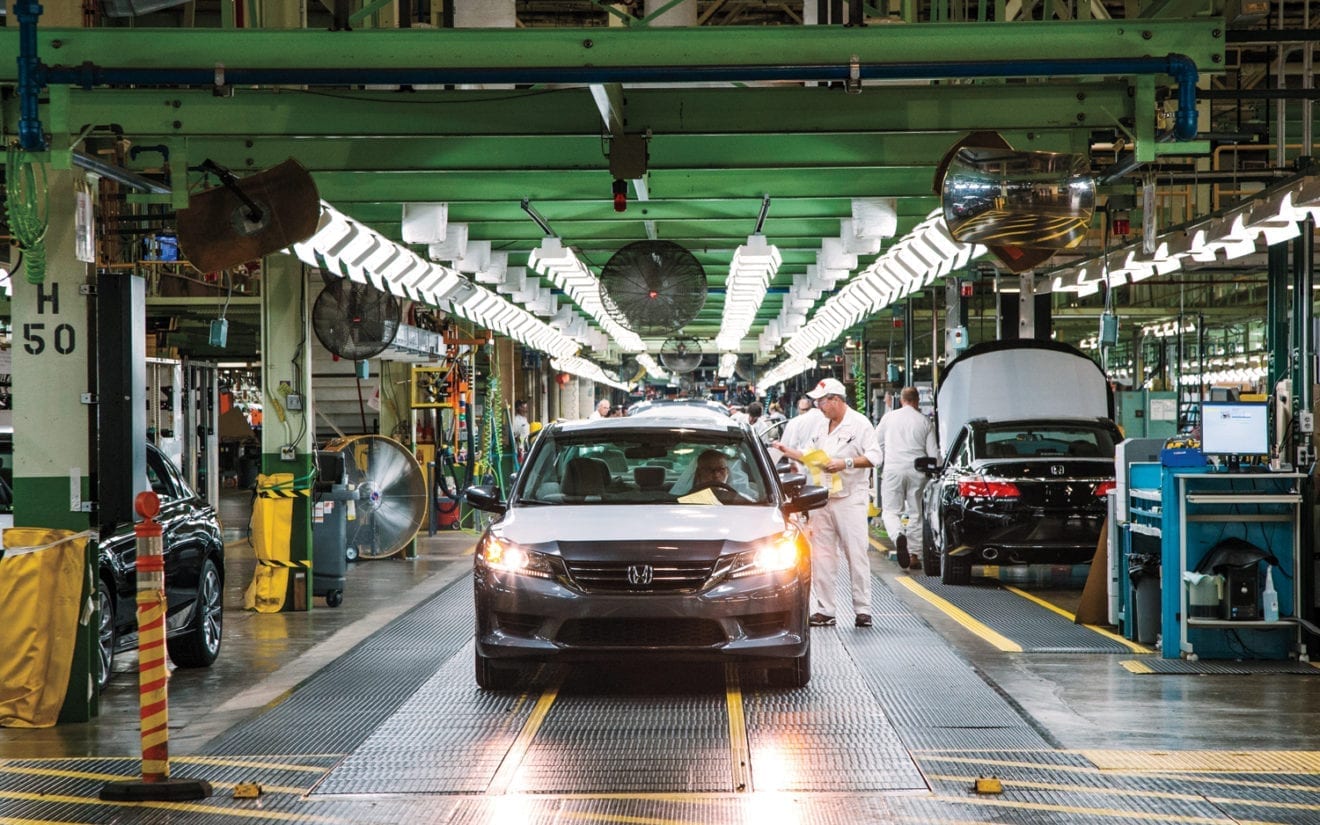
    Honda Motor, long soft-spoken about its strategies for electric cars and autonomous driving in a world of raucous rivals, is suddenly talking louder.

    Executives last week outlined bold goals to deliver lane-changing autonomous driving for highways by 2020 and then extend the effort to city streets with Level 4 self-driving vehicles by 2025.

    At the same time, executives revealed that Honda has been quietly working on a range of electric vehicles under a new EV development division created in virtual secrecy in October.

    That unit will deliver not only a dedicated EV for China next year, it is working on another EV that will be introduced at an auto show this fall — possibly targeting North America.

    The revelations represent a leap forward for Japan’s No. 3 automaker as it races to catch up with competitors on the industry’s future technologies.

    The sense of urgency was palpable among executives last week as they showcased their plans here.

    “We have been lagging behind a little,” Honda R&D President Yoshiyuki Matsumoto said of the push, “so we are now trying to catch up. We are tightening the screws quickly.”

    CEO Takahiro Hachigo unveiled the strategy as part of a new 2030 midterm business vision, saying engineers needed more concrete targets and a clear timeline to keep them on track.

    At the same time, Honda has created two other divisions tasked with enhancing the perceived quality of its products and making them cheaper to develop and build. Honda wants to ensure that in a future in which self-driving EVs risk becoming like appliances, Honda cars will remain fun to drive.

    Urgency

    The sudden arrival of the plans reflects mounting pressure on Honda — a midsize global company, despite its appearance in the U.S. — to cope with industry consolidation, surging demand for costly new technologies and an onslaught of new competitors from Silicon Valley and China.

    “It does seem like a lot of stuff just appeared out of thin air,” said Christopher Richter, senior auto analyst at CLSA Asia-Pacific Markets in Tokyo. “Now that the engineering juggernaut has been pointed in this direction, things will start moving.”

    Honda has fallen behind traditional rivals such as Nissan Motor, Ford Motor and Volkswagen AG in chasing aggressive road maps for electric and self-driving vehicles. Moreover, upstarts such as Tesla, Waymo or even China’s LeEco, are opening new fronts of competition.

    In its Japanese home market, the fiercely independent Honda suddenly finds itself as odd man out in a new era of partnerships. The domestic industry has coalesced into two camps, with Mazda Motor, Subaru and Suzuki Motor Corp. joining into loose alliance with Toyota Motor, and Mitsubishi Motors teaming with Nissan Motor.

    Honda plans to spend big to make it all happen. The company will boost r&d spending 9.4 percent this year, to about $6.84 billion. But to demonstrate its competitive disadvantage in size, that commitment represents 5.3 percent of its forecasted revenue — larger rival Toyota will devote $9.57 billion to r&d this year, and that represents only 3.8 percent of its forecasted revenue.

    The situation is not lost on Honda. Leveraging partners is now a top priority under Hachigo’s business plan.

    Over the past year, Honda has deepened cooperation with General Motors in fuel cell vehicles, with Waymo in autonomous driving and with Hitachi in EV powertrains, among others.

    Expect more collaborations going ahead, Hachigo said.

    “We must secure higher competitiveness in automobile business for the future, especially in the areas of electrification and the realization of a collision-free society,” he said last week. “How we are going to achieve it remains the challenge.”

    Staying Honda

    Honda is wary of its vehicles falling into the commoditization that some forecast, in which automated EVs become bland by pulling together common parts and standardized electronics.

    Making Honda stand out from the crowd will be the stickler, Hachigo said.

    Honda set up a Product and Perceived Quality Planning Division in October to target the soft side of brand power, the subtle and hard-to-define nuances that connect people with their vehicles.

    Driving dynamics will be a top focus for the new plan, and Honda has created a prototype vehicle called the Dynamic Study to embody some of its future ideas.

    The concept vehicle is based on the current Civic sedan, with tweaks to the transmission, steering and chassis. Among them is a sporty downshift feature that revs like a stick shift when the car brakes into a curve, even though the transmission is automatic.

    Honda also aims to make its cars look better. Hachigo said the company will debut a new design language in the fall, though the company declined to offer any sneak peeks.

    Underpinning all these planned improvements will be doubled-down efforts to cut costs so vehicles brimming with ever-better technology won’t be priced out of the market.

    “Solidifying our foundations to facilitate electrification and future technologies such as automated driving is the key to our future,” the CEO said. “That’s where we need to make solid changes this time.”

  • CEVA opens an office in Myanmar

    CEVA opens an office in Myanmar

    As part of its strategic expansion in the emerging Mekong markets, CEVA Logistics, one of the world’s largest supply chain management companies, has opened its office in Myanmar’s capital, Yangon.

    For the last five years, CEVA has been operational in the country through a network partner, providing freight management services to a number of multinational and local customers.

    Effective June 2017, the company now has its own office, offering the full spectrum of air and ocean freight services with access to the CEVA network using One Freight System (OFS) – CEVA’s global system which manages all freight movements worldwide.

    Myanmar presents considerable potential for growth with strong demand for both import and export services. Imports comprise mainly industrial materials for infrastructure, consumer goods and machinery, whilst exports of commodities, agricultural products and goods for the retail sector drive the outbound trade. With its expertise in the industrial and consumer and retail sectors among others, CEVA is well positioned to offer professional and competitive services.

    “Myanmar is a country with real opportunities for growth. It has a population of some 55 million people who are looking to companies like CEVA to provide supply chain services to support their developing business and meet their requirements. In the past, the country infrastructure has always been a limiting and inhibiting factor but with our global network and more importantly, our experience in emerging markets, especially in the region, we are confident that with our own office and robust IT offerings we can deliver options and solutions to the market and at the same time grow our commercial footprint”, says Bruno Plantaz, CEVA’s managing director Mekong cluster.

  • First J/Speedy Card in the ASEAN Region to be issued by BDO

    First J/Speedy Card in the ASEAN Region to be issued by BDO

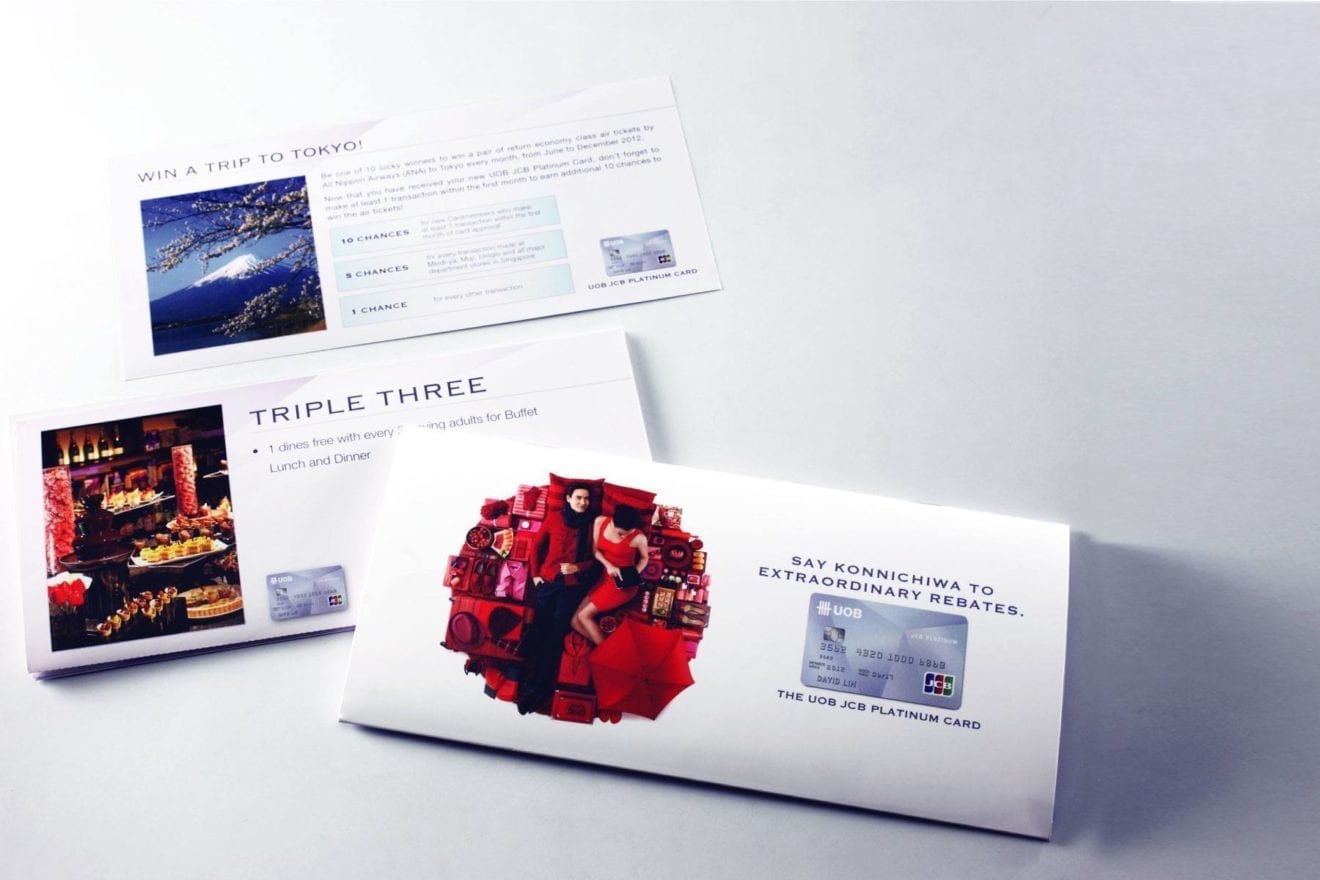
    JCB International, the international operations subsidiary of JCB, announced the launch of the J/Speedy JCB card in the Philippines with BDO Unibank (BDO), the largest bank in the Philippines in terms of consolidated resources, customer loans, deposits, assets under management and capital, as well as branch and ATM network nationwide. Card issuance has started this month, for the first J/Speedy JCB card to be launched in the ASEAN region. J/Speedy, JCB’s EMVCo compliant contactless scheme, provides a convenient and easy payment solution to valued customers of BDO.

    JCB brand cards are currently issued in 23 countries and territories with over 100 million cardmembers around the globe. BDO has cooperated with JCB for JCB card acceptance at BDO merchants from 1998 and started issuing JCB card in the Philippines in the same year. The launch of this new product, entering the contactless payment market, is the next step for the partnership between BDO and JCBI. BDO will also start acceptance of J/Speedy JCB card from July 2017 at BDO merchants.

    Mikihisa Asano, Country Manager of JCBI Philippines, said, “We are very excited and appreciative of BDO’s launching the new contactless card. Together, we will aggressively expand and grow our business in this country. In fact, BDO and JCB will soon launch another card product in the market, which is a response to the increased competition of credit cards in the Philippines”.

  • Workz launches new eSIM operating system

    Workz launches new eSIM operating system

    UAE-based mobile solutions vendor Workz Group has entered into a value-added reseller agreement with UK telecoms software company Simulty Labs covering the provision of commercial and technical support for Workz’s eSIM operating system and remote provisioning server.

    The agreement will pave the way for distribution of eSIM across the MEA and Southeast Asia, the companies said.

    With the agreement, Workz will be able to provide regional customers with remote management capabilities of mobile connected devices through eSIM technology.

    The company is targeting the product at device manufacturers, technology enablers, mobile network operators and other businesses in the M2M, automotive, mobile devices and medical fields.

    “Our eSIM, OTA, and remote provisioning solutions allow customers to realize their IoT development strategy whether it be competitively-priced multi-IMSI SIMs, roaming data, device management, big data management or automation,” Workz CEO Brad Taylor said.

    “For rapid deployment and cost-savings, we will provide a fully secure online SaaS connected management solution. We are currently in the final stage of becoming certified under the GSMA Security Accreditation Scheme for traditional UICC SIM cards and will shortly be applying for its eSIM (embedded SIM) counterpart, in order, to give customers full confidence in our secure data management systems.”

  • Vietnam set for co-working office boom

    Vietnam set for co-working office boom

    With both local and international operators strongly expanding into co-working in Vietnam, the industry is expected to develop rapidly, experts have said.

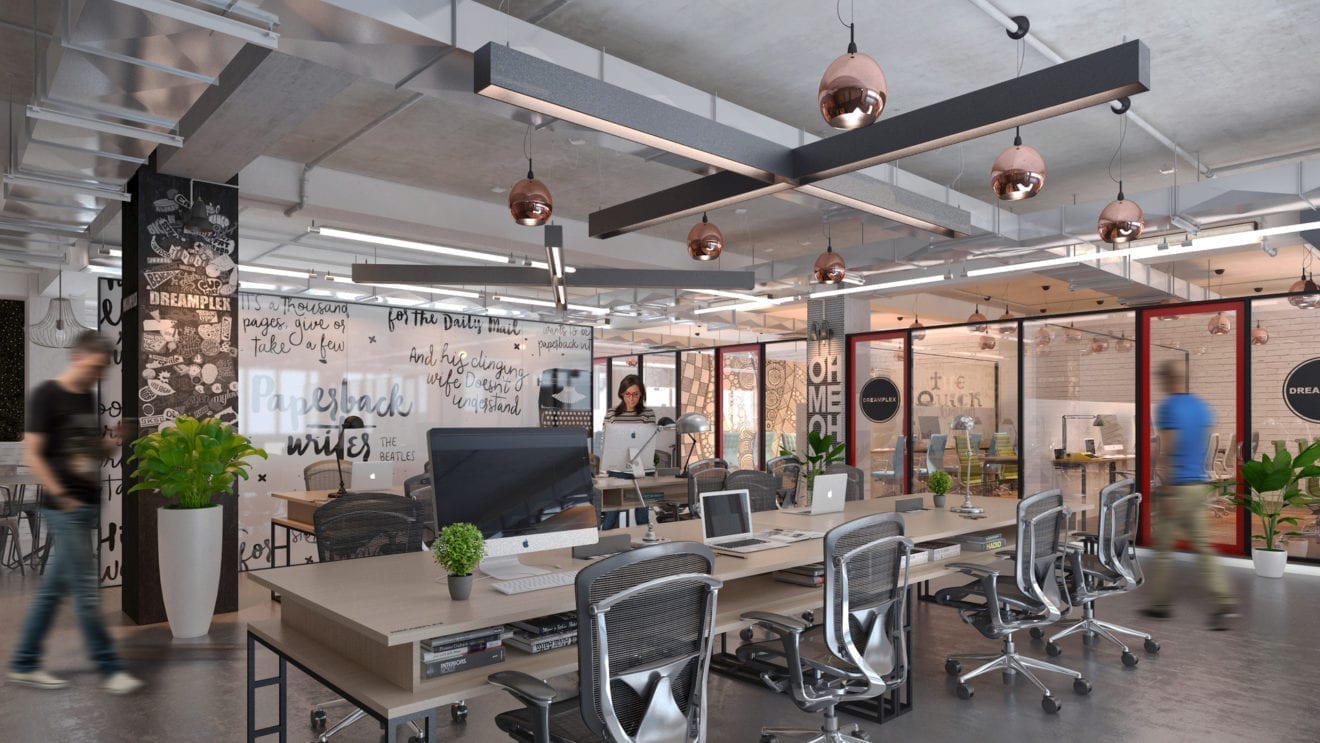
    An office building for lease in Ha Noi. Co-working offices are in great demand thanks to the flexibility, creativity and amenities tenants get. It also offers a far more cost-effective solution for tenants compared to traditional leased office space.

    They said the development of this new segment in the property market is being driven by start-ups, freelancers and increasingly by small companies.

    Vu Cam Giang, co-founder of Moonwork co-working space in Ha Noi, told that initially co-working had attracted students, employees allowed to work from home, start-ups, freelancers and artists who were curious about the new experience.

    But now only start-ups and freelancers hire co-working space, with many of them needing a place where they can bounce things of each other or explore co-operation opportunities, she said.

    Since it was launched more than a year ago her co-working space has been always full, indicating the high demand, she said.

    A recent report from property consultant CBRE Vietnam said the co-working segment has grown rapidly in Ha Noi and HCM City since it was first introduced in 2012 and started to gain traction in 2015 with the entry of local operators Toong and Dreamplex.

    The report said there are now 17 co-working space operators with 22 venues, all but one local, but the situation is set to change with the entry of regional operators later this year and in 2018.

    Talking about the growth, the report said the global co-working industry has been growing at 53 per cent a year for the last five years. In Vietnam the rate has been 58 per cent.

    But with the concept still being relatively new in the country, and major regional and international operators yet to enter, the rate is set to accelerate, it said.

    Co-working offices are in great demand thanks to the flexibility, creativity and amenities tenants get. It also offers a far more cost-effective solution for tenants compared to traditional leased office space.

    Office rents now range between $1,100 and $1,400 per month.

    Besides, co-working tenants do not have to shell out money for furnishing or even buying computers and other office equipment.

    CBRE said the cost of co-working space varies across cities, and is less in Ha Noi and HCM City than most other cities in the Asia Pacific.

    But the offices are generally not located in prime buildings or areas since operators seek to keep rental costs low. They are often situated in underutilised buildings in non-central locations, it said.

    The entry of larger operators would likely usher in a period of consolidation and M&A activity within the industry, forcing poorly managed or unsuitable co-working spaces out of the market and improving the quality of existing operators, it said.

    “With the development of start-ups and freelancers and people’s changing perception in choosing working space, the co-working segment will continue to expand in Vietnam,” Giang said.

  • Takata decides to file for bankruptcy

    Takata decides to file for bankruptcy

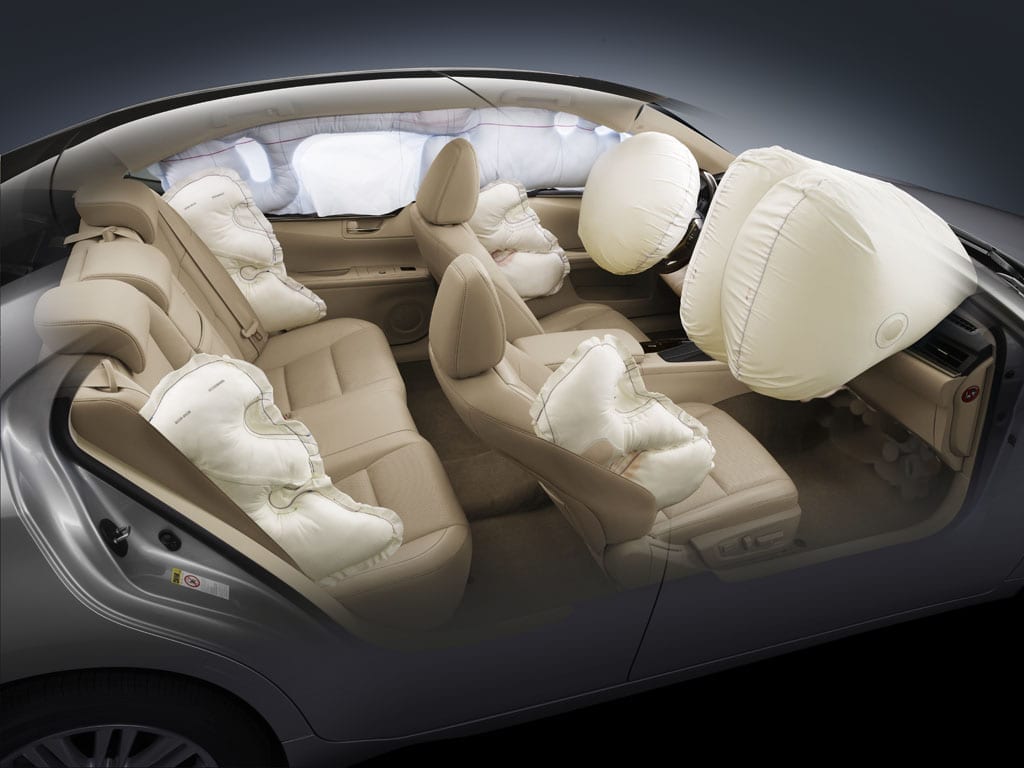
    Japan’s Takata Corp decided on Monday to file for bankruptcy protection in Japan with liabilities of more than 1 trillion yen (US$9 billion), Japanese media reported, as the auto parts supplier has struggled due to its defective air bag inflators at the center of the auto industry’s biggest ever product recall.

    The decision came at a special board meeting, public broadcaster NHK said.

    Takata is expected to file for a U.S. Chapter 11-style bankruptcy protection procedure, along with a similar filing in the United States, sources have told Reuters. This would open the door for a financial rescue from U.S. auto parts supplier Key Safety Systems, which Takata has tapped as its preferred financial sponsor.

    Faulty air bag inflators made by Takata have been linked to at least 17 deaths in the United States and other countries, prompting a massive global recall which began nearly a decade ago.

  • China’s tech giants in race to transform grocery shopping

    China’s tech giants in race to transform grocery shopping

    As Amazon.com looks to swallow United States grocery chain Whole Foods, China’s tech giants are already digesting hefty bricks-and-mortar deals, taking the lead in the battle to transform supermarket shopping with big data and better supply chains.

    China’s Alibaba Group Holding and JD.com have invested heavily in offline retail – bricks-and-mortar stores – in recent years to complement their online offerings.

    With their ready-made payment and social media platforms to lure shoppers, Alibaba and JD.com have helped China become the world’s largest online grocery market, far ahead of the US.

    This early lead, cemented by densely populated urban areas and cheap labour, could be key as retailers and tech firms race to boost margins on low-cost consumer goods by reinventing supply chains with big data analytics.

    “China is already the largest online grocery market in terms of value in the world, so it’s really advanced in terms of scale,” said Mr Nick Miles, head of Asia-Pacific for food and grocery industry research body IGD. Sales made online are set to more than double to around 6.6 per cent of China’s broader grocery market by 2020, compared with around 1.4 per cent for US sales by then.

    Both US and Chinese e-commerce firms are grappling with the challenge of increasing their margins on fast-moving consumer goods (FMCG), which include low-margin, high-demand goods with a short shelf-life – a staple of grocery stores.

    Alibaba, which has a burgeoning cloud business that competes directly with Amazon, plans to use its trove of consumer data to provide a suite of connected services back to the brands whose goods it sells. Services will include inventory management, smart manufacturing and logistics, which aim to slash waste and margins across the entire supply chain, according to the company’s “New Retail” strategy.

    Likewise, JD.com uses data from a partnership with China’s hugely popular messaging app WeChat, which has over 930 million users, to build data profiles for a range of brands including baby products, cosmetics and soft drinks.

    Alibaba has invested over US$9.3 billion (S$12.9 billion) in offline retail stores since 2015, including supermarket chain Sanjiang, department store Intime Retail Group and Suning Commerce Group, one of China’s biggest offline retailers. Last month, it took an 18 per cent stake in Lianhua Supermarket Holdings, part of retailer Bailian Group.

    JD.com bought Wal-Mart Stores’ Chinese online platform Yihaodian for about US$1.5 billion in shares last year.

    US firms are now looking to play catch-up as bricks-and-mortar stores are hit by a slowdown and online players battle with tight profit margins and high delivery costs.

    Amazon launched a US$13.7 billion bid for grocery chain Whole Foods Market last week, marking its intention to take on Wal-Mart.

    Wal-Mart, which got a stake in JD.com in the Yihaodian deal, raised its share in the Chinese firm to 12.1 per cent in February, having bought online retailer Jet.com in a US$3 billion deal last year.

  • DHL beefs up cold chain to US and Asia

    DHL beefs up cold chain to US and Asia

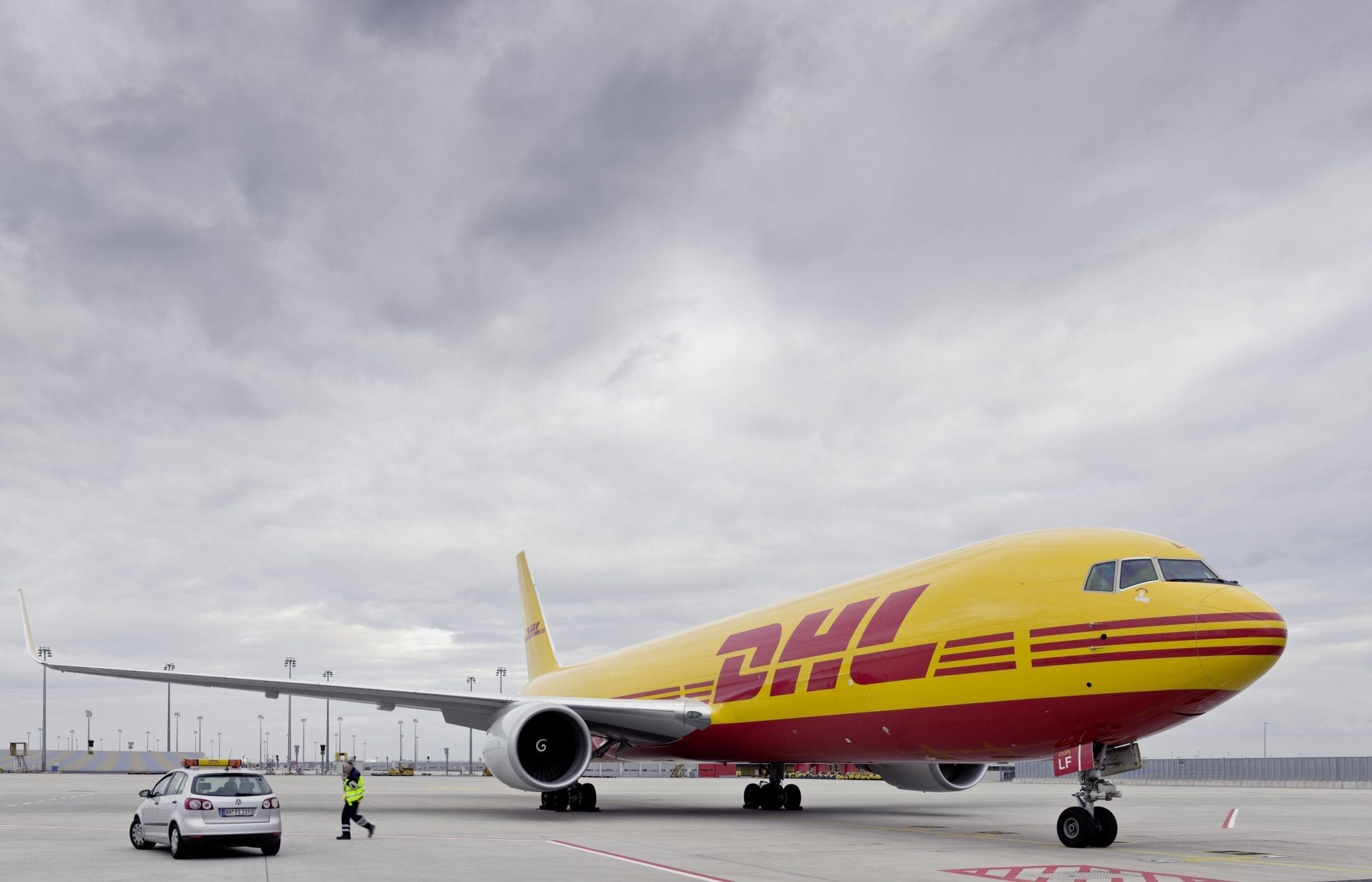
    DHL Global Forwarding, the air and ocean freight specialist of Deutsche Post group, says it is going to accelerate the supply chain for the north Norwegian seafood industry.

    DHL has started shipping live crabs and seafood from the Lakselv Airport Banak in north Norway to Asia and Northern America.

    On dedicated weekly flights, DHL transports the fresh seafood to the DHL terminal in Oslo, from where the freight is sent to South Korea and other destinations such as Japan or the United States.

    From the origin, which is only 100km from the North Cape, to its destination in Asia the whole logistics is exactly timed, ensuring the shipments are delivered in perfect condition.

    Tim Robertson, head of Air Freight, DHL Global Forwarding, Americas, said: ‘Thanks to our team of experts, who understand temperature control requirements, regulations, food safety and quality control guidelines, this seafood and fish is able to get to market and to consumers in the most expedient way possible.’

    DHL said transporting the fresh seafood by plane allows it to cut the lead time nearly by 50 per cent. This ensures that living crabs and other fresh seafood arrive at their destination in the best condition.

    Bjørn-Erik Stabell, marketing manager for salmon and trout at the Norwegian Seafood Council, said: ‘Time is of the essence when it comes to delivering fresh seafood of the very best quality. Norway is a long country, and with a large proportion of seafood being produced in the north, this air freight route is an important contribution to efficiently reaching seafood consumers across the world.’

    DHL is aiming to increase the frequency of deliveries from Oslo to Asia to three flights per week. From Oslo, almost 90 per cent of the fish is flown directly to Seoul in South Korea, while approximately 10 per cent is further directed to destinations in the US, Japan and China.

  • South Korea to raise subscription discount to 25%

    South Korea to raise subscription discount to 25%

    The South Korean government plans to increase the mandated monthly telecoms subscription fee discount to 25% from 20% as part of a plan to reduce total household expenses by 4.6 trillion won ($4.03 billion) annually.

    Customers signing up for one or two year subscriptions will be able to choose to apply the discount as either a monthly rte cut or a one-time discount on a new smartphone purchase.

    The market’s operators will also be required to provide an extra 11,000 won discount on monthly fees for elderly and low-income Koreans.

    A plan unveiled by the government will also involve the establishment of more Wi-Fi access points at schools, public buildings and public transport lines.

    But the plan has excluded an earlier proposal to abolish the 11,000 won basic mobile service fee to further reduce costs for consumers, due to strong opposition to the plan from the industry.

    According to the report, the economic committee of the nation’s State Affairs Planning Advisory Committee believes that increasing the discount rate for subscription services and low-income customers has the same effect as the proposed abolition of the fee.

    The mandated increased discount rate is expected be introduced in September, but could face legal and other challenges from operators.

    The government reportedly also intends to reduce mobile network lease rates for MVNOs and abolish the current cap on handset subsidies to make purchasing smartphones more affordable.