Tag: asia

  • Hongkongers at home with mobile shopping

    Hongkongers at home with mobile shopping

    Mobile shopping in Hong Kong and has now become a vital part of local consumers’ online purchasing habits, with more than two in every five of them having made purchases via their mobile device in the last three months, according to the latest Mastercard Online Shopping Survey.

    The survey was carried out across fourteen markets in Asia Pacific — Australia, China, Hong Kong, India, Indonesia, Japan, Malaysia, New Zealand, Philippines, Singapore,   South Korea, Taiwan, Thailand and Vietnam. A total of 8,738 consumers were polled online in November 2016.

    Results show that well over three quarters (80%) regarded security of payment facility as a key consideration when shopping online.

    The survey revealed that 44% percent of local consumers made a purchase through their mobile phones in the three months preceding the survey, up from 43% in 2015 and 38% in 2014, when the survey was first launched. An additional 14% did not make any purchases but intend to do so in the first half of 2017.

    Convenience (55%) continues to be the key driver for mobile shopping, followed by the growing prevalence of apps (42%) that make it easier to shop and the ability to shop on the go (26%).

    Regarding their mobile shopping habits, half of local consumers said they had downloaded a shopping app on a mobile device in the last six months. Clothing/accessories (34%) remain the key category purchased through mobile phones, followed by cinema tickets (26%).

    Purchase of airline tickets shot up to 21% in 2016, compared to 10% in 2015, while transactions on hotel accommodations (21%) and personal care/beauty-care products (120%) remained relatively stable.

    In terms of tools, group buying (29%) is increasingly used in Hong Kong, followed by digital wallets (17%) and financial investment apps/ in-social network marketplace apps (15% each).

    The majority of consumers in Hong Kong (88%) made at least one purchase online in the three months preceding the survey, representing a 4% increase from 84% in 2015. Four in five local consumers revealed plans to shop online in the first half of 2017.
  • Malaysia’s DFI generates near 25% profit in FY2017

    Malaysia’s DFI generates near 25% profit in FY2017

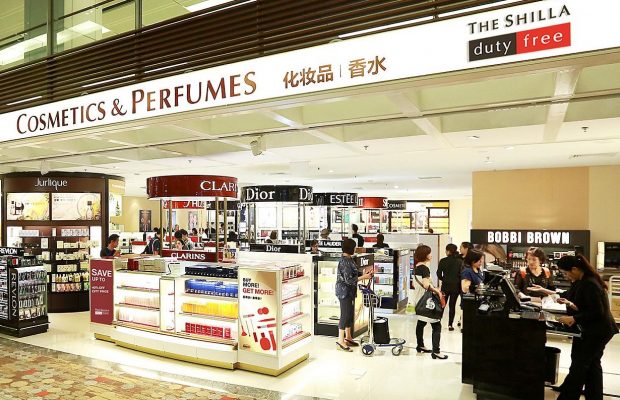
    Duty Free International Limited (DFI), the largest multi-channel duty-free and duty-paid retail group in Malaysia, in which Gebr Heinemann holds a 10% stake, has announced net profit after tax increased 24.8% to RM77m ($17.7m) from RM61.7m for the financial year ended February 28 2017 (FY2017).


    DFI’s parent company DFZ Capital Berhard entered into a joint-venture with Heinemann Asia Pacific in June 2016 with two seats on the board of directors – Max Heinemann and Marvin von Plato. DFI operates more than 40 retail outlets in Malaysia, on the border to Thailand and Singapore as well as duty-free shops in airports.

    DFI ended the fourth quarter (Q4) of FY2017 with revenue down slightly by 7.4% to RM150m compared to RM162m the previous year.

    The decrease was mainly due to a slowdown in tourism traffic to and from Thailand following the flood in Southern Thailand during the quarter and the after effects of the demise of Thai King Bhumibol in October 2016, as well as the imposition of a Goods and Services Tax at border outlets and duty-free zones with effect from 1 January 2017. On a full year basis, the Group reported an increase of 4.6% in revenue to RM632.6m for FY2017, from RM604.5m in FY2016.

    The profit before income tax in Q4, RM25.1m, was RM3.6m lower compared to RM28.7m in the same period in 2016 due to a decrease in revenue as mentioned above, coupled with an increase in management fee and lower reversal of inventories written down in the current quarter.

    On a full year basis, the Group reported an increase of 15.7% in profit before income tax to RM97.8m for FY2017, from RM84.5m in FY2016. The increase was mainly due to the overall increase in revenue and an increase in net foreign exchange gain of RM9.9m compared to the net foreign exchange loss of RM7m in FY2016. There was a recognition of gain arising from changes in the fair value of options amounting to RM4m, as well as lower professional fees incurred by RM1.6m in FY2017 when compared to FY2016.

    The above mentioned however, was partially offset by higher rental expenses and higher employee benefits expenses for FY2017.

    DFI executive director Lee Sze Siang commented on the FY2017 results: “We continue to face the challenges of the current economy and the volatility of the USD-Ringgit exchange rate, as well as the impact of unforeseen occurrences of the flood in Southern Thailand and effects of the demise of Thai King Bhumibol. Nevertheless, we have already started the process of improving our business operations, enhancing our merchandise mix and revamping our outlets. As we continue to focus on improving our operational efficiency and better managing our costs, we are confident of overcoming the challenging and competitive business environment.”

  • Korea’s economic growth accelerates in Q1: BOK

    Korea’s economic growth accelerates in Q1: BOK

    South Korea’s economy grew at a faster pace in the first quarter than three months earlier due to increased construction investment and exports, central bank data showed Thursday.

    In the January-March period, the country’s gross domestic product increased 0.9 percent from the previous quarter, improving from a 0.5 percent on-quarter expansion three months earlier, according to preliminary data from the Bank of Korea.

    The on-quarter growth is the fastest since the second quarter of last year.

    The data also showed the services sector expanded 0.1 percent from the previous quarter, compared with a 0.2 percent on-quarter expansion three months earlier.
    The central bank data showed construction investment grew 5.3 percent in the first quarter from the previous quarter, and facility investments rose 4.3 percent on-quarter in the first quarter.

    Chung Kyu-il, director general of the Economic Statistics Department at the BOK, blamed the slower growth in the services sector on a decline in the number of Chinese tourists, poor consumer sentiment and people putting off buying smartphones ahead of the release of Samsung Electronics Co.’s Galaxy S8.

    Samsung started official sales of the Galaxy S8 and the Galaxy S8 Plus smartphones in South Korea last Friday.

    The service sector includes wholesale and retail trade, restaurants, and hotels.

    Local tourism-related businesses have taken the brunt of China’s ban on trip sales to South Korea in an apparent retaliation against Seoul over a US missile defense system.

    Seoul and Washington began to deploy the US missile shield in South Korea to counter North Korea’s evolving nuclear and missile threats.

    Still, China has repeatedly pressed South Korea and the US to cancel the deployment and withdraw the missile defense system, claiming the US missile defense system could hurt China’s security interests.

    Exports — one of the major pillars for the South Korean economy — grew 1.9 percent from the previous quarter, while imports increased 4.3 percent.

    Gross domestic income rose 2.3 percent in the first quarter from the previous quarter, compared with a 0.8 percent expansion three months earlier, the BOK said.

  • Prime retail rents in Singapore dip 0.4% in Q1

    Prime retail rents in Singapore dip 0.4% in Q1

    Marina Centre, City Hall, and Bugis precincts reported lower rents. The challenging retail scene was proven by the drop in island-wide prime retail rents, which slipped 0.4% in the first quarter of the year.

    According to the Singapore Retail Bulletin by Knight Frank, this was largely due to lower rents in the Marina Centre, City Hall and Bugis precincts.

    Rents of prime spaces in Marina Centre, City Hall and Bugis precincts fell by 3.7% YoY as landlords continue to offer attractive rental packages to draw retailers.

    On a yearly basis, prime rents at the Orchard Road reported precinct reported a 0.7% slump.

    Meanwhile, average rents of prime spaces in suburban malls fell by 2.1% compared to one year ago.

    “Whilst well-established and well-managed malls generally report strong footfall trends, some other suburban malls still grapple with weakening patronage and having to achieve the right retail trade mix in a bid to improve attractiveness for consumers,” Knight Frank noted.

  • Growing flight frequency of Mideast airlines to benefit Bali tourism

    Growing flight frequency of Mideast airlines to benefit Bali tourism

    The Bali branch of the Indonesian Association of Tour Operators (Asita) said increase in the flight frequency planned by major Mideast airlines – Qatar Airways and Emirates Airlines between Middle East and Bali would significantly contribute to the islands tourism growth.

    Qatar Airways said through its Instagram it would increase flights to three times between Doha to Bali starting May 7, 2017.

    “Now there will be more reasons to see the yet untouched beauty of Bali,” the airline wrote in its social media account that drew more than ten thousands of comments.

    Earlier this month, another major airline from that region, Emirate Airlines of the United Arab Emirates already announced plan to increase flight frequency to twice everyday from Dubai to Bali starting July 2 this year.

    The increase in the flight frequency by the two world class airlines would further draw foreign tourists to Bali, Chairman of the Bali branch of Asita Ketut Ardana said here on Monday.

    Ardana said the recent holidaying visit of Saudi King Salman bin Abdulaziz Al Saud to Bali has added to the attraction of Bali for tourists from Middle East.

    “Bali is already attractive but with the visit of the Saudi King and his large entourage made Bali more attractive for holiday makers from Middle East,” he said.

    The increase in the flight frequency by the two airlines would facilitate the transport of tourists from that region to Bali, he added.

  • Visa and Thailand Ministry of Tourism and Sports Celebrate 20 Years of Cooperation

    Visa and Thailand Ministry of Tourism and Sports Celebrate 20 Years of Cooperation

    Kobkarn Wattanavrangkul, Minister of Tourism and Sports, recently welcomed Chris Clark, Visa Group Executive for Asia-Pacific, at the Ministry of Tourism and Sports. During the visit, Mr. Clark thanked Ms. Kobkarn for the 20 years of cooperation between Visa and Thai tourism authorities, and discussed opportunities to further strengthen their partnership and drive tourism in Thailand.

    The long-standing partnership between Visa, the global leader in payments, and Tourism Authority of Thailand has resulted in a number of high-profile campaigns, boosting sustainable tourism revenues.  

    This year also marks the 18th anniversary of “Amazing Thailand Grand Sale”. Subsequently, campaigns such as “Thailand Spectacular Year End” and “Thailand Splash and Spice” were introduced to provide consistent attractions for visitors throughout the year.  

    Most recently, Visa launched the “Not a Tourist: See Thailand through Local Eyes” campaign that invited residents of Thailand to share photographs of local activities, foods, and places on social media to encourage tourists to experience Thailand at a deeper and more meaningful level.

  • Thai ISPs given 7 days to block “illicit” pages

    Thai ISPs given 7 days to block “illicit” pages

    Thai ISPs have been given just seven days to block “illicit” webpages such as anti-monarchy content deemed illegal by the courts, or face the prospect of having their licenses revoked.

    Regulator NBTC has ordered the nation’s ISPs to ensure they are compliant with the nation’s censorship regime, which also covers material such as sedition and promotion of illegal content.

    ISPs found to still be in violation after seven days could face penalties including fines, the cancellation of their licenses or even criminal charges for the management.

    The NBTC has said it will work with ISPs that claim to have technical reasons for being unable to block illicit content to help solve the problem.

    Meanwhile, the regulator and the Ministry of Digital Economy and Society are pressing ISPs to extend their content blocking to include illicit video streaming on Facebook and YouTube from local CDNs.

    The agencies plan to discuss how local ISPs will be able to block illicit content through online and streaming video on overseas-owned sites.

    This initiative was announced on the same day that a Thai man broadcast the murder of his 11-month-old daughter over Facebook Live before killing himself, a tragedy that drew international media attention.

  • 500 Startups funds Stockbit, a social network for stock trading

    500 Startups funds Stockbit, a social network for stock trading

    Indonesia’s Stockbit bills itself a “social network for stock traders.” Individual traders sign up for customizable stock market information and analytics. Basic features are free, while paying subscribers get more in-depth intelligence.

    The site’s been growing and adding features since 2012. The company just closed an investment from 500 Startups, it said in a release today. It’s a pre-series A round, and the sum is undisclosed.

    The new investment is supposed to fuel the launch of a new a feature that lets community members follow more experienced stock traders and copy their investment moves in an automated process.

    “Our proposition is simple. Just copy, let the best do the rest,” is how CEO Wellson Lo explains the feature. You can allocate a fixed amount, say US$5,000, and this amount will be invested by mirroring the person you are following. Trading “leaders,” as the people you can follow are called, also benefit. They get a share of the profits you make.

    It’s been in development since last year and will become available on Stockbit’s iOS and Android apps soon, though there’s no set launch date yet.

    Traders wanted

    Public participation in the stock market is extremely underrepresented in Indonesia, argues Wellson. Less than 0.3 percent of the adult population have a stock trading account. In Singapore, it’s 39 percent and more than 20 percent in China.

    Part of the reason is a knowledge gap, which Stockbit hopes to address by making it simple for novice traders to learn and reap benefits without risking too much.

    Back in 2015, after Stockbit last raised funds, including from local VC firm Ideosource, Wellson had told Retail News that the startup had 15,000 registered users, while paid subscribers were still only in the hundreds. The user base has about tripled since then, according to Stockbit.

    There’s an ongoing effort by the Indonesian Financial Services Authority to raise awareness about investment opportunities on Indonesia’s public markets, a development Stockbit hopes to be able to leverage for its growth.

    500 Startups partner Vishal Harnal says Stockbit is already the largest and most active community of stock traders in the country, which gives the startup an advantage over potential competition.

    Besides Stockbit, there are trading information sites like Idsaham or Infovesta, but those sites merely aggregate stock information and don’t yet offer analytics tools. Bareksa can be seen as a possible competitor, as it offers a variety of financial analytics tools and also aggregates information about the Indonesian Stock Exchange, among other functions.

    Algomerchant from Singapore has a similar solution, offering a mix of social networking and analytics. However, Algomerchant lets you subscribe to a set of trading algorithms, not individual people, explains Wellson. Stockbit’s social trading model is most comparable to Covestor in the US.

  • NBN achieves 1.1Gbps speeds in fixed wireless trial

    NBN achieves 1.1Gbps speeds in fixed wireless trial

    Australia’s nbn, the state-owned company building the National Broadband Network, has achieved speeds of over 1Gbps during a trial of fixed wireless technology.

    The company used carrier aggregation to combine seven 3.4-GHz carriers with four in the 2.3-GHz bands, achieving a downlink speed of 1.1Gbps and upstream speeds of 165Mbps.

    Using a range of various carriers across the two bands, nbn also demonstrated trial peek speeds of 400Mbps/55Mbps, 250Mbps/50Mbps and 100Mbps/400Mbps.

    The fastest 1.1Gbps speed was achieved by using three next generation Wireless Network Termination Devices (WNTDs) while the others were achieved with a single such device.

    The trial was conducted with Ericsson, NetComm Wireless and Qualcomm, and used speed testing technology from Mill Software.

    nbn has pledged to launch a 100Mbps fixed wireless product for the regional business segment in 2018.

    “Our ability to deliver gigabit speeds on fixed wireless demonstrates our continued focus on identifying and implementing tech advancements as and when they are needed, across all technologies,” nbn CEO Bill Morrow said.

    “It’s particularly exciting to be able to reaffirm our commitment to delivering a great experience to the 600,000 premises in regional Australia that will be served by the fixed wireless network. Our fixed wireless network has already been recognised as a world leader and we are determined to maintain that position by making sure regional Australians get access to the same high speed broadband available in our cities.

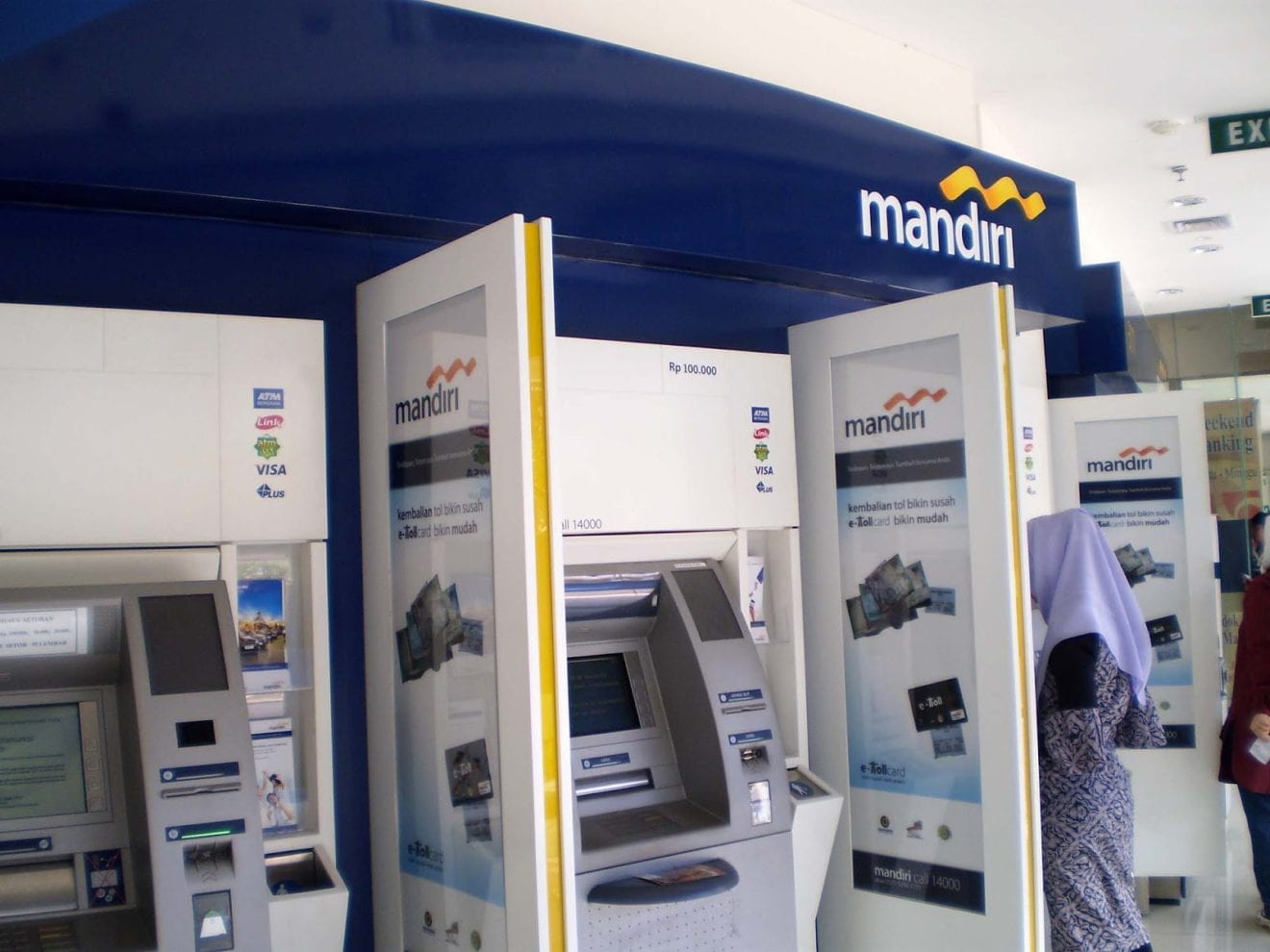
  • Bank Mandiri posts net profit of Rp4.1 trillion in Q1

    Bank Mandiri posts net profit of Rp4.1 trillion in Q1

    State lender Bank Mandiri posted a net profit of Rp4.1 trillion in the first quarter of 2017, up 6.9 percent from Rp3.8 trillion in the same period last year.

    One of the factors increasing the profit was the rise in the amount of financing as reflected by credit growth, which rose 14.2 percent to Rp656.2 trillion in the first quarter of 2017, with the gross non-performing loan (NPL) ratio reaching 3.98 percent, Bank Mandiri President Director Kartika Wirjoatmodjo said here on Tuesday.

    “Although the gross NPL ratio rose 80 points year-on-year, its value was relatively good compared to Dec 2016,” he stated.

    In addition, the net profit hike was also fueled by net interest income and net premiums, which rose by 3 percent to Rp13.4 trillion, and fee-based income, which went up by 25 percent to Rp13.4 trillion.

    He added that the bank also managed to cut operating costs by 3.8 percent to Rp7.9 trillion, while operating profit before tax and reserves increased 11.9 percent to Rp10.8 trillion compared to March 2016.

    The banks total assets reached Rp1,034.4 trillion as of the first quarter of 2017, up 14.1 percent compared to the same period last year.

  • Indonesia, Singapore partner to develop startups

    Indonesia, Singapore partner to develop startups

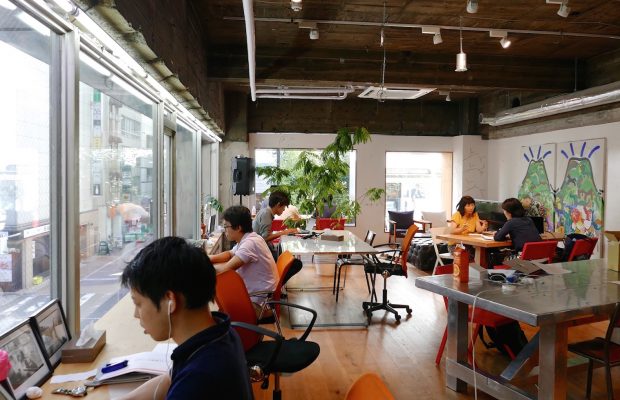
    Local co-working space EV Hive is collaborating with Singapore’s working space BASH to provide places for startups from both countries to develop and thrive. These spaces with assist startups with business development and funding.

    “Regional companies based in Singapore can use EV Hive as a launch pad to the Indonesia market. Indonesia companies can use BASH as a stepping stone to access the regional stage,” said Willson Cuaca, managing partner of Singapore-based venture capital firm East Ventures, during the launch of the collaborative project on Tuesday. East Ventures manages EV Hive.

    Startups at the later stage (series B and above) of development can leverage support from EDBI, the global investment arm of the Singapore Economic Development Board.

    East Ventures, BASH management or SGInnovate, a development body wholly owned by the Singapore government, will work on more programs to expand talent, markets and knowledge-sharing for the customers of both co-working spaces.

    EV Hive currently manages two co-working spaces in South Jakarta and one in the Breeze mall in Banten. It plans to reach seven offices by the end of the year.

    EV Hive has facilitated the development of 36 startups, six of which are Singaporean.

    BASH, meanwhile, manages an integrated startup space in Singapore.

  • Co-working spaces taking off in Vietnam

    Co-working spaces taking off in Vietnam

    Co-working spaces remain in the initial stages of development in Vietnam and are concentrated primarily in major cities like Hanoi and Ho Chi Minh City.  Hanoi now has around 14 co-working projects providing more than 7,000 sq m while HCMC has around ten projects with nearly 7,500 sq m for lease, according to the latest report from Cushman & Wakefield (C&W), a leading global real estate services firm.

    The most common sizes are from 300 sq m to 800 sq m and they tend to be located in the CBD or CBD-fringe districts or in new urban areas like the west of Hanoi or in Ho Chi Minh City’s District 2.

    “Globally, we are seeing demand growing at 10-15 per cent each year,” said Mr. Alex Crane, General Manager of C&W Vietnam.

    “APAC, and Vietnam in particular, is still in the early stages of co-working spaces becoming familiar and adopted.”

    Development of co-working spaces in Vietnam has been evidenced by the opening of more and more locations and especially the expansion of investors such as UP and Toong in Hanoi and Dreamplex in Ho Chi Minh City.

    UP now has two locations with nearly 1,400 sq m, Toong has three locations in Hanoi and one in Ho Chi Minh City with a total area of roughly 3,800 sq m, and Dreamplex has two locations in Ho Chi Minh City with over 3,700 sq m.

    According to Mr. Crane, there will be a further integration of co-working spaces into corporate real estate as CEOs are constantly looking to reduce real estate costs and co-working spaces offer a flexible, cost effective solution.

    “The rise of co-working spaces coincides with the number of millennials in the workforce and the working habits of Generations Y and Z will continue to impact how developers and multinational occupiers plan and use their commercial space,” he said.

    Co-working spaces are attractive to individuals, freelancers, startups and small companies mainly in the fields of technology and communications, who need flexibility as well as networking opportunities.

  • 7-Eleven sold as business declines

    7-Eleven sold as business declines

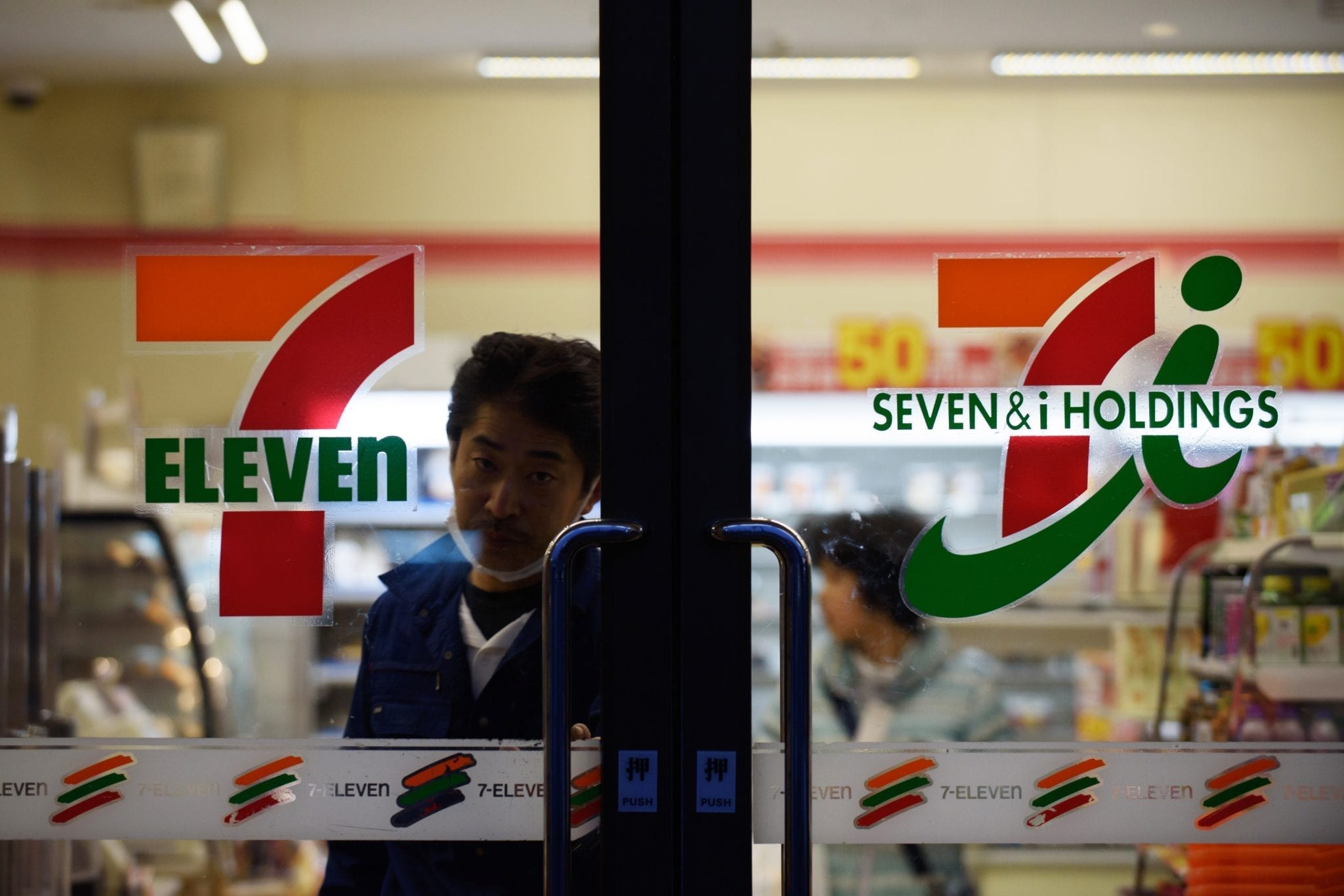
    Retail operator PT Modern Sevel Indonesia (MSI) plans to sell its 7-Eleven convenience stores for Rp 1 trillion (US$75.24 million) to PT Charoen Pokphand Restu Indonesia (CPRI), a business entity of PT Charoen Pokphand Indonesia (CPI).

    According to information from the Indonesian Stocks Exchange (IDX) published on April 21, the transaction agreement was made on April 19.

    Under the deal, CPRI agrees to take over the business activities of MSI – mini-restaurants (resto) and convenience stores – as well as assets that use the franchise system.

    The transaction, which is scheduled for June 30, is worth Rp 1 trillion, pending approval from various parties including the Trade Ministry and Financial Service Authority (OJK), shareholders, board of commissioners and 7-Eleven Inc., the owner of the brand, CPI president director Tjiu Thomas Effendy wrote in his letter to IDX’s registration director.

    “MSI and CPRI have settled various issues related to the planned transaction,” said Tjiu.

    The 7-Eleven chain of convenience stores and mini restaurants are popular among young people as most of the outlets remain open for 24 hours. However, sales have been on the decline as most customer come to enjoy the store’s free Internet and chat with their friends.

    Other local retailers like Alfa Mart and Indomart have also opened mini resto in their outlets in recent months.

  • Peugeot first quarter revenue rose 4.9 percent as new models offset forex impact

    Peugeot first quarter revenue rose 4.9 percent as new models offset forex impact

    French carmaker PSA Group’s first-quarter revenue rose 4.9 percent, the maker of Peugeot, Citroen and DS models said on Wednesday, as new models helped offset the effect of weak sales growth and a negative exchange-rate impact.

    Revenue rose to 13.63 billion euros ($14.92 billion) from 13 billion a year earlier, the Paris-based company said. Revenue at the core automotive division rose 2.5 percent to 9.02 billion euros.

    PSA also lifted its full-year market outlook to a 1 percent expansion in Europe and 2 percent in Latin America, having previously forecast flat demand in both regions.

  • SoftBank working on eSIM platform for IoT

    SoftBank working on eSIM platform for IoT

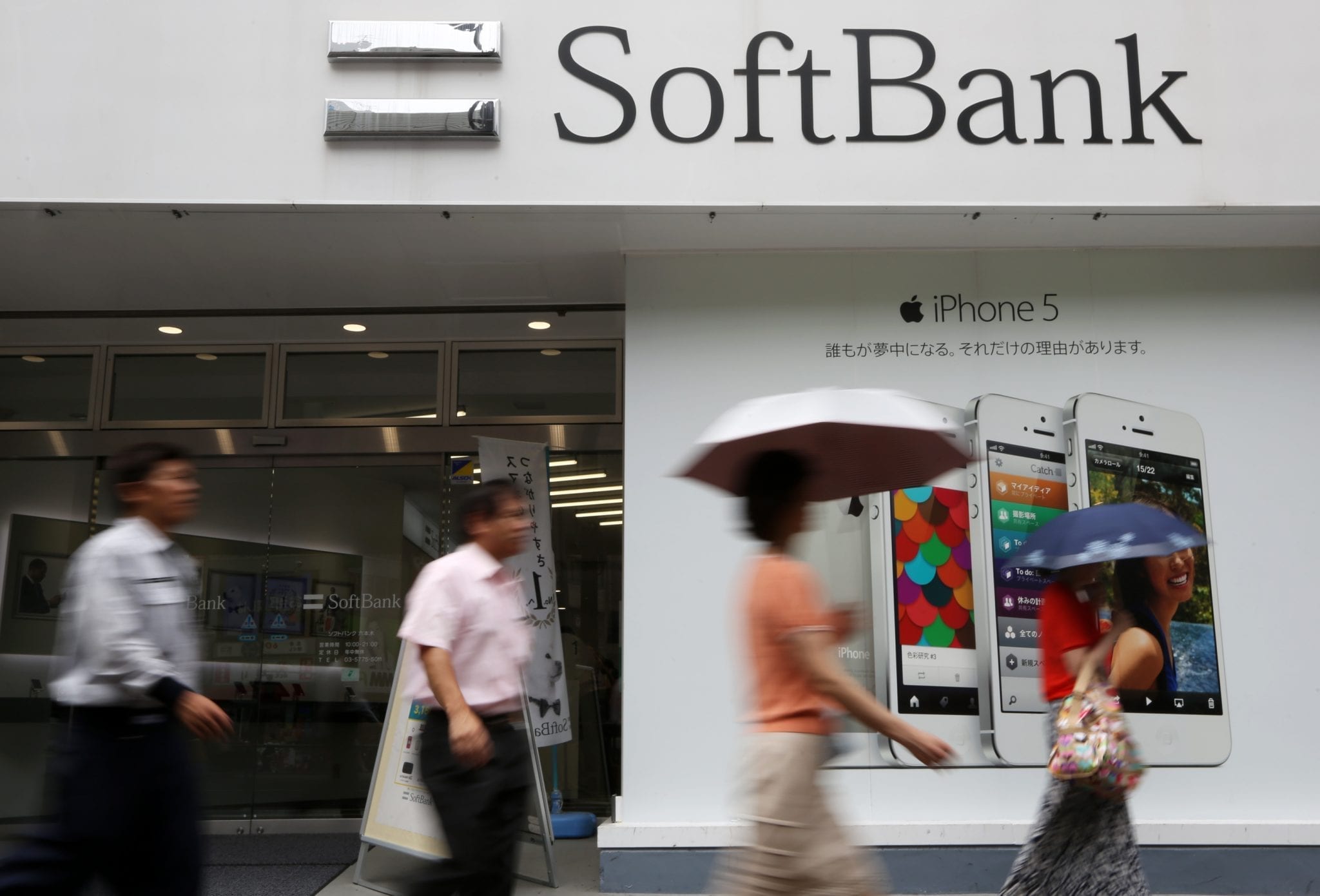
    SoftBank is developing an embedded subscriber identity module (eSIM) platform as part of its efforts to promote Internet of Things (IoT) solutions.

    The platform, which is scheduled to start operating in 2017, enables remote eSIM provisioning by connecting to carrier communication networks with the required profiles.

    When selling vehicles and other items embedded with machine-to-machine (M2M) equipment to markets abroad, until now it was necessary to prepare dedicated SIM cards with the necessary profiles to connect to the respective communication networks of overseas carriers.

    With eSIMs integrated into IoT products and M2M equipment, and by using the eSIM Platform, corporate customers will be able to remotely provision eSIMs with the profiles required for connecting to various carrier networks.

    For tablets, wearables and other consumer devices equipped with eSIMs, the eSIM Platform will also enable the remote provisioning of pre-registered contract information and other types of information, in addition to the necessary profiles for network connection.