Tag: asia

  • Giant ships begin to make a call at Jakarta’s Tanjung Priok

    Giant ships begin to make a call at Jakarta’s Tanjung Priok

    PT Jakarta International Container Terminal (JICT) in Tanjung Priok said it has entered a new era when it succeeded in serving a giant ship, the Otello of Frances Compagnie Maritime dAffretement – Compagnie Generali Maritime (CMA-CGM).

    “The ships of CMA-CGM are the largest ever making a call at Tanjung Priok,” Chief Executive of JICT, Gunta Prabawa, said here on Monday.

    Earlier, JICT was similarly successful in providing fast services for 2 other giant ships of CMA CGM – the Titus and Tancredi – with port productivity at the JICT of 27-30 Mph.

    Gunta described the visits by the giant ships as a new era of the appearance of more giant ships at the Jakarta port indicating that JICT has been ready to provide world class port services.

    “Global shipping companies have allowed their ships to berth at Tanjung Priok as they have confidence in our services,” Gunta said.

    The 334 meter long Otello had unloaded 1,551 TEUs of container goods at Tanjung Priok, he said.

    He said CMA-CGM has reached an agreement with PT JICT by opening new shipping service called the Java South East Asia Express Services/ Java SEA Express Services/ JAX Services.

    The weekly service will take the route of Tanjung Priok – West Coast (Los Angeles & Oakland) of the United States.

    “The first service of JAX Services began on 9 April, 2017 by the Titus of CMA-CGM. Indonesian exporters and importers are expected to utilize the service,” Gunta said.

    Earlier this month, President Joko Widodo said large ships would began to berth at Jakartas Tanjung Priok port after continued improvements in services by the port operator.

    “Soon or next week there will be a ship measuring 10,000 TEUS to call at Tanjung Priok,” Jokowi said when officially commissioning an access toll road to the countrys largest port.

    The president attributed the success in attracting large ships to Tanjung Priok to improved service including a significant cut in dwelling time.

    The dwelling time, needed for unloading, has been cut short to 3.5 days now from earlier up to six days. Long dwelling time had discouraged ships from making a visit to Tanjung Priok as it would mean losing time and an increase in berthing fee.

    The president himself stepped in to improve services, cut the red tape and simplify all procedures that reduce illegal levies earlier rampant at the port.

    The president said he hoped improvement in the port service would make Indonesia more competitive and the seas transport cost would be cheaper to and from Indonesia as large cargo ships could sail directly to and berth at Tanjung Priok.

    “The flows of goods could be much faster via Tajung Priok. Transit is no longer needed for imported container cargoes in Singapore,” he said, adding large container ships could be berthed at Tanjung Priok.

    Previously large ships carrying container goods for Indonesia have to make a transit in Singapore to unload the cargo to be loaded gain on smaller ships as Tanjung Priok could not yet accommodate large container vessels.

    The new access road would contribute to improving services at the port , Jokowi said, adding “This also helps improve the countrys competitiveness.”

    He said an estimated 3,600 containers would be transported via the 11.4 kilometer access road everyday.

  • Cebu Pacific joins Davao tourism program

    Cebu Pacific joins Davao tourism program

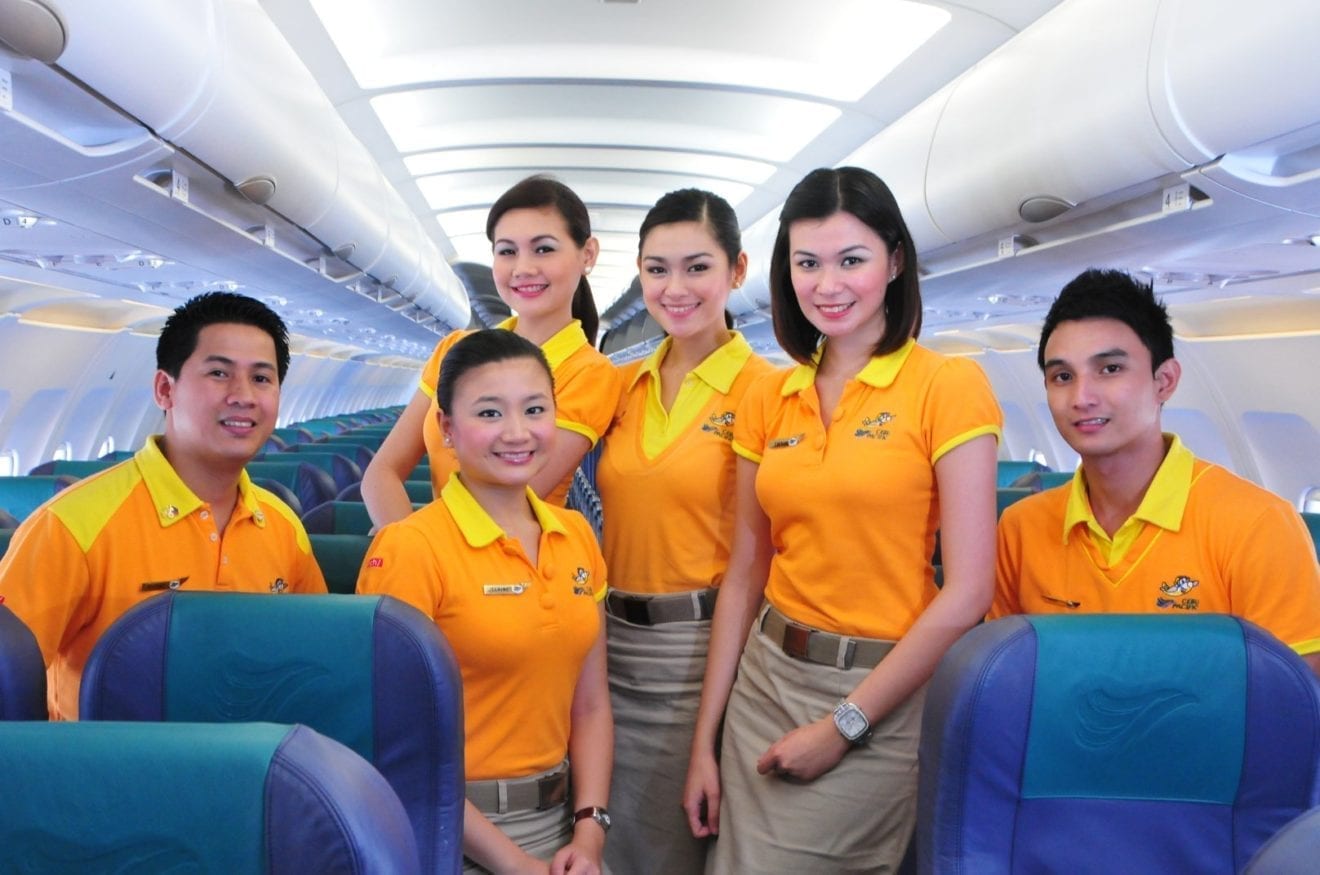
    The Cebu Pacific (CEB) has announced its participation in the largest travel event and tourism campaign in Davao region, the Visit Davao Fun Sale (VDFS). The carrier’s move is in support of the VDFS, which was launched four years ago, to promote Davao and peripheral areas in southern Mindanao as safe, enjoyable and exhilarating travel and adventure destinations for both local and foreign tourists.

    As part of the seven-week activities, CEB is flying-in top adventure travel bloggers and digital influencers from Singapore, Japan and South Korea to visit Davao and check out attractions such as the beaches in Mati City, Aliwagwag Falls and Eden Eco Adventure Park, go dolphin-watching off the coast of Mati, white-water rafting in the Davao River, pub-crawling in Davao’s city center, or shopping at the Aldevinco Center. “CEB takes pride in having the most flights to and from Davao. But more than the flights, we need to do our part to help entice tourists to fly to Davao and experience what the region has to offer.

    Davao and adjacent provinces have so much to offer tourists from all walks of life — from thrill-seekers to laidback travelers, families on vacation, barkadas on a getaway and even solo backpackers,” said JR Mantaring, CEB’s vice president for Corporate Affairs.

    Cebu Pacific has the most extensive domestic route network among Philippine carriers, with direct, inter-island connections to major tourist destinations. The carrier operates flights out of six strategically placed hubs in the country in Manila, Cebu, Davao, Clark, Kalibo, and Iloilo. Operating a hub in Davao, CEB has 141 flights to and from Davao, with six direct domestic routes (Cebu, Bacolod, Cagayan de Oro, Iloilo, Zamboanga and Manila) and a direct flight to Singapore. The airline’s extensive network covers over 100 routes and 66 destinations, spanning Asia, Australia, the Middle East, and United States of America.

    Launched in 2014, the Visit Davao Fun Sale is a partnership between local governments in the region, the Department of Tourism, other national government agencies and private enterprises to promote tour packages and unique experiences to tourists such as food and delicacy must-tries, as well as leisure and wellness activities. This year’s tours include special packages for Davao City, Island Garden City of Samal, Sta. Cruz in Davao del Sur where one of the trails to Mt. Apo is located, and the Hamiguitan Range and Wildlife Sanctuary. Since its launch, VDFS has helped push tourism growth in the region to double-digit levels, capping 2016 with 100,000 tourist arrivals. VDFS 2017 runs from April 16 to May 31.

  • NTT Com secures international license in India

    NTT Com secures international license in India

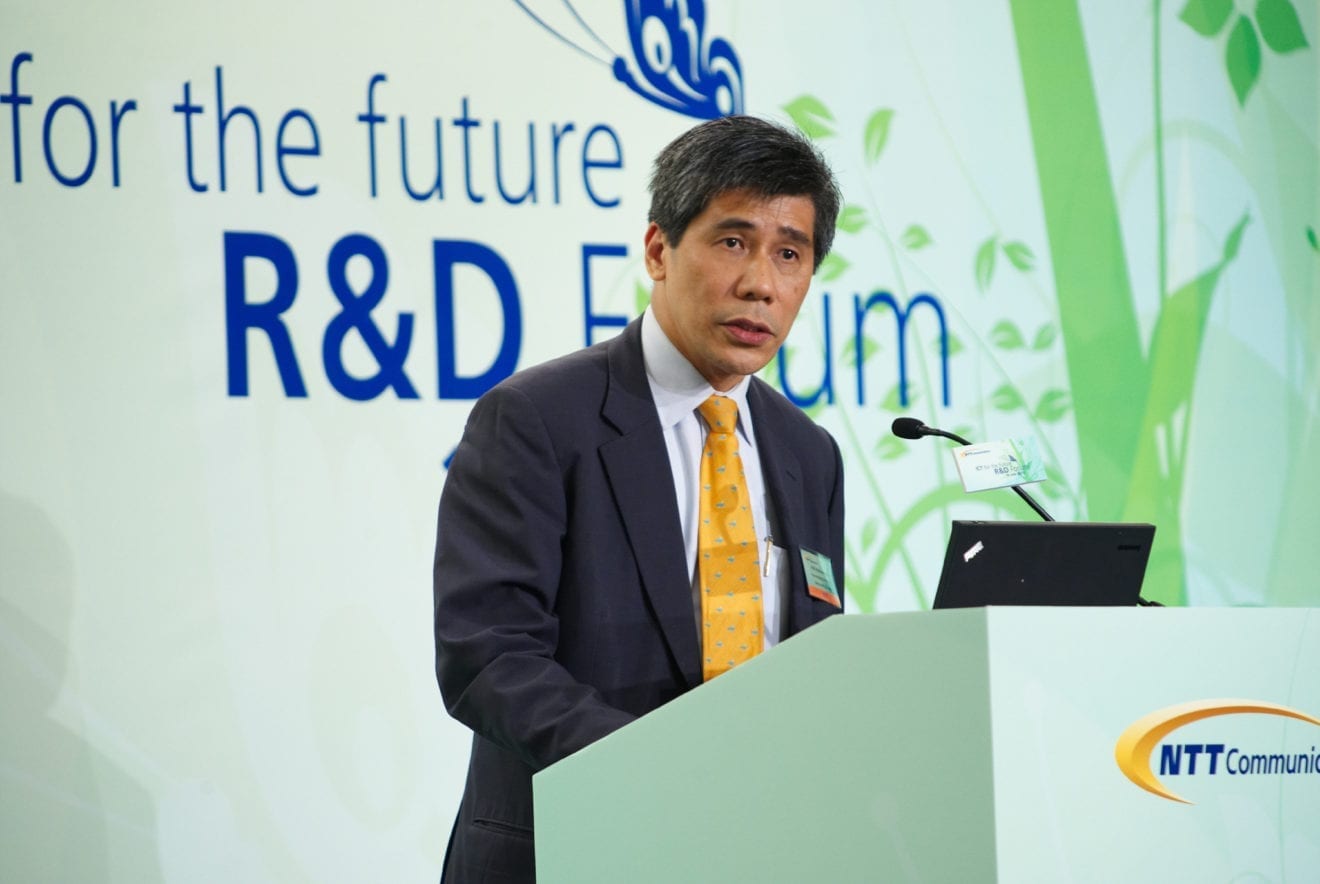
    TT Com has announced it has secured an international telecoms operating license in India via its affiliate NTT Communications India Network Services (NTTCINS).

    NTTCINS has secured a virtual network operator – international long distance (VNO-ILD) license in the market, becoming the first Japanese ICT provider to secure such a license.

    The acquisition will allow NTT Com to launch its Arcstar Universal One International Network Services in India, in addition to the national long distance network services it provides through NTTCINS.

    The company plans to offer a range of ICT solutions in the market, including WAN, LAN, data centers and value-added services. NTT Com also plans to enhance its network services and improve service quality in the market via closer relationships with local operators.

    NT Com has data centers in Chennai, Bangalore, Mumbai and Delhi. The company’s portfolio in India also includes colocation, managed hosting, cloud and ICT management services provided through affiliate Netmagic.

    “With the enhanced network capabilities coupled with managed hosting and cloud services, we are always committed to enable our customers to reap the maximum value from their technology investments,” Netmagic CEO Sharad Sanghi said.

    “This suite of offerings provides a robust value proposition as an ICT provider to meet our customers’ IT infrastructure and connectivity requirements.”

  • Jokowi optimistic of witnessing 10% growth in automotive industry

    Jokowi optimistic of witnessing 10% growth in automotive industry

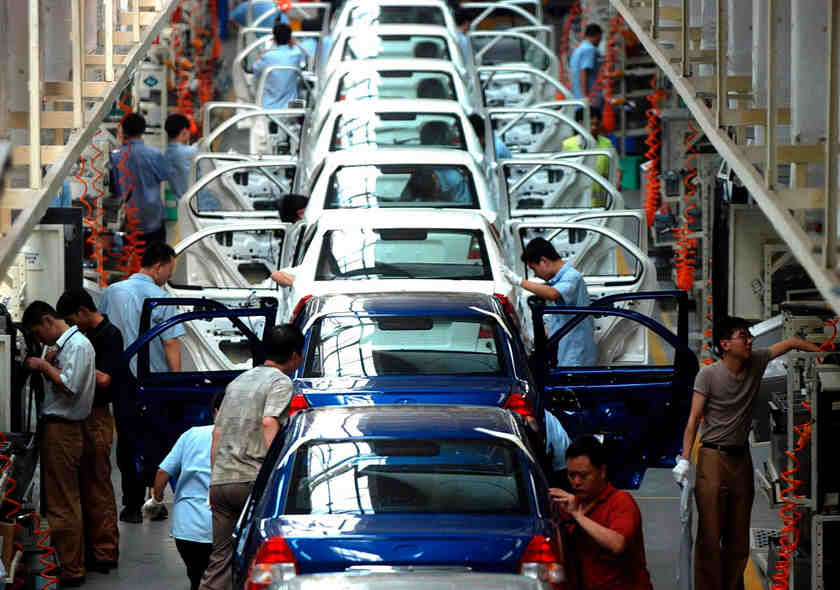
    Indonesian President Joko Widodo (Jokowi) is optimistic that the automotive industry would attract more investors and grow over 10 percent annually.

    “Indonesias automotive industry is more competitive now and is growing on an average of more than 10 percent,” he remarked in Bekasi on Tuesday.

    President Jokowi expressed optimism in his remarks at the opening ceremony of PT Mitsubishi Motor Krama Yudha Indonesia (MMKI) at the Greenland International Center, Central Cikarang, Bekasi District, West Java.

    “With such a large market, I am certain that more investments will flow into the automotive sector of Indonesia, as we have a large market, and greater the investments, more employment opportunities will be available,” he emphasized.

    President Jokowi lauded Mitsubishi Motors commitment to increasing its investment by setting up a new plant in Indonesia, which will be able to offer jobs to around three thousand people.

    “This can provide employment to some three thousand people. Once again, three thousand job opportunities,” the president pointed out.

    Hence, Jokowi is committed to easing the flow of investments, particularly in the automotive sector, considering its impacts on the economic growth.

    “The inflow of investments will create more job opportunities, and it means more people will have jobs,” he stated.

    However, the president highlighted the importance of the quality of human resources to meet the high standards of the automotive industry.

    He pointed out that the government is taking steps to boost economic development by providing skilled manpower through vocational schools.

    “Here, we will strengthen vocational education, vocational schools, as well as vocational training, entrepreneurship, and the labor market,” he affirmed.

    “The government will continue to implement policies that link and match or job matching between vocation and the industry,” the president noted.

    Investment in industry will also allow the transfer of technology and knowledge to Indonesia. Hence, President Widodo has urged the employees to use the opportunity extensively.

    “I hope you will also pay attention to the transfer of technology and knowledge. Continue conducting trainings for the local human resources, and it will be better if the Japanese work ethics, such as high discipline, can be imbibed by Indonesian human resources,” he said.

    “Do not hesitate to involve the Indonesian people in creating new innovations, as they are all actually smart,” added Jokowi.

    In addition, President Jokowi is optimistic that the automotive industry would begin developing its export market.

    “The local or domestic market is large, but we also need to focus on the export market to achieve a balance,” he pointed out.

    Some VIP guests also attended the opening ceremony with President Jokowi, including Minister of Industry Airlangga Hartarto, Minister of State Secretary Pratikno, Head of the Investment Coordinating Board Thomas Lembong, Vice Minister of Finance Mardiasmo, Vice Governor of West Java Deddy Mizwar, and Chairman of Mitsubishi Motors Carlos Ghosn.

  • Indonesia`s inflation predicted to be low in April

    Indonesia`s inflation predicted to be low in April

    Bank Indonesia predicted that the countrys inflation would not be too high this month with falling prices of foodstuffs amid harvest time .

    “The inflation in April is expected to be not too high as a result of the harvest time,” head of the Monetary Economic Policy Department of the central bank Dody Budi Waluyo said.

    The administered prices might increase as a result of the governments plan to raise the electricity tariff in June this year, but falling prices of foodstuffs would keep the inflation low, Dody said here on Thursday.

    Last month, the country had a deflation of 0.02 percent as said by the Central Bureau of Statistics (BPS). BPS said the deflation was also attributable to falling prices of a number of foodstuffs like rice, red chili, garlic, eggs and fresh fishes.

    “The significant decline in the prices of a number of main foodstuffs resulted in the deflation in March,” BPS said.

  • Executives betting on Industrial IoT

    Executives betting on Industrial IoT

    Many companies are unprepared for the Industrial Internet of Things (IIoT), but most executives at those companies realize that the future of their business depends on it, new research suggests.

    The study from the Business Performance Innovation (BPI) Network also suggests that large-scale integrators and other channel partners will be among the biggest IIoT beneficiaries over the next several years.

    The study was based on a global survey of some 350 global executives and interviews with innovation leaders at large global enterprises, including companies such as Airbus, Balfour Beatty, Embraer, Philips Lighting, Whirlpool, LafargeHolcim, TVH, Hitachi and others.

    “Executives are telling us that IIoT technologies are about to play a significant role in business and industrial performance, delivering significant improvements in operational efficiency and uptime, as well as growth from new business models, products, services and customer experiences,”  BPI Networks head of thought leadership Dave Murray said.

    “Nevertheless, less than 2% of large companies say they have a clear vision for how to move forward or have large-scale implementations underway. That dichotomy suggests we are experiencing the lull before the storm of IIoT transformation. This is an opportunity for real competitive differentiation and advancement.”

    The IIoT survey shows that 52% of executives at large enterprises—and 41% of executives at all companies—expect IIoT to have a significant or major impact on their industry within three years.

    In addition, 55% of all executives say IIoT is gaining adoption within their industries, including both pilots and larger-scale adoption.

    However, just 1.5% of executives at large companies say they have a clear vision with implementation well underway, while another 57% are either beginning implementation, have pilots underway or are committed and in the planning stages.

    New products and services lead as the area most companies say they will focus their IoT investments (35%), followed by customer touchpoints (29%), and manufacturing (23%).

    More cost-efficient operations (47%), product and service differentiation (36%), and improved customer engagement and satisfaction (34%) are seen as the top benefits of IIoT.

  • Google offers support to tourism SMEs

    Google offers support to tourism SMEs

    Smartphone adoption in Vietnam is now at 72 percent and the same as in the US, but a far higher proportion of Vietnamese travelers use smartphones to research hotels and travel than people in the US do, according to Google’s 2016 Consumer Barometer report.

    The proportion of people using smartphones for researching hotels in Vietnam stands at 48 per cent, much higher than the US’s 18 per cent, while 42 per cent research overland travel compared to 25 per cent, and 37 per cent research flights against 18 per cent in the US.

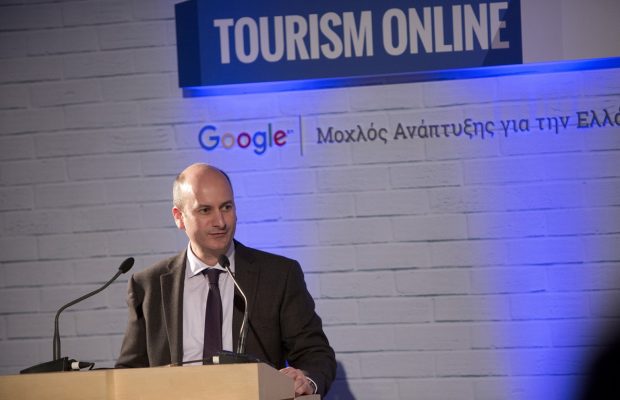
    “The key to current and future success for travel businesses lies in getting mobile right,” Ms. Ha Lam Tu Quynh, Head of PR & Communications at Google Asia Pacific, told a recent conference on “Solutions for the Development of Vietnamese Tourism Businesses” in Ho Chi Minh City.

    Vietnam welcomed 10 million tourists last year, a 26 per cent increase from 2015, and the industry contributed 6.6 per cent of GDP, with the target for 2017 being 10 per cent of GDP.

    The conference heard tips and tools to help over 30 small and medium sized enterprises (SMEs) in Vietnam’s travel industry win on mobile.

    “Mobile has transformed the way we live our lives,” Google noted in the report. “It’s speed and convenience has changed everything from shopping to entertainment. Mobile has also changed the way we travel. Tourism in the past used to mean paper maps and hefty guide books, but now you can carry all the information you need in your smartphone, not to mention all the stages of booking flights and hotels before you step on the plane.”

    In the mobile world, time is money so slow sites or apps lead visitors to head elsewhere. A study by DoubleClick revealed the stark finding that 53 per cent of consumers will abandon a site if it takes longer than three seconds to load.

    Businesses can also receive good support from Google via consultancy sessions with accredited Google Developer experts or discounts from Google’s special deals with market-leading website designers.

    Mr. Trinh Quang Chung, Head of Google Industry, said “every Vietnamese business is an online business now, because that’s where consumers are spending an increasing amount of their time.

    For any travel business looking to attract consumers in mobile-first Asia, not being present on mobile, or offering a slow and inconvenient experience means giving competitors who are set up well an immediate advantage.

    Mobile helps Vietnamese small businesses find customers across oceans without needing to hop on a plane themselves – which is why we’re offering a range of tools and programs to help Vietnamese businesses make the most of mobile.”

  • DHL to Invest $268 Million in India as National Tax Spurs Demand

    DHL to Invest $268 Million in India as National Tax Spurs Demand

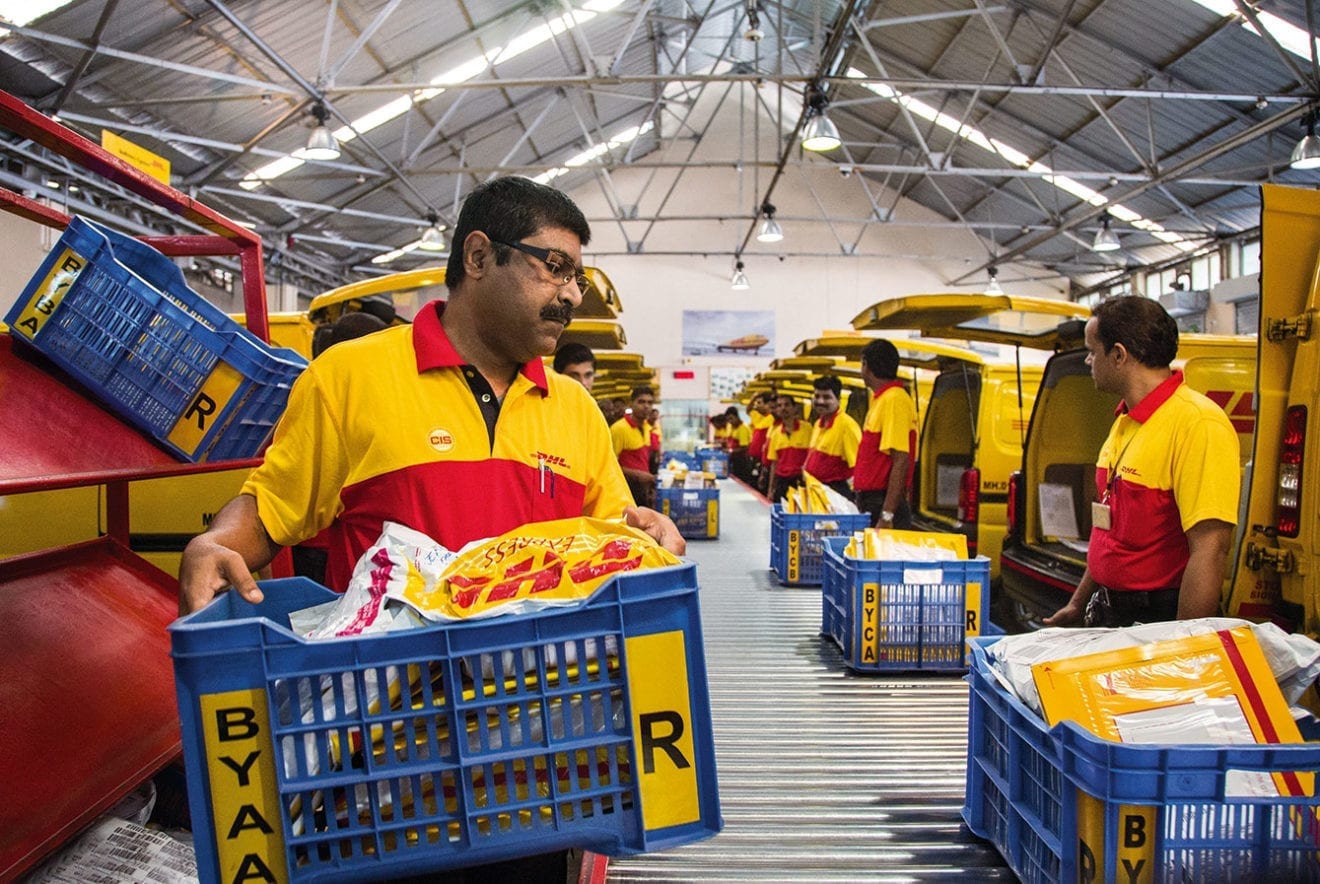
    Deutsche Post DHL Group will invest 250 million euros ($268 million) in India by 2020 to expand its logistics business and tap demand as the South Asian nation introduces a national sales tax that is set to boost movement of freight.

    The goods and services tax will help create bigger distribution centers, Deutsche Post AG Chief Executive Officer Frank Appel said in an interview in Mumbai on Friday. Until now, Indian companies were setting up warehouses in all states to avoid tax burden while the new tax reform may realign the needs of local companies toward larger and fewer mother warehouses, he said.

    The goods and services tax will replace an archaic web of levies and improve ease of doing business in a country with more than 1 billion consumers. Proposed over a decade ago and then refined several times to win bipartisan support under Prime Minister Narendra Modi, the tax is scheduled to be rolled out on July 1.

    “We want to consolidate our distribution centers,” Appel said. “We follow our customers. We adapt to their needs.”

    The 250 million euros will be in addition to the 70 million euros invested in India in the last 18 months, he said. The investment would include all units of DHL Group in India and would cover airport cargo facilities in Mumbai and Delhi of unit Blue Dart Express Ltd.

    The new tax will create an opportunity to optimize the logistics network based on cost and service quality instead of arbitrage tax systems, Appel said. More manufacturers will emerge in India as they don’t have to worry about tax provisions.

    “Goods and Services Tax is a very robust step in realizing ‘Make In India,’” Appel said, citing Prime Minister Modi’s flagship program designed to lure investment in the nation’s manufacturing sector.

  • Online shoppers use mobile phones more than computers

    Online shoppers use mobile phones more than computers

    Nearly 54 percent of online shoppers visited trading websites on mobile phones, higher than those accessing by desktop.

    The data was created from a survey of more than 27,000 client websites of Bizweb, an online commercial solutions platform.

    The results showed that 53.8 per cent of online shoppers visited trading websites on mobile phones, higher than those accessing by desktop (41.3 per cent), with the rest using tablets.

    For mobile phones, iPhone was the most popular device, accounting for more than 30 per cent.

    Mobile phones have become popular tools for shopping, meaning businesses and shop owners risk losing more than half of potential customers if the do not ultilise this channel, heard the meeting.

    In order to avert the situation, businesses need strategies to maximise sale opportunities on mobile channels, said Tran Trong Tuyen, CEO of DKT Technology JSC.

    Pham Thong, marketing director of Lazada Viet Nam, said that revenue from orders on mobile phones accounted for 70 per cent of Lazada’s orders.

    Thong said that there has been a shift of consumer habits. “The majority of young people are accessing the Internet by mobile phones”.

    Therefore, the development of e-commerce on mobile phones was indispensable, opening up opportunities for enterprises, said Thong.

    However, the Lazada representative also pointed out challenges that businesses might encounter such as services, tools and even the knowledge of the salesman about trading on mobiles.

    “Therefore, to succeed when selling on phones, businesses need to invest and have appropriate strategies for development,” he advised.

  • China retail sales rise with a 10.9 per cent in March

    China retail sales rise with a 10.9 per cent in March

    China’s retail sales rose 10.9 per cent in March – the best month of the year to date.

    However the quarterly rise was just shy of 10 per cent – the first time the official figure has dropped below 10 per cent in 11 years according to the National Bureau of Statistics. IN January and February, China retail sales rose 9.5 per cent each month.

    Retail sales of consumer goods totalled 8.5823 trillion yuan (US$1.25 trillion) from January to March.

    There was strong consumption potential in rural areas, the data shows, with retail sales climbing 11.9 per cent during the quarter, outpacing urban areas where sales rose 9.7 per cent year-on-year.

    Online sales continued their run of strong growth, surging 32.1 per cent in the first two months to 1.405 trillion yuan.

    As a main driver of economic growth, consumption contributed to 64.6 per cent of China’s GDP growth last year. The nation is aiming for a steady increase in consumer spending this year.

  • Gloria Jean’s Coffee leaves Vietnam

    Gloria Jean’s Coffee leaves Vietnam

    Australia’s Gloria Jean’s Coffee Vietnam has closed its last coffee shop in Ho Chi Minh City, in the Phu My Hung urban area of District 7, after ten years in Vietnam. It arrived in Vietnam in 2007 under a franchise license secured by the VietLifestyle JSC.

    The ten-year deal saw the master franchisee launch coffee shops in Ho Chi Minh City and Hanoi, each involving investment of $200,000.

    VietLifestyle had aimed to open a further 20 locations over the next two years, offering espresso-based, chocolate-based, and cocoa-based drinks to young people, expats, and foreign tourists familiar with the brand.

    The master franchisee was to achieve this in part through sub-franchising the concept and providing operational, marketing, management, and business development support.

    A slowdown hit a few years ago, however, when its prime corner location on Dong Khoi Street in Ho Chi Minh City closed, partly because of high rents.

    Other locations then began to disappear. By the end of last year, only two stores remained: one on Cong Truong Quoc Te in District 1 and the Phu My Hung outlet in District 7.

    Gloria Jean’s was founded in Australia in 1996 with the ambition of being the most loved and respected coffee company worldwide.

    The chain currently has more than 900 outlets in 39 markets worldwide, including more than 400 in Australia.

  • Japanese automakers strengthen grip on SE Asia

    Japanese automakers strengthen grip on SE Asia

    The Japanese auto industry maintained its strong grip on the vehicle markets of southeast Asia last year, according to exclusive data provided to just-auto.

    The Japanese carmakers’ combined sales in the region’s five main markets rose by an estimated 3.3% to 2.62 million units in 2016, for a market share of 84%, according to data supplied by AsiaMotorbusiness.com.

    The highest Japanese dominance is in Indonesia, the region’s largest market, where their combined share of sales rose to a staggering 98.5% by last year. In Thailand, the Japanese accounted for 88% of sales, while in Malaysia it was 78%, including sales of Perodua – a domestic brand which depends entirely on Daihatsu for its products.

    Competitors from elsewhere have tried and failed to gain a significant foothold in this region and in key markets the Japanese have only strengthened their grip in recent years.

    European manufacturers such as Mercedes-Benz and BMW, and to a much smaller extent Jaguar Land Rover, dominate the premium segments and this is set to continue. But this success does not extend to other segments of the market.

    Ford withdrew from Indonesia at the end of last year, choosing instead to focus on markets where it has a better chance of competing. It has had better luck in some of the smaller emerging markets such as Vietnam and the Philippines.

    GM’s efforts to break into the high-volume compact MPV segment in the region were short-lived. It closed its “Spin”MPV plant in Indonesia last year and is downsizing its product range in the region to include just pickup trucks and SUVs.

    Toyota dominates the ASEAN region, with sales in the five main markets estimated at 910,263 units in 2016 – for a market share of 29%. If combined with Daihatsu, upon which it relies heavily, and with its Hino subsidiary, Toyota group’s sales in the region rose to 1.355m units last year (including Perodua) – to account for more than 43% of sales.

    Toyota has been extremely successful in maximising synergies with Daihatsu in Indonesia, which is by far its largest market in the region and where it is responsible for 56% of total sales.

    Toyota has by far the largest range of vehicles in this market and has been at the forefront of the development of new market segments across the region, including low-cost green cars and small and medium MPVs and SUVs. It enjoys the best economies of scale and strongest pricing power.

    Honda has emerged as the second-best selling brand in the region in recent years, despite the company’s lack of a presence in the commercial vehicle segment. Its share of regional sales has risen from just over 8% in 2012 to almost 14% in 2016.

    Honda’s recent growth has been underpinned by its strong and successful product range expansion, particularly in the compact MPV and SUV segments. New models such as the Mobilio, H-RV and B-RV have proved to be extremely popular in markets such as Indonesia, where its sales and market share have almost tripled in since 2012.

    Not all Japanese automakers have enjoyed growing sales in the region. Nissan and Suzuki in particular have struggled to keep pace with their more successful rivals, while Mitsubishi/Fuso has also been impacted by weak commercial vehicle demand in key markets.

    In ASEAN’s smaller markets the Japanese dominance is not so overwhelming. Japanese brands accounted for 69% of total vehicles sales in the Philippines last year, while in Vietnam their combined share was below 50%.

    South Korean brands such as Hyundai and Kia have been more successful in penetrating these markets, as have Ford and GM. Chinese brands have also targeted in the commercial vehicle segments here with a degree of success.

    But one wonders whether it’s just a matter before the Japanese tighten their grip on these markets too.

  • Cebu Pacific passenger volume drops in February

    Cebu Pacific passenger volume drops in February

    The Gokongwei-led carrier ferried a total of 1.45 million passengers in the second month of 2017, 6.3% less than the 1.55 million recorded during the same month last year, according to the latest operating statistics uploaded on its Web site.

    The latest tally was also down 16% from the 1.72 million passengers it ferried in January, which was up from the 1.64 million noted in January 2016.

    The data showed airline capacity dipped 1.5% to 1.74 million from 1.76 million during the comparable period, while the number of flights also decreased 2.8% to 10,237 from 10,535 previously.

    Seat load factor in February also went down to 83.6% compared to the 88% recorded in February 2016, even as the number of aircraft increased to 59 from 57.

    For the January to February period, Cebu Pacific and Cebgo already carried 3.17 million people, slightly lower than the 3.19 million seen during the comparable period last year. Capacity was up 2.7% to 3.76 million from 3.66 million, while flights during the first two months were 84.4% full on the average.

    Based on its latest operating statistics, the number of flights went up to 21,975 from 21,873.

    The Gokongwei airline is targeting to ferry 20 million passengers this year, as the company expects the delivery of 48 additional planes up to 2021.

    In 2016, it carried 19.1 million passengers, up 4% from the 18.4 million passengers flown in 2015. On average, Cebu Pacific flights were 86% full during the year.

  • Myanmar mobile payment firm ONGO gets new investor

    Myanmar mobile payment firm ONGO gets new investor

    National Bank of Canada (NBC) has acquired a 22% stake in Myanmar-based mobile payments firm ONGO for an undisclosed sum.

    ONGO is the consumer facing brand of Ronoc Asia, a subsidiary of the emerging markets investment business Ronoc. It offers retailer payments solutions, payroll programs and direct to consumer services leveraging payments technology.

    ONGO currently employs over three hundred people in Yangon and is expected to grow to five hundred by year end.

    “The addition of National Bank of Canada is an important milestone for our business. We have aggressive growth plans for Myanmar and have set ourselves a goal of providing over one million consumers with access to finance over the next three years,” said Michael Madden, the Founder and Chairman of Ronoc Asia/ONGO.

    “The addition of NBC as a strategic investor will strengthen our capabilities and accelerate our timelines in Myanmar as well as our expansion to other markets in the region.”

    “National Bank of Canada is proud to become a partner of Ronoc Asia/ONGO. This investment in fintech complements the activities we already have in the ASEAN zone through our subsidiary ABA Bank, in Cambodia,” stated Louis Vachon, President and Chief Executive Officer of National Bank of Canada. “We look forward to contributing to ONGO’s success.”

  • Lazada loyalty program link to other ecommerces

    Lazada loyalty program link to other ecommerces

    A Lazada loyalty program for Singapore shoppers looks set to be expanded to other Asian markets.

    Alibaba-owned Lazada has teamed up with Netflix and Uber Technologies – the first time the companies have jointly created an online rewards program, according to Lazada CEO Maximilian Bittner.

    The program is aimed at consumers who primarily go online for shopping, entertainment, transportation and food delivery.

    Alibaba acquired a controlling stake in Singapore-based Lazada for US$1 billion last year. The “LiveUp” program links their online services, from Netflix and UberEats to grocer RedMart and Taobao marketplace.

    Consumers pay S$28 (US$20) a year for such benefits as six months of Netflix streaming, discounts on Uber rides and free delivery on Lazada or Taobao purchases. A mobile app will be rolled out in the second half of the year.

    “Singapore is the market on the cutting edge of validating what we think consumers might want, so we will focus on Singapore first,” says Bittner, who expects to add more partners.

    E-commerce in Singapore, which accounted for 0.9 per cent of total retail there in 2003, has grown from 2.4 per cent in 2013 to 4.8 per cent last year, according to Euromonitor data.

    Bittner and RedMart co-founder Vikram Rupani hatched the loyalty program over breakfast on Christmas Eve before approaching Netflix and Uber. “Their decision to do it was very fast because they have the same goal,” says Bittner.

    Uber, which entered Singapore four years ago, will offer members benefits including free rides and promotions. “This is just the beginning,” says Uber Singapore GM Warren Tseng.