Tag: asia

  • China set for online grocery boom

    China set for online grocery boom

    Online grocery in China could more than double in growth between now and 2020, according to figures released today by international grocery research organisation IGD, with its current 3.1 per cent share of the country’s total grocery market forecast to leap to 6.6 per cent over the next three years.

    Driven by the growth of the internet, greater smartphone usage, more focused investment from retailers and shifting demographics, IGD forecasts online grocery in China to grow by almost 32 per cent year-on-year by 2020.

    “China already has the world’s largest online grocery market in terms of value and this certainly shows no signs of slowing down,” said Shirley Zhu, Asia programme director at IGD. “Last year, 3.1 per cent of all China’s grocery sales were conducted online, a figure we believe will increase to 6.6 per cent by 2020 – a compound annual growth rate (CAGR) of 31.8 per cent.

    “Set against our forecast CAGR of 5.9 per cent for China’s total grocery market over the same timeframe, the size of the opportunity for retailers looking to trade online is clear,” Zhu noted.

    This growth is being driven by a combination of factors, according to Zhu: “Internet and smartphone usage is growing across China, while the country’s demographics are changing too – there is a rising population of young, middle-class shoppers leading busier lives. In turn, this is creating an aspirational class of shoppers who want access to grocery products at the click of a button, and who are also increasingly looking to source international goods. Clearly, retailers have been responding to these trends, with lots of players looking to grab a slice of the action.”

    A combination of online ‘marketplaces’ and bricks and mortar retailers make up China’s leading online grocery players, according to IGD.

    “Alibaba’s Tmall and JD.com are the two of the largest online retailers in China and they also have a strong position in online grocery,” Zhu explained. “These platforms are a one-stop shop for all domestic and international brands and categories, as well as offering a nationwide logistics network, rapid delivery, innovative and simple payment solutions, and new technologies such as drones and virtual reality.

    “These platforms are also increasingly delivering cross-border opportunities, both selling international products in China, but also selling globally, enabling lots of international retailers to enter the Chinese market through them. We’re also seeing marketplaces like Alibaba and JD investing in bricks and mortar stores.

    “Other key online grocery retailers in China include Walmart via JD.com and Sun Art Retail, which sells via multiple platforms,” she outlined. “There are also lots of other retailers investing in online – for example, Bee Quick, which focuses on fresh products, can deliver to its shoppers within an hour in the 14 cities in which it operates, while Carrefour launched in April 2016 and is extending its service to more cities.”

    As the majority of people in China access the internet via their smartphone, getting mobile commerce right is critical for grocery retailers looking to sell online in China, according to Zhu.

    “Thinking mobile first is vital. Many retailers are rolling out apps offering exclusive discounts and special features, while other apps allow for easy e-payment solutions that allow people to shop online,” she said. “Brands and retailers are also advertising and have shops set up on WeChat, China’s biggest social media network.

    “Indeed, as China’s online grocery channel continues to grow, we expect to see more partnerships created between retailers and manufacturers,” Zhu added. “We also expect to see online grocers personalising their offers, using data to understand how and when people shop online, to deliver a better service and even personalised products. We also expect innovations such as voice-activated technology, virtual reality and smart devices to play a greater role as the market develops.”

  • Honestbee sweetens Thai operations budget

    Honestbee sweetens Thai operations budget

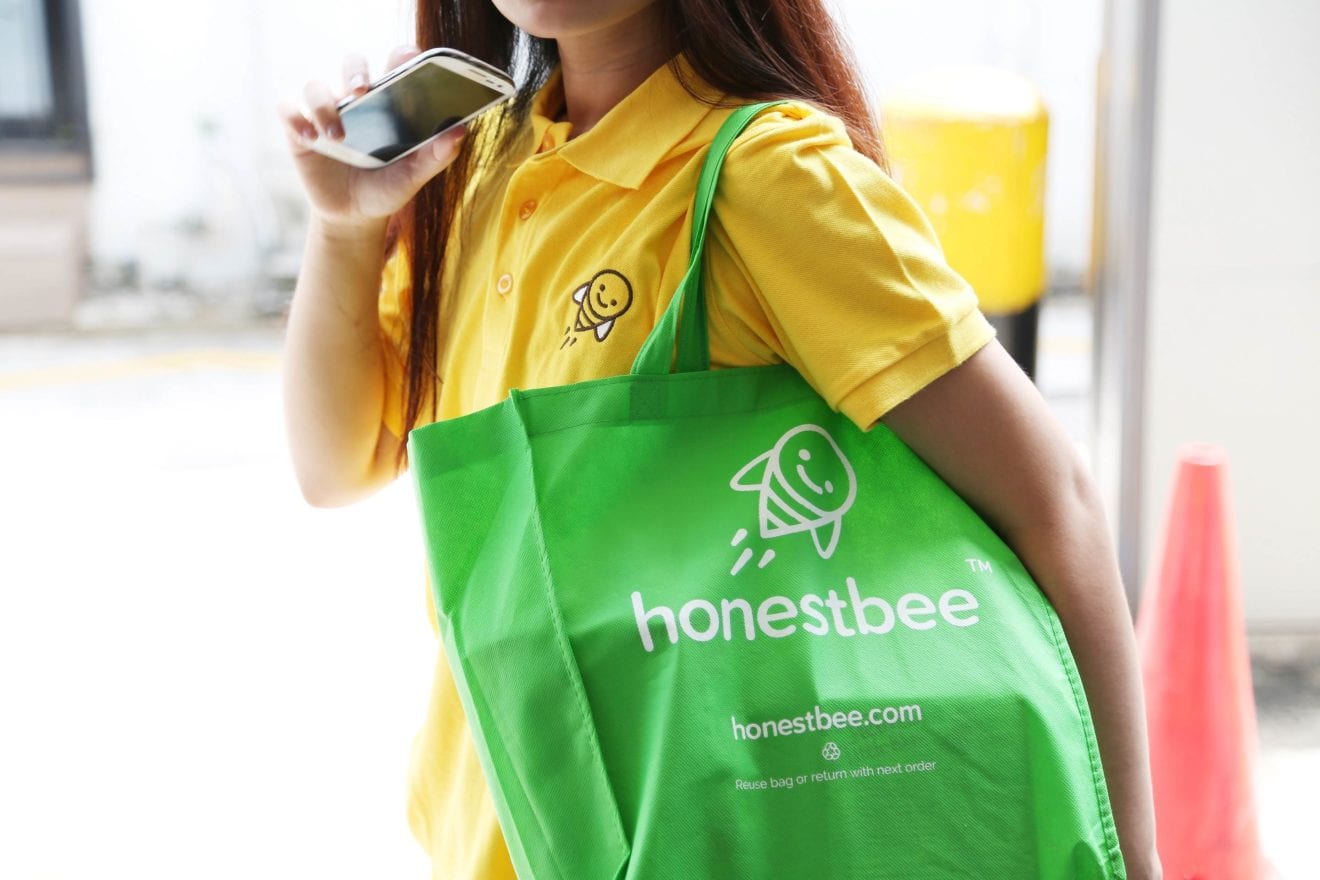
    Honestbee, a Singapore-based online grocery and concierge service provider, is boosting its presence in Thailand to capitalise on lucrative online shopping opportunities.

    “We are spending millions of US dollars in Thailand this year on increasing our local staff, upgrading our IT infrastructure, and adding marketing activities,” said Bounthay Khammanyvong, country manager of HonestBee Thailand.

    He said Thailand is the seventh market in Asia-Pacific for Honestbee since it began operations in 2015, following Singapore, Hong Kong, Japan, Taiwan, Indonesia, and Malaysia. The company is expanding into the Philippines soon, said Mr Bounthay.

    Just three months after it started operations in Bangkok this January, transactions at its Thai website ranked third among the seven countries where it has a presence.

    Honestbee provides online grocery concierge and delivery service through partnerships with leading supermarkets who have no online retail channel.

    Customers choose their products online and place their orders either via its local website — www.honestbee.co.th — or its mobile application through Google Play or the Apple Store. The company’s concierge shoppers then hand-pick their groceries for them.

    Honestbee earns a commission from its merchant partners. The company charges customers a flat rate of 30 baht with no minimum purchase requirements.

    The company has over 10,000 users in Thailand.

    Mr Bounthay said Honestbee’s service does not compete with offline retail stores, instead complementing their offerings to accommodate the shift towards online shopping.

    He said the company is focusing on improving the speed of its delivery service to reach customers’ homes in an hour.

    Its target customers are millennials, housewives, and multi-generational family households with high purchasing power.

  • 7th Lego Store opens in Davao City

    7th Lego Store opens in Davao City

    The seventh Lego-certified store in the Philippines opened on April 22, 2017 at the Abreeza Ayala Mall offering more and exclusive merchandise of the famous toy brand to Dabawenyos. The Lego Store in Davao City is the second store in Mindanao, the first being in Cagayan de Oro City, which opened last April 1. “We know that Lego is a very popular brand and we want to bring it closer to all our fans, collectors, families, and kids.

    We want to also give them the full Lego experience,” said Sharlene Ortiga, LAJ Marketing Retail Manager, at the sidelines of the store’s opening. LAJ Marketing Philippines is the exclusive distributor for Lego merchandise in the Philippines. Ortiga said Lego Store Abreeza features exclusive items that are not available in other stores. “This store is fully designed and authorized by Lego for us to operate with their complete package and guidelines,” Ortiga said.

    The store features the Pick-a-Brick Wall, a custom-built fixture filled with Lego bricks and elements where shoppers can hand-pick and select pieces they need. It also offers exclusive Lego sets available like the Doctor Who and Big Bang Theory sets. At present there are seven Lego-certified stores in country, Park Triangle in Taguig, which is also the first Lego-certified store in the Philippines; Alabang Town Center in Muntinlupa; Trinoma and UP Town Center in Quezon City; The 30th in Pasig City; Abreeza Ayala Mall in Davao City; and Centrio in Cagayan de Oro City.

    At present, Ortiga said they are just looking into having two stores in Mindanao. However, she said they are eyeing to have another provincial store by the end of this year but she did not disclose yet where this store will be. She also said they are still studying the possibility of putting up a Lego-certified store in the Visayas. “For the Visayas we already have other channels where we are distributing Lego but here in Mindanao there are only a few so we decided to open a complete Lego Store here to serve the needs of our Lego customers,” Ortiga said.

  • Bold bid for expansion by Food Capitals

    Bold bid for expansion by Food Capitals

    Food Capitals, Thailand’s franchisee for Domino’s Pizza and South Korean fried-chicken restaurant chain Kyochon, has acquired two companies for THB400 million (US$11.6 million) in a bid to expand both domestically and overseas.

    It has spent THB289 million to acquire Osha Group’s food business in the US, with the remaining THB121 million for its takeover of Bangkok-based G Enterprise.

    California-based Osha has five restaurant brands – After Osha, Lao Table, Osha Express, Osha Thai and Osha Thai 3rd Street – while G Enterprise’s four restaurant brands are Chingcha Chalee, Moom Muum Park, Pirate Chambre and Umami Falabella.

    Food Capitals CEO Tanakorn Angpubate expects the acquisitions to boost the group’s revenue by more than 50 per cent from THB714 million last year – following five years of red ink.

    The company has also set aside THB200 million to open two restaurants in Thailand and another two in the US.

    Food Capitals’ brands include Domino’s Pizza in Thailand and Cambodia, Kyochon in Thailand, and Red Planet Hotels across Asia.

  • Citi India debuts paperless cross-border payments

    Citi India debuts paperless cross-border payments

    Citi India has launched new digital cross-border payment solution designed to eliminate the need for multiple, underlying physical documents for cross-border trade payments.

    The solution aims to substantially reduces time, effort and cost of each transaction by facilitating quicker trade payments.

    With Open Account import payments, Citi’s clients can now directly share import payment information with the bank, by simply quoting Reserve Bank of India’s (RBI) Import Data Payment and Monitoring System (IDPMS) number, as against the earlier process of sharing multiple documents to support a single payment.

    This function will be made available on Citi’s online banking platform CitiDirect BE for clients to initiate and authorize payments.

    Citi India worked closely with the Government of India and leveraged RBI’s IDPMS platform that digitally tracks imports to develop this solution, with the aim to reduce for cross-border payments to less than three hours from the earlier same day processing.

    Debopama Sen, Head of Treasury and Trade Solutions, Citi South Asia said, “This is a huge step towards simplifying cross-border trade payments which significantly improves efficiencies for our customers and enhances the digital experience.”

    Citi India handles trade transactions for over 6,000 large, medium and small corporates across industries.

  • China’s Xiaomi branches out beyond smartphones to crack Indian market

    China’s Xiaomi branches out beyond smartphones to crack Indian market

    Chinese technology giant Xiaomi, best known for making smartphones and once hailed as an iPhone slayer, has decided the key to breaking the Indian market lies in a rather different product: the air purifier.

    “We have studied the demands of Indian customers, taking their living environment, preferences and consumption power into consideration. The air purifier is the product for us to further establish ourselves in India,” said Eugene Chan, regional manager of Mi Home, Xiaomi’s retail outlet chain.

    The air purifier is the product for us to further establish ourselves in India

    The Beijing-based firm is betting big on a bricks-and-mortar strategy to expand its presence in India, a country viewed by tech companies around the world as the next big internet market after China.

    Another part of the growth strategy is to branch out into making and selling products besides smartphones in an effort to rejuvenate the brand as an “everything store” in the South Asian country.

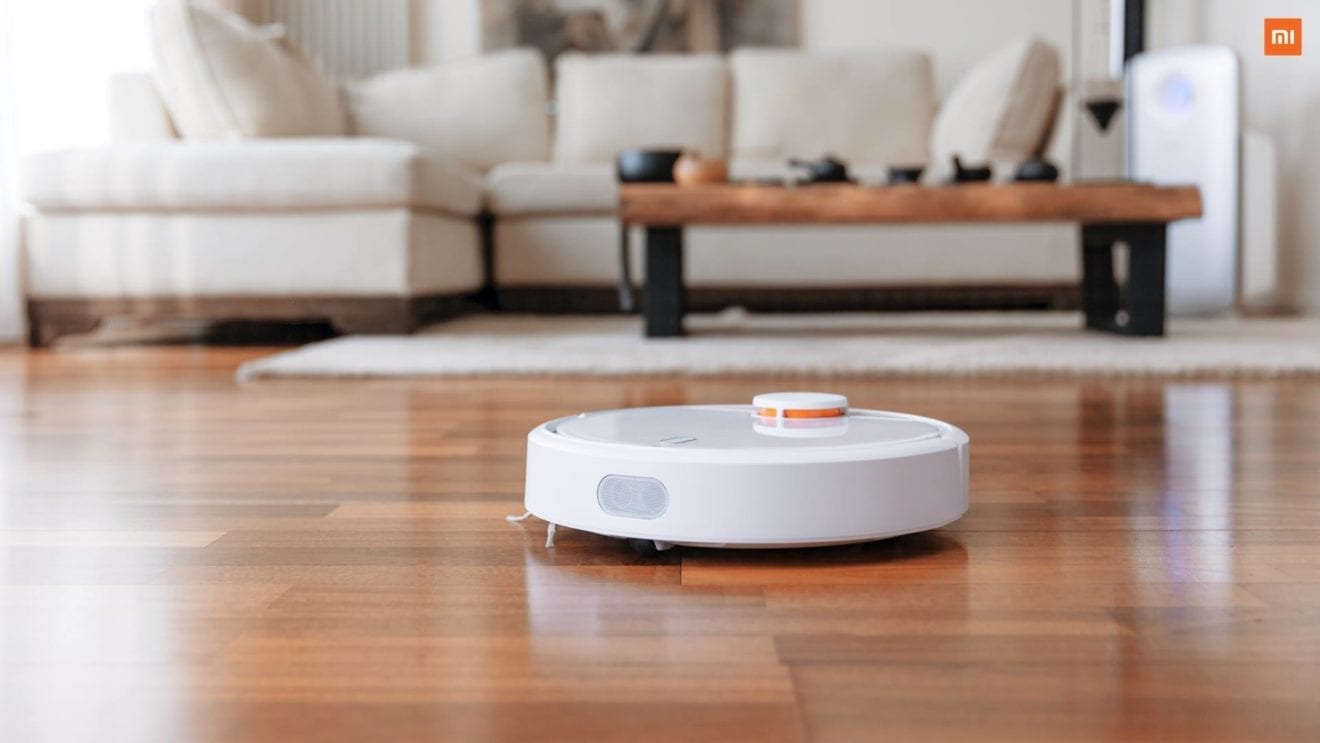
    With its first self-operated retail store set to open in Bangalore next month, Xiaomi plans to open five to 10 more offline stores under the Mi Home brand in India this year, selling products ranging from smartphones and fitness trackers to speakers and robot vacuum cleaners – and, of course, air purifiers.

    The plan is likely to include manufacturing some of the items locally to keep costs down.

    “We are considering producing air purifiers as well as other home appliance products in India locally to make sure that our products are still at affordable prices even sold offline in overseas countries,” said Chan, who is in charge of Mi Home’s expansion in South China and foreign markets.

    India, the fastest growing smartphone market in the world, has attracted a number of Chinese manufacturers, such as Huawei Technologies and Lenovo, as their sales at home stagnate. Xiaomi – one of the world’s most valuable companies in 2014, estimated to be worth US$45 billion – has recently announced plans to set up a second smartphone factory in India.

    Once compared to Apple for its sleek smartphones and dominance in China’s market, Xiaomi’s founder and CEO Lei Jun has recently sought to revamp the company into something more like US warehouse retailer Costco Wholesale, which sells everything from wine and cereal to diamond rings.

    He has halted the company’s online-only sales strategy, which originally catapulted Xiaomi to the top, and announced the goal of opening 1,000 Mi Home retail outlets in China in the next three years. Lei is aiming for sales from these stores to top 70 billion yuan annually within five years.

    The company currently operates 68 Mi Home stores in locations including Hong Kong and Taiwan.

    Xiaomi didn’t reveal the size of its investment in its physical expansion in India. But Chan said the offline strategy is good for both sales and marketing there.

    “We hope to bring 102 different kinds of products made by Xiaomi and its partners to Indian customers via Mi Home,” he said.

    In a recent interview with Blomberg, Lei said he expected to double Xiaomi’s revenue in India to US$2 billion in 2017.

    “The cost of offline expansion is much higher than purely selling products online,” said IDC China’s research manager Jin Di. “But Xiaomi needs to expand its product portfolio in India because the profit margin on smartphones is quite thin due to fierce competition. Home appliances, such as air purifiers, have much better margin than smartphones.”

    Xiaomi’s smartphone shipments in India grew 15.3 per cent in the fourth quarter of 2016, beating the industry’s 5.2 per cent, according IDC.

    This article appeared in the South China Morning Post print edition as:

    Xiaomi bets big on air purifiers in India

  • Maybank anticipates 35% rise in 2017 retail SME financing

    Maybank anticipates 35% rise in 2017 retail SME financing

    Malayan Banking Bhd is anticipating financing to the retail small and medium enterprise (SME) segment to jump 35% this year — compared with 27% last year — which will up the segment’s loan portfolio to RM16.8 billion by year end.

    The growth is expected to be driven by business property-based loans, portfolio guarantee (PG), trade finance, commercial cards, micro credit and SME deposits, said Maybank’s community financial services (CFS) head in Malaysia, Datuk Hamirullah Boorhan, in a statement today.

    This retail SME segment typically comprise businesses with turnover of RM25 million and below, and is a key component to the banking group’s CFS portfolio, said Hamirullah.

    Some 61% of the segment’s financing last year comprised Islamic financing, with the remainder made up by conventional loans.

    To support the segment’s growth, Maybank is raising its number of seminars under its ‘Building Capacity & Capability’ Programme, which is now in its 3rd year, to 15 seminars in 2017, compared with just eight seminars last year.

    The programme is aimed at enabling retail SMEs to better understand the banking facilities available to them and how they can leverage on these services to grow their businesses, said Maybank.

    “The half day sessions are jointly hosted by industry experts, as well as financial advisors from Maybank who provide insight into traditional banking products, as well as new opportunities available through online and digital platforms.

    “Participants [will] also benefit from business insights and financial tips shared by renowned speakers, as well as joint business networking sessions with other SMEs and field experts,” the statement read.

    “Given our wealth of experience in serving this segment, we are confident that we can help the retail SME segment run their businesses more effectively, manage their cash flows better and leverage new-age technology to take their businesses to the next level,” said Hamirullah.

    This year, Maybank is roping in local market expert Aladdin Street.Com to share on the impact of e-commerce and globalisation, while Credit Guarantee Corporation Malaysia (CGC) will also be present to provide direct assistance to participants.

    “With the wealth of opportunities expected from the implementation of the Digital Free Trade Zone, we want to ensure that local SMEs are sufficiently equipped with knowledge and resources to benefit from the expected boost in e-commerce growth in Malaysia,” said Hamirullah.

    “Our BCC programme will cover 15 sub-urban locations nationwide over the next six months and reach out to more than 1,200 entrepreneurs,” he said.

    “We will also include informative knowledge sharing sessions such as on the e-Commerce halal marketplace, M2uPay solution, access to CGC financing and portfolio guarantee, as well as marketing and branding tips,” he added.

  • Vegetables exports bring in $8.2 million per day

    Vegetables exports bring in $8.2 million per day

    Export turnover for vegetables has reached $857 million this year up to April 15, an increase of 30 per cent year-on-year and bringing in $8.2 million to Vietnam each day. Vegetables are therefore Vietnam’s third-highest agricultural and aquatic export, after seafood and coffee.

    Growth in vegetable exports is faster than for aquatic products (7.8 per cent) and coffee (21 per cent), with the gap in export turnover narrowing.

    Vietnamese fruit and vegetables can now be found in many countries and regions such as the US, Japan, Australia, South Korea, and EU countries like Germany and the Netherlands.

    The largest market, however, is China. According to the latest figures from the General Department of Vietnam Customs, exports of fruit and vegetables to Vietnam’s northern neighbor reached $512 million, accounting for 73 per cent of total export value.

    Mr. Nguyen Huu Dat from the Executive Committee of the Vietnam Vegetables and Fruit Association (VINAFRUIT) said this is a positive result for Vietnam’s vegetable exports and is supported by a number of factors.

    The first is the results of the Vietnamese Government’s trade promotion and market expansion efforts, with fruit and vegetables beginning to gain a foothold in fastidious markets like the US, Japan, South Korea, and the EU.

    “Although the value of export turnover to these markets is not large, meeting their high requirements increases the prestige of Vietnam’s fruit and vegetables,” Mr. Dat said.

    He added that high demand among international customers is a good opportunity for Vietnam’s exports in the time to come.

    He emphasized the role of scientists, the business community, and producers and farmers in efforts to diversify products and product quality and promote Vietnam’s brand.

    Total vegetable turnover stood at $2.45 billion in 2016, up 33.6 compared to 2015.

  • E-commerce forces brick-and-mortar stores to innovate

    E-commerce forces brick-and-mortar stores to innovate

    With e-commerce being fitted into their arsenals, retailers are now aiming to provide new experiences and greater convenience for shoppers. And while bricks-and-mortar stores will continue to exist, they are no longer places exclusively for shopping, but also must function as showrooms and fitting rooms.

    Many modern shoppers now pick what they want online, search for the best price, find a time slot, choose how they want to pay, and wait for the item to be delivered to their home. However, many consumers still prefer the experience of physical stores, which are developing new attractions to keep customers coming back.

    “Today’s consumer no longer goes shopping, but is shopping, all the time and everywhere,” said Willy Kruh, global chair of consumer markets at KPMG International.

    With its new Central 4.0 concept, Thailand’s biggest retail group is aiming to provide a seamless online experience for shoppers inside its stores and anywhere else they may be.

    “Nevertheless, despite the rise of online shopping, e-commerce still makes up a relatively small percentage of total retail spending.”

    According to a report by eMarketer, worldwide retail sales totalled US$22 trillion in 2016, of which only 8.6% or $1.9 trillion was retail e-commerce. By 2020, total retail sales are expected to reach $27 trillion, with e-commerce accounting for 14.8% or $4 trillion.

    Among those adapting to the new reality is Central Group, Thailand’s largest operator of department stores and shopping malls. Its new “Store as a Theatre” concept combines innovation and technology to offer customers more fun while shopping at Central department stores.

    “Consumers nowadays no longer want only the products but they also want new experiences that are current or ahead of the trend. They also want convenience, promptness, support and responsiveness to personalised needs,” said Piyawan Leelasompop, vice-president of marketing at Central Group.

    OMINOUS SIGNS ABROAD

    Retailers in Asia are keeping a close watch on their peers in North America, where e-commerce has eaten into the revenues of many big chains, to the point where some household names have started to close stores by the dozen. The “hollowing out” of shopping malls is another trend being observed in the United States.

    “This is not a cyclical issue,” said Jason Mudrick, whose $1.6-billion Mudrick Capital Management specialises in distressed investments. “It is secular issue, a forever trend. This is the Amazon effect and it is here forever.”

    In 2015 alone, about 6,400 shopping malls closed in the United States. American Apparel, which had $633 million in sales and more than 200 stores in 20 countries in 2013, is now bankrupt and was sold to Gildan, a Canadian apparel company, for $103 million in January this year. Rue21, an American retailer to young men and women with 1,194 locations in 48 states, this month announced plans to close 400 stores. Also struggling are American Eagle, Abercrombie & Fitch and Aeropostale.

    JC Penney, Macy’s and Sears are also turning off the lights in malls across the US as they adjust to changing tastes and the shift to online spending. Macy’s plans to close 68 stores, resulting in 10,000 job losses. JC Penney shrank from 1,104 stores in 2012 to 1,013 at the end of 2016. It plans to close another 138 locations this year.

    Retailers in the US cut 30,000 jobs in February alone, industry figures showed.

    A similar level of technological disruption is on its way to Southeast Asia but some of the region’s retailers are still unaware of the looming threat, says Anson Bailey, leader of consumer markets in Asia Pacific at KPMG in Hong Kong.

    “Everyone has a plan until they are punched in the face,” he said, quoting Mike Tyson, “and you are about to get punched in the face if you don’t do anything.

    “There is a chance that we will see the fall of these traditional players,” he said, although some will manage to successfully “pivot and do things differently” such as adopting an online-to-offline (O2O) strategy and collaborating with new partners.

    “Bricks and mortar is not going to die because consumers still want to go to the store to touch and feel the products. Millennials don’t shop like the older generations but they still treasure that experience and even the e-commerce players are now setting up physical flagships and pop-up stores to gain trust,” he told Asia Focus.

    Mr Kruh agreed, saying: “E-commerce is not an online-only affair. Both online and offline channels are effective in creating consumer awareness and demand, especially when used together.”

    Retailers across Asia are now trying different strategies to survive. E-Mart Inc, South Korea’s largest retailer, last month started streamlining its physical outlets for the first time in 24 years. It will sell money-losing outlets but is also scouting locations for new stores that will perform better.

    China’s major bricks-and-mortar retailers are increasingly adopting internet technologies. Intime Retail (Group), a Hong Kong-listed department store operator, is going private with a new business model after the Chinese e-commerce titan Alibaba acquired a 25% stake for $692 million in bid to expand into real-world shopping.

    Intime will benefit from the inventory control system developed by Alibaba and its direct purchase channels with manufacturers. This will cut out middlemen and allow Intime to reduce prices to match online competitors.

    Central Group, meanwhile, is adopting a two-pronged strategy focusing on both offline and omni-channel. Its Central 4.0 concept aims to provide a 24-hour seamless online experience for shoppers by concentrating on in-house online shopping and the digitisation of its stores.

    “We can no longer just sell products,” said Ms Piyawan. “Central has to sell experiences that cannot be bought online. We have to be malls that people come to live their lives and not just a place to buy things.”

    The company is introducing iPads to sales staff to help them overcome the language barrier they have with tourists. It is also revamping some stores to combine what customers like into more personalised zones.

    For example, manicure and hairdressing services will now be located in the women’s section, while in home furnishings, shoppers will have access to sewing machines to stitch names onto pillowcases and bedsheets.

    In the children’s department, youngsters will be able to play with toys before their parents buy, and floors are being fitted with more child-friendly materials. Every second Saturday is now Central’s Children Day to provide activities as a reason for parents to bring their children to the stores.

    Central last year spent 100 million baht to give its website a more user-friendly interface. It is planning to increase the number of online products from the current 100,000 or so to 500,000 in the next five years.

    “The aim is to increase online transactions from the current 1 million to around 3 million per year and to push online sales to 15% from the current 1% of total sales,” Ms Piyawan said, adding that the goal for this year was 5% of total sales of 47 billion baht.

    The company so far has refurbished two stores in Bangkok — at Central Plaza Bangna and Central Plaza Pinklao — and has set aside another 3-4 billion baht to add a Central department store in Korat and to renovate CentralPlaza Rama III in Bangkok.

    GROWING OPPORTUNITY

    But no matter how attractive department stores are, they are drawing an increasing number of people for “showrooming” — examining and taking pictures of products that they will eventually buy online. This may sound like bad news for bricks-and-mortar stores but there is an encouraging flipside called “webrooming” — doing research and checking prices online before going to a store to buy a product.

    And while millennial consumers are more likely than older consumers to be influenced by online feedback from social media and peer reviews, a surprising finding of the KPMG survey was that they were also more likely to be influenced by offline channels. Millennials are 25% more likely than Baby Boomers to have seen a product in a shop before they buy it online.

    Despite all the volatility in the retail market, the good news is that the long-term prognosis for Asia is still very positive. The Economist notes that in 2005, household consumption in Asia was $7 trillion but is expected to balloon to $33 trillion by 2030. That figure would be equal to the combined total projected for the US and the European Union.

    “I have no plan to move back to Manchester because Asia is where we are going to see the growth,” said Mr Bailey of KPMG in Hong Kong.

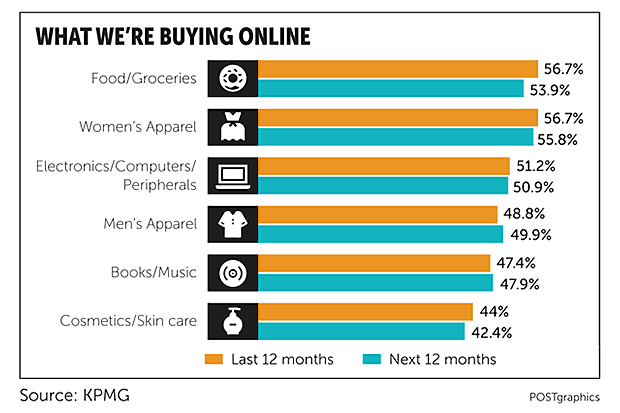
    China is currently leading the way in online spending with 48% of mainland consumers buying things online, followed by 40% of other Asians, well above the 27.9% global average, so the prospects for e-commerce in the region remain bright.

    The middle class in China is also increasing very quickly. The number of high net-worth individuals (people with assets exceeding 10 million yuan or US$1.45 million) is currently around 1.4 million — about four times what it was in 2010.

    Meanwhile, around 120 million overseas trips were made by mainland Chinese in 2016, with Southeast Asia one of their favourite destinations. By 2020, KPMG expects the number will increase to 200 million overseas trips.

    “Are we ready for our retail businesses to serve those future consumers? How can we better serve those future Chinese consumers?” Mr Bailey asked.

    “Consumers are looking for something beyond the shopping experience and as retailers or as landlords, you have to think about how you can develop a new experience for your consumer.”

  • Philippines: SM Investments picks 62.21% in MyTown dormitory brand owner PULS

    Philippines: SM Investments picks 62.21% in MyTown dormitory brand owner PULS

    According to an SMIC disclosure, it acquired more than 674.8 million common shares of PULS, with price less than 10 per cent of the giant holding company’s net book value, which was determined based on appraised asset value.

    “This acquisition allows SMIC to capture growth opportunities in the dormitel segment,” SMIC informed the Philippine Stock Exchange.

    Established in 2012, PULS owns, develops and operates dormitory spaces for rent under the MyTown brand aimed at young professionals. It has built rental housing communities at a walking distance from the central business districts of Metro Manila.

    “MyTown’s dormitories are equipped with attractive amenities and targeted retail facilities that allow its tenants to save on travel time and transportation cost,” SMIC said in its statement.

    A holding firm of conglomerate SM Group of Companies, SMIC is engaged in retail, property, financial services, among others. Among its subsidiaries are The SM Store, SM Supermarkets, SM Hypermarkets, SaveMore, Waltermart Supermarket Inc, SM Prime Holdings Inc, BDO Unibank and China Bank.

  • Egg prices drop over dioxin fear

    Egg prices drop over dioxin fear

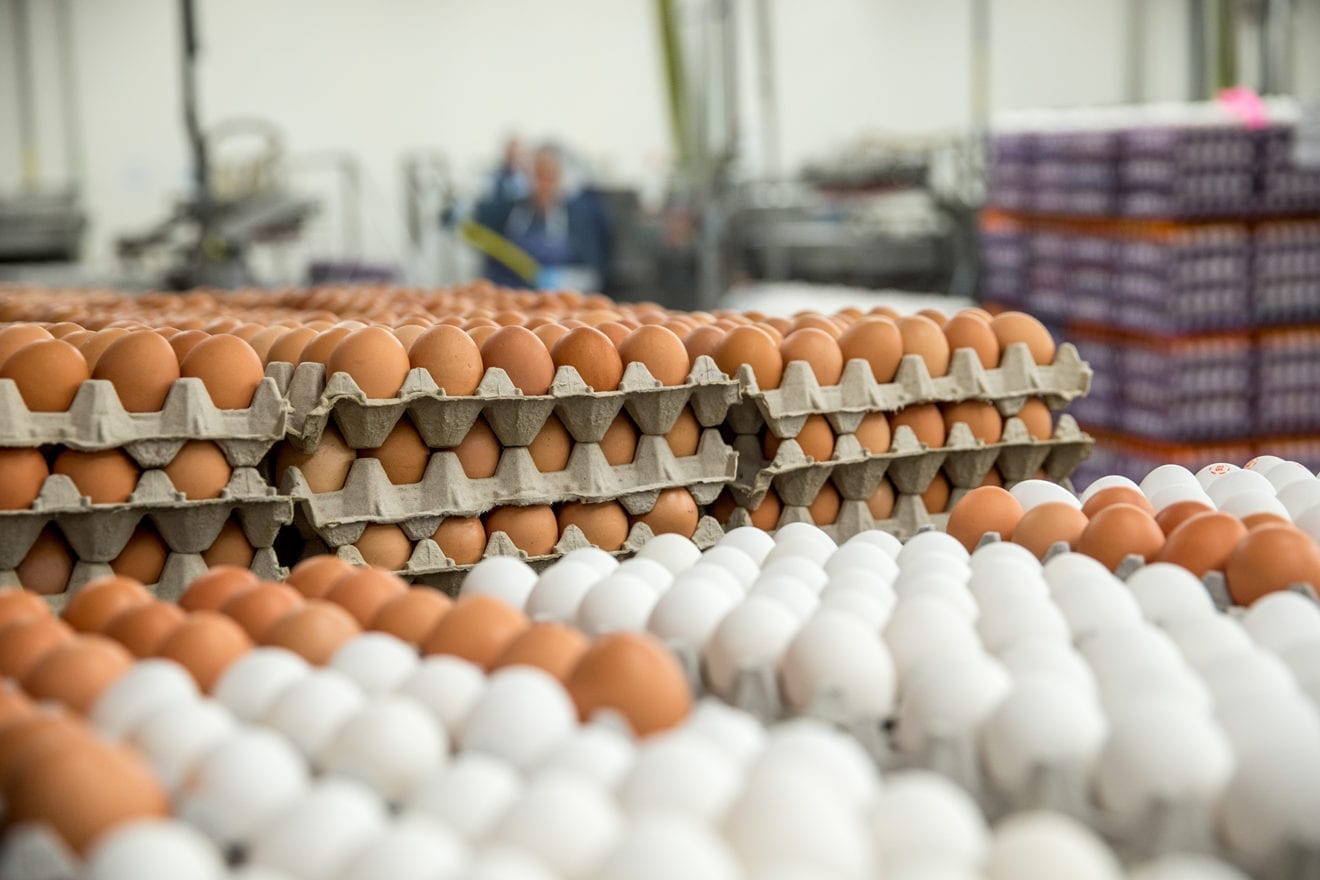
    Retail egg prices have dropped NT$3 per 600 grams, the Poultry Association of the Republic of China said on Monday, demanding that the government provide compensation for the “innocent” egg farmers.

    Deputy Director of the Council of Agriculture’s (COA) Livestock Department Wang Chung-shu (王忠恕) said that the COA is closely monitoring egg prices, and that if they were to drop out of a reasonable price range, the council will initiate measures to counteract the drop, for instance by making mass purchases, or by implementing strategic export controls.

    An egg containing more than twice the minimum allowable level of dioxin contamination was discovered at a retail store in Miaoli last week.

    Health authorities immediately sealed off three major egg farms that had supplied the retail shop, Ho-chen store (合成), over the past three months: Chun Yi (駿億), Hung Chang (鴻彰) and Tsai Yuan (財源).

    Approximately 6,785 kilograms of eggs wholesaled from the three farms have been confiscated so far.

    The Food and Drug Administration (FDA) discovered that aside from the three egg farms that were immediately sealed off in Changhua, a further six egg farms had supplied the retail shop in Miaoli, the administration’s Director General Wu Shou-mei (吳秀梅) said on Sunday.

    Investigators have begun a probe into the six egg farms, Wu said, but refused to reveal their names.

    Wu also defended the FDA on Sunday against a midstream egg wholesaler’s criticism that the administration’s decision to seal off the store before identifying the source of the contamination was “reckless, thoughtless, and even defamation.”

    Wu argued that the FDA acted in the public interest and to ensure public food safety, with all moves that were made following appropriate legal procedures.

    However, while the three major egg farms in Changhua have been sealed off for seven days starting last Friday, the six additional farms will not be sealed off because there are no official records showing that the they have supplied the Ho-chen retail store.

    Animal Feed in Question

    The FDA, the COA and the Environmental Protection Administration launched a joint investigation into the source of the dioxin contamination last week, the results of which should be available by this Friday.

    While authorities have yet to rule out water and air as possible causes of the pollution, animal feed has been widely considered as the most likely source of the contamination.

    According to Wang Chung-shu, the council collected samples from eight animal feed manufacturers used by the nine egg farms in question on Monday.

    Wang added that there are currently no laws limiting the legal amount of dioxin residue in animal feed and that the council will discuss establishing such regulations.


  • Luk Fook sales recover from three-year slide

    Luk Fook sales recover from three-year slide

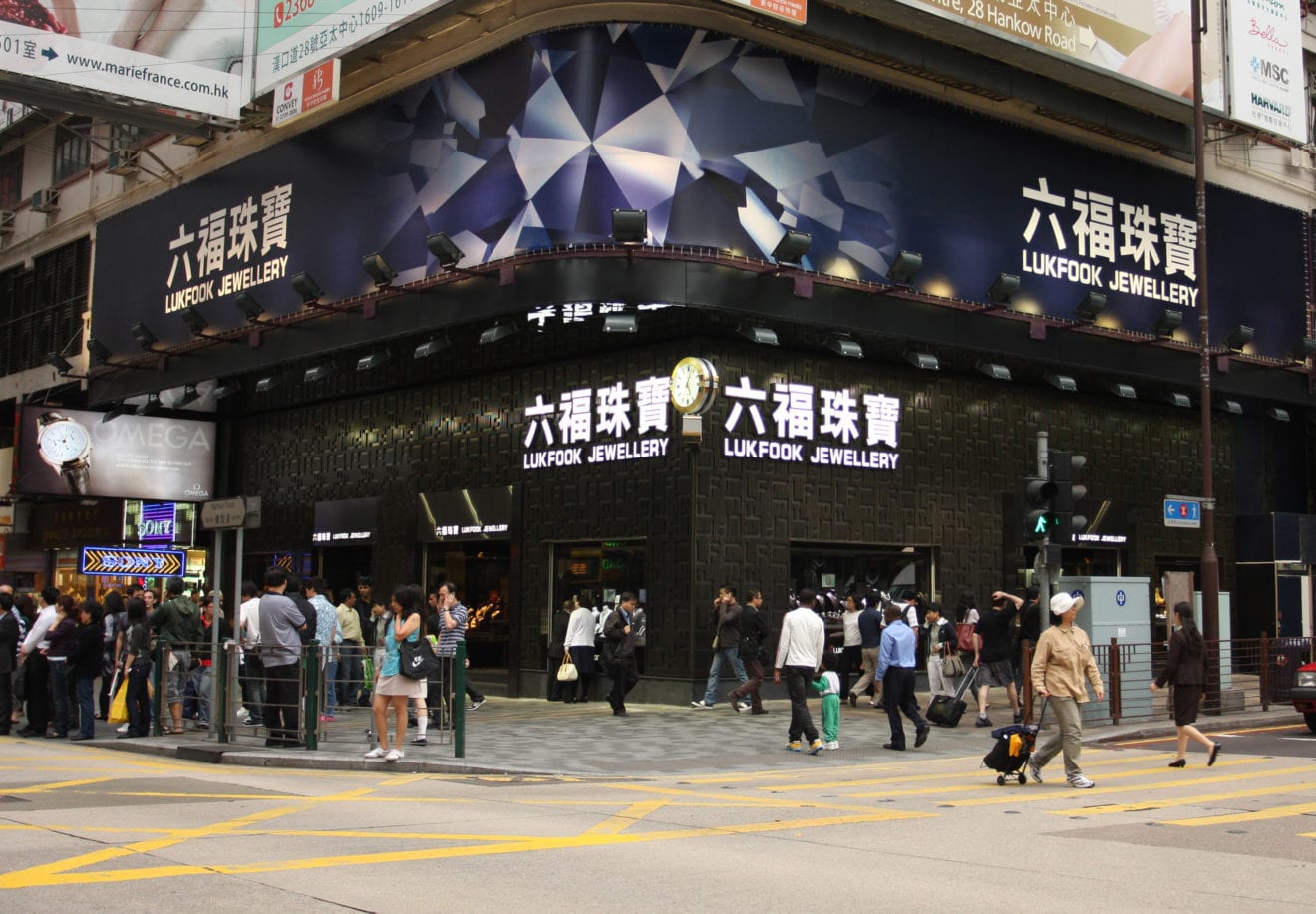
    After 12 consecutive quarters of decline, jeweller Luk Fook has recorded a 2 per cent turnaround for its fourth quarter, ended March 31.

    The retailer says that with a relatively low base and encouraging improvement in the Hong Kong/Macau market, same-store sales growth moved back into the black for its self-run outlets.

    In addition, Luk Fook sales of gold and gem-set jewellery products rose 16 per cent and 6 per cent respectively in Mainland China leading to double-digit growth for the first time this year, reaching 11 per cent.
    On the other hand, the same-store sales of gem-set jewellery products in Hong Kong and Macau also turned around from a decline of more than three years to achieve 12 per cent growth.

    During the quarter the group opened four self-run shops on the mainland and closed one licensed shop. At the end of March the group had 199 self-run shops in total – 133 in China, 47 in Hong Kong, 10 in Macau and nine in other countries. Together with 1296 licensed shops in China and one in Korea, there were a total of 1496 shops worldwide.

  • Givenchy Kids collection launched

    Givenchy Kids collection launched

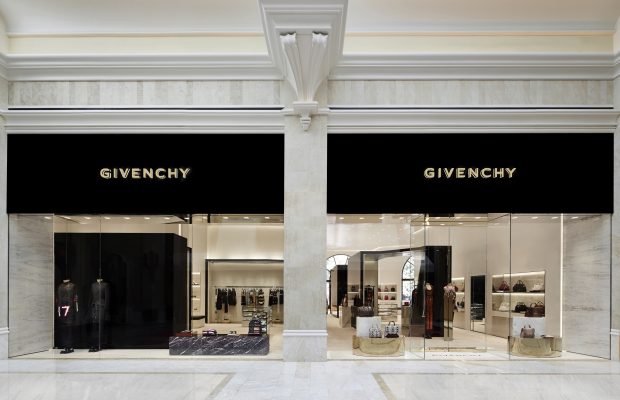
    French luxury fashion house Givenchy is launching its first childrenswear collection, for the fall/winter season.

    In the style of its men’s and women’s ready-to-wear collections, the Givenchy Kids line will offer a complete wardrobe with iconic “mini-me” pieces for babies and children up to 12 years old.
    Key looks include streetwear-inspired pieces, denim, house classics and a selection of couture looks for special occasions.

    The line will debut in July in 150 stores worldwide, including multi-brand stores and the CFW Retail concept store Kids Around. A curated selection of pieces will later be available online.

    All up there are 130 pieces in the collection – 60 for girls, 40 for boys and 30 for babies. Prices will range from €80 (US$85.75) to €300.

  • Indo and India see strong growth in processed food retail

    Indo and India see strong growth in processed food retail

    Global innovation within the processed meat, poultry and fish categories has increased over the years and many markets with the highest growth potential are from the Asia Pacific region. New research from global market intelligence agency Mintel reveals that Asia is home to the world’s fastest growing retail markets for processed meat, poultry and fish, with Indonesia and India playing key roles across these categories.

    Indonesia is currently among the fastest growing processed meat and poultry markets globally with a CAGR of 26.7% between 2011 and 2015, followed by India* (22%), Vietnam (15.5%), China (13.9%), and Brazil (10.9%). Mintel estimates Indonesia’s processed meat and poultry market reached a value of IDR 16 trillion in 2016**, while India is estimated to have reached a value of INR 11 billion. Vietnam, China and Brazil have estimated retail values of VND 10 trillion, CNY 275 billion, and BRL 12 billion, respectively.

    Meanwhile, India* is one of the fastest growing retail markets for processed fish and seafood globally, growing at a CAGR of 24.9% between 2011 and 2015, while Indonesia has seen a CAGR of 19.5%, with Turkey (11.8%), South Africa (11.2%) and Russia (10.8%) rounding out the top five growth markets. In 2016**, Mintel estimates India’s processed fish and seafood market reached a value of INR 2,422 million, while Indonesia is estimated to have hit IDR 32 trillion, Turkey TRY 372 million, South Africa ZAR 3 billion and Russia RUB 148 billion.

    In the five years between 2011 and 2015, Thailand also experienced a positive CAGR of 9.4% for the processed fish and seafood market and a CAGR of 7.5% for the processed meat and poultry market. In terms of retail market value for 2016**, Thailand’s processed fish and seafood market is estimated to have reached THB 65 billion and its processed meat and poultry market, THB 60 billion.

    Driven by a surge in innovation activity, the global processed meat, poultry and fish markets saw an 18% increase in product launches in 2016, compared to 2014, according to Mintel Global New Products Database (GNPD). In 2016, Asia Pacific was the second most active region globally in terms of processed meat, poultry and fish new product development (NPD), accounting for 24% of processed meat, poultry and fish product innovations, led by China, Thailand, South Korea, Vietnam and the Philippines.

    Patty Johnson, global food and drink analyst at Mintel, said: “The need for convenience is the key driver behind Asia’s growing processed meat, poultry and fish retail markets in Indonesia, Thailand and India. Demand for processed and ready-to-eat foods, particularly frozen foods, is growing across Asia as increasingly time-pressed consumers have embraced the convenience of the freezer and of microwave cooking. Aligned with consumer interest in the region, processed meat, poultry and fish product innovation in 2016 saw strong focus on convenience claims, such as ease of use and microwaveable.”

    Indeed, according to a consumer study*** conducted by Mintel, over two in five (43%) metro Indonesians and 39% of metro Thais aged 18 and over tend to shop closer to home or work due to a lack of time. Furthermore, over one in four (28%) consumers in Indonesia prefer to buy smaller, bite sized or convenient packs as they can eat these anytime, anywhere, rising to over one in three (37%) Indonesians that fall within the monthly household income bracket of IDR 15,000,000 and above. In Thailand, as many as one in five (22%) consumers prefer to buy smaller, bite sized or convenient packs for the same reason.

  • Unicom launches trial of Nokia VSR

    Unicom launches trial of Nokia VSR

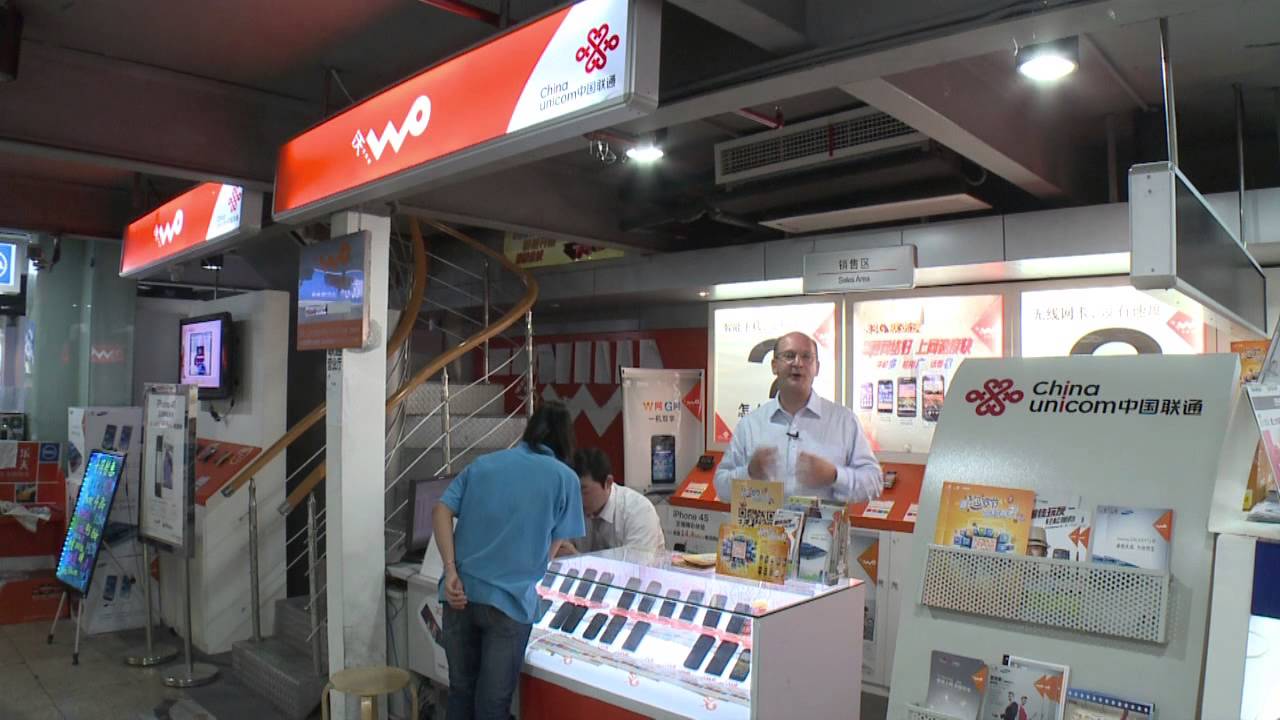
    China Unicom has launched a live trial of Nokia’s Virtualized Services Router for around 5,000 residential broadband subscribers.

    The trial in the province of Shandong involves the delivery of residential broadband over an agile network based on virtualized network functions.

    China Unicom is using Nokia VSR as a virtualized broadband network gateway (BNG) for residential subscriber management functions.

    The operator plans to migrate massive BNG services to the virtualized platform as part of an initiative to transform its metro server edge.

    China Unicom plans to extend the trial to other parts of the network over the next two years as it moves to the next phase of the trial, which will incorporate the delivery of IPTV services.

    “We are proud to be a part of China Unicom’s initiative to evolve its metro edge to a cloud-centric architecture,” Nokia head of IP routing and packet core Sri Reddy said.

    “The Nokia VSR provides delivery of broad and rich virtualized IP edge applications with superior performance and enhanced scalability. Upon completion of this network transformation project, China Unicom will ensure increased operational efficiency and deliver a superior customer experience for its subscribers.”