Tag: asia

  • Lazada brings Alibaba’s biggest bazaar to Singaporean shoppers

    Lazada brings Alibaba’s biggest bazaar to Singaporean shoppers

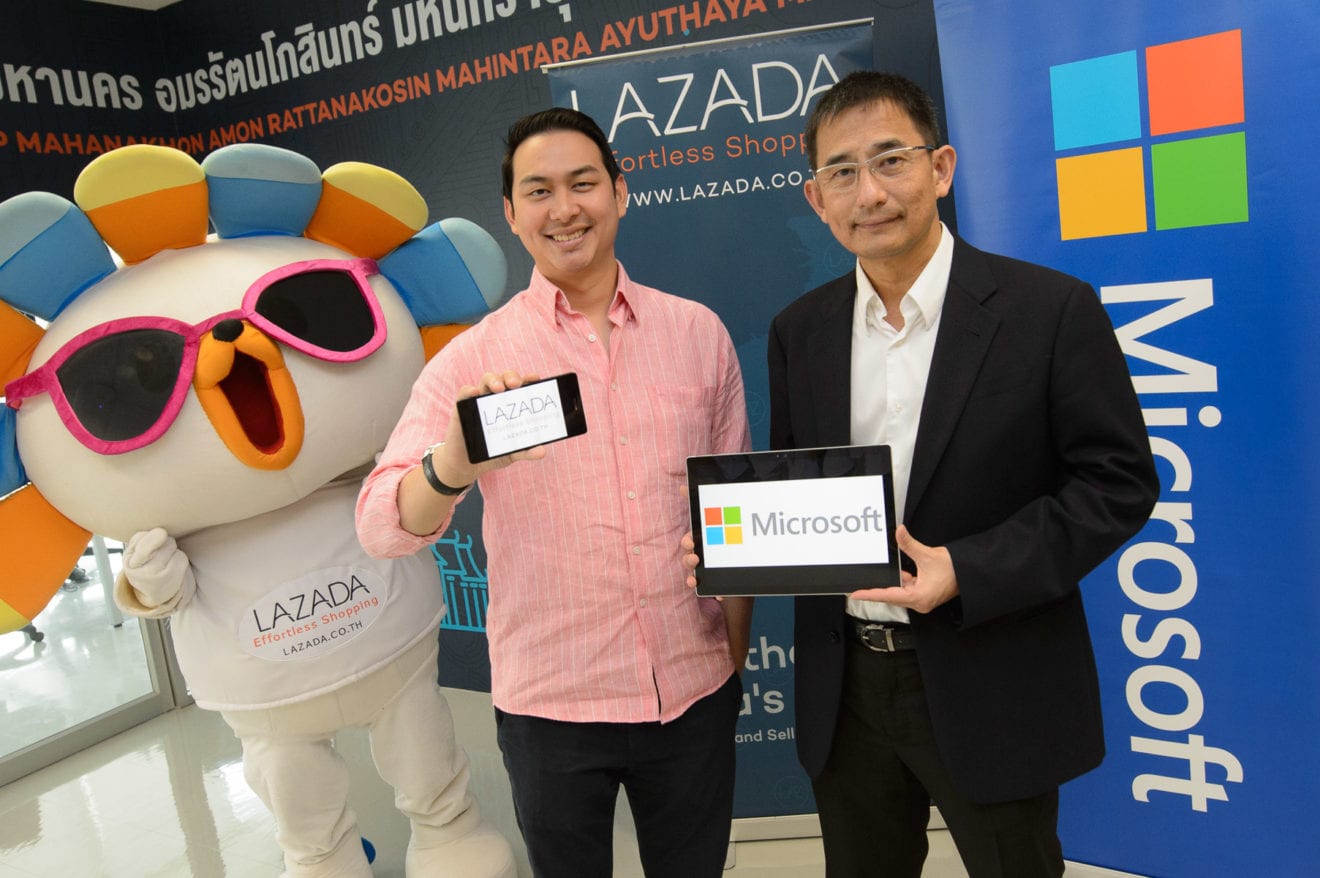
    China’s Alibaba Group has teamed up with online retailer Lazada to bring popular shopping site Taobao to Singapore, in a move to deepen the reach of the Chinese e-commerce giant into Asia ahead of US rival Amazon.

    Last year, Alibaba made headlines with a US$1 billion (S$1.4 billion) deal for control of Lazada, giving the Chinese retailer greater access to South-east Asia and closer to a goal of shedding its home-market reliance.

    The dedicated online store, Taobao Collection, went live this week, and links shoppers in Singapore directly to Taobao through Lazada’s website (taobao.lazada.sg).

    The collection targets shoppers in Singapore who want to shop directly from Taobao and are more comfortable with a local connection.

    Some 400,000 items, from electronics to home products, will be specially curated for the Singapore market, Mr Alexis Lanternier, CEO of Lazada Singapore told TODAY.

    The customised range is selected based on top selling products and customer reviews, from the existing line-up of about 1.5 billion offerings on the Taobao website, he said.

    The idea, according to Mr Lanternier, is to address some of the challenges that shoppers here face while shopping from Taobao, such as lowering shipping fees. By doing away with external agents, Taobao Collection is able to offer a flat delivery rate of S$2.99 per order.

    “Lazada is aiming at solving difficulties that currently exist when shopping from Taobao, enabling an effortless way for them to shop. The site will be translated into English (from Chinese) and shoppers don’t have to worry about shipping, payment methods and returns. Shoppers can also track their orders end-to-end on Lazada and can shop exactly as they would on Lazada Singapore,” Mr Lanternier said.

    Taobao’s entry into Singapore, according to industry players, is likely to have far-reaching implications even as it expands the playing field for e-commerce and creates a more dynamic landscape for retailers.

    “It will definitely require online retailers to continuously think on their feet to come up with new and fresh offerings, in order to keep their customers engaged. To ultimately drive Singapore’s weakening retail sector, online and offline retailers should synergise with — instead of cannibalise — each other,” said Mr Hyun Wook Cho, Qoo10 Singapore country manager.

    With more than 2.5 million registered users in Singapore, however, Qoo10 remains confident of its future prospects as an online shopping platform for Singaporeans, as it offers affordable products and understands the local market.

    “Singaporeans are highly savvy online shoppers who no longer only go for attractive prices, but also look for value-added services to have enjoyable shopping experiences,” Mr Cho added, highlighting the company’s interactive Live10 app which serves as a community chatroom where users can broadcast live demos or shopping tips to their followers.

    Meanwhile, avid shoppers in Singapore welcomed Alibaba’s move to bring its largest shopping platform much closer.

    “We now hope to have access to Taobao products much faster and expect them to be cheaper with no agents in between. Earlier, it used to take almost a month to get the products,” said 19-year-old Siglap resident Mr Nguyen Duc Thanh who buys electronic products for himself and others from Taobao at least once a month.

    “I would want to shop more now that Taobao is easily accessible through Lazada. I have always wanted to do so but given the language and other issues (related to agents), I was hesitant,” said Dakota resident Mr Andrew Fang, 30, who is keen on buying more home products.
    According to Qoo10’s Mr Cho, e-commerce players who successfully create lasting experiences that resonate with their user bases will be the ones to survive today’s increasingly competitive landscape.
  • AirAsia ready to make Clark International Airport its operations center again

    AirAsia ready to make Clark International Airport its operations center again

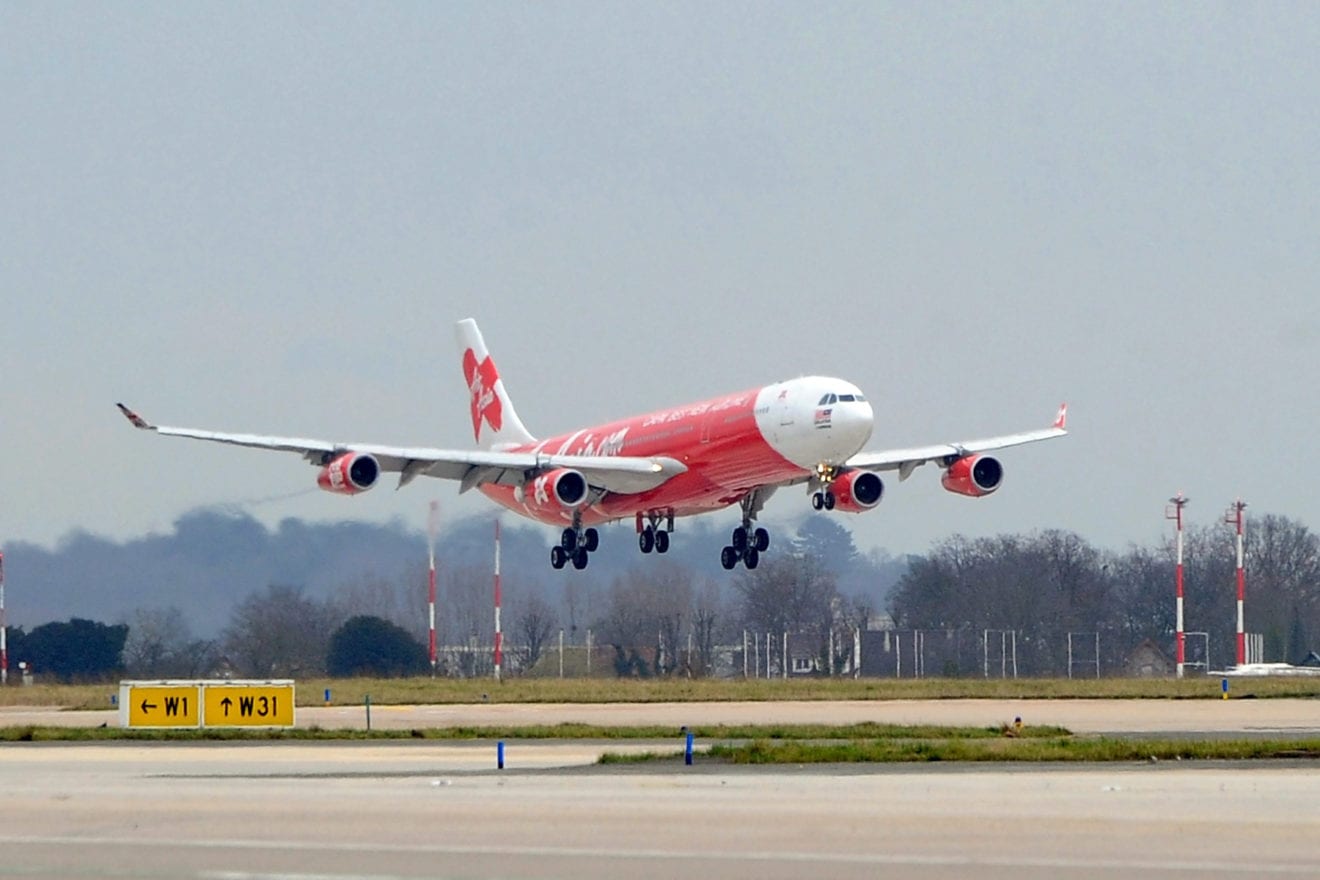
    Five years ago today, the Filipino subsidiary of Southeast Asia’s largest low-cost carrier graced the skies of the Clark International Airport with its signature red planes en route to the island of Kalibo, Aklan.

    A year after however, it decided to leave the north, and focus on the capital to support its then-newly acquired company’s dwindling operations.

    Now that its top line is stabilizing—thanks to years spent in increasing efficiencies, cost rationalizations and a management revamp—it is ready to go back to its birthplace, and once again help spur tourism and trade in the north.

    “We are thrilled to be painting Clark’s skies red again,” Philippines AirAsia CEO Dexter M. Comendador said during the inaugural flight of its Clark-Kalibo route on Monday. “We are now building Clark again.”

    He said his group, born in Clark in 2012, sees the airport as the only area left where it could expand its operations near Manila, whose main international gateway is riddled with slot constraints and air-traffic congestion.

    “AirAsia believes in Clark. We established our base of operations here, and launched commercial flights in 2012 with only two planes, and now, we have a fleet of 14 jets. We aim to expand and grow our operations here in the next five years,” Comendador said. “We can only expand here in Clark.” After launching thrice-weekly flights from Clark to Kalibo, the airline will also start flying to Davao from Clark on April 22.

    “AirAsia was with us in the past, but it decided to move to Manila in recent years. During its stay here, it contributed a lot in terms of passenger volume, specifically in 2013, when we posted a record of about 1.3 million passengers,” Clark International Airport Corp. President Alexander S. Cauguiran said. “I hope it could stay for good here at Clark. Hopefully, AirAsia will not only be flying domestic here, but also to major cities in Asia.”

    Comendador vowed to connect Clark to other major Philippine destinations, like Cebu and Puerto Princesa, when the time is ripe. The company will also launch international services to East Asia.

    “I will try to connect to our present international destinations, like Taipei, China and Korea,” he said. “We are growing the airport to prepare it as one of our central hubs.”

    Clark is seen as the immediate saving grace for the Ninoy Aquino International Airport, which has been operating at overcapacity for almost two years now.

    But local carriers have shied away from launching flights or expanding their operations in Clark due to the lack of full-service facilities, its distance from the capital and the dearth in mass transit going to Manila, among others.

    The government has programmed a P2.8-billion budget for the expansion of the airport, which will open its new terminal four years from now.

    Several groups have offered to develop Clark through unsolicited proposals.

    Claiming its P187-billion offer is “fully compliant” with the requirements of the build-operate-transfer law, the consortium of Filinvest Development Corp. and JG Summit Holdings Inc.’s proposal involves the modernization of the airport under a five-decade concession, and will start with an initial capacity for 8 million passengers per year.

    Its proposal, based on the Aeroport de Paris master plan prepared for Clark in 2015, also allows the airport to expand its terminals and runways to easily accommodate for traffic growth over the next 50 years.

    The P250-billion proposal of GMR-Megawide Cebu Airport Corp. involves the development of the airport in six phases, leading to a total annual passenger capacity of 100 million per year.

    Under a 50-year development plan, it aims to build two terminals and three runways, two of which will be independent in an 850,000-square-meter land. The plan also involves the construction of an integrated railway connection from Manila, similar to the one in Delhi, India.

    This unsolicited offer is at no cost to the government, will not require any subsidy, guarantee or mandatory movement of airlines from Naia to Clark.

    Instead, the proponent “committed to pay the government annually a share of the airport revenues over the concession period.”

    Metro Pacific Investments Corp. is also readying its own unsolicited proposal, even as it waits for a public tender to take place.

    The government wants to place contract to develop Clark under public bidding. It will be done through the Public-Private Partnership (PPP) scheme. The website of the agency, however, did not enumerate the specific details of the contract.

    Clark Civil Aviation Complex, located within the Clark Freeport Zone in Pampanga, covers an area of approximately 2,367 hectares with a 3,200-meter long runway and associated taxiways, aircraft parking apron, a passenger terminal building and related facilities. It has two runways in parallel configuration.

    The airport logged in a total of 6,205 international and domestic flights with 950,732 passengers for local and foreign routes in 2016.

    Although underutilized, Clark has a local catchment area with an estimated population of 23 million. It also serves passengers from Manila, and those with connecting flights from Cebu, Davao, and other local destinations.

  • Singtel, Telkomsel enter mobile money alliance

    Singtel, Telkomsel enter mobile money alliance

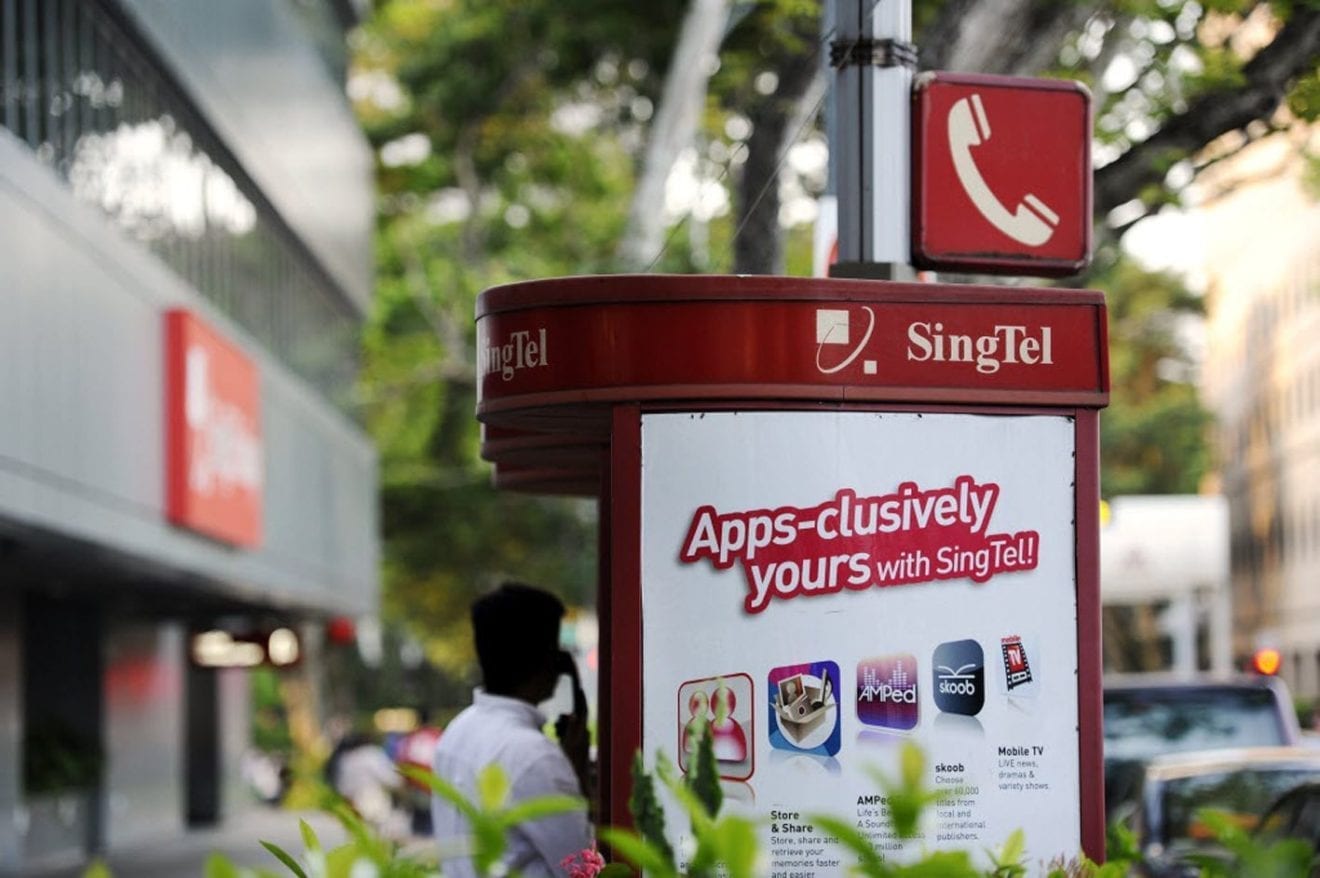
    Singapore’s Singtel and Indonesia’s Telkomsel have teamed up to launch a real-time mobile remittance service to Indonesia.

    The new service is being offered by SingCash under the Singtel Dash brand. It will allow customers in Singapore to send money to the state-owned PT Pos Indonesia’s 4,500 cash-out points across the nation.

    The initiative marks the first collaboration between Singtel and Telkomsel on a mobile money initiative.

    The agreement is expected to be expanded in the future to cover more cash pick-up points, and to support mobile remittance directly to Telkomsel’s TCash mobile wallet from Singtel mobile wallets.

    According to the Embassy of the Republic of Indonesia in Singapore, there are 200,000 Indonesians living and working in Singapore, and outward remittance from Singapore to Indonesia totals more than $409 million per year.

    “Telkomsel’s partnership in Singtel’s remittance service is one effort to support our government in promoting financial inclusion for Indonesian people, especially the unbanked segment,” Telkomsel CEO Ririek Adriansyah said.

    “Foreign remittance enables them to improve their quality of life as well as provide an opportunity to begin saving for the future. We believe every little effort to promote financial inclusion will also accelerate the growth of Indonesia’s economy.”

  • Sesco introduces payment kiosks

    Sesco introduces payment kiosks

    Sarawak Energy’s operation and retail arm Syarikat Sesco Bhd (Sesco) introduced payment kiosks to members of public on Wednesday.

    According to a press release, the latest initiative from the state utility company is part of its continuous innovation and to further enhance customer services for the better.

    The introduction of payment kiosk machines will be an additional payment channel, allowing for real-time payment updates and it will be available at Sesco counters for added customer convenience.

    Through the kiosks, customers can make single or multiple payments (up to five bills) per transaction and also pay for collateral deposits. Payments can be made either by cash, cheque or any credit card issued by banks in Malaysia. Customers can also perform bill enquiries and print e-bills.

    This will provide an additional option for customers who can also choose from channels such as the “SEBCares” mobile app where customers can view and pay their electricity bills via online banking, credit or debit card or auto pay.

    Sarawak Energy Group chief executive officer (CEO) Sharbini Suhaili who officiated at theevent  at Wisma Sesco here on Wednesday congratulated the Retail team for applying technological advancement and innovation to enhance customer experience.

    “Please continue to innovate to improve on customers’ touch points especially through new technology,” he said.

    “This is an example of how we can simplify processes to deliver with speed and precision. Sometimes the simplest idea can bring meaningful change. Let us walk the extra mile to delight the customers and surpass expectations.”

    Adding on, Sesco chief executive officer Lau Kim Swee explained that the kiosk was part of the Retail team’s long-term vision for counter-less transactions.

    “Our customer service principle has evolved from merely providing services to delivering a truly outstanding customer experience. In doing so, we are always finding ways to implement initiatives that make it easier for our customer to do business with us. We constantly seek customers’ feedback and this payment kiosk is one of the requests made by our customers,” he said.

    In a briefing before the launch, vice-president for retail Yusri Safri gave an update on the company’s various customer service initiatives.

    “By introducing the kiosk, we will be able to reduce customers’ queuing time at the counters and enable the front-liners to focus more on handling other complex transactions and enquiries. We hope to extend this facility to the smaller counters in rural areas so customers can enjoy similar convenience as experienced in urban areas.

    “We are also looking into the idea of having the kiosks placed at strategic locations such as shopping malls for better customer convenience,” Yusri said, adding that this would extend the time customers could use the kiosks past traditional office hours.

    Also in attendance were Sarawak Energy Group chief operating officer Lu Yew Hung, executive vice-president for corporate services Aisah Eden and other members of the executive committee, senior management and staff.

    So far, four kiosks have been installed at Wisma Sesco and Pending in Kuching and another two at the Sibu office. Ten more kiosks will be installed in stages at Sri Aman, Sarikei, Sibu Civic Centre, Bintulu, and Miri counters as well as at UTC Kuching, UTC Sibu and UTC Miri.

    Apart from the services mentioned, the company is also looking at accepting payment through the kiosk for non-energy bills, electricity bill instalments, arrears bills and arrears instalments as well as payments for third-party bills in the next phase.

  • Beumer will be providing information on intralogistics solutions for e-commerce

    Beumer will be providing information on intralogistics solutions for e-commerce

    The Beumer Group will be presenting its high level of expertise in sortation and distribution systems to visitors at ProMAT in Chicago (3 to 6 April). Among other things, this includes tilt-tray and cross-belt sorters, which are distinguished by their high energy efficiency. As an example, these are used to provide sustainable support to mail order companies and service providers.

    At ProMat, the Beumer Group will be providing information on their fully automated high-performance sorting systems such as cross-belt and tilt-tray sorters. Small and large packages, product trays and even products in bags can be sorted quickly and carefully with these systems. They ensure the rapid availability of goods and therefore provide a high level of benefit for the end user. At the same time, these sorting systems require low maintenance, due partly to the non-contact power transmission. In addition, both the cross-belt and the tilt-tray sorter are extremely energy-efficient. The system integrator equips courier, post and parcel services and distribution centers worldwide with these systems.

    The Beumer Group supports its customers from the planning stage right through to commissioning. Users can also secure a competitive advantage and be prepared for future growth in their own mail order company.

  • Flipkart to acquire eBay India

    Flipkart to acquire eBay India

    Three days after closing a funding round of US$1 billion, Flipkart is taking steps to acquire eBay India.

    Insiders say eBay India will be folded into Flipkart, reports start-up specialist publication E27.

    After Flipkart, Amazon, Shopclues, PayTM and Snapdeal, eBay is India’s six-largest e-commerce company.
    Flipkart’s latest funding round involved eBay, Microsoft and Tencent Holdings, setting its value at US$10 billion, up from US$5.39 billion last month.

    Launched in 2007, Flipkart is battling against Amazon to dominate the e-commerce market in India. Amazon arrived in India in 2012, ending Flipkart’s five years of supremacy.

    In 2014, Flipkart raised US$1 billion, a record for an Indian company, from such investors as Accel Partners, Russia’s DST Global and Tiger Global.

  • Singapore operators to switch off 2G from Sunday

    Singapore operators to switch off 2G from Sunday

    Singapore’s mobile operators will commence the process of switching off their 2G networks on Sunday as part of a scheduled sunsetting of the aging networking technology.

    Operators M1, Singtel and StarHub plan to conduct the switch-off in stages, and complete the process by April 18Singapore’s mobile operators will commence the process of switching off their 2G networks on Sunday as part of a scheduled sunsetting of the aging networking technology.

    Operators M1, Singtel and StarHub plan to conduct the switch-off in stages, and complete the process by April 18.

    As part of an agreement with regulator the Infocomm Media Development Authority (IMDA), operators are giving 2G users the ability to retain their numbers and subscription plans on 3G and 4G networks at no additional cost or requirement to re-contract.

    The IMDA has urged the nation’s remaining 2G-only users to switch to a 3G or 4G handset by this time.

    The regulator is holding information sessions for seniors wishing to learn how to use smartphones as part of the transition process, and has also worked with the operators to ensure that handset models costing below S$50 ($36) are available for the holdouts.

    The IMDA banned the sale of all 2G-only devices from January as part of the switch-off process, which is aimed at allowing 2G spectrum to be re-allocated for advanced mobile services.

    Singtel’s wholly-owned Australian subsidiary Optus is meanwhile following its parent in switching off 2G. Optus announced it will commence a staggered shutdown process from April 3, starting in the states of the Northern Territory and Western Australia..

    As part of an agreement with regulator the Infocomm Media Development Authority (IMDA), operators are giving 2G users the ability to retain their numbers and subscription plans on 3G and 4G networks at no additional cost or requirement to re-contract.

    The IMDA has urged the nation’s remaining 2G-only users to switch to a 3G or 4G handset by this time.

    The regulator is holding information sessions for seniors wishing to learn how to use smartphones as part of the transition process, and has also worked with the operators to ensure that handset models costing below S$50 ($36) are available for the holdouts.

    The IMDA banned the sale of all 2G-only devices from January as part of the switch-off process, which is aimed at allowing 2G spectrum to be re-allocated for advanced mobile services.

    Singtel’s wholly-owned Australian subsidiary Optus is meanwhile following its parent in switching off 2G. Optus announced it will commence a staggered shutdown process from April 3, starting in the states of the Northern Territory and Western Australia.

  • Metail signs partnership with South Korean tech giant

    Metail signs partnership with South Korean tech giant

    British fashion technology start-up Metail has signed a partnership agreement with Benit, the technology arm of South Korea’s fourth largest conglomerate Kolon.

    The deal means Metail’s technology, which allows consumers discover, shop and “try on” clothes online, will significantly increase its reach in the Asian market.

    The Kolon conglomerate has a presence throughout Asia and interests spanning multiple sectors, ranging from manufacturing to construction, trade, life sciences research, environment, retail and fashion. It is now setting its sights on the fast growing South-Korean fashion e-commerce market through its technology arm Benit.

    South Korea is the world’s 7th largest fashion market and APAC’s 3rd largest e-commerce market with 77% of all Koreans purchasing clothing items online in 2016. The South Korean fashion industry is expected to exceed $6.9bn this year and by 2021 it is predicted to hit $32bn. Benit’s clients alone account for $2.5bn of the market.

    Tom Adeyoola who founded London and Cambridge-based Metail said the deal would help the business achieve its mission “to digitise all of the world’s garments and people“. The Metail technology allows shoppers to create a bespoke 3D model of themselves, a Memodel, which they can use while shopping online to try on garments virtually. It rose to prominence in 2014 when it teamed up with Henry Holland’s House of Holland label to allow consumers to shop direct from the catwalk.

    “Following going viral in Korea with our mobile House of Holland offering for London Fashion Week in 2014 we’ve been looking for the right strategic partner to take advantage of what is clearly the most mobile-focused, tech-savvy and fashion-conscious market in the world,” Adeyoola said.

    “The Kolon group with their scale, fantastic stable of brands and market leading fashion focused IT services arm, Benit, quickly became the obvious choice. We’ve already placed a customer director on the ground and have built a strong working relationship with the consummate partner to help us perfect our offering for the Korean market and rapidly scale,” he said.

    Deputy general manager of Benit’s mobile convergence team Jaehoon Kang said it has been looking for “innovative and useful solutions to develop the South Korean market “and Metail’s solutions is the most valuable. We cannot try on clothes when buying clothes online. So often there are difficulties in sizing and styling; limitations which Metail help to overcome,” he said.

    “Through this agreement, fashion and distribution companies in the Korean market will be able to provide a useful and wonderful experience to customers. Benit is very excited to be adding such a great solution to its fashion-specific business portfolio,” he added.

    Metail was founded in 2008 and has gone on to develop an international customer base including House of Holland and Little Mistress in the UK as well as Abof in India and Princess Polly in Australia to name a few

    Yesterday luxury fashion etailer Mytheresa.com revealed a dedicated Korean language site for the South Korean market.

  • Shinsegae department store opens Tesla charging stations

    Shinsegae department store opens Tesla charging stations

    Tesla has completed the installation of three Destination Chargers at Shinsegae department store in the Gangnam, Seoul.

    The move follows the opening of two showrooms in the city last month as the brand picks up momentum with its South Korean operations.

    It was the second set of Tesla chargers introduced at a Shinsegae outlet after another batch was installed at the Yeoju Premium Outlets.

    Tesla charging stations 3

    The Korean giant Shinsegae Group signed a partnership with the American automaker last year, planning to equip 25 of its locations with Tesla’s charging stations this year.

    One of the two Tesla stores that opened last week is located in Starfield Hanam, the largest shopping complex in Korea, which opened last year under a Shinsegae-Taubman partnership.

  • Diesel makes Myanmar debut at Yangon airport

    Diesel makes Myanmar debut at Yangon airport

    Diesel has opened a new monobrand store in Yangon airport as the brand makes its debut in the Myanmar market and reinforces its presence in global travel-retail.

    With the new 100sq m store, Diesel opens the doors to its renewed retail design concept. The store is the first monobrand boutique for Diesel across Asian travel-retail developed in collaboration with Japanese architect firm Wonderwall, headed by interior designer Masamichi Katayama.

    The Tokyo-based team, in collaboration with Diesel Artistic Director Nicola Formichetti, envisioned a simple yet unexpected concept: the idea of an apartment space, like a symbolic new house for the brand. The aim is to create a distinctive atmosphere, combining it with the brand’s identity, where the customer can feel “at home”.

    The new opening coincides with the perfect season for travellers to explore the Spring Summer 2017 Collection, ranging from apparel to accessories for women and men, not to mention the wide selection of denim and joggjeans. The Spring Summer offer is renewed every season with new fits and washes for denim, while innovative materials and unique fabrics are incorporated into  the authentic joggjeans.

    Diesel stated: “The travel-retail channel is extremely crucial for the brand, in fact Diesel is reinforcing its presence in the global travel-retail market and to confirm this, future openings are planned in Singapore, Waikiki and Guam.”

  • Snapcart raises US$3million in quest for Southeast Asian offline retail data

    Snapcart raises US$3million in quest for Southeast Asian offline retail data

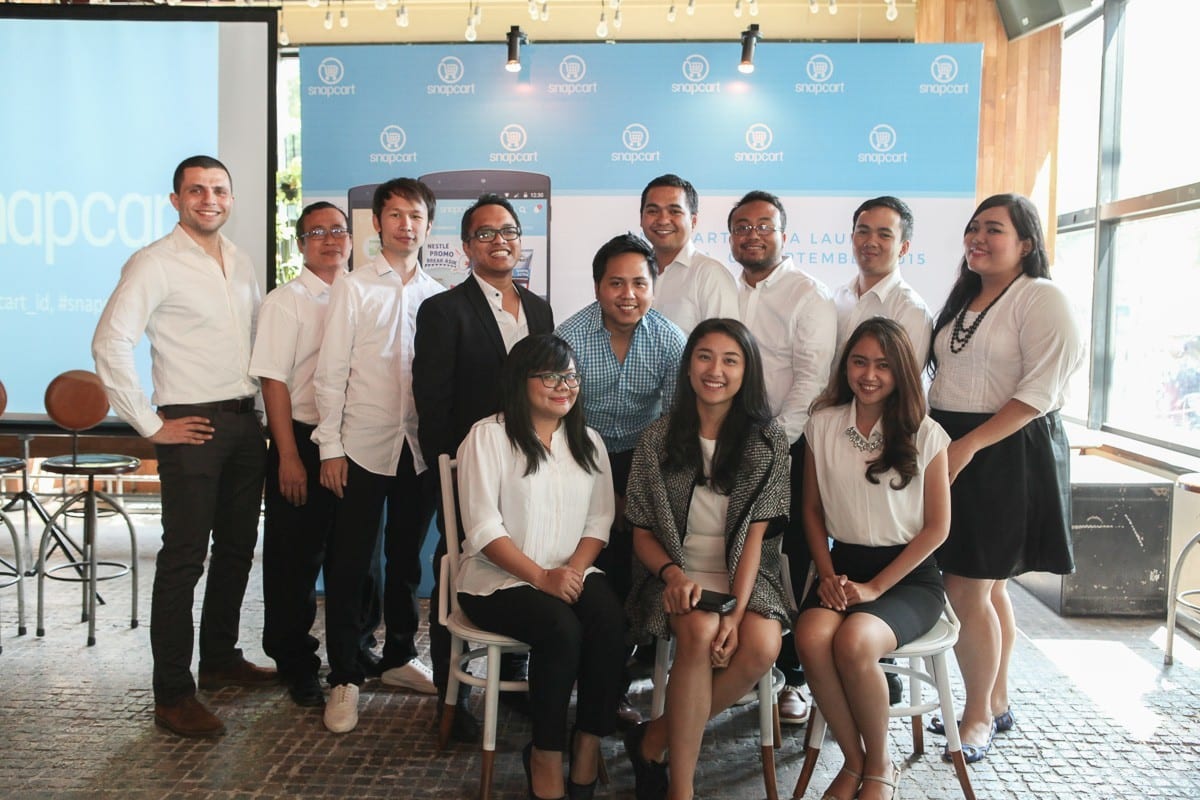
    In a bid to shed light on the offline retail market of Southeast Asia, startup Snapcart has raised US$3 million in pre-Series A funding,

    “Southeast Asia is a black hole and brands don’t know what is happening,” explains Snapcart CEO Reynazran Royono.

    The new funding round comes after Snapcart raised US$1.7 million in January of 2016. Since then Snapcart has expanded from Indonesia to the Philippines.

  • Rising exports to China portend greater risks

    Rising exports to China portend greater risks

    Despite China’s retaliatory moves against Seoul’s hosting of a US missile defense system, South Korea has seen its exports to the world’s No. 2 economy increasing in recent months.

    The country’s shipments to China rose by 16.4 percent from a year earlier during the first 20 days of this month, following four consecutive months of on-year increases, according to the latest customs data. In February, the growth rate was 28.7 percent, the highest since late 2010.

    This continuous increase in shipments of South Korean goods to China, which betrays a widening range of retaliatory steps taken by Beijing, reflects the structure of bilateral trade between the two countries.

    More than 70 percent of South Korean products shipped to China are intermediary goods, including semiconductors and flat-panel displays, which Chinese manufacturers need to make their key export items.

    The on-year increase in South Korea-made semiconductors to China accelerated from 5.5 percent in November to 75.9 percent last month, according to data from the Ministry of Trade, Industry and Energy.

    Mentioning the dominant position of the country’s chipmakers, a South Korean proposed in a recent newspaper contribution that Seoul consider banning exports of semiconductors to China in response to Beijing’s moves, though many here dismissed the idea as destructive to both economies.

    China’s retaliatory measures have so far targeted consumer goods such as cosmetics and food, cultural content, package tours and retail stores run by a South Korean business group that agreed to offer land for the installment of a US anti-missile battery.

    But Beijing has shied away from imposing restrictions on imports of key manufactured items from South Korea to avoid doing direct damage to its own economy.

    China also seems to be trying to stop short of violating international trade rules in an outright manner, which would hamper its efforts to be granted the most favored nation status by the US and other major advanced countries.

    The Chinese Commerce Ministry on Thursday said China valued trade with South Korea and was respecting World Trade Organization rules. The statement came in response to an earlier appeal by South Korea to the WTO service council to determine if the Chinese measures are in conflict with WTO regulations.

    “Both economies are mutually dependent, so wisdom is needed to approach political and economic matters separately,” said Yu Byoung-gyu, head of the Korea Institute for Industrial Economics and Trade.

    China’s reliance on manufacturing components and equipment from South Korea has led observers to see Beijing’s efforts to affect Seoul’s security policy by applying economic pressure is just doomed to fail.

    A report released last week by the state-run Korea Development Bank estimated the escalation of China’s retaliation against the deployment of the anti-missile shield officially called Terminal High Altitude Area Defense would result in South Korea suffering about $20 billion in economic losses, mostly in the tourism and duty-free sectors.

    But the amount of loss would be far from painful enough to get Seoul to reconsider THAAD deployment aimed at countering nuclear and missile threats from North Korea.

    In an apparent reflection of growing resentment against Beijing’s retaliatory measures, the proportion of South Koreans opposing the installment of the missile defense shield dropped from 40 percent in January to 34.7 percent in March, according to surveys by local pollsters.

    A recent study by a local research institute also showed South Koreans feeling less favorable toward China than Japan.

    Some observers see China’s moves against the South may be subdued ahead of President Xi Jinping’s planned visit to the US in April for his first meeting with President Donald Trump.

    A group of US House of Representatives legislators last week introduced a bipartisan resolution condemning and calling for an immediate end to China’s retaliatory measures against South Korea.

    The move was viewed as a warning that Beijing’s inappropriate pressure against Seoul would not be left unaddressed by Washington.

    China’s retaliation, even if eased sooner than later, is set to be serving as a decisive occasion to prompt South Korean firms to be more earnest in their efforts to reduce reliance on the Chinese market.

    “Regardless of the fallout from the THAAD dispute, the country’s companies are in the final stages of gaining profits from rising demand from China,” said a Trade Ministry official, asking not to be named.

    China accounted for 26.9 percent of South Korea’s total exports last month, the largest proportion ever. This hefty dependence is simply unsustainable as China is striving to curtail processing trade and expand domestic supply chains by pushing for a plan to transform itself into a global manufacturing power in high-tech sectors by 2025.

    Shin Seung-kwan, a chief researcher at the Korea International Trade Association, said South Korean companies need to focus on maintaining competitive edges over Chinese rivals in certain intermediary goods while diverting shipments to other emerging markets.

    He noted it is also necessary to increase exports of high-end consumer goods to China to offset a possible decrease in demand for intermediary goods. But those items would still remain easy targets for China’s boycotts in the future.

    South Korean companies would likely face broader and more fundamental risks from China unless they diversify export markets and production bases to other regions, including Southeast Asia and India, with a greater sense of urgency, experts say.

  • MaxMara Thailand opens two spin-off stores

    MaxMara Thailand opens two spin-off stores

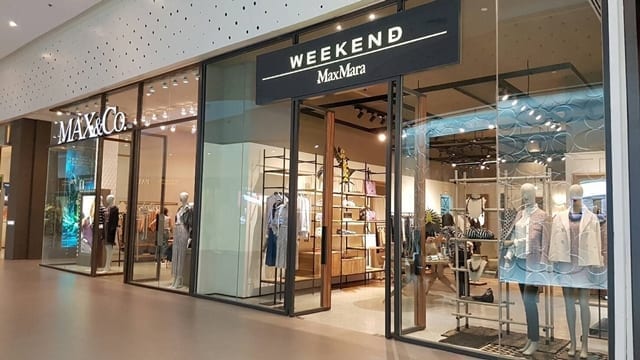
    Max&Co and Weekend MaxMara stores have opened at CentralWorld, joining the MaxMara Thailand store at Gaysorn Shopping Centre.

    They have been opened by the Italian fashion house’s sold distributor for Thailand, Pacifica Group.

    On the second floor of the Groove Zone and managed by Opras, Sopana and Prasert Lavichant of Pacifica Group, the Max&Co flagship store attracted a crowd of Thai fashionistas to its opening, revealing the brand’s spring-summer line.

    “We’ve been importing Max&Co clothing for more than a year and have had great feedback,” says chief executive Opras.

    “The store interior is typical of the brand, meant to resemble a cosy Milanese apartment, in subdued tones that convey wellbeing and serenity. It is designed to make women shoppers feel more at home.”

    At Weekend MaxMara, the focus is on leisure and cruise looks with matched blouses, trousers, skirts, shorts, swimwear, bags and shoes. It covers 95 sqm and features strips of walnut wood contrasted with grey glazed Cotto tiling above Italian cementine flooring. Sofas, chairs, lamps on tables and a smattering of books and magazines invite shoppers to linger. Founded in 1984, Weekend MaxMara features mainly outdoors clothing.

    Meanwhile, the main MaxMara store at Gaysorn is showing the spring-summer line from creative designer Lina Bo Bardi, who injects modernism into sensual, sleek and luxuriant clothes that might be athletic or hi-tech, as reported. MaxMara also uses high-performance jersey and nylon for its body-hugging dresses.

  • Lotte founder’s 50-year reign comes to an end

    Shin Kyuk-ho, founder and general chairman of the Korean retailer Lotte, has been removed from his company by shareholders, solidifying the succession of his second son, Shin Dong-bin, and coming closer to ending a family feud that started in 2015.

    Lotte is the country’s fifth-largest family controlled conglomerate, with 90 affiliates here and abroad.

    The shareholders voted in favor of denying the 95 year-old patriarch the position of board director of Lotte Shopping on Friday, which he has held since the affiliate was founded in 1970.

    The elder Shin’s term was terminated on March 20.

    Kang Hee-tae, CEO of Lotte Department Store, and Yoon Jong-min, Lotte Group’s human resource director, were newly appointed to the directors’ post at Lotte Shopping. Friday’s decision has completed the full control of the younger son, Dong-bin, who took his current role in 2011.

    “Lotte Group was able to grow with Shin Kyuk-ho’s leadership until now, but it is time for a new era under the new leadership of Shin Dong-bin,” said Lotte Group spokesman.

    Despite taking the role of chairman, Dong-bin was not allowed to make independent business decisions without the final call coming from his father, who held the board director position at most of Lotte’s affiliates.

    The father has been losing his board director position starting with Lotte International in 2015, followed by Lotte Confectionery and Hotel Lotte in March 2016.

    Lotte Confectionery is the founding company and the foundation of Lotte Group, while Hotel Lotte is the de facto holding company.

    Shin Kyuk-ho has been losing his title since he sided with his older son, Shin Dong-joo, who was trying to take full ownership of the group, and fired Dong-bin and six other executives at Lotte’s key operation in Japan.

    The founder still has several director positions, but his tenure is coming to an end and is unlikely to be extended. His role at Lotte Engineering & Construction is poised to be terminated on Sunday, followed by Lotte Aluminum and the Lotte Giants in coming month.

    Unlike his father, Dong-bin on Friday was appointed as the new director of Lotte Chilsung Beverage during the shareholders’ meeting, which industry insiders say is a necessary step to realigning the organization under his new leadership.

    Hwang Kak-gyu, who has worked with Shin Dong-bin for 27 years, was newly appointed as the CEO of Lotte Confectionery, a position that he will share with Dong-bin and Kim Yong-soo. The company said the decision was made to strengthen the company’s overseas business.

    Meanwhile, Dong-bin has been increasing his efforts to appease China, which has been bombarding Lotte’s business there as a retaliation against the Korean retail conglomerate’s decision to offer its golf course for the deployment of the U.S. antimissile defense system known as Thaad.

    In an interview he had with the Wall Street Journal on Thursday, Dong-bin said, “We definitely want to continue our business in China.”

    He added that he “loves” China and believe there has been a “misunderstanding.

    “If the government asks a private corporation like ours to give up land, then I don’t think we have the luxury of rejecting the government,” Dong-bin was quoted as saying in the Wall Street Journal.

    Lotte Mart, which runs 99 local branches in China, shut down 90 of them in the past couple weeks, partly forced by the Chinese government, which cited safety concerns, and also because of fierce protests in front of its stores.

    Lotte Shopping on Friday announced it will issue new shares worth 230 billion won and borrow 130 billion won in order to maintain its Chinese Lotte Mart branches.

    “Due to the suspension of Lotte Mart operations in China, there is no revenue generated, which we plan to compensate through capital increase,” Lotte Mart explained. “We need to pay local staff and purchase products.”

    Shares of Lotte Shopping jumped 2.61 percent on Friday, closing at 216,500 won.


  • Takashimaya Duty Free Shop opening soon

    Takashimaya Duty Free Shop opening soon

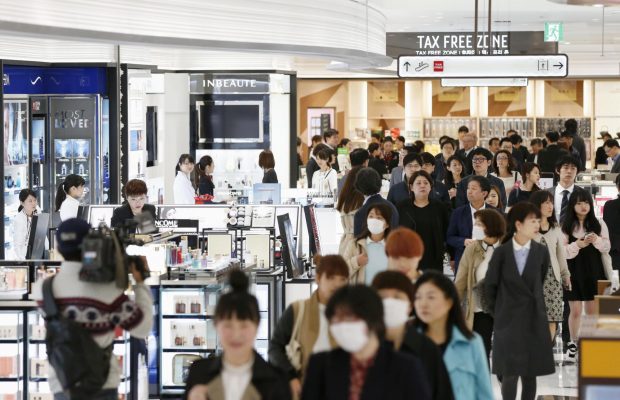
    Takashimaya Duty Free Shop, Tokyo’s latest downtown duty-free store, will open late next month.

    The 2800 sqm retail outlet is a JV between department store company Takashimaya, travel retailer ANA Trading and Hotel Shilla. It will be on the 11th floor of the new Takashimaya Times Square development, in the Shinjuku area.

    Other major downtown duty-free projects scheduled to open in Tokyo include Japan Duty Free Ginza and Lotte Duty Free Tokyo Ginza.

    Takashimaya Duty Free Shop is directly connected to Shinjuku Station and to Shinjuku Expressway Bus Terminal, allowing easy access to Tokyo’s airports.

    A spokesperson for The Shilla Duty Free says Japanese cosmetics will be a key focus of the store. There will also be a tax-free zone for Japanese brands including cosmetics, food/confectionery, souvenirs, fashion and electronics.

    Goods bought at downtown duty-free stores must be collected at Narita or Haneda airport, while tax-free Japanese-made items can be collected in the stores.
    Chinese group tours will be a target audience, with Takashimaya Duty Free establishing infrastructure such as bus parking spaces, and developing offers to appeal to such visitors.

    A&S Takashimaya Duty Free Company was established last June, with Takashimaya holding a 60 per cent stake, with ANA Trading and Shilla each holding 20 per cent.

    Takashimaya Times Square includes a Takashimaya department store, brands like Nitori, Tokyo Hands and Uniqlo, as well as restaurants and a spa avenue.