Tag: asia

  • SoftBank, Ericsson to trial 5G over 28-GHz

    SoftBank, Ericsson to trial 5G over 28-GHz

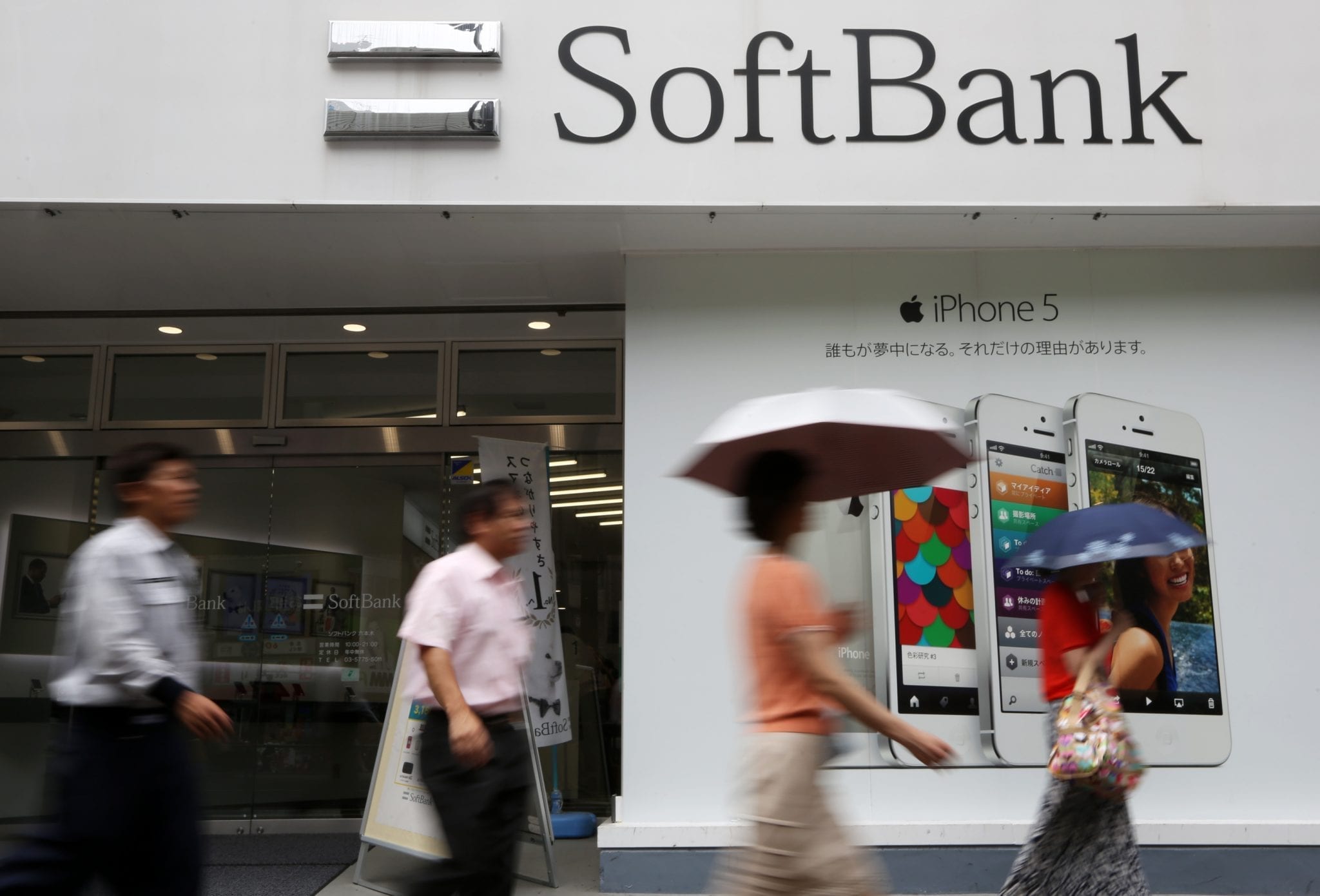
    Ericsson and Japan’s SoftBank have announced plans to demonstrate 5G over 28-GHz millimetre wave spectrum, as part of the next stage of their joint 5G trials.

    The companies said they are moving forward with more advanced 5G tests following the successful completion of basic 4.5-GHz and 15-GHz 5G trials in Tokyo last year.

    The upcoming trial will involve both indoor and outdoor testing environments and cover both device mobility and stationary tests. The trial will use Ericsson’s mmWave 28-GHz 5G Test Bed base station and device prototype solution.

    SoftBank and Ericsson will make use of advanced 5G technologies including Massive-MIMO, massive beamforming, Distributed MIMO, Multi-user MIMO and beam tracking.

    “SoftBank started to verify 4.5-GHz radio back in August 2016 and now 4.5GHz is becoming the leading candidate band for 5G services in Japan together with 28-GHz,” the operator’s SVP Hideyuki Tsukuda said.

    “We are leveraging Ericsson’s Test Bed with 28-GHz radio to validate a lot of advanced features at super low-latency and high throughput, which helps position us as a pioneer of 5G.”

    Ericsson Japan head Mikael Eriksson added that he is confident that the company “will be the first to deliver 5G services and that we will deliver the best performing end to end network in Japan.”

  • Volkswagen’s Seat returns to profit; to launch third SUV in 2018

    Volkswagen’s Seat returns to profit; to launch third SUV in 2018

    Volkswagen’s Spanish division Seat reported on Thursday its first annual operating profit since 2007 and announced plans to launch a third sport-utility vehicle (SUV) in as many years in 2018 to try to build on its recovery.

    Seat said it made an operating profit of 143 million euros ($154 million) last year compared with a 7 million euro loss in 2015, helped by selling more models with higher specifications and integrating its R&D operations with parent Volkswagen (VW).

    “Seat is now preparing itself for development and growth,” chief executive Luca de Meo said in an emailed statement.

    The 2018 SUV, which follows the launch of the Ateca crossover in 2016 and its smaller sibling Arona later this year, “will boost brand image and will have a very big effect on our ability to generate margins,” the CEO said.

    “This car will bring new customers to us.”

    Seat’s third SUV model will be built at VW’s main Wolfsburg factory and use the German group’s cost-saving MQB modular platform that underpins VW’s top-selling Tiguan SUV.

    VW, which bought Seat in 1986 to increase its exposure to the then fast-growing Spanish market, has long battled to reverse losses caused by under-utilised capacity at Seat’s factory in Martorell near Barcelona.

  • Airtel to buy Tikona Digital’s 4G business

    Airtel to buy Tikona Digital’s 4G business

    India’s Bharti Airtel has arranged to acquire ISP Tikona Digital’s 4G business for around 16 billion rupees ($244.6 million), to help shore up its ability to compete against Reliance Jio and the combined Vodafone-Idea Cellular.

    The company will acquire 4G assets including 20 MHz of 2300-MHz 4G spectrum in five of India’s 22 telecoms circles, as well as 350 existing cell sites in these circles.

    The five circles are Uttar Pradesh East and Uttar Pradesh West, as well as Rajasthan, Gujarat and Himachal Pradesh.

    The merger is expected to fill gaps in Airtel’s spectrum holdings, particularly in the former three circles, and allow the operator to secure a pan-India footprint in the 2300-MHz band.

    This could prove crucial to Airtel’s efforts to stay competitive against disruptive pan-India 4G operator Reliance Jio Infocomm, as well as the entity that will be created with the planned $23 billion merger of Vodafone India and Idea Cellular – which is expected to overtake Airtel to become the market’s largest operator by subscribers.

    But Airtel could have some hurdles to clear in order to close the deal. Tikona Digital co-founder Rajesh Tiwari is objecting to the deal on the grounds that the companies have not provided details of how the proceeds will be split among shareholders, the report states.

    Tiwari, which owns just over 1% of the ISP, has filed a legal notice seeking to block the deal until he is provided this information.

  • AirAsia: Reaching a new digital high

    AirAsia: Reaching a new digital high

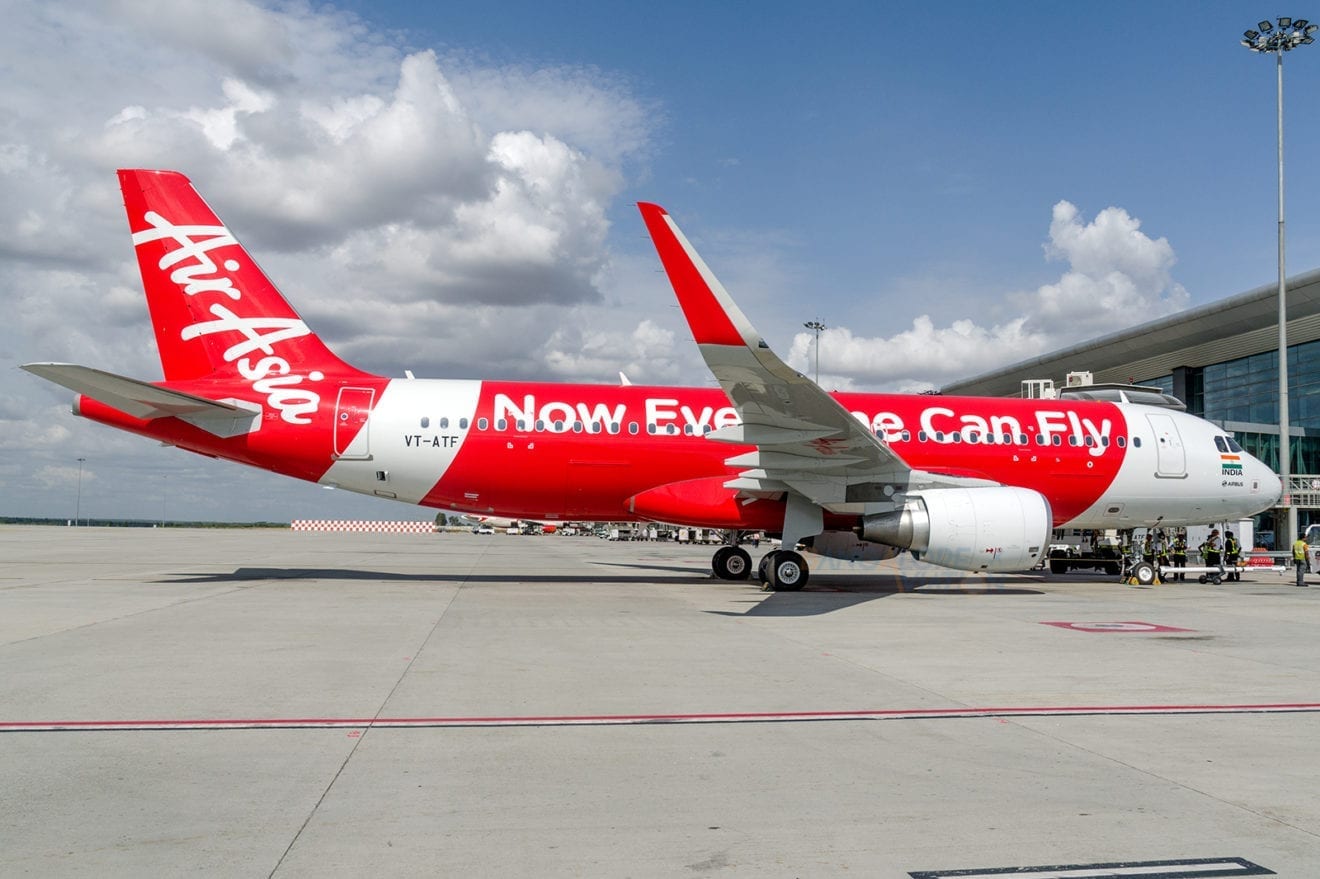
    AirAsia reaches out for fresh ideas on digital transformation. A program called Aviato, which uses machine learning to profile user interests, won first prize at AirAsia’s inaugural Airvolution 2017 hackathon.

    The Singaporean team, which goes by the same name, won the grand prize of RM25,000, 100,000 AirAsia Big points and five return flights to any of the ­airline’s destinations.

    “Aviato is able to profile a user’s interests and extract ­keywords based on the images posted on an Instagram account,” says team leader Durwin Ho Hsu Tian, 27.

    The rest of the team – made up of Choo Yan Sheng, 28, John Goh Choo Ern, 27, and Kevin Kwa Leung Boon, 33 – said they didn’t come up for the idea for Aviato till late night on the first day.

    “Back home, we had already prepared around 30 to 50 ideas based on the three challenges given by AirAsia a couple of months before the hackathon,” said Ho.

    “We roughly knew what we wanted to do and once we had nailed down the idea, everything just fell into place.”

    image: https://www.thestar.com.my/tech/tech-news/2017/03/27/reaching-a-new-digital-high/~/media/cdf8132c01034d979f1afd0c8f4df1a8.ashx

    Contestants rushing against time at the two-day hackathon held at AirAsia’s RedQ headquarters.  — AZMAN GHANI/The Star

    Contestants rushing against time at the two-day hackathon held at AirAsia’s RedQ headquarters.  — AZMAN GHANI/The Star

    Ho says AirAsia has a huge chunk of raw data which Aviato can process so that the company can know its customers better so that it can offer targeted ­promos.

    For instance, Aviato is able to profile whether a person loves the outdoors by running an image recognition algorithm on his or her Instagram account. If a person likes photos related to mountains and forests, the ­program could, for instance, made to push a notification offering flight promotions to Kota Kinabalu.

    Given more time, Aviato will be able to pull data from other social media platforms such as Facebook and Twitter, he says.

    Digital transformation

    The hackathon was part of the company’s ongoing efforts to turn AirAsia into a digital airline this year, says AirAsia group CEO Tan Sri Tony Fernandes.

    However, this is not something new as technology and digital innovations have always been at the core of the airline since its early days, he says.

    “Our roots are digital. We started with the Internet and we are now a very social media based airline,” he says.

    Fernandes is hoping to get the airline’s level of digitisation to around 70% by 2018. — RICKY LAI/The Sta

    Asked on how “digital” the company is right now, Fernandes puts it around 20-30%, adding that there is a huge potential for further digitisation moving forward.

    “It sounds like we are not so digital but others are way behind,” says Fernandes.

    Today, he’s more focused on ­getting the staff to think digital. “I can take someone to drink water but I can’t force him to drink,” he says.

    However, he is confident that the company will be able to push the level of digitalisation to around 70% by the end of 2018.

    The digitalisation process will see the company focus on three key areas, namely commercial, customer experience and operations.

    On the commercial front, the company is looking to offer ­personalised and targeted ­promotions by taking advantage of its large amount of data.

    To improve customer experience it is looking to phase out check-in desks by using biometric tech such as fingerprint and facial recognition but this is dependent on getting approval from regulatory bodies.

    “On the operations side, we want to digitalise all the engineering, pilot flight and even human resource data to improve efficiency,” he says. This will help the airline to cut costs, say, by improving fuel efficiency.

    On why the company decided to host a hackathon for the first time ever, Fernandes says, “I think we are not moving fast enough. We can’t do everything in-house.”

    “There is no way we can do it all alone. We want to get ideas from people who fly with us and know us to help us build this new digital airline and what better way to start it off than with a hackathon.

    “We believe the digital revolution will take AirAsia to another level in terms of making it easier to fly, easier to sell and giving our customers the products they really want.”

  • Lazada on mission to spur e-commerce

    Lazada on mission to spur e-commerce

    As Lazada celebrates its fifth year in the Philippines, the people behind Southeast Asia’s largest online marketplace are embarking on a mission: to make the country one of the “dominant players” in the global e-commerce industry.

    “In terms of Facebook penetration, the Philippines is No. 1 in the world. There are 57 million Facebook accounts—why shouldn’t the same thing apply to e-commerce?” says Inanc Balci, cofounder and CEO of Lazada Philippines. “So we’re now on a mission to make Philippines a dominant player in the world when it comes to e-commerce penetration.”

    Balci cited Taiwan as having the highest percentage of online retail sales at 18 percent; the Philippines, on the other, hand, is only at 1 to 2 percent. “Buying online is as easy as getting an account on Facebook; sometimes easier, because you don’t need an e-mail account for some websites. The Philippines can have a much higher percentage of e-commerce penetration than that of Taiwan,” Balci says.

    Other factors also come into play when it comes to the Philippines’ strong potential in e-commerce, adds Balci. “The middle class is growing very fast; the economy is doing really well among other nations in Asia; there is a very young population; smartphone penetration is higher than any other country in Southeast Asia.”

    As a treat to its customers, Lazada held a birthday sale last March 21-23. These kinds of events, says Balci, are also a form of investment for the company when it comes to addressing one of the three main challenges in the local ecommerce industry: general market size. Promos and special deals allow Lazada to attract new customers and further grow the business, says Balci.

    The other two issues, he adds, are payments and logistics. To address the latter, the company formed its own logistics arm called Lazada Express. “That has, today, 70 percent coverage nationwide, and we are continuing to push it even more,” says Balci. “We are also looking toward improving the payments landscape. There is only about 5 percent credit-card penetration which makes it difficult to transact online, so Lazada was the first to launch nationwide cash on delivery. Not a lot of companies are doing this because it’s a costly way of doing business, but for us to grow, we need to invest.”

    Lazada was initially established in the Philippines as an online retailer selling electronic goods.

    The company then “pivoted” its business strategy in 2014, says Balci, shifting its model to an online marketplace, which was “one of the biggest accelerators” of its growth.

    “Now our business model is a cross of retail marketplace and cross-border marketplace, which is similar to a local marketplace but the merchants are from other countries in the region,” Balci explains.

    As Lazada and the country’s e-commerce industry continue to grow, so does competition—something which Balci welcomes with open arms.

    “It’s always better for the market to have competition to keep you on your toes. We believe that for the market to grow much faster, we need better, healthier competition,” he says.

  • Thai street-food apps help tourists

    Thai street-food apps help tourists

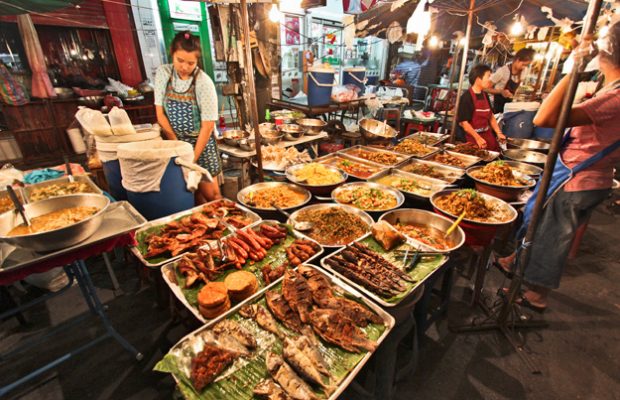
    Three Thai street-food apps have been launched offering tourists details of the nation’s top roadside eateries.

    Street Food Bangkok, Street Food Chiang Mai-Chiang Rai and Street Food Phuket have been launched simultaneously to promote Thai food to foreign visitors as well as enhance Thailand’s tourism image. It is a venture of the Ministry of Foreign Affairs in co-operation with the Thailand Foundation, an independent agency founded in 2007 to promote better understanding of Thailand.

    The Thai street-food apps, both Android and iOS, are free for foreign visitors to download and all information is available in English or Chinese.

    The Bangkok Street Food App includes information on street food from 120 shops and stalls, covering 25 types of dishes.

    Street Food can be searched by dish or by location, and users can save favourite stalls to a quick-access menu. The descriptions usually include information on the restaurant’s history and owners, as well as their particular take on their speciality dish.

    The apps link with Google Maps to help users find their preferred outlet. The name and directions to each restaurant are given also in Thai script so visitors can show it to their taxi driver.

    The database may be expanded in the future under the second phase of the program.

  • Diamond group De Beers buys out retail partner LVMH

    Diamond group De Beers buys out retail partner LVMH

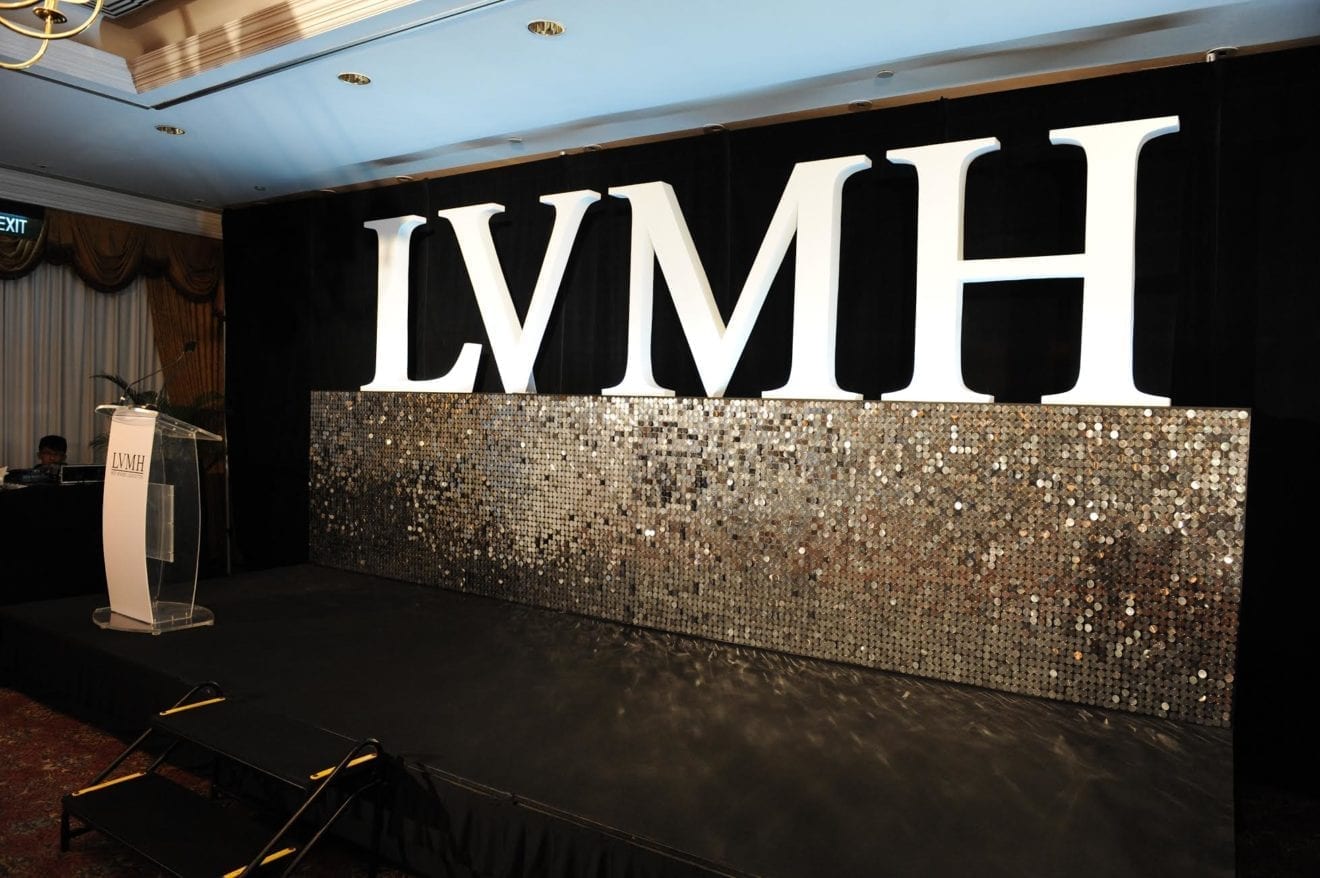
    Anglo American’s diamond specialist De Beers has bought the 50 percent stake held by French luxury goods group LVM in De Beers Diamond Jewellers for an undisclosed sum, taking full ownership of the retail operation.

    Analysts said the joint venture no longer fitted LVMH’s strategy, while Anglo American, which has long dominated global rough diamond sales, has been developing its presence on the high-margin diamond retail market.

    LVMH had no comment. De Beers said in a statement that fully integrating De Beers Diamond Jewellers would enable the group to enhance value.

    Anglo American, which along with other mining companies has largely recovered from a deep commodities downturn in 2015, has put diamonds, along with copper and platinum, at the heart of its portfolio.

    One of the advantages of diamonds is that they are a counter-cyclical luxury product that can generate profits even when bulk industrial commodities are in a downturn.

    De Beers Diamond Jewellers’ retail network comprises 32 stores in 17 countries. This includes a growing business in greater China, an established presence in London and Paris, and a new flagship location in New York.

    In addition, De Beers’ Forevermark high-end diamond brand has expanded into 2,000 outlets globally and it says it expects the growth to continue this year.

    Analysts said LVMH had finally ended a joint venture that dated back to when the group did not have any branded jewelry of its own.

    “The situation is very different today, as they own one of the megabrands in this space: Bulgari,” Luca Solca, analyst at Exane BNP Paribas, said.

    “It seems appropriate therefore to turn the page on this and relegate it to the ‘experiments that didn’t work’ pile.”

  • Lotte affiliate to raise 360 bln won to cope with THAAD fallout

    Lotte affiliate to raise 360 bln won to cope with THAAD fallout

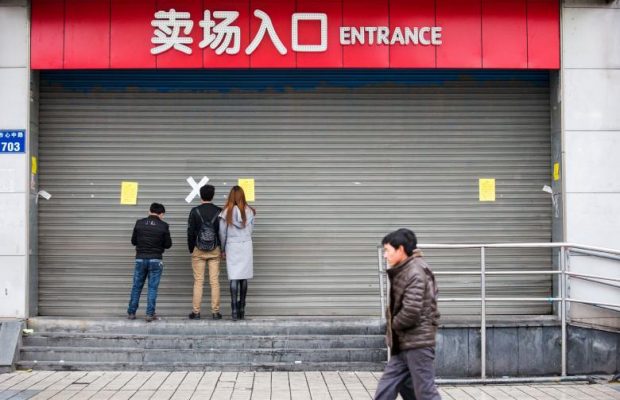
    A unit of Lotte Group, a South Korean retail giant currently receiving the brunt of China’s apparent economic retaliation in protest over Seoul’s deployment of a U.S. missile defense scheme, said Friday that it plans to raise a total of 360 billion won (US$320 million) via stock sales and loans.

    In a regulatory filing, Lotte Mart, the operator of the group’s hypermarket chain, said its board of directors has decided on the proposal to sell stocks and borrow money.

    The proceeds from the stock offering and loans will be used to cover the costs of buying products and giving wages to its employees in China, according to company officials.

    The China-based retail outlet unit has been teetering on the brink of collapse as protracted business suspension by Chinese authorities is leaving the firm with snowballing losses.

    China has ratcheted up pressure against Lotte, South Korea’s fifth-largest family-controlled firm, since it handed over one of its properties to the Korean military so it can be used as a site for a U.S. Terminal High Altitude Area Defense (THAAD) battery.

    Seoul’s deployment of the THAAD on its soil has angered Beijing, who claims that it will be used to monitor its own military.

    According to Lotte, 90 Lotte Mart stores operating in China, Lotte’s hypermarket chain, have been placed under suspension or on voluntary suspension as some Chinese consumers continued to stage anti-Korea protests near the stores.

    That represents nearly 90 percent of 99 Lotte Mart outlets in China that have been forced to close down temporarily. Lotte has some 120 retail outlets operating in the neighboring country, including five department stores.

    Lotte is predicted to suffer some 116.1 billion in losses in its Lotte Mart revenue if the shutdown continues for a month. Last year, sales from China-based Lotte Marts reached 1.13 trillion won, or 94 billion won on a monthly basis, according to the firm.

    The profitability of Lotte’s retail outlet business has been expected to further worsen since it is required to pay full wages to local employees for the first month of the suspension.

    The suspension means a serious blow to Lotte, since its China-based business has long been running a deficit even though it has been in the world’s second-largest economy for some 10 years.

    In 2016, Lotte recorded a combined 207 billion won deficit in its department store and outlet divisions, of which about 80-90 percent came from its Chinese units.

    Industry watchers voiced concerns that Lotte may have to consider a pullout given that losses from the shutdowns are growing too fast for the firm to withstand.

    But, in an interview with foreign news media, Shin Dong-bin, chairman of Lotte Group, flatly denied such speculation saying that the company has no intention of pulling out of China.

  • 6ixty8ight expansion plan to Korea

    6ixty8ight expansion plan to Korea

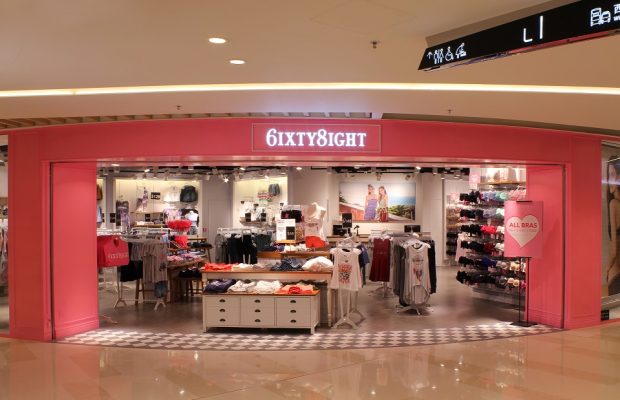
    Hong Kong-headquartered youth fashion brand 6ixty8ight has chosen South Korea for its first international foray outside Greater China.

    The company will open a flagship store in Myeongdong, downtown Seoul, at 992 sqm, its third largest footprint. A second store will follow on the fashion street of Garosu-gil in Sinsa-dong of southern Seoul.

    Owned by Hop Lun Group, which has for 25 years manufactured lingerie for many of the world’s largest brands, 6ixty8ight sells affordable, fashionable lingerie and casual wear designed specifically for the Asian female figure.

    Over the last two years, the retail brand has undergone a revamp and launched a major expansion, now numbering more than 130 stores through Hong Kong and Mainland China.

    Last year, in an exclusive interview, 6ixty8ight COO Anders Heikenfeldt said the secret to the brand’s new success has been a single-minded focus on who it is, what it stands for and who its customers are – a narrow band of 15 to 30 years.

    “We have a unique offer. Our value proposition is different to H&M, Zara, Forever 21 or Uniqlo – they go broad trying to cover menswear, women, kids – very mass – and they have something for everyone under the one roof.

    “Our strategy is to be very different and to be very true to our target. That’s our DNA. We are not going to divert into men or older customers.”

    At the time, Heikenfeldt said the company was in the final stages of planning to enter two international markets. It has not yet revealed the second.

  • Philippines gov’t to sell $596M retail treasury bonds

    Philippines gov’t to sell $596M retail treasury bonds

    The Philippines plans to sell at least 30 billion pesos ($596 million) worth of three-year retail treasury bonds to provide small investors with safe investment options, the Bureau of Treasury said on Thursday.

    It would be the second retail bond issue under President Rodrigo Duterte’s nine-month-old government, which in September 2016 raised as much as 100 billion pesos from such offering.

    “We want more Filipinos to get into the habit of investing, and become more financially aware of how their money could work harder for them,” National Treasurer Rosalia de Leon said.

    Public offering runs from March 28 to April 6, with investors given an option to earn from a minimum investment of 5,000 pesos.

    The RTBs earn a fixed interest rate based on prevailing market rates with interest coupons paid quarterly.

    The treasury bureau has tapped First Metro Investment Corp and Land Bank of the Philippines as joint lead issue managers.

    BDO Capital & Investment Corp, BP Capital Corp, Development Bank of the Philippines, China Bank Capital Corp and SB Capital Corp are joint issue managers.

  • Facebook launches new shopping format

    Facebook launches new shopping format

    Global brands Adidas and Tommy Hilfiger are among the first names to use Facebook’s newly launched shopping ad format, which incorporates creative media into product pages when selling.

    The social media giant said the new platform, dubbed ‘collection’, increases the “likelihood of discovery and a purchase” by featuring a primary creative video or image above relevant product images.

    Global sports brand, Adidas, said it used the platform to drive sales for its a new garment and complementary products, and saw a 5.3x return on ad spend

    “We used collection to showcase a video highlighting the technical features of the Z.N.E. Road Trip Hoodie,” said Rebecca Watts, performance marketing senior specialist, Adidas.

    “People who tapped on the ad were instantly taken to a full-screen shopping experience that included complementary Adidas products to complete the look.

    Meanwhile, American fashion brand, Tommy Hilfiger, said the platform creates a consumer experience that reflects how current generations of digital natives interact with their favorite brands. The fashion brand said it used the platform to for a marketing campaign targeting smartphones and saw a 2.2x higher return on ad spend.

    “Our mission was to democratise the runway and make every look immediately available to all consumers worldwide,” said Avery Baker, chief brand officer, Tommy Hilfiger.

    “We took our video assets to the next level, through integrating shopping functionality. The results exceeded expectations, generating an ROI increase of over 200 per cent.”

    Facebook said the platform was spurred by research that showed three in four consumers say that watching videos on social media influences their purchasing decisions and that 45 per cent of all shopping journeys now contain a mobile action,

    The US corp also said it will start a test of a new outbound clicks metric over the coming weeks, which will show the number of clicks leading people off of Facebook. Marketers with ads that appear on Instagram will also see outbound clicks reported.

  • Vietnam grocer Saigon Co.op plans nearly 600 new stores

    Vietnam grocer Saigon Co.op plans nearly 600 new stores

    Vietnam grocer Saigon Co.op has revealed an ambitious store rollout program for 2017, adding nearly 600 stores by the year’s end.

    The company will open 500 convenience stores, most of them in Ho Chi Minh City and the southern provinces of Vietnam.

    It will also open 10 Co.op supermarkets, one Co.op Xtra hypermarket, one Sense City mall and 65 Co.op Food stores.

    Saigon Co.op cashier

    The company also appears to be broadening its focus to serve middle-class and high-earning consumers with plans to strengthen its organic product distribution. Chairman Diep Dung said the retailer will improve the quality of its goods and boost customer service.

    The expansion is expected to add 13 per cent sales growth for Co.op this year.

    Last year, Saigon Co.op opened 42 new Co.opmart supermarkets, Co.op Food stores, Sense City and Co.opSmile convenience stores. As a result, the retailer saw 11 per cent growth in revenue.

  • WeChat’s transformative role for beauty brands in China

    WeChat’s transformative role for beauty brands in China

    Both beauty and luxury fashion brands in China have been utilizing WeChat—Chinese consumers’ all-in-one mobile app—to promote brand awareness and interact with their audiences. A new finding on audience engagement with beauty brands on WeChat in 2016 challenges the traditional role of the app as a content-producing platform. The emerging trend seems to suggest that content is no longer as important as it used to be, leading beauty brands to use a number of alternative methods to drive engagement. From a one-sided, brand-directed conversation to a more interactive, one-on-one communication tool, the change of users’ preference along with the evolving platform itself has shaped the app’s new identity—a central hub that encompasses customer relationship management (CRM), commerce, online-to-offline (O2O), content, and more.

    In the latest “Beauty China 2017” report that studies the Digital IQ Index of 98 beauty brands in China, digital intelligence firm L2 found there was a dramatic drop in viewership of WeChat posts by these brands. Statistics show 84 percent of all posts accumulated less than 25,000 views. In previous years, posts by well-known brands, including Shiseido and Lancôme, could easily generate more than 50,000 views. These brands accordingly decreased the frequency of their posts from 2.78 times per week in Q4 2015 to 1.73 in Q3 2016. In spite of the dramatic drop in post viewership, the overall level of engagement between brands and customers on the app was still able to increase slightly from the year before.

    A basic interpretation of the figures suggests that followers of these beauty brands on WeChat seemed to lose interest in reading posts in 2016. Indexed brands thus recognized the lackluster response early on and pushed out a number of alternative ways to interact with their audience so that the overall level of engagement was not largely affected. According to the report, brands that have performed well digitally have used diverse ways to prevent a sharp drop in audience engagement due to decreasing interest in blog posts last year. The methods range from sampling campaigns and live-streaming events, to daily check-ins, loyalty programs, and gamification.

    Ever since WeChat became one of the most powerful communication platforms in China, blog posting has been frequently used by brands to interact with their audience. This one-sided, content-dominated method of communication helps many brands grow their number of followers and raise brand awareness among Chinese consumers when they’re starting out.

    However, late last year, digital marketing agency Curiosity China noted that the value of WeChat had shifted away from “pushing as many messages as we can to an underdetermined audience.”

    In a content-saturated media world, Chinese WeChat followers expect to receive more value-added services and experiences from brands. A close look at the digital strategy of premium cosmetic brand Estée Lauder, the “sole genius” brand in L2’s 2016 Digital IQ Index, can provide insights into what Chinese customers like. On WeChat, the brand offers a wide range of customer-centered services. For example, followers can easily enroll in its loyalty program simply by providing their phone number.

    In 2017, if beauty and luxury brands hope to continue to benefit from WeChat, it is time for them to recognize “(the app) is not a mass communication platform, but instead ideal for one-on-one communication,”. “Instead of being a content-driven platform, for brands it is ideal for CRM and commerce.”

    -Jing Daily

  • Signs abound that the worst may be over for Hong Kong retailers

    Signs abound that the worst may be over for Hong Kong retailers

    Hong Kong’s retailers and mall operators are crossing their fingers in the hope that the signs of recovery in tourist arrivals and the return of spending aren’t flashes in the pan.

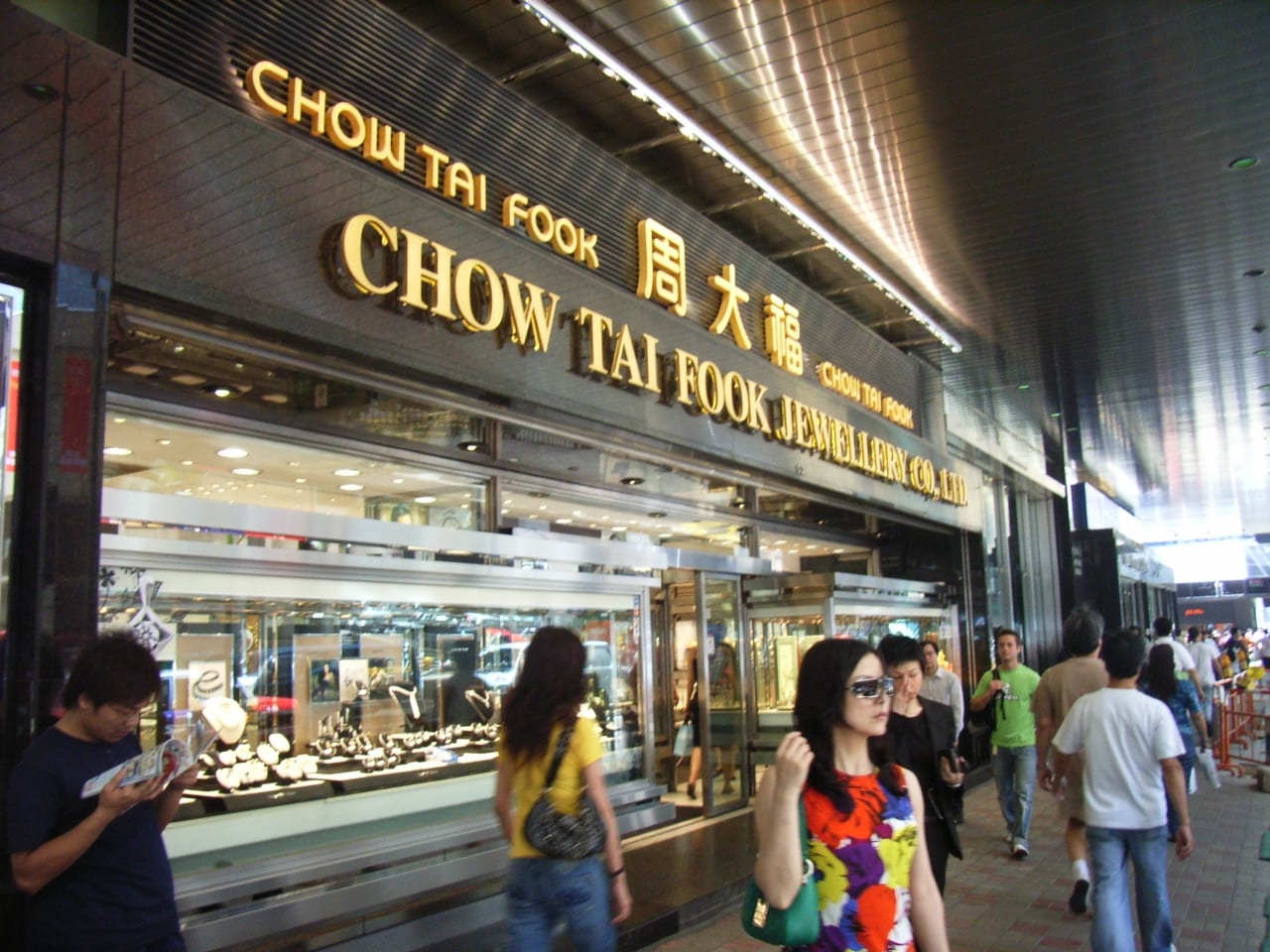
    Jewellers like Chow Tai Fook and retailers are reporting that the pace of their sales declines have slowed, indicating that the struggling industry may have finally found a bottom.

    Hong Kong used to be the favourite shopping destination for mainland Chinese tourists, lured to the city by its wide selection of tax-free brands and cheaper currency.

    Retail sales dwindled since 2014 amid Beijing’s anti-corruption campaign started a year earlier, local backlash against the hordes of mainland tourists thronging Hong Kong malls and the strength of the Hong Kong dollar.

    As tourist numbers started to recover in the past few months, mall developers and clothes vendors are becoming more optimistic towards their profit prospects.

    SEE ALSO: Red Valentino opens new Hong Kong store, debuts Walky Land collab

    “The signs of bottoming out are visible, as same-store gross profit has stopped declining, after a period of negative growth for more than one year,” said Tsin Man-kuen, chairman of fashion brand Bossini, whose same-store gross profit declines slow to 6 per cent in the second half of 2016 from the 14 per cent the same period a year ago.

    Wharf Holdings, the city’s biggest mall operator, said tenants’ 2016 sales decline at Harbour City slowed to 10 per cent at HK$27.7 billion, compared with the 15 per cent first-half slump. At Times Square in Causeway Bay, the sales drop narrowed to 11 per cent, from 16 per cent over the same period.

    The Sogo department store in Causeway Bay, which contributes to 87 per cent of the revenue of Hong Kong-listed Lifestyle International, said its sales decline slowed in the second half.

    Samsonite International, the world’s largest luggage maker, said its Hong Kong sales drop narrowed to 7 per cent in the second half of 2016 from the 16 per cent decline in the first half, adding the market has shown “early signs of stabilising”.

    Analysts largely agree with the cautiously optimistic view, citing a recovery in inbound tourism and improving consumer sentiment in the mainland.

    Mainland visitor numbers grew 6.1 per cent in December and 7.7 per cent in January, compared with a 6.7 per cent drop in the entire year of 2016.

    The city’s retailers can also benefit from a wealth effect caused by rising property price in the mainland – meaning consumers spend more because of a strong sense of financial security, analysts said. However, some warned that mainland tourists who opt for Hong Kong are no longer the wealthiest batch, and a weaker yuan means they are not able to buy as much as they used to.

    “The spending power per head for mainland Chinese tourists is decreasing,” Walter Woo, an analyst with China Merchant Bank, said. “But I’m still quite positive on the Hong Kong retail segment because the traffic has been rising.”

  • MyTheresa.com takes aim at Korea

    MyTheresa.com takes aim at Korea

    European luxury online retailer MyTheresa.com is launching a Korean-language site.

    Selling luxury womenswear and accessories from such brands as Chloe, Gucci, Miu Miu and Stella McCartney, the e-tailer says it has seen “huge growth potential” in South Korea.

    “The Korean luxury market is moving quickly to digital. Ever since our first activities in Korea we have seen a massive consumer shift to digital and a triple-digit growth in the market,” says MyTheresa.com president Michael Kliger.

    The online fashion destination’s Korean website will offer free exchanges and returns within 30 days, including a free collection service, as well 72-hour deliveries. It aims to offer a more personalised service with a Korean-speaking customer care team.

    Korean customers will be able to pay in euros if using American Express, MasterCard or Visa.

    Launched in 2006, MyTheresa.com was acquired by American company Neiman Marcus Group in 2014. The German multi-brand retailer delivers to more than 120 countries with websites available in Arabic, Chinese, English, French, German and Italian.